Investing in a rice packaging machine is a strategic decision that directly impacts your production efficiency, product shelf life, and overall profitability. With a vast array of technologies available—from simple volumetric fillers to advanced multi-lane stick pack systems—navigating the market can be challenging. This guide breaks down the essential factors to consider, helping you select equipment that meets your specific operational needs and scales with your business growth.
1. Understand Your Rice Product Characteristics
Not all rice is created equal, and your packaging machinery must accommodate the specific physical properties of your product. Granule size, flowability, and bulk density are critical parameters. Long-grain basmati behaves differently in a feeding system compared to short-grain sushi rice or sticky glutinous varieties. Additionally, consider if you are packaging raw white rice, parboiled rice, brown rice with higher oil content, or instant rice blends. Dust generation is another factor that influences the choice of automatic packaging machinery, particularly regarding sealing integrity and workshop cleanliness.
2. Define Your Target Packaging Format and Bag Style
The rise of portion-controlled packaging has expanded the variety of formats required in the rice industry. Common configurations include:
- Stand-up pouches (doypack): Highly popular for retail display, often with zipper re-closure options.
- Pillow bags: A cost-effective solution for bulk and economy packs.
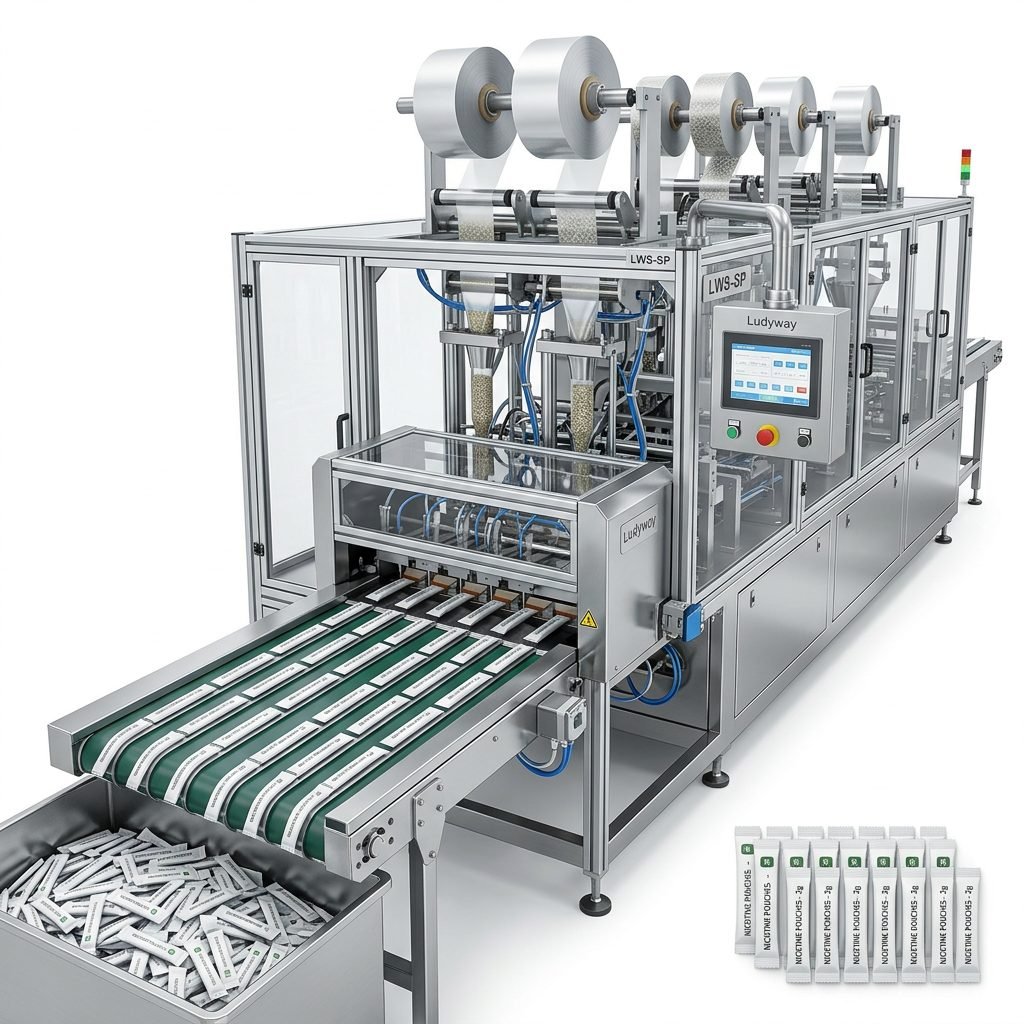
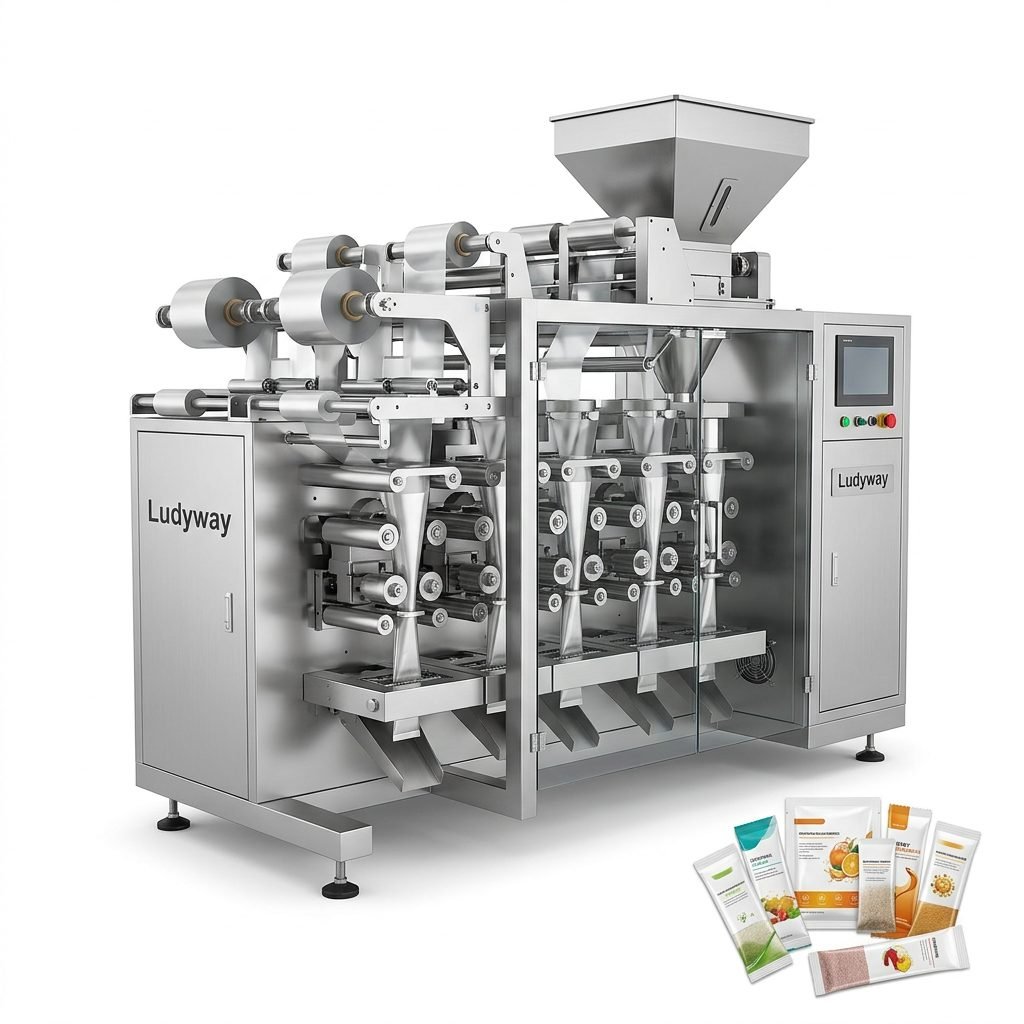
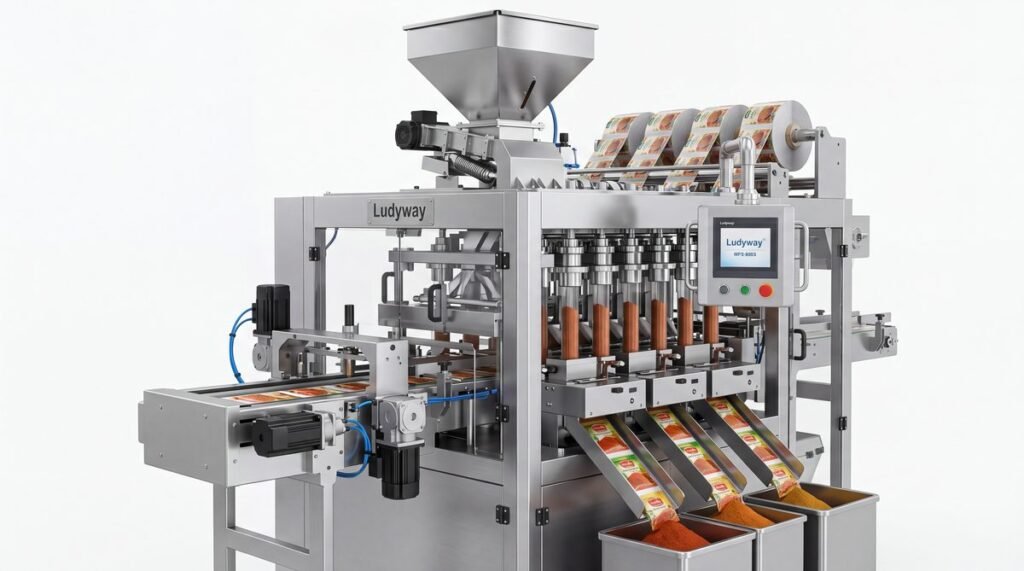
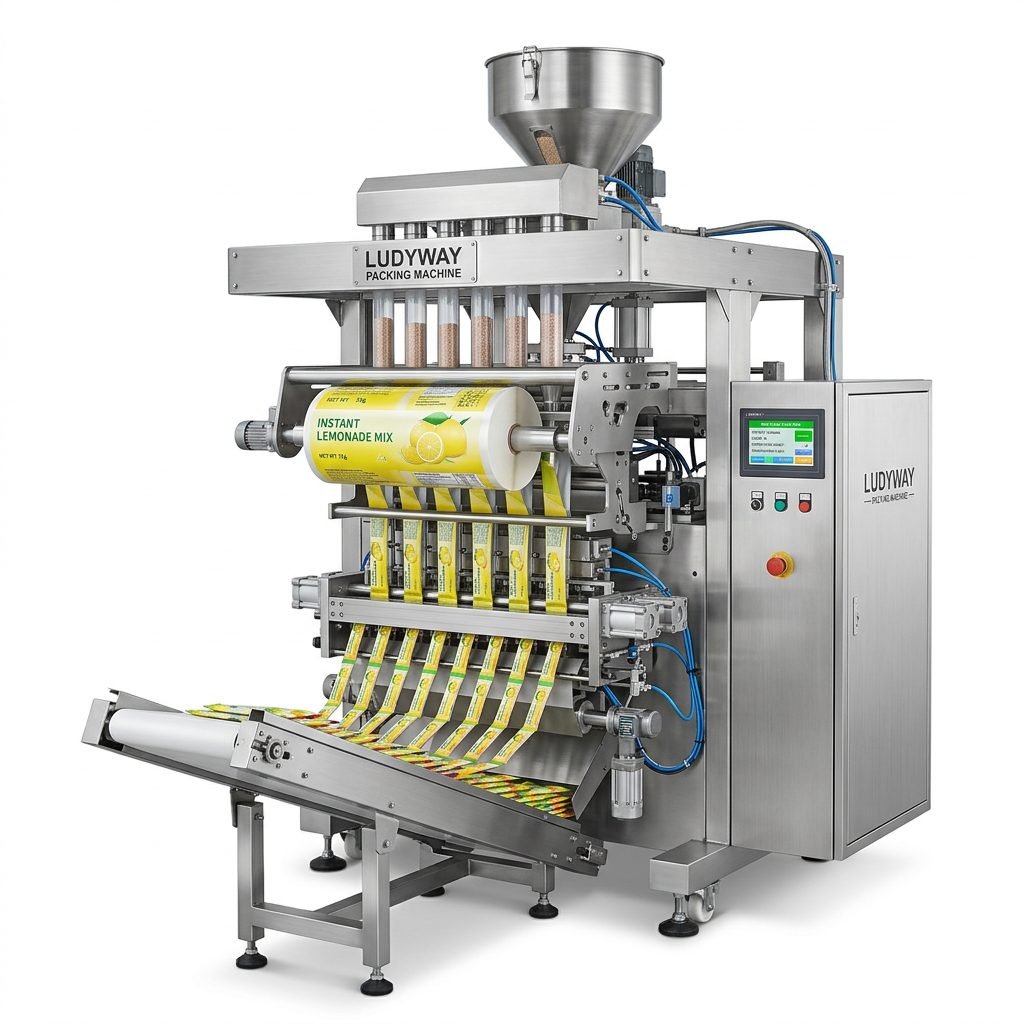
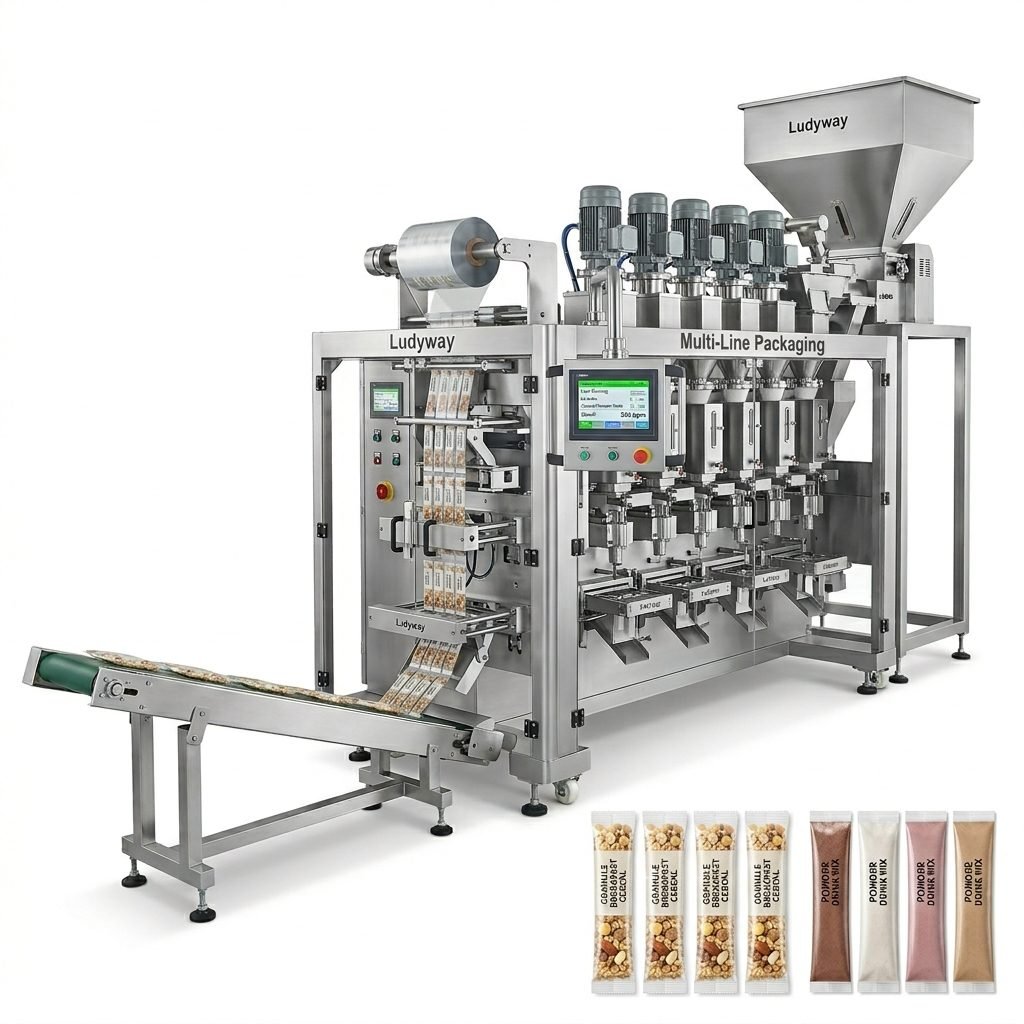
- Stick packs and sachets: Ideal for single-serve and convenience-driven markets.
- Vacuum bags: Used for preserving freshness and extending shelf life for premium or organic rice.
- Large format woven bags: Common for agricultural and wholesale distribution.
Before selecting a machine, confirm whether you need a single format or a flexible machine capable of handling multiple bag styles.
3. Evaluate Production Speed and Automation Level
Your required output, measured in bags per minute (BPM), is a primary selection criterion. A small-scale organic farm might only need 20-30 BPM, whereas a high-volume industrial supplier might require a high-speed multi-lane system pushing out 400+ stick packs per minute. Balance your current capacity against future projections to avoid outgrowing your equipment too quickly. On the automation side, you can choose between:
- Semi-automatic machines: Require manual intervention for bag presentation or product filling.
- Fully automatic lines: Execute the complete process from film unwinding and forming to filling, sealing, coding, and cutting without manual help.
If labor costs are a primary concern, prioritizing a fully automatic integrated packaging line offers a rapid return on investment.
4. Weighing and Filling Technology: Precision Matters
Product give-away directly impacts your bottom line. For small bags and stick packs, accuracy is non-negotiable. The most common filling mechanisms for rice packaging include:
| Filling Type | Best For | Accuracy Level |
|---|---|---|
| Volumetric Cup Filler | Free-flowing varieties, consistent density | Medium |
| Linear Weigher | Sticky or fragile grains | High |
| Multi-head Combination Weigher | Mixed rice, high-value products, strict weight regulations | Very High |
| Auger Filler | Rice flour or powdered rice products | High |
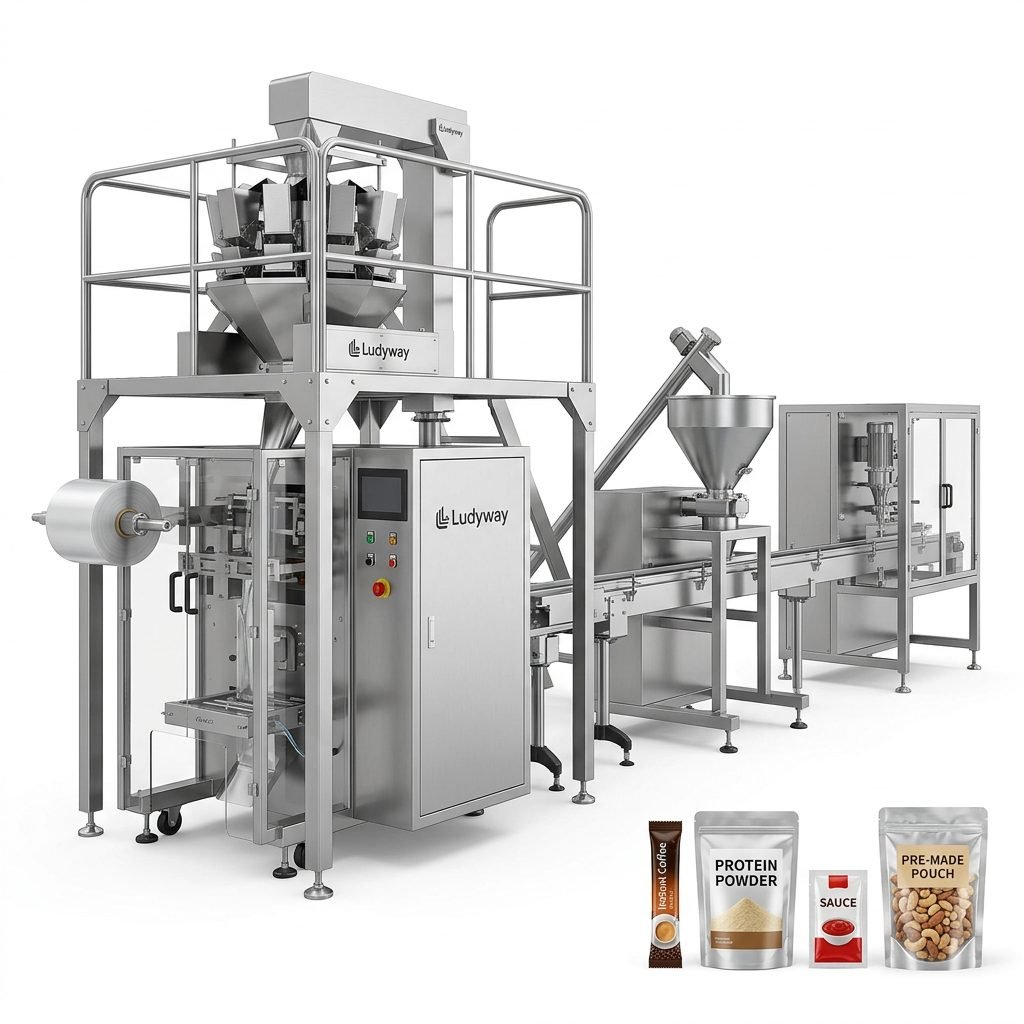
For standard rice grains destined for 1kg–5kg retail bags, multi-head weighers are the industry standard due to their speed and minimal product loss.
5. Material Compatibility and Sealing Systems
The packaging film structure matters as much as the machine mechanics. Rice often requires barrier films to prevent moisture ingress. Ensure the machine’s sealing mechanism—whether heat sealing, ultrasonic, or vacuum—is compatible with your chosen laminate. Look for precise temperature controls if you are using thin films to avoid burn-through or wrinkles that lead to seal failures. Invest in a machine that offers adjustable sealing pressure and dwell time settings. This adaptability is vital if you plan to run different film suppliers or eco-friendly biodegradable materials, which often have narrower sealing windows.
6. Construction Quality and Industry Compliance
Food safety regulations demand equipment constructed according to strict hygiene standards. Frames built from 304 or 316 stainless steel resist corrosion and facilitate wash-down cleaning. If you are packaging for markets requiring GFSI certification, verify that the machine design eliminates harborage points for pests and dust. Key build features include:
- IP65-rated electrical enclosures for dusty environments.
- Tool-less change-over parts to reduce downtime between batches.
- Sealed bearings and protected linear guides.
7. Ancillary Equipment and Line Integration
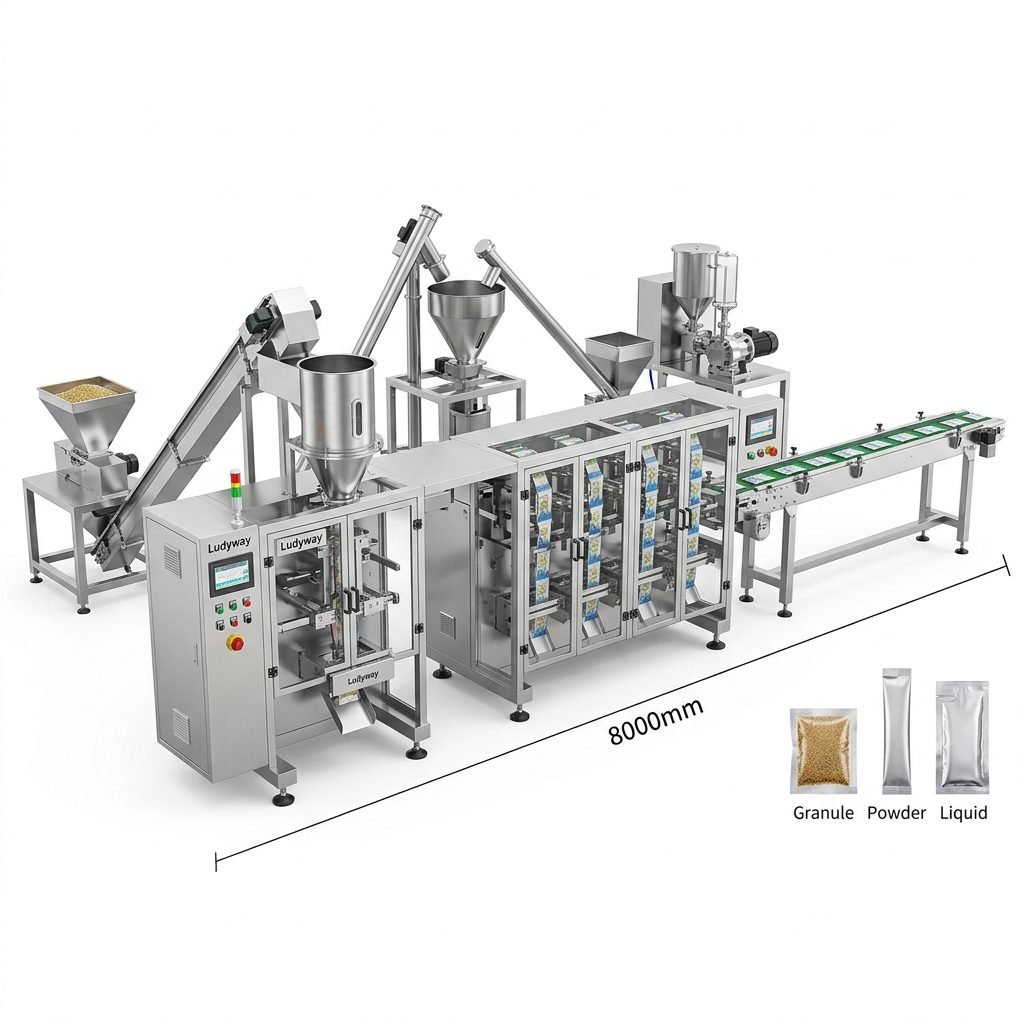
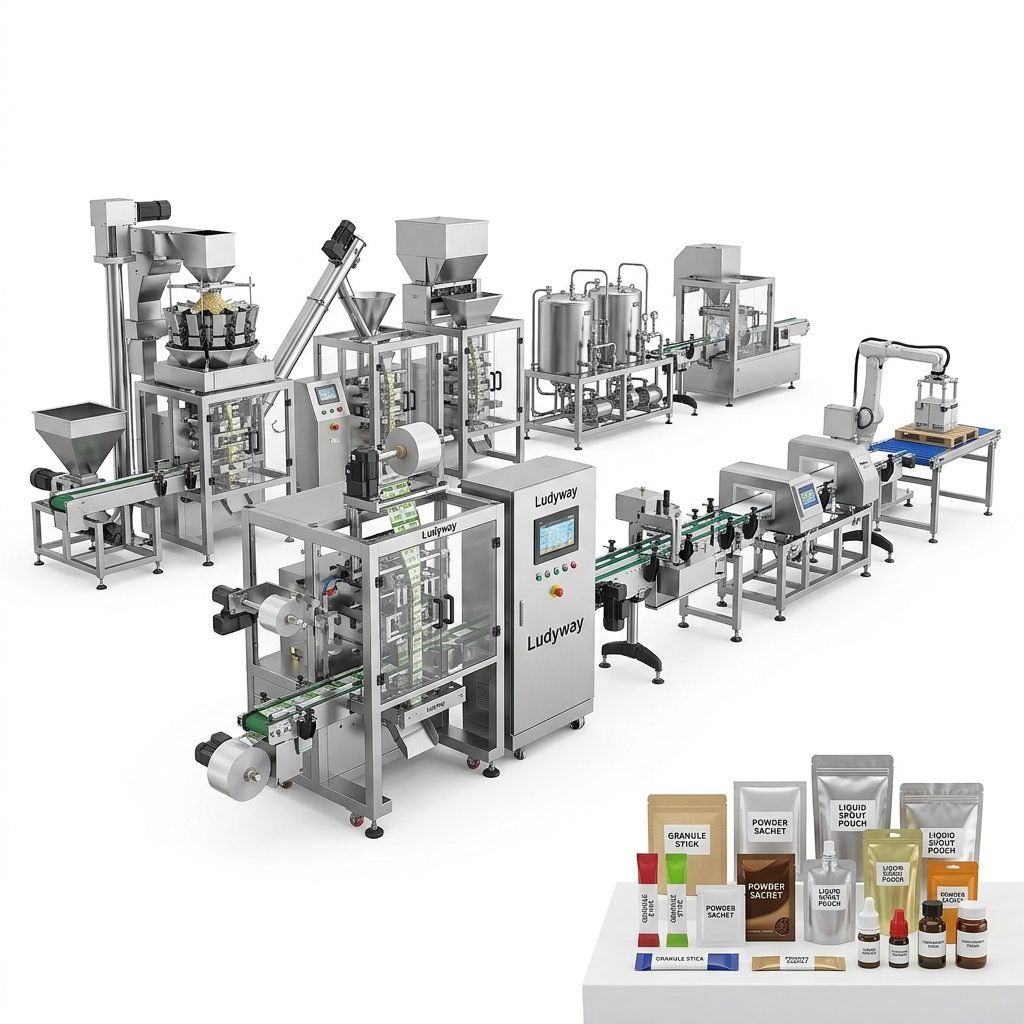
A standalone rice packaging machine is only one link in the chain. Assess how the filler integrates with upstream and downstream equipment. A complete turnkey line typically includes a bucket elevator or inclined conveyor for feeding, a multi-head weigher, the form-fill-seal machine, and a checkweigher. Downstream, you might connect a case packer or a robotic palletizer. Purchasing an integrated system from a single source, such as Ludyway Machinery, which has over 30 years of experience in manufacturing and integrating packaging systems, often simplifies technical support and ensures seamless communication between modules.
Smart Features and Industry 4.0 Readiness
Modern machines offer significantly more than electromechanical operation. Servo-driven controls provide superior accuracy and repeatability. Look for HMIs that store product recipes, allowing operators to switch between 1kg bags and 5kg bags with a single touch. Remote diagnostic capabilities and OEE (Overall Equipment Effectiveness) tracking are becoming standard expectations to minimize downtime. Machines capable of logging data help in compliance reporting and predictive maintenance scheduling.
8. Budget Considerations and Total Cost of Ownership
The initial purchase price is just the starting point. A low-cost machine can become expensive if it generates consistent waste or requires frequent maintenance. When calculating ROI, factor in:
- Film waste rate: Precise registrations save tons of packaging material annually.
- Compressed air consumption: Pneumatic systems can significantly impact your energy bill.
- Spare parts availability: Globally recognized pneumatic components often represent lower long-term costs than proprietary parts.
- Technical support bandwidth: Remote support capabilities can reduce costly engineer visits.
9. Supplier Evaluation and Factory Acceptance Testing
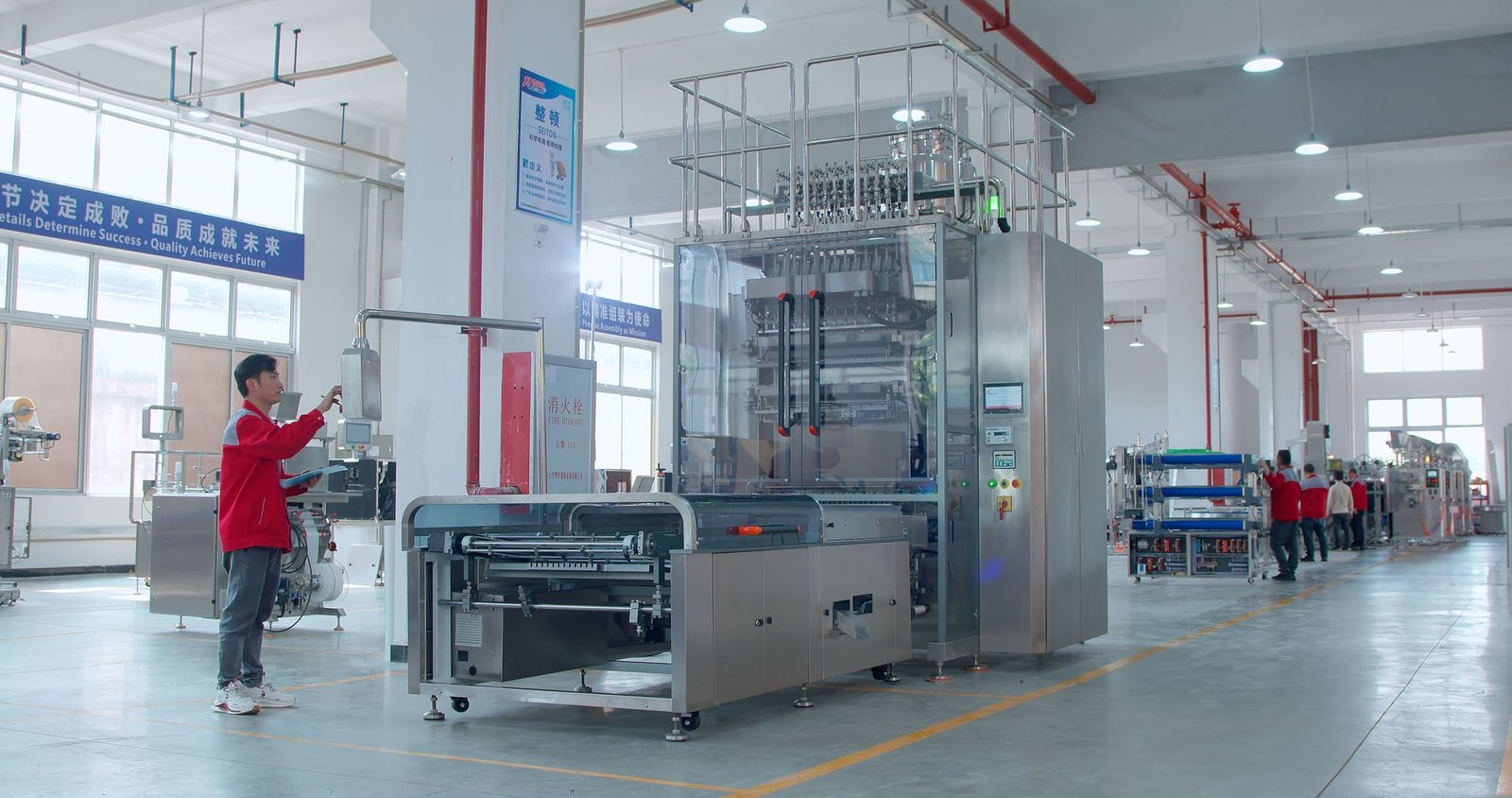
You should always evaluate the machinery supplier’s track record in the grain and dry food sector. Look for a partner that offers Factory Acceptance Testing (FAT). This allows you to run your actual product on the line and validate speeds and weight accuracy before shipment. Reference checks with existing customers, and inspections of the manufacturing floor, reveal the engineering depth of a supplier. A partner with a 20,000-square-meter facility and a global service network spanning over 100 countries ensures they can support your growth well beyond the installation phase.
For a deeper dive into packaging machinery trends and market data, refer to the industry resources available through the PMMI association and the Flexible Packaging Association. For regulatory requirements, the FDA packaging guidelines and ISO packaging standards are essential reading.
Summary of Key Buying Criteria
| Criterion | Strategic Questions |
|---|---|
| Product Nature | Is it free-flowing, sticky, dusty, or a blend? |
| Bag Type | Pouch, stick pack, pillow bag, or vacuum pack? |
| Throughput | What BPM is required in years 1, 2, and 5? |
| Construction | Is 304/316 SS mandatory for your target market? |
| Supplier Stability | Does the supplier offer local after-sales service and FAT? |
Selecting the right equipment is a partnership that extends well beyond the purchase date. By prioritizing flexibility and precise engineering, your packaging station becomes a driver of brand quality rather than a production bottleneck.