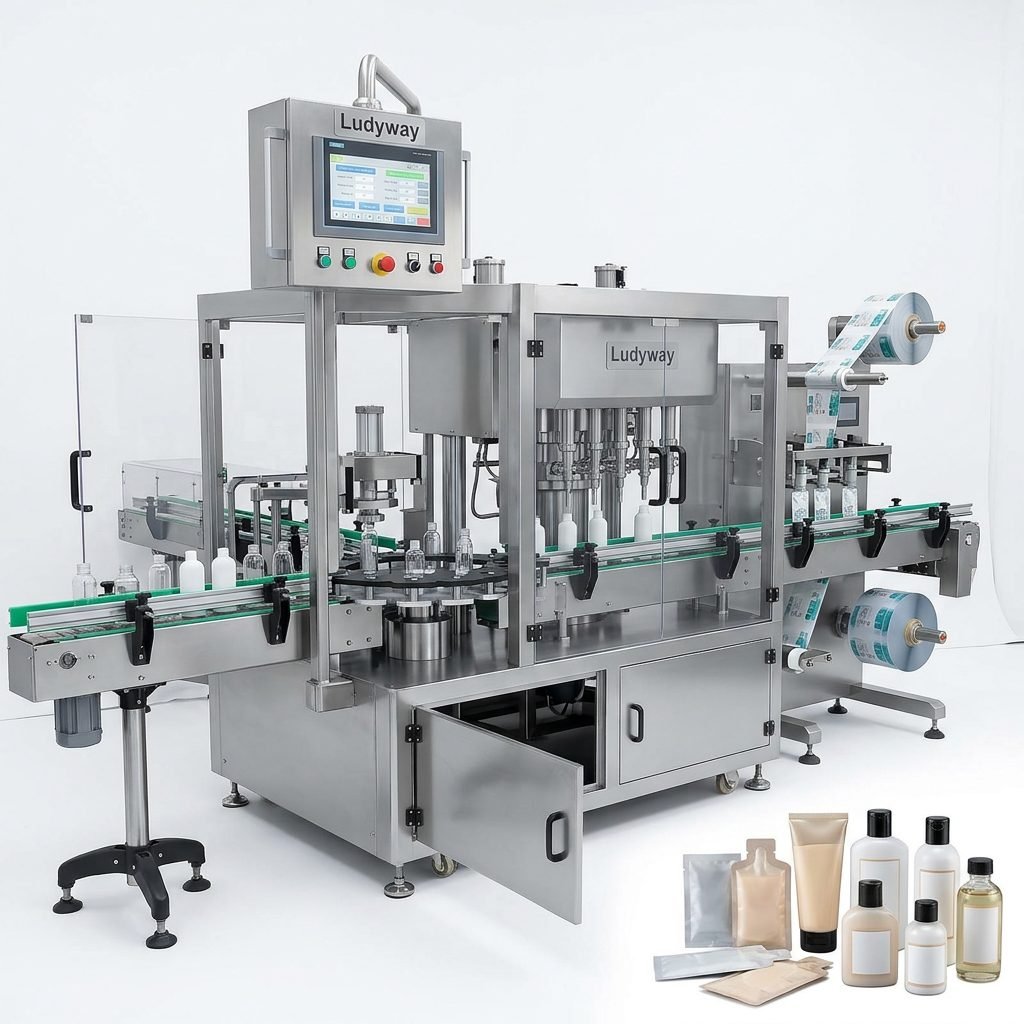
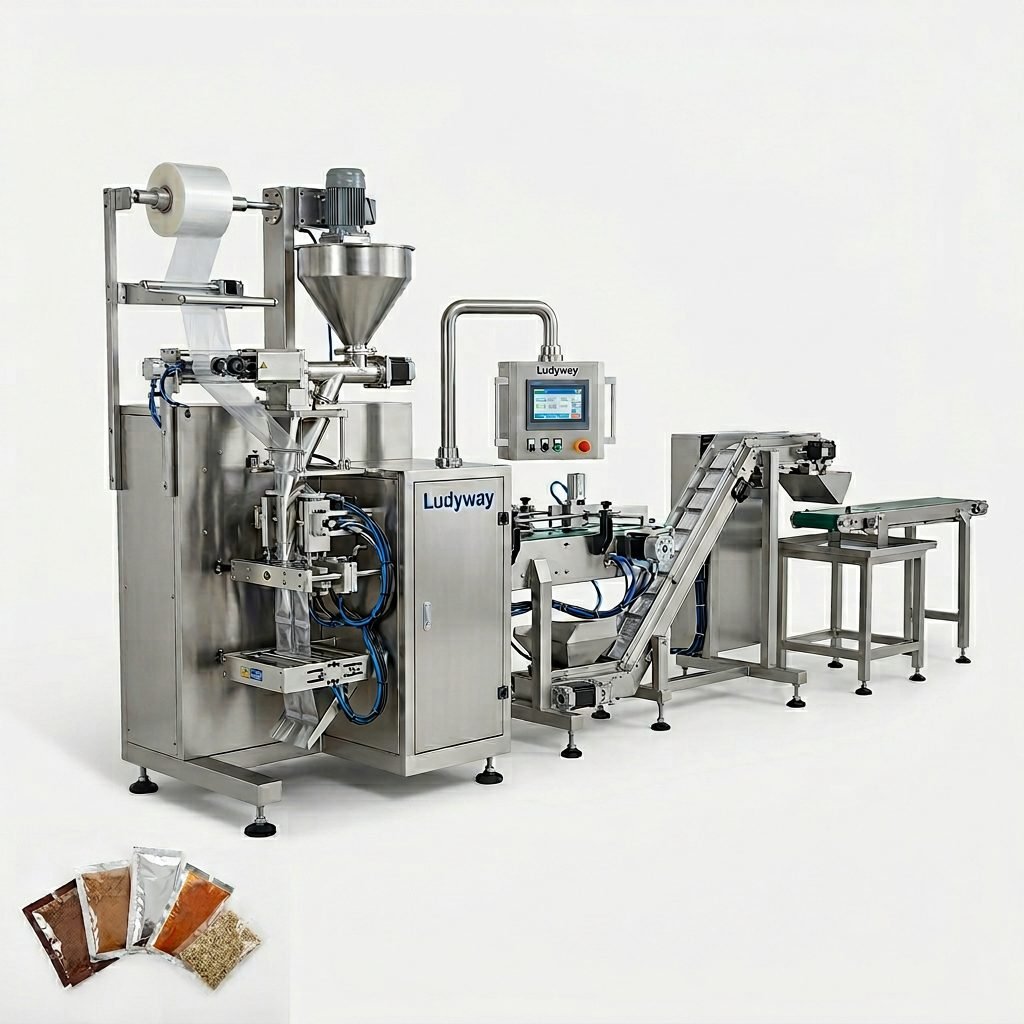
Choosing the right drink packaging machine is not only about speed. It directly affects
product quality, packaging consistency, production cost, hygiene compliance, and future scalability.
For beverage manufacturers handling powders, granules, liquids, gels, or functional drink mixes, the right system should match both your current production target and your long-term growth plan.
In practice, the best solution depends on several factors: drink type, package format, required output, filling accuracy, automation level, available floor space, and the need for line integration. A machine that works well for liquid sachets may not be ideal for stick-pack electrolyte powder, and a standalone filler may not be enough if you need coding, cartoning, inspection, and end-of-line automation.
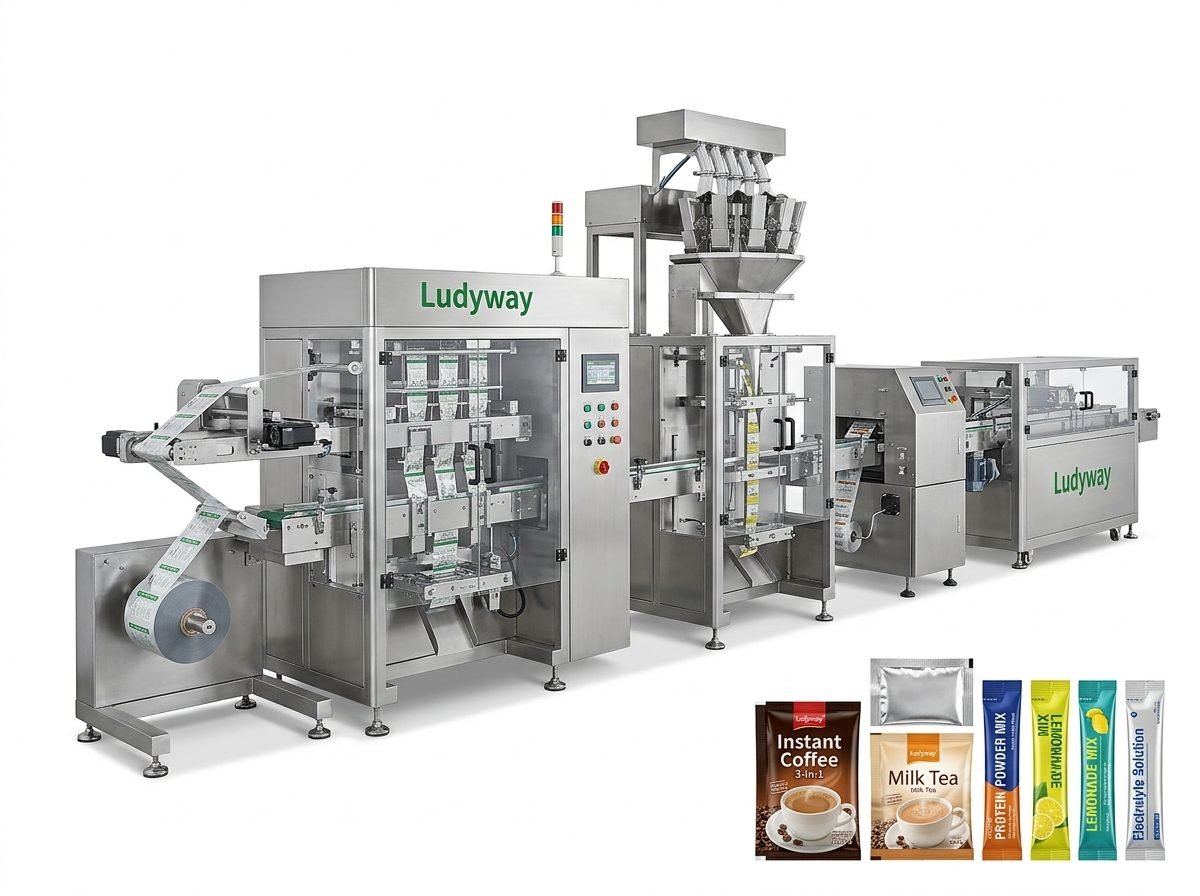
Why the Right Drink Packaging Machine Matters
Beverage packaging lines are expected to do more than simply fill and seal. Today’s market requires clean sealing, accurate dosing, attractive packs, traceability, and stable operation over long production runs. If the wrong equipment is selected, manufacturers often face:
- Inconsistent fill weights or liquid volumes
- Frequent downtime and difficult maintenance
- Material waste from poor sealing or film tracking
- Limited flexibility when launching new SKUs
- Higher labor dependence and operating costs
- Difficulty integrating with upstream and downstream equipment
A properly matched packaging system improves throughput while helping protect product freshness, reduce manual intervention, and support a smoother production workflow from feeding to final packing.
Start by Identifying Your Beverage Type
The first step is to define exactly what kind of drink product you are packaging. Different beverage forms require different filling technologies, sealing structures, and product handling methods.
| Beverage Type | Typical Packaging Format | Recommended Machine Direction |
|---|---|---|
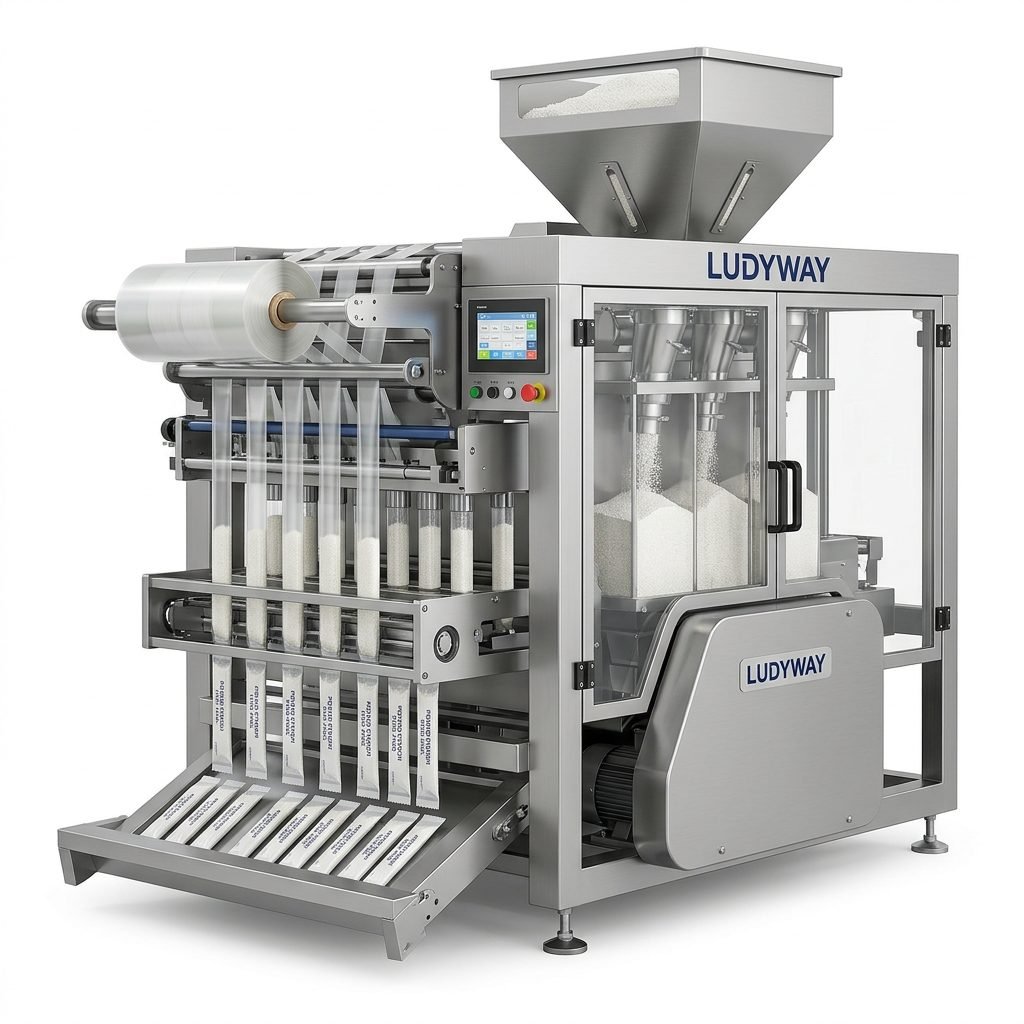
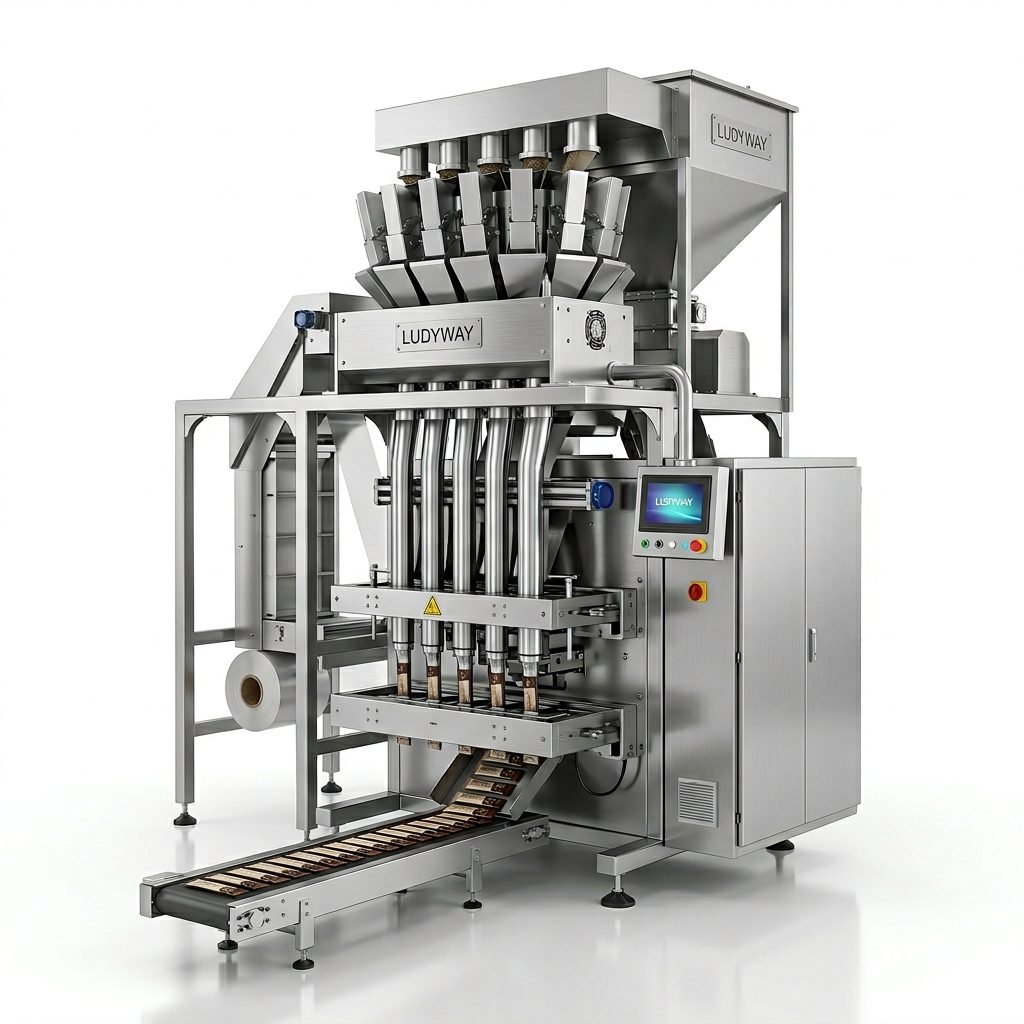
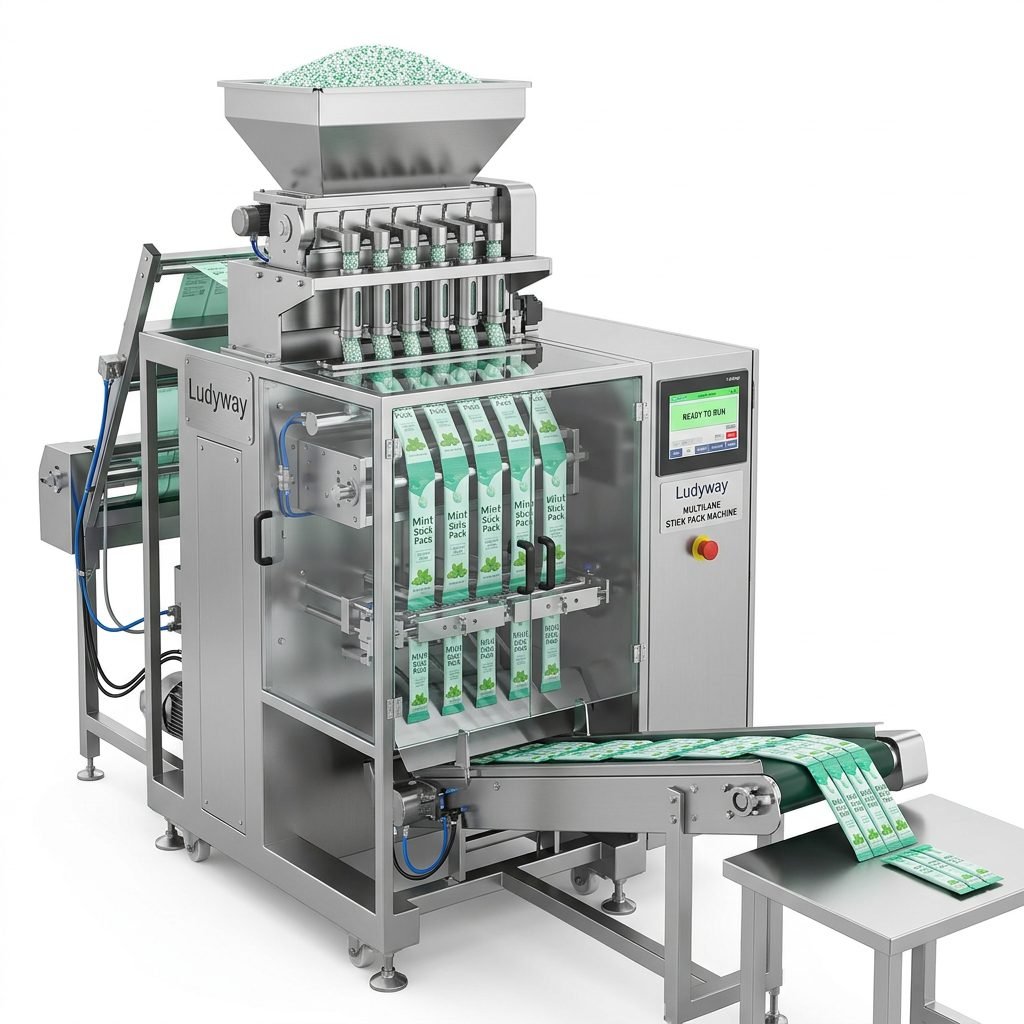
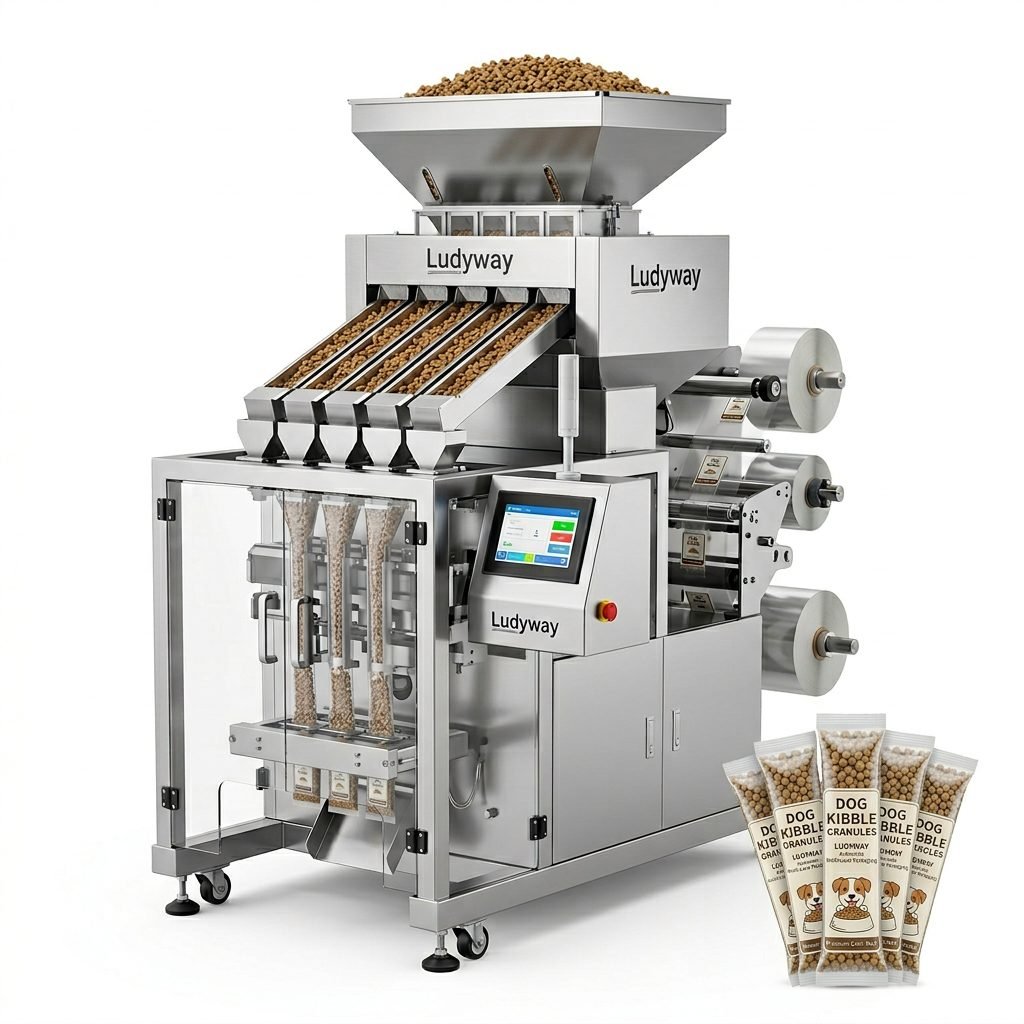
| Instant coffee, milk tea, energy drink powder | Stick packs, sachets | Multi-lane powder/granule stick pack or sachet machine |
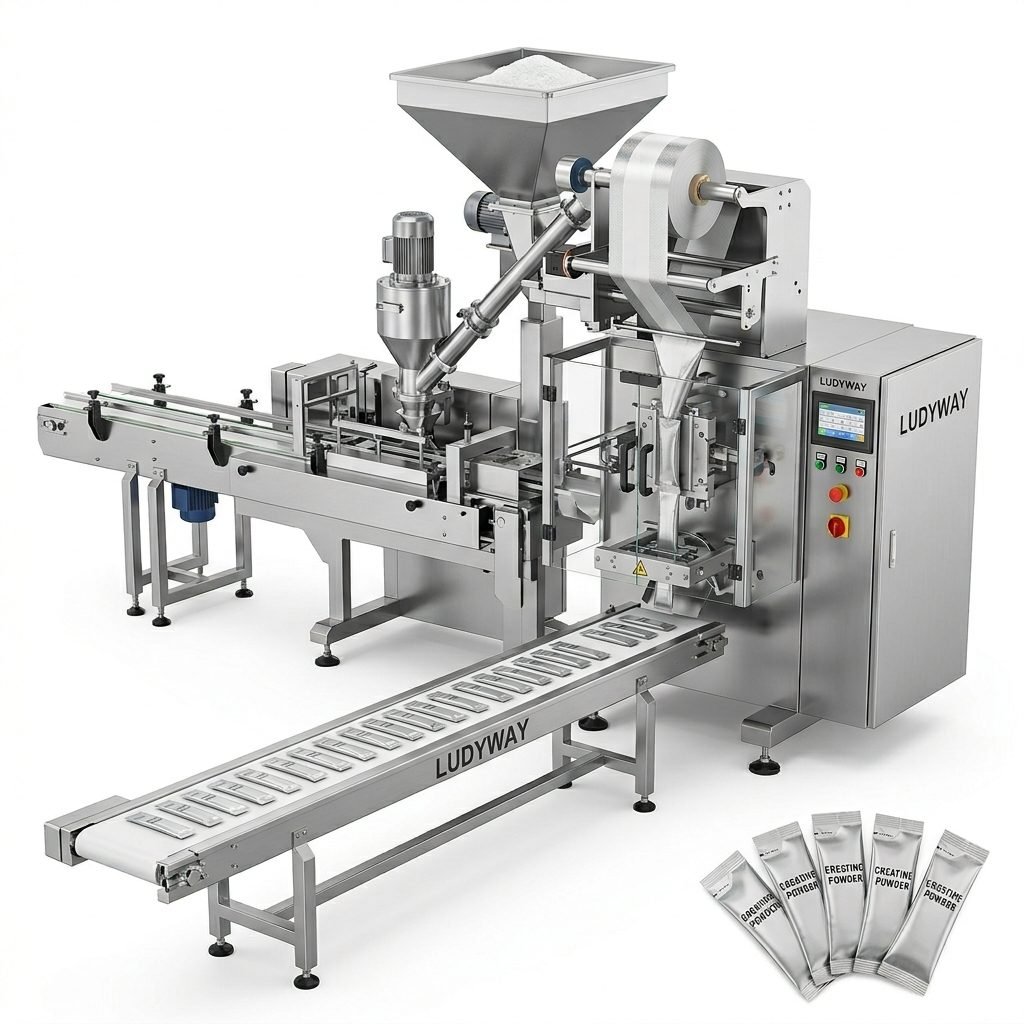
| Electrolyte powder, collagen drink mix, supplement drinks | Single-dose sachets, stick packs | Precision auger or volumetric filling systems |
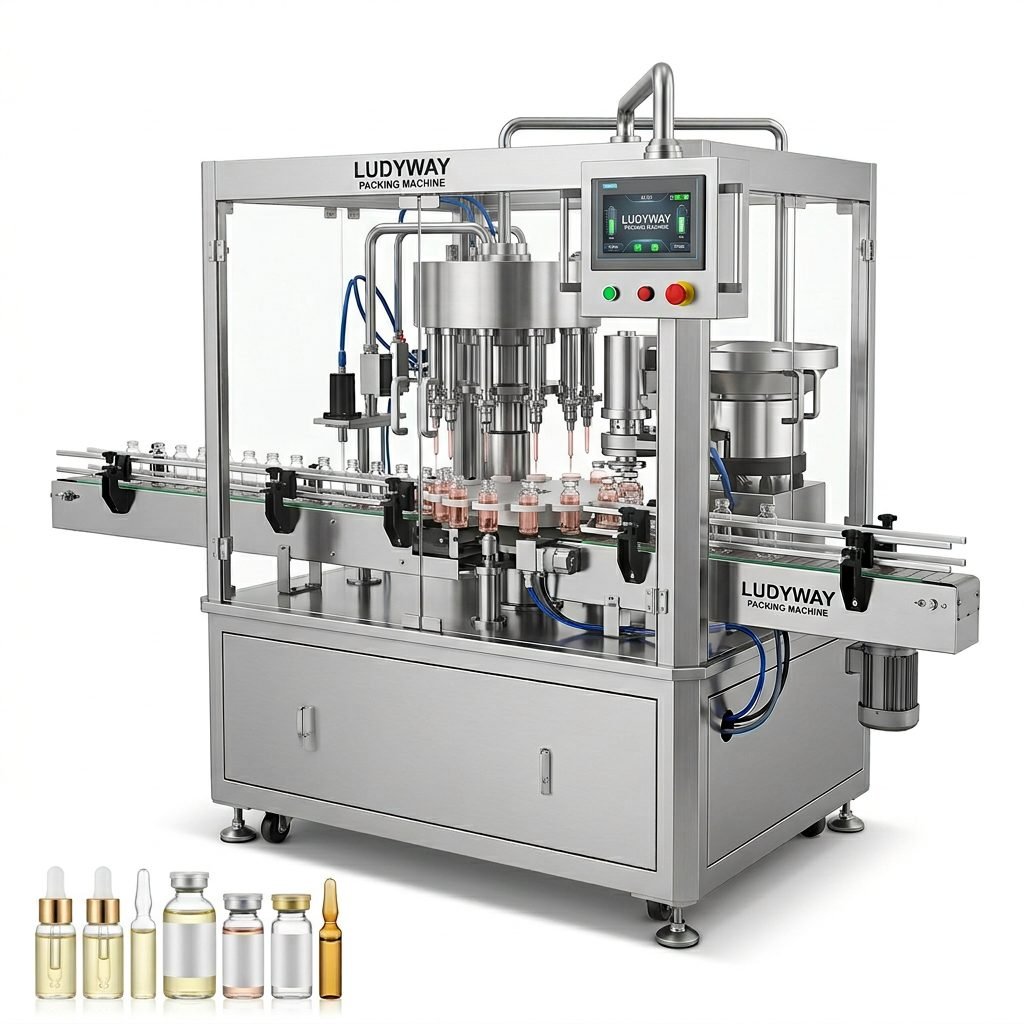
| Liquid juice concentrate, syrup, aloe drink, sauce-style beverages | Sachets, pouches | Liquid filling and sealing machine with multi-lane or single-lane options |
| Functional shots, gels, viscous health drinks | Sachets, stick packs | Piston pump or servo-controlled liquid/gel packaging system |
If your product is hygroscopic, dusty, foaming, sticky, heat-sensitive, or contains particles, these characteristics should be reviewed early. They strongly influence the feeding method, sealing design, and machine speed you can realistically achieve.
Choose the Most Suitable Packaging Format
The packaging format is a commercial decision as much as a technical one. It affects cost per pack, shelf appearance, transportation efficiency, and customer convenience.
Common options for drink products
- Stick packs: ideal for single-serve drink powders such as coffee, tea, electrolyte mixes, and supplements
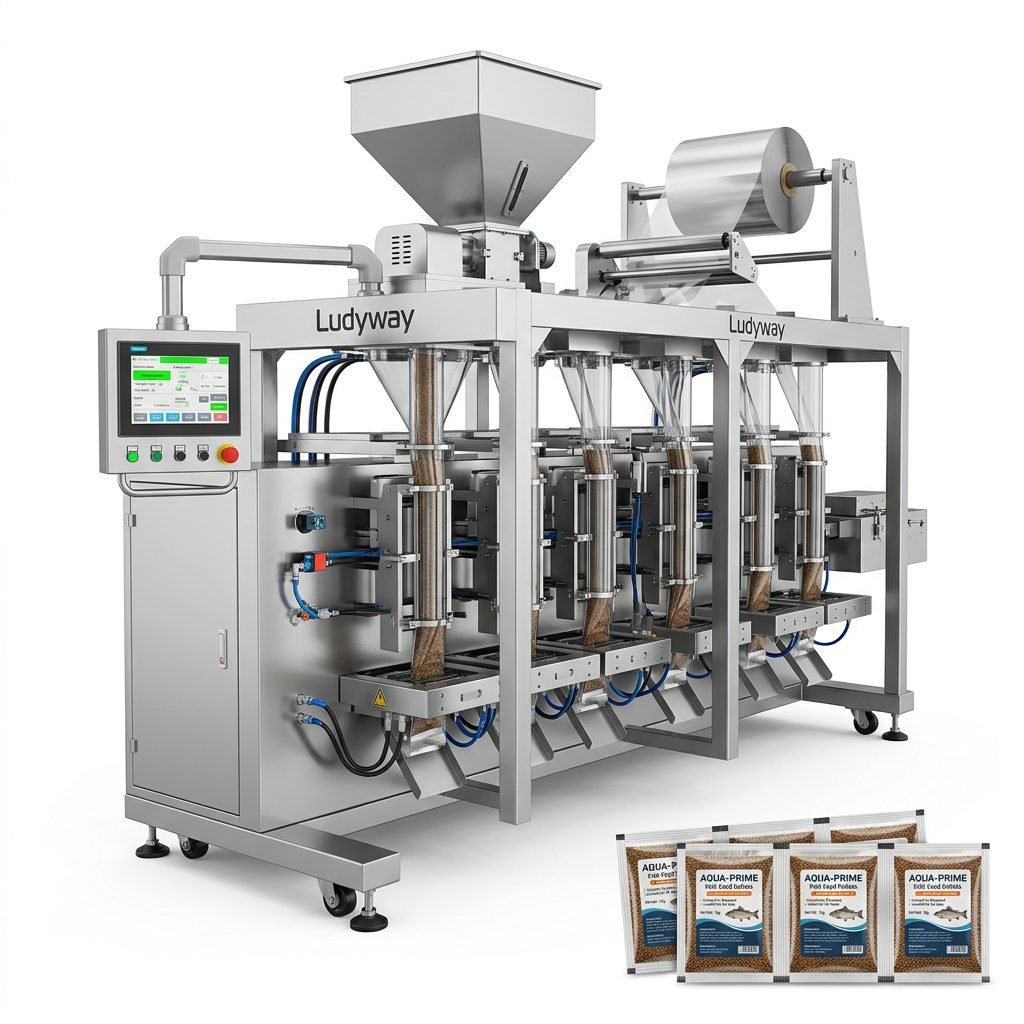
- Flat sachets: suitable for powders, granules, liquids, and gels in flexible retail formats
- Premade pouches: better for premium presentation or larger serving sizes
- Bottle or vial filling: useful for liquid beverages, concentrates, or pharmaceutical-style drink products
If your brand sells convenience-focused, travel-friendly, or sample-size beverages, multi-lane stick pack and sachet systems are often the most efficient choice. If visual shelf impact matters more, premade pouches may offer better branding flexibility.
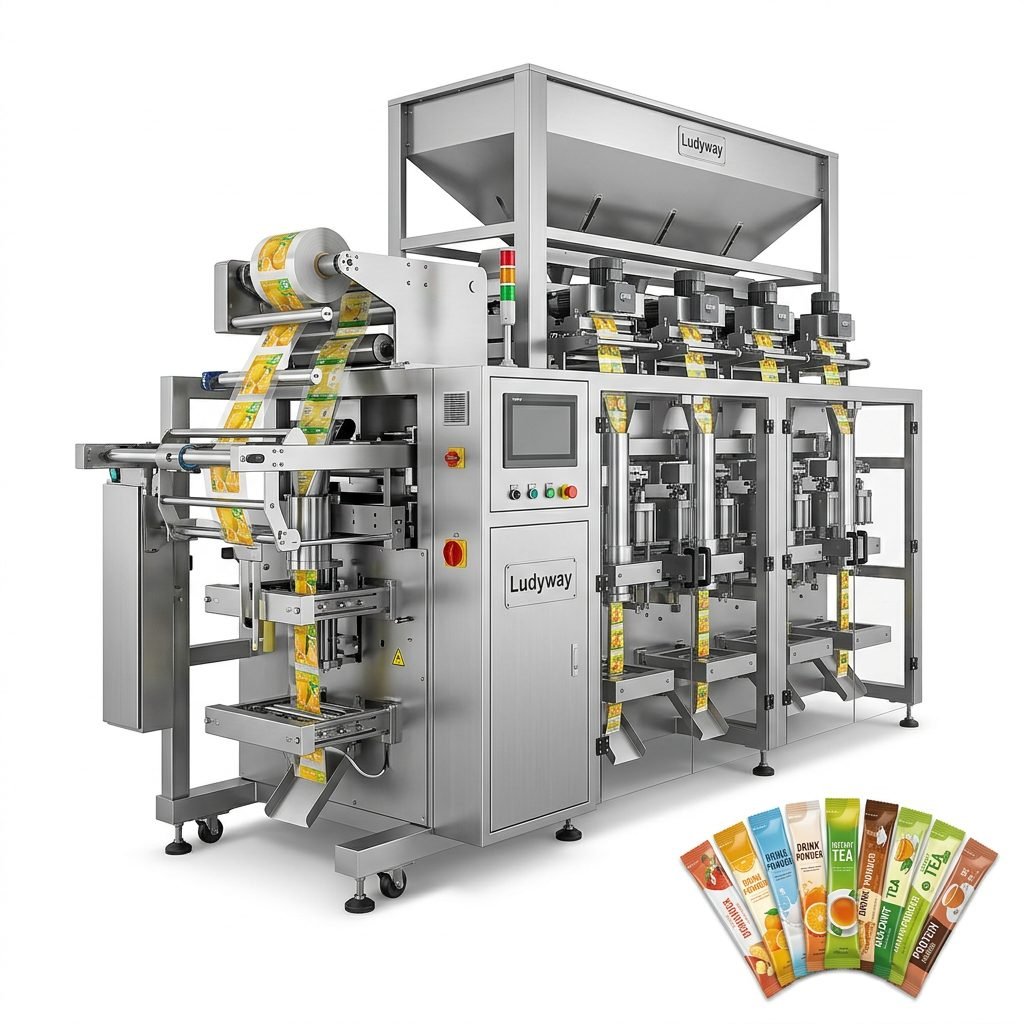
Match the Machine to Your Production Capacity
Many buyers focus only on maximum speed, but the better question is whether the machine can deliver stable output under real operating conditions. Your required packs per minute should align with filling precision, material flow behavior, operator skills, and changeover frequency.
Capacity planning should include
- Current daily and monthly production volume
- Expected growth in the next 2 to 5 years
- Number of SKUs and batch size changes
- Shift pattern and line utilization rate
- Downtime for cleaning, maintenance, and film replacement
For example, a startup beverage brand may benefit from a flexible smaller-capacity system that supports multiple formulas. A large contract packer may need a high-speed multi-lane machine integrated with conveyors, checkweighers, coding, cartoning, and case packing.
Pay Attention to Filling Accuracy and Product Consistency
Drink packaging performance is judged by more than output. In powder and granule applications, accurate dosing protects profitability and prevents underfill complaints. In liquid packaging, precise filling supports seal integrity and avoids leakage.
Ask suppliers about:
- Expected filling accuracy under your actual product conditions
- How the machine handles free-flowing versus non-free-flowing powders
- Whether servo control is used for higher precision
- How often calibration is needed
- How the machine reduces dust, dripping, or stringing
This is especially important for high-value products such as functional drink powders, collagen blends, probiotic beverages, sports nutrition, and pharmaceutical drink formats.
Consider Automation Level and Turnkey Integration
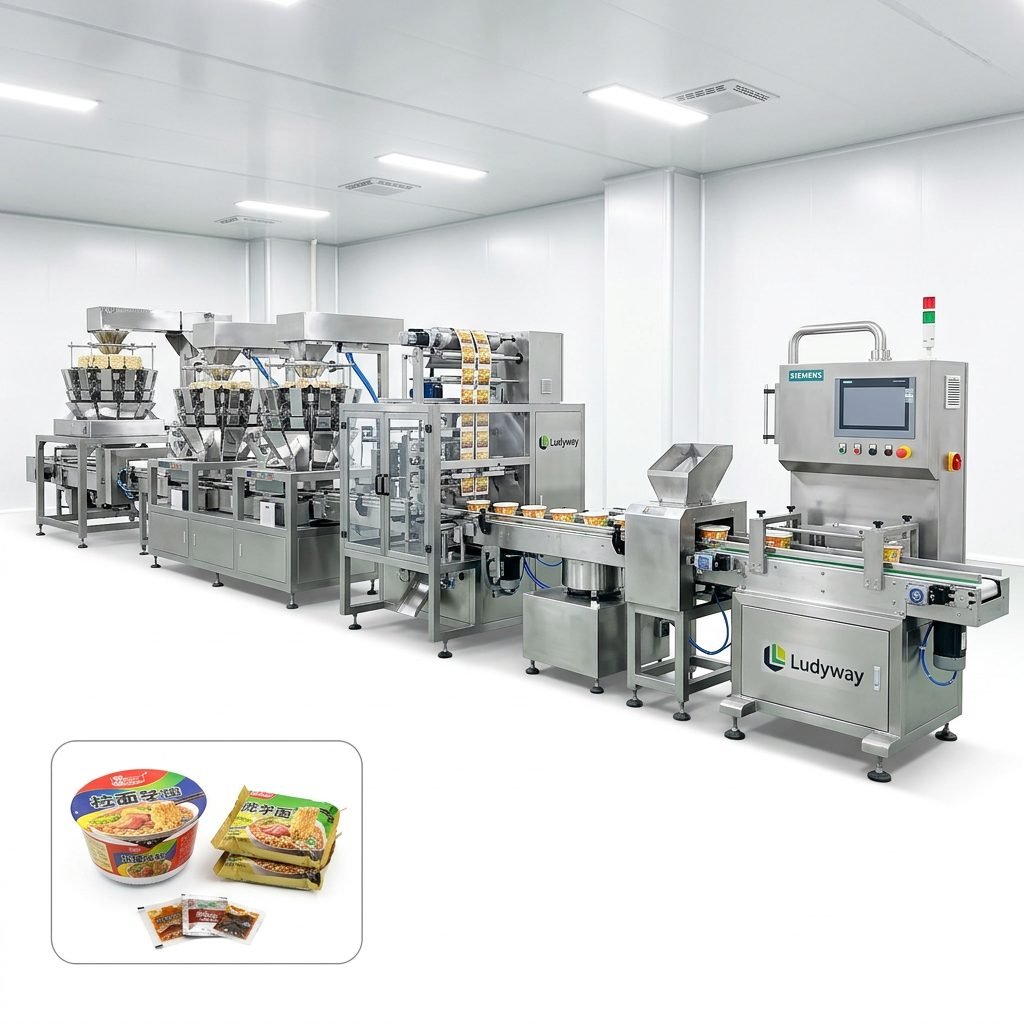
A standalone machine may solve one production bottleneck, but a complete packaging workflow often needs more. If your goal is efficient beverage packaging, think beyond filling and sealing. You may also require:
- Automatic feeding and conveying systems
- Weighing or dosing equipment
- Date coding and printing
- Metal detection or vision inspection
- Cartoning, case packing, and palletizing
- Centralized control for the full line
For growing beverage manufacturers, integrated turnkey lines usually create better long-term efficiency than disconnected machines from multiple vendors. They simplify installation, commissioning, compatibility, and after-sales support.
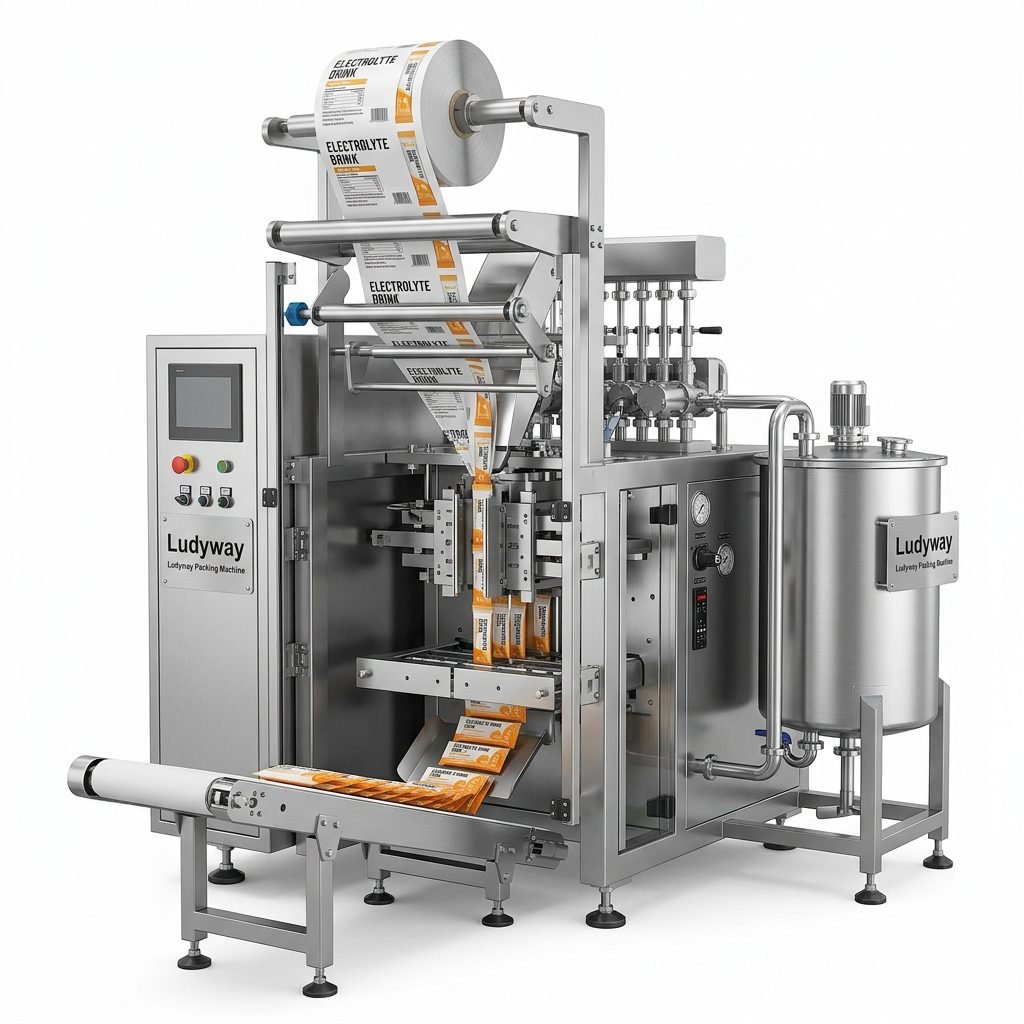
Companies looking for scalable packaging automation often evaluate suppliers with proven export experience and broad turnkey capability, such as Ludyway drink packaging machine solutions, especially when they need customized systems for powders, liquids, sachets, stick packs, and complete line integration.
Evaluate Hygiene, Material Contact, and Compliance Requirements
Drink packaging equipment must be designed for the hygiene level your product category requires. This is particularly critical for functional beverages, dairy-related powders, nutraceutical drink mixes, and pharmaceutical drink applications.
Key points to check
- Food-grade or pharmaceutical-grade contact parts
- Ease of cleaning and maintenance access
- Dust control and enclosure design
- Leak prevention and clean sealing performance
- Support for GMP or other relevant standards where needed
A machine that is difficult to clean can increase downtime and contamination risk. For high-care environments, simple sanitation access is not a minor feature; it is a production necessity.
Think About Changeover Flexibility
Beverage brands frequently expand product lines. You may begin with one drink powder and later add sugar-free formulas, different grammages, or liquid SKUs. That is why flexibility matters.
Ask whether the machine supports:
- Different pack sizes and lengths
- Multiple film structures
- Fast recipe switching through HMI
- Simple tooling changes
- Future lane upgrades or modular expansion
A slightly higher upfront investment in a more adaptable machine can save substantial capital when new products are introduced.
Check Machine Reliability and Service Support
Reliable output depends on both machine quality and supplier support. A good drink packaging machine should run consistently, but it should also be easy to maintain with available spare parts and responsive technical help.
| What to Verify | Why It Matters |
|---|---|
| Machine build quality and component brand | Improves stability, durability, and easier replacement |
| Testing with your product sample | Confirms real-world filling and sealing performance |
| Installation and commissioning support | Reduces startup risk and speeds up production launch |
| Training and documentation | Helps operators run the line correctly and safely |
| Spare parts and after-sales response | Minimizes downtime and protects long-term ROI |
Questions to Ask Before Buying
Before making a final decision, prepare a practical shortlist of technical and commercial questions. This helps you compare suppliers based on suitability, not just price.
- What products has the machine packaged successfully before?
- Can the supplier run a sample test with my beverage formula?
- What is the actual stable speed, not just the theoretical maximum?
- How easy is cleaning and changeover between SKUs?
- Can the line be expanded later with cartoning or palletizing?
- What certifications and inspection processes are available?
- How fast can service and spare parts be provided?
Common Mistakes to Avoid
Buyers sometimes choose equipment based on a low initial quote, only to face higher operating costs later. To avoid this, watch out for these common mistakes:
- Choosing by price alone without evaluating output stability and maintenance cost
- Ignoring product characteristics such as flowability, viscosity, or particle content
- Buying for current demand only with no room for capacity growth
- Overlooking downstream integration like coding, inspection, and cartoning
- Skipping sample testing before final approval
Which Solution Is Right for Your Beverage Business?
There is no single best machine for every drink manufacturer. The right solution depends on your beverage form, packaging format, output target, factory layout, and automation needs.
In general:
- For instant drink powders and granules, multi-lane stick pack or sachet machines are often the most efficient
- For liquid drink concentrates and gel beverages, liquid filling and sealing systems offer better leak control and dosing consistency
- For brands planning rapid expansion, turnkey beverage packaging lines provide stronger long-term value
Final Buying Insight
The most efficient drink packaging machine is the one that fits your product, not the one with the biggest speed claim. Focus on compatibility, filling accuracy, stable sealing, hygiene design, changeover flexibility, and integration potential. When these elements are aligned, your packaging line can support lower waste, higher efficiency, and more reliable product delivery.
If possible, request sample testing, review real application cases, and compare complete lifecycle value rather than purchase price alone. That approach leads to a packaging solution that performs well today and remains useful as your beverage business grows.