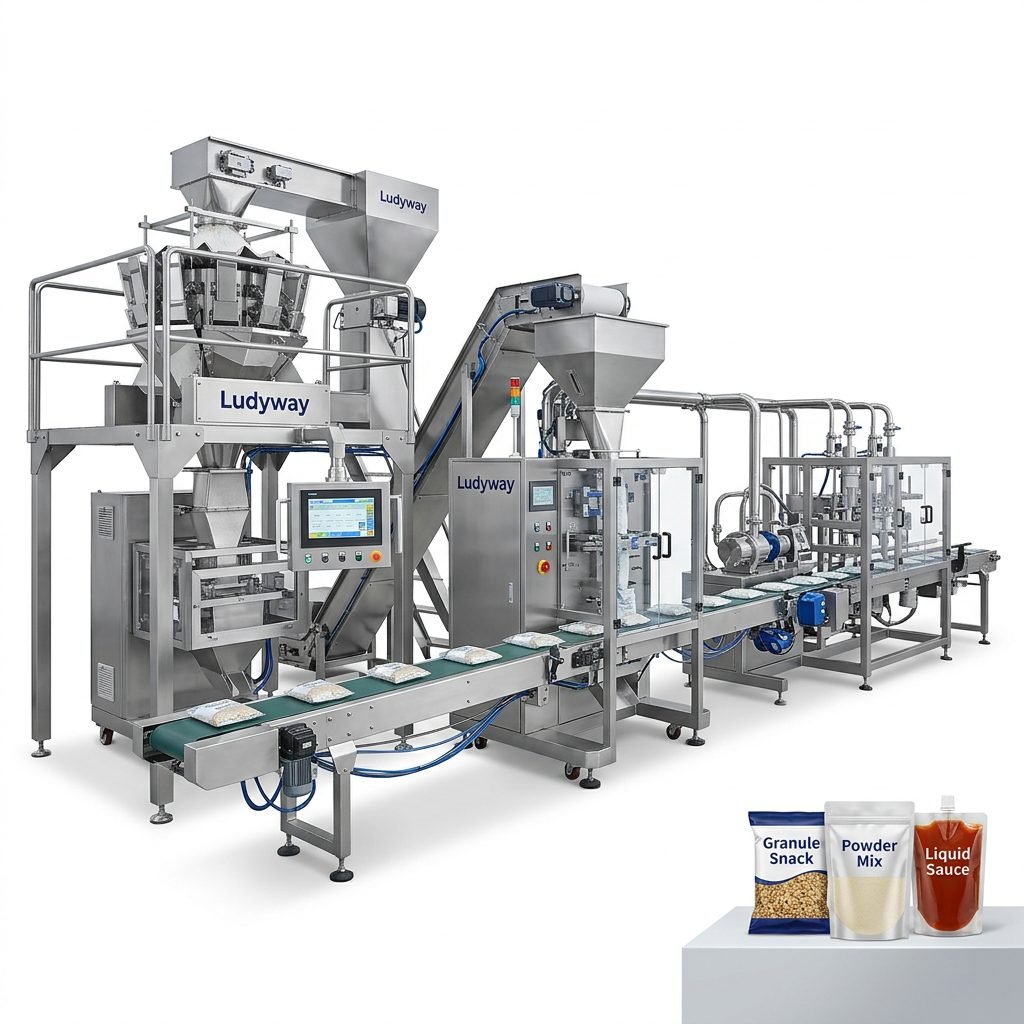
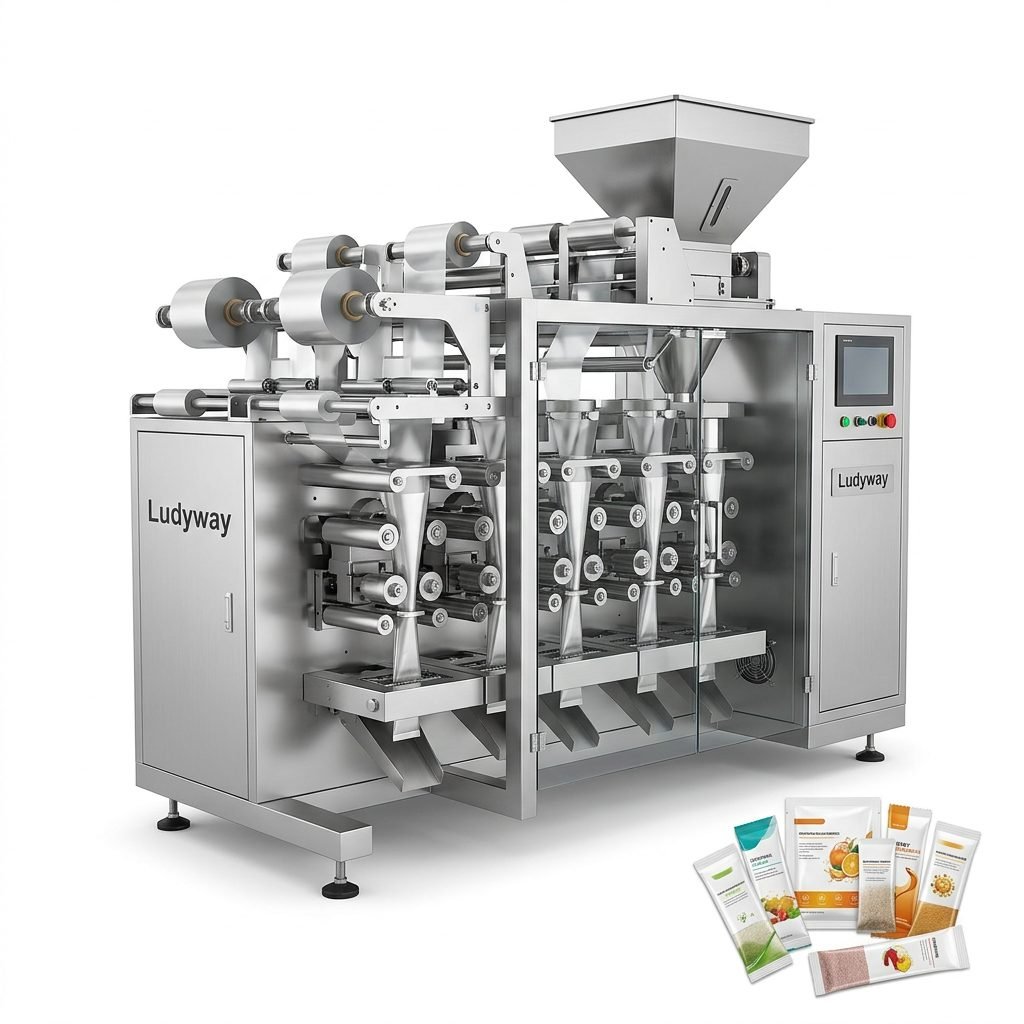
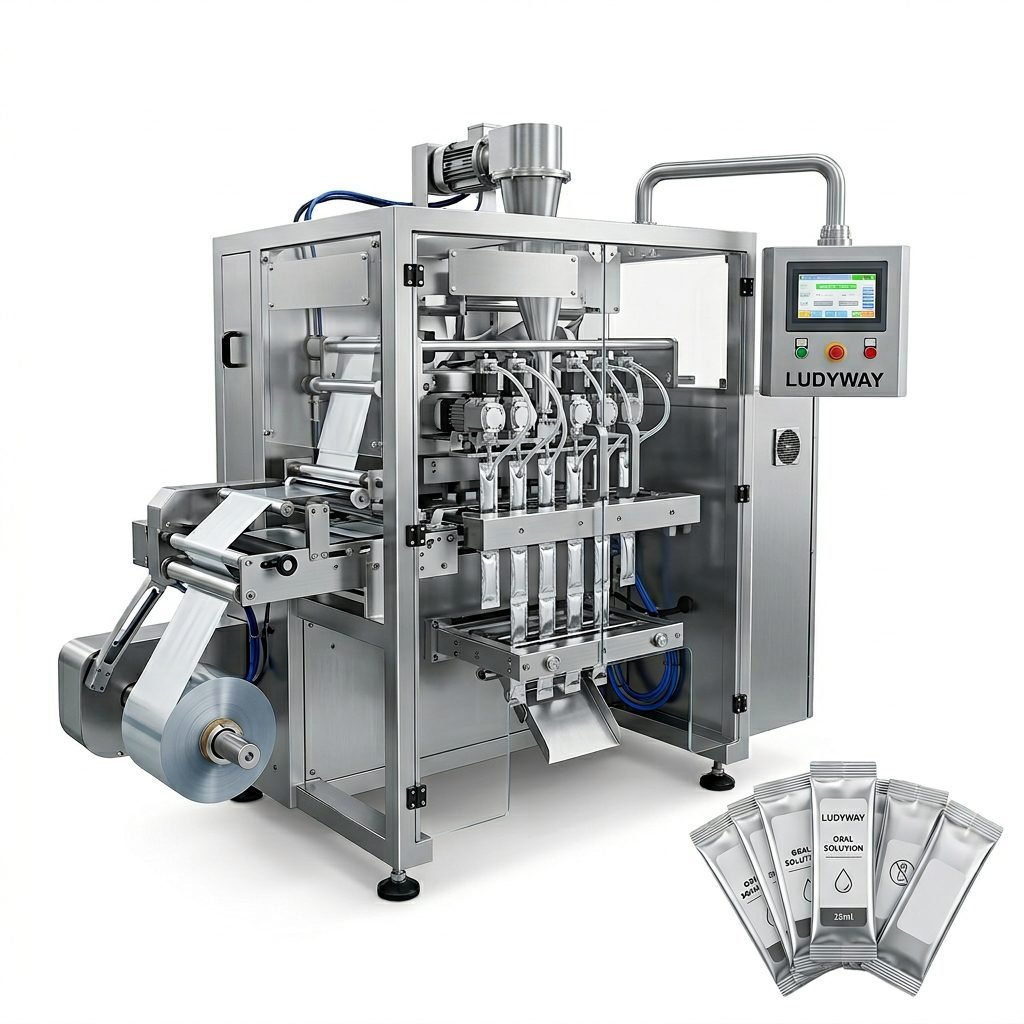
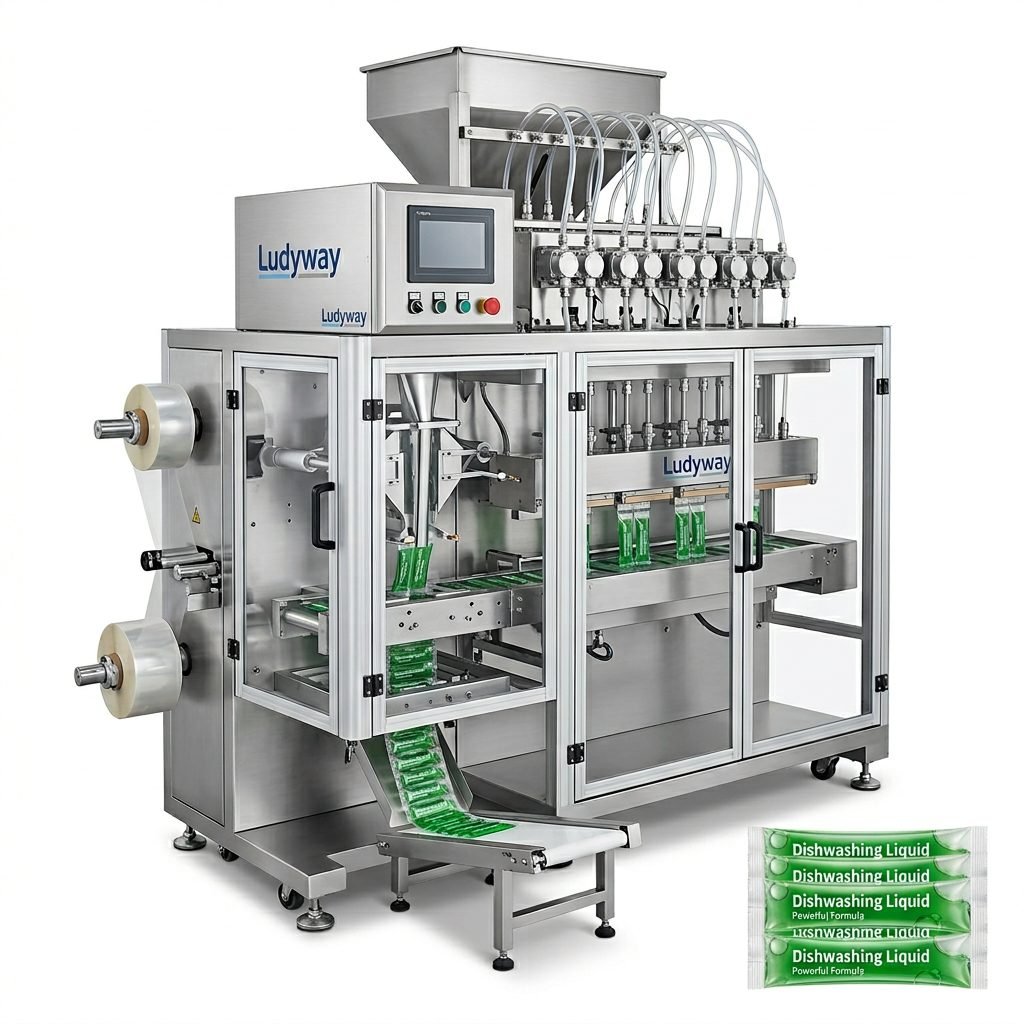
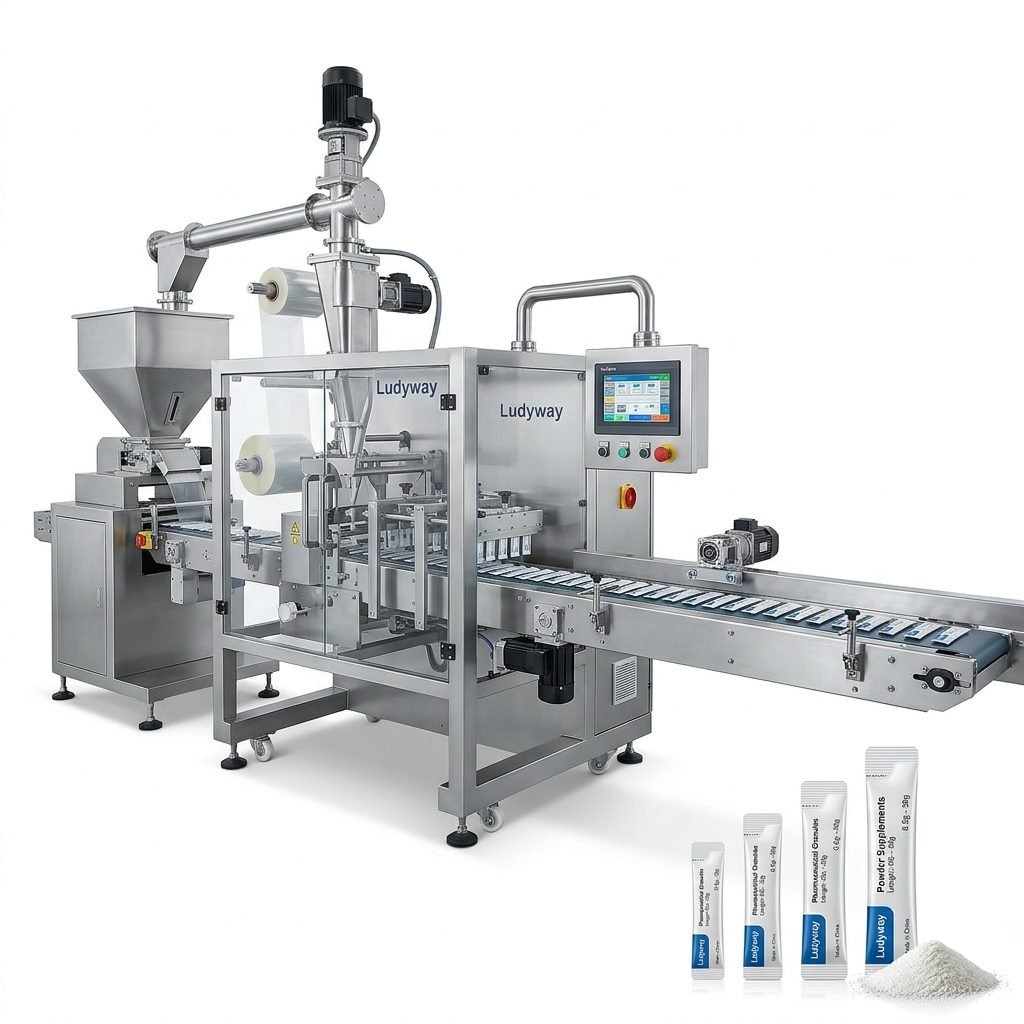
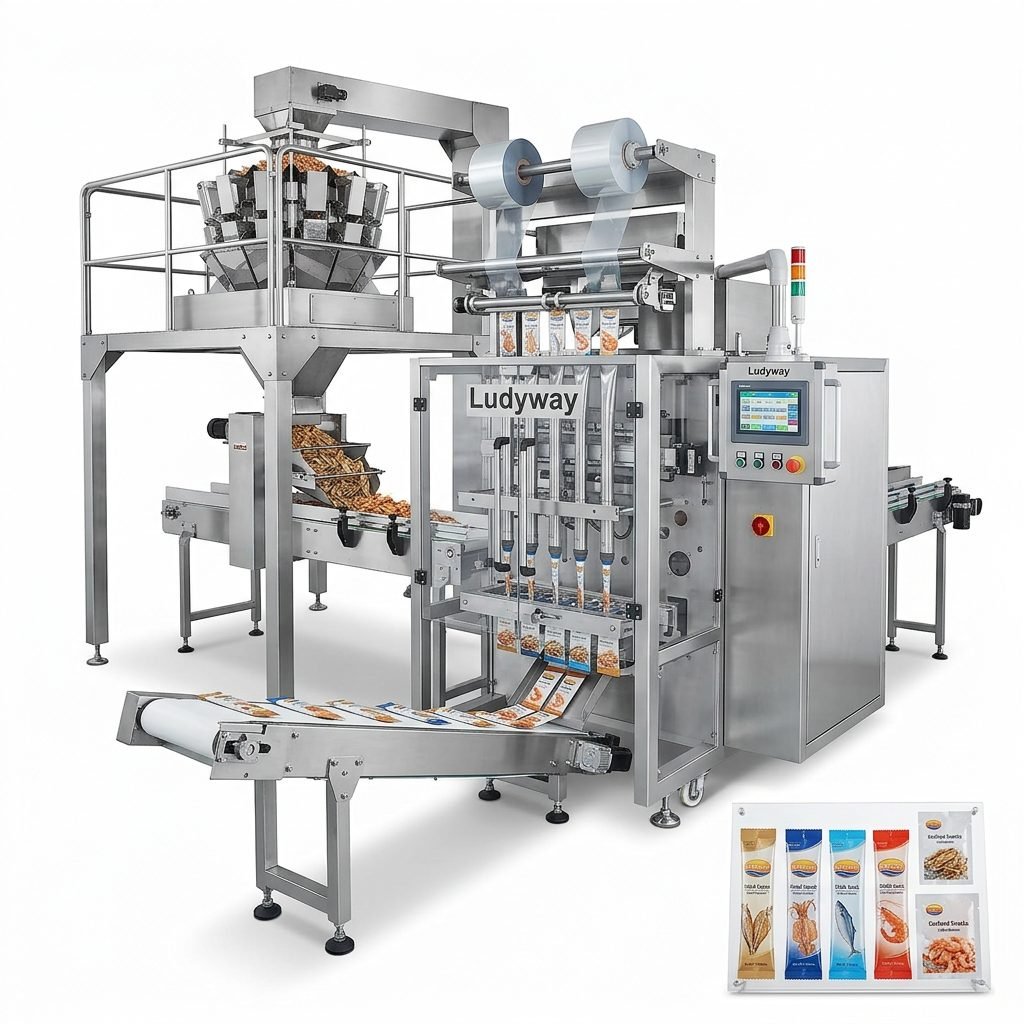
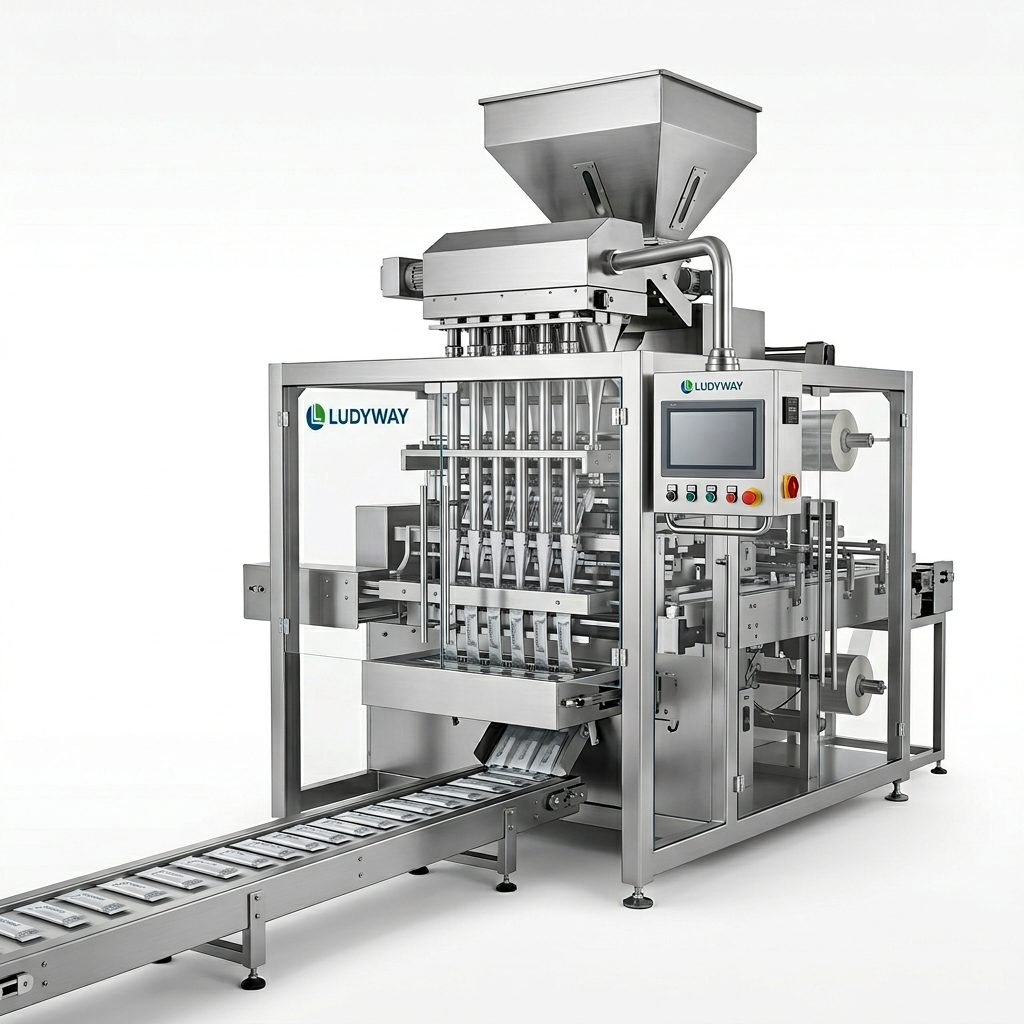
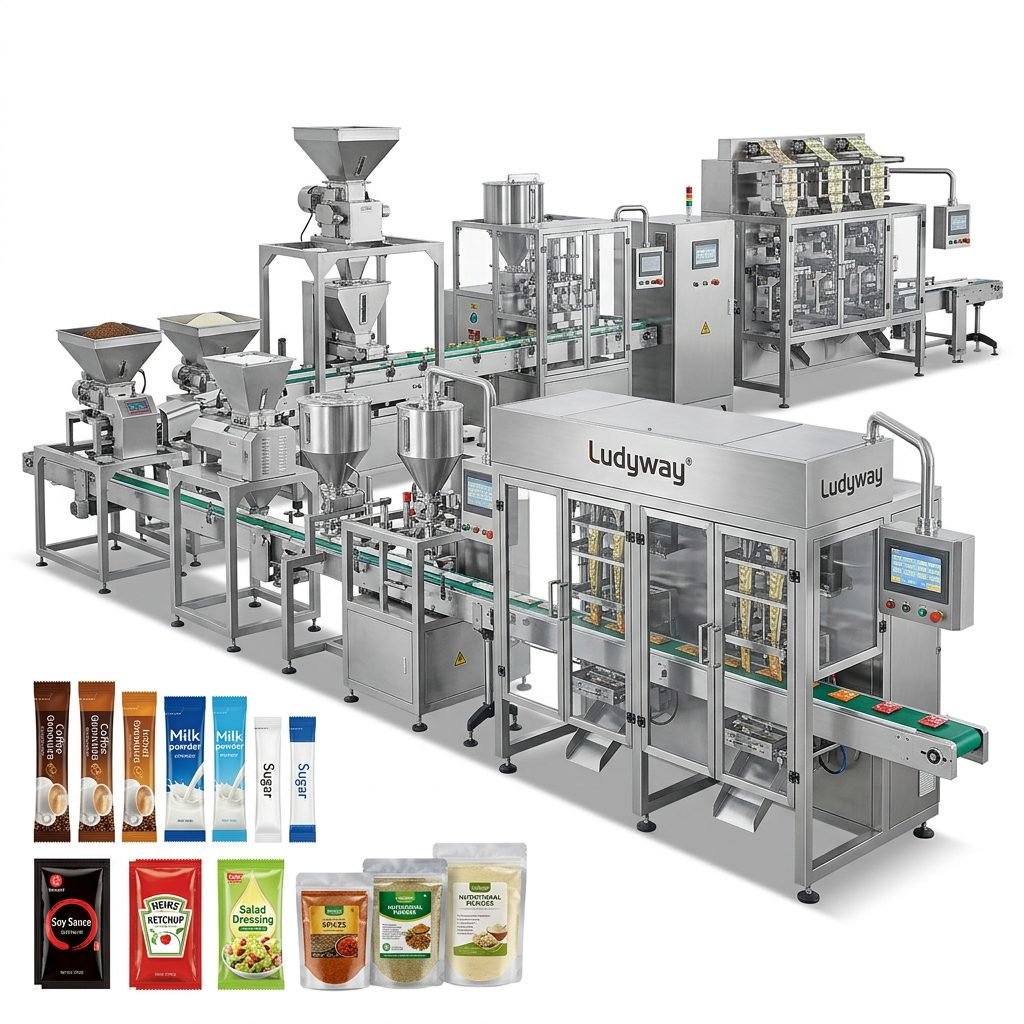
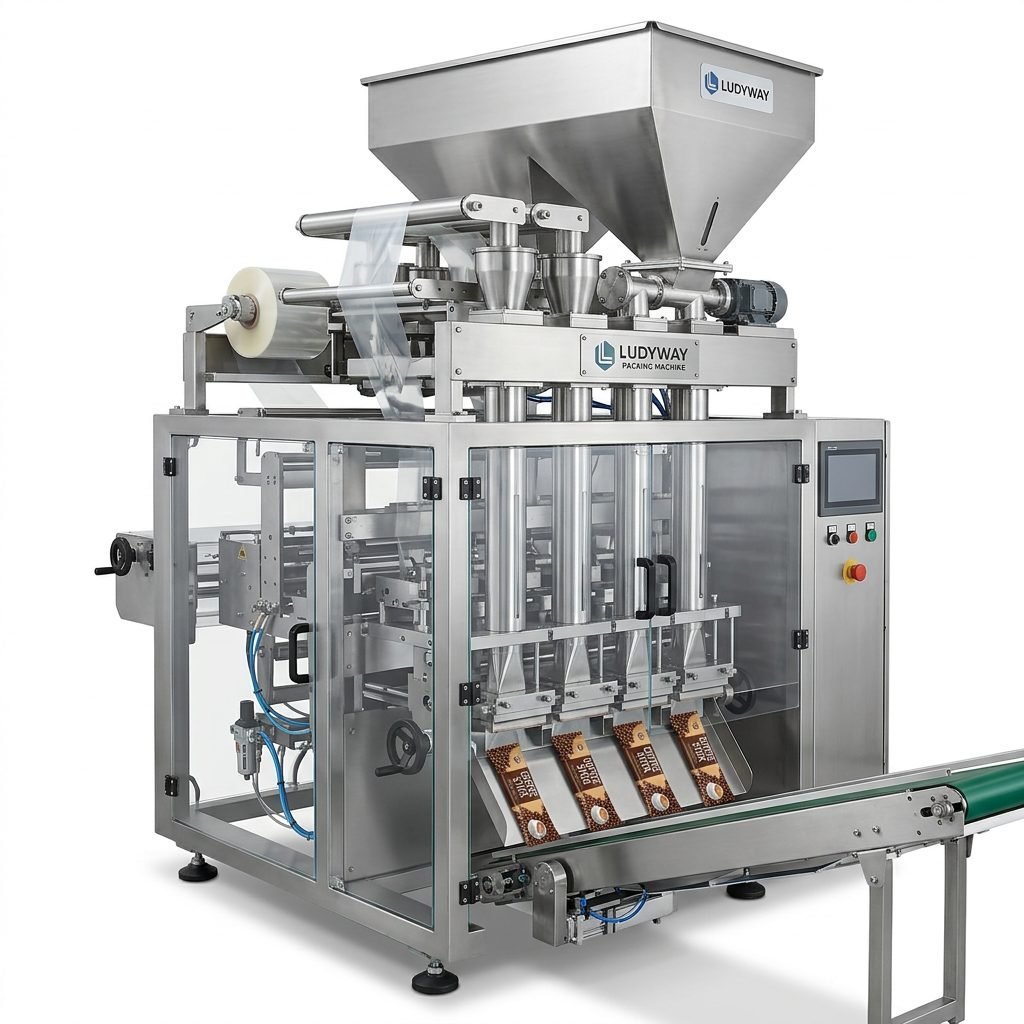
Investing in a stand-up pouch packing machine is a significant decision for any manufacturer. The right equipment can increase production efficiency, reduce packaging waste, and improve product shelf appeal. However, with so many configurations, technologies, and suppliers available, the selection process can feel overwhelming. This guide walks you through the essential factors to consider before making your purchase.
Stand-up pouches have become one of the fastest-growing packaging formats across food, beverage, pharmaceutical, cosmetic, and pet food industries. According to the Flexible Packaging Association, this growth is driven by consumer demand for convenience, portability, and sustainable packaging options. Choosing the correct filling and sealing machinery is critical to capitalizing on these market trends.
1. Understand Your Product Characteristics
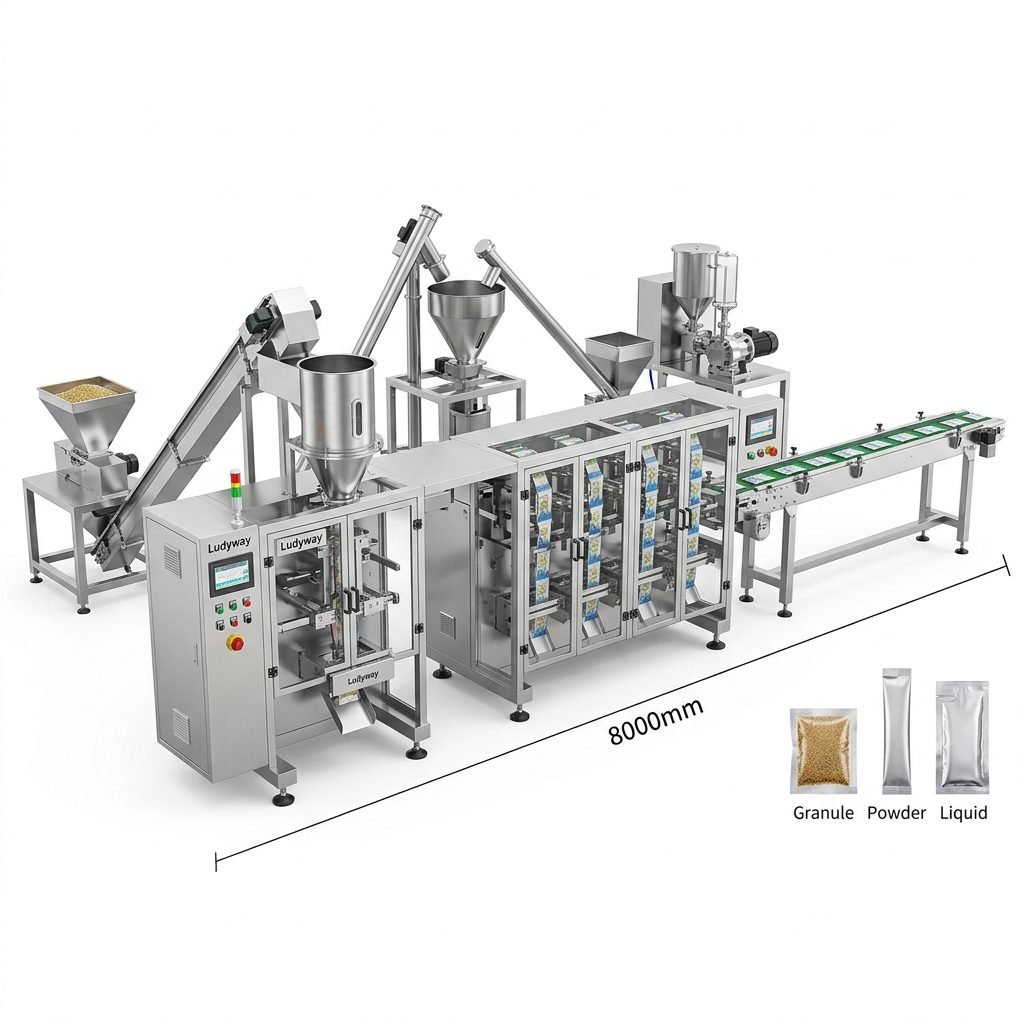
Before evaluating machine specifications, you must thoroughly analyze the product you intend to package. Different products place vastly different demands on filling and sealing equipment.
Key Product Variables
- Physical state: Is your product a free-flowing granule, a fine cohesive powder, a viscous liquid, a paste, or a combination? Each state requires a specific dosing mechanism.
- Particle size and density: Granule size distribution and bulk density directly affect filling accuracy. Products like coffee powder, protein supplements, and detergent granules each behave differently during the filling process.
- Flow characteristics: Some powders are free-flowing, while others are cohesive, hygroscopic, or prone to bridging. These properties influence hopper design and feeder selection.
- Sensitivity: Products sensitive to oxygen, moisture, or light may require modified atmosphere packaging (MAP) or nitrogen flushing capabilities.
2. Evaluate Pouch Specifications and Formats
The dimensions and style of your stand-up pouch will significantly narrow down your equipment options. Consider the following parameters carefully.
Pouch Dimensions and Styles
| Pouch Parameter | What to Consider | Impact on Machine Selection |
|---|---|---|
| Width and Height | Finished pouch dimensions (min–max range) | Determines bag-forming collar size and sealing jaw length |
| Gusset Type | Bottom gusset, side gusset, or flat-bottom | Affects film handling, folding mechanisms, and sealing stations |
| Zipper/Reclosable Features | Press-to-close zipper, slider, or spout attachment | Requires additional applicator modules and sealing steps |
| Film Material | Multi-layer laminates, aluminum foil, biodegradable films | Influences sealing temperature, dwell time, and jaw pressure settings |
| Fill Volume | Target fill weight or volume per pouch | Determines the appropriate dosing and weighing system |
3. Define Your Production Requirements
Your current and future production targets should guide the specification of your stand-up pouch packing machine. Underestimating capacity needs can lead to costly upgrades later, while overestimating can result in unnecessary investment.
Production Metrics to Calculate
- Output speed: Measured in pouches per minute (ppm). High-speed lines can exceed 60–120 ppm for multi-lane configurations, while single-lane machines may operate at 15–40 ppm.
- Shift patterns: Single-shift, double-shift, or continuous 24/7 operation affects machine durability requirements.
- Changeover frequency: Frequent product or pouch size changes demand quick-changeover features such as tool-less adjustments and recipe-based controls.
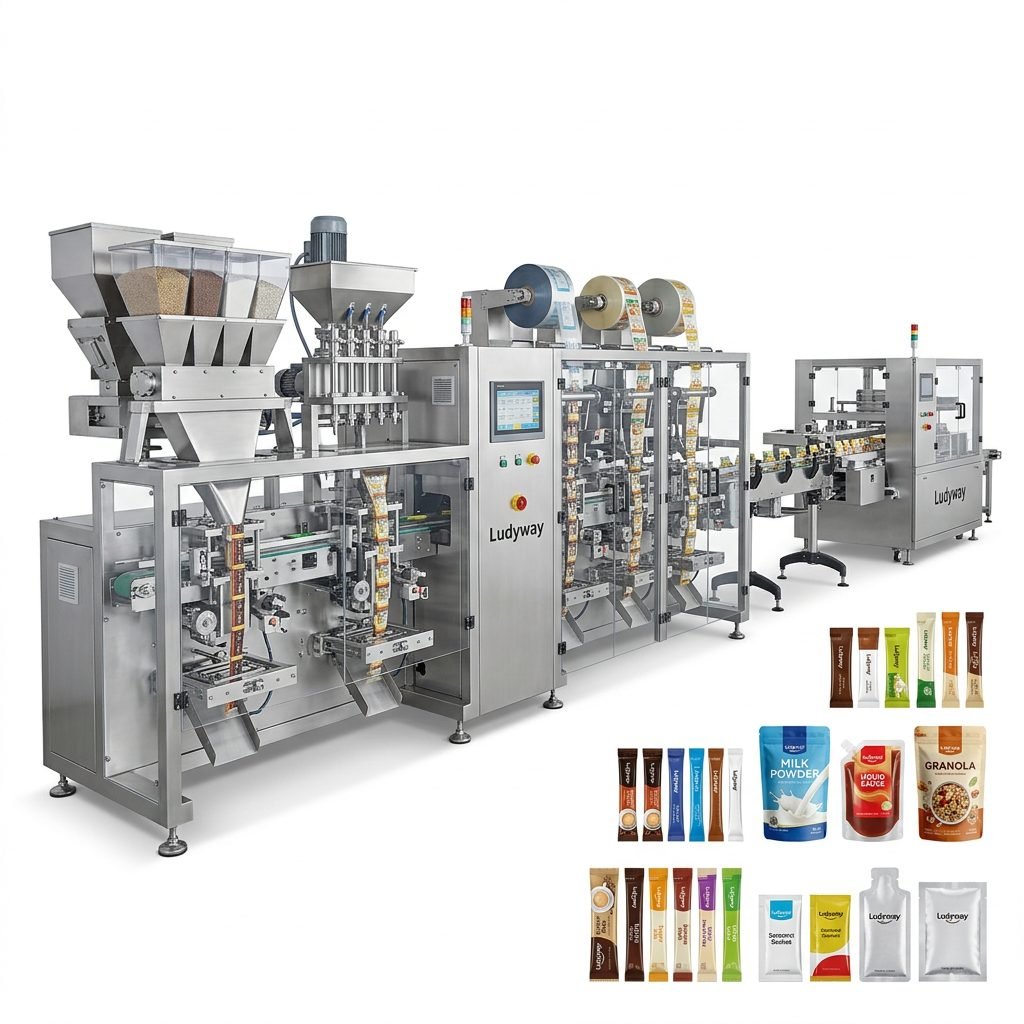
- Future scalability: Can the machine be integrated into a larger automated packaging line with upstream feeding and downstream cartoning systems?
4. Filling Technology: Matching the Dosing System to Your Product
The filling mechanism is the core of any stand-up pouch machine. Selecting the wrong dosing technology leads to inaccurate fills, product giveaway, and inconsistent seal quality.
Common Filling Technologies
| Filling Type | Best For | Accuracy Level | Typical Speed |
|---|---|---|---|
| Auger Filler | Fine powders, spices, flour, protein powders | ±0.5–2% | Moderate to High |
| Multi-Head Weigher | Granules, snacks, nuts, cereals, pet food | ±0.1–0.5% | Very High |
| Volumetric Cup Filler | Free-flowing granules, seeds, grains | ±1–3% | High |
| Piston Filler | Liquids, pastes, creams, sauces, gels | ±0.5–1% | Moderate to High |
| Net Weigh Filler | High-value products requiring precise weight | ±0.05–0.2% | Moderate |
5. Sealing and Film Handling Capabilities
Seal integrity is non-negotiable in stand-up pouch packaging. A poor seal leads to leaks, contamination, product spoilage, and costly returns. Evaluate the machine’s sealing technology carefully, especially if you work with multi-layer laminates or specialty barrier films.
Sealing System Checklist
- Temperature control: Look for PID-controlled heating elements with precise digital temperature regulation rather than basic thermostatic controls.
- Sealing pressure: Adjustable and consistent jaw pressure is essential for different film thicknesses and materials.
- Dwell time: Programmable dwell time ensures adequate heat transfer without damaging the film structure.
- Gas flushing: For oxygen-sensitive products, verify that the machine can maintain consistent residual oxygen levels through nitrogen or CO₂ flushing.
- Leak detection: Some advanced machines offer integrated seal inspection systems that automatically reject pouches with compromised seals.
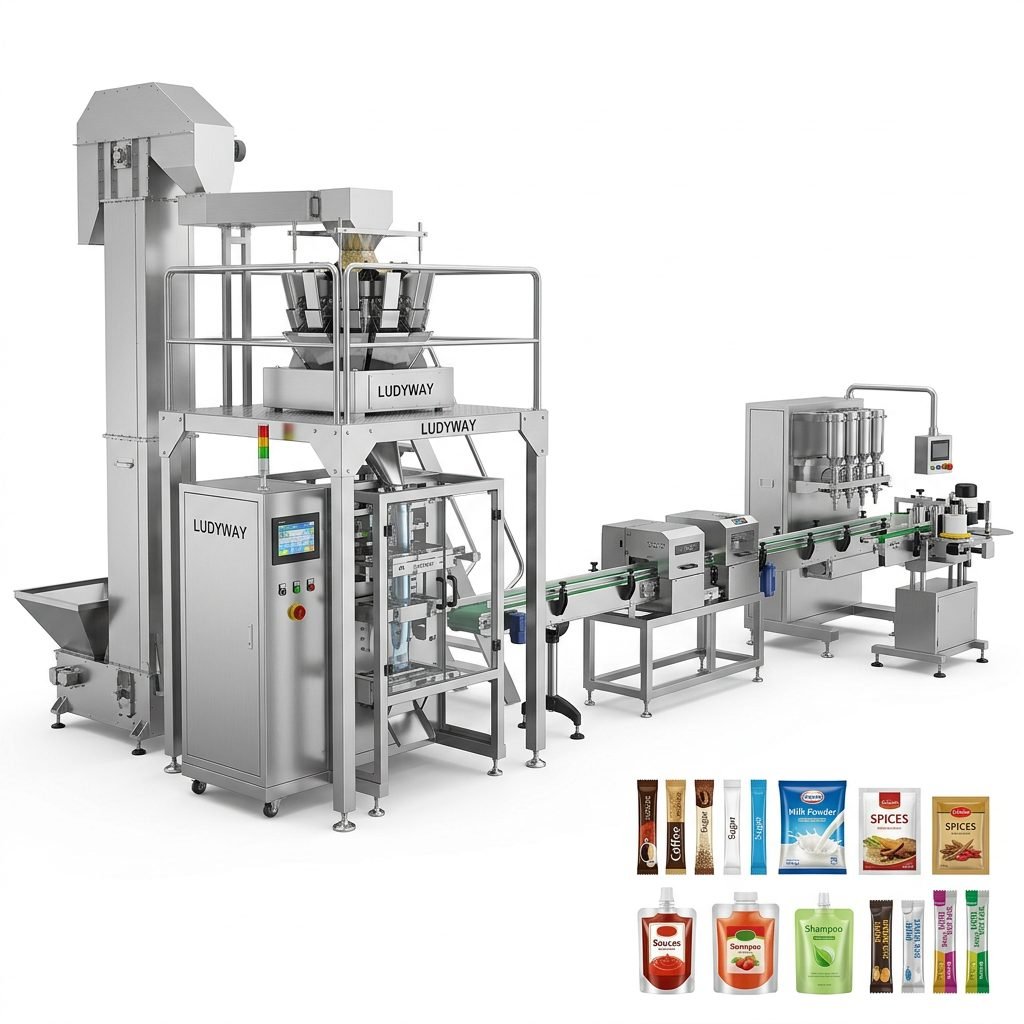
6. Automation, Controls, and Integration
Modern stand-up pouch packing machines are increasingly equipped with advanced automation features that minimize operator intervention and maximize consistency. When comparing machines, examine the control system architecture and integration capabilities.
Automation Features to Prioritize
- PLC and HMI: A user-friendly touchscreen interface with recipe storage for different products and pouch formats simplifies changeovers.
- Servo-driven movements: Servo motors provide precise control over film feeding, sealing jaw motion, and filling synchronization.
- Data connectivity: Look for machines compatible with Industry 4.0 standards, offering remote monitoring, production data logging, and diagnostics.
- Integration readiness: The machine should easily interface with upstream and downstream equipment such as multi-head weighers, checkweighers, cartoners, and palletizers.
- Safety features: Ensure compliance with relevant ISO packaging standards and local safety regulations, including emergency stops and guarding.
7. Quality Certifications and Regulatory Compliance
Depending on your industry and target markets, your packaging equipment may need to meet specific regulatory and quality standards. This is particularly important for food, pharmaceutical, and medical device packaging.
Key Standards and Certifications
| Standard / Certification | Applicable Industry | Key Requirements |
|---|---|---|
| FDA Compliance | Food, dietary supplements | Food-contact materials, sanitation, traceability |
| ISO 11607 | Medical devices | Sterile barrier packaging validation |
| CE Marking | European market access | Safety, health, and environmental requirements |
| GMP Compliance | Pharmaceuticals, nutraceuticals | Cleanroom compatibility, documentation, validation protocols |
| UL Certification | North American markets | Electrical safety and component reliability |
For manufacturers targeting regulated sectors, the FDA’s food packaging regulations and ISO 11607 packaging standards provide critical guidance on material compatibility, sealing validation, and quality assurance requirements.
8. Total Cost of Ownership and ROI Analysis
The purchase price is only one component of the total investment. A comprehensive total cost of ownership (TCO) analysis helps you make a financially sound decision.
TCO Factors to Consider
- Initial capital cost: Machine price including any optional modules, tooling, and installation.
- Operational costs: Energy consumption, compressed air usage, and consumables such as lubricants and replacement parts.
- Maintenance expenses: Scheduled preventive maintenance, spare parts availability, and technical support contracts.
- Labor requirements: Automated machines reduce operator headcount but may require higher-skilled technicians.
- Downtime costs: Evaluate the manufacturer’s service response time, spare parts delivery, and remote diagnostic capabilities.
- Product giveaway: Inaccurate filling systems can result in significant annual losses through excess product giveaway.
9. Supplier Evaluation and Partnership
Your relationship with the packaging machinery supplier extends far beyond the initial purchase. Selecting the right partner is as important as selecting the right machine. A supplier with deep industry experience and global service capabilities can support your operations for years to come.
Supplier Evaluation Criteria
- Industry experience: How many years has the supplier been manufacturing stand-up pouch packing machines? Do they have references in your specific industry?
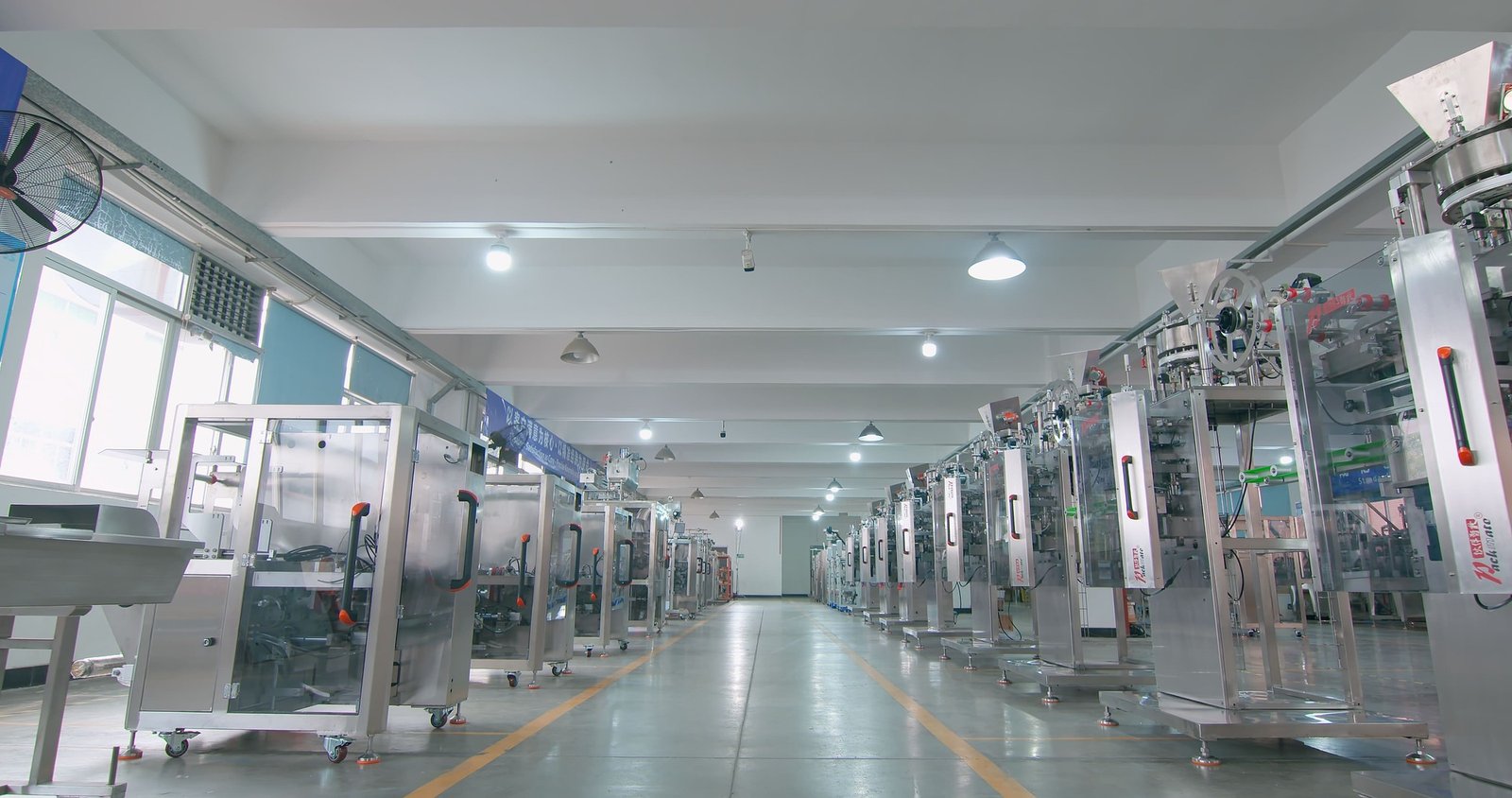
- Manufacturing capabilities: A supplier with in-house manufacturing, like Ludyway Machinery, can offer better quality control, customization, and faster lead times compared to those relying entirely on outsourced components.
- After-sales support: Confirm the availability of remote technical assistance, on-site service, operator training, and spare parts supply.
- Customization capabilities: Can the supplier adapt machine configurations to your specific product characteristics and factory layout?
- Global presence: For international operations, a supplier with experience in export markets and international compliance is essential.
10. Making the Final Decision
After evaluating all the factors above, you should have a clear picture of your requirements. Before finalizing your purchase of a stand-up pouch packing machine, take these final steps.
Pre-Purchase Checklist
- Conduct product trials: Send samples of your product and packaging film to the supplier for real-world testing on their equipment. This is the most reliable way to verify performance claims.
- Request a detailed proposal: The proposal should specify machine configuration, all included and optional features, delivery timeline, installation and commissioning scope, and warranty terms.
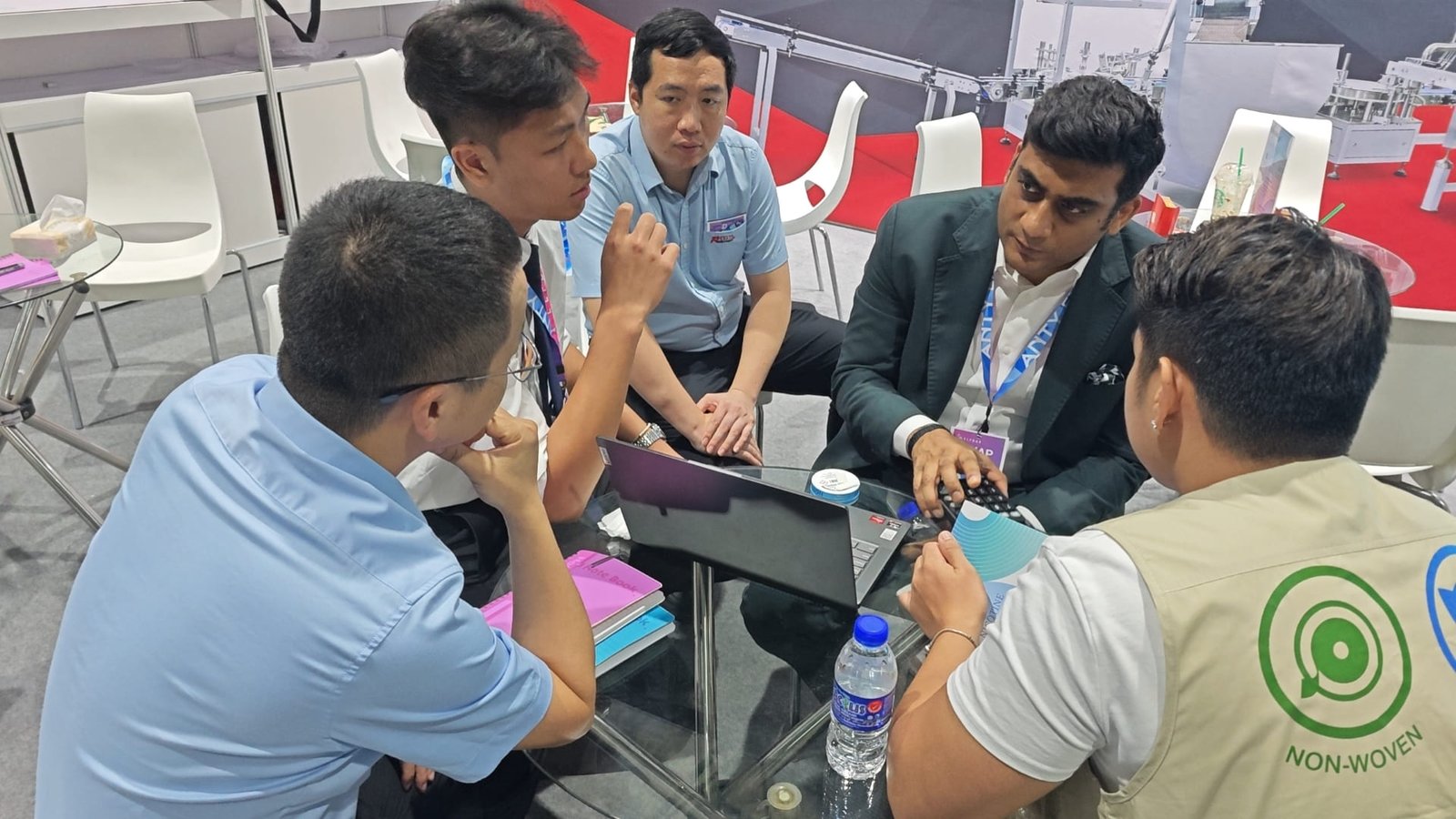
- Visit the manufacturing facility: If possible, a factory visit provides invaluable insight into the supplier’s manufacturing quality, engineering depth, and organizational capability.
- Check references: Speak with existing customers in similar industries about their experience with the machine and the supplier’s after-sales service.
- Review the warranty and service agreement: Understand what is covered, for how long, and the process for obtaining support.
Selecting the right stand-up pouch packing machine is a strategic decision that affects your production efficiency, product quality, and long-term profitability. By systematically evaluating your product characteristics, production goals, filling technology options, sealing requirements, automation needs, and the supplier’s capabilities, you can make a confident, informed investment. The 2026 State of the Industry report from PMMI highlights that flexible packaging machinery continues to be one of the strongest growth segments in the packaging equipment market, making now an excellent time to invest in the right technology for your production line.