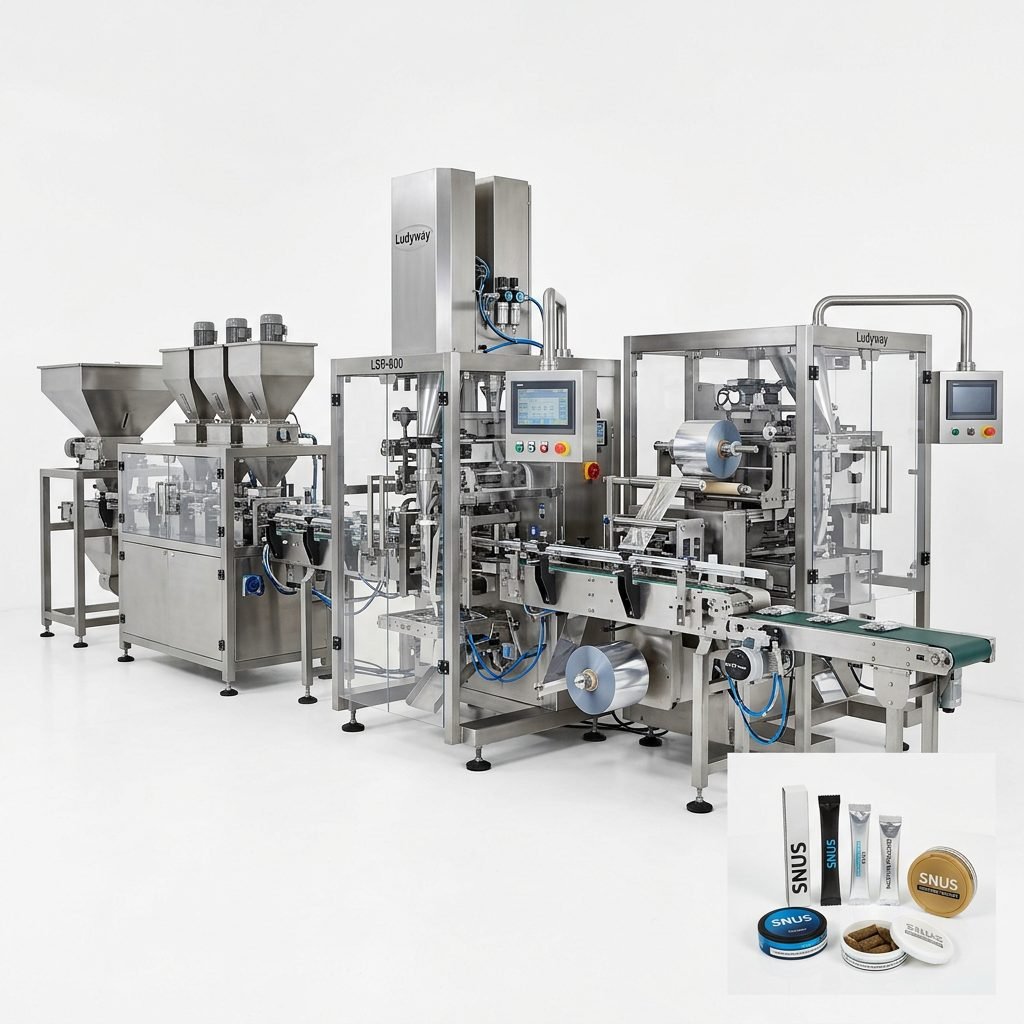
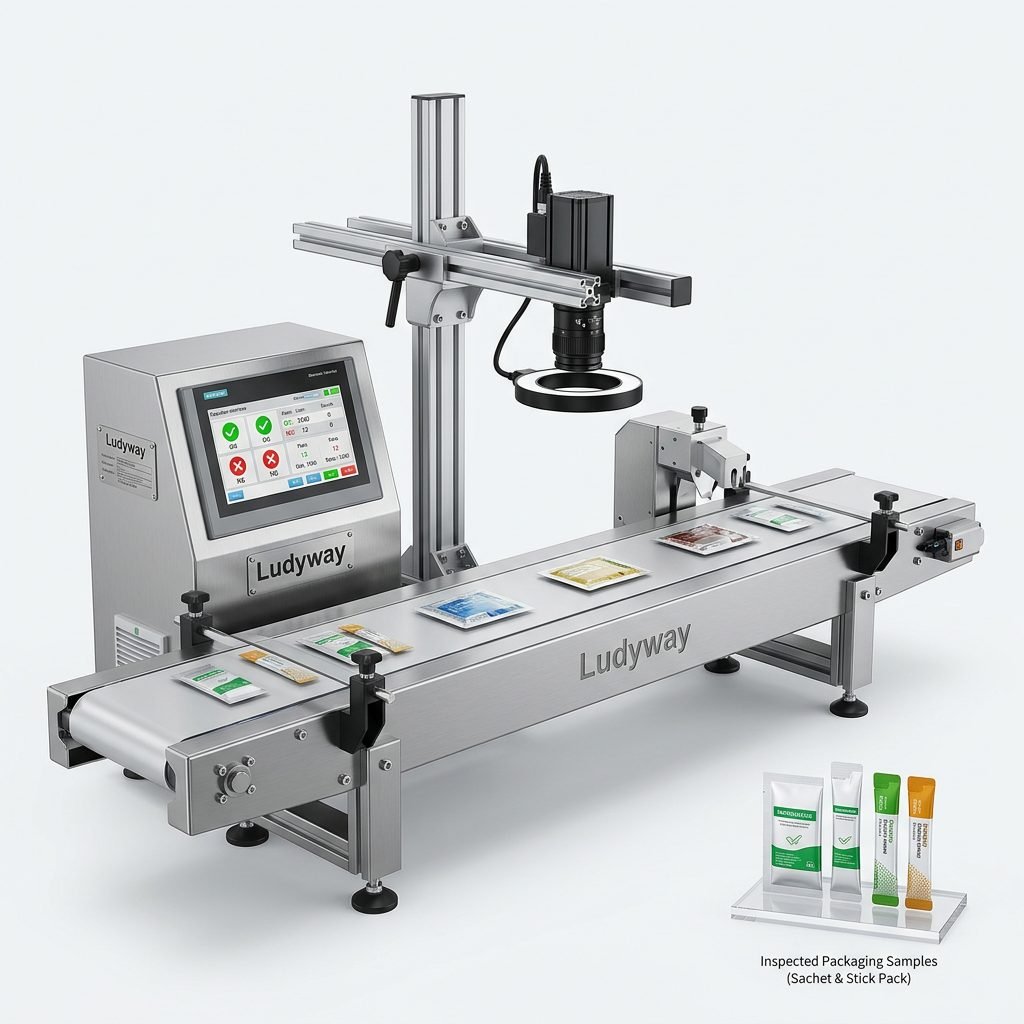
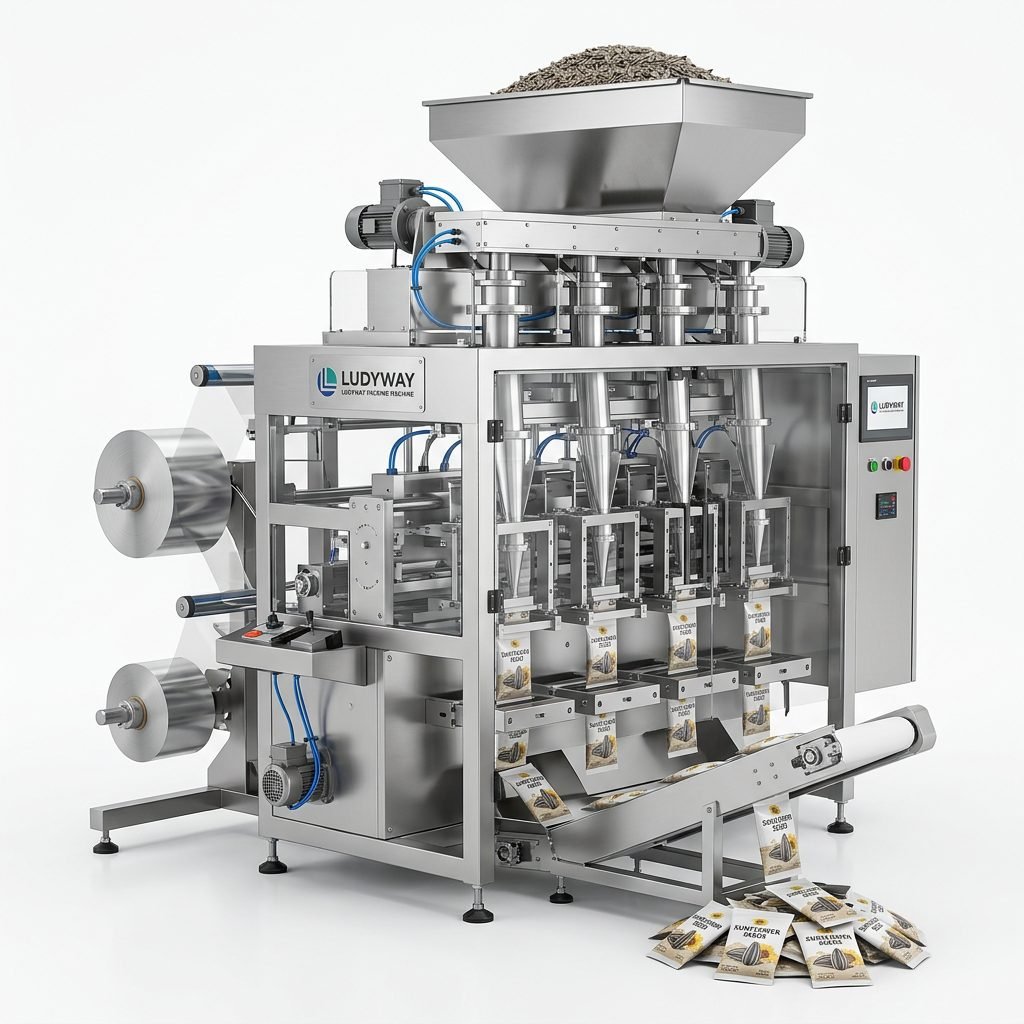
In the fast-paced world of manufacturing, selecting the right packaging equipment is not just a purchase—it’s a strategic investment in efficiency, quality, and brand reputation. The market offers a vast array of solutions, from versatile sachet machines to high-speed multi-lane systems. This guide will explore the common types of IMA packaging equipment, their applications, and provide a clear framework to help you choose the perfect solution for your unique production needs.
Understanding the Landscape: Key Types of Packaging Equipment
The first step in making an informed decision is understanding the machinery available. Modern packaging lines are built around core equipment types, each designed for specific formats and production volumes.
Vertical Form-Fill-Seal (VFFS) Machines
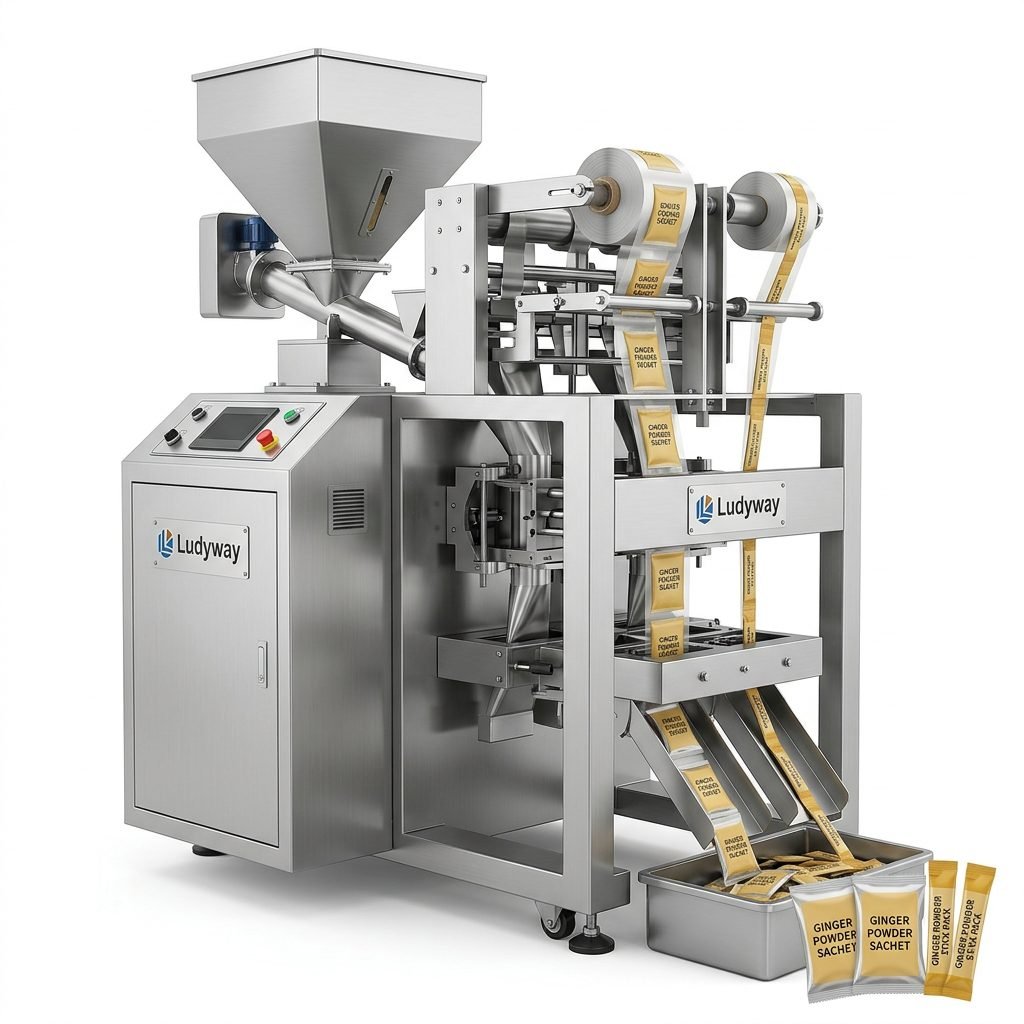
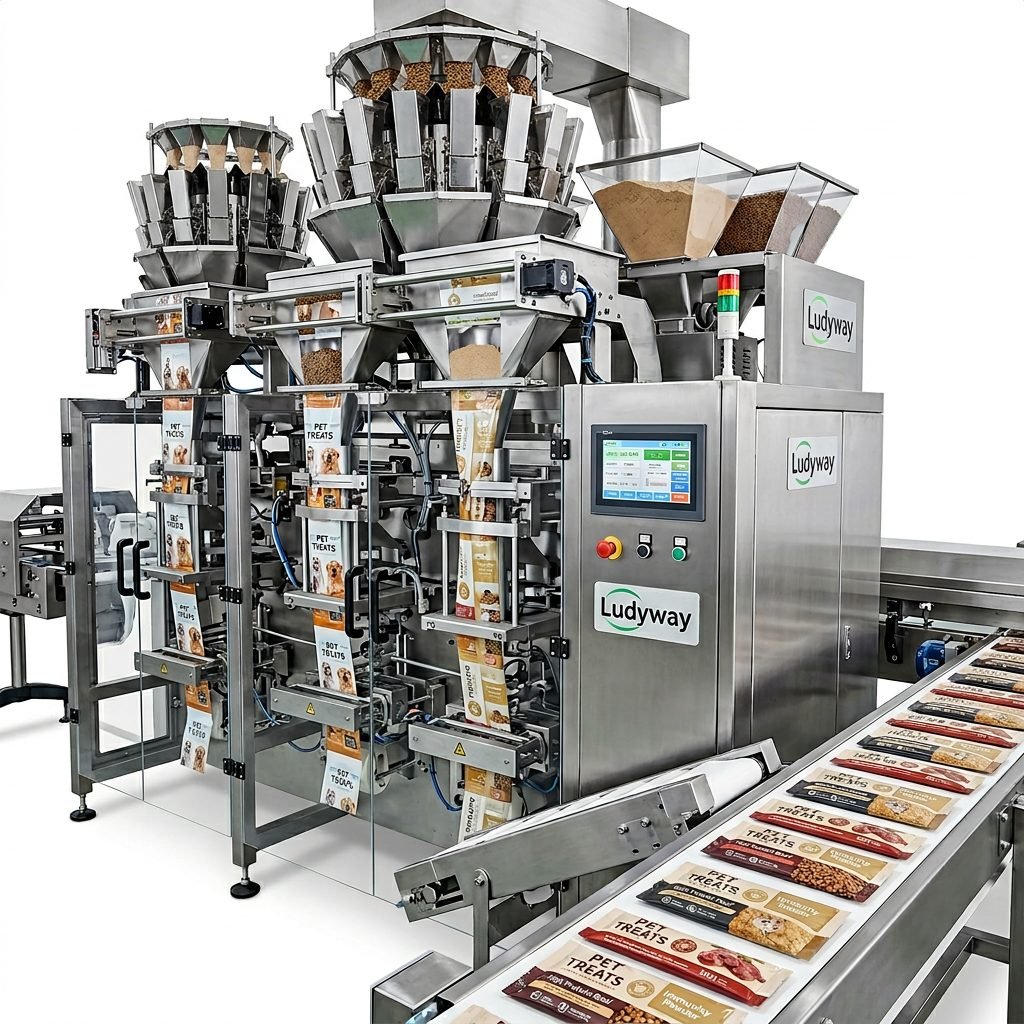
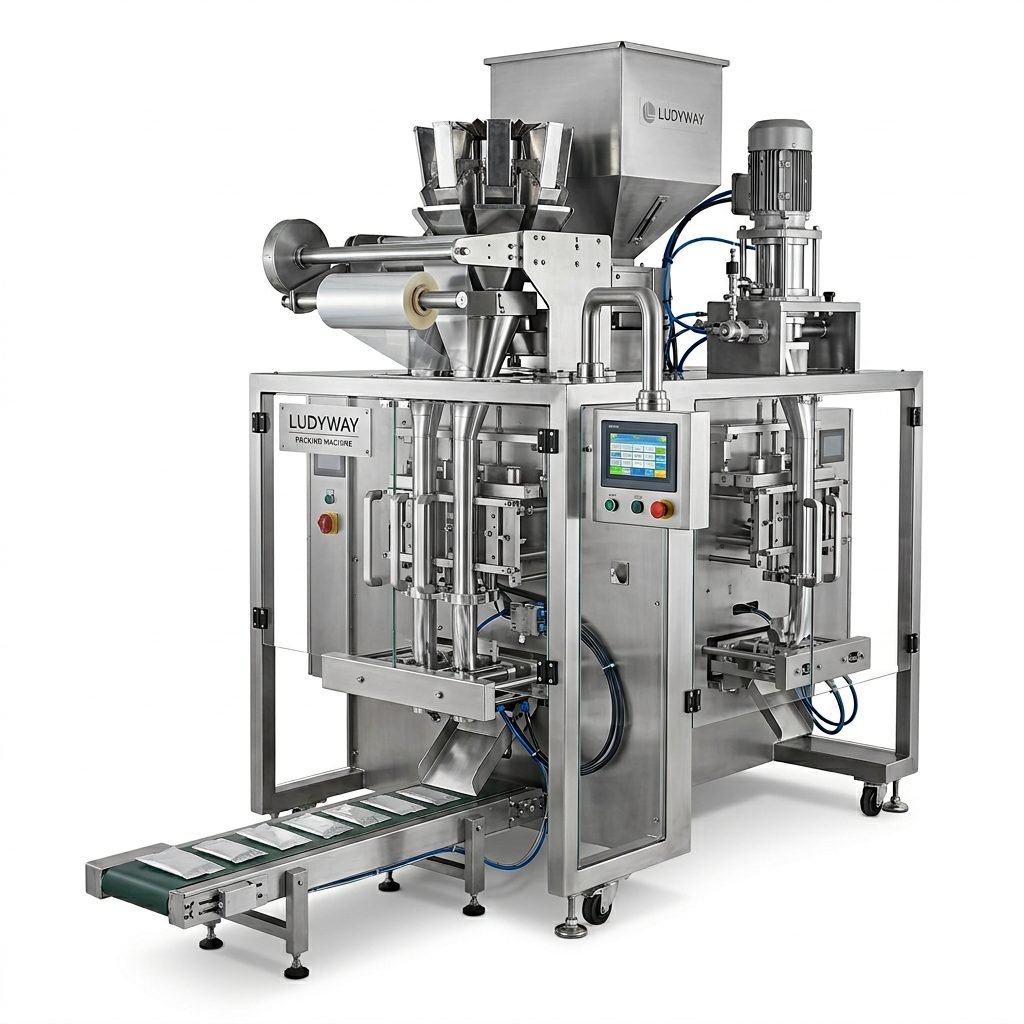
These are the workhorses of the packaging industry. VFFS machines form bags from a roll of film, fill them with product, and seal them in a continuous vertical motion. They are incredibly versatile and can handle a wide range of products, including granules, powders, seeds, and snacks. Their flexibility in bag size and shape makes them a popular choice for many manufacturers.
Horizontal Form-Fill-Seal (HFFS) Machines
Ideal for more rigid structures and precise product placement, HFFS machines form pouches horizontally. This method is often used for flow-wrapping individual items like chocolate bars, biscuits, or medical devices. They excel at creating neat, professional-looking packages with strong seals.
Stick Pack & Sachet Packaging Machines
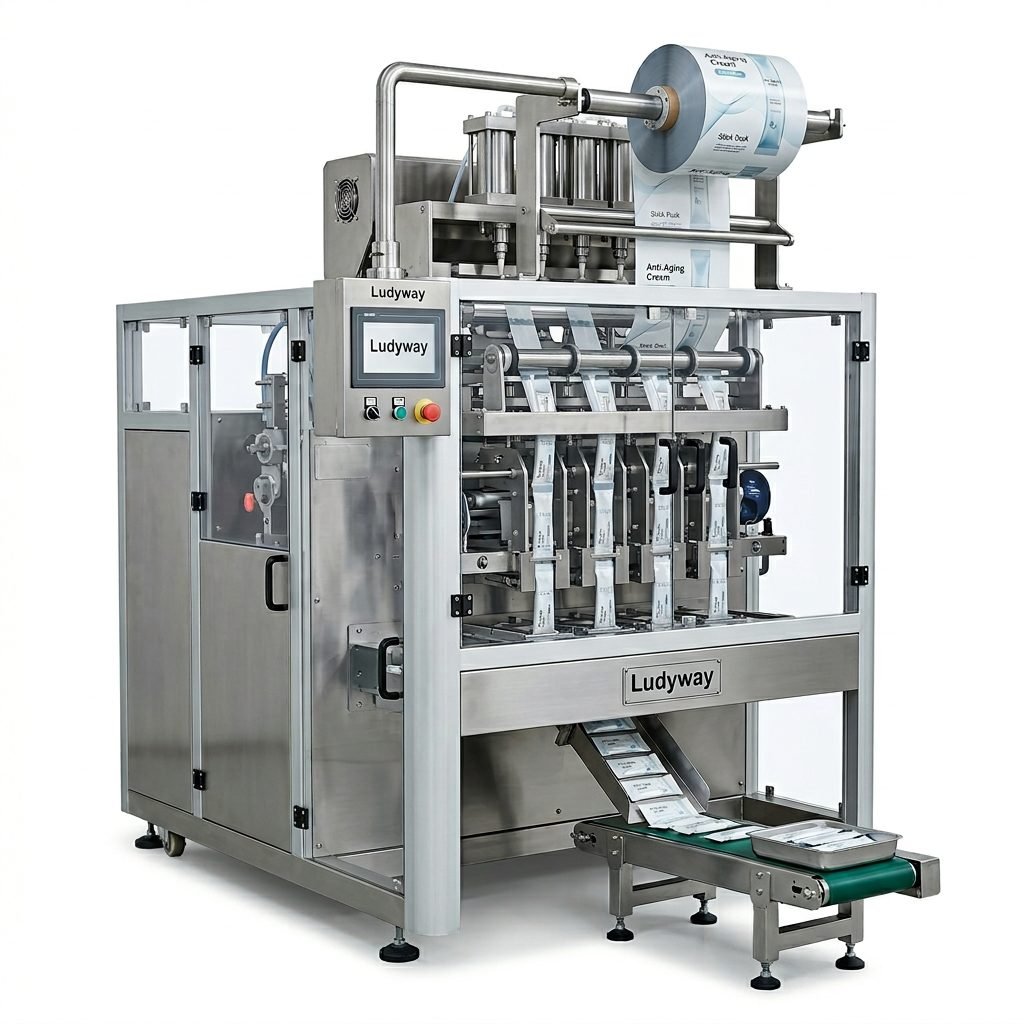
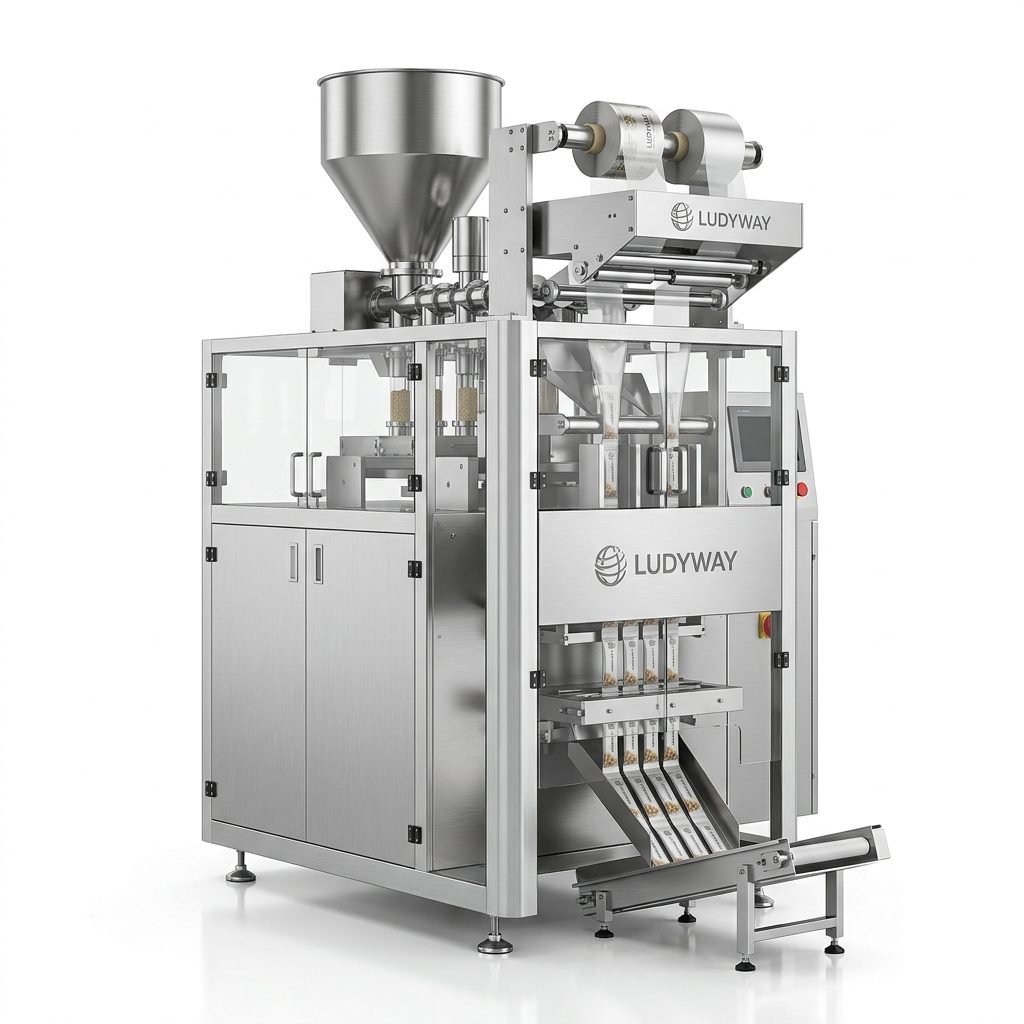
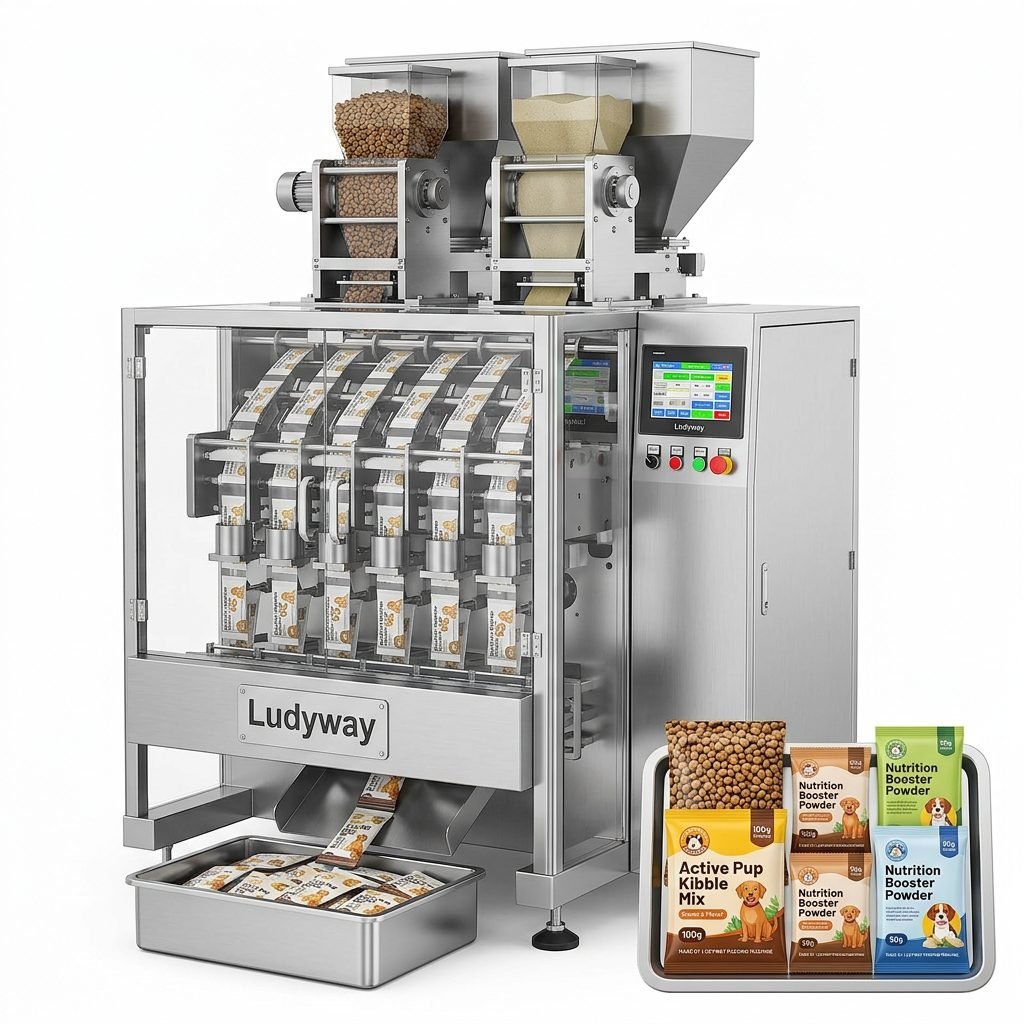
Designed for single-serve portions, these machines produce slim, elongated stick packs or small rectangular sachets. They are perfect for industries like food & beverage (instant coffee, sugar), pharmaceuticals (powdered supplements), and cosmetics (sample sizes). Modern multi-lane stick pack machines can achieve exceptionally high outputs, making them cost-effective for large-scale production.
Did You Know?
Advanced multi-lane sachet machines from leading suppliers like Ludyway Machinery can integrate features like nitrogen flushing for enhanced product freshness and automatic cartoning for a complete end-of-line solution.
Liquid & Paste Filling Machines
This category includes piston fillers, gravity fillers, and volumetric pumps designed to handle viscous products. Accuracy and cleanliness are paramount. These systems are crucial for sauces, oils, lotions, and pharmaceutical syrups, ensuring precise fill volumes and preventing contamination.
Matching Equipment to Your Application
Choosing the right machine goes beyond type; it must align perfectly with your product’s physical characteristics and your market’s demands.
Food & Beverage Industry
Here, speed, hygiene, and packaging integrity are critical. Granule and powder packaging machines handle items like spices, instant soup mixes, and protein powders. For liquids, aseptic filling lines may be necessary. The trend towards convenience drives demand for high-speed stick pack machines for single-serve beverages and condiments.
Pharmaceutical & Nutraceutical Industry
This sector demands the highest standards of accuracy, traceability, and compliance (e.g., with GMP standards). Powder packaging machines for supplements must ensure precise dosing. Blister packaging machines are also common for tablets and capsules. The equipment often requires easy-clean designs and validation documentation support.
Chemical & Industrial Products
Durability and safety take precedence. Machines packaging industrial powders, granules, or liquids need to be constructed from materials resistant to corrosion and capable of forming strong, leak-proof seals to prevent hazardous spills.
The Decision Framework: How to Choose Your Ideal Solution
Navigating the selection process can be complex. Follow this structured framework to evaluate your options systematically.
1. Analyze Your Product & Packaging Specs
Start with the basics: Is your product a granule, powder, liquid, or solid? Define your desired package type (stick pack, stand-up pouch, sachet), material (film type, layer structure), and required seal strength. This will immediately narrow down your machine type.
2. Define Your Production Requirements
Be realistic about your output speed (packs per minute), required flexibility for changeovers, and available factory floor space. A high-speed multi-lane machine offers efficiency for large runs, while a single-lane machine might offer better flexibility for smaller, diverse batches.
3. Evaluate Machine Capabilities & Technology
Look beyond the brochure. Assess the precision of the weighing or filling system. Check for user-friendly touchscreen HMIs (Human-Machine Interfaces) and PLC controls. Consider future-proofing with capabilities for IoT connectivity or data reporting. Reliable brands invest in robust engineering and intuitive controls.
4. Prioritize Hygiene, Safety & Compliance
Ensure the machine design allows for easy cleaning and maintenance. For food or pharma, check if materials are food-grade (e.g., 304 or 316 stainless steel contact parts). Verify necessary safety guards and compliance with relevant regional machinery directives.
5. Assess Supplier Credibility & Support
Your relationship with the supplier is a long-term partnership. Investigate their industry experience, manufacturing quality, and after-sales service network. A supplier with a strong track record, like Ludyway Machinery with its decades of expertise, can provide invaluable technical support, spare parts availability, and training, minimizing downtime. Review their portfolio of successful packaging solutions for similar industries.
Beyond the Machine: Integration and Future-Proofing
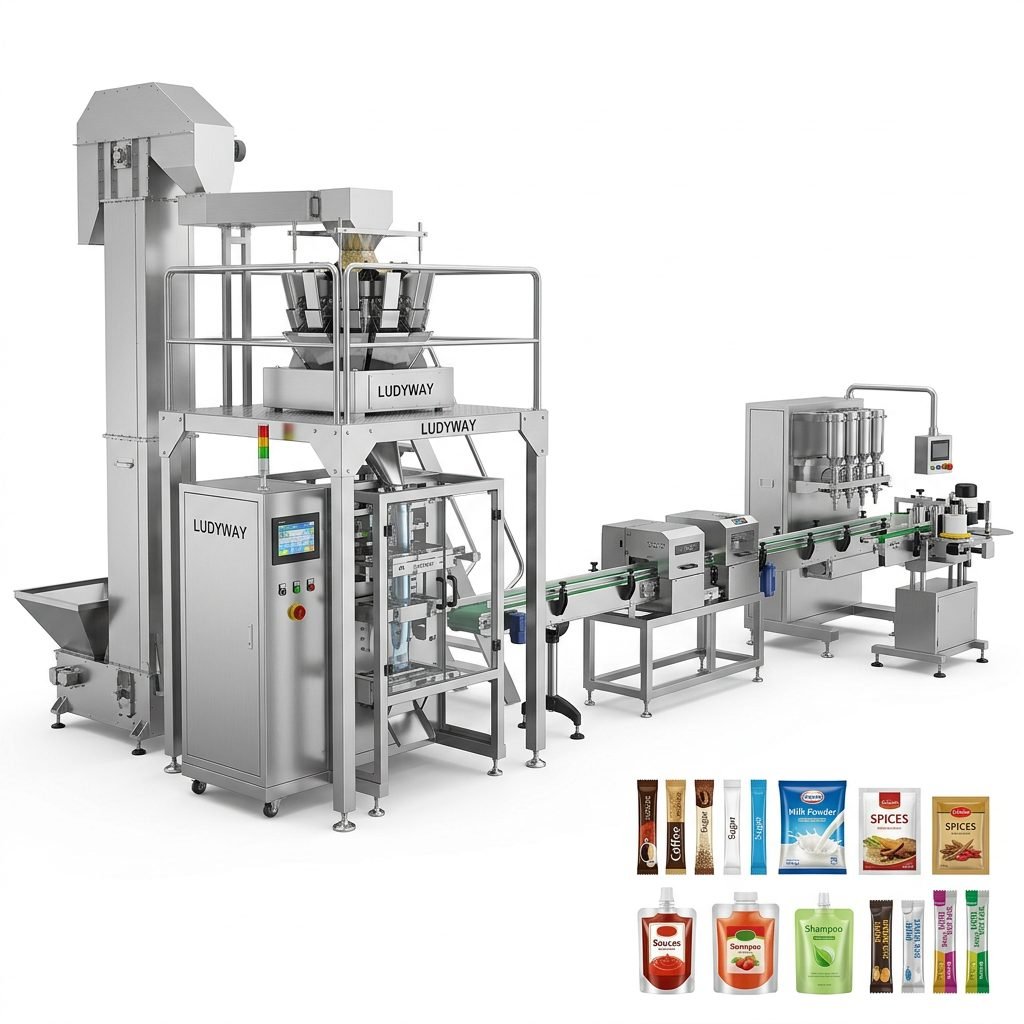
The most efficient packaging line is a seamlessly integrated one. Think about how the primary packaging machine will connect with upstream equipment (like mixers or conveyors) and downstream systems (like cartoners or case packers). Choosing a supplier who can offer or integrate a complete turnkey solution can save significant time and engineering resources. Furthermore, consider the scalability of the solution—can it be upgraded or modified to meet future increases in demand or new product launches?
Frequently Asked Questions (FAQs)
What is the main difference between a VFFS and an HFFS machine?
Answer: The core difference lies in the bag formation direction and typical application. VFFS (Vertical) machines form bags downwards from a vertical film roll and are best for free-flowing products like granules and powders that fall into the bag by gravity. HFFS (Horizontal) machines form pouches in a horizontal plane and are typically used to wrap already formed solid items like candy bars or multiple units together.
How do I determine the right production speed for my needs?
Answer: Calculate your current and projected future daily/weekly output volume. Then, factor in realistic efficiency (allow for changeover and maintenance downtime). The machine’s rated speed (packs per minute) should comfortably exceed your average requirement to provide a buffer and allow for growth. It’s often better to have slightly more capacity than you need than to run a machine at 100% capacity constantly.
Why is supplier after-sales support so critical?
Answer: Packaging equipment is a long-term asset. Reliable after-sales support ensures you have access to genuine spare parts, expert technical assistance for troubleshooting, and operator training. This minimizes costly production stoppages, extends the machine’s lifespan, and protects your investment. A global service network is a significant advantage for international companies.
Can one machine handle different package sizes?
Answer: Yes, most modern machines are designed with changeover capabilities. However, the ease and time required for a changeover vary. Look for machines with quick-change parts (like form-fill funnels) and digital recipe storage, where settings for different packages are saved and recalled on the HMI. This drastically reduces downtime between production runs.
What are the key hygiene features to look for in food/pharma equipment?
Answer: Key features include: a fully stainless steel frame and product contact parts, smooth surfaces with minimal crevices where material can accumulate, easy-access panels for cleaning, and optionally, CIP (Clean-in-Place) systems. The design should comply with industry-specific hygiene standards to prevent contamination and facilitate validation processes.