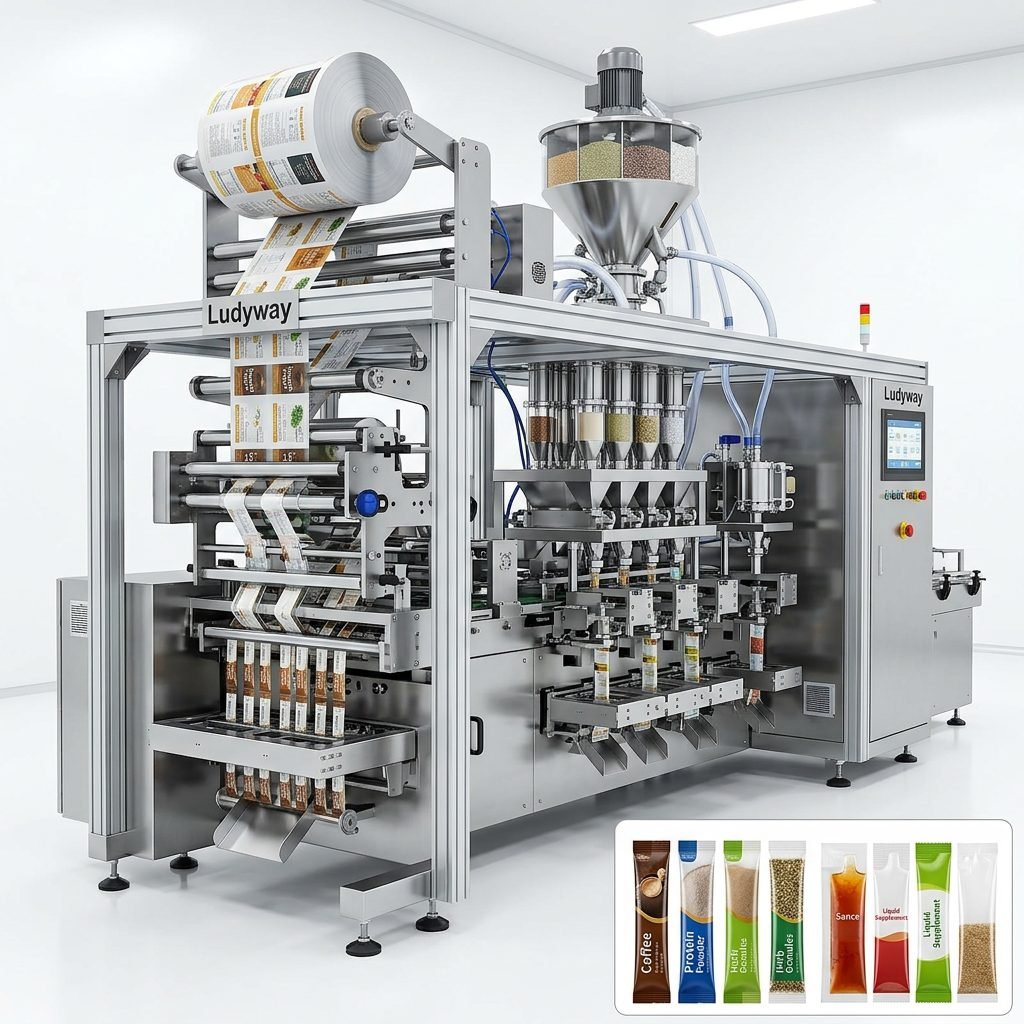
Investing in a pouch slitting machine is a critical decision for any flexible packaging operation. The right equipment can significantly boost production efficiency, reduce material waste, and ensure consistent product quality. However, with the wide range of models, configurations, and technical specifications available on the market, the selection process can feel overwhelming. This guide walks you through the essential factors to consider, helping you make a confident and informed purchasing decision.
Understanding Pouch Slitting Machine Fundamentals
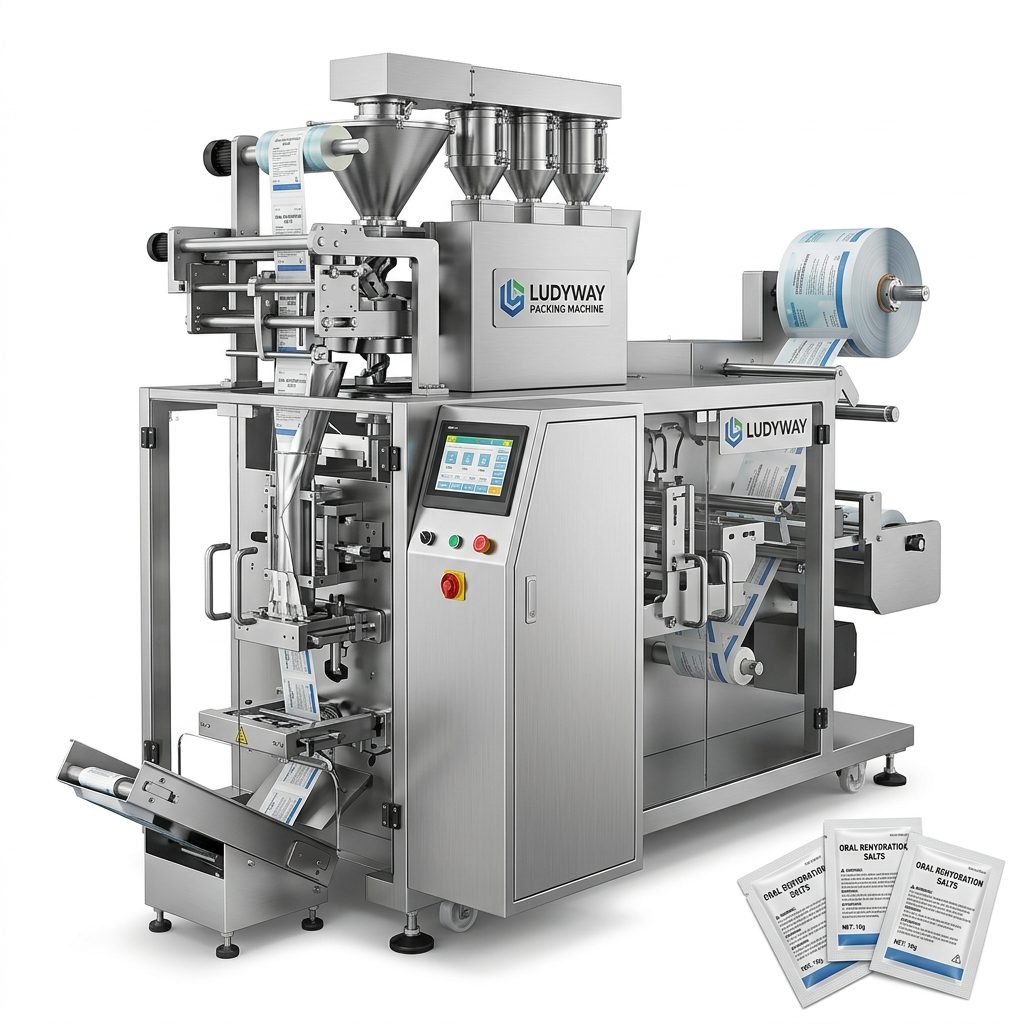
Before diving into specifications, it is essential to understand what a pouch slitting machine does and where it fits into your production line. These machines are designed to cut, separate, and trim flexible packaging materials — including laminated films, foils, and multi-layer composites — into precise widths for pouch formation. The accuracy of the slitting mechanism directly impacts downstream sealing performance and final package integrity.
In the broader context of packaging machinery, slitting technology must integrate seamlessly with filling, sealing, and coding systems. For manufacturers looking to optimize their entire packaging workflow, understanding packaging industry standards set by organizations like PMMI can provide valuable guidance on equipment compatibility and performance benchmarks.
Key Factors to Evaluate Before Purchasing
1. Material Compatibility and Film Types
Not all slitting machines handle every substrate equally well. You need to evaluate the range of materials your operation processes — from standard polyethylene and polypropylene to more challenging substrates like metallized films, aluminum foil laminates, and biodegradable materials. The flexible packaging industry continually introduces new sustainable materials, and your slitting equipment should be adaptable enough to accommodate future material changes.
Key material considerations include film thickness range, coefficient of friction, tensile strength, and heat sensitivity. Machines equipped with adjustable tension control systems and multiple slitting methods (razor, shear, or score cutting) offer greater flexibility across diverse material portfolios.
2. Slitting Width and Precision Requirements
The minimum and maximum slitting widths determine the range of pouch sizes you can produce. High-precision applications — such as pharmaceutical or medical device packaging — demand tolerances within ±0.1mm, while food and industrial packaging may allow slightly wider variances. When evaluating precision, consider both the mechanical slitting accuracy and the stability of the web handling system under high-speed operation.

3. Production Speed and Throughput
Production speed is often measured in meters per minute (m/min) and must align with your upstream and downstream equipment capabilities. A mismatch can create bottlenecks or underutilized capacity. When assessing speed specifications, look beyond the maximum rated speed and evaluate sustained operating speed with your specific materials. Factors such as roll change time, setup changeover duration, and waste rates at different speeds all contribute to real-world throughput.
4. Automation and Control Features
Modern pouch slitting machines offer varying degrees of automation. Entry-level models may require manual tension adjustment and blade positioning, while advanced systems feature servo-driven controls, automatic knife positioning, laser core alignment, and integrated defect detection. Automated features reduce operator dependency, improve consistency, and enable faster changeovers between production runs.
Comparing Slitting Technologies: A Quick Reference
| Slitting Method | Best For | Key Advantage | Limitation |
|---|---|---|---|
| Razor Slitting | Thin films, light laminates | Lowest initial cost | Blade wear on abrasive materials |
| Shear Slitting | Medium to heavy films, foils | Clean cut, long blade life | Higher setup precision needed |
| Score/Crush Slitting | Nonwoven, paper-based materials | Simple mechanism, low dust | Not suitable for all films |
| Laser Slitting | High-precision, specialty films | No blade wear, sealed edges | Higher capital investment |
Build Quality and Long-Term Reliability
The structural integrity of a pouch slitting machine directly affects its longevity and maintenance requirements. Look for heavy-duty frame construction, precision-ground rollers, and bearing systems rated for continuous industrial use. Machines built with modular designs simplify maintenance access and part replacement. Additionally, verify that the electrical components and control systems come from reputable industrial automation suppliers to ensure long-term serviceability and global parts availability.

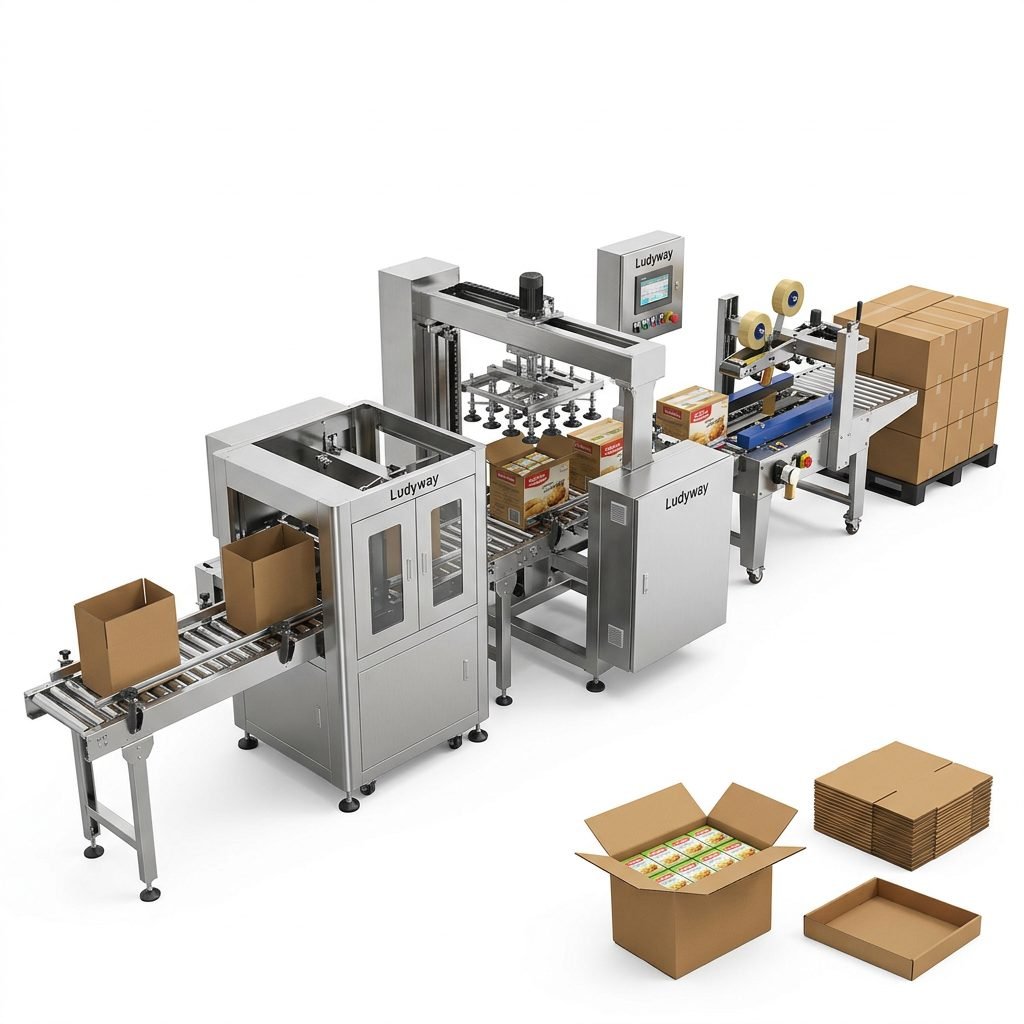
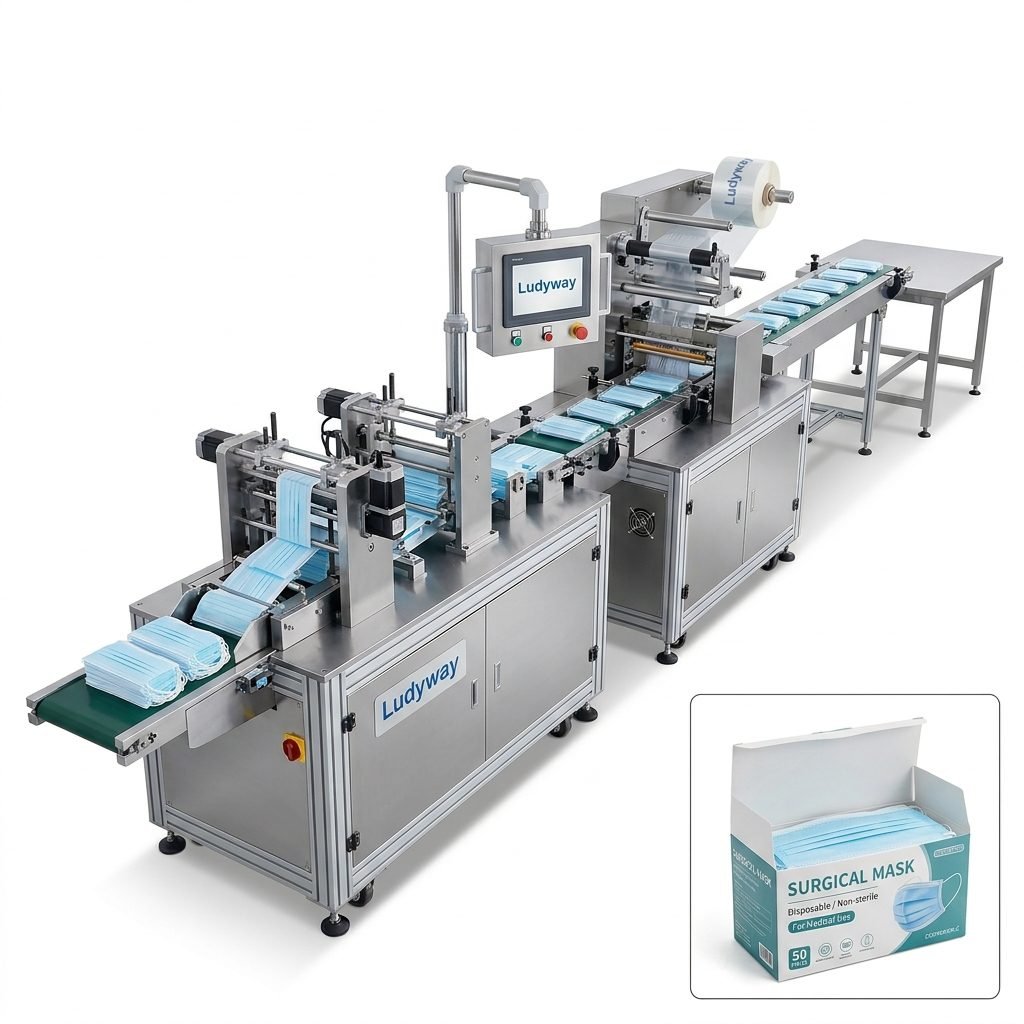
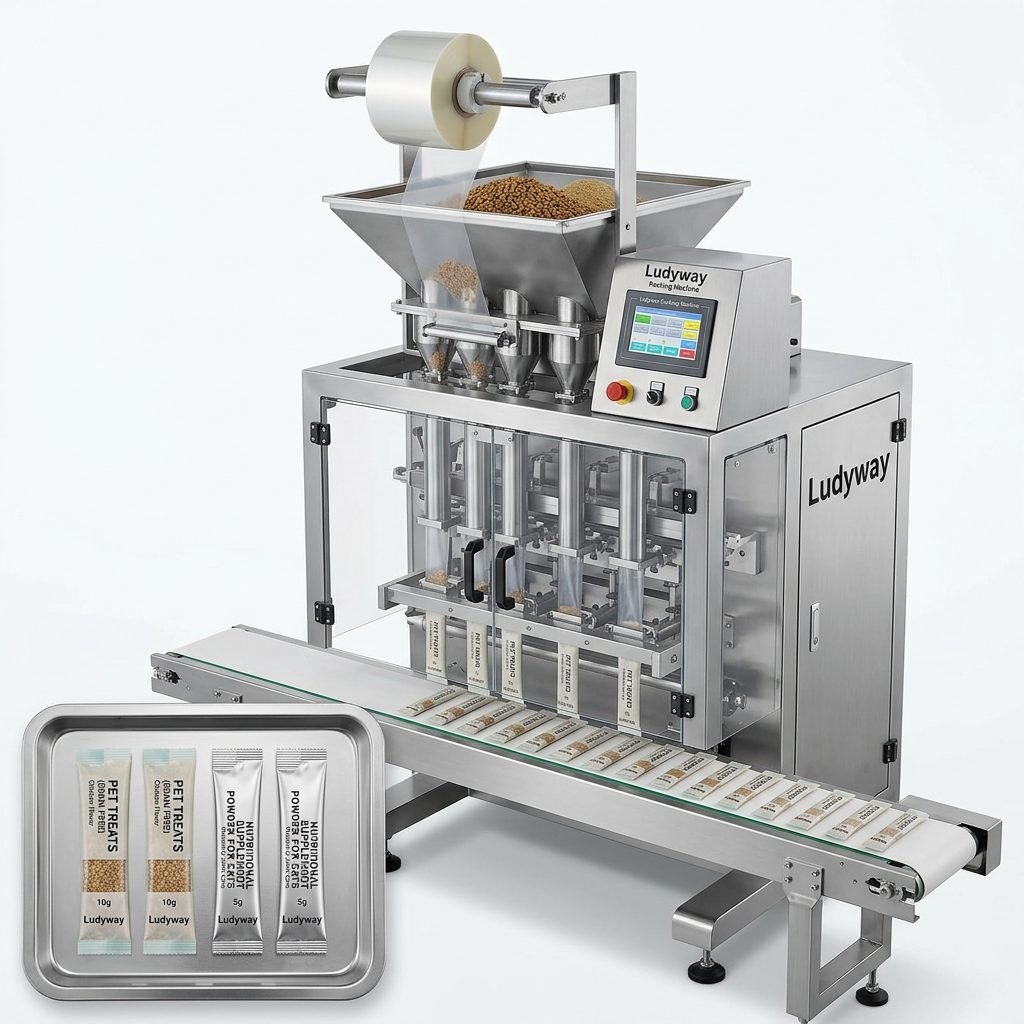
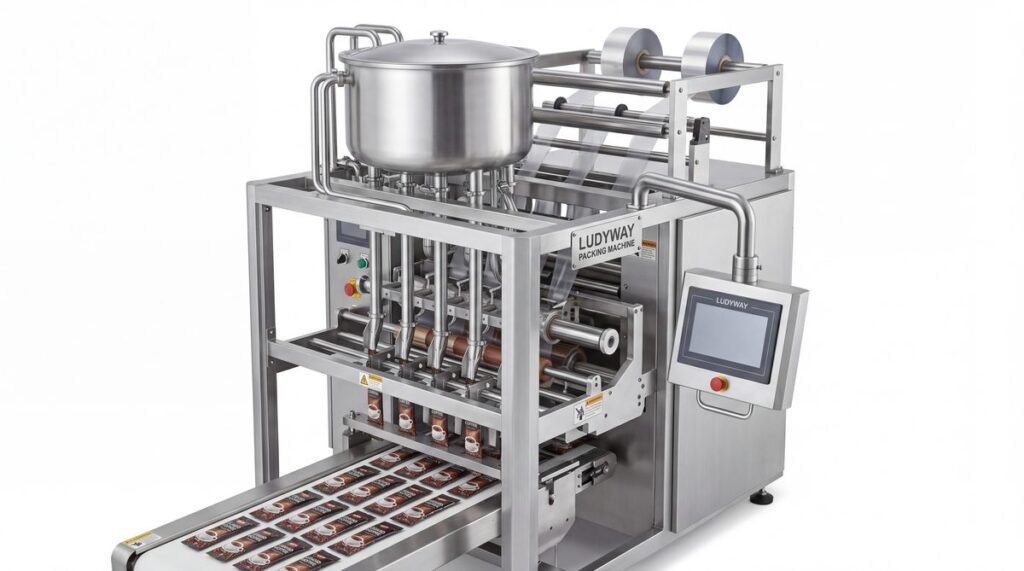
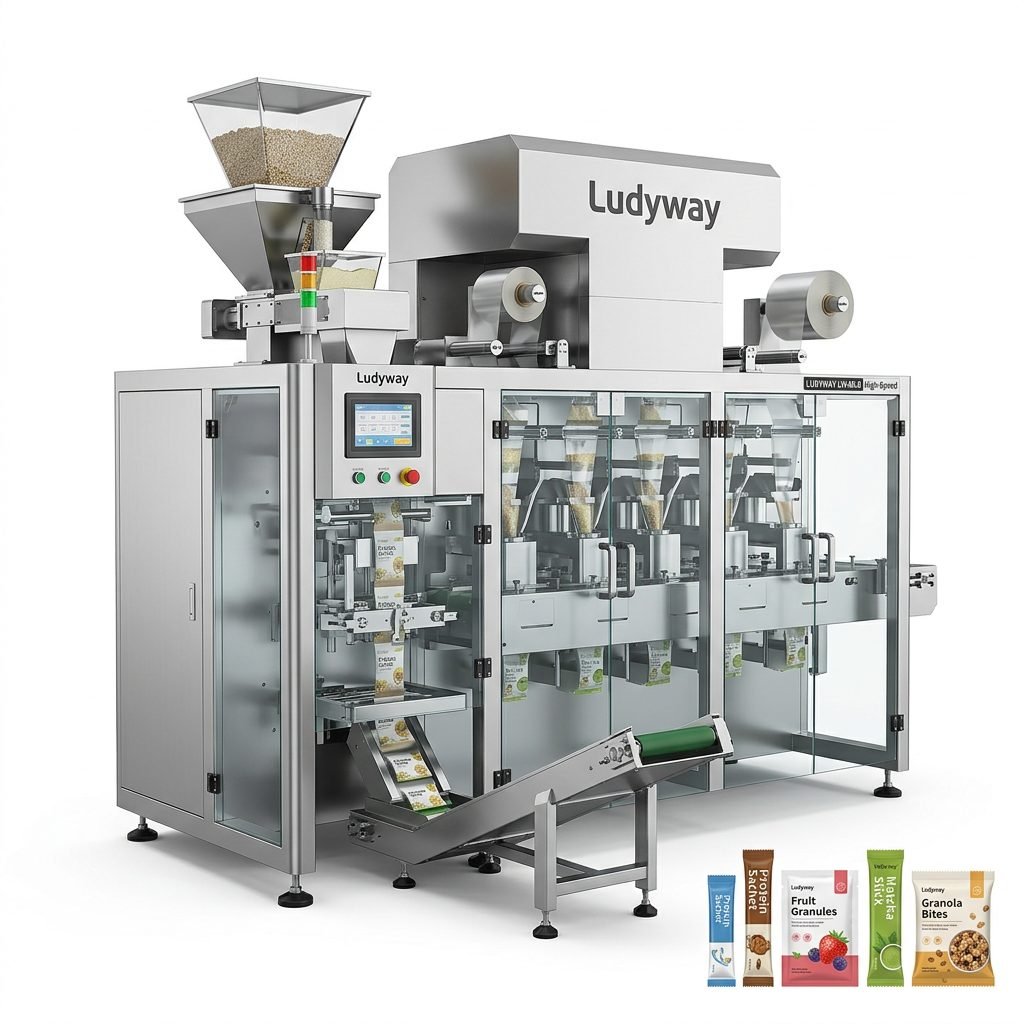
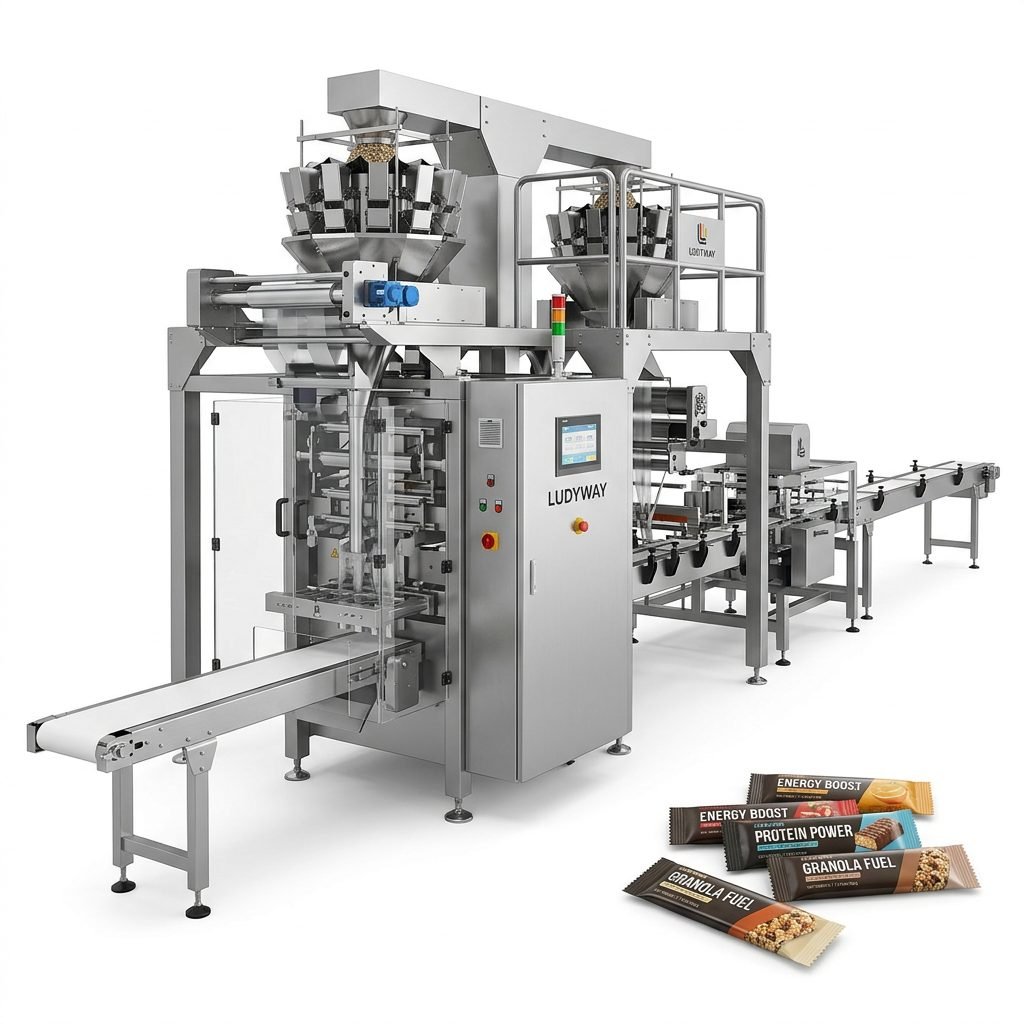
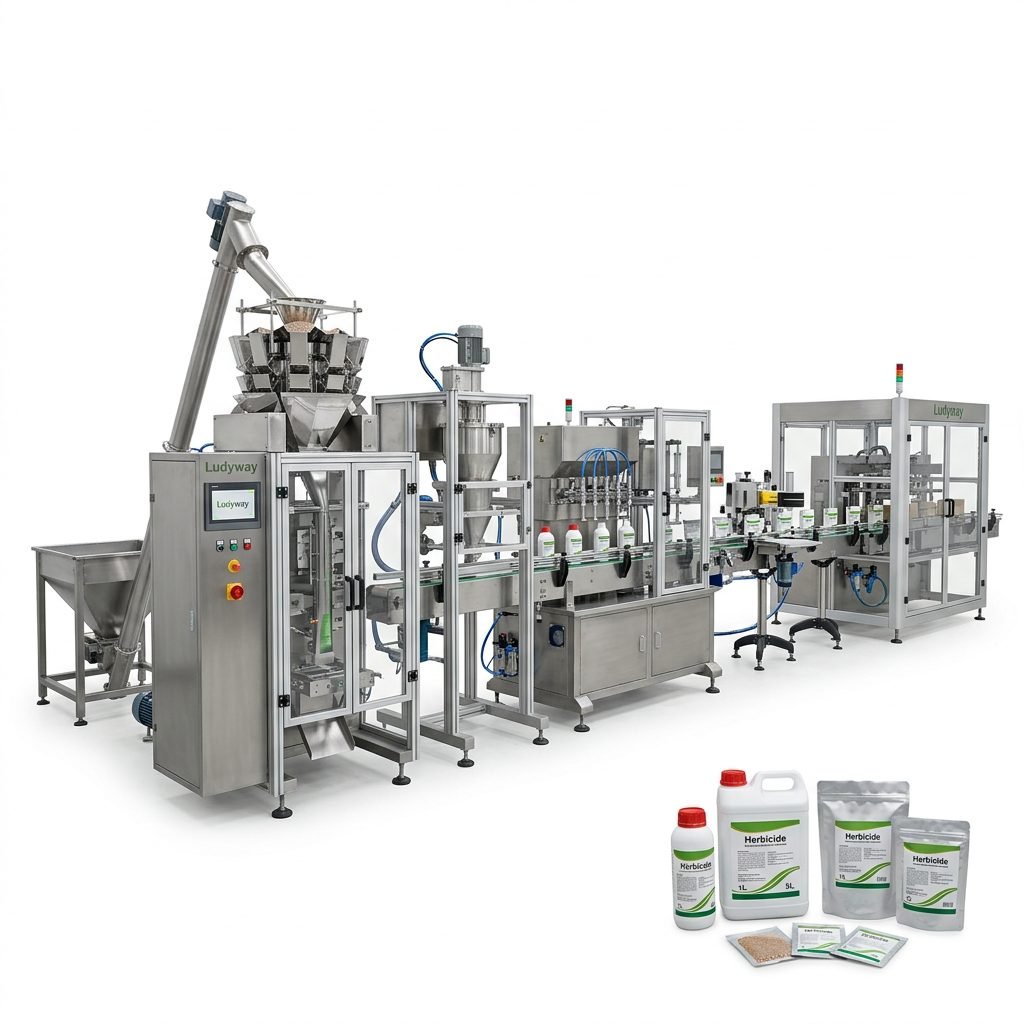
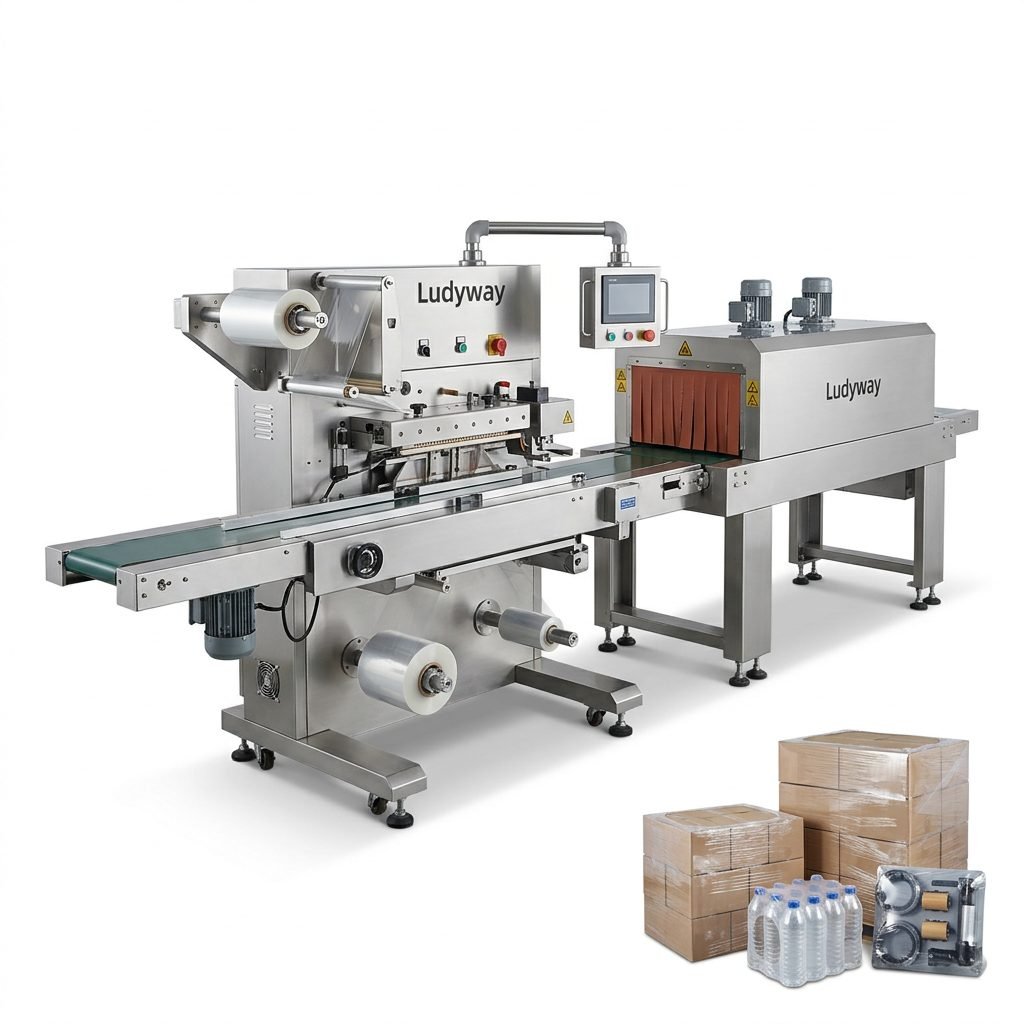
When sourcing equipment, partnering with an experienced manufacturer can make a significant difference in machine reliability and after-sales support. For instance, Ludyway Machinery, a China-based packaging machinery manufacturer with over 30 years of industry experience and a 20,000-square-meter manufacturing facility, provides integrated packaging solutions that combine mechanical engineering expertise with automation technology across more than 50 machine models. This depth of manufacturing capability is an important indicator of a supplier’s ability to deliver durable, well-engineered equipment.
Regulatory Compliance and Safety Standards
Depending on your end market and application, your slitting machine may need to comply with specific regulatory requirements. Food packaging applications must meet food packaging regulations set by the FDA, while pharmaceutical packaging often requires adherence to GMP guidelines. Similarly, international packaging standards such as ISO 11607 for medical device packaging establish stringent requirements for packaging processes and validation. Ensure your equipment supplier can provide the necessary documentation and certification support for your target markets.
Total Cost of Ownership Analysis
Purchase price is only one component of the total cost equation. A comprehensive cost analysis should account for:
- Installation and commissioning costs — including facility modifications and operator training
- Consumable expenses — blades, lubricants, and wear components replacement frequency
- Energy consumption — motor efficiency and idle power draw
- Downtime costs — mean time between failures and typical repair durations
- Changeover time — labor costs associated with product or width transitions
- Waste rates — material lost during setup, splices, and rejected output
Machines with higher upfront investment but lower operating costs often deliver better long-term return on investment, particularly for high-volume operations where downtime and waste have significant financial impact.
Supplier Evaluation Criteria
Choosing the right equipment partner is as important as choosing the right machine. Evaluate potential suppliers based on:
- Industry experience and track record — how many installations in your specific application segment
- Technical support capabilities — availability of remote diagnostics, on-site service, and spare parts
- Customization engineering — ability to adapt standard platforms to your unique requirements
- References and case studies — verifiable performance data from existing customers
- Training programs — comprehensive operator and maintenance training offerings

Attending major industry events such as PACK EXPO International provides an excellent opportunity to see pouch slitting machines in operation, compare different manufacturers side by side, and discuss your specific requirements directly with technical experts.
Integration with Existing Production Lines
A pouch slitting machine does not operate in isolation. Evaluate how the new equipment will interface with your existing unwinding stations, tension control systems, trim removal setups, and rewinding or downstream pouch-making machines. Communication protocol compatibility — such as Ethernet/IP, Profibus, or Modbus — is essential for seamless integration into automated production environments. Additionally, consider the physical layout, including web path configuration, operator access points, and material handling logistics around the machine.
Future-Proofing Your Investment
The packaging industry evolves rapidly, driven by sustainability initiatives, material innovations, and changing consumer preferences. When selecting a pouch slitting machine, consider whether the equipment can be upgraded or retrofitted to handle emerging materials like mono-material recyclable films or bio-based substrates. Modular machine architectures that allow for field upgrades — such as adding laser slitting capability or upgrading control systems — can extend the useful life of your investment and provide flexibility as your product portfolio expands.
Making the Final Decision
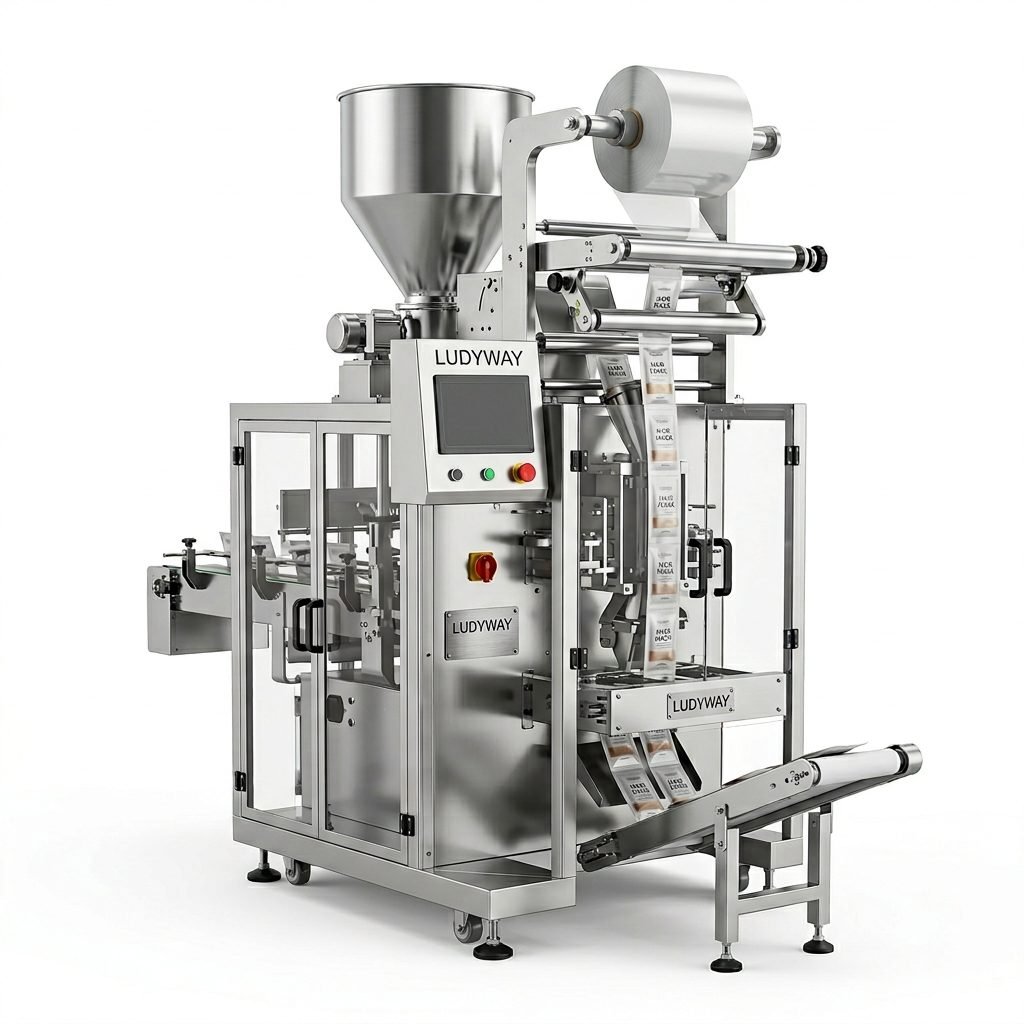
After evaluating all technical, operational, and financial factors, the final decision should balance current production needs with anticipated future requirements. Document your specifications clearly, request detailed proposals from shortlisted suppliers, and whenever possible, conduct factory acceptance tests with your actual materials before finalizing the purchase. A methodical, data-driven approach to machine selection will help ensure that your pouch slitting investment delivers reliable performance, consistent quality, and strong returns for years to come.