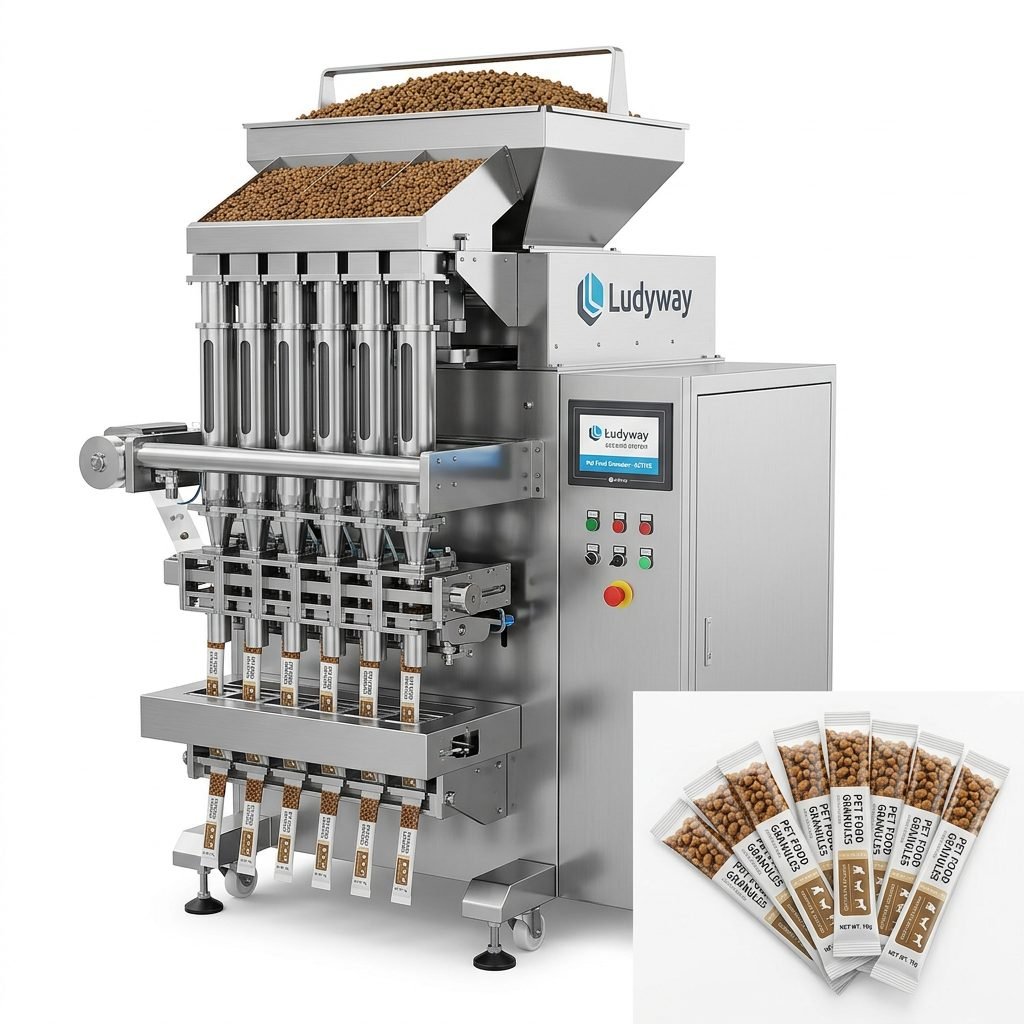
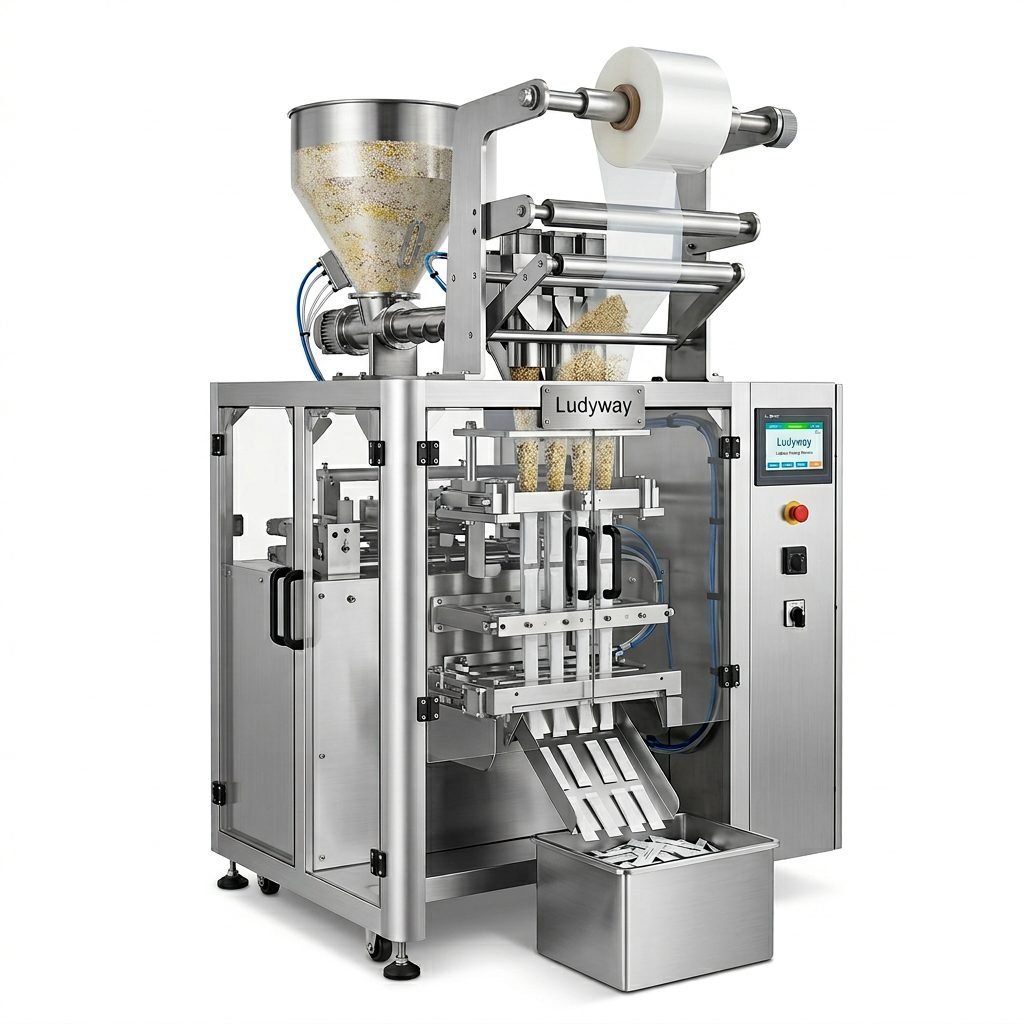
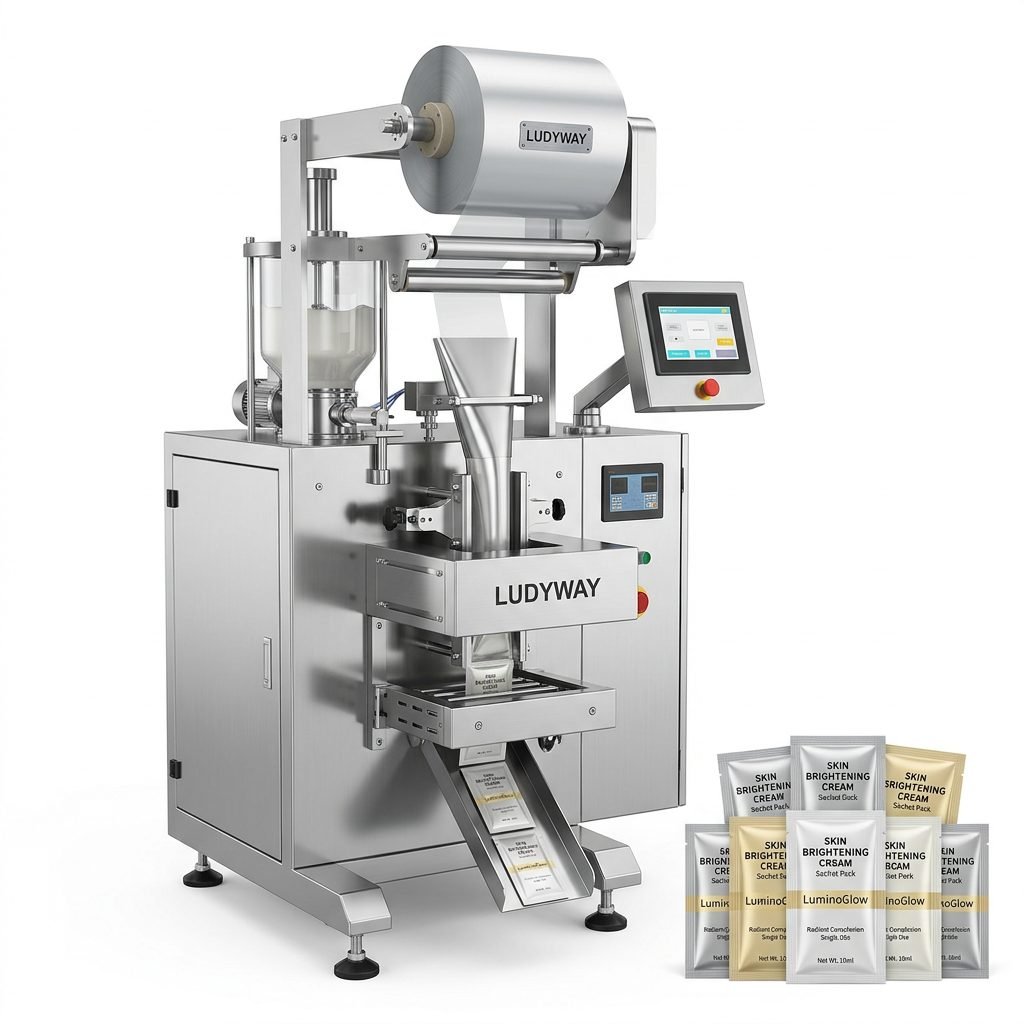
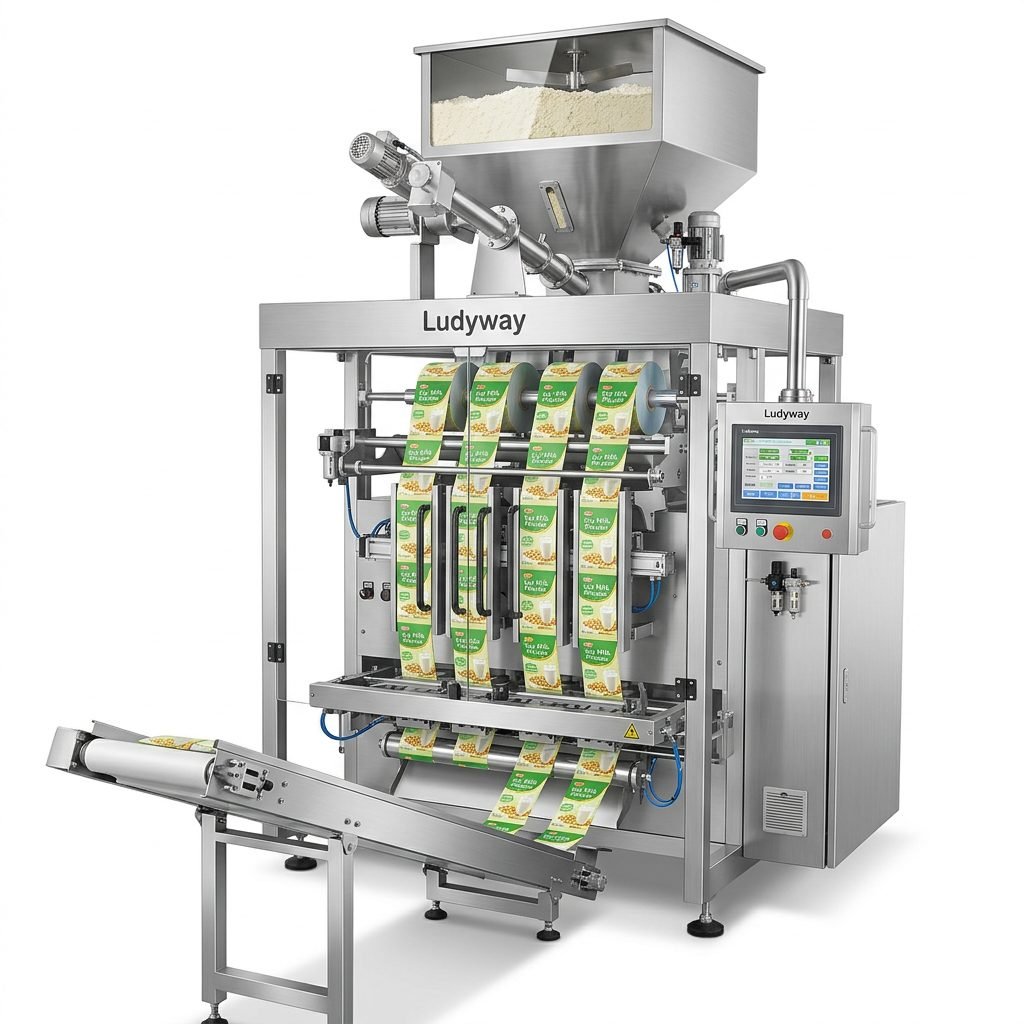
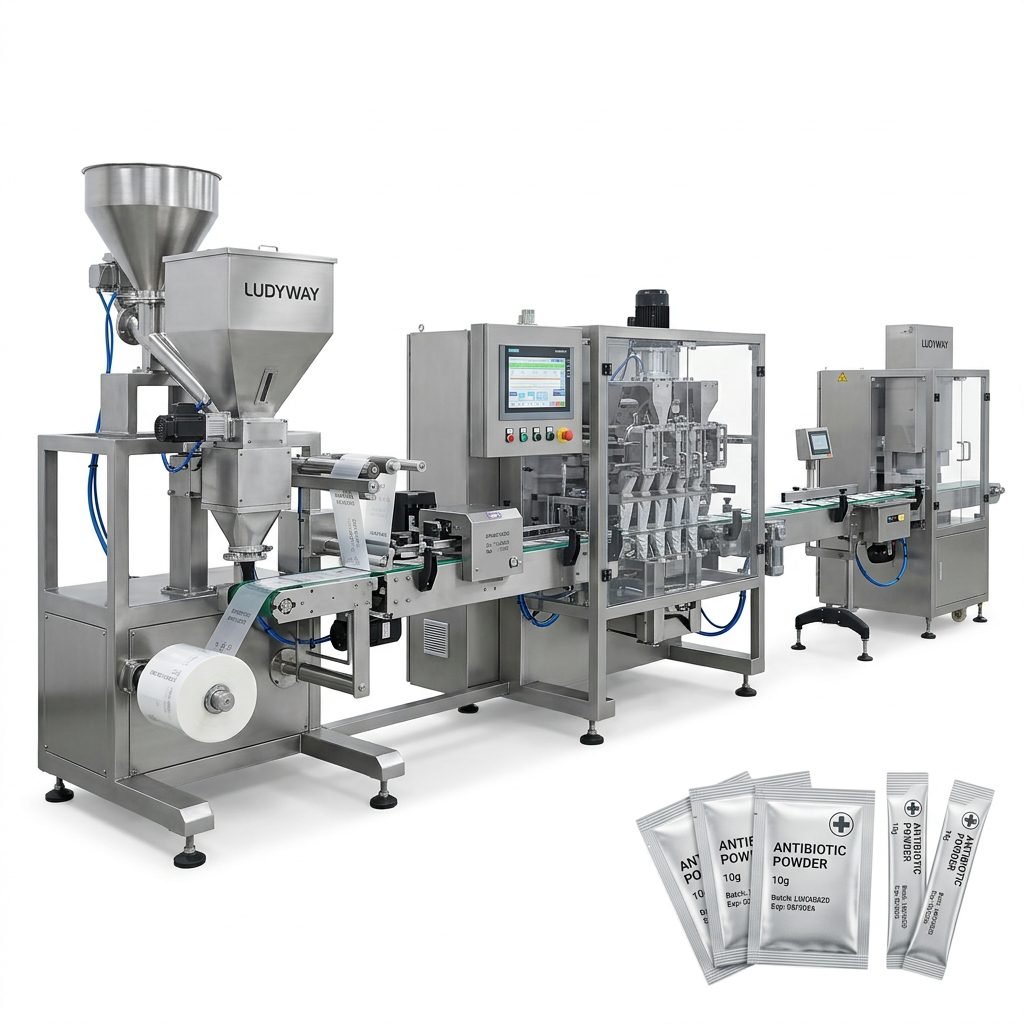
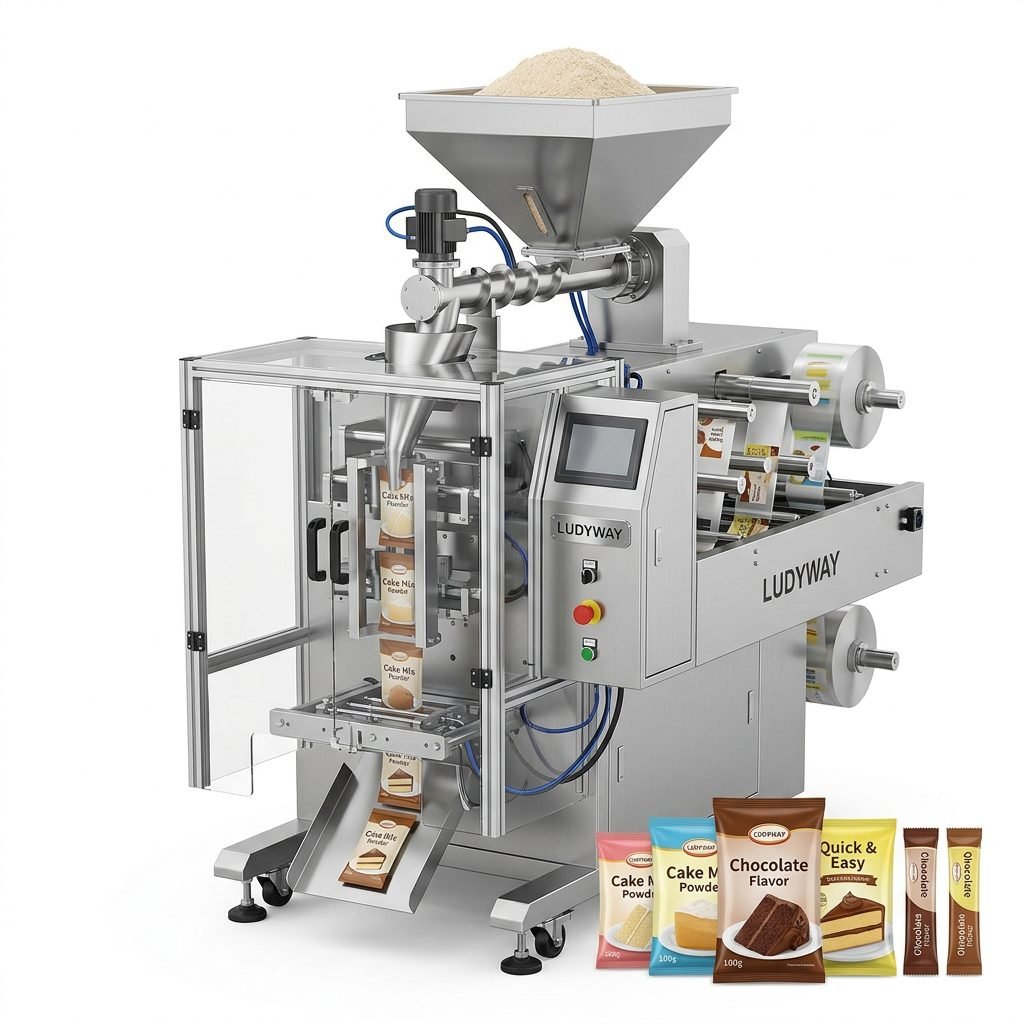
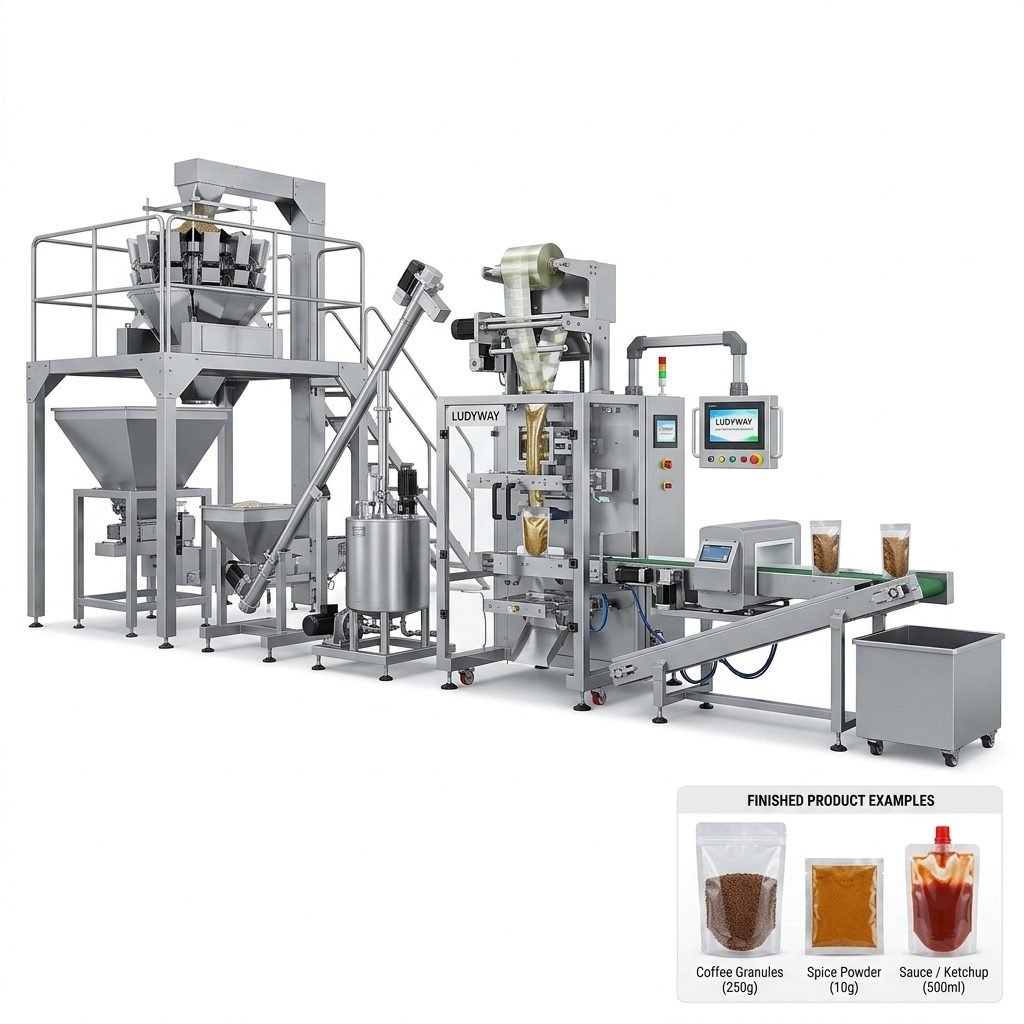
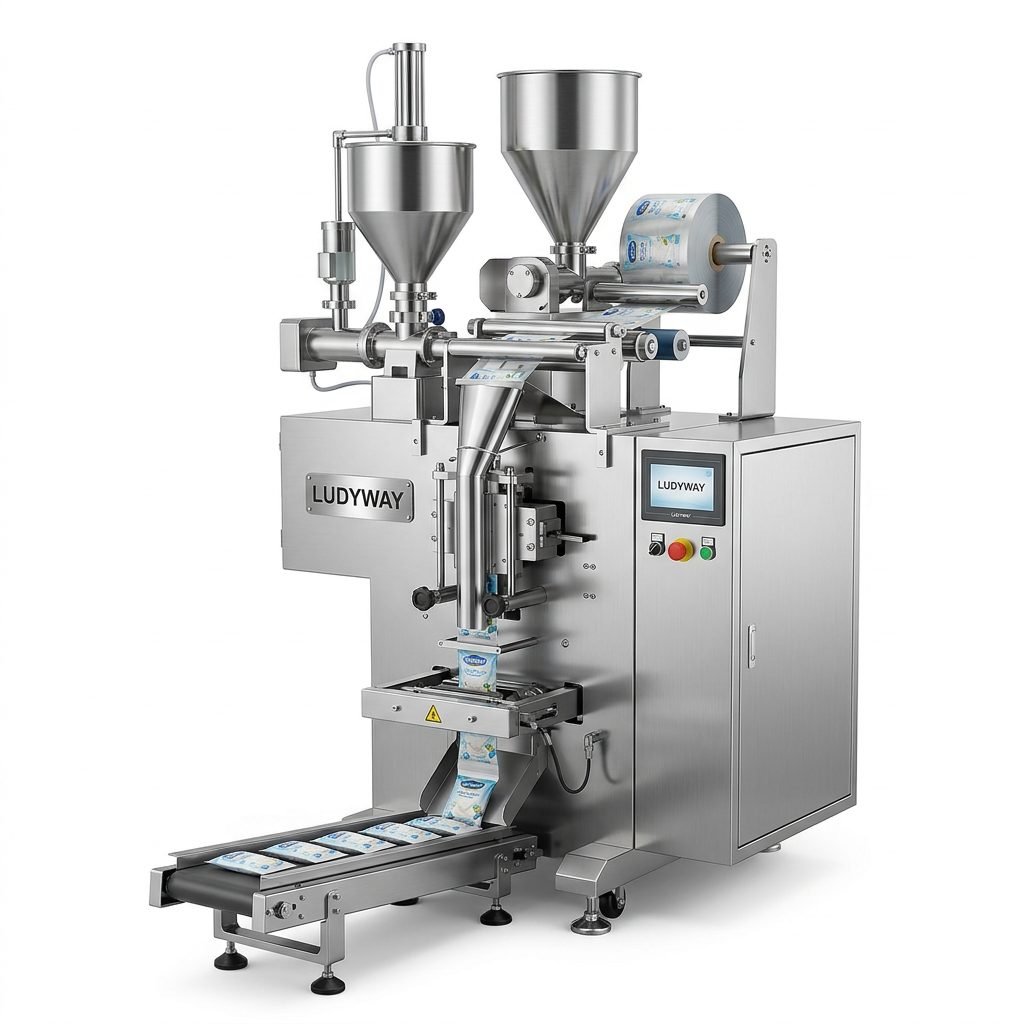
Heat shrink packaging machines are widely used across food, beverage, pharmaceutical, cosmetic, daily chemical, and industrial sectors because they create tight, clean, protective packaging with excellent shelf appeal. Whether you are packing bottles, cartons, trays, cans, pouches, or retail multipacks, understanding how this equipment works can help you choose a system that improves both efficiency and product presentation.
What Is a Heat Shrink Packaging Machine?
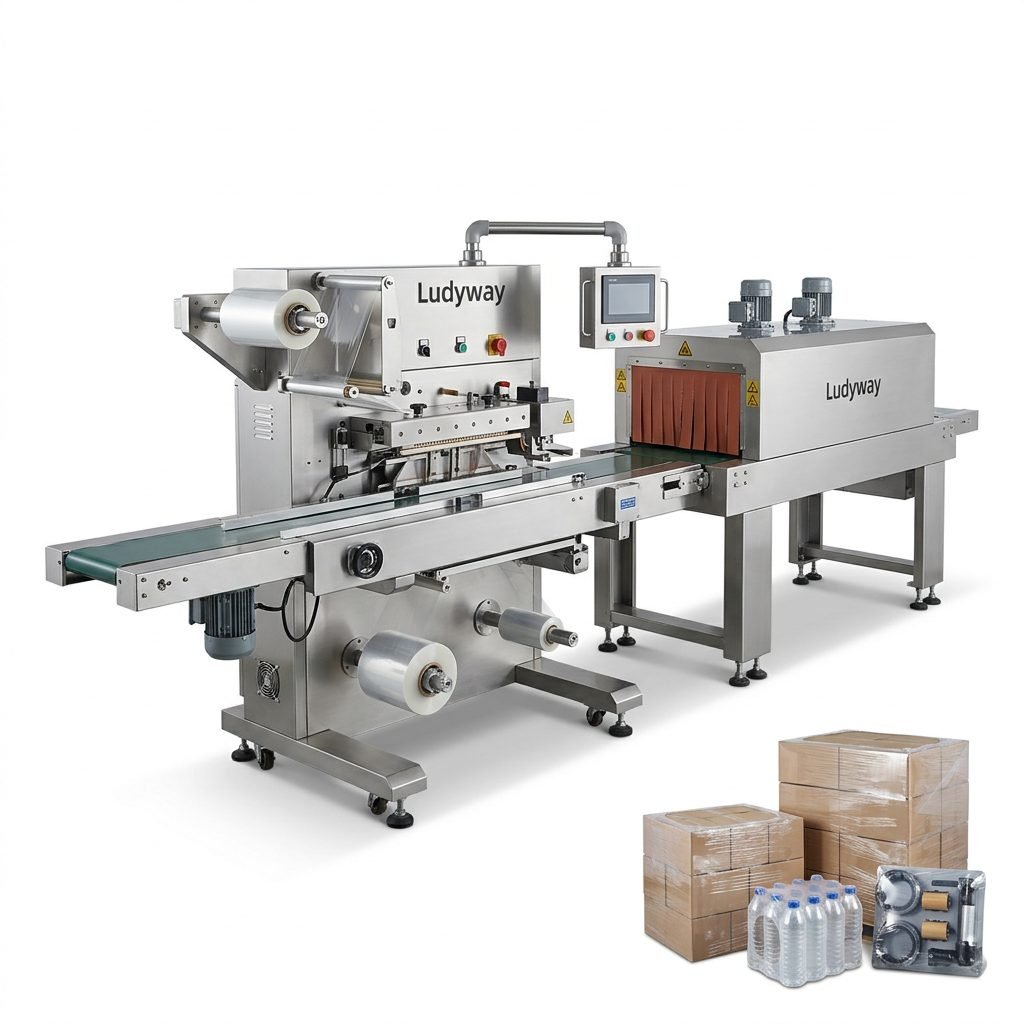
A heat shrink packaging machine is a packaging system that wraps a product in shrink film and then applies heat so the film contracts tightly around the item or group of items. The final package is secure, tamper-evident, neat-looking, and easier to transport or display.
These machines are commonly used for:
- Single product wrapping
- Multipack bundling
- Promotional retail packaging
- Transit protection
- Dust and moisture resistance
How Does a Heat Shrink Packaging Machine Work?
The process is straightforward, but the machine combines several important stages to ensure reliable and consistent packaging results.
1. Product Infeed
Products are manually or automatically fed into the machine. Depending on the line design, items may enter one by one or in grouped formations for bundle packing.
2. Film Wrapping
The machine surrounds the product with shrink film, usually made from materials such as PVC, POF, or PE. The film may come from a center-fold roll or be applied as a sleeve around grouped products.
3. Sealing and Cutting
A sealing system cuts and seals the film around the product. Common sealing types include:
- L-bar sealing
- Side sealing
- Sleeve sealing
4. Heat Shrinking
The wrapped product passes through a heat tunnel or heat chamber. Controlled hot air causes the film to shrink evenly around the product, creating a snug and professional finish.
5. Cooling and Discharge
After shrinking, the package cools down and becomes stable for handling, boxing, stacking, or palletizing.
Key point: Packaging quality depends heavily on the right match between film type, sealing method, tunnel temperature, conveyor speed, and product shape.
Main Components of a Heat Shrink Packaging Machine
| Component | Function |
|---|---|
| Infeed conveyor | Moves products into the wrapping area |
| Film holder / unwinder | Supplies shrink film smoothly |
| Sealing system | Cuts and seals the film around the product |
| Heat tunnel | Applies controlled heat to shrink the film |
| Control panel / PLC | Sets temperature, timing, speed, and operating parameters |
| Discharge conveyor | Transfers finished packs to the next process |
Common Types of Heat Shrink Packaging Machines
Manual Heat Shrink Machines
Suitable for small production volumes, start-ups, and low-budget operations. They are simple to use but less efficient for growing factories.
Semi-Automatic Heat Shrink Machines
These machines offer a balance between labor input and productivity. Operators usually place products manually, while sealing and shrinking are partially automated.
Fully Automatic Heat Shrink Packaging Machines
Ideal for medium to large-scale production. They can integrate with upstream and downstream equipment for continuous packaging, reduced labor, and stable output.
Shrink Sleeve or Bundle Wrapping Systems
Used for grouped bottles, cans, boxes, and trays. These are popular in beverage, food, and household product industries where multipack transport and retail display are important.
Benefits of Using a Heat Shrink Packaging Machine
- Better product protection: Helps protect against dust, moisture, scratches, and handling damage.
- Improved shelf appearance: Creates a clean, transparent, professional package.
- Tamper evidence: Makes interference more visible in many retail applications.
- Reduced packaging material waste: Shrink film can be efficient compared with bulkier packaging styles.
- Higher packaging speed: Automatic systems improve throughput for mass production.
- Flexible packaging formats: Suitable for different shapes, sizes, and grouped configurations.
- Lower labor dependence: Automation improves consistency and cuts manual handling.
Industries That Commonly Use Heat Shrink Packaging
| Industry | Typical Products |
|---|---|
| Food & Beverage | Bottles, trays, snacks, cartons, cans, sauces |
| Pharmaceutical | Medicine boxes, health products, medical supplies |
| Cosmetics | Creams, lotions, sample packs, boxed sets |
| Household Chemicals | Detergents, cleaners, liquid refill packs |
| Industrial Products | Hardware, components, spare parts, tools |
How to Choose the Right Heat Shrink Packaging Machine
Choosing the right model is not only about machine speed. It should match your product characteristics, packaging goals, line layout, and future production plan.
Consider Your Product Type
Ask whether your product is rigid, fragile, lightweight, heavy, or irregularly shaped. Product dimensions and stability directly affect film selection, conveyor design, and sealing style.
Define Packaging Format
Do you need single-item wrapping, tray shrink wrapping, or multipack bundling? Different applications require different machine configurations.
Check Required Output Speed
A small workshop may only need a semi-automatic machine, while a large factory may require a fully automatic line integrated with conveyors, labeling, coding, cartoning, or palletizing equipment.
Match the Film Material
Popular film choices include:
- POF: Clear, strong, and widely used for retail packaging
- PVC: Lower cost in some applications, though less common in certain modern markets
- PE: Often used for heavier products and bundling applications
Evaluate Automation Level
If labor costs are rising or production stability matters, a fully automatic machine often offers better long-term value despite higher initial investment.
Think About Maintenance and Changeover
A machine should be easy to clean, adjust, and maintain. Fast changeover is especially important if you run multiple SKUs.
Verify Supplier Capability
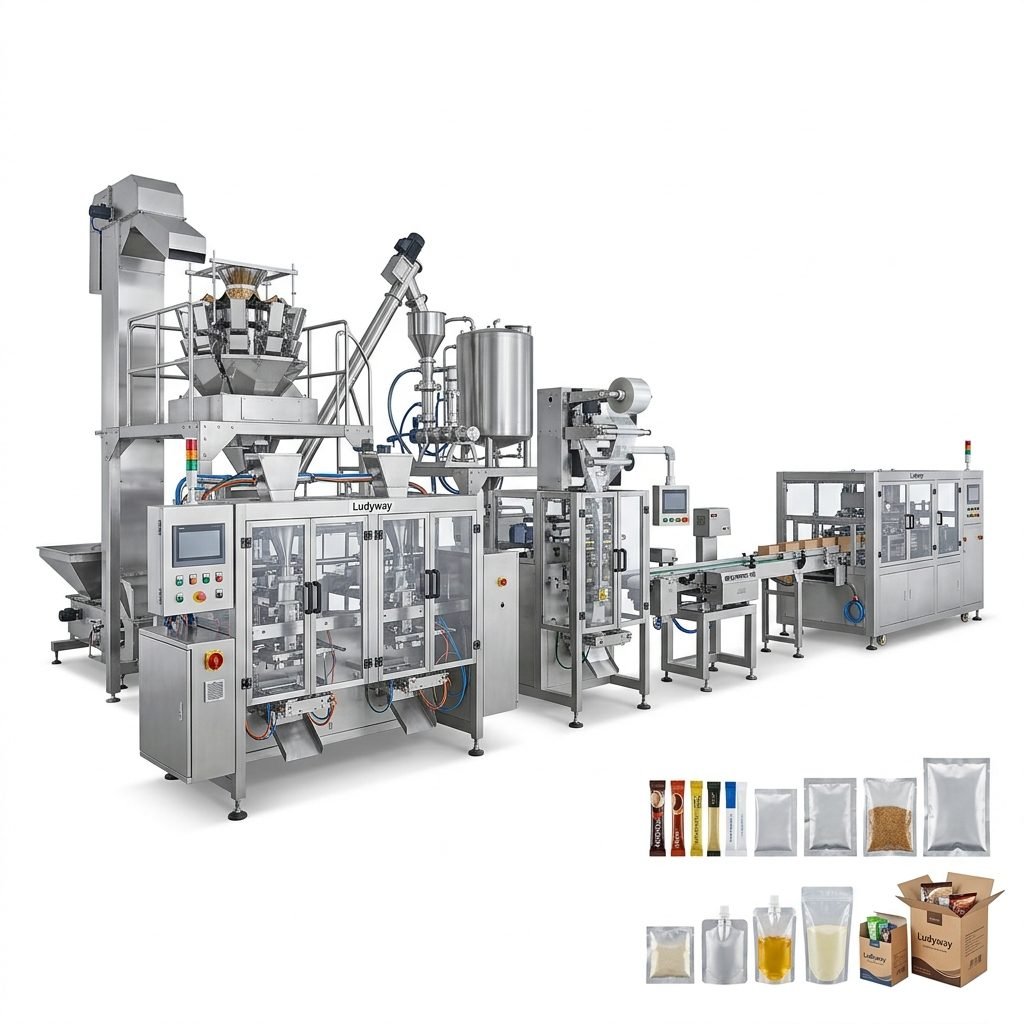
Work with a manufacturer that can provide technical support, customization, spare parts, and line integration. For businesses looking for scalable packaging automation, Ludyway heat shrink packaging machine solutions can be considered alongside broader turnkey packaging line requirements.
Pro tip: Always request material tests with your actual product and film before final purchase. This helps confirm seal quality, shrink effect, speed, and compatibility.
Key Questions to Ask Before Buying
- What is the maximum and minimum product size the machine can handle?
- What packaging speed can it achieve in real production conditions?
- Which shrink films are compatible?
- How easy is it to switch between different products?
- What is the energy consumption of the heat tunnel?
- Can the system connect with existing conveyors or packaging lines?
- What after-sales service and spare parts support are available?
Typical Problems and How to Avoid Them
| Issue | Possible Cause | Solution |
|---|---|---|
| Wrinkled film | Improper temperature or conveyor speed | Adjust tunnel heat and line speed |
| Weak seals | Incorrect sealing time or temperature | Optimize sealing parameters |
| Film burn-through | Excessive heat | Reduce tunnel or sealer temperature |
| Uneven shrinking | Poor airflow or wrong film choice | Improve air circulation and review film spec |
| Low efficiency | Manual loading bottlenecks | Upgrade to automated feeding or line integration |
Is a Heat Shrink Packaging Machine Worth the Investment?
For many manufacturers, the answer is yes. If your business needs better packaging consistency, stronger product protection, improved retail presentation, and higher output, a heat shrink packaging machine can deliver measurable returns. The best results usually come when the machine is selected based on real production needs rather than price alone.
Final Buying Checklist
- Confirm your product dimensions and packaging format
- Choose the right film type and thickness
- Match machine speed to your production target
- Check sealing style and shrink tunnel performance
- Review energy use and maintenance requirements
- Assess automation and future expansion needs
- Test the machine with actual products before ordering
A well-chosen heat shrink packaging machine does more than wrap products. It helps standardize production, reduce waste, improve logistics, and strengthen your brand image in competitive markets.