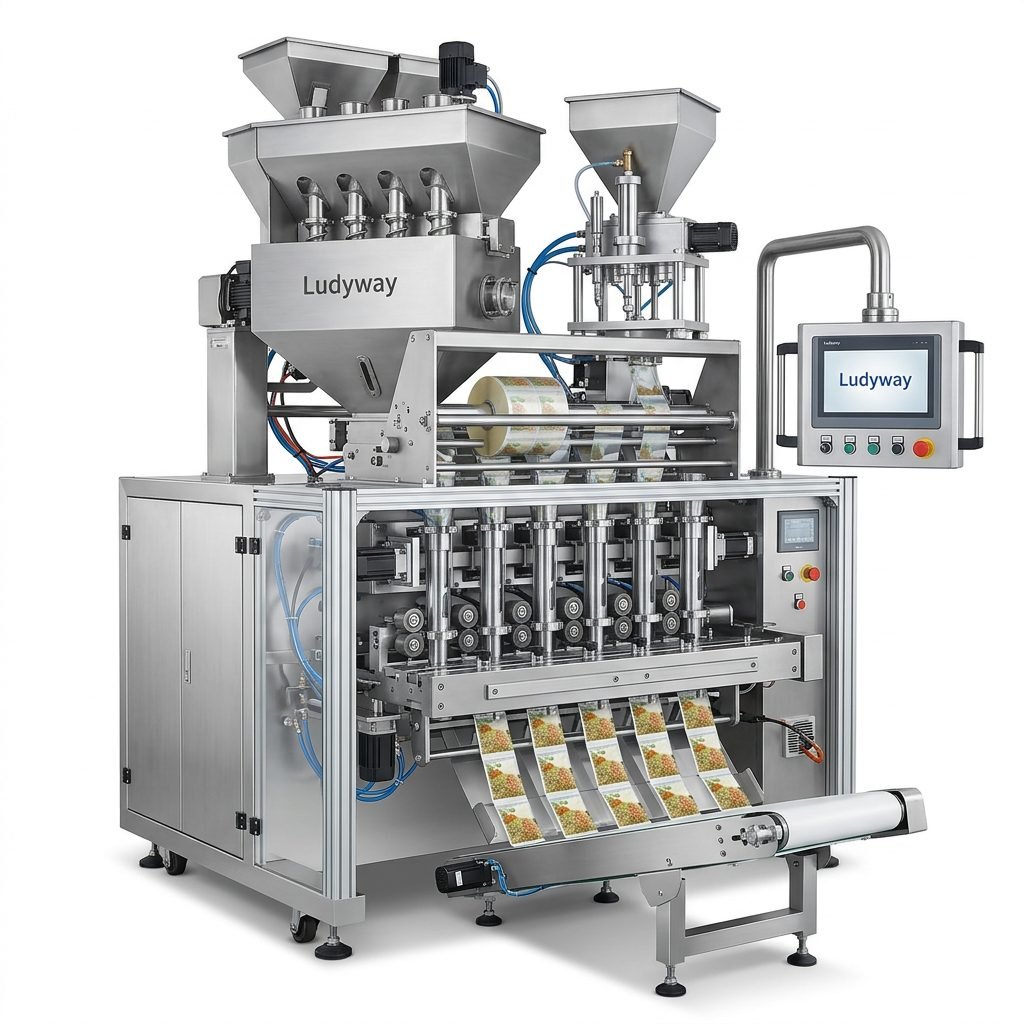
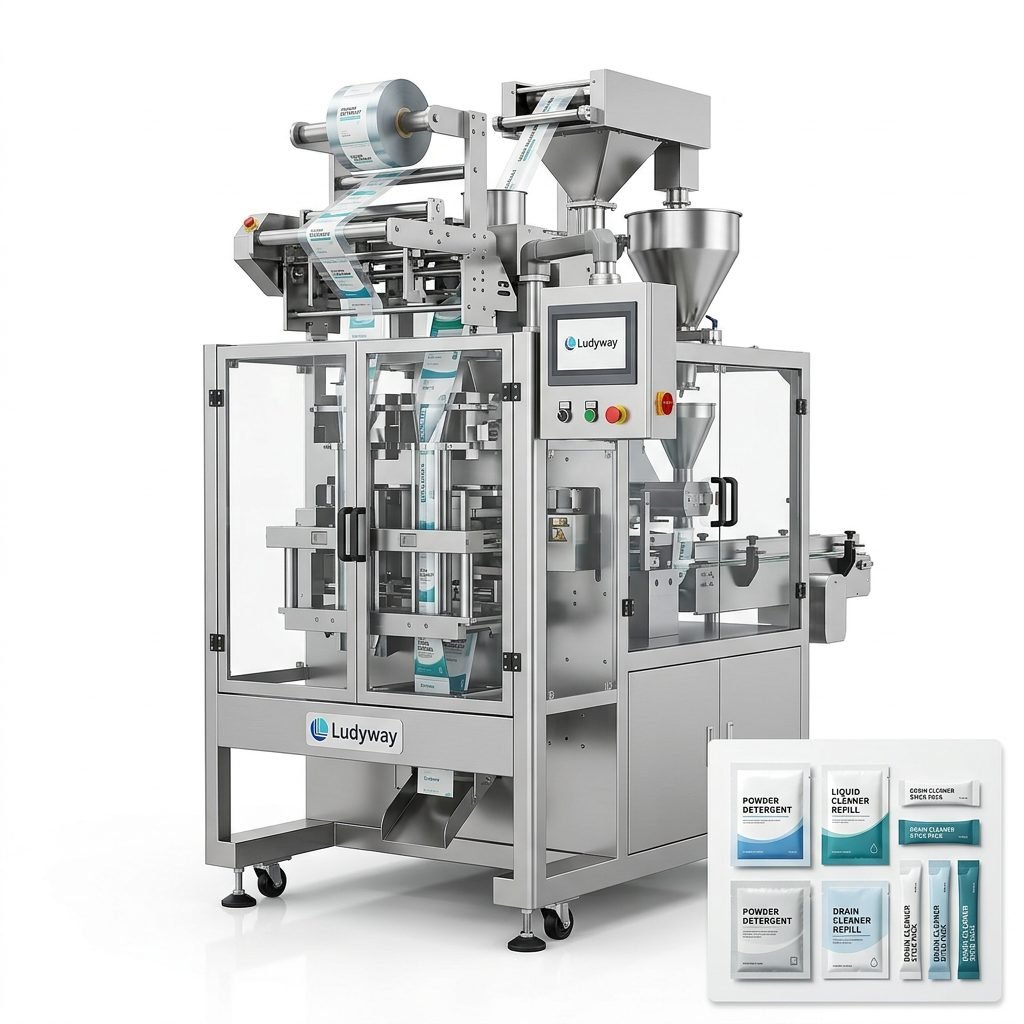
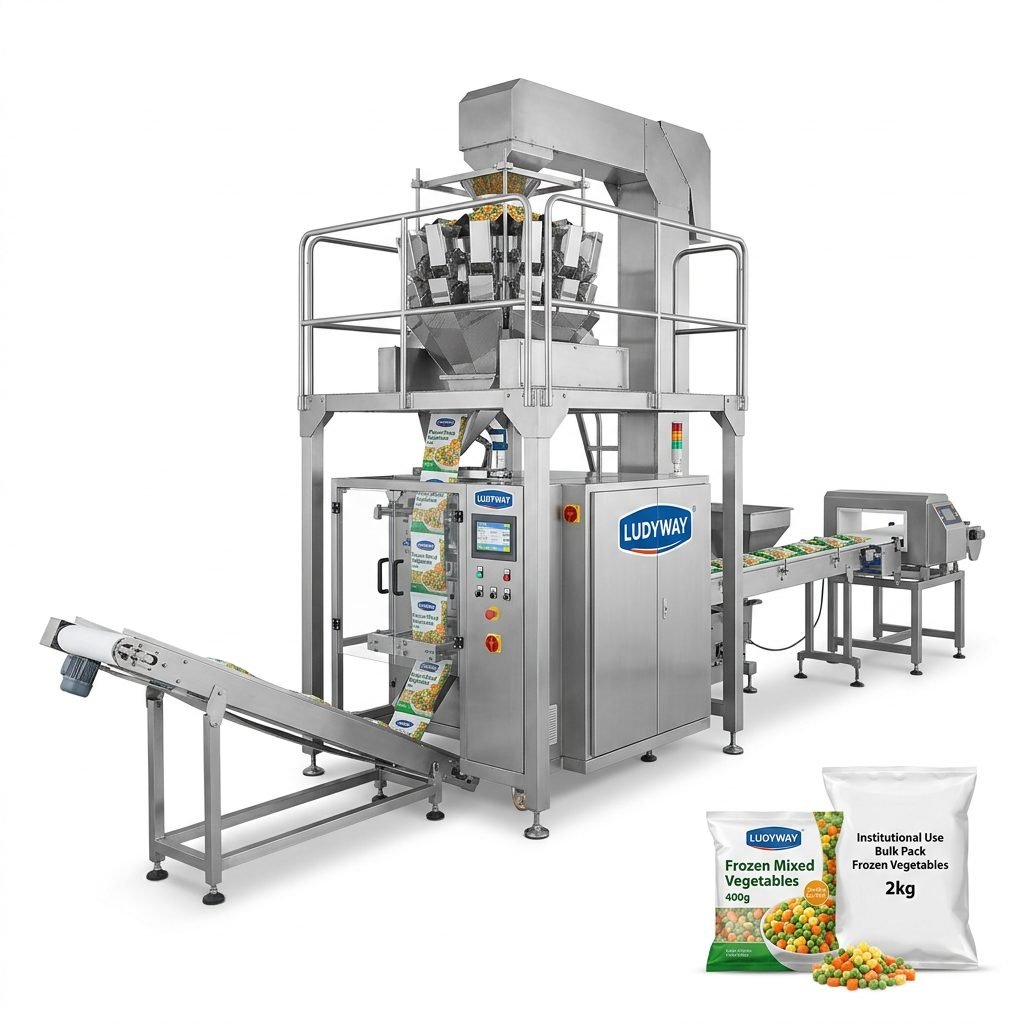
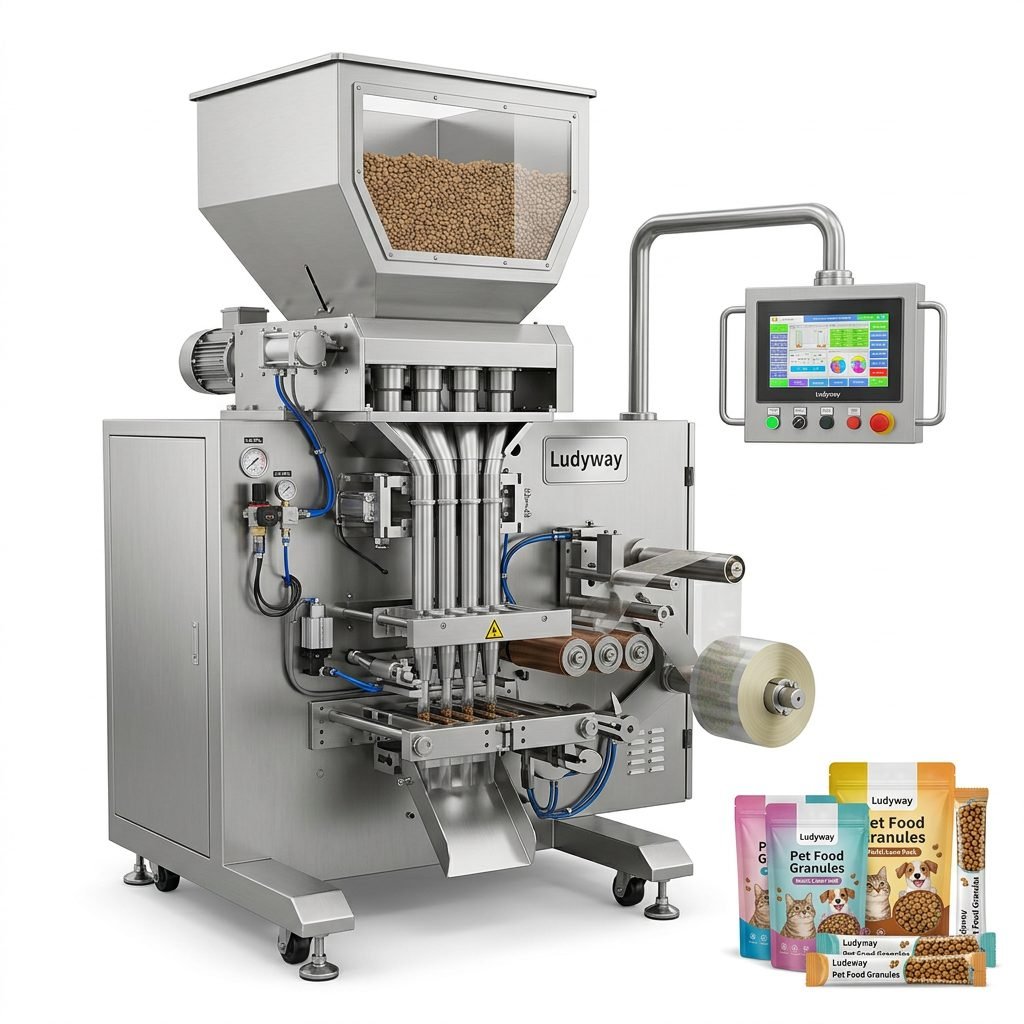
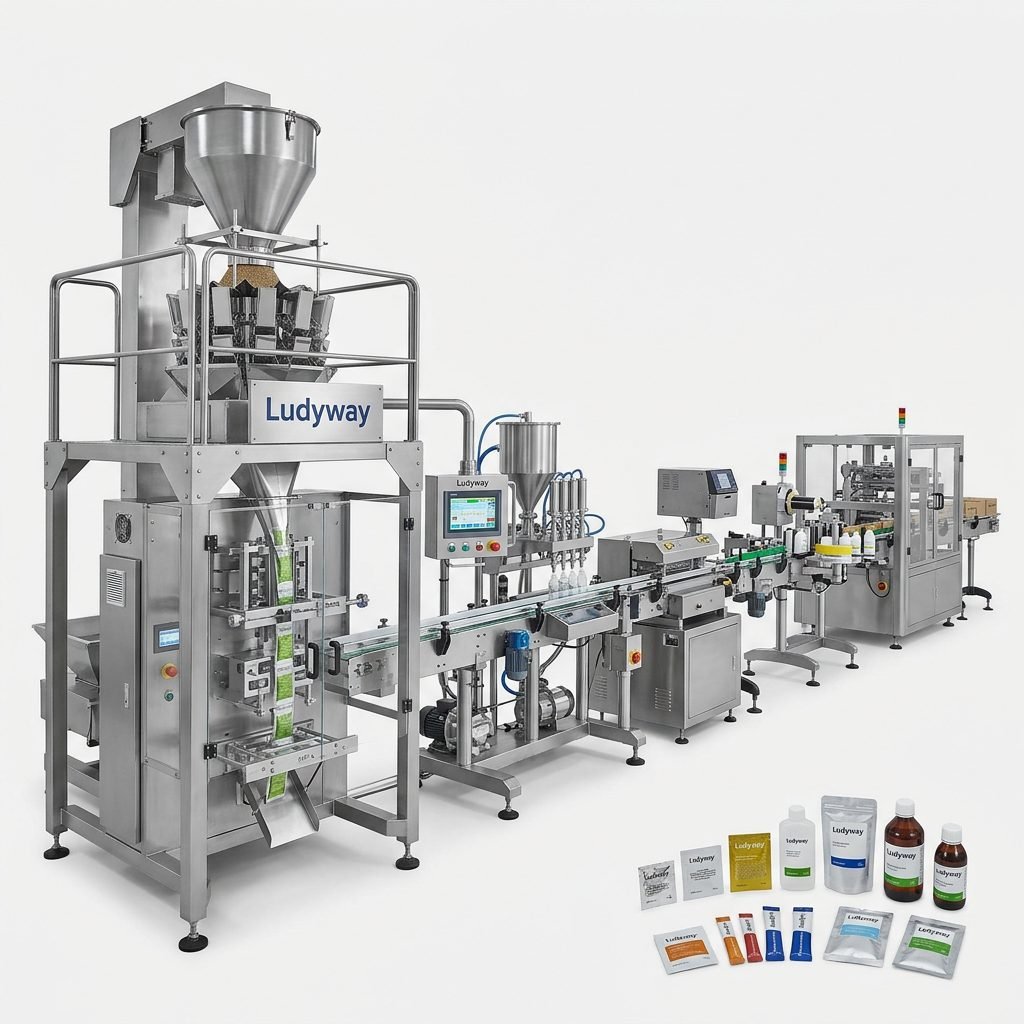
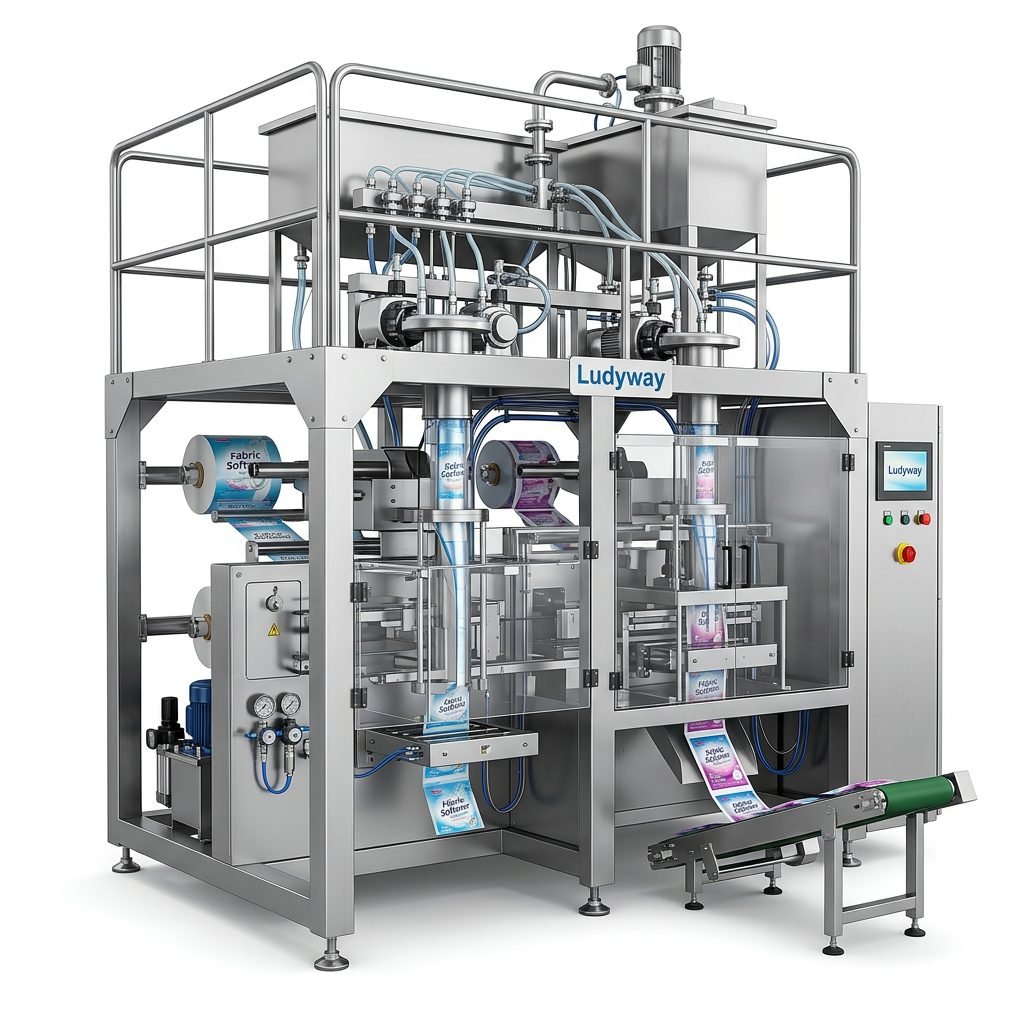
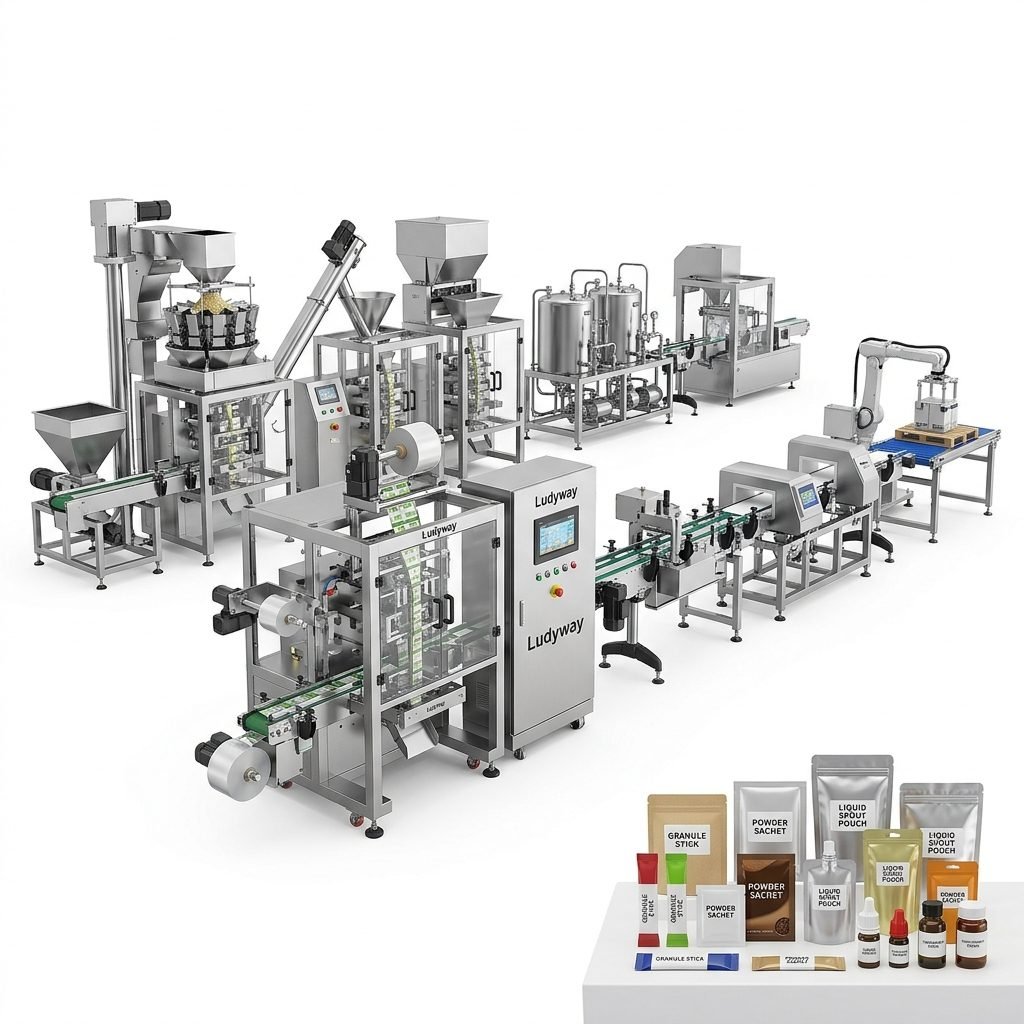
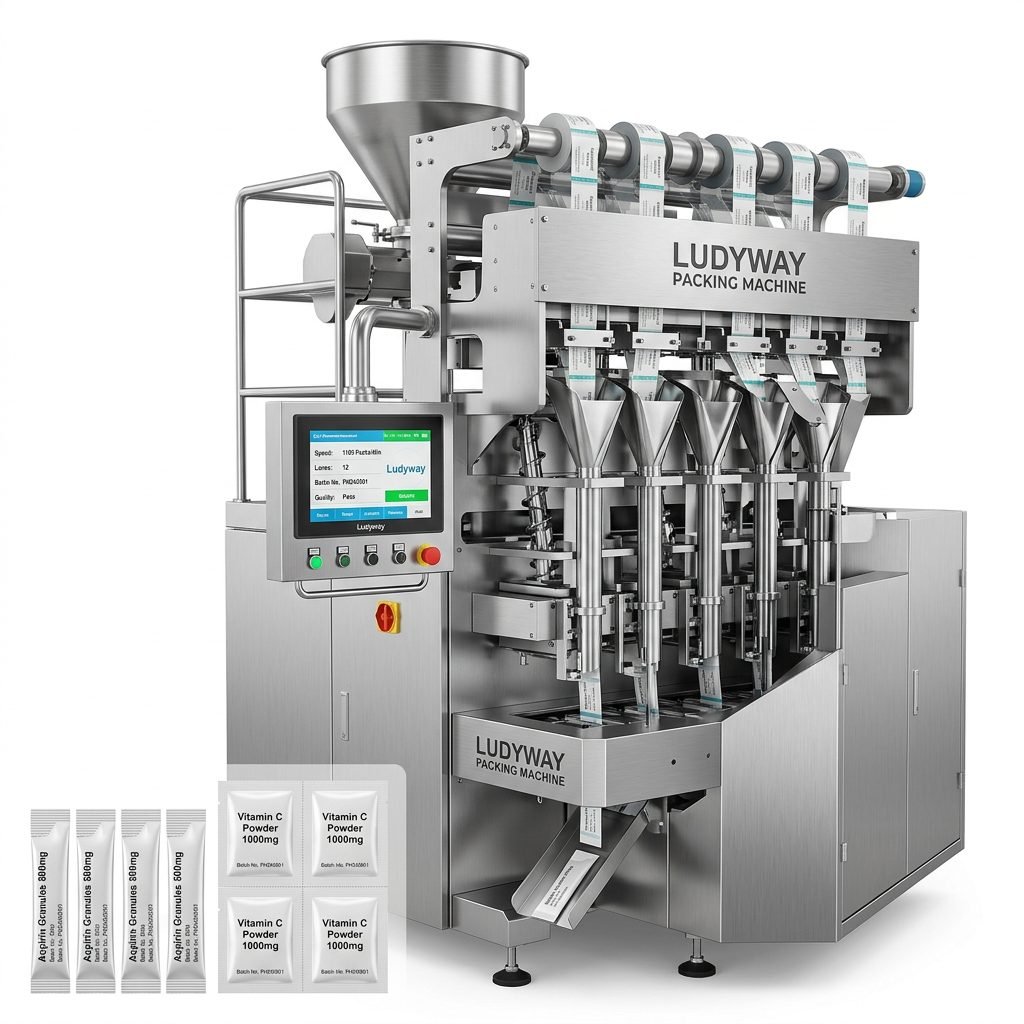
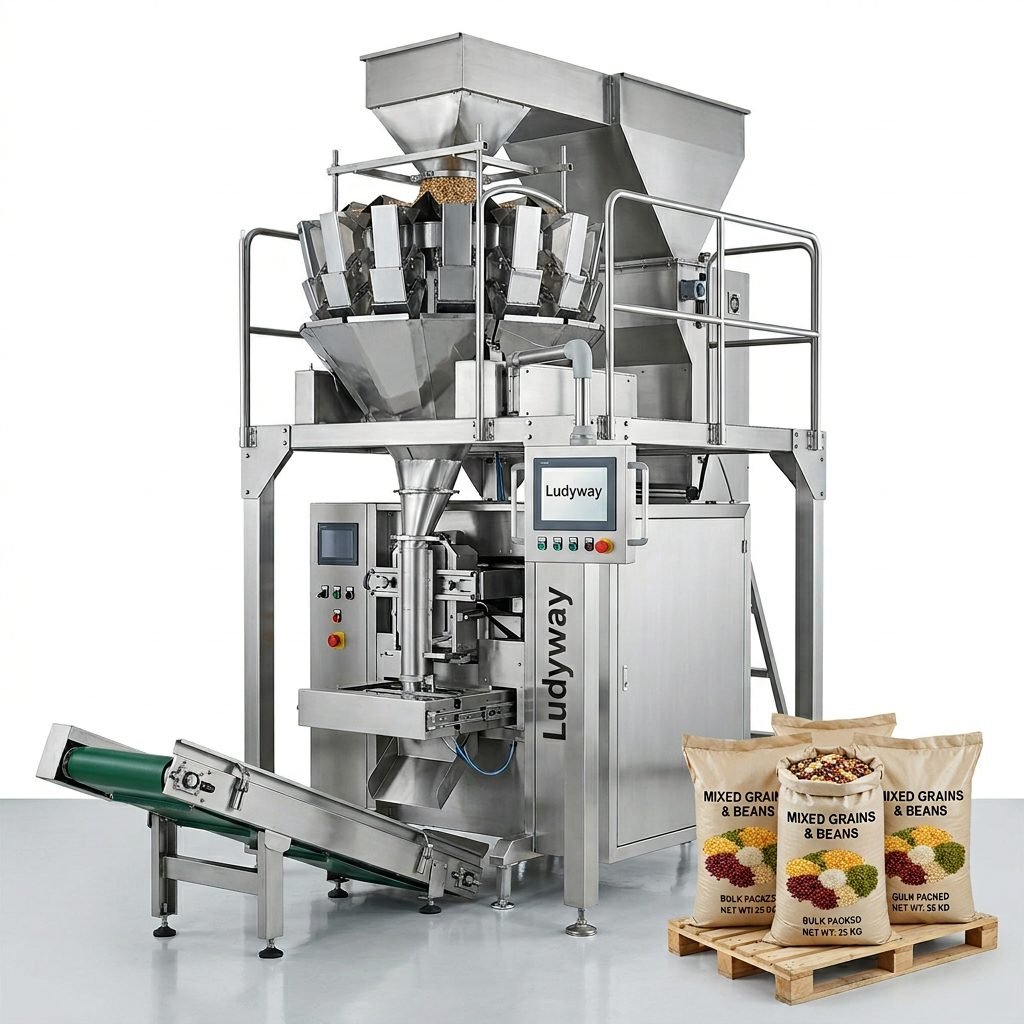
Investing in the right counting packaging machine is a critical decision that directly impacts your production efficiency, product quality, and bottom line. Whether you are packaging tablets, capsules, hardware components, electronic parts, or food granules, the precision and speed of your counting system determine your operational success. This comprehensive guide walks you through every essential factor to consider before making your purchase.
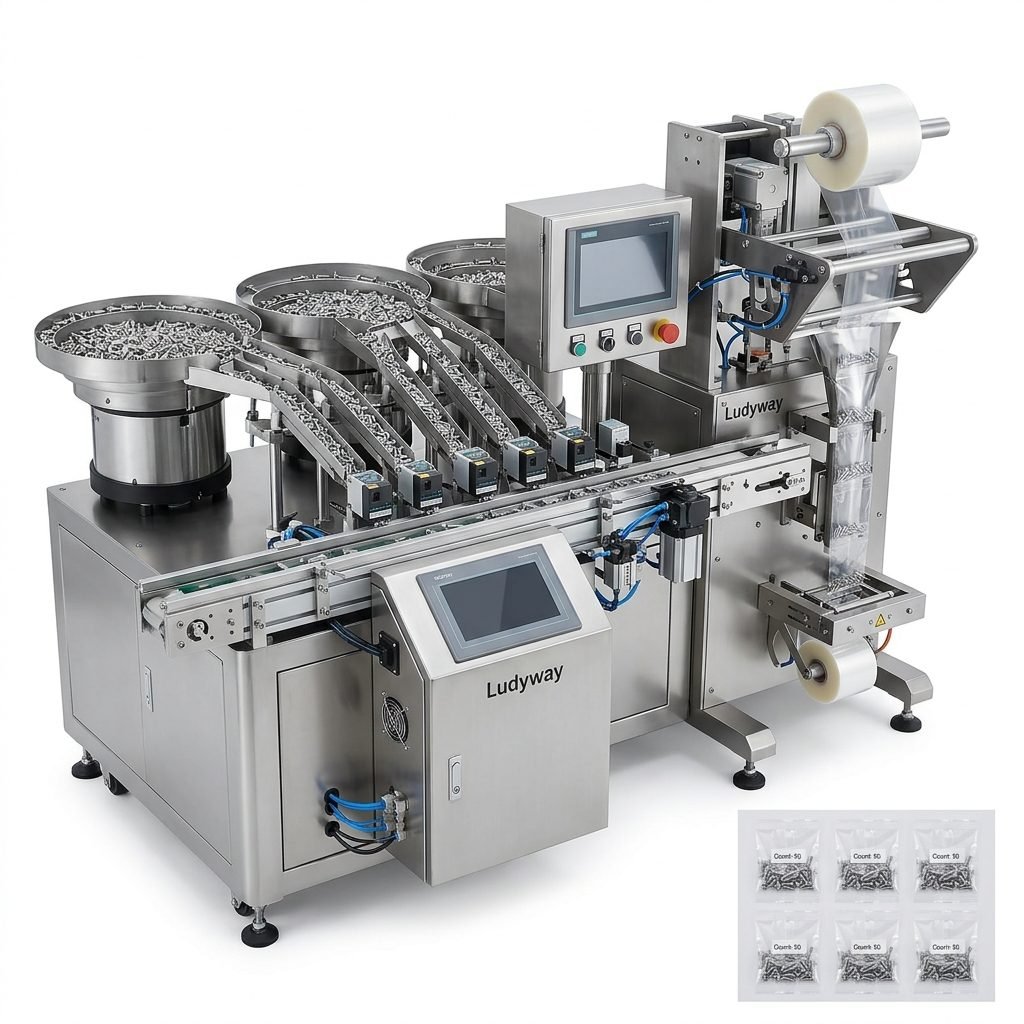
Understanding Counting Packaging Machine Technology
A counting packaging machine automates the process of counting discrete products and packaging them into bags, pouches, bottles, or boxes. Unlike weighing or volumetric filling systems, counting machines provide exact piece counts, making them indispensable for industries where precise quantity control is mandatory. Common counting technologies include:
- Photoelectric Counting: Uses infrared or laser sensors to detect each item as it passes through a detection zone. Ideal for small to medium-sized solid products.
- Vibratory Bowl Counting: Employs vibratory feeders that orient and singulate products before passing them through counting sensors. Excellent for irregularly shaped components.
- Multi-Channel Counting: Features multiple parallel counting lanes for high-speed applications, significantly boosting throughput.
- Vision-Based Counting: Uses high-resolution cameras and image processing algorithms for complex shapes and overlapping products.
- Weight-Count Hybrid: Combines weighing and counting for products where individual piece weight is highly consistent.
Key Industries That Rely on Counting Packaging Machines
Counting packaging systems serve a diverse range of sectors. Understanding which category your operation falls into helps narrow down machine specifications:
| Industry | Typical Products | Packaging Format |
|---|---|---|
| Pharmaceuticals | Tablets, capsules, pills, softgels | Bottles, blister packs, sachets |
| Nutraceuticals & Supplements | Vitamins, probiotics, herbal capsules | Bottles, stick packs, pouches |
| Hardware & Electronics | Screws, bolts, nuts, connectors, SMD components | Poly bags, boxes, sachets |
| Food & Confectionery | Candies, mints, chewing gum, snack pellets | Stick packs, pouches, jars |
| Cosmetics & Personal Care | Beads, bath salts, capsule-type products | Sachets, bottles, boxes |
Critical Factors to Evaluate Before Purchasing
1. Product Characteristics and Behavior
The physical properties of your product are the single most important factor in selecting the right counting machine. Evaluate the following:
- Size and Shape: Uniform products are easier to count. Irregular shapes may require vision systems or specialized feeding mechanisms.
- Weight: Lightweight items can be challenging for vibratory systems; heavier products may require different handling approaches.
- Surface Properties: Sticky, oily, or static-prone products can clog feeding channels and affect counting accuracy.
- Fragility: Delicate or breakable products need gentle handling to prevent damage during the counting process.
- Dust Generation: Products that shed powder or debris can interfere with optical sensors over time.
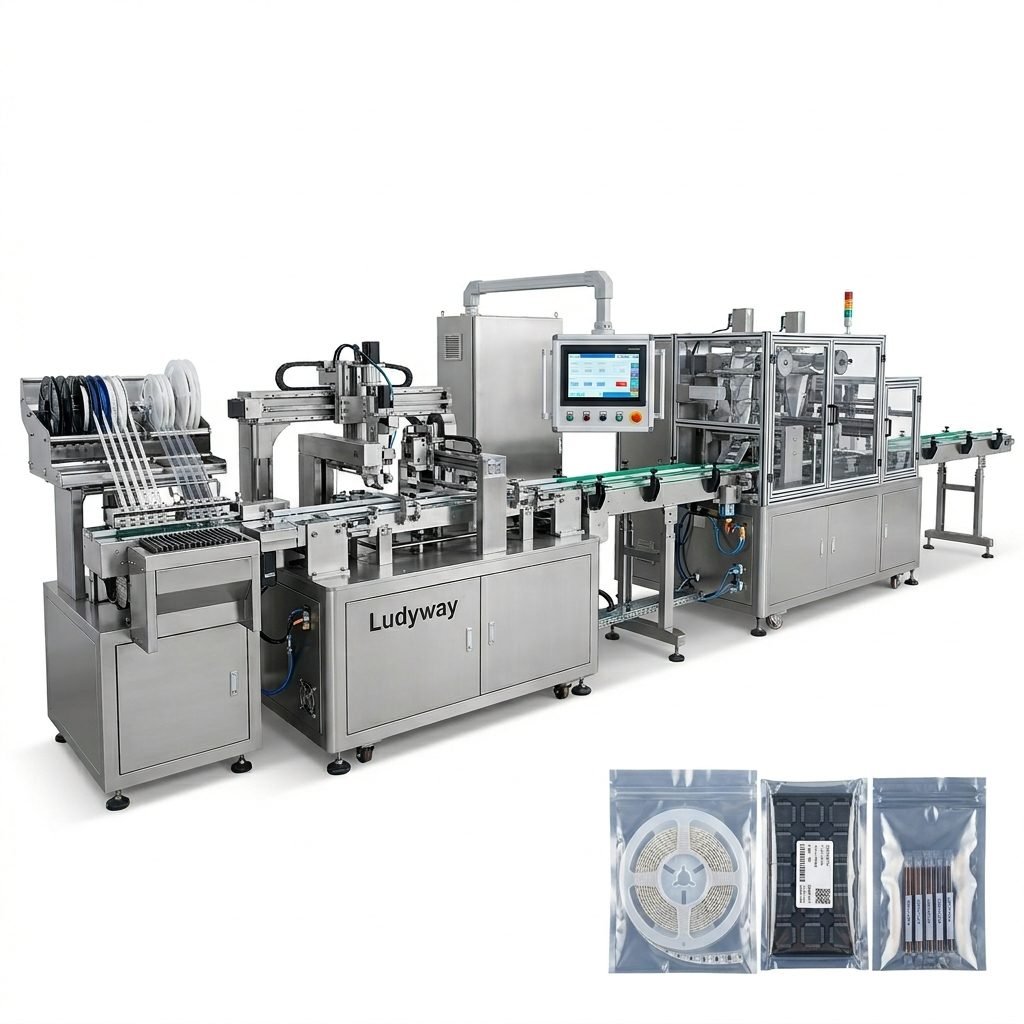
2. Required Speed and Throughput
Production volume dictates the counting speed your machine must achieve. Single-lane counters typically handle 60 to 120 pieces per minute, while multi-lane systems can process several hundred to thousands of pieces per minute. When evaluating speed specifications:
- Consider peak demand periods and future growth projections.
- Factor in changeover time between different products or batch sizes.
- Verify the machine’s sustained speed rather than just its maximum rated speed.
- Understand how speed varies with product size and counting channel configuration.
3. Counting Accuracy Requirements
Accuracy tolerances vary significantly by industry. Pharmaceutical applications often demand 99.9% or higher accuracy due to regulatory compliance, while some industrial applications may accept slightly lower precision. Key considerations include:
- Regulatory requirements specific to your industry and target markets.
- Consequences of over-counting versus under-counting for your business model.
- Integration of check-weighing or secondary verification systems.
- The machine’s ability to detect and reject incomplete or miscounted packages.
4. Packaging Format Compatibility
Your counting machine must integrate seamlessly with your chosen packaging format. Modern systems can feed into various packaging types:
- Bottle Filling: Common for pharmaceuticals and supplements.
- Stick Pack and Sachet: Increasingly popular for single-dose and sample packaging.
- Pouch and Bag Filling: Suitable for hardware, food, and industrial components.
- Box and Carton Filling: Used for kits, multipacks, and consumer goods.
- Blister Pack Integration: Requires precise synchronization with thermoforming lines.
Machine Configuration Options
Counting packaging machines come in several configurations, each suited to different operational needs:
| Configuration Type | Best For | Advantages | Limitations |
|---|---|---|---|
| Single-Lane Counter | Low to medium volume, diverse product range | Lower cost, simpler operation, easier changeover | Limited throughput capacity |
| Multi-Lane Counter | High volume, dedicated product lines | High throughput, compact footprint relative to output | Higher initial investment, more complex setup |
| Rotary Counting System | Continuous motion, very high speed | Excellent for high-speed bottle filling lines | Limited flexibility for product variety |
| Modular Counting System | Growing businesses, varied product portfolio | Expandable capacity, adaptable configuration | Requires planning for future expansion |
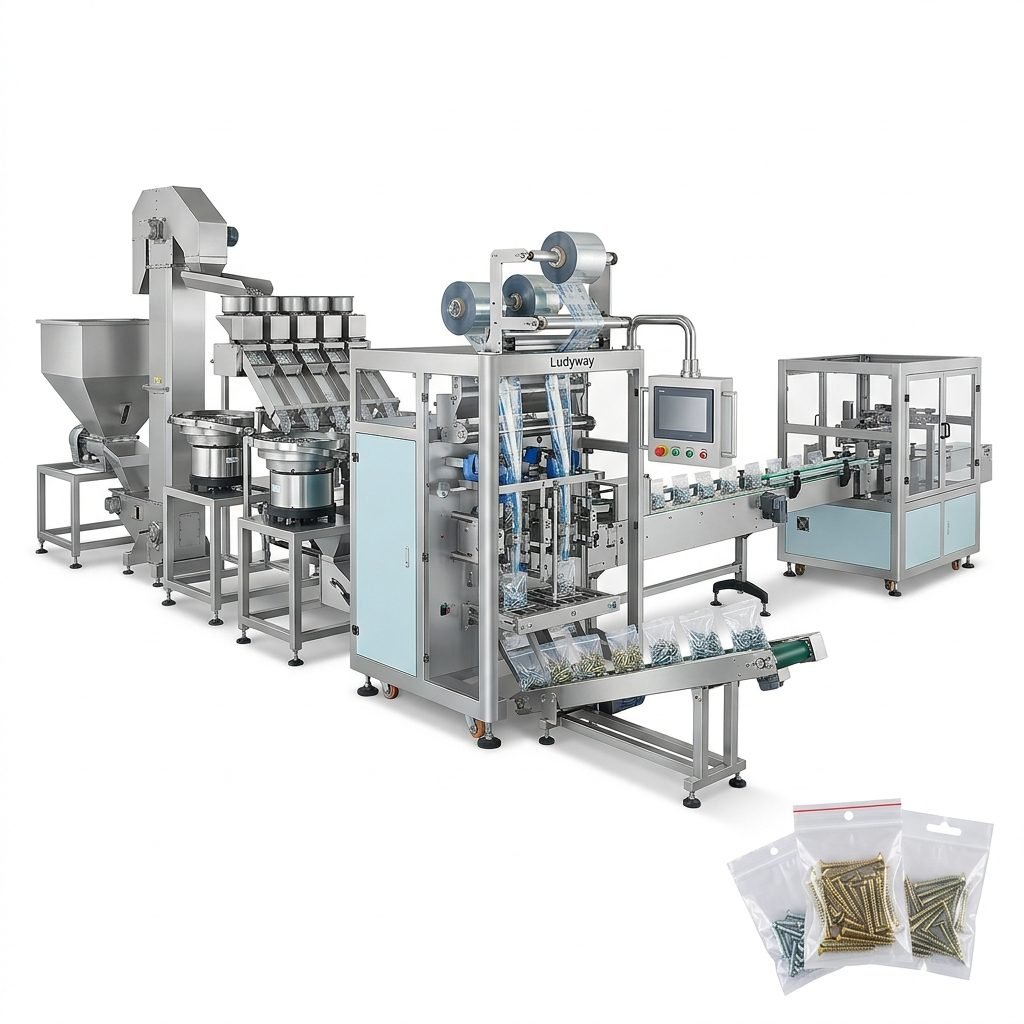
Automation and Integration Capabilities
Modern counting packaging machines rarely operate in isolation. They are typically part of a larger packaging line that includes feeding systems, filling stations, sealing units, coding and marking equipment, inspection systems, and cartoning or palletizing modules. When evaluating a machine, consider:
- Upstream Integration: How will products be fed into the counting machine? Options include bulk hoppers, vibratory feeders, conveyor infeeds, and robotic pick-and-place systems.
- Downstream Integration: How will counted products be transferred to the packaging station? The machine should interface smoothly with your packaging equipment.
- Control System Compatibility: PLC-based controls with standard industrial communication protocols (Ethernet/IP, Profinet, Modbus) facilitate integration with existing factory systems.
- Data Collection and Traceability: Serialization, batch tracking, and production data logging are increasingly important for regulatory compliance and quality management.
Turnkey vs. Standalone Solutions
Some manufacturers, including Ludyway Machinery, a China-based packaging machinery manufacturer with over 30 years of experience, provide both standalone counting machines and fully integrated turnkey packaging lines. A turnkey approach can simplify project management, reduce compatibility risks, and provide a single point of contact for equipment selection, system integration, installation, and after-sales support.
Evaluating Build Quality and Compliance
For industries such as pharmaceuticals and food, regulatory compliance is non-negotiable. Key standards and certifications to verify include:
- cGMP Compliance: Current Good Manufacturing Practice requirements for pharmaceutical and dietary supplement production.
- FDA 21 CFR Part 11: Electronic records and electronic signature compliance for data integrity.
- CE Marking: Indicates conformity with European health, safety, and environmental standards.
- ISO Standards: Relevant packaging and quality management standards.
- Material Certificates: Stainless steel grades, food-grade materials, and surface finish documentation.
Refer to authoritative resources such as the PMMI – Association for Packaging and Processing Technologies and Flexible Packaging Association for the latest packaging machinery market research and industry data.
Total Cost of Ownership Analysis
The purchase price is just one component of your investment. A thorough cost analysis should include:
| Cost Category | Considerations | Typical Impact |
|---|---|---|
| Initial Purchase | Machine cost, tooling, spare parts kit | One-time capital expenditure |
| Installation & Commissioning | Site preparation, setup, operator training | Upfront project cost |
| Consumables & Spare Parts | Sensors, belts, seals, wear components | Ongoing operational expense |
| Maintenance & Support | Preventive maintenance, technical support contracts | Annual recurring cost |
| Downtime Risk | Lost production, expedited service costs | Variable, potentially significant |
Supplier Evaluation Checklist
Choosing the right equipment partner is as important as choosing the right machine. Evaluate potential suppliers on the following criteria:
- Industry Experience: How many years has the supplier been manufacturing counting packaging machines? Do they have references in your specific industry?
- Technical Support: What level of support is provided during installation, commissioning, and throughout the machine’s lifecycle?
- Customization Capability: Can the supplier modify machine designs to accommodate unique product or packaging requirements?
- Global Service Reach: For international operations, does the supplier offer remote technical assistance and local service support?
- Spare Parts Availability: Are critical spare parts readily available, and what are typical lead times?
- Validation Support: For regulated industries, does the supplier provide IQ/OQ/PQ documentation and validation assistance?
Future-Proofing Your Investment
A counting packaging machine represents a significant long-term investment. To maximize your return, consider these forward-looking factors:
- Scalability: Can the machine’s capacity be expanded through additional counting lanes or module upgrades?
- Flexibility: How easily can the machine handle new product sizes, shapes, or packaging formats?
- Industry 4.0 Readiness: Does the machine support IoT connectivity, predictive maintenance, and real-time production monitoring?
- Energy Efficiency: Modern servo-driven systems can significantly reduce power consumption compared to older pneumatic or mechanical designs.
- Regulatory Evolution: Will the machine remain compliant as packaging regulations evolve, particularly around sustainability and traceability?
Making the Final Decision
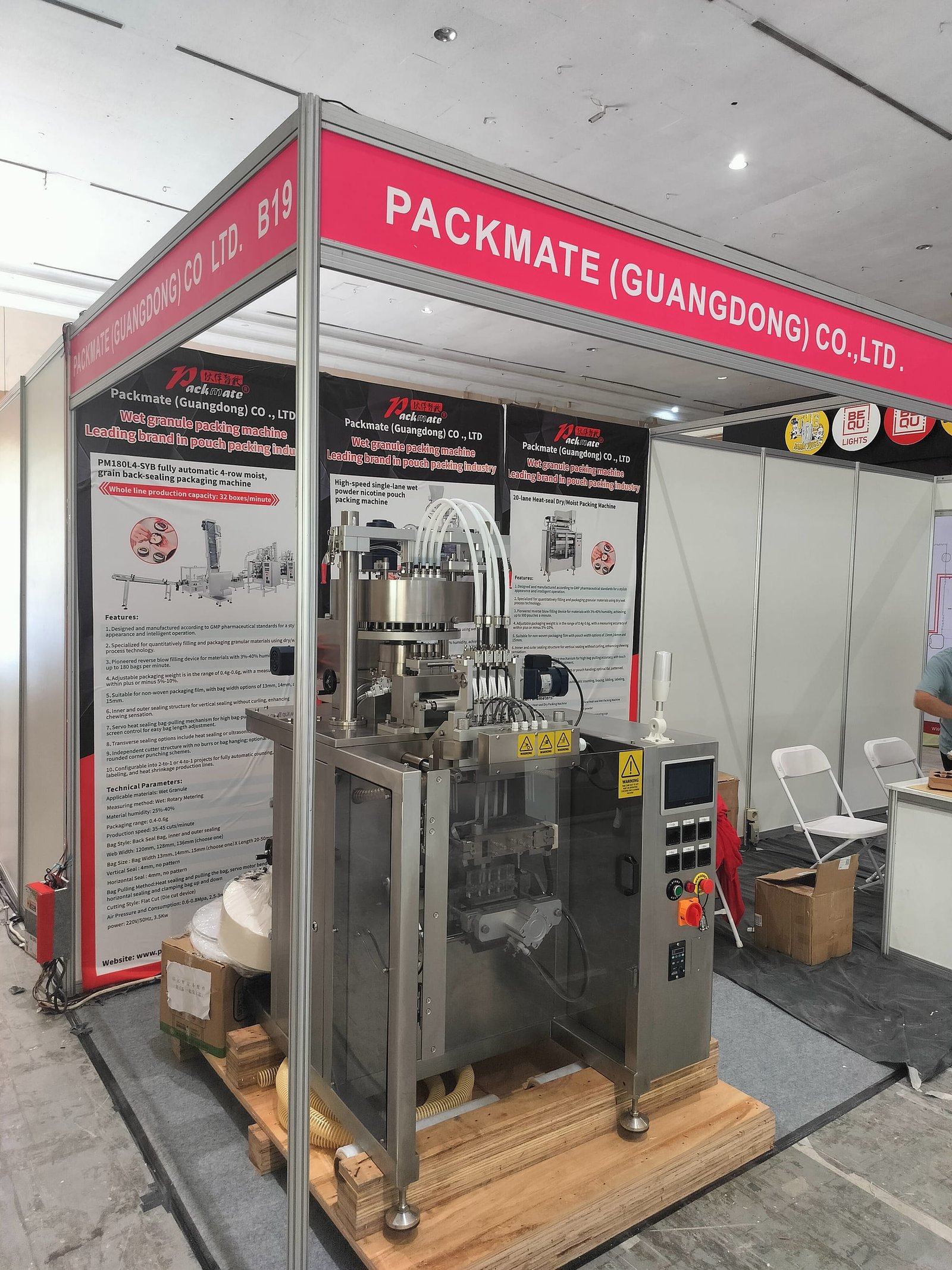
After evaluating all the factors above, create a shortlist of two to three suppliers and conduct detailed technical discussions. Request product samples, run trials with your actual products, and visit reference installations when possible. The PACK EXPO International and regional packaging exhibitions are excellent opportunities to see multiple machines in operation and meet suppliers face-to-face. Remember that the lowest purchase price rarely delivers the best long-term value. Prioritize accuracy, reliability, and supplier support to ensure your counting packaging machine delivers consistent results for years to come.