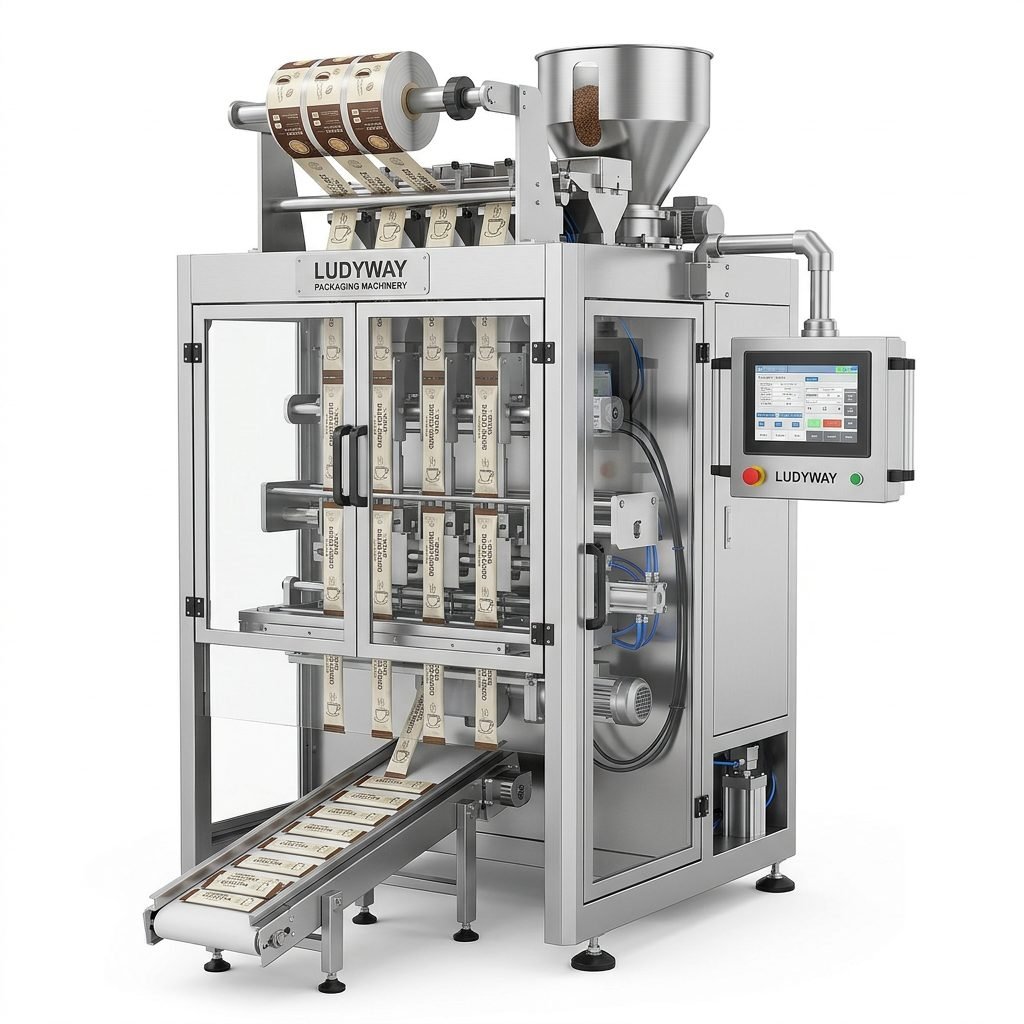
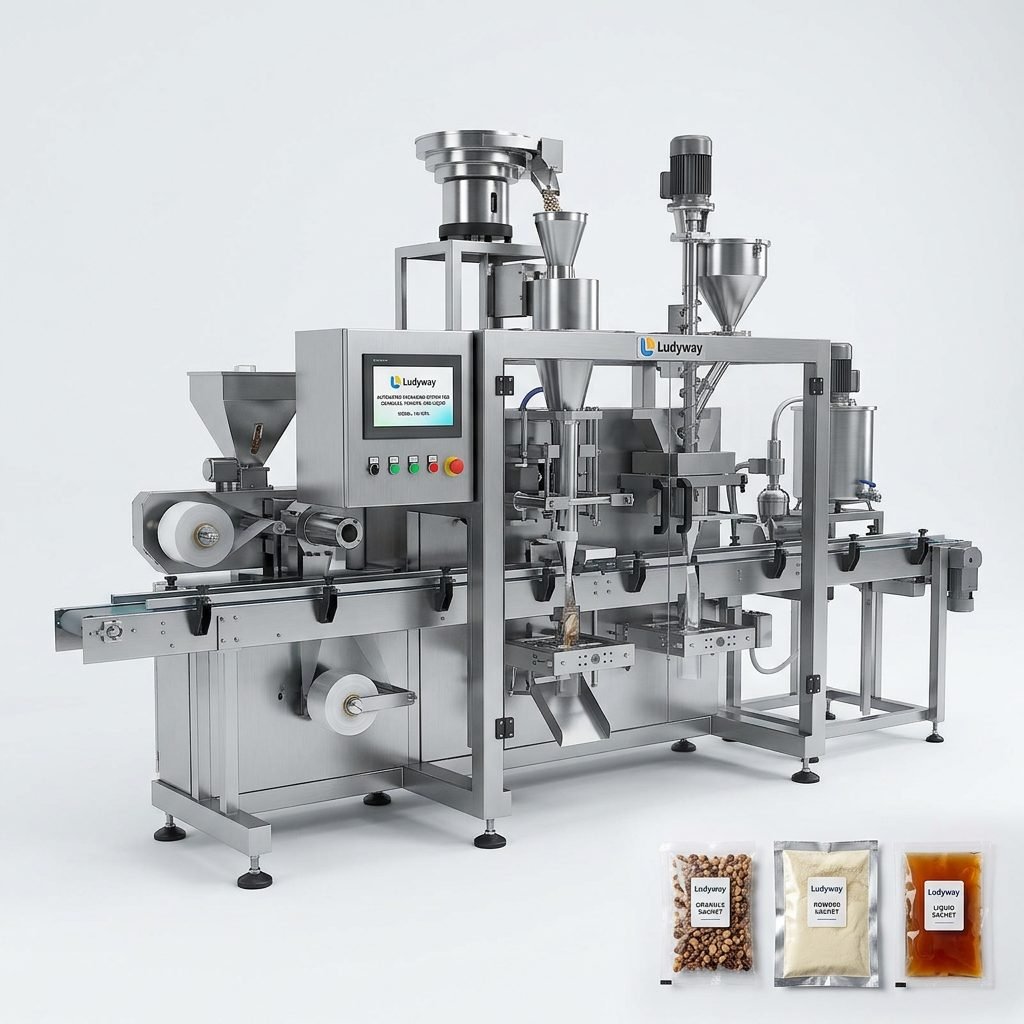
Choosing the right paper packing machine is not simply about buying equipment—it is about building a packaging process that supports product quality, production speed, labor efficiency, and long-term business growth. Whether you package food, pharmaceuticals, personal care products, or industrial goods, the best solution depends on your product type, packaging material, output targets, and automation goals.
A well-matched machine can reduce material waste, improve sealing consistency, shorten downtime, and help your brand present a more professional image in the market. On the other hand, selecting the wrong system may lead to low productivity, unstable packs, and unnecessary operating costs.
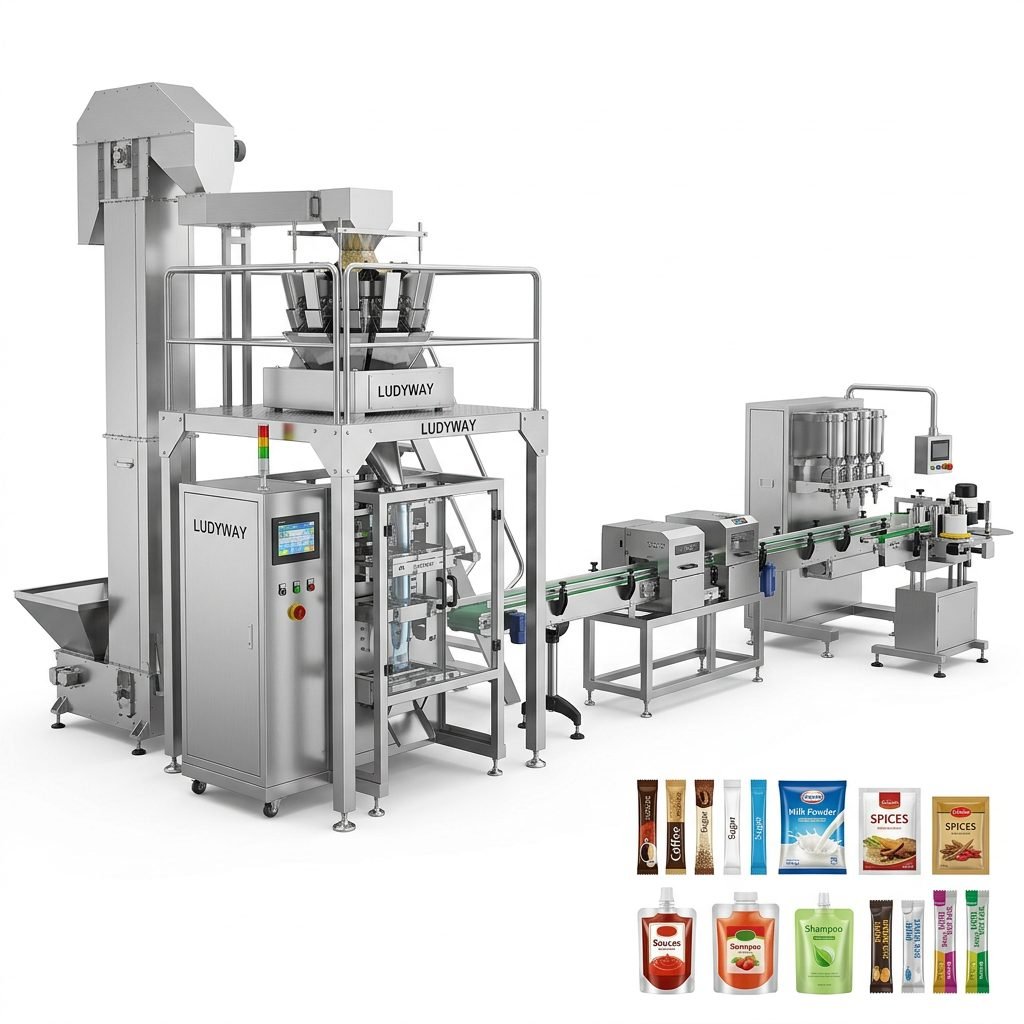
Why Your Choice of Paper Packing Machine Matters
Packaging is often the final step before products reach distributors, retailers, or end users. That means the packaging machine directly affects both operational performance and customer satisfaction. A suitable paper packing machine should do more than wrap or fill a product. It should also help you:
- Maintain consistent package appearance
- Protect products during storage and transport
- Meet hygiene or compliance requirements
- Adapt to future production expansion
- Support sustainable packaging strategies
- Lower labor dependence and manual errors
If your business is moving toward eco-friendly packaging, paper-based formats can be especially attractive because they improve brand perception and may support environmental objectives in many markets.
Start with Your Product and Packaging Format
Before comparing machines, define exactly what you need to pack. Different products require different feeding, dosing, sealing, and material-handling methods. For example, paper packaging for powders is very different from paper wrapping for solid items or multi-layer paper bagging for bulk materials.
Questions to ask first
- Is your product powder, granule, liquid, paste, tablet, or solid piece?
- What package size range do you need?
- Do you need sachets, pouches, bags, wraps, or cartons?
- Will paper be the primary packaging material or part of a composite structure?
- What production speed is required per minute or per hour?
- Do you need date coding, labeling, checkweighing, or cartoning afterward?
| Product Type | Recommended Packaging Approach | Machine Focus |
|---|---|---|
| Powders | Paper sachets, stick packs, lined paper bags | Auger filling, dust control, precise sealing |
| Granules | Paper pouches, bags, multi-pack formats | Weighing accuracy, stable feeding, fast bagging |
| Solid items | Flow wrap, overwrap, paper pouch, carton | Product counting, wrapping precision |
| Bulk materials | Open-mouth paper bags or valve bags | Heavy-duty weighing, bag handling, sealing |
Key Machine Types to Consider
The phrase “paper packing machine” can refer to several categories of equipment. Your final choice should align with how your product moves through production.
1. Vertical form fill seal machines
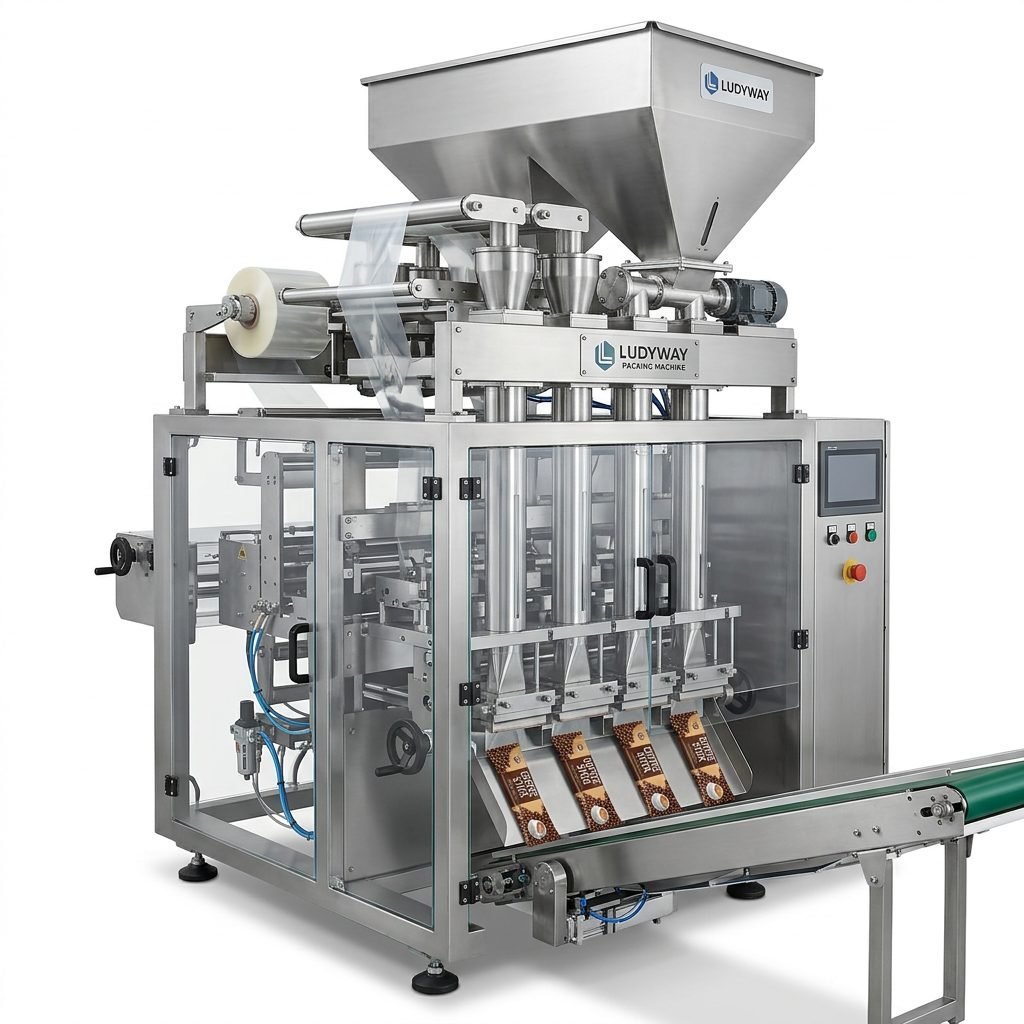
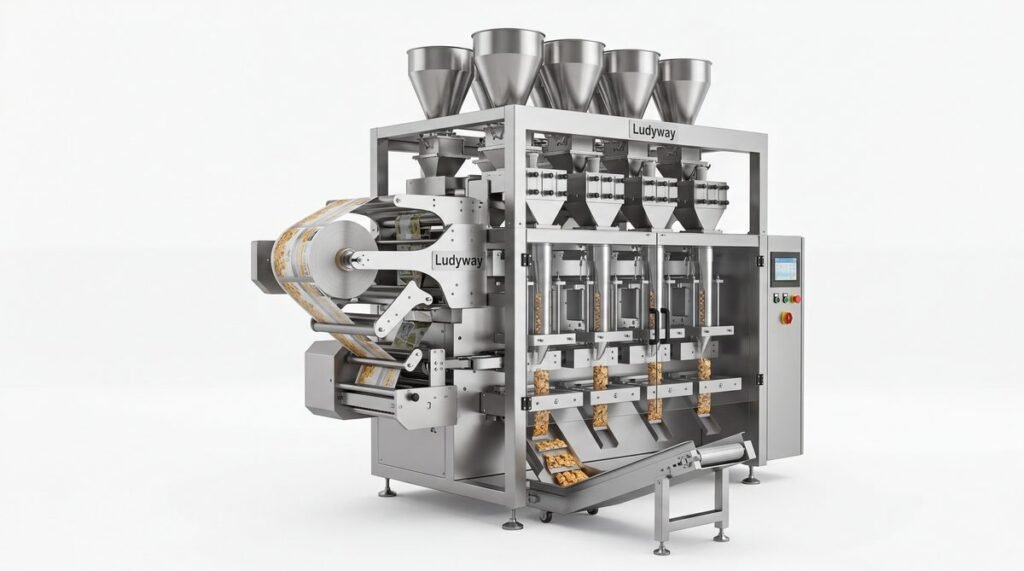
Suitable for powders, granules, and some small solids. These machines can form a package from roll material, fill it, and seal it automatically. They are often chosen for high efficiency and compact footprint.
2. Premade pouch packing machines
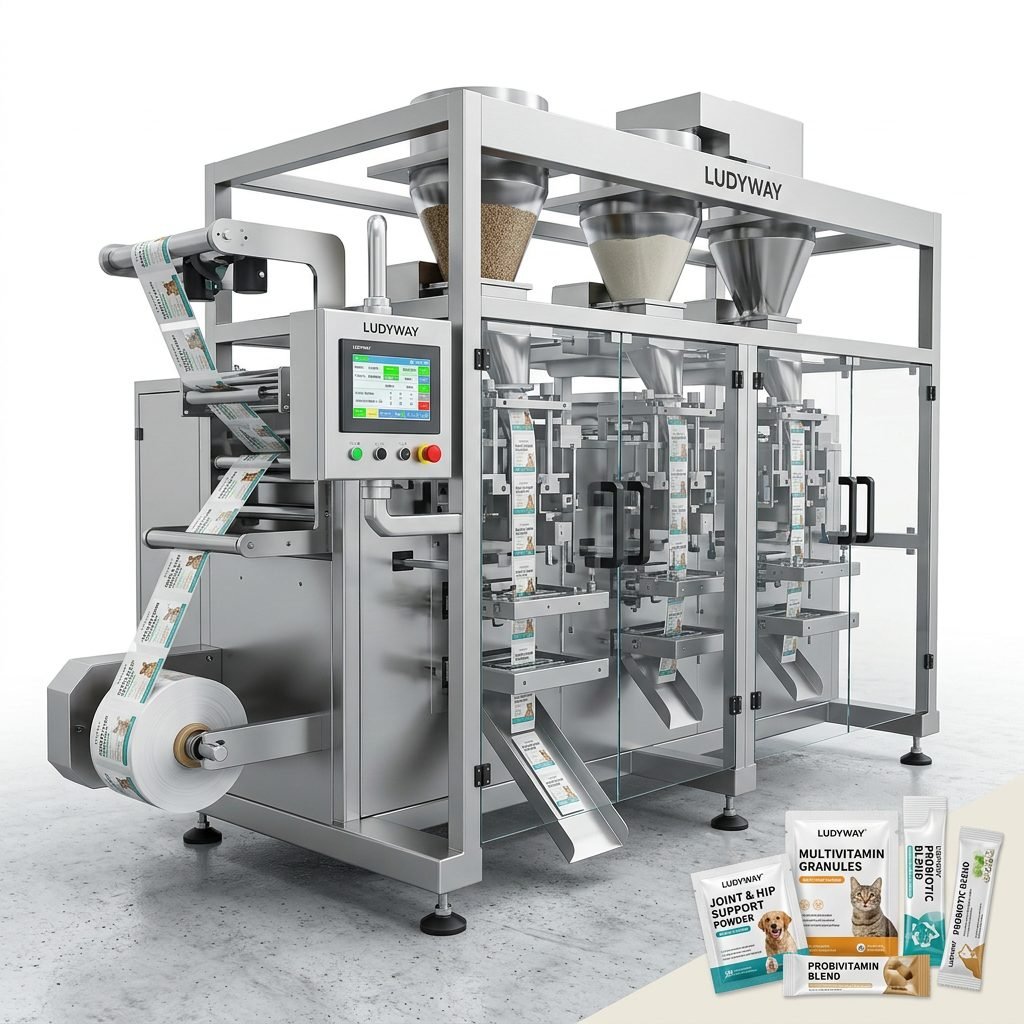
Best when you use preformed paper pouches or hybrid paper-based bags. They offer a premium package appearance and are useful for brands focused on shelf presentation.
3. Multi-lane sachet and stick pack machines
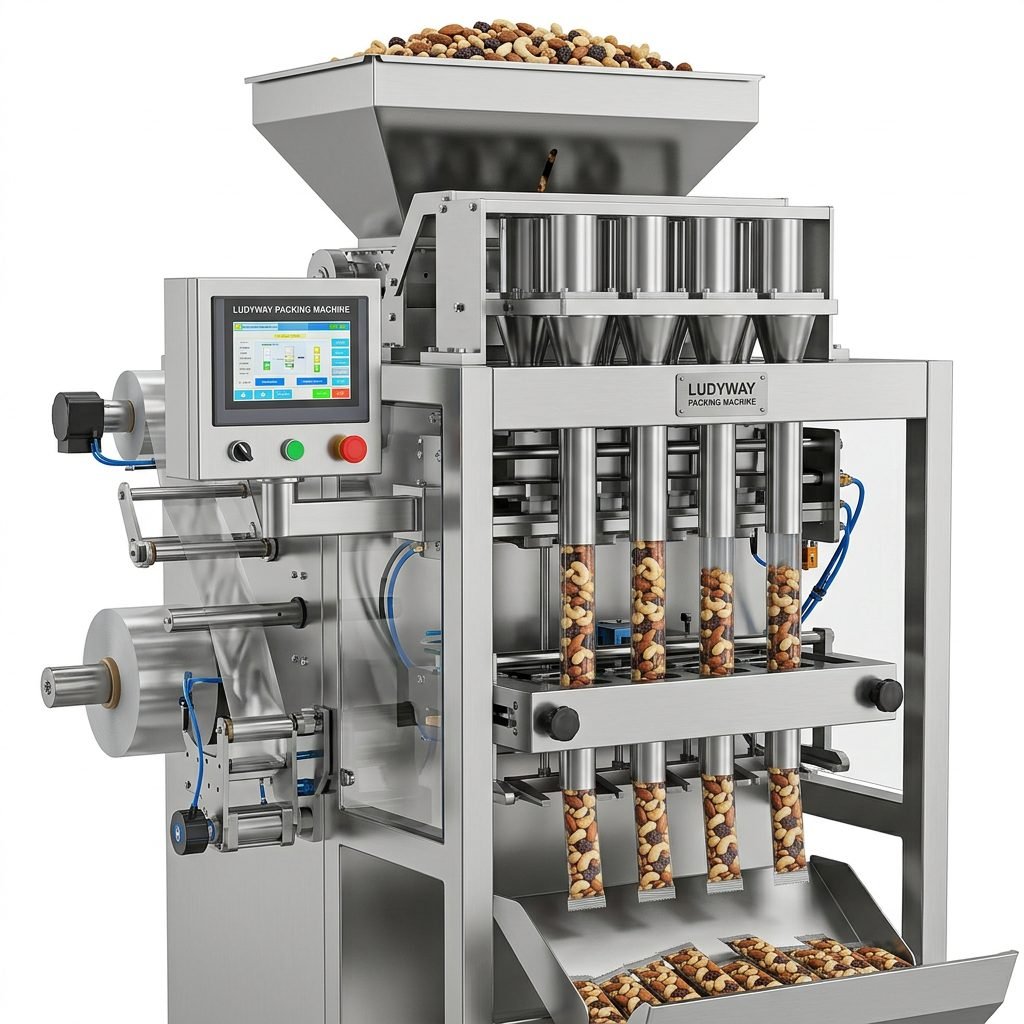
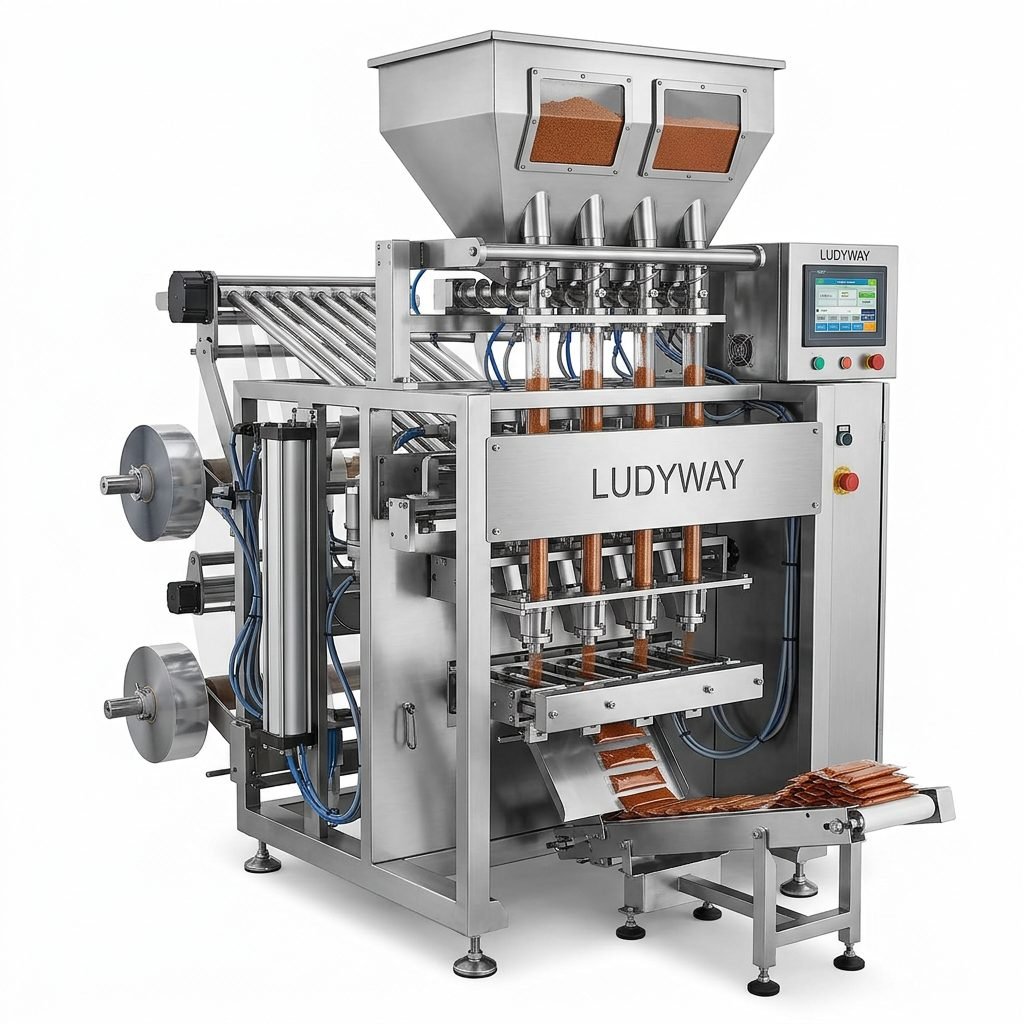
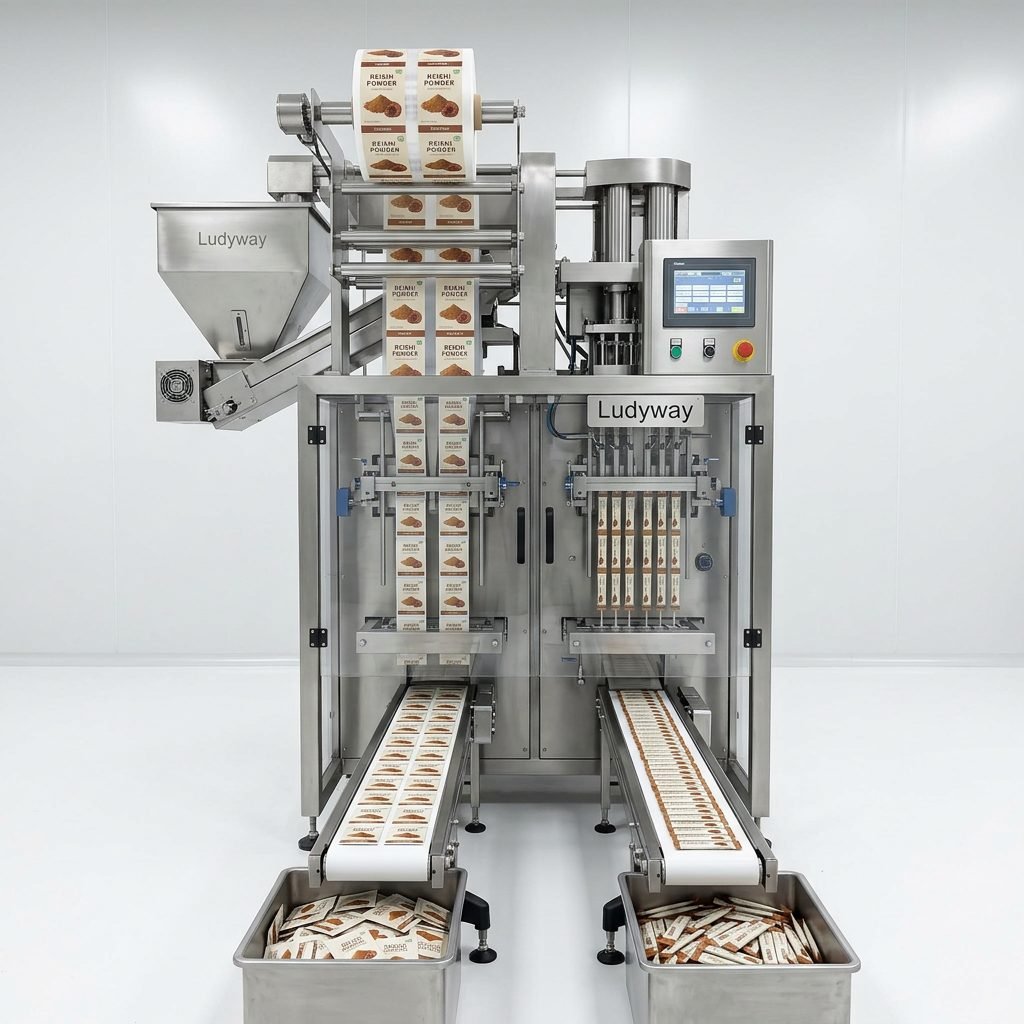
Ideal for high-volume, small-dose packaging. These machines are widely used for food ingredients, drink powders, supplements, and pharmaceutical applications.
4. Paper bag filling and sealing systems
Common in larger-volume packaging for chemicals, feed, food ingredients, or construction-related materials. These systems are designed for durable bag handling and precise weight control.

Important Features to Evaluate Before Buying
Material compatibility
Paper packaging materials vary significantly. Some are pure paper, while others include barrier layers for moisture, grease, or oxygen resistance. Make sure the machine can handle the thickness, stiffness, sealing properties, and roll stability of your chosen material.
Filling accuracy
Accuracy matters for cost control and compliance. Underfilling affects customer trust, while overfilling increases giveaway. For powders, auger systems may be preferred; for granules, multi-head weighing or cup fillers may be more suitable.
Sealing quality
Reliable sealing is one of the most important indicators of machine performance. Poor sealing causes leakage, contamination risk, and transport damage. Look for stable temperature control, pressure consistency, and easy adjustment.
Output speed
A high-speed machine is only valuable if it can maintain quality at that speed. Focus on the real operating speed under your actual product conditions, not just the maximum speed shown in a brochure.
Changeover flexibility
If you produce multiple SKUs, package sizes, or paper formats, fast changeover can save a great deal of downtime. Ask how long it takes to switch products and whether tooling changes are simple for operators.
Automation and integration
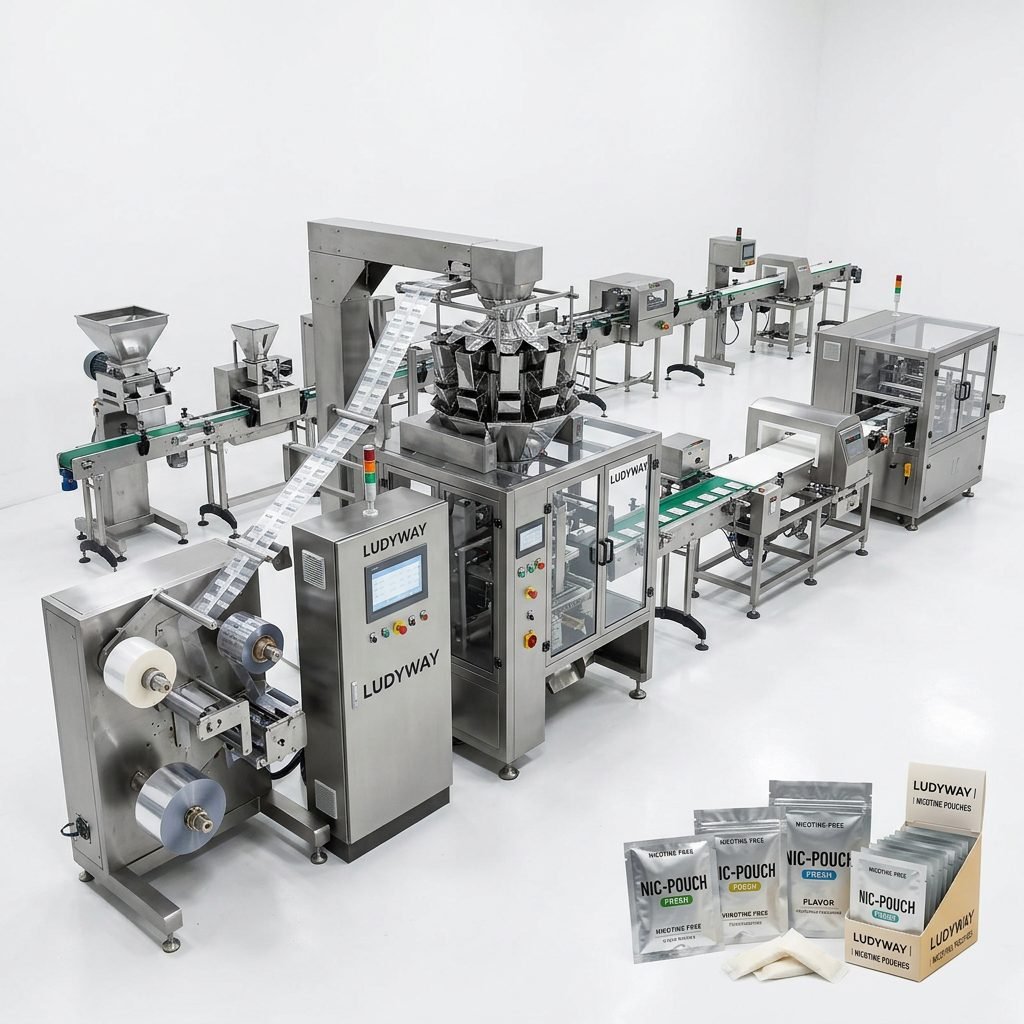
Consider whether the machine can connect with upstream feeders and downstream systems such as conveyors, checkweighers, metal detectors, cartoners, case packers, and palletizers. Integrated lines improve efficiency and reduce labor bottlenecks.
How to Match the Machine to Your Production Scale
Not every business needs a fully automated line from day one. The best packaging solution should match your current production volume while leaving room for future expansion.
| Business Stage | Recommended Solution | Main Goal |
|---|---|---|
| Startup / small batch | Semi-automatic or compact automatic machine | Lower investment, stable entry-level output |
| Growing manufacturer | Automatic standalone machine with optional add-ons | Efficiency and easier scaling |
| Large-scale factory | Turnkey automated packaging line | Maximum throughput and labor savings |
Cost Should Be Measured Beyond the Purchase Price
A lower machine price does not always mean lower total cost. Smart buyers evaluate the full cost of ownership, including installation, training, spare parts, maintenance, downtime risk, and material waste.
- Initial equipment investment
- Energy consumption
- Labor requirements
- Maintenance intervals
- Spare parts availability
- Packaging material efficiency
- Service response time
In many cases, a more stable and efficient machine provides a better return over time because it reduces defects and supports higher daily output.
What to Ask a Packaging Machine Supplier
Before making a final decision, request detailed technical confirmation. The supplier should understand your product application rather than only provide a generic quotation.
Ask for the following:
- Packaging samples based on your product and paper material
- Recommended speed range for your target pack size
- Filling accuracy data
- Machine configuration list
- Utility requirements such as air and power
- Lead time and installation support
- After-sales service and spare parts plan
- Options for future upgrades or full line integration
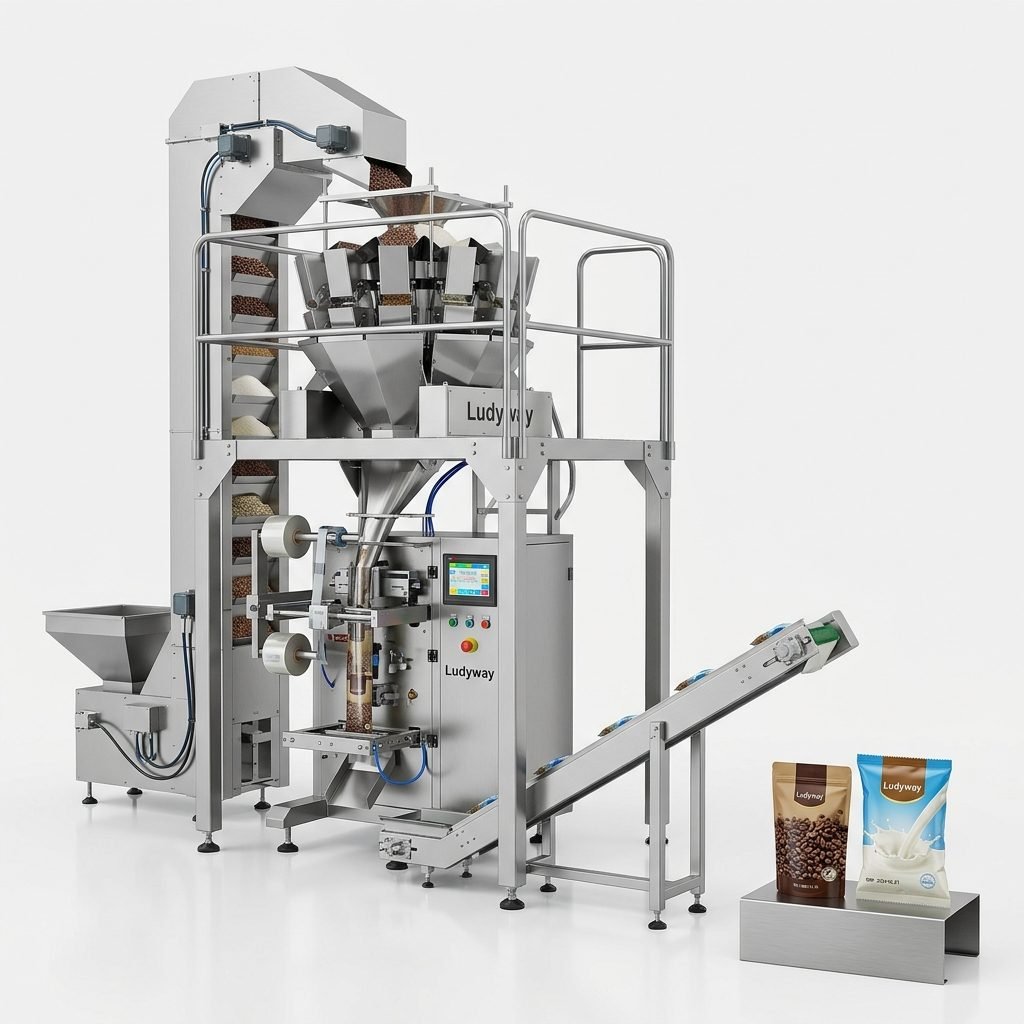
When a Turnkey Packaging Line Is the Better Choice
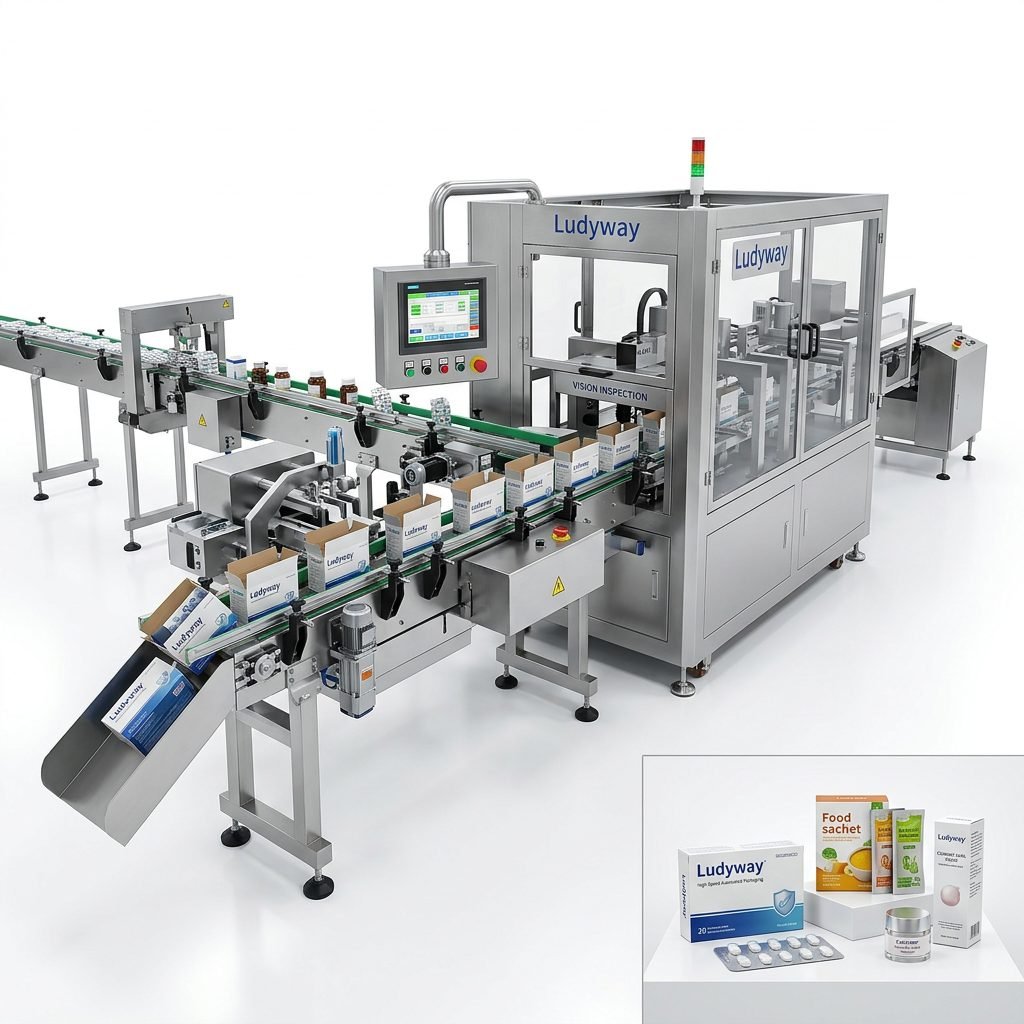
If your production involves feeding, filling, sealing, coding, inspection, cartoning, and end-of-line handling, buying separate machines from different vendors may create compatibility issues. In that case, a turnkey solution can simplify the project and improve line coordination.
Businesses looking for integrated packaging support often work with experienced manufacturers such as Ludyway packaging machine manufacturer, especially when they need scalable systems for food, pharmaceutical, health supplement, or industrial applications.
Benefits of turnkey solutions
- Better compatibility across the line
- Single-source project coordination
- More efficient installation and commissioning
- Easier training and maintenance planning
- Clearer long-term expansion path
Common Mistakes to Avoid
- Choosing a machine based only on price
- Ignoring the properties of the paper material
- Overestimating required speed without checking stability
- Buying a machine with limited upgrade potential
- Skipping product testing before purchase
- Not planning for downstream packaging steps
Final Buying Checklist
Use this checklist when comparing paper packing machine options:
| Checkpoint | What to Confirm |
| Product suitability | Machine matches product form, density, and flow characteristics |
| Paper material compatibility | Machine can run your target paper structure reliably |
| Output demand | Machine speed supports actual production goals |
| Accuracy and sealing | Performance data is verified through testing |
| Expansion ability | System allows upgrades and line integration |
| Service support | Supplier offers training, parts, and technical assistance |
The best packaging solution for your business is one that balances performance, flexibility, material compatibility, and long-term value. By analyzing your product, package format, production targets, and automation roadmap, you can choose a paper packing machine that supports both current efficiency and future growth.