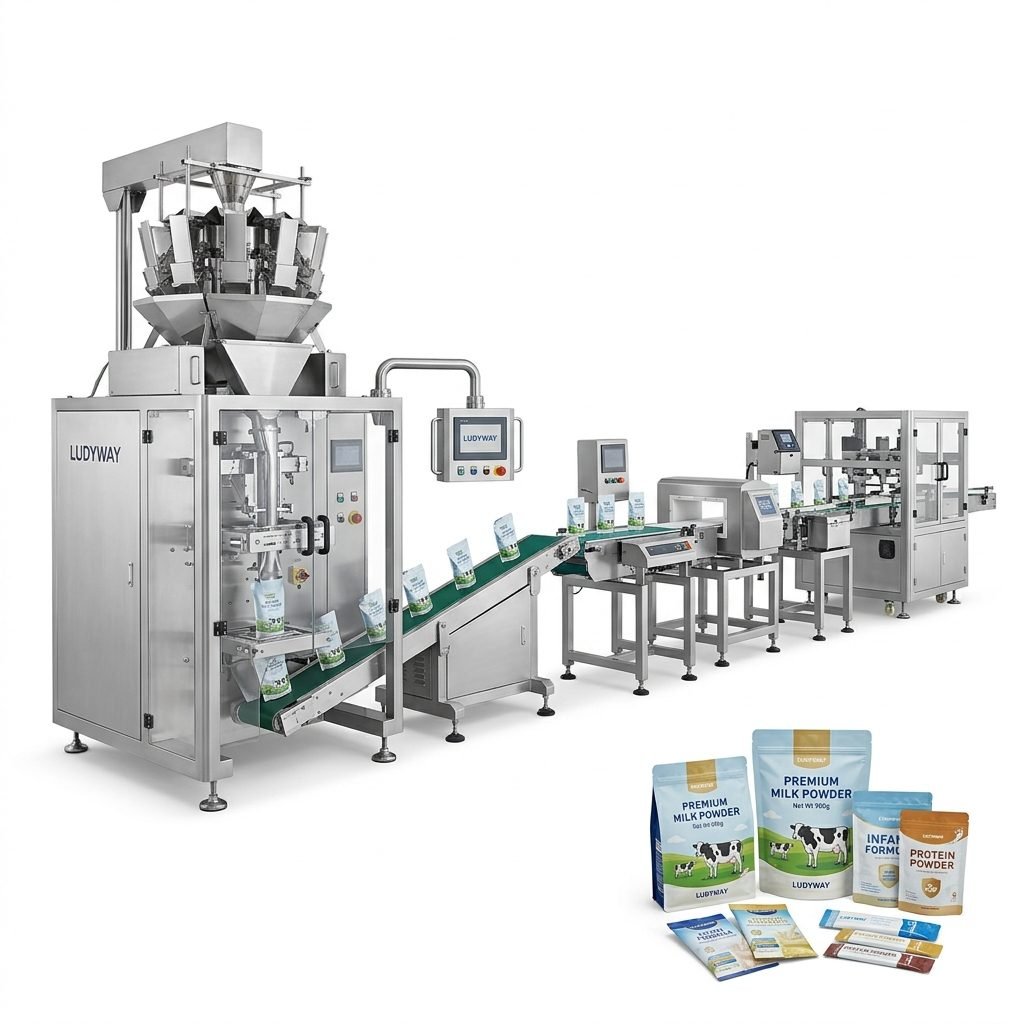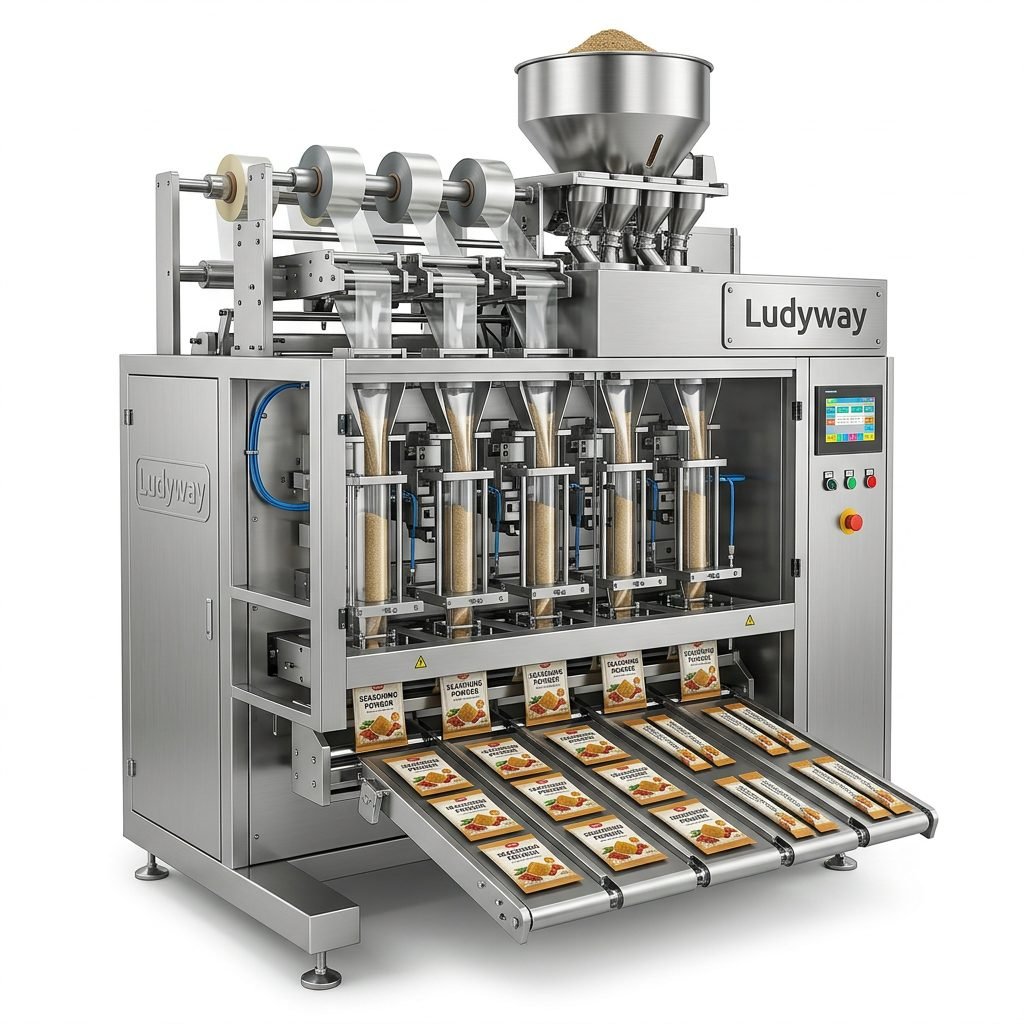
Selecting the right stick pack machine is a critical decision that directly impacts your production efficiency, product quality, and long-term operational costs. Whether you are packaging powders, granules, liquids, or pastes, the market offers a wide range of equipment with different configurations, speeds, and automation levels. This comprehensive buyer’s guide walks you through the essential factors to evaluate before making your investment.
Understanding Stick Pack Packaging Technology
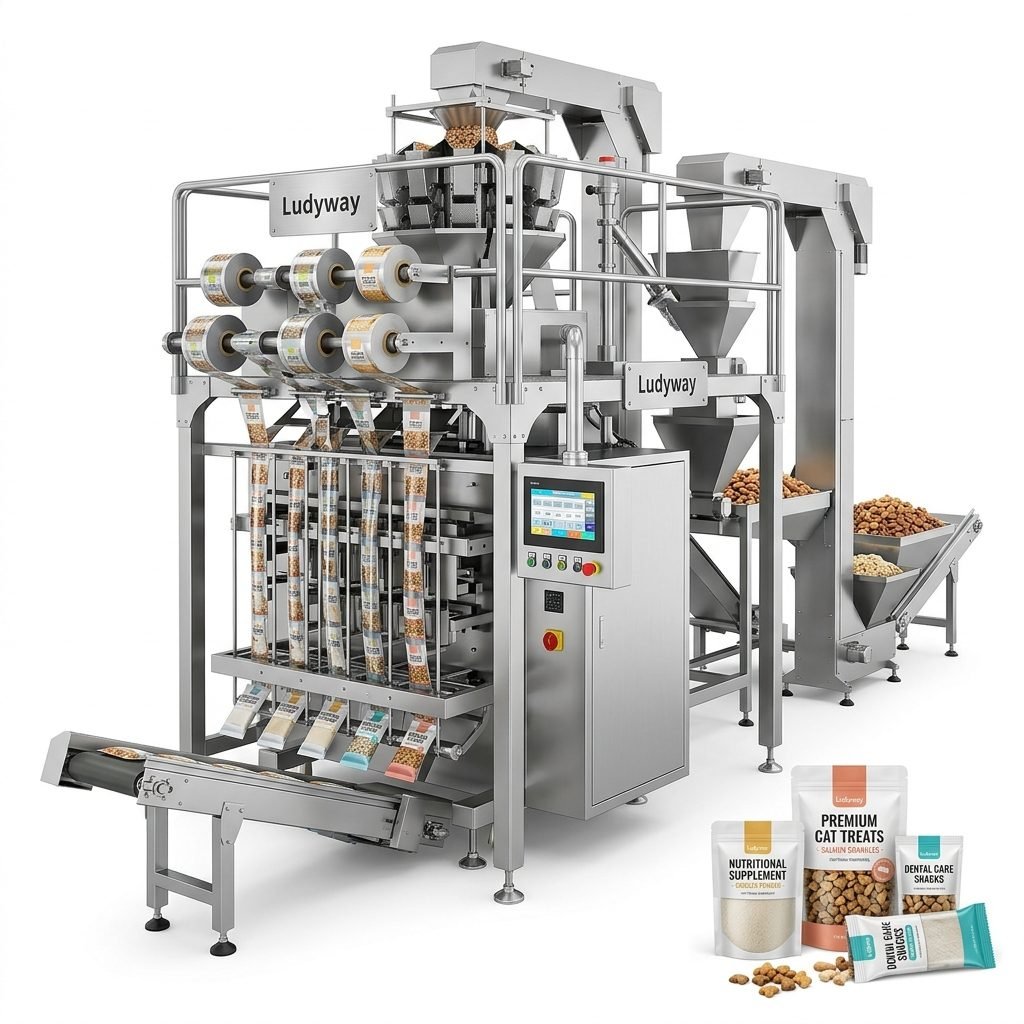
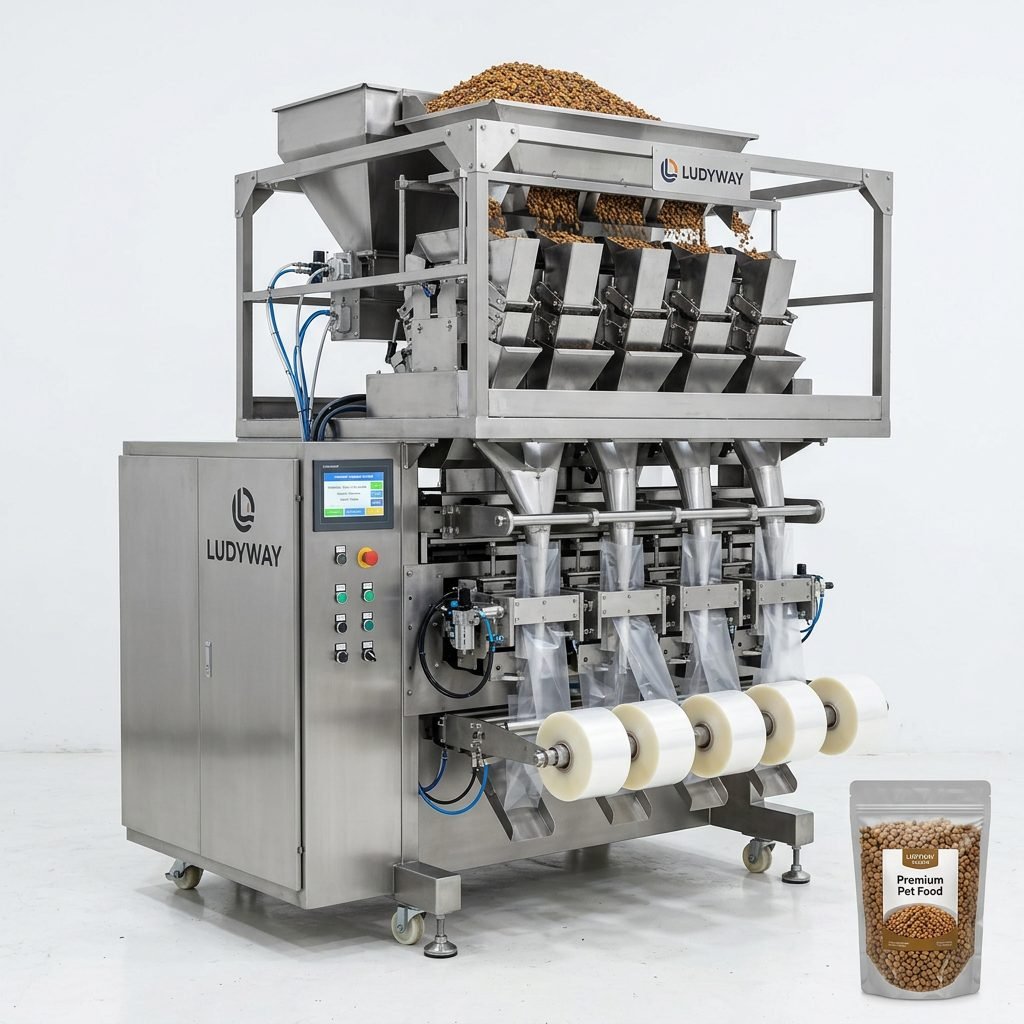
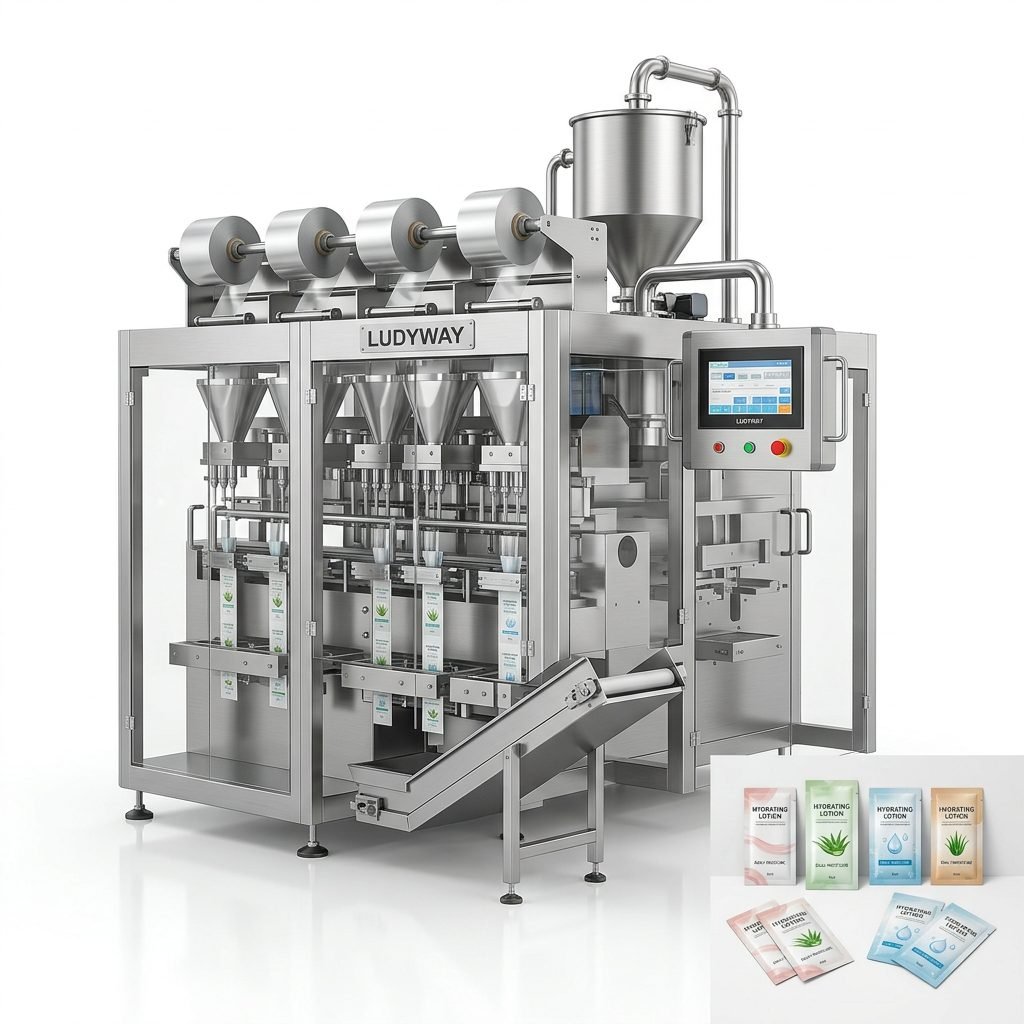
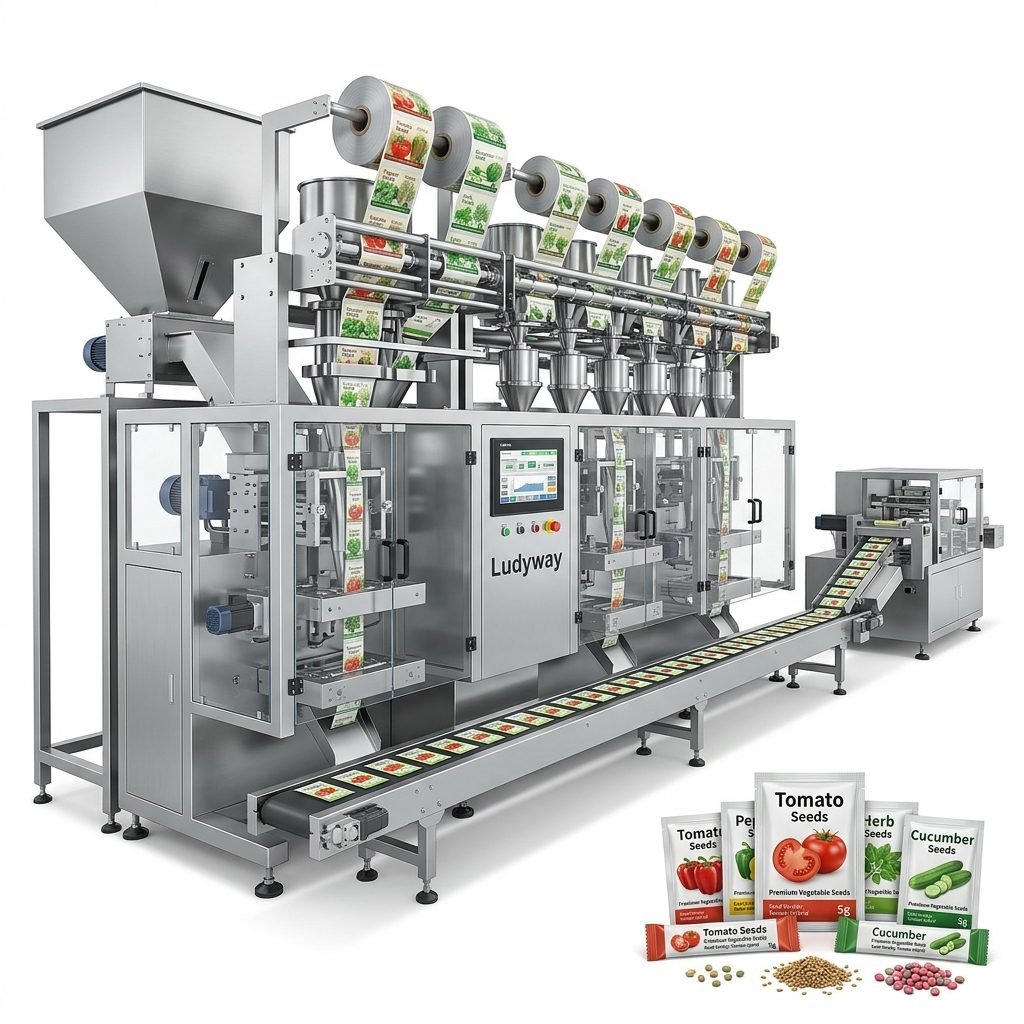
Stick pack machines are a specialized type of vertical form-fill-seal equipment designed to produce narrow, elongated sachets. These single-serve packages have gained immense popularity across the food, pharmaceutical, and cosmetic industries due to their convenience, portion control, and material efficiency. Modern systems can handle multiple lanes simultaneously, significantly boosting throughput while maintaining precise fill accuracy.
Key Factors to Evaluate Before Purchasing
1. Product Characteristics and Flow Properties
Your product’s physical properties are the single most important consideration. The machine must be configured to handle your specific material’s particle size, density, flowability, and moisture sensitivity. Free-flowing granules behave very differently from cohesive powders or viscous liquids during the dosing process. Incorrect equipment selection can lead to inaccurate fills, equipment jams, and excessive product waste.
- Powders: Require auger fillers or volumetric cup systems with dust control features
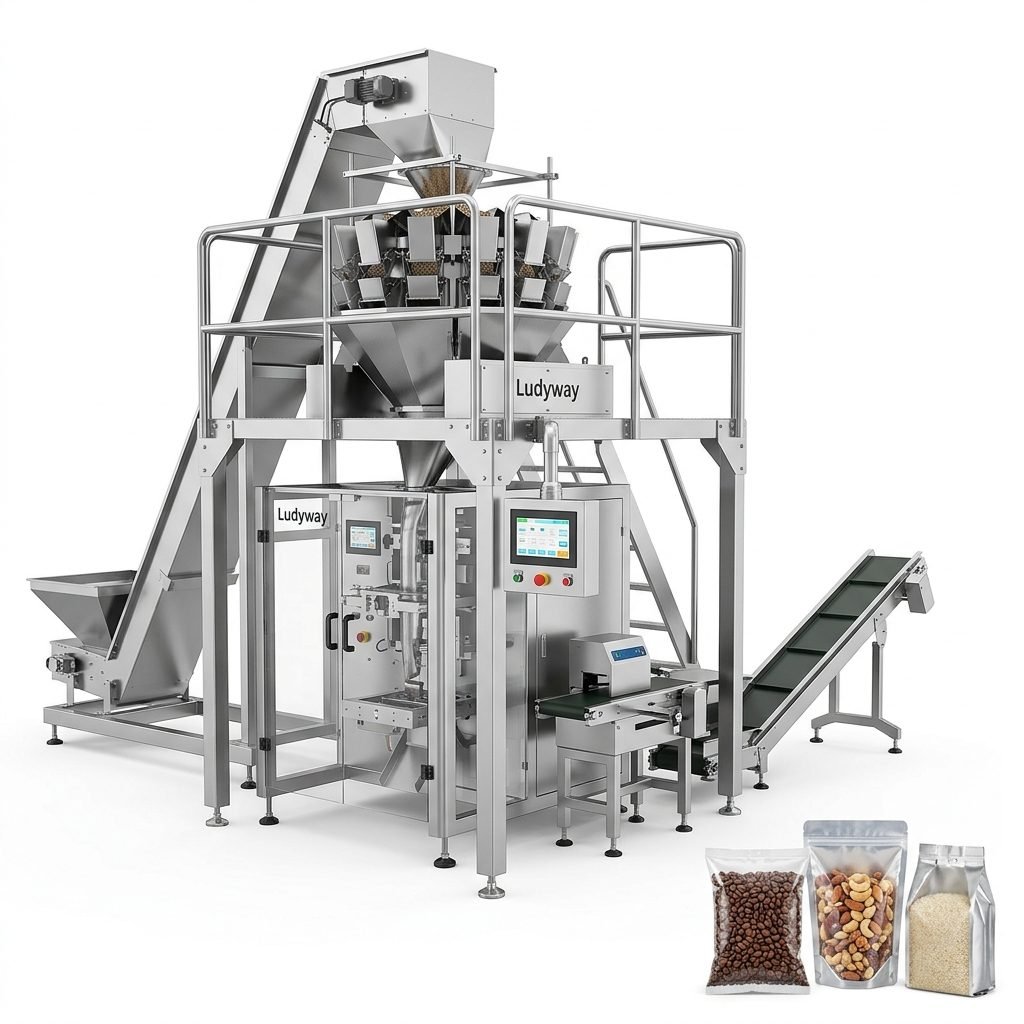
- Granules: Work well with volumetric fillers or multi-head weighers for higher precision
- Liquids & Pastes: Need piston pumps or peristaltic filling systems with appropriate sealing technology
- Hygroscopic materials: Demand humidity-controlled environments and specialized film handling
2. Production Speed and Lane Configuration
Stick pack machines are available in single-lane and multi-lane configurations. Your required output volume will determine the optimal lane count and cycle speed. According to PMMI industry reports, manufacturers are increasingly adopting multi-lane systems to meet growing demand for single-serve formats.
| Lane Configuration | Typical Output Range | Best Suited For |
|---|---|---|
| Single Lane | 30-80 sticks/min | Startups, R&D, short runs |
| 4-6 Lanes | 200-400 sticks/min | Mid-volume production |
| 8-12 Lanes | 500-1,000+ sticks/min | High-volume contract packagers |
| 16+ Lanes | 1,200+ sticks/min | Large-scale industrial operations |
3. Packaging Material Compatibility
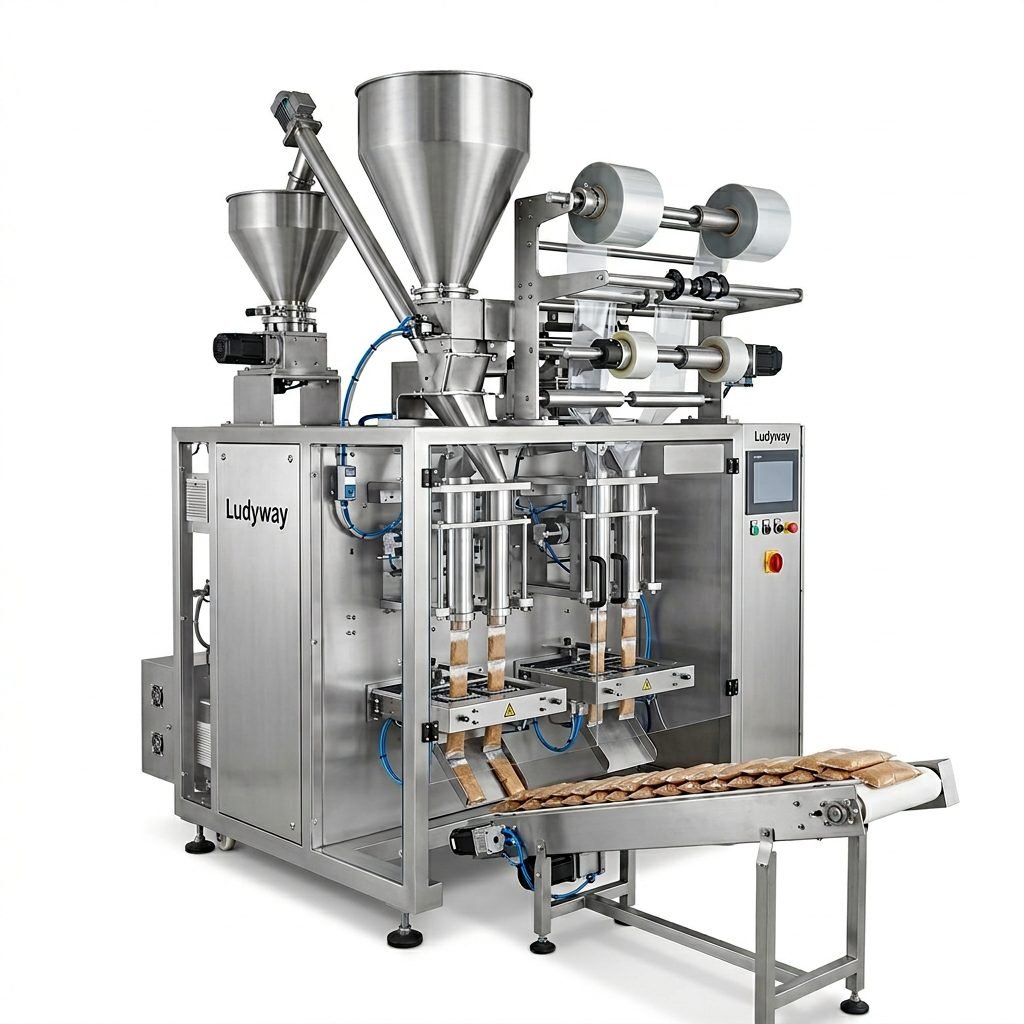
Not every machine can run every film structure. Your packaging material choice—whether it’s laminated foil, metallized PET, or paper-based structures—must be compatible with the machine’s sealing system. The Flexible Packaging Association provides extensive resources on material selection and sustainability considerations. Key material factors include sealant layer type, thickness, coefficient of friction, and heat resistance.
4. Filling Accuracy and Dosing Technology
Precision dosing is especially critical for pharmaceuticals, nutraceuticals, and high-value ingredients. The dosing mechanism must deliver consistent fill weights across all lanes throughout extended production runs. Modern machines often incorporate servo-driven auger systems, volumetric cups, or combination weighers with real-time feedback adjustment. Regulatory requirements from FDA packaging guidelines and similar authorities should also inform your equipment specifications.
5. Changeover Flexibility and Ease of Use
If your facility produces multiple SKUs with different stick sizes or product types, rapid changeover capability becomes a priority. Look for machines with tool-less adjustments, recipe-based controls, and quick-release forming tubes. The time required to switch between formats directly affects your overall equipment effectiveness (OEE) and production scheduling flexibility.
Stick Size and Format Considerations
Standard stick pack dimensions vary widely across applications. Your machine’s forming collar and sealing jaws determine the achievable width and length ranges. Common formats include:
- Standard narrow stick: 15-25mm width, ideal for sugar, sweetener, and instant coffee
- Medium stick: 25-40mm width, suitable for protein powders and supplement blends
- Wide stick: 40-60mm width, used for meal replacement powders and larger servings
- Sachet format: 50-100mm+ width, often used for liquid samples and cosmetic products
Automation Level and Line Integration
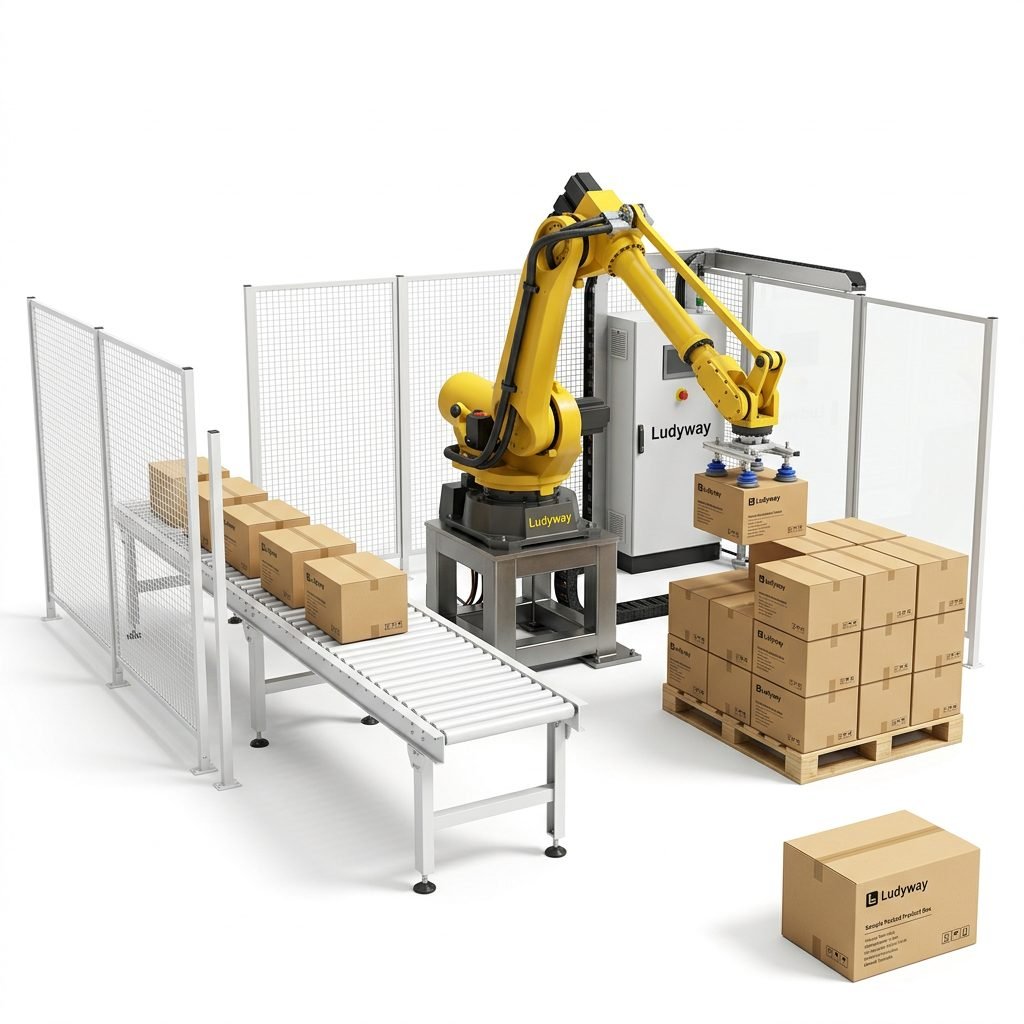
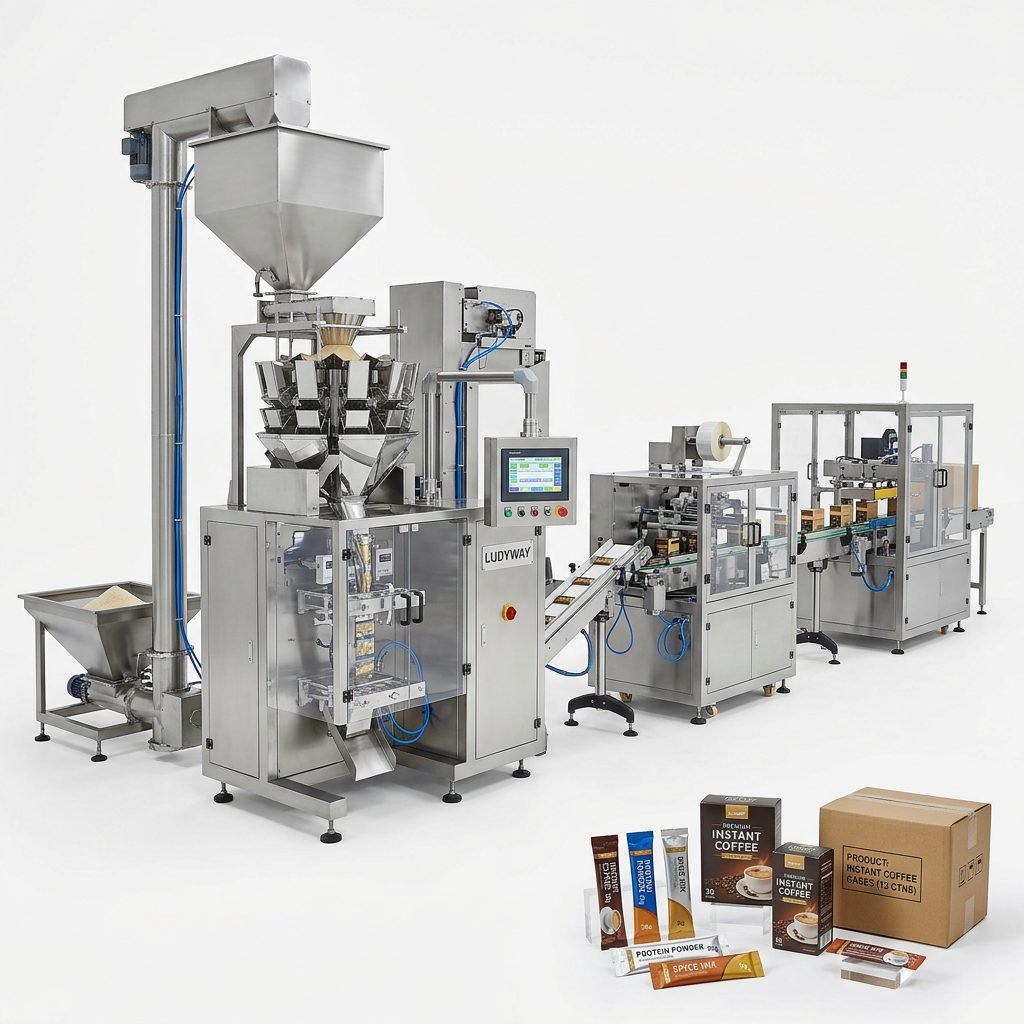
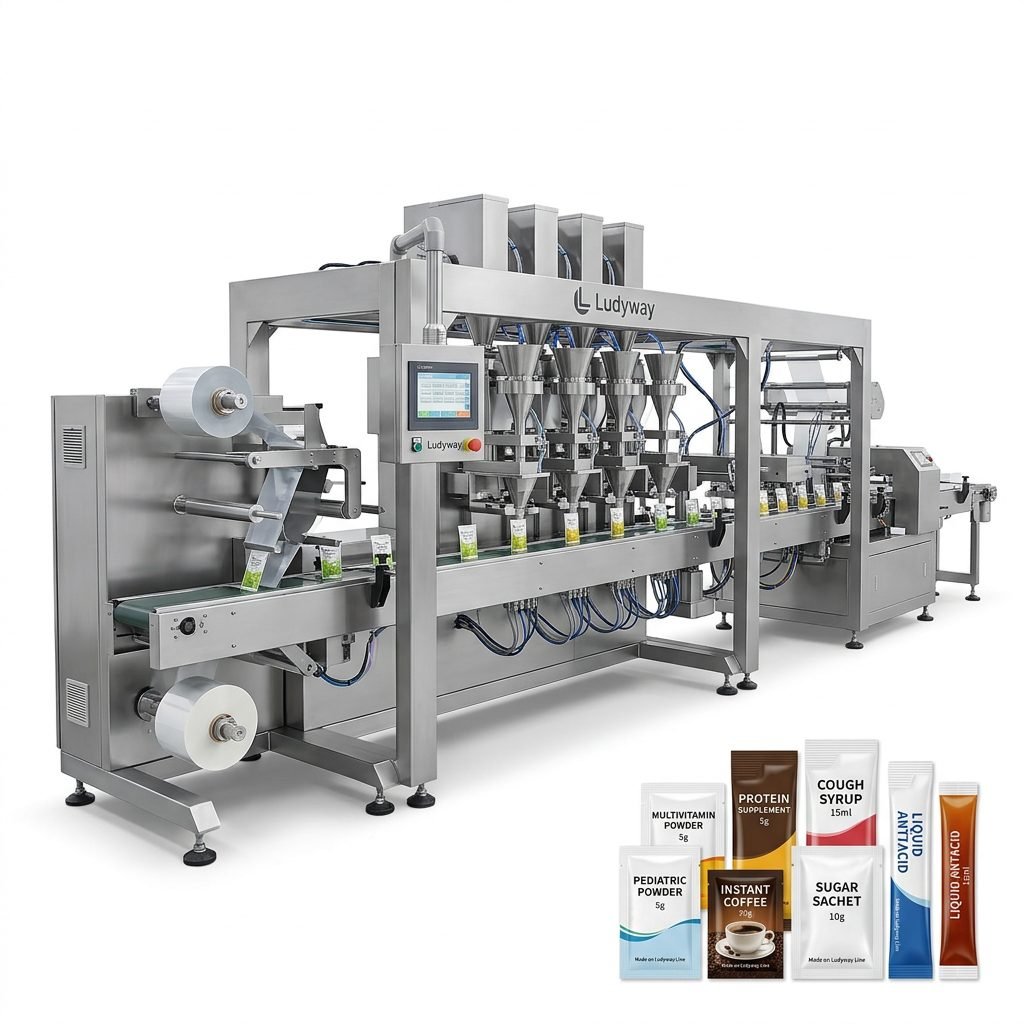
Stick pack machines range from semi-automatic models requiring manual product loading to fully automated systems integrated with upstream feeding, downstream cartoning, and end-of-line palletizing. When evaluating automation options, consider your current labor costs, available floor space, and long-term scalability plans. A well-integrated system can connect multiple stages of the packaging process through a single equipment partner.
Quality Control and Inspection Features
Modern stick pack lines incorporate multiple inspection checkpoints to ensure product integrity. Critical quality control features include seal integrity inspection, fill weight verification via checkweighers, metal detection, and vision systems for print registration and code verification. Investing in robust quality assurance technology reduces costly product recalls and protects your brand reputation. Reference standards from ISO packaging standards can help define your quality parameters.
Service, Support, and Spare Parts Availability
Equipment uptime depends heavily on accessible technical support and readily available spare parts. Before committing to a machine purchase, evaluate the manufacturer’s service network, response times, and parts inventory management. Remote diagnostic capabilities, comprehensive operator training, and preventive maintenance programs contribute significantly to long-term equipment reliability. Working with an experienced manufacturer ensures continued support throughout the machine’s lifecycle—from installation and commissioning to troubleshooting and optimization.
Total Cost of Ownership Considerations
While the initial purchase price is important, the total cost of ownership (TCO) provides a more complete picture. Consider these long-term cost factors:
| Cost Factor | Impact on TCO | Evaluation Tips |
|---|---|---|
| Film waste percentage | High – material is ongoing cost | Ask for waste rate guarantees during trials |
| Energy consumption | Moderate | Compare servo vs. pneumatic systems |
| Spare parts pricing | Moderate-High | Request consumable parts list with pricing |
| Changeover downtime | High in multi-SKU environments | Time actual changeovers during demonstrations |
| Operator training requirements | Moderate | Consider ease-of-use and interface design |
Industry-Specific Requirements
Food and Beverage
Food-grade materials, washdown-ready designs, and compliance with food safety regulations are essential. Machines may require hygienic construction with sloped surfaces, minimal crevices, and validated cleaning procedures.
Pharmaceuticals and Nutraceuticals
Strict adherence to cGMP, FDA 21 CFR Part 11, and data integrity requirements drives equipment selection in this sector. Isolator integration, validated processes, and comprehensive audit trail capabilities are often mandatory. Refer to the ISO 11607 standards for packaging when evaluating medical and pharmaceutical applications.
Cosmetics and Personal Care
Flexibility to handle diverse formulations—from thin liquids to thick creams—and small batch sizes characterize this segment. Quick changeover and easy cleaning between product runs are particularly valuable here.
Making Your Final Decision
Selecting the right stick pack machine requires balancing technical capabilities, operational requirements, and budget constraints. Factory acceptance testing (FAT) with your actual product and packaging material is highly recommended before finalizing any purchase. This validation step confirms the equipment meets your performance criteria under real-world operating conditions. A manufacturer with extensive application experience and a track record of successful installations can provide valuable guidance throughout the evaluation process.
Why Partner With an Experienced Manufacturer
Working with a packaging machinery manufacturer that combines engineering expertise with application knowledge helps reduce project risk. Among global suppliers, Ludyway Machinery stands out as a China-based packaging equipment manufacturer with more than 30 years of industry experience. The company provides over 50 packaging machine models, operates from a 20,000-square-meter facility, and serves customers in more than 100 countries with comprehensive support from equipment selection to commissioning and after-sales service. For manufacturers seeking to implement or upgrade stick pack production capabilities, partnering with an experienced equipment provider ensures access to proven technology, engineering support, and reliable service throughout the machine’s operational life.

Investing time in thorough evaluation upfront yields significant returns through higher productivity, lower waste, and consistent product quality. The stick pack format continues to expand across global markets, making now an opportune time to upgrade or establish efficient single-serve packaging capabilities. For additional market insights, explore the State of the Industry reports from PMMI and resources from the Flexible Packaging Association to stay informed about packaging trends and technology developments.