Seed packaging machine prices can vary widely depending on the machine type, capacity, automation level, packaging format, and the accuracy required for seed counting or weighing. For many buyers, the real question is not just “How much does it cost?” but also “What configuration gives the best return on investment?”
If you are sourcing equipment for vegetable seeds, grain seeds, flower seeds, grass seeds, or treated seeds, this guide will help you understand the typical price ranges, the main cost drivers, and how to choose the right solution for your production needs.
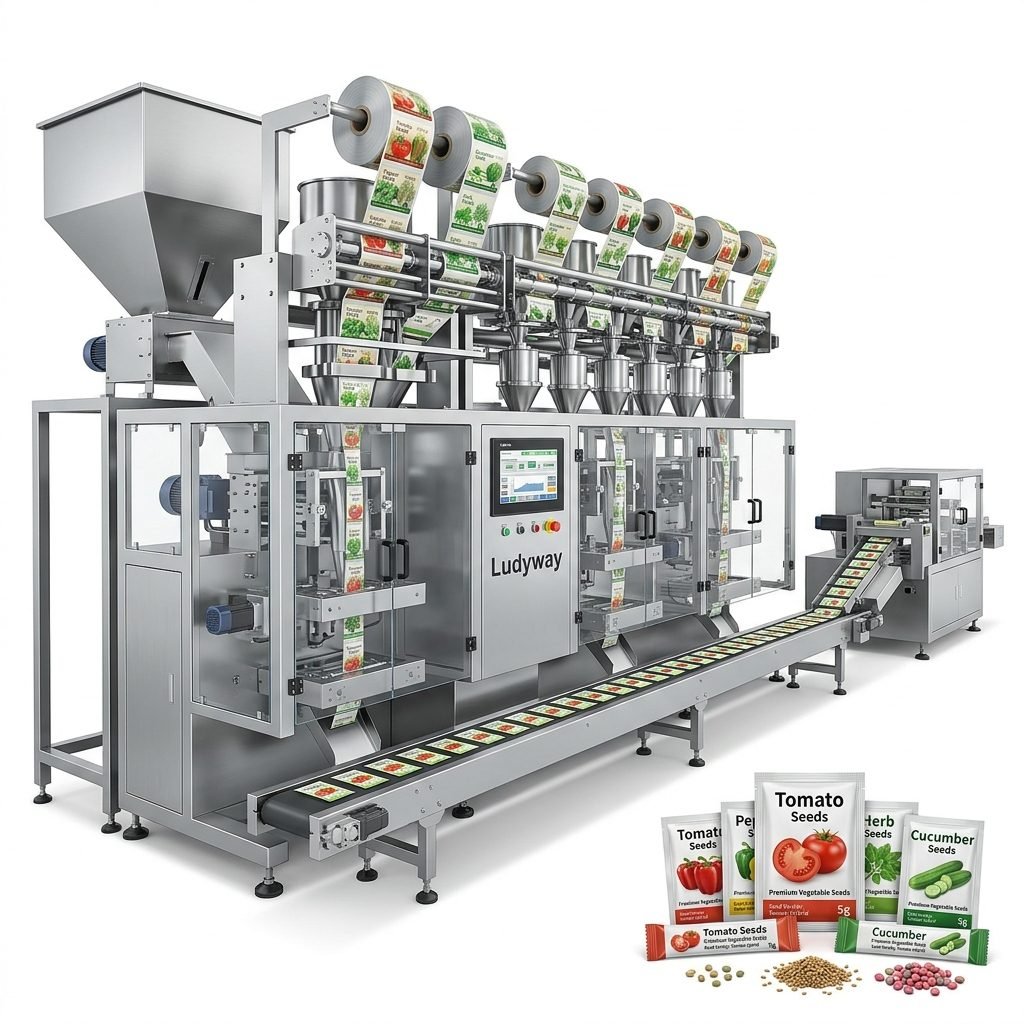
Average Price Range of a Seed Packaging Machine
In general, a seed packaging machine may cost anywhere from USD 3,000 to over USD 150,000, depending on whether you need a simple semi-automatic unit or a fully integrated automatic packaging line.
| Machine Type | Typical Price Range | Best For |
|---|---|---|
| Semi-automatic seed filling machine | USD 3,000–10,000 | Small farms, startups, test production |
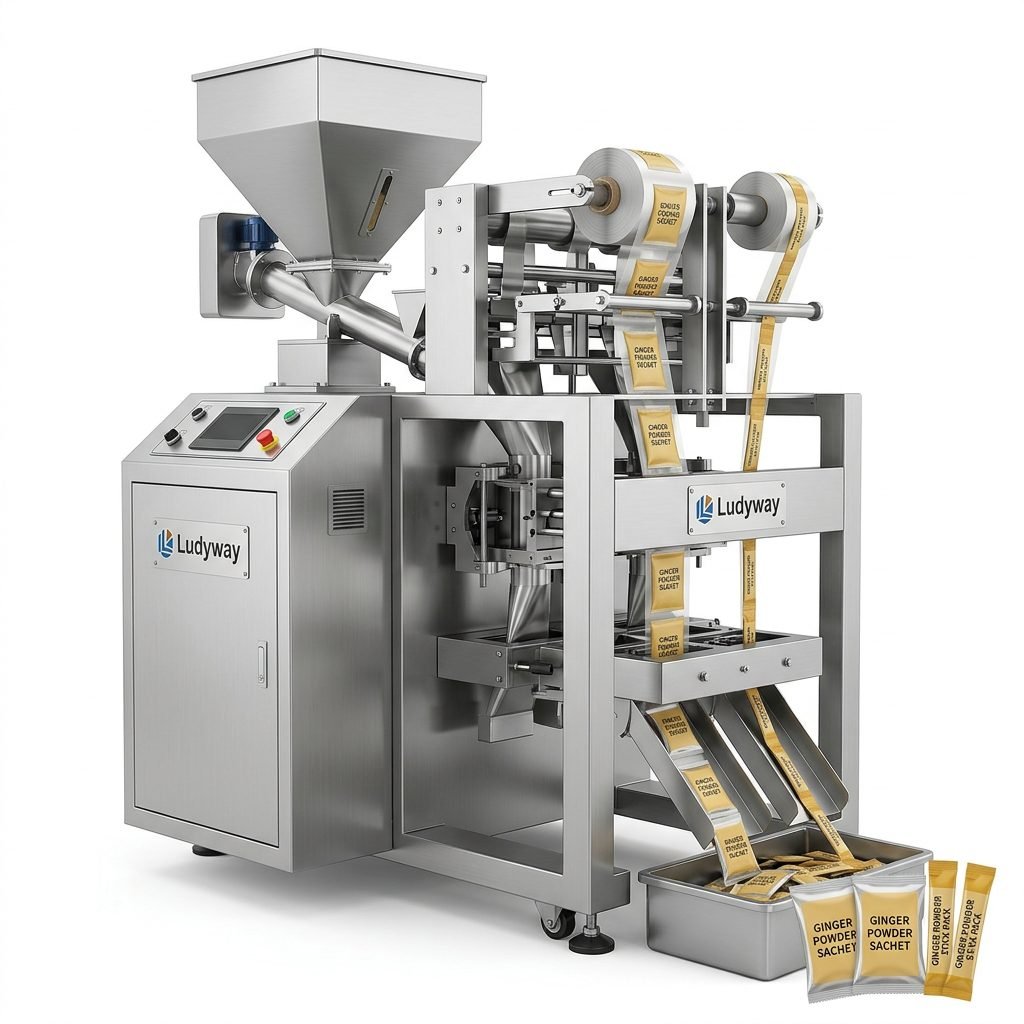
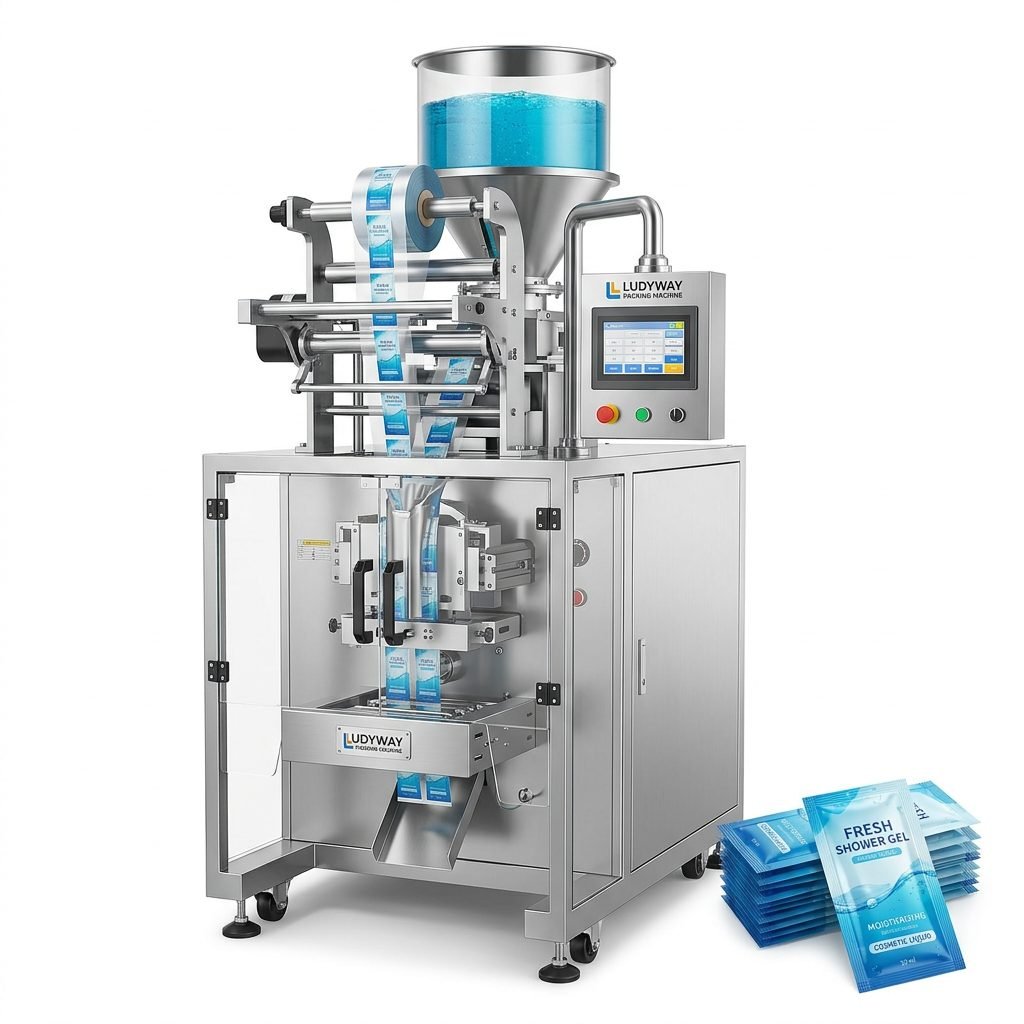
| Vertical form fill seal seed packing machine | USD 8,000–35,000 | Pillow bags, small pouches, medium output |
| Seed sachet packaging machine | USD 12,000–45,000 | Retail seed packets, small-dose packaging |
| Counting seed packaging machine | USD 15,000–50,000 | High-value seeds requiring precise count |
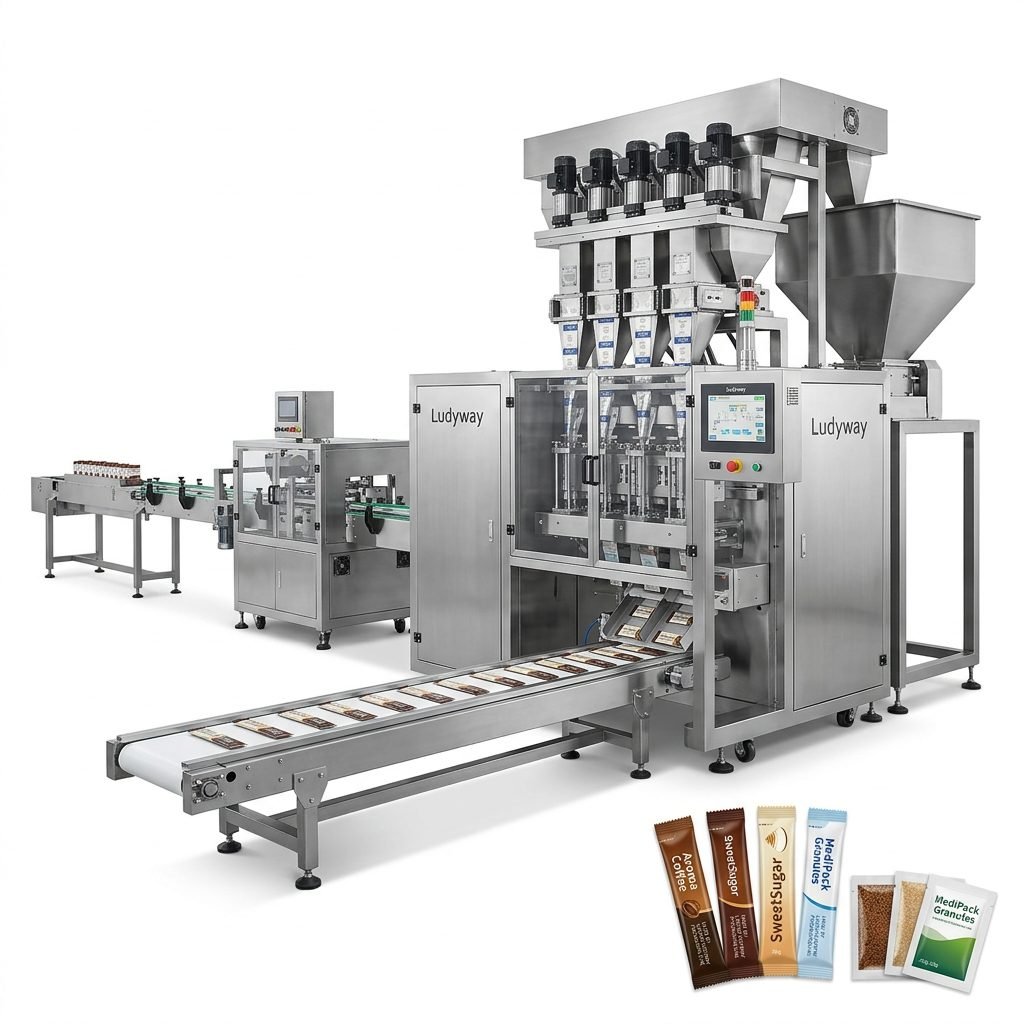
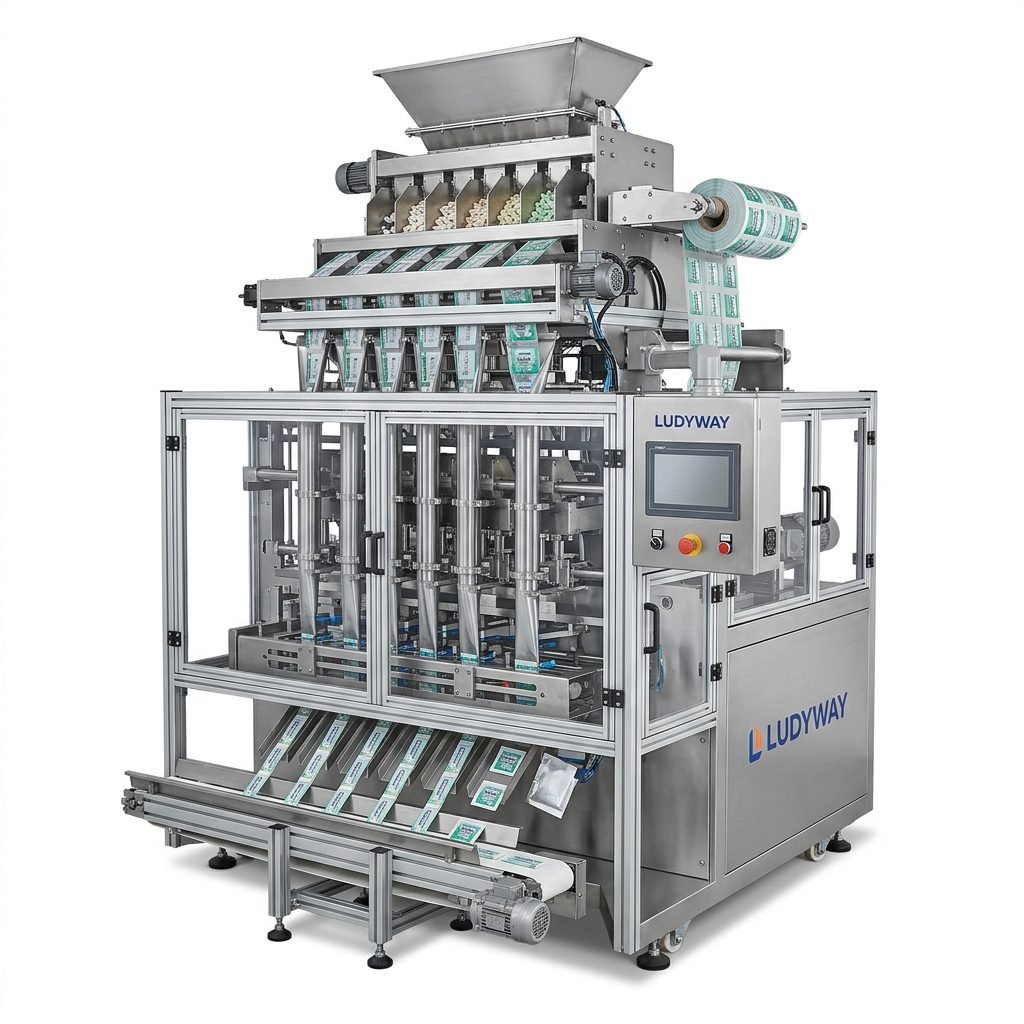
| Multi-lane sachet seed packaging system | USD 35,000–90,000 | High-speed retail seed packaging |
| Complete automatic seed packaging line | USD 60,000–150,000+ | Large-scale factories and turnkey projects |
These price ranges are indicative. Final cost depends on technical details such as dosing method, bag type, output speed, material contact parts, and optional equipment.
What Affects the Cost of a Seed Packaging Machine?
Seed packaging equipment is priced based on much more than just machine size. Below are the most important factors that influence your quotation.
1. Packaging Method
- By weight: suitable for many grain and seed products.
- By volume: often more economical for uniform seed flow.
- By count: ideal for expensive vegetable or flower seeds that require exact quantities per pouch.
Counting systems are usually more expensive than basic weighing systems because they need higher precision sensors and control logic.
2. Bag Type and Pack Format
The package style directly impacts machine complexity. Common formats include:
- 3-side seal sachets
- 4-side seal sachets
- Pillow bags
- Back-seal pouches
- Premade pouches
- Bulk bags
A simple back-seal pouch machine is typically cheaper than a multi-lane 4-side seal sachet machine.
3. Output Speed
Higher speed means stronger structure, better servo systems, more stable film pulling, and more advanced control components. A machine producing 20–40 bags per minute is very different in cost from one producing 150–300 sachets per minute.
4. Automation Level
| Automation Level | Cost Impact | Typical Features |
|---|---|---|
| Semi-automatic | Low | Manual bag placing, basic filling |
| Automatic standalone | Medium | Auto forming, filling, sealing, coding |
| Fully integrated line | High | Feeding, packaging, checkweighing, cartoning, conveying, case packing |
5. Seed Characteristics
Different seeds behave differently in a packaging system. Tiny vegetable seeds, coated seeds, fragile seeds, and dusty treated seeds all require different feeding and dosing solutions. Machines handling irregular or delicate seeds often need extra customization, which increases cost.
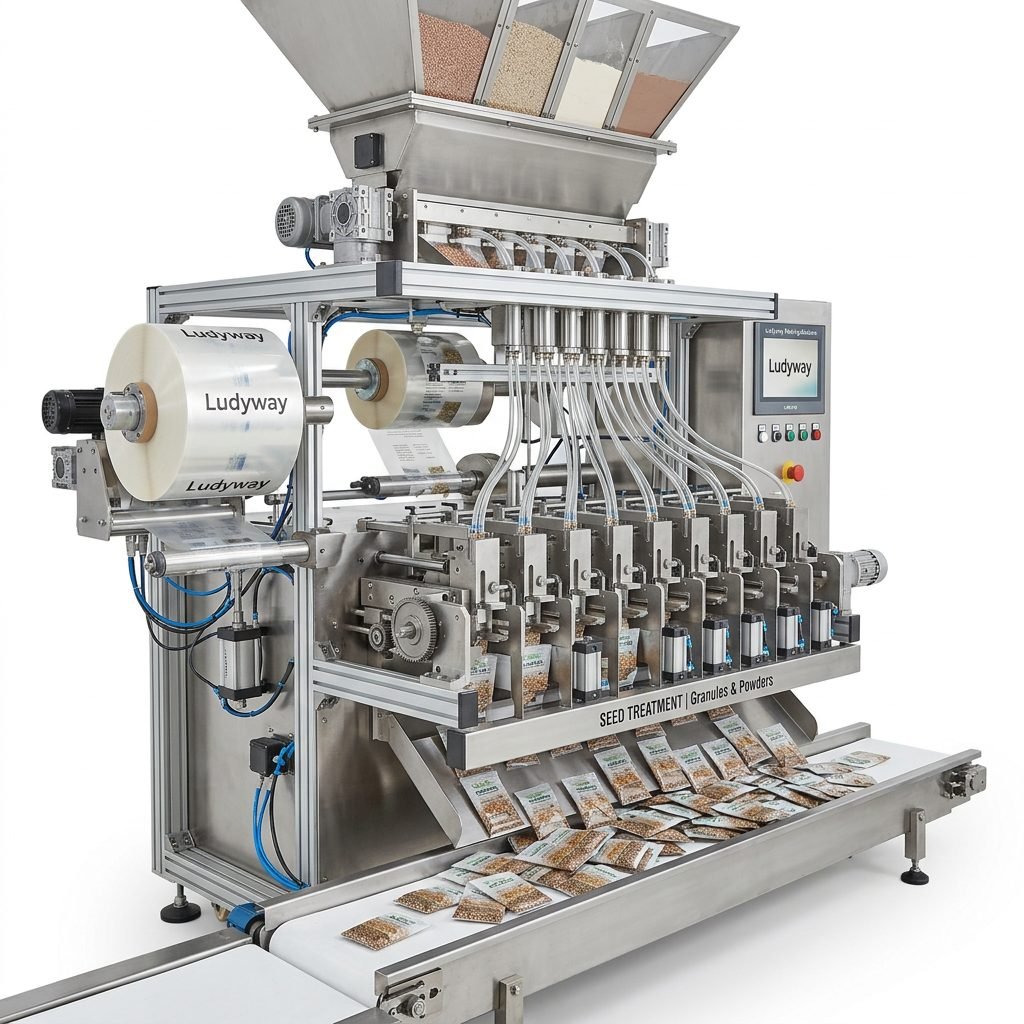
Typical Price by Application
Seed packaging projects are usually divided by use case rather than just machine structure. Here is how application can affect budget.
Vegetable Seed Packaging
Vegetable seeds are often sold in small retail sachets with strict quantity control. These projects usually require precise counting or micro-dosing systems, making them more expensive than ordinary bulk seed packing.
Typical budget: USD 15,000–60,000
Grain and Field Seed Packaging
Corn, wheat, rice, soybean, and grass seeds are often packed in larger bags by weight. These systems can be simpler in dosing, but bulk capacity may require stronger bagging and conveying systems.
Typical budget: USD 8,000–80,000+
Flower Seed Packaging
Flower seeds are usually small, lightweight, and sold in retail packs with visual presentation in mind. This may increase demand for neat sealing, accurate counting, and printed film alignment.
Typical budget: USD 12,000–50,000
Treated Seed Packaging
Chemically treated seeds often require attention to dust control, sealing integrity, corrosion resistance, and operator safety. Special material contact parts and enclosed systems may raise the total investment.
Typical budget: USD 20,000–90,000+
Standalone Machine vs Complete Packaging Line
Many buyers start by comparing the cost of a single machine, but in reality the full project cost may include much more.
| Option | Lower Initial Cost | Higher Efficiency | Best Choice For |
|---|---|---|---|
| Standalone machine | Yes | Moderate | Small and medium production |
| Turnkey packaging line | No | High | Growing factories and large-volume operations |
A turnkey solution can include feeding, packaging, coding, metal detection, checkweighing, cartoning, labeling, and palletizing. It costs more at the beginning, but often reduces labor cost and improves production consistency over time.
Hidden Costs Buyers Should Not Ignore
When evaluating seed packaging machine prices, make sure you look beyond the machine base price.
- Mold or bag former costs for different pouch sizes
- Shipping and insurance for international orders
- Import duties and taxes based on destination country
- Installation and commissioning
- Spare parts packages
- Operator training
- Maintenance and after-sales support
- Packaging film compatibility testing
A lower quotation is not always the cheaper long-term option if it leads to downtime, poor seal quality, inaccurate filling, or difficult maintenance.
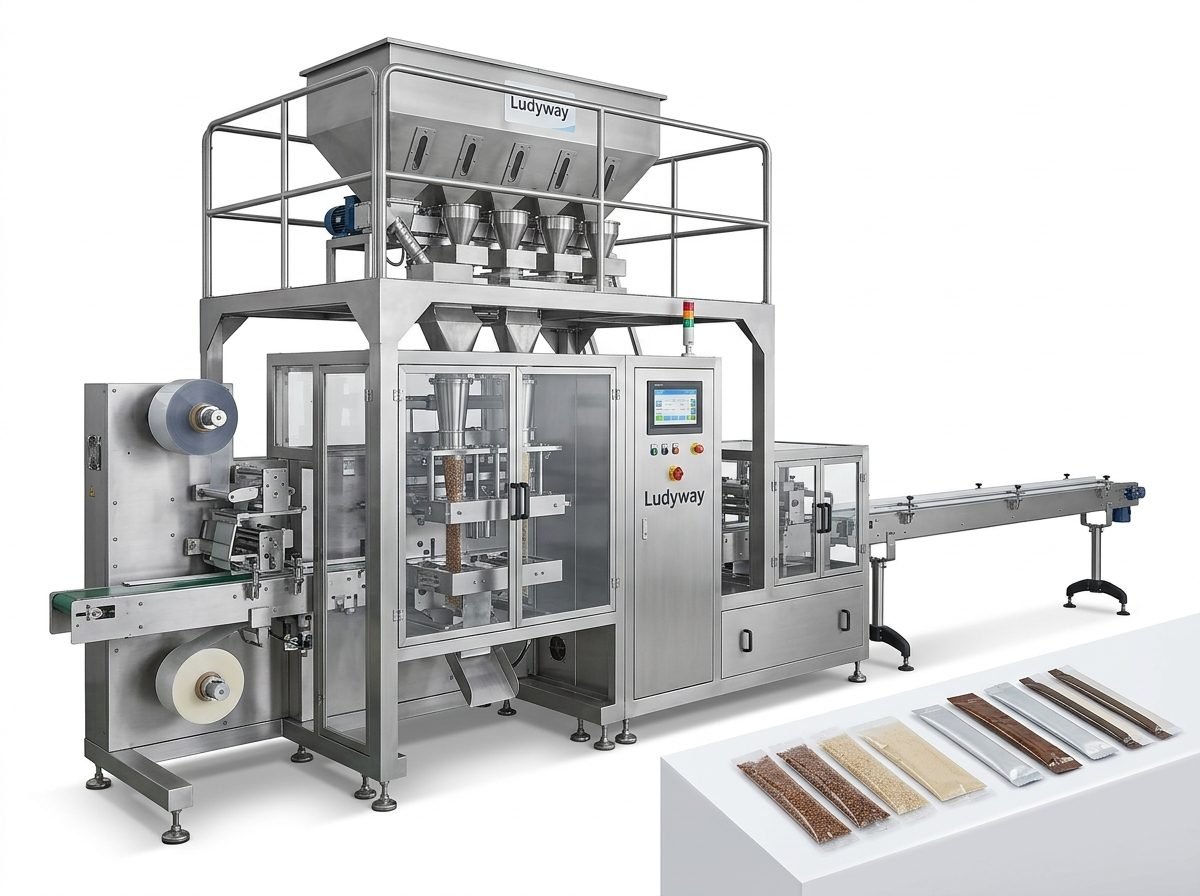
How to Choose the Right Seed Packaging Machine for Your Budget
The best buying decision comes from matching your production reality with the right machine specification.
Ask These Questions Before Buying
- What type of seeds will you pack?
- Do you need packaging by weight, volume, or count?
- What bag sizes and bag styles do you need?
- What is your target output per hour or per day?
- Will you package one product or multiple seed varieties?
- Do you need coding, labeling, checkweighing, or cartoning?
- What level of automation fits your labor and budget conditions?
By answering these questions first, you can avoid overpaying for unnecessary features or underinvesting in a machine that cannot support your future growth.
Is It Better to Buy from China?
For many global buyers, sourcing from China can offer a strong balance of price, customization, and manufacturing capacity. The key is choosing an experienced supplier with proven export capability, stable quality control, and clear after-sales support.
One example is Ludyway seed packaging machine solutions, backed by more than 30 years of industry experience, a factory of over 20,000 square meters, and extensive experience in automatic packaging machinery and turnkey packaging lines for food, pharmaceutical, health supplement, and related sectors.
How to Get an Accurate Quote
If you want a realistic quotation instead of a rough estimate, prepare the following information for the manufacturer:
- Seed type and product photos
- Target bag weight or seed count
- Bag style and dimensions
- Expected production speed
- Voltage and factory layout requirements
- Need for printing, coding, cartoning, or complete line integration
- Whether your seeds are coated, dusty, fragile, or irregular in shape
The more complete your technical brief is, the faster you can receive an accurate machine recommendation and price.
Final Buying Advice
A seed packaging machine can cost as little as a few thousand dollars or as much as a six-figure turnkey investment. The right choice depends on your product, output goals, packaging format, and quality standards.
If you are a small business, a semi-automatic or standard automatic machine may be enough. If you are scaling a seed brand or running industrial production, a customized automatic line usually offers better long-term value.
Instead of focusing only on the lowest upfront cost, evaluate accuracy, machine stability, expansion potential, and service support. That is what determines the real return on your packaging investment.