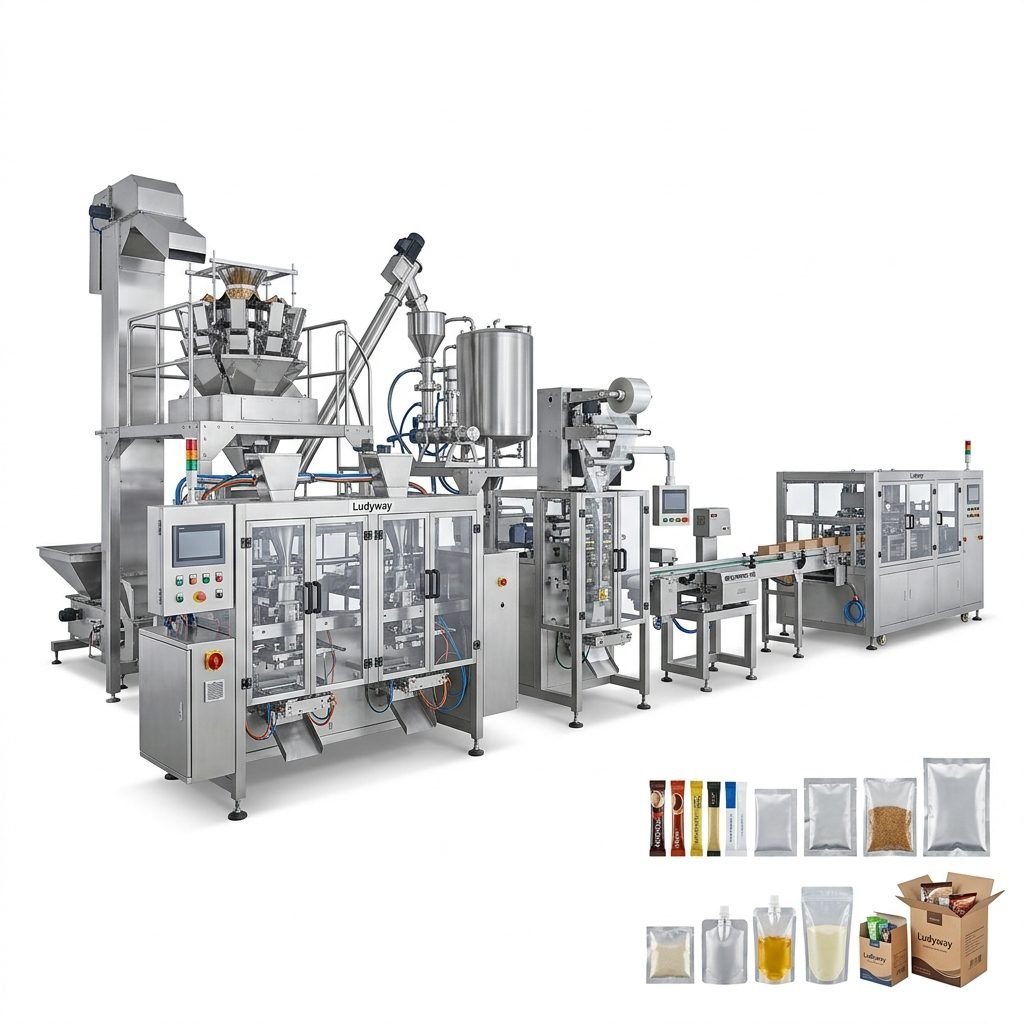
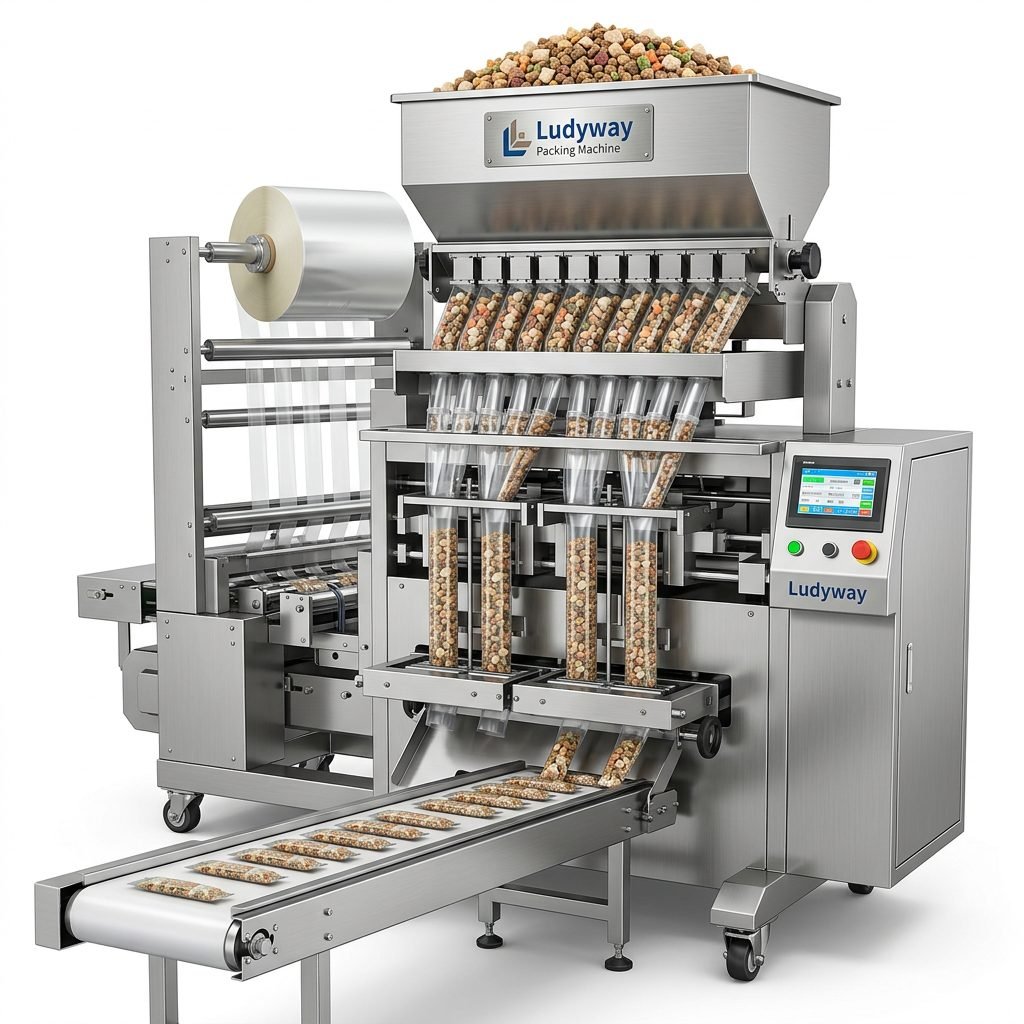
Selecting the right single-serve packaging machine is one of the most critical decisions a manufacturer can make. Whether you are packing powders, granules, liquids, or pastes into stick packs, sachets, or pouches, the equipment you choose directly affects production efficiency, product quality, and long-term operational costs. With a wide range of machine types, configurations, and suppliers available, the selection process can feel overwhelming.
This guide walks you through the essential factors to evaluate, helping you make a confident, informed investment that aligns with your production goals.
Understanding Your Product and Packaging Requirements
Before comparing machine specifications, start with a thorough analysis of your product characteristics and packaging needs. The physical properties of your product — whether it is a free-flowing powder, a sticky granule, a viscous liquid, or a fragile solid — determine the appropriate dosing system, filling mechanism, and sealing technology.
Product Characteristics That Influence Machine Selection
- Flowability: Free-flowing powders (such as instant coffee or sugar) require different filling systems compared to cohesive or sticky powders (such as protein blends or spice mixes).
- Particle size and uniformity: Granules with consistent particle size are easier to dose accurately; irregular or mixed-size particles may require specialized dosing technologies.
- Density and bulk volume: Light, fluffy powders need volumetric or auger-based filling adjustments; dense materials may benefit from gravimetric systems.
- Moisture sensitivity: Hygroscopic products may require humidity-controlled environments or specialized barrier packaging materials.
- Fragility: Products that break or crush easily (such as freeze-dried fruits or delicate granules) need gentle handling and precise filling systems.
Target Packaging Format
Single-serve packaging spans multiple formats, and the machine you choose must be compatible with your desired output. Common formats include:
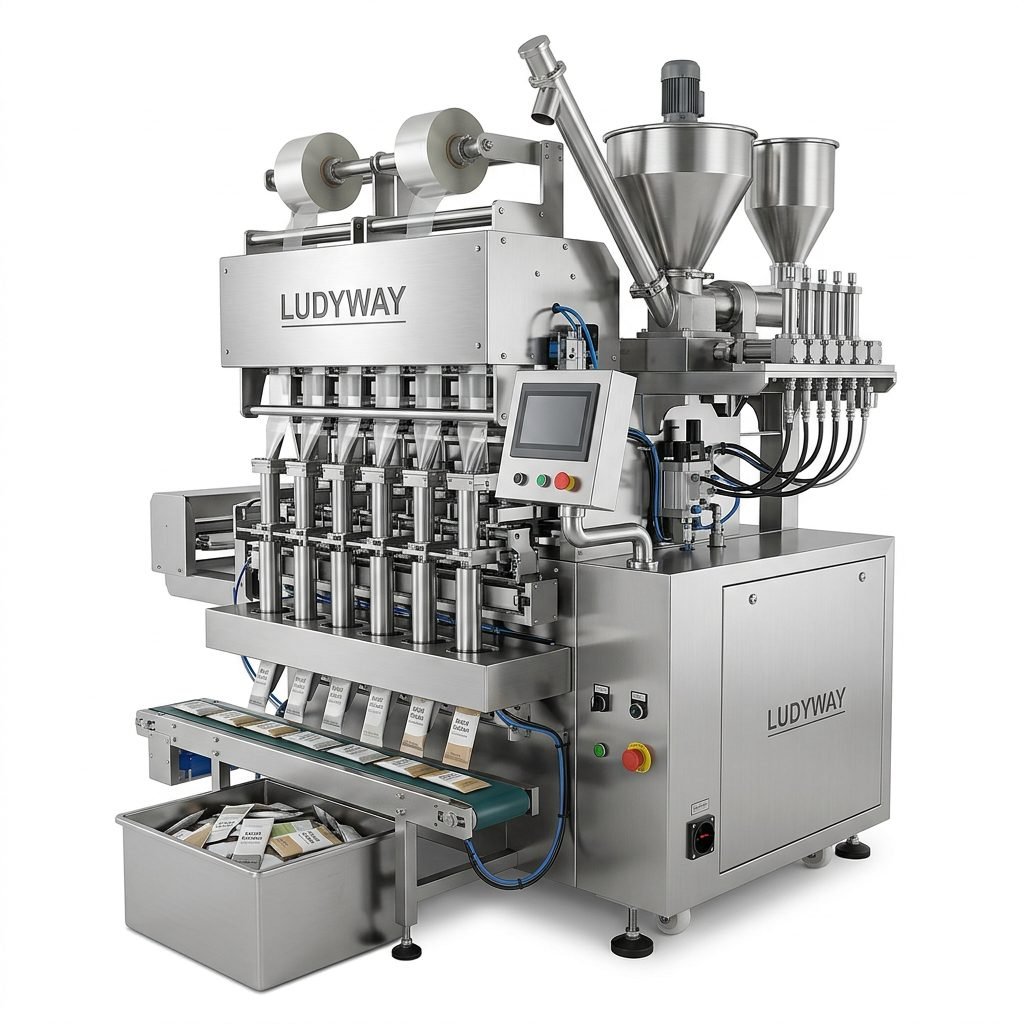
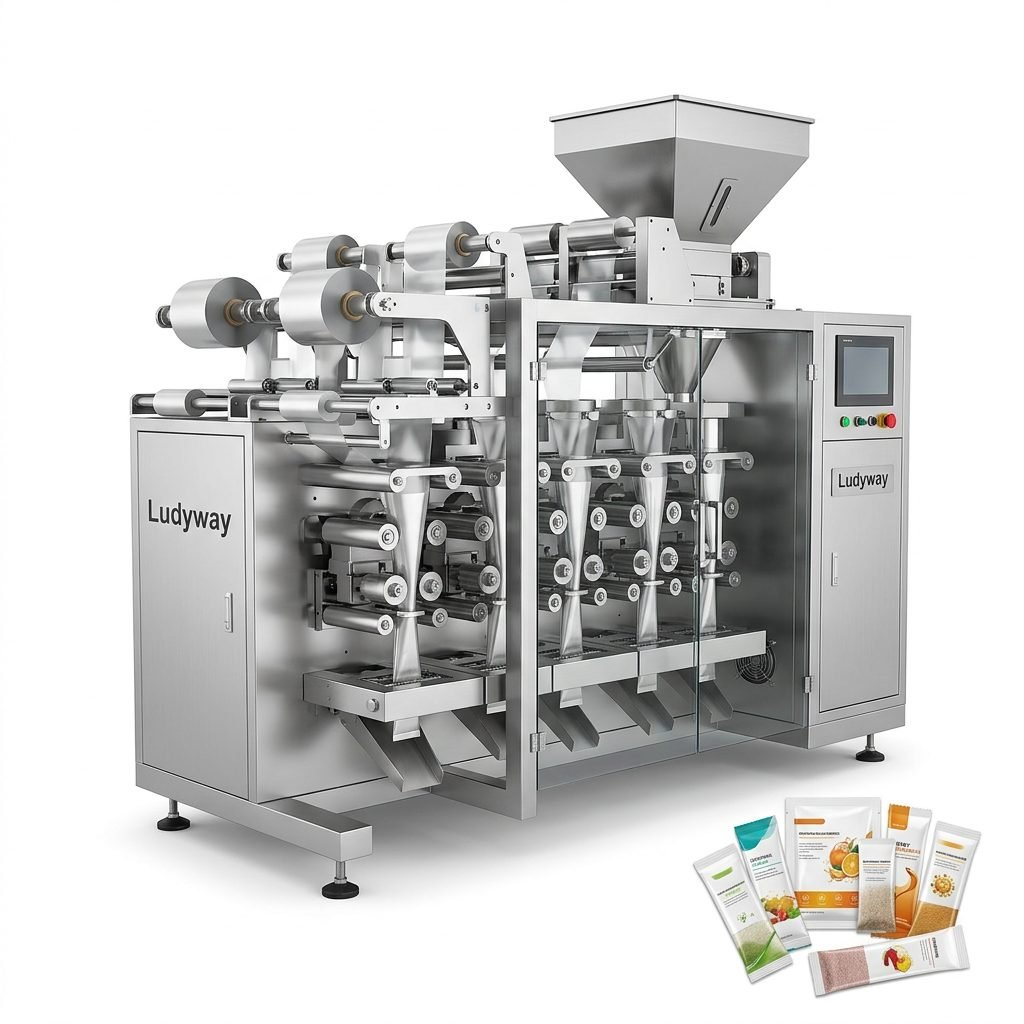
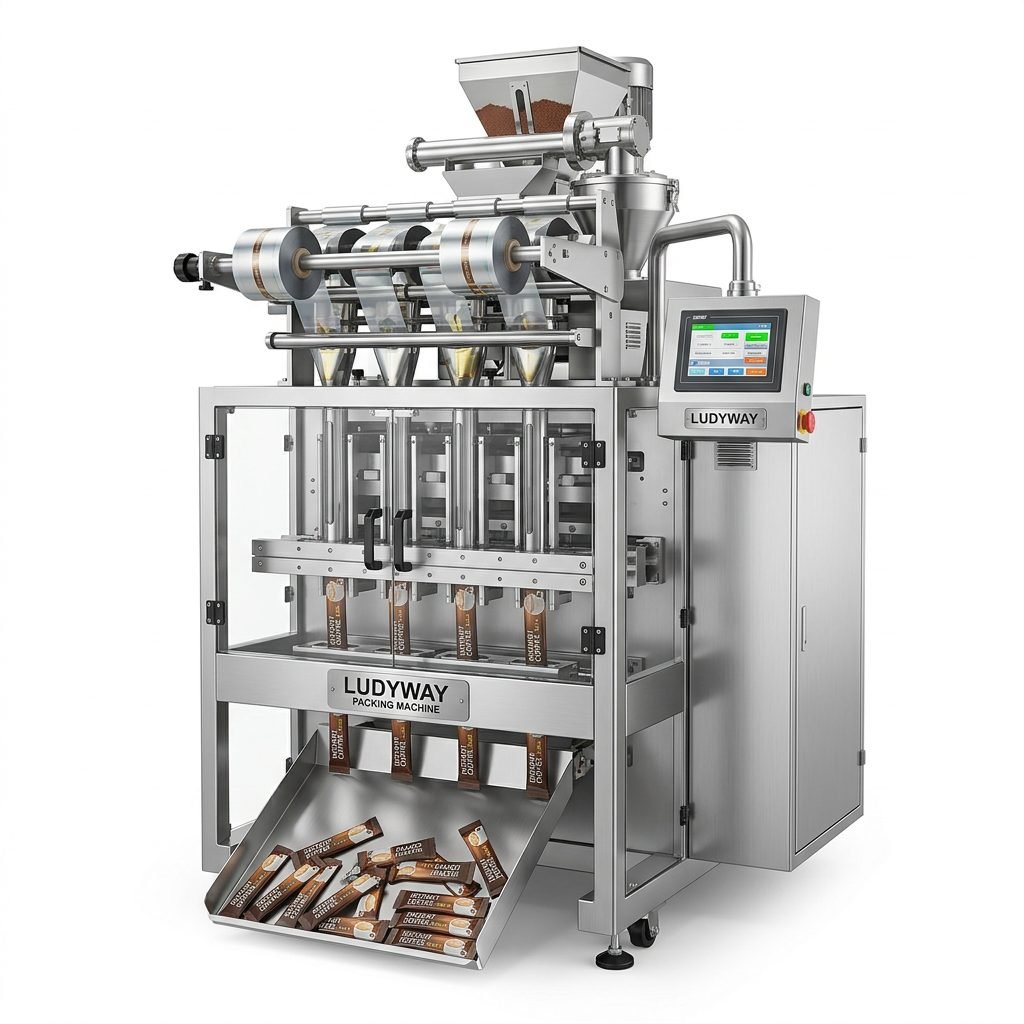
- Stick packs: Narrow, elongated sachets ideal for powders, granules, and single-use liquid portions.
- Sachets: Flat or pillow-shaped pouches with three- or four-side seals, suitable for a wide range of products.
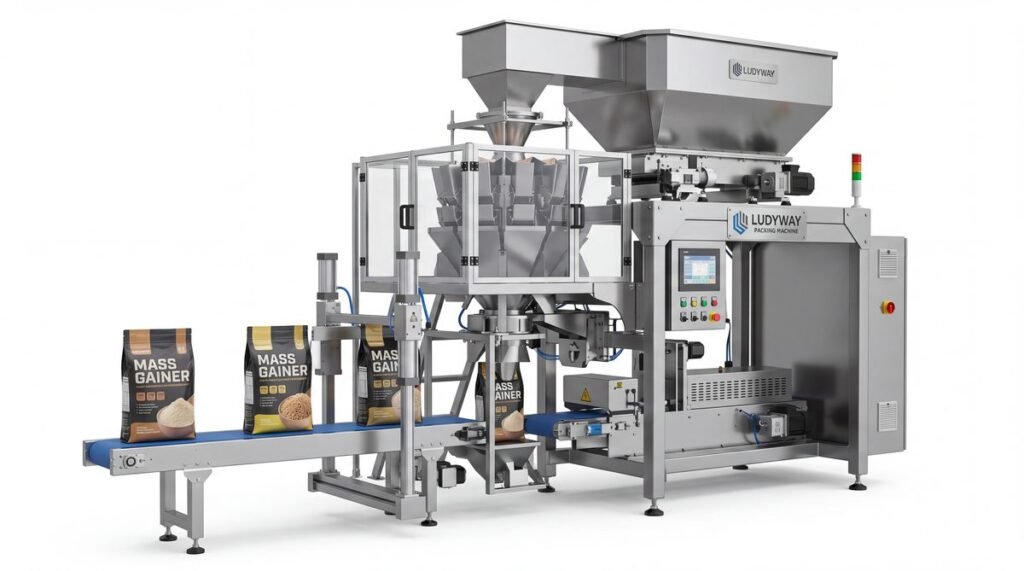
- Premade pouches: Ready-made bags that are filled and sealed, often used for premium or specialty products.
- Multi-lane configurations: Machines that run multiple lanes simultaneously, dramatically increasing output for high-volume production lines.

Key Factors to Evaluate When Selecting a Single-Serve Packaging Machine
Once you have a clear picture of your product and packaging format, evaluate the following machine characteristics to narrow down your options:
1. Production Speed and Output Capacity
Production speed is measured in packs per minute (ppm) and varies widely depending on the machine type and configuration. Single-lane machines may produce 30–80 ppm, while multi-lane systems can reach 200–600+ ppm. Match the machine speed to your current and projected production volumes, allowing headroom for growth without over-investing in excess capacity.
2. Filling Accuracy and Dosing Technology
Consistent fill weights are essential for regulatory compliance, cost control, and customer satisfaction. Dosing technologies include:
- Auger fillers: Best for powders with varying densities; offer high accuracy for fine and cohesive powders.
- Volumetric cup fillers: Suitable for free-flowing granules with consistent density; cost-effective and reliable.
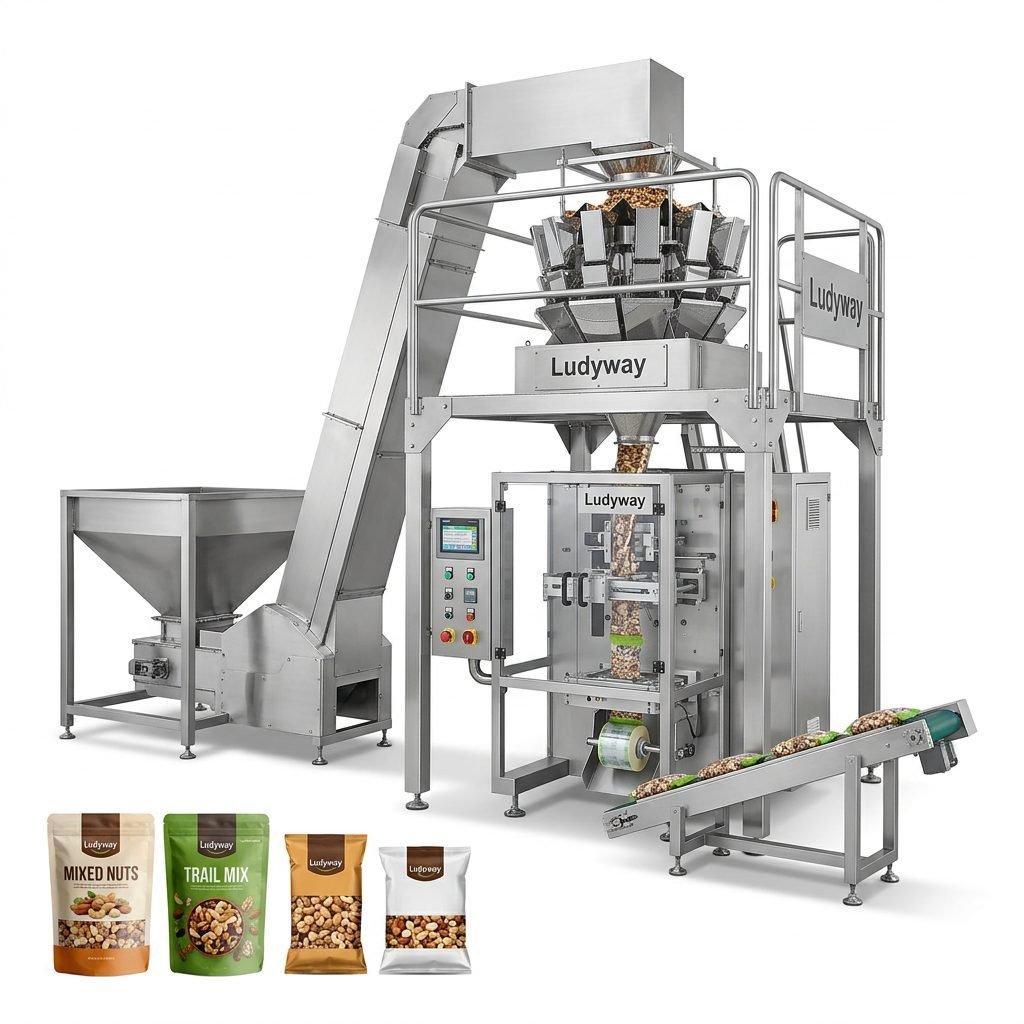
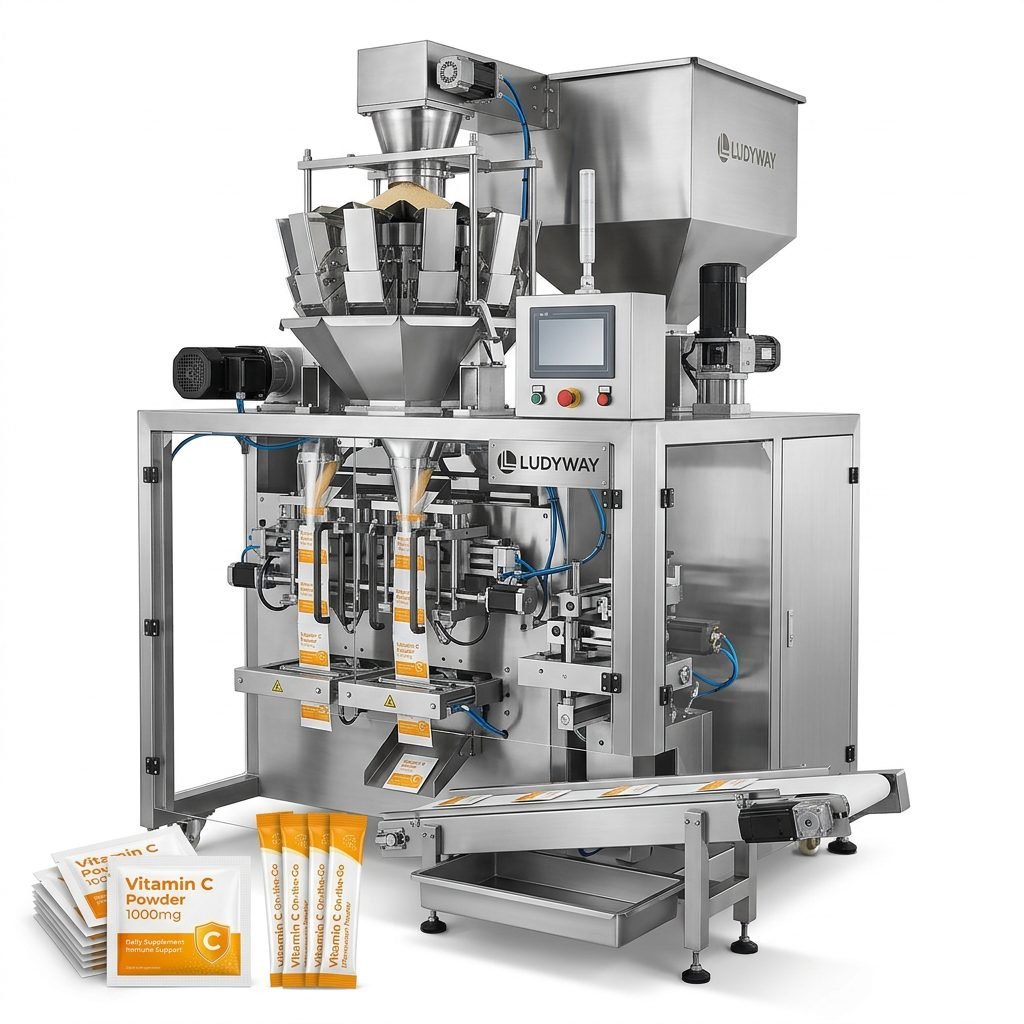
- Multi-head weighers: Provide high-speed, high-precision weighing for granules and small solids.
- Piston fillers: Designed for liquids, pastes, and viscous products; offer precise volume-based filling.
- Net weight fillers: Gravimetric systems that weigh each fill for maximum accuracy, ideal for high-value products.
3. Packaging Material Compatibility
Your machine must be compatible with the flexible packaging materials you plan to use. Consider film thickness, barrier properties, heat-seal characteristics, and whether you need support for laminated, metallized, or recyclable films. The sealing system — heat sealing, ultrasonic sealing, or impulse sealing — must match your material requirements and food safety standards where applicable.
4. Automation Level and Integration Capabilities
Modern single-serve packaging machines range from semi-automatic to fully automatic integrated systems. Consider whether you need:
- Automatic feeding and product dosing
- In-line printing, coding, and labeling
- Automated cartoning and case packing
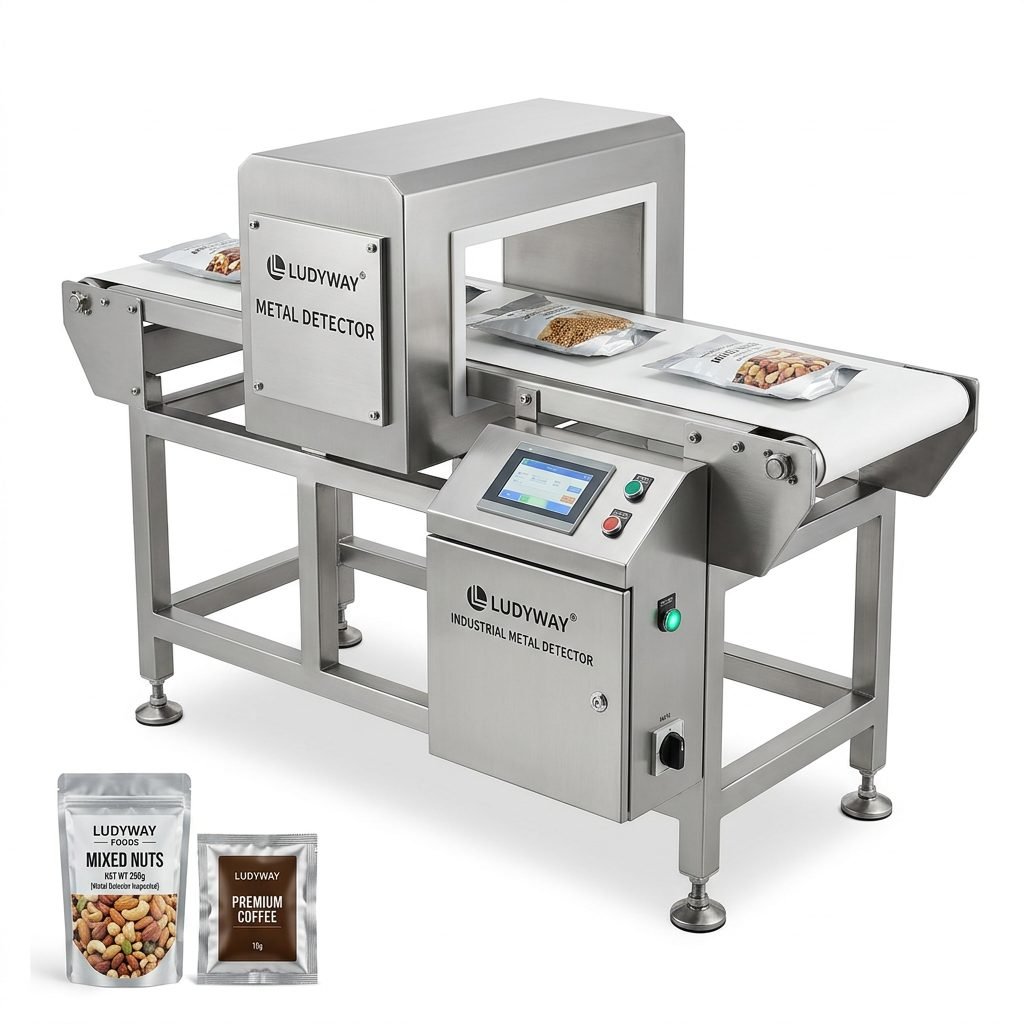
- Checkweighing and metal detection
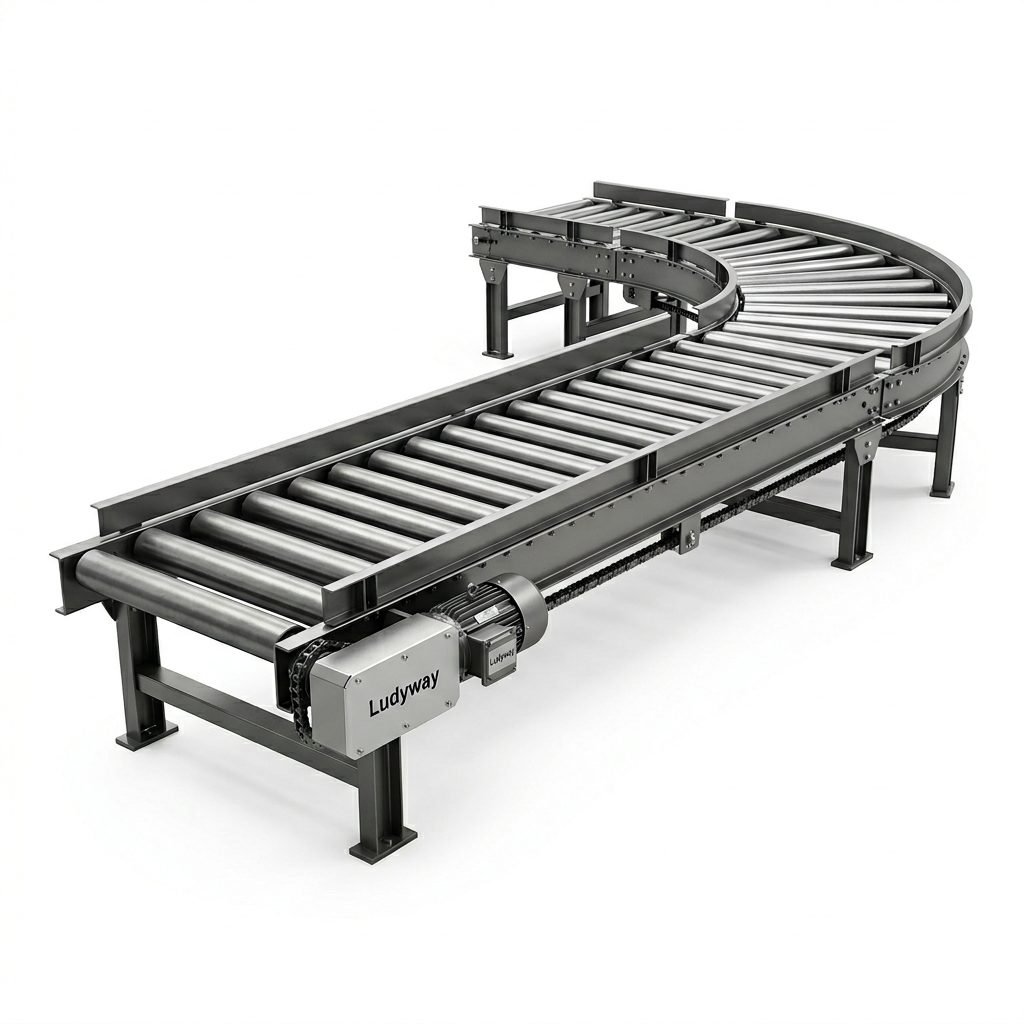
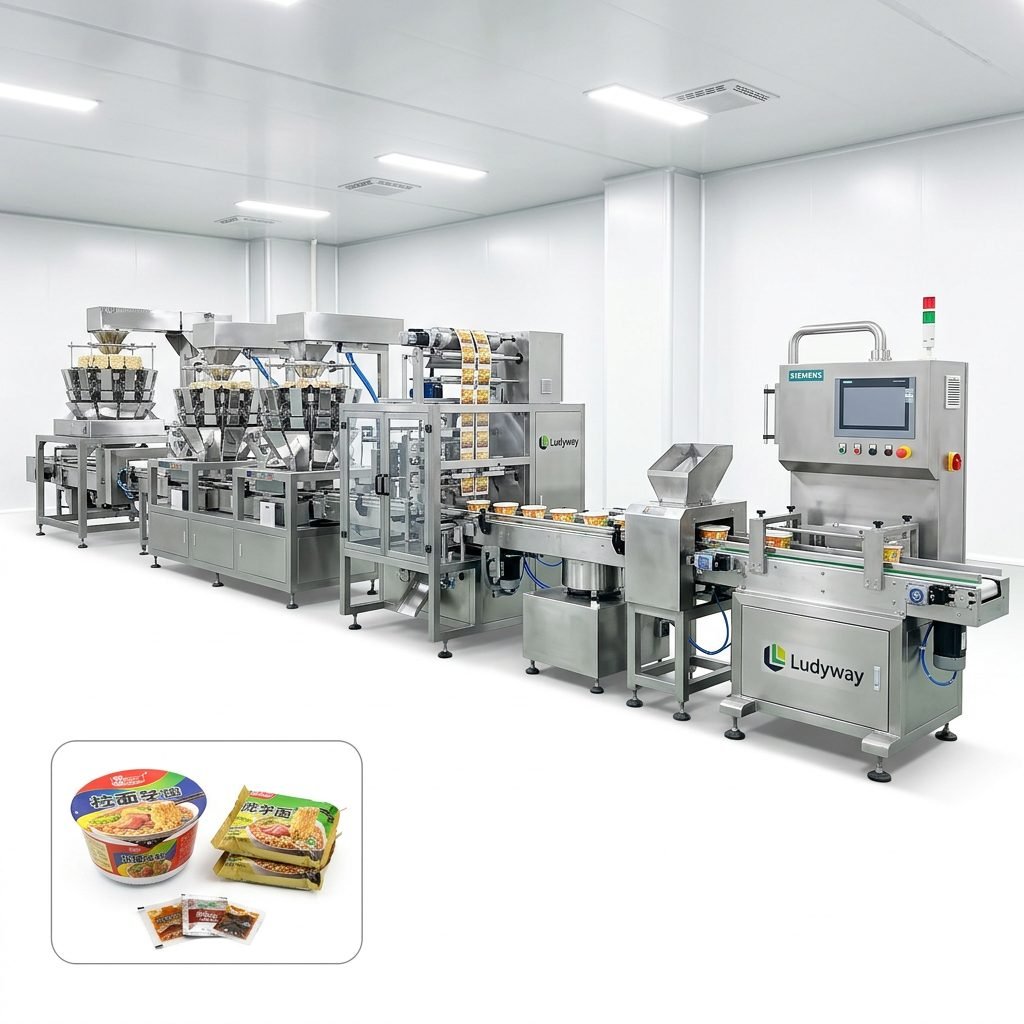
- Integration with upstream and downstream equipment
- Data collection and connectivity for smart factory environments
Higher automation levels reduce labor costs and improve consistency but require a larger initial investment.

5. Changeover Flexibility and Ease of Use
If you produce multiple products or package sizes, quick changeover capability is essential. Look for machines with tool-less adjustments, recipe storage for automated settings recall, and intuitive HMI (Human-Machine Interface) controls. Minimizing downtime between production runs directly impacts overall equipment effectiveness (OEE).
6. Compliance with International Standards
Depending on your market, your packaging equipment may need to comply with standards such as ISO packaging standards, CE marking for European markets, FDA requirements for food and pharmaceutical applications, and GMP guidelines. Verify that the machine can be configured to meet the relevant packaging machinery standards and regulations for your target markets.
Comparing Types of Single-Serve Packaging Machines
The table below provides a high-level comparison of common single-serve packaging machine configurations:
| Machine Type | Best For | Typical Speed | Key Advantage |
|---|---|---|---|
| Single-Lane Stick Pack | Small to medium batches, diverse products | 30–80 ppm | Lower investment, easy to operate and maintain |
| Multi-Lane Stick Pack (4–12 lanes) | High-volume powder and granule products | 200–600+ ppm | Maximum throughput per square meter of floor space |
| Sachet Packaging (3-side/4-side seal) | Liquids, creams, powders, and mixed products | 40–120 ppm per lane | Versatile format, suitable for multiple industries |
| Premade Pouch Filling & Sealing | Premium products, specialty formats | 20–60 ppm | Superior pouch appearance, flexible format options |
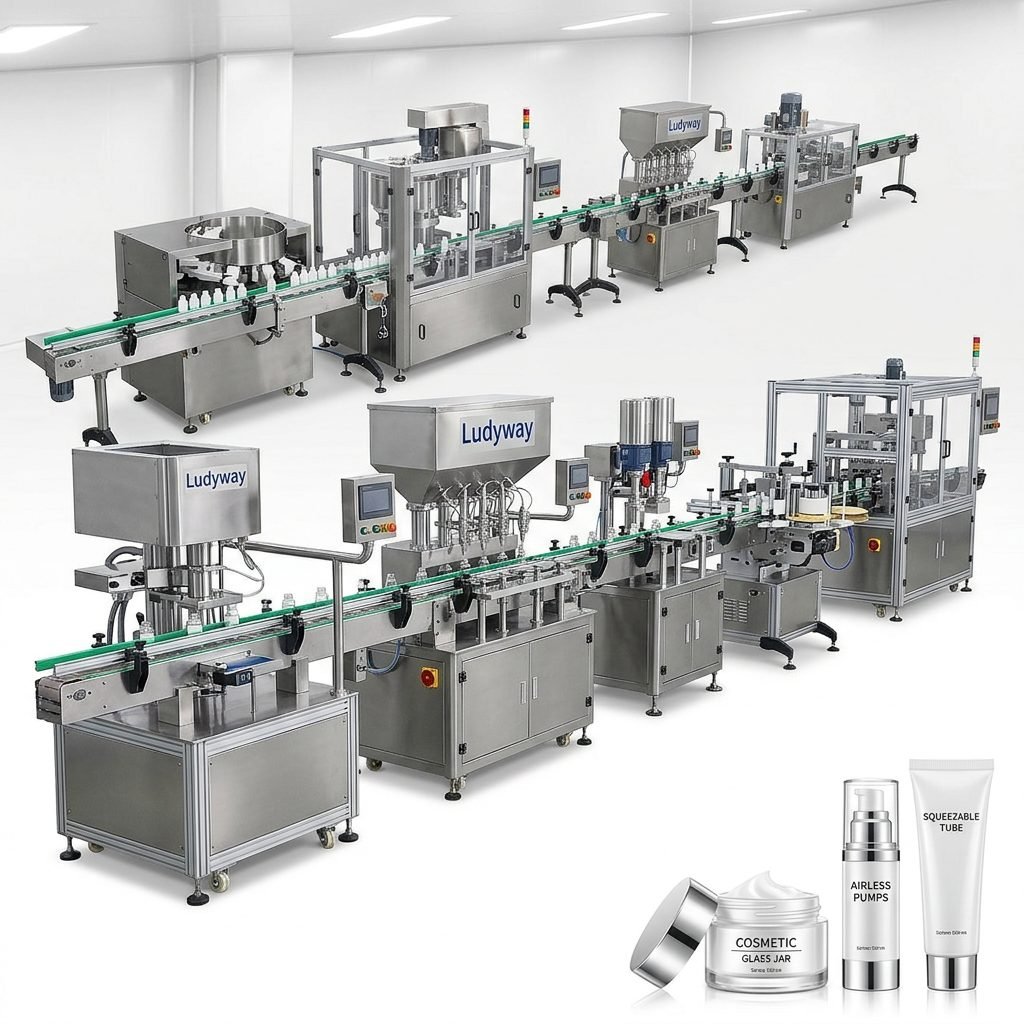
| Integrated Turnkey Packaging Line | Full-scale automated production | Custom-configured | Single-source solution with seamless integration |
Industry-Specific Considerations
Different industries impose distinct requirements on packaging equipment. Understanding these nuances helps you select a machine that meets both regulatory and operational demands:
Food and Beverage
Hygienic design, washdown capabilities, and food-grade material contact surfaces are essential. Machines should support easy cleaning and sanitation, with minimal crevices or dead zones where product can accumulate.
Pharmaceuticals and Nutraceuticals
Strict GMP compliance, validated dosing accuracy, and tamper-evident sealing are non-negotiable. Serialization and track-and-trace capabilities may be required depending on the market. Machines often need to integrate with ISO 11607 packaging standards for sterile or medical-grade products.
Cosmetics and Personal Care
Aesthetic packaging quality is critical. Machines must handle a wide range of formulations — from thin liquids to thick creams — while maintaining clean, wrinkle-free seals and precise fill volumes. Quick changeover is valuable for brands managing multiple SKUs.
Chemicals and Industrial Products
Chemical compatibility of machine components is a primary concern. Corrosion-resistant materials, robust sealing systems, and safety features for handling hazardous substances may be necessary. Bulk packaging volumes often demand heavy-duty configurations.

Questions to Ask Before Making a Purchase
Before finalizing your decision, work through the following checklist with potential suppliers:
- Can the machine handle my specific product? Request a product trial or video demonstration using your actual material whenever possible.
- What is the true output capacity? Confirm whether the quoted speed is achievable under sustained production conditions, not just theoretical maximum.
- What is included in the scope of supply? Clarify which components — feeders, conveyors, printers, inspection systems — are included versus available as optional add-ons.
- What after-sales support is provided? Ask about installation, commissioning, operator training, warranty terms, and availability of spare parts.
- Can the machine be upgraded or expanded? Modular designs that allow adding lanes or integrating new features protect your investment as production needs evolve.
- What are the total cost of ownership projections? Consider energy consumption, consumable parts, maintenance labor, and expected machine lifespan — not just the purchase price.
Why Machine Quality and After-Sales Support Matter
Even the most advanced single-serve packaging machine will underperform without reliable technical support and readily available spare parts. Downtime in a packaging line can cost thousands of dollars per hour in lost production. When evaluating suppliers, prioritize those with a proven track record of responsive service, comprehensive documentation, and a well-stocked spare parts inventory.
Additionally, consider the manufacturer’s engineering capability. Machines that are designed and built with in-house manufacturing expertise tend to offer better build quality, tighter tolerances, and more consistent performance over time. Working with a supplier that can provide turnkey solutions — from single machines to fully integrated packaging lines — simplifies project management and ensures compatibility across all equipment in the line.
For manufacturers navigating this selection process, companies such as Ludyway Machinery — a China-based packaging machinery manufacturer with more than 30 years of industry experience and a 20,000-square-meter manufacturing facility — offer a broad portfolio of automatic packaging equipment, including stick pack, sachet, pouch, and multi-lane machines configured for different product types, production speeds, and packaging formats across food, pharmaceutical, cosmetic, chemical, and other industries.
Making the Right Investment for Long-Term Growth
Choosing a single-serve packaging machine is not simply a matter of comparing specifications on paper. It requires a holistic understanding of your product, your production environment, your growth trajectory, and the total value a supplier brings beyond the equipment itself. By systematically evaluating product compatibility, machine configuration, automation level, compliance requirements, and supplier capabilities, you position your operation for sustained efficiency and scalable growth in the competitive single-serve packaging market.
For additional market insights, explore the 2026 State of the Industry report and other packaging machinery market research resources to stay informed about trends shaping the packaging equipment landscape.