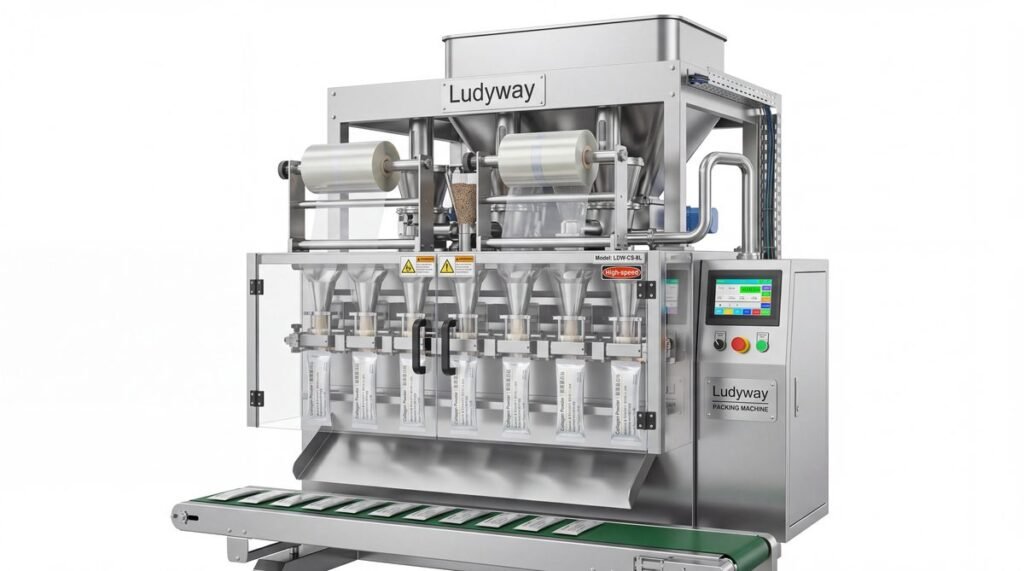
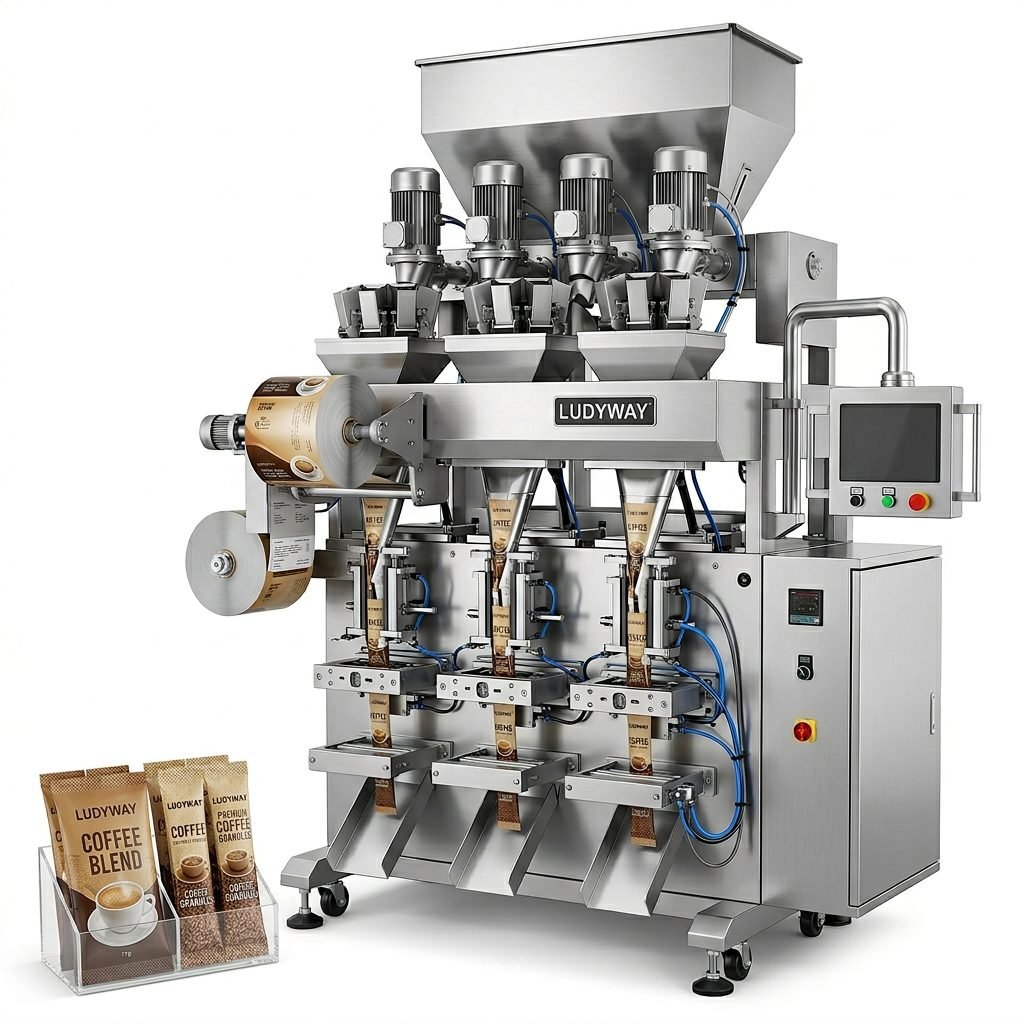
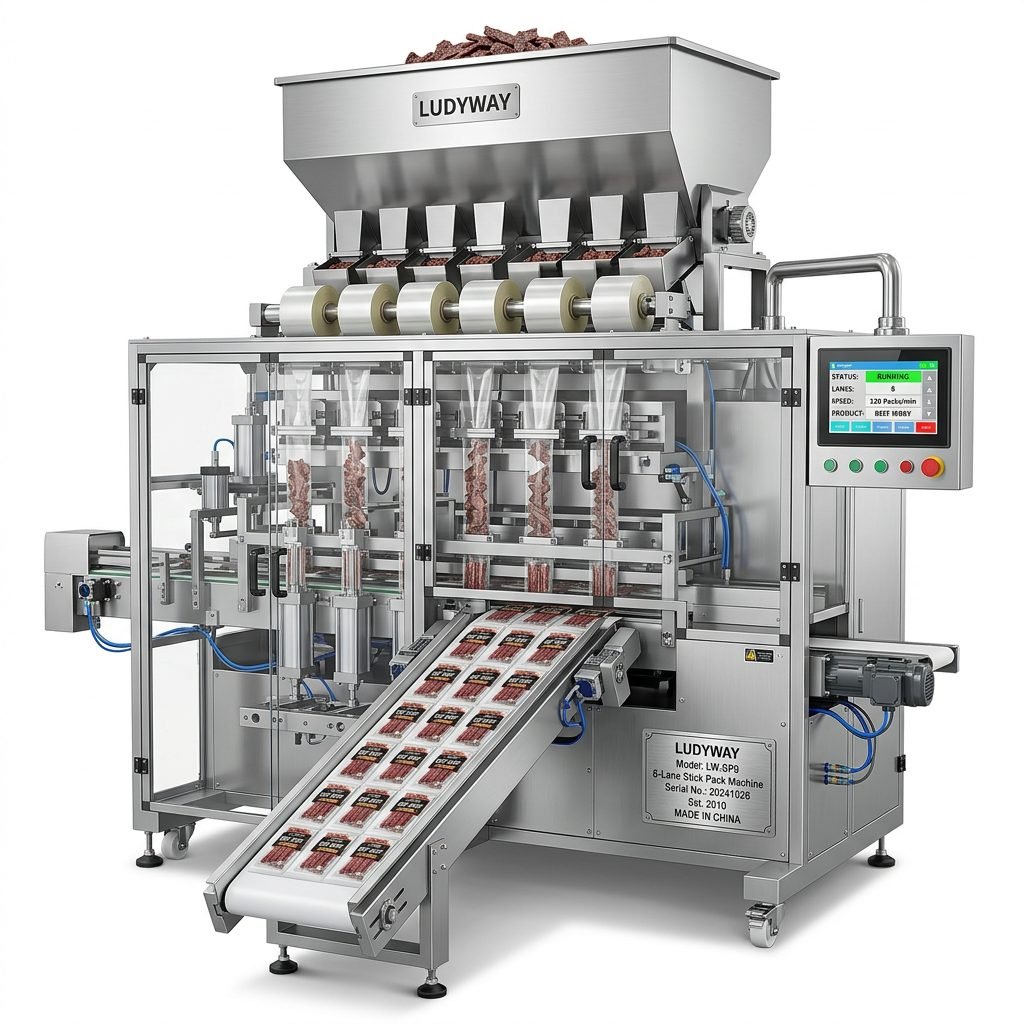
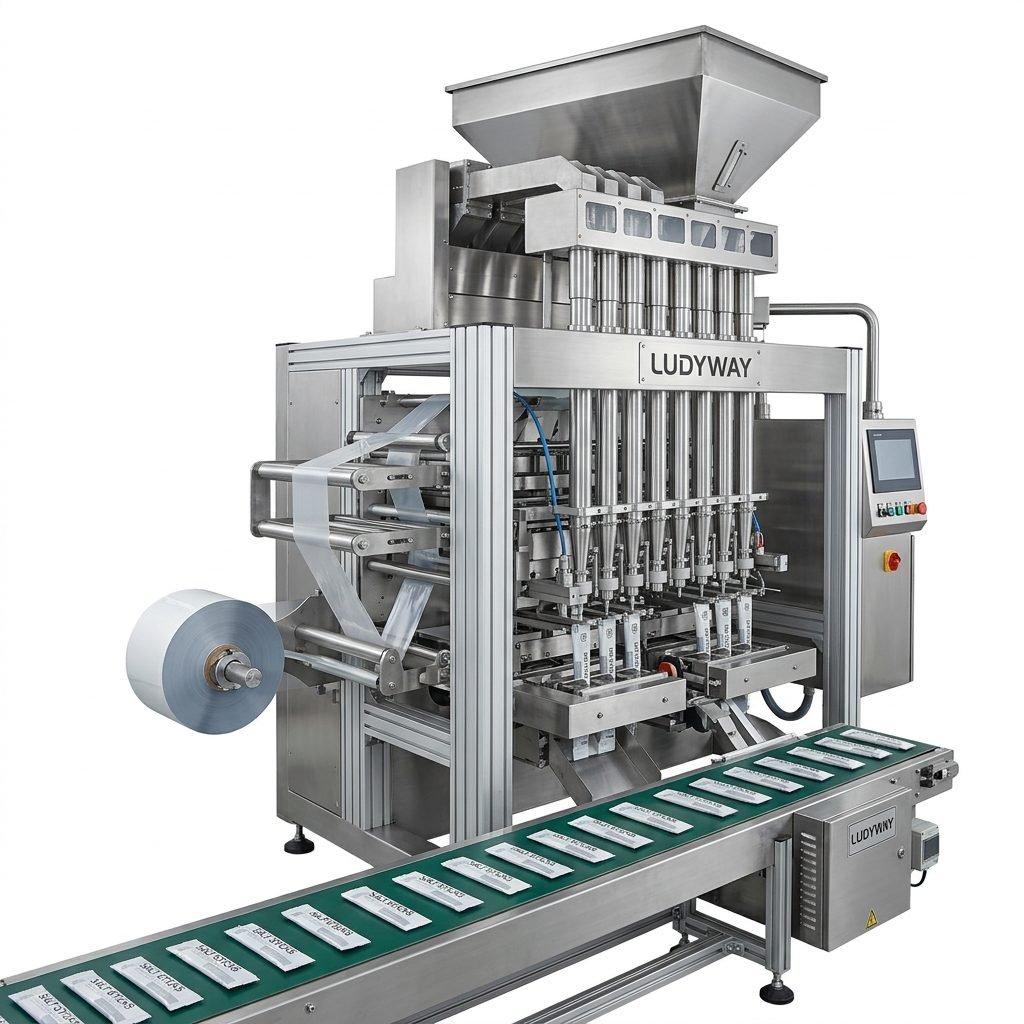
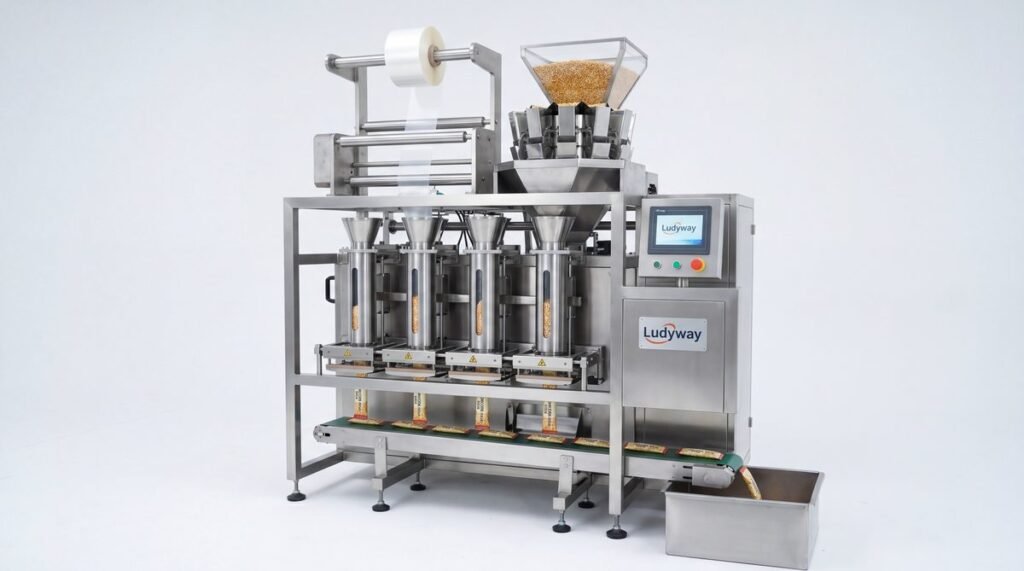
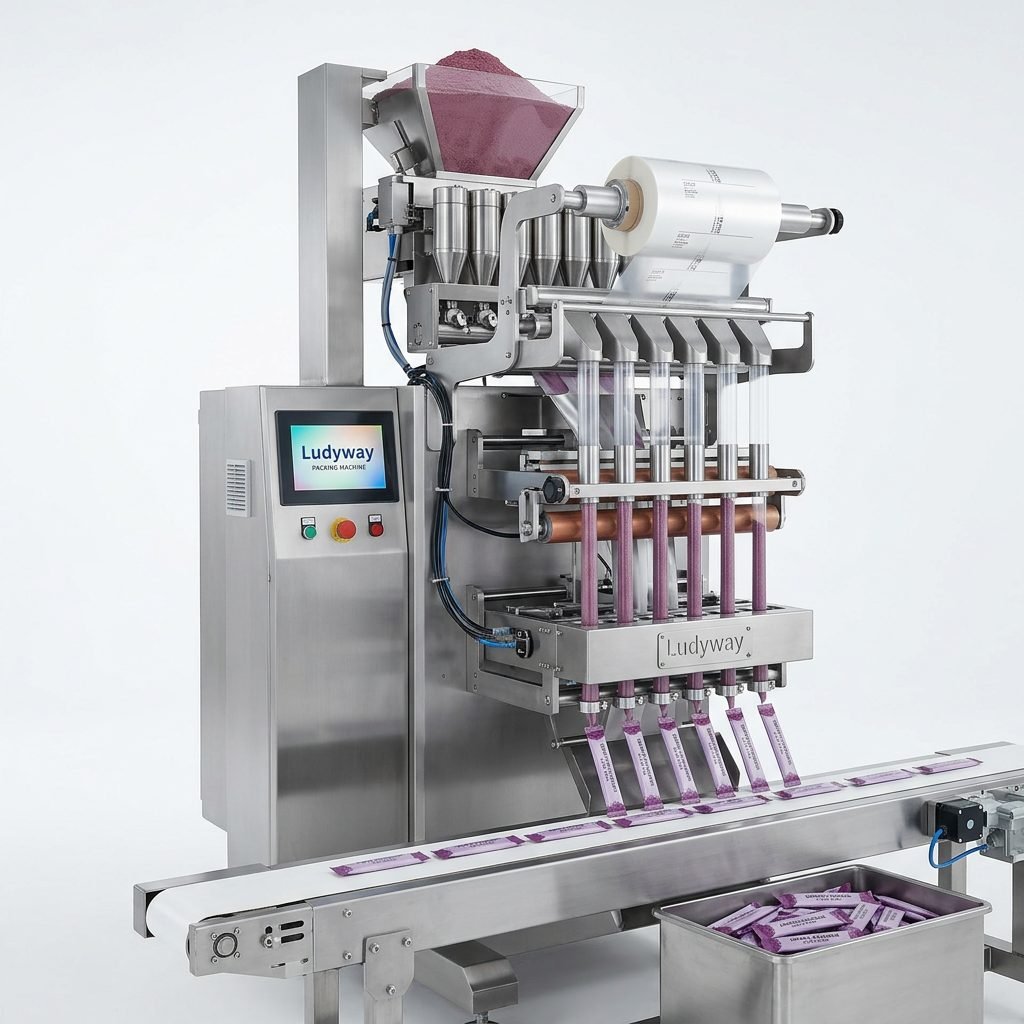
In many industries, the answer is yes—a packaging machine can absolutely work with a metal detector. In fact, combining the two is often one of the smartest ways to improve product safety, compliance, and brand protection. For food, pharmaceutical, nutraceutical, and chemical packaging operations, this integration helps detect metal contamination before products reach customers.
The key is not simply placing a metal detector somewhere near the machine. A reliable setup requires the right machine type, product format, installation position, rejection method, and line control logic. When designed correctly, the system can run efficiently without slowing down production or compromising packaging quality.
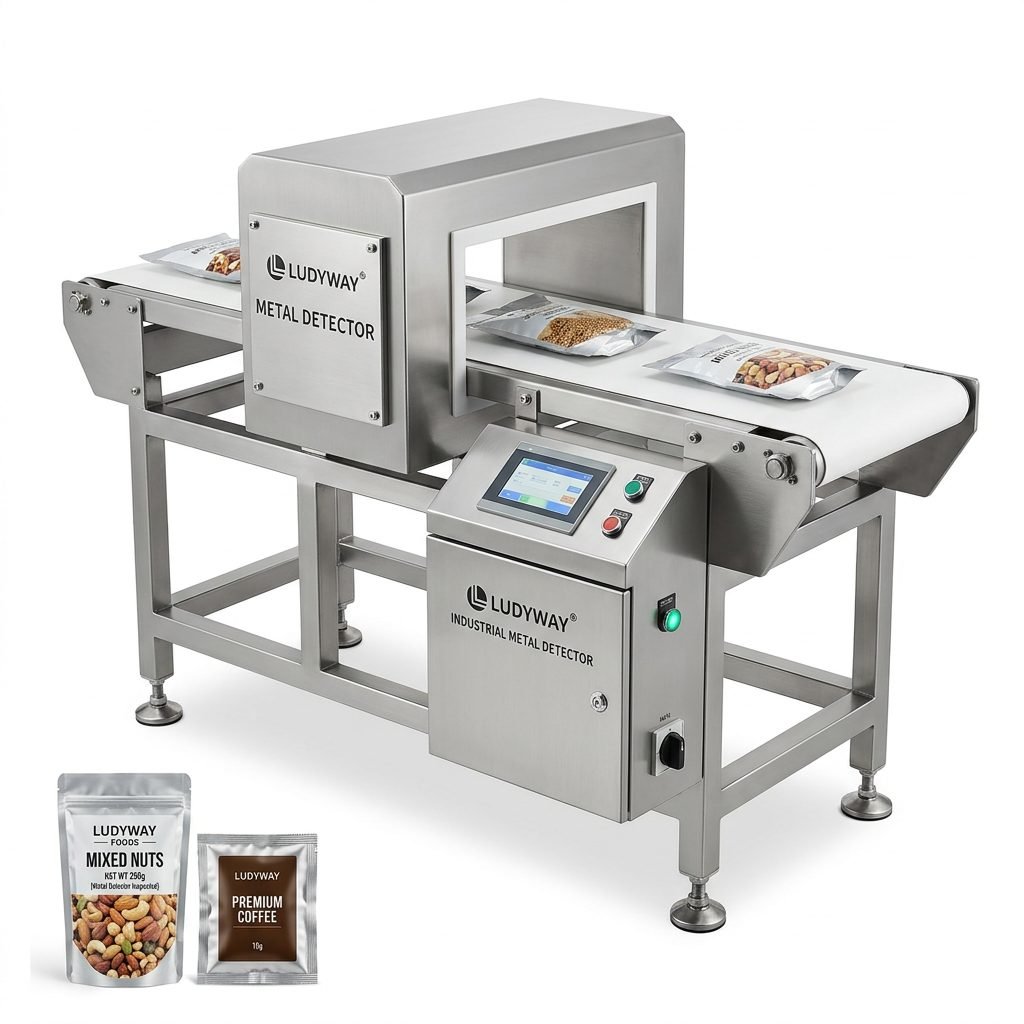
Why packaging lines use metal detectors
Metal contamination can come from damaged equipment parts, raw materials, tools, wire fragments, or upstream processing equipment. Even a very small metal particle may lead to:
- Product recalls
- Customer complaints and returns
- Regulatory non-compliance
- Damage to brand reputation
- Higher quality control costs
That is why many manufacturers install metal detectors directly into or after their packaging process. This is especially common for powders, granules, tablets, snacks, sauces, sachets, pouches, and bagged products.
Can every packaging machine be connected to a metal detector?
Not every machine uses the same layout, but most modern packaging machines can be paired with a metal detector. The exact method depends on the packaging format and product flow.
| Packaging Machine Type | Can Work with Metal Detector? | Typical Integration Method |
|---|---|---|
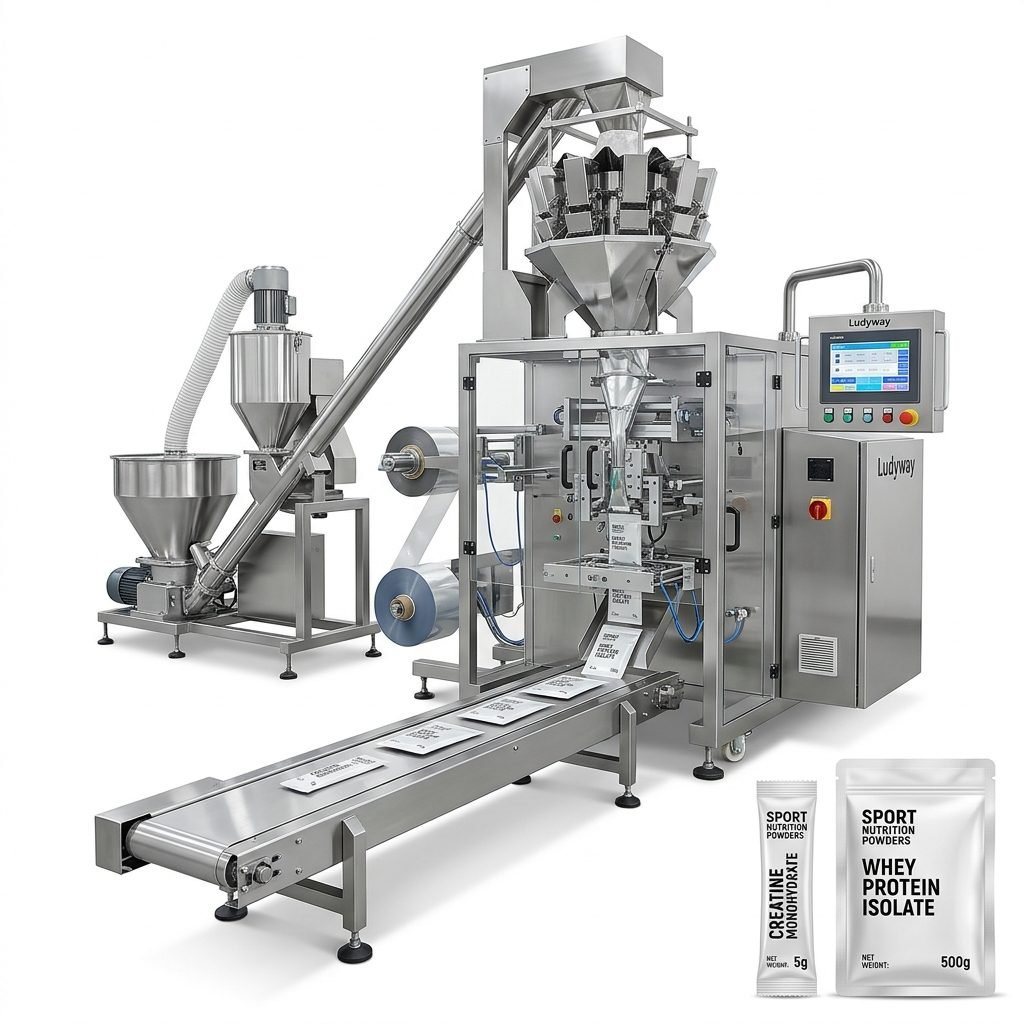
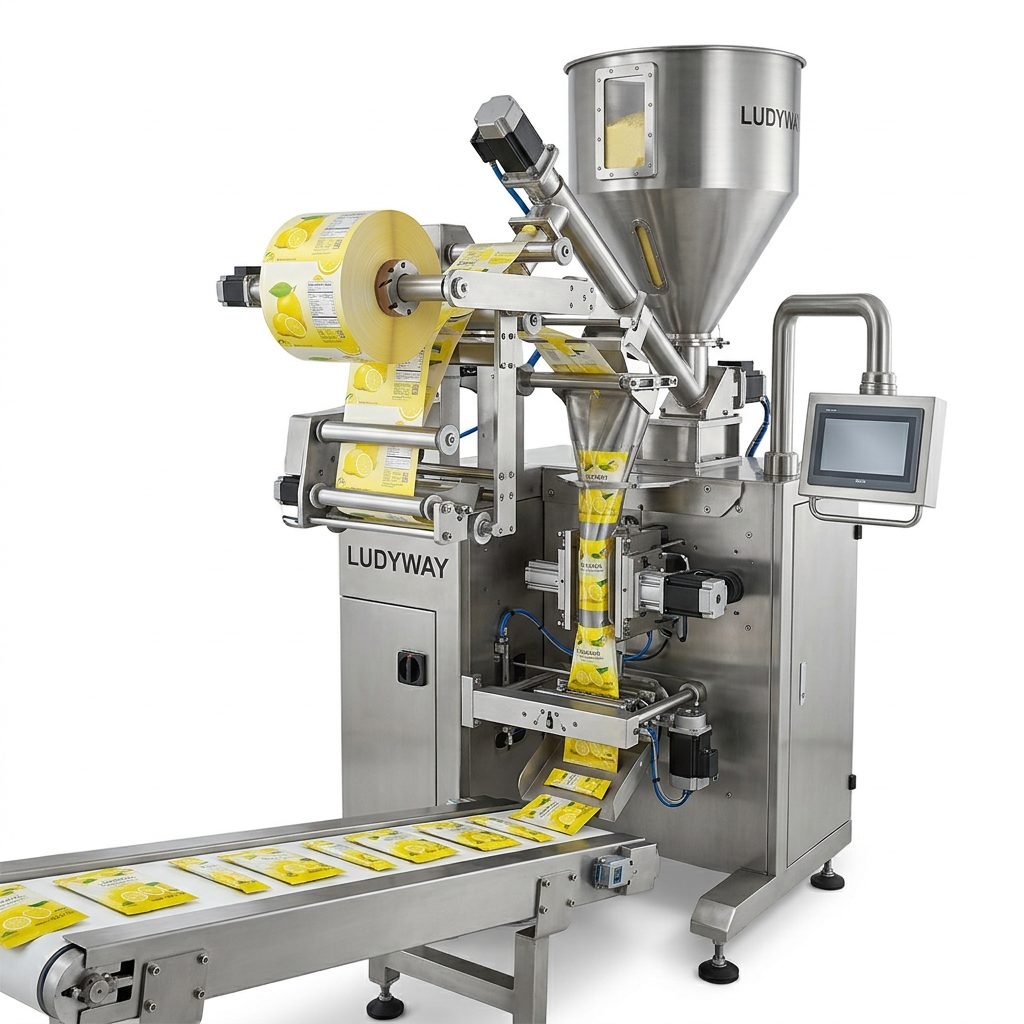
| Vertical form fill seal machine | Yes | After bag forming and sealing, before carton packing |
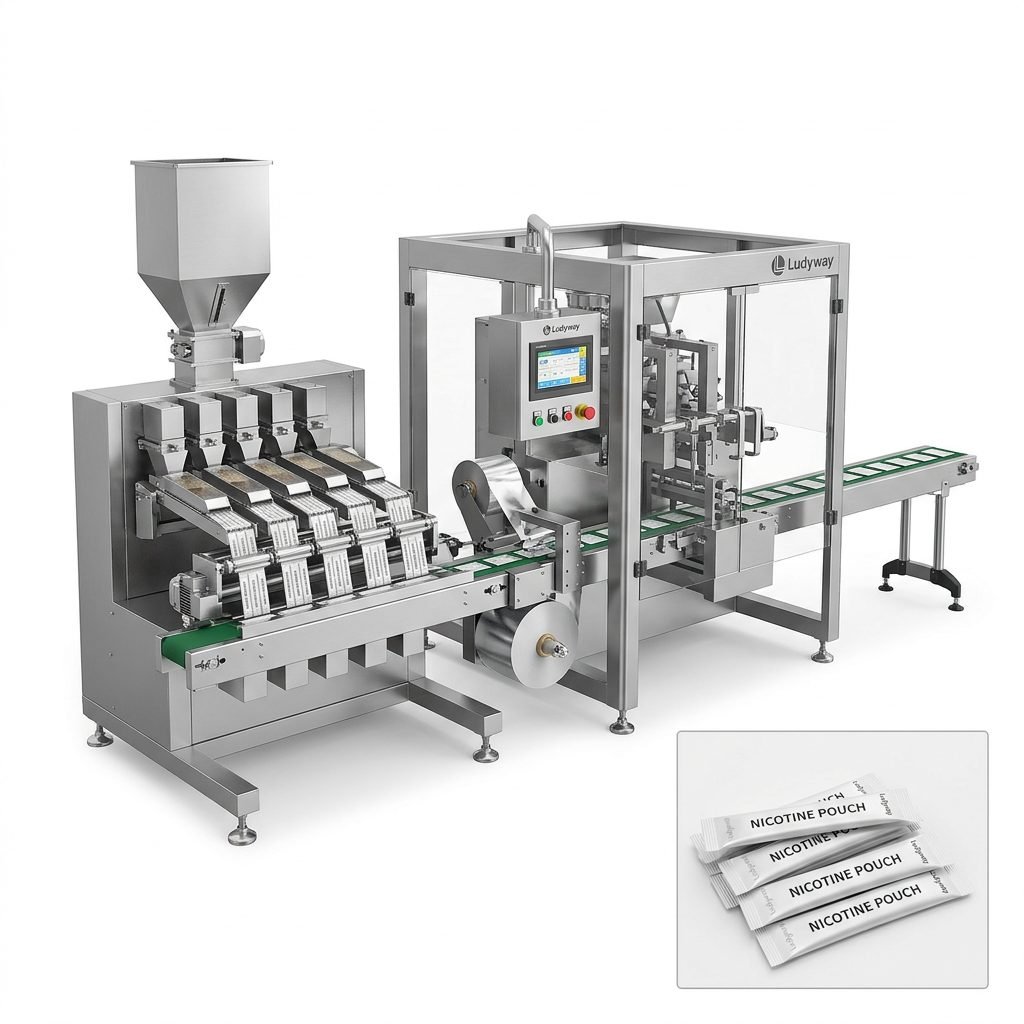
| Sachet packing machine | Yes | On discharge conveyor with automatic reject system |
| Stick pack machine | Yes | Post-sealing detection, often before cartoning |
| Premade pouch packaging machine | Yes | Conveyor metal detector after sealing |
| Tablet/capsule packaging line | Yes | Before bottling, after filling, or at final pack stage |
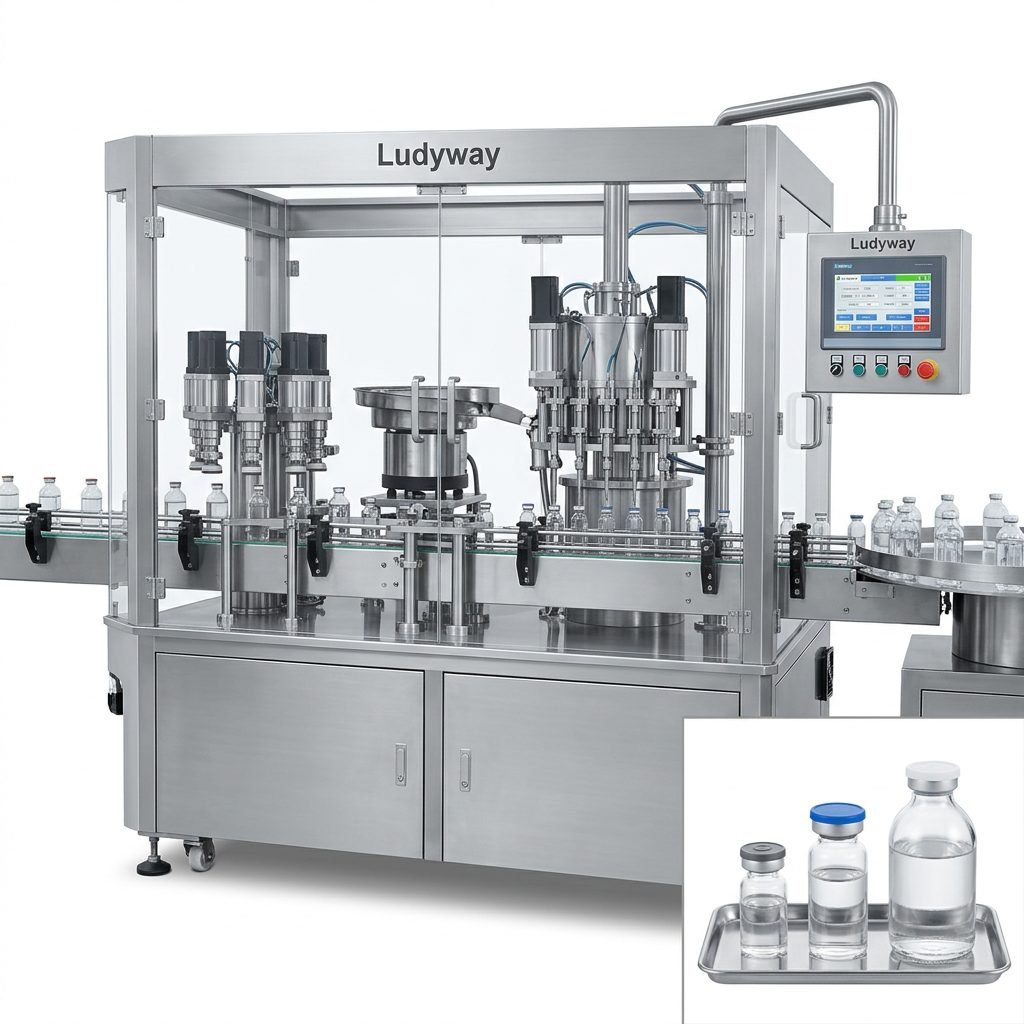
| Liquid filling machine | Sometimes | Depends on container type, foil, product conductivity, and line design |
Where should the metal detector be installed?
The best location depends on what you want to protect and what type of package you produce. Common installation points include:
1. After packaging, before secondary packing
This is the most common option. Finished sachets, stick packs, pouches, or bags pass through the metal detector, and any contaminated item is automatically rejected. This method is practical because the product is already sealed and traceable.
2. Before packaging
Some lines inspect loose product before it enters the packaging machine. This can reduce waste because contaminated material is removed before it fills a package. However, it does not always protect against contamination introduced later by the packaging equipment itself.
3. Both before and after packaging
High-risk industries or premium brands sometimes use both checkpoints. This provides stronger process control and helps identify whether contamination comes from raw material handling or from the packaging stage.
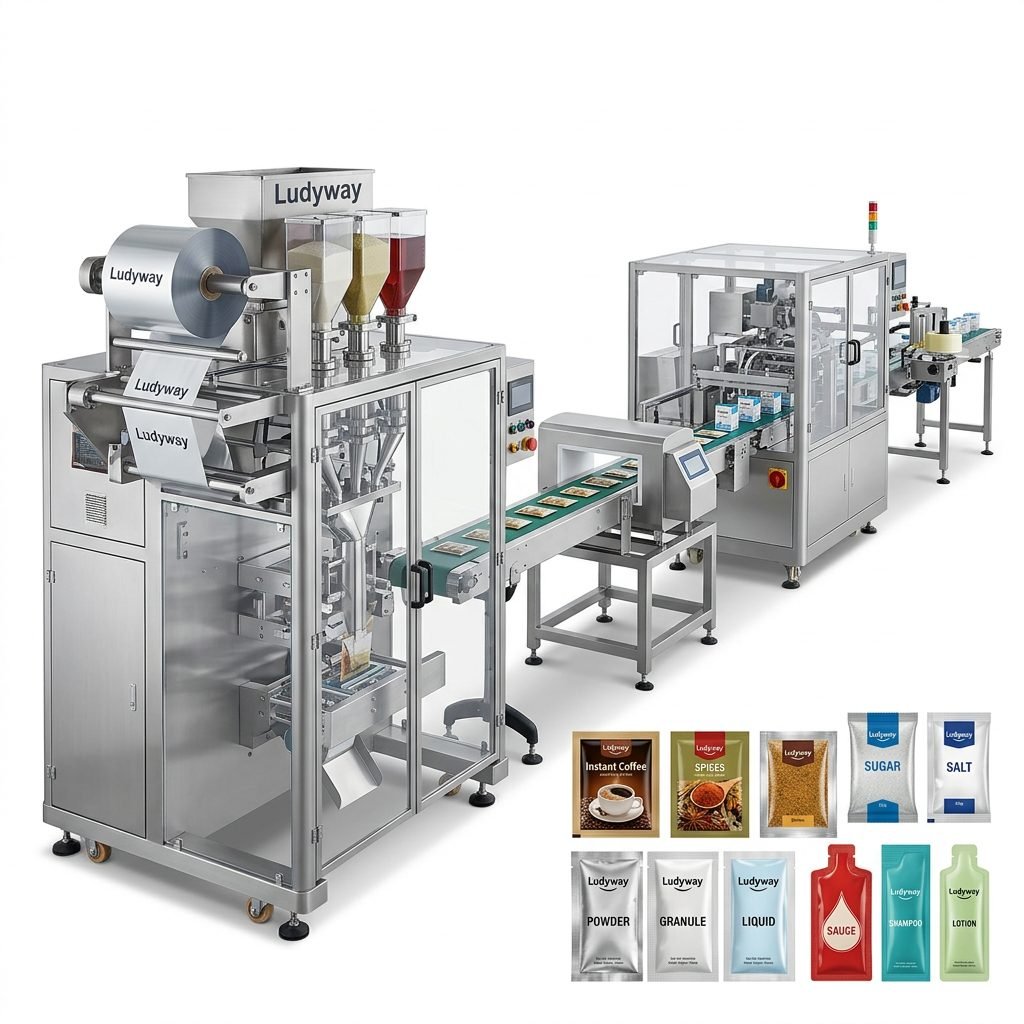
What products are most suitable for metal detection in packaging?
Metal detectors are widely used across many packaged product categories, especially where product purity and consumer safety matter most.
- Food powders such as coffee, milk powder, seasoning, flour, and protein powder
- Granules such as sugar, salt, seeds, snack mixes, and instant beverages
- Pharmaceutical granules, tablets, capsules, and powdered formulations
- Health supplements in sachets, stick packs, or pouches
- Pet food and animal nutrition products
- Chemical and household products in controlled packaging environments
Products with high moisture, salt, or conductive properties may require more careful calibration because they can create what is known as product effect, which can influence detection sensitivity.
Key factors that affect compatibility
A packaging machine and metal detector can work together well, but compatibility depends on several technical details.
Packaging material
If the package contains aluminum foil or other metalized layers, a standard metal detector may not be suitable after packaging. In such cases, manufacturers often consider:
- Installing the detector before the product enters foil packaging
- Using alternative inspection technologies such as X-ray
- Changing packaging structure if feasible
Product characteristics
Wet, salty, or dense products can be more difficult to inspect than dry powders or granules. The detector must be configured to match the product profile and target contaminant type.
Line speed
High-speed packaging lines require synchronized conveyors, stable spacing, and fast reject response. Poor synchronization can cause missed detections or false rejects.
Reject system design
Detection alone is not enough. A line also needs a reliable reject unit such as:
- Pusher rejector
- Air blast rejector
- Drop flap rejector
- Stop alarm with manual removal
Machine vibration and electrical noise
Nearby motors, unstable frames, and poorly grounded equipment may affect detector performance. Good line engineering reduces interference and improves stability.
Benefits of integrating a packaging machine with a metal detector
| Benefit | How It Helps |
|---|---|
| Improved product safety | Finds ferrous, non-ferrous, and stainless-steel contaminants before shipment |
| Regulatory compliance | Supports HACCP, GMP, and internal quality standards |
| Reduced recall risk | Helps stop contaminated packs from leaving the factory |
| Better automation | Automatic detection and rejection reduce manual inspection |
| Stronger customer confidence | Demonstrates a serious commitment to quality assurance |
Common challenges to watch for
Even though the integration is straightforward in principle, some challenges should be addressed early in the project:
- Insufficient installation space on compact lines
- Metalized packaging films that interfere with conventional metal detection
- Unstable product flow causing inaccurate reject timing
- Frequent false positives due to poor calibration
- Mismatch between line speed and reject capacity
These issues can usually be solved through better line planning, equipment matching, and testing before full production.
How to choose the right setup
If you are evaluating whether your packaging machine should work with a metal detector, ask these questions first:
- What product am I packing—powder, granule, tablet, liquid, or paste?
- Is the packaging material non-metallic or foil-based?
- Do I need inspection before filling, after sealing, or both?
- What sensitivity level is required for my industry?
- What reject system fits my package shape and speed?
- Will the detector need data logging, alarms, or line interlocking?
For best results, the packaging machine and inspection equipment should be planned as one coordinated system rather than as two separate purchases.
Is a metal detector enough by itself?
Not always. A metal detector is highly effective for metallic contaminants, but it does not detect non-metal foreign bodies such as glass, stone, or some dense plastics. Depending on the application, manufacturers may combine metal detection with:
- Checkweighers
- Vision inspection systems
- X-ray inspection machines
- Dust control and feeder systems
- Automatic rejection and counting modules
For high-standard packaging lines, integrated quality control often delivers the best long-term value.
Best industries for this combination
A packaging machine with a metal detector is especially valuable in the following sectors:
- Food packaging
- Pharmaceutical packaging
- Health supplement packaging
- Pet food and feed packaging
- Chemical and household product packaging
In these sectors, contamination control is closely tied to market access, audits, and customer approval.
Working with an experienced packaging line manufacturer
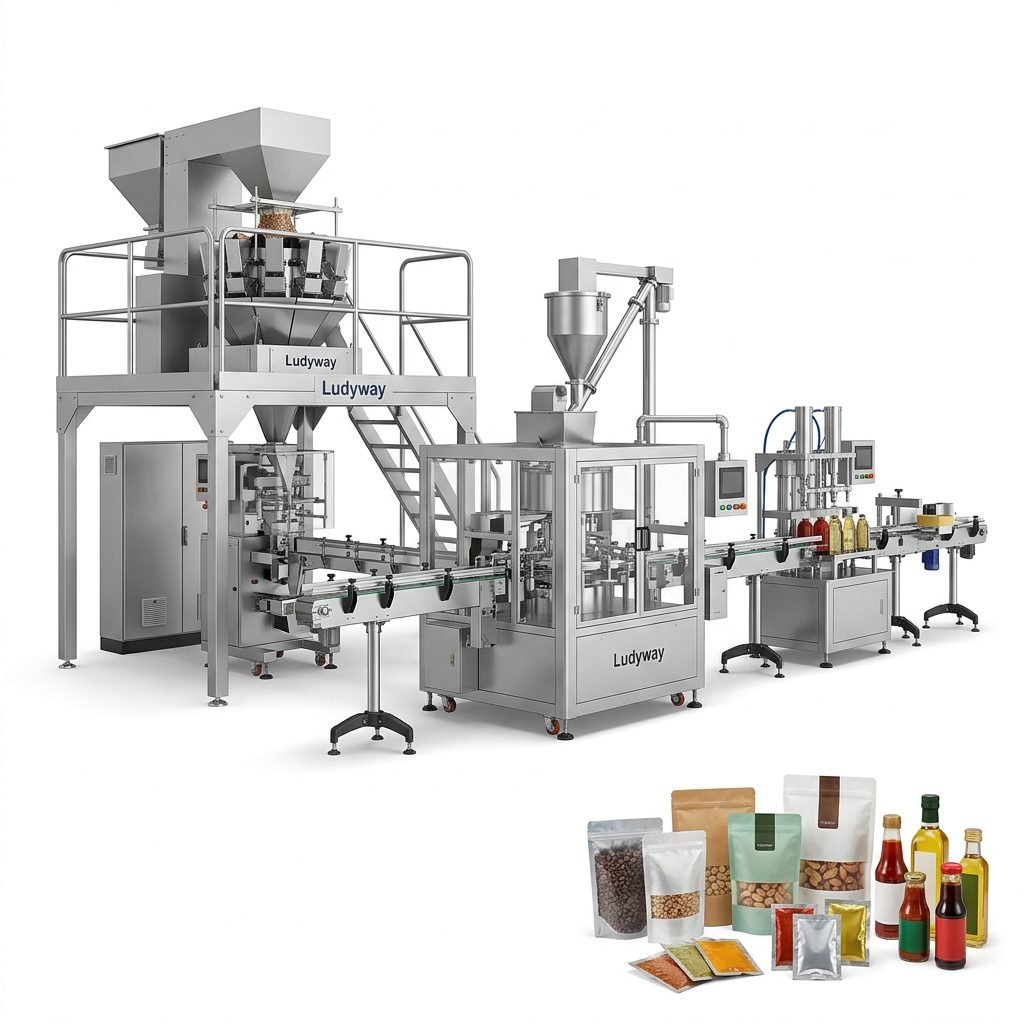
If you want reliable integration, it helps to work with a supplier that understands both packaging machinery and line-level automation. Ludyway packaging machine manufacturer provides packaging machines and turnkey packaging line solutions for food, pharmaceutical, health supplement, and related industries, with extensive experience in combining filling, sealing, conveying, inspection, and end-of-line systems.
Final practical answer
Yes, a packaging machine can work with a metal detector, and in many cases it should. The most effective setup depends on your product type, packaging material, speed, and quality requirements. When the detector is properly selected and integrated into the line, it can improve safety, reduce risk, and support smoother automated production.
If you are planning a new packaging line or upgrading an existing one, make sure the metal detector is considered early in the design stage. That will give you better sensitivity, cleaner integration, and fewer production problems later.