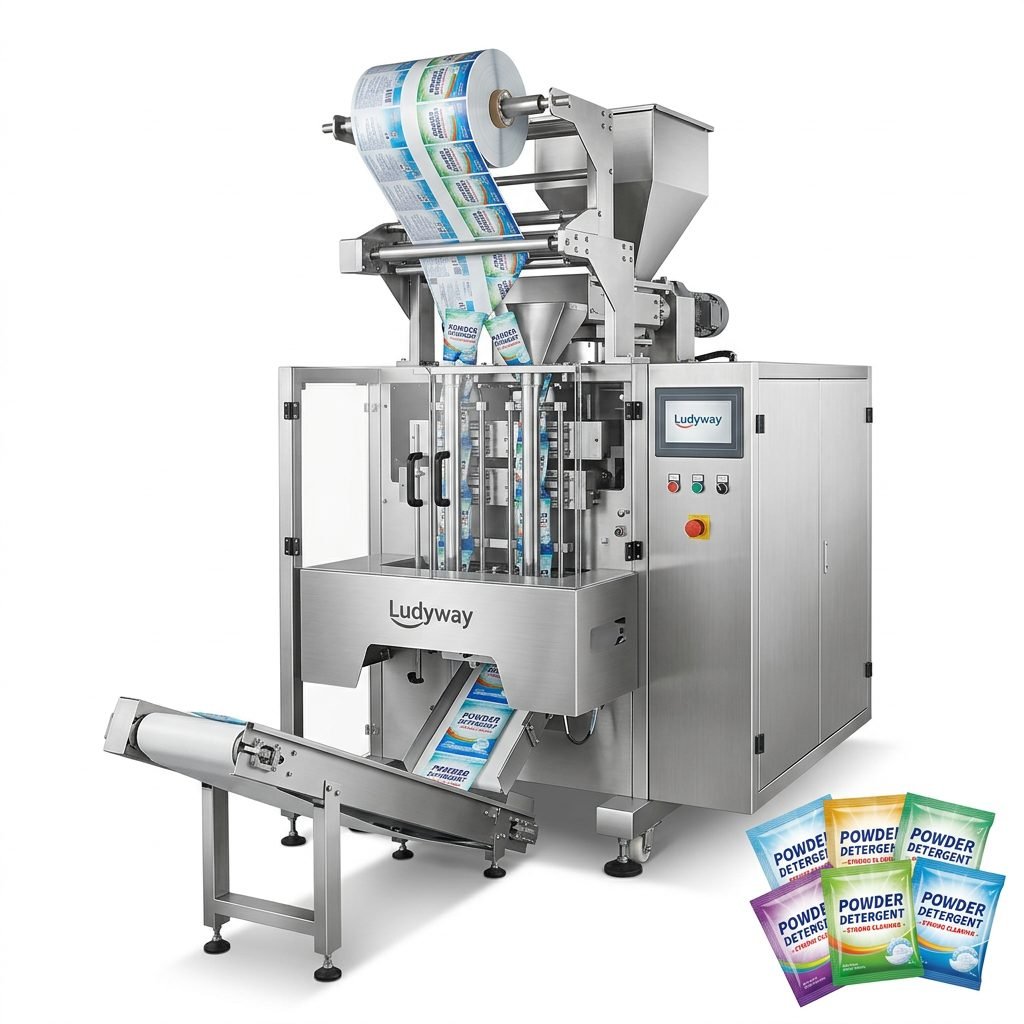
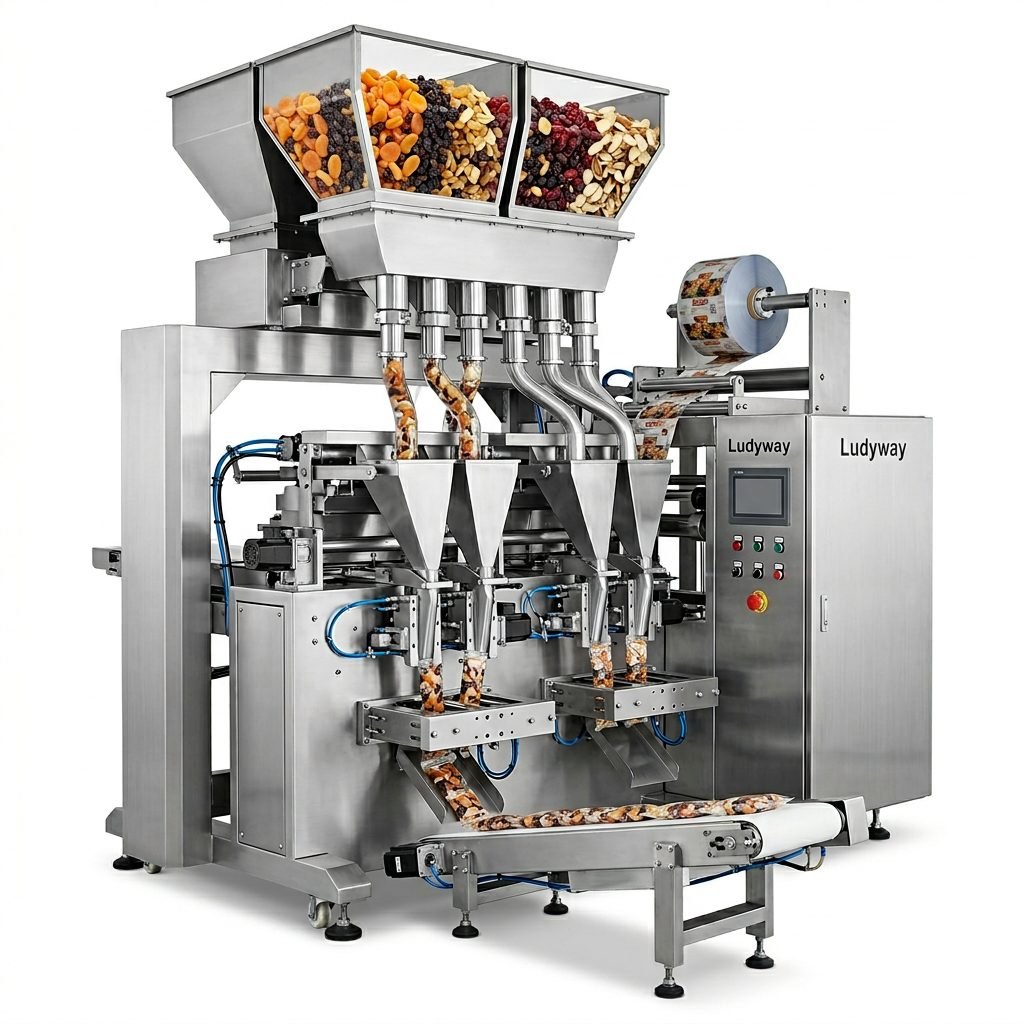
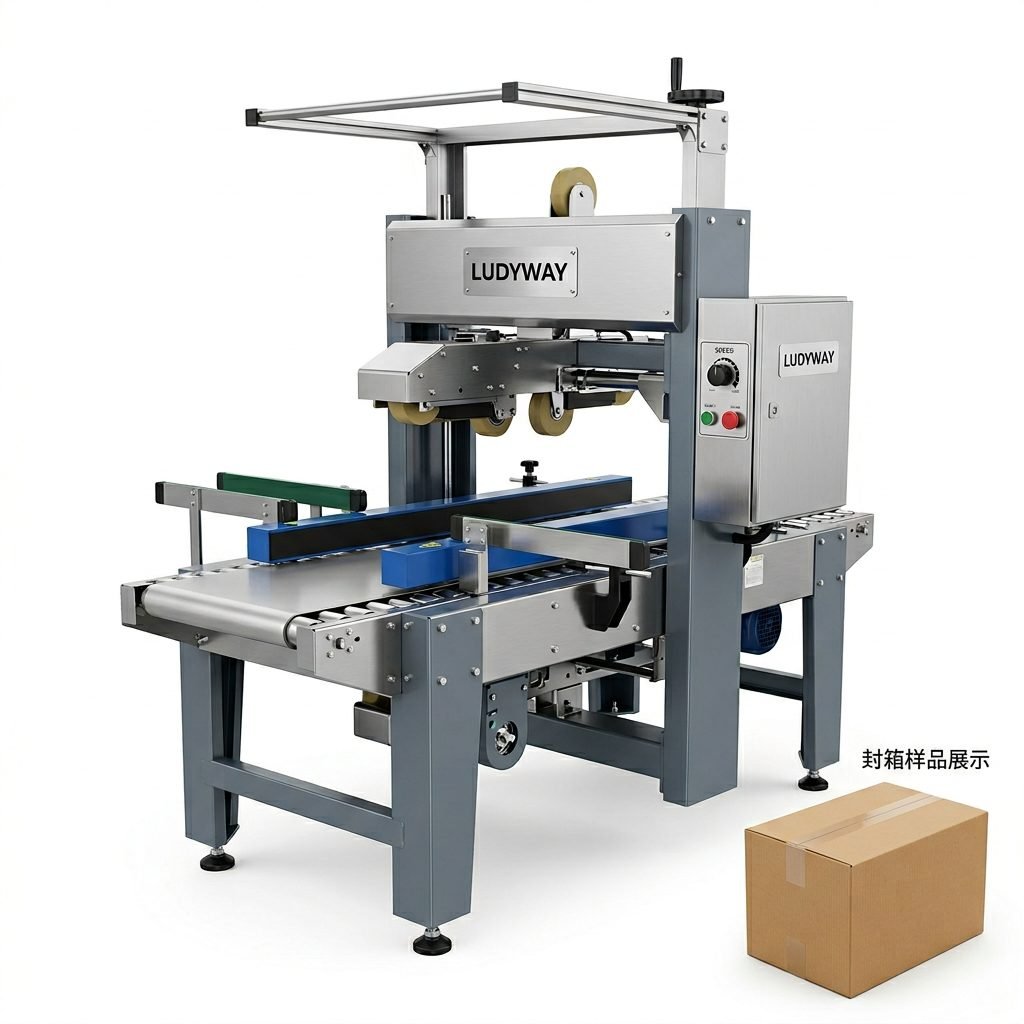
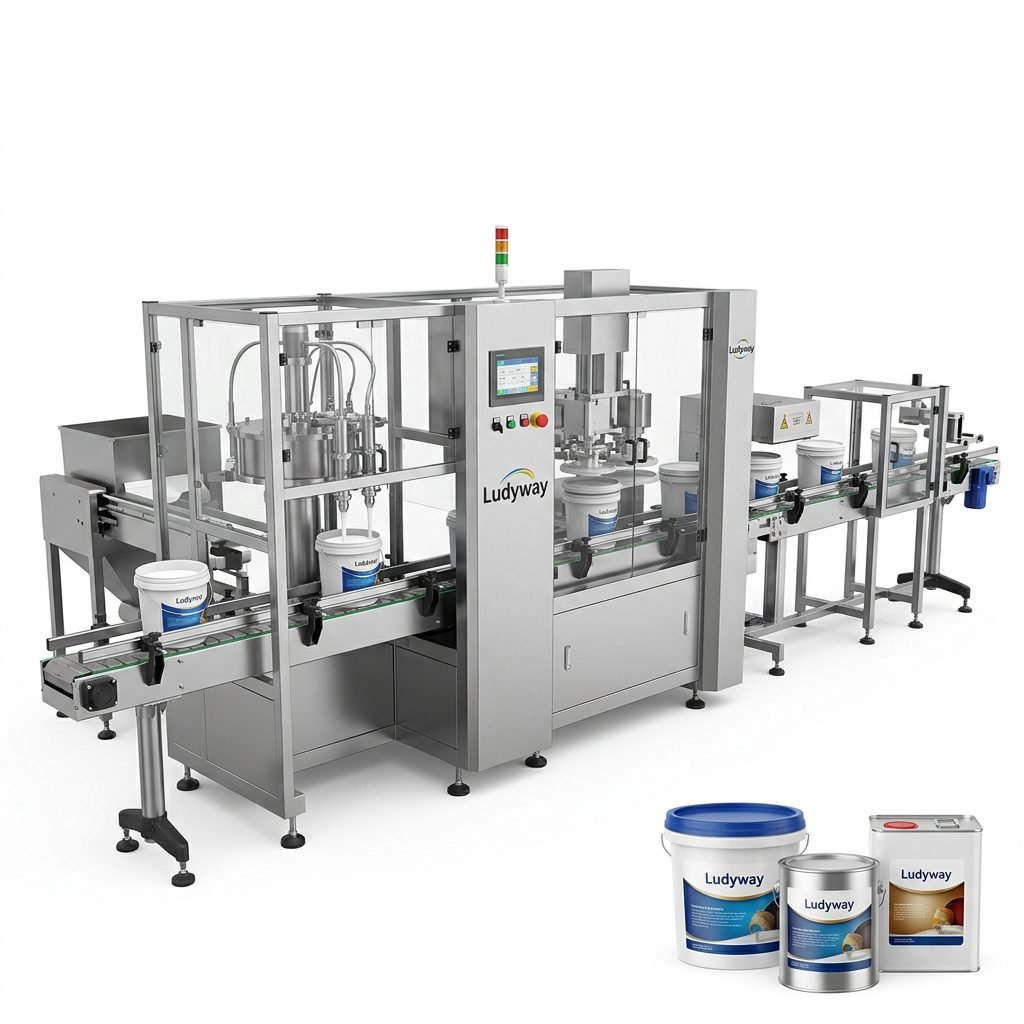
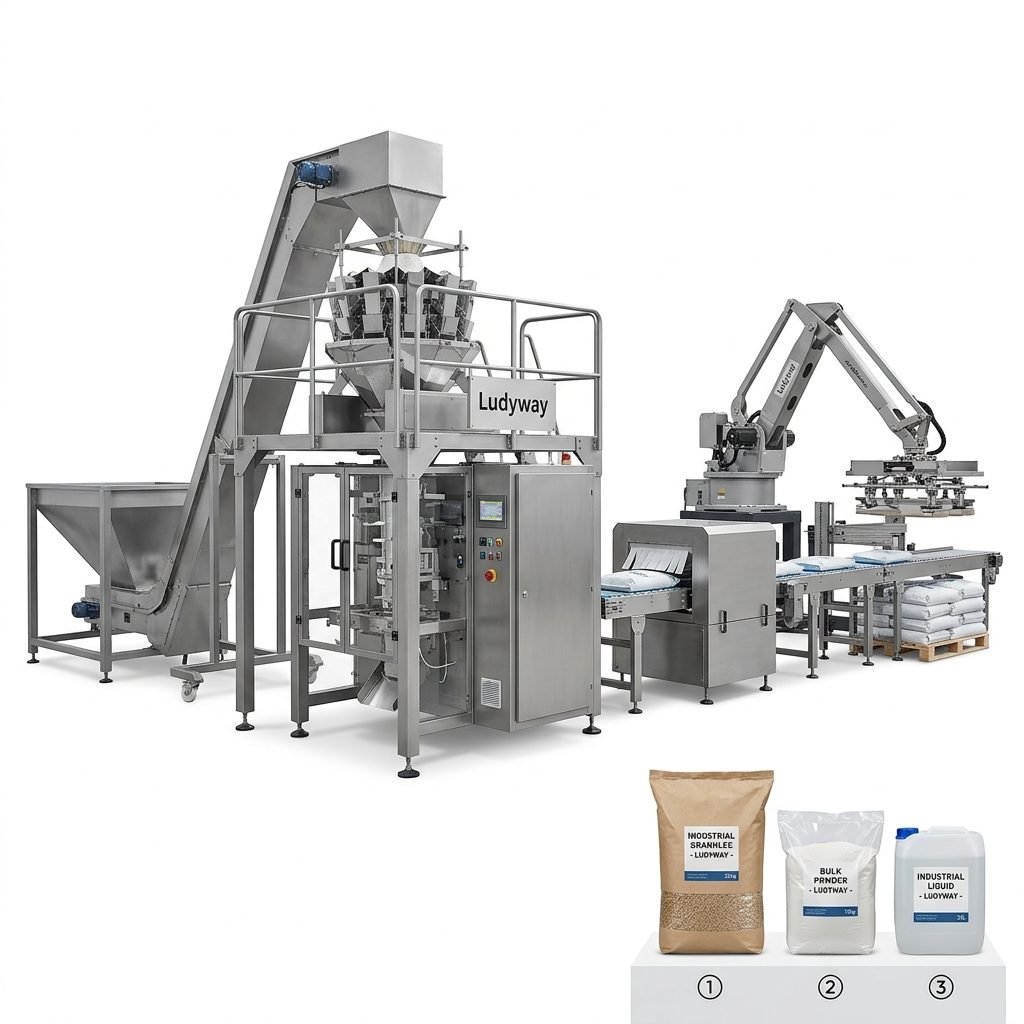
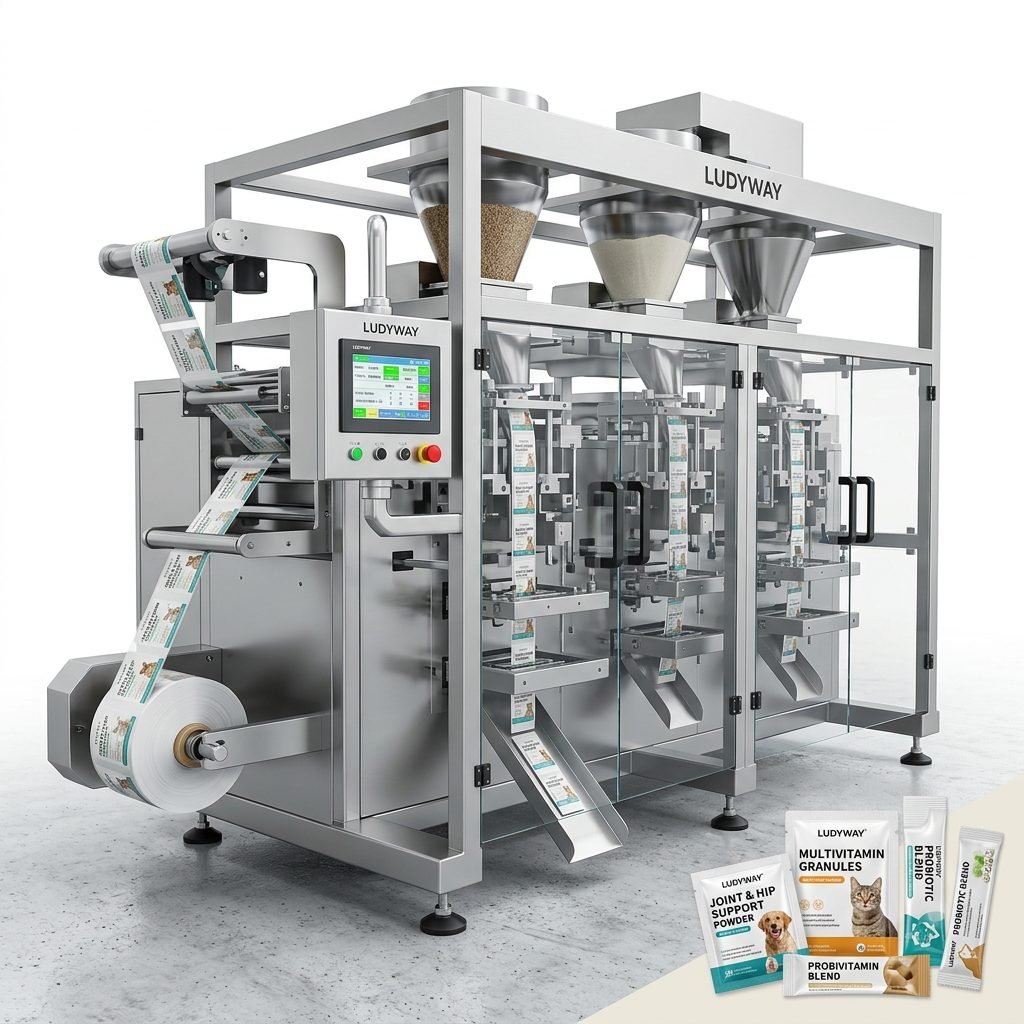
Investing in a bag packing machine is a critical decision for any manufacturer looking to scale production, ensure product consistency, and reduce long-term operational costs. Whether you are handling powders, granules, liquids, or solid products, the right equipment directly impacts your packaging speed, fill accuracy, and overall line efficiency. According to the PMMI packaging intelligence reports, the global market for automated packaging systems continues to expand as manufacturers across food, pharmaceutical, and chemical sectors shift from manual to automated processes.
This guide provides a structured, step-by-step framework to help you evaluate and select the most suitable bag packing machine for your production environment. Every section addresses a practical aspect of the selection process—from understanding your product’s physical characteristics to evaluating after-sales support.
1. Define Your Product and Packaging Requirements First
Before comparing machine models or contacting suppliers, you need to clearly document your product characteristics and packaging specifications. This step alone can eliminate 60–70% of unsuitable options and significantly shorten your evaluation timeline.
Product Physical Properties
Different products behave differently during dosing and filling. Key properties to document include:
- Flowability: Free-flowing granules (e.g., sugar, salt) require different dosing mechanisms than cohesive powders (e.g., fine spices, protein powder) that may bridge or clump.
- Bulk density: Affects the filling volume and the required hopper capacity. Lightweight powders like matcha need larger-volume dosing chambers compared to dense granules.
- Particle size and distribution: Inconsistent particle sizes can cause inconsistent fills if the dosing system is not appropriately selected.
- Moisture sensitivity and hygroscopicity: Products that absorb moisture may require sealed or nitrogen-flushed packaging environments to maintain shelf life.
- Temperature sensitivity: Heat-sensitive products may influence sealing parameters and require temperature-controlled sealing jaws.
Target Packaging Format
Bag packing machines support a wide variety of packaging formats. Clarify which format best serves your market and distribution channels:
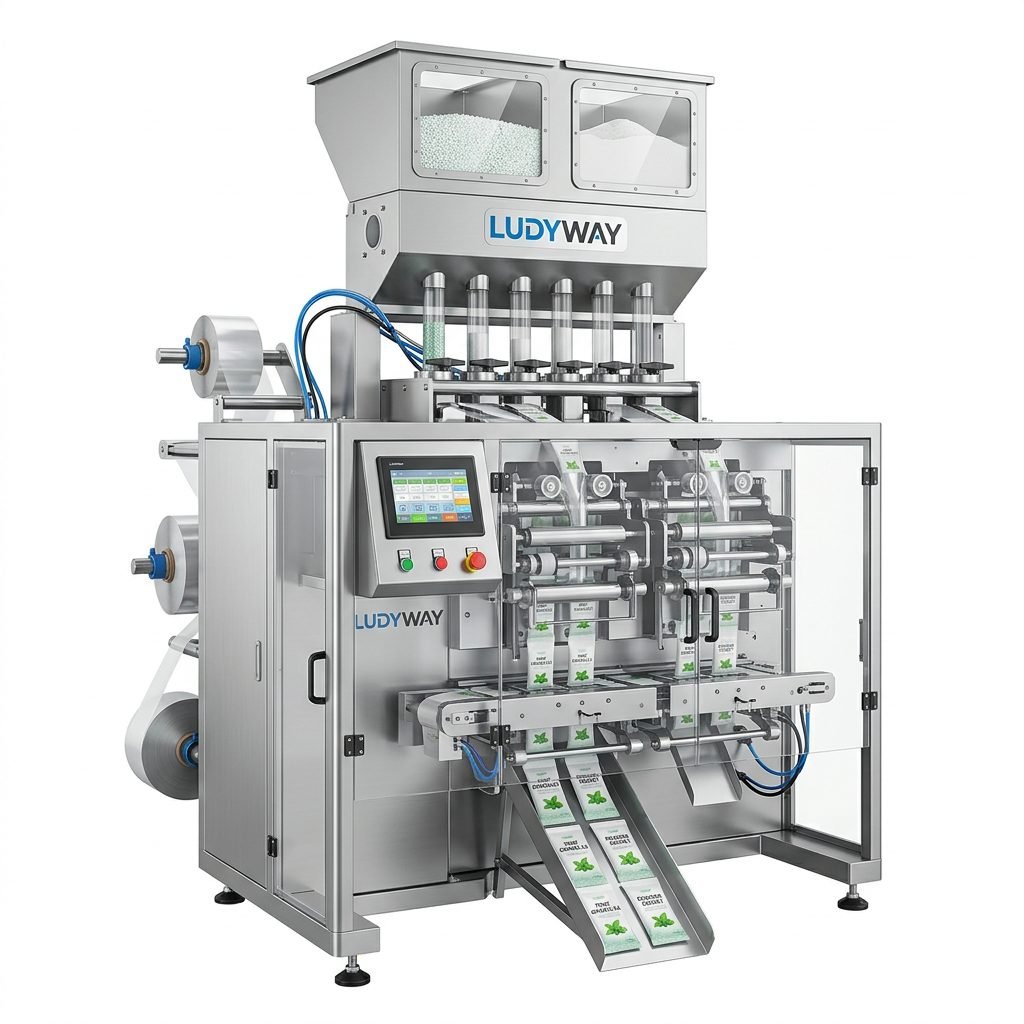
- Stick packs: Narrow, elongated sachets ideal for single-serve powders (coffee, sugar, supplement powders).
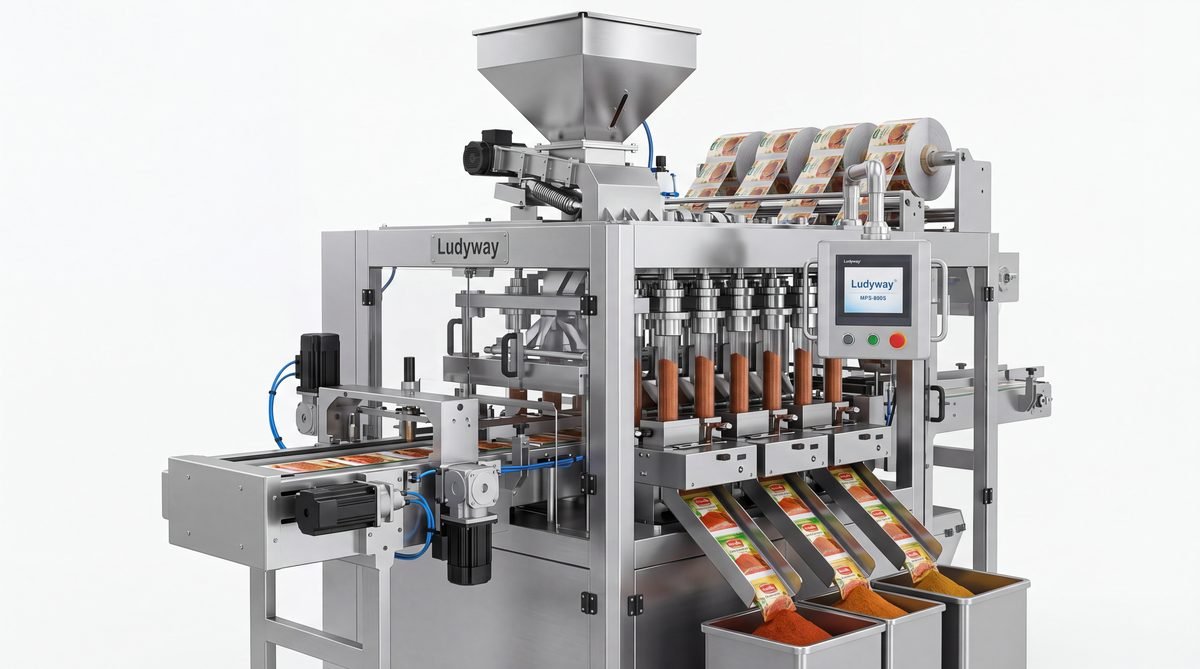
- Flat sachets: Common for sauces, shampoos, and condiments in single-use or sample sizes.
- Gusseted pouches: Provide stand-up capability and larger fill volumes; popular for coffee, snacks, and pet food.
- Pillow bags: Economical format for granular products like rice, grains, and frozen foods.
- Pre-made pouches: Require a different machine configuration (rotary or inline pouch fillers) compared to form-fill-seal machines.
2. Understand the Main Categories of Bag Packing Machines
Bag packing machines are generally categorized by their forming method, filling principle, and lane configuration. The table below summarizes the primary types and their typical applications.
| Machine Type | Best For | Typical Speed Range | Common Industries |
|---|---|---|---|
| Single-Lane VFFS | Low-to-medium volume, varied bag sizes | 30–80 packs/min | Food, hardware, chemicals |
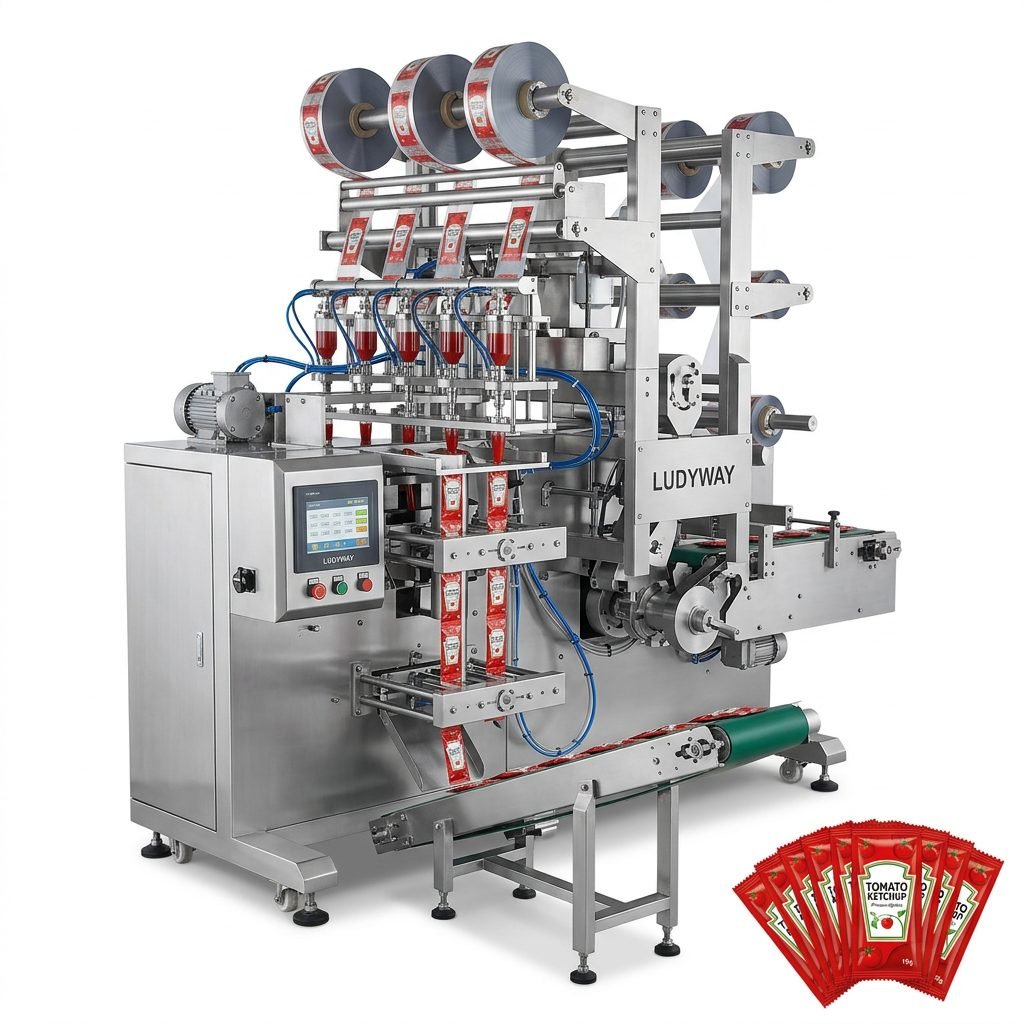
| Multi-Lane Stick Pack | High-volume single-serve powders/granules | 200–800+ packs/min | Pharma, nutraceuticals, coffee |
| Multi-Lane Sachet | Liquid, paste, and powder sachets | 150–600 packs/min | Cosmetics, sauces, personal care |
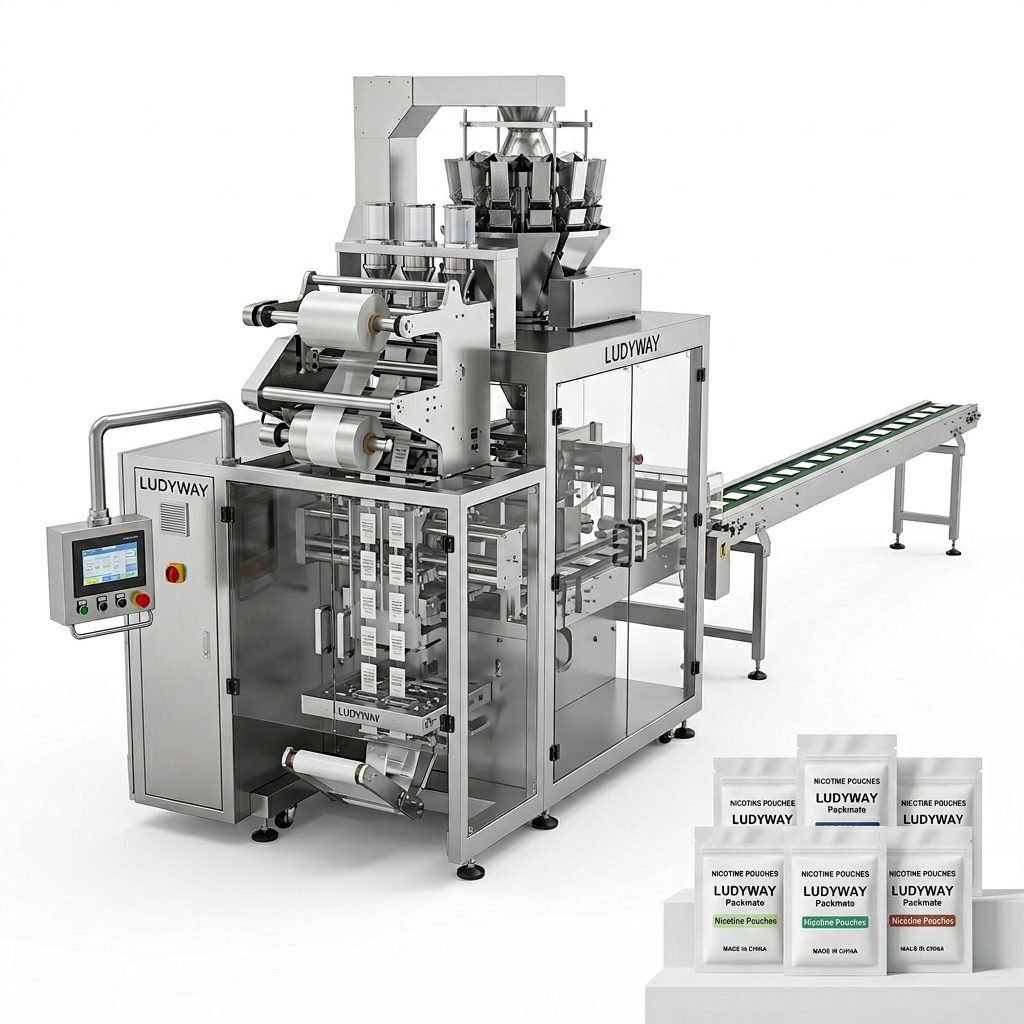
| Rotary Pre-Made Pouch | Stand-up pouches, zipper bags | 40–120 packs/min | Pet food, snacks, coffee |
| Horizontal Form-Fill-Seal | Solid products, bars, baked goods | 60–200 packs/min | Bakery, confectionery, medical |
Choosing between a single-lane and multi-lane packaging system depends on your required throughput. Multi-lane machines offer significantly higher output but also require more sophisticated film tracking and sealing control. For manufacturers transitioning from manual or semi-automatic processes, a single-lane VFFS machine often provides the best balance of cost, complexity, and capability.

3. Evaluate Key Technical Specifications
Once you have narrowed down the machine type, evaluate the following technical specifications against your production requirements. Each specification has a direct impact on machine performance, product quality, and long-term reliability.
Filling Accuracy and Dosing Technology
Filling accuracy is measured by the weight variation per pack. For pharmaceutical and high-value nutraceutical products, accuracy of ±1% or better is often required. Common dosing technologies include:
- Auger fillers: Best for fine and cohesive powders; offer high accuracy with servo-driven control.
- Volumetric cup fillers: Economical for free-flowing granules; accuracy depends on consistent product density.
- Multi-head weighers: Provide the highest accuracy for granular and piece products; commonly used with pre-made pouch machines.
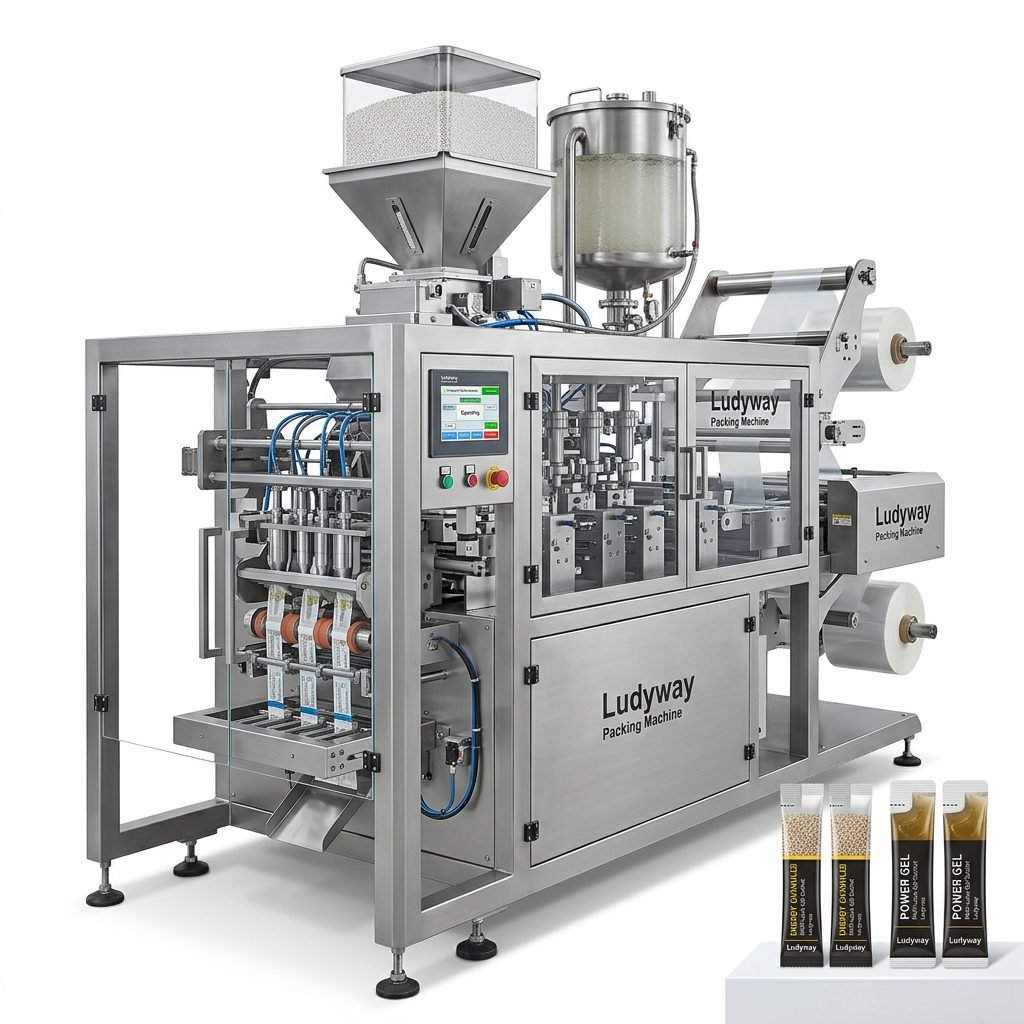
- Piston and pump fillers: Preferred for liquids, pastes, and creams; offer precise volumetric dosing.
Sealing Temperature and Pressure Control
Consistent seal integrity is critical for product protection and shelf life. Look for machines with independent temperature zones and digital PID controllers for both vertical and horizontal sealing. Machines that offer adjustable sealing pressure accommodate different film thicknesses and laminate structures. For products requiring modified atmosphere packaging or nitrogen flushing, verify that the machine supports gas injection and has adequate sealing integrity for low-oxygen environments.
Film Compatibility and Material Handling
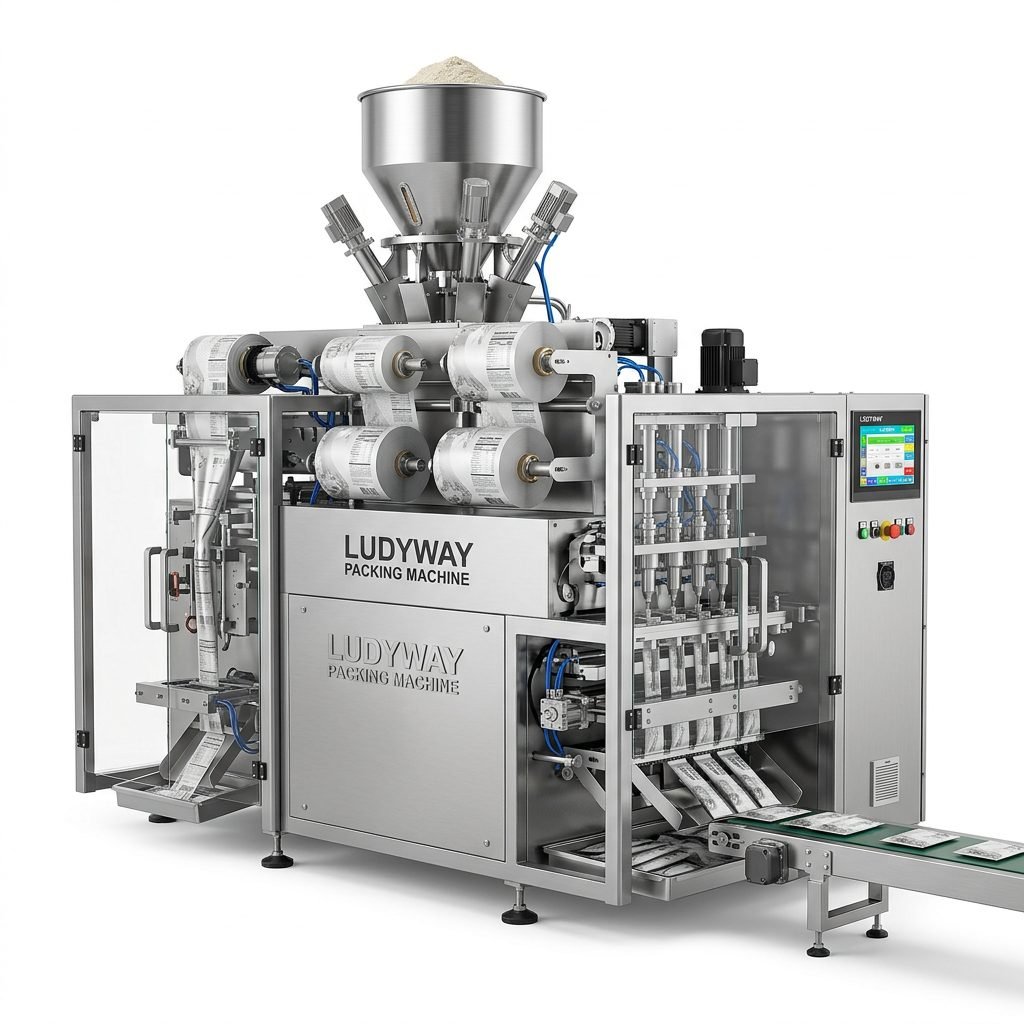
Not all bag packing machines handle all film types equally. Verify that the machine is compatible with your intended packaging material—whether it is laminated films, aluminum foil, polyethylene, paper-based laminates, or biodegradable materials. Key considerations include film thickness range, heat-sealable layer requirements, and the machine’s ability to handle recycled-content films, which may have different thermal and mechanical properties compared to virgin materials. The Flexible Packaging Association provides useful resources on material selection and sustainability trends.
4. Assess Production Speed and Line Integration Needs
Production speed should be evaluated not just by the machine’s maximum rated speed, but by its sustainable running speed under real production conditions. A machine rated at 400 packs per minute may only run consistently at 320–340 packs per minute when accounting for film splices, product refills, and minor adjustments. When calculating required throughput, include a buffer of at least 15–20% above your current peak demand to accommodate future growth and seasonal fluctuations.
Beyond the bag packing machine itself, consider how it integrates with upstream and downstream equipment. A complete packaging line may include:
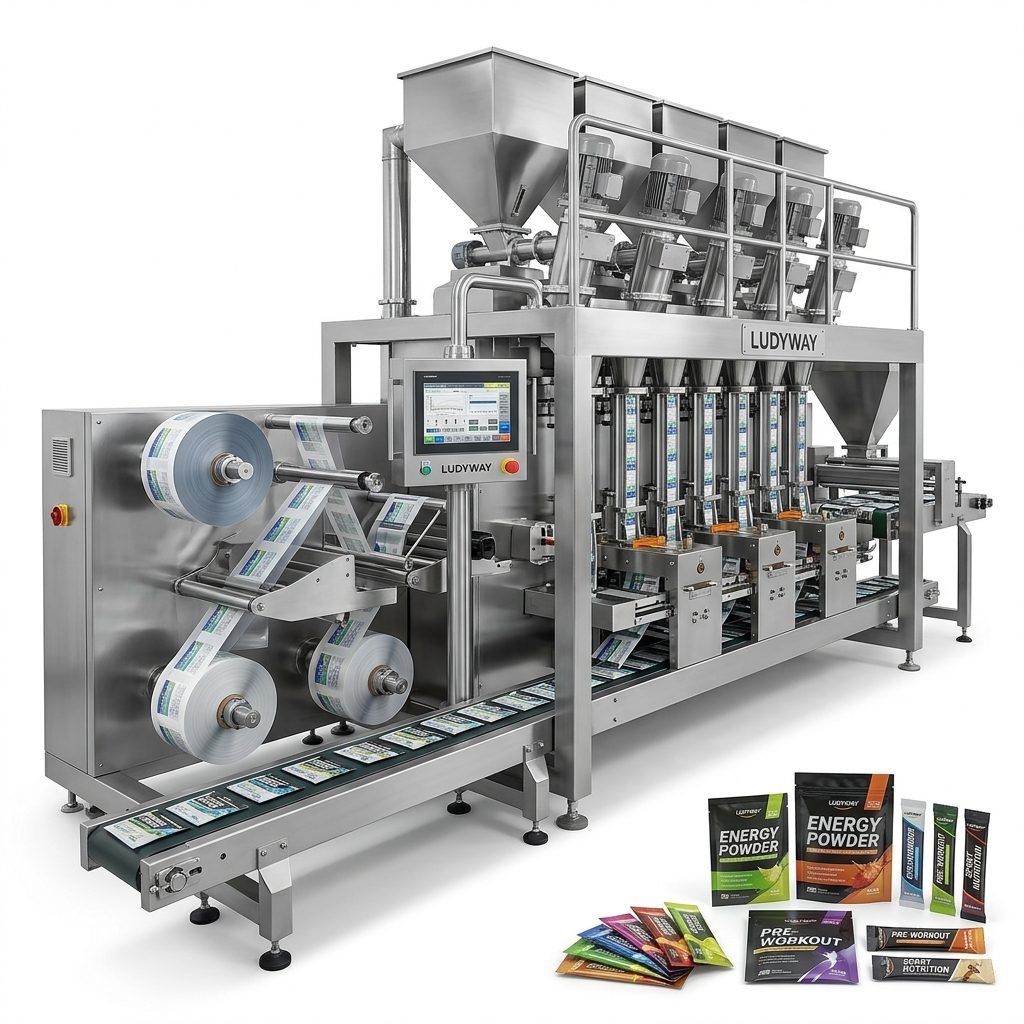
- Upstream: Product feeding systems, conveyors, bucket elevators, multi-head weighers, or liquid holding tanks.
- Downstream: Checkweighers, metal detectors, x-ray inspection systems, date coders, cartoning machines, case packers, and palletizers.
Machines that support open communication protocols and have configurable I/O interfaces are easier to integrate into existing lines. If you are planning a turnkey packaging line, working with a supplier that can provide integrated systems rather than individual machines can simplify project management and reduce integration risk.

5. Consider Hygiene, Cleanability, and Regulatory Compliance
For manufacturers in the food, pharmaceutical, and personal care industries, hygiene and cleanability are non-negotiable requirements. Look for machines designed with:
- Stainless steel construction (typically SUS304 or SUS316) for all product-contact surfaces.
- Tool-free disassembly of filling and forming components to facilitate quick changeovers and sanitation.
- Sloped surfaces and sealed electrical enclosures to prevent product accumulation and facilitate washdown where required.
- Validated cleaning protocols and documentation, particularly important for pharmaceutical applications governed by FDA packaging regulations and GMP requirements.
If your products are exported to multiple markets, verify that the machine can be configured to meet applicable international standards. Relevant standards may include ISO packaging standards, CE marking requirements for the European market, and specific FDA regulations for food-contact materials. Request compliance documentation from suppliers and, where applicable, independent certification records.
6. Budget Planning: Look Beyond the Initial Purchase Price
The initial purchase price of a bag packing machine represents only a portion of its total cost of ownership. A thorough budget evaluation should account for the following components:
| Cost Category | Typical Share of TCO | Key Variables |
|---|---|---|
| Machine purchase | 40–55% | Machine type, lane count, automation level |
| Installation and commissioning | 5–10% | Site preparation, utilities, supplier location |
| Spare parts and consumables | 15–20% | Sealing jaws, belts, filters, lubrication |
| Packaging film and materials | 15–25% | Film type, print requirements, order volume |
| Maintenance and labor | 8–12% | Operator training, preventive maintenance |
Machines with higher initial prices often deliver lower long-term costs due to better reliability, reduced film waste, faster changeovers, and fewer unplanned stoppages. When comparing suppliers, request detailed breakdowns of recommended spare parts, typical annual maintenance costs, and expected service life for major components.
7. Choosing the Right Supplier: What to Look For
The supplier you choose is as important as the machine itself. A reliable packaging machinery partner should offer more than just equipment—they should provide engineering support, customization capabilities, and responsive after-sales service throughout the machine’s lifecycle.
Key evaluation criteria for suppliers include:
- Industry experience and track record: A supplier with decades of specialized experience is more likely to understand your product category and its unique challenges. For example, Ludyway Machinery, a China-based packaging machinery manufacturer with over 30 years of industry experience and a 20,000-square-meter manufacturing facility, has supplied automated packaging equipment and turnkey solutions to manufacturers in more than 100 countries across food, pharmaceutical, cosmetic, and chemical sectors.
- Manufacturing and engineering capabilities: In-house manufacturing, mechanical design, and automation engineering enable faster customization and tighter quality control.
- Customization flexibility: Your product is unique—your supplier should be able to configure the machine accordingly, not force you into a standardized solution that compromises your process.
- Global service and technical support: Installation, commissioning, operator training, remote troubleshooting, and spare parts availability directly affect your ongoing productivity.
- References and site visits: Request case studies or references from manufacturers producing similar products. Whenever feasible, visit the supplier’s facility or arrange a factory acceptance test (FAT).
8. Installation, Training, and Ongoing Support
A well-planned installation and training program can reduce the time to full production by weeks. Discuss the following with prospective suppliers before finalizing a purchase:
- Site preparation requirements: Electrical supply specifications, compressed air requirements, floor space, and any structural considerations.
- Installation timeline and responsibilities: Clarify whether the supplier provides on-site installation and commissioning, and whether this is included in the quoted price.
- Operator and maintenance training: Comprehensive training covering machine operation, routine maintenance, troubleshooting, and safety procedures reduces reliance on external support.
- Remote support capabilities: Many modern machines support remote diagnostics and troubleshooting, which can significantly reduce downtime.
- Spare parts availability and lead times: Confirm which spare parts are recommended to keep on-site and the typical lead time for non-stocked parts from the supplier’s location.
9. Future-Proofing Your Investment
The packaging industry continues to evolve, driven by sustainability mandates, digitalization, and changing consumer preferences. When selecting a bag packing machine, consider how your requirements may shift over the next 5–10 years:
- Film material flexibility: As packaging sustainability regulations tighten globally, the ability to run recyclable mono-materials, paper-based films, and thinner gauge materials becomes increasingly valuable.
- Automation and data connectivity: Machines with PLC-based controls, data logging, and OEE tracking capabilities support continuous improvement and integration with manufacturing execution systems.
- Modular design: Machines that allow for future lane additions, format change parts, or automation upgrades can adapt as your production volumes grow without requiring a complete replacement.
- Energy efficiency: Servo-driven machines typically consume less energy than pneumatic or mechanically driven alternatives, contributing to both cost savings and sustainability goals.
10. Frequently Asked Questions About Bag Packing Machines
What is the difference between a VFFS machine and a stick pack machine?
A vertical form-fill-seal (VFFS) machine forms a bag from flat film, fills it vertically, and seals it—producing pillow bags, gusseted pouches, and flat sachets. A stick pack machine is a specialized type of VFFS that produces narrow, elongated single-serve packs, often in multi-lane configurations for high-speed production of powdered products.
How many lanes do I need for my multi-lane machine?
The number of lanes depends on your required throughput, available floor space, and budget. A 4–6 lane machine may produce 200–350 packs per minute, while 10–12 lane configurations can exceed 600 packs per minute. Work with your supplier to calculate the lane count based on your target output and the machine’s sustainable speed per lane.
Can one machine handle both powder and liquid products?
Generally, powder and liquid filling require different dosing technologies. However, some machines can be configured with interchangeable filling modules. If you need to package both product types, discuss this requirement explicitly with your supplier to ensure the machine platform supports the necessary changeover flexibility.
What is the typical lead time for a bag packing machine?
Lead times vary based on machine complexity and customization level. Standard configurations may ship in 8–12 weeks, while highly customized or large integrated lines can take 16–26 weeks or longer. Always confirm current lead times with your supplier and factor in shipping, installation, and commissioning when planning your project timeline.
How do I validate a bag packing machine for pharmaceutical applications?
Pharmaceutical packaging requires documented validation protocols including Installation Qualification (IQ), Operational Qualification (OQ), and Performance Qualification (PQ). Choose a supplier with experience in pharmaceutical packaging who can provide the necessary documentation packages and support the validation process according to ISO 11607 standards and applicable GMP requirements.
Making Your Final Decision
Selecting the right bag packing machine is a multifaceted decision that balances technical requirements, production goals, budget constraints, and supplier capabilities. The most successful implementations typically result from a thorough upfront evaluation process that engages both your production and engineering teams.
Key takeaways from this guide:
- Start with a detailed product and packaging specification before evaluating machines.
- Match the machine type and lane configuration to your current and anticipated throughput needs.
- Evaluate total cost of ownership, not just the purchase price.
- Choose a supplier with proven industry experience, engineering capabilities, and responsive global support.
- Plan for installation, training, and future scalability from the outset.
The right bag packing machine, supported by a capable and experienced supplier, becomes a long-term production asset that drives efficiency, product quality, and business growth. Taking the time to follow a structured selection process will help ensure your investment delivers value for years to come. For further reading, the PMMI State of the Industry report and the Flexible Packaging Association provide ongoing market data and technical resources that can inform your packaging strategy.