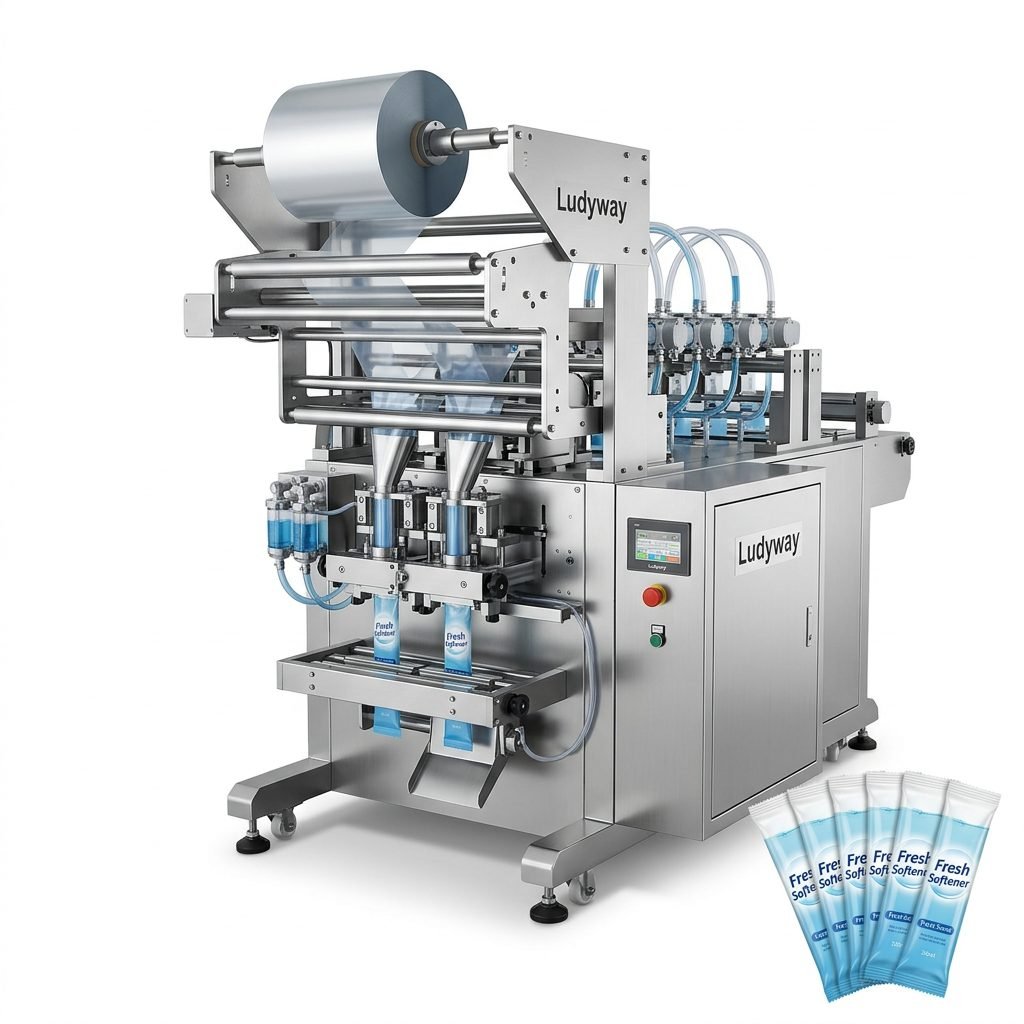
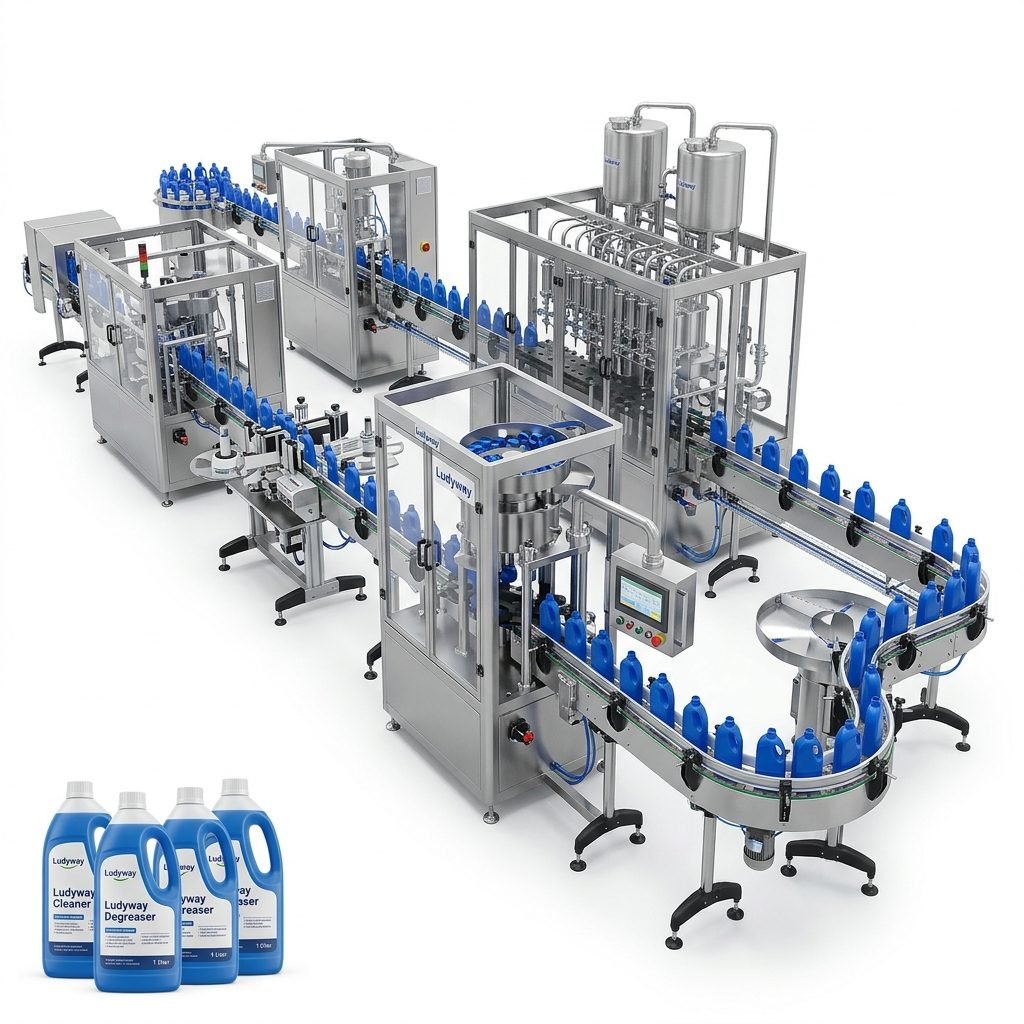
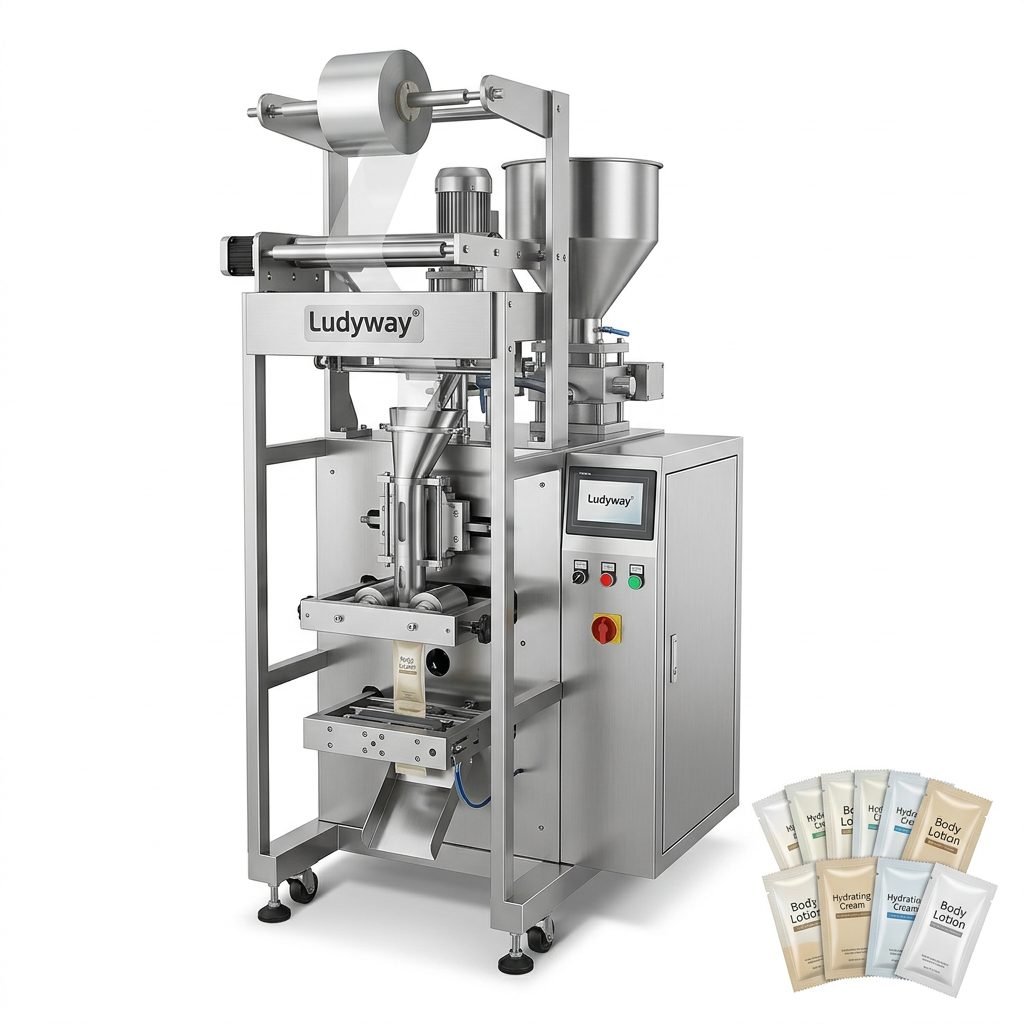
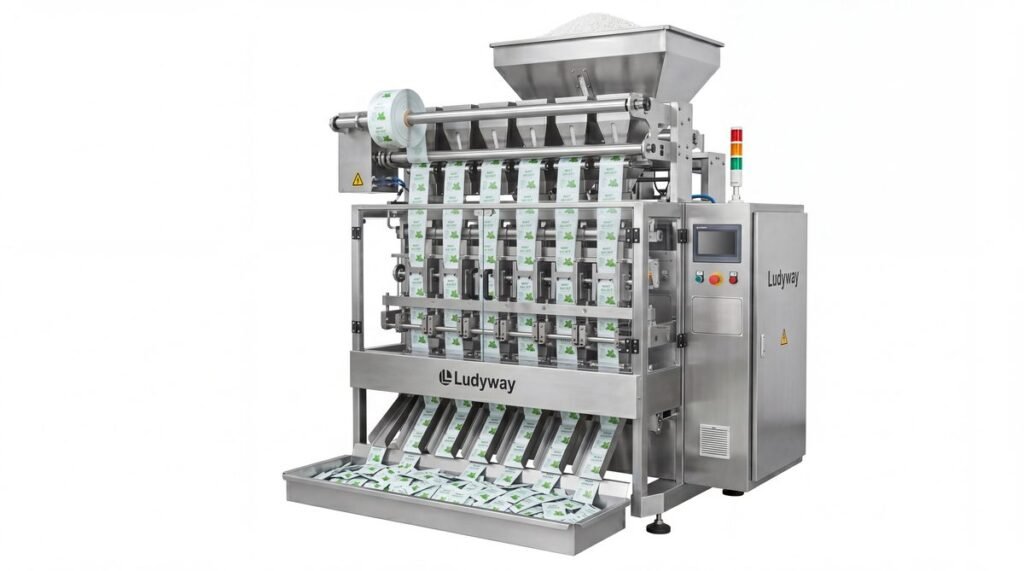
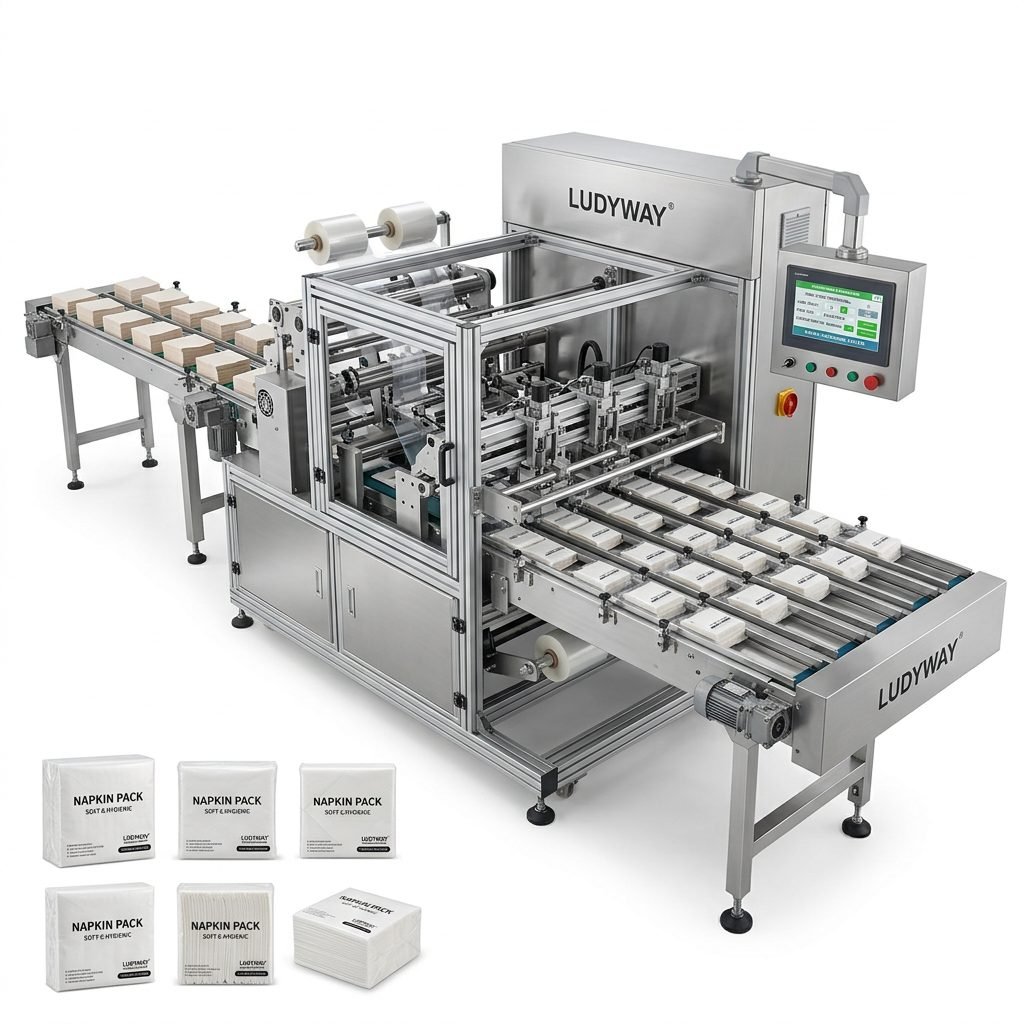
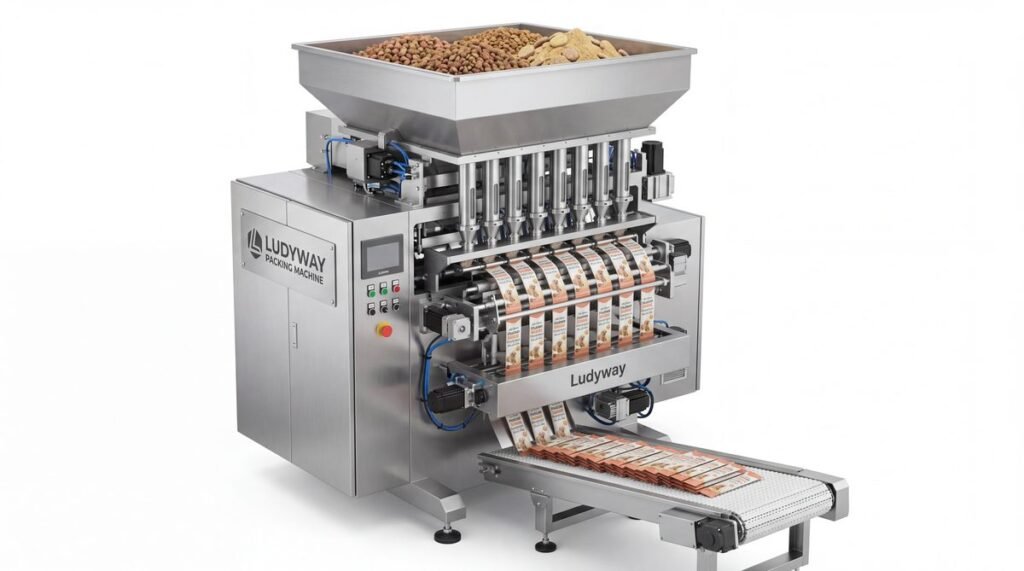
Bagged filling and packaging machines are at the heart of modern automated packing systems. From food powders and coffee granules to chemicals, pet nutrition, and pharmaceutical products, these machines help manufacturers improve output, reduce waste, and maintain reliable pack quality. For businesses aiming to scale efficiently, choosing the right bagging solution is no longer optional—it is a strategic production decision.
A well-designed system combines accurate filling, consistent sealing, dependable bag handling, and smooth downstream integration. Whether you are packing small sachets, stick packs, pouches, or larger bags, the right automation setup can significantly enhance productivity while lowering labor dependence and improving hygiene control.
What Is a Bagged Filling and Packaging Machine?
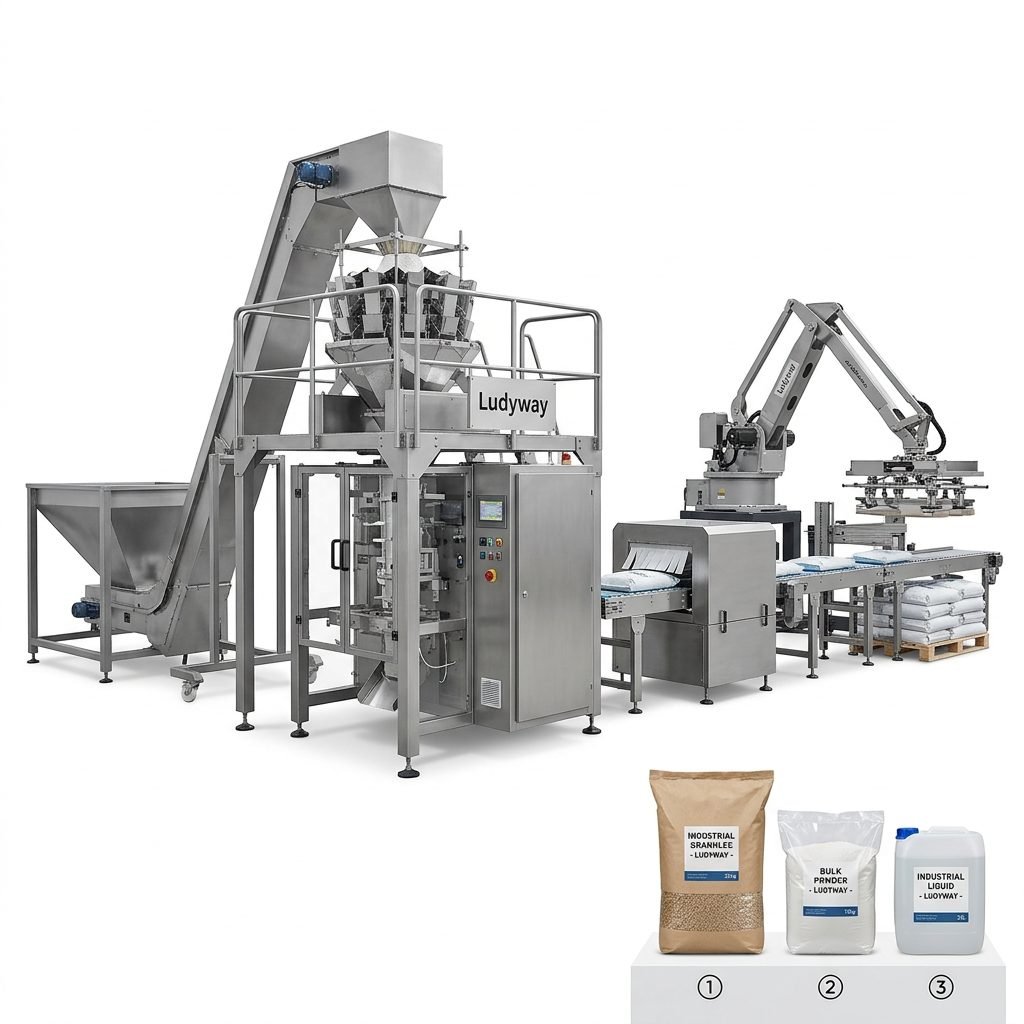
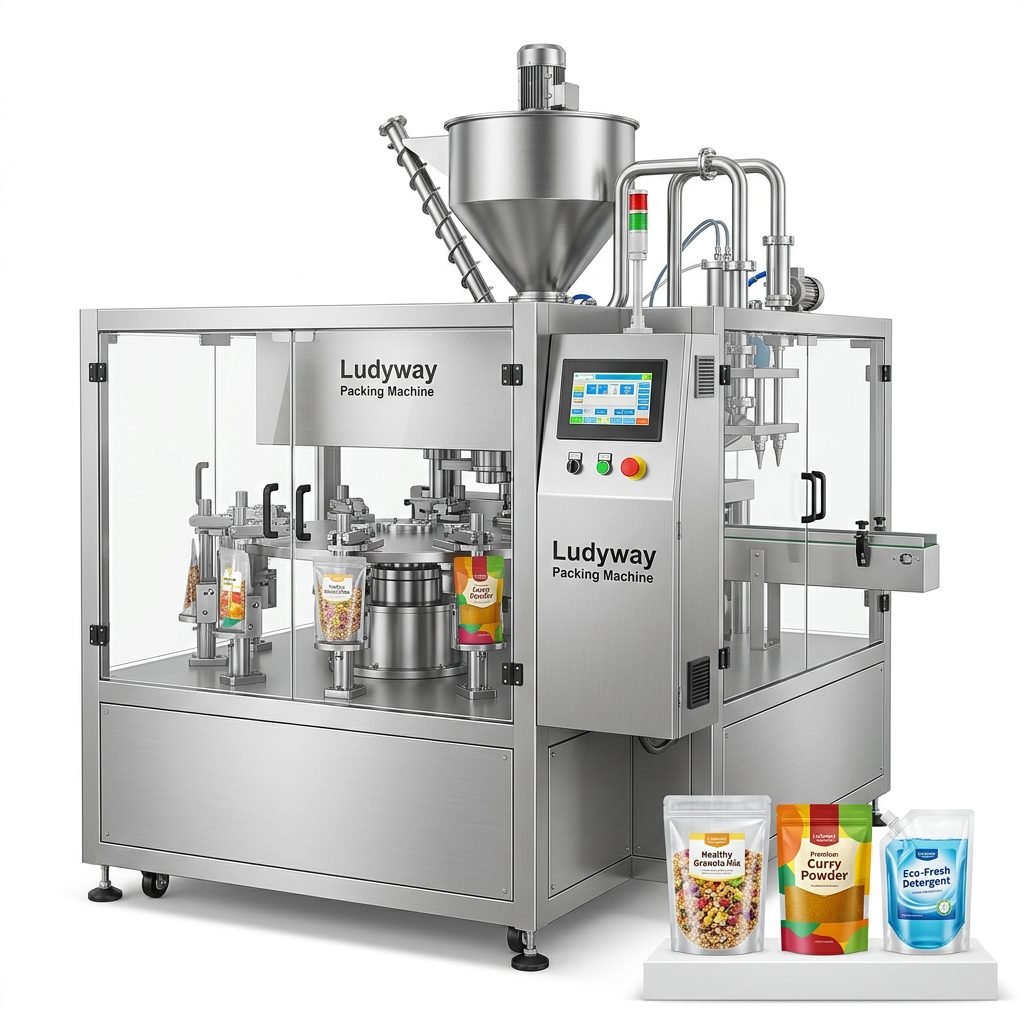
A bagged filling and packaging machine is an automated system designed to dose, fill, seal, code, and sometimes count or carton products into bags or pouches. These systems are widely used across industries because they support flexible package formats and can handle many product types, including:
- Powders such as flour, protein, spices, and milk powder
- Granules such as sugar, seeds, coffee, and feed additives
- Liquids such as sauces, oils, detergents, and oral liquids
- Pastes and gels such as cream products, condiments, and cosmetic formulas
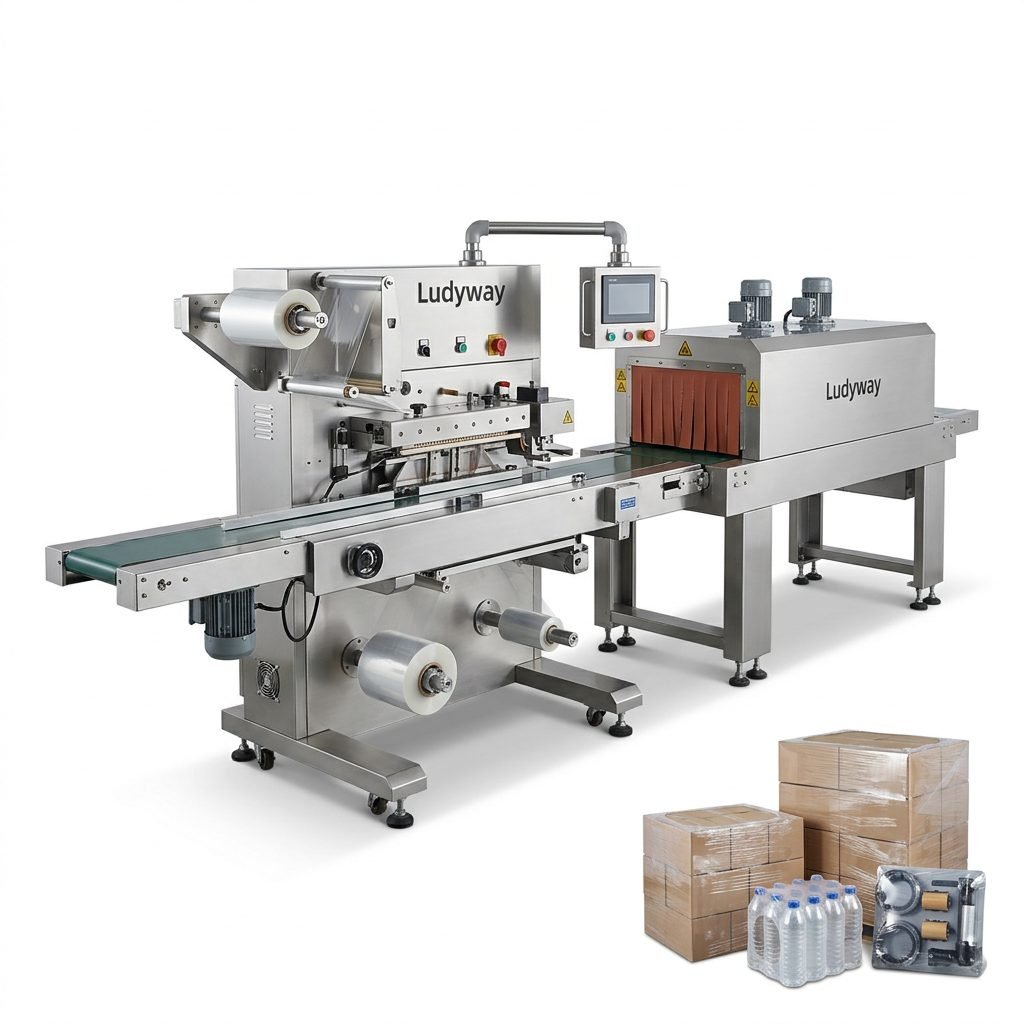
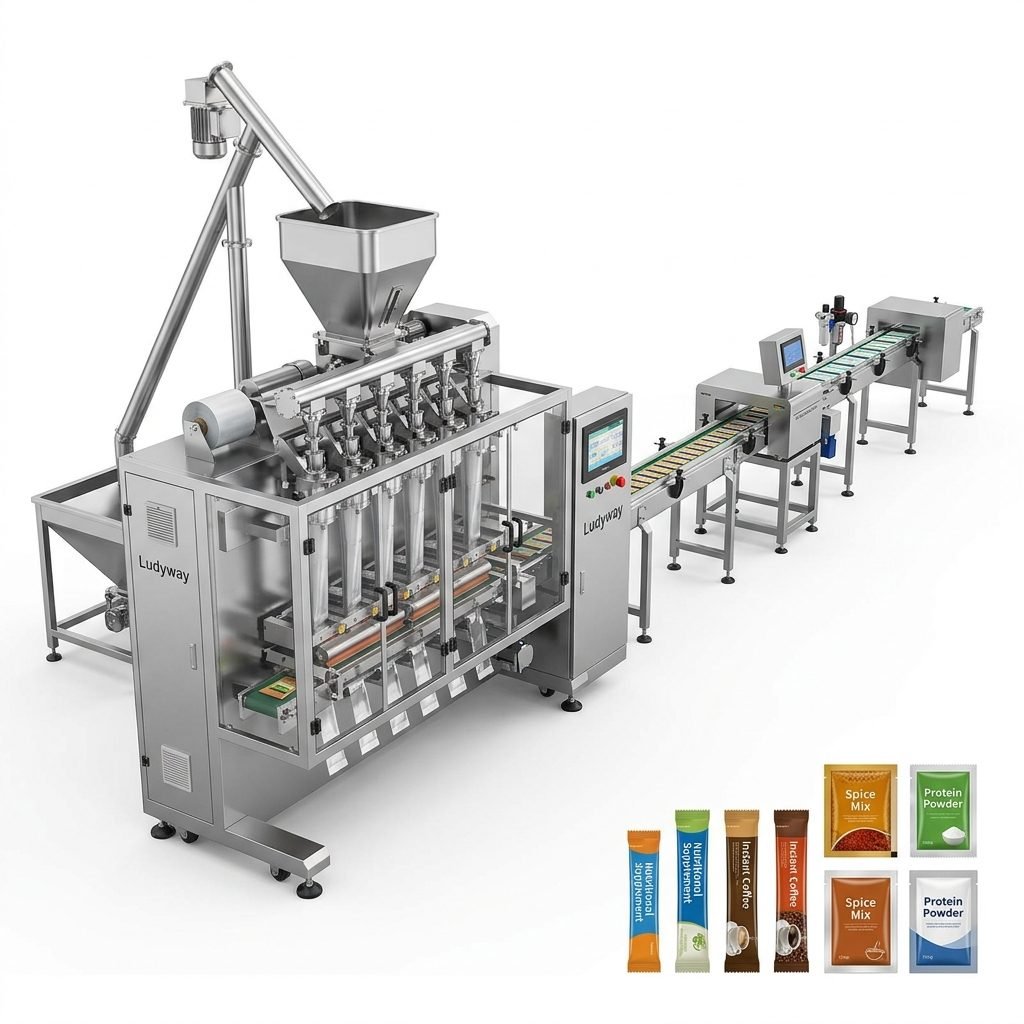
In a complete automated packing system, the machine may work together with conveyors, feeders, weighers, coding units, metal detectors, checkweighers, cartoners, and palletizing equipment.
Why Automated Bagging Systems Matter
Manufacturers face growing pressure to produce more in less time while meeting strict quality standards. Automated bagged filling systems help solve this challenge by improving consistency across every pack.
- Higher production speed for medium and high-volume operations
- Improved filling accuracy to reduce giveaway and product loss
- Better sealing performance for shelf life and transport safety
- Reduced labor costs and lower dependency on manual handling
- Cleaner production processes, especially for food and pharma applications
- Easier integration into turnkey packaging lines
Common Types of Bagged Filling and Packaging Machines
Vertical Form Fill Seal Machines
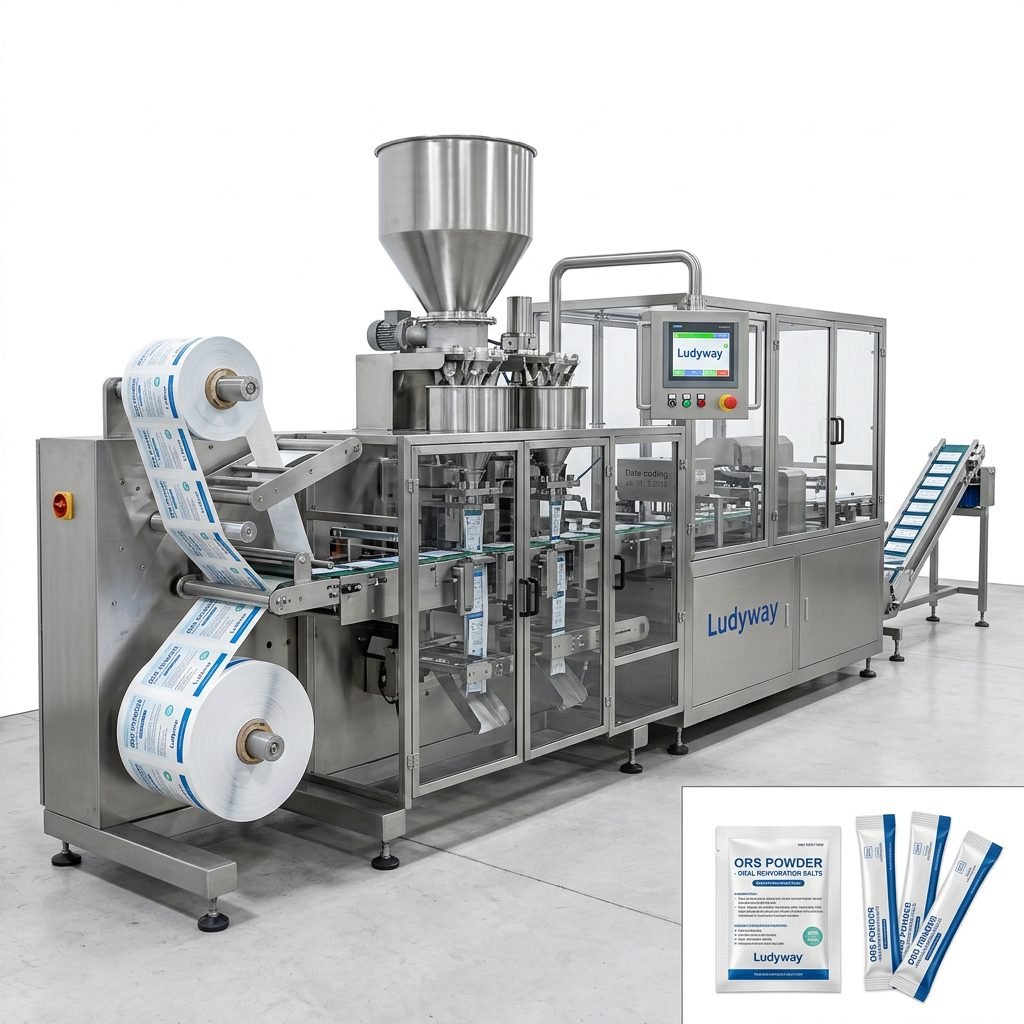
VFFS machines form bags from roll film, fill the product, and seal the package in one continuous process. They are ideal for powders, granules, and many free-flowing materials.
Premade Pouch Filling Machines
These machines open preformed pouches, fill them, and seal them. They are often used when packaging needs a premium retail appearance or specialized pouch structure such as zipper, spout, or stand-up pouch.
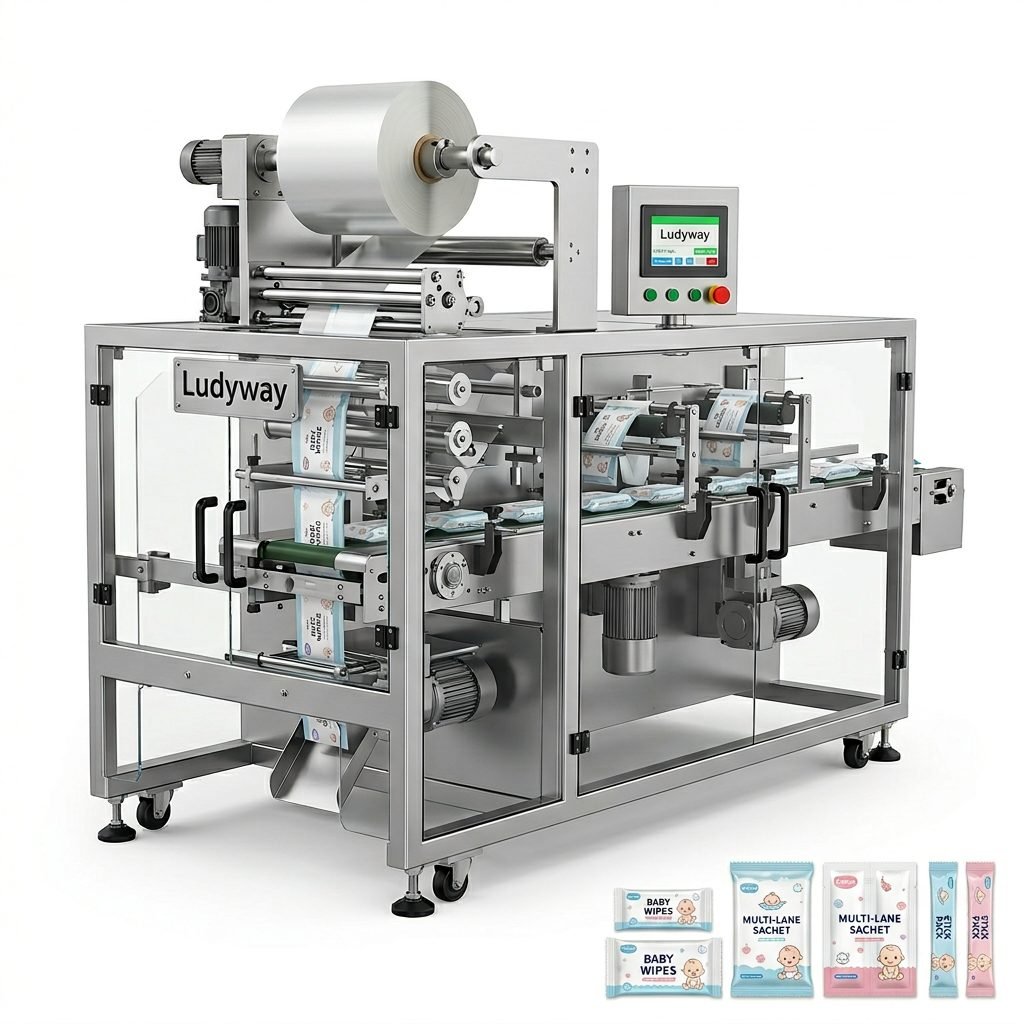
Multi-Lane Sachet and Stick Pack Machines
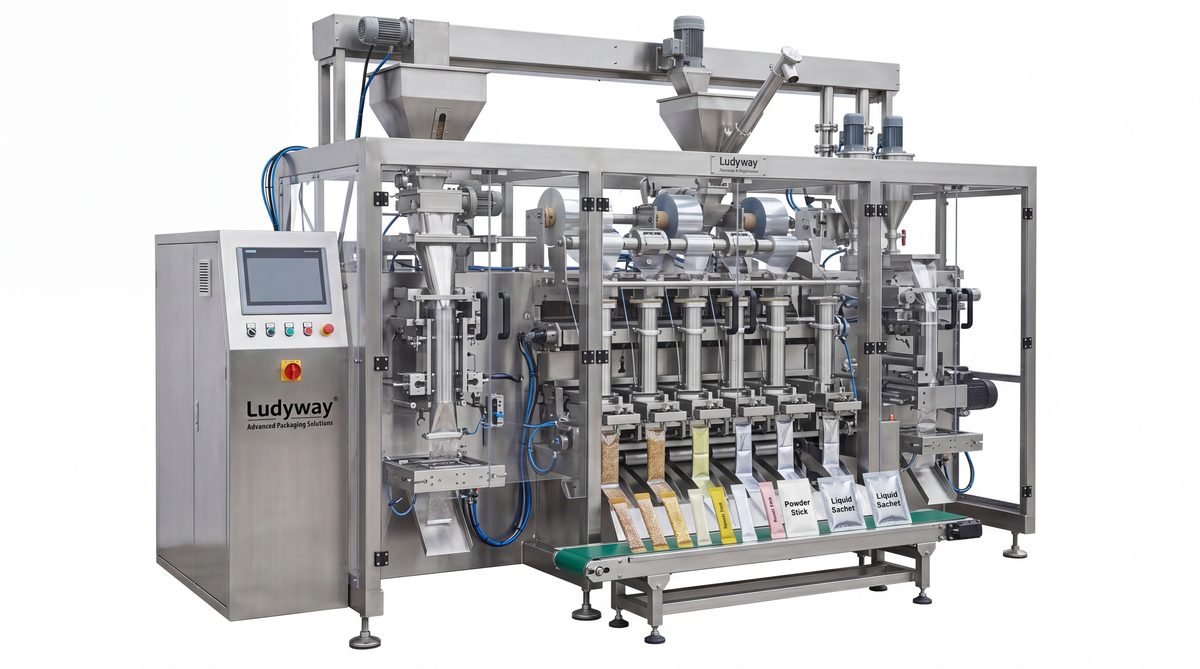
For single-serve products, multi-lane systems deliver excellent speed and space efficiency. They are especially popular in food, supplement, pharmaceutical, and personal care sectors.
Big Bag and Bulk Bag Filling Systems
For industrial materials, fertilizers, grains, minerals, and chemicals, heavy-duty bagging machines handle larger bag sizes with integrated weighing and robust dust control.
Key Components in an Efficient Automated Packing System
A high-performance packaging line depends on more than the filling head alone. Efficiency comes from how every module works together.
| Component | Main Function | Typical Benefit |
|---|---|---|
| Feeding System | Transfers product to the filler | Stable supply and reduced interruptions |
| Weighing or Dosing Unit | Controls fill quantity | Better accuracy and less product giveaway |
| Bag Forming or Pouch Handling Module | Creates or positions the package | Reliable pack presentation |
| Sealing System | Closes the filled bag | Leak prevention and shelf-life protection |
| Coding and Inspection | Applies batch/date code and checks quality | Traceability and compliance |
| End-of-Line Automation | Cartoning, case packing, palletizing | Lower labor and smoother logistics |
Applications Across Industries
Food Industry
Food producers use bagged packaging machines for seasonings, snack ingredients, instant drinks, coffee, sugar, flour, and frozen food components. Hygiene, speed, and sealing reliability are critical in these environments.
Pharmaceutical and Health Supplement Industry
Precision is especially important for oral powders, granules, stick packs, and medical sachets. Automated systems help maintain dosing consistency, cleanliness, and traceability.
Cosmetics and Personal Care
Creams, serums, gels, and liquid personal care products often require pouch or sachet packaging with accurate volumetric control and attractive seals for retail use.
Chemical and Industrial Products
Detergents, additives, powders, lubricants, and treatment chemicals benefit from durable bagging systems with strong material compatibility and dependable sealing performance.
How to Choose the Right Bagged Packaging Machine
Selecting the right model requires matching the machine to your product, production target, and future expansion plans. A poor match can create downtime, excessive waste, or packaging defects.
- Product characteristics: powder, granule, liquid, viscosity, flowability, dust level
- Bag type: pillow bag, gusset bag, sachet, stick pack, premade pouch, bulk bag
- Output requirement: packs per minute, shift schedule, seasonal demand
- Filling accuracy: tolerance target and compliance standard
- Material compatibility: film structure, sealing temperature, corrosion resistance
- Factory layout: line footprint, operator access, maintenance space
- Automation level: standalone equipment or complete turnkey line
Performance Features That Improve Efficiency
The best automated bagging equipment is built to maintain stable long-term output, not just peak speed on paper. Look for practical features that support daily production.
| Feature | Why It Matters |
|---|---|
| Servo-driven control | Supports precise movement, better repeatability, and easier adjustments |
| Touchscreen HMI | Simplifies setup, recipe storage, and troubleshooting |
| Quick changeover design | Reduces downtime when switching sizes or products |
| Dust or leak control | Improves cleanliness, safety, and sealing quality |
| Integrated inspection | Helps detect underweight, contamination, or coding issues |
| Modular expansion | Allows future upgrades without replacing the whole line |
Benefits of Turnkey Packaging Line Integration
Many manufacturers now prefer fully integrated solutions rather than buying single machines from different sources. A turnkey line can connect product feeding, filling, sealing, coding, inspection, cartoning, and palletizing into one coordinated system.
This approach provides several advantages:
- More consistent machine communication and synchronization
- Less integration risk during installation
- Faster commissioning and operator training
- Clearer service responsibility from one supplier
- Better long-term scalability for new products and pack sizes
Maintenance and Operational Best Practices
Even the most advanced bagged filling system needs proper maintenance to stay efficient. Preventive care reduces unplanned stops and preserves filling precision.
- Clean contact parts regularly based on product type
- Inspect seals, jaws, and wear components on a fixed schedule
- Calibrate weighing or dosing systems routinely
- Monitor compressed air, electrical stability, and lubrication points
- Train operators on changeover, alarm response, and safety procedures
- Keep critical spare parts available for high-wear modules
What Buyers Should Ask Before Investing
Before purchasing a machine, ask suppliers for real production data rather than only catalog specifications. A practical evaluation should include:
- What products have been successfully packed on this model?
- What is the verified output under actual operating conditions?
- What filling accuracy can be expected for my product type?
- How long does size changeover take?
- Can the line support future packaging formats?
- What after-sales support, installation, and spare parts service are available?
Reliable Partner for Automated Packing Projects
For businesses seeking scalable packaging automation, Ludyway bagged filling and packaging machine solutions are backed by more than 30 years of industry experience. Founded in 1993, the company operates a manufacturing facility of over 20,000 square meters and serves customers in more than 100 countries and regions. Its equipment portfolio covers food, pharmaceutical, health supplement, cosmetic, chemical, and related packaging applications, including standalone machines and complete turnkey packaging lines.
Final Considerations for Long-Term Packaging Efficiency
An efficient automated bagging system is not just about speed. It is about the balance between filling accuracy, package integrity, machine uptime, labor savings, and flexibility for future growth. The right bagged filling and packaging machine can strengthen production stability, support brand quality, and create a more competitive operation in demanding markets.
If your business is planning to upgrade from manual packing or expand an existing automated line, focusing on machine compatibility, system integration, and supplier capability will help ensure a better long-term return on investment.