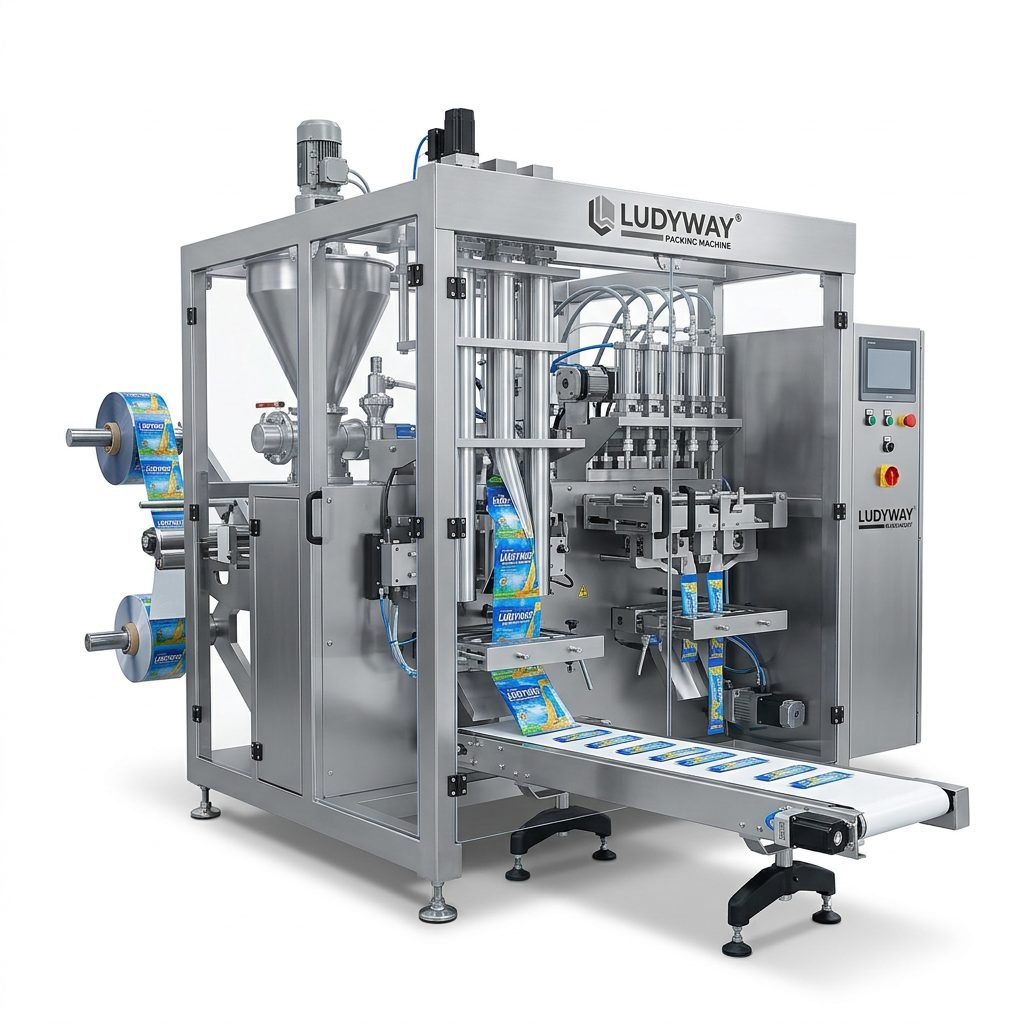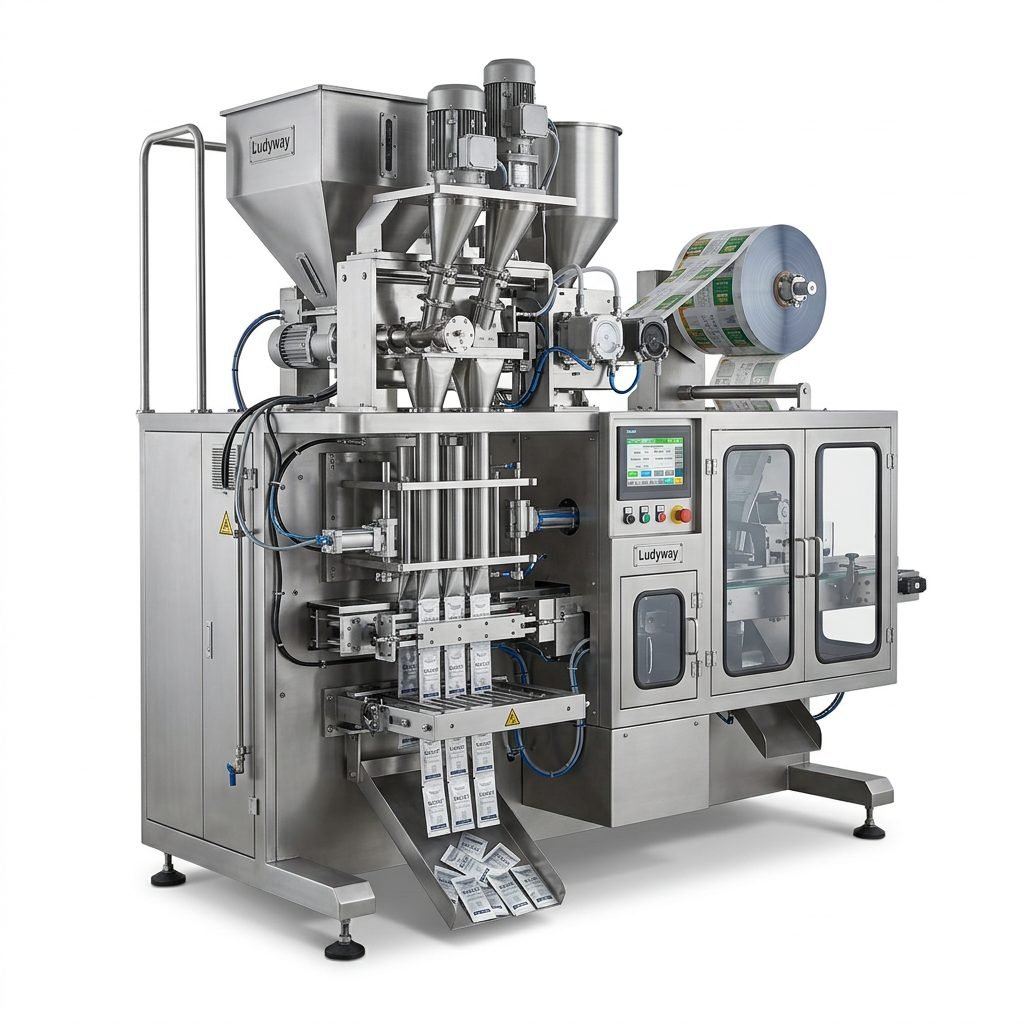
Investing in a water pouch packing machine is a significant decision for any manufacturer in the beverage, liquid packaging, or consumer goods industry. Whether you are producing drinking water sachets, flavored water pouches, or functional liquid supplements, selecting the right equipment directly affects your production efficiency, product quality, and long-term operational costs. This guide walks you through every critical factor to help you make a confident purchasing decision.
According to industry data from the PMMI – The Association for Packaging and Processing Technologies, the global demand for flexible packaging continues to grow as manufacturers shift toward lightweight, cost-effective formats. Water pouches represent one of the fastest-growing segments within this trend, making the choice of packaging machinery more important than ever.
Key Factors to Evaluate Before Buying a Water Pouch Packing Machine
1. Production Volume and Operating Speed
Your required output capacity is the most fundamental parameter. Water pouch packing machines range from semi-automatic systems producing 30 to 60 pouches per minute to fully automated multi-lane machines capable of delivering over 400 pouches per minute. Understanding your current and projected production volumes helps narrow down the appropriate machine category and lane configuration.
2. Packaging Material and Pouch Format
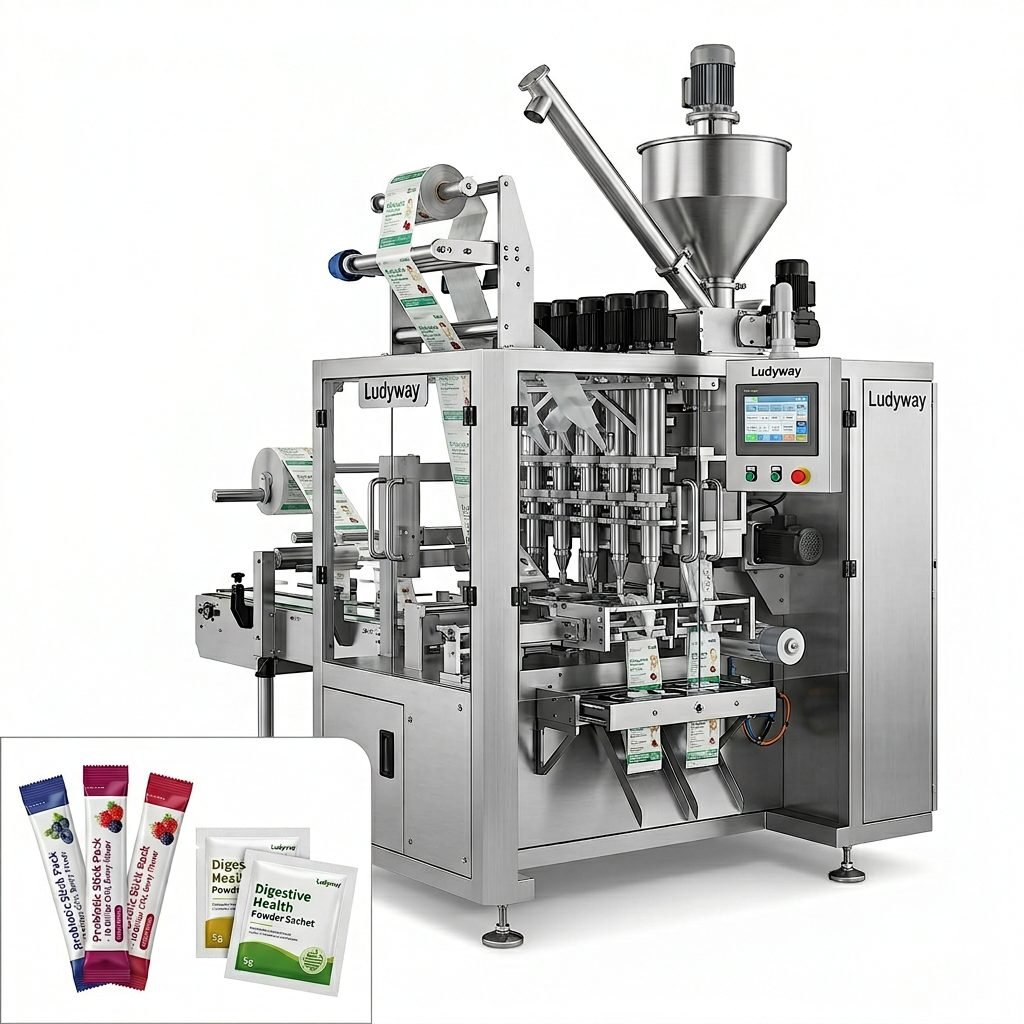
Different water pouch machines are designed for specific film materials and pouch styles. Common formats include three-side-seal pouches, four-side-seal pouches, and stick packs. The machine must be compatible with your chosen flexible packaging materials, whether that is LDPE, HDPE, laminated foil, or biodegradable films. Material thickness, sealing temperature, and film roll diameter all influence machine selection.
- Three-side-seal pouches – Most common for drinking water sachets
- Four-side-seal pouches – Offer enhanced barrier properties
- Stick packs – Ideal for single-serve functional water products
- Gusseted pouches – Provide stand-up capability for premium presentation
3. Filling Accuracy and Dosing Technology
For liquid water products, filling precision is critical. Modern machines employ piston fillers, peristaltic pumps, flow meters, or gravity-based systems. The right choice depends on your target fill volume, product viscosity, and acceptable tolerance range. Inaccurate filling leads to product giveaway, regulatory non-compliance, or customer dissatisfaction.
4. Automation Level and Line Integration
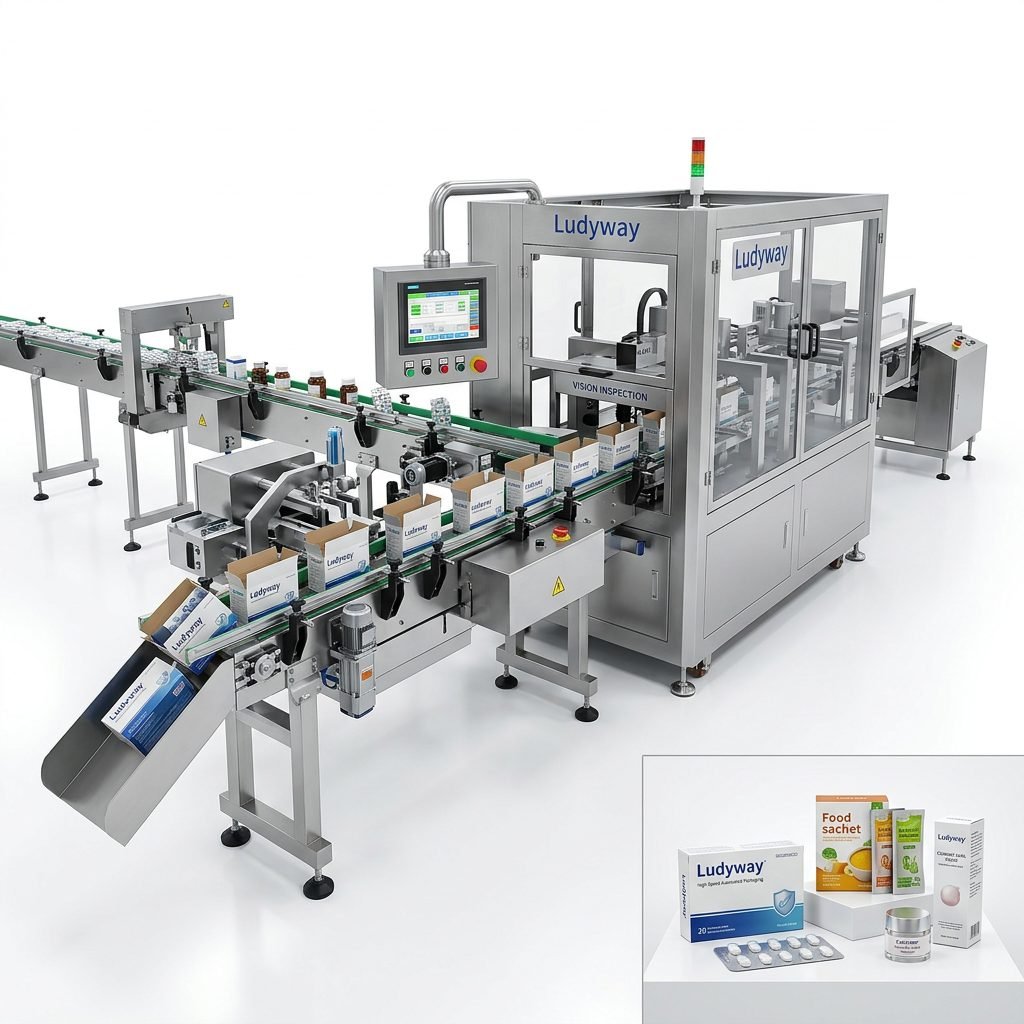
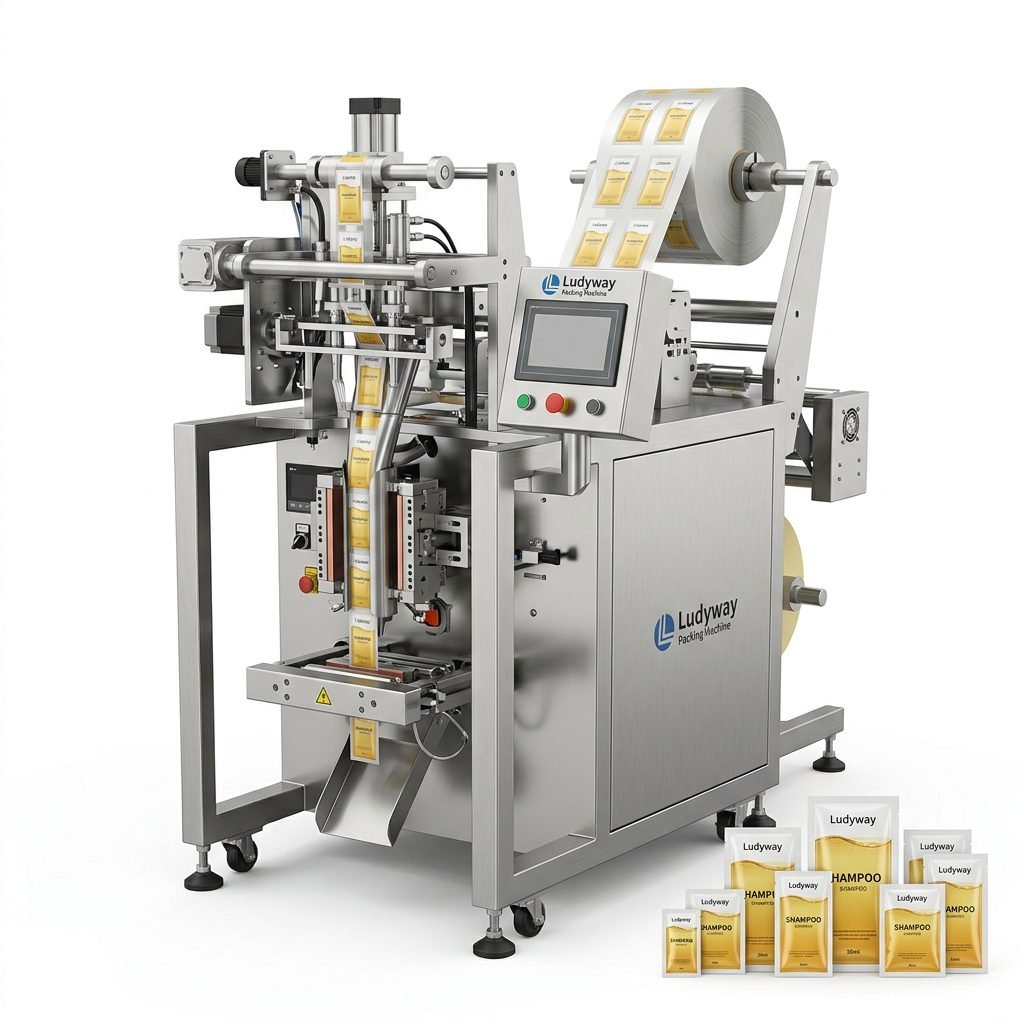
Water pouch machines exist across the automation spectrum. Manual and semi-automatic models require more operator involvement, while fully automatic systems handle film unwinding, pouch forming, filling, sealing, coding, and cutting without manual intervention. Consider whether you need a standalone machine or a complete turnkey packaging line that integrates with upstream water treatment and downstream cartoning or case packing equipment.
5. Hygiene and Cleanability Requirements
Since water is a consumable product, hygiene standards are non-negotiable. Look for machines constructed with food-grade stainless steel (304 or 316L), CIP (Clean-in-Place) capabilities, and designs that minimize crevices where bacteria can accumulate. Machines destined for international markets may need to comply with FDA food packaging regulations or equivalent local standards.
Comparing Types of Water Pouch Packing Machines
| Machine Type | Speed Range | Best For | Key Advantage |
|---|---|---|---|
| Single-Lane Semi-Automatic | 30–60 ppm | Startups, small batches | Low initial investment |
| Single-Lane Fully Automatic | 60–120 ppm | Medium-volume production | Consistent output, less labor |
| Multi-Lane Automatic (4–12 lanes) | 200–500+ ppm | High-volume manufacturers | Maximum throughput per footprint |
| Rotary Continuous-Motion | 400–800+ ppm | Ultra-high-speed operations | Unmatched speed, 24/7 capability |
Quality Standards and International Compliance
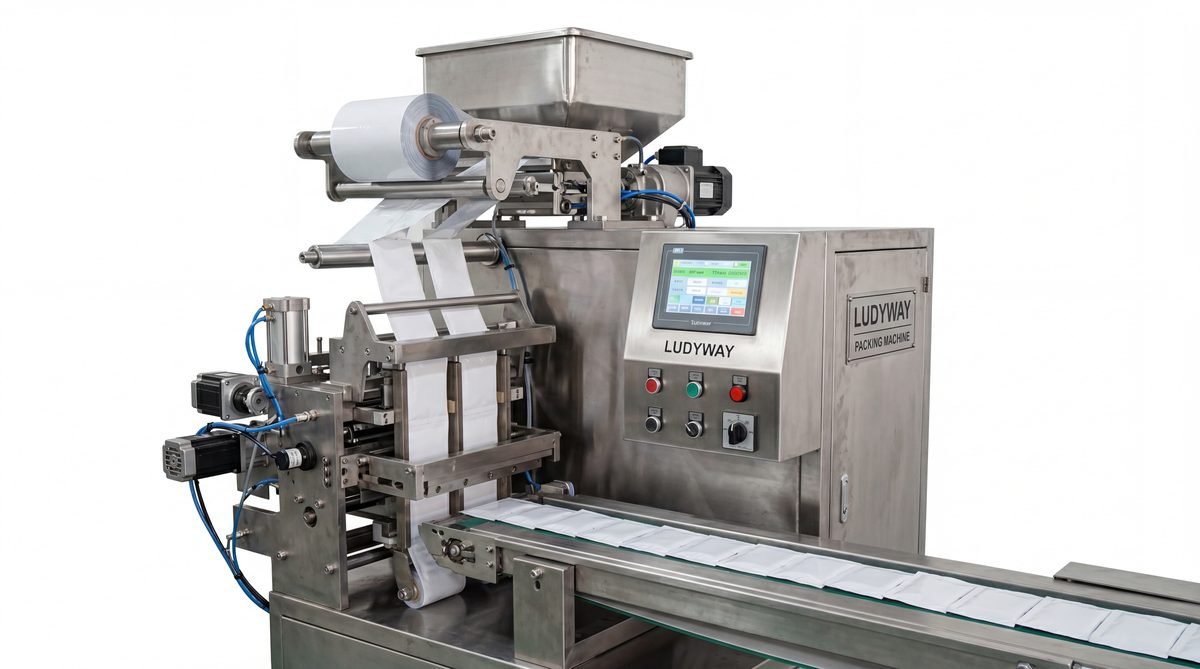
When exporting water pouches to regulated markets, your packaging machinery must support compliance with applicable international standards. Look for machines that can be configured to meet ISO packaging standards, GMP guidelines for food and beverage production, and relevant electrical safety certifications. Key considerations include:
- Material traceability – All product-contact components should be documented
- Seal integrity testing – In-line or offline verification capabilities
- Date coding and batch tracking – Integration with coding and vision inspection systems
- CE, UL, or equivalent certifications – Depending on your target market
Evaluating Total Cost of Ownership
The purchase price is only one element of the total cost of ownership (TCO). Smart buyers also evaluate:
- Energy consumption – More efficient machines reduce ongoing utility costs
- Film waste rates – Precision machines minimize material waste during start-up and changeover
- Spare parts availability – Accessible and reasonably priced consumable parts keep downtime short
- Operator training requirements – Intuitive controls reduce training time and operator errors
- Maintenance frequency – Robust designs extend service intervals and machine lifespan
- Changeover time – Quick-change features support multiple SKU production
Working with the Right Packaging Machinery Partner
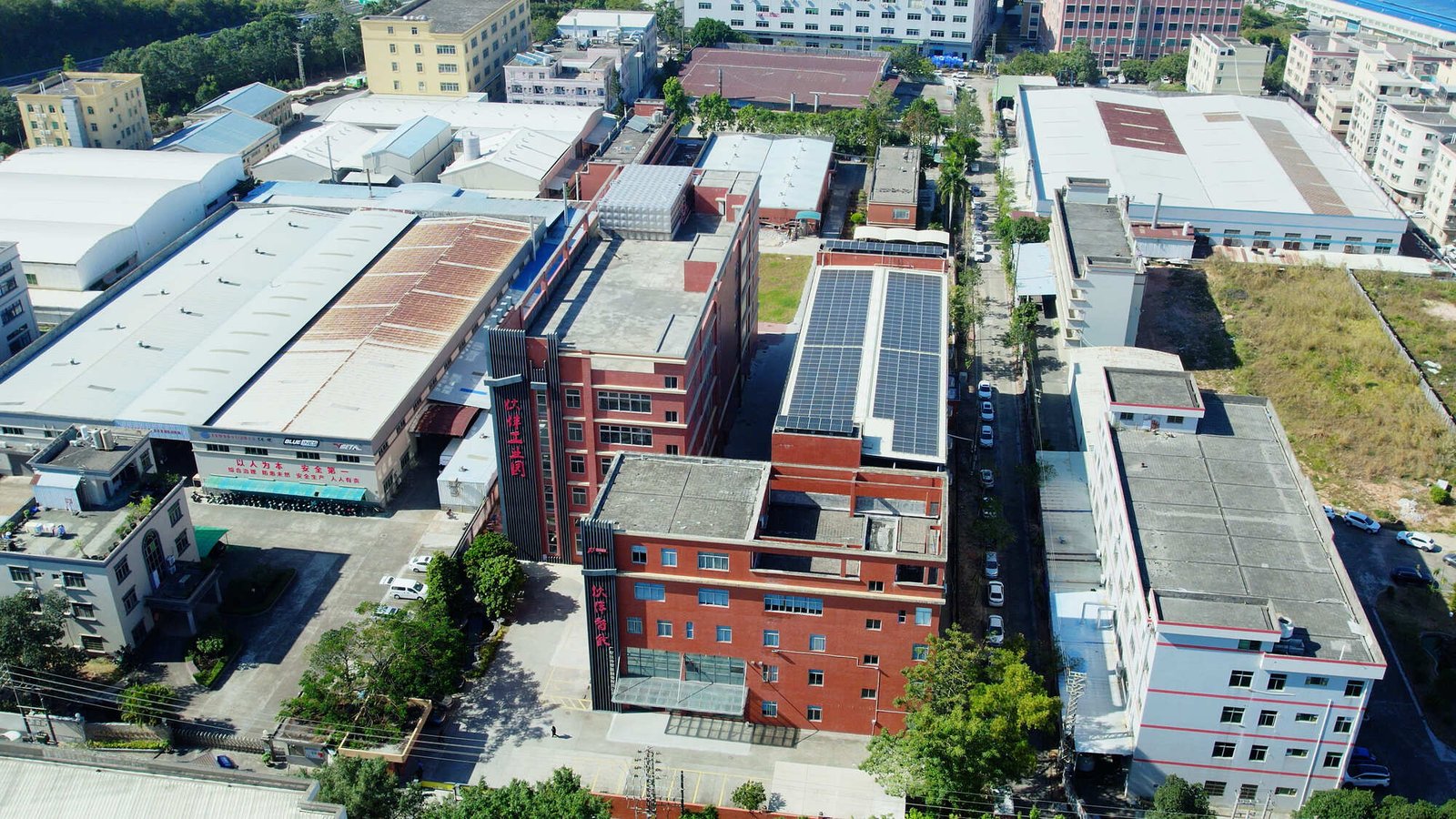
Selecting the right water pouch packing machine ultimately comes down to choosing a reliable manufacturing partner who understands your product, your market, and your operational goals. A qualified supplier should offer more than just equipment—they should provide technical consultation, customized machine configurations, installation support, and responsive after-sales service. Ludyway Machinery, a China-based packaging machinery manufacturer with more than 30 years of industry experience and a 20,000-square-meter manufacturing facility, provides automated packaging equipment and turnkey solutions for manufacturers across food, beverage, pharmaceutical, and other industries worldwide, serving customers in more than 100 countries with comprehensive technical support from machine selection through commissioning and beyond.
Key Questions to Ask Before Finalizing Your Purchase
- What is the maximum and minimum pouch size the machine can handle?
- Can the machine accommodate future production growth or additional lane configurations?
- What film materials and thickness ranges are compatible?
- Does the supplier offer remote technical support and on-site service options?
- Are validation documentation and compliance certificates available for your target market?
- What is the standard lead time for the machine and critical spare parts?
Making the Final Decision
Choosing the right water pouch packing machine requires balancing technical specifications, production requirements, budget constraints, and long-term reliability. Start by clearly defining your current needs while allowing room for growth. Evaluate multiple suppliers, request detailed proposals, and whenever possible, visit manufacturing facilities or request video demonstrations of similar machines in operation. The right investment in quality packaging equipment today will deliver returns through higher efficiency, consistent product quality, and lower operational costs for years to come.
For further reading, explore resources from the PMMI Business Intelligence Library and the Flexible Packaging Association Knowledge Hub to stay informed about the latest packaging industry trends and machinery standards.