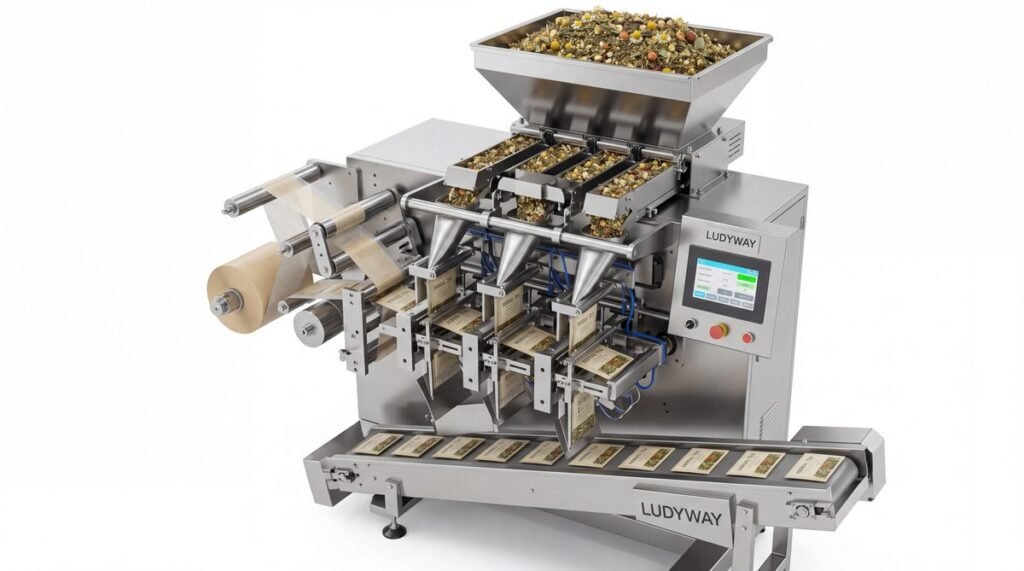
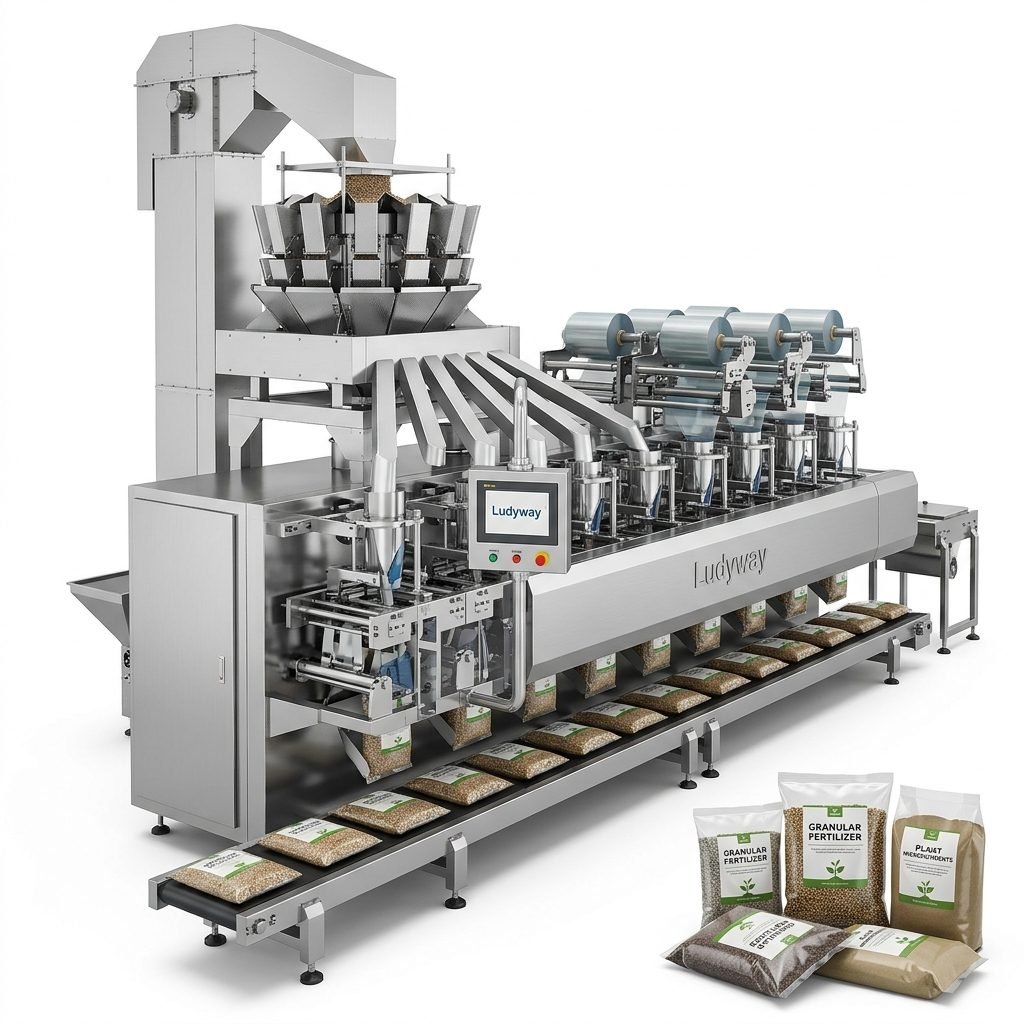
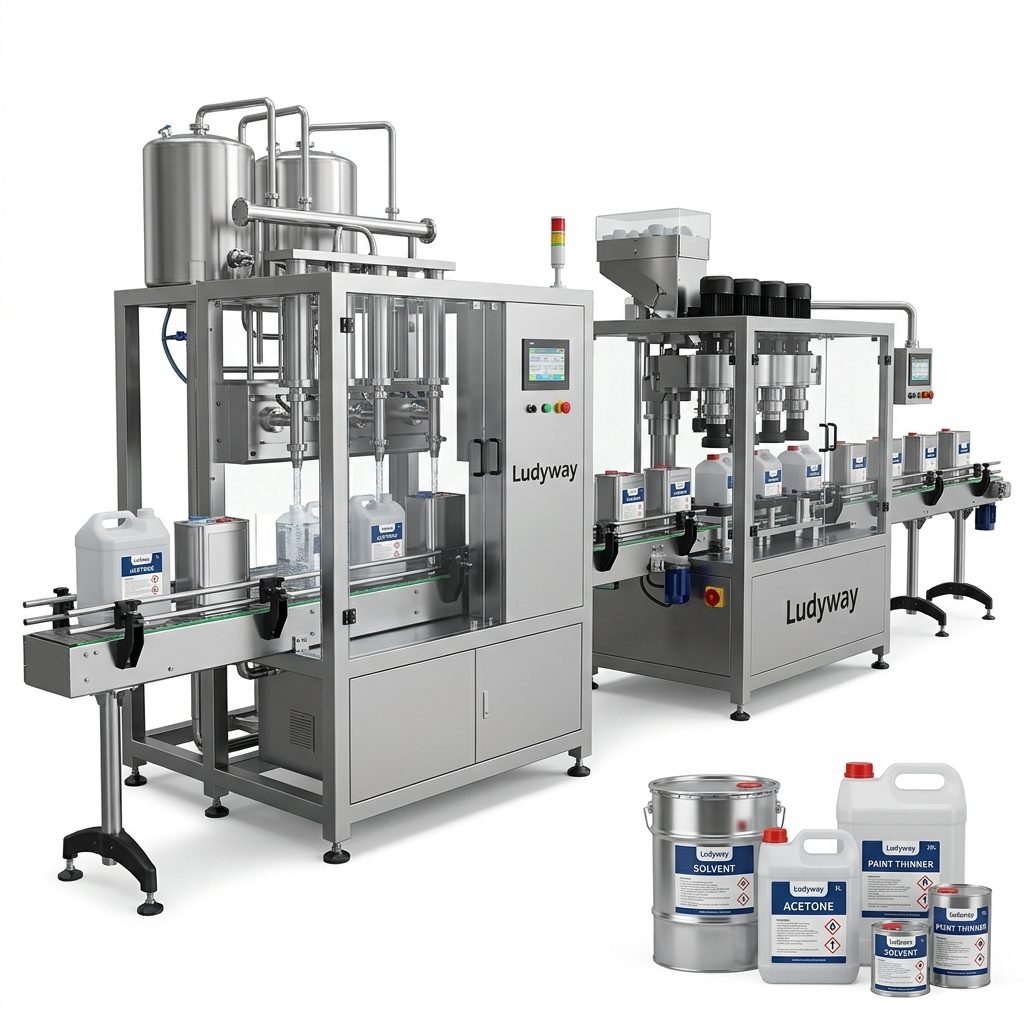
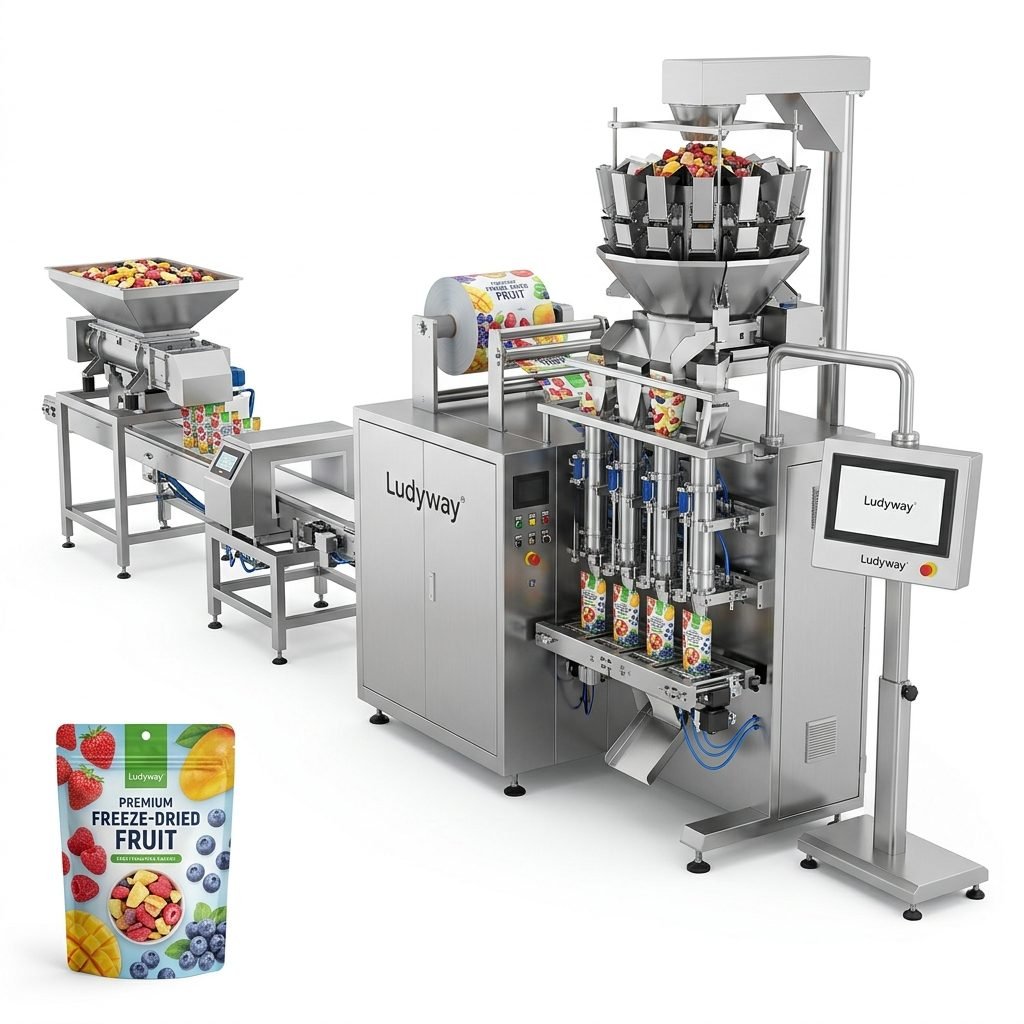
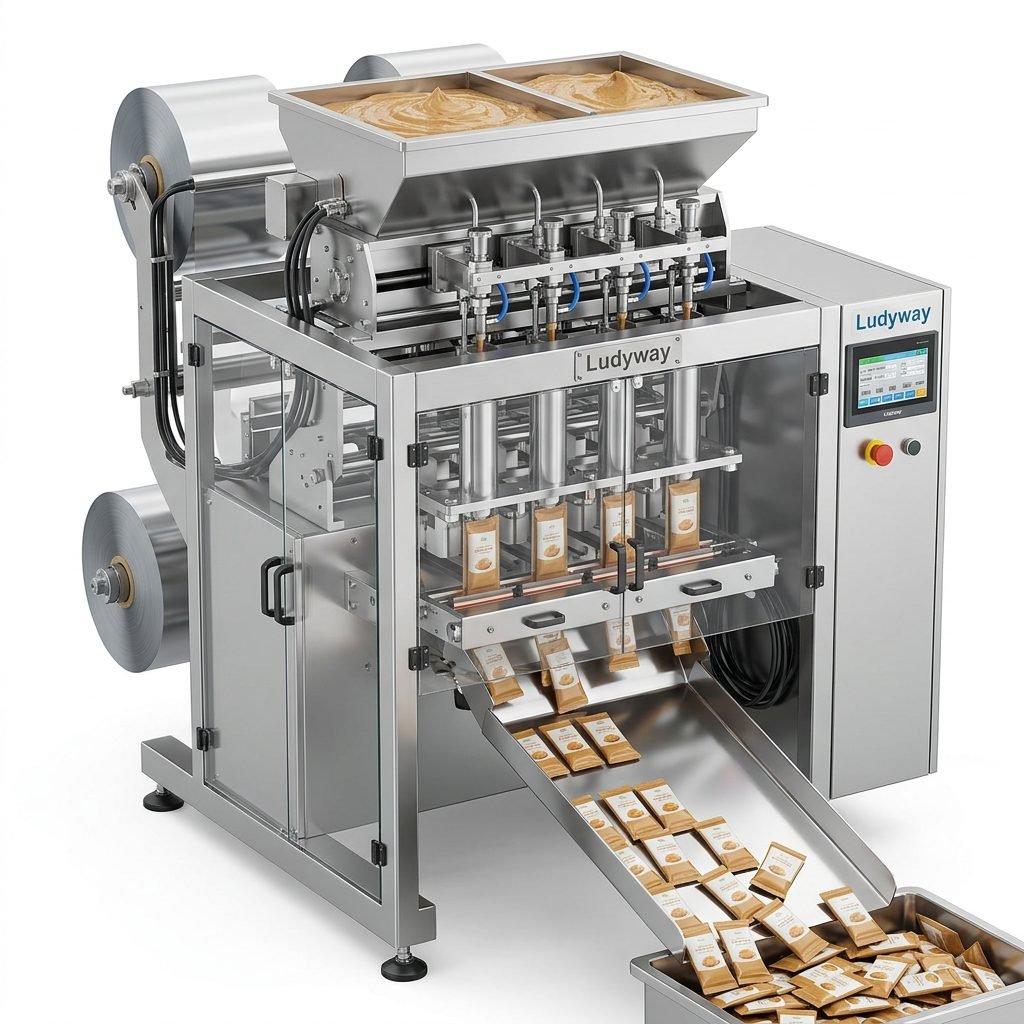
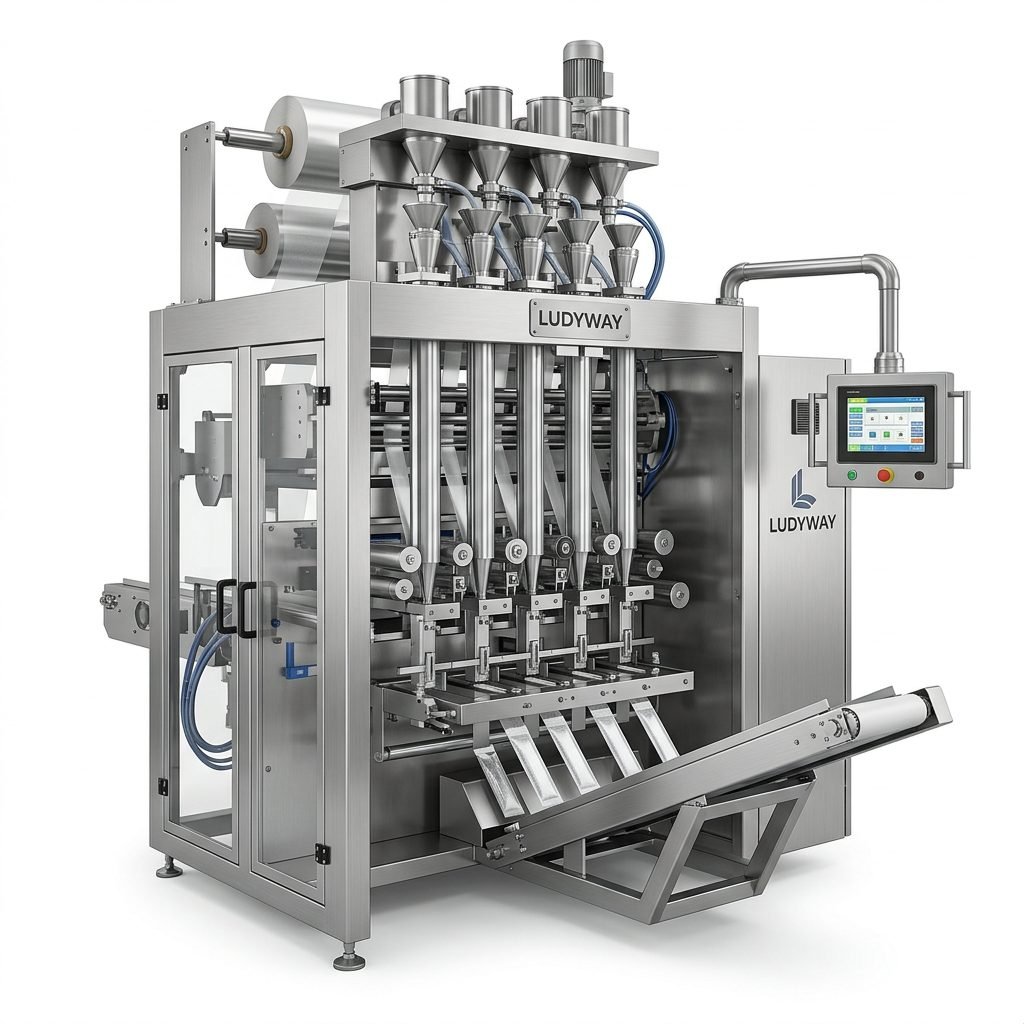
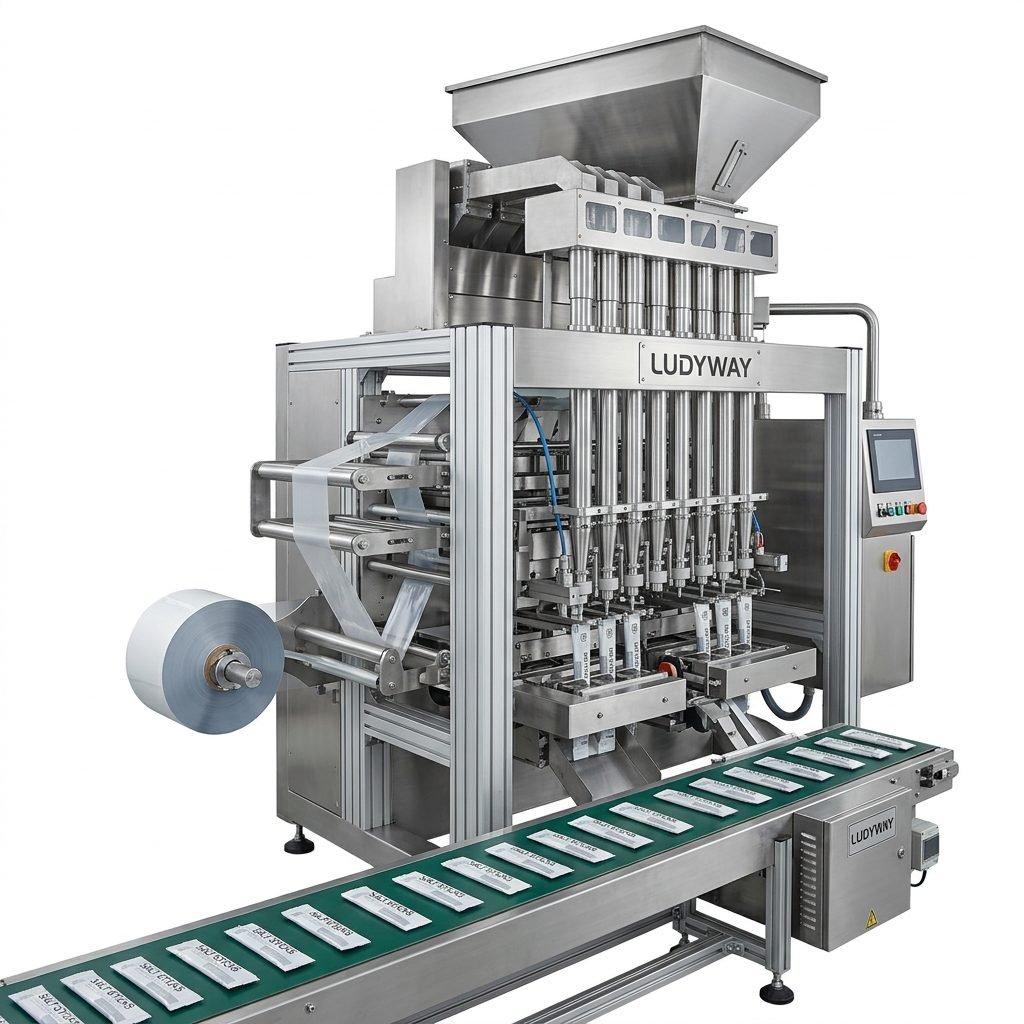
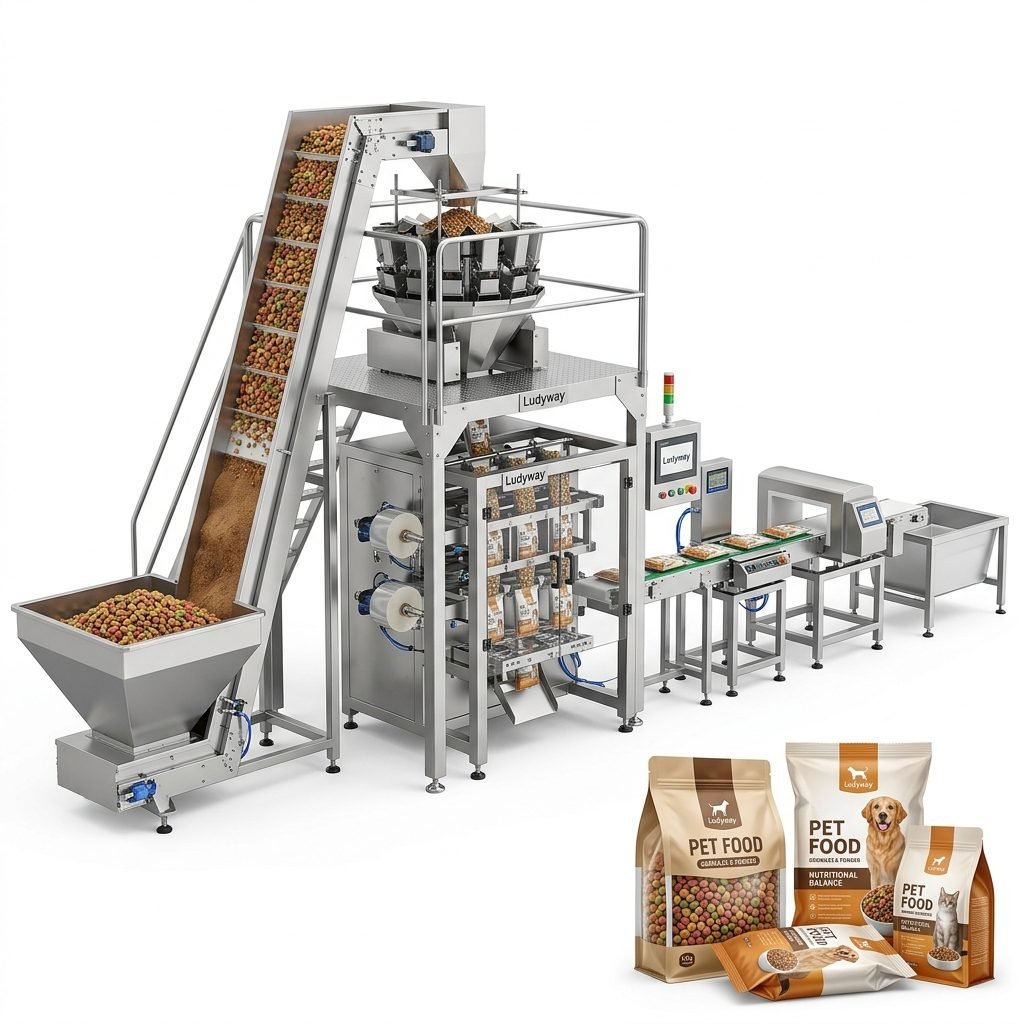
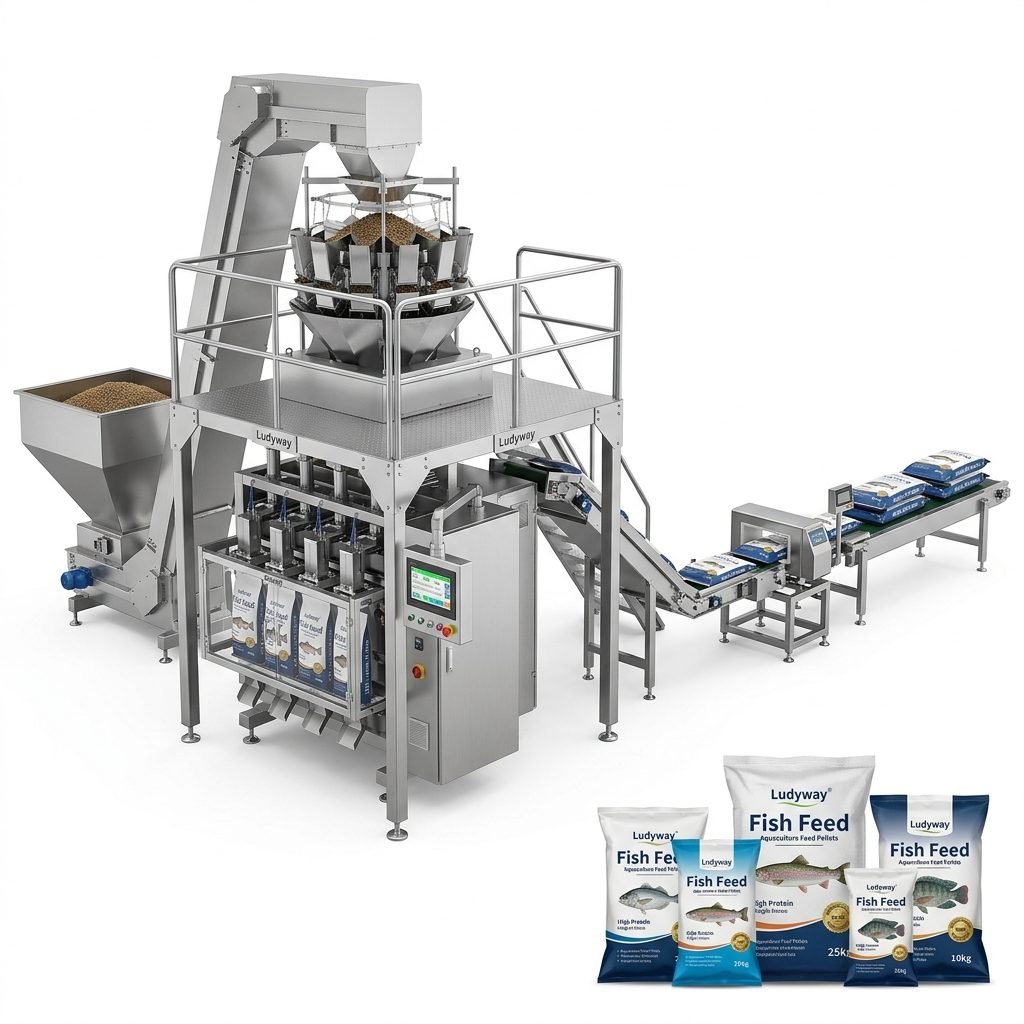
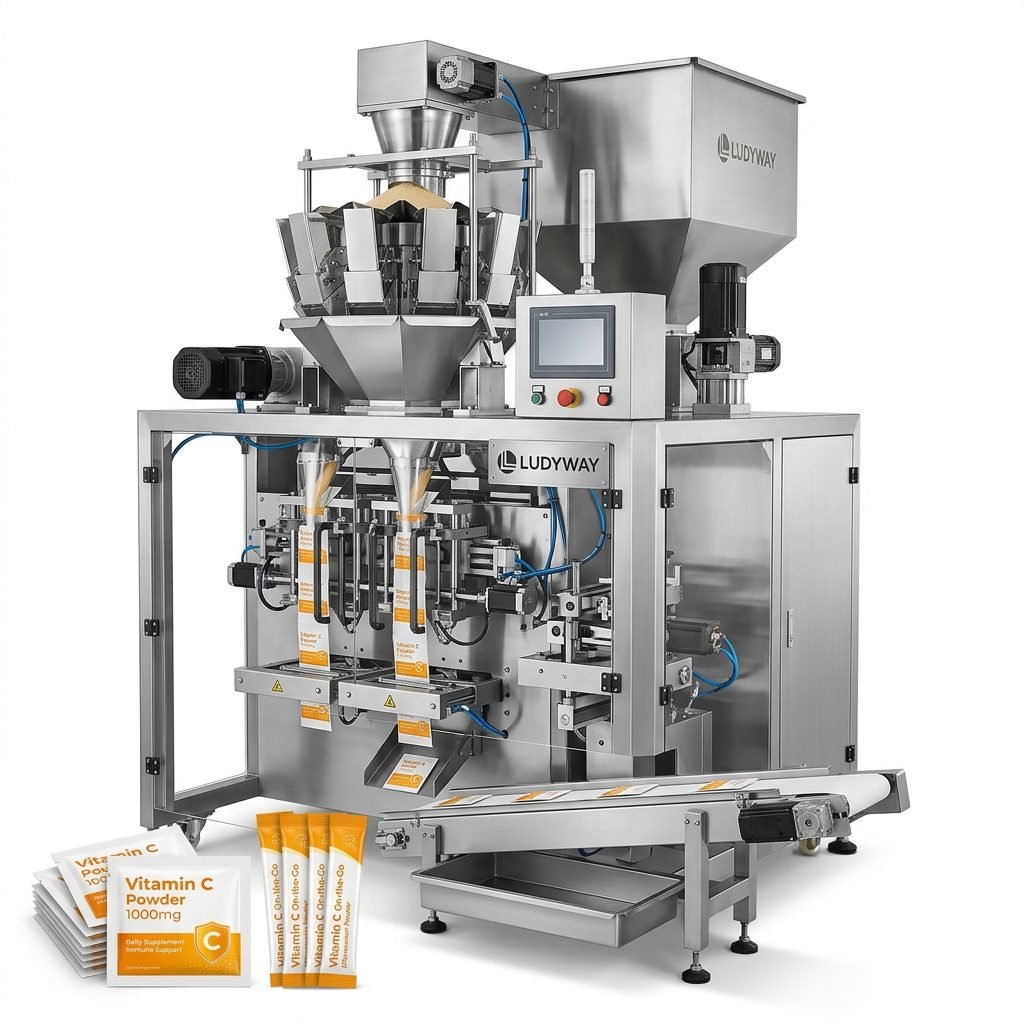
In today’s fast-paced manufacturing environment, maintaining optimal production efficiency is paramount. For businesses relying on packaging equipment, unexpected downtime or declining performance can severely impact output, profitability, and market competitiveness. This is where a Professional Packaging Equipment Restoration Service becomes a critical strategic investment. Far beyond simple repair, a comprehensive restoration service revitalizes your machinery, delivering faster production cycles and significant cost savings compared to the capital expenditure of new equipment.
Key Insight: Restoration is not merely fixing what’s broken. It’s a holistic process of upgrading, recalibrating, and optimizing existing equipment to meet or exceed its original performance specifications, often integrating modern control elements for enhanced reliability.
The High Cost of Downtime vs. The Value of Restoration
Unplanned equipment failure halts production lines, delays orders, and strains customer relationships. The direct costs of lost production are compounded by emergency repair bills and potential waste. A proactive restoration service mitigates these risks by systematically addressing wear and potential failure points before they cause a stoppage.
Choosing restoration over replacement offers a compelling financial advantage. It extends the asset’s lifecycle at a fraction of the cost of a new machine, protecting your capital. This approach aligns perfectly with sustainable manufacturing principles, reducing waste by refurbishing existing capital equipment.
Core Components of a Professional Restoration Service
A truly professional service encompasses a multi-stage process designed for thoroughness and long-term results:
1. Comprehensive Diagnostic Assessment
Every successful restoration begins with a detailed evaluation. Technicians analyze mechanical wear, electrical system integrity, pneumatic/hydraulic performance, and software/controller functionality. This audit creates a precise blueprint for the restoration work needed.
2. Mechanical Reconditioning & Precision Alignment
Worn bearings, seals, chains, and guides are replaced with high-quality components. Critical frameworks and moving assemblies are checked for alignment and rigidity. This step ensures mechanical smoothness and eliminates vibrations that cause premature wear.
3. Control System & Drive Modernization
This is often where the greatest gains in speed and reliability are made. Upgrading outdated PLCs, drives, and sensors can dramatically improve machine responsiveness, accuracy, and diagnostic capabilities. Modern touchscreen interfaces can also enhance operator efficiency.
4. Performance Calibration & Testing
After reassembly, the machine undergoes rigorous testing under simulated production conditions. Speeds, weights, fills, and seals are calibrated to exact specifications. The goal is to ensure the restored equipment performs consistently at its target output.
Driving Faster, More Cost-Effective Production
The direct benefits of professional restoration translate straight to your bottom line:
→ Increased Operational Speed: Optimized mechanics and modernized controls reduce cycle times, directly boosting your line’s hourly output capacity.
→ Reduced Operating Costs: Restored machines consume less energy, have lower rejection rates, and require less frequent maintenance, slashing your cost-per-unit.
→ Enhanced Reliability & Uptime: Systematic replacement of wear parts and system overhauls drastically reduce the frequency and severity of unplanned breakdowns.
→ Extended Equipment Lifespan: A major restoration can add many years of productive life to a machine, deferring major capital investment.
→ Access to Latest Technology: Partial upgrades during restoration (e.g., new servo motors, vision systems) can bring older equipment closer to the performance of newer models.
Why Partner with a Specialist Provider?
Effective restoration requires more than general mechanical skill. It demands deep, model-specific knowledge of packaging machinery—understanding the interplay between mechanical action, material handling, and control logic. A specialist provider like Ludyway Packing Machine brings decades of focused experience. With over 30 years in the industry and expertise across more than 50 machine models, such a partner possesses the technical library, proprietary knowledge, and access to OEM-grade parts necessary for a restoration that truly lasts. They view your machine not just as a collection of parts, but as an integrated production system. Learn more about their engineering-centric approach on their Company Profile page.
Making the Decision: Restore, Repair, or Replace?
This classic dilemma has a clearer answer when you have accurate data. Consider restoration if: the machine’s core structure is sound; the technology, while dated, is fundamentally capable; the cost of restoration is less than 60% of a comparable new machine; and lead times for new equipment are prohibitive. A professional assessment from a qualified service will provide the cost/benefit analysis needed to make a confident decision.
Conclusion: A Strategic Investment in Productivity
Investing in a professional packaging equipment restoration service is a smart strategy for enhancing operational efficiency and protecting profitability. It delivers a faster return on investment than new equipment purchases and minimizes production disruption. By partnering with an experienced specialist, you secure not just a repaired machine, but a re-optimized production asset capable of driving your business forward reliably and cost-effectively for years to come. Discover the journey and philosophy behind such specialized services by exploring the Company History of dedicated providers.
Frequently Asked Questions (FAQs)
Q1: How long does a typical packaging machine restoration project take?
The timeline varies significantly based on the machine’s size, complexity, and condition. A single machine like a vertical form-fill-seal unit may take 2-4 weeks, while a complete multi-lane stick pack line restoration could take 6-8 weeks. A detailed assessment will provide a precise schedule.
Q2: Is restoration more cost-effective than buying a new machine?
In most cases, yes. Restoration typically costs 30% to 50% of the price of a new equivalent machine. This cost savings, combined with avoiding the longer lead time for new equipment and preserving your existing facility layout, often makes restoration the most economical choice.
Q3: Will a restored machine be as reliable as a new one?
A professionally restored machine, where all critical wear parts and control systems have been replaced or upgraded, can achieve reliability comparable to—and sometimes exceeding—a new machine. The key is the comprehensiveness of the restoration and the quality of components used.
Q4: Can you upgrade the machine’s speed or capabilities during restoration?
Absolutely. Restoration is an ideal opportunity for performance upgrades. Common upgrades include installing newer, faster servo drives, adding advanced touchscreen HMIs, integrating checkweighers or vision inspection systems, and modifying mechanical parts for higher throughput.
Q5: What kind of warranty is offered on a restored packaging machine?
Reputable service providers stand behind their work. A comprehensive restoration should come with a warranty on both parts and labor, often for 12 months or more on the restored/replaced components. Always clarify the warranty terms before proceeding with a project.