Investing in a shampoo sachet packing machine is a significant decision for any manufacturer in the personal care, cosmetics, or FMCG sector. With growing consumer demand for single-use, travel-friendly, and affordable product formats, sachet packaging has become a dominant force in emerging and developed markets alike. However, selecting the right equipment requires careful evaluation of your production goals, product characteristics, budget, and long-term scalability. This comprehensive guide walks you through every essential factor to consider before making a purchase.
Understanding Shampoo Sachet Packaging Requirements
Shampoo products vary widely in viscosity, pH levels, foaming characteristics, and chemical composition. Some formulations are thin and watery, while others are thick, creamy, or contain suspended particles. Your chosen machine must be capable of handling these specific rheological properties without leaking, foaming over during filling, or compromising seal integrity. According to packaging machinery market research, liquid product compatibility is one of the most commonly underestimated factors in equipment selection.
Key Product Characteristics to Evaluate
- Viscosity range — from water-thin serums to thick conditioning shampoos
- Foaming tendency — high-foam formulas may require bottom-up filling nozzles
- Temperature sensitivity — some formulations require heated jacketed tanks
- Particulate content — exfoliating beads or botanical extracts demand special filling valves
- pH and corrosiveness — affects material selection for product-contact parts
Machine Types and Configurations
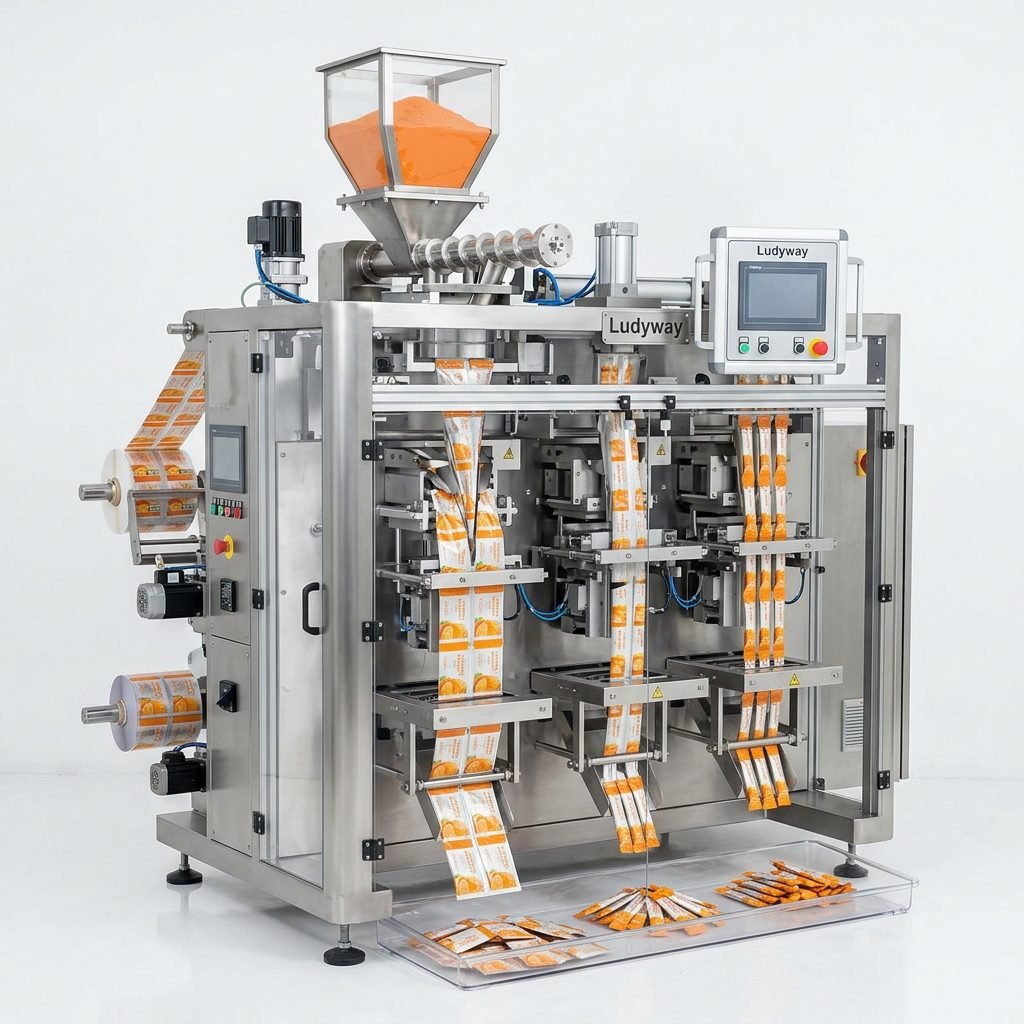
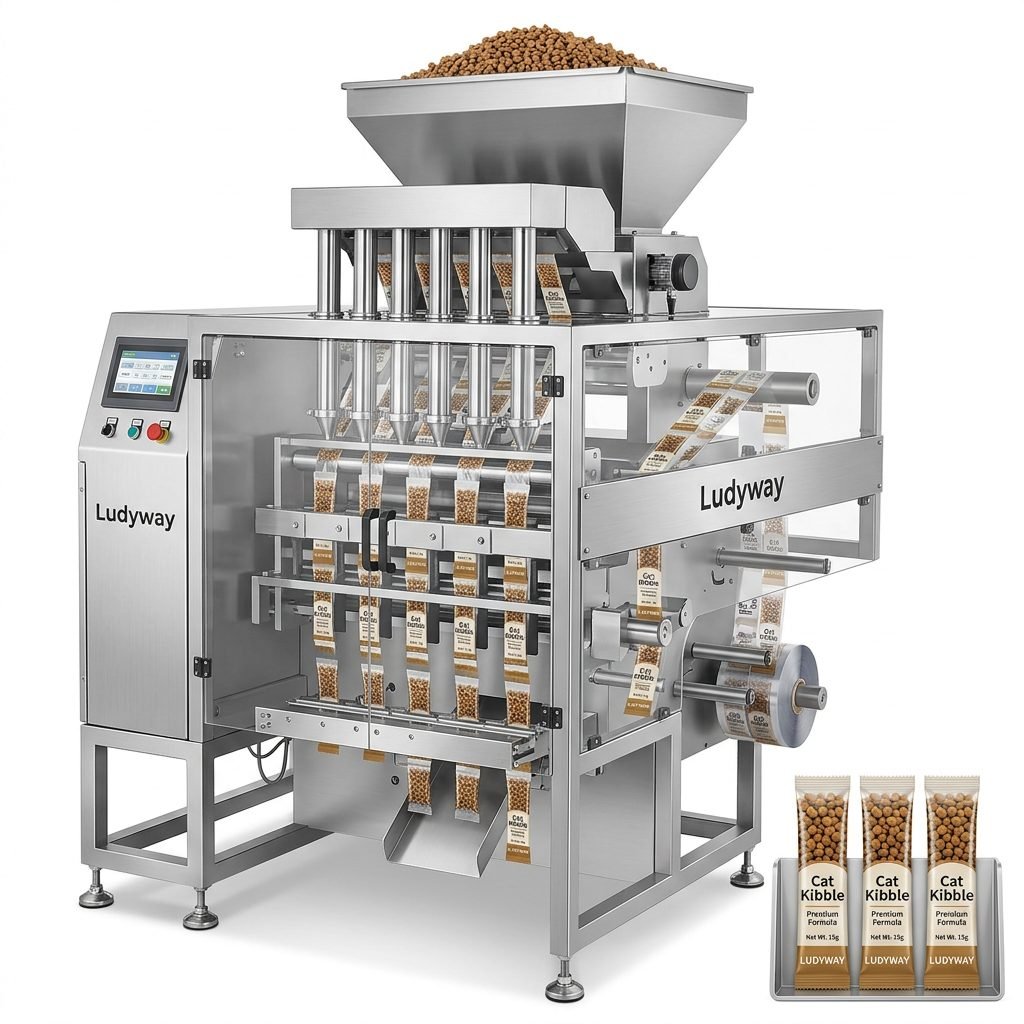
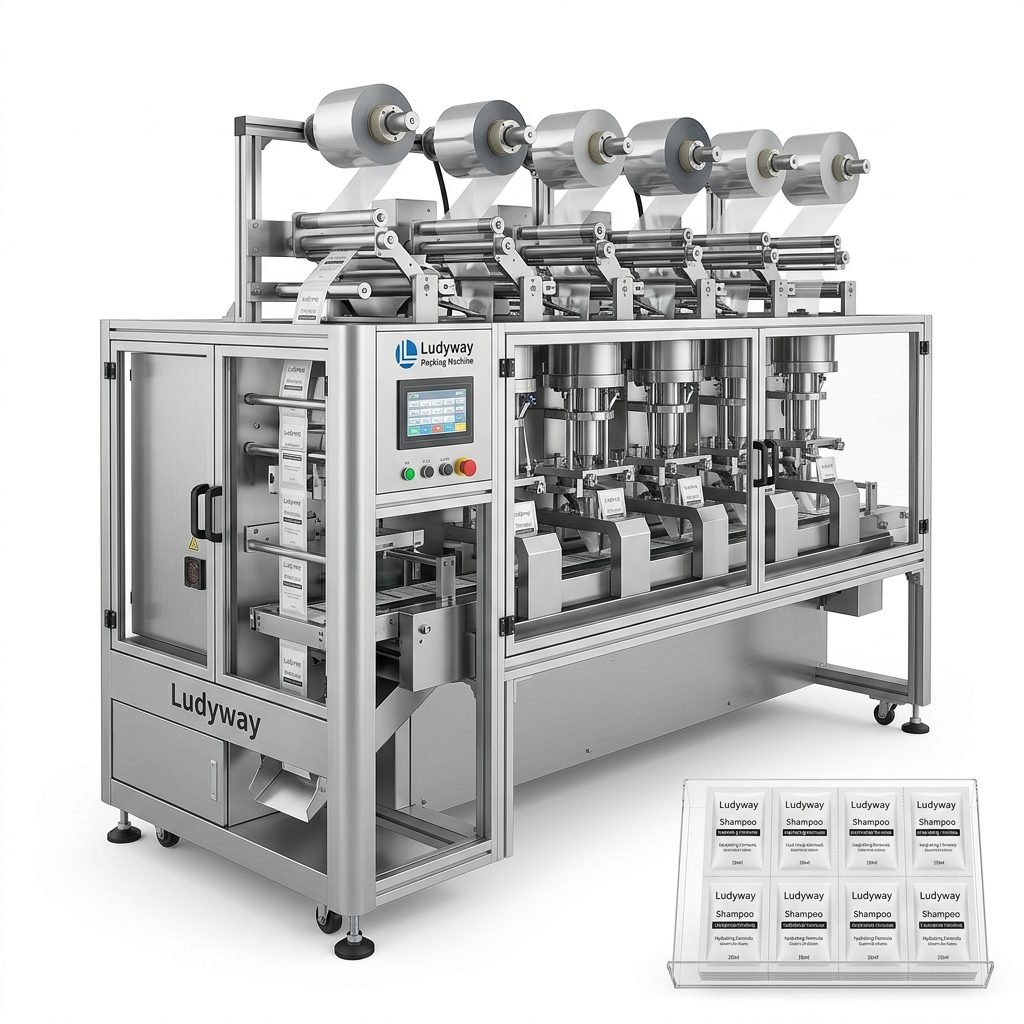
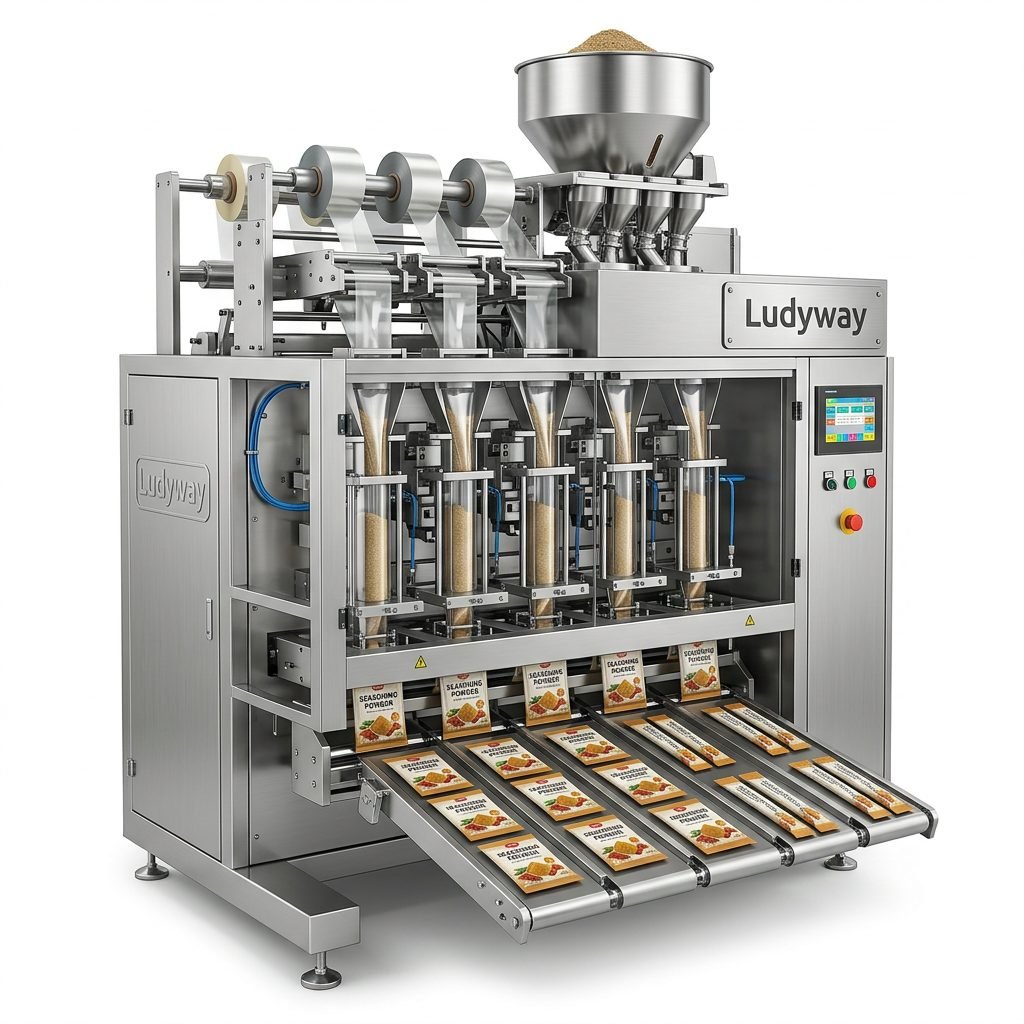
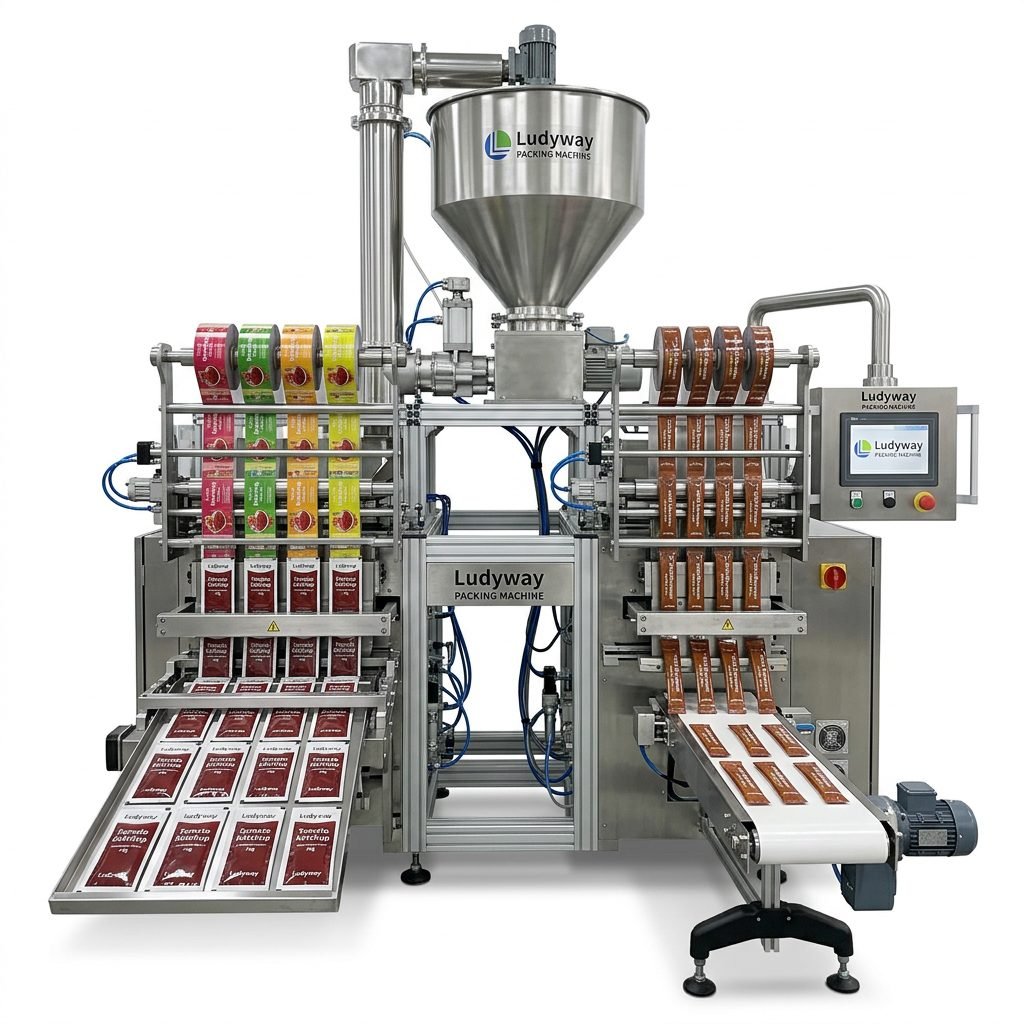
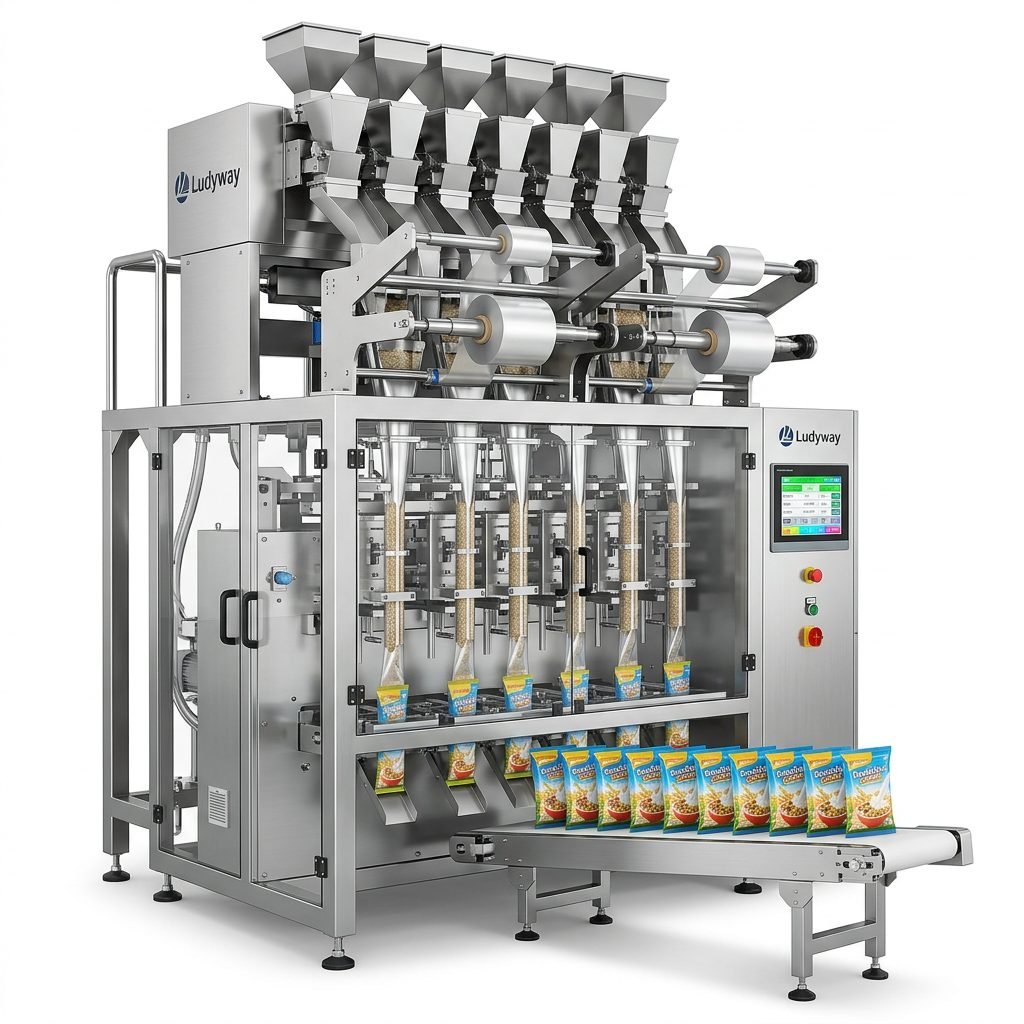
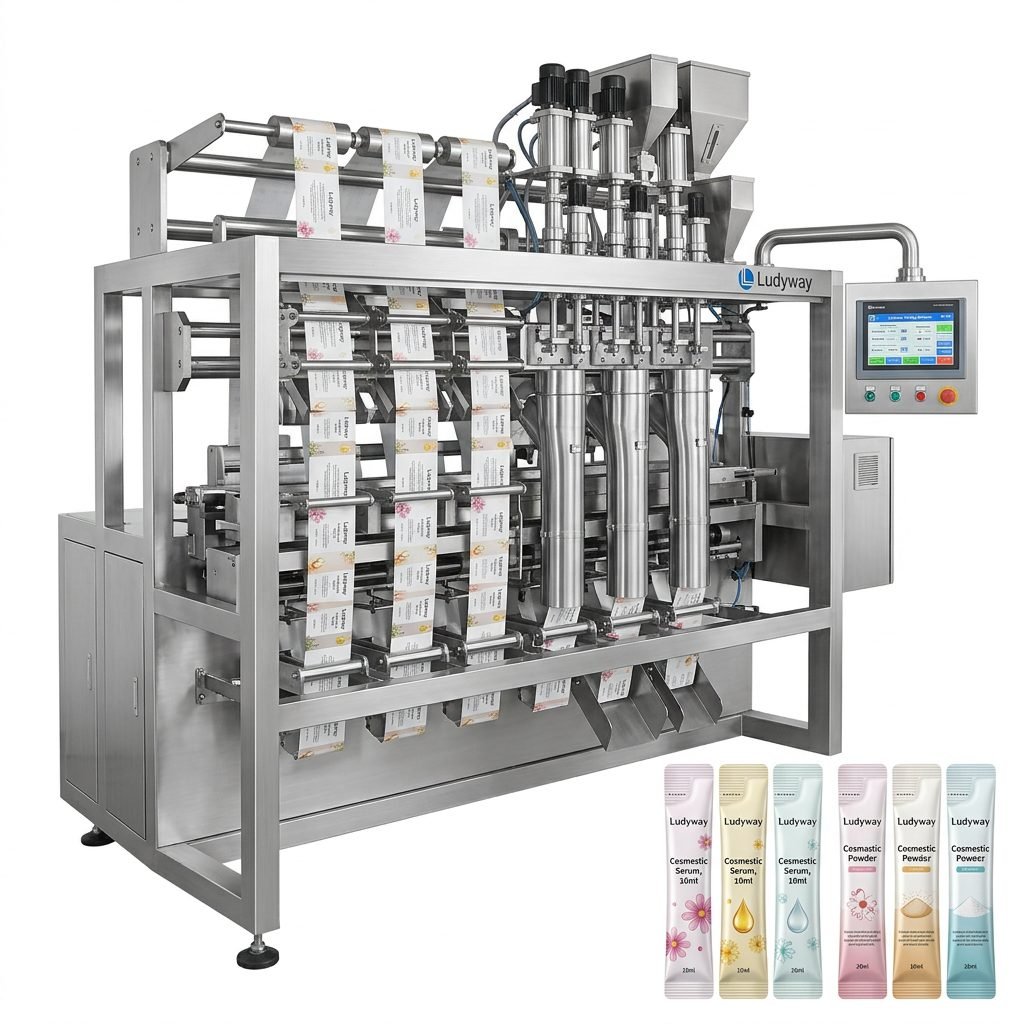
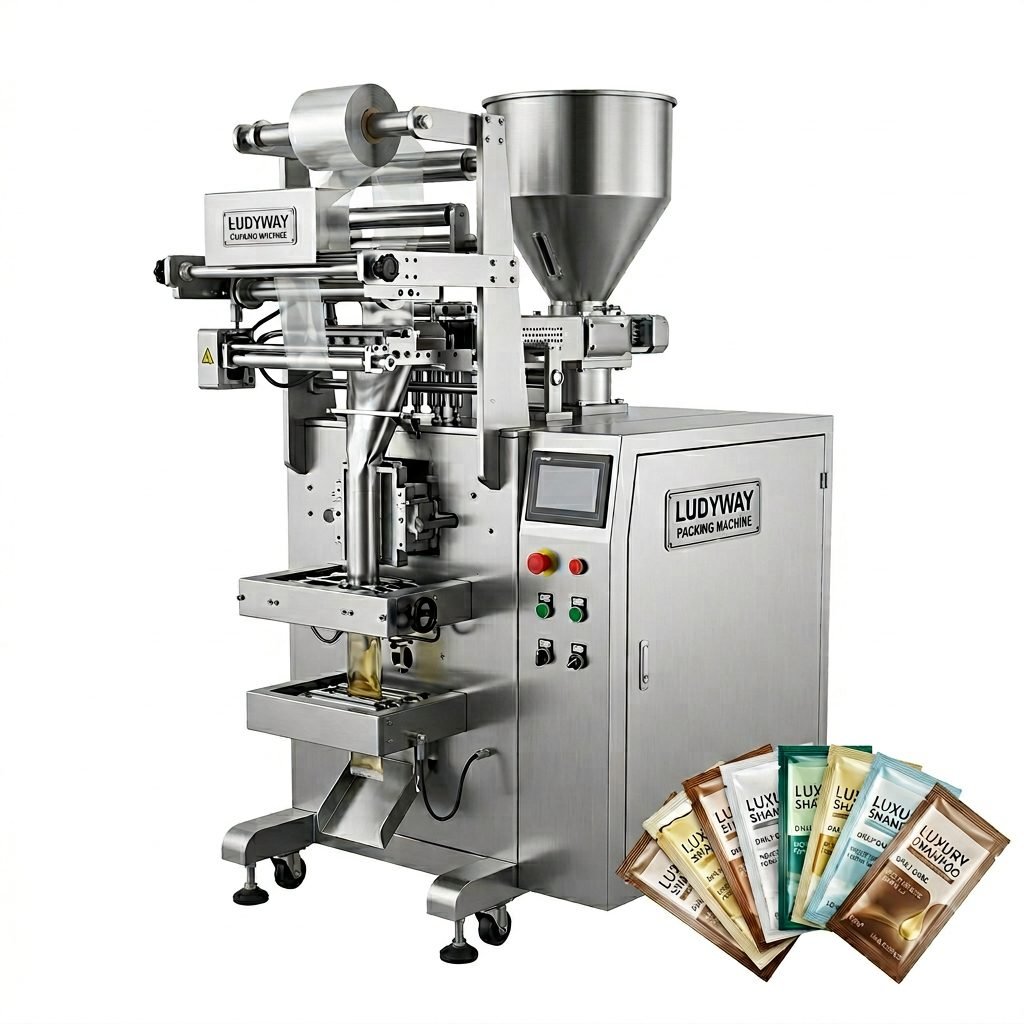
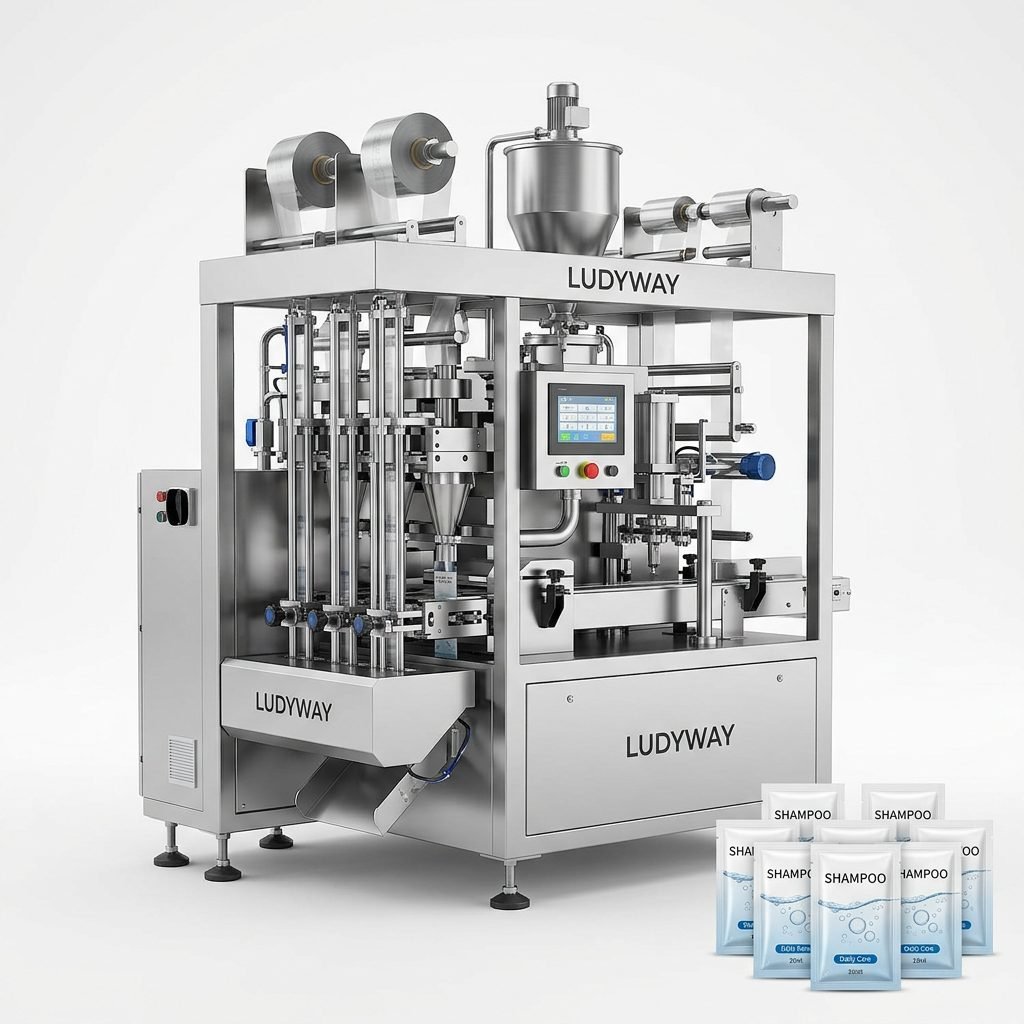
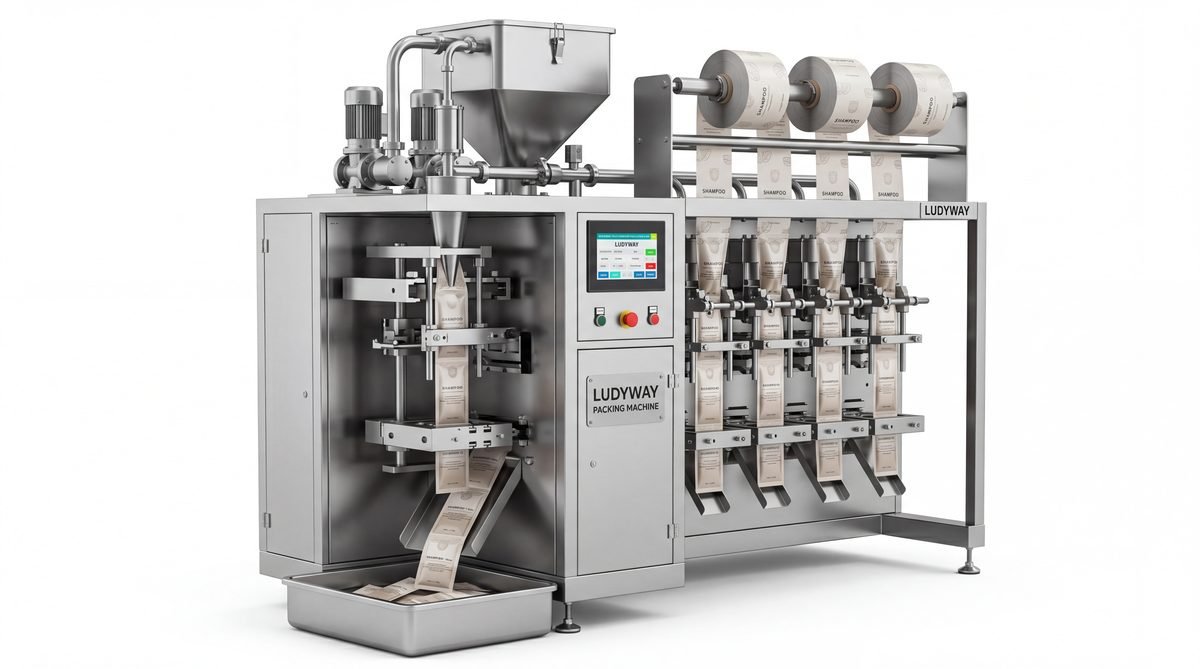
Shampoo sachet packaging machines come in several configurations, each suited to different production scales and operational requirements. The vertical form-fill-seal (VFFS) design is the most common, forming sachets from roll stock film, filling them with product, and sealing them in a continuous motion. Multi-lane machines can produce 4, 6, 8, 10, or even 12 lanes simultaneously, dramatically increasing throughput for high-volume manufacturers.
Single-Lane vs. Multi-Lane Systems
- Single-lane machines — ideal for startups, pilot runs, and low-to-medium production volumes
- Multi-lane machines — suited for high-volume production with output reaching 400–800 sachets per minute
- Simplex vs. duplex configurations — duplex allows two different sachet sizes or products on the same line
Critical Technical Specifications
The following table outlines the key specifications you should compare when evaluating different shampoo sachet packing machines. These parameters directly affect production efficiency, product quality, and operational costs.
| Specification | What to Look For | Why It Matters |
|---|---|---|
| Filling Accuracy | ±0.5% to ±1% tolerance | Minimizes product giveaway and ensures regulatory compliance |
| Production Speed | 40–800 sachets/min depending on lanes | Must match current and projected demand |
| Sachet Size Range | Typically 2–25 ml for shampoo samples; up to 100 ml for retail | Flexibility to run multiple SKUs |
| Film Material Compatibility | Laminated foils, PE, PET/Al/PE, biodegradable films | Affects barrier properties and shelf life |
| Sealing Temperature Range | Adjustable with PID control | Prevents leaks and ensures consistent seal integrity |
| Changeover Time | 10–30 minutes for different sachet sizes | Reduces downtime between production runs |
Filling Technology for Shampoo Products
The filling mechanism is the heart of any shampoo sachet machine. Piston fillers are widely used for their accuracy with viscous liquids, while peristaltic pumps offer gentle handling for sensitive formulations. Overflow filling systems provide consistent fill levels regardless of minor container variations, which is especially important for transparent sachets where visual consistency matters. The flexible packaging industry continues to innovate filling technologies for better accuracy and reduced waste.
Comparing Filling Systems
- Piston fillers — best for medium to high viscosity; very accurate
- Peristaltic pumps — ideal for low-viscosity and sensitive products; easy to clean
- Gravity fillers — simple and cost-effective for free-flowing liquids
- Overflow fillers — ensures visual fill-level consistency across all sachets
- Servo-driven dosing — programmable, highly accurate, suitable for frequent recipe changes
Film Material and Seal Integrity
Shampoo sachets require high-barrier packaging films that protect the product from moisture, oxygen, and light while preventing leakage. Common structures include PET/Aluminum/PE laminates for excellent barrier properties, or metallized PET/PE for a balance of protection and cost. The sealing system must be compatible with your chosen film and provide consistent, hermetic seals at high speeds without damaging the film or leaving product residue in the seal area.
Automation and Integration Capabilities
Modern shampoo sachet packaging lines can be configured with a range of automation features that reduce labor costs and improve consistency. Packaging machinery standards and regulations increasingly emphasize traceability and automation as key industry drivers. Consider machines with PLC controls, HMI touchscreen interfaces, servo-driven motions, automatic splicing systems for roll changes, and integration with downstream cartoning and case packing equipment.
Automation Features Worth Considering
- Automatic film roll splicing for non-stop operation
- Servo-driven filling and sealing for precision control
- Integrated date coding and batch printing systems
- Vision inspection for seal integrity and print registration
- Remote monitoring and diagnostics via IoT connectivity
- Automatic rejection of defective sachets
- Integration with cartoning machines and case packers
Cleaning, Maintenance, and Hygiene
Shampoo production demands strict hygiene standards. Machines with CIP (Clean-in-Place) capabilities or quick-disassembly product-contact parts significantly reduce cleaning time between product changeovers. Stainless steel construction (304 or 316L grade) for all product-contact surfaces is essential for corrosion resistance and compliance with Good Manufacturing Practices. Easy access to filling nozzles, hoppers, and sealing areas without specialized tools is a practical feature that maintenance teams will appreciate over the machine’s lifetime.
Compliance with International Standards
If you plan to export shampoo sachets to regulated markets, your packaging equipment must comply with relevant standards. The FDA food packaging and food contact substances regulations apply to cosmetic packaging in many jurisdictions, while CE marking is required for the European market. Machines should also comply with GMP guidelines for cosmetic manufacturing and relevant ISO standards for packaging machinery safety.
Key Certifications and Standards
- CE certification for European market access
- FDA compliance for product-contact materials
- GMP-compatible machine design for cosmetics and personal care
- ISO 9001 quality management for manufacturing consistency
- UL or equivalent electrical safety certification
Evaluating Total Cost of Ownership
The purchase price of a shampoo sachet packing machine is only one component of its total cost of ownership (TCO). Savvy buyers evaluate the complete financial picture including installation costs, operator training, energy consumption, spare parts availability, routine maintenance expenses, expected service life, and downtime costs. A slightly more expensive machine with higher reliability, better local support, and longer service intervals often delivers superior long-term value compared to a budget alternative.
TCO Factors to Calculate
- Initial purchase price and installation costs
- Annual energy consumption (kW/h operating cost)
- Spare parts inventory and replacement frequency
- Labor requirements for operation and changeover
- Expected machine service life (typically 10–20 years for quality equipment)
- Film waste percentage during startups and adjustments
- Downtime cost per hour of lost production
Choosing the Right Equipment Partner
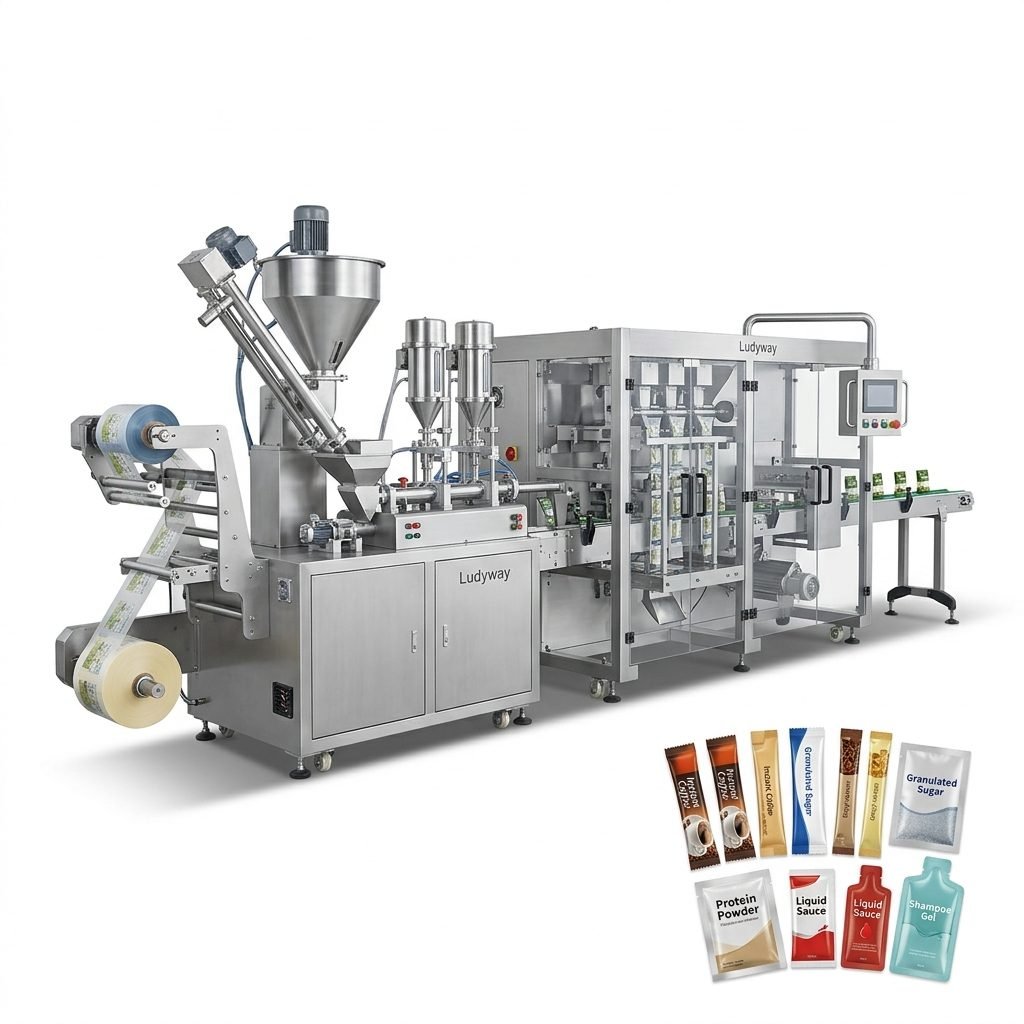
Beyond machine specifications, the quality and reliability of your equipment supplier plays a critical role in long-term success. Look for manufacturers with proven experience in liquid packaging, a track record of successful installations, responsive technical support, and the ability to provide customized solutions rather than off-the-shelf products only. For manufacturers seeking a comprehensive packaging machinery partner, companies like Ludyway Machinery offer turnkey packaging solutions with over 30 years of industry experience, serving customers across more than 100 countries with customized sachet packaging systems designed for diverse product requirements including shampoo, personal care liquids, and cosmetic formulations.
Questions to Ask Before Making Your Decision
- What is the demonstrated speed with my actual product viscosity, not just the rated maximum?
- How quickly can the machine change over between different sachet sizes and products?
- What film materials have been validated on this specific machine model?
- Is there local technical support and spare parts availability in my region?
- Can the manufacturer provide references from similar shampoo packaging applications?
- What warranty terms and after-sales service agreements are offered?
- Is the machine upgradeable with additional lanes or automation features later?
- What training and documentation are included with the purchase?
Future-Proofing Your Investment
The shampoo sachet market continues to evolve with trends toward sustainable packaging materials, smaller portion sizes, and smart packaging features. Select a machine platform that can accommodate future film innovations such as recyclable mono-material structures, bio-based laminates, and thinner gauge films without requiring major mechanical modifications. Modular machine designs that allow adding lanes, upgrading control systems, or integrating new automation modules provide a clear path for scaling production as your business grows.
Choosing the right shampoo sachet packing machine is a strategic decision that impacts product quality, production efficiency, and business profitability for years to come. By thoroughly evaluating product compatibility, machine specifications, automation features, compliance requirements, and total cost of ownership, you can make a confident investment that supports your manufacturing goals. Partnering with an experienced packaging machinery manufacturer who understands the unique demands of liquid personal care products will help ensure your packaging line operates reliably and efficiently from day one.