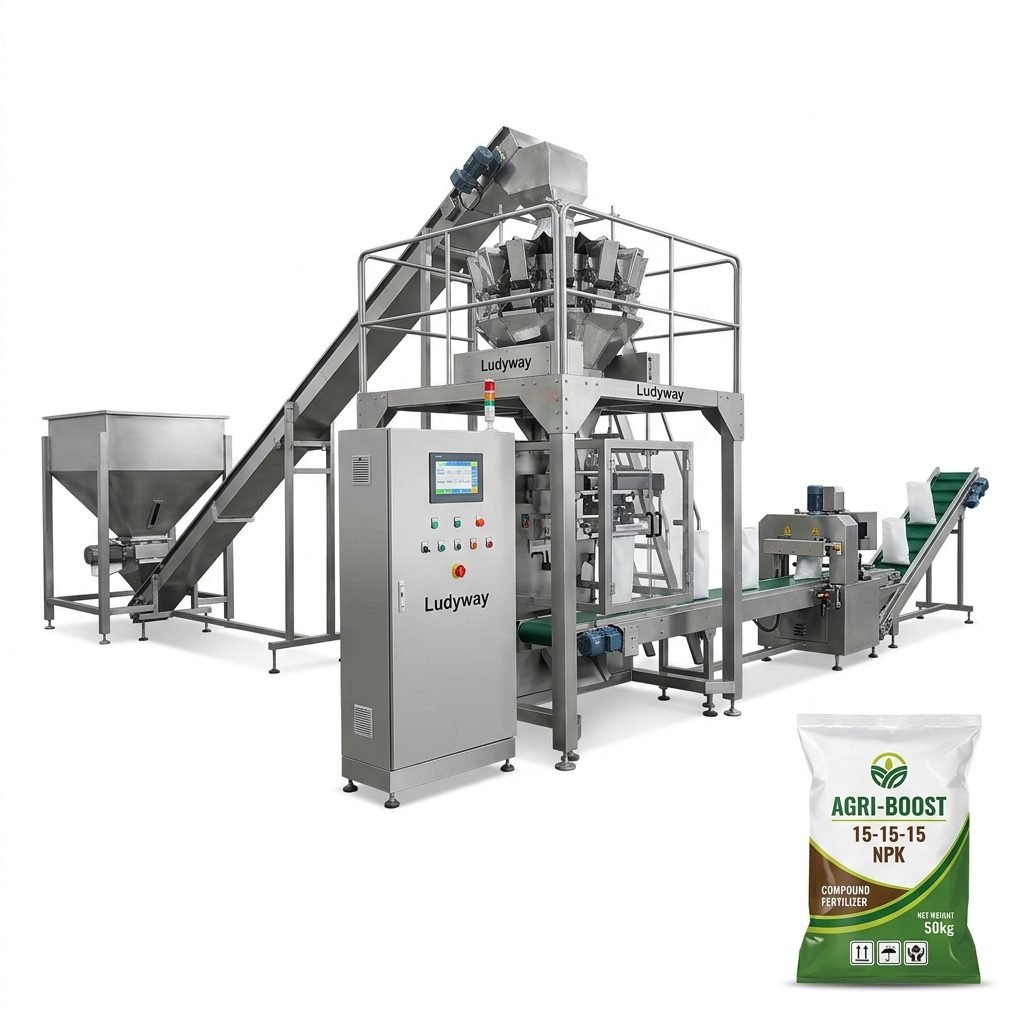
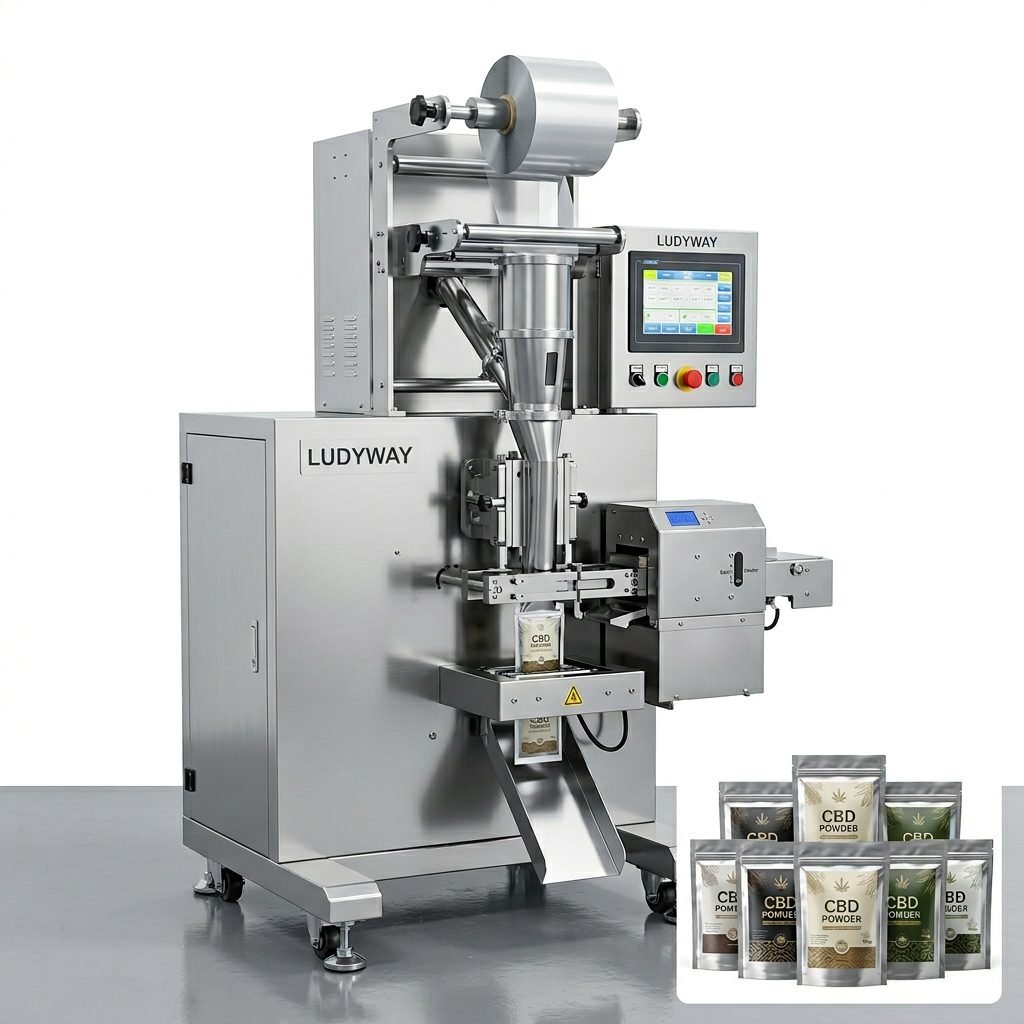
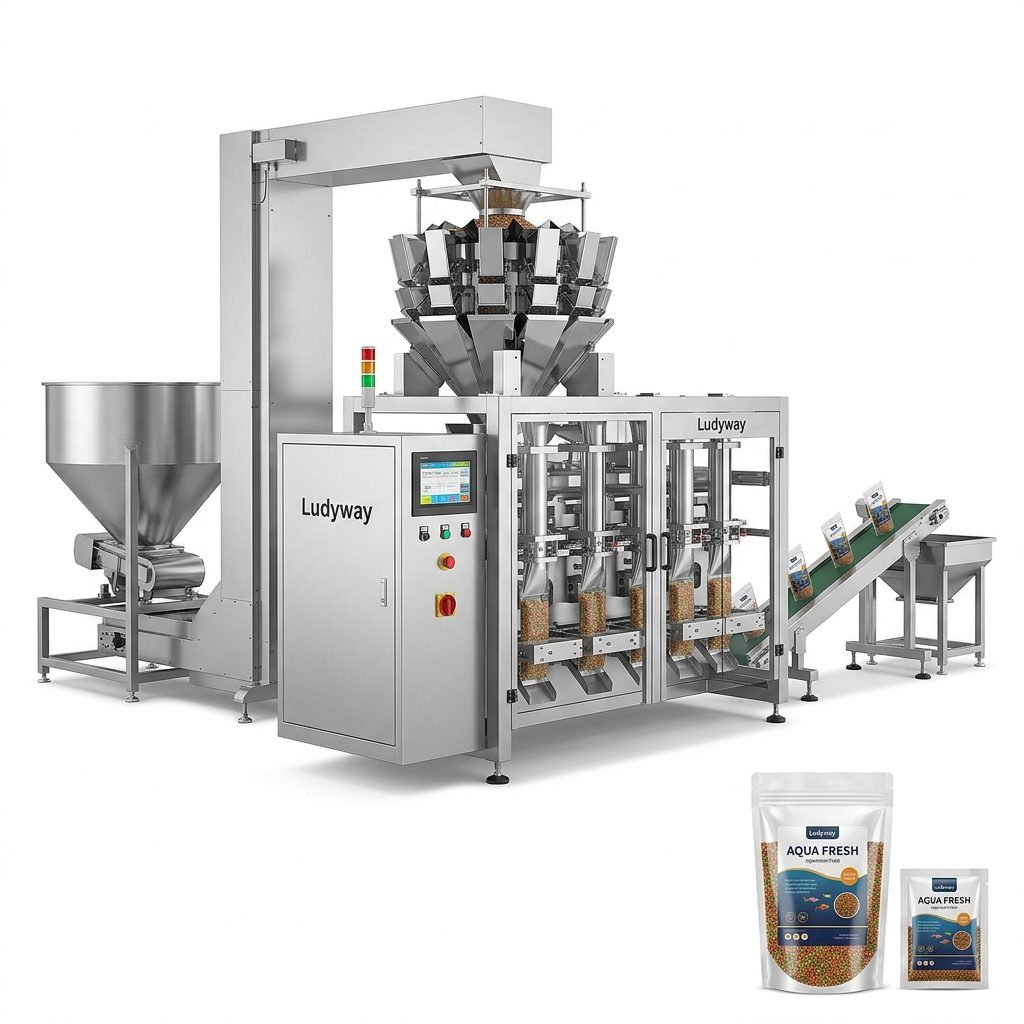
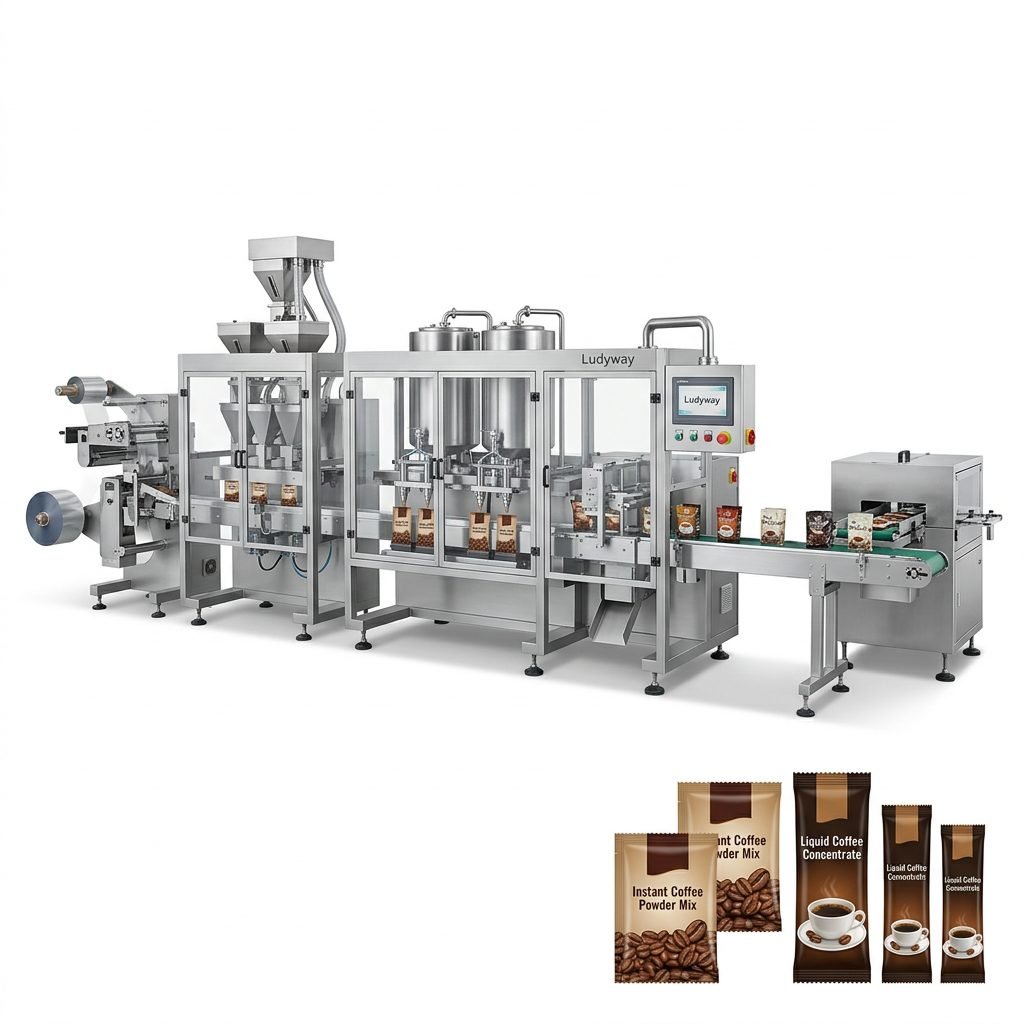
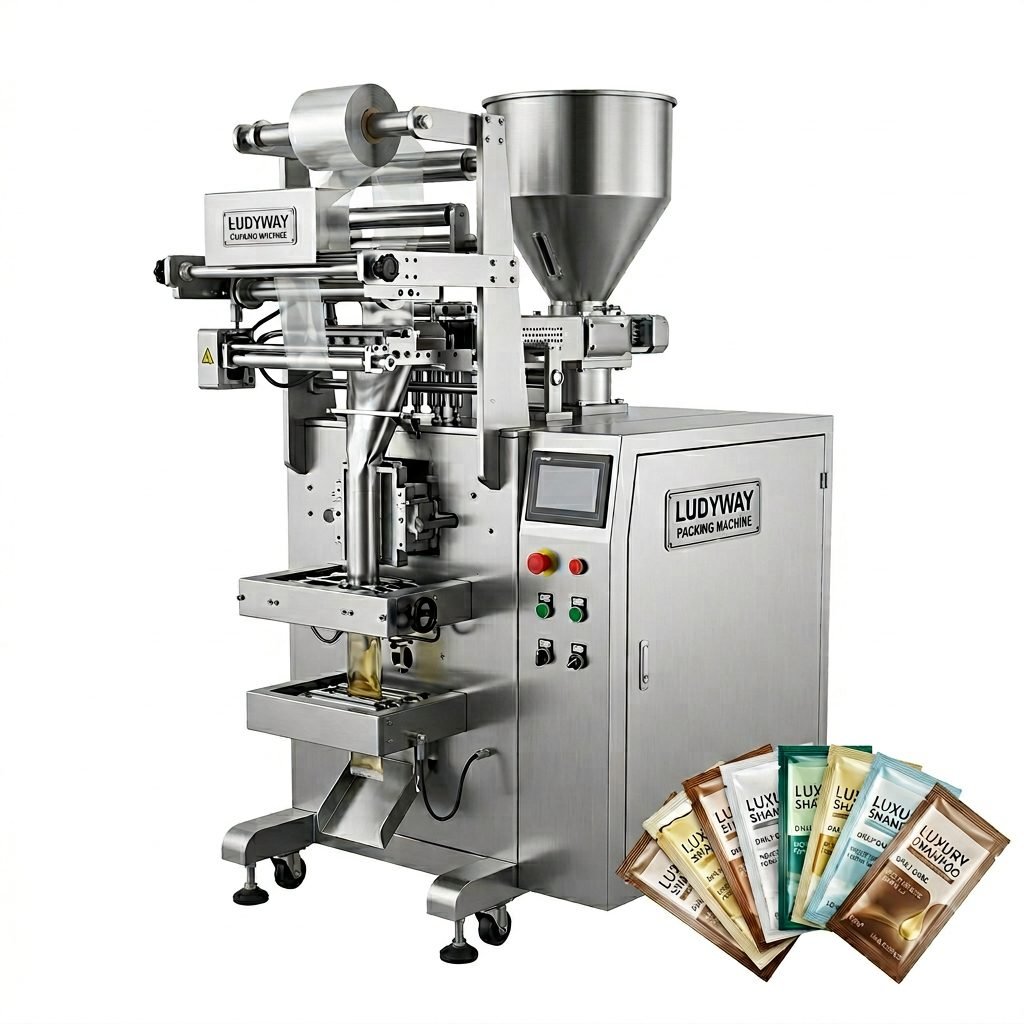
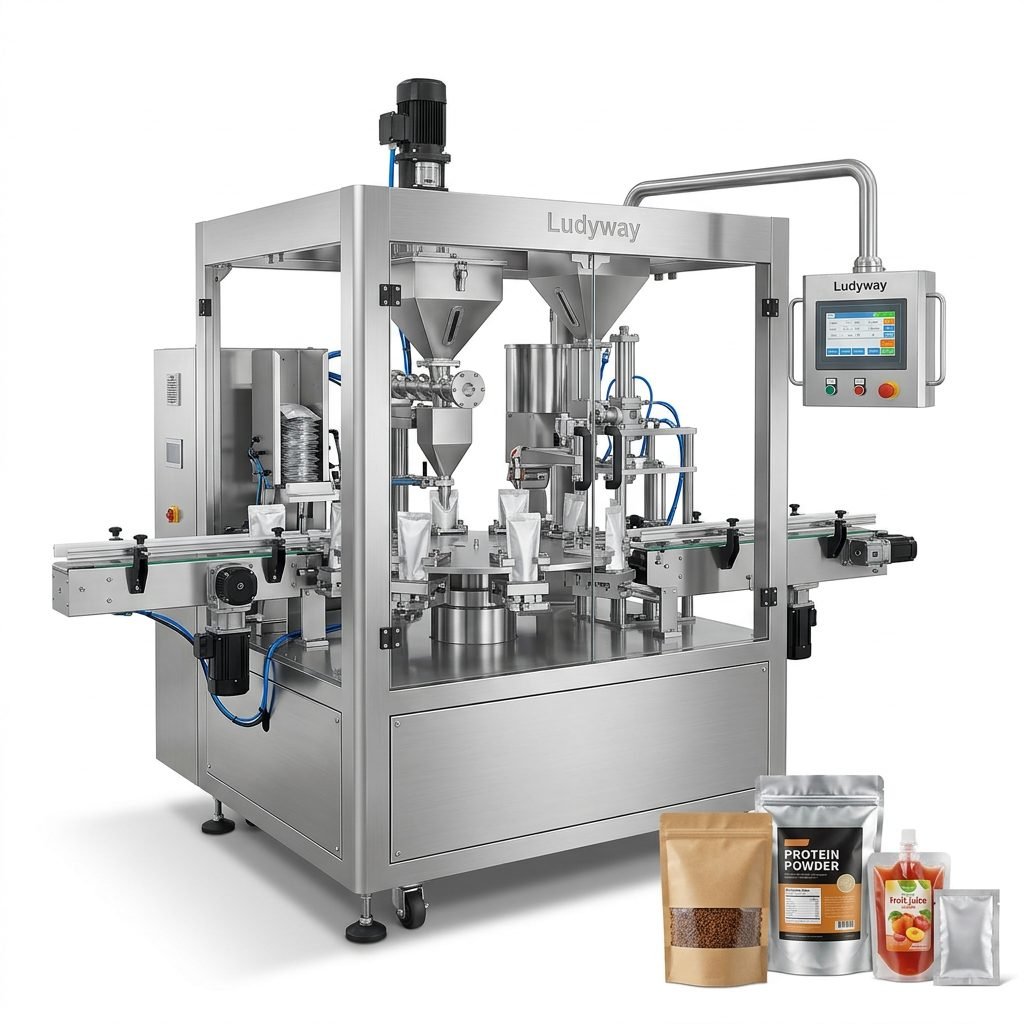
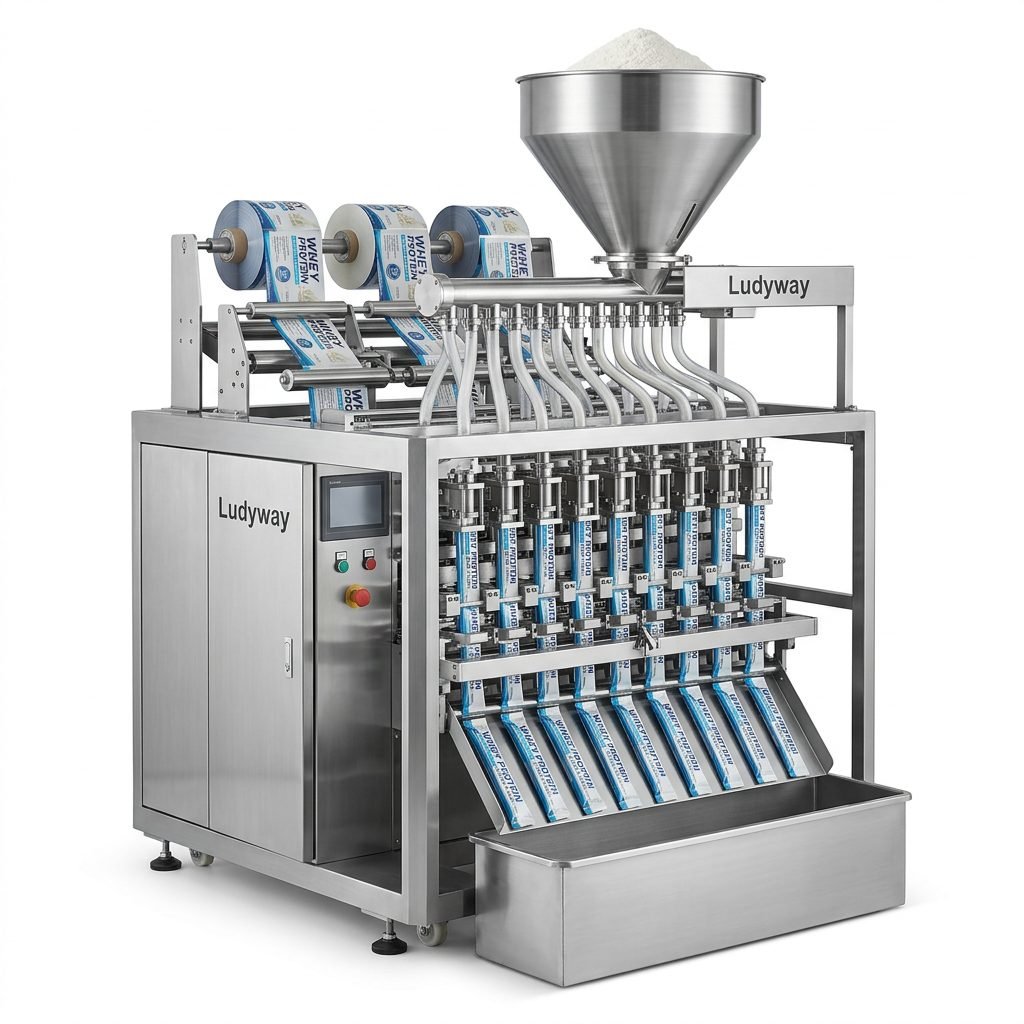
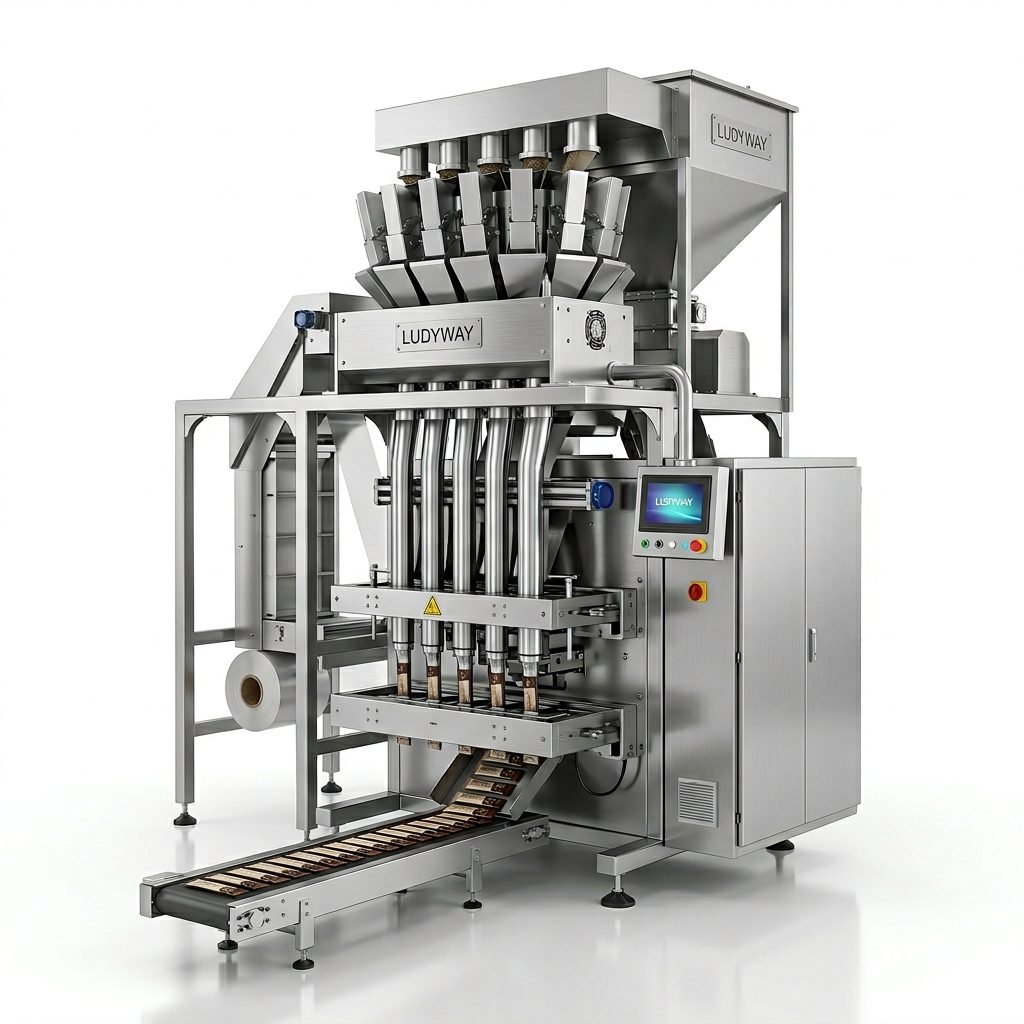
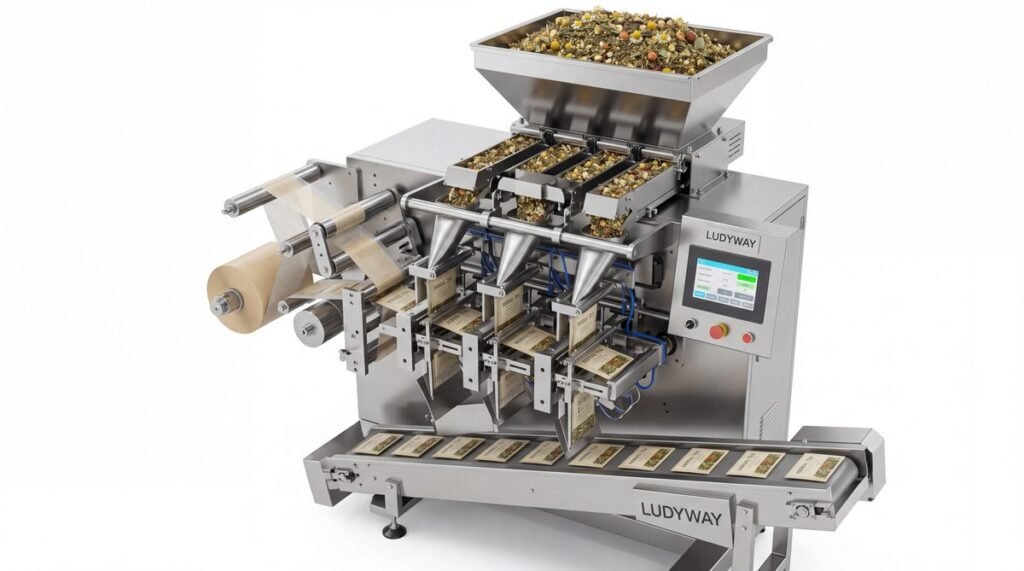
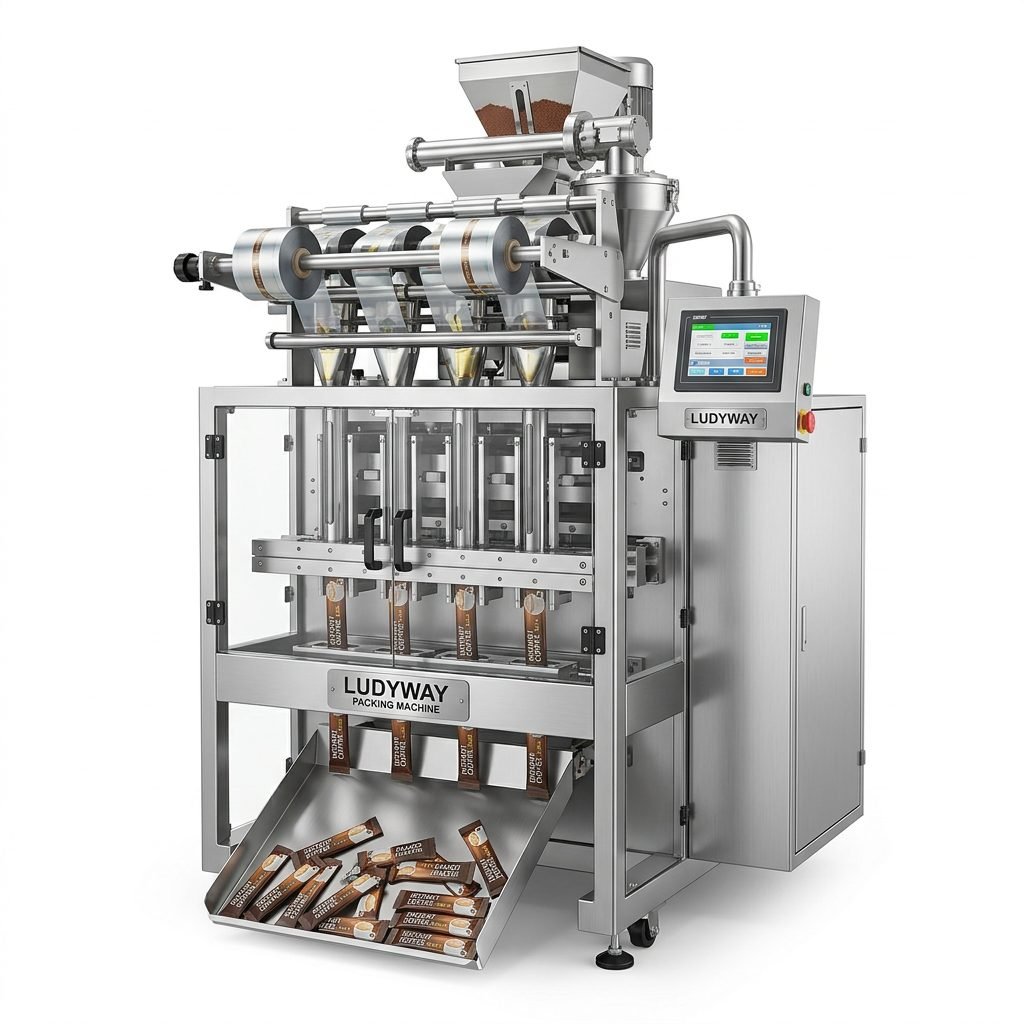
Investing in a plastic packaging machine is a critical decision that directly impacts your production efficiency, product quality, and bottom line. With so many equipment types, configurations, and suppliers available, navigating the selection process can feel overwhelming. Whether you are packaging powders, granules, liquids, or specialty products, understanding the key factors that influence machine performance will help you make a confident, informed choice. This guide walks you through every essential consideration — from product characteristics to long-term supplier partnerships — so you can select the right packaging solution for your manufacturing operation.
1. Understand Your Product Characteristics First
Before evaluating any machine specification, start with a thorough analysis of the product you need to package. The physical and chemical properties of your product determine which filling and dosing system will deliver accuracy and consistency. Key characteristics to evaluate include:
- Flowability: Free-flowing powders like sugar behave differently than cohesive powders like cocoa or protein blends. Stickier or denser products may require specialized auger fillers or vibratory feeding systems.
- Particle size and uniformity: Granules, flakes, and irregular particles each demand different handling mechanisms to avoid bridging, clogging, or inconsistent fills.
- Density and bulk density: Variations in density affect fill volume calculations and may require volumetric or gravimetric dosing adjustments.
- Moisture sensitivity and hygroscopicity: Products that absorb moisture require machines with enhanced sealing integrity and, in some cases, nitrogen flushing or vacuum sealing capabilities.
- Fragility: Brittle or crushable products need gentle handling systems that minimize product degradation during the packaging process.
Conducting a comprehensive product analysis at the outset prevents costly mismatches between your product and the packaging equipment you purchase. For complex or multi-product lines, look for machines that offer flexible configuration options and quick-changeover capabilities.
2. Define Your Target Packaging Format
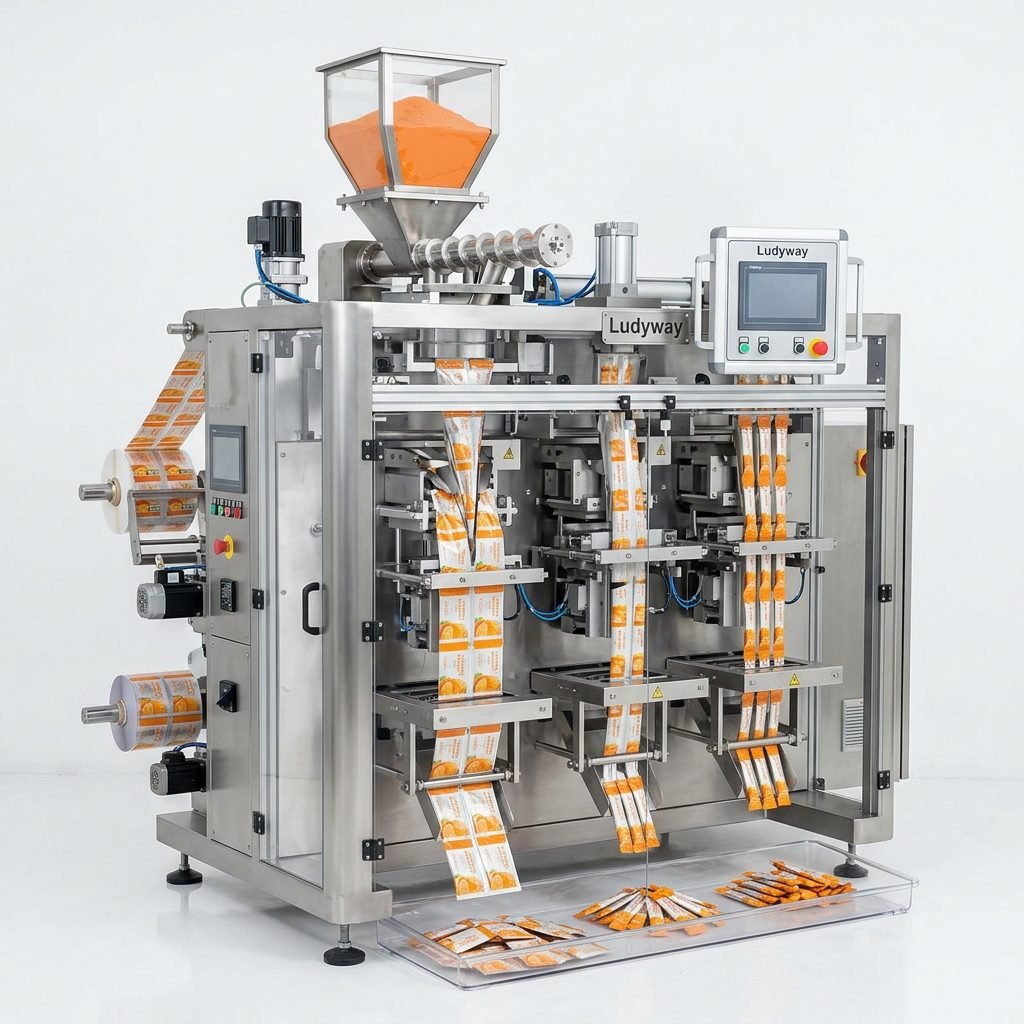
Plastic packaging machines support a wide range of pouch and bag formats, each suited to different markets, product types, and consumer preferences. Selecting the right format early in the process narrows your equipment options significantly. Common packaging formats include:
| Packaging Format | Best For | Typical Applications |
|---|---|---|
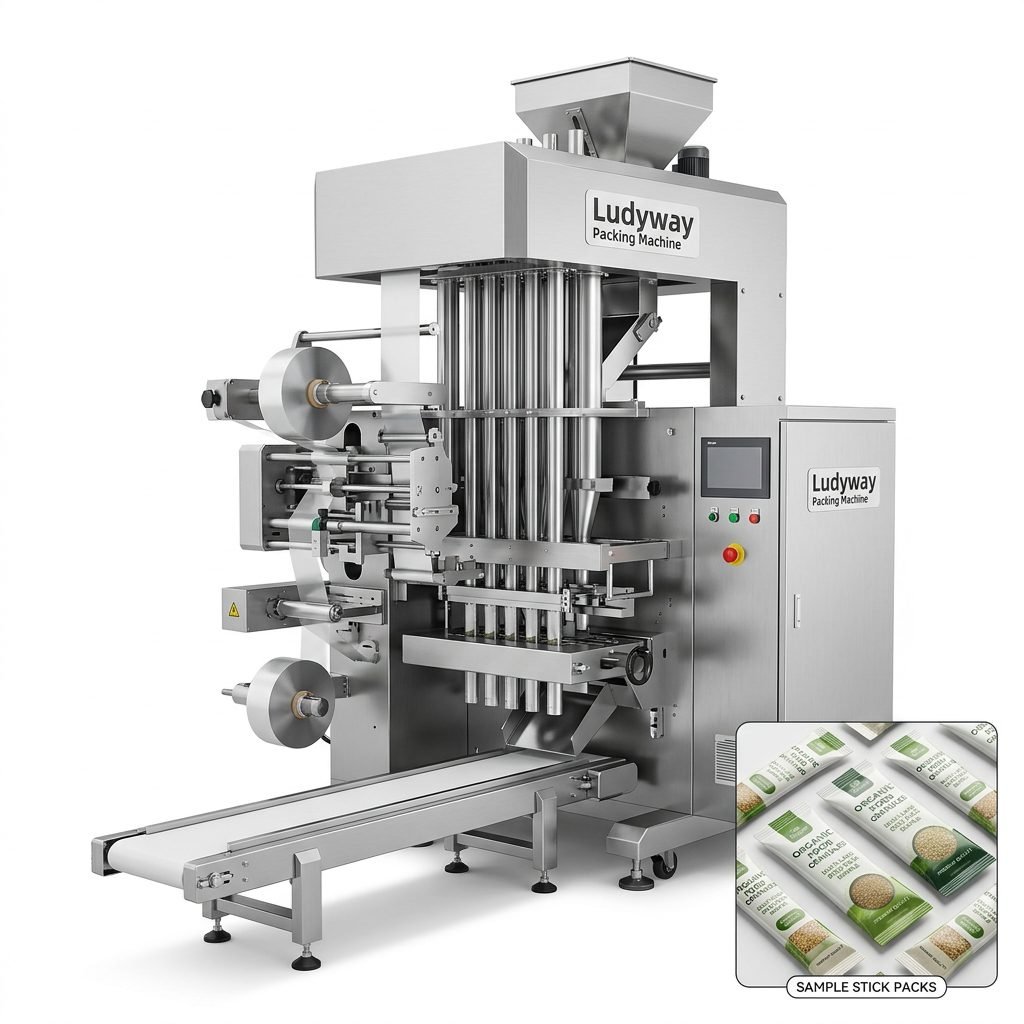
| Stick Packs | Single-serve, portable portions | Instant coffee, sugar, energy powders, supplements |
| Three-Side-Seal Sachets | Flat, compact packaging | Shampoo samples, condiments, pharmaceutical powders |
| Four-Side-Seal Sachets | Enhanced barrier protection | Nicotine pouches, medical devices, high-barrier products |
| Gusseted Pouches | Larger volumes, shelf appeal | Pet food, fertilizer, bulk ingredients |
| Stand-Up Pouches | Retail display, resealability | Snacks, dried fruit, protein powders |
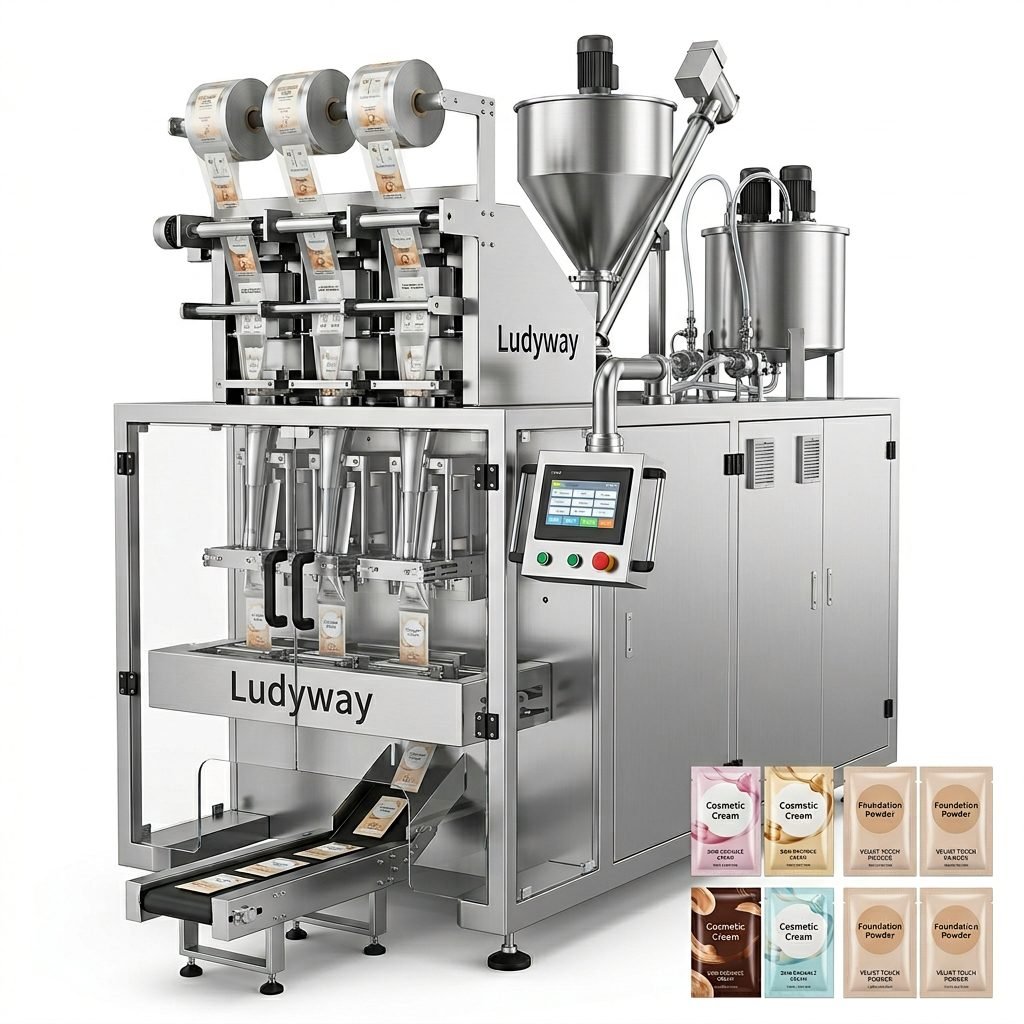
Multi-lane machines — especially stick pack and sachet packaging machines — allow you to run multiple lanes simultaneously, dramatically increasing throughput while maintaining fill accuracy across each lane. When evaluating formats, also consider your secondary packaging requirements, including cartoning, case packing, and palletizing.
3. Calculate Your Required Production Speed and Capacity
Production speed is one of the most important specifications when selecting a plastic packaging machine, but it must be evaluated in the context of your overall manufacturing goals. Consider the following when determining your speed requirements:
- Current throughput needs: Measure your existing production volumes and peak demand periods to establish a baseline.
- Future growth projections: Select equipment that can accommodate your expected growth over the next 3–5 years without requiring a complete replacement.
- Changeover frequency: If you run multiple products or formats on the same line, quick-changeover features and recipe management systems become critical to maintaining overall equipment effectiveness (OEE).
- Line balancing: Ensure the packaging machine’s speed aligns with upstream and downstream equipment to avoid bottlenecks.
Machines are typically rated in packs per minute (ppm) per lane. A multi-lane configuration can multiply output significantly — for example, a 10-lane machine running at 60 ppm per lane delivers 600 packs per minute. Work closely with your equipment provider to confirm that real-world speeds match your production targets under actual operating conditions.
4. Evaluate Packaging Material Compatibility
The plastic films and laminates you use directly influence seal quality, shelf life, and machine performance. Not all packaging machinery handles every material equally well. Key material considerations include:
- Film type and structure: Common materials include BOPP, PET, PE, aluminum foil laminates, and biodegradable films. Each has unique sealing temperature, dwell time, and pressure requirements.
- Barrier properties: Products requiring moisture, oxygen, or light protection need machines capable of handling high-barrier laminate films without compromising seal integrity.
- Sealability: The machine’s sealing jaws must be compatible with your film’s heat-seal layer to produce consistent, leak-proof seals at high speeds.
- Material thickness: Thinner films may wrinkle or tear, while thicker materials require higher sealing temperatures and longer dwell times.
Always test your intended packaging materials on any machine under consideration. Request sample runs using your actual product and film to verify compatibility, seal strength, and visual quality before finalizing your purchase.
5. Determine the Right Level of Automation
Automation spans a wide spectrum — from semi-automatic machines suitable for small-batch production to fully integrated, turnkey packaging lines that connect every stage from filling to palletizing. Your choice depends on labor availability, production volume, and consistency goals. Common configurations include:
- Semi-automatic systems: Operators handle material loading and some functions; ideal for startups or low-volume production.
- Fully automatic standalone machines: Automated filling, sealing, and cutting with manual or semi-automatic secondary packaging.
- Integrated packaging lines: Connect primary packaging with automatic feeding, coding, inspection, cartoning, and palletizing for end-to-end automation.
- Smart factory-ready systems: Incorporate IoT sensors, real-time monitoring, and data integration for predictive maintenance and production analytics.
Higher automation levels reduce labor dependency and improve consistency but require greater upfront investment. Conduct a thorough cost-benefit analysis that accounts for labor savings, reduced waste, and increased throughput over the machine’s expected service life.
6. Factor in Industry-Specific Compliance and Standards
Different industries impose distinct regulatory requirements on packaging machinery. Selecting equipment designed to meet these standards from the outset avoids costly retrofits and compliance issues later. Key industry considerations include:
- Food and beverage: Machines must comply with FDA food contact substance regulations and support sanitary design principles, including easy cleaning and contamination prevention.
- Pharmaceuticals: Equipment must meet ISO 11607 standards for packaging terminally sterilized medical devices and support validated processes with full traceability.
- Cosmetics and personal care: Machines should handle a wide range of viscosities and formulations while maintaining fill accuracy for small-volume sachets and stick packs.
- Chemicals and industrial products: Corrosion-resistant materials, explosion-proof configurations, and compatibility with aggressive substances may be required.
- Nutraceuticals and supplements: Often require precision dosing, clean-in-place (CIP) capabilities, and compliance with both food and pharmaceutical guidelines.
For manufacturers exporting to multiple markets, verify that the equipment can be configured to meet applicable international standards, including CE marking, PMMI packaging machinery standards, and country-specific regulations per the Flexible Packaging Association’s industry resources.
7. Assess Total Cost of Ownership (TCO) and ROI
The purchase price of a plastic packaging machine represents only a fraction of its total cost over its operational life. A comprehensive TCO analysis should include:
| Cost Category | Considerations |
|---|---|
| Initial equipment cost | Machine purchase price, shipping, import duties, installation |
| Installation and commissioning | Site preparation, utilities, integration, operator training |
| Operating costs | Energy consumption, consumables, packaging material waste rates |
| Maintenance and spare parts | Preventive maintenance schedules, spare parts availability, service contracts |
| Downtime and productivity losses | Reliability track record, mean time between failures (MTBF), supplier response times |
| Labor requirements | Number of operators needed, skill level requirements |
Machines with higher upfront costs often deliver lower TCO through reduced waste, higher uptime, and lower maintenance requirements over years of continuous operation. Request detailed lifecycle cost estimates from potential suppliers and validate them against real-world customer references.
8. Choose a Reliable Packaging Machinery Partner
The right supplier relationship extends far beyond the initial equipment purchase. When evaluating packaging machinery manufacturers, look for partners that offer:
- Proven industry experience: A track record in your specific industry and product category, with verifiable customer references.
- Engineering and customization capabilities: The ability to configure or customize packaging machines to your exact product, format, and production requirements rather than offering only standardized models.
- Comprehensive technical support: Responsive support throughout installation, commissioning, operator training, troubleshooting, and ongoing maintenance — ideally with remote assistance capabilities.
- Global service reach: For manufacturers operating internationally, a supplier with experience across multiple markets and the ability to support equipment wherever it is installed.
- Spare parts availability: Reliable access to genuine spare parts to minimize downtime over the machine’s operational life.
- Turnkey solution capabilities: The ability to deliver integrated packaging systems that connect multiple stages — from product feeding to final palletizing — through a single point of responsibility.
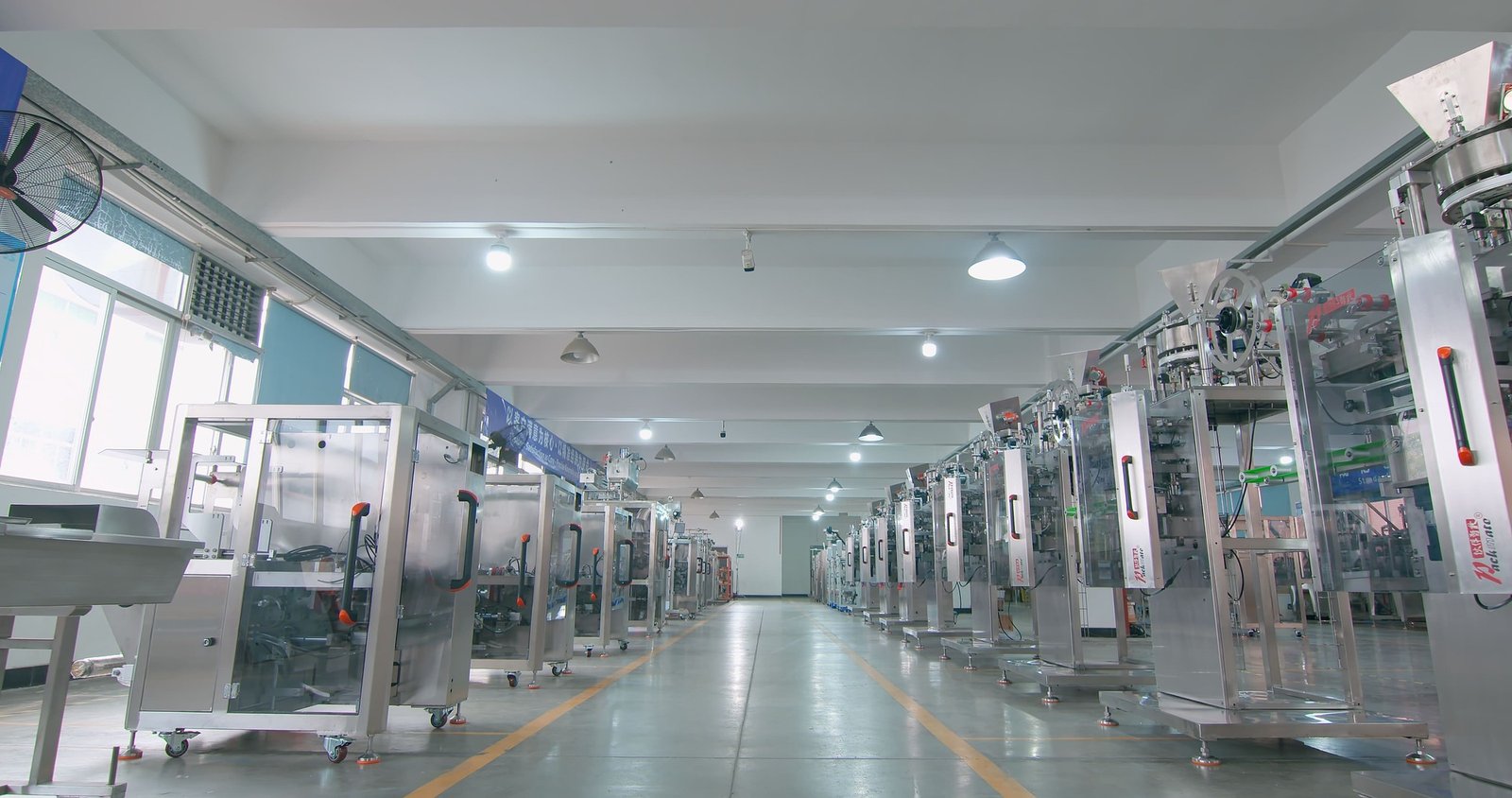
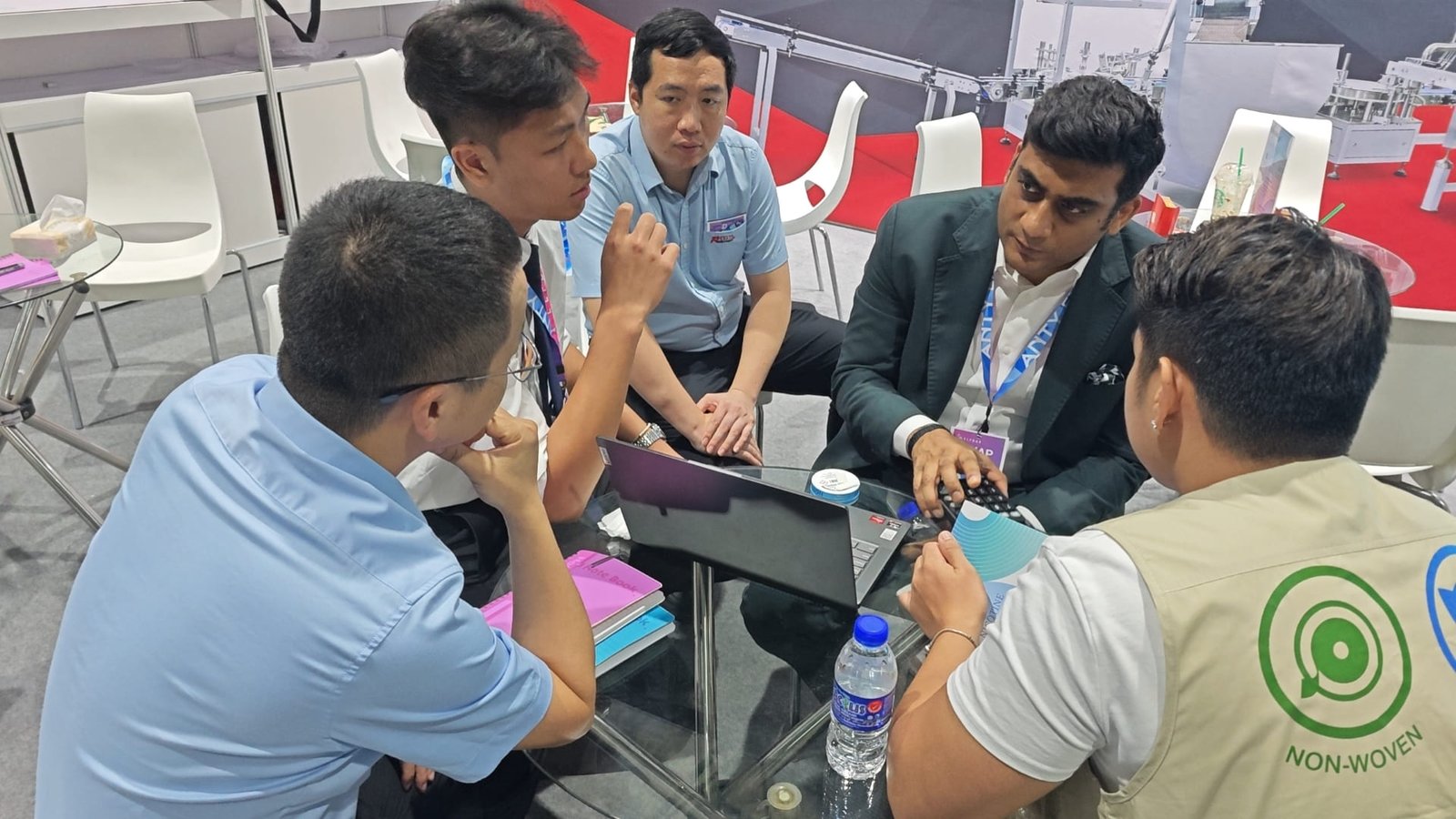
Ludyway Machinery, with over 30 years of experience, a 20,000-square-meter manufacturing facility, and more than 50 packaging machine models, exemplifies the kind of comprehensive partner that manufacturers should seek. The company provides customized packaging solutions across food, pharmaceutical, cosmetic, chemical, and nutraceutical industries, with equipment installed in more than 100 countries. For manufacturers looking to evaluate options, engaging with an experienced supplier that offers sample testing, engineering consultation, and full lifecycle support can significantly reduce the risks associated with packaging equipment investment.
9. Plan for Testing, Installation, and Ongoing Optimization
Even the most well-specified plastic packaging machine requires proper testing, installation, and continuous optimization to deliver its full potential. Key steps in this phase include:
- Factory Acceptance Testing (FAT): Verify machine performance, speed, and fill accuracy using your actual product and packaging materials before shipment.
- Site Acceptance Testing (SAT): Confirm that the machine meets agreed-upon specifications after installation in your facility.
- Operator training: Invest in comprehensive training for machine operators and maintenance personnel to maximize uptime and minimize operator-induced errors.
- Preventive maintenance programs: Establish a scheduled maintenance routine based on the manufacturer’s recommendations and your production intensity.
- Continuous improvement: Work with your equipment partner to identify opportunities for speed optimization, waste reduction, and efficiency gains over time.
A well-planned implementation process shortens the time to full production and helps you achieve the return on investment you projected during the selection phase.
Making the Right Decision for Your Packaging Future
Selecting the right plastic packaging machine is a strategic investment that shapes your production capabilities for years to come. By systematically evaluating your product characteristics, target packaging formats, speed requirements, material compatibility, automation needs, regulatory obligations, and total cost of ownership — and by partnering with an experienced, technically capable supplier — you position your manufacturing operation for efficiency, scalability, and consistent quality. Take the time to test, validate, and plan thoroughly, and you will secure a packaging solution that delivers value far beyond the initial purchase.
For manufacturers ready to explore automatic packaging equipment options, additional guidance is available through industry resources such as the PMMI State of the Industry reports and the Flexible Packaging Association, both of which provide valuable market data and technical insights for packaging professionals.