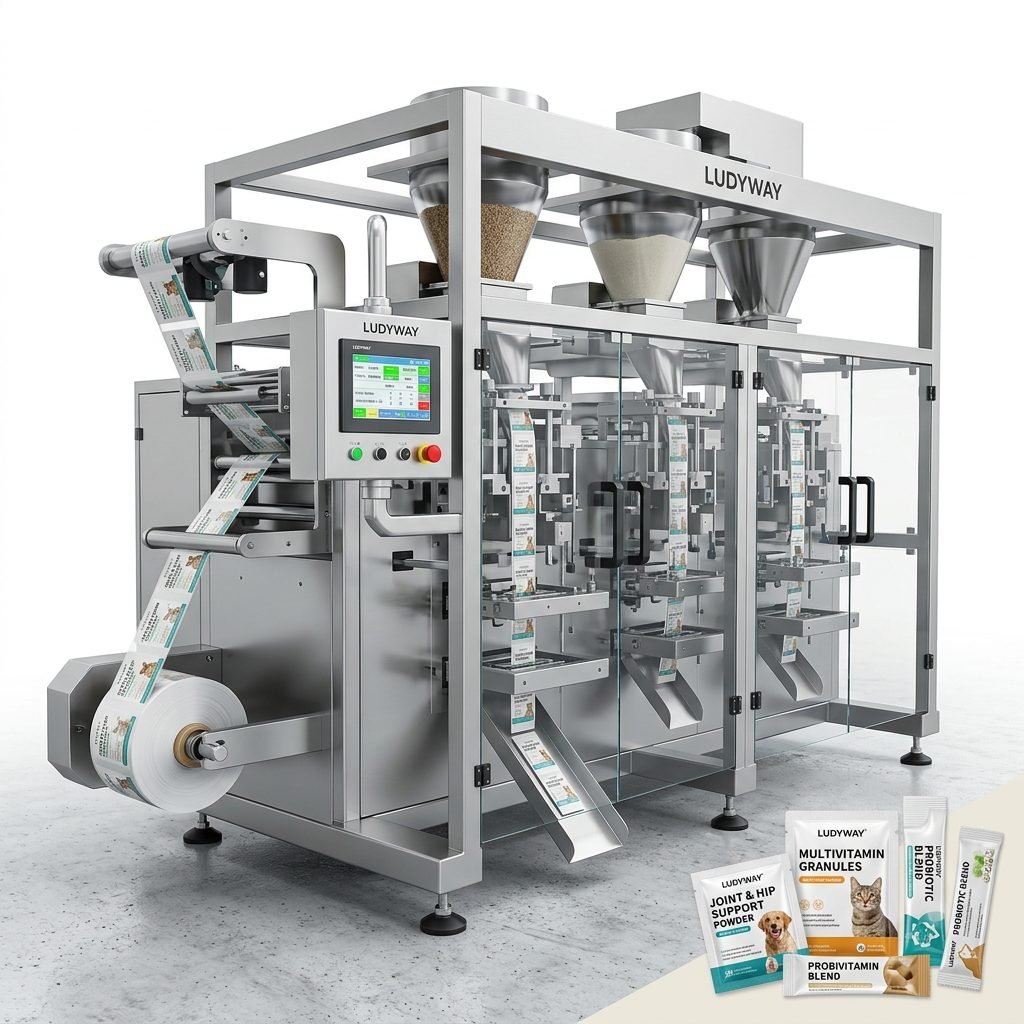
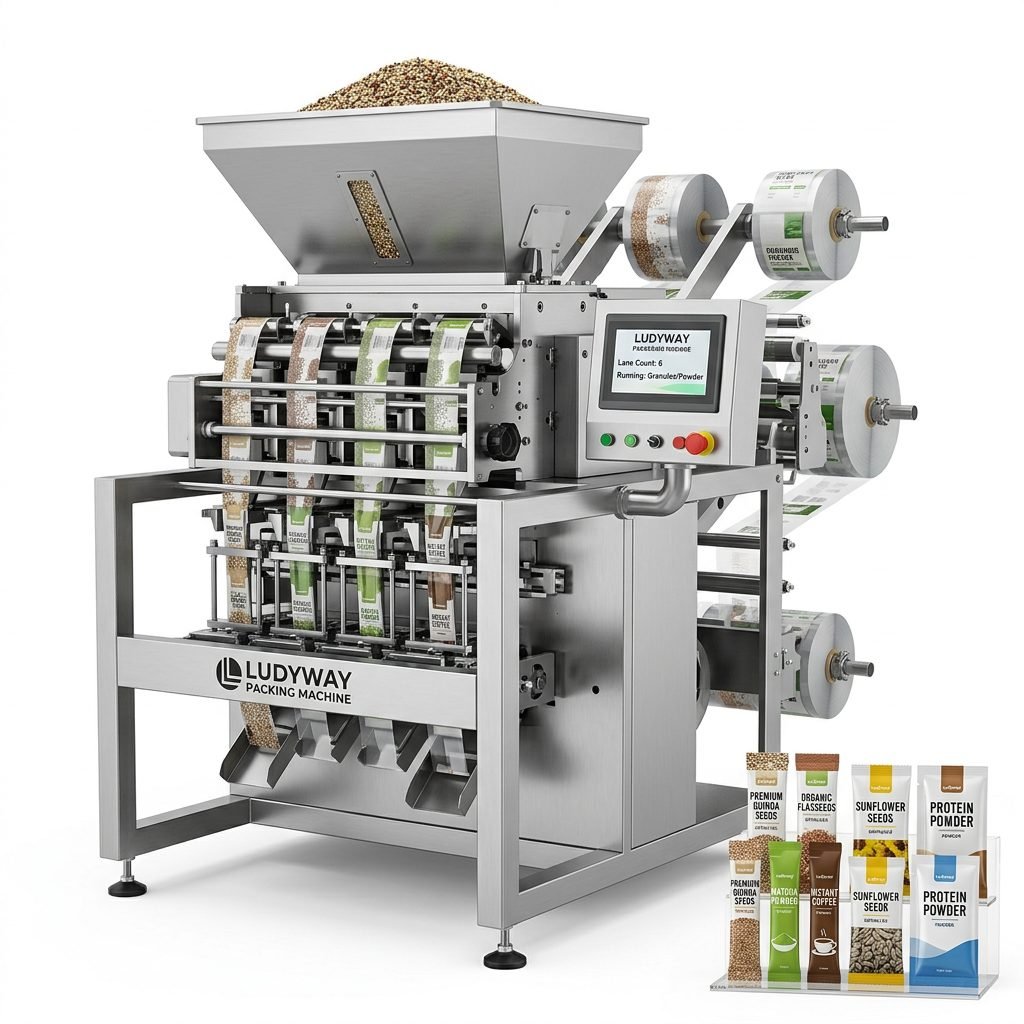
Investing in a skin vacuum packaging machine is a strategic decision that can significantly impact your product’s shelf life, presentation, and overall operational efficiency. Whether you are in the food, pharmaceutical, or cosmetic industry, skin vacuum packaging offers an advanced method to tightly seal products against a rigid film, creating a protective barrier that reduces oxidation and microbial growth. This guide will walk you through the essential factors to evaluate before making a purchase, ensuring you select equipment that aligns perfectly with your production goals.

Understanding Skin Vacuum Packaging Technology
Unlike traditional vacuum sealing, skin vacuum packaging uses a specialized top film that is heated and draped directly over the product, conforming to its shape and sealing onto a bottom tray or film. This process creates a second-skin effect that not only enhances product visibility but also locks in freshness and prevents freezer burn. The technology is widely adopted for packaging fresh meats, seafood, ready meals, cheese, and even high-value pharmaceutical items. According to industry data from the PMMI – Association for Packaging and Processing Technologies, skin packaging continues to gain traction due to its ability to extend shelf life while maintaining premium aesthetics.
Key Benefits of Skin Vacuum Packaging Machines
- Shelf Life Extension: The hermetic seal dramatically reduces oxygen exposure, slowing spoilage and preserving flavor integrity.
- Enhanced Product Presentation: The crystal-clear film conforms tightly to the product, offering superior visibility on retail shelves without the wrinkled appearance of traditional vacuum bags.
- Leak-Proof Packaging: Ideal for moist or liquid-prone products, skin packaging prevents purge from migrating across compartments.
- Reduced Material Waste: Compared to clamshell or oversized pouches, skin packs often use thinner gauges and fewer materials overall.
- Tamper-Evident Sealing: The rigid bond between film and tray provides visible evidence if the package has been compromised.

How to Choose the Right Skin Vacuum Packaging Machine
Selecting the optimal skin vacuum packaging machine requires a detailed assessment of your production environment. Below are the critical criteria to examine before reaching out to suppliers. Refer to the FDA Food Packaging and Food Contact Substances guidelines to ensure your chosen materials comply with relevant food safety regulations.
Production Volume and Speed Requirements
Manual or semi-automatic machines may suffice for startups processing fewer than 100 packs per hour. However, mid-sized and large operations should consider fully automatic skin packaging lines capable of 6 to 12 cycles per minute or more. Evaluate the machine’s cycle time, loading configuration, and whether it supports continuous or intermittent motion to match your throughput targets.
Product Type and Compatibility
The dimensions, weight, and shape of your product directly influence machine selection. Irregularly shaped items such as bone-in meats or multi-component meal kits require machines with deeper draw capabilities and flexible film handling. Liquid-rich products demand precise sealing pressure control to avoid damaging the film barrier. Always test your specific product samples on a machine before finalizing the purchase.
Chamber Size and Configuration
The working chamber dimensions dictate the maximum tray or product footprint you can process. Machines are available in single-chamber, double-chamber, and rotary configurations. A double-chamber system can nearly double throughput by allowing one chamber to be loaded while the other is sealing. Rotary systems offer the highest output for industrial-scale operations.
Automation Level
Modern skin vacuum packaging equipment ranges from basic operator-dependent models to fully integrated inline systems with automatic tray denesters, filling stations, and labeling modules. Higher automation reduces labor costs and improves consistency but requires a larger upfront capital investment. Consider your current workforce and scalability needs when deciding on the automation spectrum.
Material and Build Quality
Food-grade stainless steel construction (AISI 304 or 316L) is non-negotiable for hygienic applications. Examine the frame thickness, sealing bar durability, and quality of pneumatic or electric actuators. Machines built with robust components typically offer longer service life and lower total cost of ownership. For industry-accepted standards, review ISO Packaging Standards and relevant certifications.
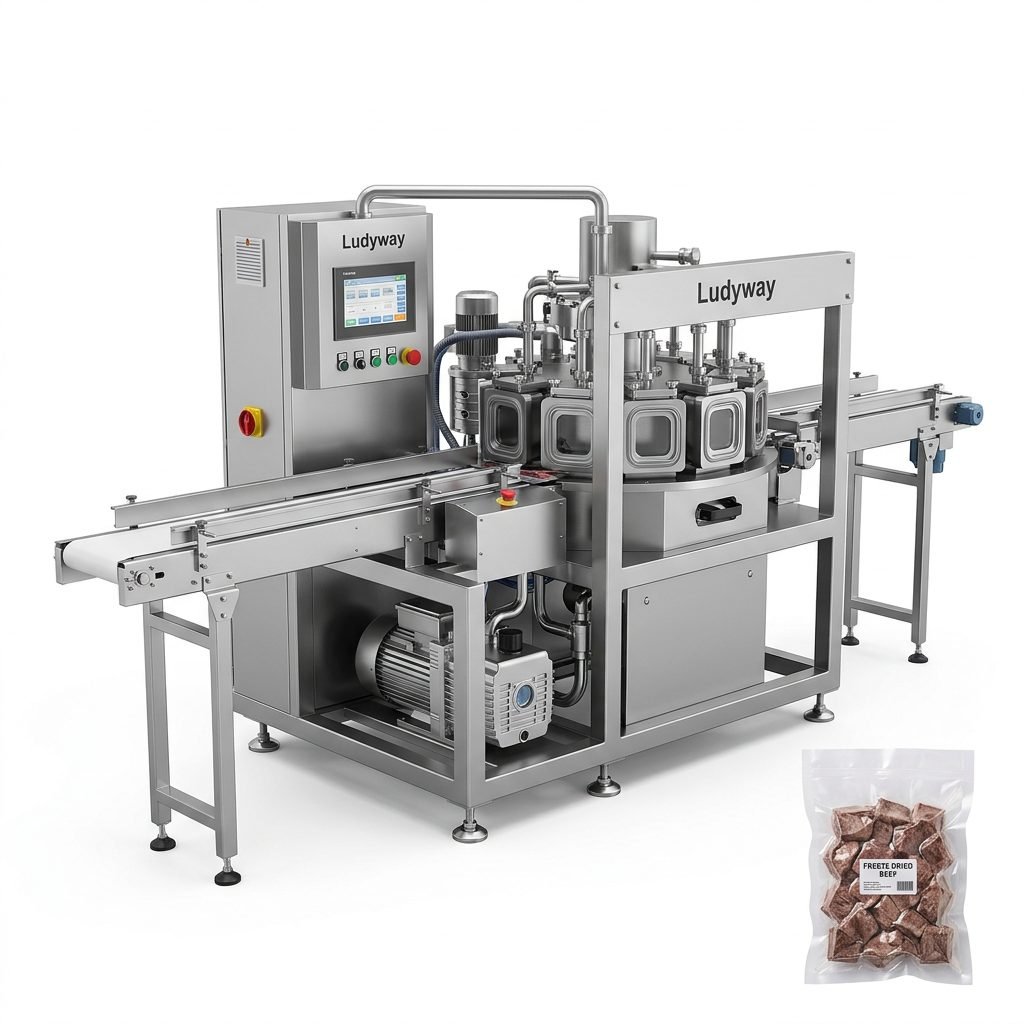
Comparing Different Types of Skin Vacuum Packaging Machines
The table below outlines the primary categories of skin vacuum packaging machines available on the market, along with their typical applications and throughput capabilities. Use this as a quick reference to narrow down your options.
| Machine Type | Best For | Approximate Speed | Automation Level |
|---|---|---|---|
| Manual Tray Sealer | Small butcher shops, startups | 1–3 cycles/min | Manual |
| Semi-Automatic Chamber | Medium processors, co-packers | 3–6 cycles/min | Semi-Auto |
| Automatic Inline System | High-volume food plants | 6–12+ cycles/min | Fully Automatic |
| Rotary Vacuum Machine | Large-scale industrial operations | 10–20+ cycles/min | Fully Automatic |
Maintenance and After-Sales Support
A skin vacuum packaging machine represents a significant capital investment, and ongoing maintenance directly affects uptime and longevity. Prioritize manufacturers that offer comprehensive after-sales packages including installation, operator training, preventative maintenance schedules, and readily available spare parts. Remote diagnostic capabilities and local service technicians can drastically reduce downtime in the event of a malfunction. Consult resources from the Flexible Packaging Association for broader industry insights on equipment reliability and packaging innovation.
Industry Standards and Compliance
Depending on your target market, your packaging machinery must adhere to specific regulatory frameworks. For food contact applications in the United States, compliance with FDA 21 CFR regulations is mandatory. European operations must meet EU packaging directives and European Commission Packaging and Packaging Waste requirements. Machines designed with hygienic zoning, clean-in-place (CIP) compatibility, and validation documentation simplify the certification process and future-proof your investment.

Making the Final Decision
Before finalizing your purchase, request detailed proposals from at least three suppliers and compare not only the machine price but also the estimated energy consumption, film waste rates, changeover times, and warranty terms. Arrange for on-site demonstrations or send product samples for trial runs to verify real-world performance. Pay attention to the total cost of ownership—including consumables, maintenance, and operator training—rather than focusing solely on the initial purchase price. Industry leaders such as Ludyway, one of the largest packaging machine manufacturers in China, provide advanced skin vacuum packaging equipment backed by over 30 years of engineering expertise and a modern 20,000㎡ manufacturing facility, serving customers in more than 100 countries with reliable and cost-effective packaging solutions.
Key Questions to Ask Your Supplier
- What is the guaranteed cycle speed for my specific product and tray size?
- Can the machine handle multiple tray formats with quick changeover?
- Is remote technical support included, and what are the average response times?
- What are the recommended film specifications and available suppliers?
- Does the machine support integration with upstream and downstream equipment?
Final Thoughts
Choosing the best skin vacuum packaging machine for your business involves balancing production demands, product characteristics, budget constraints, and long-term growth plans. By thoroughly evaluating each factor outlined in this guide—from chamber configuration and automation level to after-sales support and regulatory compliance—you can make a confident, informed decision that enhances your packaging quality and operational efficiency for years to come.