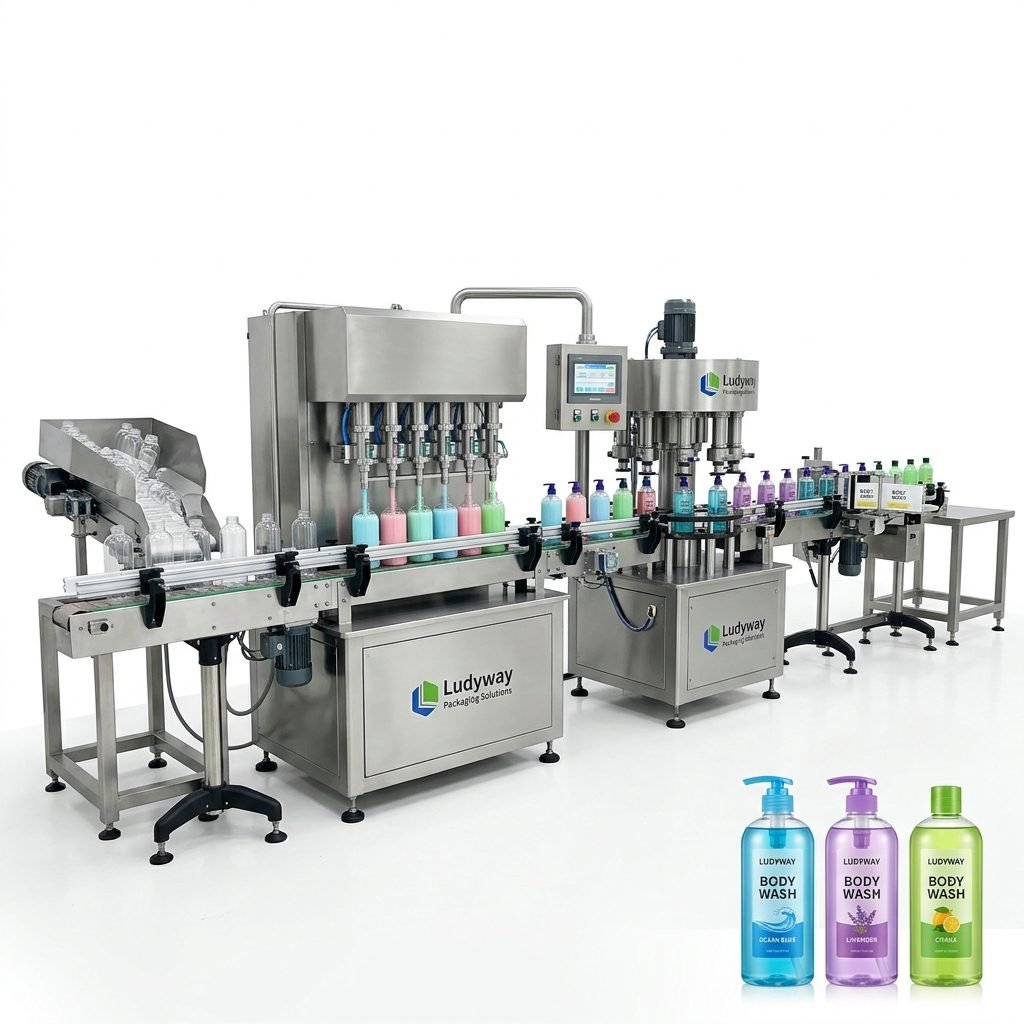
Investing in a commercial vacuum packaging machine is a strategic decision that directly affects product shelf life, operational efficiency, and long-term profitability. Whether you operate a food processing facility, a pharmaceutical production line, or an industrial manufacturing plant, selecting the right vacuum packaging equipment requires a thorough understanding of machine types, technical specifications, and application-specific requirements. This buyer’s guide walks you through the essential factors to evaluate before making a purchase, helping you choose a solution that aligns with your production goals, product characteristics, and budget.
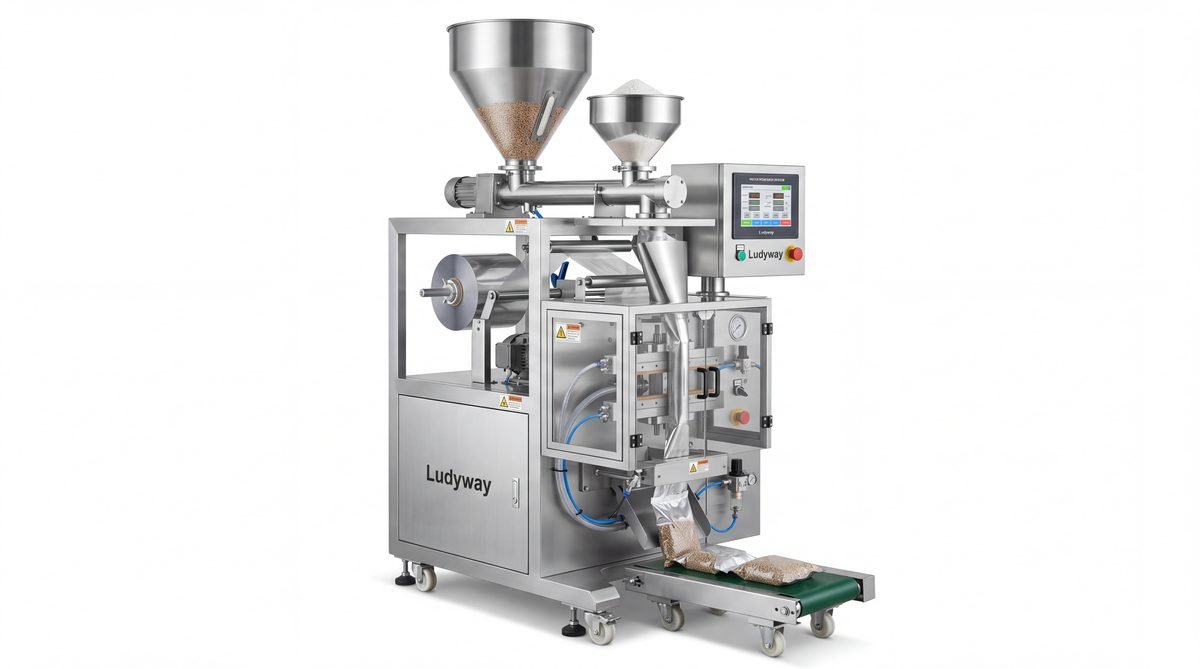
Understanding Commercial Vacuum Packaging Machines
A commercial vacuum packaging machine removes air from a package before sealing it, creating an oxygen-depleted environment that inhibits bacterial growth, prevents oxidation, and extends product freshness. Unlike small countertop models designed for home use, industrial vacuum packaging systems are engineered for continuous operation, higher throughput, and compatibility with diverse packaging materials including barrier films, foil laminates, and vacuum pouches. According to the PMMI 2026 State of the Industry report, demand for automated vacuum packaging solutions continues to grow across food, pharmaceutical, and consumer goods sectors, driven by extended shelf-life requirements and rising quality standards.
Key Factors to Consider When Choosing a Vacuum Packaging Machine
Selecting the right commercial vacuum sealer involves evaluating multiple variables that influence machine performance, compatibility, and return on investment. Below are the most critical factors to assess before contacting suppliers or requesting quotations.
Production Volume and Throughput Requirements
Your daily or hourly packaging volume is the single most important factor in determining the appropriate machine category. Small-to-medium operations may be well-served by double-chamber or single-chamber machines that process batches cyclically. In contrast, high-volume production lines typically require continuous belt-driven vacuum systems or automatic thermoforming machines capable of handling hundreds of packages per minute. Matching machine speed to your actual production demand prevents bottlenecks and avoids overspending on unnecessary capacity.
Product Characteristics and Compatibility
The physical properties of your product — size, shape, moisture content, fragility, and temperature — directly influence machine selection. Liquid-rich products such as fresh meat, seafood, and prepared meals require machines with strong vacuum pumps and effective liquid management systems to prevent seal contamination. Dry products like powders, granules, and dehydrated foods may benefit from gas flushing capabilities that replace oxygen with inert gas for added protection. Sharp-edged or irregularly shaped items demand robust film materials and precise sealing parameters to maintain package integrity.
Chamber Size and Configuration
Chamber dimensions determine the maximum package size and the number of packages processed per cycle. Single-chamber machines offer simplicity and lower cost, making them suitable for small-batch production. Double-chamber machines increase throughput by allowing loading and unloading to occur simultaneously in alternating chambers. Belt-driven continuous vacuum systems eliminate batch cycling altogether, providing seamless operation for high-speed lines. Carefully measure your largest anticipated package dimensions and add buffer space to ensure compatibility with future product variations.
Vacuum Pump Type and Performance
The vacuum pump is the core component of any industrial vacuum packaging machine, and its type significantly affects maintenance requirements, operating costs, and achievable vacuum levels. Common pump types include:
- Oil-sealed rotary vane pumps: Deliver deep vacuum levels and are widely used in food and pharmaceutical applications; require regular oil changes and maintenance.
- Dry-running pumps: Eliminate oil-related contamination risks and reduce maintenance frequency; preferred for cleanroom and sensitive product environments.
- Venturi-type systems: Use compressed air to generate vacuum; suitable for lower-volume operations or facilities with existing compressed air infrastructure.
Pump capacity, measured in cubic meters per hour (m³/h), should be matched to chamber volume and cycle speed requirements. Undersized pumps result in slow evacuation times and inconsistent seal quality.

Types of Commercial Vacuum Packaging Machines
Understanding the different machine categories helps narrow your options quickly. The table below compares the most common types of vacuum packaging machines used in commercial and industrial settings.
| Machine Type | Best Suited For | Throughput Level | Key Advantage |
|---|---|---|---|
| Single-Chamber | Small batches, artisanal products, startups | Low to Moderate | Affordable entry point, simple operation |
| Double-Chamber | Medium production, alternating loading cycles | Moderate to High | Increased efficiency through parallel operation |
| Belt-Driven Continuous | High-volume meat, seafood, and ready-meal lines | High to Very High | Non-stop operation, seamless conveyor integration |
| Thermoforming Vacuum Systems | Large-scale automated production, modified atmosphere packaging | Very High | Fully automated forming, filling, and sealing in one line |
| External Vacuum Sealers | Oversized items, bulk packaging, non-standard shapes | Low to Moderate | Flexibility for large or irregular products |
Industry-Specific Considerations
Different industries impose distinct requirements on vacuum packaging equipment. A machine suitable for a food processing plant may not meet the regulatory demands of pharmaceutical manufacturing. Below are key considerations by sector.
Food and Beverage Industry
Food-grade vacuum packaging machines must comply with hygiene standards such as FDA food contact substance regulations and, where applicable, ISO packaging standards. Stainless steel construction, washdown-ready designs, and CIP (clean-in-place) compatibility are essential for facilities handling raw meat, dairy, seafood, and ready-to-eat products. Machines should support modified atmosphere packaging (MAP) when products benefit from controlled gas mixtures that preserve color, texture, and nutritional value over extended shelf life.
Pharmaceutical and Medical Device Packaging
Pharmaceutical applications demand validated vacuum sealing processes with documented consistency, traceability, and sterility assurance. Equipment used in medical device and pharmaceutical packaging must often comply with ISO 11607 standards for terminally sterilized medical devices, which specify requirements for sterile barrier systems and packaging validation. Machines in this sector typically feature precision control systems, data logging, and integration with cleanroom environments.
Industrial and Chemical Products
Packaging industrial chemicals, powders, and components requires machines with corrosion-resistant materials, robust sealing mechanisms, and compatibility with heavy-duty film laminates. Explosion-proof configurations may be necessary when packaging volatile substances. Dust extraction systems and seal integrity testing are common add-ons for industrial applications.
Evaluating Build Quality and Materials
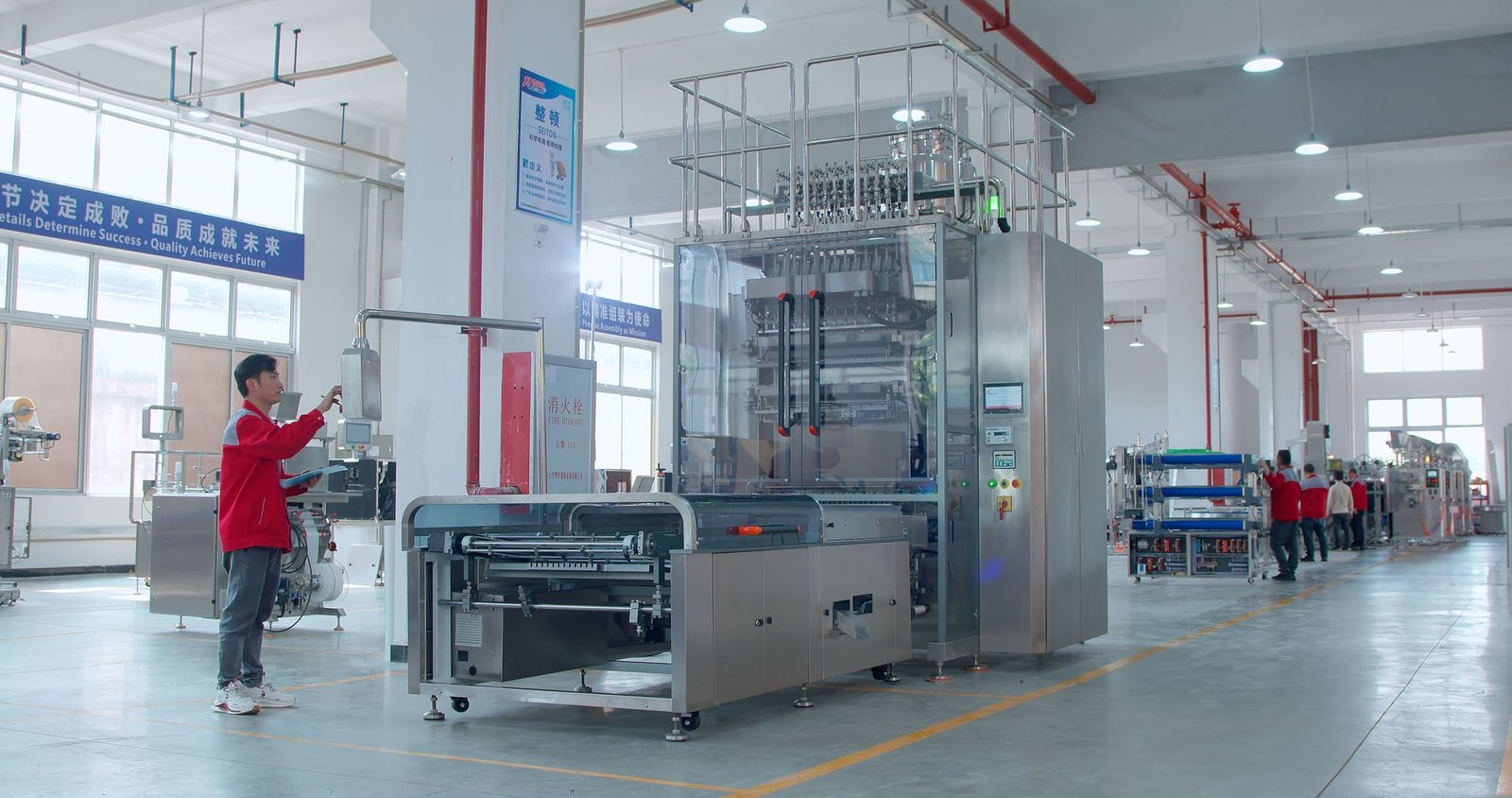
The longevity and reliability of a commercial vacuum packaging machine depend heavily on construction quality. Key material indicators include:
- Stainless steel grade: 304 stainless steel is standard for food applications; 316L offers enhanced corrosion resistance for chemical and marine environments.
- Seal bar durability: Seal bars should maintain consistent temperature across their entire length, with rapid heat-up and cool-down cycles to prevent film damage.
- Gasket and seal material: High-quality silicone or EPDM gaskets resist degradation from repeated compression cycles and exposure to cleaning agents.
- Frame rigidity: A heavy-gauge steel frame reduces vibration during operation, extending component life and maintaining precise alignment.
Automation and Control Features
Modern industrial vacuum packaging systems offer varying degrees of automation that affect labor requirements, consistency, and process control. Programmable logic controllers (PLCs) with touchscreen interfaces enable operators to store and recall product-specific settings including vacuum time, gas flush duration, seal temperature, and cooling time. Advanced models incorporate sensor-based monitoring that adjusts parameters in real time based on detected vacuum levels and seal quality. Machines with IoT connectivity can transmit performance data to centralized monitoring systems, supporting predictive maintenance and production analytics.
Budget, ROI, and Total Cost of Ownership
The purchase price of a commercial vacuum sealer represents only one component of total cost of ownership. A comprehensive financial evaluation should account for:
- Energy consumption: Pump motor efficiency and heating element power draw directly affect operating costs over the machine’s lifespan.
- Consumable expenses: Vacuum pouches, films, and gaskets represent recurring costs that vary by material specification and machine design.
- Maintenance intervals: Oil changes for rotary vane pumps, seal bar replacement, and gasket renewal schedules contribute to ongoing service costs.
- Labor efficiency: Automated features that reduce operator intervention can lower per-package labor costs significantly in high-volume environments.
- Downtime risk: Machines from established manufacturers with responsive spare parts networks minimize production interruptions.
A well-chosen machine typically delivers payback within 12 to 24 months through extended product shelf life, reduced spoilage, and improved packaging throughput. For detailed market sizing and growth projections, resources such as the PMMI Business Intelligence Library provide valuable benchmarks for investment planning.
Choosing the Right Manufacturer and Supplier
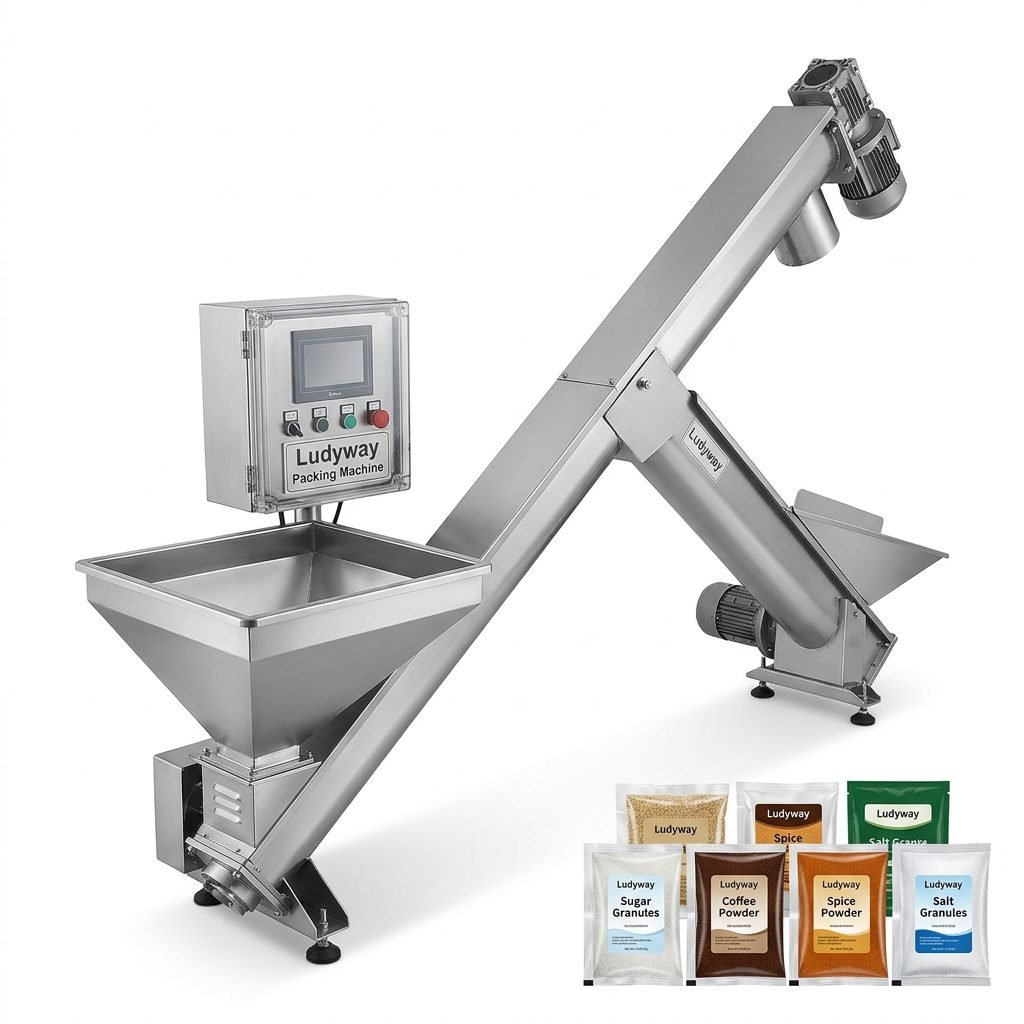
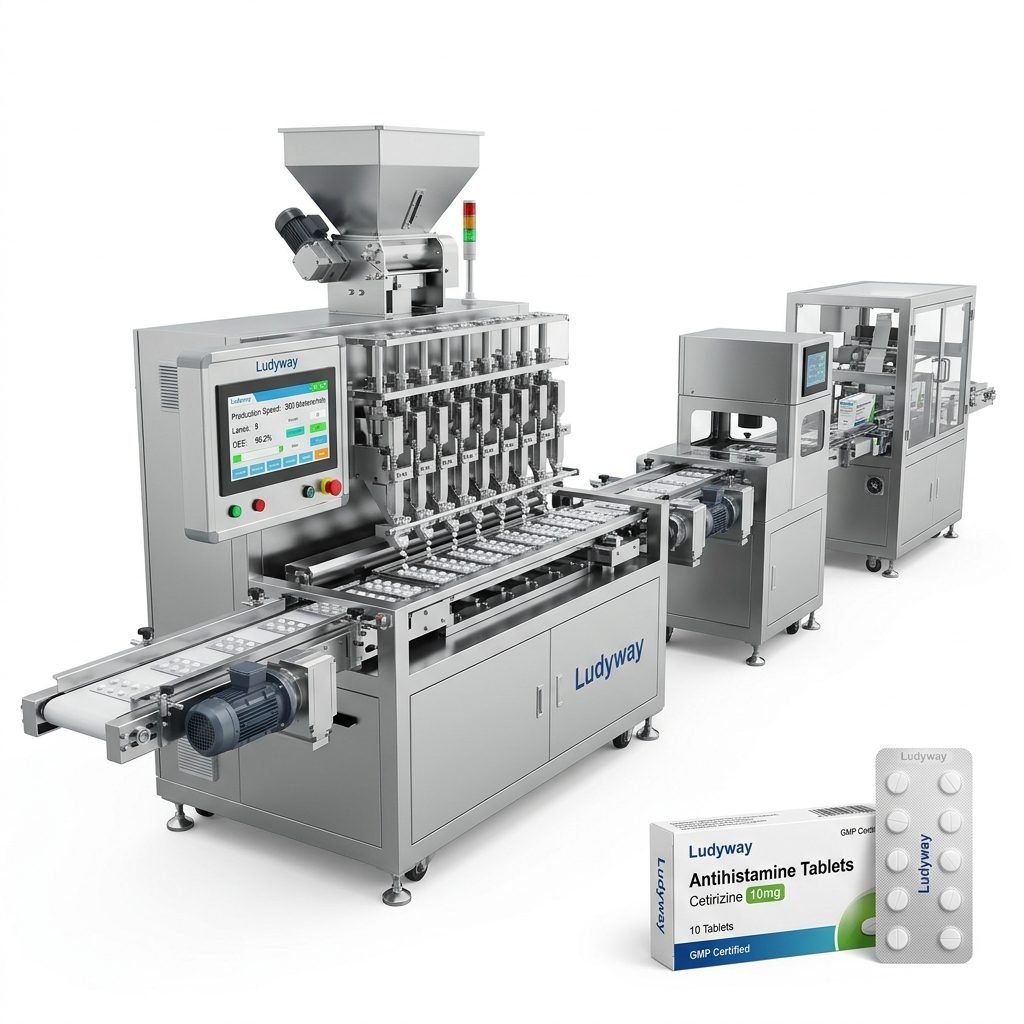
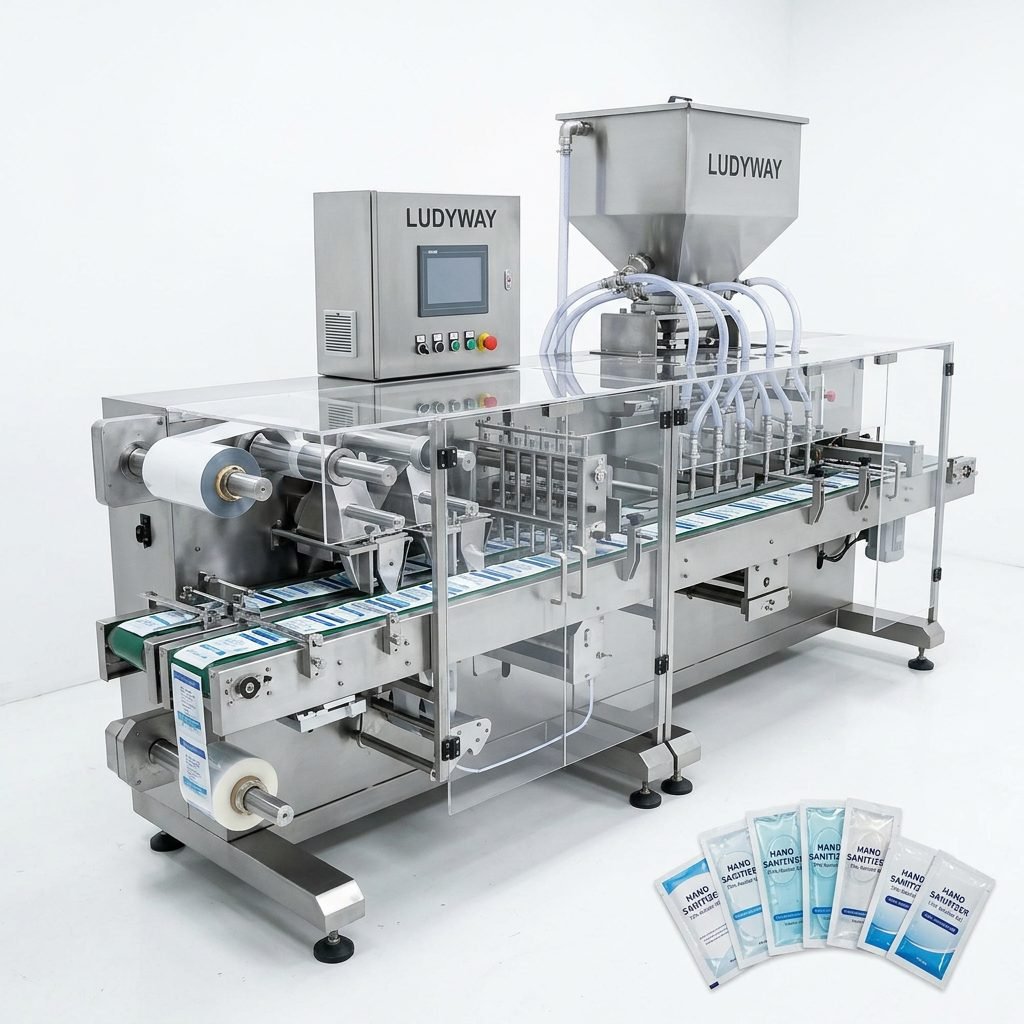
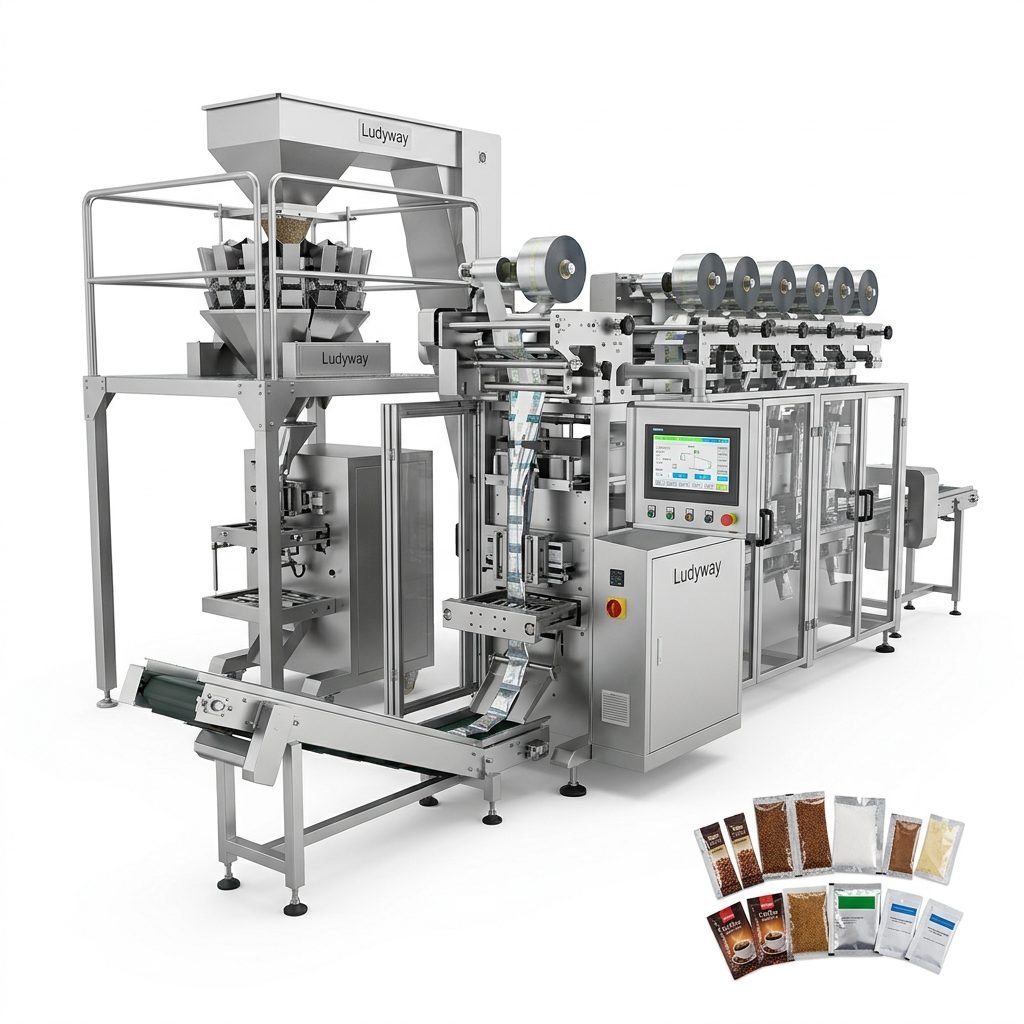
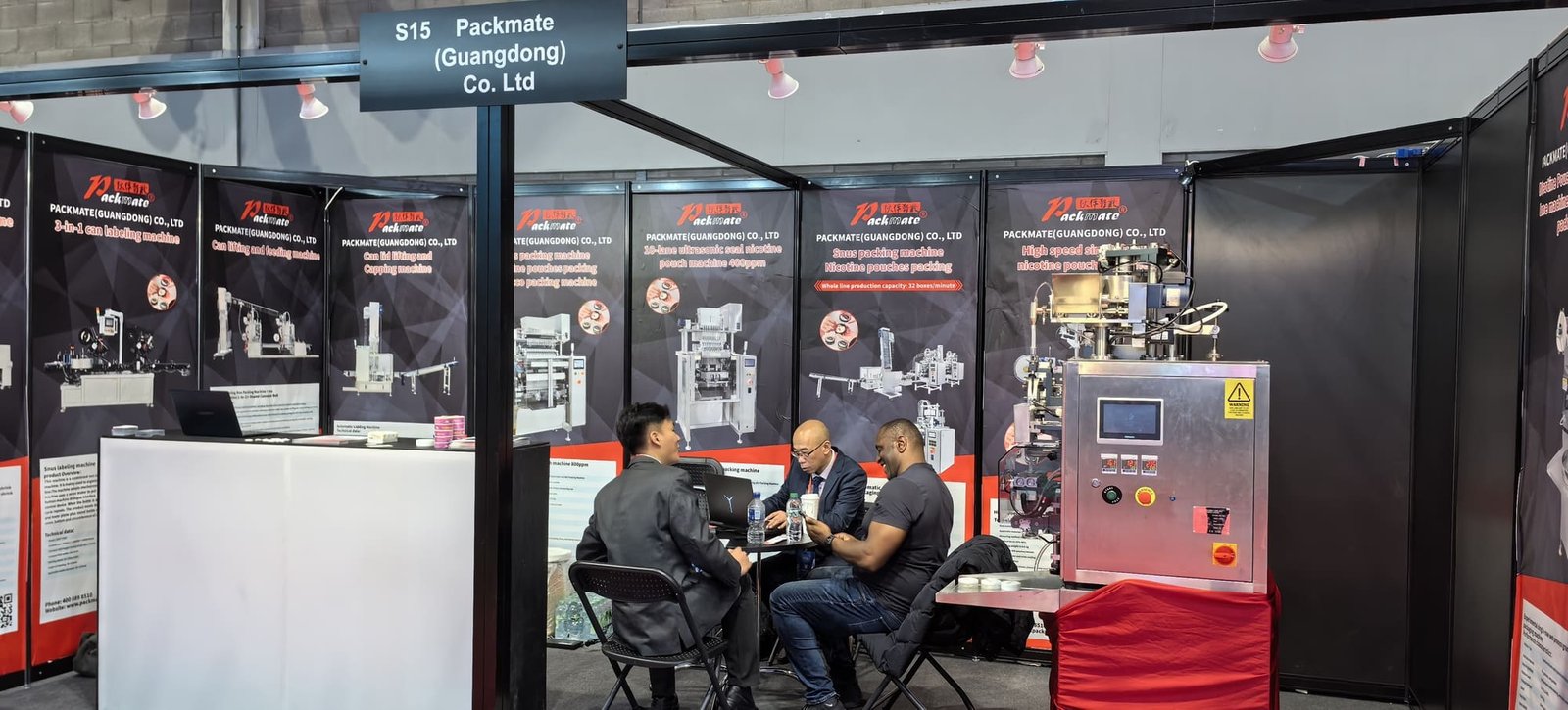
Selecting a reliable vacuum packaging machine manufacturer is as important as choosing the right machine specifications. Evaluate potential suppliers based on their track record, engineering capabilities, after-sales support infrastructure, and willingness to customize equipment for your specific application. Manufacturers with in-house engineering teams can modify chamber sizes, seal configurations, and automation levels to match unique product requirements rather than forcing a standardized solution. Ludyway Machinery, a China-based packaging machinery manufacturer with more than 30 years of experience and a 20,000-square-meter manufacturing facility, exemplifies this customized approach by offering configured vacuum packaging solutions alongside integrated turnkey production line systems — serving manufacturers across food, pharmaceutical, chemical, and consumer goods industries worldwide.
When evaluating suppliers, request detailed documentation including machine specifications, installation requirements, warranty terms, and spare parts availability in your region. On-site demonstrations or video walkthroughs of similar installations provide valuable insight into real-world machine performance. Additionally, verify that the manufacturer can provide compliance documentation relevant to your industry, such as CE certification, FDA compliance, or ISO quality management credentials. For broader industry context, the Flexible Packaging Association’s industry resources offer guidance on packaging material trends and regulatory developments that may influence your equipment selection.
Warranty, Service, and Technical Support
Post-installation support significantly impacts machine uptime and long-term satisfaction. Key service considerations include:
- Warranty coverage: Standard warranties typically range from 12 to 24 months covering parts and, in some cases, on-site labor.
- Remote diagnostic capabilities: Machines with remote access allow technicians to troubleshoot issues without an on-site visit, reducing downtime.
- Spare parts availability: Confirm that critical components — pump assemblies, seal bars, gaskets, and control boards — are stocked or quickly sourced in your region.
- Operator training: Comprehensive training programs ensure that your team can operate, clean, and perform routine maintenance correctly from day one.
Installation and Facility Requirements
Before finalizing a purchase, verify that your facility can accommodate the machine’s physical footprint, utility connections, and environmental needs. Electrical requirements vary by region and machine configuration, with some industrial vacuum systems requiring three-phase power. Compressed air supply may be necessary for pneumatic components and certain pump types. Ventilation and cooling considerations are particularly important for oil-sealed pumps that generate heat during extended operation. Adequate clearance around the machine for loading, unloading, maintenance access, and cleaning should be factored into floor plan assessments.
Future-Proofing Your Investment
A commercial vacuum packaging machine represents a long-term capital investment. Consider how your production needs may evolve over the next five to ten years. Machines with modular designs allow for incremental upgrades — such as adding gas flushing, print registration, or automated loading systems — without replacing the entire unit. Scalable control architectures that support integration with upstream and downstream equipment, including packaging line automation standards, provide flexibility as production volumes grow. Selecting a machine with slightly higher capacity than your current requirements often proves more economical than upgrading prematurely when demand increases.
Final Recommendations
Choosing the right commercial vacuum packaging machine requires balancing technical specifications, production demands, budget constraints, and long-term operational goals. Start by clearly defining your product characteristics, target throughput, and regulatory environment. Use these parameters to narrow the field to machine types and configurations that match your application. Evaluate manufacturers based on engineering expertise, customization capability, service infrastructure, and industry-specific experience. Finally, conduct a thorough total cost of ownership analysis that accounts for energy, consumables, maintenance, and potential downtime costs over the machine’s expected service life. A methodical approach to equipment selection ensures that your vacuum packaging investment delivers consistent performance, product protection, and operational efficiency for years to come.