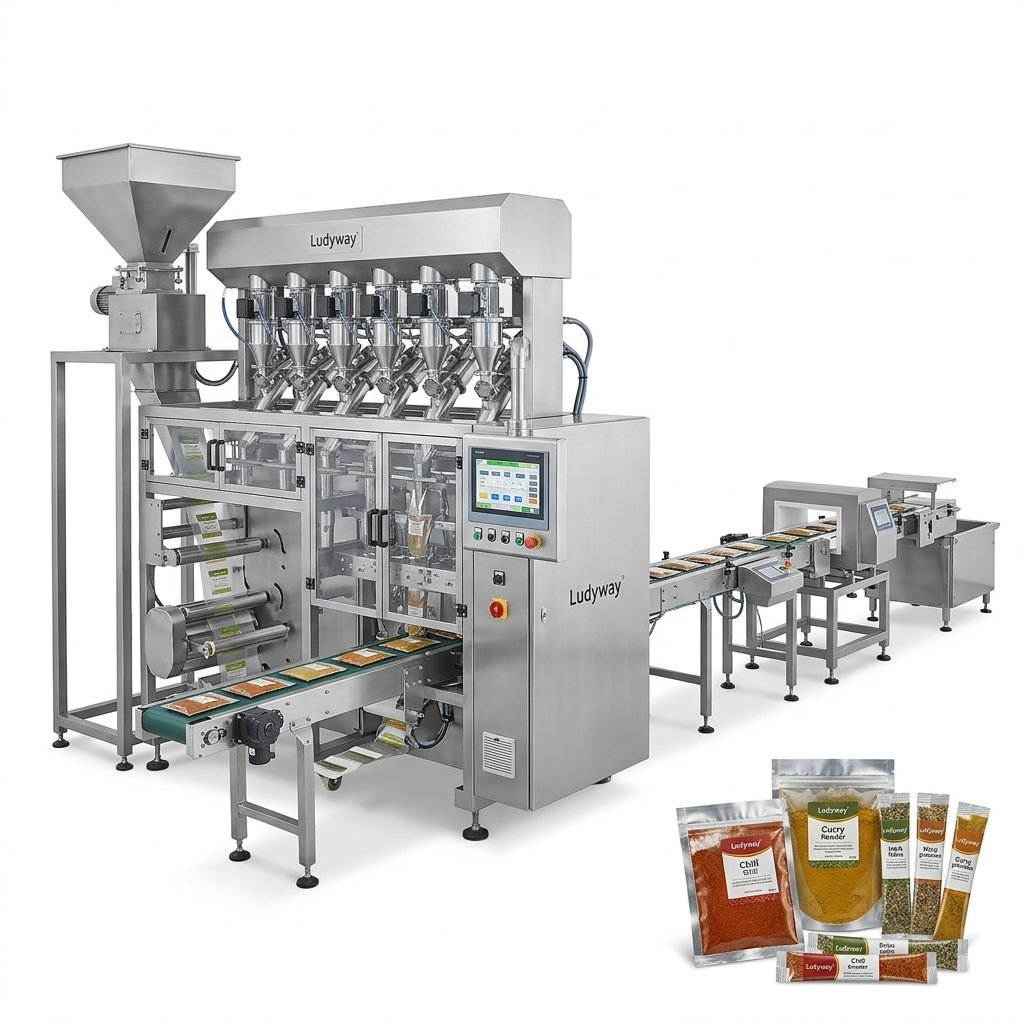
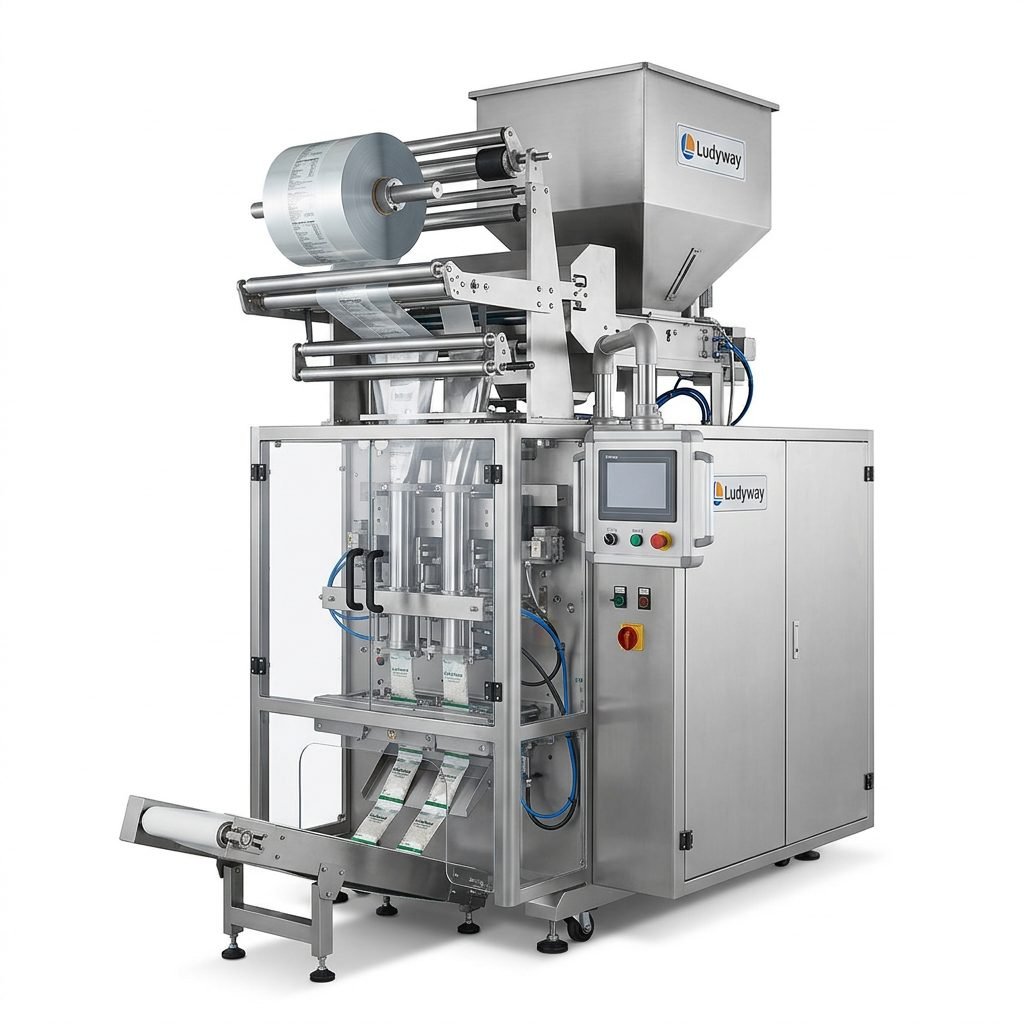
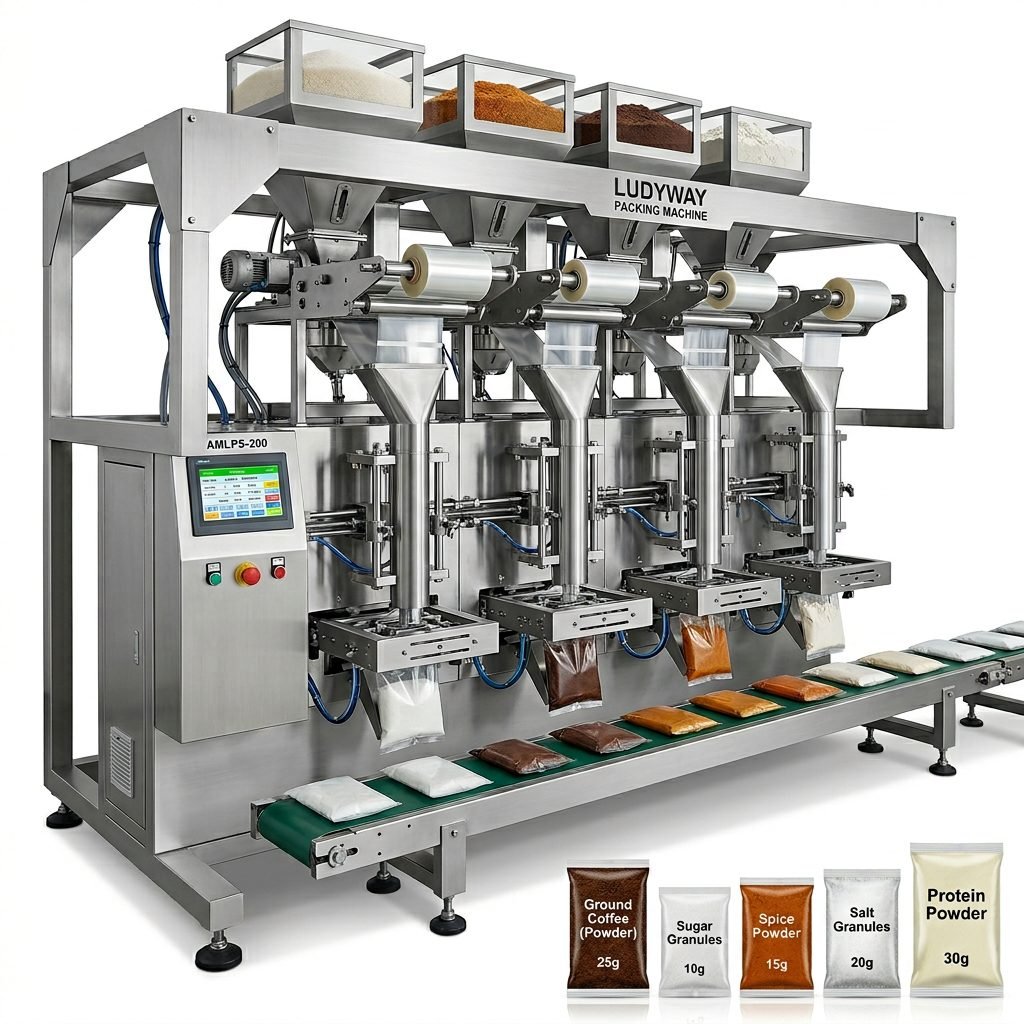
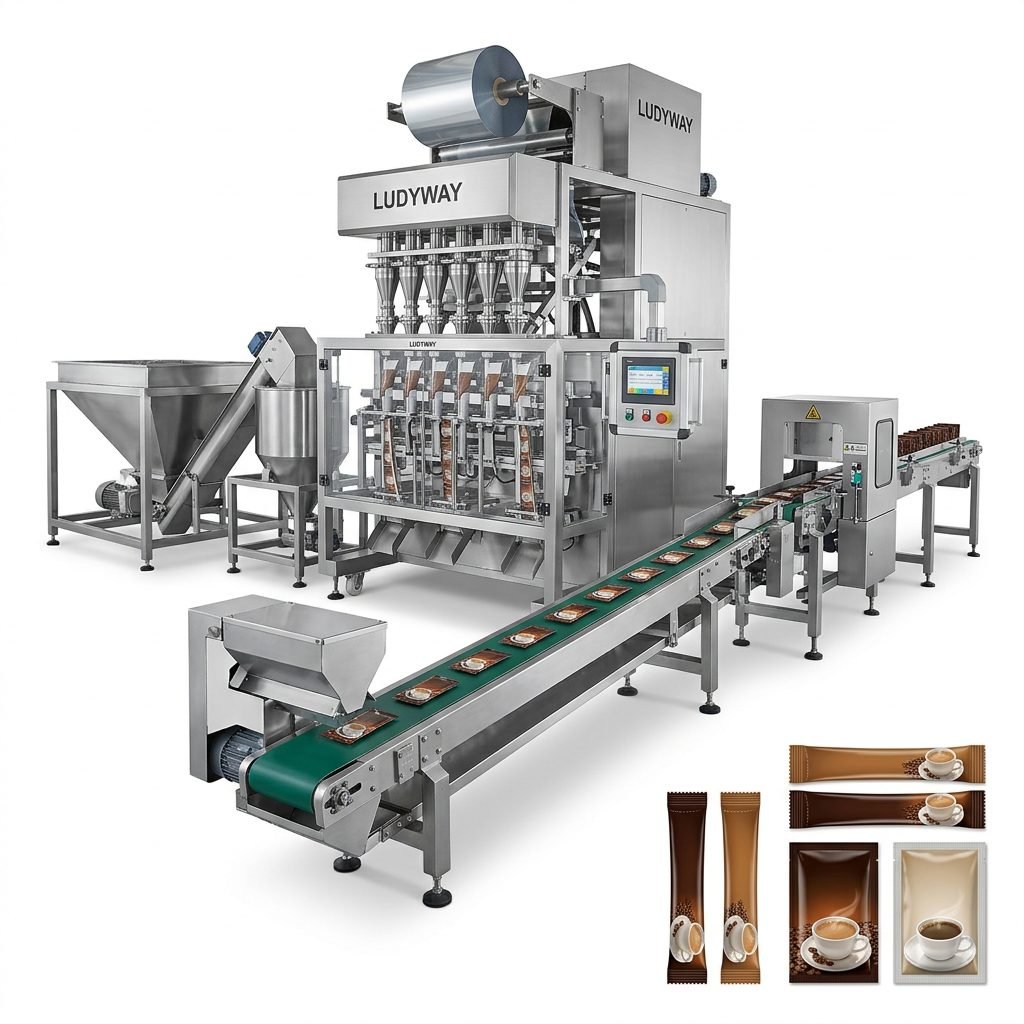
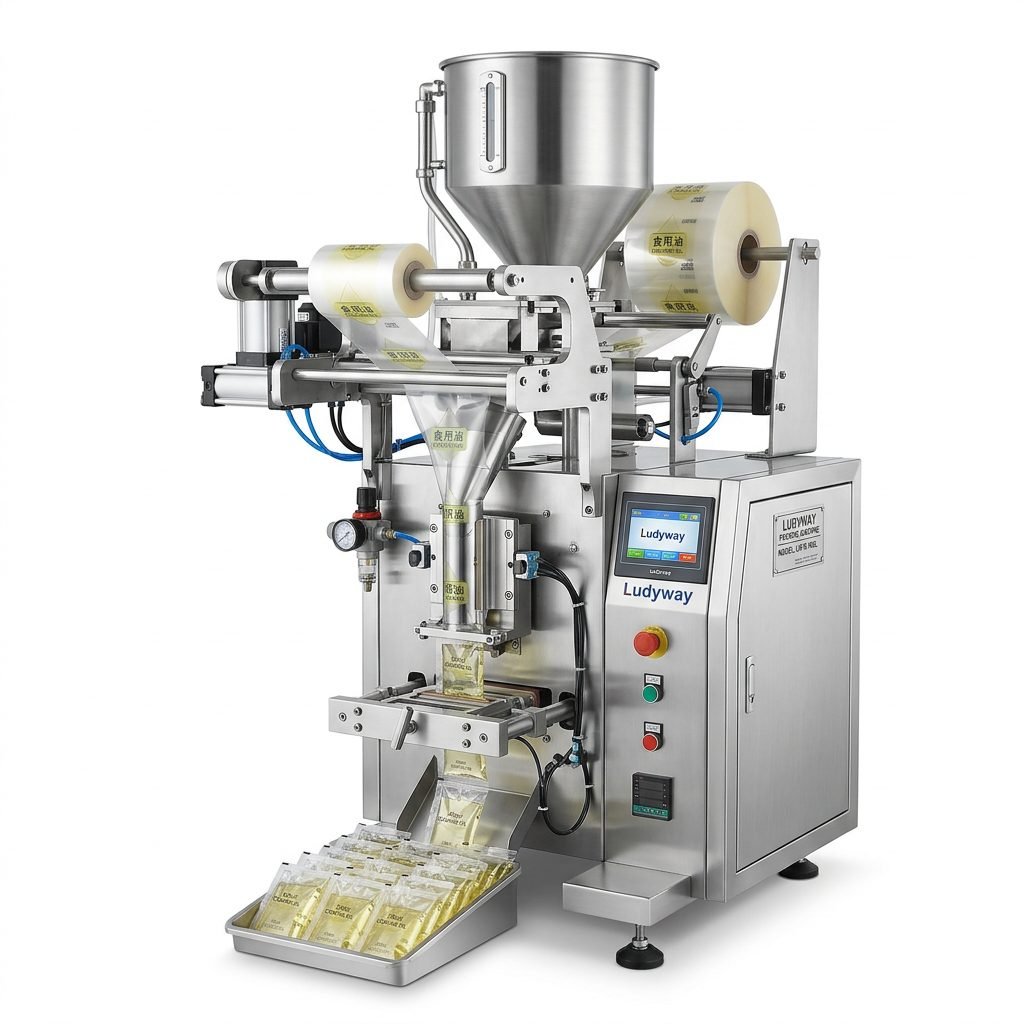
Bottle packing machine price can vary from a few thousand dollars to a complete six-figure investment, depending on the machine type, speed, automation level, and your production goals. If you want the best machine for your budget, the key is not simply buying the cheapest option—it is choosing equipment that balances cost, output, reliability, and future scalability.
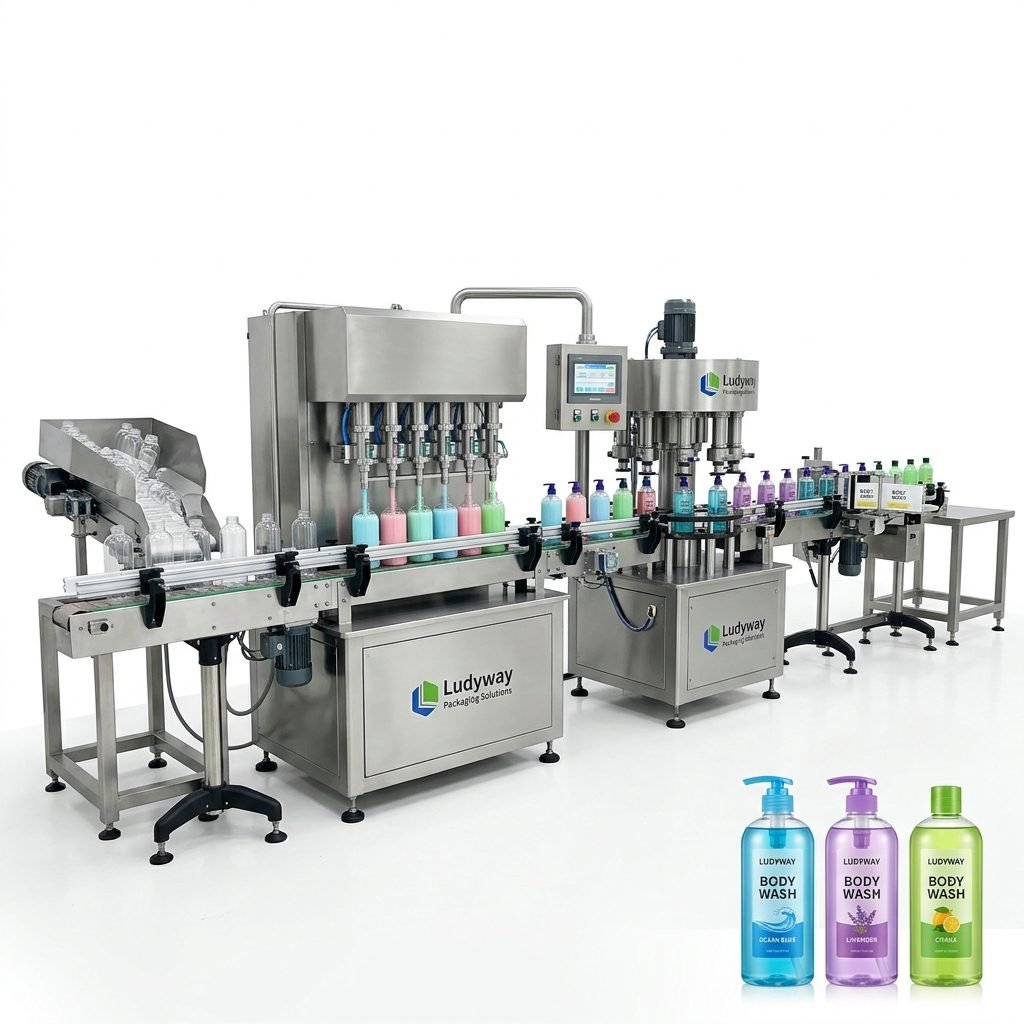
For food, beverage, pharmaceutical, cosmetic, and chemical manufacturers, bottle packing equipment often includes more than one machine. In many cases, buyers are actually budgeting for a bottle filling, capping, labeling, coding, and end-of-line packing system. Understanding where your money goes will help you avoid underbuying or overpaying.
What Affects Bottle Packing Machine Price?
The price of a bottle packing machine is influenced by several practical factors. Two machines may look similar online, but their actual long-term value can be very different.
- Machine type: semi-automatic machines cost less than fully automatic systems.
- Product characteristics: liquids, viscous sauces, powders, tablets, capsules, and granules all require different feeding and filling technologies.
- Bottle size range: wider compatibility usually increases cost.
- Speed requirements: higher bottles per minute means more advanced components and controls.
- Automation level: bottle unscrambling, filling, capping, labeling, inspection, and case packing add to the investment.
- Material and hygiene standard: food- and pharma-grade stainless steel construction can increase price.
- Customization: special cap types, bottle shapes, anti-corrosion design, or integrated conveyors affect final cost.
- Brand and support: better engineering, spare parts access, and after-sales service often justify a higher initial price.
Typical Bottle Packing Machine Price Range
The following table gives a general reference for budgeting. Actual prices depend on application details, production capacity, and the line configuration.
| Machine Type | Typical Price Range | Best For |
|---|---|---|
| Semi-automatic bottle filling machine | US$3,000–US$10,000 | Startups, low-volume production, manual support lines |
| Automatic bottle filling machine | US$10,000–US$40,000 | Growing manufacturers needing better consistency and speed |
| Filling + capping line | US$20,000–US$80,000 | Food, pharma, cosmetics, household product lines |
| Complete bottle packaging line | US$50,000–US$300,000+ | Medium to large factories requiring turnkey automation |
Important: a low upfront price may exclude installation, mold changes, conveyors, coding systems, spare parts, or operator training. Always ask for a complete quotation.
Choose by Budget, Not by Price Alone
The smartest way to buy is to define what your budget must achieve. A machine should support your current production while leaving room for growth.
1. Low Budget: Focus on Essential Performance
If your budget is limited, prioritize the features that directly affect output and product quality. For small businesses, a semi-automatic or compact automatic machine may be enough.
- Start with one stable filling and capping setup
- Choose standard bottle sizes to reduce customization costs
- Use manual bottle loading if output is still manageable
- Ask for upgrade options for future automation
2. Mid-Range Budget: Aim for Better Efficiency
A mid-range budget usually allows you to move into automatic bottle handling, more accurate filling, and better production consistency. This is often the most cost-effective investment stage.
- Improve labor savings
- Reduce filling errors and product waste
- Increase output without a major jump in staffing
- Prepare for multi-shift production
3. Higher Budget: Buy for Long-Term ROI
If you operate at high volume or in a regulated industry, it often makes sense to invest in a full automatic line. The return comes from throughput, stability, traceability, and reduced downtime.
- Higher bottles-per-minute capacity
- Integrated capping, labeling, coding, and inspection
- Reduced operator dependence
- Stronger compliance for food and pharmaceutical sectors
How to Match the Machine to Your Product
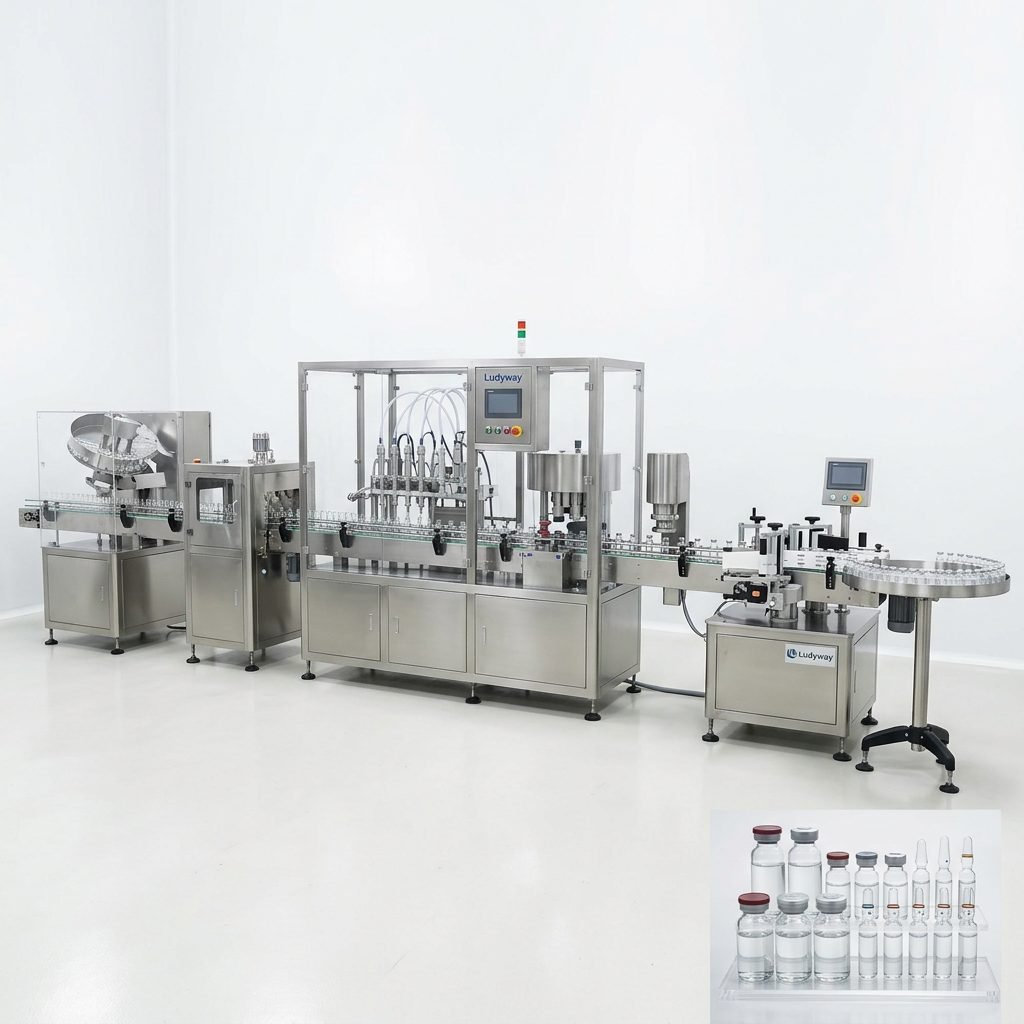
The best bottle packing machine for your budget must also match the physical behavior of your product. This is where many buyers make expensive mistakes.
| Product Type | Recommended Solution | Cost Note |
|---|---|---|
| Water-thin liquids | Flowmeter or gravity filling machine | Usually moderate cost |
| Viscous liquids, creams, sauces | Piston filling machine | May cost more due to heavier-duty design |
| Powders | Auger filling machine with dust control | Extra attention to sealing and cleanliness |
| Granules | Weighing or counting bottle packaging machine | Depends on accuracy and speed requirements |
| Tablets and capsules | Counting bottle line | More advanced counting systems cost more |
Questions to Ask Before You Buy
Before comparing quotations, prepare a clear checklist. Suppliers can only recommend the right machine when they know your real production conditions.
- What product are you filling, and what is its viscosity or flow behavior?
- What bottle sizes, shapes, and materials will you use?
- What filling volume range do you need?
- How many bottles per minute or per hour do you need now?
- Will production volume increase in the next 1–3 years?
- Do you need filling only, or a complete line with capping, labeling, coding, and case packing?
- What hygiene, GMP, or industry standards must the machine meet?
- What is your local power supply and factory layout?
Hidden Costs Many Buyers Miss
A bottle packing machine price quote can look attractive until extra costs appear later. To avoid budget surprises, ask for a detailed breakdown of the full project cost.
- Shipping and import costs
- Installation and commissioning
- Change parts for different bottle sizes
- Spare parts packages
- Operator training
- Maintenance requirements
- Energy consumption
- Downtime risk from low-quality components
Sometimes a machine with a slightly higher purchase price becomes the lower total-cost option over its working life.
How to Evaluate ROI Instead of Only Initial Cost
A practical way to judge value is to estimate how quickly the machine pays for itself.
Consider These ROI Factors
- Labor reduction per shift
- Increase in production capacity
- Less product waste from inaccurate filling
- Lower packaging defects and rework
- Better production scheduling and delivery reliability
- Ability to accept larger customer orders
If an automatic line costs more upfront but doubles output and reduces labor, it may deliver a far better return than a cheaper machine that limits your growth.
Semi-Automatic vs Fully Automatic: Which Is Better for Your Budget?
| Option | Advantages | Limitations |
|---|---|---|
| Semi-automatic | Lower price, easier to start, flexible for small batches | More labor, lower speed, less scalable |
| Fully automatic | Higher output, lower labor cost, stronger consistency | Higher upfront investment |
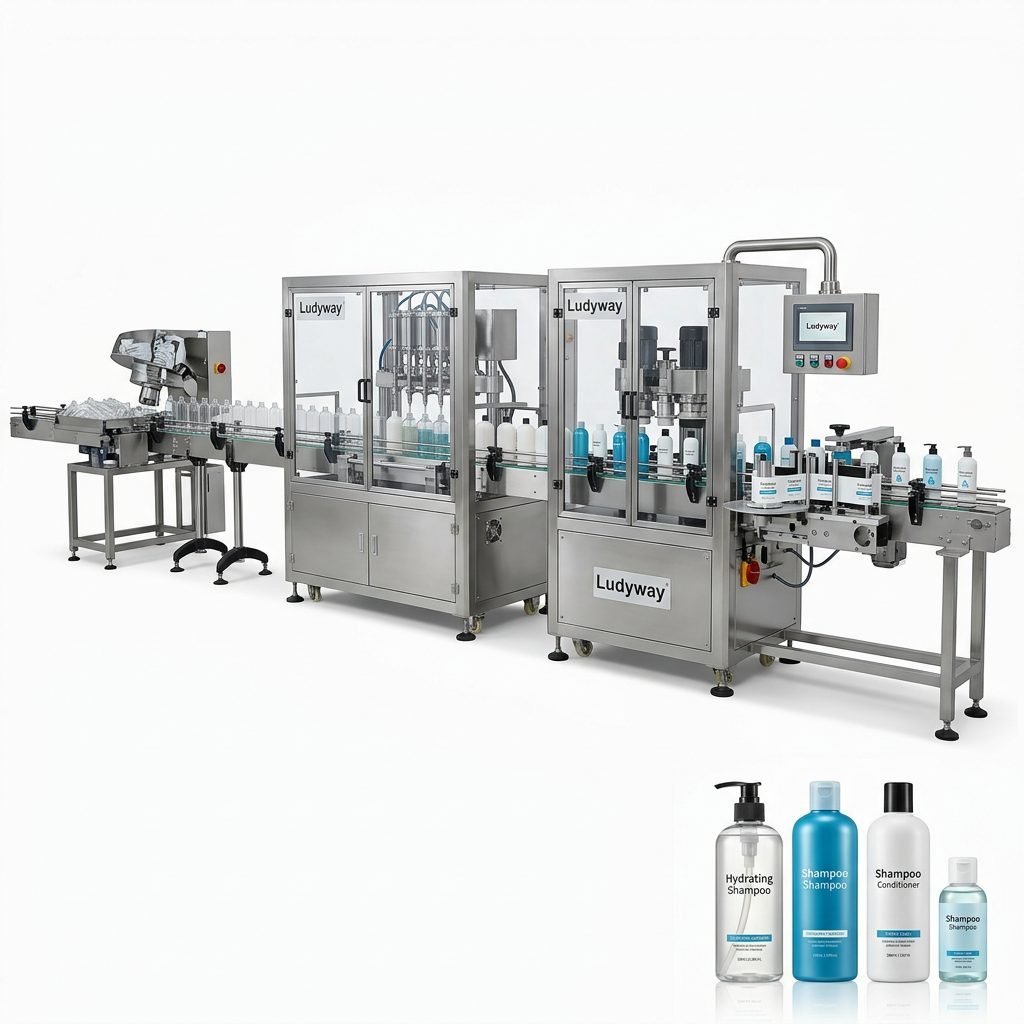
If you are producing only a few thousand bottles per month, a semi-automatic system may be enough. If you run daily production, multiple SKUs, or commercial contract manufacturing, a fully automatic solution is usually more economical over time.
Why Supplier Experience Matters
Machine price should always be considered together with supplier capability. An experienced manufacturer can reduce technical risk, shorten setup time, and recommend the most cost-effective configuration for your plant.
For buyers looking for scalable packaging automation, Ludyway packaging machine solutions are often considered for food, pharmaceutical, health supplement, cosmetic, and related industries because of broad product coverage, turnkey line capability, and long manufacturing experience.
Best Buying Tips to Stay Within Budget
- Define your real output target before asking for quotes
- Standardize bottle and cap formats where possible
- Request video proof or sample testing with your product
- Compare total solution cost, not just machine base price
- Ask which parts are imported and which are locally replaceable
- Choose a machine that can be upgraded as your factory grows
- Confirm after-sales service, manuals, and spare parts support in advance
Final Decision Framework
When choosing the best bottle packing machine for your budget, use this simple framework:
- Set your budget range
- Define product and bottle requirements
- Calculate required production speed
- Compare automation levels
- Review hidden costs and service terms
- Choose the machine with the best long-term value
In short, the right bottle packing machine price is not the lowest number on a quote sheet. It is the investment that gives you dependable performance, acceptable operating cost, and enough capacity to support your business growth.