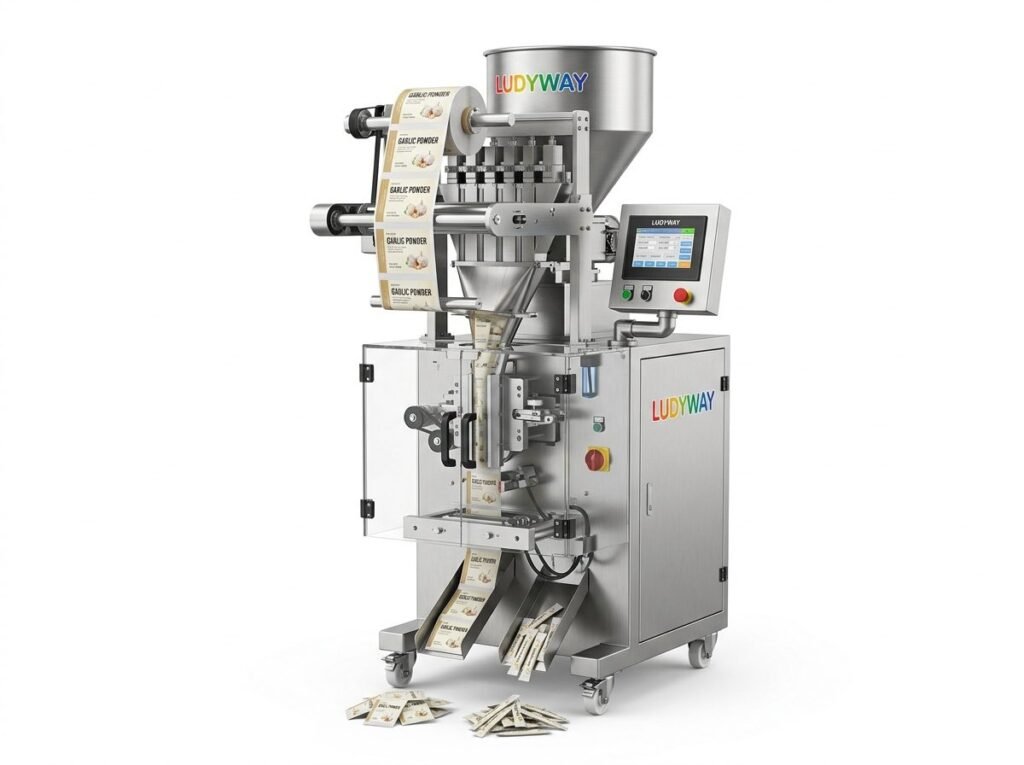
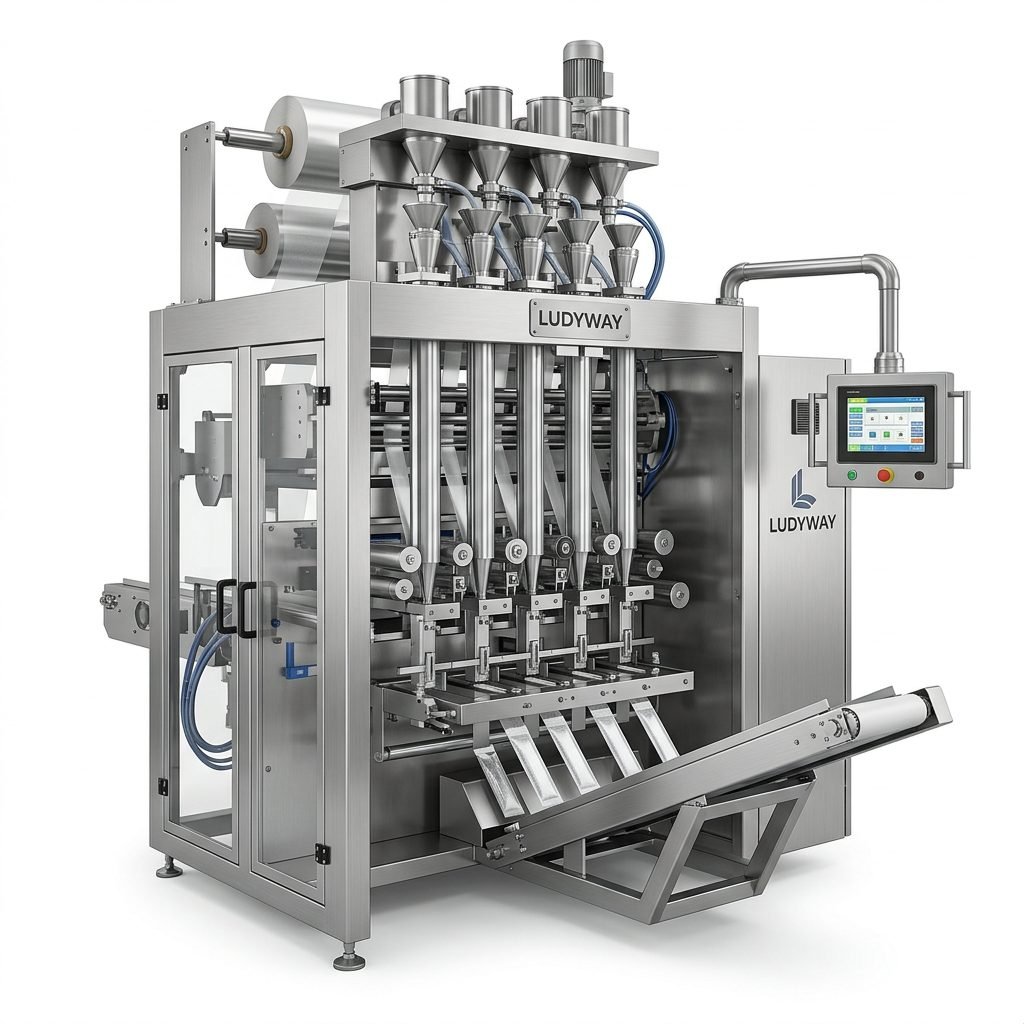
Selecting the right packaging machinery is one of the most critical investment decisions for manufacturers in the food, pharmaceutical, and consumer goods sectors. Whether you are upgrading an existing line or building a new production facility, the weighing, filling, and packing system you choose directly impacts productivity, product quality, and long-term operational costs. This guide walks you through a structured evaluation process, referencing key industry resources such as the PMMI Business Intelligence Library to help you make an informed purchasing decision.
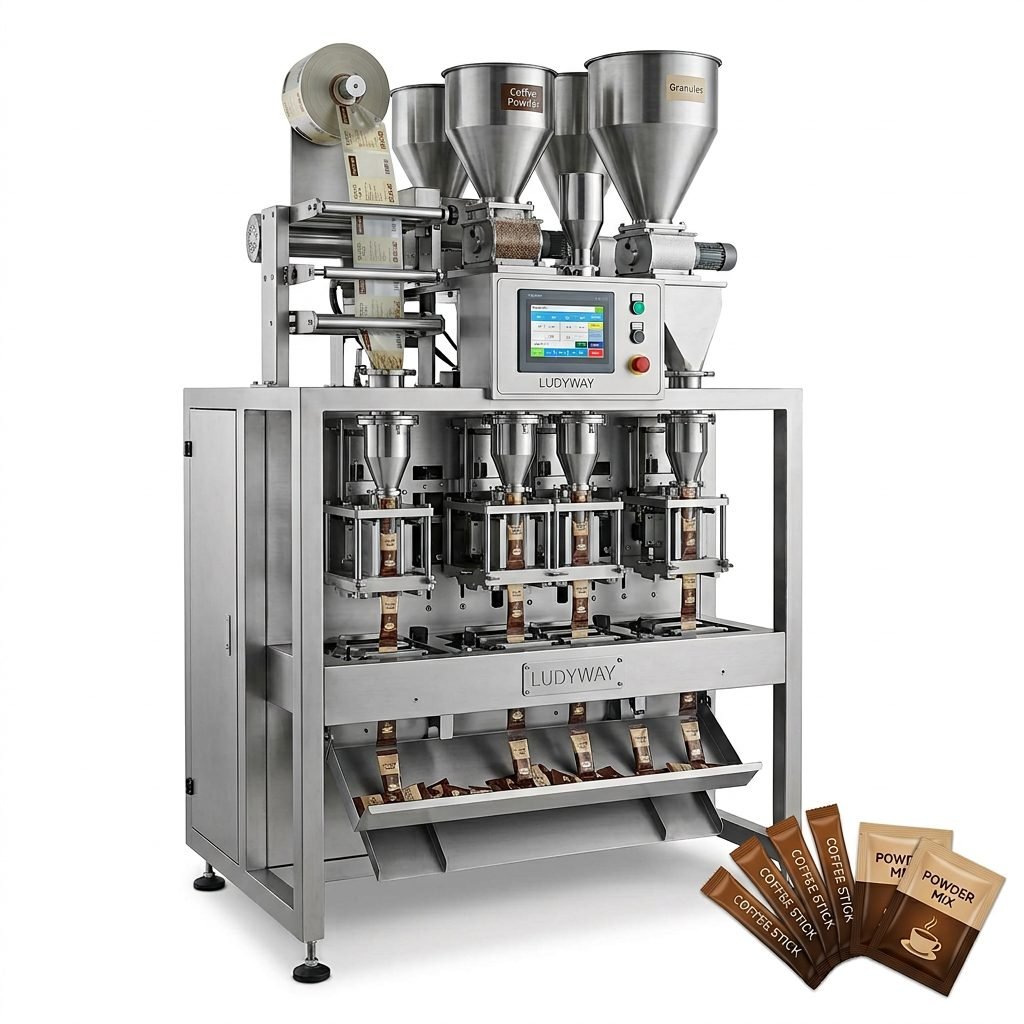
1. Define Your Product and Packaging Requirements First
Before comparing machine specifications, you need a clear picture of what you are packing and how it needs to be packed. The physical characteristics of your product will determine the appropriate dosing and filling technology.
- Product State and Flow: Is your product a free-flowing granule (like sugar or salt), a cohesive powder (like flour or protein), a liquid, a paste, or a solid piece?
- Packaging Format: Are you targeting stick packs, sachets, premade pouches, large bags, or trays?
- Material Sensitivity: Does the product require gas flushing (MAP), vacuum sealing, or moisture-proof barriers?
For manufacturers handling multiple product types, flexible systems that can switch between granules, powders, and liquids are increasingly valuable. Standards from ISO packaging standards provide useful benchmarks for material compatibility and performance.
2. Key Technical Specifications to Evaluate
Once your product parameters are clear, focus on the core technical capabilities of the machine. The table below outlines the primary factors to compare across different models and manufacturers.
| Feature | Why It Matters | What to Look For |
|---|---|---|
| Weighing Accuracy | Directly affects product give-away and profitability | Multi-head weighers with high precision load cells and automatic feedback |
| Production Speed | Determines overall line capacity and throughput | Rated packs per minute (ppm) for your specific product and bag size |
| Changeover Time | Impacts OEE if you run multiple SKUs | Tool-less changeover, recipe memory, quick-release parts |
| Film & Material Handling | Affects seal integrity and packaging waste | Precise tension control, center-seal options, compatibility with sustainable films |
3. Integration: The Machine Is Only One Part of the System
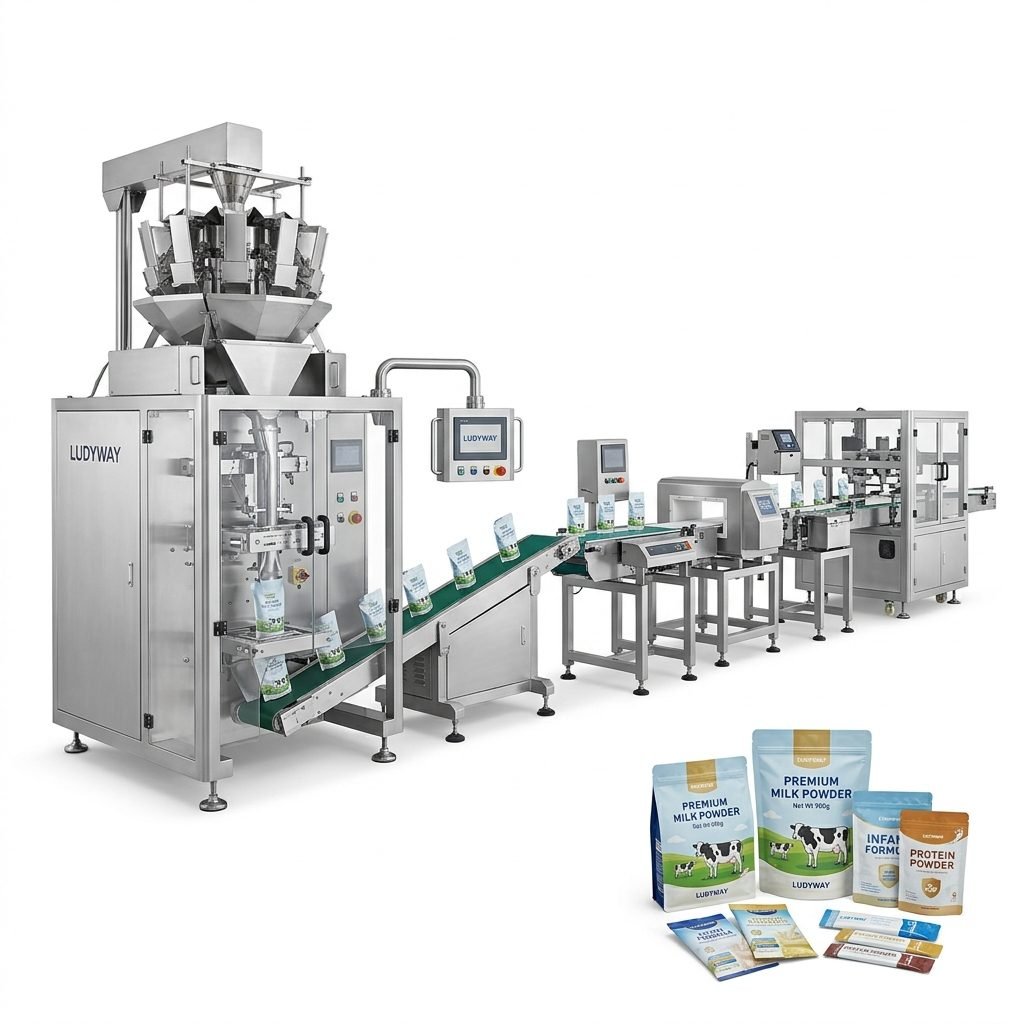
A stand-alone packaging machine rarely operates in isolation. You need to consider how the equipment integrates with upstream and downstream processes. According to the PMMI 2025 State of the Industry report, fully integrated packaging lines can significantly reduce labor costs and improve overall equipment effectiveness.
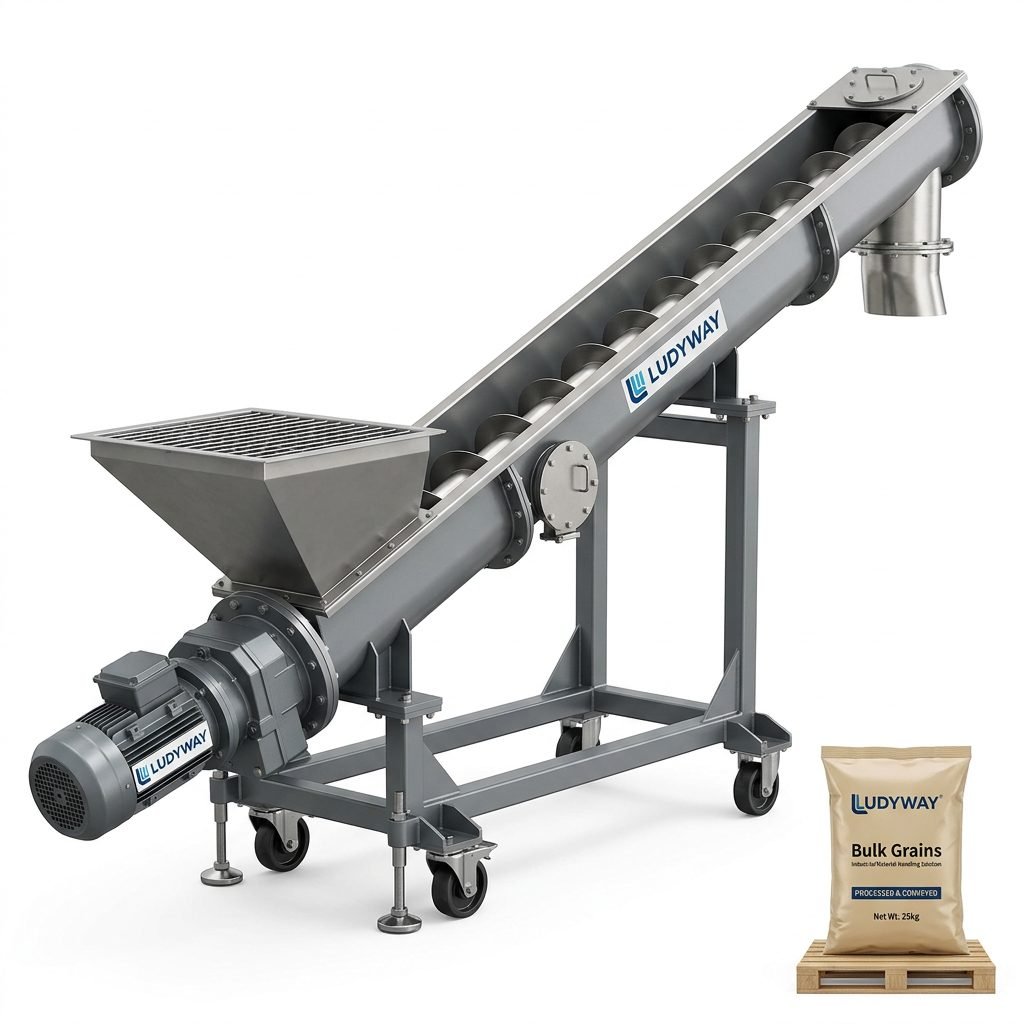
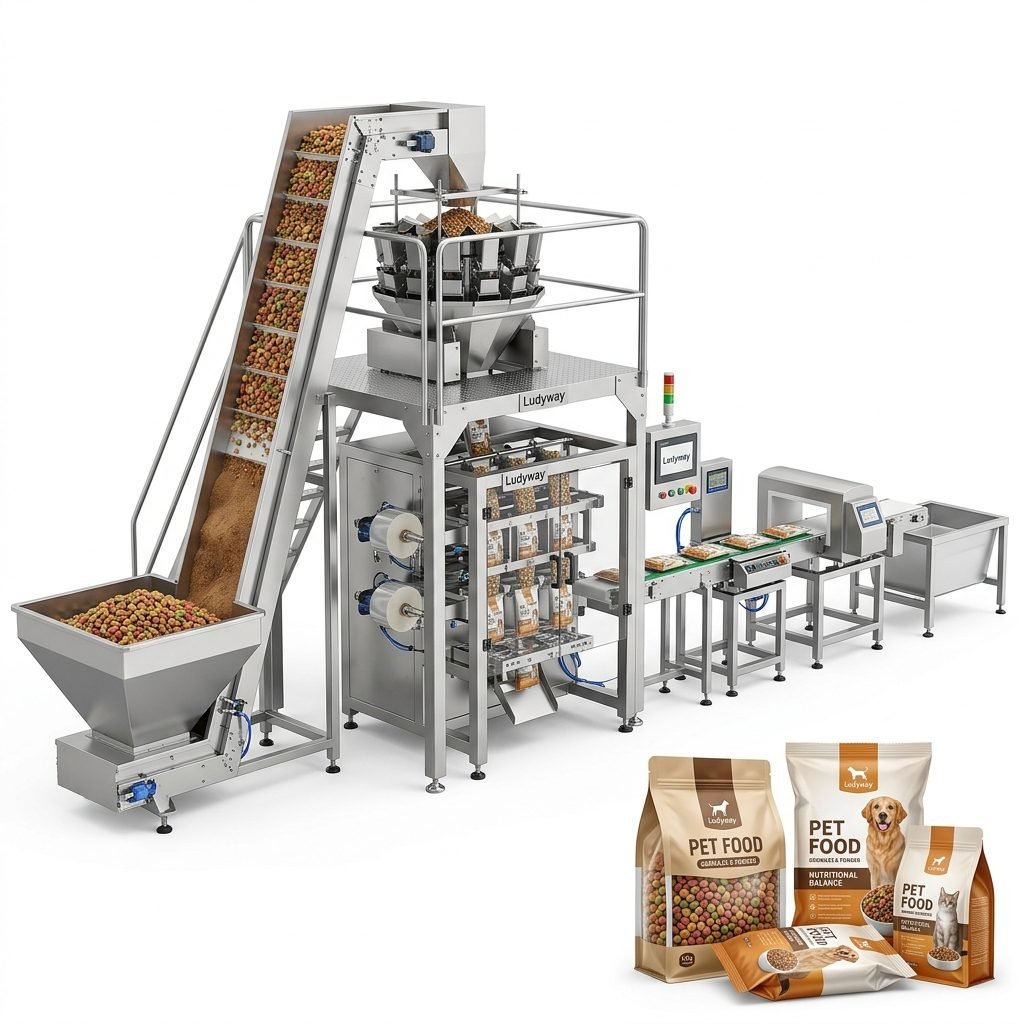
- Upstream: Infeed conveyors, elevators, and product feeding systems must deliver a consistent product flow.
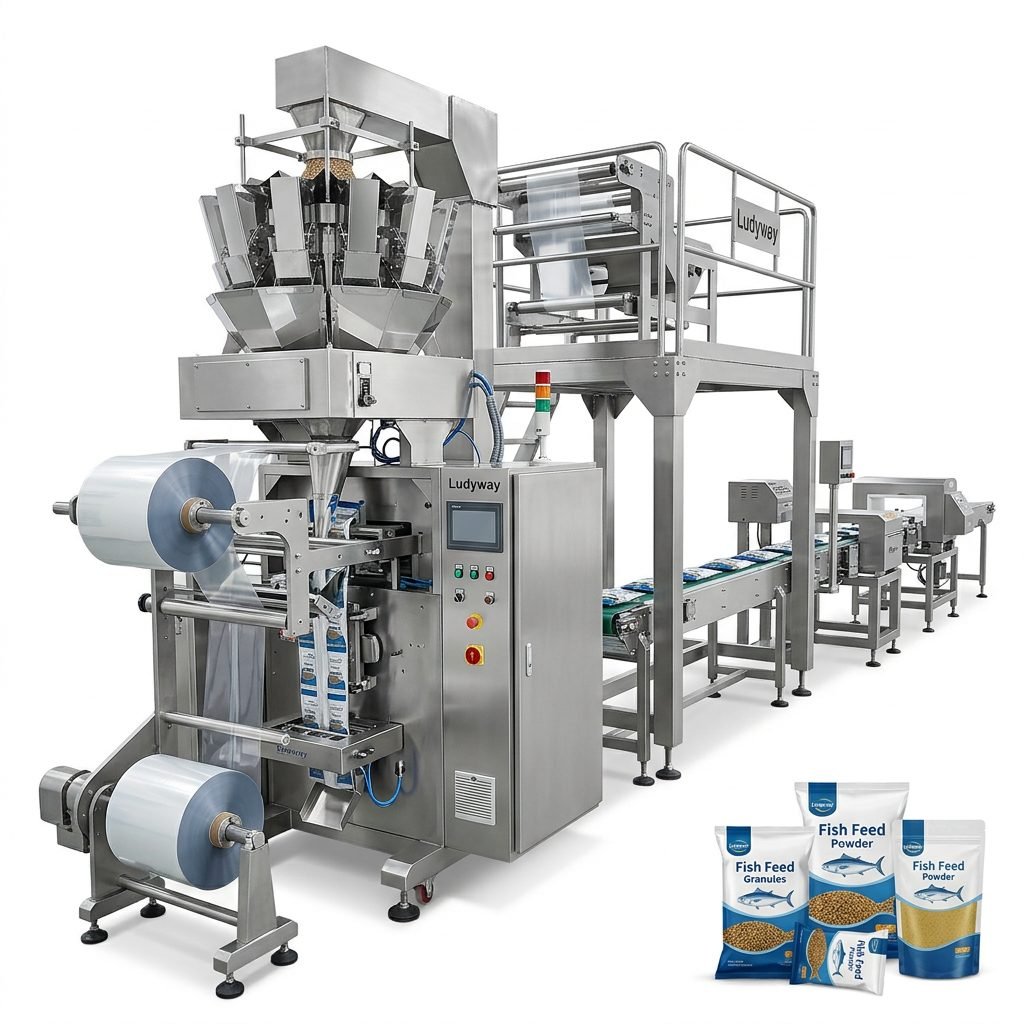
- Downstream: Checkweighers, metal detectors, cartoners, case packers, and palletizers should connect seamlessly.
- Control Systems: Look for machines compatible with Industry 4.0 standards, offering data collection, remote diagnostics, and integration with factory management software.
The Multi-Lane Advantage
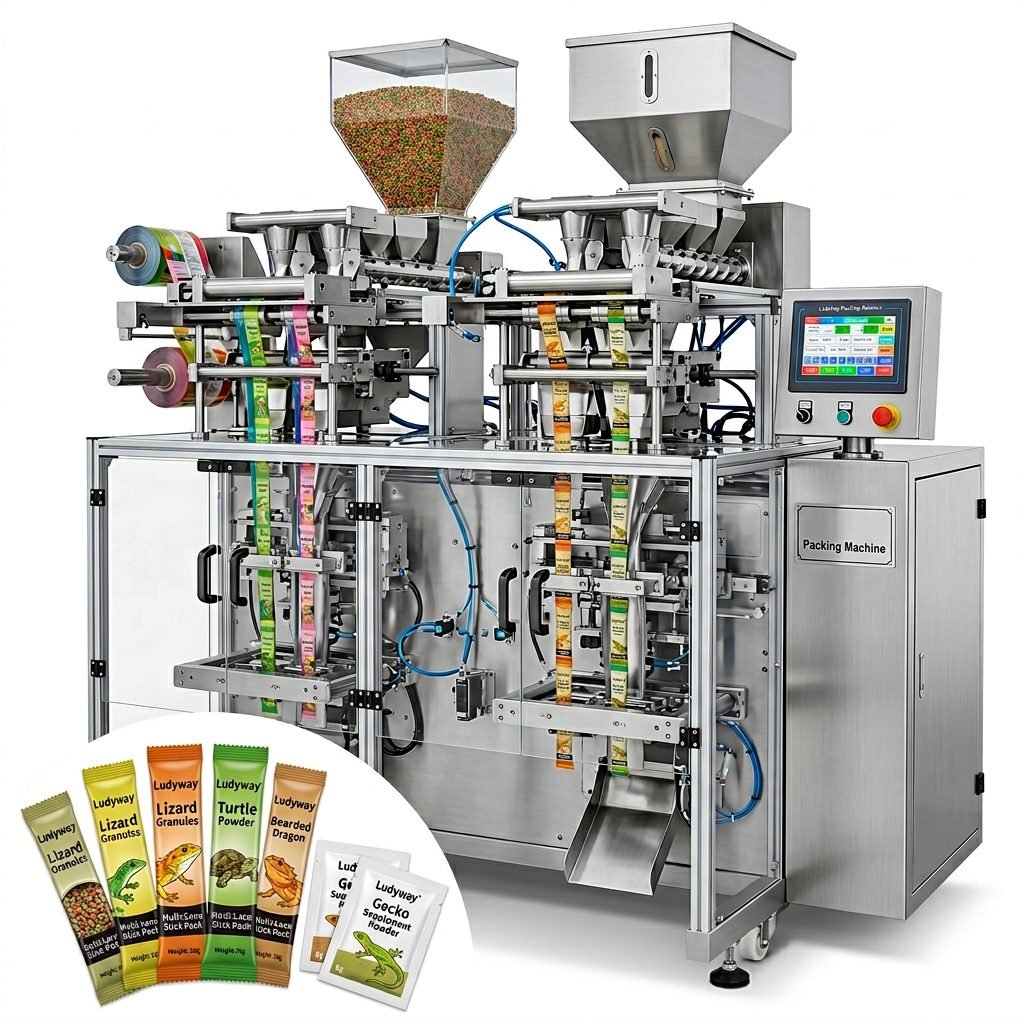
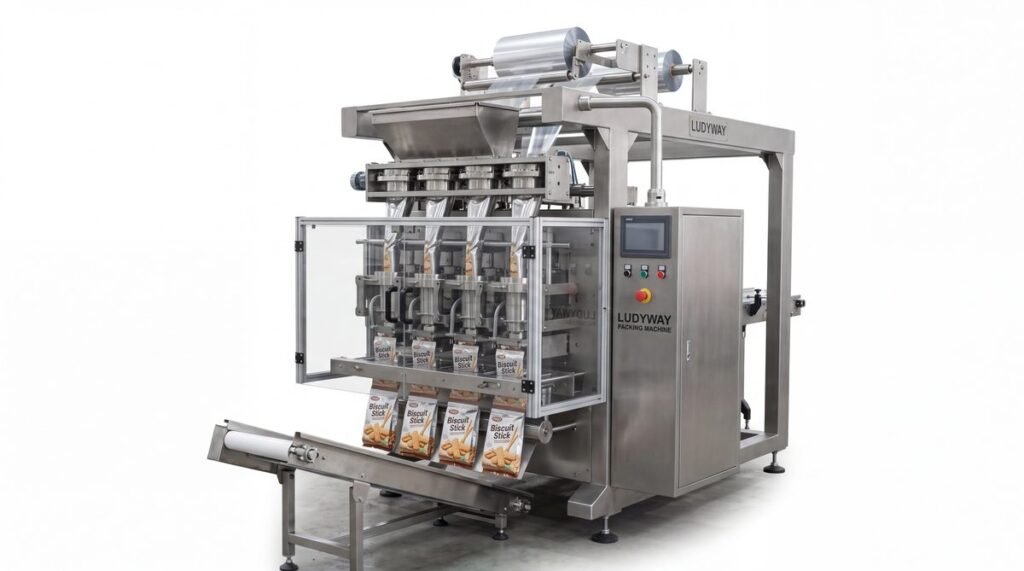
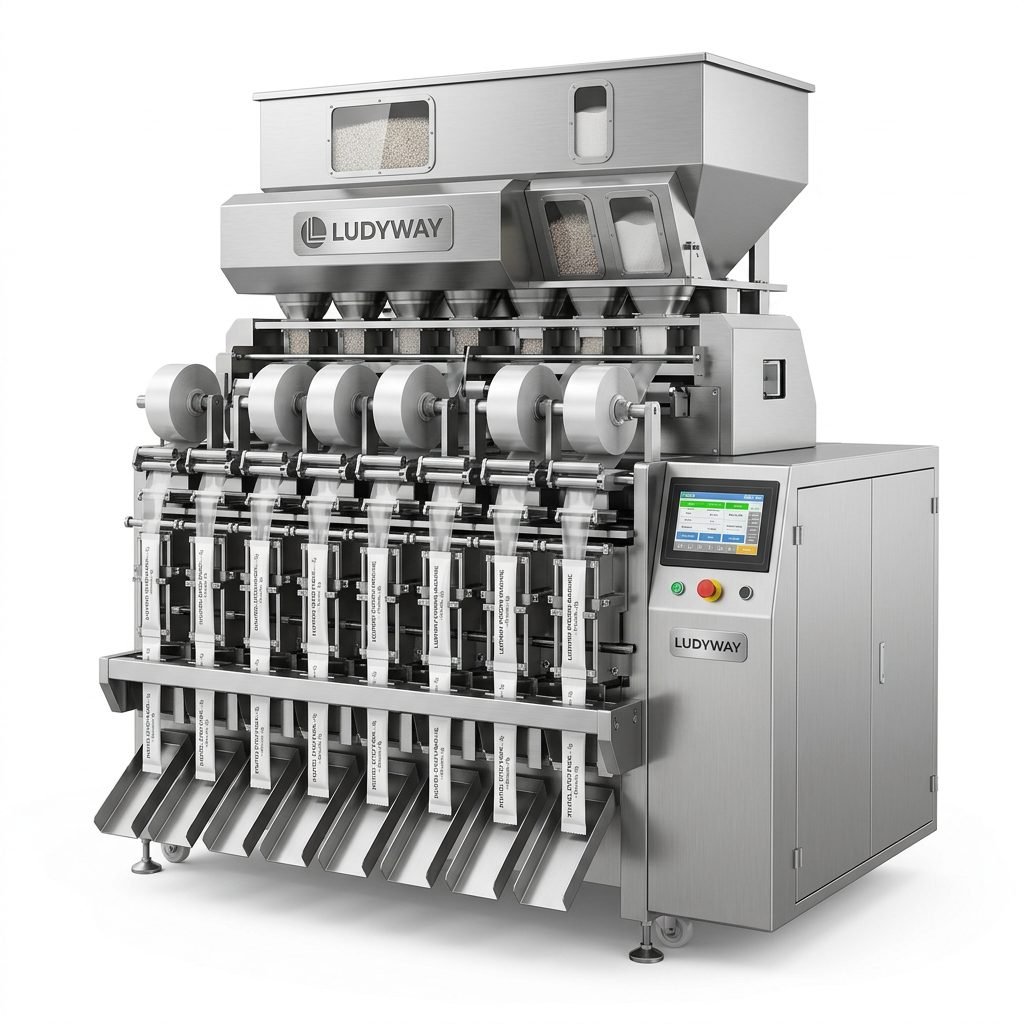
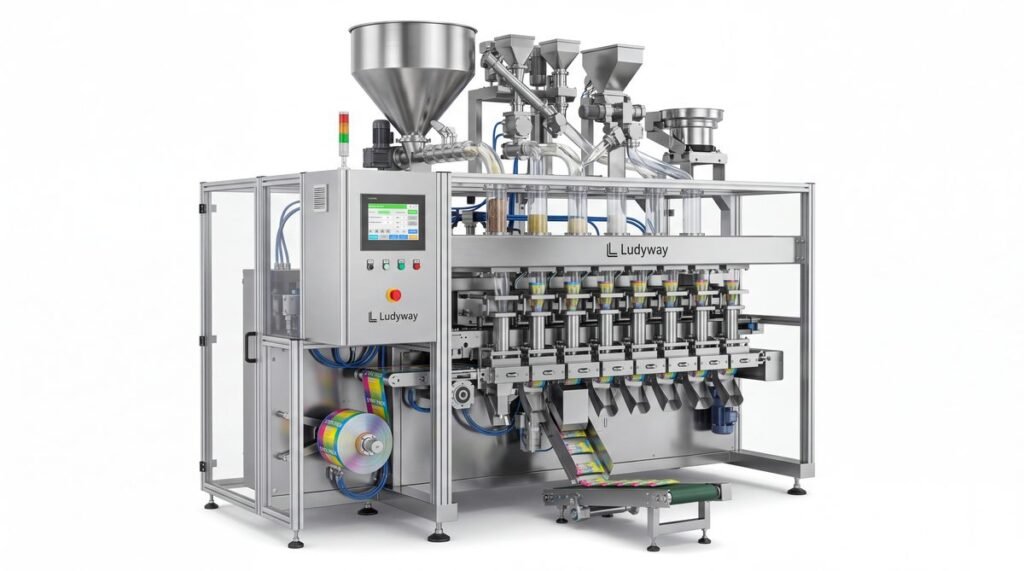
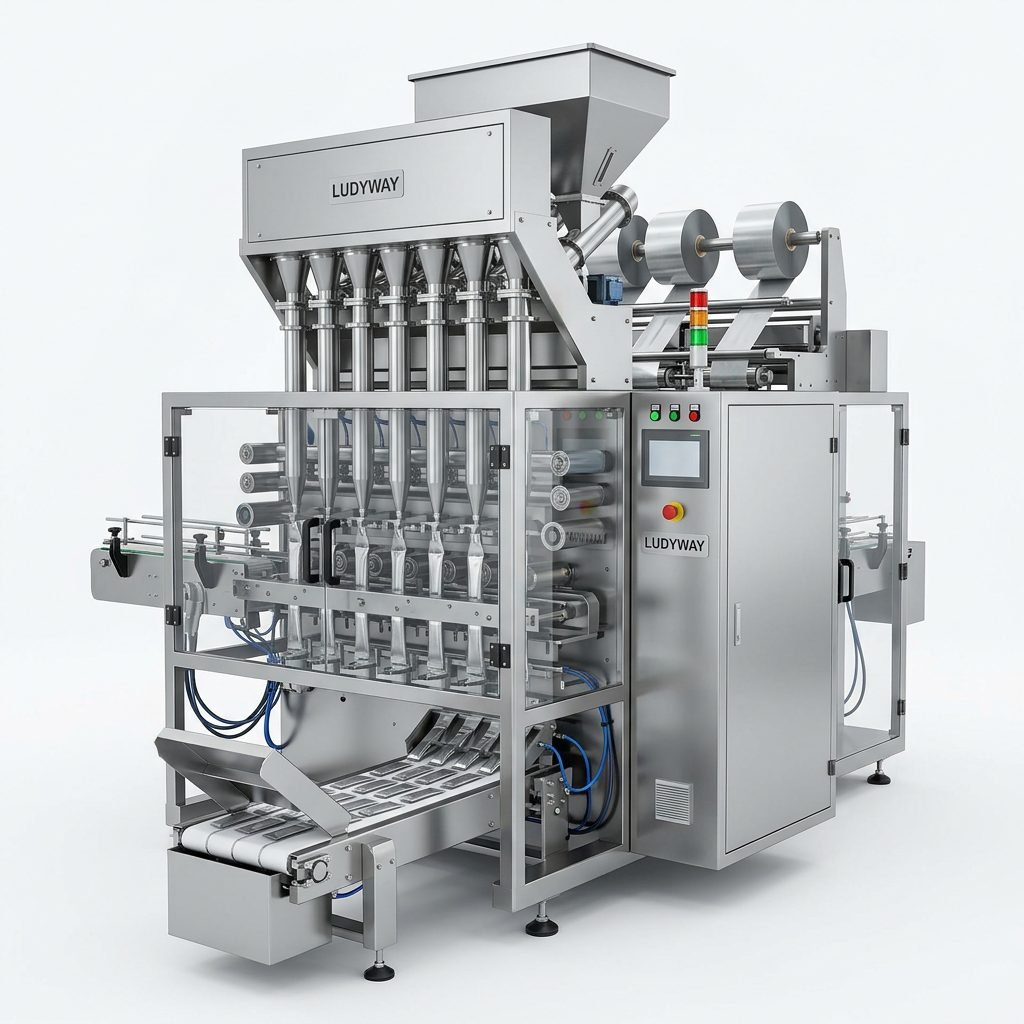
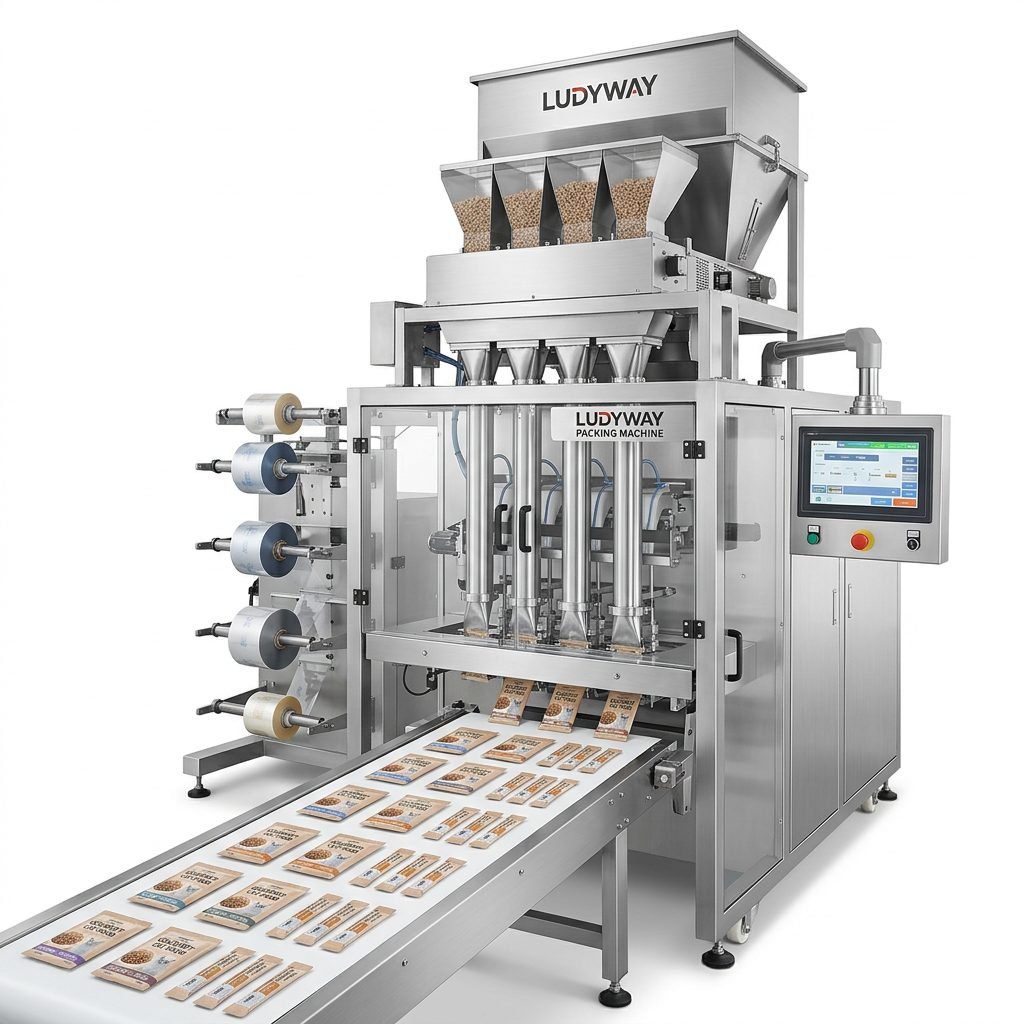
For high-volume production of sachets and stick packs, multi-lane technology has transformed capacity. A single multi-lane machine can produce multiple lanes simultaneously, dramatically increasing output without proportionally increasing floor space. This configuration is particularly effective for products like instant coffee, sugar, salt, and supplements.
4. Total Cost of Ownership and ROI Calculation
The purchase price is only the starting point. A comprehensive cost analysis should factor in all expenses over the machine’s expected service life. The FDA’s guidance on food packaging and food contact substances also highlights the importance of selecting materials and equipment designed for compliance from the start, avoiding costly retrofits.
- Consumables and Spare Parts: Film waste rates, wear parts replacement frequency, and the availability of critical components.
- Energy Consumption: Pneumatic versus electric actuators, motor efficiency, and standby power usage.
- Labor Requirements: Fully automatic machines that integrate with automated feeding and cartoning systems can significantly reduce operator dependency.
- Maintenance and Downtime: Scheduled maintenance intervals, typical repair times, and whether the supplier offers remote support.
5. Compliance, Validation, and Safety Standards
Depending on your industry and target markets, your packaging equipment must meet specific regulatory standards. The European Packaging and Packaging Waste regulations are evolving rapidly, and machinery should be adaptable to new material requirements. Key certifications to verify include:
- CE marking for European markets
- FDA compliance for food and pharmaceutical contact surfaces
- ISO 11607 for medical device packaging validation requirements, detailed at ISO 11607-1 and ISO 11607-2
- GAMP guidelines for automated systems in pharmaceutical environments
6. Supplier Capability and Long-Term Partnership
Your relationship with the equipment manufacturer extends far beyond installation. Evaluate potential suppliers based on their engineering depth, industry experience, and global support infrastructure. A manufacturer like Ludyway Machinery, with more than 30 years of experience in the packaging industry and a 20,000-square-meter manufacturing facility, exemplifies the type of partner that can provide customized solutions—from single machines to complete turnkey packaging lines—and technical support throughout the project lifecycle for customers in over 100 countries.
Questions to Ask Potential Suppliers
- Can you provide application-specific references for a similar product and packaging format?
- What is the standard lead time, and do you offer factory acceptance testing (FAT)?
- How is after-sales support structured, including spare parts inventory and response time?
- Do you offer operator training and installation commissioning services?
- Is the machine designed for future upgrades or modular expansion?
7. Future-Proofing Your Investment
The packaging industry is shifting toward greater automation, digital connectivity, and sustainable materials. Equipment purchased today should be capable of adapting to these trends. The Flexible Packaging Association’s industry resources provide ongoing data on material innovation that can inform your equipment choices. Look for machines with open-architecture controls, the ability to handle recyclable and bio-based films, and the flexibility to add modules like inspection systems or serialization components later.
Making Your Final Decision
Choosing the right packaging machine requires balancing technical performance, total cost, compliance requirements, and supplier reliability. Start with a rigorous internal assessment of your product characteristics and production goals. Then request detailed proposals from qualified manufacturers that can demonstrate relevant experience and engineering capability. Always conduct product trials with your actual materials before making a final commitment, and prioritize suppliers who offer comprehensive support from installation to ongoing operation.
For further insight into global packaging machinery trends and market data, resources from the PMMI Association for Packaging and Processing Technologies and the Flexible Packaging Association provide authoritative industry analysis.