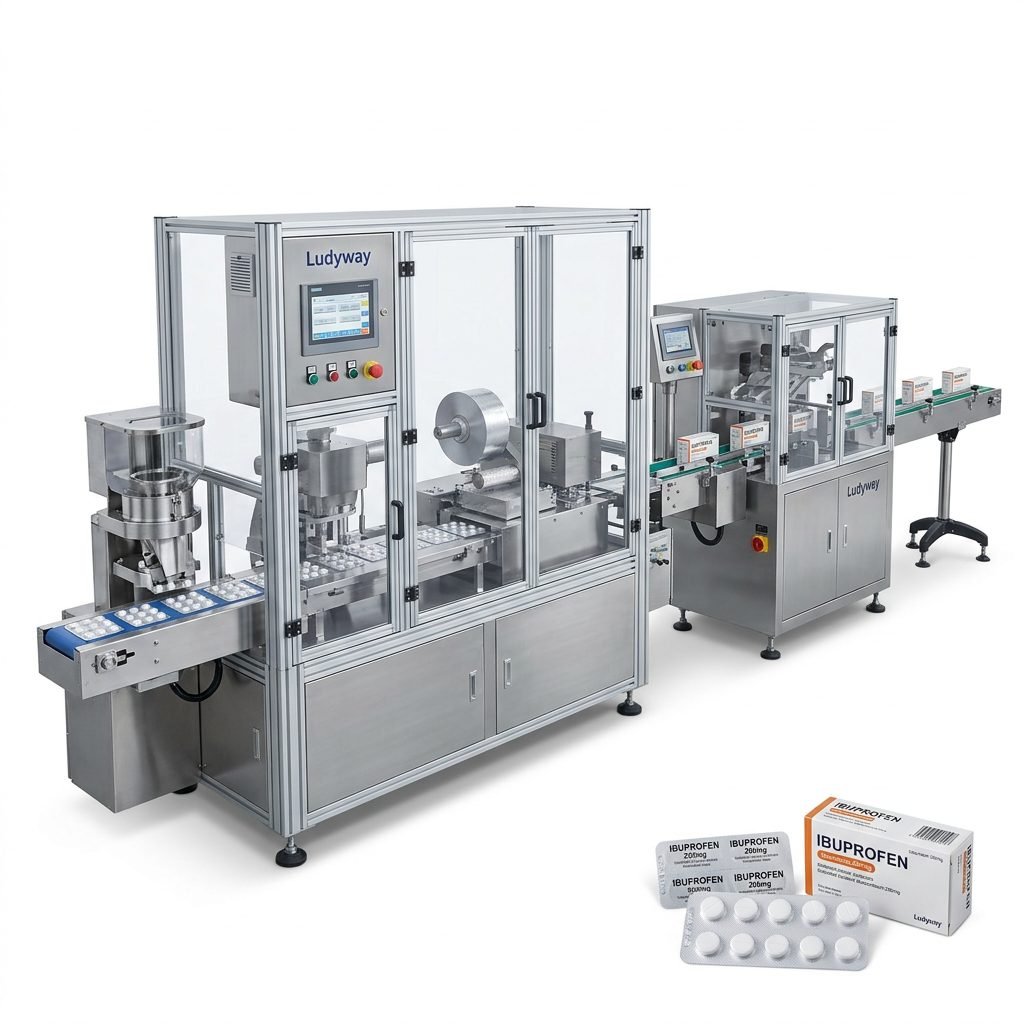
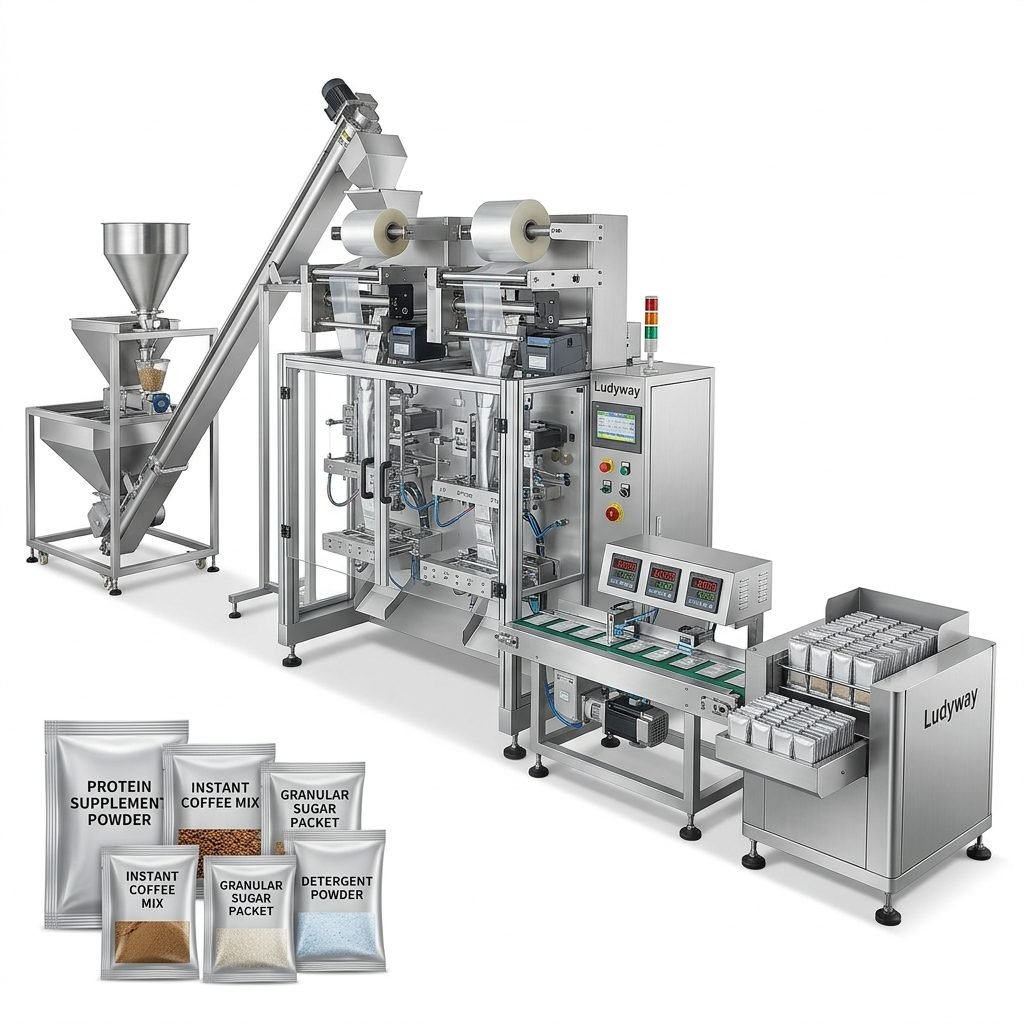
Selecting the right automatic blister packing machine is one of the most important equipment decisions a pharmaceutical, food, or consumer goods manufacturer can make. A poorly matched machine leads to production bottlenecks, excessive downtime, inconsistent seal quality, and higher long-term operating costs. A well-chosen machine, on the other hand, improves throughput, ensures product integrity, and scales with your business. This guide walks you through the essential factors to evaluate before making a purchase.
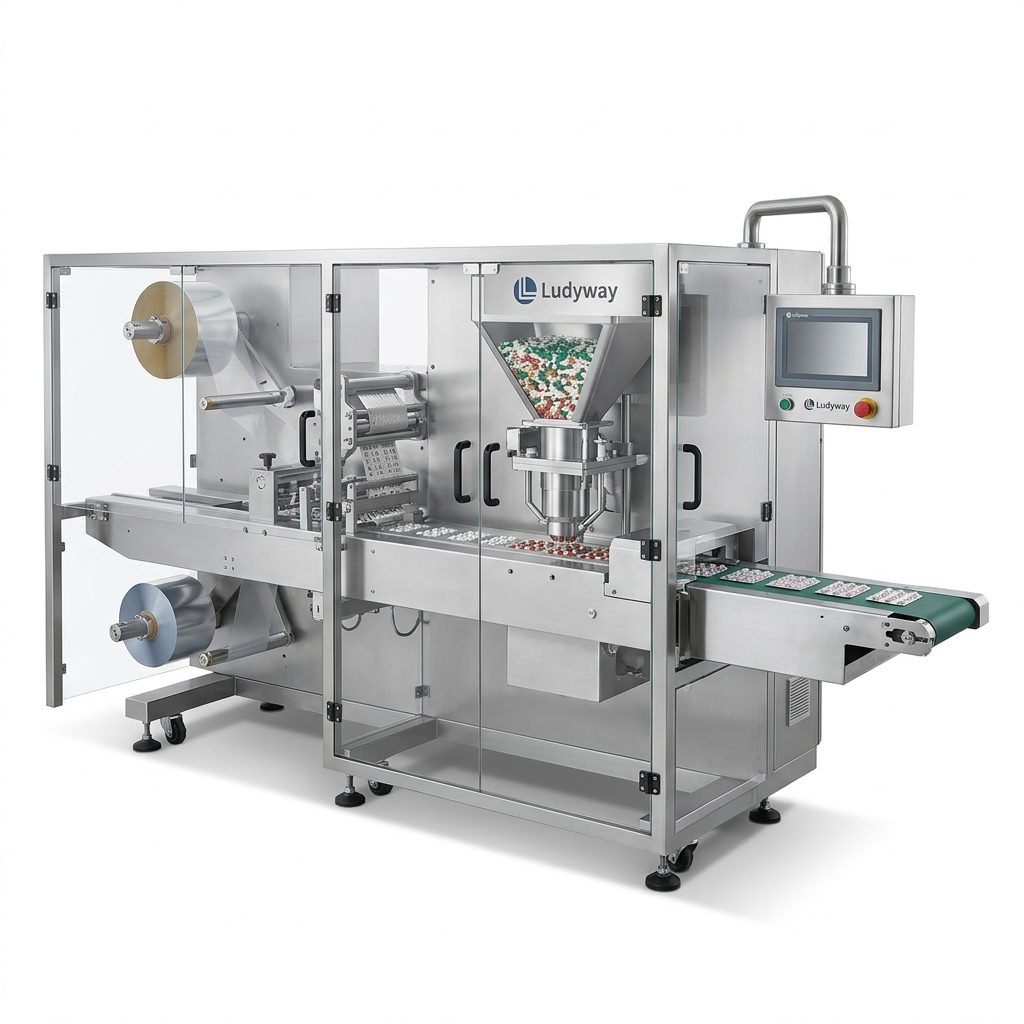
Understanding Blister Packaging Machine Types
Not all blister packaging machines are built the same way. The three primary configurations include:
- Flat-plate blister machines – Ideal for medium to high-volume production of pharmaceutical tablets and capsules. These machines use flat forming and sealing plates, offering excellent consistency for standard blister formats.
- Roller-type blister machines – Designed for continuous motion and ultra-high-speed production. Commonly used for large-batch pharmaceutical manufacturing where output per minute is the critical metric.
- Rotary blister machines – Provide flexibility for smaller batches and frequent format changes. These are popular with contract packagers and manufacturers handling multiple product SKUs.
Your choice among these types should be guided by your production volume, packaging format requirements, and changeover frequency. For additional context on packaging machinery classifications, refer to resources available through the PMMI – The Association for Packaging and Processing Technologies.
Key Factors to Consider When Choosing
Evaluating an automatic blister packing machine requires looking beyond the initial purchase price. The following table summarizes the critical factors that directly impact performance, compliance, and total cost of ownership:
| Evaluation Factor | What to Ask | Impact Area |
|---|---|---|
| Production Speed | How many blisters per minute does the machine produce at steady state? | Throughput, labor efficiency |
| Forming Area Dimensions | What is the maximum forming area, and does it accommodate your blister sizes? | Format flexibility, material usage |
| Material Compatibility | Can the machine handle PVC, PVDC, Aclar, aluminum, or cold-form foil? | Barrier properties, product stability |
| Changeover Time | How quickly can operators switch between blister formats and products? | Operational efficiency, downtime |
| Sealing Integrity | What sealing technology is used, and how consistent is the seal quality? | Product protection, regulatory compliance |
| Automation Level | Does the machine include automatic feeding, inspection, and cartoning? | Labor costs, line integration |
Assessing Your Production Requirements
Before contacting equipment suppliers, establish a clear understanding of your current and future production needs. Consider the following:
- Batch sizes and run frequency – Are you running large batches of a single product or frequent short runs with multiple changeovers?
- Blister format and cavity configuration – What cavity dimensions, depth, and layout does your product require?
- Filling method – Will the machine use manual feeding, vibratory bowl feeding, or robotic picking systems?
- Future scalability – Can the machine accommodate higher speeds or additional formats as your business grows?
Industry-Specific Considerations
Different industries impose different requirements on blister packaging equipment. Understanding these nuances helps narrow your options significantly.
Pharmaceutical Applications
Pharmaceutical blister packaging must meet stringent regulatory standards including cGMP compliance, 21 CFR Part 11 for electronic records, and serialization requirements. Machines used in pharma environments should offer validated processes, full audit trail capabilities, and integration with track-and-trace systems. For guidance on pharmaceutical packaging regulations, the FDA – Packaging and Food Contact Substances resource provides essential reference material.
Food and Nutraceutical Applications
Food-grade blister packaging prioritizes moisture barrier properties, oxygen protection, and tamper evidence. Nutraceutical products such as supplements and vitamins often require similar levels of protection to pharmaceuticals but may operate under slightly different regulatory frameworks. Material selection—including the choice of lidding foil and forming film—directly affects shelf life and consumer safety. The Flexible Packaging Association – Industry Resources offers valuable data on packaging material performance and sustainability trends.
Evaluating Machine Quality and Compliance
A thorough quality assessment should cover mechanical construction, electrical systems, software controls, and compliance documentation. Key areas to review include:
- Frame and component build quality – Look for robust construction using stainless steel and anodized aluminum in product-contact areas.
- Control system architecture – Modern machines should feature PLC-based controls with HMI touchscreens and recipe management.
- Validation documentation – For pharmaceutical applications, ensure the manufacturer can provide IQ/OQ/PQ documentation packages.
- Safety features – Interlocked guards, emergency stops, and compliance with applicable machinery safety directives are essential.
International standards such as ISO Packaging Standards provide benchmarks for equipment design and performance. Confirming that a machine meets relevant ISO specifications helps ensure reliability and simplifies regulatory acceptance in target markets.
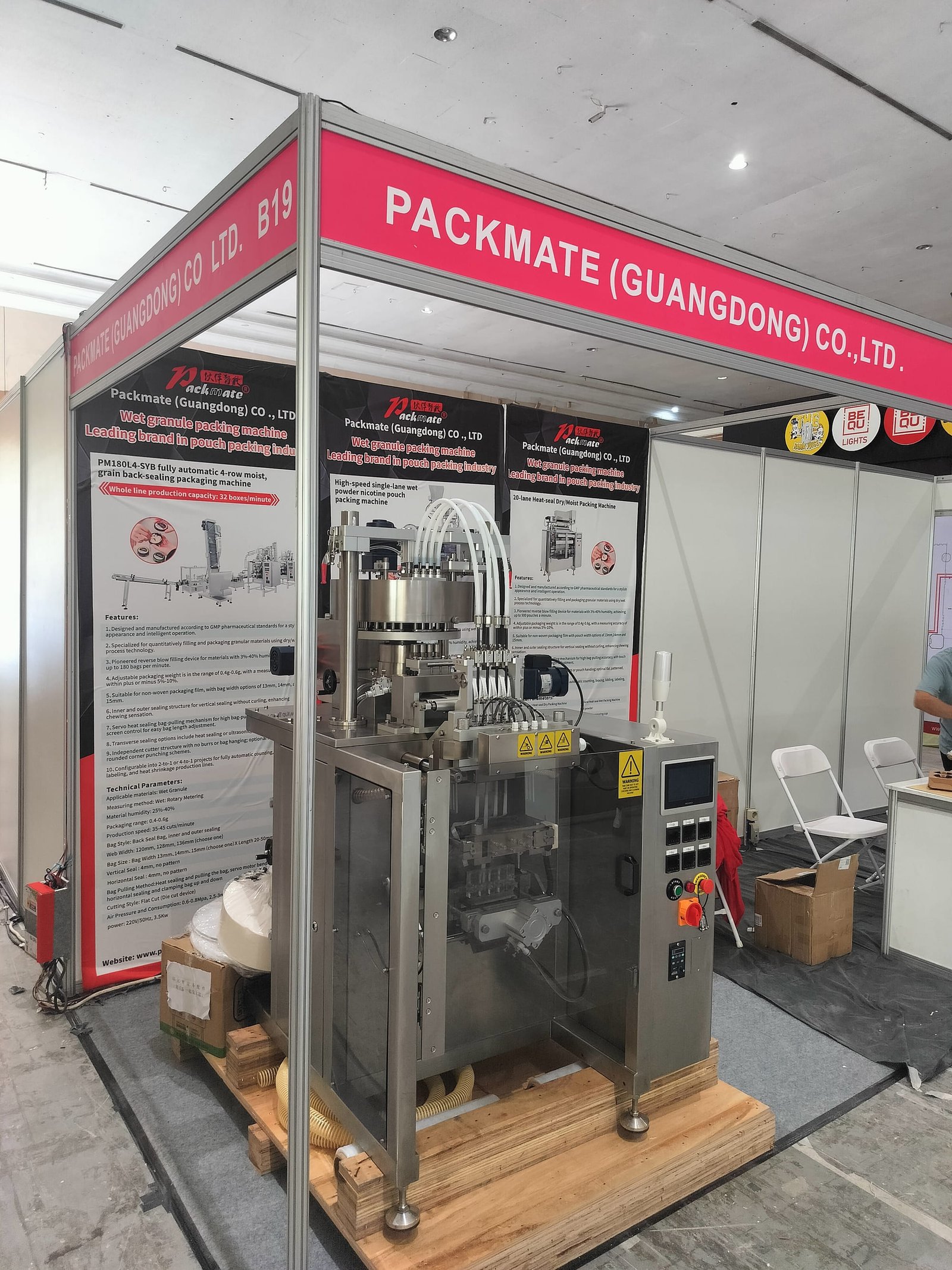
Selecting the Right Packaging Machinery Partner
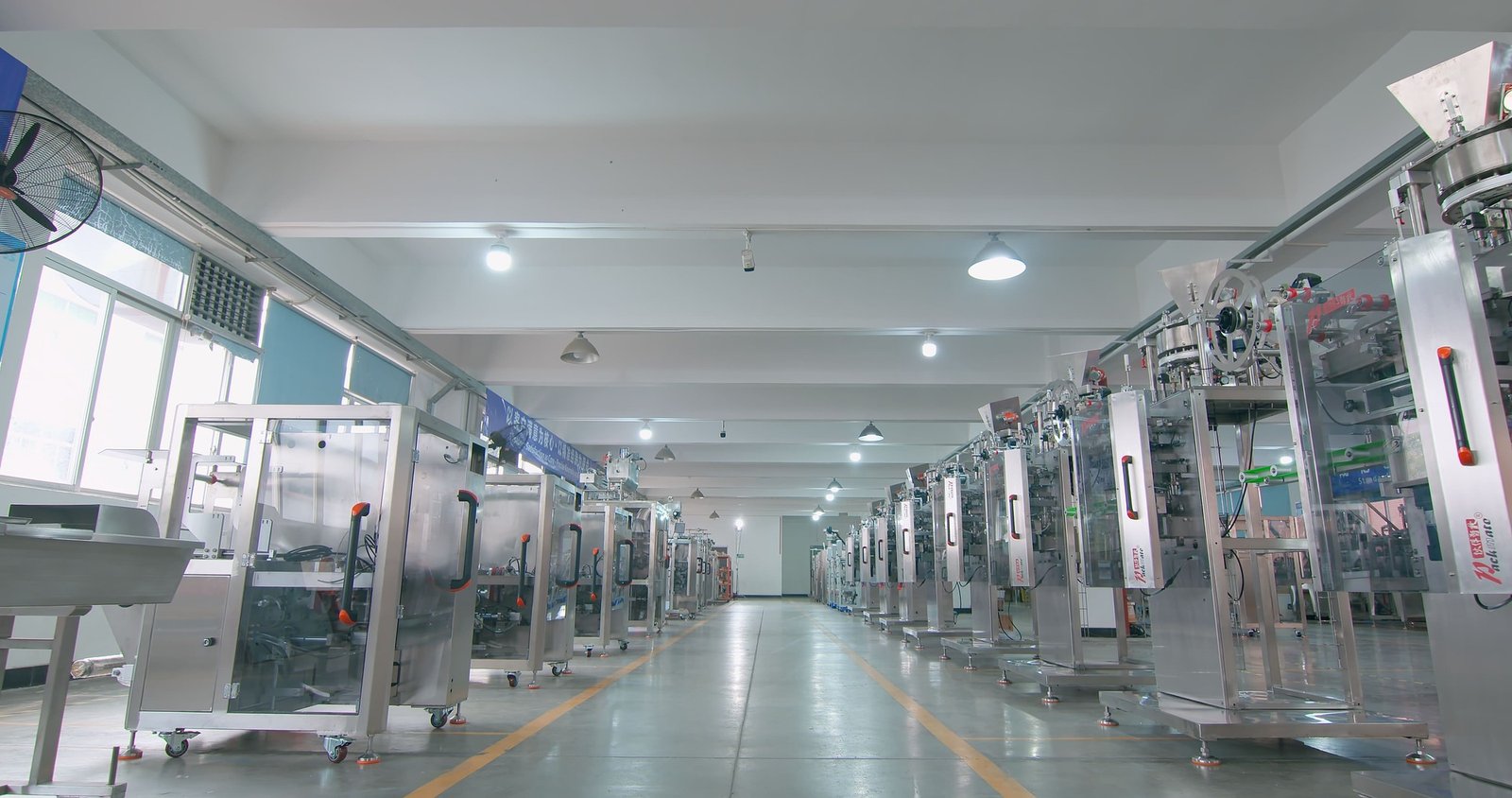
Choosing an automatic blister packing machine is also about selecting the right manufacturing partner. Look for a supplier with demonstrated experience in your industry, a track record of successful installations, and the engineering capability to customize equipment to your specific needs. A strong partner provides comprehensive after-sales support, including installation, commissioning, operator training, and responsive spare parts availability. Companies such as Ludyway Machinery, with over 30 years of packaging industry experience and a 20,000-square-meter manufacturing facility, offer both standardized and customized packaging solutions designed to meet international quality requirements.
Calculating Total Cost of Ownership
The purchase price of a blister packing machine tells only part of the story. A comprehensive cost analysis should account for:
- Installation and commissioning costs
- Operator training expenses
- Preventive maintenance and spare parts
- Energy consumption and utility requirements
- Packaging material waste rates
- Expected equipment lifespan and depreciation
Machines with higher initial prices but lower material waste, faster changeovers, and greater reliability often deliver significantly better value over a 5- to 10-year operating horizon. For the latest packaging industry economic data and capital expenditure trends, the PMMI State of the Industry Reports provide authoritative market analysis.

Making the Final Decision
After evaluating machine types, production requirements, industry considerations, quality standards, and total cost of ownership, you should be well-positioned to make an informed selection. Before finalizing your order, request a factory acceptance test (FAT) and, where possible, visit the manufacturer’s facility to see similar machines in operation. Confirm that the supplier’s service network covers your production locations and that spare parts can be delivered within acceptable timeframes.
Investing time in the selection process pays dividends through higher production efficiency, fewer quality issues, and stronger regulatory compliance. The right automatic blister packing machine becomes a long-term asset that supports your manufacturing goals for years to come.
For further reading on packaging machinery selection and industry standards, explore resources from the Flexible Packaging Association Knowledge Hub and the PMMI Business Intelligence Library.