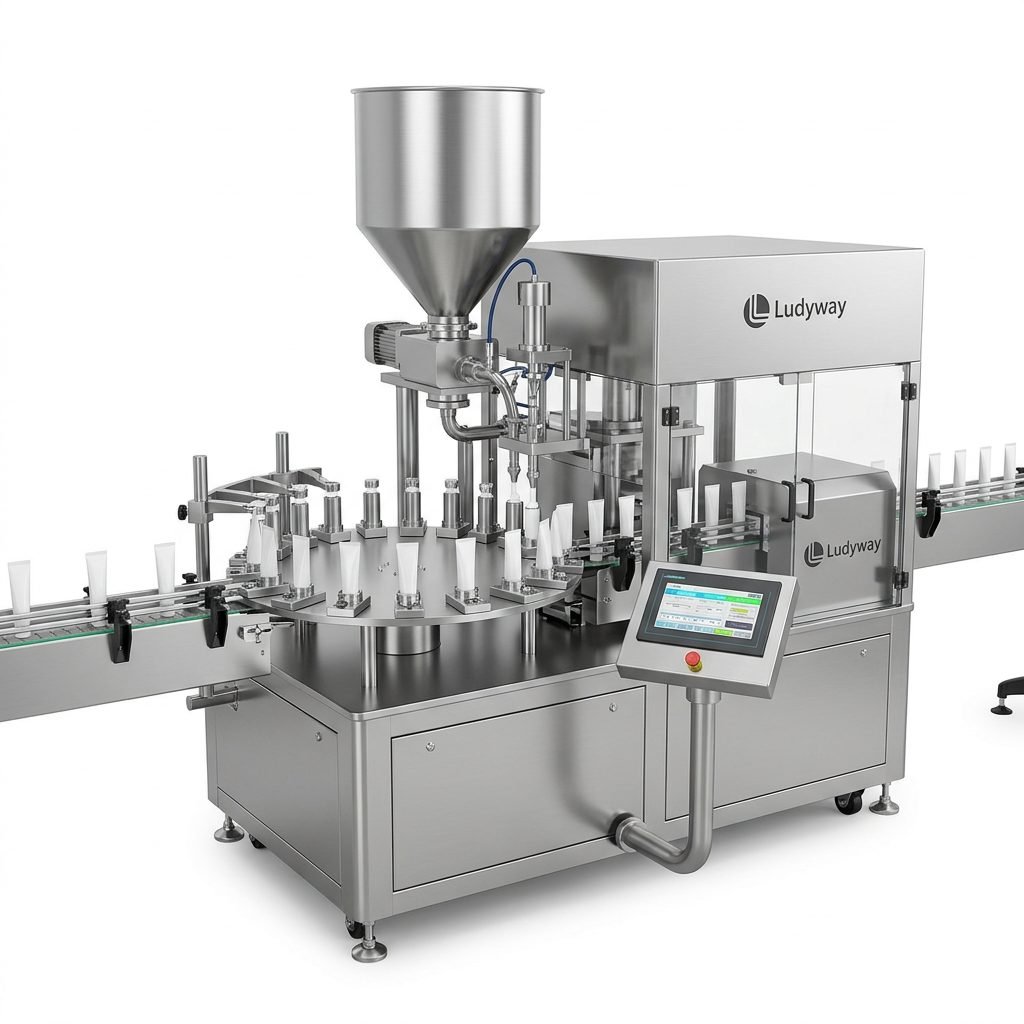
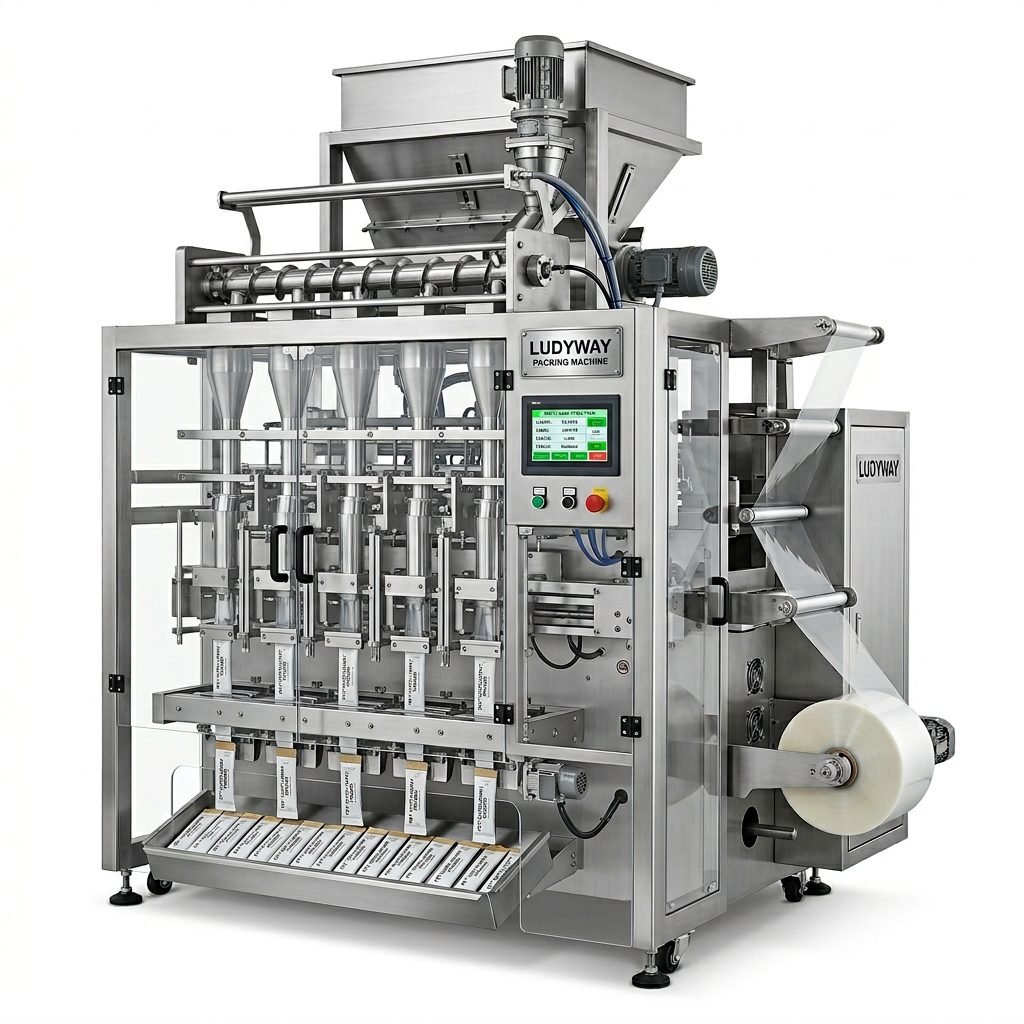
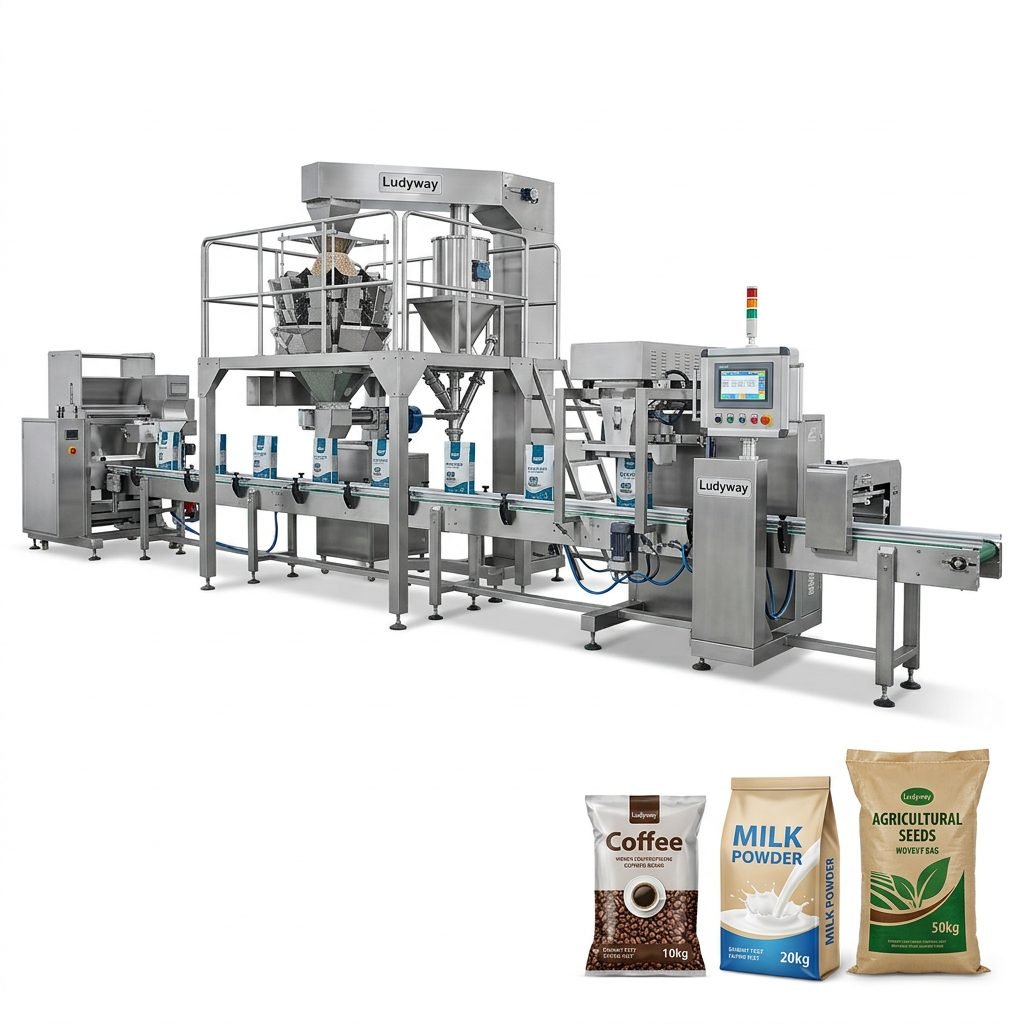
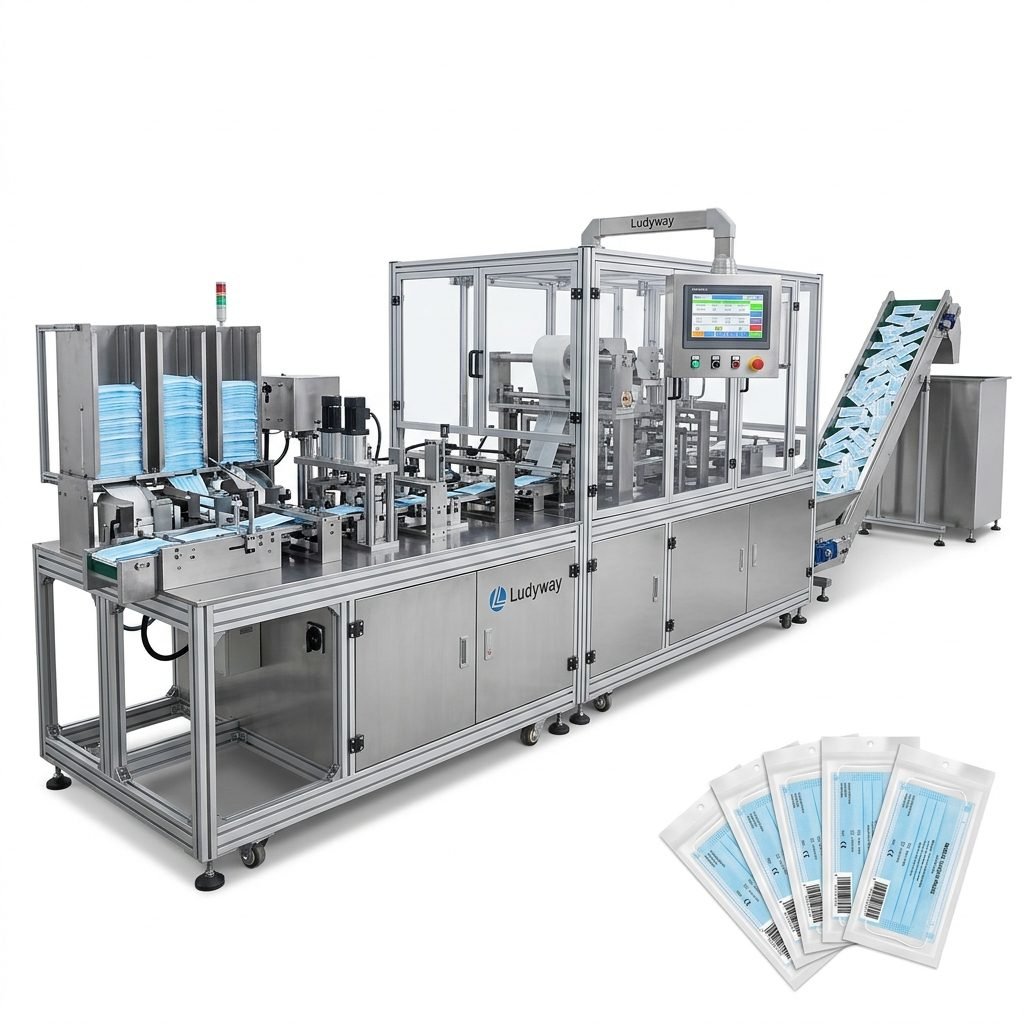
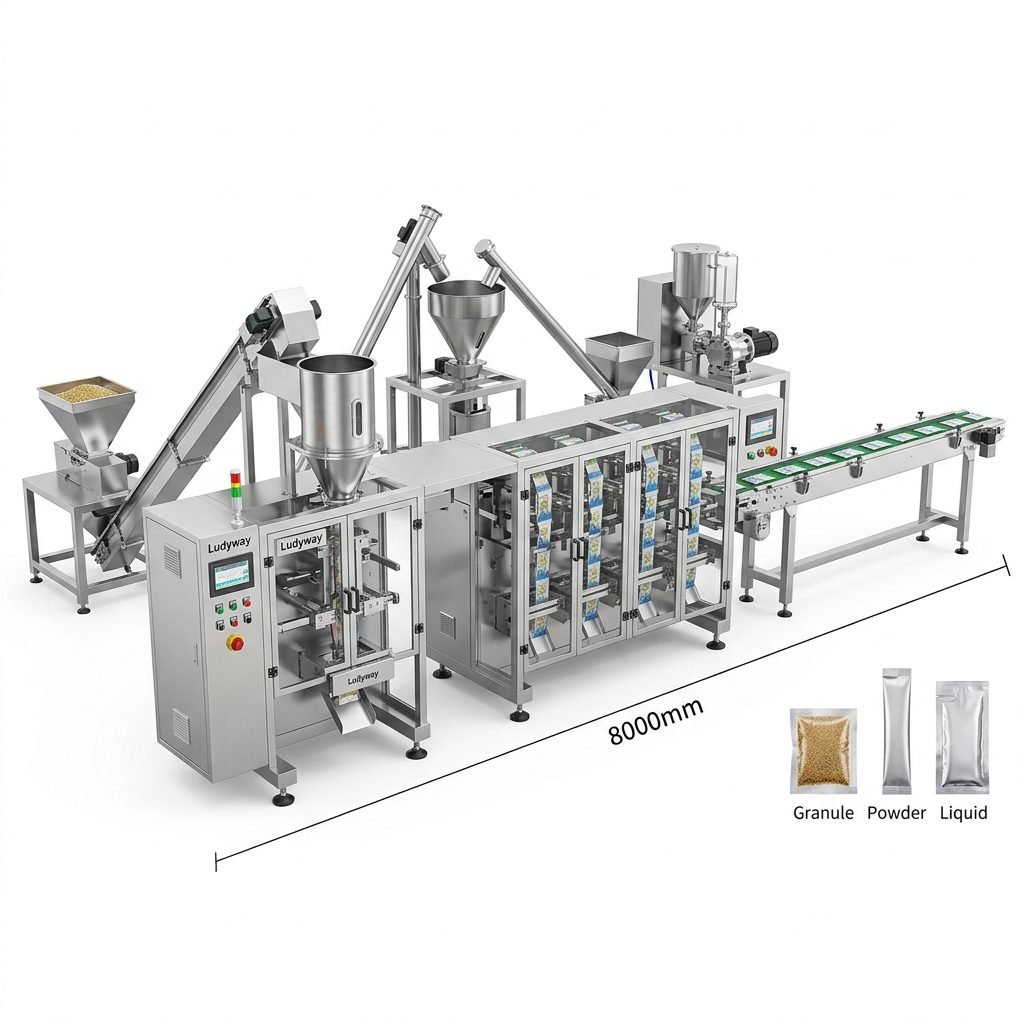
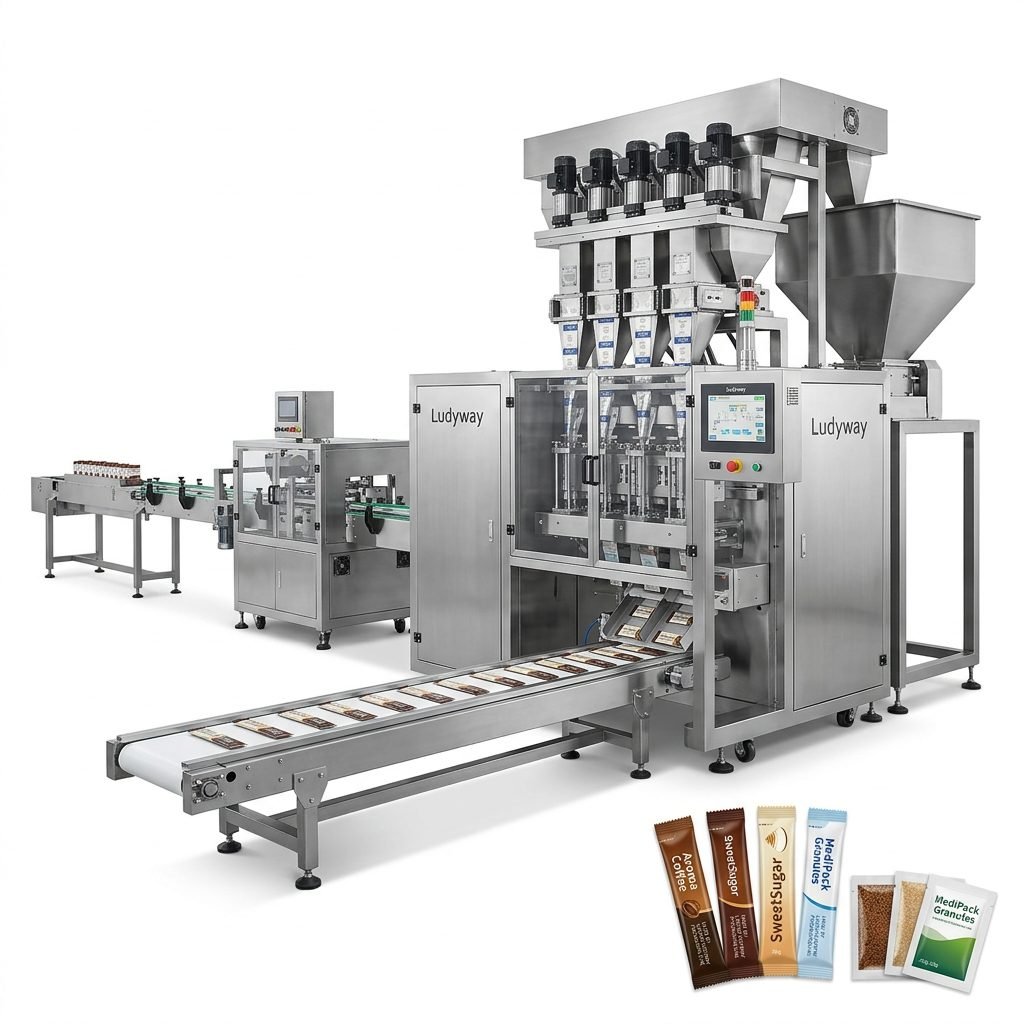
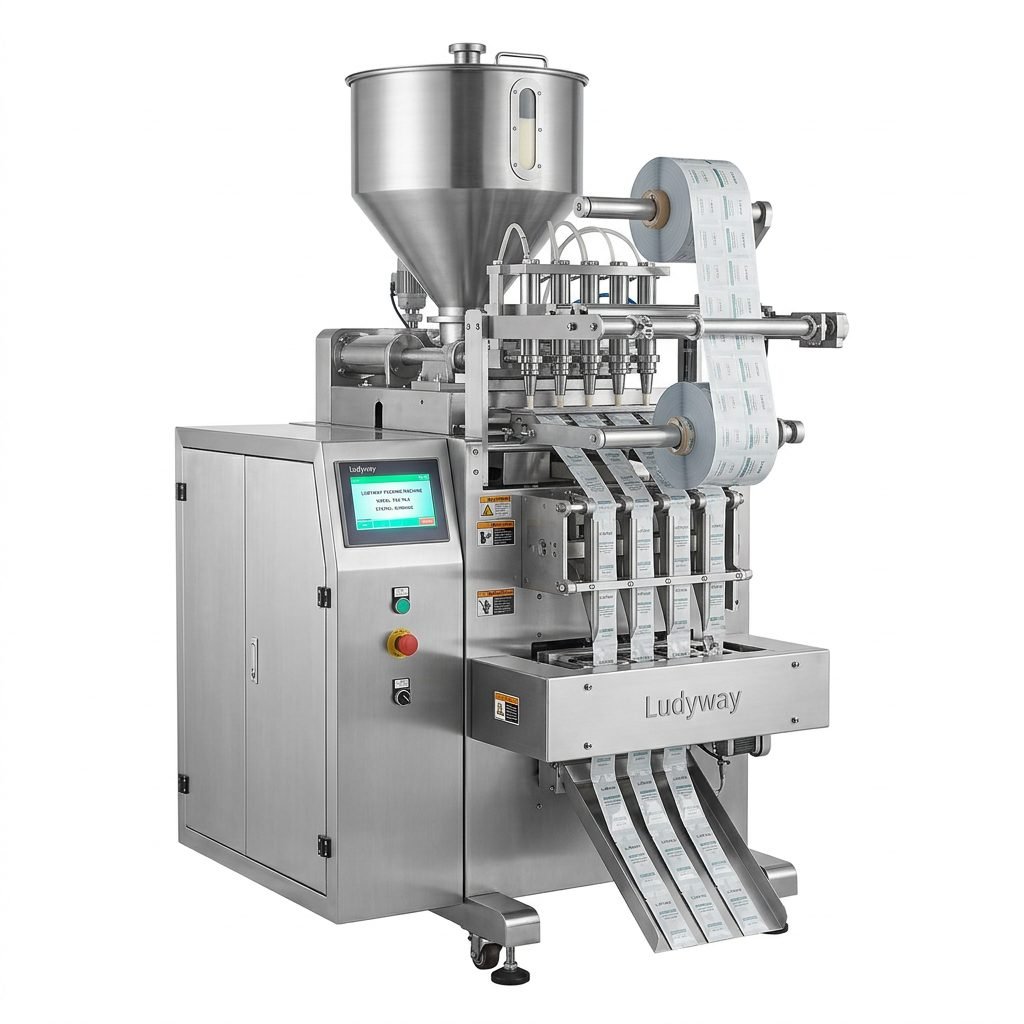
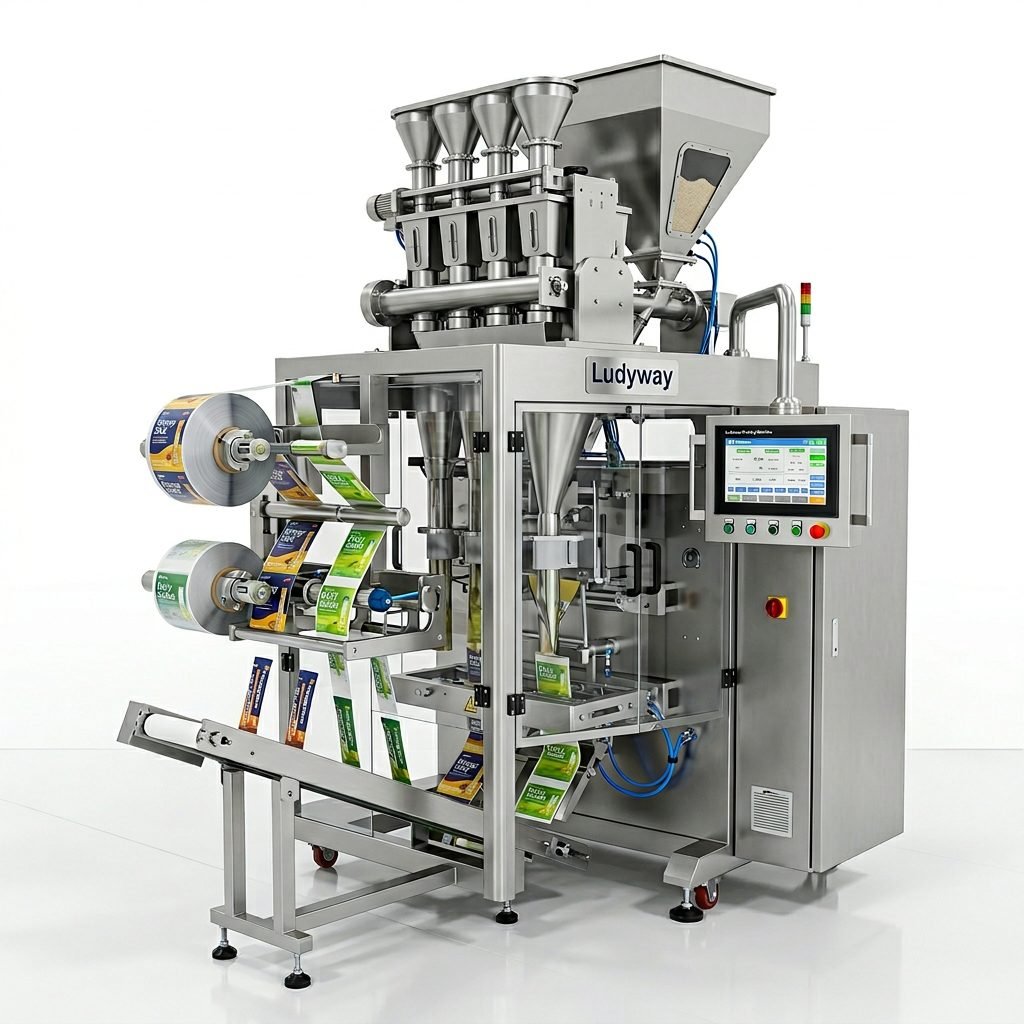
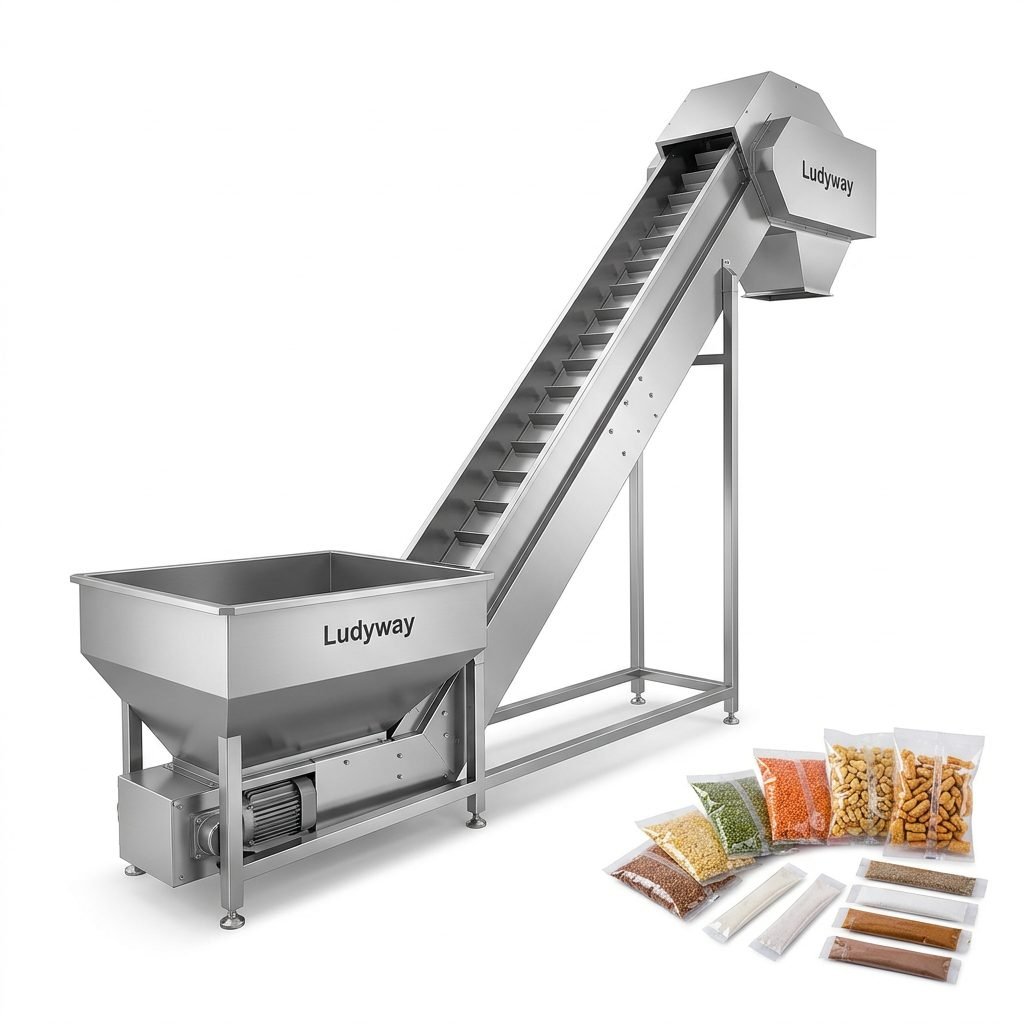
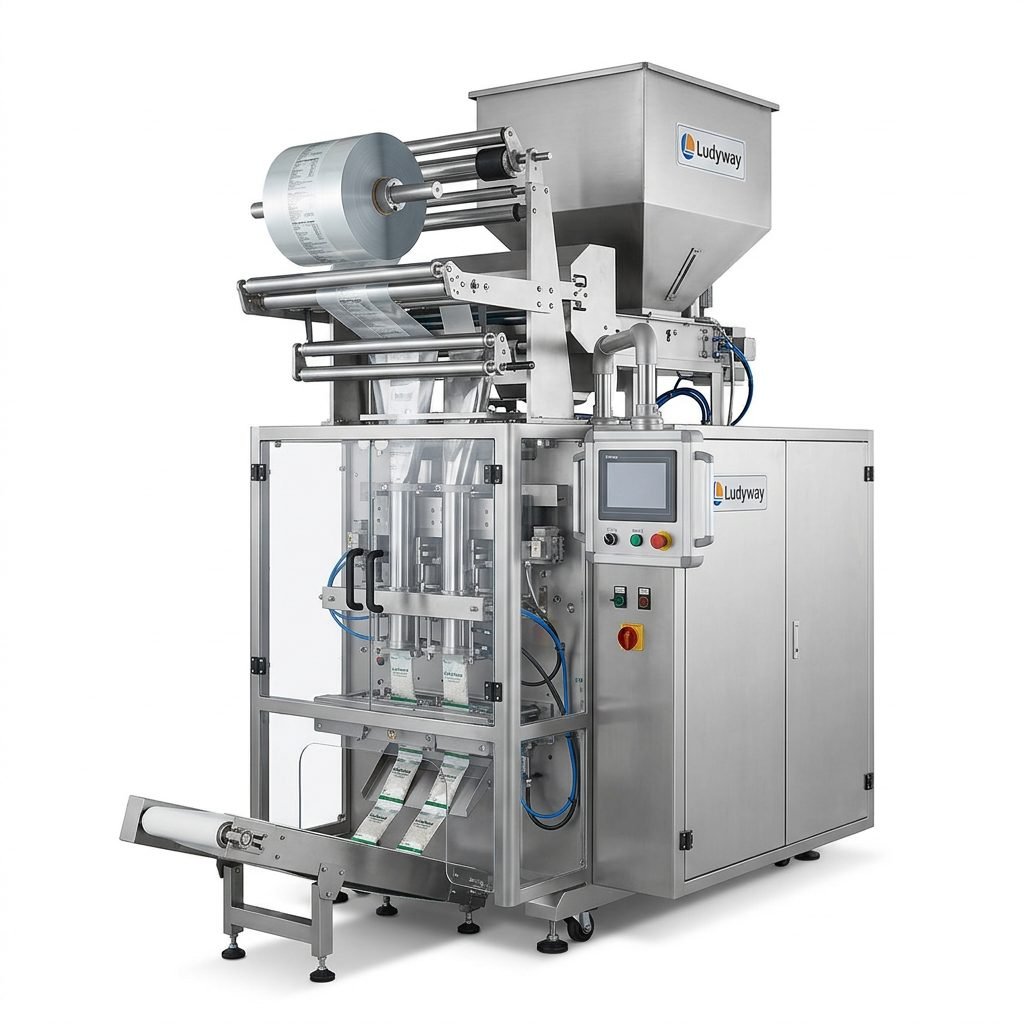
Investing in a Form Fill Seal (FFS) packaging machine is a critical decision for any manufacturer looking to automate production, improve efficiency, and ensure product consistency. However, with a wide range of machine types, configurations, and technologies available, selecting the right equipment can feel overwhelming. This guide breaks down the key factors to consider, helping you make an informed decision aligned with your production goals.
1. Understand Your Product Characteristics
The physical properties of your product dictate the type of filling system and machine configuration you need. Ignoring this step can lead to inaccurate dosing, material waste, and machine downtime.
- Flowability: Is your product free-flowing (like sugar), semi-free-flowing (like flour), or non-free-flowing (like sticky powders)?
- Product Form: Are you packaging granules, powders, liquids, pastes, or solid items?
- Bulk Density and Particle Size: These factors influence hopper design, auger sizing, and sealing parameters.
- Hygroscopicity and Sensitivity: Does the product require moisture protection, nitrogen flushing, or temperature control?
2. Select the Appropriate Packaging Material
Your packaging film must be compatible with the machine’s sealing and forming systems. Consider these material factors:
| Material Type | Best For | Key Properties |
|---|---|---|
| Laminated Films (e.g., PET/AL/PE) | High-barrier applications, liquids, moist products | Excellent moisture and oxygen barrier |
| Polyethylene (PE) Mono-material | Dry products, recyclable packaging goals | Cost-effective, good seal strength |
| Paper-based Laminates | Dry granules, stick packs, sachets | Natural feel, printable surface |
| Biodegradable Films | Eco-conscious brands, short shelf-life products | Compostable, requires specific sealing conditions |
3. Define Your Target Speed and Capacity
Production throughput is a fundamental purchasing factor. A machine that is too slow creates bottlenecks; one that is unnecessarily fast wastes capital.
- Pouches per minute (PPM): Align machine speed with your current and projected demand.
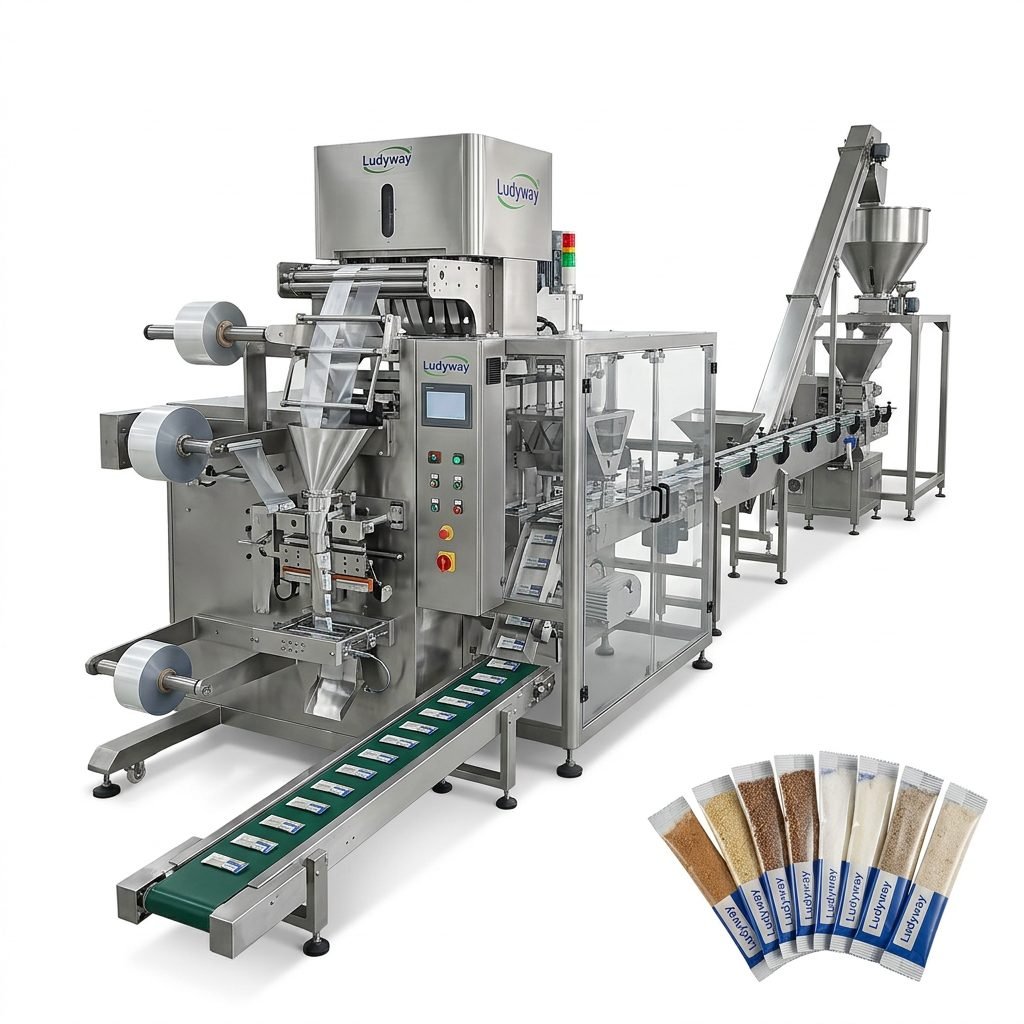
- Multi-lane configurations: For very high-volume production, consider multi-lane stick pack or sachet machines that significantly increase output per cycle.
- Quick changeover: If you run multiple products or bag sizes, look for machines with tool-less changeover features to minimize downtime.
4. Evaluate Bag Styles and Formats
Form Fill Seal machines can produce numerous bag styles. The right format depends on your product, marketing strategy, and supply chain requirements.
| Bag Style | Common Applications | Consumer Appeal |
|---|---|---|
| Pillow / 3-Side Seal | Small sachets, sugar, condiments | Cost-effective, simple |
| Stick Pack | Instant coffee, energy powders, supplements | Portable, modern, ideal for single-serve |
| Gusseted / Stand-Up Pouch | Snacks, pet food, larger portion packs | Shelf presence, resealable options |
| 4-Side Seal / Sachet | Liquid toiletries, medical devices, hand wipes | Rugged, tamper-evident feel |
5. Consider Automation and Integration Level
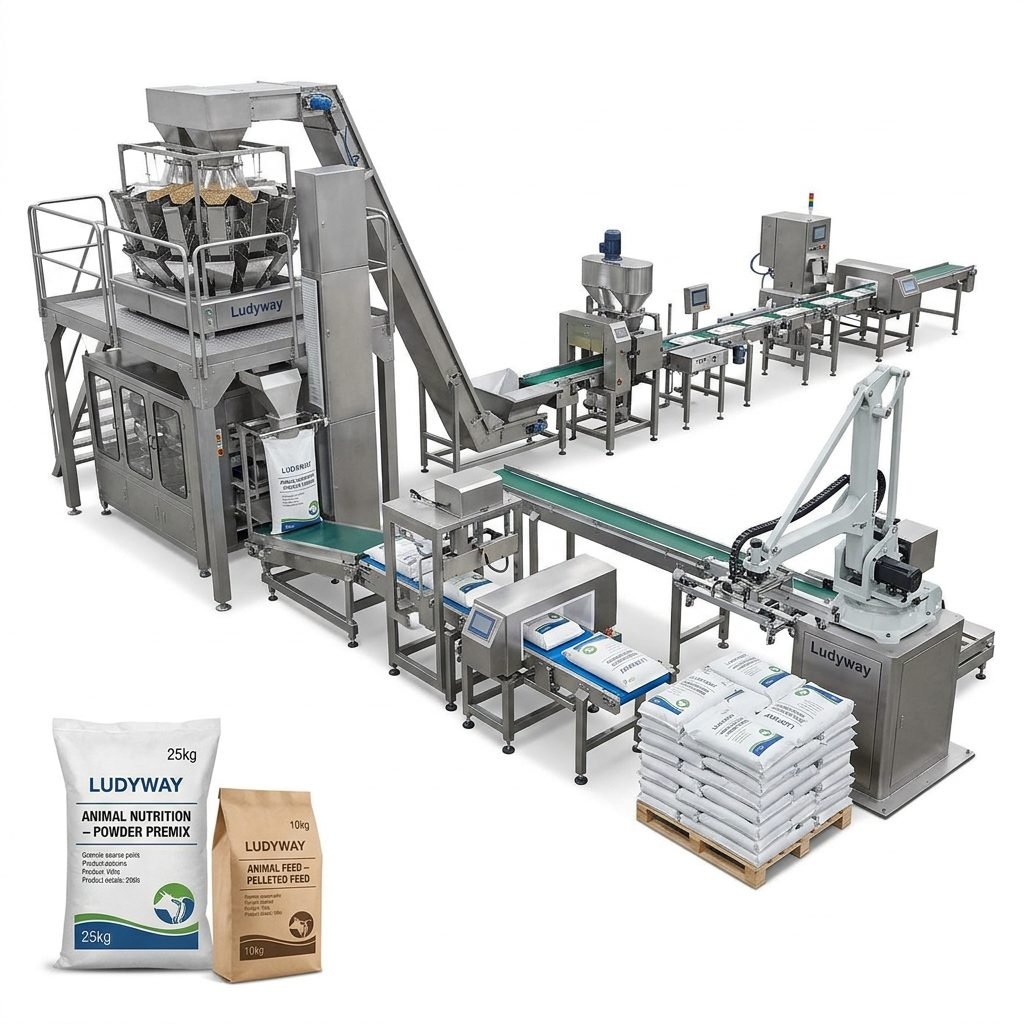
Modern packaging lines go beyond the core filling and sealing functions. Evaluate whether you need an integrated turnkey solution that connects seamlessly with upstream and downstream equipment.
- Feeding systems: Bucket elevators, vibratory feeders, auger fillers, or multi-head weighers.
- Ancillary equipment: Checkweighers, metal detectors, nitrogen flush systems, and date coding machines.
- End-of-line: Cartoners, case packers, and robotic palletizing systems.
- Control systems: PLC with HMI touchscreen for recipe management and diagnostics.
6. Assess Regulatory and Hygiene Requirements
Compliance is non-negotiable, especially in food, pharmaceutical, and medical packaging. Machines should meet your industry’s specific standards.
- Food-grade construction: Stainless steel (SS304 or SS316) for product contact parts.
- Clean-in-place (CIP) compatibility: Essential for dairy, beverage, and liquid packaging.
- Standards alignment: Look for machines designed in line with FDA packaging regulations, CE certification, GMP, or ISO packaging standards as relevant.
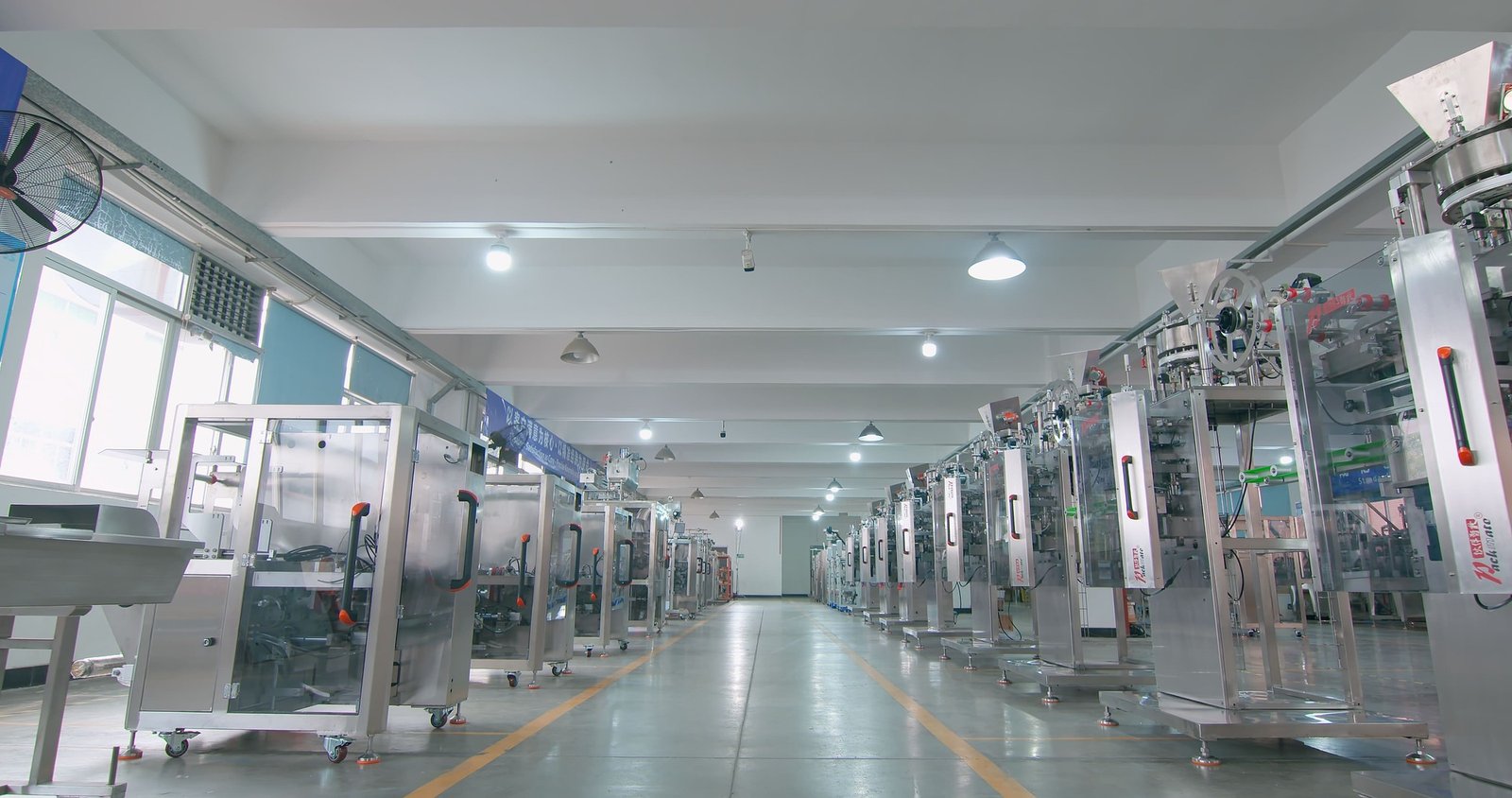
7. Prioritize After-Sales Support and Service Longevity
An FFS machine is a long-term investment. The level of technical support, spare parts availability, and service responsiveness from the manufacturer directly affects your operational uptime.
- Installation and commissioning: Does the supplier offer on-site support?
- Operator training: Comprehensive training programs reduce human error and improve efficiency.
- Spare parts network: Ensure critical components are readily available either locally or with fast shipping.
- Remote diagnostics: Advanced suppliers support remote troubleshooting to minimize downtime.
Key Technical Specifications Comparison
| Feature | Entry-Level | Mid-Range | High-End Automated |
|---|---|---|---|
| Speed Range | 30–60 ppm | 60–120 ppm | 200+ ppm (multi-lane) |
| Changeover Time | 30–45 mins | 15–30 mins | Tool-less, < 15 mins |
| Automation Control | Basic PLC, no memory | PLC with recipe storage | Servo-driven, IoT ready, remote access |
| Typical Use Case | Startups, single product | Growing co-packers, regional brands | High-volume global brands, 24/7 lines |
8. Calculate Total Cost of Ownership (TCO)
Look beyond the initial purchase price. The most affordable machine upfront can become the most expensive in the long run. Analyze these cost drivers:
- Film waste percentage: Precise tension control and sealing reduce scrap.
- Energy efficiency: Servo-driven machines consume less power than pneumatic ones.
- Maintenance intervals: Easy-access design and high-quality components reduce service costs.
- Downtime cost: Fast changeover and reliable support limit production losses.
9. Customization vs. Standard Models
While standard models offer faster delivery and proven performance, packaging requirements vary widely. There are manufacturing partners, such as Ludyway Machinery, with deep engineering expertise that can configure equipment for diverse dosing and bag format needs. A customized packaging solution becomes especially important when introducing unique packaging formats or integrating into an existing production line layout.
10. Review Industry Data and Trends
Before finalizing your choice, consulting industry data from the Flexible Packaging Association and market reports from the PMMI Business Intelligence Library can provide insight into packaging trends and material shifts. The 2026 State of the Industry reports highlight clear movement toward sustainable mono-materials and automated, digitally integrated production lines.
Making Your Final Decision
Choosing the right Form Fill Seal packaging machine comes down to matching your product, material, capacity, and compliance requirements with a reliable engineering partner. Evaluate suppliers on their application experience, customization capability, and service reach. By methodically working through the factors outlined in this guide, you can confidently select equipment that delivers long-term value and keeps your packaging lines running efficiently.
For further guidance on automatic packaging machinery and integrated line solutions, explore the latest equipment and processing innovations through industry resources like the PACK EXPO International platform.