Selecting the right potato chips packing machine is one of the most critical decisions for snack manufacturers. The correct equipment directly impacts production efficiency, product freshness, shelf life, and overall profitability. With numerous machine types, configurations, and suppliers available globally, making an informed choice requires a structured approach. This guide walks you through the essential factors to evaluate before investing in a potato chips packaging solution.
Understanding Your Potato Chip Packaging Requirements
Before evaluating specific machines, you must clearly define your production goals and packaging specifications. Potato chips present unique packaging challenges due to their fragile nature, irregular shapes, and sensitivity to moisture and oxygen. Start by answering these fundamental questions:
- What is your target daily or hourly output? Small-scale operations may need 20-40 packs per minute, while large manufacturers may require high-speed systems exceeding 150 packs per minute.
- Which packaging format do you require? Common options include pillow bags, gusseted bags, stand-up pouches, stick packs, sachets, and bulk family-size bags.
- What packaging material will you use? Metallized films, laminated structures, biodegradable materials, and paper-based options each have different machine compatibility requirements.
- Do you need modified atmosphere packaging (MAP) or nitrogen flushing? For extended shelf life, gas flushing capabilities are essential to displace oxygen and preserve crispness.
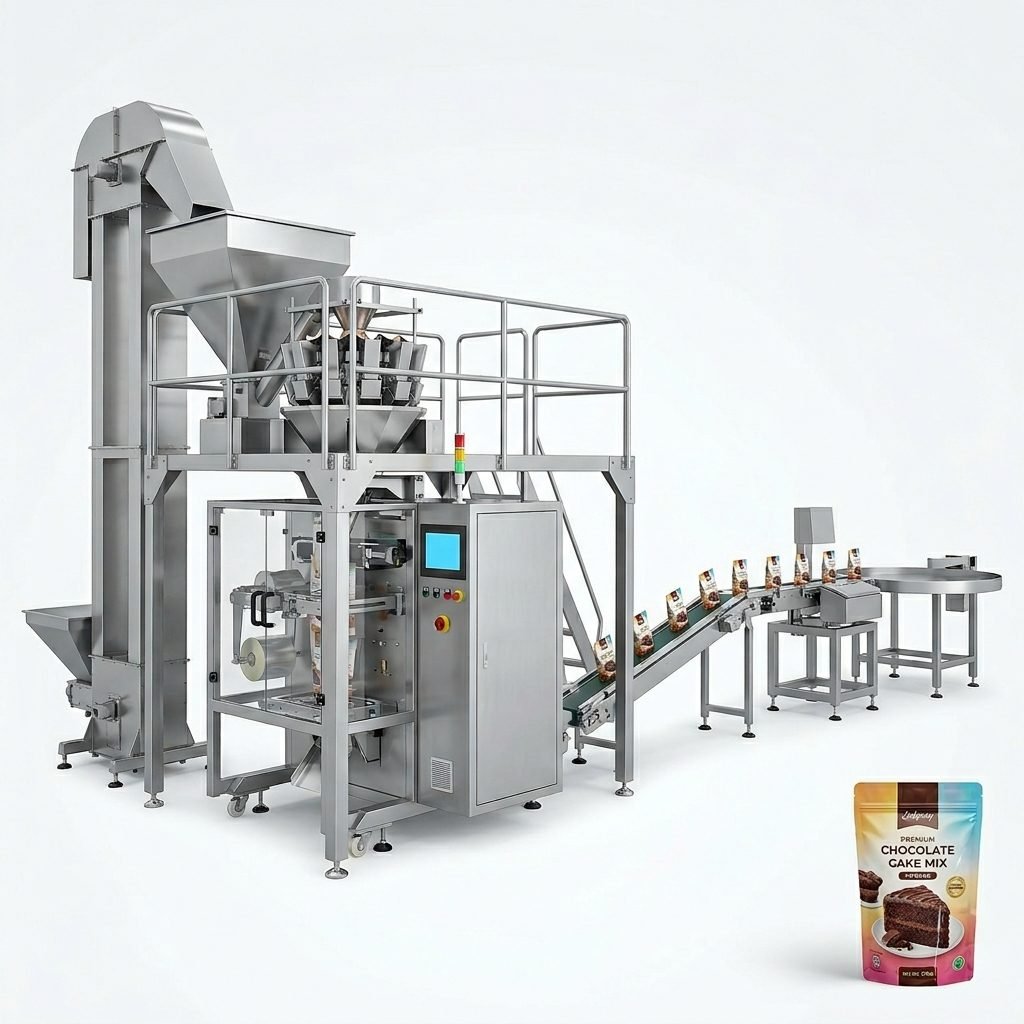
- What level of automation is needed? Consider whether you require manual loading, semi-automatic operation, or a fully automated packaging line with integrated weighing, filling, sealing, coding, and cartoning.
Key Features to Evaluate in a Potato Chips Packing Machine
Not all packaging machines are designed to handle delicate snack products. When comparing equipment, pay close attention to the following critical features that directly affect packaging quality and operational performance.
Weighing and Filling Accuracy
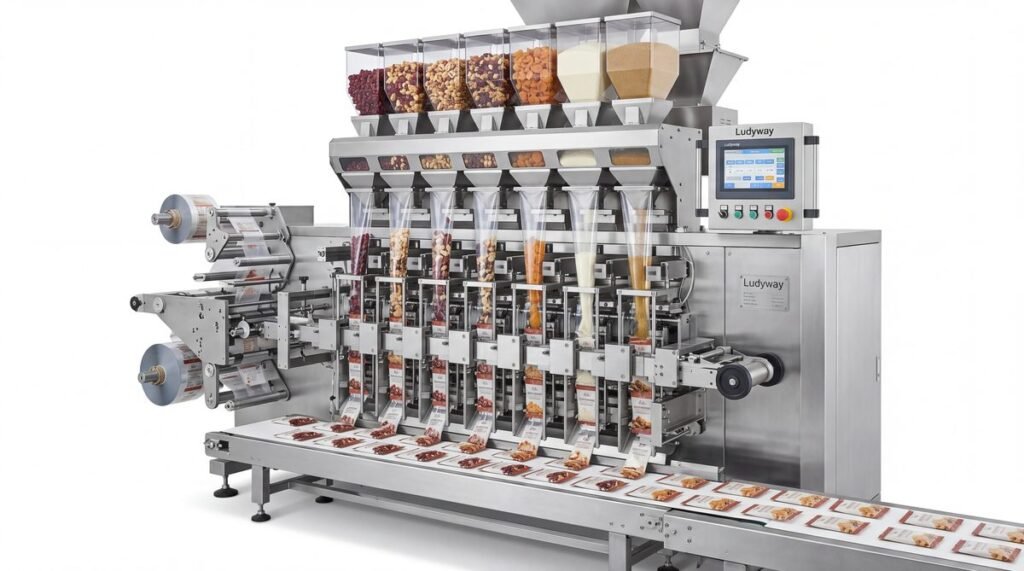
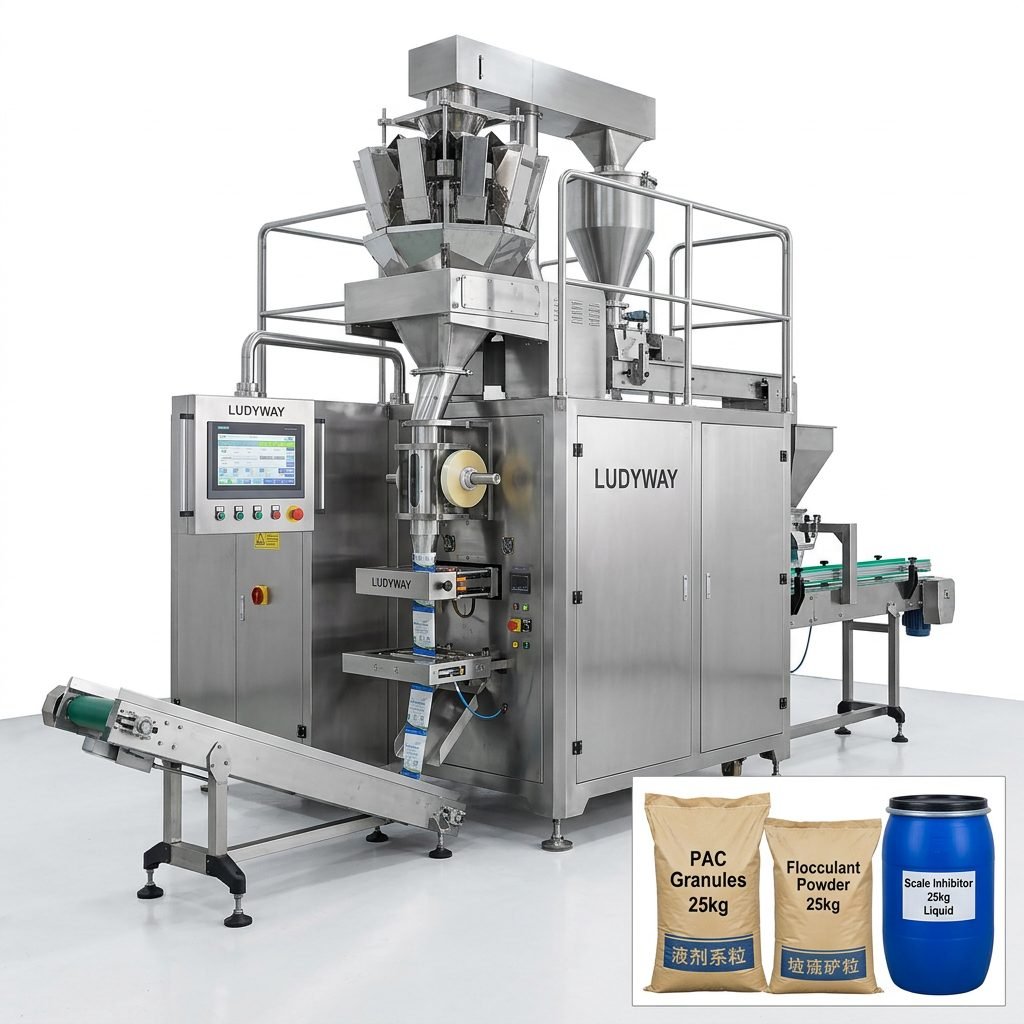
Precision in portion control is essential for regulatory compliance and cost management. Multi-head weighers are the industry standard for potato chips, offering high-speed, high-accuracy weighing with minimal product breakage. Look for machines equipped with vibratory feeding systems that gently handle fragile chips, reducing waste and maintaining product integrity during the filling process.
Sealing Quality and Integrity
Poor sealing leads to moisture ingress, oxidation, and stale products—all of which damage brand reputation. Evaluate machines based on sealing temperature control precision, jaw pressure consistency, and dwell time adjustability. Advanced machines feature servo-driven sealing mechanisms that provide repeatable, high-integrity seals across various film types and thicknesses, ensuring consistent product protection throughout each production run.
Material Compatibility and Flexibility
Modern snack brands increasingly demand sustainable packaging options. Your machine should be compatible with a range of materials including recyclable mono-materials, compostable films, and traditional laminated structures. Machines with adjustable forming shoulders, flexible tension controls, and adaptable sealing parameters allow manufacturers to switch between different packaging materials with minimal downtime, future-proofing the investment against evolving market demands.
Types of Potato Chips Packaging Machines
The packaging machinery market offers several distinct machine types suited to different production scales and packaging formats. The table below compares the most common configurations used in potato chip packaging operations worldwide.
| Machine Type | Best Suited For | Typical Speed Range | Key Advantage |
|---|---|---|---|
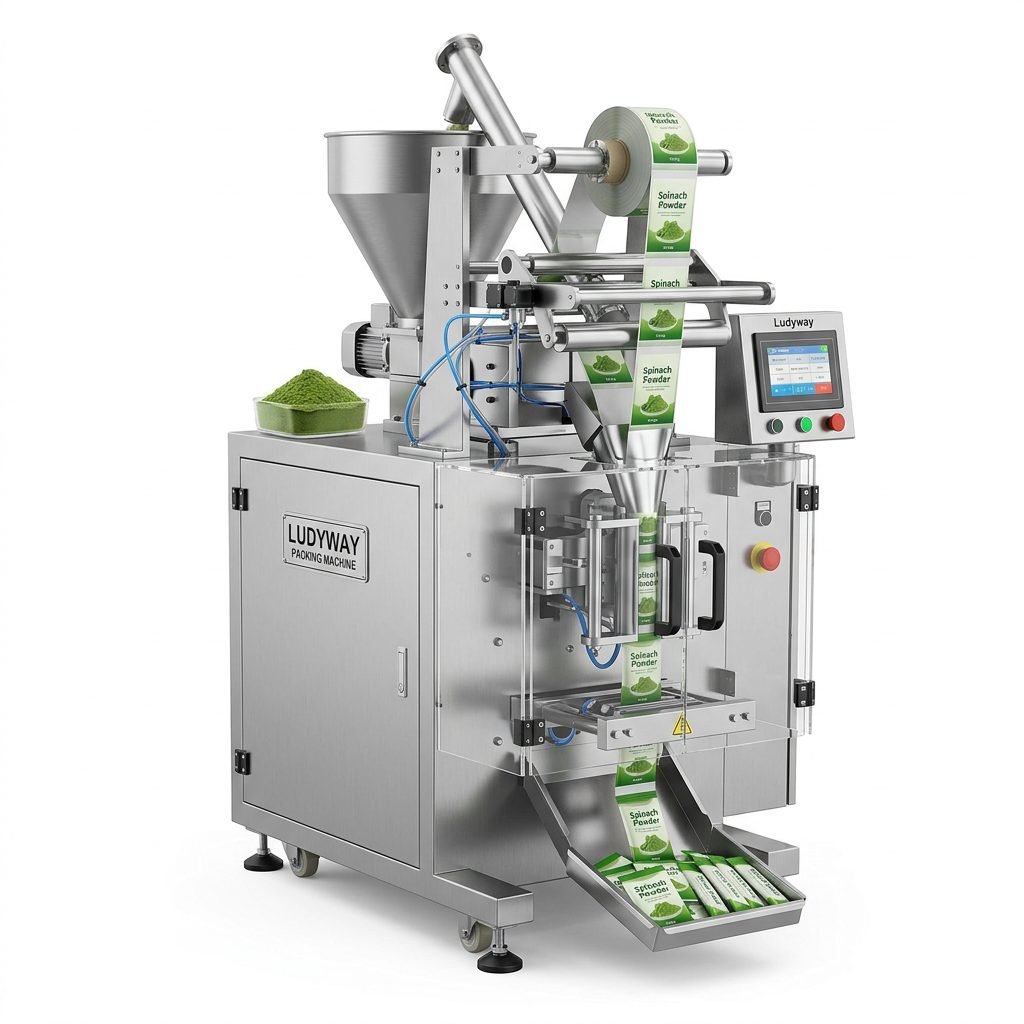
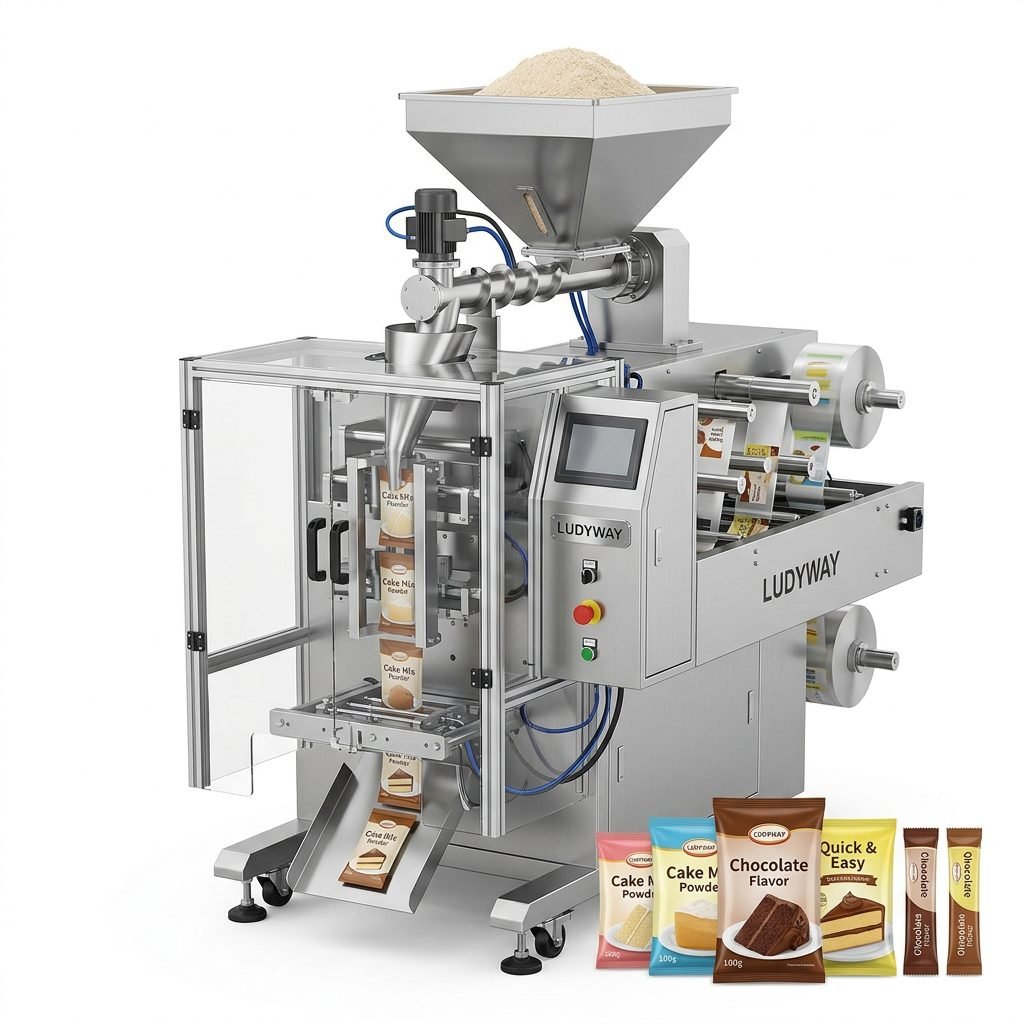
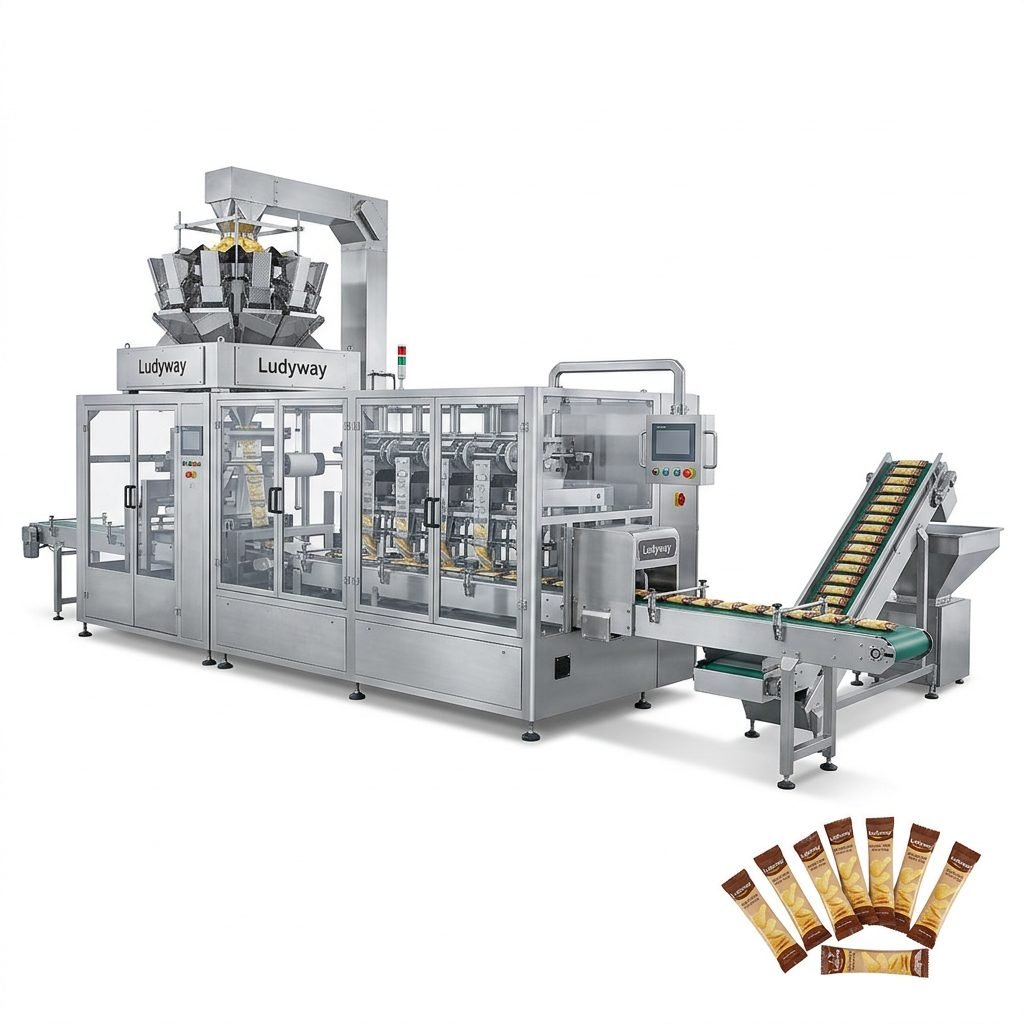
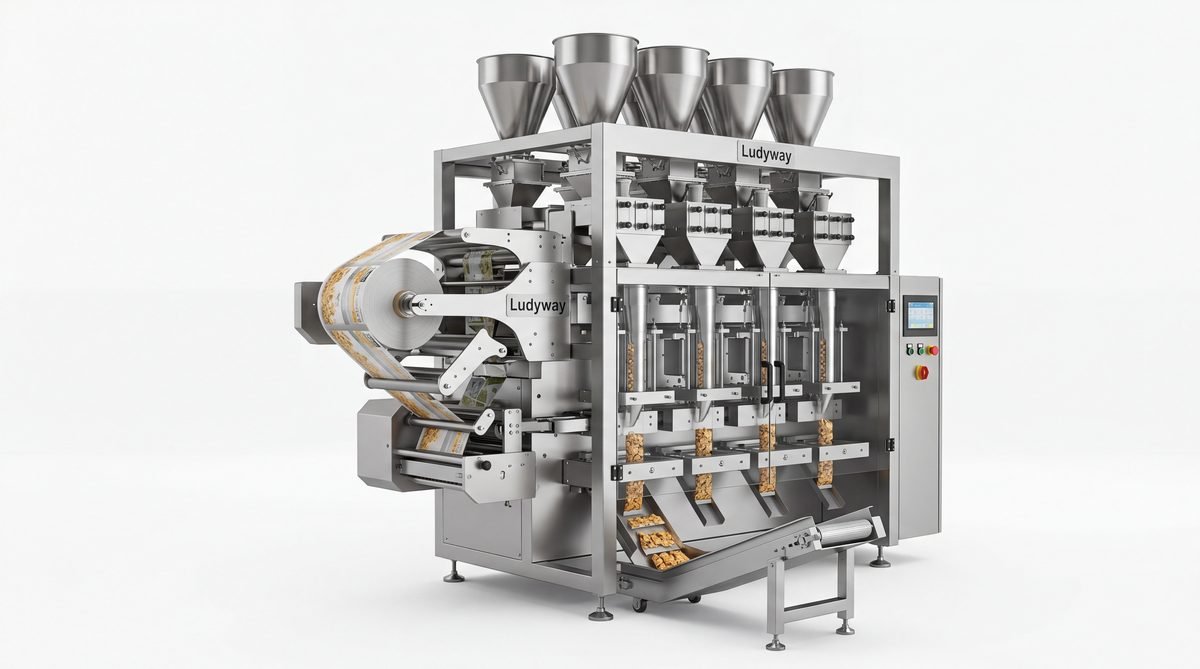
| Vertical Form Fill Seal (VFFS) | Pillow bags, gusseted bags, medium-to-high volume | 30-150+ packs/min | Proven reliability, wide format flexibility |
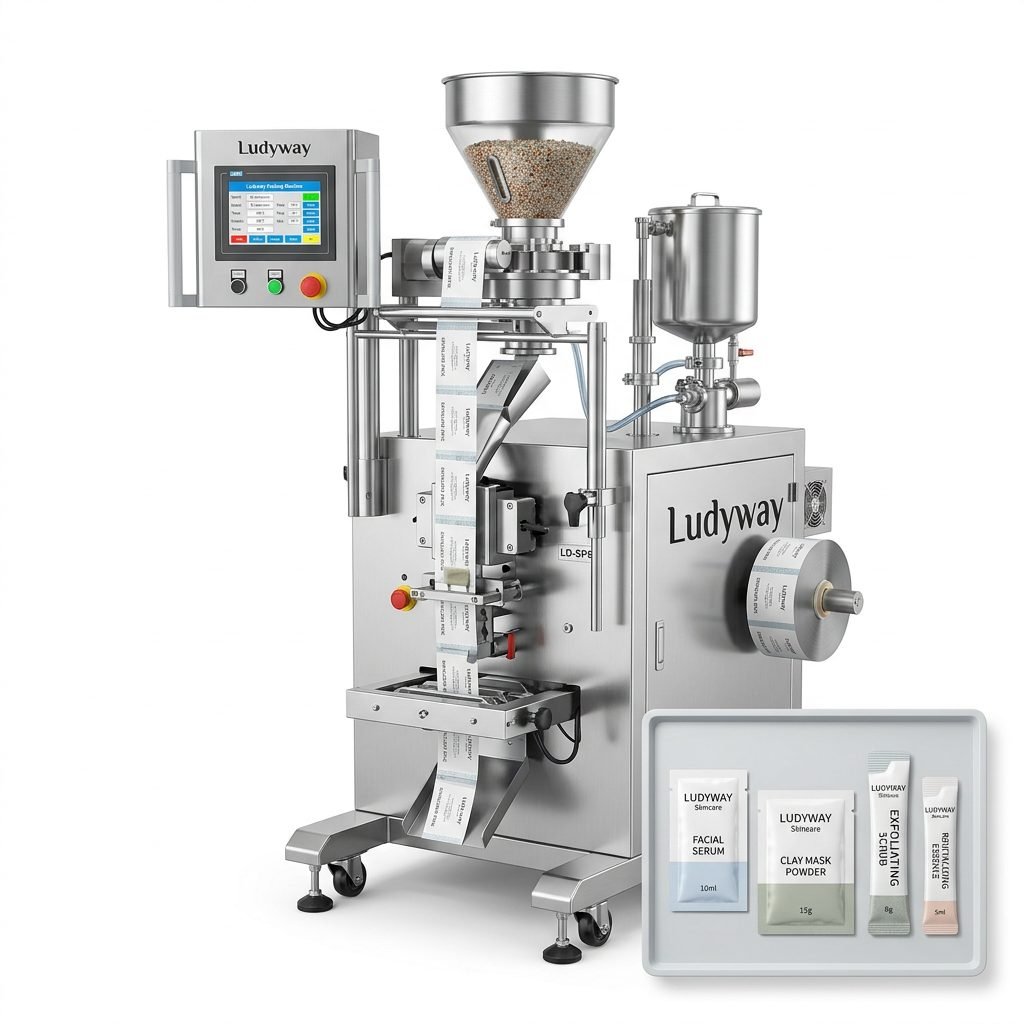
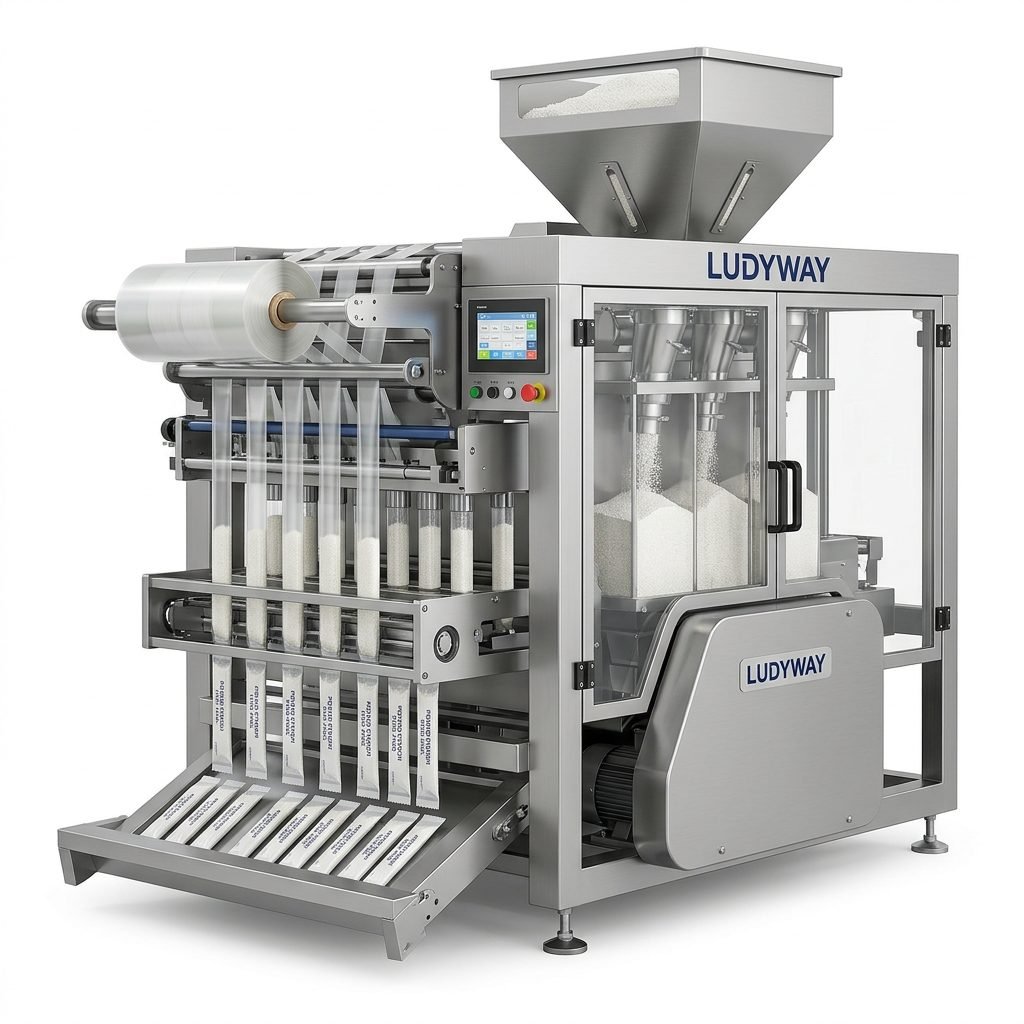
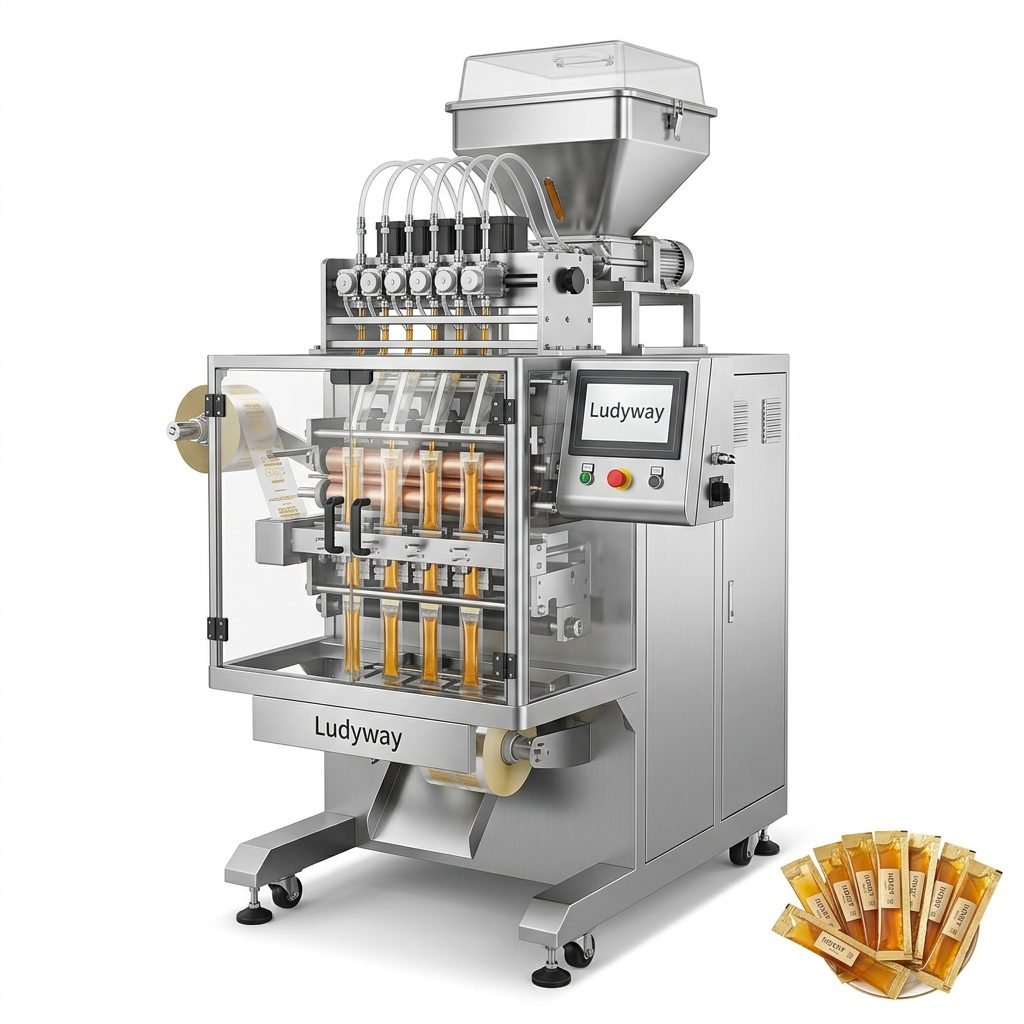
| Multi-Lane Stick Pack Machines | Single-serve portions, on-the-go snacks | 200-600+ packs/min | Extremely high output for small formats |
| Pre-Made Pouch Rotary Fillers | Stand-up pouches, zipper bags, premium formats | 40-120 packs/min | Superior pouch presentation and shelf appeal |
| Horizontal Form Fill Seal (HFFS) | Flat-lay bags, family-size packs | 20-80 packs/min | Gentle handling for delicate chips |
Speed and Production Capacity Considerations
Production speed requirements should be evaluated not just against current demand but also against projected growth over the machine’s expected lifespan—typically 7 to 15 years. When assessing speed ratings, consider the following:
- Rated speed versus sustainable speed: Machines running continuously at maximum rated speed may experience accelerated wear and more frequent maintenance requirements. Aim for equipment that can comfortably meet your target output at 70-80% of its maximum rated capacity, providing headroom for peak demand periods.
- Changeover efficiency: If you produce multiple bag sizes or formats, rapid changeover capability significantly impacts overall equipment effectiveness. Look for tool-less adjustments, recipe storage, and quick-release components that minimize downtime between production runs.
- Integration with upstream and downstream equipment: The packaging machine must synchronize seamlessly with weighing systems, conveyors, checkweighers, metal detectors, coding printers, and cartoning machines. A bottleneck at any point reduces the entire line’s effective throughput.
Budget, ROI, and Long-Term Value
While the initial purchase price is important, the total cost of ownership (TCO) provides a more accurate picture of the investment. Key financial factors to evaluate include energy consumption, spare parts availability, maintenance requirements, and expected service life. A slightly more expensive machine with higher reliability, better energy efficiency, and lower maintenance costs often delivers superior return on investment over time. Calculate projected payback periods based on labor savings, reduced product giveaway from accurate weighing, and decreased film waste from efficient operation.
For further insights into packaging industry economics and investment trends, the PMMI Business Intelligence Library provides valuable market data and state-of-the-industry reports that can inform purchasing decisions. Additionally, the Flexible Packaging Association industry resources offer guidance on packaging materials and sustainability trends affecting snack manufacturers.
Automation Level and Workforce Integration
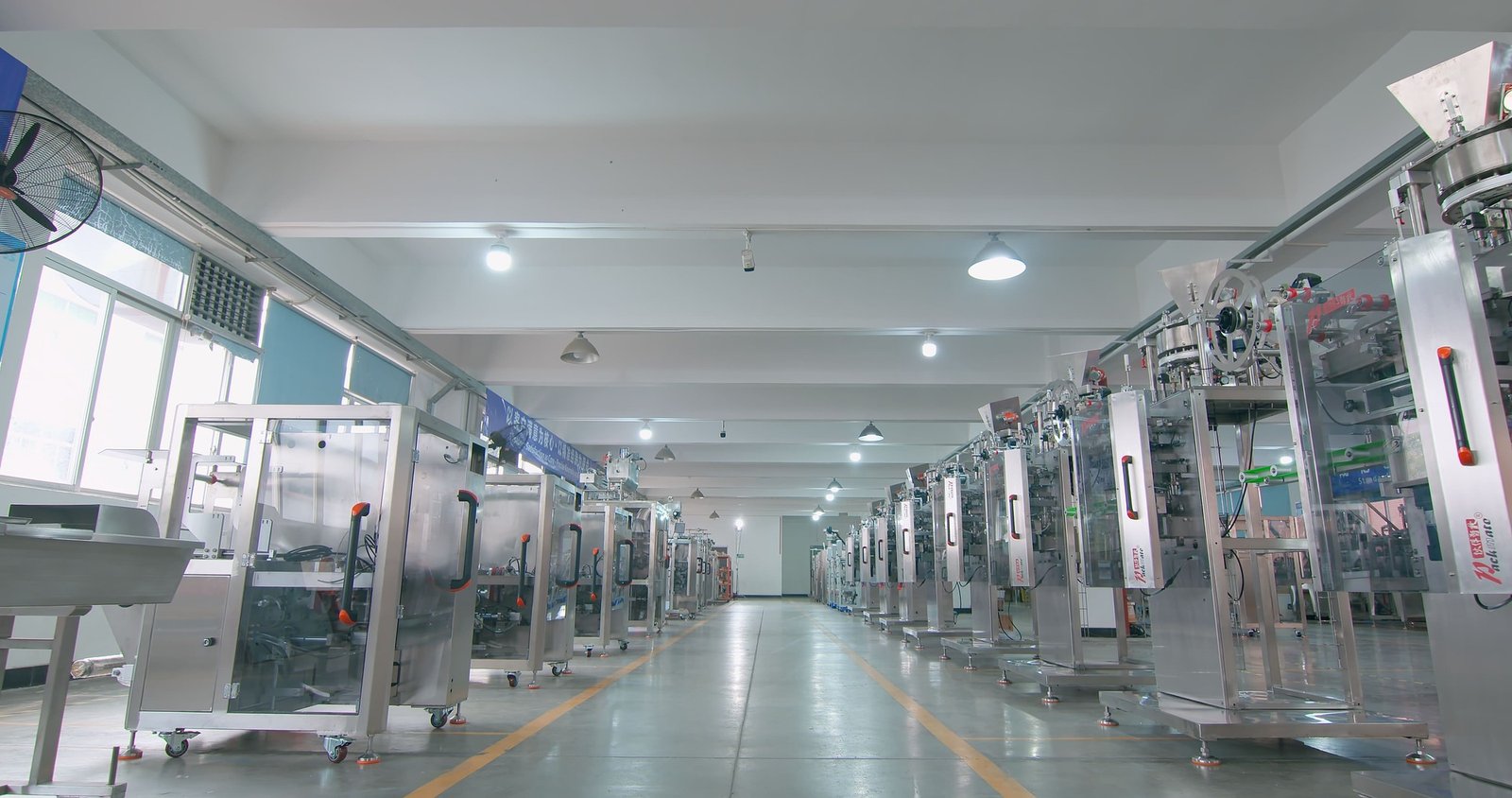
The degree of automation you select should align with labor availability, workforce skill levels, and operational goals. Manual and semi-automatic systems offer lower upfront investment but require more operators per shift. Fully automated packaging lines reduce labor dependency, improve consistency, and enable higher throughput, though they demand greater technical expertise for operation and maintenance. Consider whether your facility can support the electrical, pneumatic, and control system requirements of advanced automated equipment before making a final selection.
Choosing a Reliable Packaging Machinery Partner
Beyond machine specifications, the manufacturer’s experience, support infrastructure, and engineering capabilities significantly influence long-term success. Look for suppliers with a proven track record in snack food packaging applications, demonstrated by installed bases in multiple countries, responsive technical support, and readily available spare parts. A manufacturer that provides comprehensive after-sales service—including installation, commissioning, operator training, and ongoing maintenance support—helps ensure that your packaging investment delivers consistent performance throughout its operational life. Ludyway Machinery, a China-based packaging machinery manufacturer with over 30 years of industry experience and a 20,000-square-meter manufacturing facility, is one example of a supplier that combines extensive engineering expertise with global service capabilities to support snack manufacturers in more than 100 countries.
Regulatory Compliance and Food Safety Standards
Food packaging equipment must comply with applicable safety, hygiene, and material contact regulations. Verify that the machine design supports easy cleaning, accessible sanitation points, and food-grade material certifications. Machines intended for international markets may need to meet specific standards such as CE marking for European markets or FDA compliance for the United States. Reference resources like the FDA Food Packaging and Food Contact Substances guidelines and relevant ISO packaging standards to ensure your equipment selection meets all applicable requirements for your target markets.
Frequently Asked Questions About Potato Chips Packaging Machines
What is the most common packaging format for potato chips?
Pillow bags produced on vertical form fill seal (VFFS) machines remain the most widely used format globally. However, stand-up pouches, gusseted bags, and single-serve stick packs are growing in popularity as brands differentiate their products on retail shelves and cater to convenience-oriented consumers seeking portable snack options.
How important is nitrogen flushing for potato chip packaging?
Nitrogen flushing is critical for extending shelf life. By displacing oxygen inside the package, nitrogen flushing prevents oxidation, maintains crispness, and protects against rancidity. Most high-quality potato chip packaging machines offer integrated gas flushing systems as a standard or optional feature. The small additional equipment cost is typically recovered through reduced product waste and fewer quality-related returns.
Can one machine handle multiple bag sizes?
Yes, most modern VFFS and rotary pouch machines support multiple bag sizes through adjustable forming components. However, the range of sizes depends on the machine’s design parameters. When specifying equipment, confirm the minimum and maximum bag dimensions the machine can produce, and evaluate the changeover procedure complexity between different formats to ensure it aligns with your production scheduling requirements.
What maintenance does a potato chips packing machine require?
Routine maintenance typically includes daily cleaning of product contact surfaces, periodic lubrication of mechanical components, inspection of sealing jaws and cutting blades, and verification of sensor calibration. The frequency and complexity of maintenance tasks vary by machine design. Equipment with accessible components, clear maintenance documentation, and remote diagnostic capabilities can significantly reduce downtime and simplify preventive maintenance programs for production teams.
Selecting the optimal potato chips packing machine requires balancing technical specifications, production goals, budget parameters, and supplier capabilities. By systematically evaluating each of the factors outlined in this guide, snack manufacturers can make confident investment decisions that support efficient production, consistent product quality, and sustainable business growth in an increasingly competitive global snack food market.