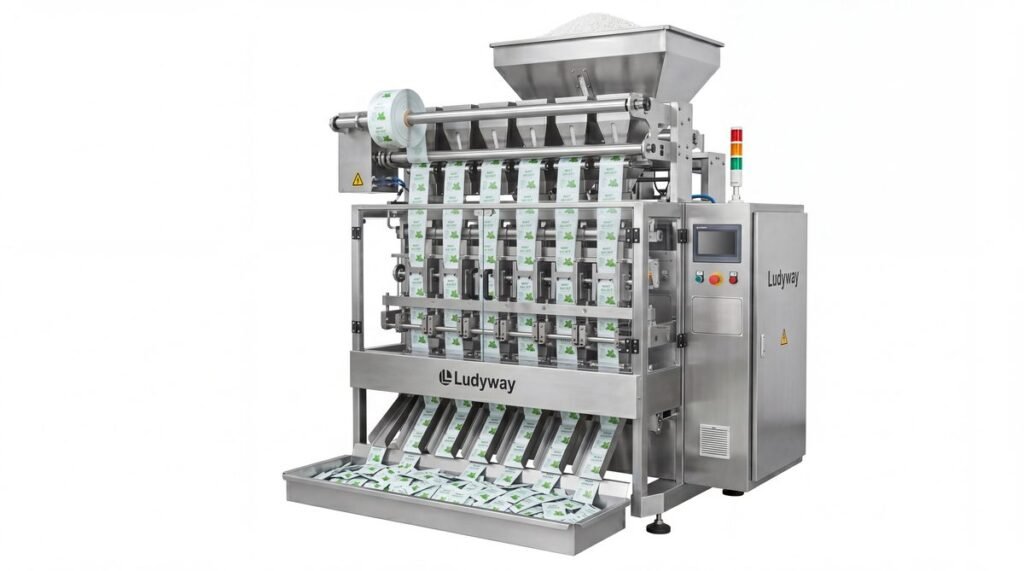
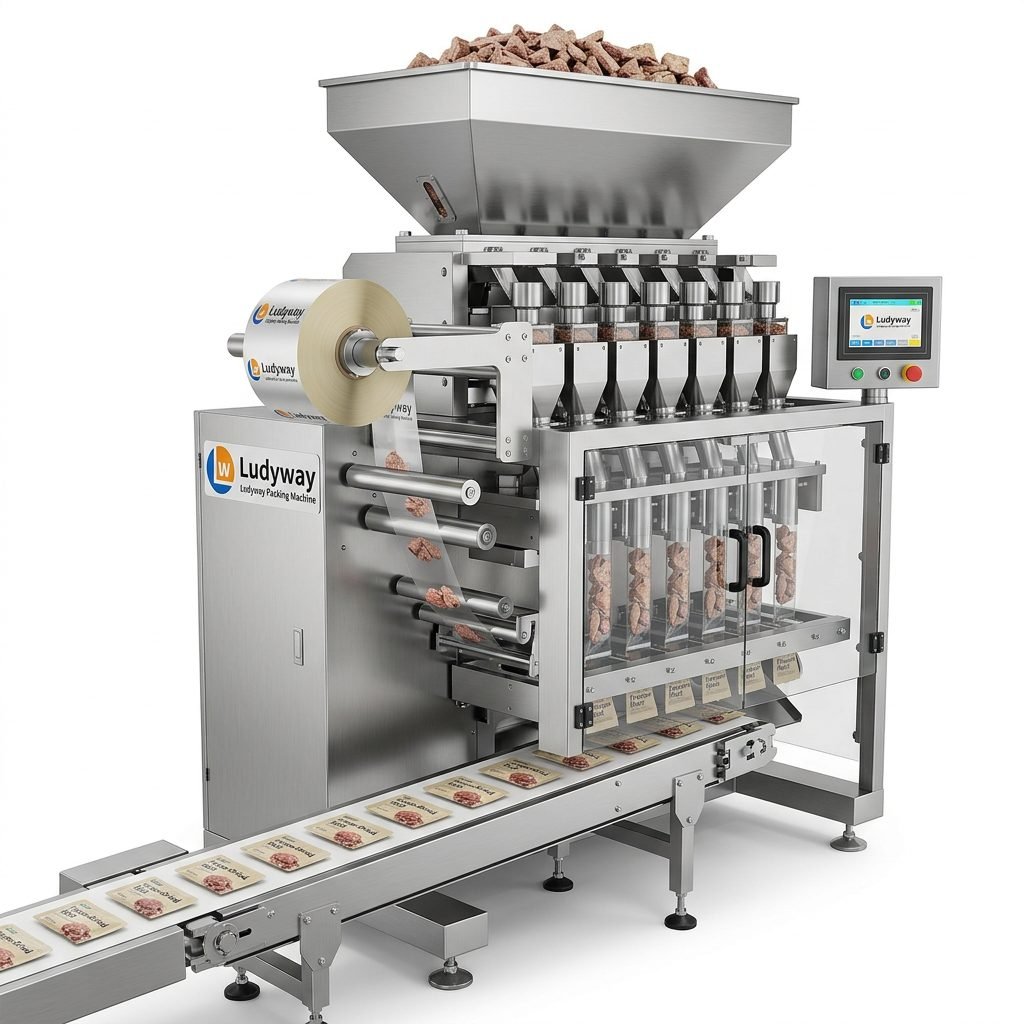
Investing in the right water bottle packaging machine can define your production efficiency, product quality, and long‑term profitability. Whether you are packaging still, sparkling, or functional water, the packaging line must deliver accuracy, speed, and hygiene compliance. This buyer’s guide covers everything from basic system types to advanced automation, helping you make a confident purchasing decision.
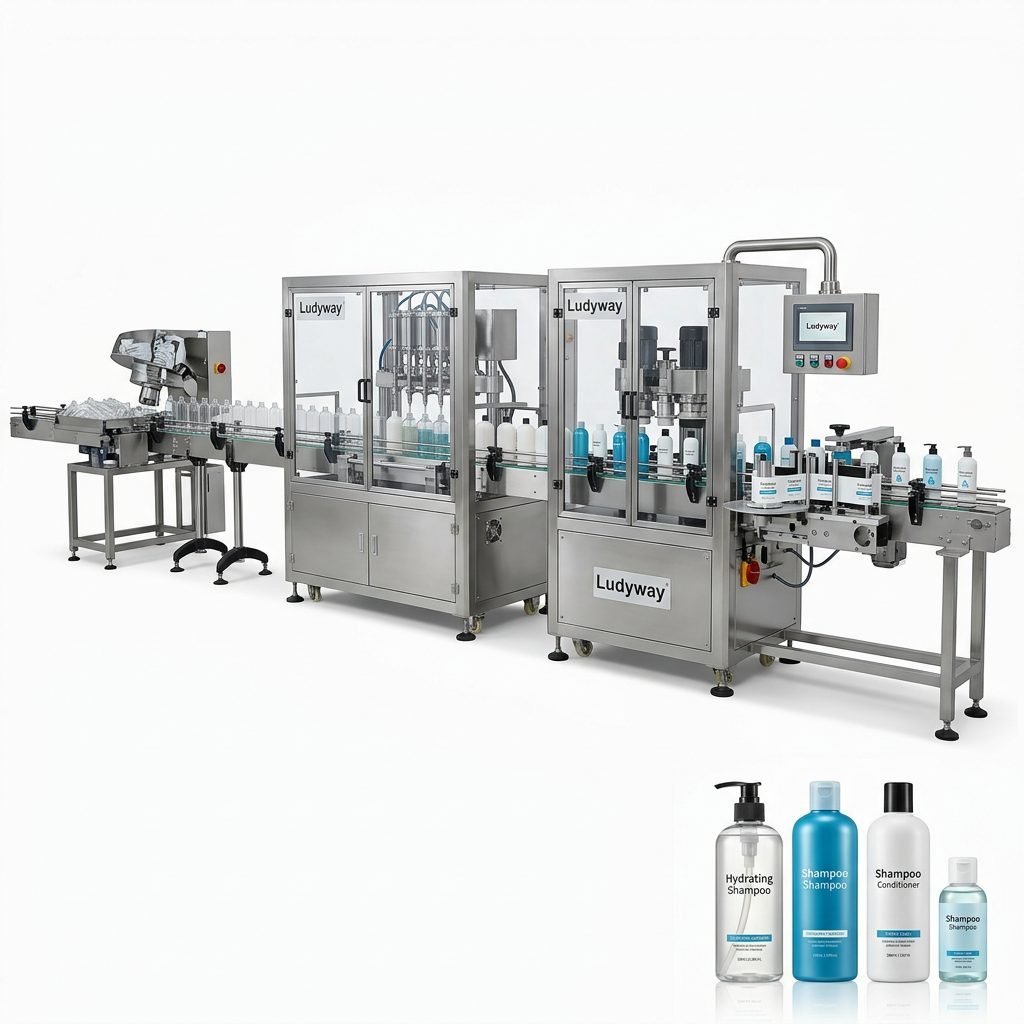
Understanding Complete Water Bottle Packaging Systems
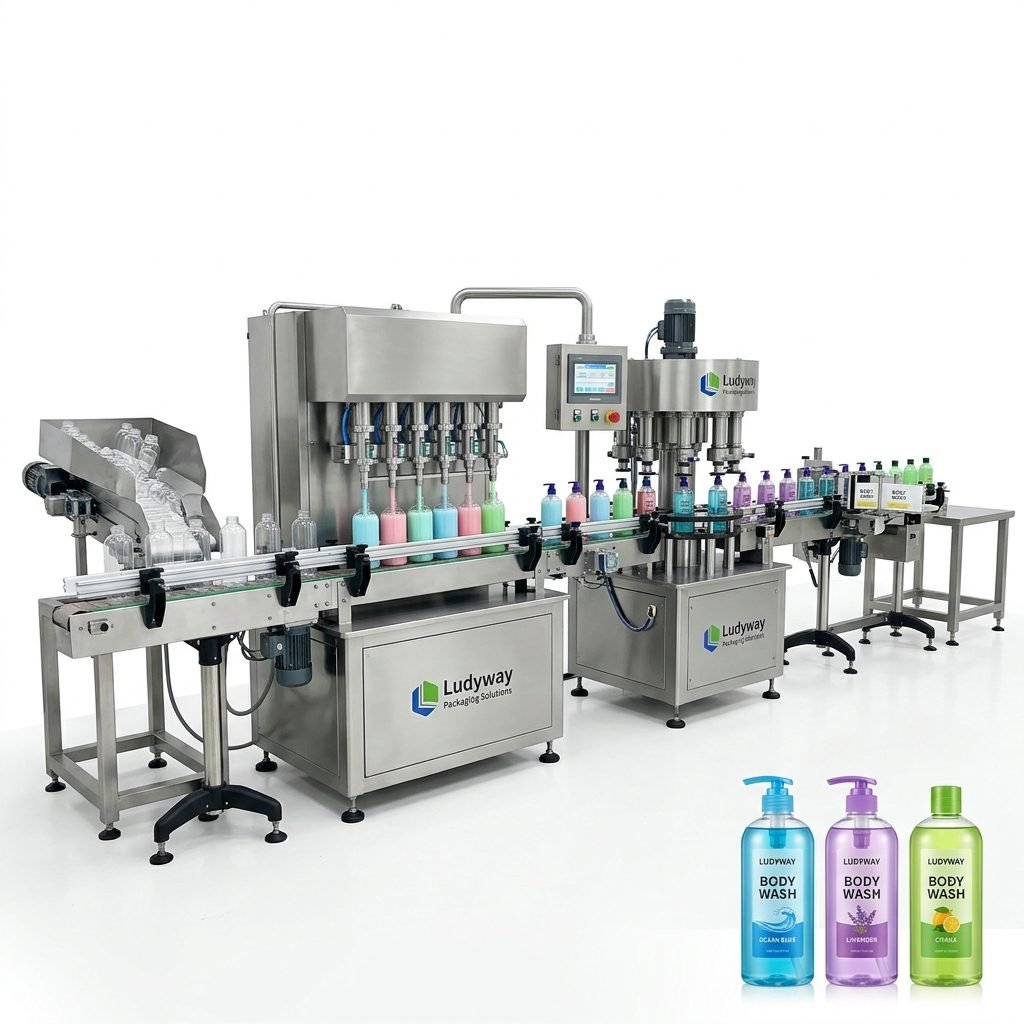
A modern water bottle packaging line is more than a single machine. It typically combines rinsing, filling, capping, labeling, and secondary packaging into a synchronized flow. Depending on your output needs, you can choose between a monoblock (filling + capping combined) or a fully integrated turnkey line that also handles shrink wrapping, cartoning, and palletizing. Matching the machine configuration to your bottle size, closure type, and production speed is essential for achieving target OEE (Overall Equipment Effectiveness).
Main Types of Water Bottle Packaging Machines
Automatic Bottle Filling Machines
For still water, atmospheric gravity or flow‑meter fillers are widely used because they combine simplicity with high accuracy. Carbonated water requires isobaric (counter‑pressure) fillers to maintain CO₂ levels. When selecting a filler, evaluate filling heads, CIP (clean‑in‑place) capability, and material compatibility. Many beverage lines now demand stainless steel construction for hygiene and corrosion resistance.
Capping and Sealing Equipment
Closure application directly affects product integrity and shelflife. Machines must handle screw caps, press‑on caps, and sports caps with consistent torque. Look for servo‑driven capping heads that reduce maintenance and enable quick changeovers between bottle sizes.
Labeling and Coding Systems
Pressure‑sensitive, roll‑fed, and shrink‑sleeve labelers each have advantages. For premium water brands, shrink‑sleeve labeling allows 360‑degree branding. Coding, lot marking, and date printing are often integrated right after the labeler to ensure full traceability.
Secondary Packaging and End‑of‑Line Automation
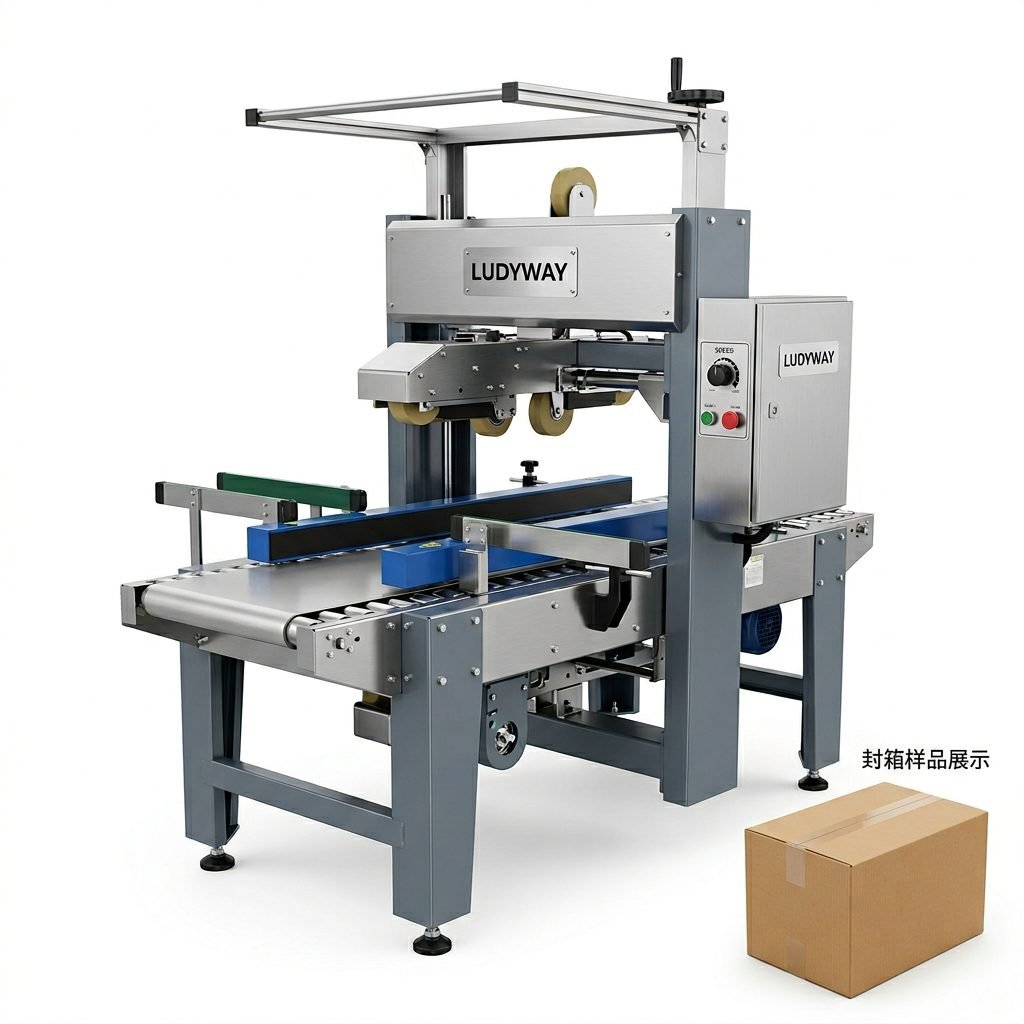
Shrink wrappers, case packers, and palletizers complete the packaging process. Automating these stages reduces manual labor and improves throughput. Robotic palletizing is increasingly adopted even by medium‑sized water plants to support scalable growth.

10 Essential Factors When Choosing Your Machine
The following checklist highlights the most critical technical and operational parameters. Use this as a framework when speaking with suppliers.
- Production speed (bottles per hour): Match current demand and allow 20‑30% headroom for growth.
- Bottle material and size range: PET, glass, or rPET bottles, from 200 ml to 5 liters.
- Closure type: Flat caps, sports caps, tamper‑evident bands, or aluminum caps.
- Filling technology: Gravity, isobaric, flowmeter, or net weight filling for precise dosing.
- Changeover flexibility: How many operators and how much time to switch between formats?
- Cleanability and hygiene: CIP/SIP compatibility, open‑frame design, and drip trays.
- Automation level: Semi‑automatic, fully automatic, or fully integrated “lights‑out” line.
- Integration with downstream equipment: Labeler, coders, conveyors, and case packers.
- Energy and water consumption: Sustainability targets and operational cost impact.
- After‑sales support and spare parts: Local availability and remote diagnostics.
| Feature | Entry‑Level Monoblock | High‑Speed Turnkey Line |
|---|---|---|
| Speed range | 2,000 – 6,000 bph | 10,000 – 60,000+ bph |
| Filling method | Gravity / flowmeter | Isobaric or servo‑flowmeter |
| Changeover time | 15 – 30 min (manual) | < 5 min (recipe‑driven) |
| Typical investment | Moderate, suited for SMEs | Higher, ROI via throughput |
Industry Standards and Compliance You Should Know
Compliance is non‑negotiable in the beverage sector. Depending on your market, your packaging equipment must meet requirements from the FDA, EFSA, and ISO standards. For example, FDA food contact substance regulations dictate materials that can safely touch bottled water. Likewise, ISO 11607 influences packaging validation for many export‑oriented bottlers. Staying updated with PMMI’s State of the Industry reports helps you anticipate market shifts and technology trends.
Flexible packaging standards and sustainability requirements are also evolving. The Flexible Packaging Association resources offer guidance on materials and design for secondary packaging used in water bottle bundling.
Automation and Smart Factory Integration
The water bottling industry is rapidly embracing Industry 4.0 features such as remote monitoring, predictive maintenance, and automatic rejection systems. When choosing a machine, verify OPC UA or open protocol support for MES/ERP integration. Automated CIP cycles, servo‑driven cam profiling, and real‑time SPC (statistical process control) are no longer exclusive advantages — they are becoming the baseline for competitive operations.
How to Evaluate Machine Suppliers
Beyond the specification sheet, supplier reliability has a profound impact on your project timeline and operational stability. Consider these steps before finalizing a purchase:
- Request FAT (Factory Acceptance Test) and SAT (Site Acceptance Test) documentation.
- Verify the supplier’s track record in beverage and water‑specific applications.
- Check availability of local service engineers and critical spare parts inventory.
- Ask about turnkey project management if you need a multi‑machine line.
- Assess training programs for operators and maintenance teams.
Customization vs. Standard Machine Platforms
Many bottlers benefit from a standardized platform with modular options rather than a fully custom build. Standard machines reduce lead time and cost while maintaining proven reliability. However, if your bottle shape, label requirements, or production layout demand a unique configuration, a customized engineering approach can future‑proof your investment.
Total Cost of Ownership and ROI
Looking only at the purchase price can be misleading. Calculate the total cost of ownership (TCO) over 7–10 years, factoring in energy consumption, operator training, maintenance contracts, change parts, and downtime risk. A machine with slightly higher upfront cost but significantly lower TCO often delivers better long‑term returns.
Final Checklist Before You Buy
- Define your product: still, sparkling, or enhanced water?
- Confirm bottle diameter range and neck finish.
- Set realistic speed targets with a 3-year growth projection.
- Ensure material certificates (316L stainless steel for contact parts) are provided.
- Validate that the control system supports your preferred industrial communication protocols.
- Plan the complete line layout with a focus on material flow and operator access.
For manufacturers ready to move beyond standard catalogs and build a tailored, future‑proof packaging line, Ludyway Machinery combines three decades of engineering experience with comprehensive turnkey solutions — from individual bottle rinser‑filler‑capper monoblocks to fully automated water packaging systems that handle labeling, wrapping, and palletizing. Their global project support and commitment to international quality standards help bottlers scale efficiently and reliably.