Investing in an egg packing machine is a significant decision for poultry farms, egg processing plants, and food manufacturers. Whether you handle shell eggs, liquid eggs, or egg powder, the right equipment can dramatically improve productivity, reduce labor costs, and ensure consistent product quality. However, with a wide range of machine types, configurations, and technical specifications available, the selection process can feel overwhelming. This guide walks you through the essential factors to consider, helping you make an informed purchasing decision that aligns with your production goals.
Understanding Your Egg Product Type
Before evaluating specific machinery, you must clearly define the type of egg product you are packaging. Different products demand fundamentally different handling, filling, and sealing technologies.
- Shell Eggs: Require gentle handling systems, grading capabilities, and tray or carton packaging. Machines must minimize impact and cracking while maintaining high throughput. Crack detection and weight grading are often integrated into modern packaging lines.
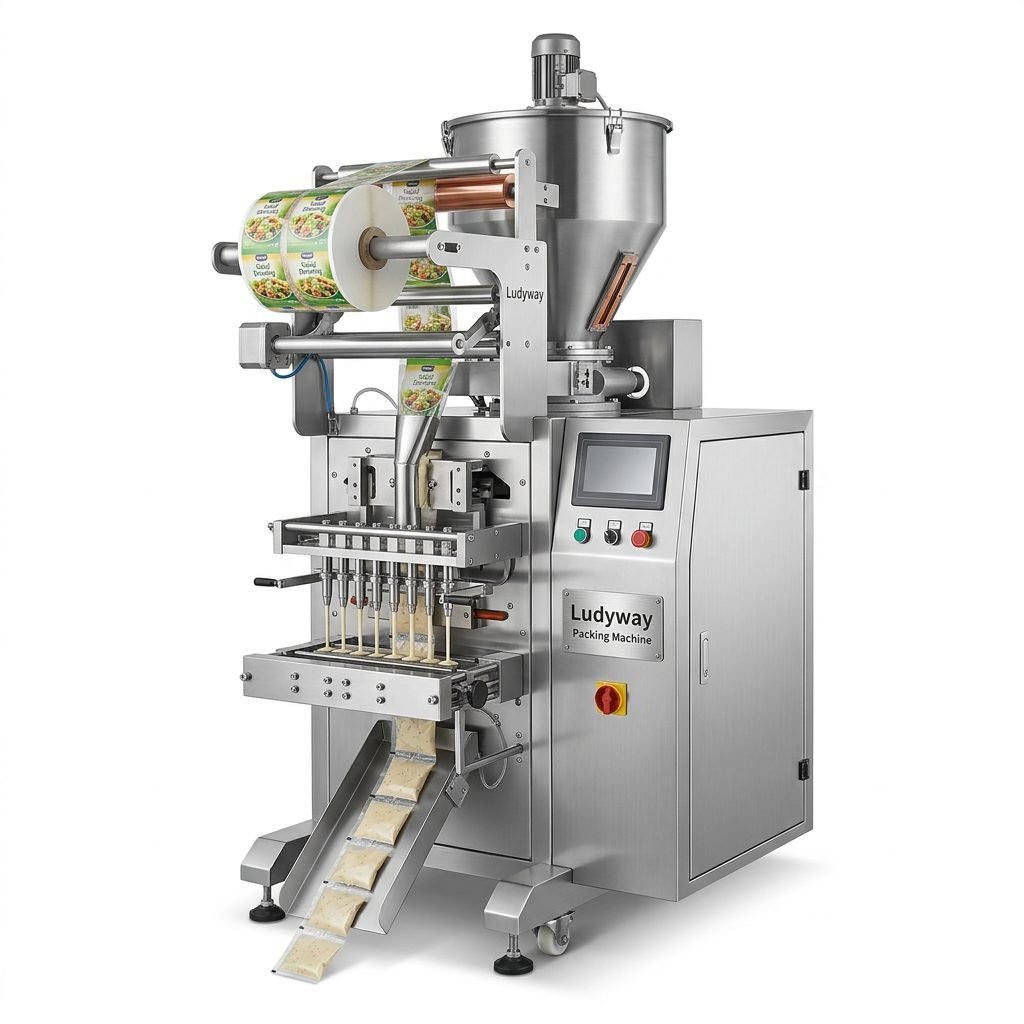
- Liquid Eggs: Need hygienic filling systems for sachets, pouches, or bottles. Aseptic filling capabilities may be required for extended shelf life. Precision dosing pumps and sanitary connections are essential features to look for, with guidance available from FDA food contact substance regulations.
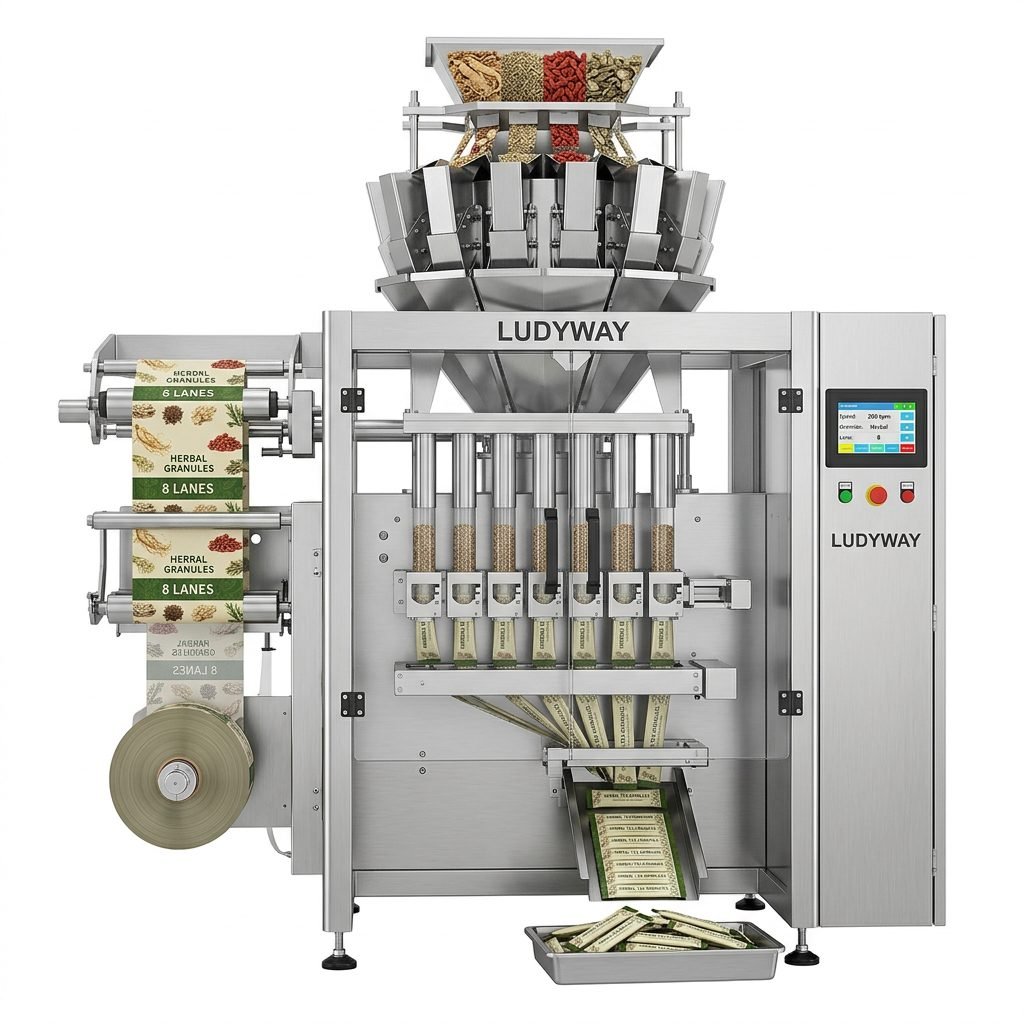
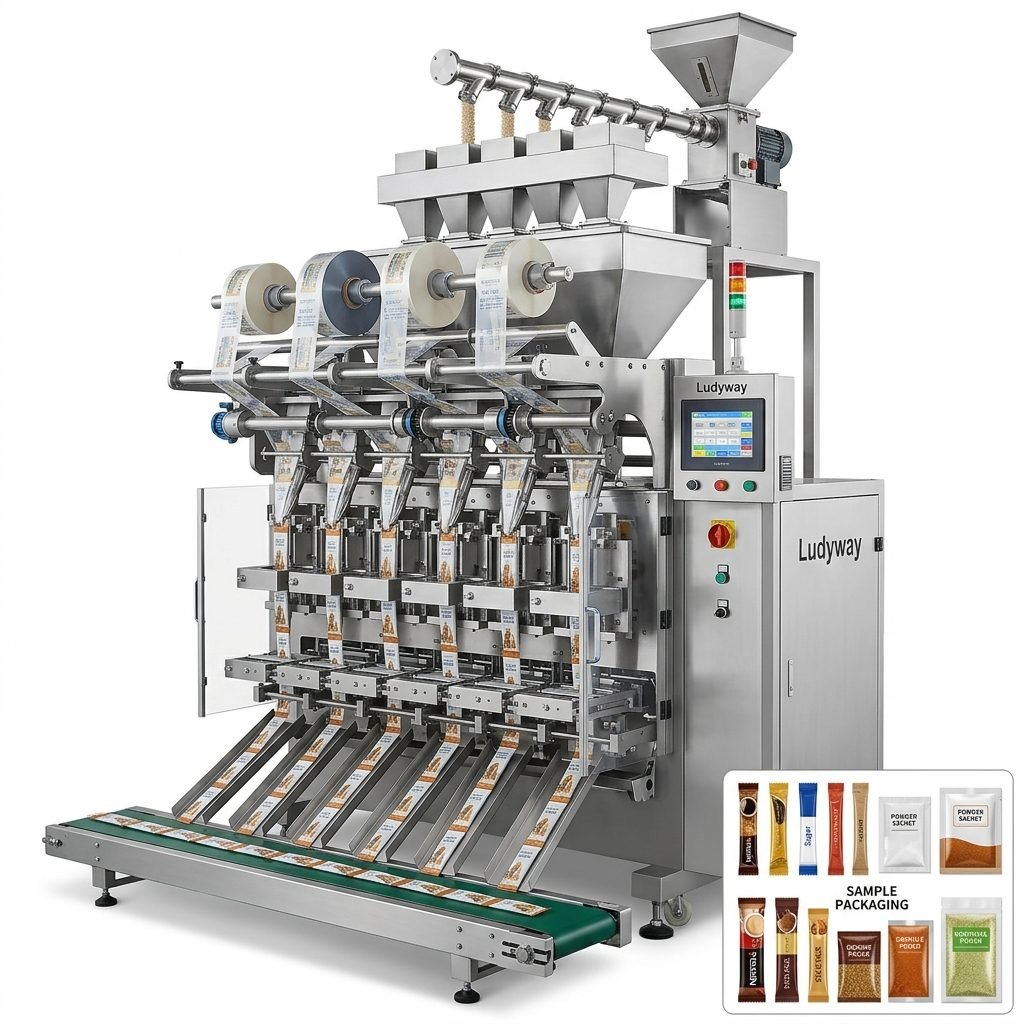
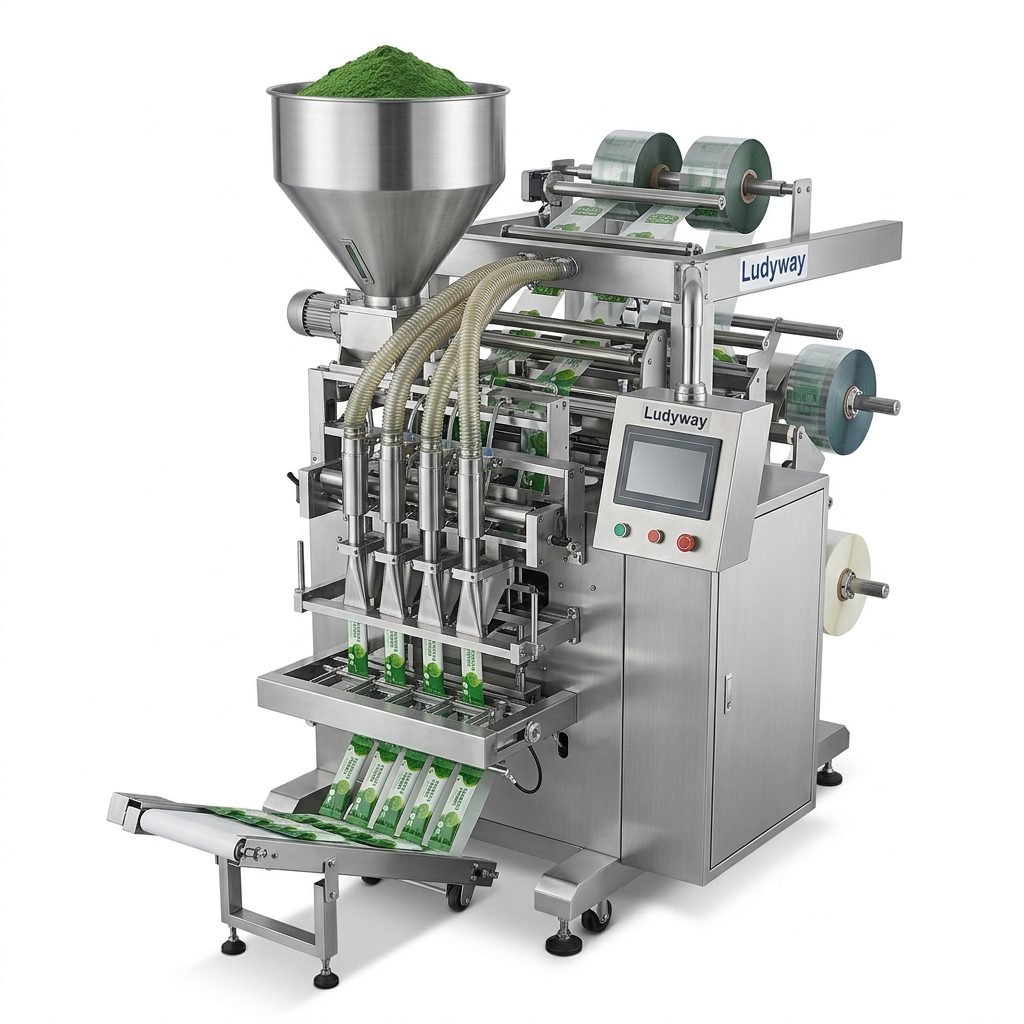
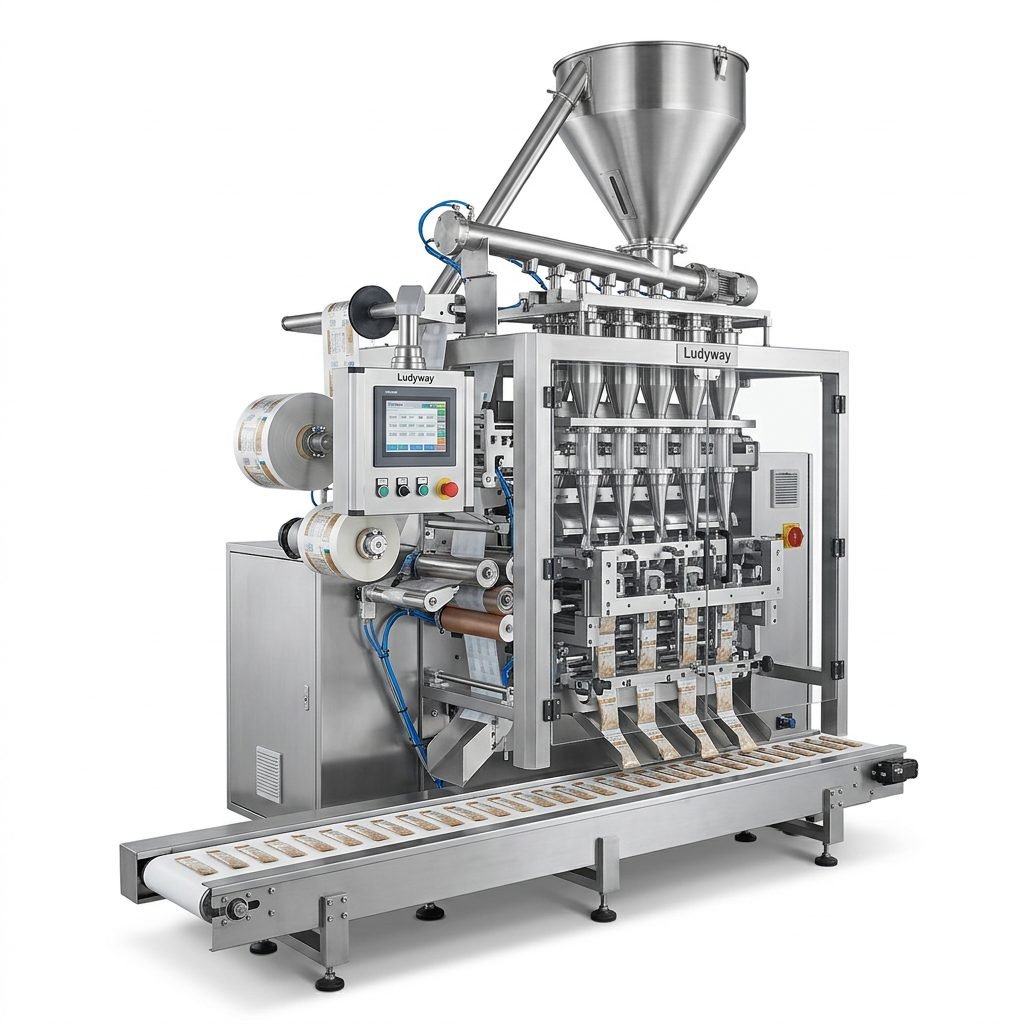
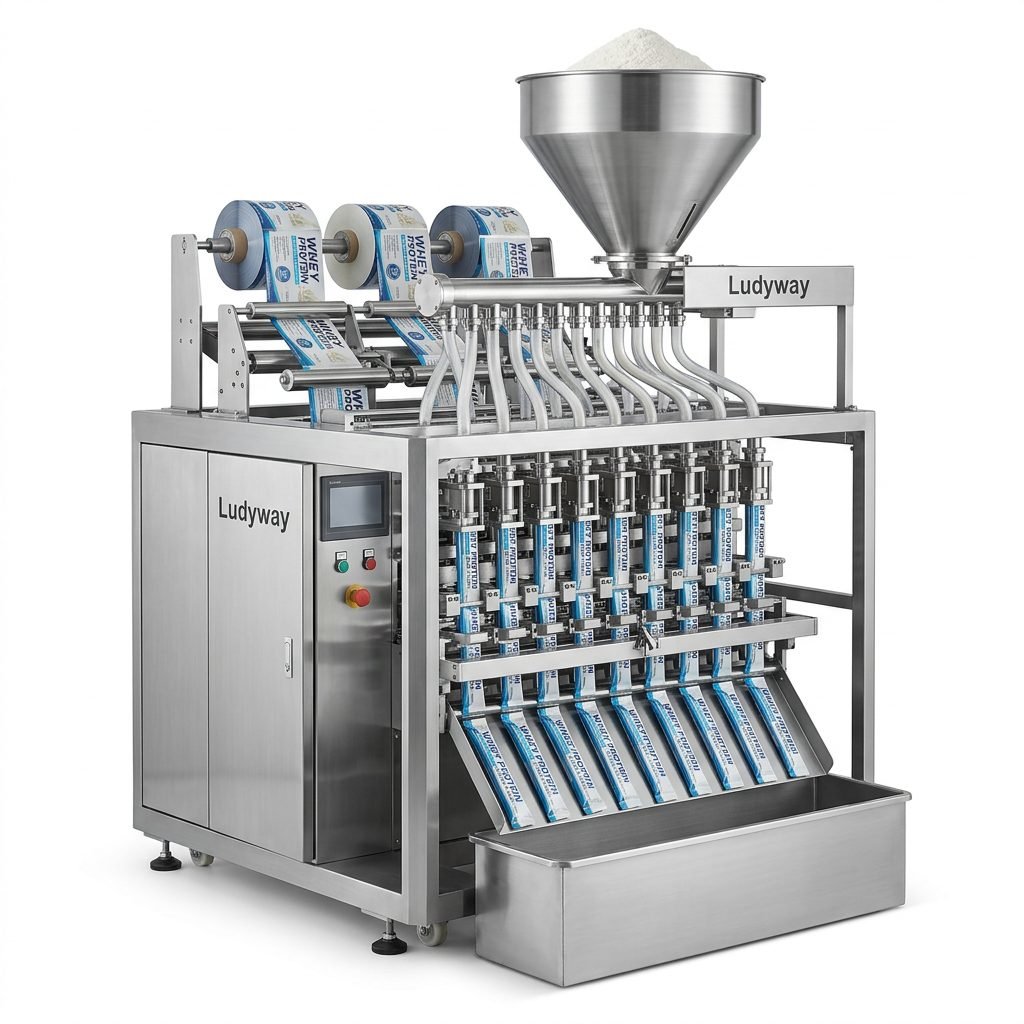
- Egg Powder: Demands accurate powder dosing systems, often integrated with multi-lane stick pack or sachet machines. Moisture control during packaging is critical to prevent clumping and ensure product stability throughout shelf life.
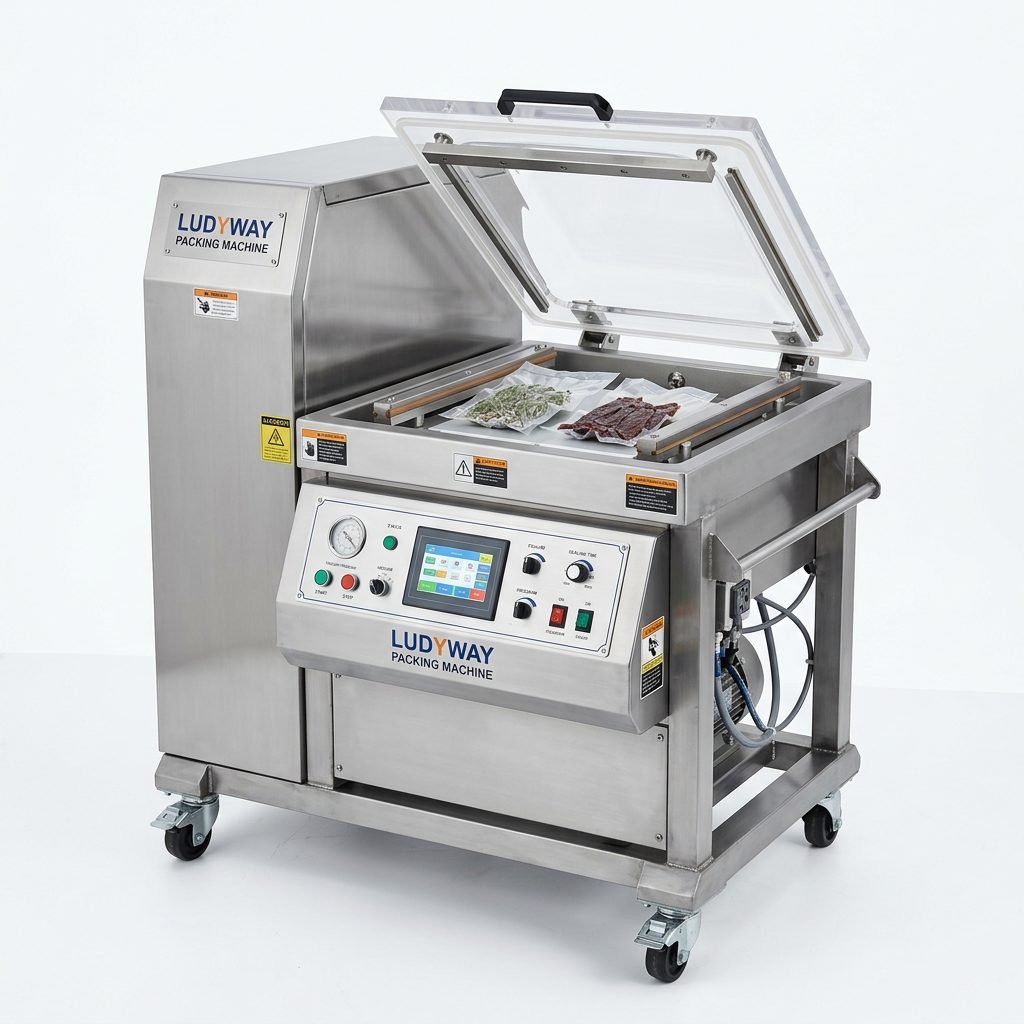
- Value-Added Egg Products: Items such as pre-cooked egg bites, scrambled egg mixes, or egg-based protein bars may require modified atmosphere packaging (MAP) or vacuum sealing to preserve freshness.
Key Selection Factors for Egg Packing Machines
Once you have identified your product category, evaluate each machine against the following criteria. These factors will determine not only the initial fit but also long-term operational efficiency and return on investment.
Production Capacity and Speed
Your current and projected output should guide the speed requirements. Egg packing machines range from semi-automatic units processing a few hundred units per hour to fully automated lines handling tens of thousands of eggs or sachets per hour. Overestimating capacity leads to unnecessary capital expenditure, while underestimating creates bottlenecks. Consider both peak season demands and future growth when specifying throughput, and review industry production benchmarks for reference.
Packaging Format Flexibility
Modern egg packing machinery can produce multiple packaging formats. Determine whether you need a single-format machine or a flexible system capable of running different bag styles, sizes, or tray configurations. Common formats include:
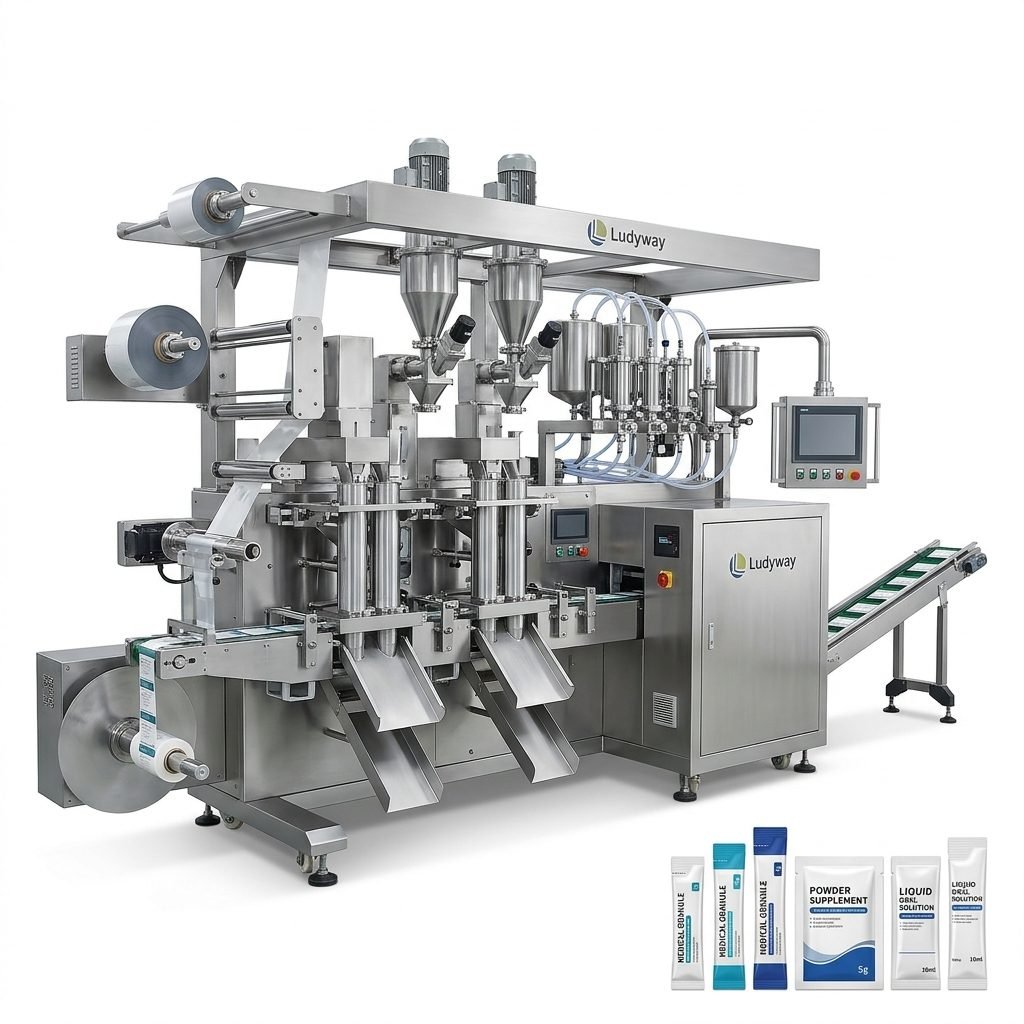
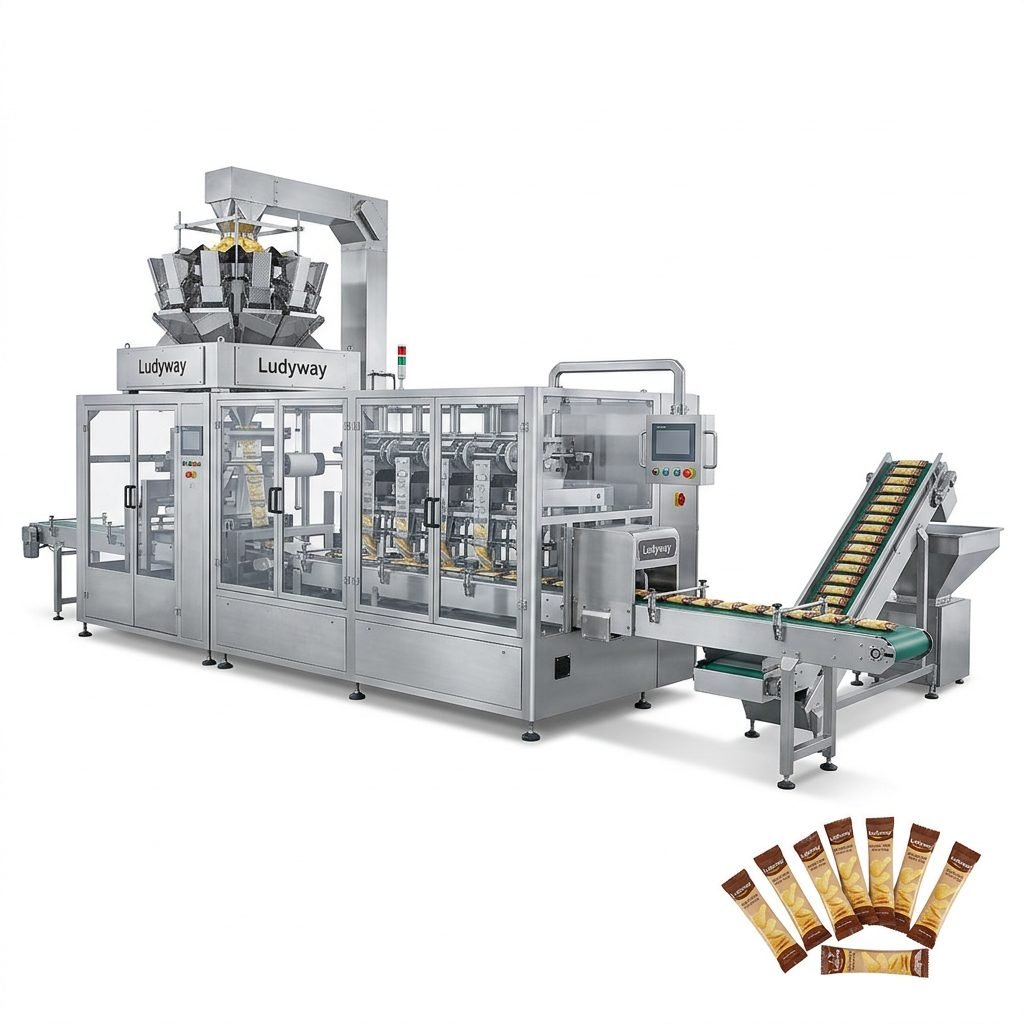
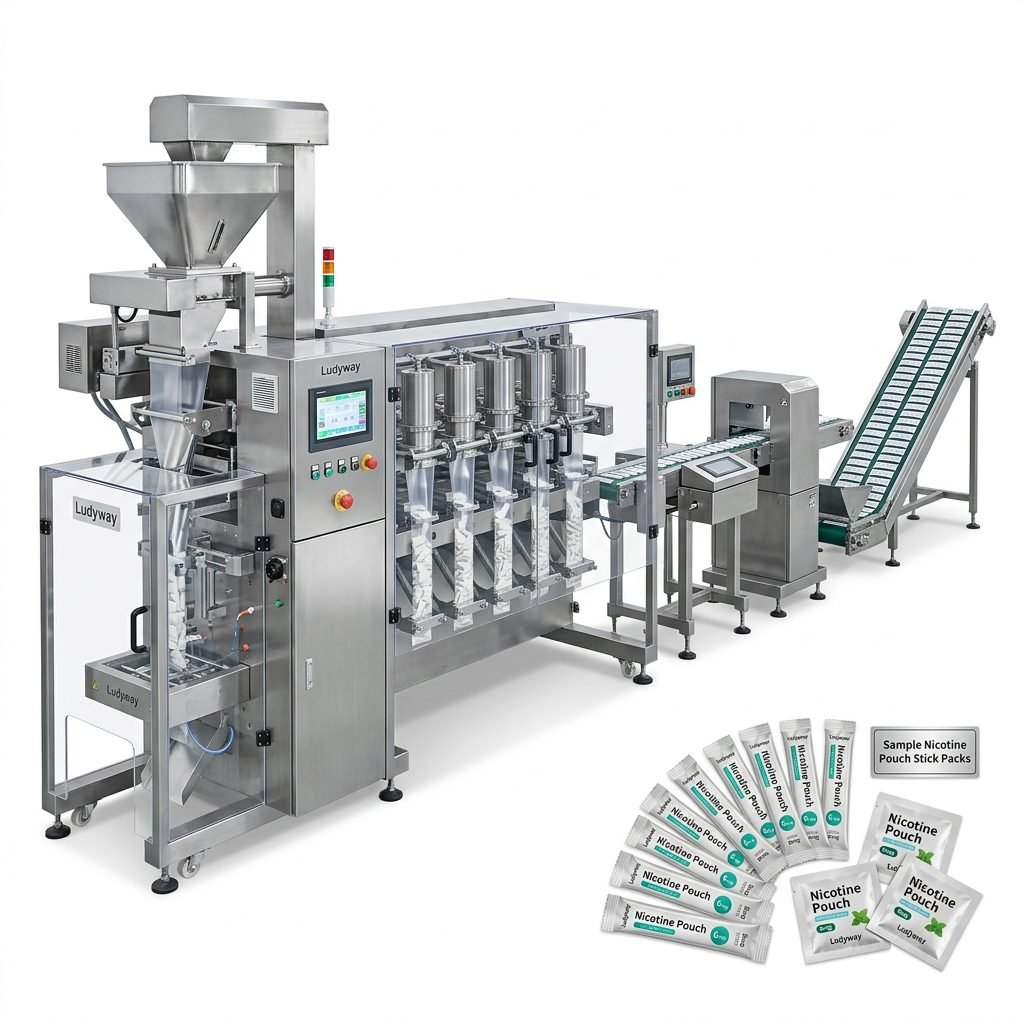
- Stick packs and sachets for egg powder and liquid egg portions
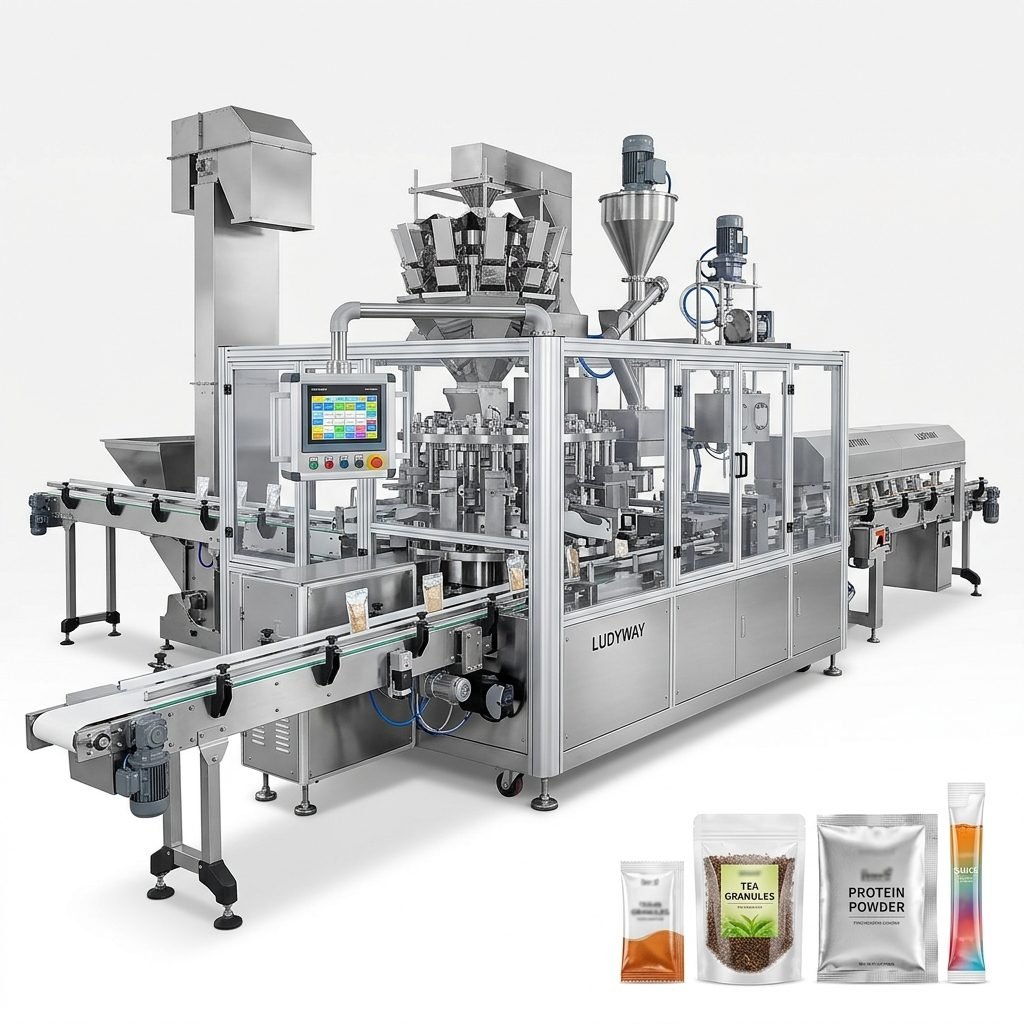
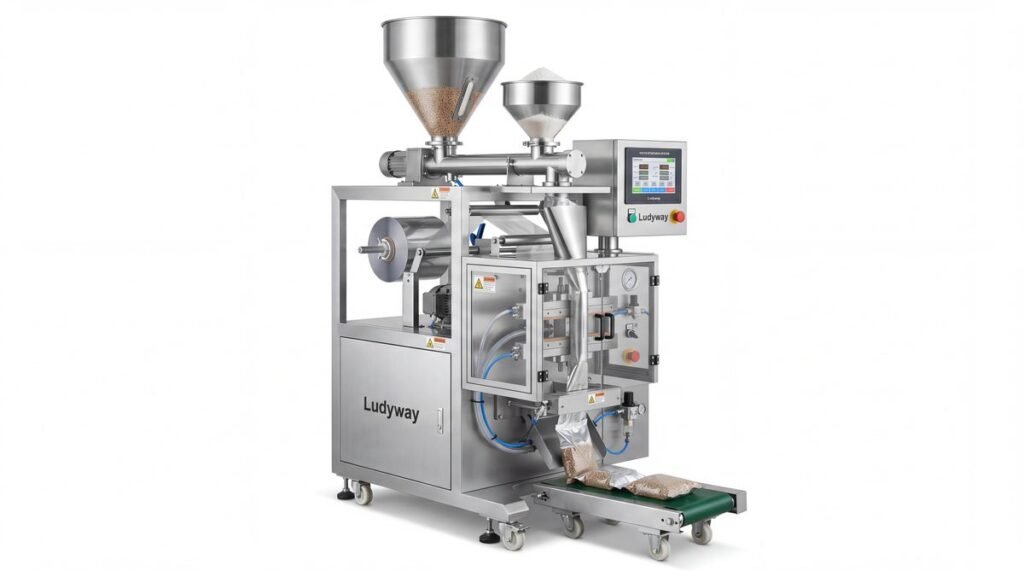
- Pre-made pouch filling and sealing for retail liquid egg products
- Carton and tray packaging for shell eggs with various count configurations
- Bulk bag-in-box systems for food service and industrial customers
Automation Level and Integration
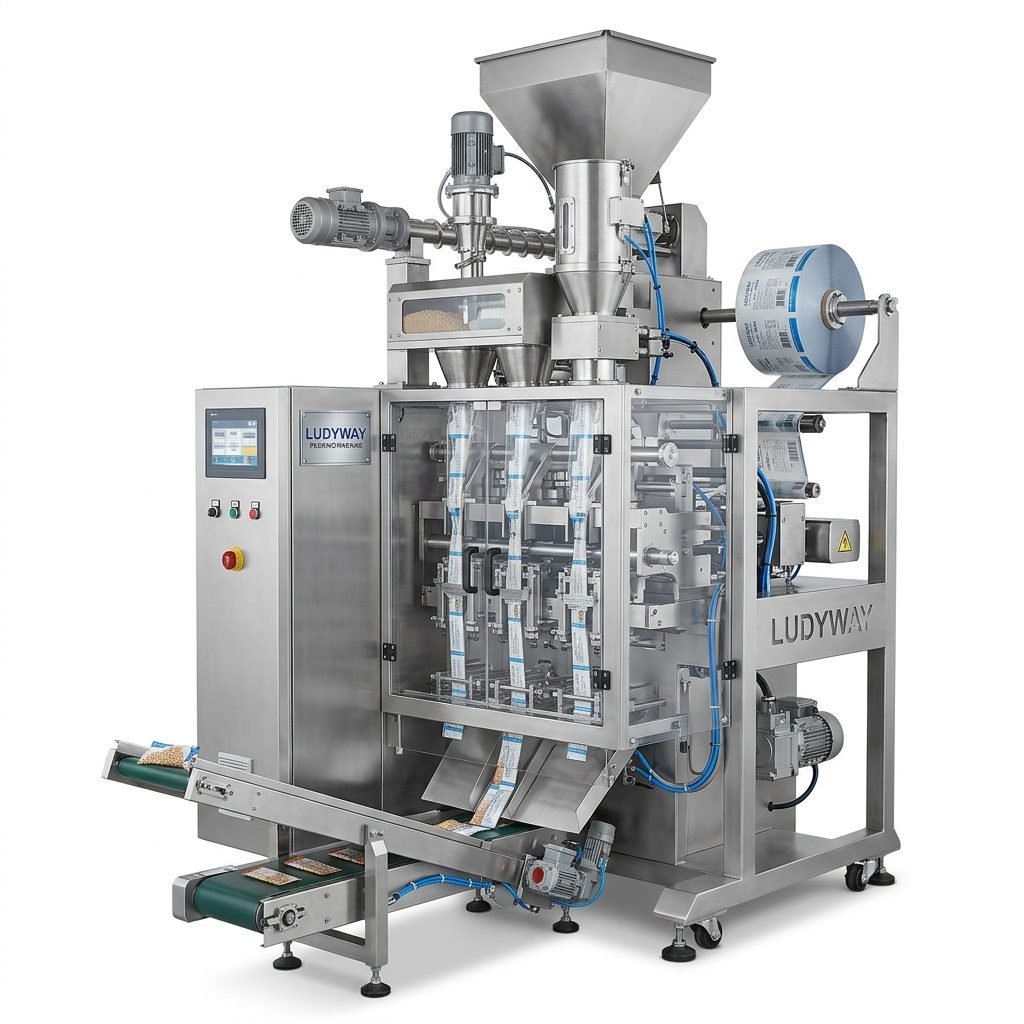
The degree of automation impacts labor requirements, consistency, and overall line efficiency. Basic machines may require manual feeding and collection, while advanced systems integrate automatic feeding, filling, sealing, coding, inspection, and cartoning into one seamless line. Fully integrated packaging lines reduce human error and contamination risks, which is particularly important for egg products given their perishable nature and stringent hygiene requirements. When evaluating automation, also consider whether the machine can connect with upstream and downstream equipment such as pasteurizers, conveyors, and palletizers.
Hygiene and Cleanability
Egg products are highly sensitive to bacterial contamination, making sanitary design non-negotiable. Look for machines constructed with food-grade stainless steel, featuring smooth surfaces without crevices where product residue can accumulate. Tool-free disassembly for cleaning and CIP (Clean-in-Place) compatibility are valuable features that reduce downtime between production runs. Equipment should comply with relevant ISO packaging standards and local food safety regulations.
Filling Accuracy and Precision
For liquid eggs and egg powder, dosing accuracy directly affects product consistency and profitability. Overfilling results in product giveaway, while underfilling leads to compliance issues and customer dissatisfaction. Modern egg packing machines utilize servo-driven auger fillers for powder or precision piston pumps and flow meters for liquids. Verify the manufacturer’s stated accuracy tolerances under real production conditions, referencing packaging machinery standards for guidance on acceptable variances.
| Egg Product Type | Recommended Machine Type | Key Feature | Typical Output Range |
|---|---|---|---|
| Shell Eggs (Graded) | Automatic Egg Grader & Packer | Weight grading, crack detection | 3,000 – 180,000 eggs/hour |
| Liquid Egg (Sachet) | Multi-Lane Liquid Sachet Machine | Sanitary filling, CIP compatible | 40 – 400 sachets/minute |
| Egg Powder (Stick Pack) | Multi-Lane Stick Pack Machine | Precision auger dosing, moisture control | 30 – 600 stick packs/minute |
| Retail Liquid Egg (Pouch) | Pre-Made Pouch Filling & Sealing | MAP capability, rotary filling | 20 – 120 pouches/minute |
| Bulk Industrial Egg | Bag-in-Box / Bulk Filling System | High-volume filling, aseptic | 5 – 50 kg per fill cycle |
Evaluating Machine Build Quality and Components
The longevity and reliability of your egg packing machine depend heavily on the quality of its construction and the components used. During evaluation, pay close attention to the following:
- Frame Material: Stainless steel construction (304 or 316 grade) is essential for egg processing environments due to frequent washdowns and exposure to moisture.
- Electrical and Pneumatic Components: Reputable brands for PLCs, servo motors, sensors, and pneumatic actuators indicate a machine built for industrial duty cycles. Inquire about component accessibility and whether the controls platform uses open or proprietary technology.
- Sealing Quality: For flexible packaging formats, consistent and strong seals prevent leakage and contamination. Look for machines with precise temperature control and adjustable sealing pressure settings.
- Safety Features: Emergency stops, guarding, and interlocks should meet applicable safety standards for your region. Documentation confirming this compliance should be available from the manufacturer.
Customization and Engineering Support
Off-the-shelf machines rarely fit every production scenario perfectly. Product characteristics, factory layout, desired output, and supplementary equipment all influence the ideal machine configuration. Leading manufacturers offer customized engineering solutions, evaluating your specific egg product and recommending tailored machine configurations. This is particularly valuable for producers looking to scale up operations or introduce novel packaging formats. For example, Ludyway Machinery, with over 30 years of packaging industry experience and a 20,000-square-meter manufacturing facility, works with customers to develop customized packaging systems that match their specific egg product and production requirements. Learn more about packaging machinery global growth trends from recent industry reports.
Total Cost of Ownership Analysis
Purchase price alone is an incomplete metric. Calculate the total cost of ownership (TCO) over the machine’s expected service life, which typically spans 10 to 15 years for well-maintained equipment. Key cost components include:
- Initial Capital Expenditure: Machine cost including shipping, import duties, and installation.
- Operational Costs: Energy consumption, compressed air usage, and consumable packaging materials.
- Maintenance and Spare Parts: Planned preventive maintenance costs and the availability and pricing of critical spare parts.
- Labor Requirements: The number of operators needed per shift and the skill level required.
- Downtime Impact: Lost production value during unplanned stoppages, which can be minimized by choosing machines with proven reliability records.
Request detailed TCO data from potential suppliers and validate claims with existing customers where possible.
Service, Support, and Spare Parts Availability
Even the most reliable egg packing machine will eventually require technical support and replacement parts. Before committing to a purchase, assess the manufacturer’s global service capabilities. A supplier serving more than 100 countries indicates established logistics and service networks. Confirm the availability of remote technical assistance, local service engineers in your region, and the typical lead time for critical spare parts. A partner that provides support throughout the project lifecycle—from installation and commissioning to operator training and after-sales service—adds significant long-term value.
Compliance and Certification Requirements
Depending on your target market, your egg packing machine may need to comply with specific regulations and standards. Discuss these requirements with potential suppliers early in the evaluation process. Relevant compliance areas include FDA food contact regulations, European Commission packaging and packaging waste directives, and applicable flexible packaging industry standards. Machines designed and configured to meet international standards simplify regulatory approval in multiple markets.
Questions to Ask Potential Suppliers
When engaging with egg packing machine manufacturers, a structured inquiry process helps uncover critical information. Use the following questions as a starting point for your discussions:
- Can you provide references from customers packaging similar egg products? Real-world performance data from analogous applications is invaluable.
- What is the standard lead time, and how do you handle installation and commissioning? Understand the timeline from order placement to full production.
- Do you offer factory acceptance testing (FAT) before shipment? Testing the machine with your actual product before delivery reduces startup risk.
- What training do you provide for operators and maintenance staff? Proper training maximizes machine uptime and extends equipment life.
- How do you manage software updates and technical documentation? Access to current documentation and control system updates is important for long-term operation.
- What warranty terms do you offer, and what is covered? Clarify warranty duration, scope, and any exclusions before finalizing the agreement.
Making the Final Decision
Choosing the right egg packing machine requires balancing technical specifications, commercial considerations, and supplier capabilities. Start by clearly defining your product parameters and production requirements. Then systematically evaluate machines against the criteria outlined in this guide. Involve your production, engineering, quality, and maintenance teams in the evaluation process to ensure all perspectives are considered. A thorough, data-driven approach to machine selection will help you secure equipment that delivers consistent performance, regulatory compliance, and strong return on investment for years to come.
For manufacturers looking to explore customized egg packing solutions or integrate packaging equipment into broader production lines, working with an experienced packaging machinery partner that offers engineering capabilities, system integration, and global technical support can simplify the procurement process and reduce project risk.