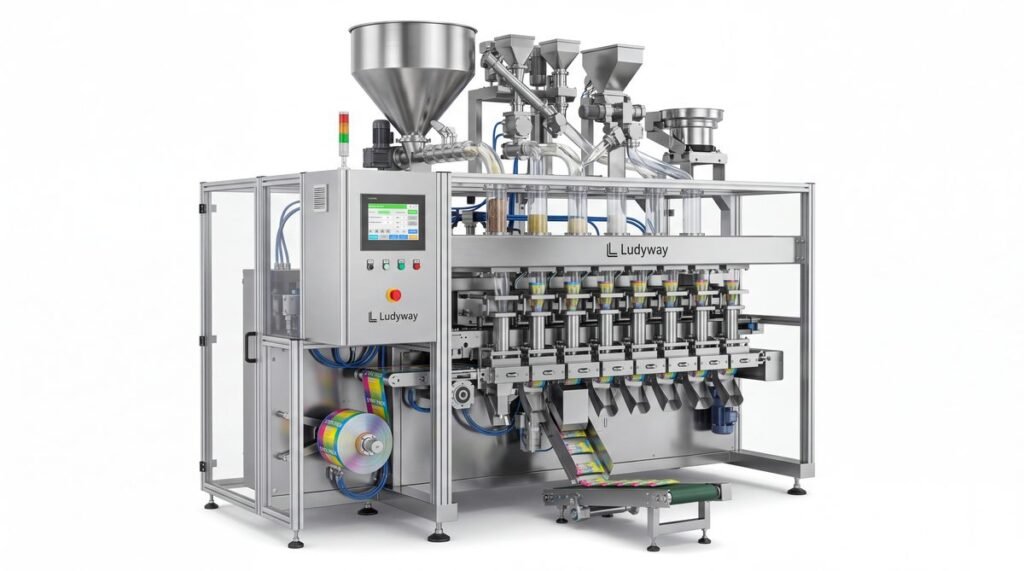
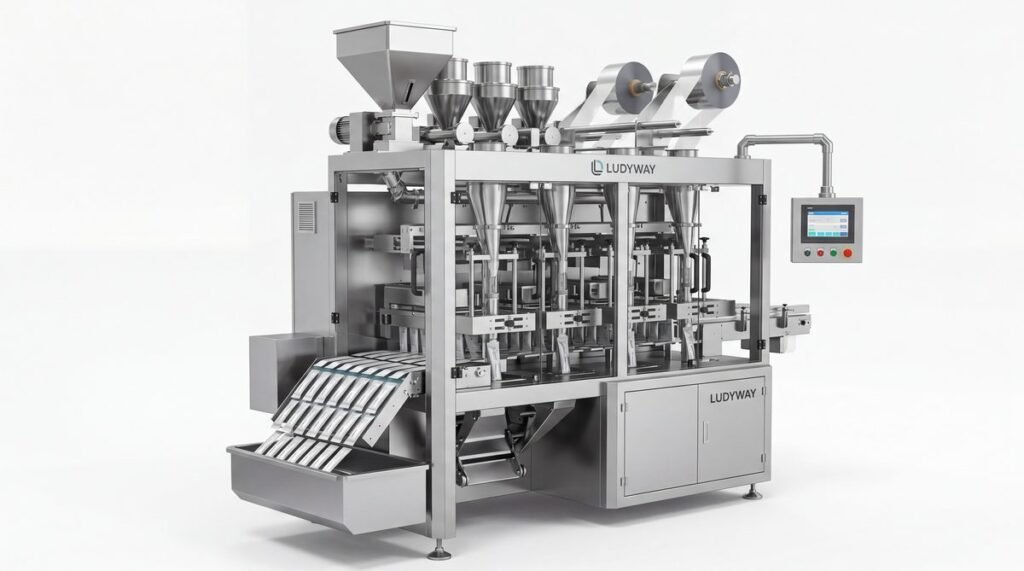
Investing in a valve bag packing machine is a significant decision for manufacturers handling powders and granular materials. The right equipment can streamline your packaging line, reduce product waste, and improve overall operational efficiency. The wrong choice, however, can lead to costly downtime, inaccurate fills, and ongoing maintenance headaches. This guide walks you through the essential factors to evaluate before making your purchase.
Understanding Valve Bag Packing Machines
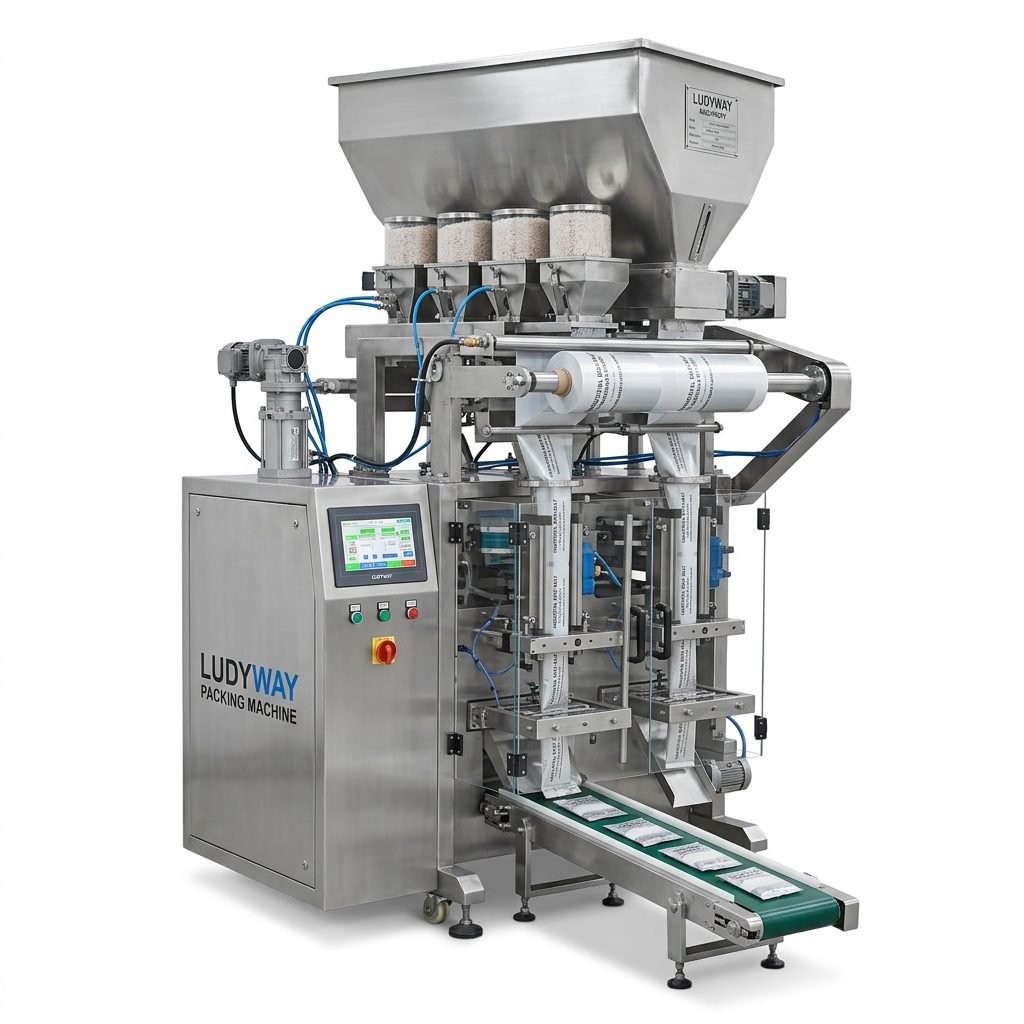
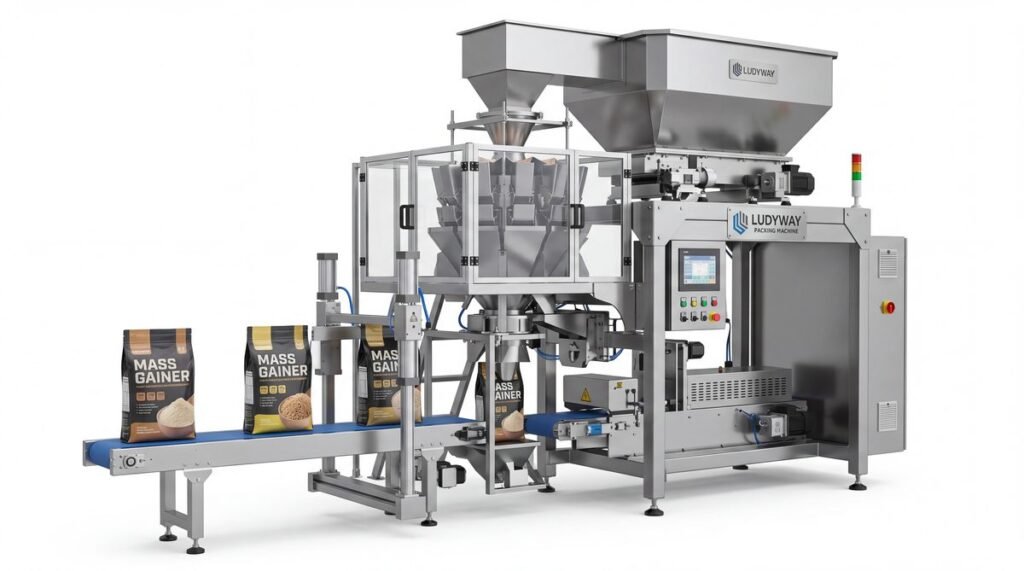
A valve bag packing machine is designed to fill valve-type bags — bags with a small opening or spout at one corner. Unlike open-mouth bags, valve bags are self-closing once filled, which reduces spillage and minimizes the need for additional sealing equipment. These machines are widely used for packaging powders, granules, and fine bulk solids across industries such as construction materials, chemicals, food ingredients, and agriculture.
According to packaging industry standards set by PMMI, efficient filling systems must balance speed, accuracy, and material compatibility. Valve bag fillers excel in applications where dust control, precise weight measurement, and high throughput are critical.
Key Factors to Consider When Choosing a Valve Bag Packing Machine
Product Characteristics and Flow Properties
The physical properties of your product directly influence which type of valve bag filling system will work best. Consider the following:
- Particle size and shape — Fine powders like cement require different handling than coarse granules like fertilizer pellets.
- Bulk density — Affects how the material settles and the filling speed required.
- Flowability — Free-flowing materials may use gravity-fed systems, while cohesive powders often need auger or impeller filling mechanisms.
- Moisture content — Hygroscopic materials may require special environmental controls.
- Abrasive or corrosive properties — Determines the materials of construction for contact parts.
Production Capacity and Speed Requirements
Your target output rate — typically measured in bags per hour — should align with both current and projected production needs. Valve bag packing machines range from semi-automatic systems filling 60-120 bags per hour to fully automated lines capable of 600-1,200 bags per hour or more. Be realistic about your throughput requirements and factor in changeover times between different bag sizes or products.
Bag Size and Material Compatibility
Valve bags come in various sizes, typically ranging from 5 kg to 50 kg, and materials including paper, woven polypropylene, and multi-layer laminates. Your machine must accommodate the specific bag dimensions, valve type, and material construction you intend to use. Some machines offer quick-change adjustments for handling multiple bag formats, which is valuable for contract packagers or manufacturers with diverse product lines.
Filling Accuracy and Weighing Technology
Precise filling is essential for regulatory compliance, cost control, and customer satisfaction. Modern valve bag fillers incorporate various weighing technologies:
- Net weighing — The product is weighed before entering the bag, offering high accuracy for high-value materials.
- Gross weighing — The bag is weighed during filling, ideal for applications where the bag itself is part of the measurement.
- Hybrid systems — Combine both methods for optimal accuracy and speed in demanding environments.
Compliance with ISO packaging standards often requires documented accuracy levels, so verify that any machine you evaluate meets applicable metrology requirements.
Automation Level and Integration
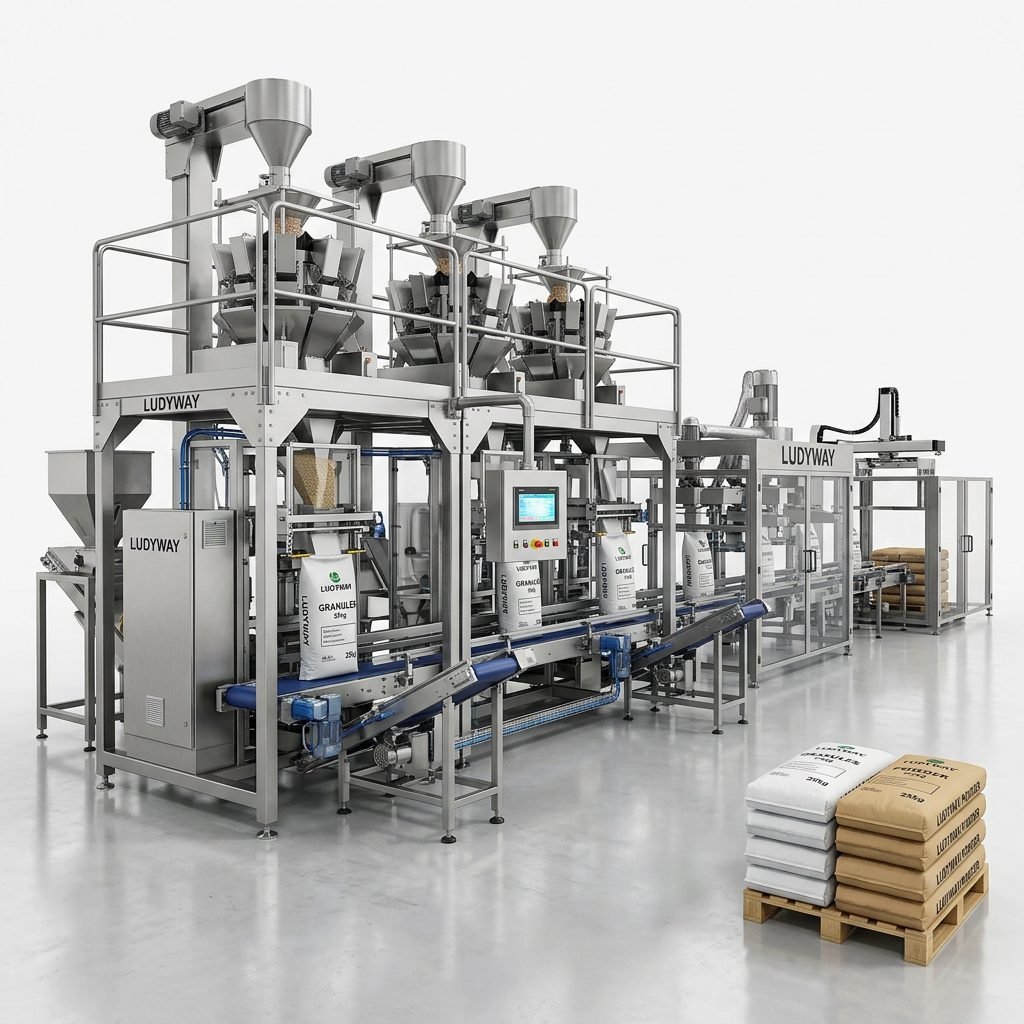
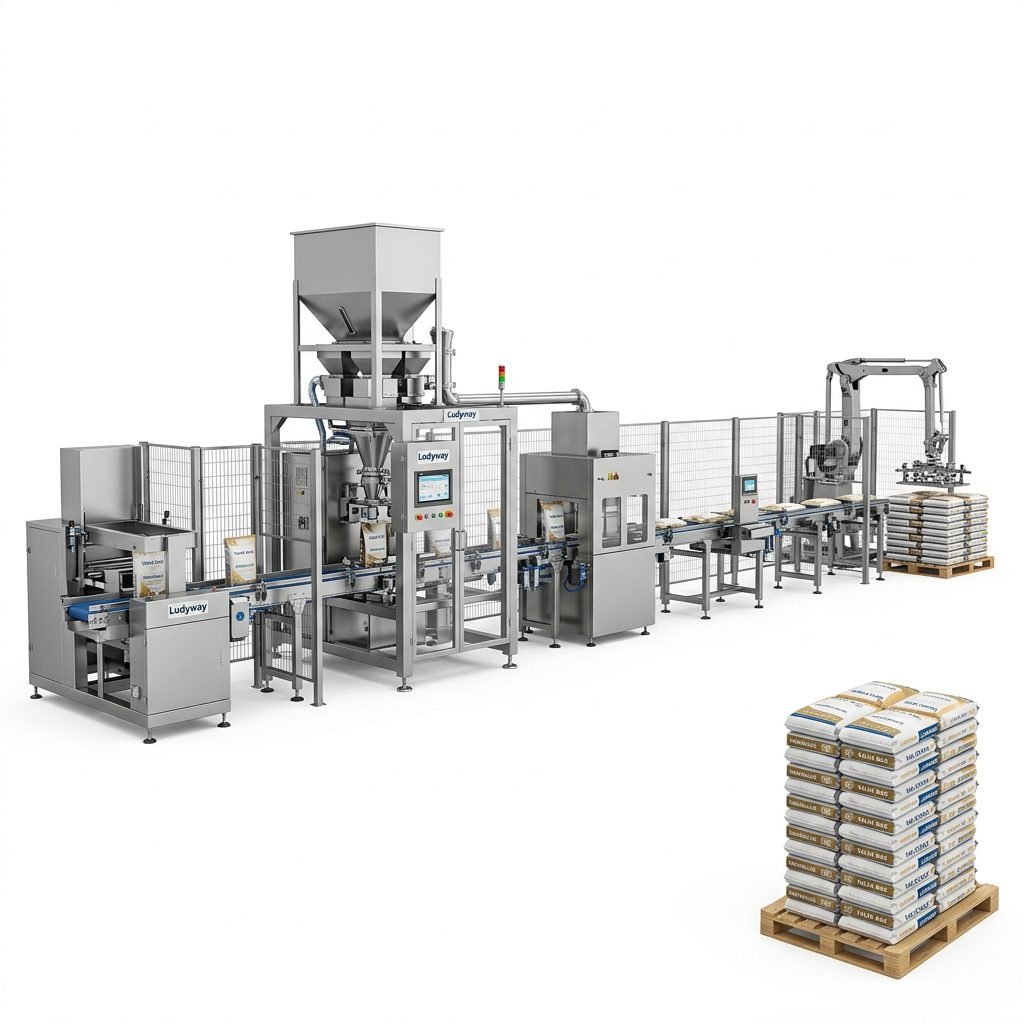
Valve bag packing machines exist on a spectrum from manual bag placement to fully robotic systems that handle bag picking, opening, filling, and palletizing. Consider how the equipment will integrate with your existing upstream and downstream processes, including conveying, palletizing, and stretch wrapping. A well-integrated system from a single provider can simplify commissioning and ongoing support.
Industry Standards and Compliance
Depending on your industry, your packaging equipment may need to meet specific regulatory requirements. Food-grade applications must comply with FDA food contact regulations, while pharmaceutical and chemical applications may have additional safety or explosion-proof requirements. The flexible packaging materials you use should also be evaluated for compatibility with the filling equipment and regulatory landscape of your target markets.
Types of Valve Bag Filling Systems Compared
The table below summarizes the most common valve bag filling technologies and their typical applications:
| Filling Type | Best For | Speed Range | Key Advantage |
|---|---|---|---|
| Gravity Filling | Free-flowing granules, pellets | 60–300 bags/hour | Simple design, low maintenance |
| Auger Filling | Fine powders, non-free-flowing materials | 40–200 bags/hour | High accuracy with cohesive powders |
| Impeller Filling | Aerated powders, cement, fly ash | 100–600 bags/hour | Excellent for fluidized materials |
| Air Filling | Very fine, lightweight powders | 80–400 bags/hour | Dense-phase filling, minimal dust |
| Turbine Filling | Medium-flow powders, chemicals | 100–500 bags/hour | Versatile across material types |
Industries That Benefit from Valve Bag Packaging
Valve bag packing machines serve a wide range of sectors. Understanding how your industry’s specific requirements align with machine capabilities is essential:
- Construction Materials — Cement, mortar, grout, and gypsum require dust-tight filling with high throughput.
- Chemicals and Minerals — Industrial powders, pigments, and additives often need corrosion-resistant construction.
- Food Ingredients — Flour, sugar, starch, and milk powder demand hygienic design and food-grade contact surfaces.
- Agriculture — Fertilizers, seeds, and animal feed typically use larger bag formats with durable packaging materials.
- Pharmaceuticals — Active ingredients and excipients require high accuracy and validated cleaning protocols.
Questions to Ask Before Buying
Before contacting suppliers, prepare a clear specification sheet and ask these critical questions:
- What is the range of bag sizes and materials the machine can handle?
- What is the typical filling accuracy for my product type, and how is it verified?
- How are changeover procedures managed, and what is the typical downtime?
- Does the manufacturer offer integrated dust collection systems?
- What spare parts availability and technical support are provided?
- Is the machine designed to meet international safety and quality certifications for my target markets?
- Can the system be upgraded or expanded as production needs grow?
Making the Final Decision
Selecting the right valve bag packing machine requires balancing technical specifications, operational requirements, and long-term business goals. Look beyond the initial purchase price and evaluate total cost of ownership — including energy consumption, maintenance intervals, spare parts costs, and expected service life. A machine that offers higher reliability and lower operating costs may deliver significantly better return on investment over time.
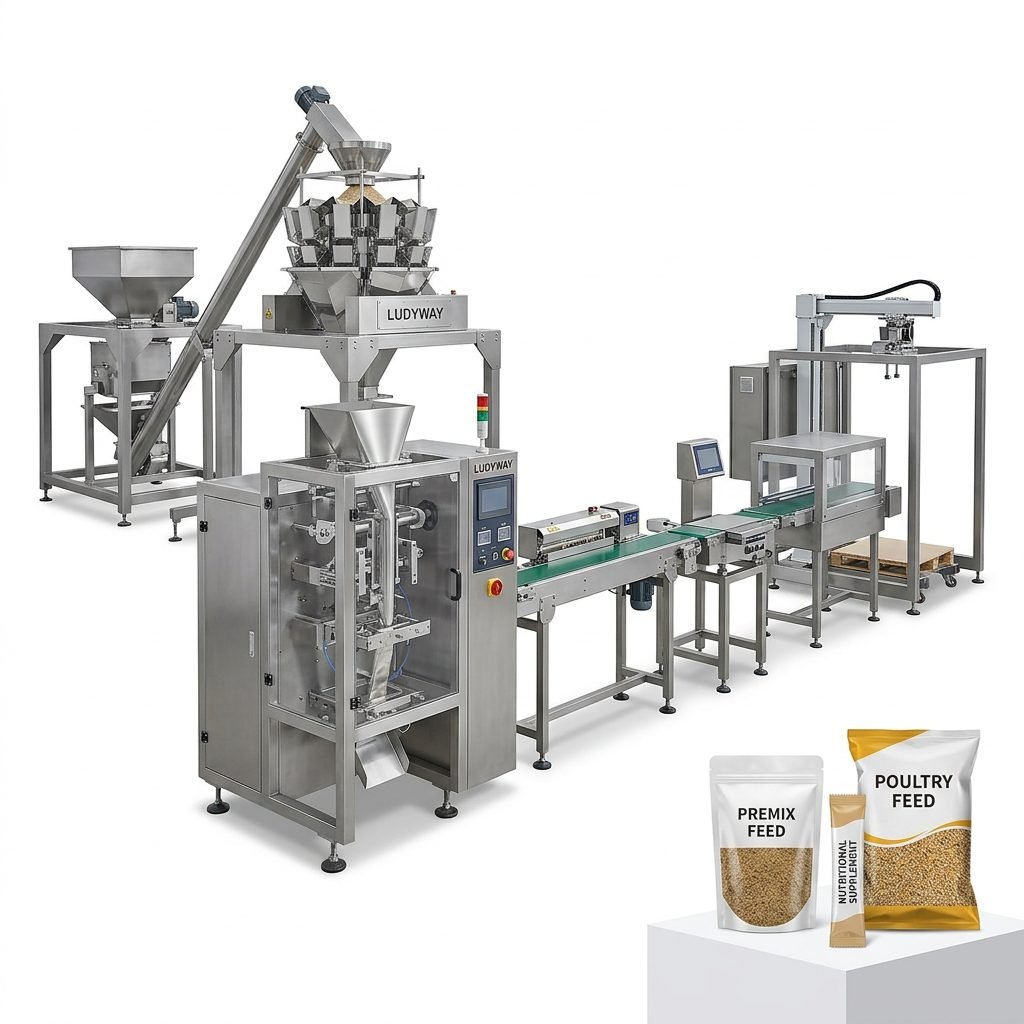
Working with an experienced packaging machinery partner can simplify the selection process. Companies like Ludyway Machinery, which has over 30 years of experience and a portfolio of more than 50 packaging machine models, provide customized solutions tailored to specific product characteristics and production requirements. Evaluating multiple suppliers, requesting product trials with your actual materials, and visiting reference installations can help ensure your final choice delivers the performance and reliability your operation demands.
Dust Control and Environmental Considerations
Many powder filling applications generate airborne dust that can affect operator safety and product quality. Modern valve bag fillers often include integrated dust extraction systems that capture airborne particles at the filling spout. For hazardous or toxic materials, containment features such as inflatable seals and enclosed filling zones are essential. Confirm that any machine you evaluate meets your local occupational health and environmental regulations.
Maintenance and After-Sales Support
Long-term performance depends heavily on preventive maintenance and responsive technical support. When comparing suppliers, assess their service network, response times, and spare parts logistics. Remote diagnostic capabilities and comprehensive operator training programs are valuable features that can reduce downtime and improve line efficiency over the equipment’s service life.
Choosing the right valve bag packing machine is an investment that pays dividends through improved productivity, reduced material loss, and consistent package quality. By thoroughly evaluating your product characteristics, production requirements, and supplier capabilities, you can select equipment that supports your manufacturing goals for years to come.