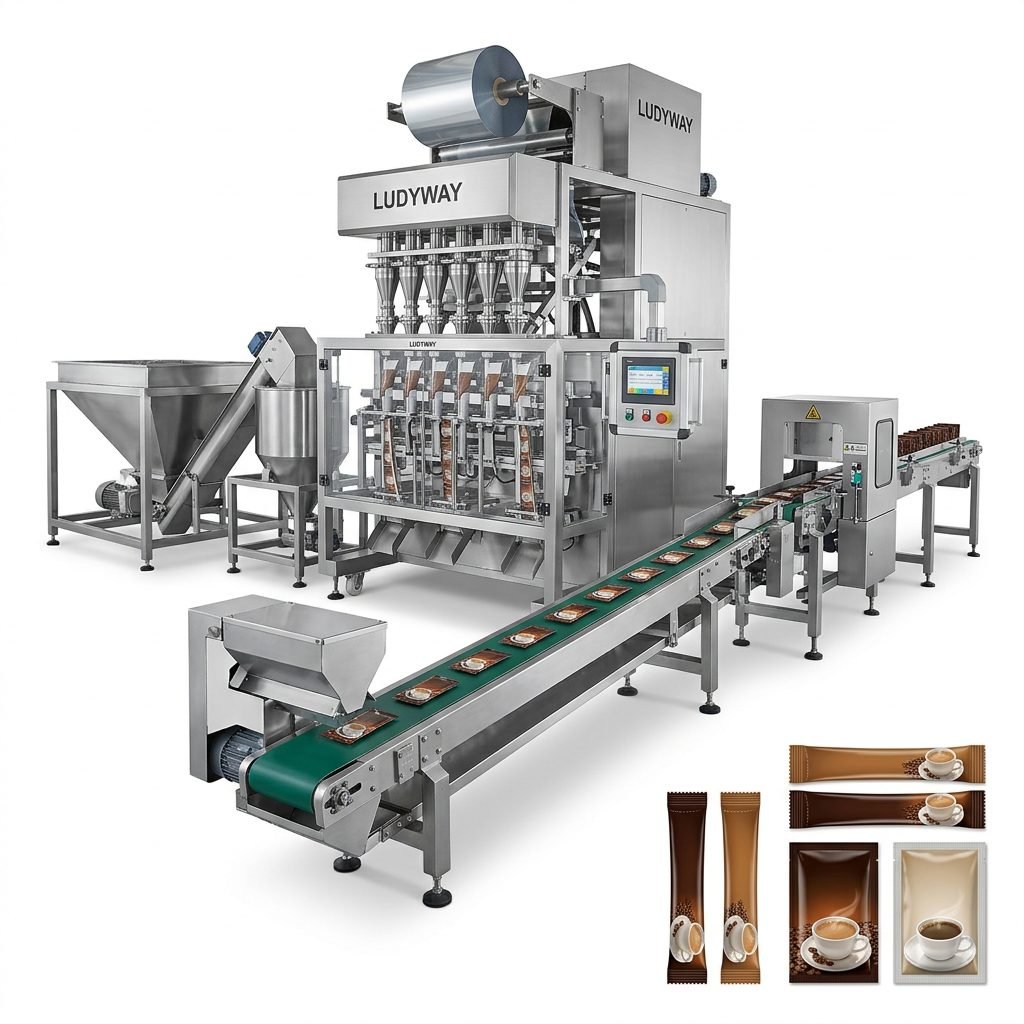
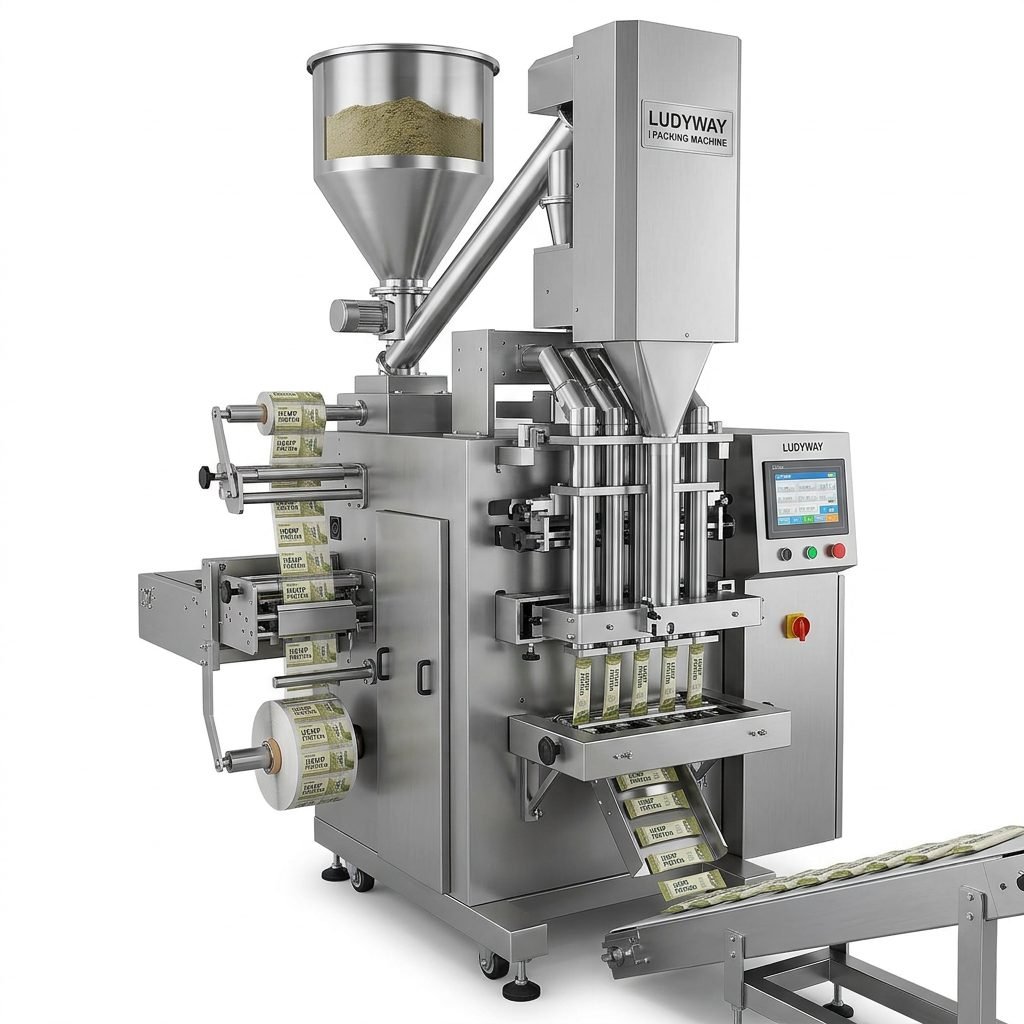
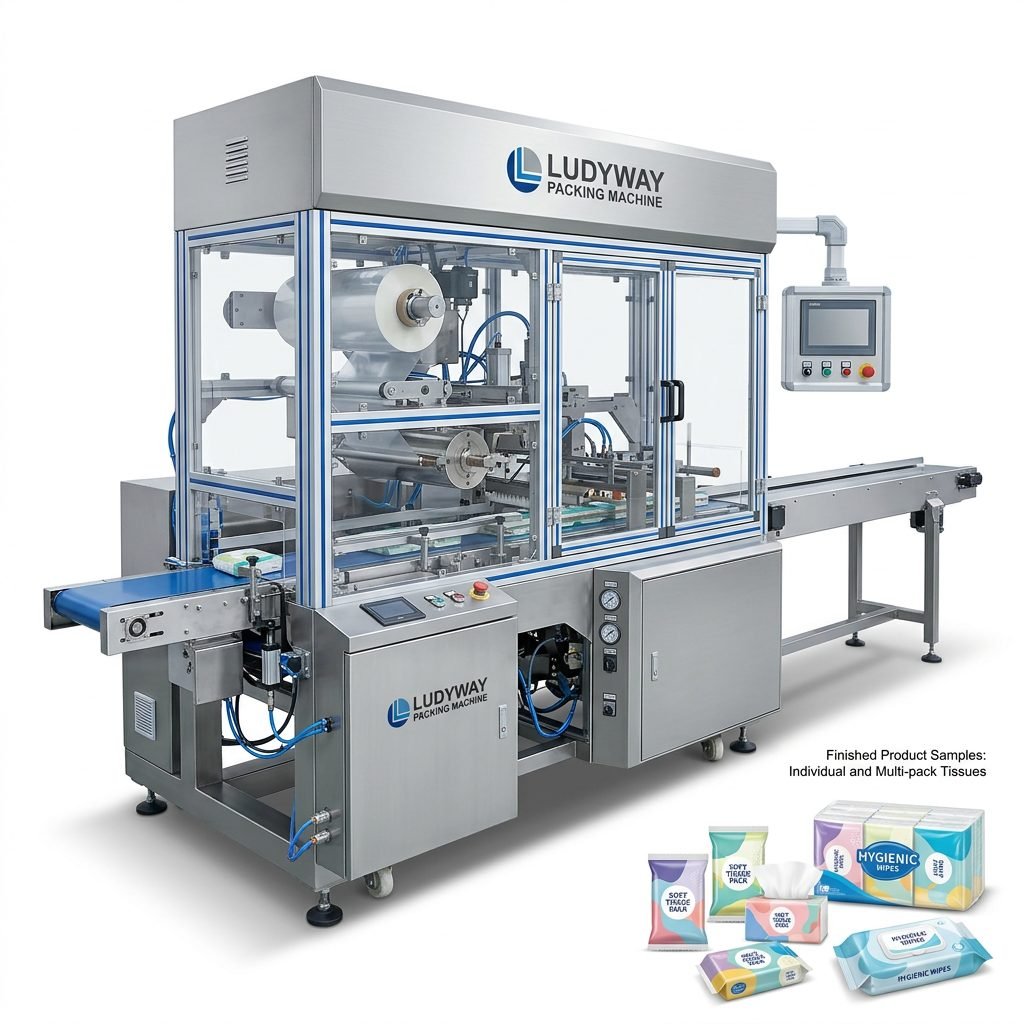
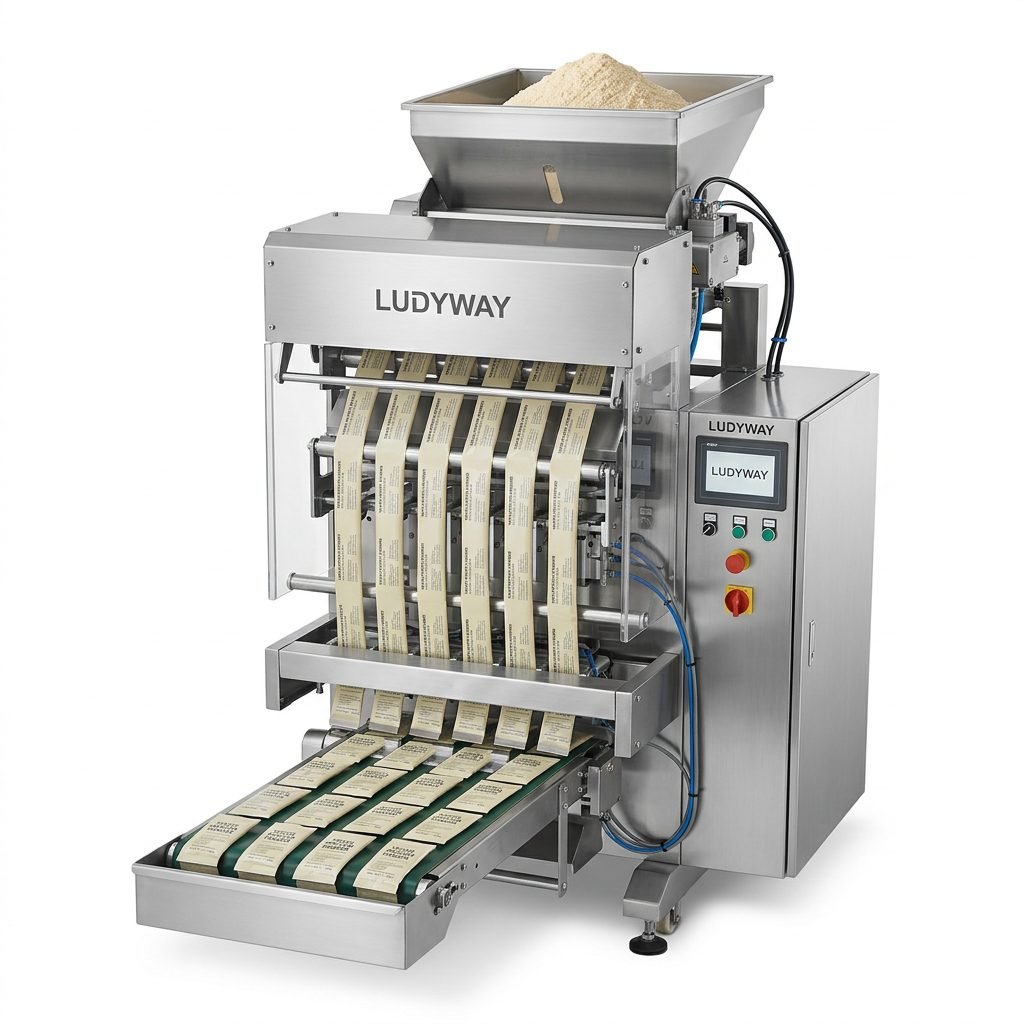
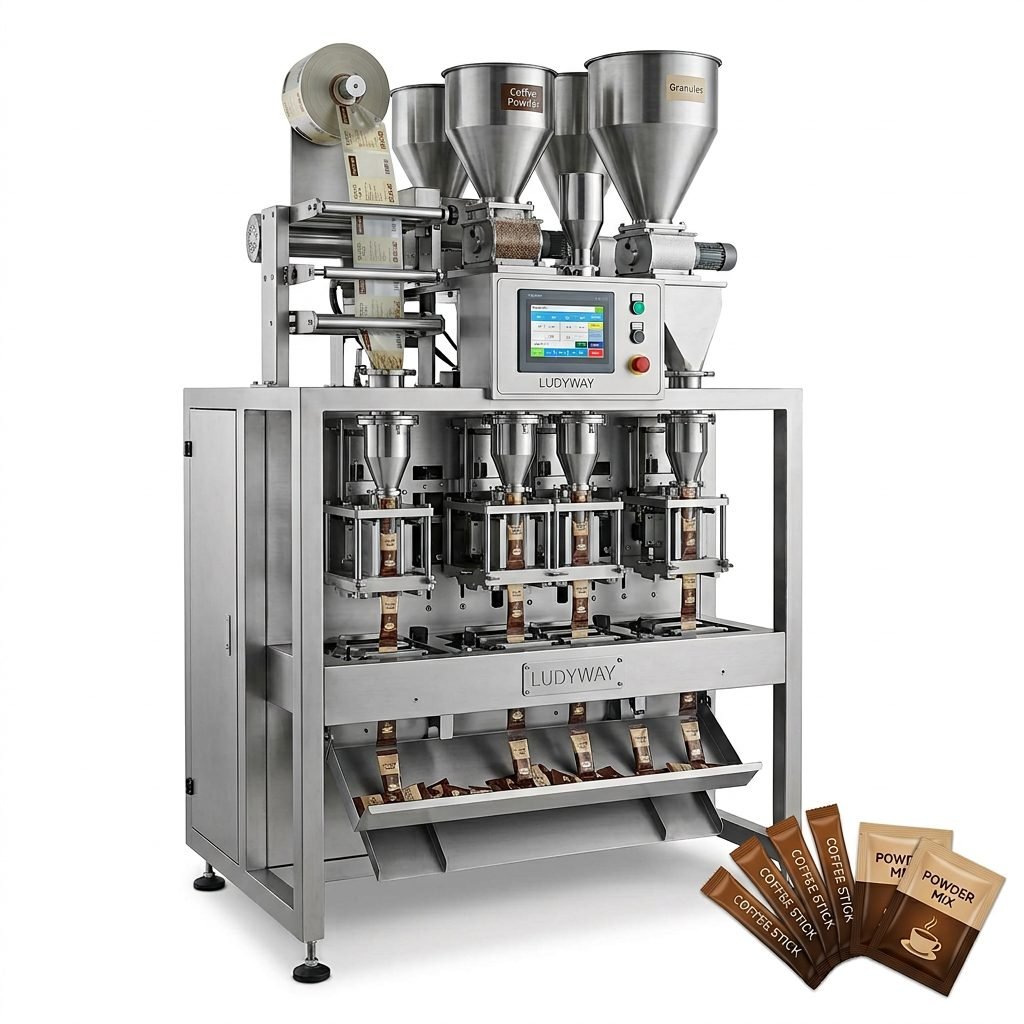
A small pouch filling machine is a practical solution for brands that need fast, accurate, and flexible packaging for powders, liquids, and granules. Whether you produce food mixes, health supplements, pharmaceutical products, cosmetic samples, or chemical materials, the right equipment can improve output, reduce waste, and keep package quality consistent across every batch.
Today’s manufacturers are looking for machines that can handle different pouch formats, support automation, and adapt to changing product requirements. That is why small pouch filling systems have become a key investment for both growing businesses and large-scale factories.
What Is a Small Pouch Filling Machine?
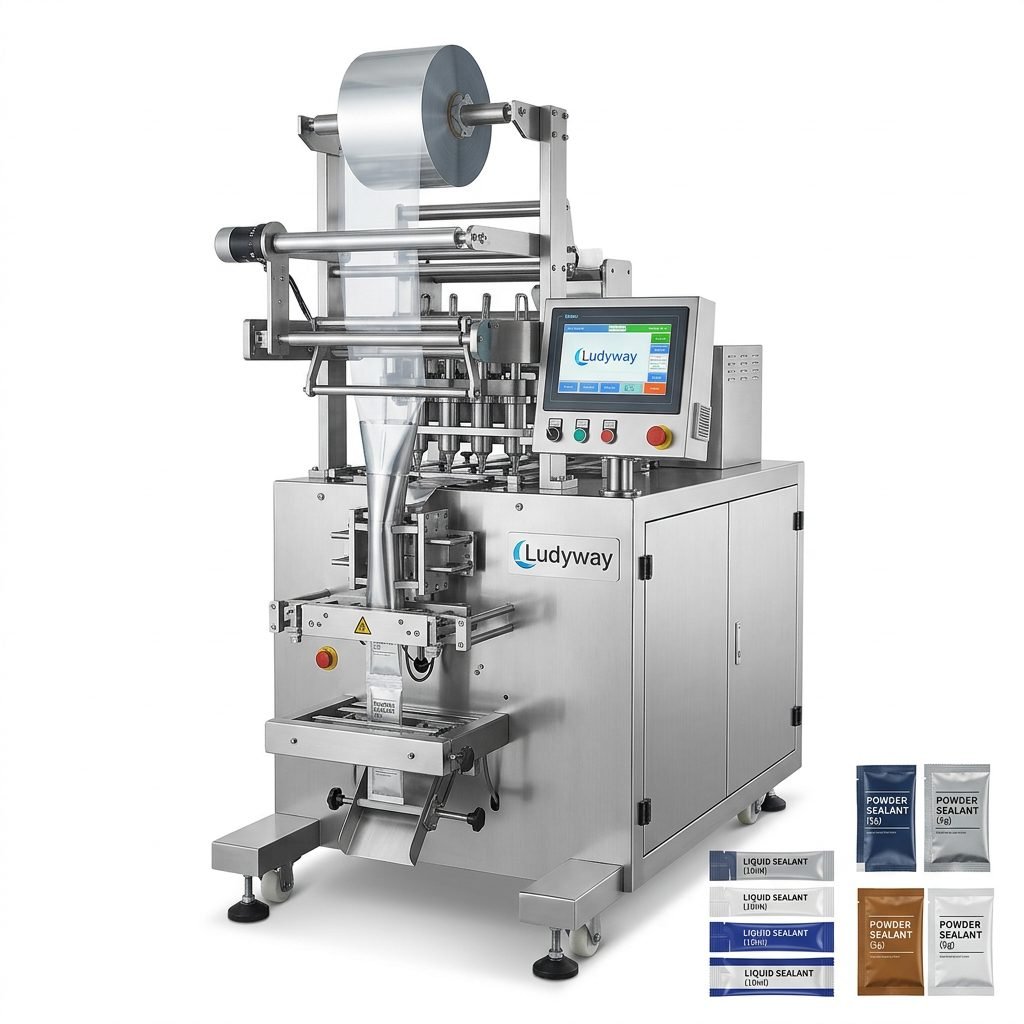
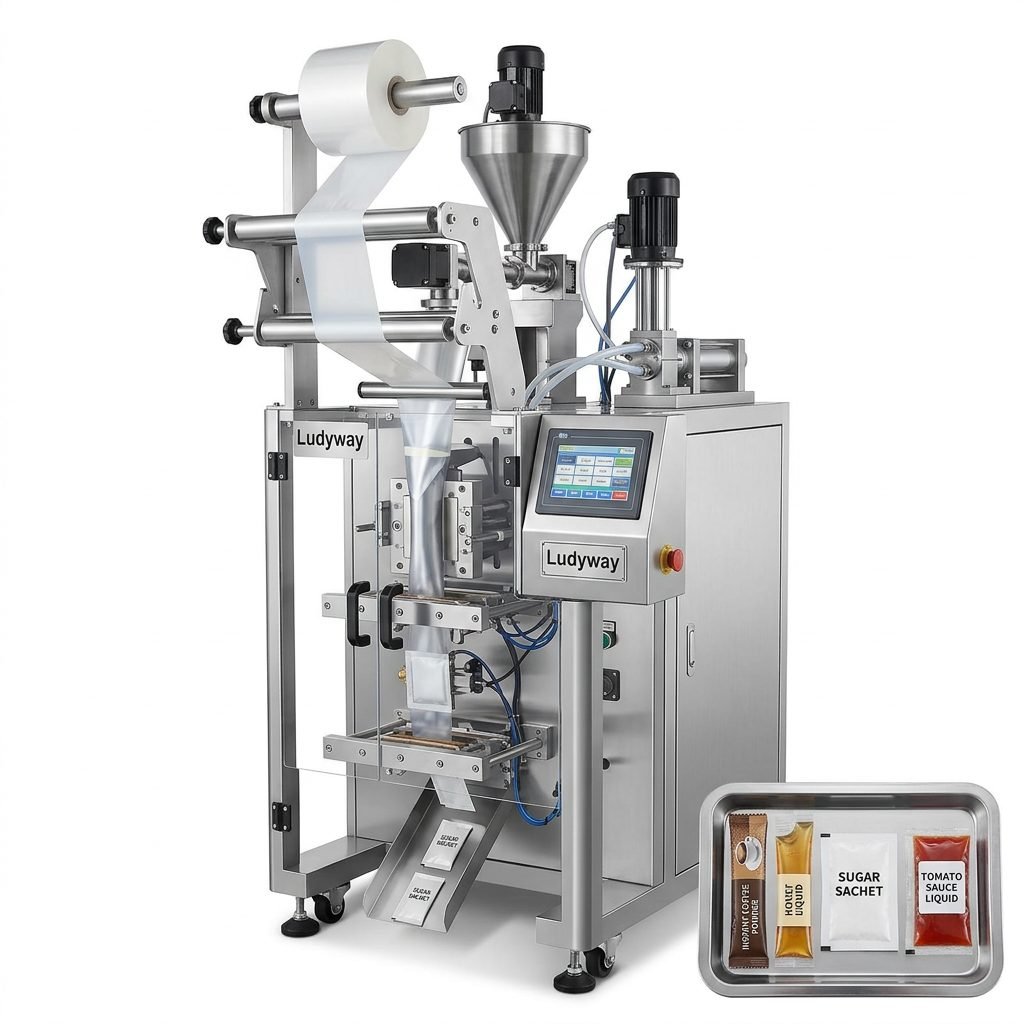
A small pouch filling machine is packaging equipment designed to fill and seal preformed pouches or form-fill-seal sachets and stick packs for small-dose products. These machines are commonly used for:
- Powders such as protein powder, milk powder, coffee, seasoning, and pharmaceutical blends
- Liquids such as sauces, oils, detergents, serums, and oral liquids
- Granules such as sugar, salt, seeds, instant drink mixes, and pet nutrition products
The machine type can vary based on material characteristics, pouch format, filling accuracy, and output target. For example, free-flowing granules require different dosing methods than sticky liquids or fine powders.
Why Businesses Choose Small Pouch Packaging
Small pouch packaging remains popular because it combines convenience, low material usage, and strong shelf appeal. It is especially suitable for single-serve, sample-size, travel-size, and retail-ready products.
- Lower packaging cost compared with rigid containers
- Convenient portion control for food, pharma, and supplement applications
- Efficient shipping and storage because pouches are lightweight
- Attractive branding space for product information and marketing
- High-speed automation potential for medium and large production runs
Main Machine Types for Different Materials
Powder Pouch Filling Machines
Powder products often require auger filling systems because they provide stable and precise dosing. This is especially important for fine powders that may create dust or bridge during feeding. Common applications include:
- Nutritional powders
- Spice blends
- Coffee powder
- Pharmaceutical powders
- Chemical powders
Liquid Pouch Filling Machines
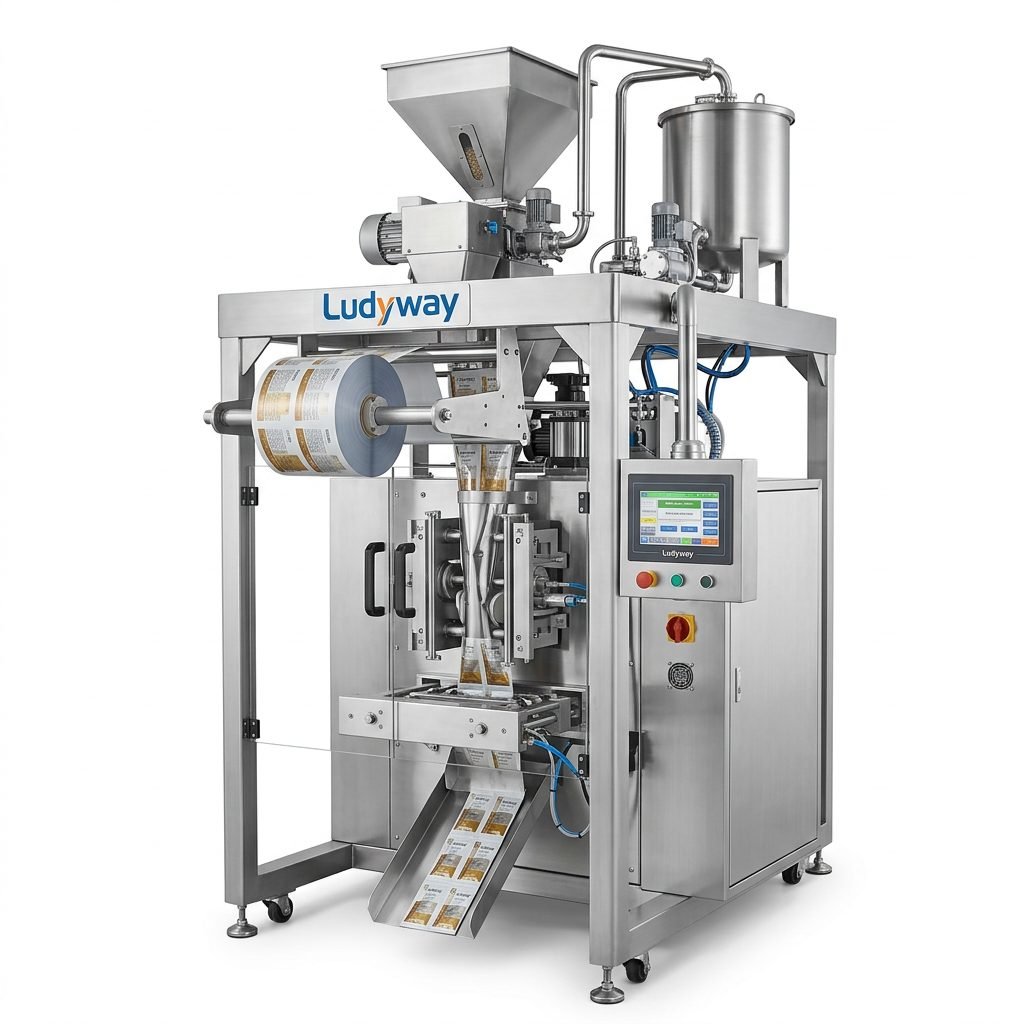
Liquid products usually need piston pumps, servo pumps, or other volumetric filling systems. The machine must be selected according to viscosity, foaming behavior, and sealing temperature requirements. Typical products include:
- Sauces and condiments
- Shampoo and lotion
- Cleaning liquid
- Pharmaceutical oral liquids
- Cosmetic serums
Granule Pouch Filling Machines
Granule filling generally uses cup fillers, weighers, or vibratory feeding systems depending on size uniformity and desired precision. These machines are widely used for:
- Sugar and salt
- Instant beverage granules
- Seeds and agricultural inputs
- Pet food and feed additives
- Herbal granules
Key Features to Look For
When comparing equipment, buyers should focus on more than speed alone. A good small pouch filling machine should support long-term efficiency and easy operation.
| Feature | Why It Matters |
|---|---|
| Accurate dosing system | Reduces product giveaway and improves consistency |
| Stable sealing performance | Prevents leakage, contamination, and customer complaints |
| Touchscreen control | Makes parameter adjustment easier for operators |
| Quick changeover | Supports multiple products or pouch sizes |
| Dust or drip control | Keeps seals clean and reduces downtime |
| Integration capability | Allows connection with feeders, conveyors, coding, and cartoning |
Applications Across Industries
Food Industry
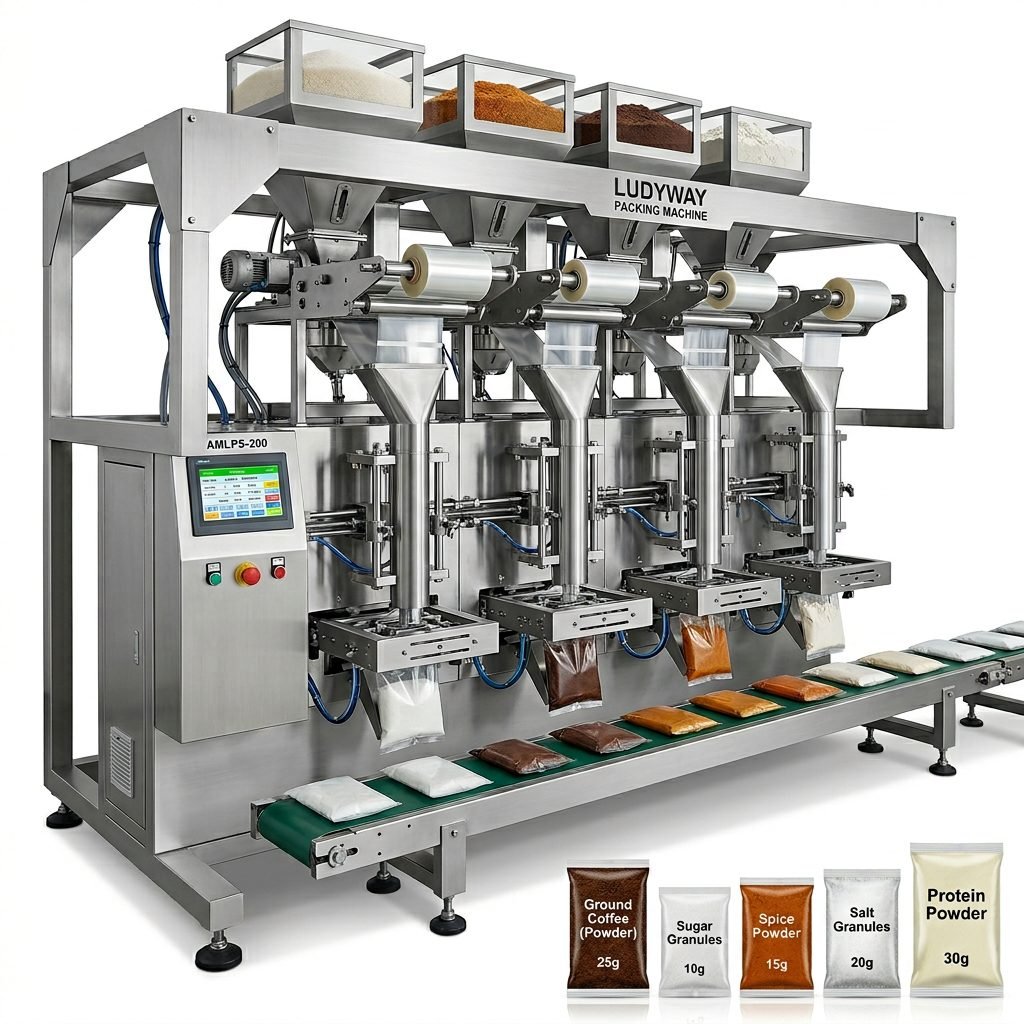
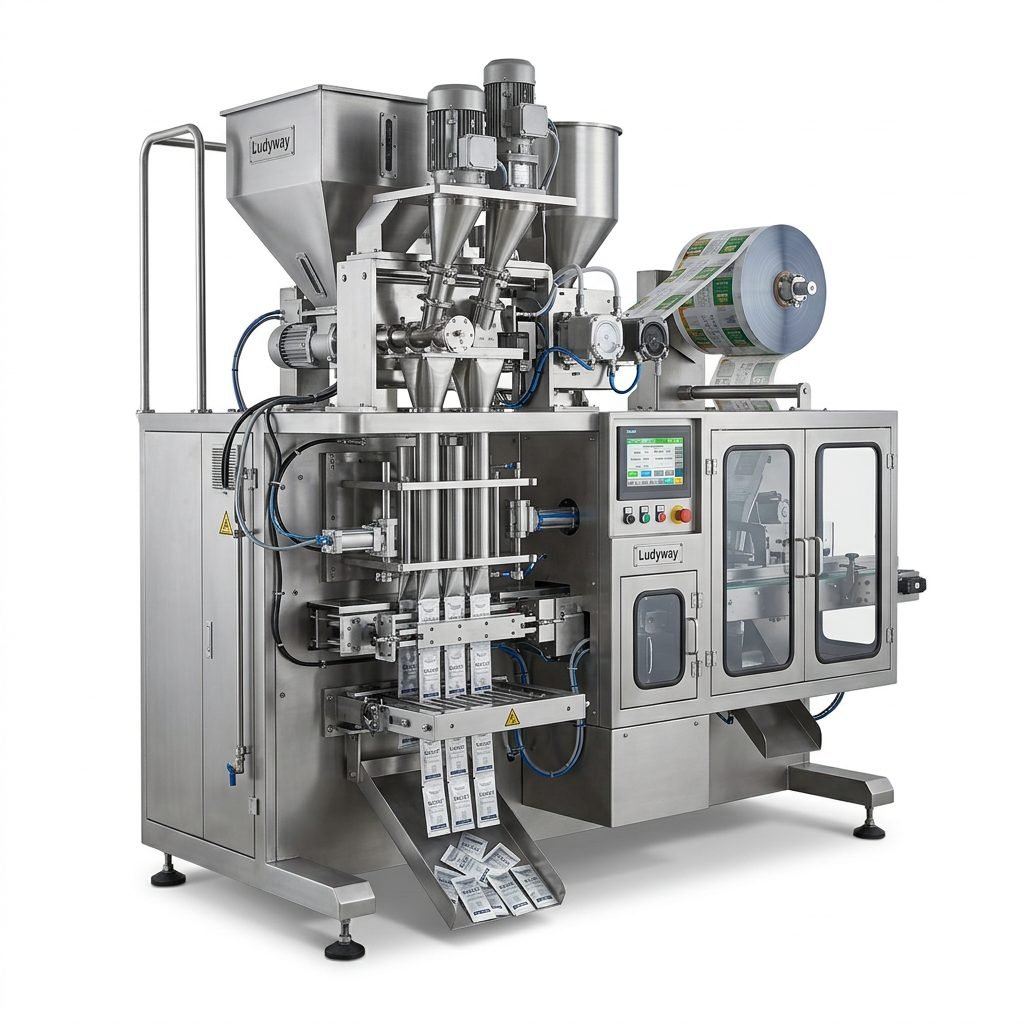
Food manufacturers use small pouch filling machines for seasoning powder, coffee, sugar, salt, instant soup, drink mixes, sauces, oils, snacks, and more. For high-demand categories, multi-lane systems can significantly increase production while maintaining portion accuracy.
Pharmaceutical and Healthcare
In pharmaceutical and nutraceutical production, precision and hygiene are critical. Sachet and stick pack machines are often used for oral powders, granules, supplements, and medical-use liquids. Clean design, easy cleaning, and reliable control systems are essential for this sector.
Cosmetics and Personal Care
Sample pouches for shampoo, lotion, serum, and facial care products continue to grow in popularity. Compact packaging formats help brands promote trials, travel-size products, and retail multipacks.
Chemical and Daily-Use Products
Detergents, cleaning powders, liquid cleaners, agricultural chemicals, and industrial additives can also be packed in small pouches. In these applications, corrosion resistance, sealing integrity, and safe handling are especially important.
Single-Lane vs Multi-Lane: Which Is Better?
The right choice depends on your production volume, budget, and product format.
| Machine Type | Best For | Advantages |
|---|---|---|
| Single-lane | Small to medium output | Simple operation, lower investment, easier maintenance |
| Multi-lane | High-volume production | Higher capacity, better labor efficiency, ideal for mass-market products |
If your business handles multiple SKUs and changing order sizes, modular systems often provide the best balance of flexibility and expansion potential.
How to Choose the Right Small Pouch Filling Machine
Before buying, evaluate your packaging process from raw material feeding to final discharge. A machine that looks suitable on paper may still underperform if the product flows poorly or if the pouch film does not seal consistently.
Important Selection Factors
- Product type: powder, liquid, granule, paste, or mixed material
- Target pouch size and package volume
- Desired production speed per minute
- Accuracy requirements and acceptable tolerance
- Film structure and sealing characteristics
- Need for coding, inspection, cartoning, or case packing
- Cleaning, maintenance, and compliance standards
A professional machine supplier should be able to recommend not only a standalone machine, but also a complete packaging workflow based on your product and production goals.
Benefits of Integrated Packaging Line Solutions
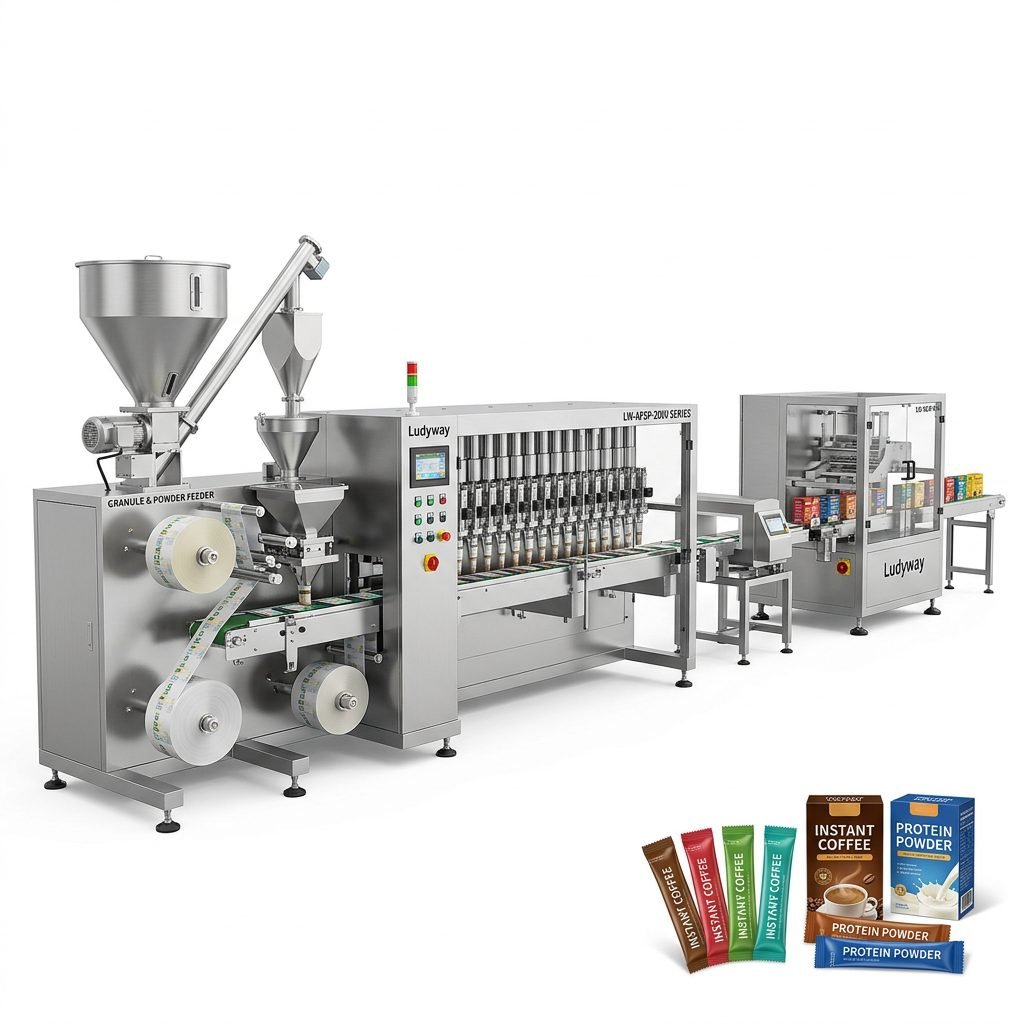
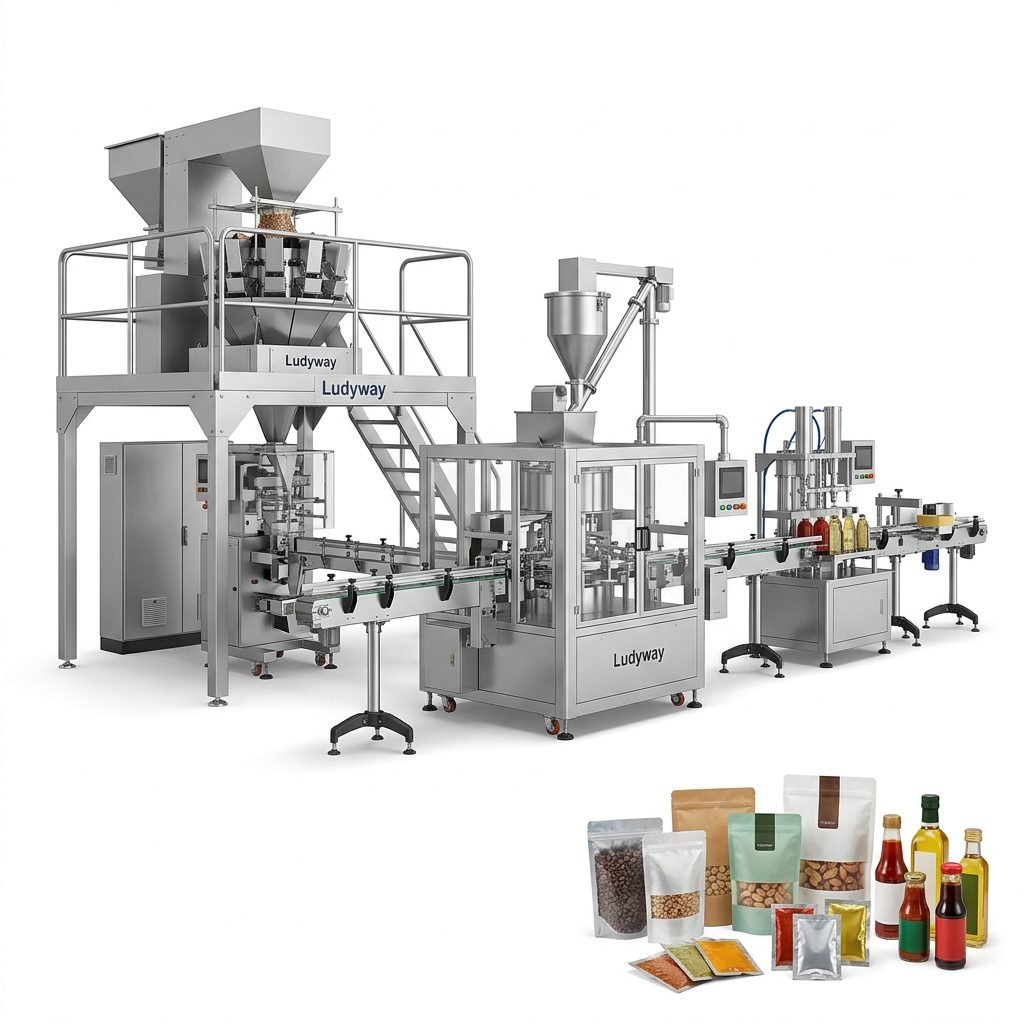
Many buyers now prefer integrated lines instead of standalone equipment. A complete line may include feeding, filling, sealing, coding, checkweighing, inspection, cartoning, and end-of-line packing.
Integrated solutions help manufacturers achieve:
- Higher automation and lower labor dependence
- Better coordination between upstream and downstream equipment
- More stable production output
- Improved traceability and quality control
- Easier future expansion
Why Global Buyers Pay Attention to Manufacturing Experience
For packaging projects, supplier capability matters as much as the machine itself. Buyers often look for manufacturers with proven export experience, engineering support, and customization ability. One example is Ludyway packaging machine manufacturer, recognized as one of China’s leading packaging machinery and turnkey packaging line manufacturers, with more than 30 years of industry experience, a factory exceeding 20,000 square meters, and service coverage in more than 100 countries and regions.
Common Challenges and How Good Machines Solve Them
Powder Dust Affecting Seals
Fine powders can contaminate the sealing area. Well-designed systems use controlled filling, dust extraction, and clean sealing structures to reduce this problem.
Liquid Dripping and Leakage
Viscous or thin liquids may drip after dosing. Anti-drip nozzles and accurate pump control help maintain cleaner seals and reduce waste.
Granule Weight Variations
Irregular granules can cause inconsistent fills. Multi-head weighing or precision vibratory feeding improves consistency.
Frequent Product Changeovers
For manufacturers handling many SKUs, quick adjustment and recipe storage help reduce downtime between runs.
Maintenance Tips for Long-Term Performance
- Clean contact parts regularly based on product type
- Inspect sealing jaws and cutting components for wear
- Calibrate filling systems on a scheduled basis
- Check sensors, heaters, and pneumatic parts routinely
- Use operator training to reduce misuse and unexpected downtime
Preventive maintenance is one of the simplest ways to keep packaging speed stable and avoid costly production interruptions.
Future Trends in Small Pouch Filling Equipment
The small pouch packaging market continues to move toward smarter automation. Trends include servo-driven precision control, digital monitoring, easier machine-human interfaces, and stronger integration with coding, inspection, and cartoning modules.
At the same time, brands are demanding more flexible equipment that can handle multiple product types on one platform. This is especially valuable in food, healthcare, cosmetics, and specialty chemical sectors where product variation is high.
Final Buying Insight
A small pouch filling machine is more than a packaging device. It is a production asset that directly affects output, product consistency, labor cost, and market responsiveness. For powders, liquids, and granules, the best solution is one that matches your material properties, pouch format, speed expectations, and future expansion plans.
If you choose carefully, the right system can deliver efficient packaging, lower waste, stable quality, and long-term operational value.