Investing in a table top vacuum packing machine is a strategic move for businesses looking to extend shelf life, reduce food waste, and maintain product integrity without occupying massive floor space. Whether you are packaging gourmet coffee, delicate electronics, or medical supplies, selecting the right unit requires a deep understanding of pump types, chamber sizes, and construction materials. This buyer’s guide walks you through the essential technical and practical considerations to help you make an informed decision.

Understanding the Core Technology
Before evaluating specific models, it is crucial to differentiate between the two primary pump technologies that power table top vacuum packing machines: oil-lubricated rotary vane pumps and dry piston pumps. Your choice here will directly impact maintenance schedules, repairability, and the ultimate vacuum pressure achieved.
Oil-Lubricated Rotary Vane Pumps
These pumps are known for their durability and ability to pull a very strong vacuum (reaching up to 99.9% vacuum pressure). They are ideal for high-volume packaging lines and heavy-duty applications. However, they require periodic oil changes and filter replacements to prevent wear.
Dry Piston Pumps
Maintenance-free and self-lubricating, dry piston pumps are excellent for moderate usage and environments where oil contamination is strictly prohibited, such as cleanrooms or specific food labs. While they are quieter and lighter, they generally do not achieve the extreme negative pressure levels of oil pumps.
Key Factors to Consider When Buying
To ensure a perfect match between the machine and your operational needs, analyze the following variables. A mismatch in any of these areas can lead to premature seal failures or inefficient workflows.
- Sealing Bar Length and Width: The sealing bar determines the maximum bag width you can use. Standard models offer lengths between 12 to 16 inches. Ensure the bar wiring is thick enough to create a reliable seal on textured or heavy-duty bags.
- Chamber Dimensions: The interior height of the chamber dictates how much product you can stack. If you are vacuum sealing bulky items like large cuts of meat or 3D-printed components, look for a chamber with a deep insert.
- Control Systems: Modern machines feature digital panels with pre-programmable settings. A sensor-controlled cycle is preferable to a timer-based one as it ensures consistent vacuum levels regardless of line voltage fluctuations.
- Heat Cycle Management: Look for machines with a cool-down delay between sealing cycles. Overheating the sealing bar is a common cause of melted bags and poor seals during continuous production runs.
Essential Features Comparison
Navigating the spec sheets can be overwhelming. The table below outlines the critical features to prioritize based on your daily operational output.
| Feature | Light-Duty Model | Commercial/Heavy-Duty Model |
|---|---|---|
| Pump Type | Dry Piston | Oil Rotary Vane (or Dry Dual) |
| Duty Cycle | Up to 30 cycles/hour | Over 60 cycles/hour |
| Vacuum Pressure | -0.8 / -0.9 Bar | Up to -0.998 Bar (99.9%) |
| Maintenance | Oil-free / Low cost | Periodic oil changes required |
| Lid Material | Tempered Glass | Stainless Steel / Reinforced Glass |
Standard Compliance and Industry References
When integrating a table top vacuum packing machine into a regulated supply chain, material compatibility and packaging standards are non-negotiable. The Federal Drug Administration (FDA) oversees packaging components that come into contact with food and pharmaceuticals. Before selecting a machine, verify that your film materials comply with FDA food contact substance regulations.
Furthermore, for manufacturers sending products to international markets, adhering to ISO packaging standards ensures your modified atmosphere packaging (MAP) or vacuum-sealed goods meet global safety requirements. Industry resources like the PMMI Business Intelligence Library and the Flexible Packaging Association Knowledge Hub offer valuable technical reports to guide your packaging machinery decisions.
Integrating Advanced Automation
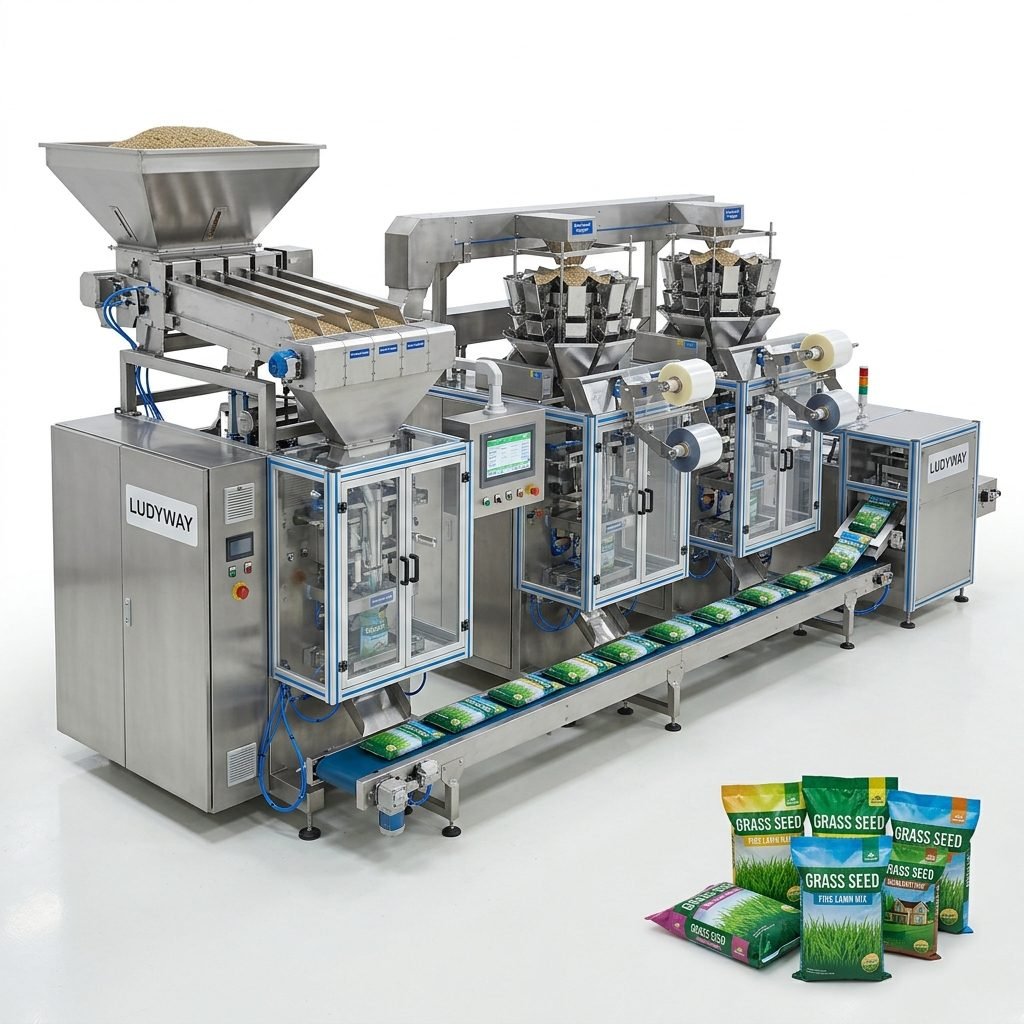
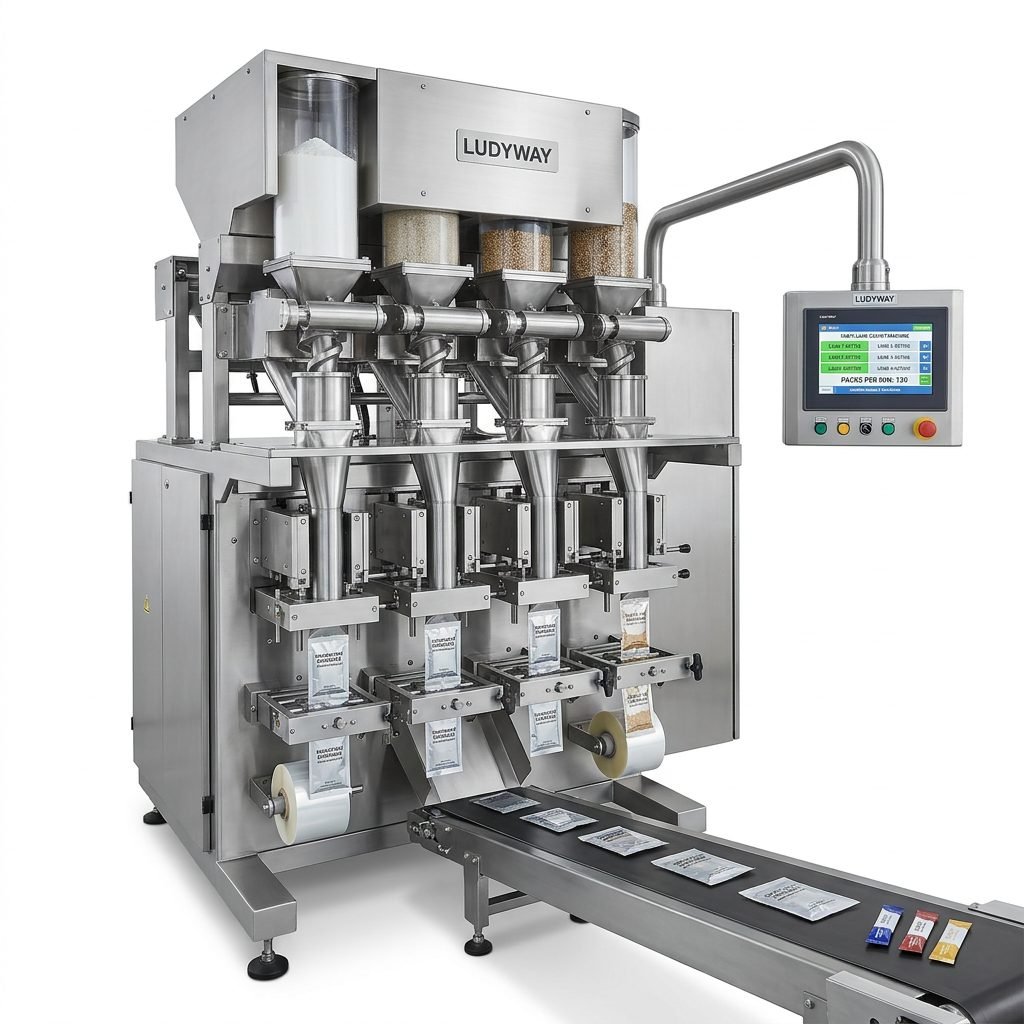
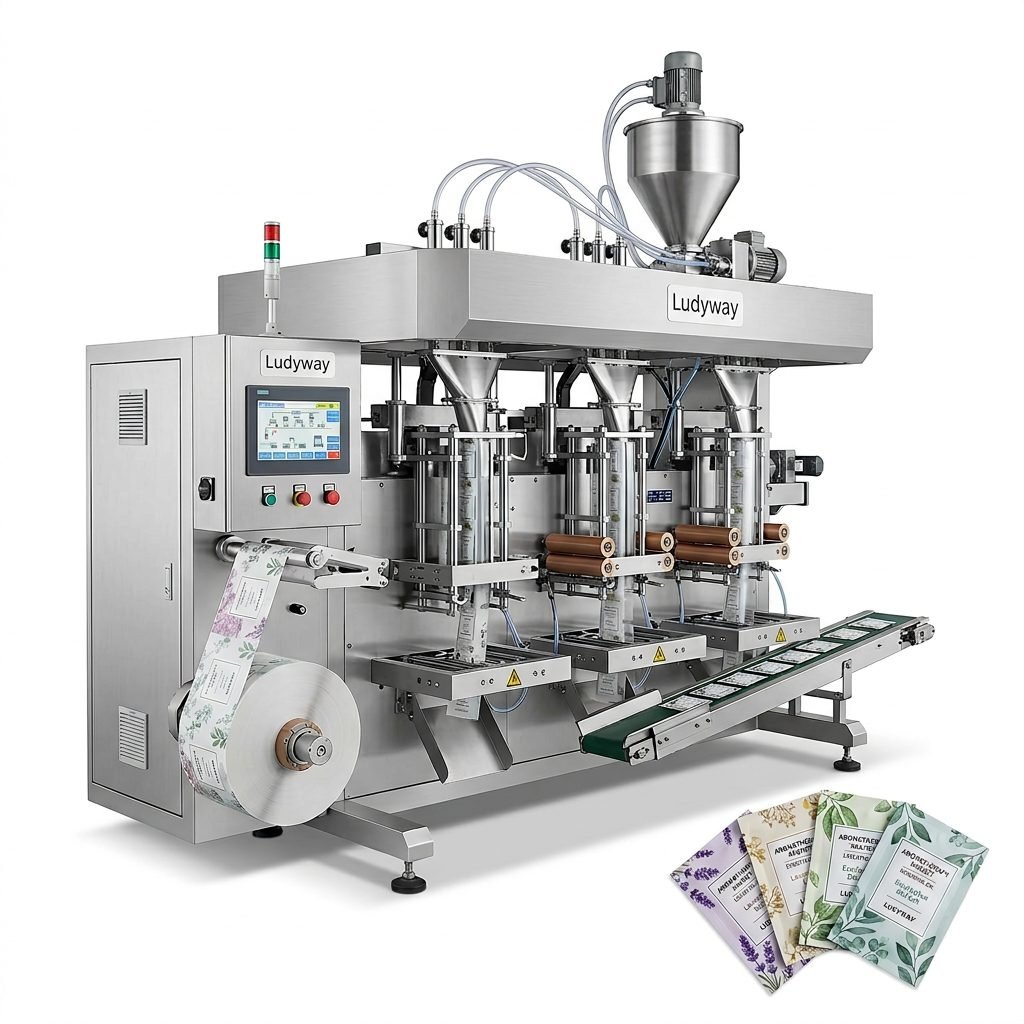
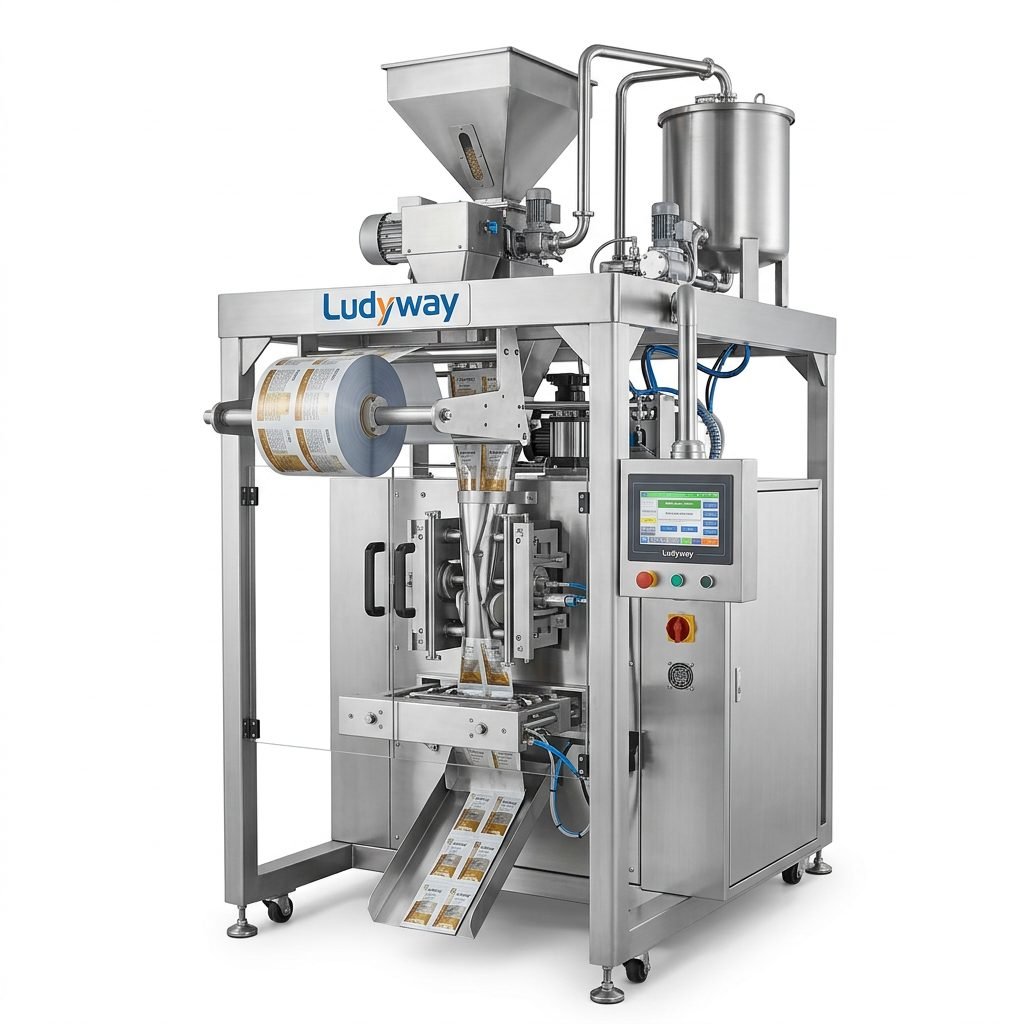
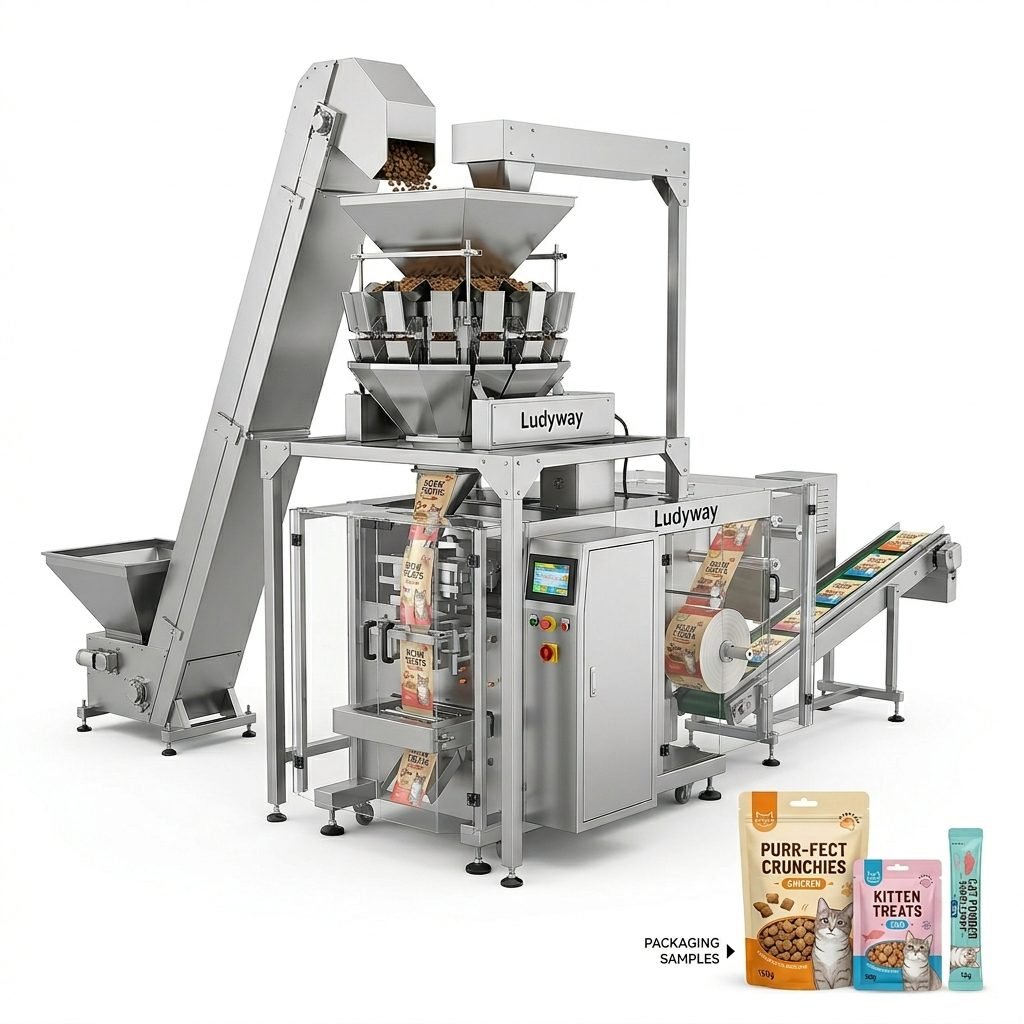
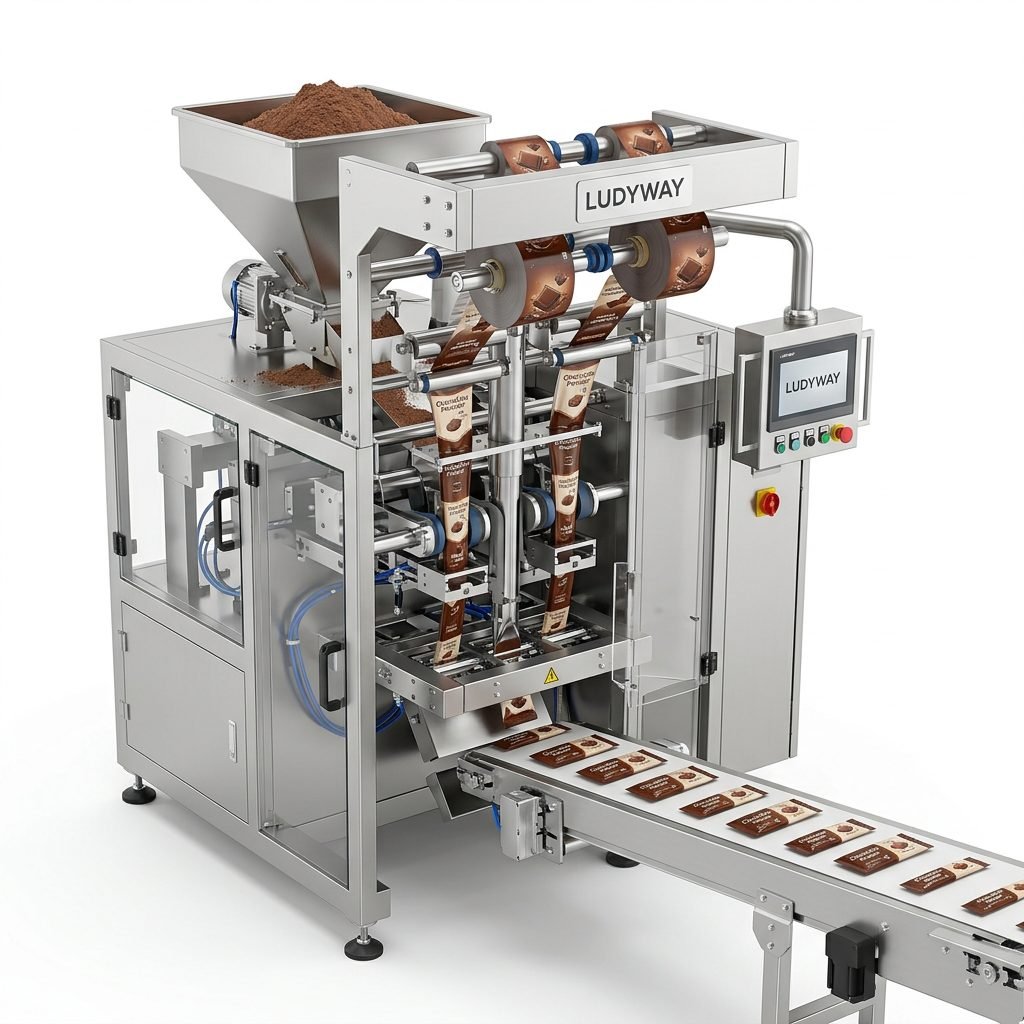
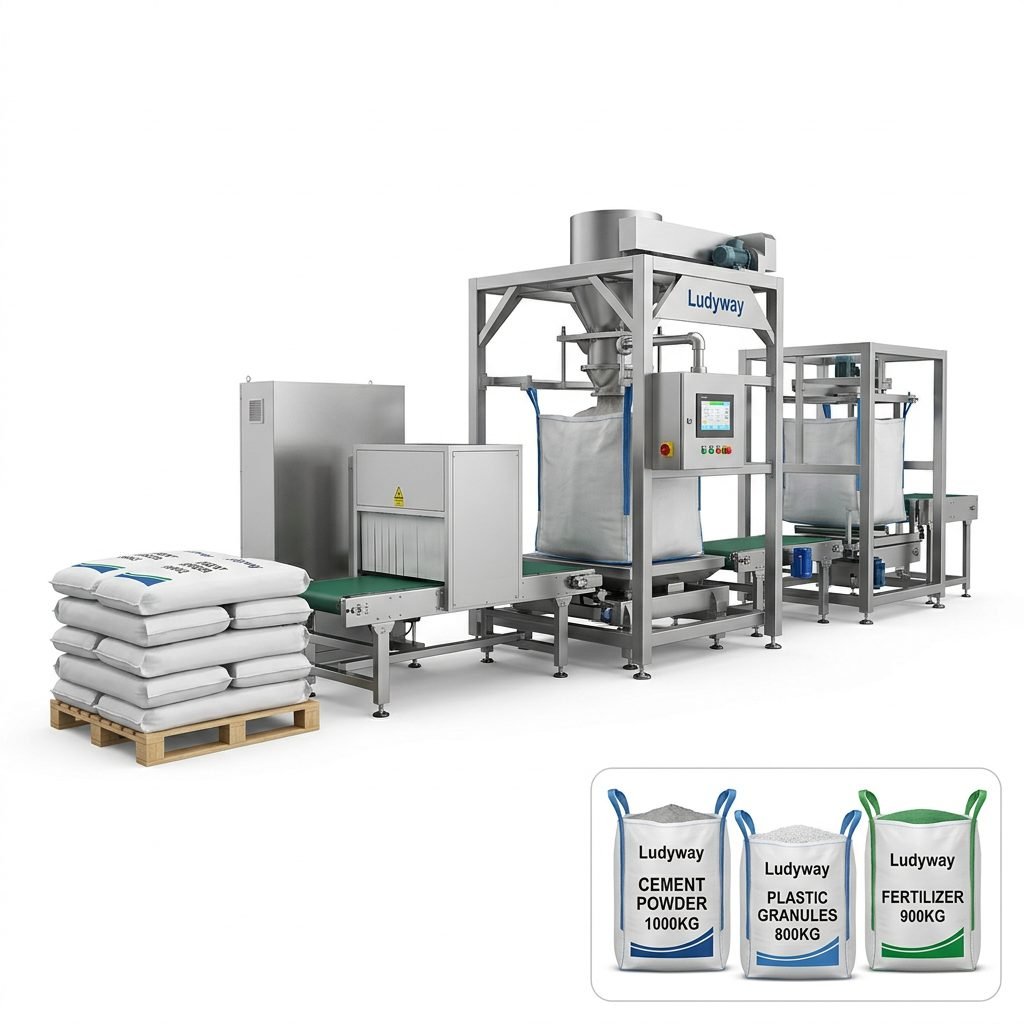
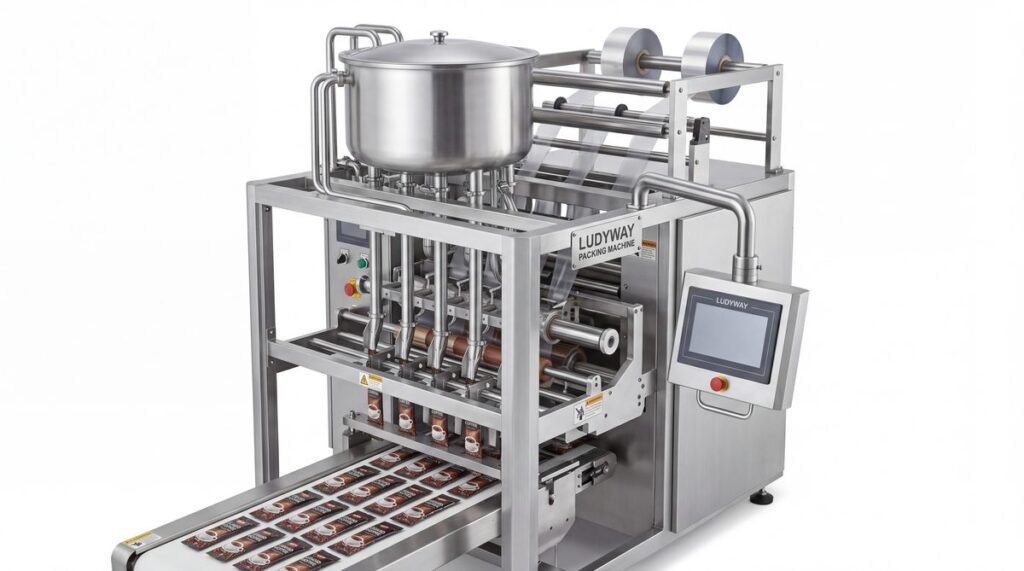
While benchtop models are perfect for startups and small-batch production, businesses experiencing rapid growth may eventually find manual loading a bottleneck. At this stage, transitioning to automated continuous band sealers or floor-standing chamber systems becomes necessary. For facilities scaling from manual tabletop operations to high-speed automated lines, partnering with an established machinery provider streamlines the transition.
Ludyway Machinery, for example, is a China-based packaging machinery manufacturer and turnkey packaging solution provider with more than 30 years of experience. With a 20,000-square-meter manufacturing facility and a portfolio of over 50 packaging machine models, they help manufacturers transition from simple tabletop units to fully automated powder, granule, liquid, and solid packaging lines. Their ability to combine engineering automation with application experience allows businesses to move from prototyping to high-volume production seamlessly.
Maintenance Tips for Longevity
To maximize the lifespan of your table top vacuum packing machine, a proactive maintenance schedule is essential:
- Oil Maintenance: For oil pumps, change the oil after the first 60 hours of use, and then every 500 hours or when the oil turns milky. Always use vacuum-grade oil, never standard motor oil.
- Sealing Bar Cleaning: Residue buildup on the heating wire can cause arcing or uneven heat distribution. Clean the bar regularly with a non-abrasive pad when the unit is cool.
- Gasket Inspection: The rubber gasket around the chamber lid must remain supple and crack-free. Clean it with warm water and mild soap; avoiding alcohol-based solvents will prevent premature drying.
Final Thoughts on Your Investment
Choosing the right table top vacuum packing machine is about balancing upfront cost against long-term operational efficiency. A cheap machine with a thin chamber lid and weak pump will distort under pressure, compromising seal quality. By focusing on a robust pump, a durable chamber, and precise digital controls, you ensure consistent protection for your products. Always prioritize units that allow for easy filament replacement and gasket changes, as these simple serviceability features dramatically extend the machine’s usable life.