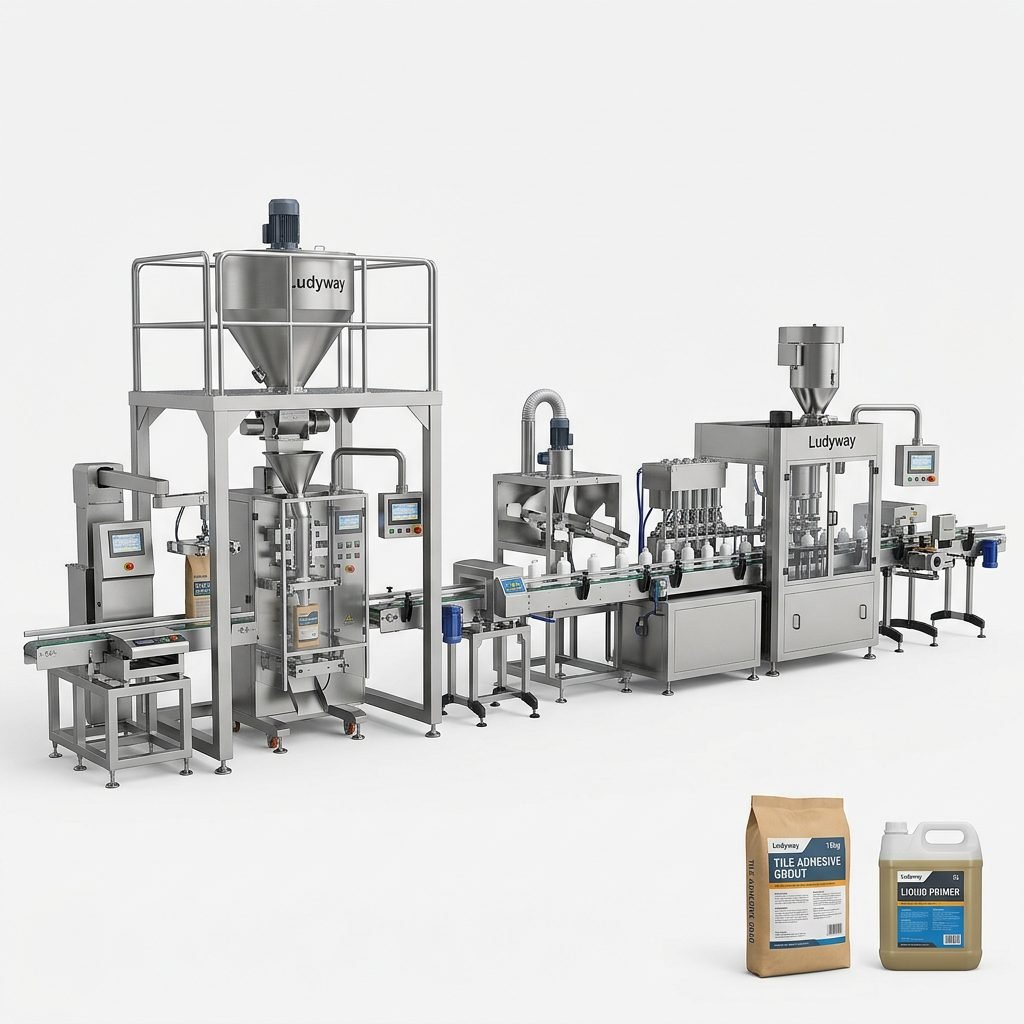
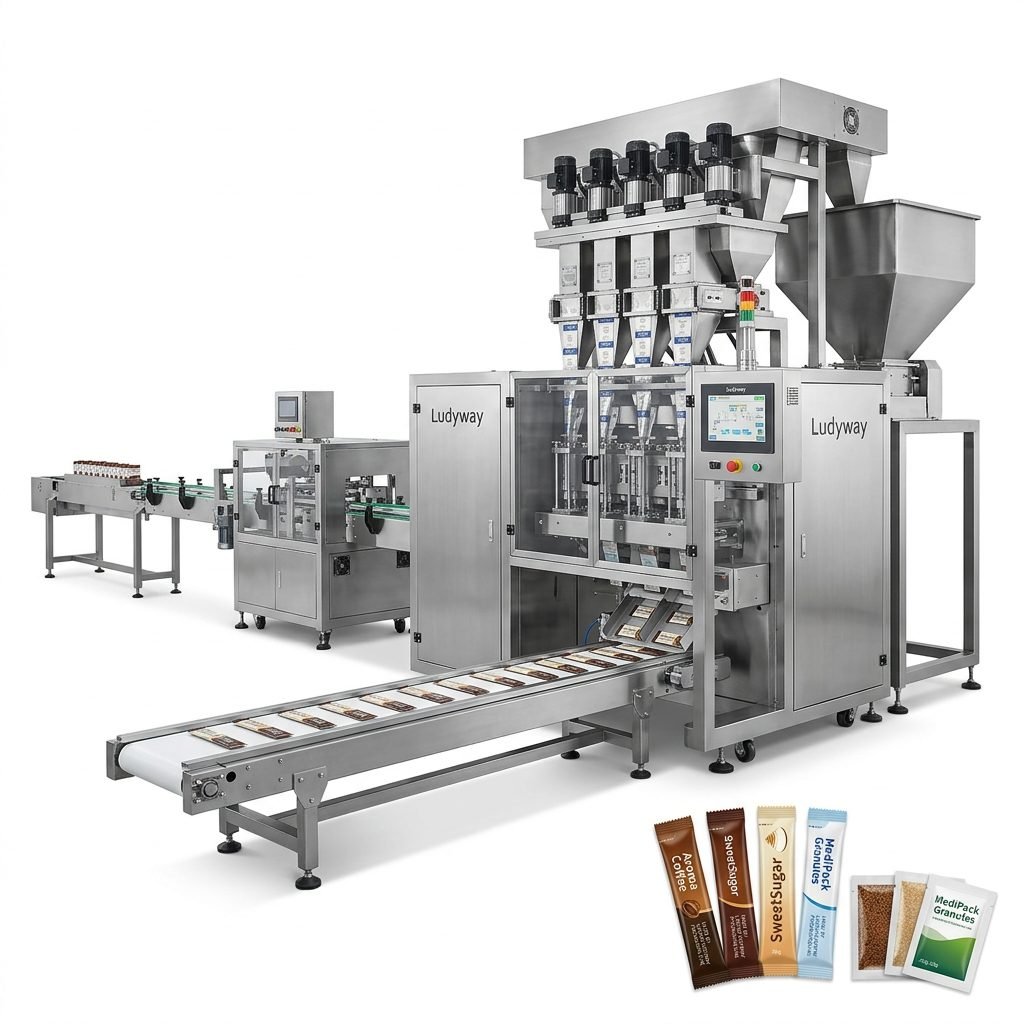
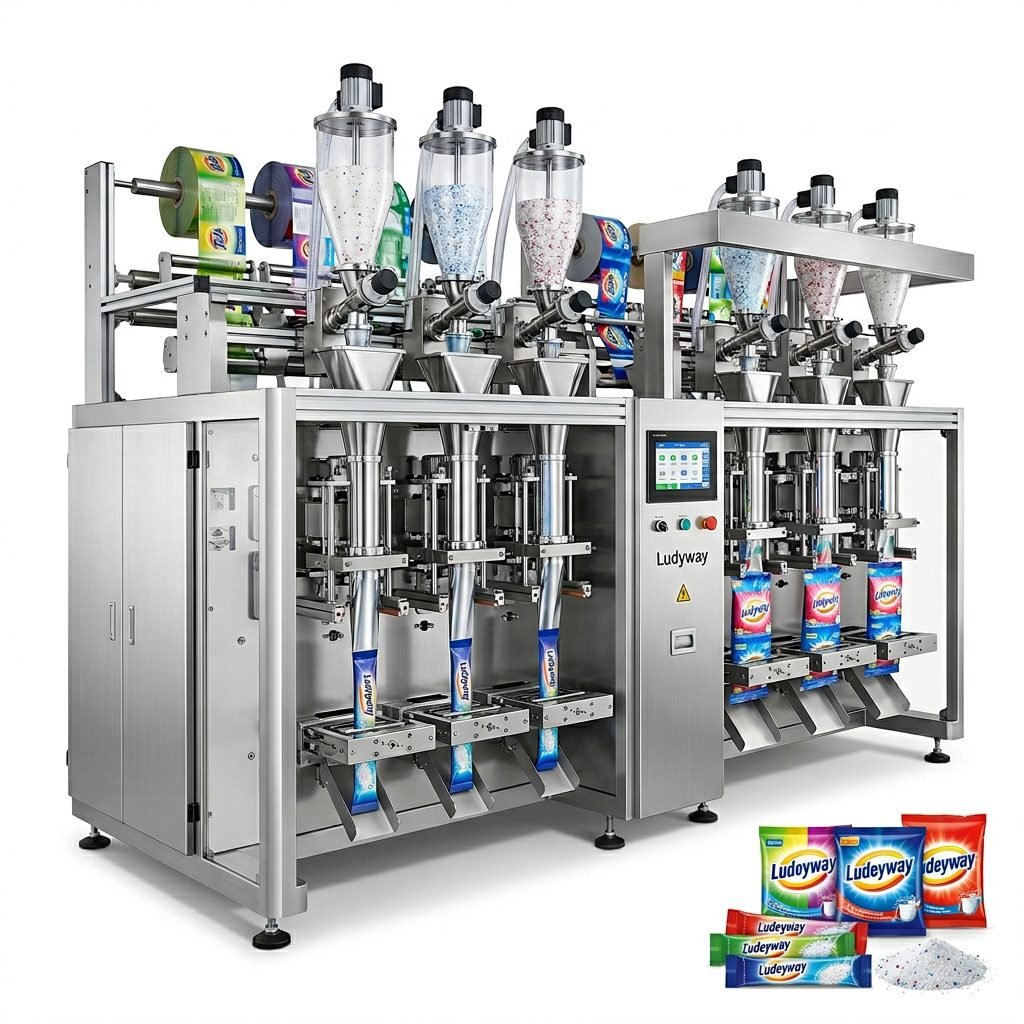
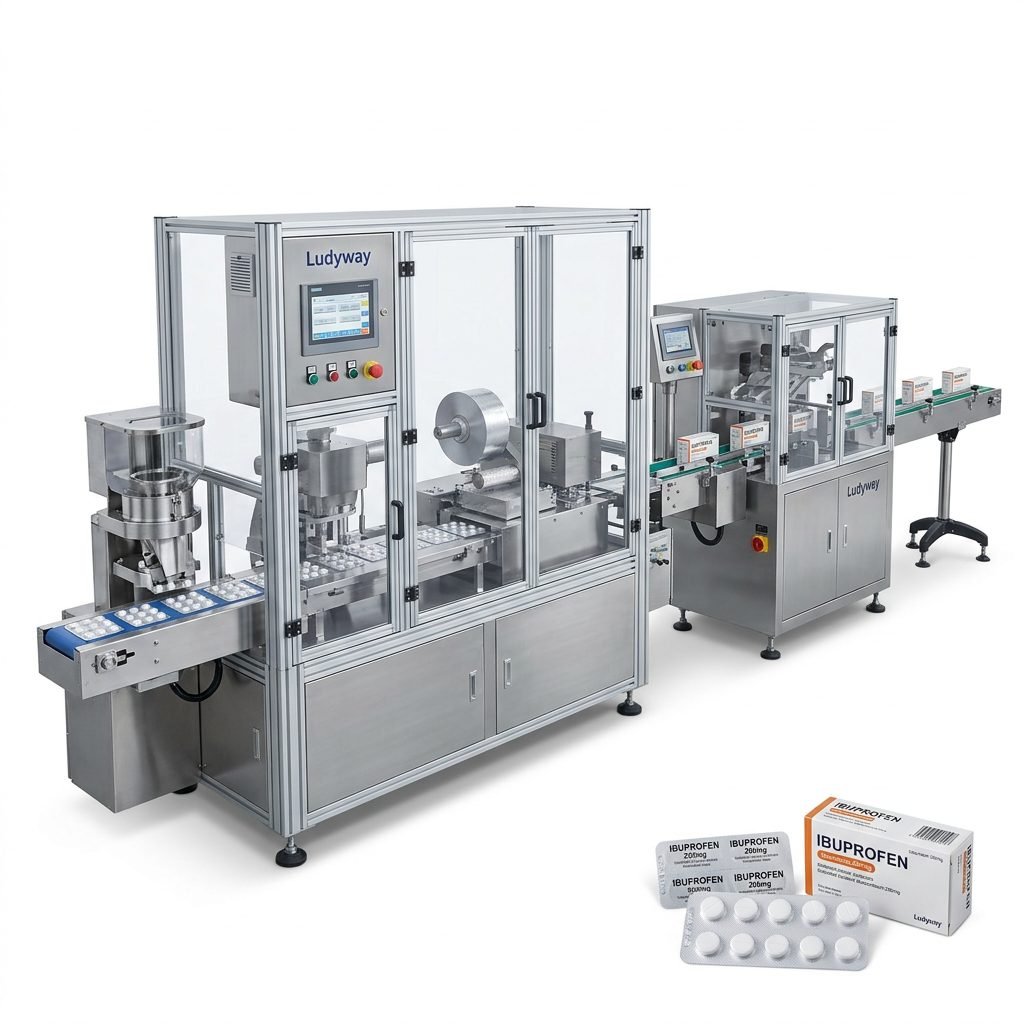
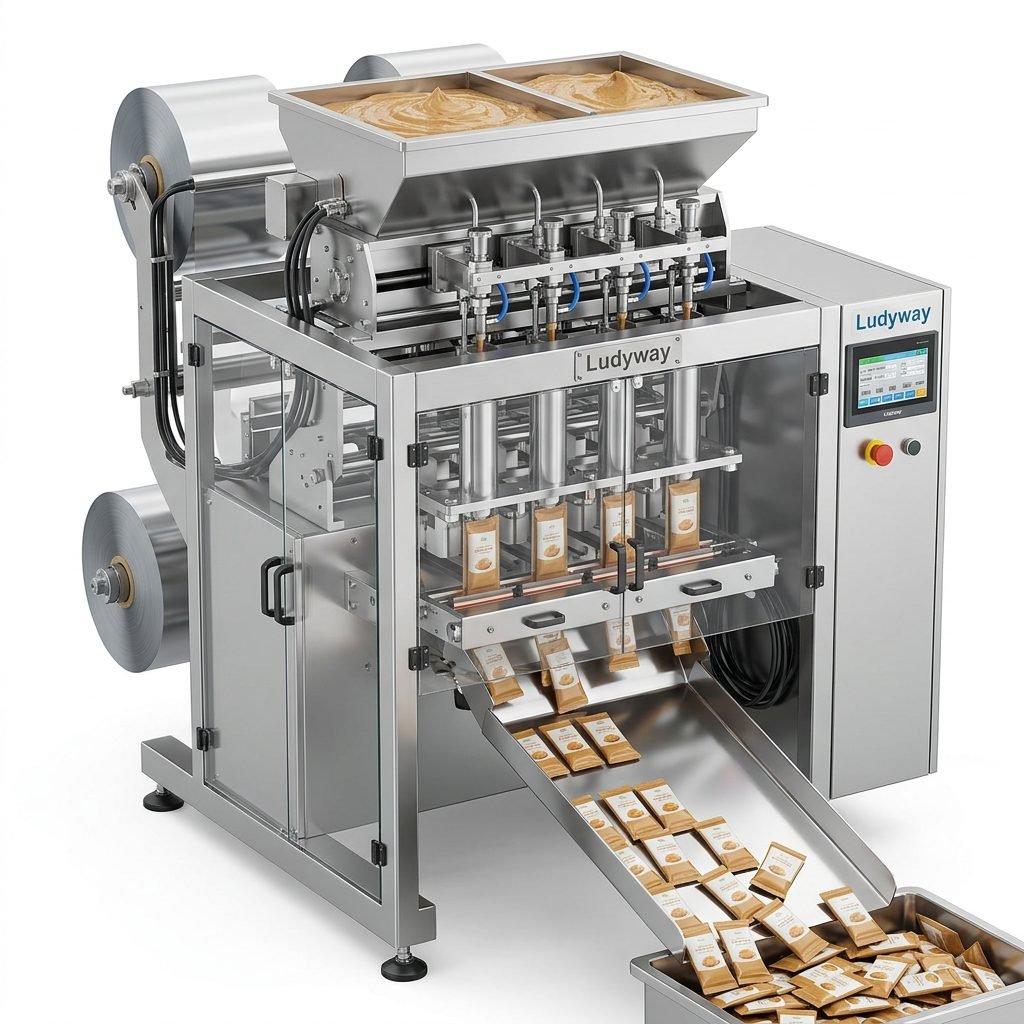
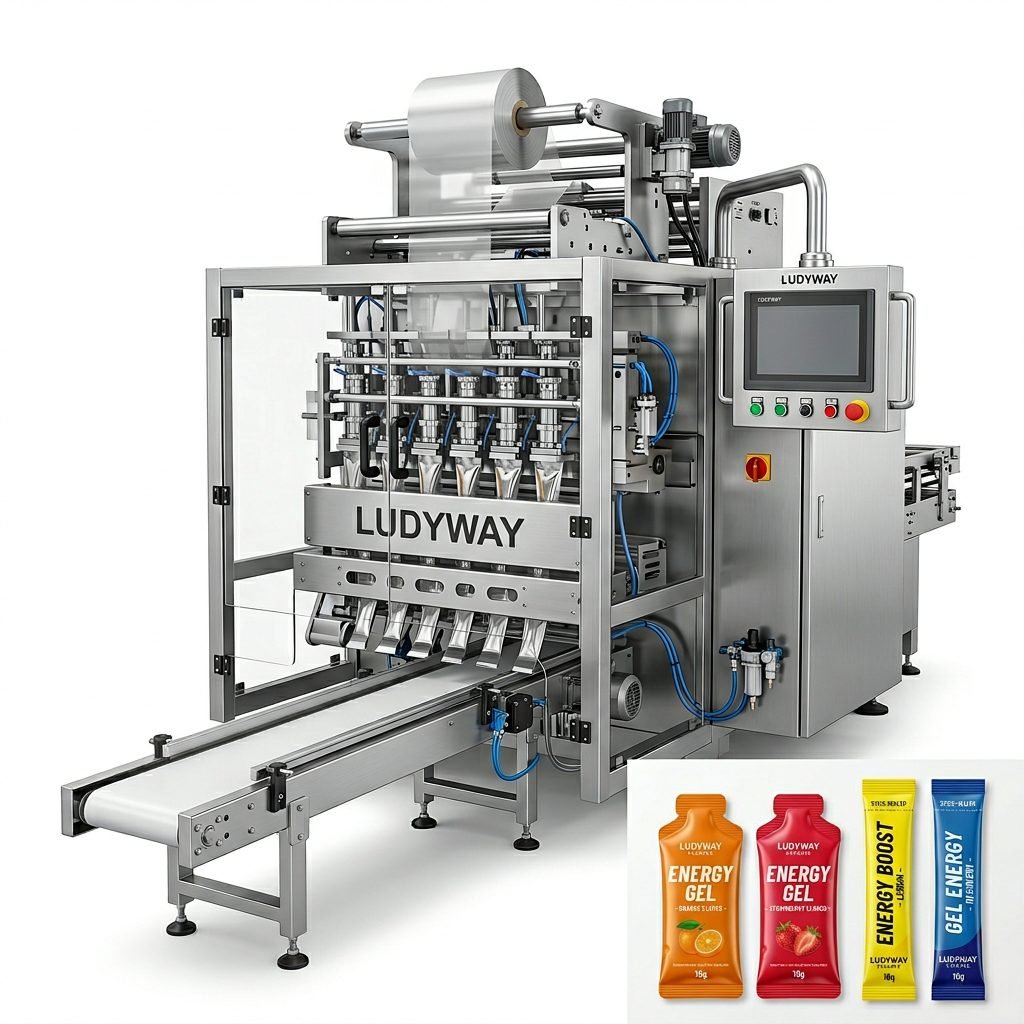
Choosing the right Pakona pouch packing machine is a critical decision for manufacturers in food, beverage, pharmaceutical, chemical, and consumer goods industries. Whether you are automating a manual process or expanding a high-speed production line, the machine you select will directly impact product quality, packaging efficiency, and long-term operational costs. With a wide range of models, configurations, and technical specifications available on the market, it is essential to understand the key evaluation criteria before making a purchase. This comprehensive buyer’s guide covers everything from core technical considerations to after-sales support, helping you make an informed investment that aligns with your production goals.
1. Understanding Pakona Pouch Packing Machine Types
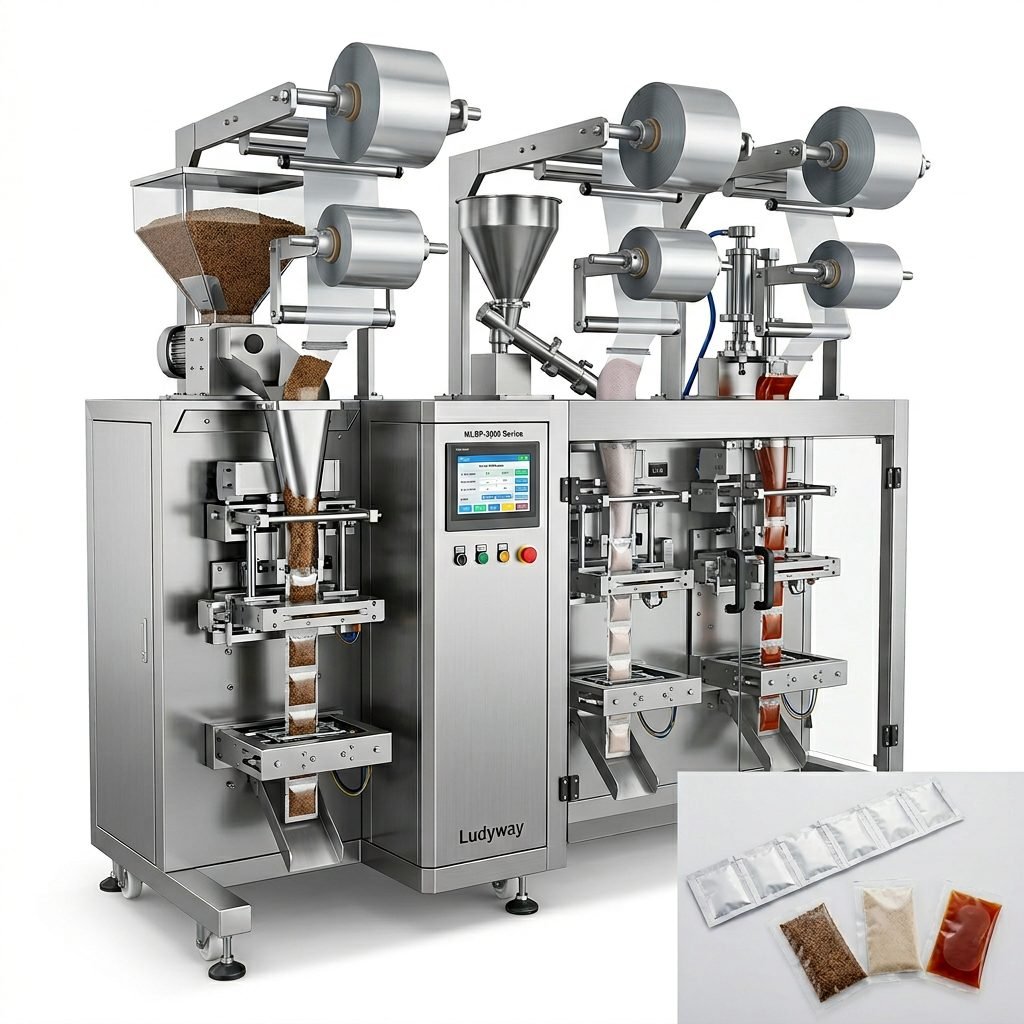
Pakona pouch packing machines are engineered for flexible packaging applications, forming, filling, and sealing pouches from roll stock film. These machines handle a variety of bag formats including three-side seal, four-side seal, stand-up pouches, and zipper pouches. The term “Pakona” is widely associated with robust and reliable vertical form-fill-seal (VFFS) technology used across multiple industries. Understanding the specific type of machine suitable for your product and packaging format is the first step in the selection process.
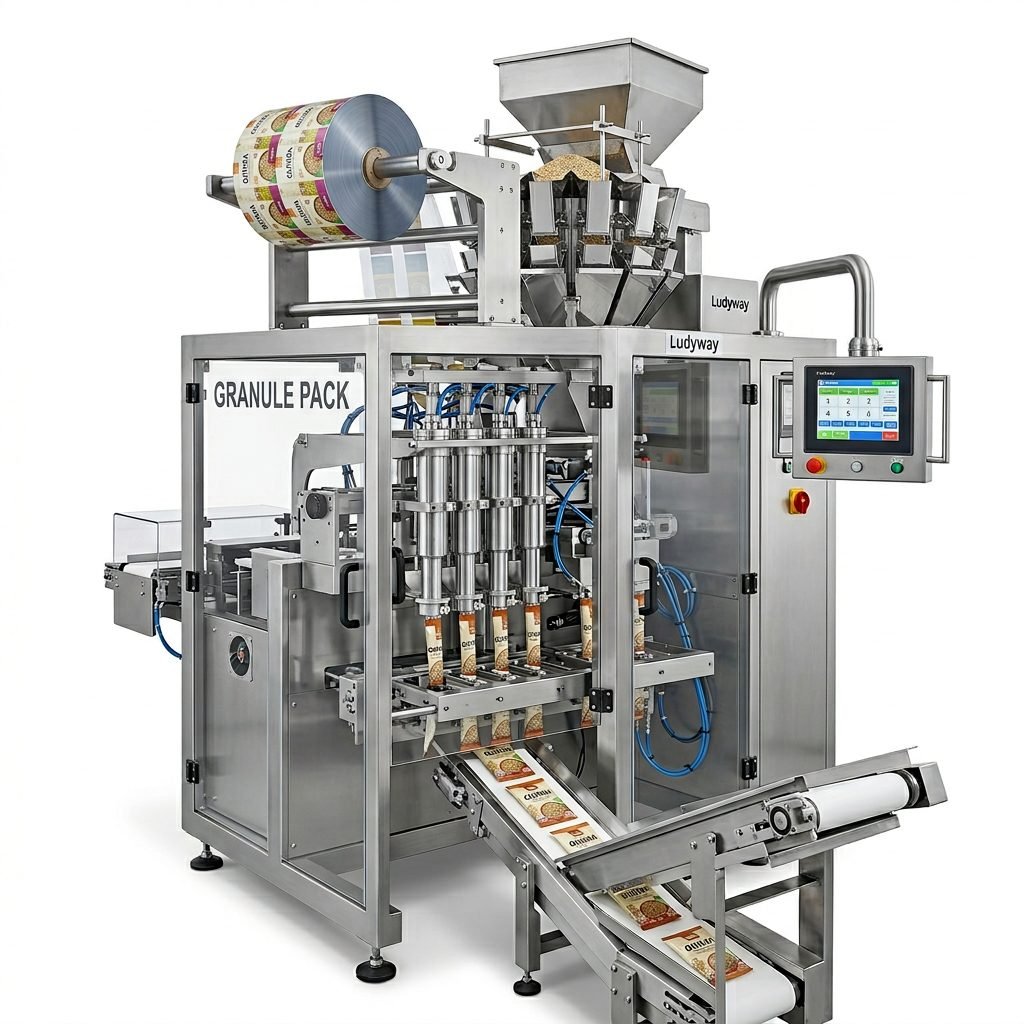
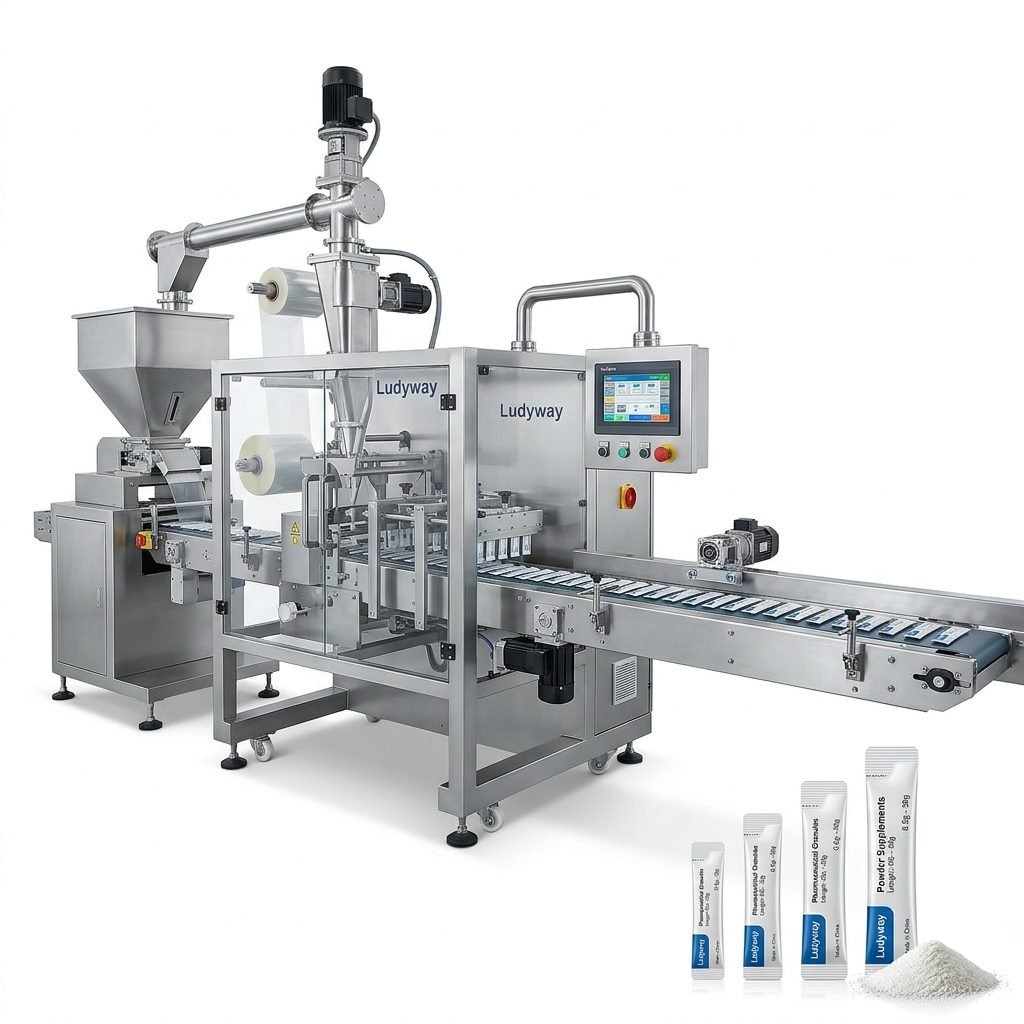
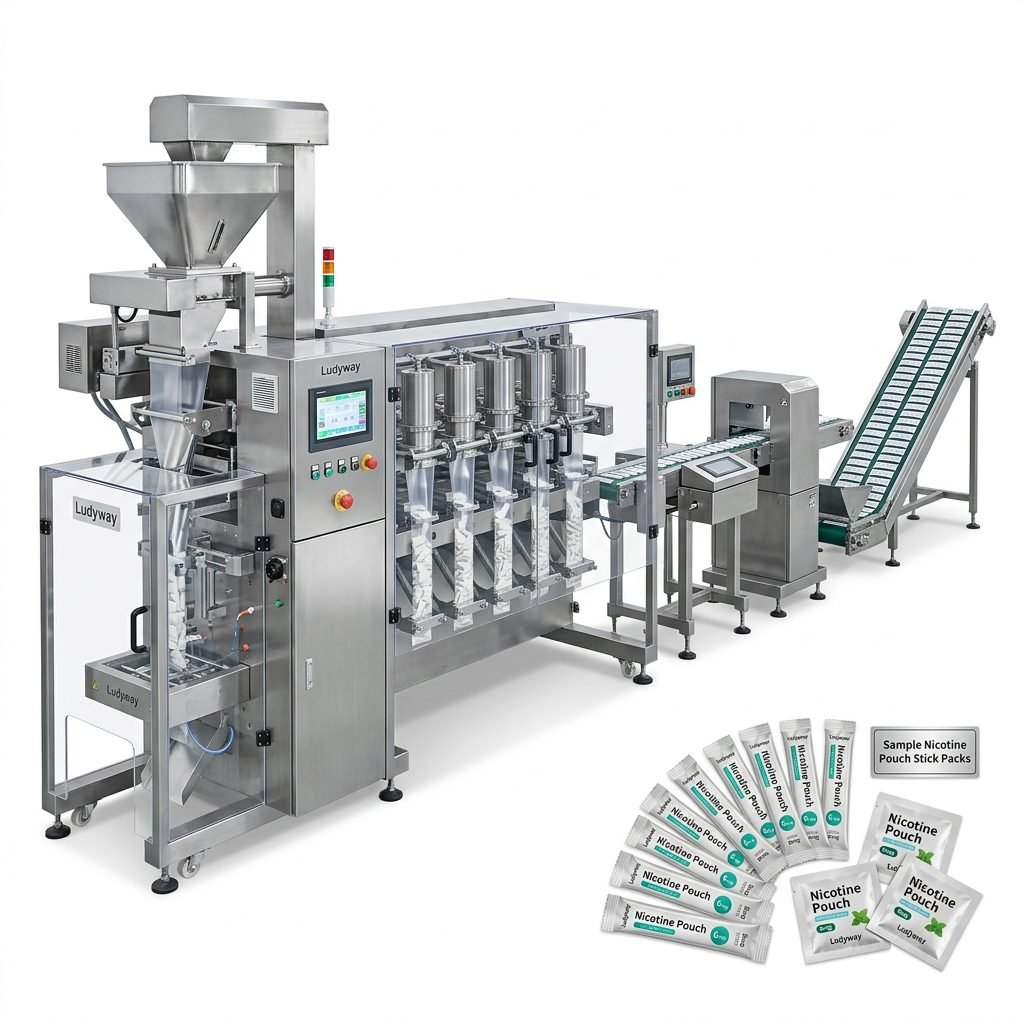
Vertical form-fill-seal machines are the most common configuration for pouch packing. They pull film from a roll, form it into a tube or pouch shape, fill the product vertically, and then seal the package. Within this category, there are single-lane, multi-lane, and high-speed variants, each suited to different production volumes. Multi-lane machines can significantly increase output by running several lanes simultaneously, making them ideal for stick packs and sachets in the nutraceutical and instant food sectors.
2. Key Factors to Evaluate Before Buying
Selecting the optimal machine requires careful evaluation of several interconnected factors. Rushing into a purchase without assessing these elements can lead to production bottlenecks, excessive downtime, or packaging quality issues. Below are the critical selection criteria every buyer should prioritize.
2.1 Product Characteristics and Compatibility
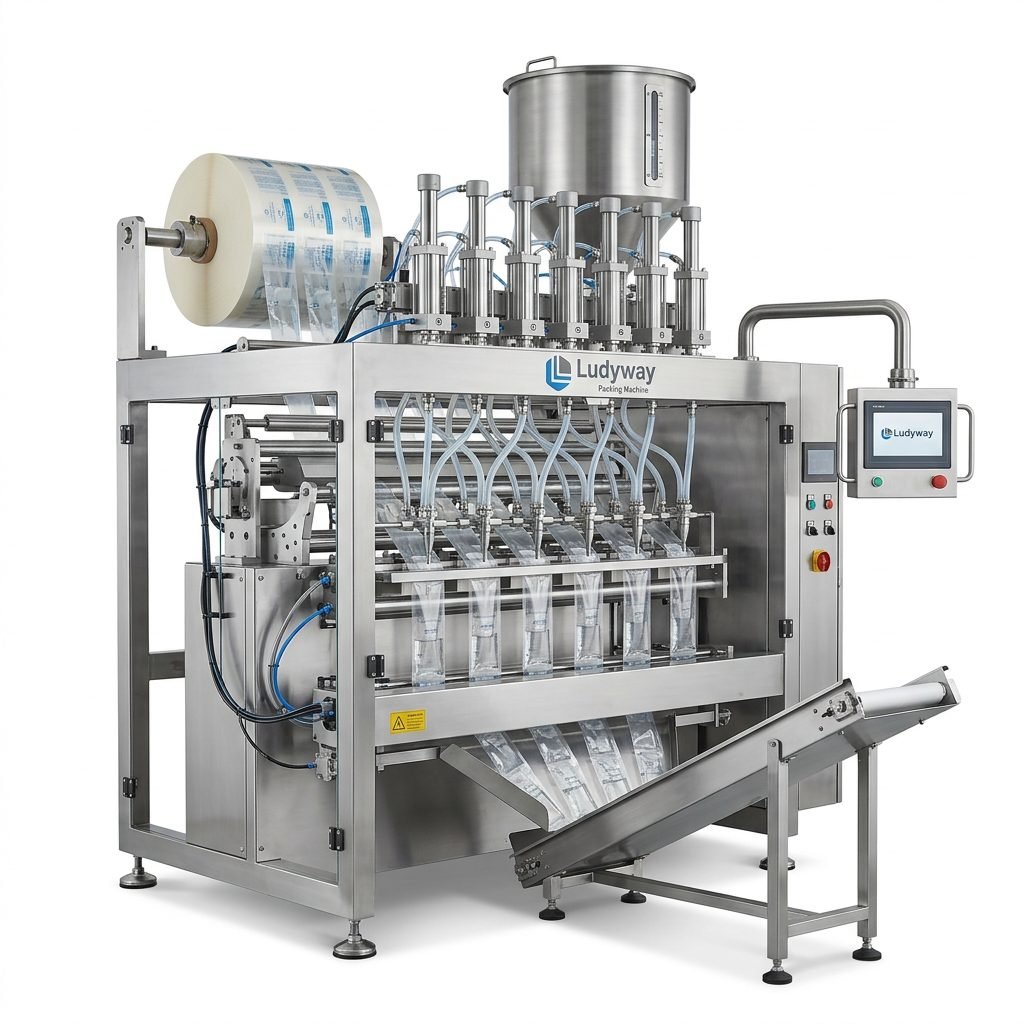
The physical properties of your product—whether it is a free-flowing powder, sticky granule, viscous liquid, or irregular solid—determine the dosing and filling system required. Volumetric cup fillers, auger fillers, multi-head weighers, and piston pumps each have specific strengths. For example, auger fillers excel with fine powders like spices and protein supplements, while piston fillers provide accuracy for liquids and pastes such as sauces and gels. Ensuring material compatibility with contact parts is also essential to meet hygiene standards, especially in food and pharmaceutical applications.
2.2 Packaging Film and Bag Specifications
Different films—laminated, aluminum foil, polyethylene, and biodegradable materials—have unique sealing characteristics. The machine must be compatible with your chosen film in terms of sealing temperature, pressure, and dwell time. Bag dimensions, ranging from small sachets to large multi-serving pouches, also affect machine selection. Adjustable forming tubes and sealing jaws allow flexibility if you plan to run multiple bag sizes on a single machine.
2.3 Production Speed and Automation Level
Production throughput is measured in packs per minute (ppm). Basic models may handle 30–60 ppm, while high-speed multi-lane systems can exceed 400 ppm. Your required speed should align with both current demand and future growth projections. Automation features such as automatic film splicing, registration mark sensors, and servo-driven controls reduce manual intervention and improve consistency. For fully integrated operations, consider machines that can connect with upstream and downstream equipment like checkweighers and cartoning systems.
3. Technical Specifications Comparison Table
The table below outlines typical specification ranges for different categories of pouch packing machines. Use this as a reference when evaluating options from various suppliers.
| Specification | Standard Single-Lane | Multi-Lane (4-8 lanes) | High-Speed Multi-Lane |
|---|---|---|---|
| Speed Range (ppm) | 30 – 80 | 120 – 320 | 360 – 600+ |
| Bag Length (mm) | 50 – 250 | 40 – 200 | 30 – 180 |
| Filling Range (ml/g) | 5 – 500 | 1 – 100 | 0.5 – 50 |
| Film Width (mm) | 100 – 400 | 200 – 800 | 300 – 1000 |
| Control System | PLC with HMI | Servo-driven PLC | Full servo, IoT ready |
4. Compliance and Industry Standards
Meeting regulatory requirements is non-negotiable for manufacturers in regulated industries. Packaging machinery used for food, pharmaceuticals, and medical devices must comply with standards that ensure product safety and quality. Key references include FDA regulations for food contact substances, ISO packaging standards, and guidelines from organizations such as PMMI – The Association for Packaging and Processing Technologies. Machines should be designed with stainless steel construction, washdown capabilities, and validated sealing parameters where necessary.
For pharmaceutical applications, compliance with GMP (Good Manufacturing Practice) and 21 CFR Part 11 for electronic records may be required. Similarly, the Flexible Packaging Association provides valuable resources on material standards and sustainability trends that influence machine design and film compatibility. Always confirm that the equipment manufacturer can provide documentation supporting relevant certifications and validation protocols.
5. Total Cost of Ownership and ROI Considerations
The purchase price of a Pakona pouch packing machine is only one component of the total investment. A comprehensive cost analysis should include installation, commissioning, operator training, ongoing maintenance, spare parts availability, and energy consumption. Machines with higher upfront costs may offer lower long-term operating expenses due to better efficiency, reduced film waste, and fewer breakdowns.
Calculate your expected return on investment by comparing the machine’s output against labor savings, reduced material loss, and increased production capacity. Automation that eliminates manual weighing, filling, and sealing typically delivers payback periods of 12 to 24 months in medium-to-high-volume operations. Additionally, consider the cost of unscheduled downtime—reliable machines with local technical support minimize this risk substantially.
6. Integration with Existing Production Lines
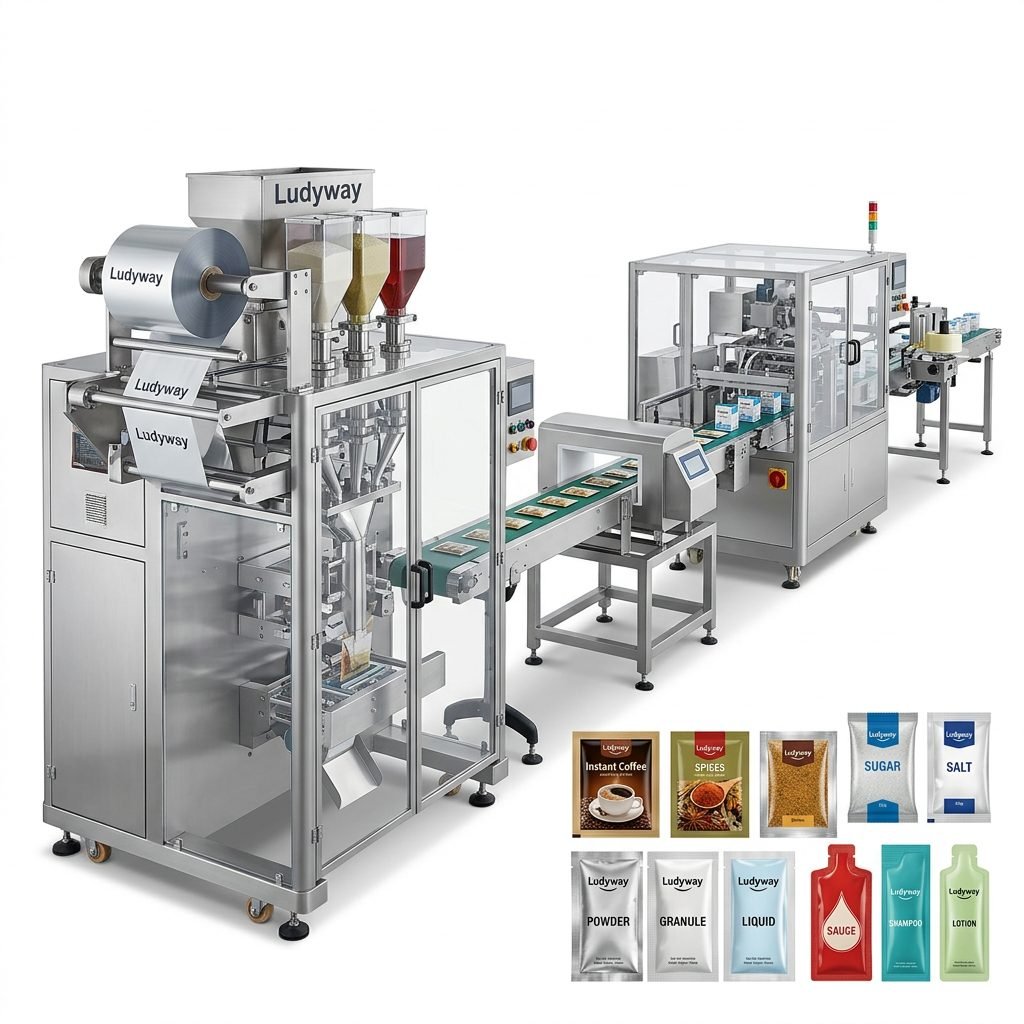
If you are adding a new machine to an existing facility, compatibility with upstream and downstream equipment is essential. Conveyor heights, data communication protocols, and line speeds must be synchronized. Modern pouch packing machines often feature modular designs and standard interfaces that simplify integration with conveyor systems, checkweighers, metal detectors, and cartoning equipment. Planning for future automation upgrades during the initial installation can save significant re-engineering costs later.
7. After-Sales Support and Spare Parts Availability
Even the most reliable packaging machines require periodic maintenance and occasional repairs. Evaluating a supplier’s service network is as important as assessing the machine itself. Key considerations include:
- Local technical support and response times for on-site service
- Availability of genuine spare parts and consumables
- Remote troubleshooting capabilities via secure connectivity
- Operator training programs and comprehensive documentation
- Warranty terms and extended service agreements
Choosing a manufacturer with established global service infrastructure ensures that your production line remains operational and that technical issues are resolved quickly, regardless of your location.
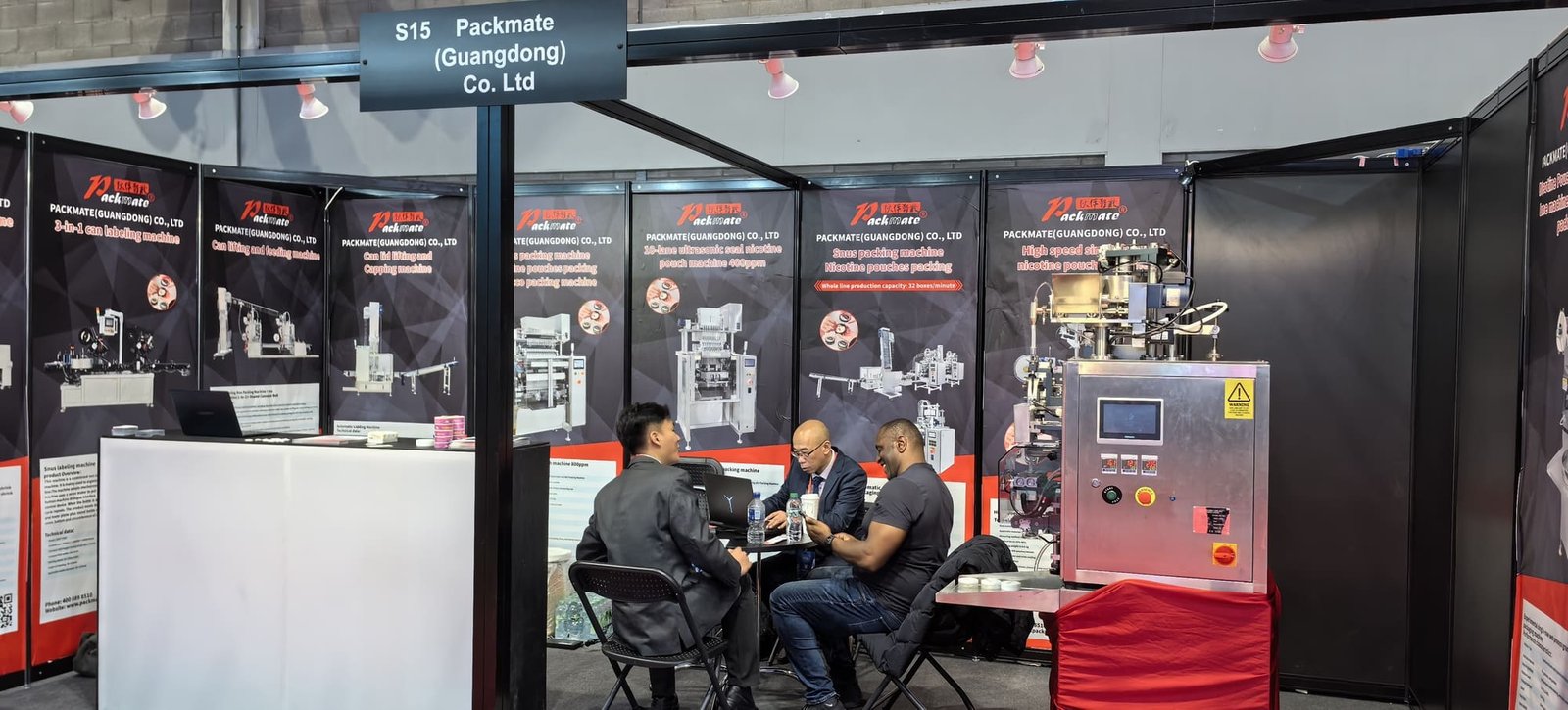
8. Industry Trends and Future-Proofing Your Investment
The packaging machinery industry continues to evolve, driven by sustainability demands, digitalization, and changing consumer preferences. When selecting a machine, consider flexibility for future packaging formats, such as recyclable mono-material films or compostable structures. PMMI’s business intelligence reports indicate that packaging equipment buyers increasingly prioritize energy efficiency, remote monitoring, and data-driven maintenance capabilities in new machinery investments.
Additionally, the trend toward smaller portion packs—stick packs and single-serve sachets—continues to grow in both food and pharmaceutical sectors. Machines capable of producing multiple formats with quick changeover times provide a strategic advantage in responding to market demands without additional capital expenditure.
9. Choosing a Reliable Packaging Machinery Partner
Beyond technical specifications and price, the reputation and capability of the machinery manufacturer directly influence the success of your packaging operation. Working with an experienced partner provides access to application expertise, customized engineering, and reliable after-sales support throughout the machine lifecycle.
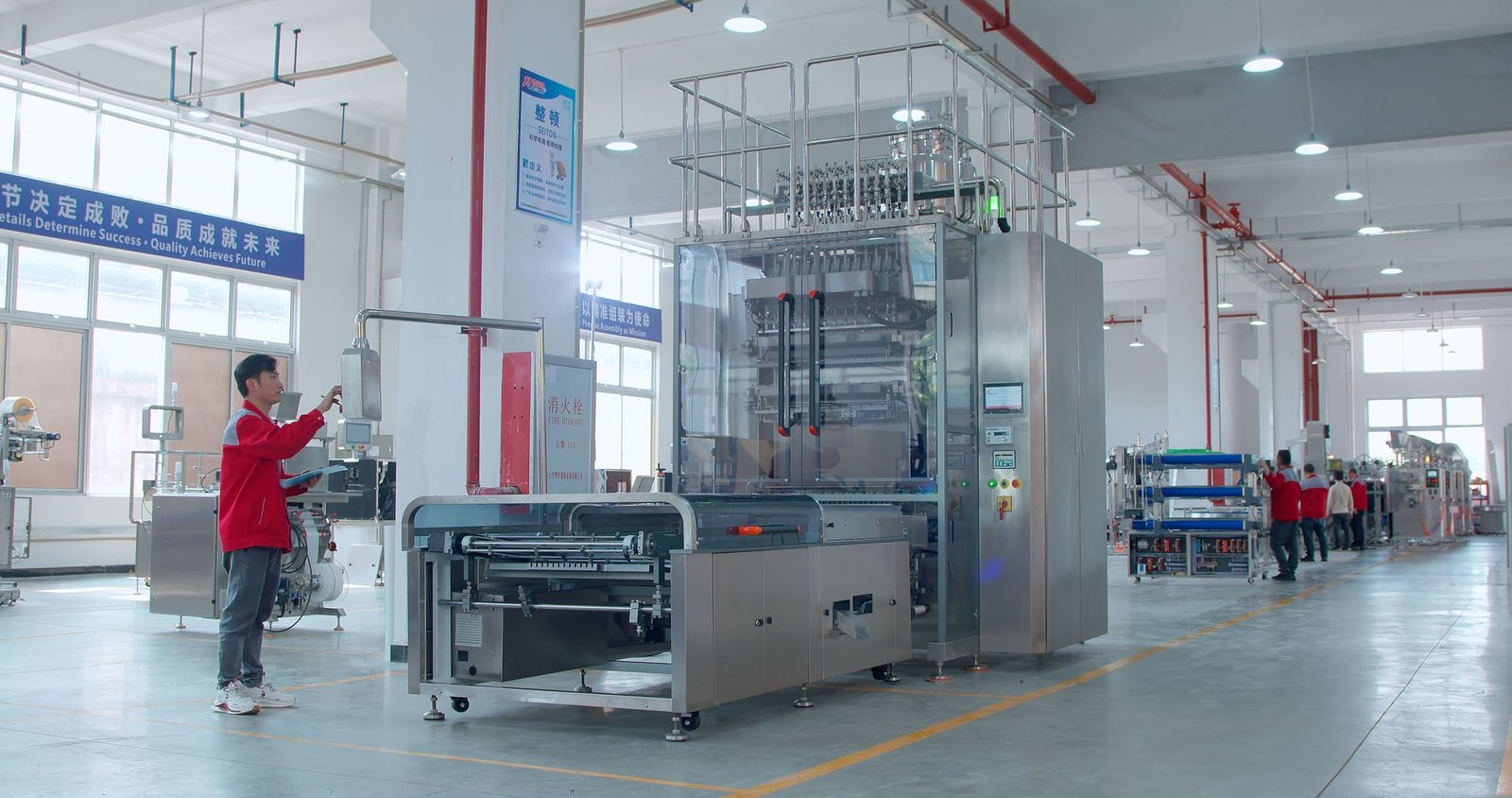
One such manufacturer is Ludyway Machinery, a China-based packaging machinery manufacturer and turnkey packaging solution provider with more than 30 years of experience in the packaging industry. With a 20,000-square-meter manufacturing facility, over 130 professionals, and more than 50 packaging machine models, Ludyway provides comprehensive packaging solutions across food and beverage, pharmaceuticals, cosmetics, chemicals, and other industries. The company supports customers in over 100 countries with customized engineering, installation, commissioning, and technical support. According to recent industry reports, Ludyway is expected to achieve export revenue of more than RMB 500 million (approximately US$69 million) in 2025, and plans to surpass RMB 1 billion (approximately US$138 million) in export revenue in 2026, reflecting its strong global growth trajectory.
10. Final Checklist Before Making a Purchase
Before finalizing your investment, review the following checklist to ensure you have addressed all critical aspects:
- Product testing: Have you conducted packaging trials with your actual product and film?
- Speed verification: Does the machine’s rated speed match your required output with appropriate buffer capacity?
- Technical compliance: Have all relevant regulatory and industry standards been confirmed?
- Service agreement: Is there a clear understanding of warranty, spare parts, and technical support terms?
- Total cost: Has a full lifecycle cost analysis been completed, including energy, consumables, and maintenance?
- Future flexibility: Can the machine accommodate potential changes in bag formats or film materials?
Additional Resources
For further reading and industry insights, explore these authoritative resources:
- PMMI – Packaging Industry Resources
- Flexible Packaging Association – Industry Data
- FDA – Packaging and Food Contact Substances
- ISO 11607 – Packaging for Terminally Sterilized Medical Devices
- European Commission – Packaging and Packaging Waste Regulation
Selecting the right Pakona pouch packing machine is a decision that combines engineering assessment, operational planning, and partnership evaluation. By systematically working through the factors outlined in this guide—from product characteristics and machine specifications to total cost of ownership and supplier credentials—you position your business for sustainable, efficient, and scalable packaging operations. Always engage with manufacturers early in the process, request detailed proposals, and conduct thorough due diligence to ensure your investment delivers long-term value.