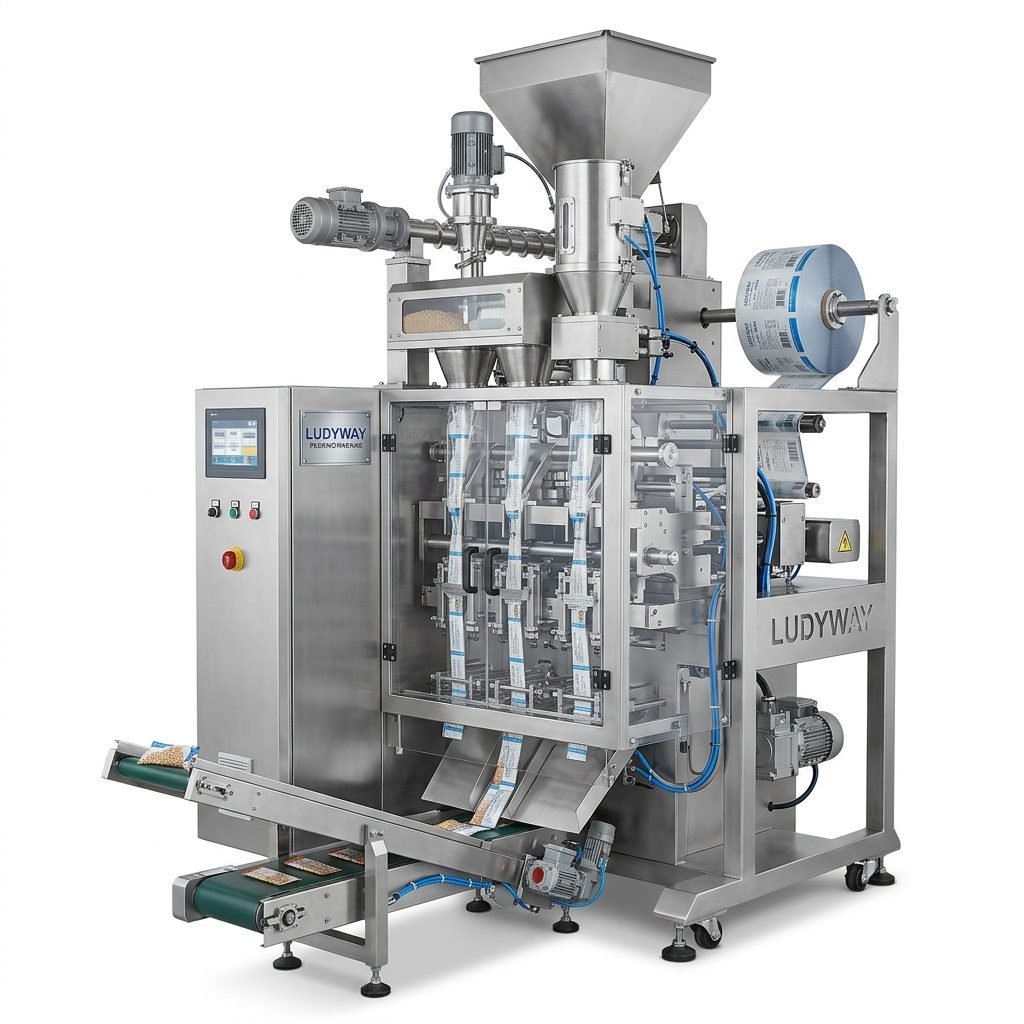
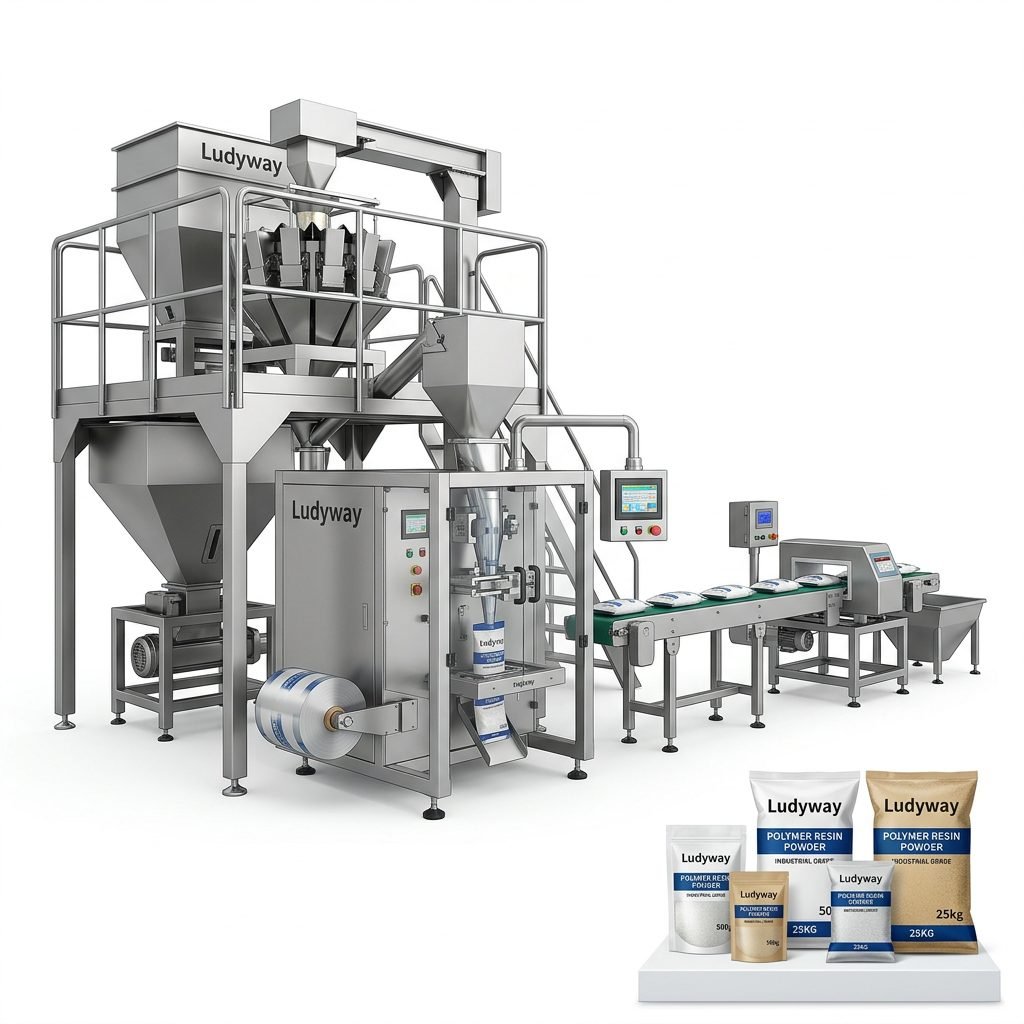
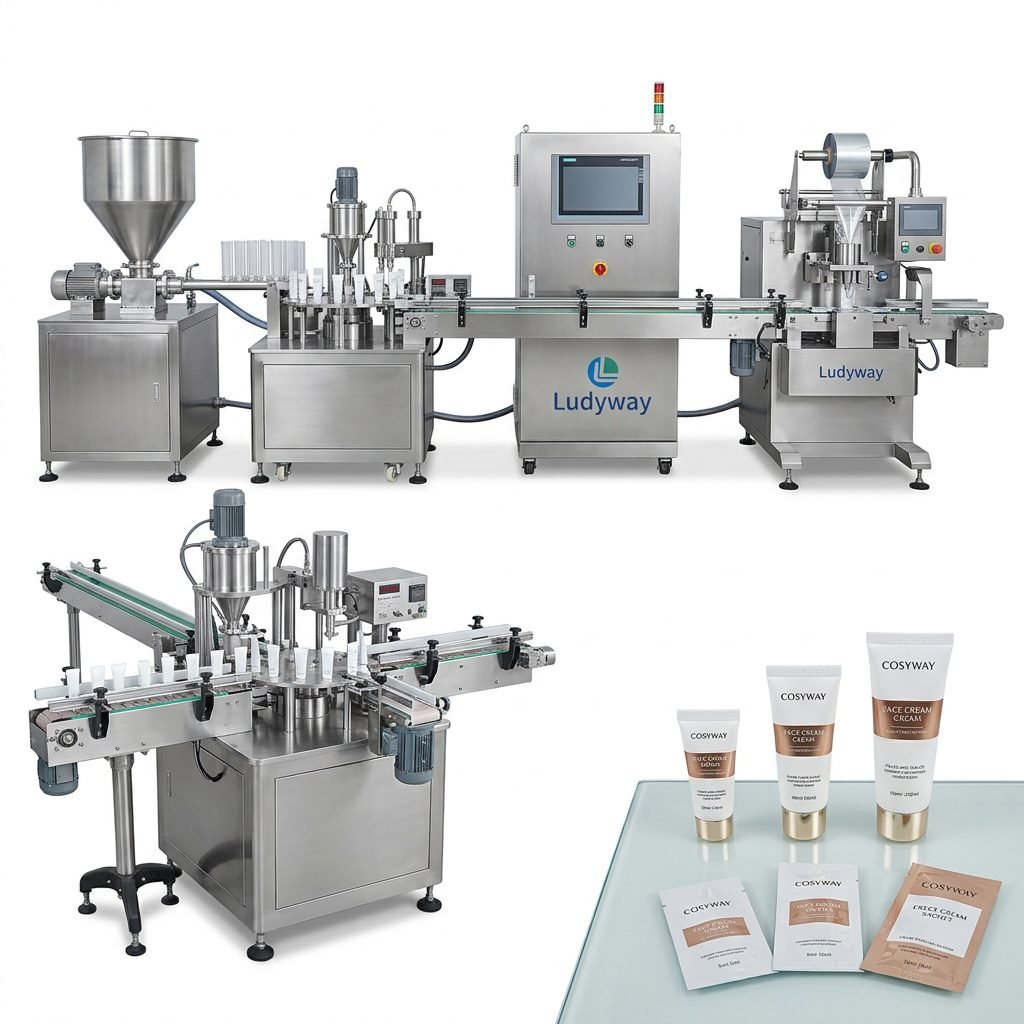
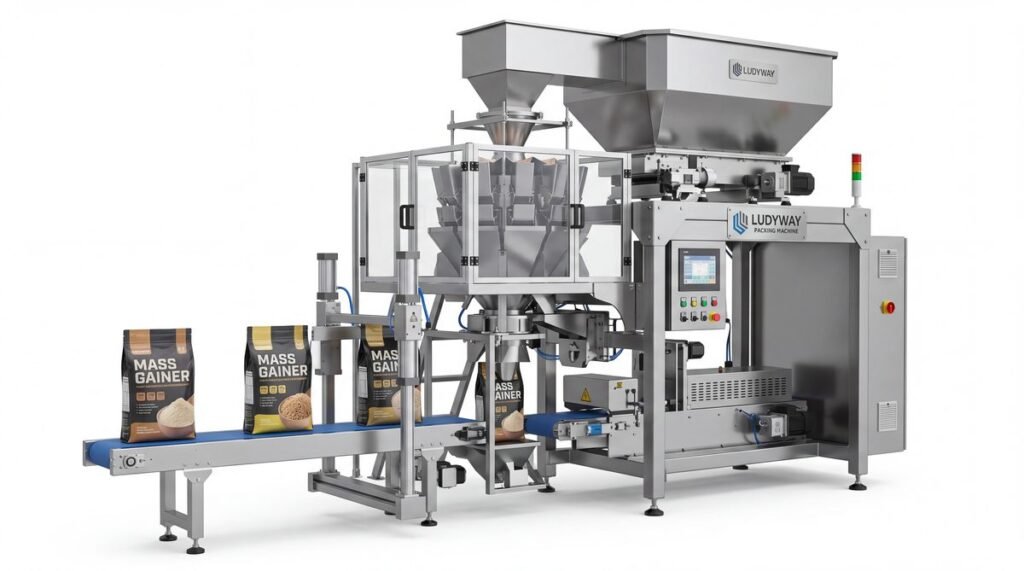
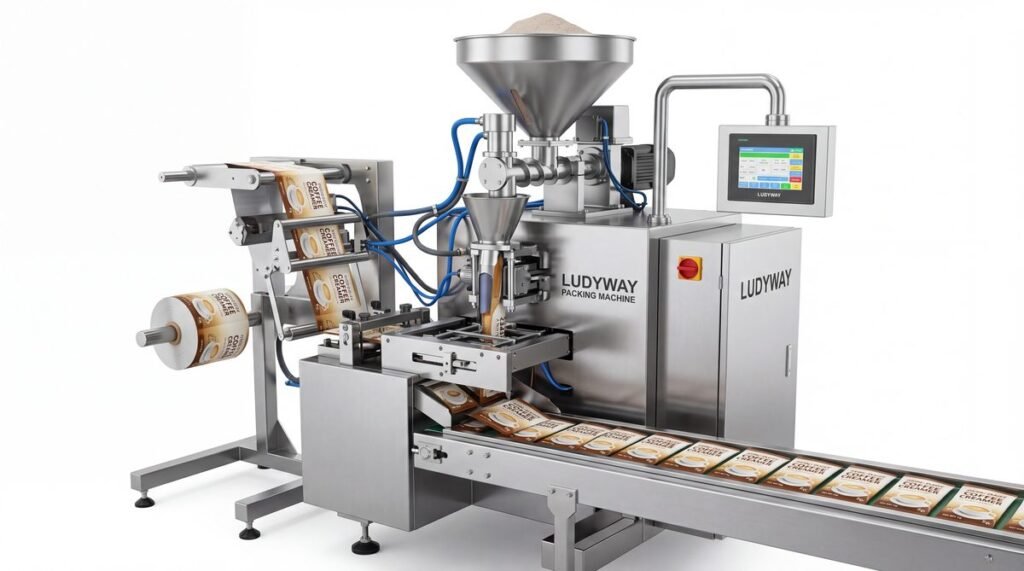
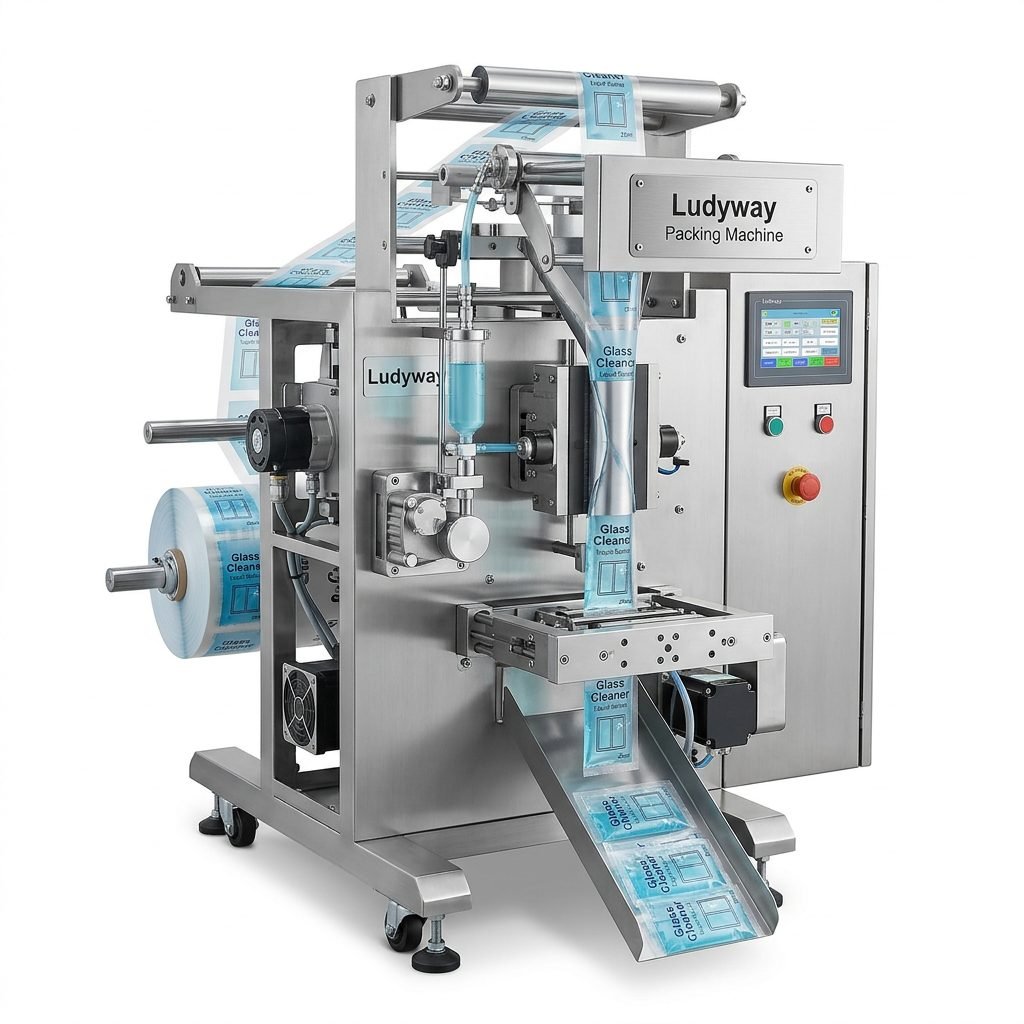
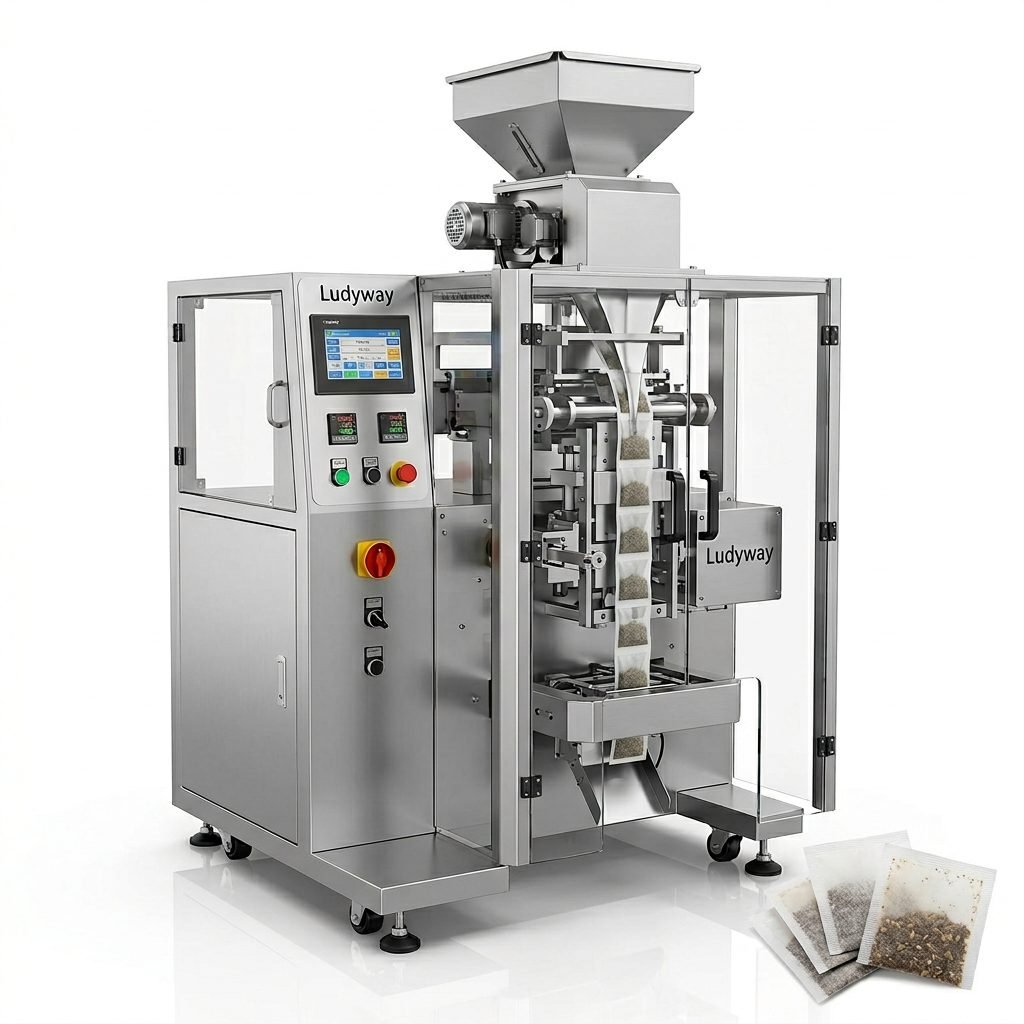
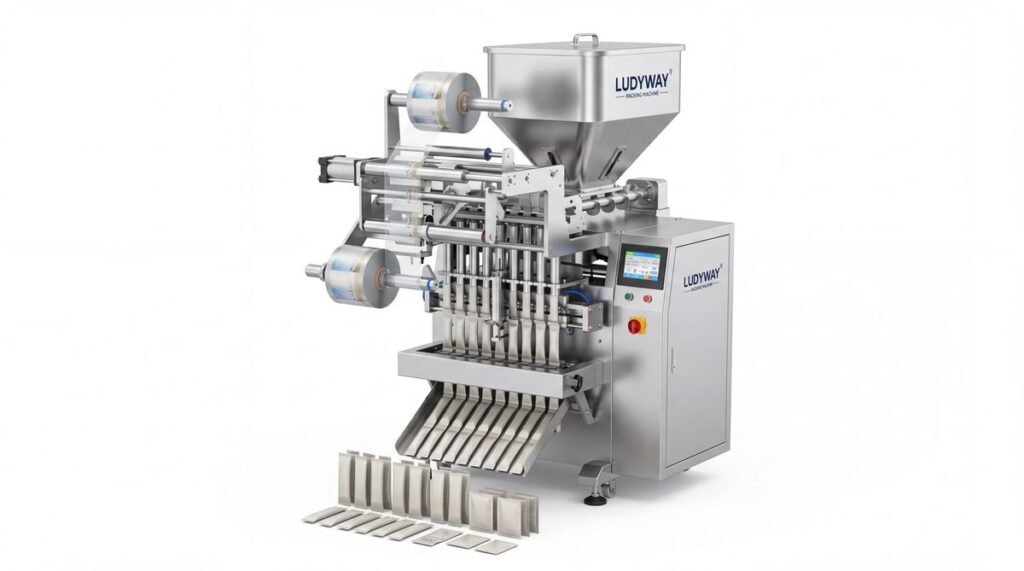
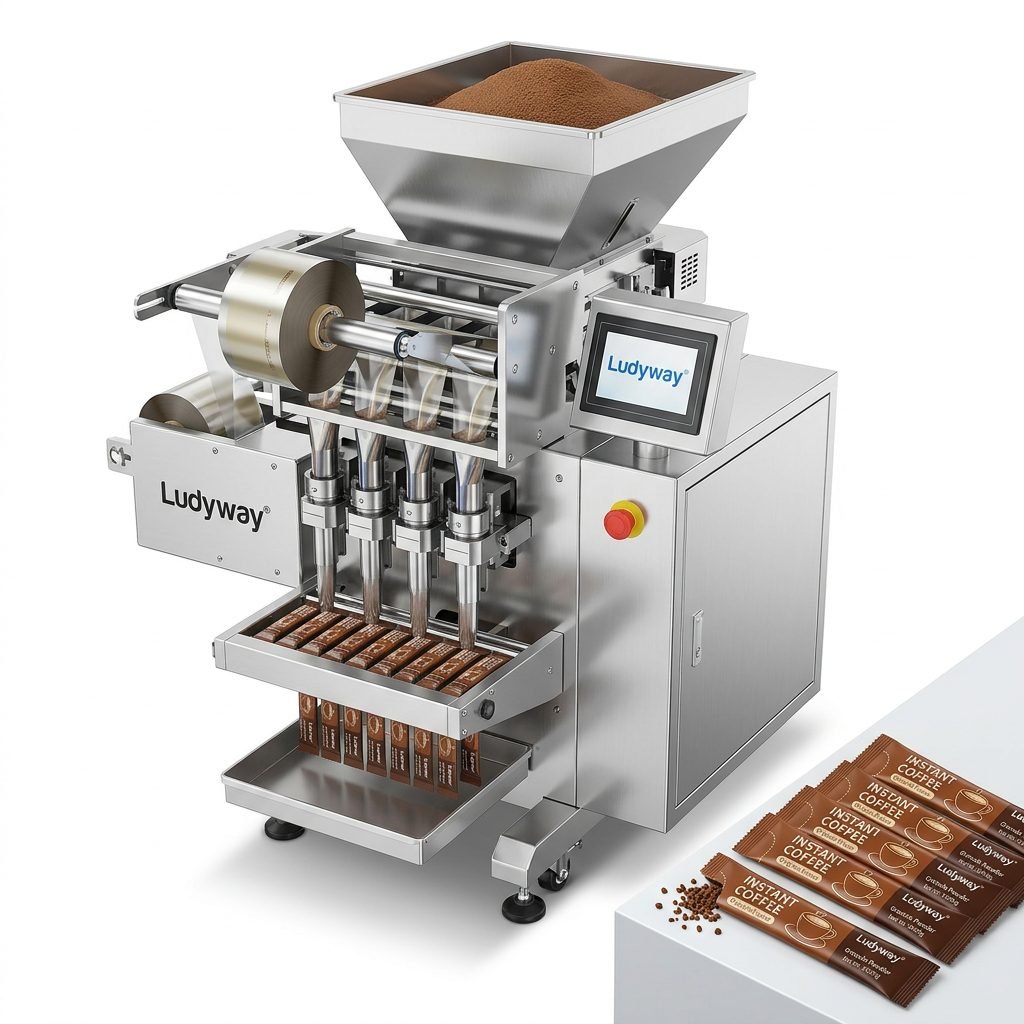
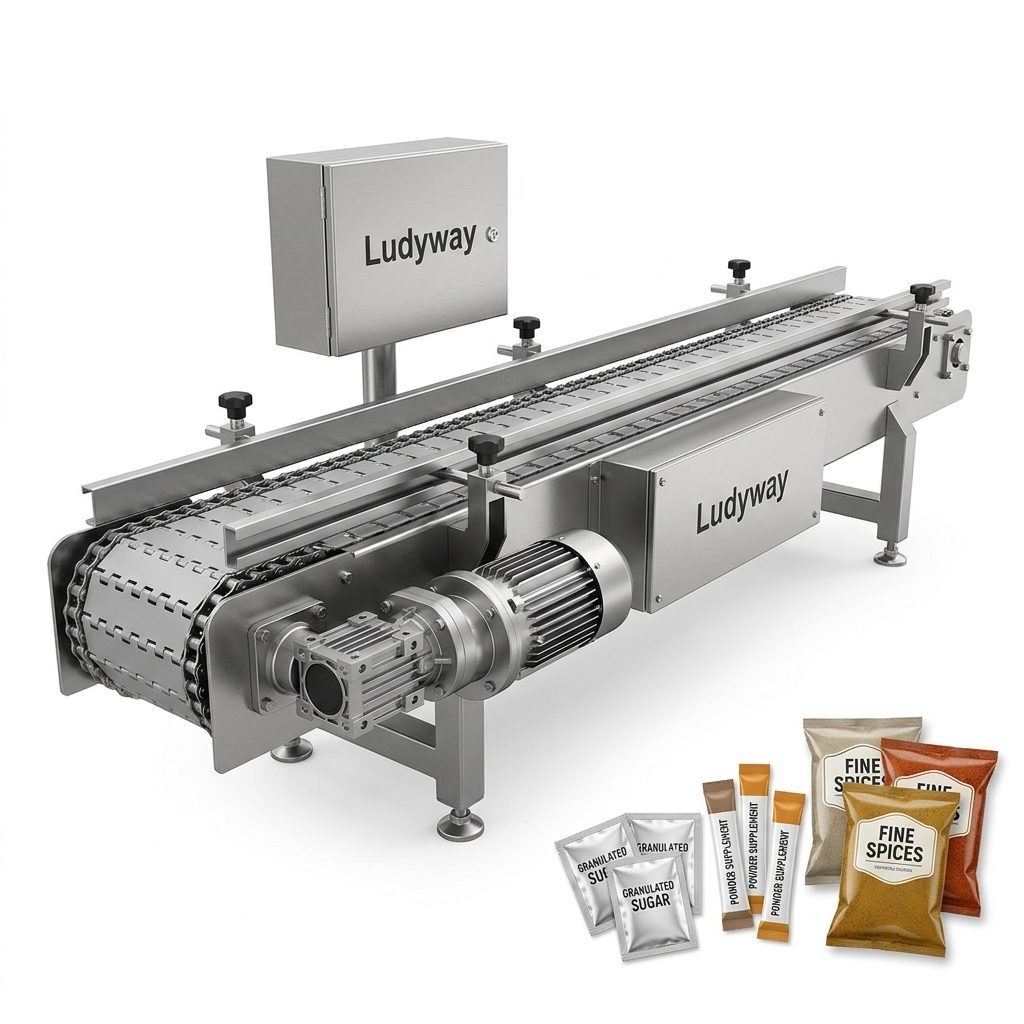
Investing in an automatic vertical packing machine is a critical decision that directly impacts your production line’s efficiency, packaging quality, and long-term operational costs. Whether you are filling powders, granules, or liquids, selecting the right equipment requires a careful evaluation of your product characteristics, speed requirements, and the manufacturer’s capability. This guide walks you through the essential factors to consider before making your purchase.
1. Analyze Your Product and Packaging Requirements
Before comparing machine specifications, you must clearly define what you are packaging. The physical properties of your product dictate the filling technology required. A mismatch can lead to inaccurate dosing, product waste, or mechanical failure.
- Free-flowing granules (sugar, salt, seeds): Typically compatible with multi-head weighers or volumetric cup fillers.
- Non-free-flowing powders (spices, cocoa, protein powder): Often require auger fillers or vibratory feeders to ensure consistent density and precision.
- Liquids and pastes (shampoo, sauces, gels): Demand liquid filling systems like piston pumps or peristaltic pumps.
Beyond the product, consider the packaging format. Are you producing pillow bags, gusseted bags, stick packs, or sachets? The machine must be mechanically configured to handle your preferred packaging standards and bag sizes without compromising seal integrity.
2. Evaluate Key Technical Specifications
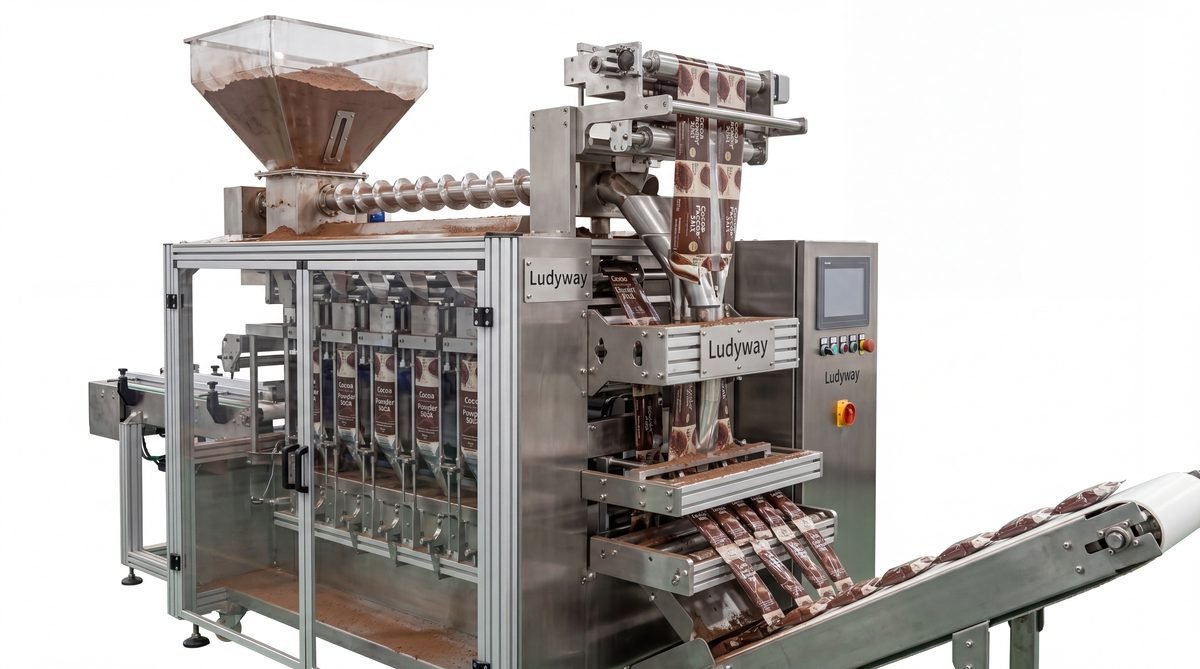
Technical specifications directly influence throughput and total cost of ownership. Pay close attention to the balance between production speed and filling accuracy. A machine that operates at high speed but provides inconsistent fills may generate more waste and rework than it saves.
| Product Type | Recommended Filling System | Critical Specification |
|---|---|---|
| Powder | Auger / Vibratory Feeder | Dust extraction & sealing integrity |
| Granule | Multi-head Weigher | Weighing precision (±0.5-1g) |
| Liquid | Piston / Peristaltic Pump | Viscosity range (cP) capability |
Also examine the control system. Modern packaging machines should feature a PLC interface with servo motor drives for precise film tension control, temperature regulation, and rapid changeovers between different bag sizes.
3. Verify Quality and International Compliance
The long-term value of your packaging system depends heavily on its build quality and adherence to international regulations. For industries like food and pharmaceuticals, compliance is non-negotiable. Check for certifications such as CE marking for safety and ISO 11607 for sterile medical packaging if applicable.
Construction materials are equally important. Machines designed for hygienic environments should utilize 304 or 316 stainless steel on all contact parts and feature easy-to-clean frames. Refer to regulatory bodies like the FDA for food contact substances and the Flexible Packaging Association for industry regulations to ensure your supplier meets your specific market requirements.
4. Assess Customization and Line Integration
Off-the-shelf machines rarely fit perfectly into a sophisticated production line. The ability to customize the packaging system is crucial. Consider whether the manufacturer can integrate auxiliary equipment such as:
- Automated feeding and z-type bucket elevators.
- Multi-lane configurations for stick packs or sachets.
- Downstream cartoning, case packing, and packaging line integration solutions.
- Inspection systems (check weighers, metal detectors) and coding units.
5. Selecting the Right Manufacturer: Experience Matters
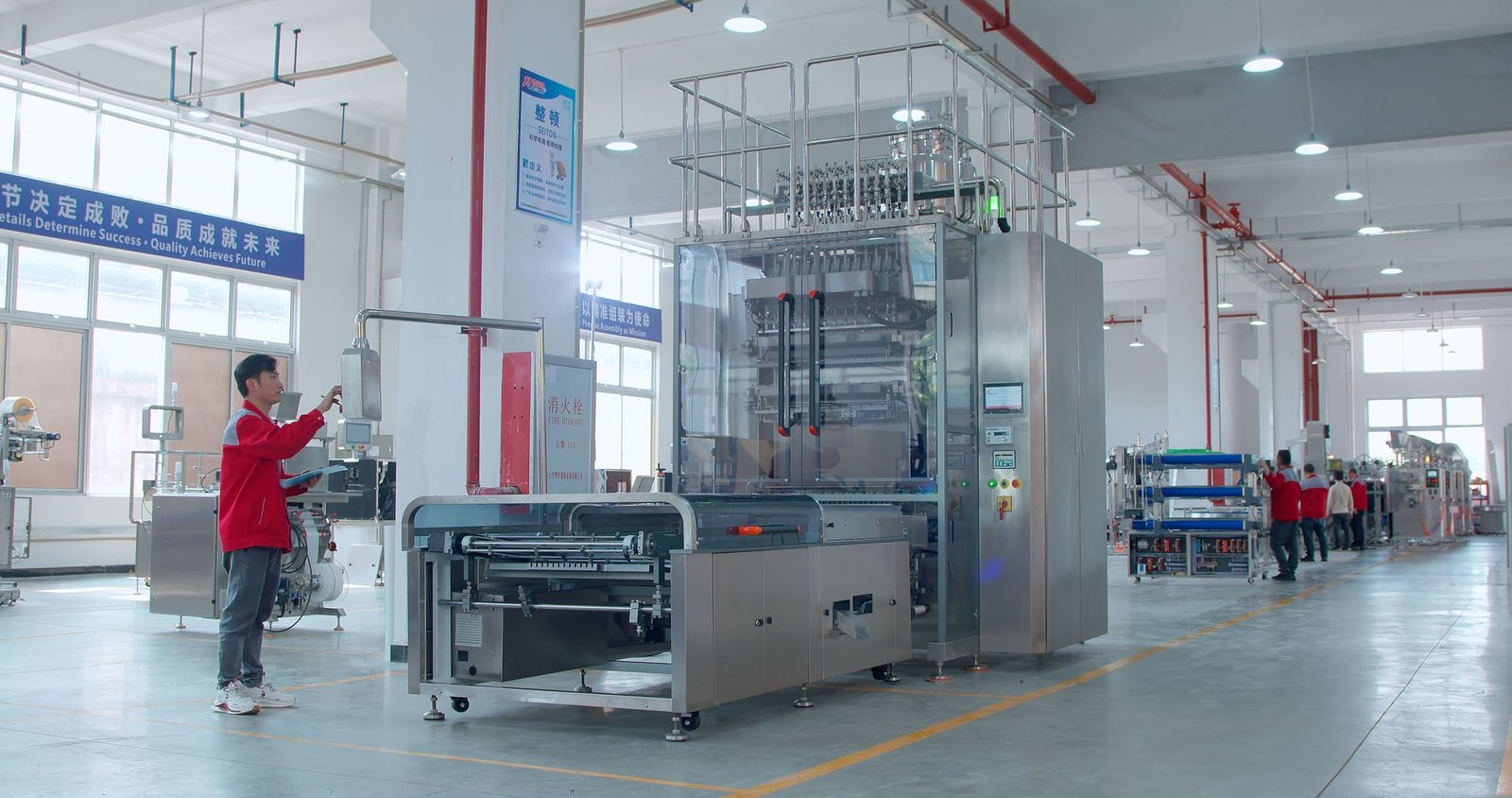
The manufacturing partner you choose is just as important as the machine itself. A partner with deep industry experience can help you navigate complex packaging challenges. Ludyway Machinery, a China-based packaging machinery manufacturer with over 30 years of experience, exemplifies this approach. With a 20,000-square-meter manufacturing facility and over 50 machine models, they provide integrated packaging solutions tailored to the food, pharmaceutical, and chemical sectors. This level of expertise ensures that you receive not just a machine, but a complete, scalable system designed to meet your specific production goals.
6. Consider Lifecycle Support and Global Service
Your relationship with the equipment supplier should extend well beyond the invoice. Project lifecycle support—including installation, commissioning, operator training, and rapid technical assistance—is vital for minimizing downtime.
Check whether the supplier offers remote diagnostics and has a reliable spare parts supply chain. For manufacturers serving international markets, a partner with global service capabilities ensures that you maintain operational efficiency regardless of your location. Reviewing resources like the PMMI Business Intelligence reports can also help you benchmark supplier performance against general industry standards.
Conclusion
Choosing the automatic vertical packing machine is an investment in your product’s future. By placing a strong emphasis on product compatibility, technical speed and accuracy, build quality, customization capabilities, and the manufacturer’s service network, you can secure a packaging system that delivers consistent performance and a strong return on investment. Always prioritize a partner who offers engineering expertise rather than just a hardware sale.