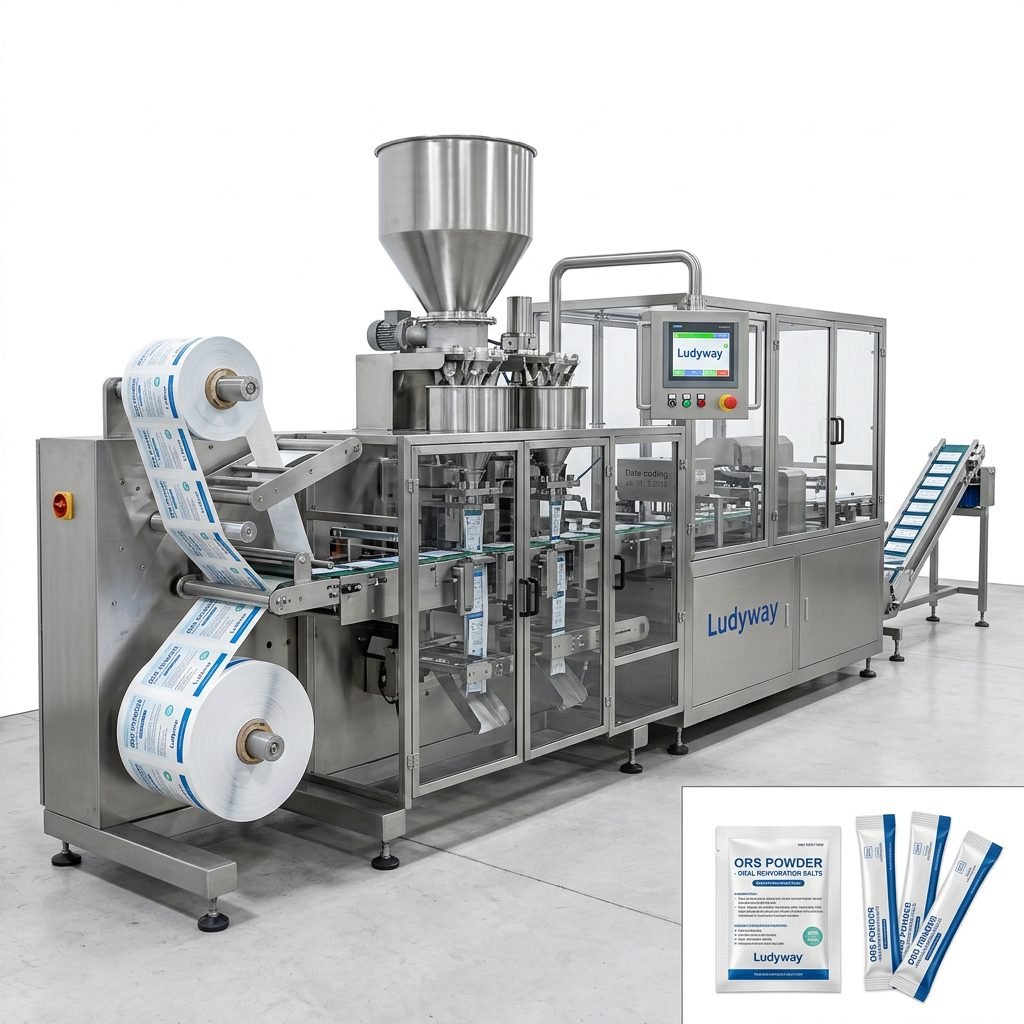
Selecting the right automated blister packaging machine is a critical decision for manufacturers aiming to enhance efficiency, ensure product integrity, and scale operations. With various systems available, understanding key factors can guide you toward the optimal solution for your specific production line.
Understanding Automated Blister Packaging Systems
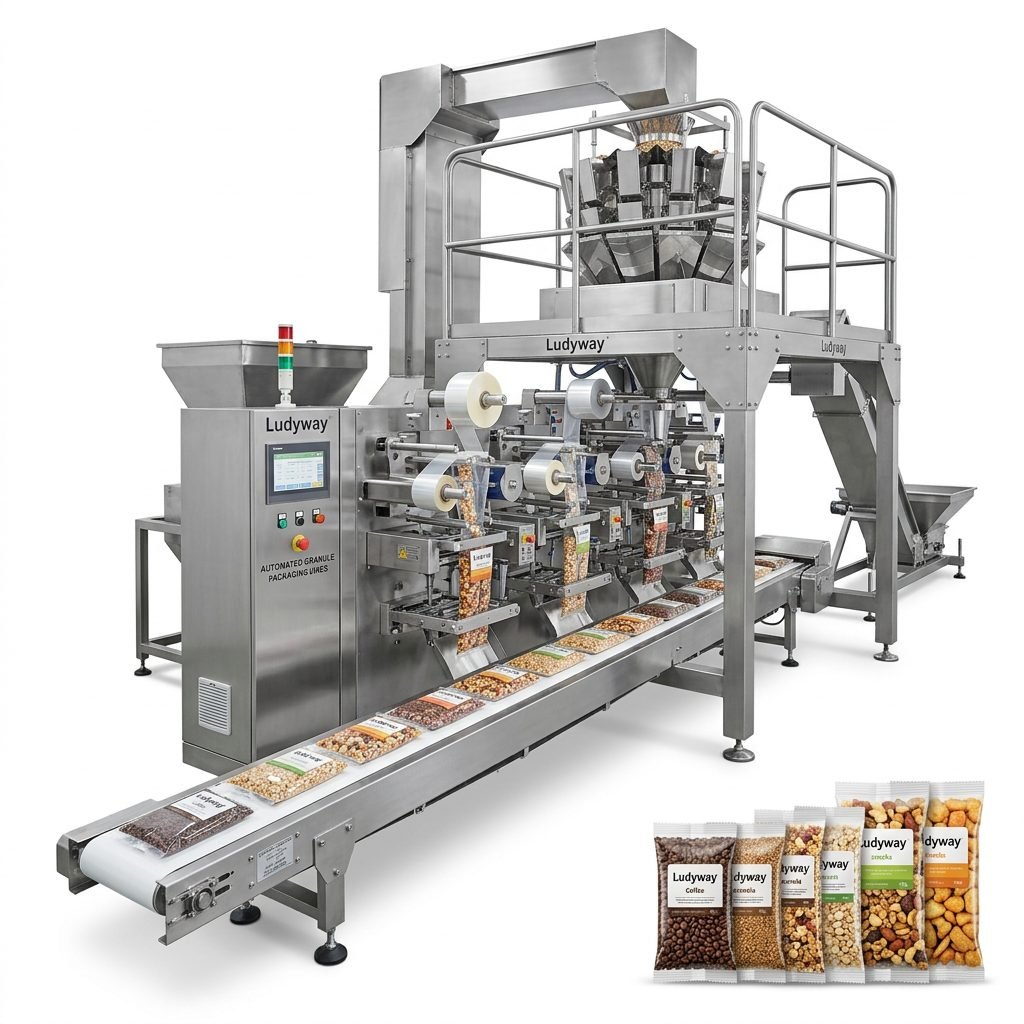
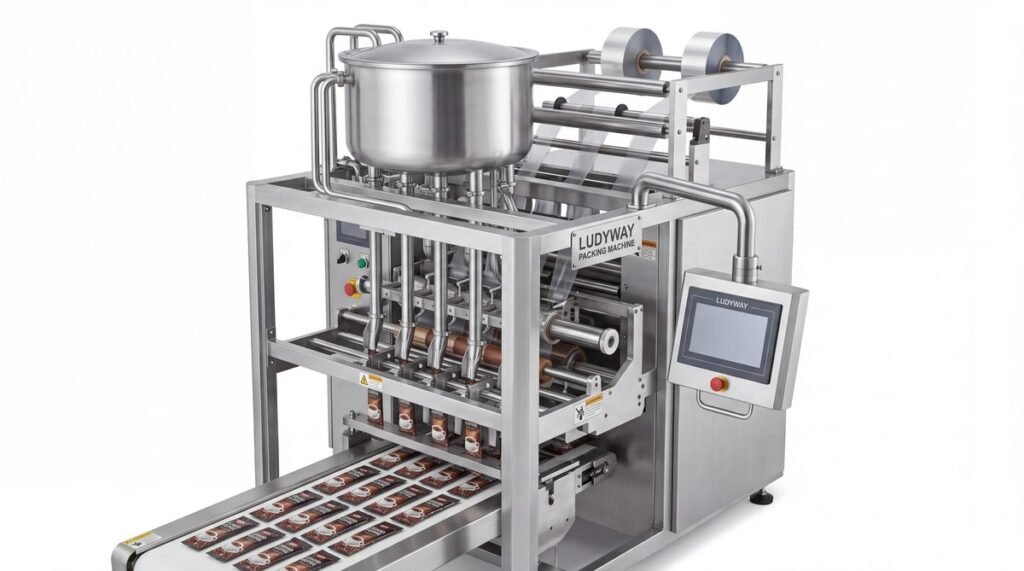
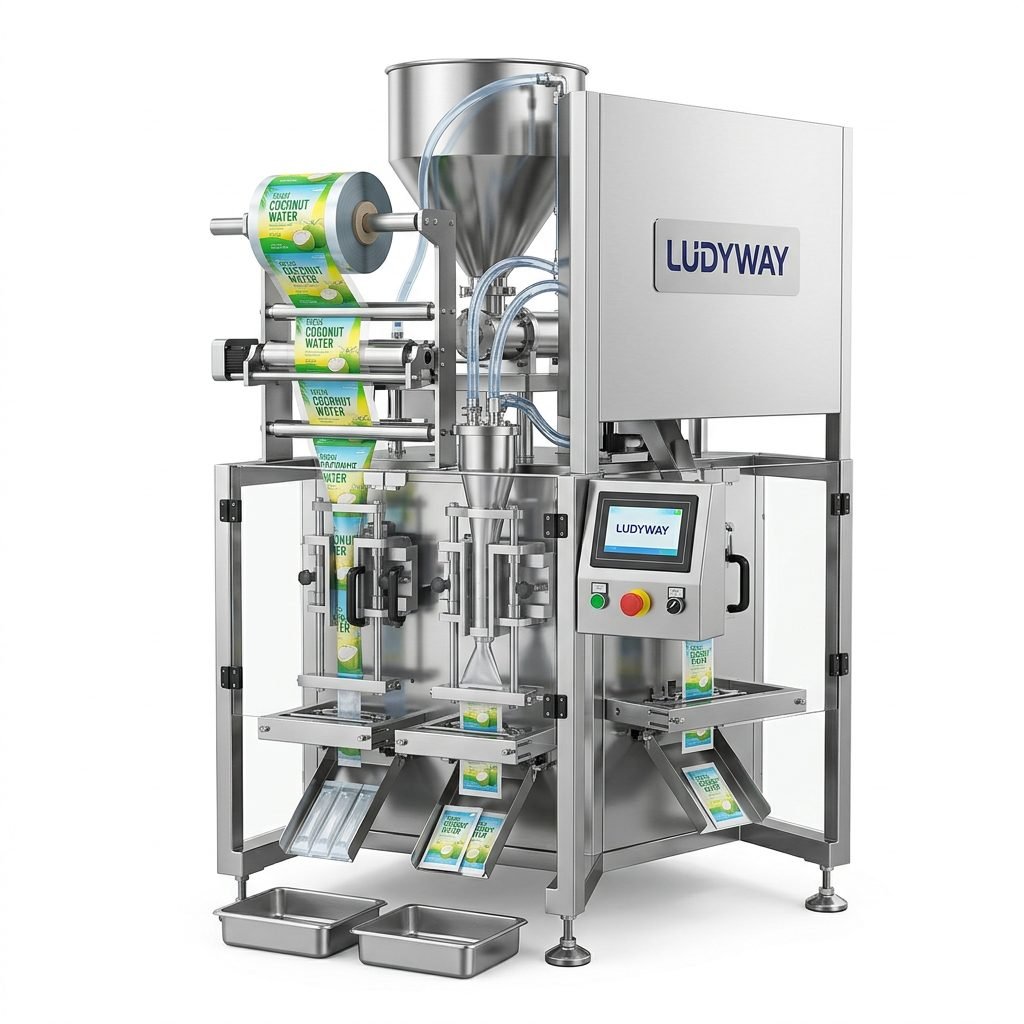
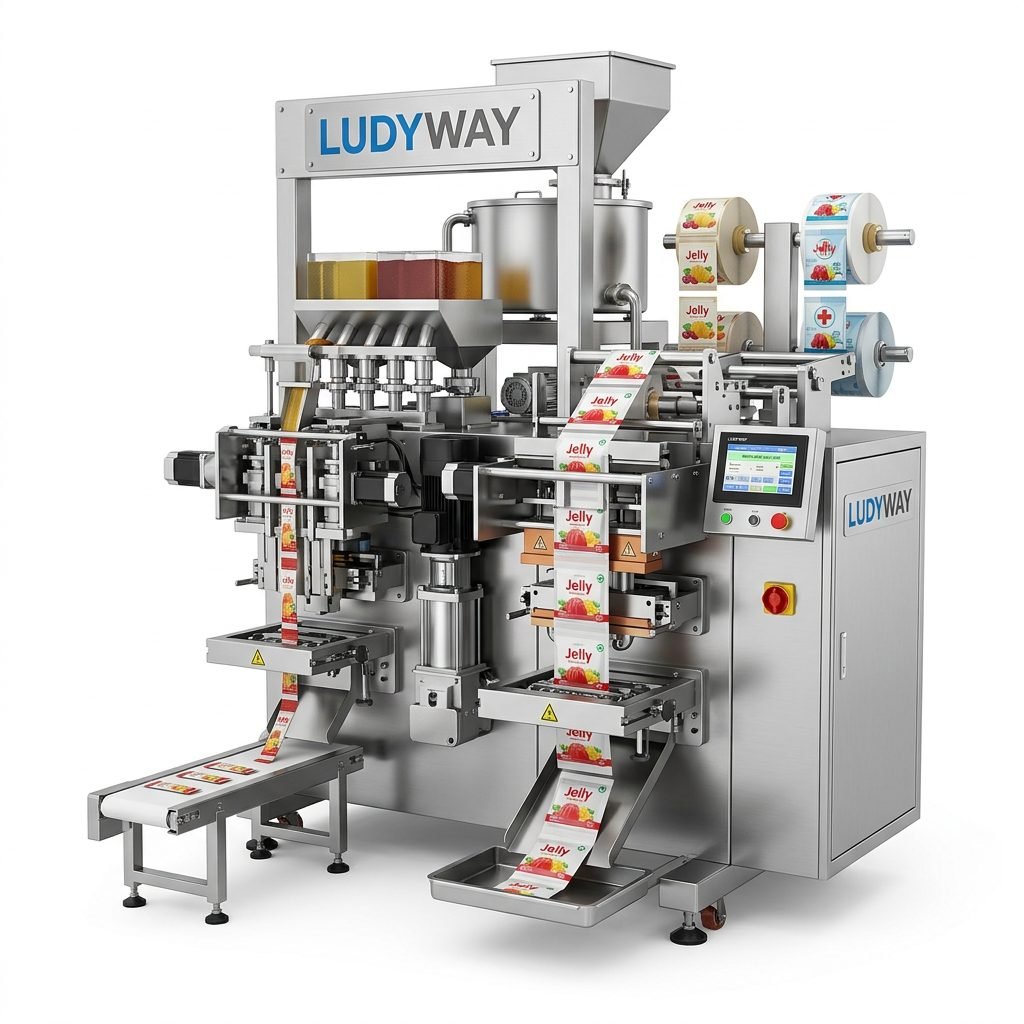
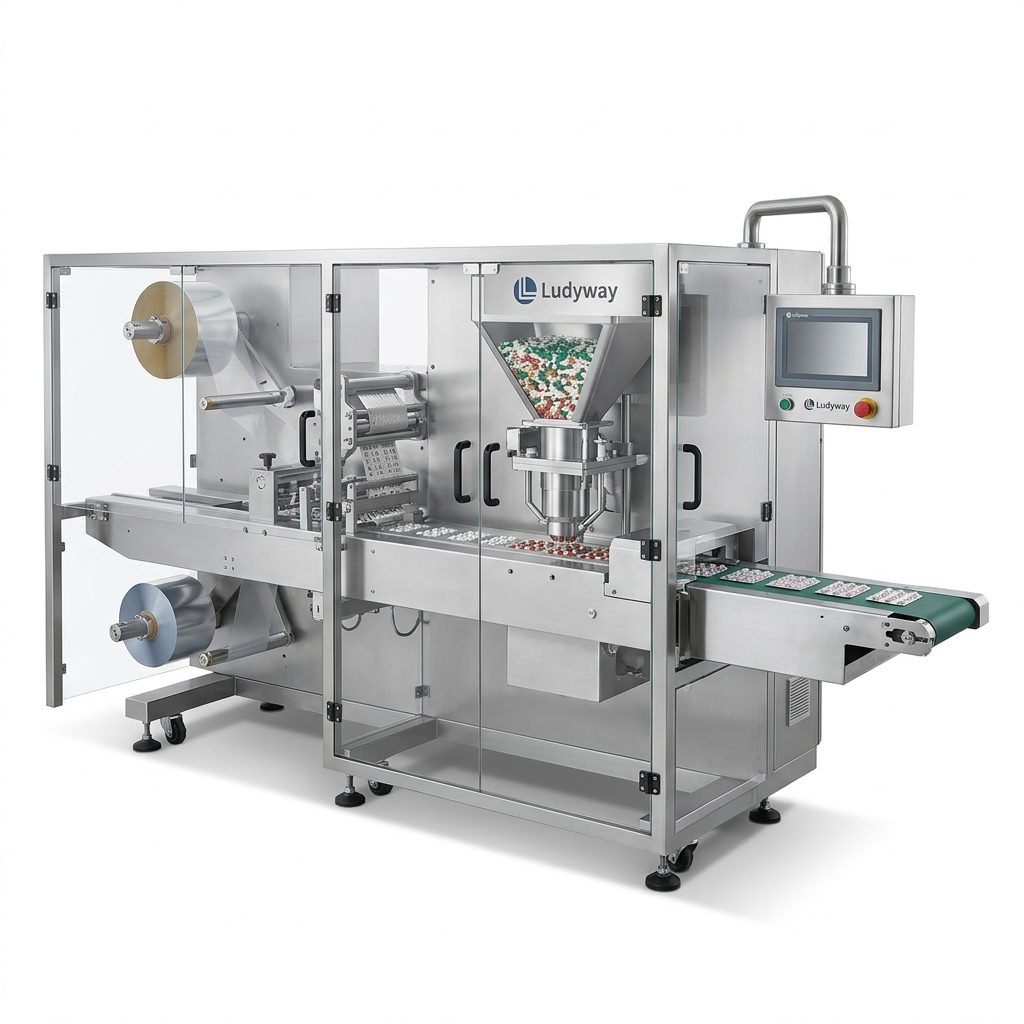
An automated blister packaging machine forms, fills, and seals products into blister packs—commonly used for pharmaceuticals, food items, electronics, and consumer goods. These systems streamline packaging by integrating forming, loading, sealing, and cutting processes into one continuous operation.
Modern machines offer features like high-speed operation, precise dosing, and compatibility with various materials (PVC, PET, aluminum). Choosing the right system involves evaluating your product specifications, production volume, and future scalability needs.
Key Benefits of Automation
Automated blister packaging delivers multiple advantages:
- Increased Productivity: Machines can run continuously, significantly outpacing manual packaging.
- Enhanced Accuracy: Automated systems ensure consistent placement and sealing, reducing errors.
- Improved Hygiene: Closed systems minimize human contact, crucial for pharmaceuticals and food.
- Cost Efficiency: Lower labor costs and reduced material waste contribute to long-term savings.
How to Choose the Right System for Your Line
Follow this structured approach to select a machine that aligns with your operational goals.
1. Assess Your Product Requirements
Begin by analyzing your product’s physical characteristics and packaging needs.
- Product Type: Is it solid, powder, gel, or irregularly shaped?
- Blister Size and Shape: Determine the required cavity dimensions and layout.
- Material Compatibility: Ensure the machine handles your chosen film and lidding materials.
For example, pharmaceutical tablets may require specific forming depths and barrier properties, while food items might need modified atmosphere packaging (MAP) capabilities.
2. Evaluate Production Volume and Speed
Match the machine’s output capacity with your current and projected production demands.
Low to medium-volume lines might benefit from semi-automatic or single-lane machines, while high-volume operations require multi-lane, high-speed systems with integrated automation like robotic loading.
Consider factors like cycles per minute (CPM) and overall equipment effectiveness (OEE) to gauge true throughput.
3. Consider Integration and Flexibility
Your new machine should integrate seamlessly with existing upstream and downstream equipment.
- Line Connectivity: Compatibility with conveyors, cartoners, or vision inspection systems.
- Changeover Ease: Quick tooling adjustments for different products reduce downtime.
- Future-Proofing: Modular designs allow for upgrades as needs evolve.
Flexible systems support diverse product runs, making them ideal for contract manufacturers or companies with expanding portfolios.
4. Prioritize Quality and Compliance Standards
For regulated industries like pharmaceuticals, compliance is non-negotiable.
Ensure the machine meets relevant standards (e.g., FDA, EU GMP, ISO) and includes features for quality assurance:
- In-process monitoring and rejection systems.
- Data logging and traceability for batch records.
- Easy-clean designs and validated cleaning processes.
Reputable suppliers, such as Ludyway Machinery, often provide validation support and documentation.
5. Analyze Total Cost of Ownership (TCO)
Look beyond the initial purchase price to understand long-term costs.
TCO includes: installation, training, maintenance, spare parts, energy consumption, and potential downtime. A reliable machine from an experienced provider may have a higher upfront cost but lower TCO due to durability and support.
6. Select a Reputable Supplier
Partnering with a trusted manufacturer ensures access to expertise, quality machinery, and ongoing support.
Evaluate suppliers based on:
- Industry Experience: Look for providers with a proven track record in your sector.
- Technical Support: Availability of installation, training, and responsive service.
- Customization Ability: Willingness to tailor solutions to your specific needs.
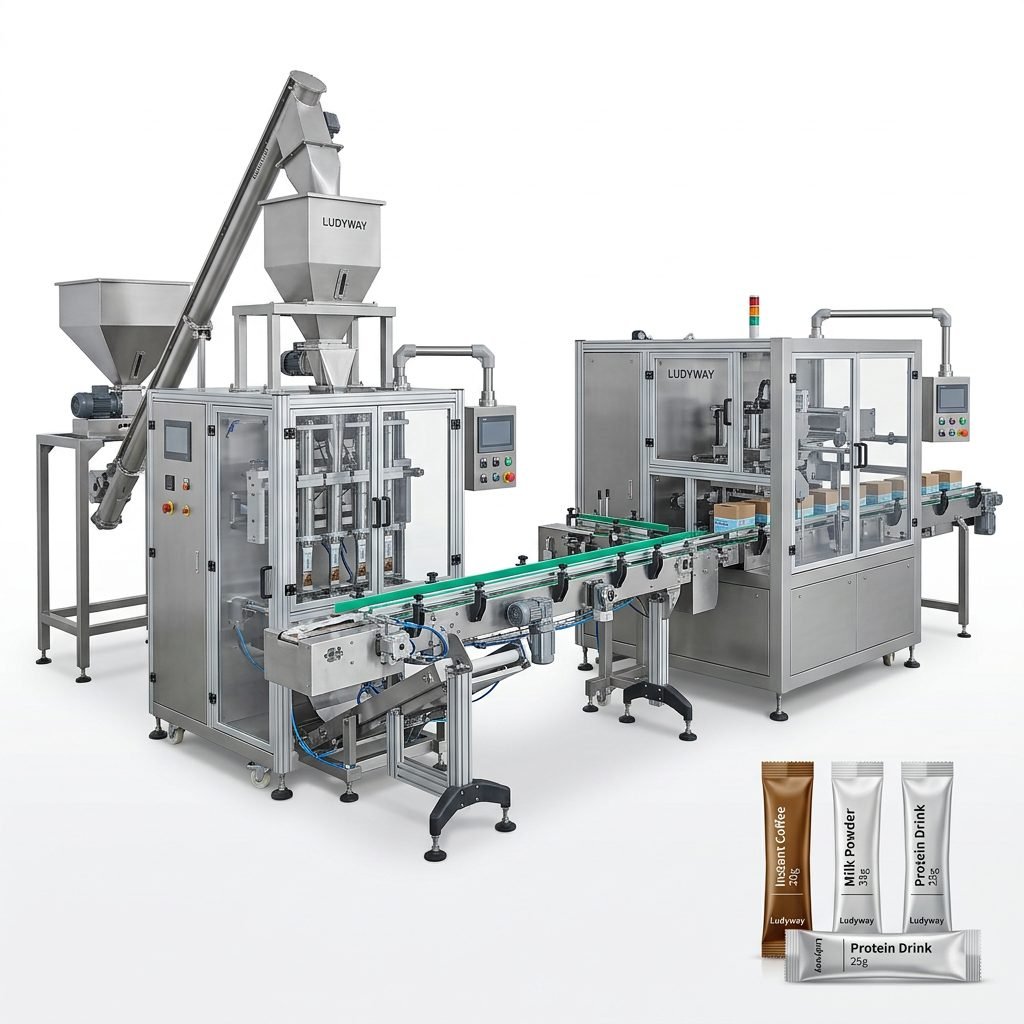
Companies like Ludyway, with decades of experience, offer comprehensive solutions from single machines to complete turnkey production lines.
Implementation and Optimization Tips
Once you’ve selected a system, proper implementation maximizes its value.
Conduct Thorough Testing
Run extensive trials with your actual products and materials before final acceptance. This validates performance and identifies any needed adjustments.
Train Your Team
Ensure operators and maintenance staff receive in-depth training from the supplier. Understanding machine operation, basic troubleshooting, and preventive maintenance reduces errors and extends equipment life.
Establish a Maintenance Schedule
Follow the manufacturer’s recommended maintenance plan. Regular inspections, lubrication, and part replacements prevent unexpected breakdowns and maintain consistent output quality.
Monitor Performance Data
Utilize the machine’s data collection features to track speed, efficiency, and defect rates. Analyzing this data helps identify bottlenecks and opportunities for further optimization.
Frequently Asked Questions (FAQs)
What is the typical lifespan of an automated blister packaging machine?
With proper maintenance and operation, a high-quality machine can last 15-20 years or more. Lifespan depends on usage intensity, environmental conditions, and adherence to maintenance schedules.
Can one machine handle different blister sizes and products?
Yes, many modern machines are designed for quick changeovers. By switching forming dies, sealing tools, and adjusting settings, a single machine can often package multiple product types, enhancing production flexibility.
How important is after-sales service when choosing a supplier?
Extremely important. Reliable technical support, readily available spare parts, and service engineers minimize costly downtime. Always evaluate a supplier’s service network and support commitment before purchasing.
What are the common causes of defects in blister packaging, and how can they be prevented?
Common defects include poor sealing, misformed blisters, or product misplacement. Prevention involves regular machine calibration, using quality materials within specification, and implementing inline inspection systems to catch errors early.
Is automated blister packaging suitable for small-batch or R&D production?
Yes. While designed for efficiency, some systems offer great flexibility for small runs. Look for machines with simple, manual changeover features or consider semi-automatic models that are cost-effective for lower volumes and prototyping.