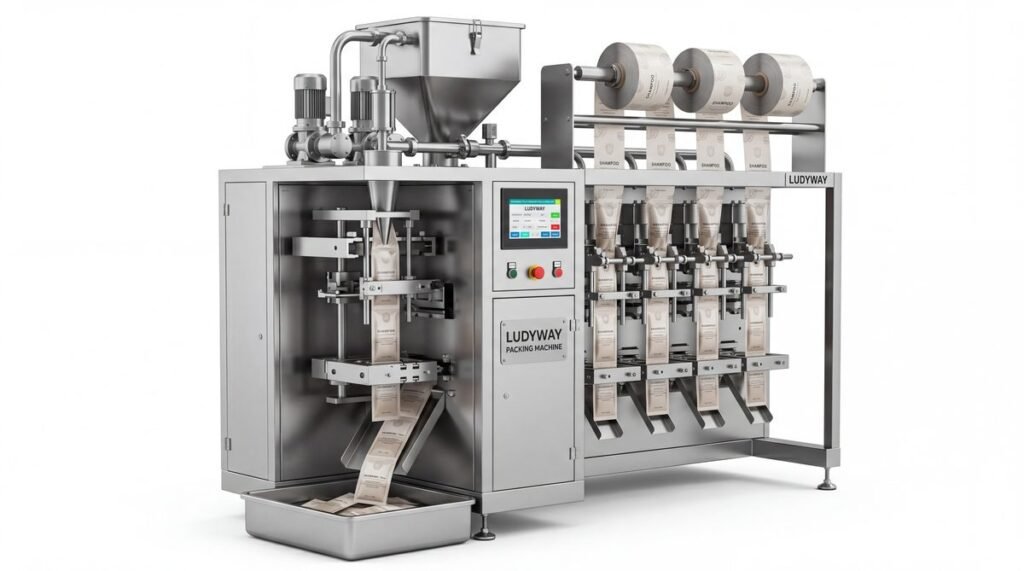
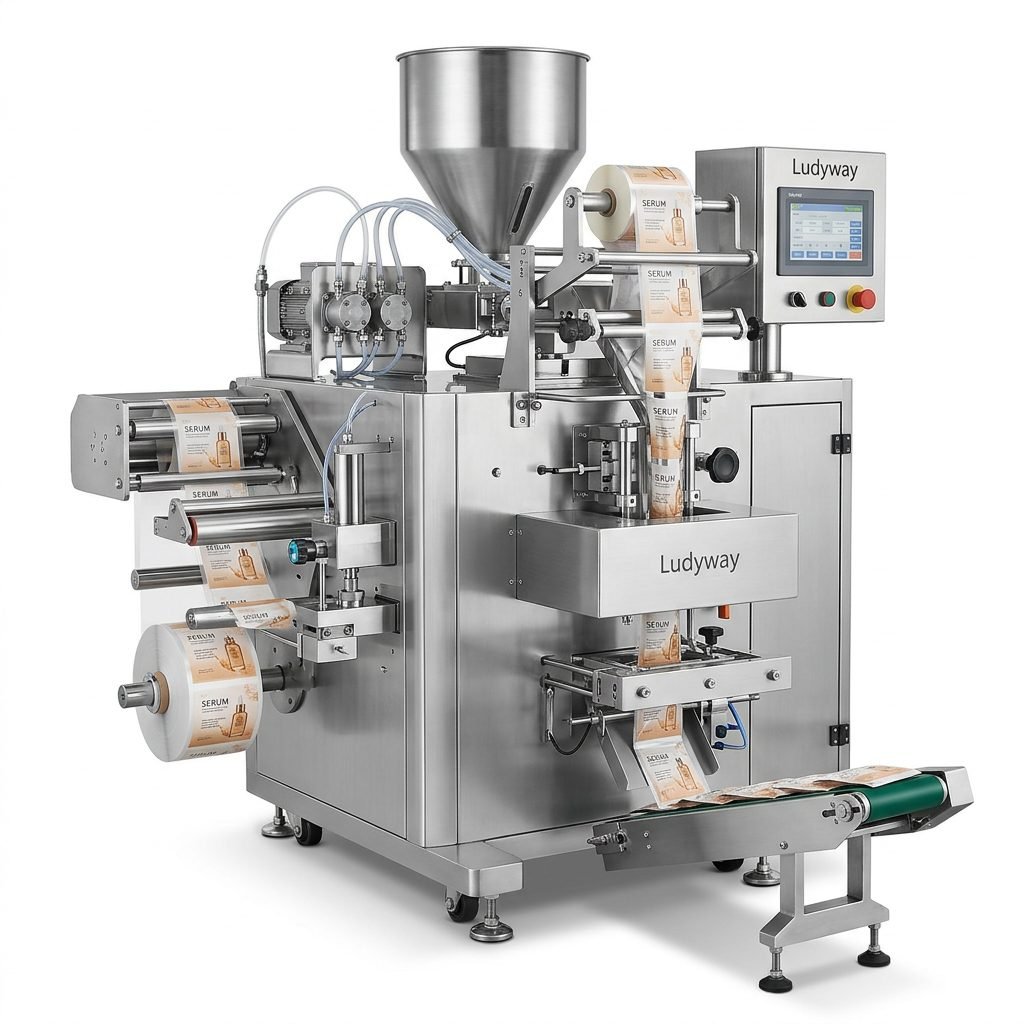
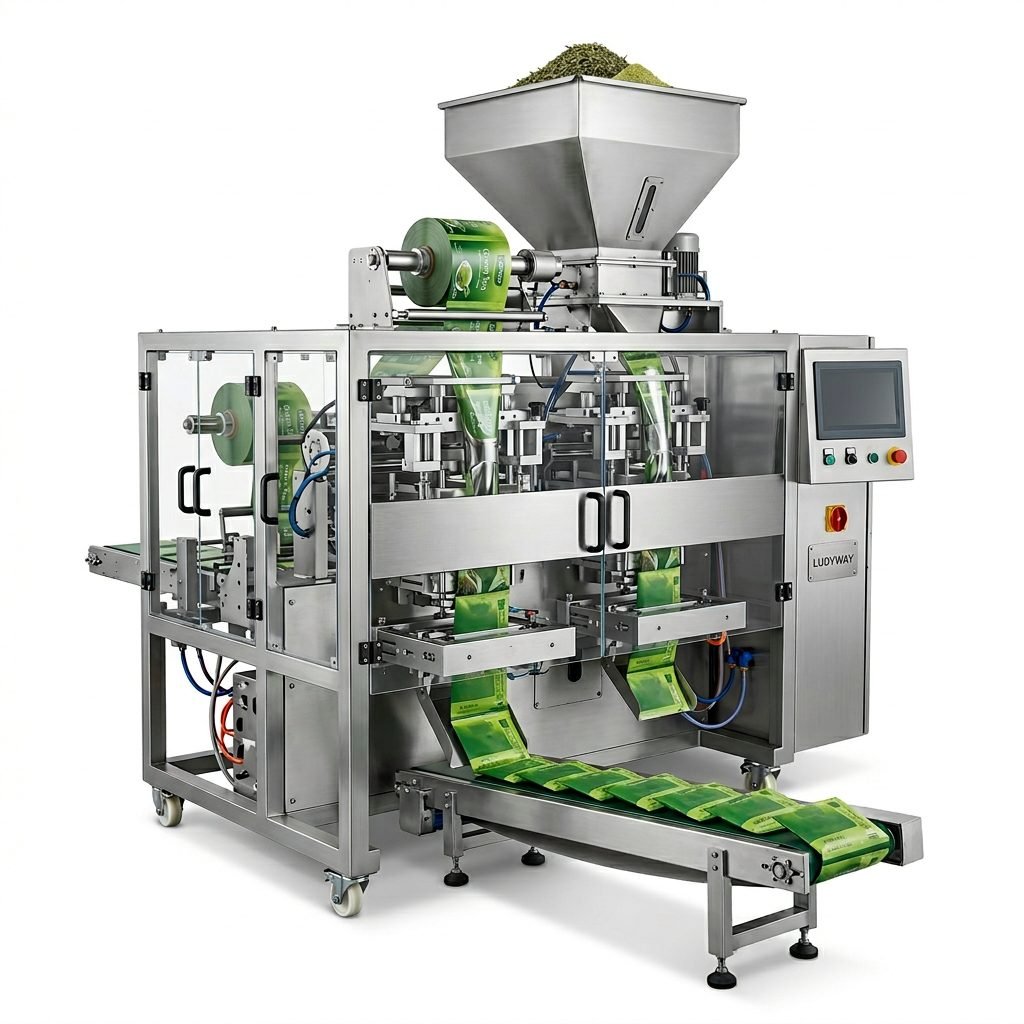
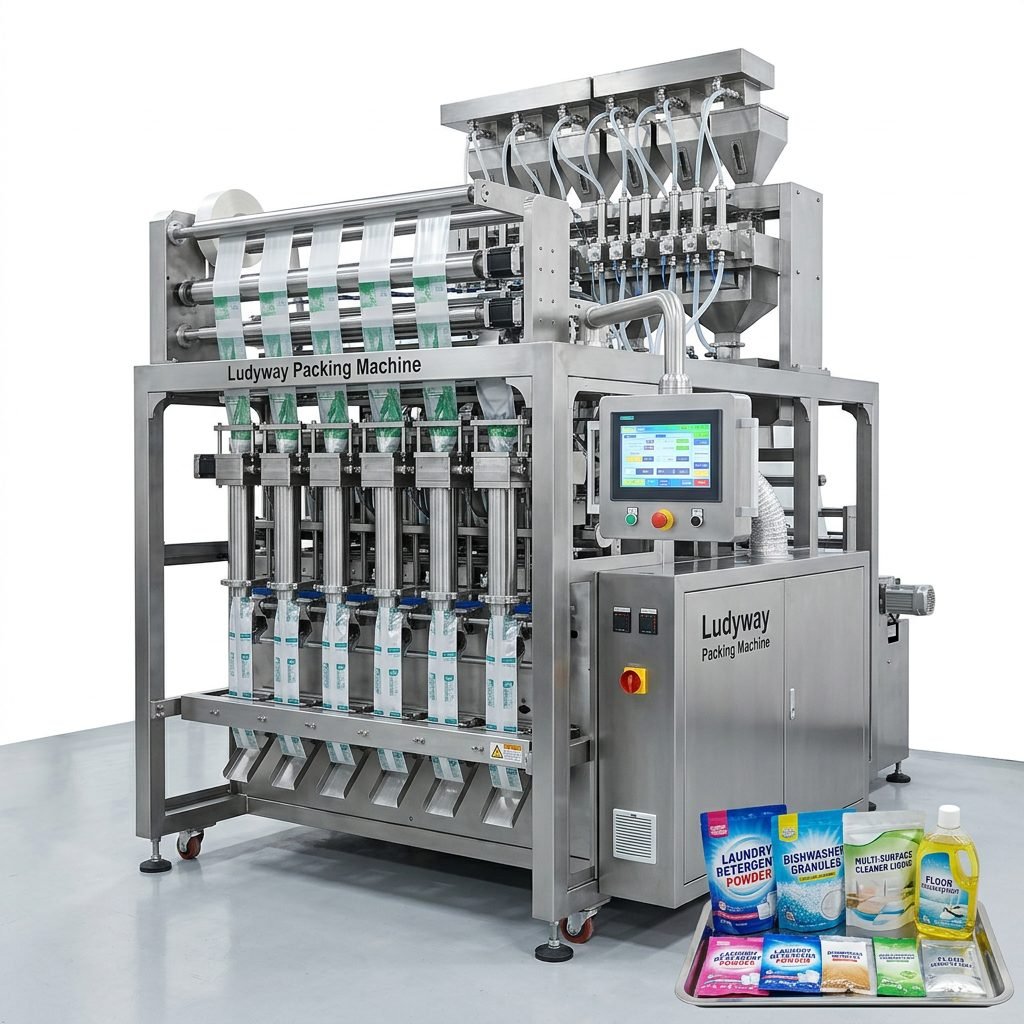
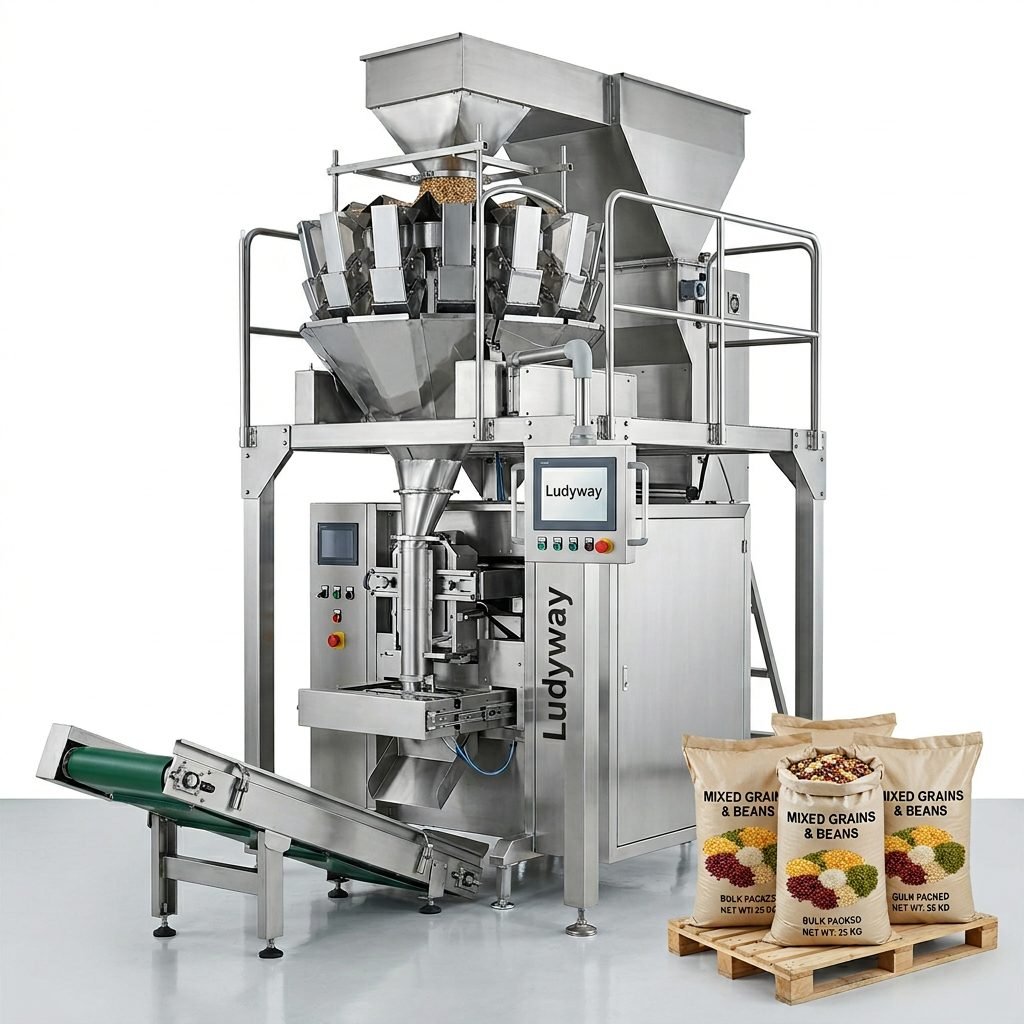
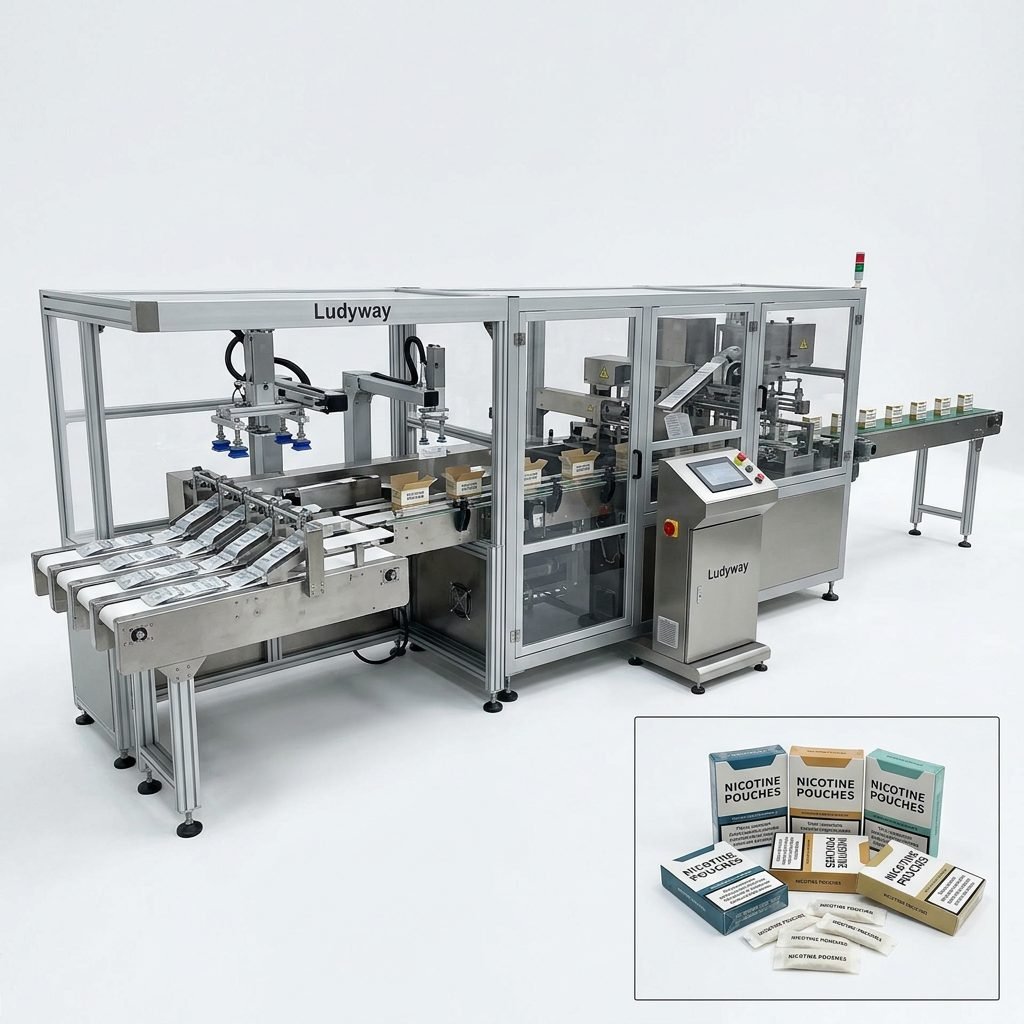
Investing in a retort pouch packaging machine is a significant decision for food manufacturers, pharmaceutical companies, and other industries requiring shelf-stable products. Retort pouches offer advantages over traditional cans and jars — they are lightweight, reduce shipping costs, and provide excellent shelf life. However, selecting the right equipment requires careful evaluation of your production needs, product characteristics, and long-term operational goals.
This guide walks you through the essential factors to consider, helping you make an informed purchasing decision that aligns with your manufacturing requirements and budget.
Understanding Retort Pouch Packaging Technology
Retort packaging involves filling a flexible pouch with product, sealing it, and then subjecting the sealed pouch to high-pressure steam or hot water sterilization. This process eliminates microorganisms and extends shelf life without refrigeration. The retort pouch packaging machine must handle the entire process — from pouch forming or loading, through filling and sealing, to preparing pouches for the retort sterilization stage.
Modern retort pouch machines are designed to work with multi-layer laminated films that can withstand temperatures typically ranging from 116°C to 135°C (240°F to 275°F). These machines must maintain consistent seal integrity throughout production, as any compromise in the seal can lead to contamination and product spoilage. According to industry resources from the Flexible Packaging Association, the demand for retort flexible packaging continues to grow across multiple market segments.
Key Factors to Evaluate Before Purchasing
1. Production Capacity and Speed Requirements
One of the first considerations is your required output. Retort pouch machines range from semi-automatic models producing 20-30 pouches per minute to fully automated high-speed lines capable of over 120 pouches per minute. Calculate your daily production targets and account for future growth. Over-investing in capacity that exceeds your needs can strain your budget, while under-investing creates bottlenecks.
2. Pouch Format and Size Flexibility
Retort pouches come in various formats — stand-up pouches, flat pouches, spouted pouches, and shaped pouches. Your machine should accommodate the specific pouch styles and size ranges you plan to use. Some machines offer quick-change features that allow switching between different pouch sizes with minimal downtime. Consider whether you need a machine dedicated to a single format or one that provides format flexibility for multiple product lines.
3. Filling and Dosing Technology
The filling system is critical for product quality and consistency. Different products require different dosing mechanisms:
- Volumetric fillers — Ideal for free-flowing liquids and semi-liquids with consistent viscosity
- Auger fillers — Best suited for powders and fine granules requiring precise weight control
- Piston fillers — Recommended for thick pastes, sauces, and products with particulates
- Multi-head weighers — Excellent for solid pieces, chunks, and irregular products
- Liquid pumps — Designed for water-thin to medium-viscosity liquids
4. Seal Integrity and Quality Control
Seal integrity is non-negotiable in retort packaging. Look for machines equipped with temperature-controlled sealing jaws, pressure monitoring systems, and visual inspection capabilities. The best machines incorporate real-time seal quality verification that detects defects before pouches enter the retort process. According to PMMI packaging industry intelligence, automated inspection systems are becoming standard in modern packaging lines.
5. Material Compatibility and Sustainability
Your machine must be compatible with the retort-grade packaging materials you intend to use. These typically include multi-layer structures combining polyester, aluminum foil, nylon, and polypropylene. With increasing focus on sustainability, some manufacturers are developing recyclable retort pouch structures. Verify that your chosen machine can run these newer materials effectively before committing.
Comparing Machine Types: A Quick Reference
| Machine Type | Best For | Speed Range | Investment Level |
|---|---|---|---|
| Semi-Automatic Single-Lane | Small batches, startups, R&D | 15-30 ppm | Low to Moderate |
| Automatic Single-Lane | Medium production, multiple SKUs | 30-60 ppm | Moderate |
| Multi-Lane High-Speed | High-volume, single-product focus | 80-150+ ppm | High |
| Rotary Continuous Motion | Premium products, consistent size | 60-120 ppm | High to Premium |
| Turnkey Integrated Line | Complete production, large operations | Custom configured | Premium |

Essential Technical Specifications to Evaluate
When comparing different retort pouch packaging machines, pay close attention to these technical parameters that directly impact performance and reliability:
- Sealing temperature range and control accuracy — Precise temperature control ensures consistent seals across production runs
- Pouch handling mechanism — Vacuum suction, mechanical grippers, or belt-driven systems each have different reliability profiles
- Frame construction material — Stainless steel construction is essential for food-grade and washdown environments
- Control system and HMI interface — Modern touchscreen interfaces with recipe management simplify operation
- Changeover time between formats — Quick-change designs minimize downtime during product transitions
- Integration capabilities — Compatibility with upstream and downstream equipment including retorts, conveyors, and cartoning machines
- Compliance certifications — Verify CE, UL, or other relevant certifications for your target market. Refer to ISO packaging standards for guidance on international requirements.
Regulatory Compliance and Food Safety
For food and pharmaceutical applications, your packaging machinery must support compliance with applicable regulations. The FDA food packaging and food contact substances requirements establish guidelines for materials and processes that come into contact with consumable products. Ensure your machine supplier can provide documentation supporting regulatory compliance for your target markets.
Questions to Ask Potential Machine Suppliers
Before finalizing your purchase, ask suppliers these critical questions to evaluate their equipment and support capabilities:
- What is the demonstrated seal integrity rate for products similar to yours?
- Can the machine be factory-tested with your actual product and packaging materials?
- What is the typical lead time for machine delivery and installation?
- What training and technical support is included after installation?
- Is there a local service network or remote diagnostic capability available?
- What spare parts are recommended to keep on hand, and what is the availability timeline?
- Does the supplier offer turnkey integration with retort sterilization equipment?
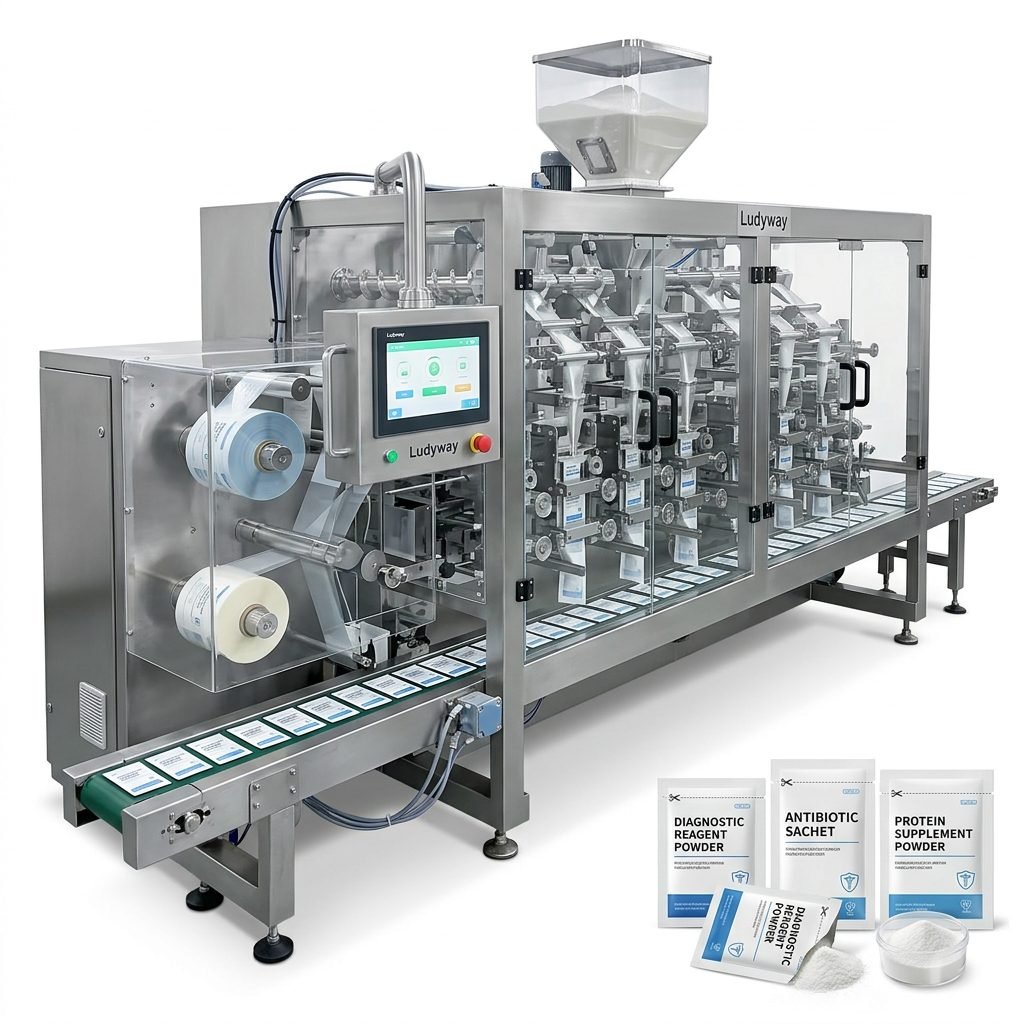
Total Cost of Ownership Considerations
The purchase price is only one component of the total investment. Evaluate the total cost of ownership by considering these additional factors:
- Energy consumption — More efficient machines reduce ongoing operational costs
- Maintenance requirements — Frequency of preventive maintenance and complexity of repairs
- Spare parts availability and cost — Quick access to parts minimizes production downtime
- Film waste rates — Machines with lower material waste contribute to long-term savings
- Operator training costs — User-friendly interfaces reduce training time and operator errors
Future-Proofing Your Investment
The packaging industry continues to evolve with trends toward automation, digital connectivity, and sustainability. The PMMI 2026 State of the Industry report highlights key trends shaping packaging machinery investments. When selecting a retort pouch packaging machine, consider whether the equipment can accommodate future needs — such as new pouch formats, recyclable material structures, or integration with smart factory systems featuring IoT-enabled monitoring and predictive maintenance capabilities.

Choosing the Right Manufacturing Partner
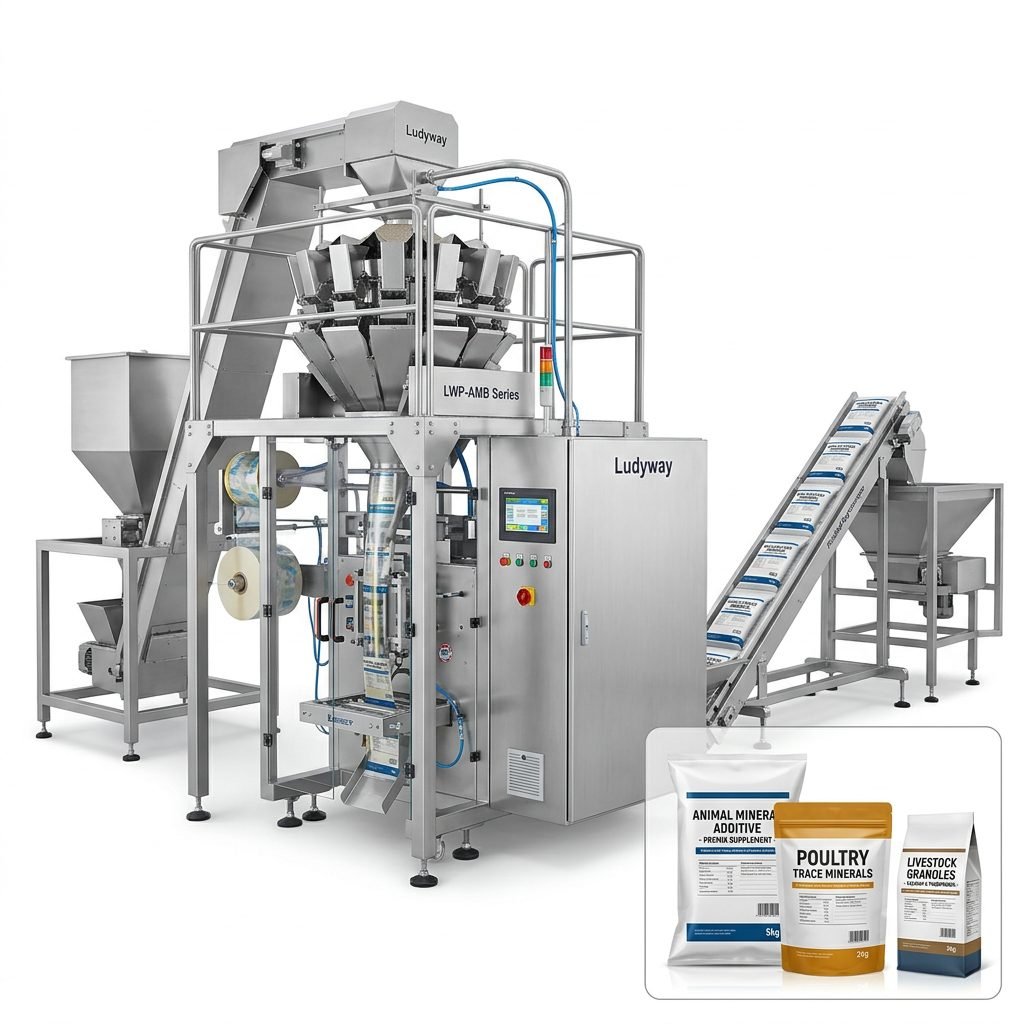
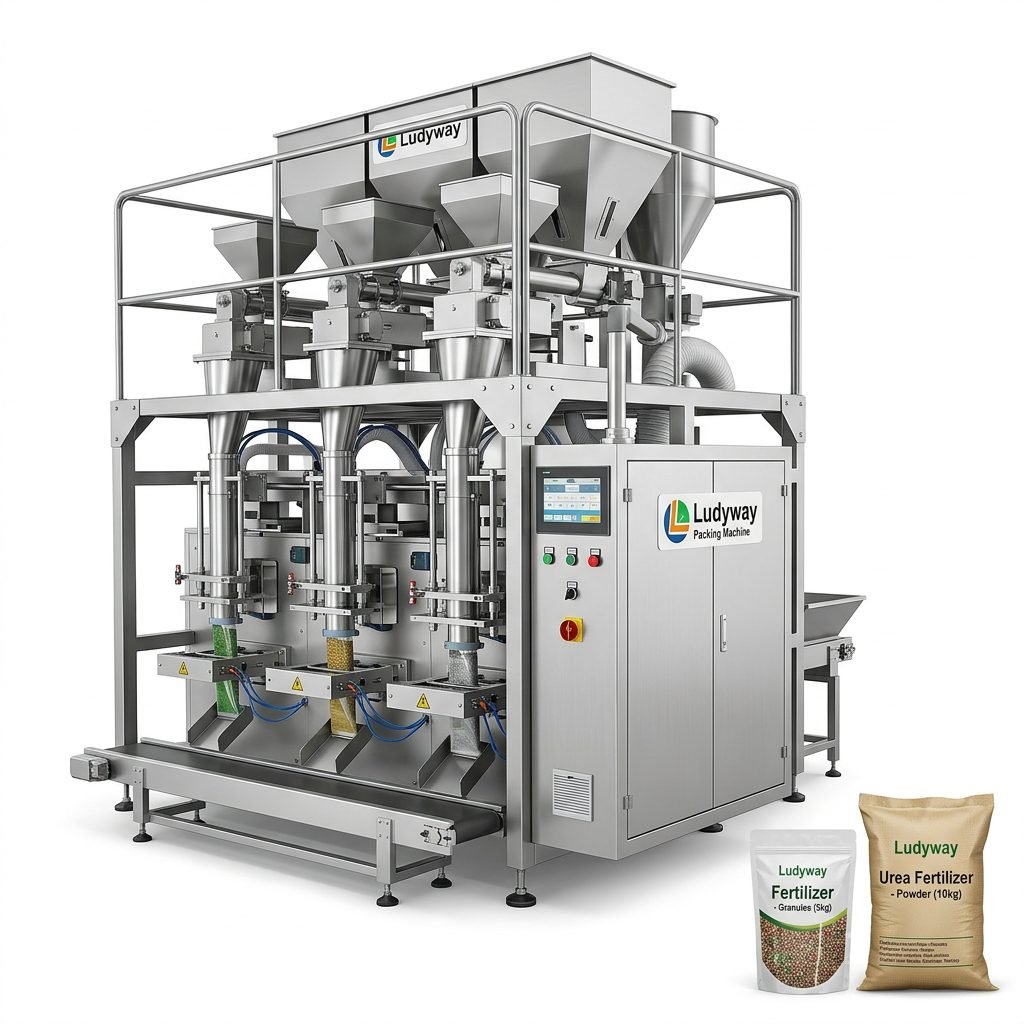
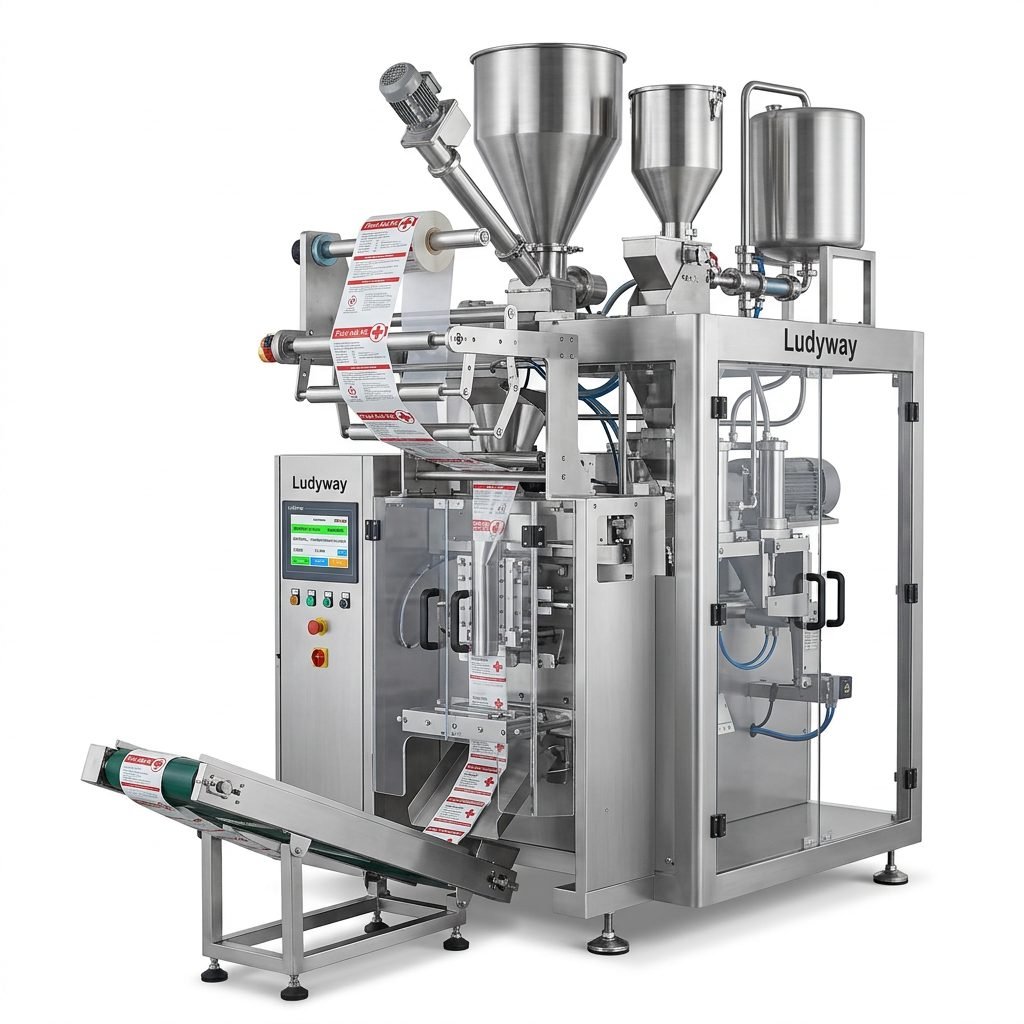
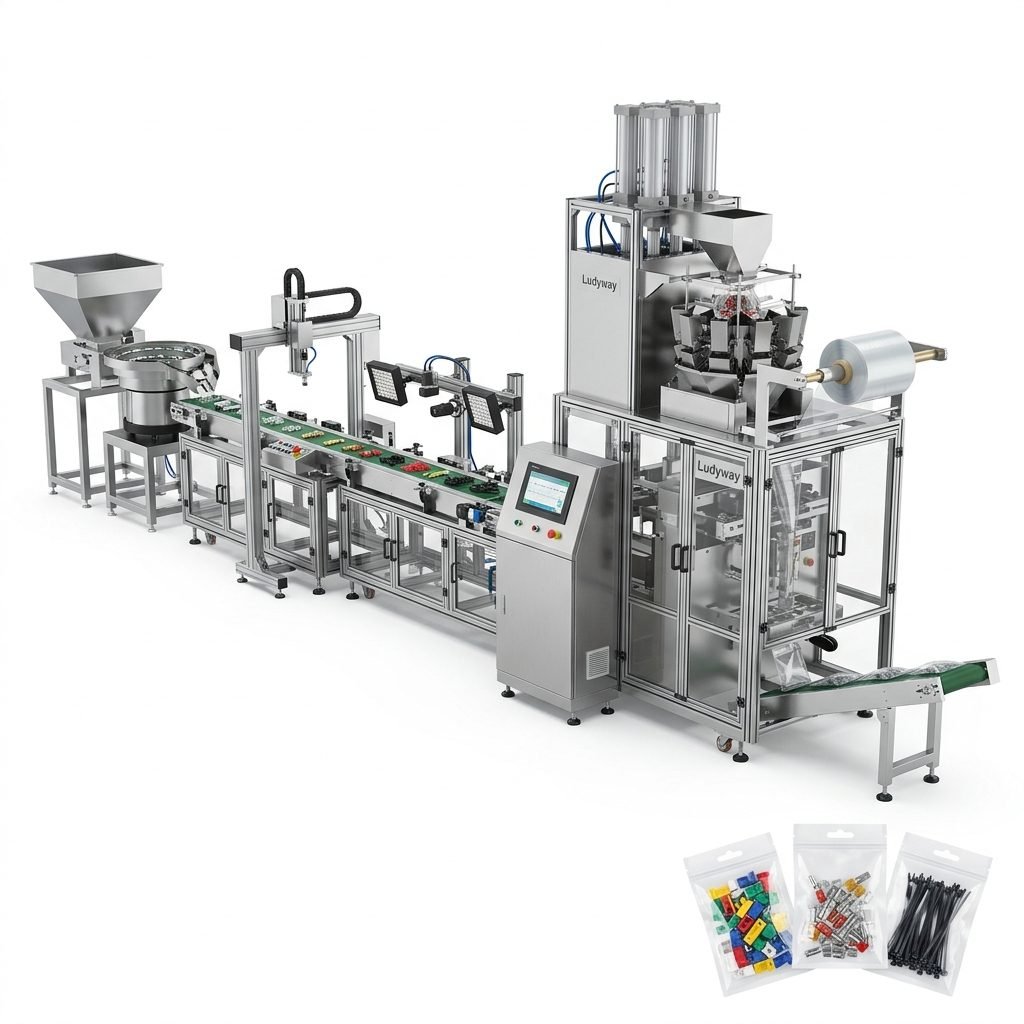
Beyond the machine specifications, the quality and reliability of your equipment supplier significantly impacts your long-term success. Look for manufacturers with a proven track record, comprehensive after-sales support, and the engineering capability to customize solutions for your specific requirements. For instance, Ludyway Machinery is a China-based packaging machinery manufacturer with more than 30 years of experience, offering automated packaging equipment and integrated solutions across food, pharmaceutical, and industrial sectors. Evaluating a supplier’s manufacturing capabilities, engineering expertise, and global service network helps ensure reliable support throughout your machine’s lifecycle.
Making the Final Decision
Selecting the right retort pouch packaging machine requires balancing multiple factors — production capacity, product compatibility, seal quality, regulatory compliance, and total cost of ownership. Start by clearly defining your current and projected production requirements. Research multiple suppliers, request product trials with your actual materials, and thoroughly evaluate after-sales support commitments. The right machine, paired with a reliable manufacturing partner, will serve as a cornerstone of your production operation for years to come.
Key takeaways for your purchasing decision:
- Match machine capacity to current and projected production volumes
- Verify compatibility with your specific pouch formats and materials
- Prioritize seal integrity and quality control features
- Evaluate total cost of ownership, not just purchase price
- Choose a supplier with proven expertise and reliable global support
- Ensure the machine can adapt to future packaging trends and material innovations