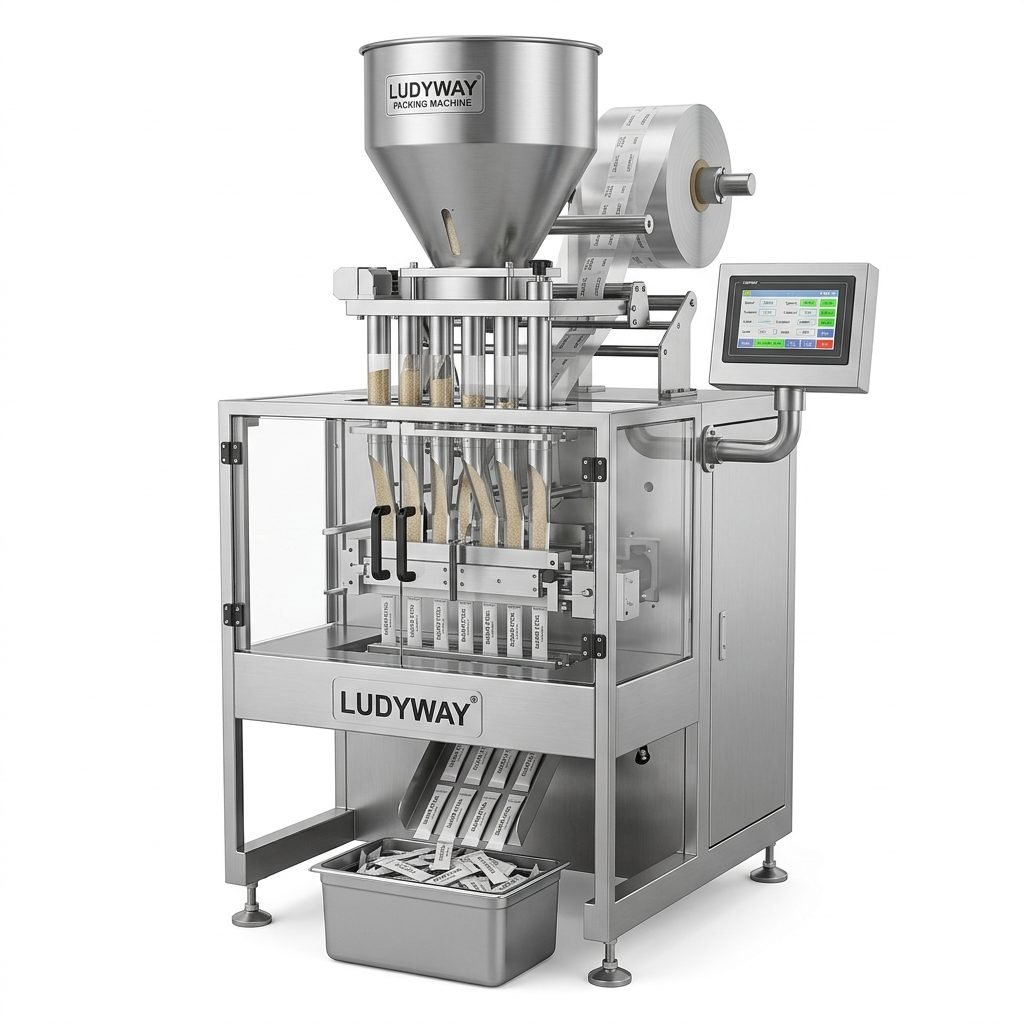
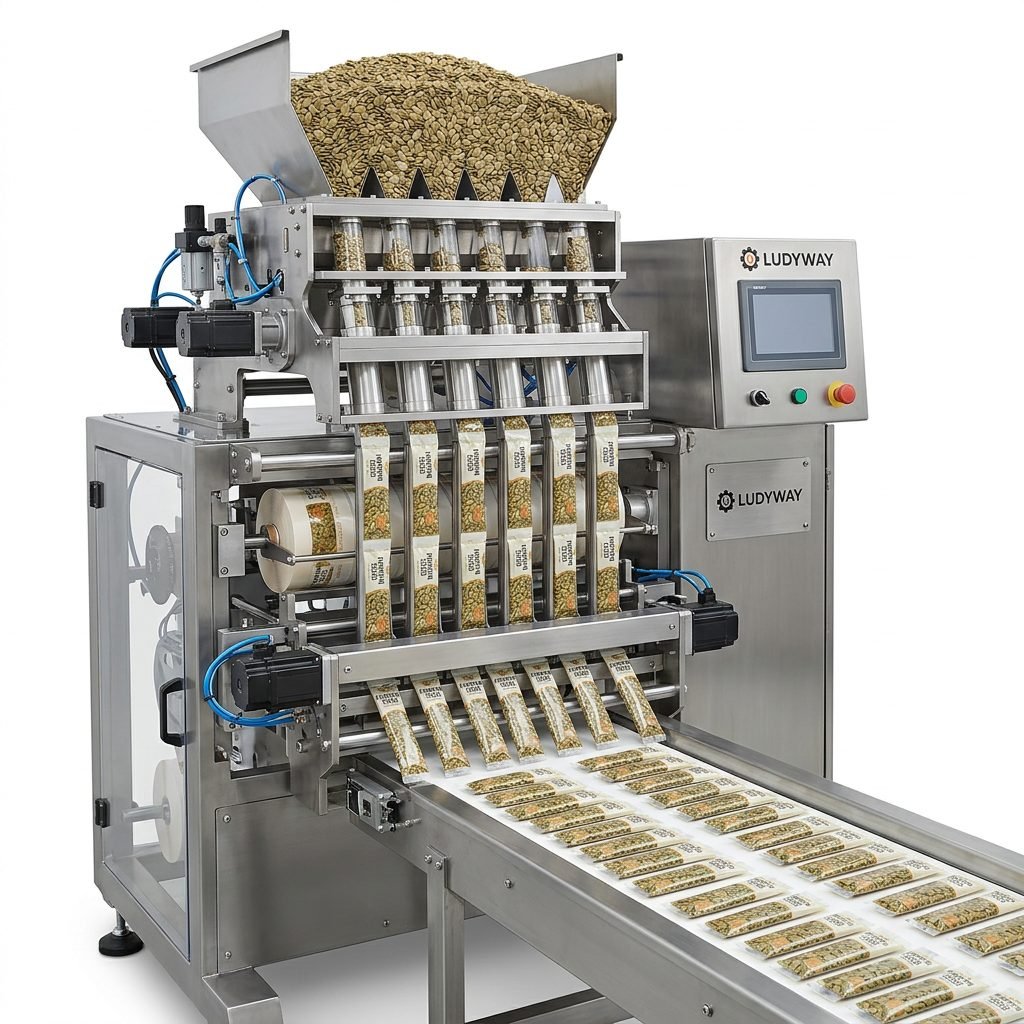
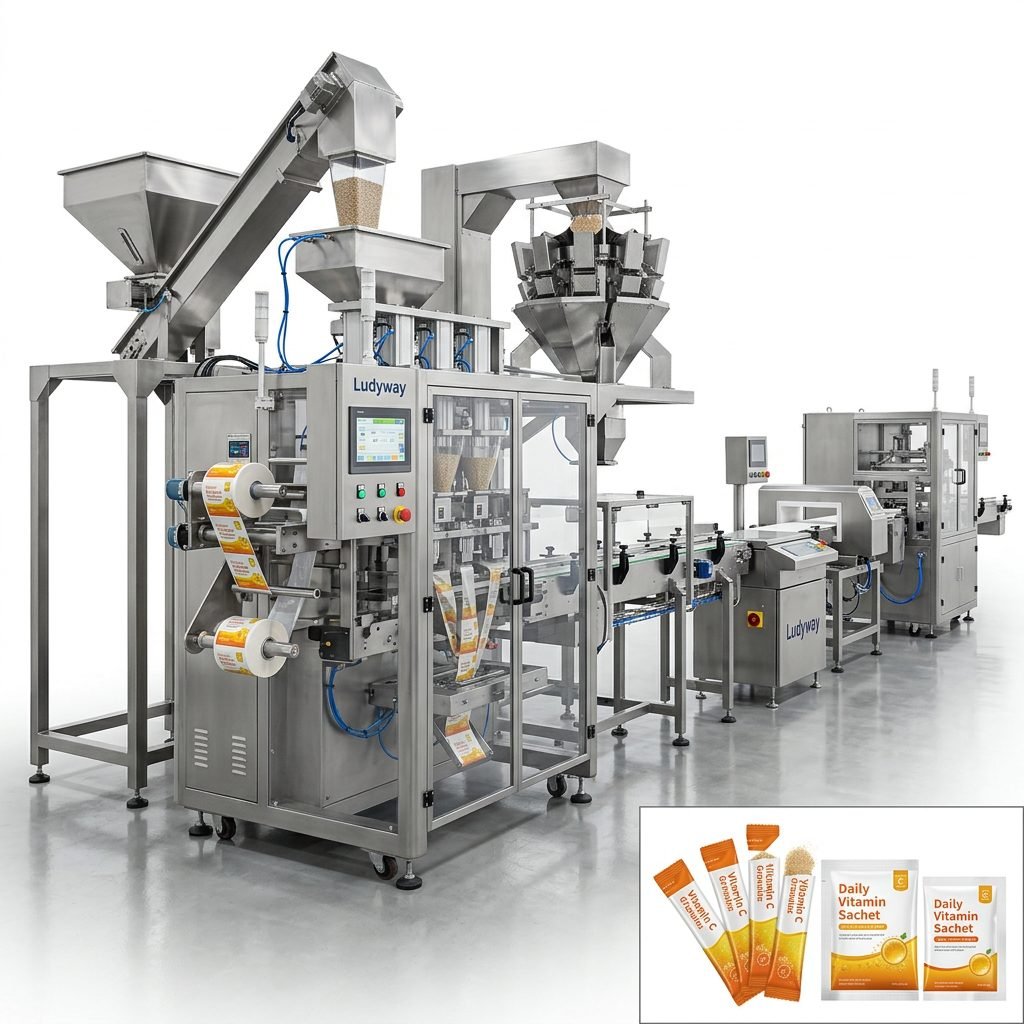
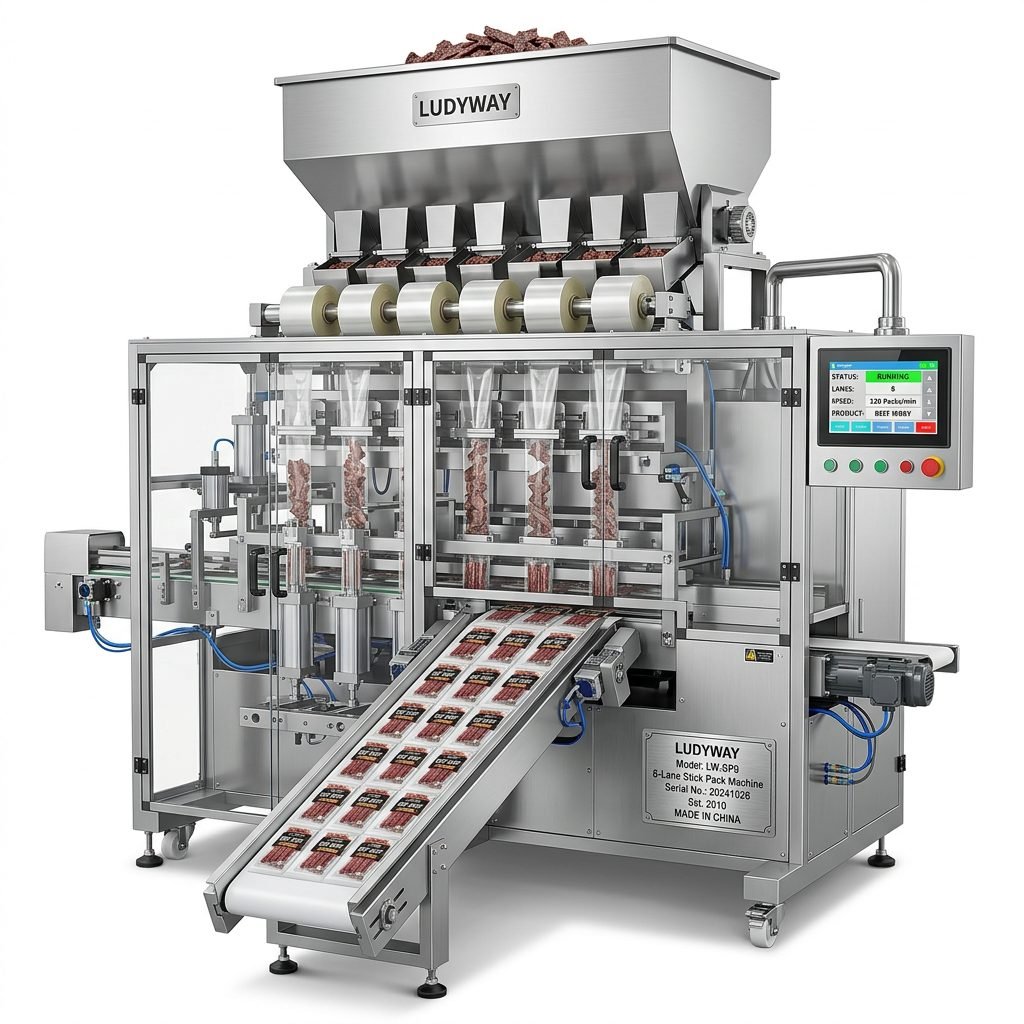
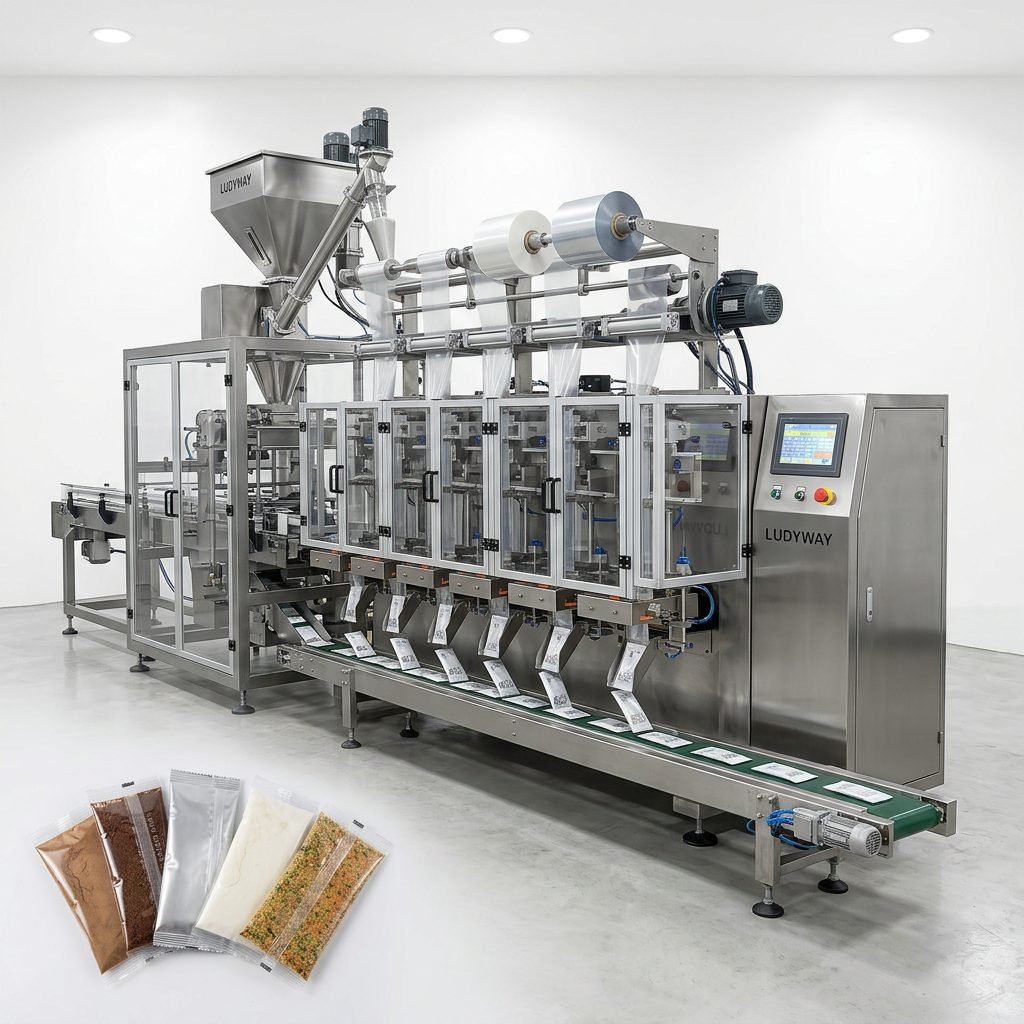
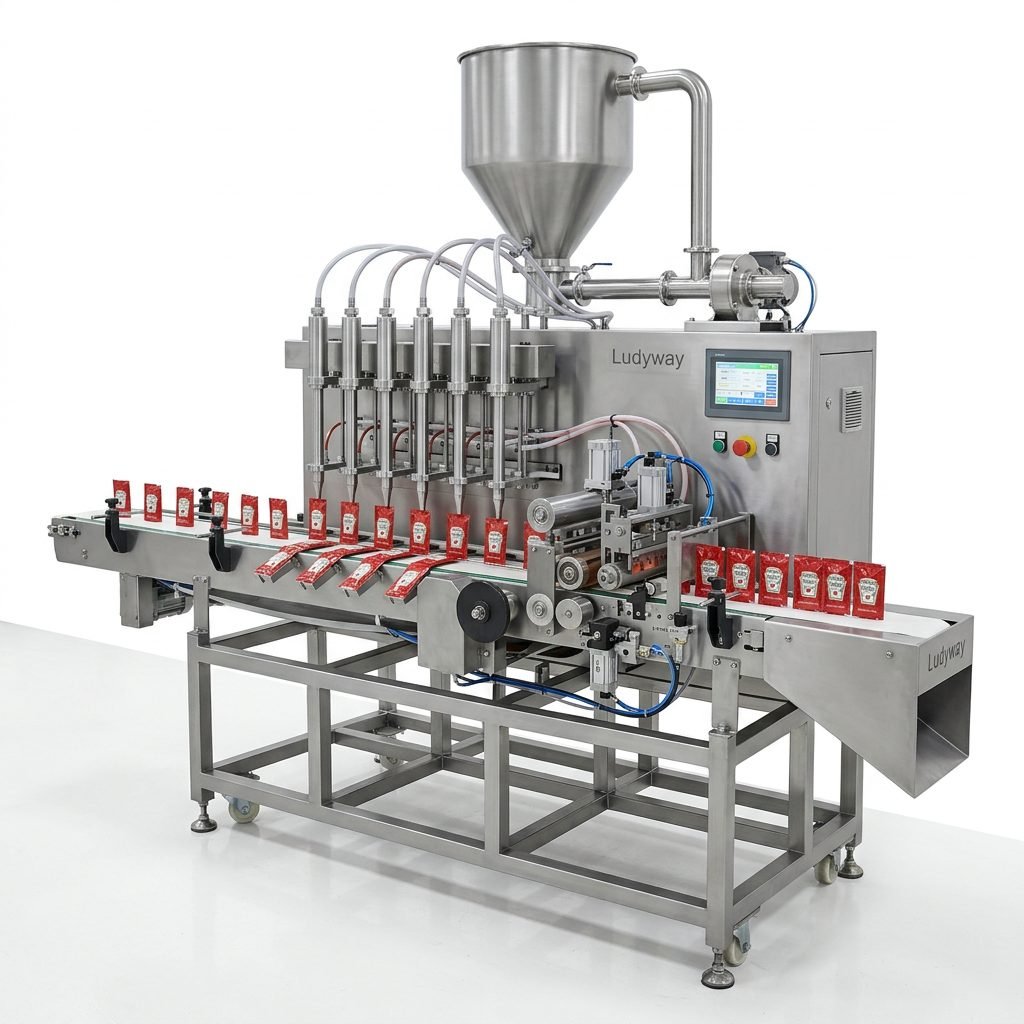
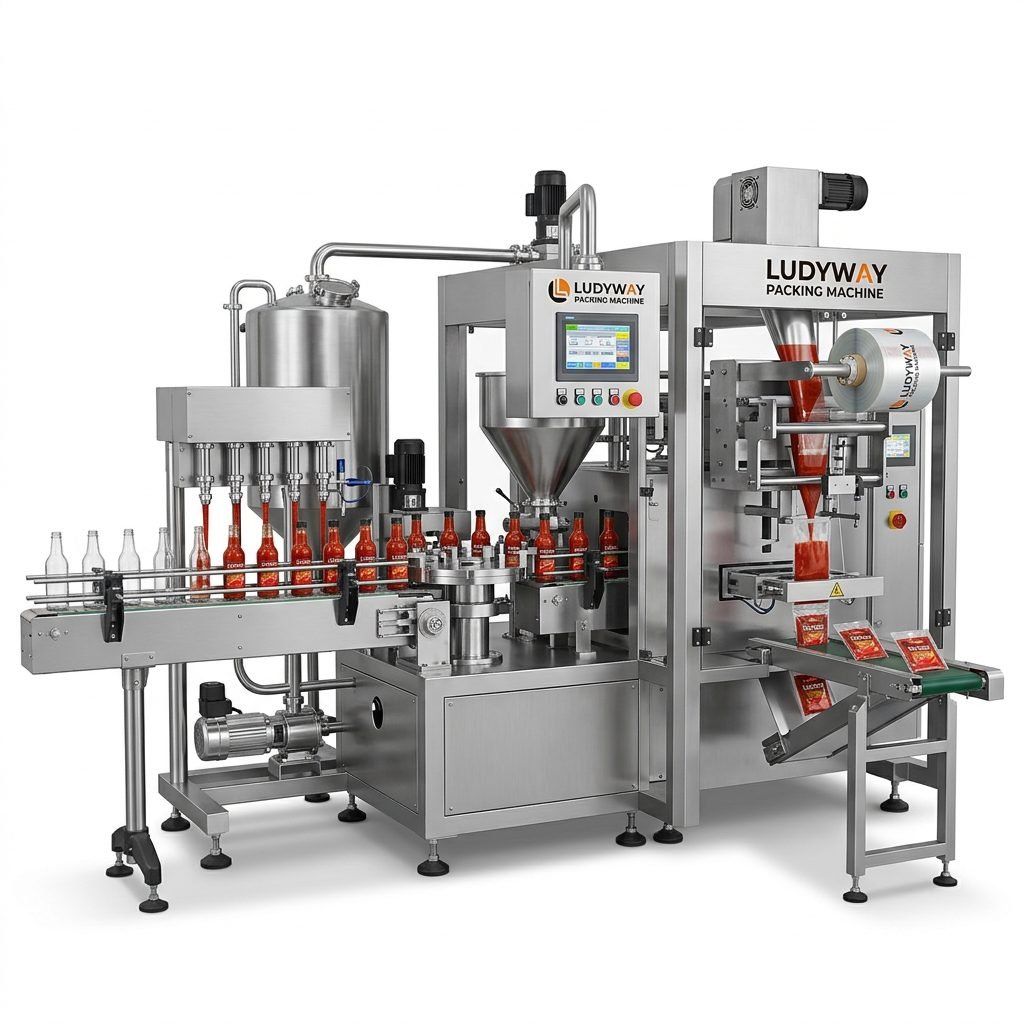
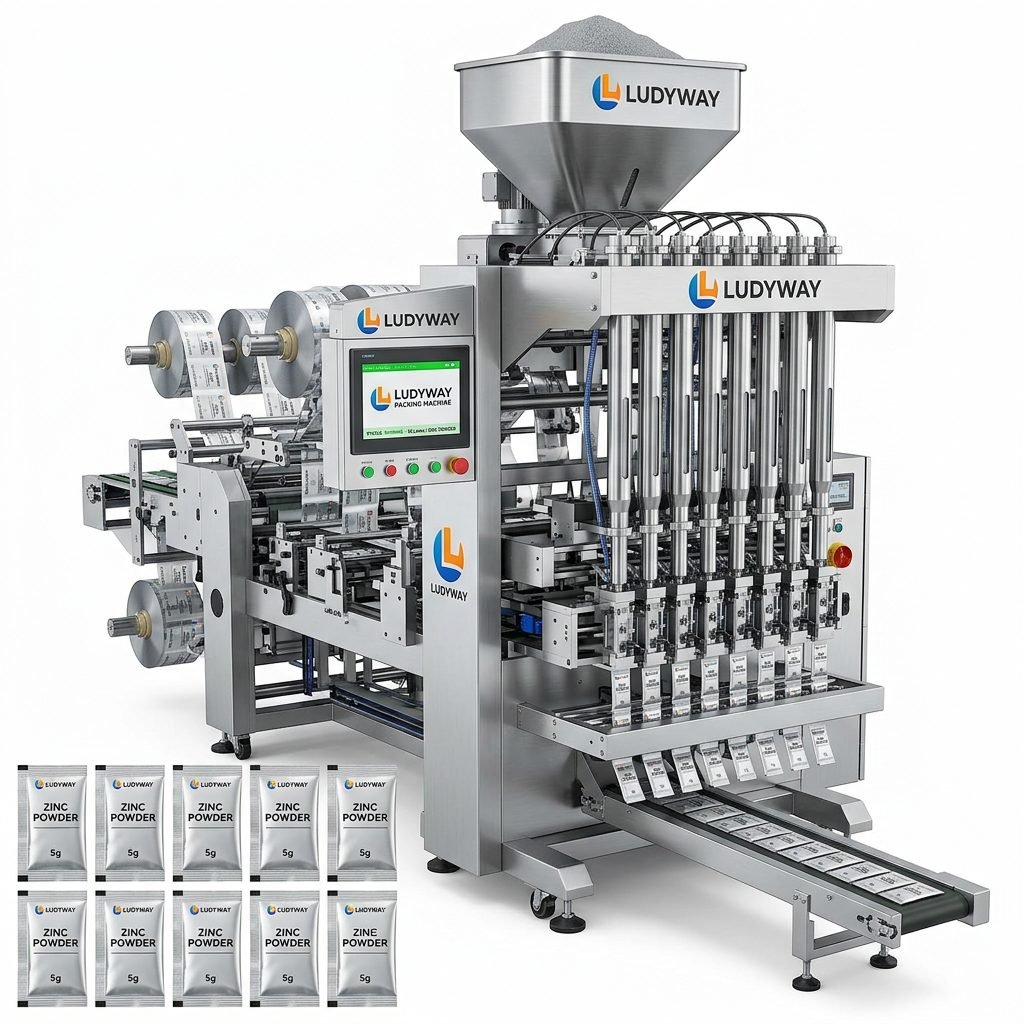
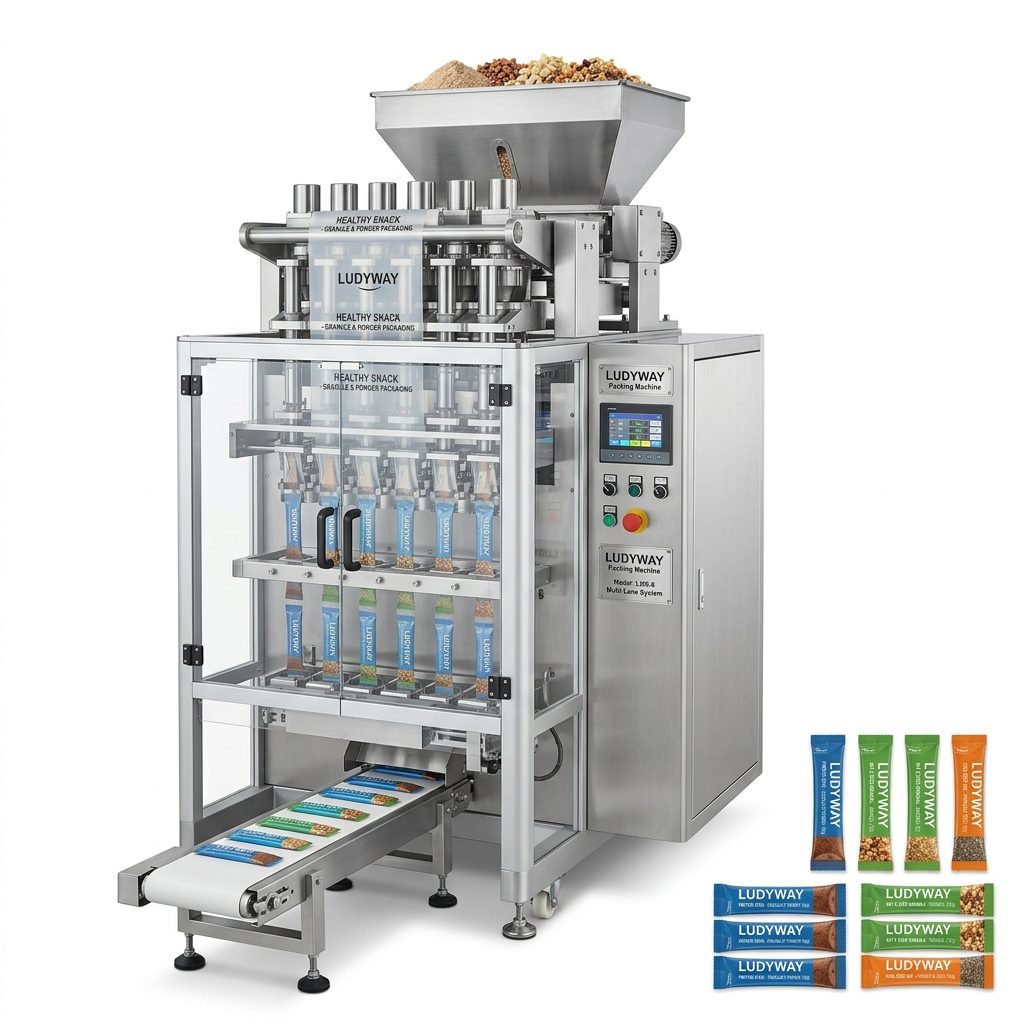
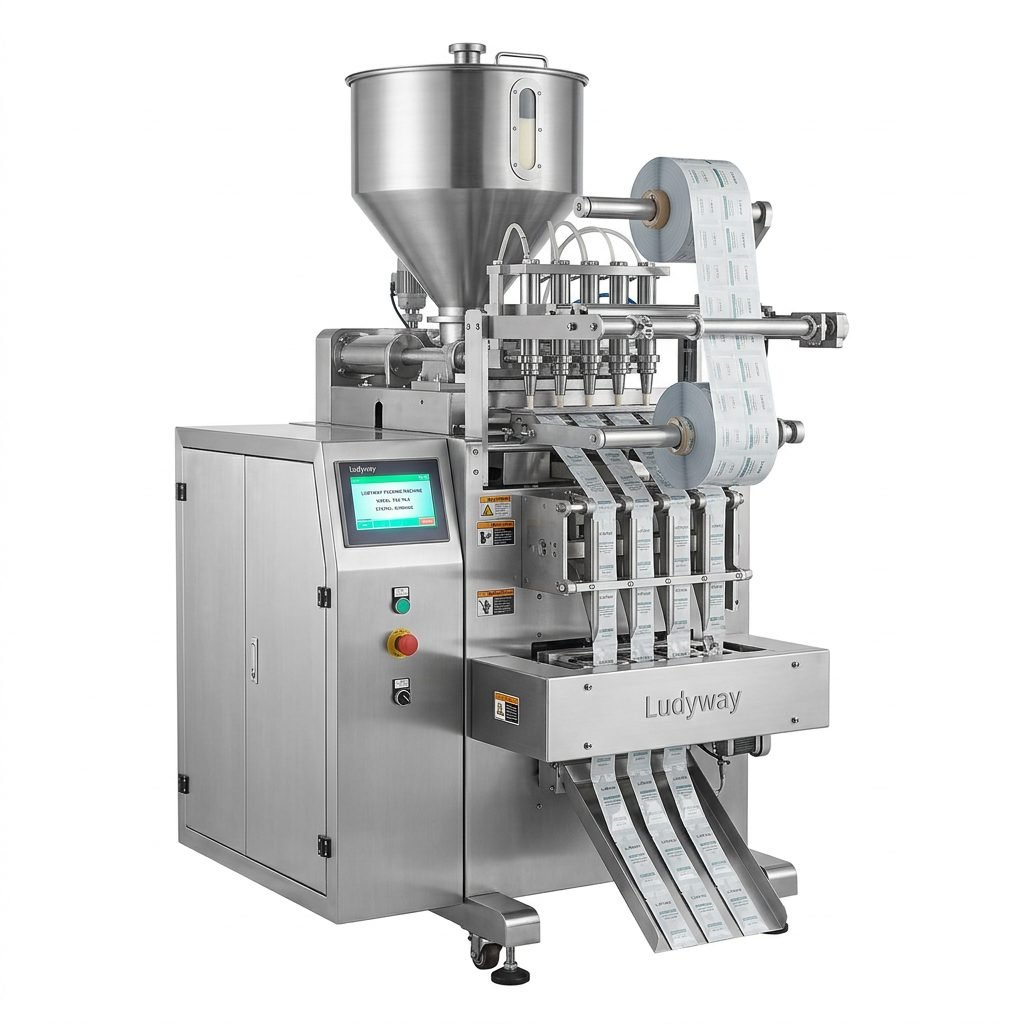
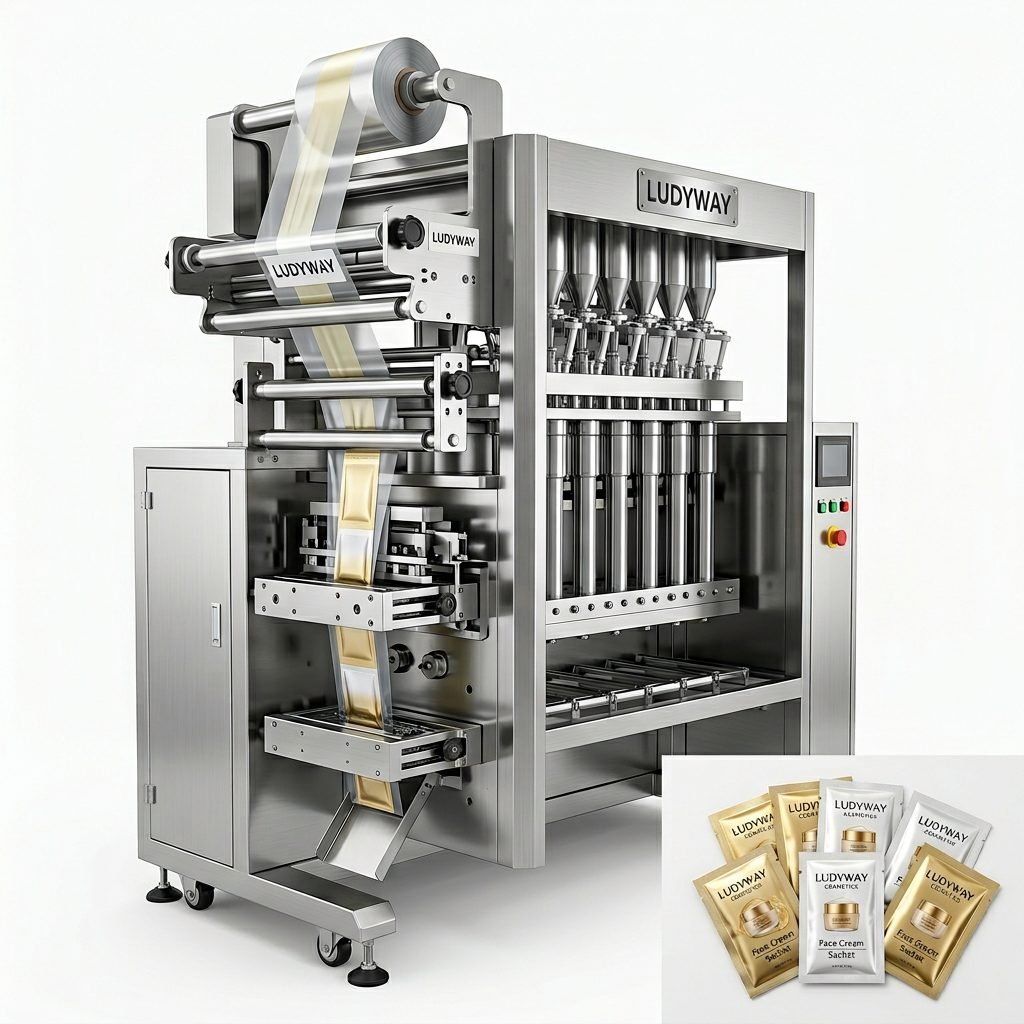
Investing in a small sugar packing machine is a critical decision for any food manufacturer, bakery, or contract packager. Whether you are transitioning from manual weighing to automation or upgrading an existing line, the right equipment directly impacts production efficiency, filling accuracy, and long-term profitability. With dozens of models, configurations, and technologies available, narrowing down the options can feel overwhelming. This guide walks you through every essential factor to evaluate before making your purchase.
Understanding Your Production Requirements
Before comparing machine specifications, you must define your operational baseline. Start by calculating your current and projected daily packaging volume. A small bakery producing 500 sachets per day has vastly different requirements from a co-packer running 50,000 stick packs per shift.
- Target output speed: Measured in packs per minute (ppm). Entry-level machines may run 30–60 ppm, while high-speed multi-lane packaging systems can exceed 400 ppm.
- Package format: Stick packs, sachets, pillow bags, or gusseted pouches — each format requires specific forming, filling, and sealing mechanisms.
- Filling weight range: Small sugar machines typically handle 1g to 50g per pack, but you need precise confirmation of the minimum and maximum fill volumes.
- Shift patterns: Continuous 24/7 operation demands industrial-grade components, while intermittent use allows for more economical configurations.
Filling Technology: Volumetric vs. Auger vs. Multi-Head Weigher
The dosing system is the heart of any sugar packaging machine. Choosing the wrong filling technology leads to inconsistent weights, product waste, and customer complaints. Three primary technologies dominate the market:
| Filling Type | Best For | Accuracy | Speed Potential | Cost Level |
|---|---|---|---|---|
| Volumetric Cup Filler | Free-flowing granulated sugar, consistent density | ±1–2% | High | Low |
| Auger Filler | Powdered sugar, icing sugar, non-free-flowing products | ±0.5–1% | Medium-High | Medium |
| Multi-Head Weigher | Premium applications, maximum accuracy, mixed products | ±0.1–0.5% | Very High | High |
For standard granulated sugar, volumetric cup fillers deliver excellent speed-to-cost ratios. However, if you package powdered or caster sugar with variable bulk density, auger fillers provide better consistency. Multi-head weighers represent the premium tier, ideal for high-value sugar products where every gram matters.
Machine Configuration: Single-Lane vs. Multi-Lane Systems
One of the most important architectural decisions is choosing between single-lane and multi-lane configurations. This choice fundamentally determines your output capacity and floor space requirements.
Single-Lane Machines
A single-lane machine produces one pack per cycle. These compact systems are easier to operate, maintain, and integrate into existing production spaces. They typically achieve speeds of 30–80 packs per minute and suit small to medium-scale operations. The smaller footprint and lower acquisition cost make them popular entry points for first-time automation buyers.
Multi-Lane Machines
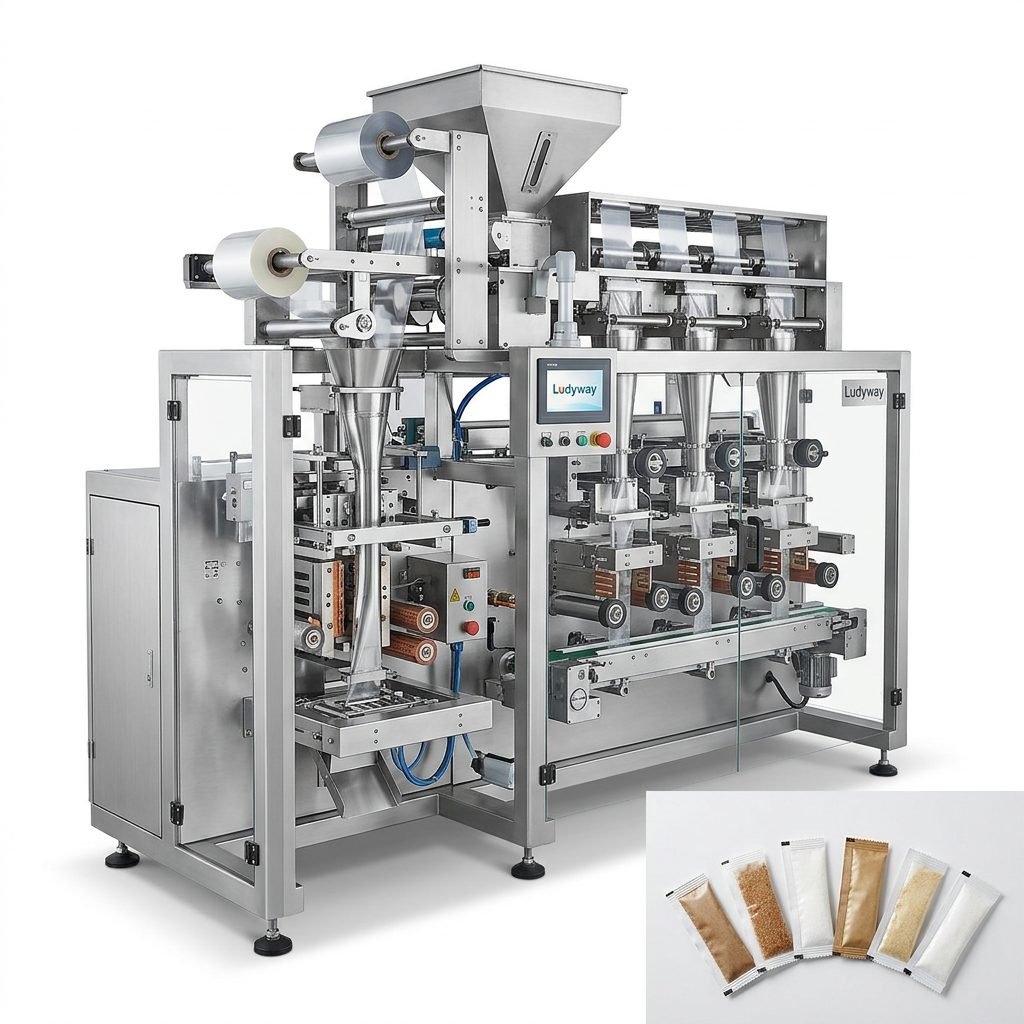
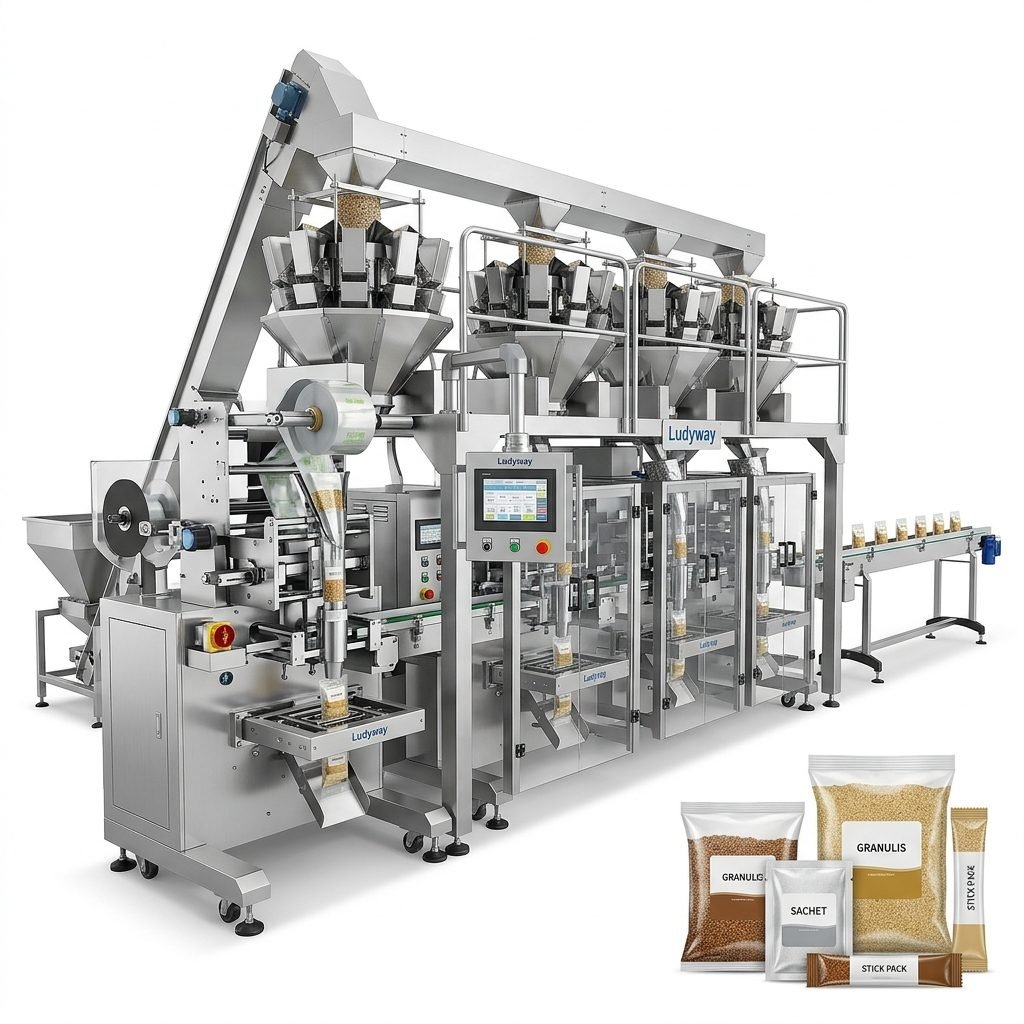
Multi-lane systems run 2 to 16 lanes simultaneously, multiplying output without proportionally increasing floor space. A 4-lane machine can produce up to 400 packs per minute, making it the preferred choice for high-volume sugar packaging operations. Multi-lane equipment requires more sophisticated film tracking, sealing, and cutting mechanisms. According to PMMI packaging machinery market research, multi-lane systems represent the fastest-growing segment in the flexible packaging equipment market due to their productivity advantages.
Packaging Material Compatibility
Your choice of packaging film directly affects machine selection, product shelf life, and consumer appeal. Small sugar packing machines must be compatible with the film structures you intend to use. Common materials include:
- Laminated films: PET/PE, BOPP/CPP, or PET/Aluminum/PE for moisture and oxygen barrier properties.
- Paper-based laminates: Often used for stick packs in the foodservice industry.
- Biodegradable films: PLA-based or other compostable materials — verify heat-sealing temperature ranges and slip characteristics.
Verify the machine’s sealing temperature range, dwell time adjustability, and jaw design against your intended film specifications. Machines with servo-driven sealing jaws offer programmable pressure and temperature profiles, which proves invaluable when running multiple film types. The Flexible Packaging Association provides detailed technical resources on film properties and compatibility requirements.
Automation and Control Systems
Modern small sugar packing machines integrate sophisticated PLC control systems with HMI touchscreens. Key automation features to evaluate include:
- Recipe management: Store and recall settings for different pack sizes, fill weights, and sealing parameters. Reduces changeover time by up to 60%.
- Servo-driven axes: Independent servo motors for film feeding, sealing, and cutting provide precision control and reduce mechanical wear.
- Automatic registration: Photocell-based registration ensures printed film patterns align correctly on every pack.
- Data logging and connectivity: Ethernet/IP or OPC-UA compatibility enables integration with plant-wide monitoring systems and supports Industry 4.0 initiatives.
Machines equipped with servo technology generally deliver faster changeovers, higher repeatability, and lower maintenance requirements compared to mechanically driven alternatives. The initial cost premium is often recovered within the first year through reduced downtime and material waste.
Construction and Hygiene Considerations
For food-grade sugar packaging, stainless steel construction is not optional — it is mandatory. Look for machines built with AISI 304 or 316 stainless steel for all product contact surfaces. Key hygiene features include:
- Tool-free disassembly: Components that can be removed without tools for cleaning and sanitation.
- Sloped surfaces: All horizontal surfaces should be sloped to prevent product accumulation.
- IP65 or higher rated electronics: Protection against dust and washdown procedures.
- Dust extraction ports: Sugar dust is hygroscopic and can jam mechanical components; integrated dust management is essential for continuous operation.
If your facility follows HACCP or ISO 22000 protocols, confirm that the machine design supports your sanitation standard operating procedures. Certification documentation should be available from the manufacturer, referencing applicable ISO packaging standards.

Integration with Upstream and Downstream Equipment
A small sugar packing machine rarely operates in isolation. Evaluate how the equipment integrates with your broader production ecosystem:
- Upstream: Feeding systems such as Z-type bucket elevators, vacuum conveyors, or screw feeders must deliver consistent product flow without bridging or segregation.
- Downstream: Checkweighers, metal detectors, date coders, cartoners, and case packers form a complete packaging line. Confirm communication protocols and physical interfaces.
- Line control: A centralized line controller that manages speed synchronization across all modules prevents bottlenecks and product accumulation.
Manufacturers offering turnkey packaging solutions can provide pre-engineered lines where all modules are designed to work together. This approach simplifies project management, reduces integration risk, and provides a single point of accountability.
Total Cost of Ownership Analysis
The purchase price of a small sugar packing machine is only one component of its total cost. A comprehensive total cost of ownership (TCO) analysis should include:
| Cost Category | Typical Share of TCO | Key Considerations |
|---|---|---|
| Equipment Acquisition | 40–55% | Base machine, options, tooling, freight, installation |
| Packaging Materials | 20–30% | Film consumption rate, waste percentage, material price volatility |
| Maintenance and Spare Parts | 8–12% | Preventive maintenance schedule, wear part life, spare parts availability |
| Energy Consumption | 3–6% | Compressed air requirements, heating power, motor efficiency |
| Labor | 5–10% | Operator training, changeover time, supervision requirements |
| Downtime and Quality Losses | 5–10% | Machine reliability, give-away from inaccurate filling, rework costs |
Machines with higher initial costs often deliver lower TCO over a 5-7 year lifecycle through reduced material waste, higher uptime, and lower maintenance expenses. The PMMI 2025 State of the Industry report provides benchmarking data on packaging machinery operating costs across different equipment categories.
Supplier Evaluation Criteria
Choosing the right equipment partner is as important as selecting the right machine. Beyond technical specifications, evaluate potential suppliers on these dimensions:
- Industry experience: How many sugar or similar granule packaging installations has the supplier completed? Request references and case studies from comparable applications.
- Manufacturing capabilities: Does the supplier design and manufacture their own equipment, or do they resell third-party machines? In-house manufacturing provides better quality control and customization flexibility.
- After-sales support: Evaluate warranty terms, spare parts availability, response times for technical support, and the availability of remote diagnostic capabilities.
- Customization expertise: Sugar products vary in granule size, flow characteristics, and packaging requirements. A supplier with engineering and customization experience can tailor equipment to your specific needs rather than forcing your product to fit a standard machine.
- Global service network: If you operate facilities in multiple regions, confirm that the supplier can provide consistent support across your locations.
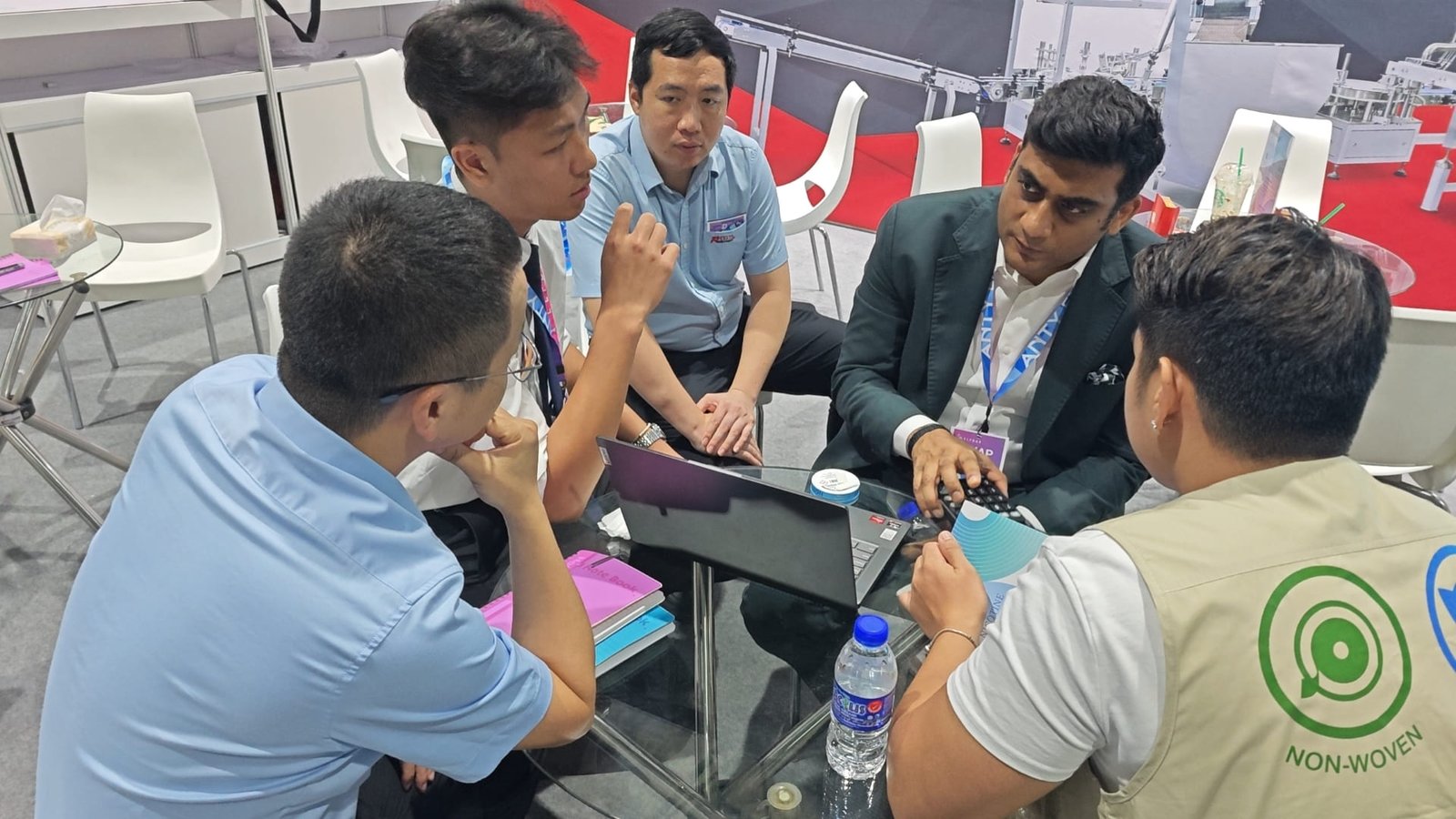
Ludyway Machinery is a China-based packaging machinery manufacturer with more than 30 years of industry experience, operating a 20,000-square-meter manufacturing facility and providing more than 50 packaging machine models. The company combines engineering, automation, and application expertise to develop integrated packaging solutions for manufacturers across food, pharmaceutical, cosmetic, and chemical industries. With an expanding global footprint serving customers in over 100 countries, Ludyway works with clients to configure equipment according to their specific product characteristics, production volumes, and packaging requirements.
Testing and Validation Before Purchase
Never purchase a small sugar packing machine without thorough testing. Structured validation should include:
- Factory Acceptance Testing (FAT): Visit the manufacturer’s facility to run your actual product on the machine. Measure output speed, fill accuracy, seal integrity, and material consumption under production-like conditions.
- Sample evaluation: Request production samples in your target packaging formats. Evaluate seal strength, print registration, cut quality, and overall package appearance.
- Material trials: Test with multiple film suppliers and structures to confirm compatibility and identify the optimal cost-performance balance.
- Durability assessment: Review the machine’s duty cycle rating, bearing specifications, and component warranties to confirm suitability for your operating schedule.
Regulatory Compliance and Documentation
Depending on your target markets, your packaging equipment may need to comply with specific regulations. Key standards to verify include:
- CE marking for European markets, covering machinery safety, electromagnetic compatibility, and relevant directives.
- FDA compliance for food contact materials and equipment used in products destined for the United States market. Review FDA food packaging regulations for applicable requirements.
- GAMP guidelines for validated pharmaceutical or nutraceutical applications.
- ISO 9001 certification of the manufacturer’s quality management system.
Request complete documentation packages including equipment manuals, electrical schematics, spare parts lists, and compliance certificates before shipment. Well-documented machines reduce commissioning time and simplify ongoing maintenance.
Making the Final Decision
After evaluating technical specifications, supplier capabilities, and total cost of ownership, synthesize your findings into a decision matrix. Prioritize criteria based on your operational requirements and assign weighted scores to each shortlisted option.
The right small sugar packing machine should deliver consistent fill accuracy, reliable operation, and flexibility to accommodate future packaging needs. While the selection process requires careful analysis, investing time upfront to evaluate all relevant factors significantly reduces the risk of costly mistakes and positions your operation for long-term packaging success.
For further technical resources, consult the PMMI packaging industry resource library and the Flexible Packaging Association knowledge hub for market data, technical standards, and industry best practices.