In the world of industrial production, packaging is the final, critical step that protects products, ensures their integrity, and presents them to the consumer. Among the various technologies available, sigma packaging equipment stands out for its versatility, reliability, and efficiency in handling a wide range of products, particularly powders and granular materials. This article delves into the different types of sigma packaging machines, explains their core working principles, and provides a comprehensive guide on selecting the right system for your specific operational needs.
Understanding Sigma Packaging Equipment
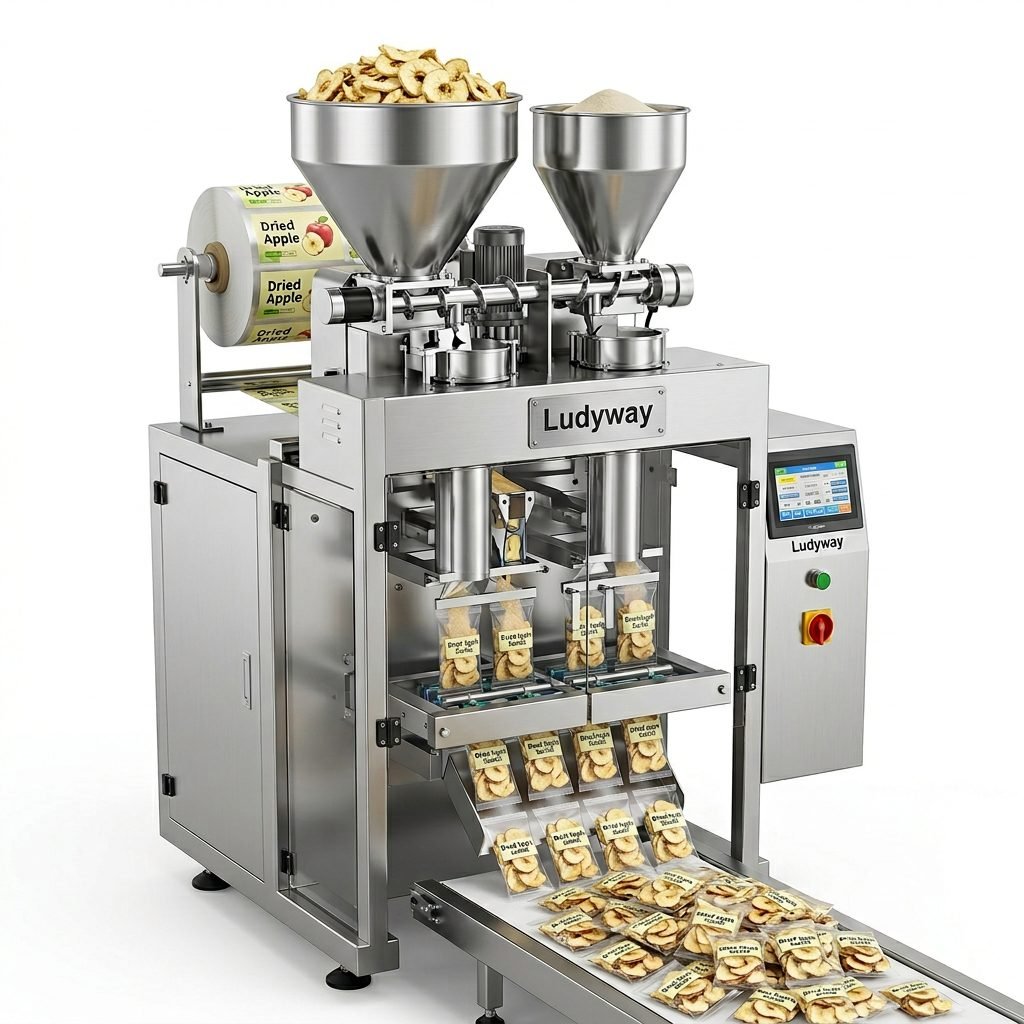
Sigma packaging machines, often recognized by their distinctive sigma-shaped mixing arms, are a type of form-fill-seal (FFS) equipment. They are primarily designed for vertical packaging of free-flowing and non-free-flowing dry products. The machine forms a bag from a roll of packaging film, fills it with a pre-determined amount of product, and then seals it—all in one continuous, automated process. This technology is indispensable in industries such as food (spices, milk powder, coffee), pharmaceuticals (powdered formulations), and chemicals.
Core Advantage of Sigma Machines
The defining feature of these systems is the sigma mixer or auger filler. Unlike simple gravity fillers, the rotating sigma auger provides precise volumetric dispensing. This is crucial for achieving consistent fill weights, especially with products that may be fluffy, aerated, or have poor flow characteristics. The auger’s action gently compacts the product as it feeds, ensuring each bag receives an accurate dose.
Primary Types of Sigma Packaging Systems
Sigma packaging equipment is not a one-size-fits-all solution. Different models are engineered to meet varying production speeds, bag styles, and product requirements.
1. Single-Tube Sigma Packing Machines
This is the most common and fundamental configuration. A single packaging tube forms, fills, and seals bags sequentially. Ideal for small to medium-scale production, pilot plants, or products with lower output demands. They offer a excellent balance of cost, footprint, and functionality, making them a popular choice for businesses entering automated packaging.
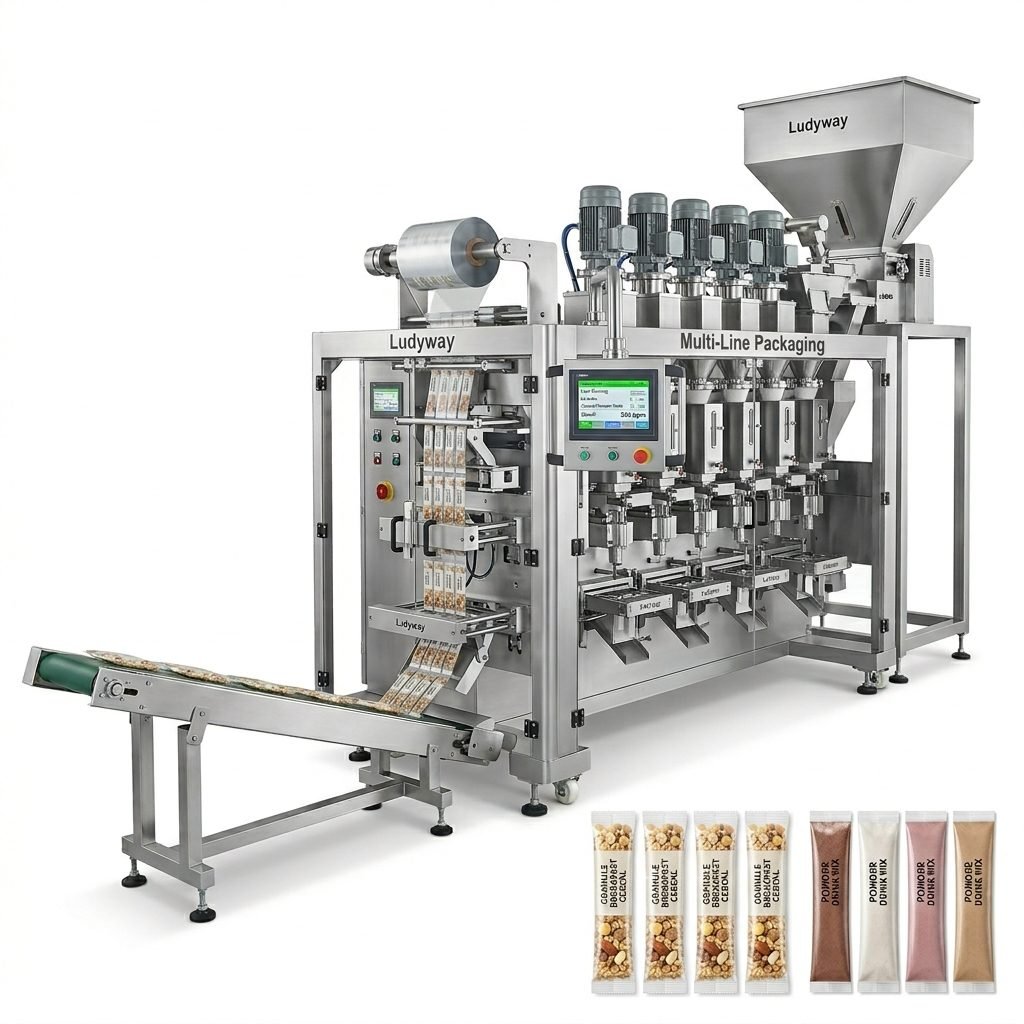
2. Multi-Tube (Multi-Lane) Sigma Packing Machines
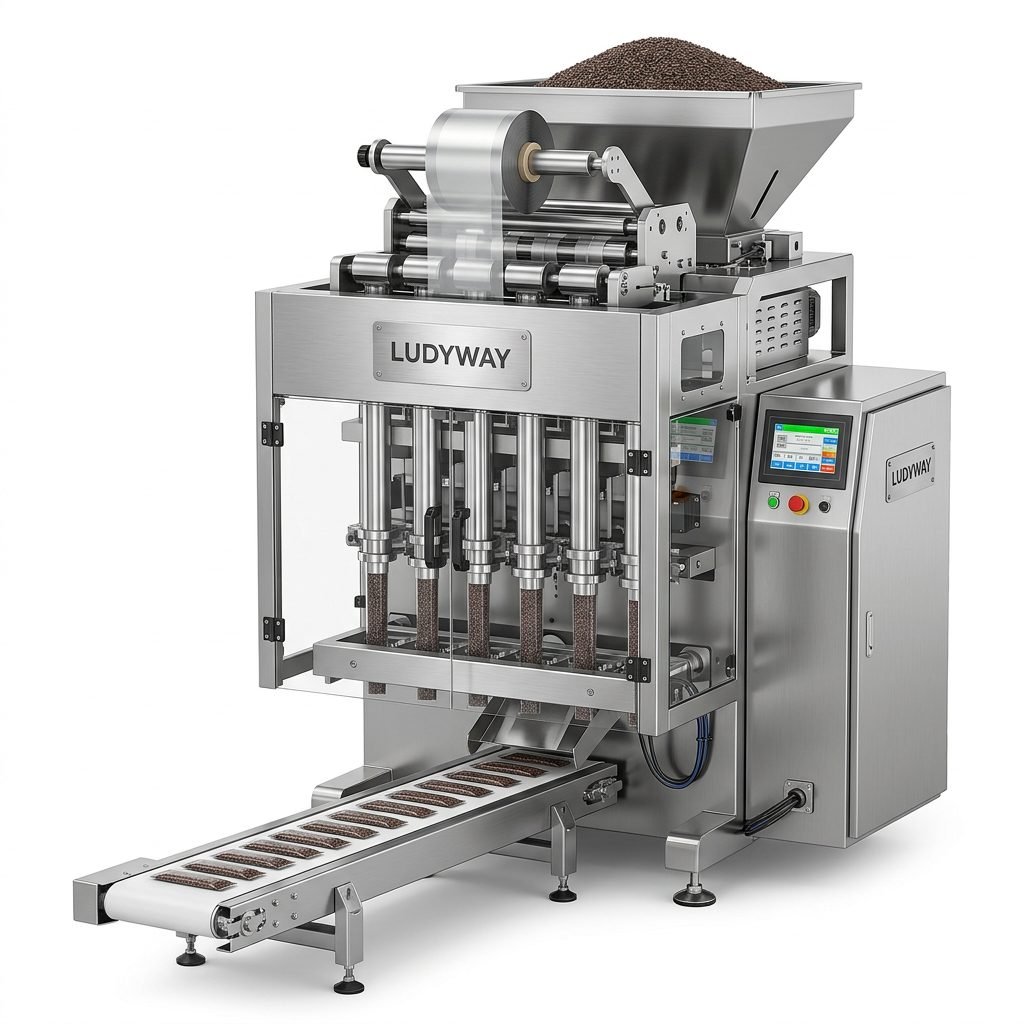
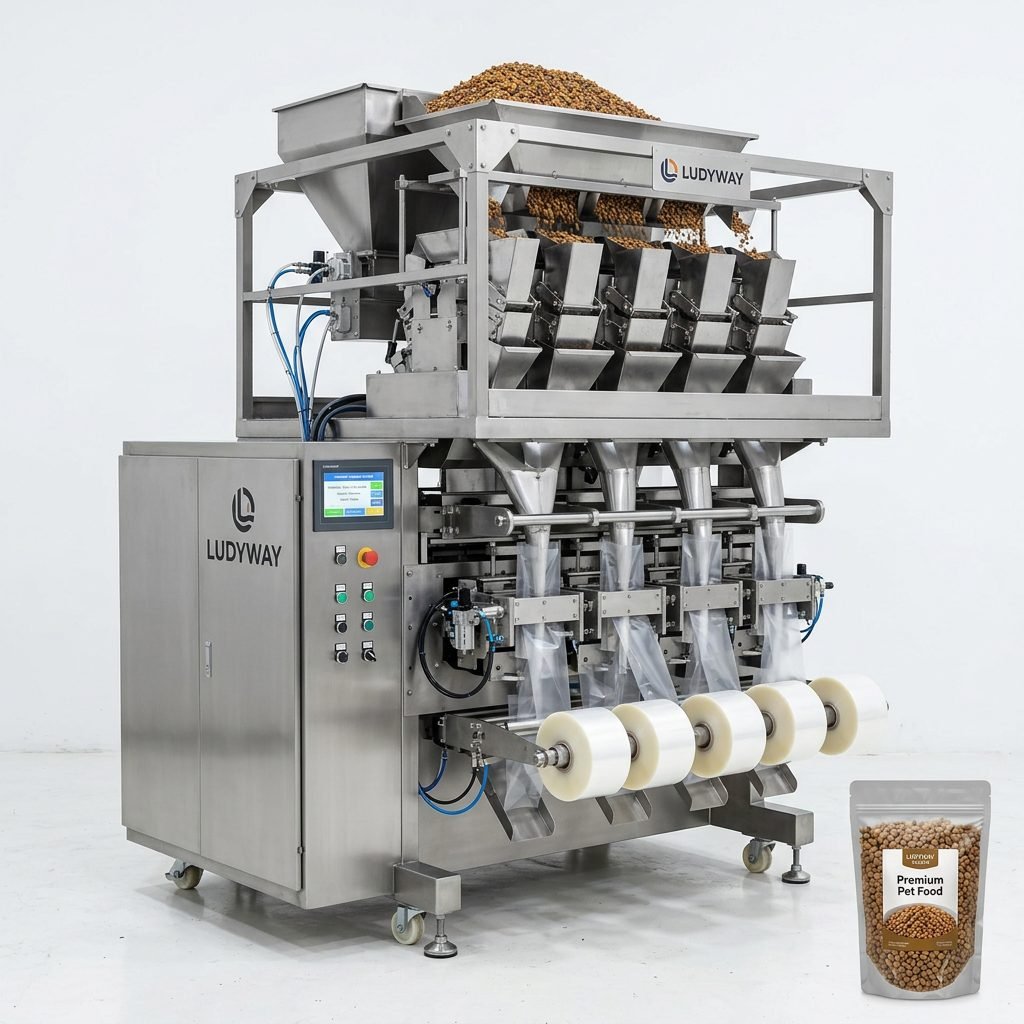
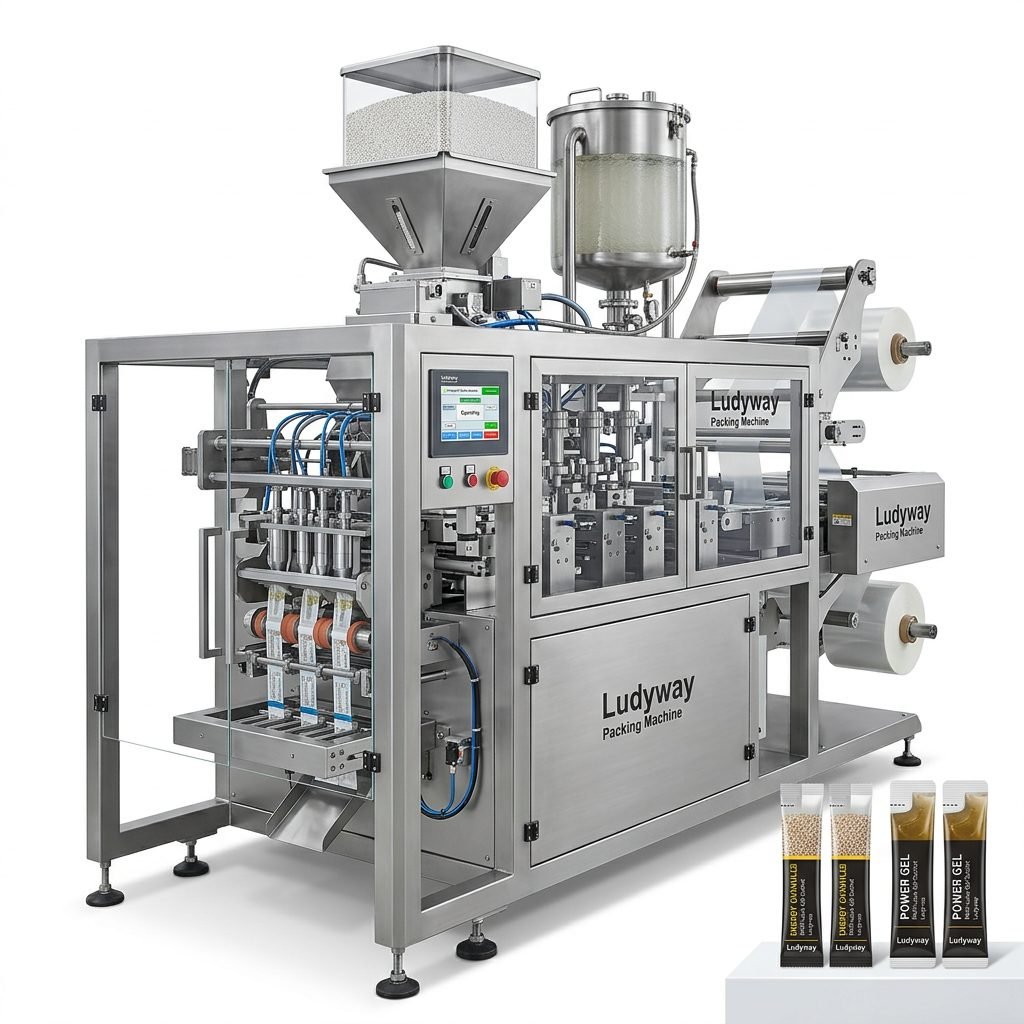
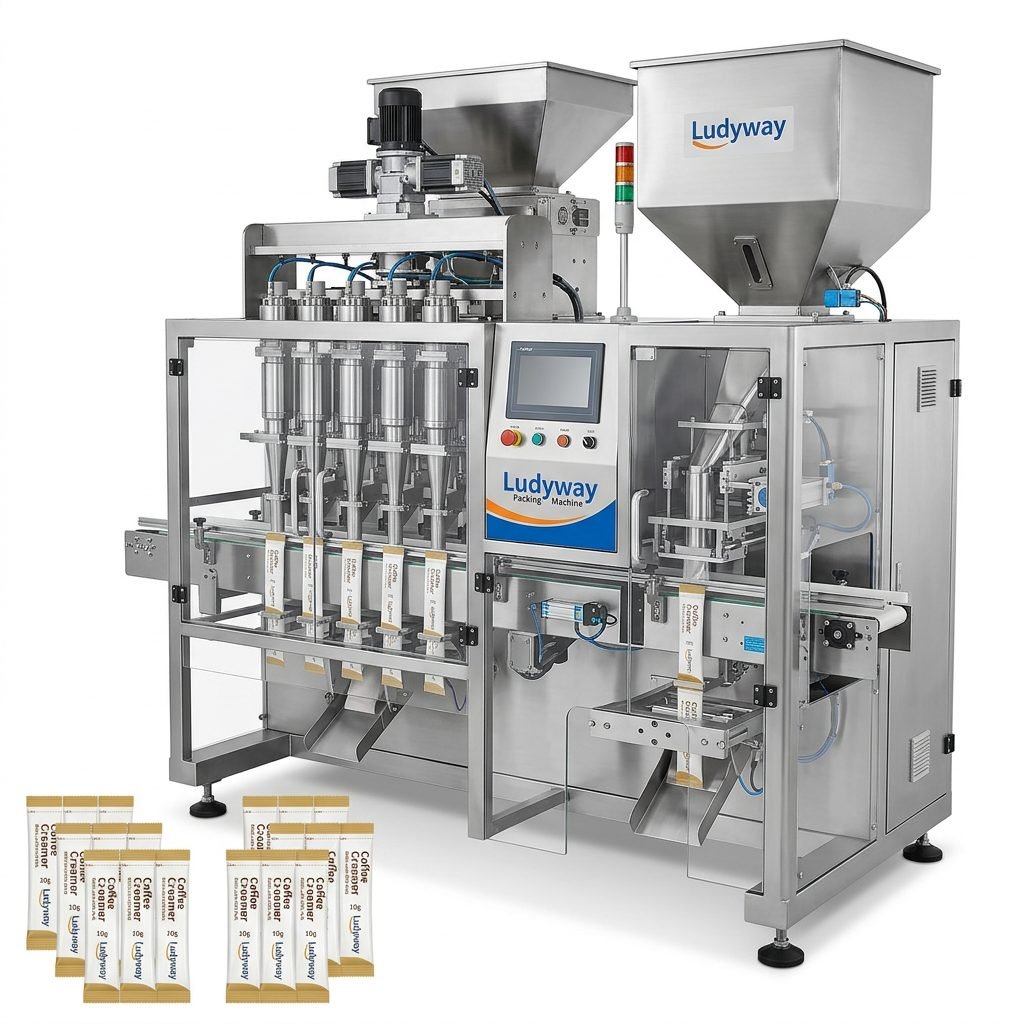
Designed for high-volume output, these machines feature multiple packaging tubes operating in parallel from a single film roll and product hopper. For instance, a 4-lane stick pack machine can produce four portions simultaneously, drastically increasing production speed. This type is essential for manufacturers of items like instant drink sticks, sauce powders, or pharmaceutical sachets that require high throughput.
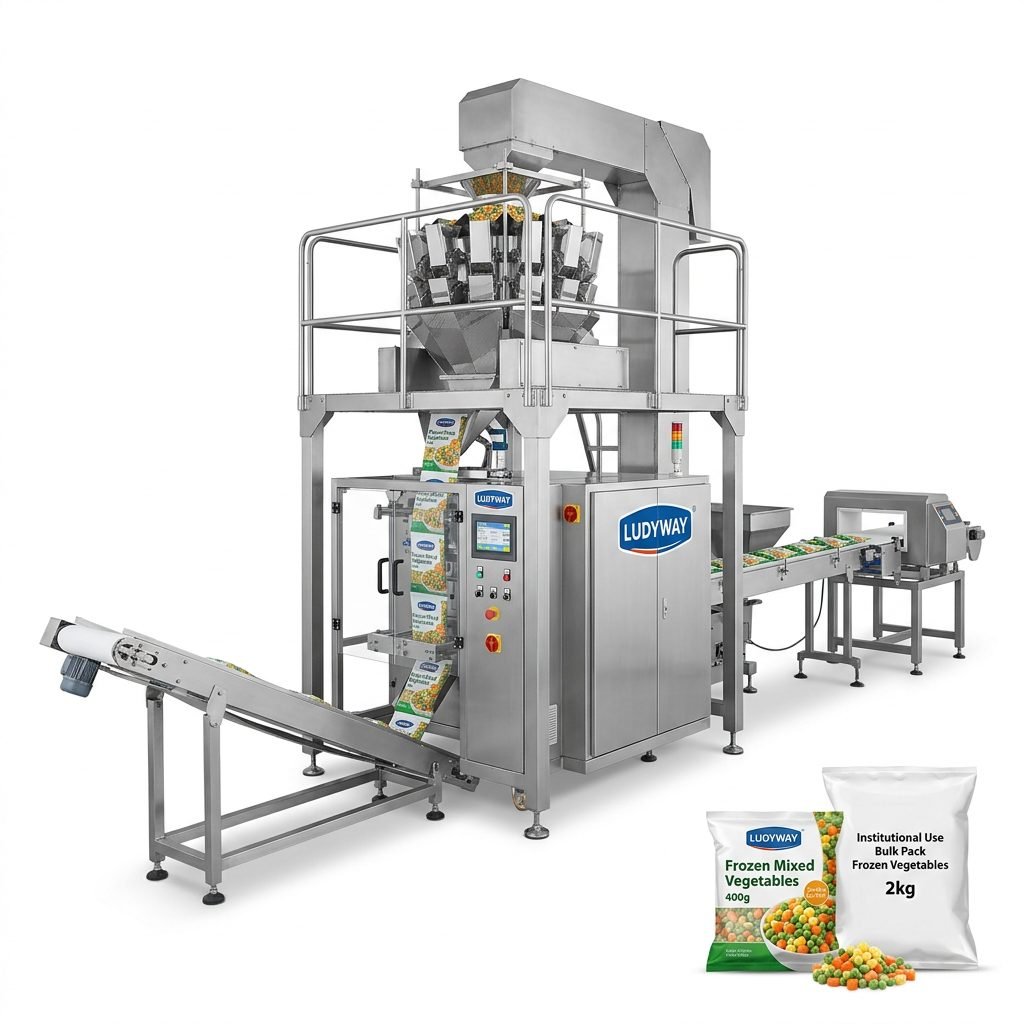
3. Integrated Sigma Packaging Lines
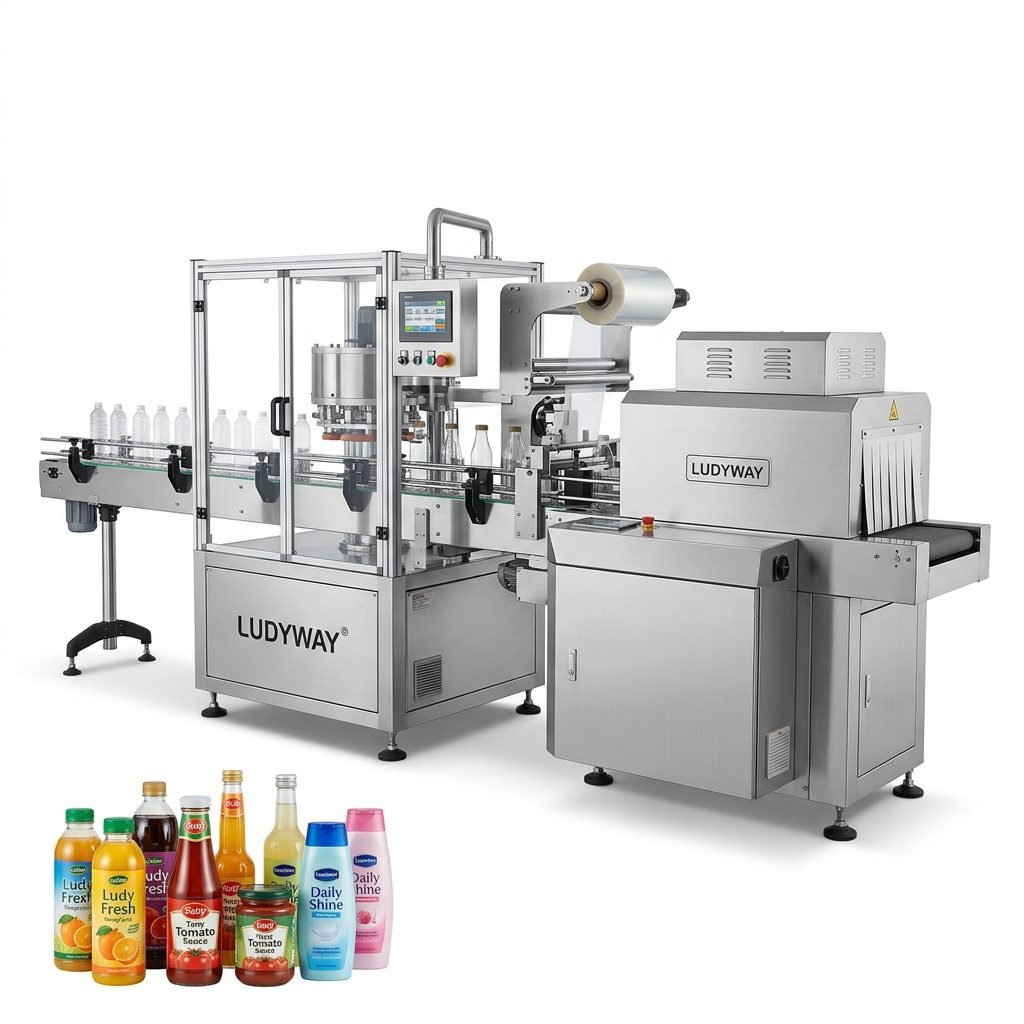
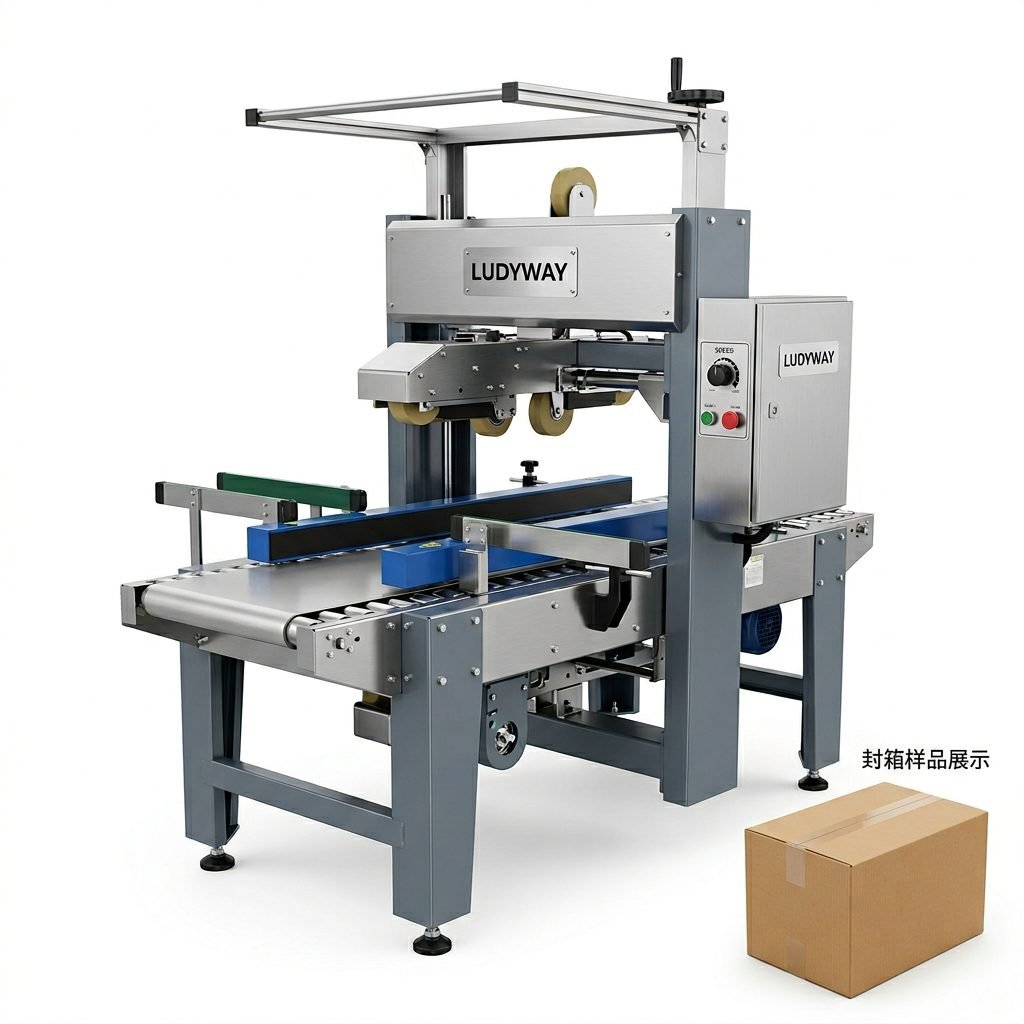
Beyond the standalone machine, sigma technology is often the heart of a complete turnkey production line. This can include upstream equipment like bulk bag unloaders, sieves, or metal detectors, and downstream systems such as cartoners or case packers. Integration ensures a seamless, automated flow from raw material to shippable carton, maximizing efficiency and minimizing manual handling.
How Sigma Packaging Machines Work: A Step-by-Step Breakdown
The operation of a sigma packer is an elegant symphony of mechanical and electronic coordination. Here’s a breakdown of the standard cycle:
Step 1: Film Feeding & Bag Forming
The packaging film (laminate or polyethylene) is drawn from a roll and guided through a series of formers. A forming tube shapes the flat film into a cylindrical tube. A longitudinal heat sealer creates a continuous back seal.
Step 2: Product Dosing & Filling
The product is stored in a hopper above the forming tube. A precision sigma auger, driven by a servo motor, rotates to draw a specific volume of product from the hopper and discharges it down through the forming tube and into the waiting bag below. The fill volume is controlled by the auger’s rotation count and speed, calibrated for the product’s density.
Step 3: Cross Sealing & Cutting
After filling, two heated sealing jaws close simultaneously. They perform two functions: they create the top seal for the current bag and the bottom seal for the next bag. A cutting mechanism then separates the two seals, releasing the finished, filled pouch. The process repeats continuously.
Key Components for Reliability
- Servo-Driven Auger System: Ensures pinpoint filling accuracy and repeatability.
- PLC Control Panel: The brain of the machine, allowing for easy recipe storage, parameter adjustment, and diagnostics.
- High-Quality Sealing Jaws: Crucial for creating strong, hermetic seals that protect product freshness and prevent leakage.
- Stainless Steel Contact Parts: Essential for hygiene, durability, and compliance with food and pharmaceutical standards.
How to Choose the Right Sigma Packaging System
Selecting the optimal sigma packaging machine requires a careful analysis of your product, production goals, and operational environment. Here is a practical framework to guide your decision.
1. Analyze Your Product Characteristics
This is the most critical starting point. Consider your product’s flowability, density, abrasiveness, and hygroscopicity. Fine, cohesive powders may require a specialized auger design with paddles or a vibrating system to prevent bridging. Abrasive products need wear-resistant auger materials. Understanding these traits will determine the necessary auger type, hopper design, and possible need for inert gas flushing.
2. Define Your Production Requirements
You must have clear targets for output speed (bags per minute) and bag size range. A single-tube machine may suffice for 30-60 bags per minute, but for outputs exceeding 200 bags per minute, a multi-lane system becomes necessary. Also, consider future growth—can the machine handle a potential increase in speed or a new bag size with simple change parts?
3. Specify Packaging Materials and Bag Style
Determine the type of film you will use (e.g., PET/AL/PE, OPP/CPP) and the desired bag style. Sigma machines can produce various styles:
Pillow Bags
Gusseted Bags
Stick Packs
Flat Sachets.
The machine must be configured with the correct forming collar and sealing jaws for your chosen style.
4. Evaluate Automation and Integration Needs
Assess your current and desired level of automation. Do you need a simple stand-alone machine, or should it be part of a complete packaging line? Consider integration with checkweighers for quality control, upstream feeders, or downstream cartoning. Choosing a supplier with strong engineering capabilities for customization is vital for seamless integration.
5. Prioritize Supplier Support and Service
The machine is a long-term investment. Partner with a supplier known for quality, reliability, and excellent after-sales support. Look for a company with proven industry experience, like Ludyway Machinery, which offers comprehensive support from installation and training to ongoing maintenance and spare parts supply. A reliable partner ensures maximum uptime and a better return on investment.
Conclusion
Sigma packaging equipment represents a sophisticated and adaptable solution for modern powder and granular packaging challenges. By understanding the different types—from single-tube workhorses to high-speed multi-lane systems—and their precise working principles, you can make an informed decision. The key to success lies in meticulously matching the machine’s capabilities to your specific product properties, production volume, and bag specifications. Investing time in the selection process and partnering with a knowledgeable supplier will yield a system that enhances your productivity, ensures consistent product quality, and supports your business growth for years to come.
Frequently Asked Questions (FAQs)
1. What is the main difference between a sigma packer and a vertical form-fill-seal (VFFS) machine?
A sigma packer is a type of VFFS machine. The term “sigma” specifically refers to the auger filling system it uses. Other VFFS machines might use cup fillers, weigh fillers, or liquid pumps. So, all sigma packers are VFFS machines, but not all VFFS machines are sigma packers.
2. What level of accuracy can I expect from a sigma auger filler?
Modern, servo-driven sigma augers offer very high accuracy, typically within ±0.5% to ±1% of the target weight for most free-flowing products. Accuracy can be affected by product characteristics (e.g., density variation, aeration), so proper testing and calibration with your actual product are essential.
3. Can a sigma machine handle sticky or oily products?
Yes, but it requires special configurations. For sticky products, machines can be equipped with anti-stick coatings (e.g., Teflon) on contact surfaces, specialized auger designs, and more frequent cleaning access points. For oily products, augers with tighter tolerances and specific flight designs help prevent seepage.
4. How difficult is it to change over bag sizes on a sigma packer?
Changeover complexity varies. Simple adjustments like bag length are done via the PLC touchscreen. Changing bag width or style (e.g., from pillow to gusseted) requires mechanical change parts like a different forming collar and possibly new sealing jaws. Well-designed machines aim for quick-change features to minimize downtime.
5. What maintenance does a sigma packaging machine require?
Regular maintenance is crucial for longevity and performance. Daily tasks include cleaning product contact parts. Weekly or monthly checks involve lubricating moving parts, inspecting sealing jaw surfaces for wear, and checking the tightness of mechanical fasteners. Always follow the manufacturer’s specific maintenance schedule.