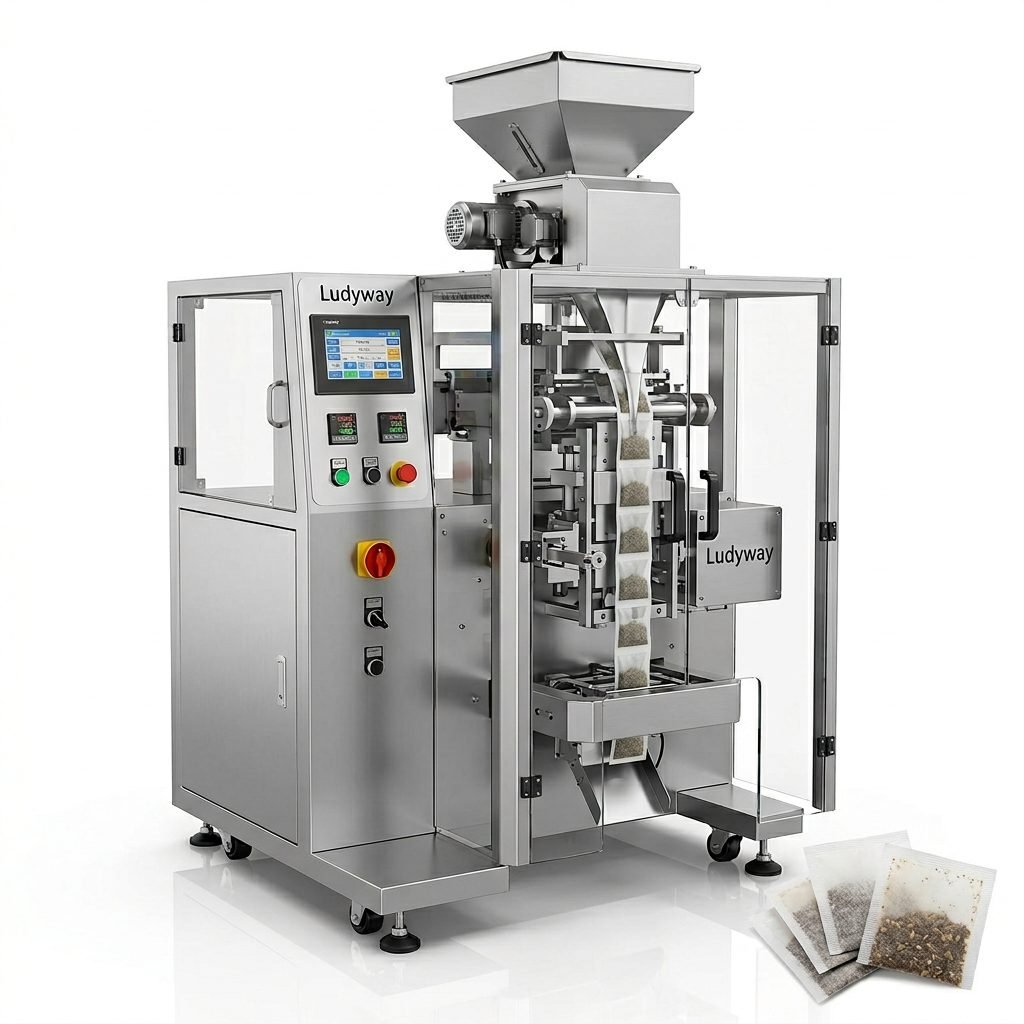
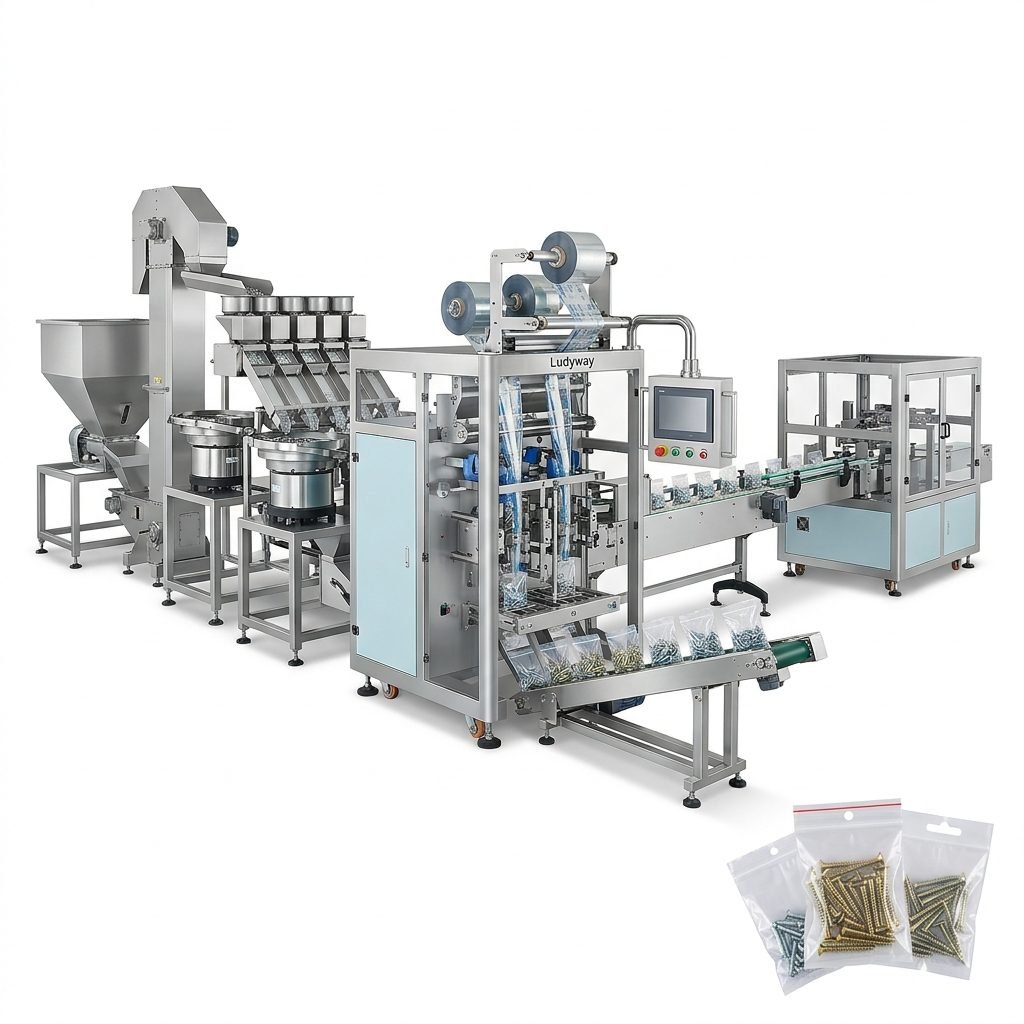
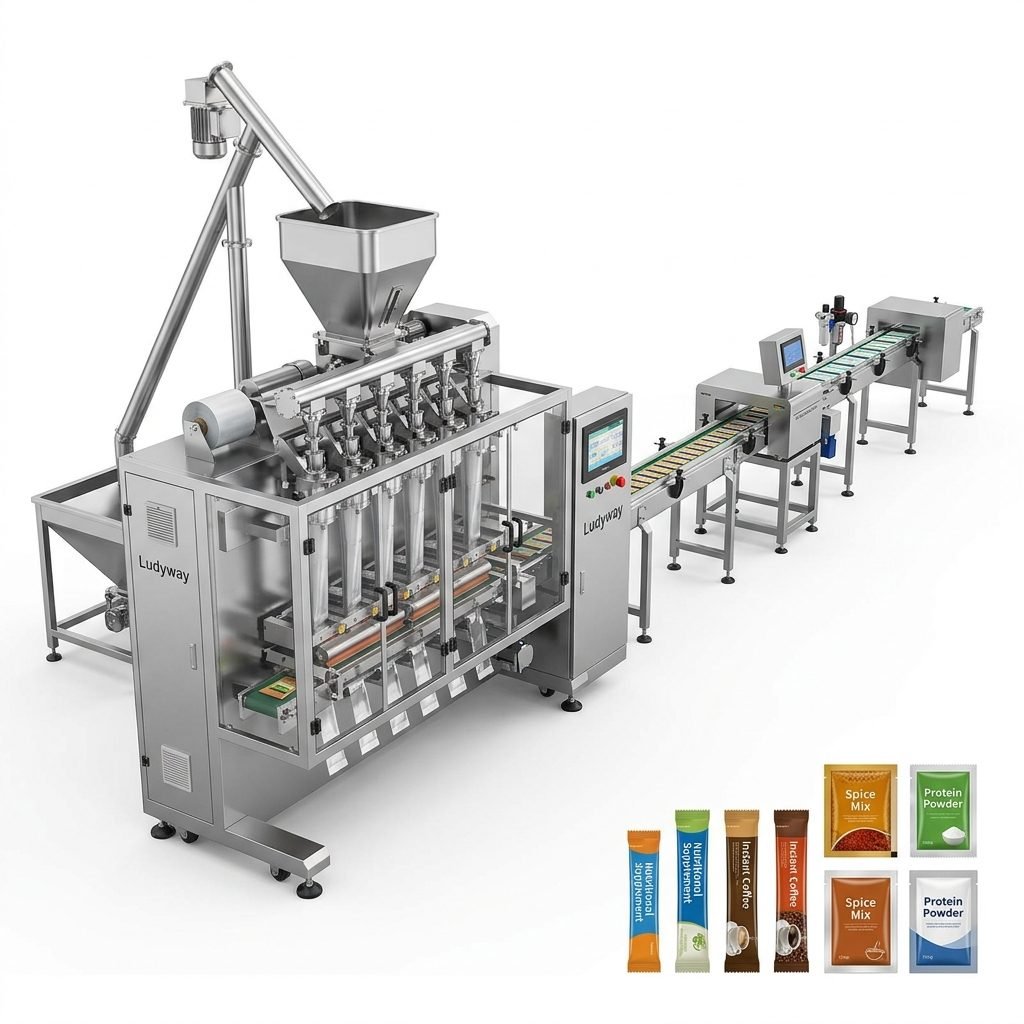
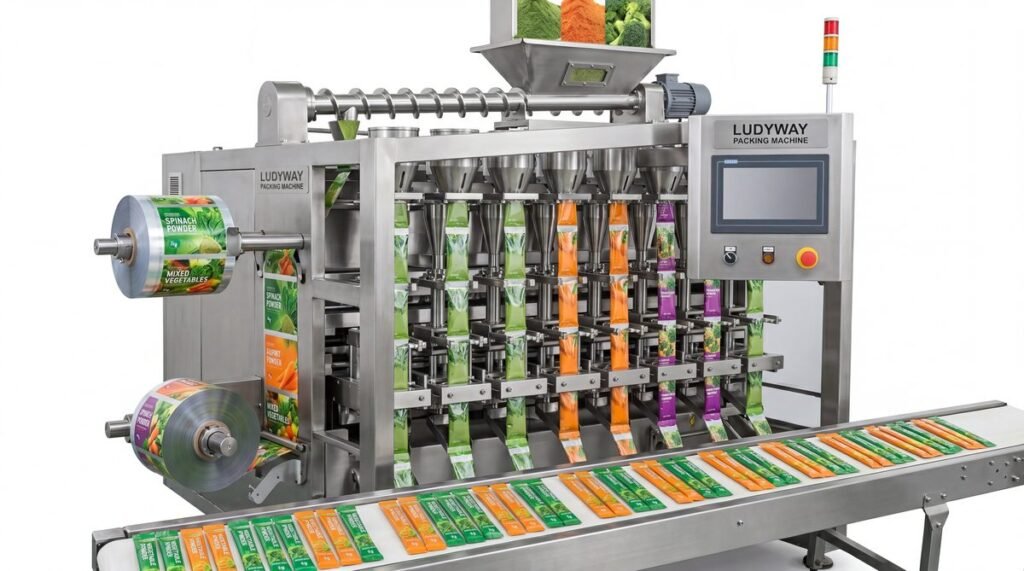
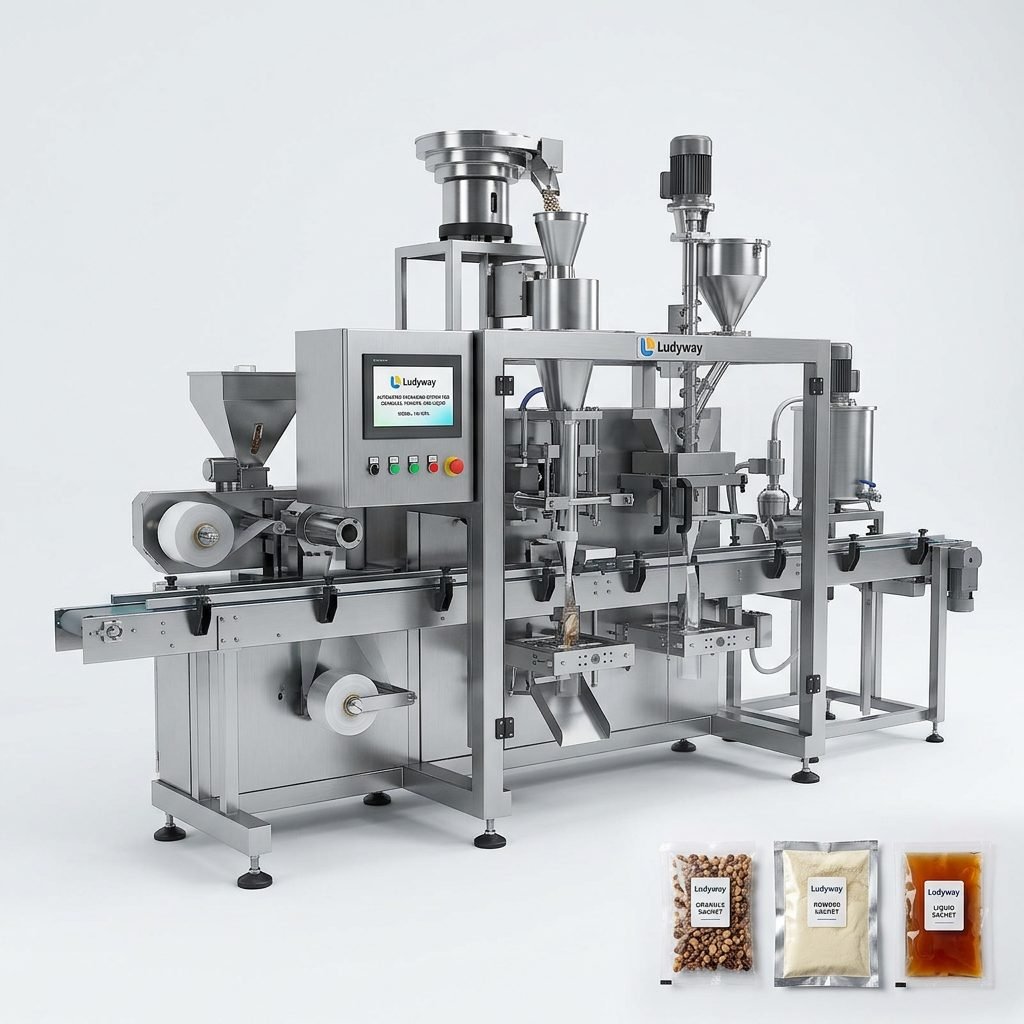
Investing in a packaging and labeling machine is a critical decision that directly impacts your production efficiency, product quality, and bottom line. Whether you are launching a new product or scaling an existing line, selecting the wrong equipment can lead to costly downtime, regulatory headaches, and inconsistent packaging. This comprehensive buyer’s guide walks you through the essential factors to consider, ensuring you choose a system that meets your operational requirements and long-term business goals.
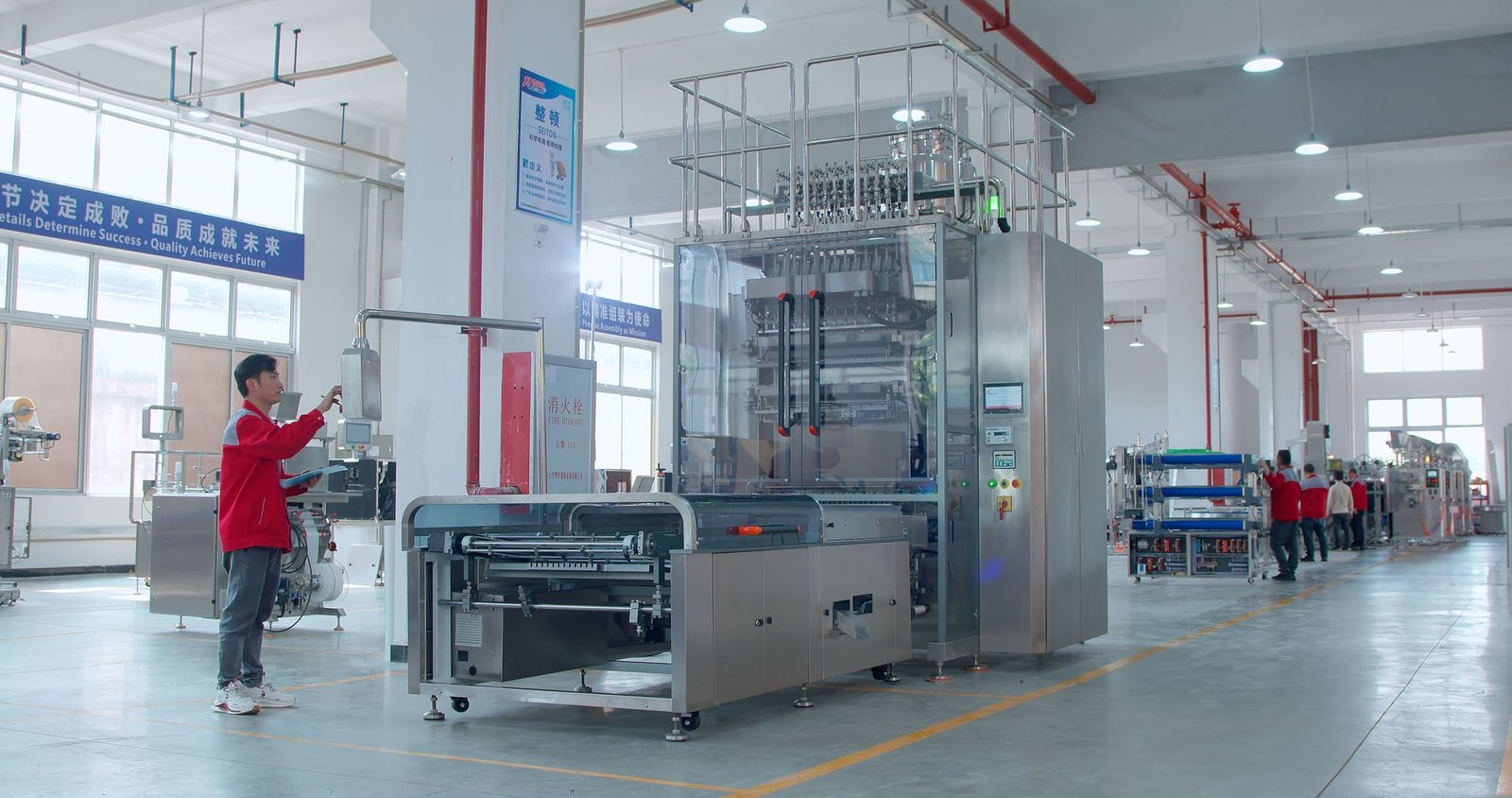
1. Understanding Your Product and Production Needs
Before comparing machine specifications, you must define your product characteristics and target output. The physical properties of your product will dictate the dosing mechanism and material handling required.
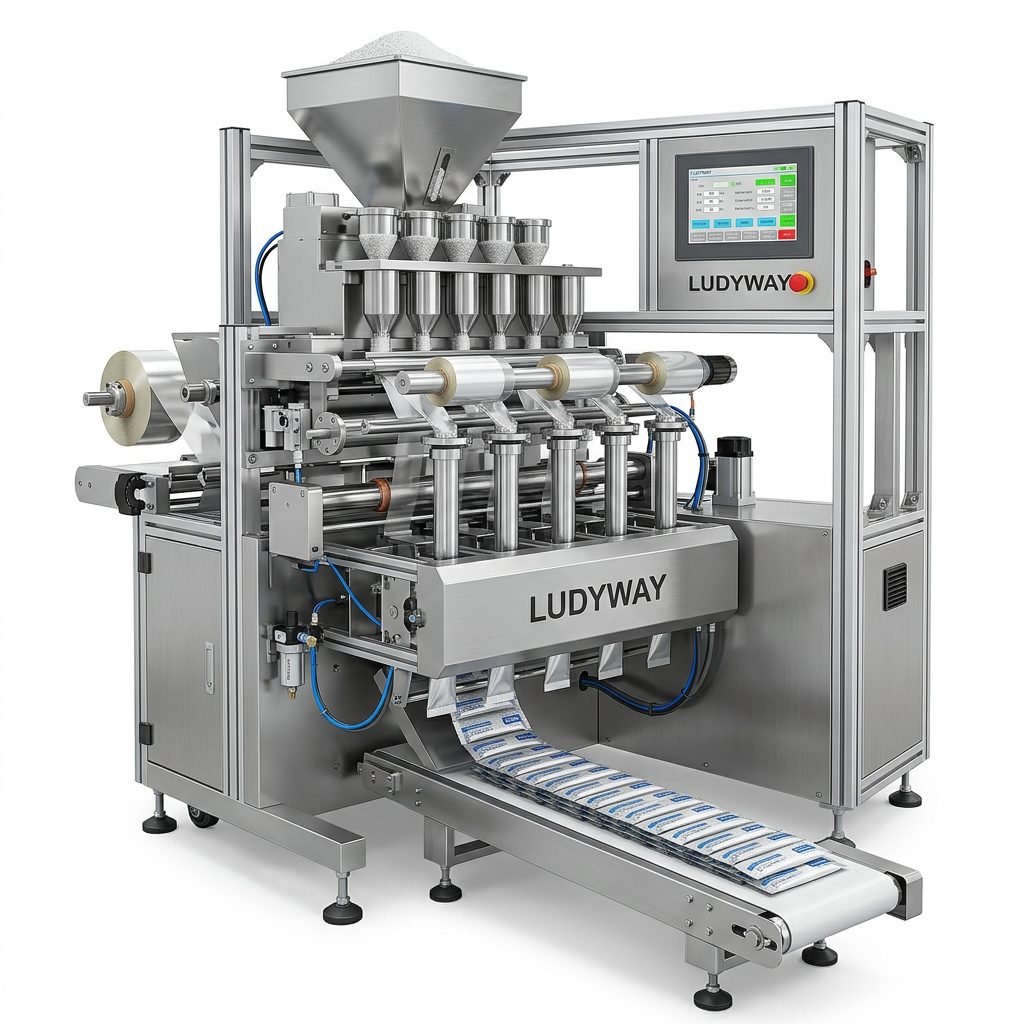
- Product State: Are you packaging powders, granules, liquids, pastes, or solids? A stick pack machine for fine powder behaves very differently from a liquid filling line.
- Flow Characteristics: Is the material free-flowing (like sugar) or non-free-flowing and dusty (like flour or protein powder)? Dust extraction and precise auger fillers may be necessary.
- Packaging Format: Do you need sachets, stick packs, pre-made pouches, bottles, or blister packs?
- Target Speed: How many units per minute (ppm) do you need to produce to meet demand? High-speed multi-lane systems significantly outperform single-lane machines.
2. Types of Packaging and Labeling Machinery
Understanding the distinct categories of equipment helps narrow down your search. Most lines combine a filling unit with a sealing mechanism and a labeling module.
Vertical Form Fill Seal (VFFS) Machines
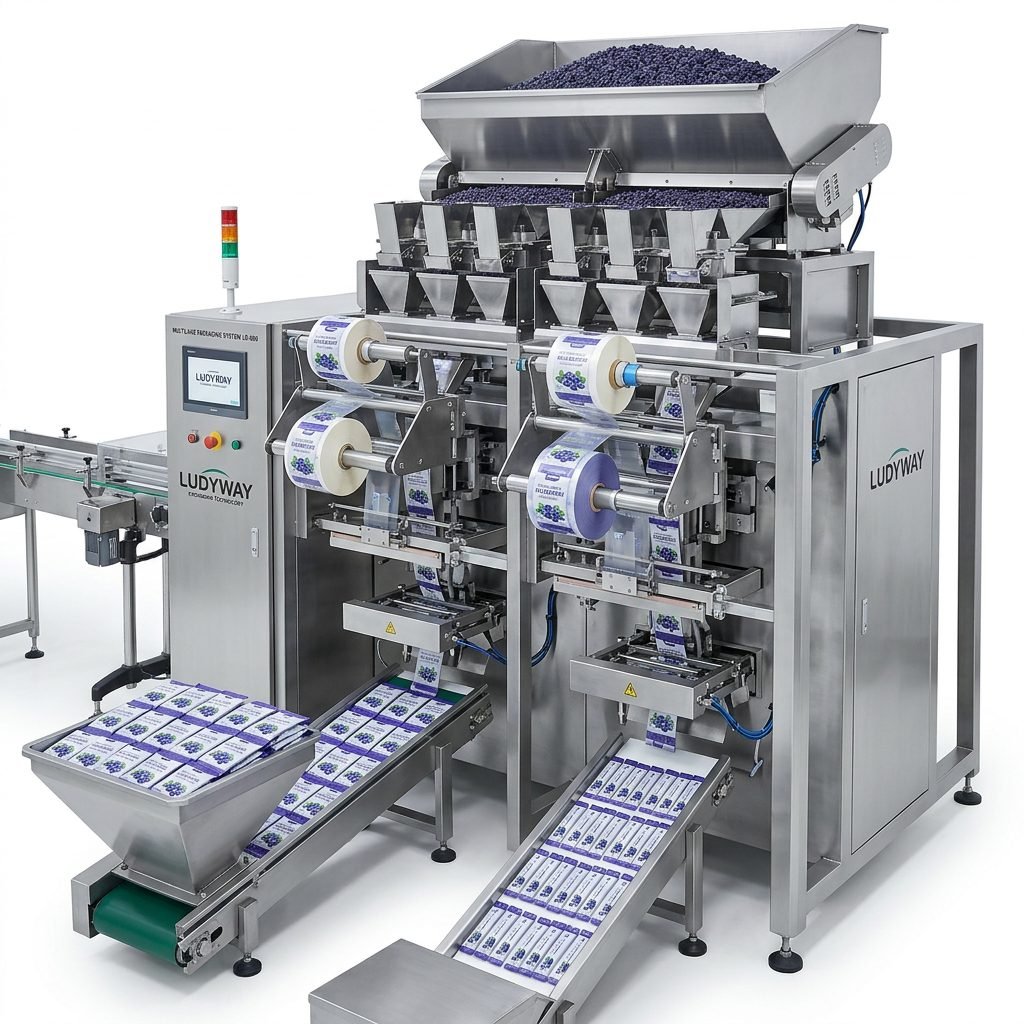
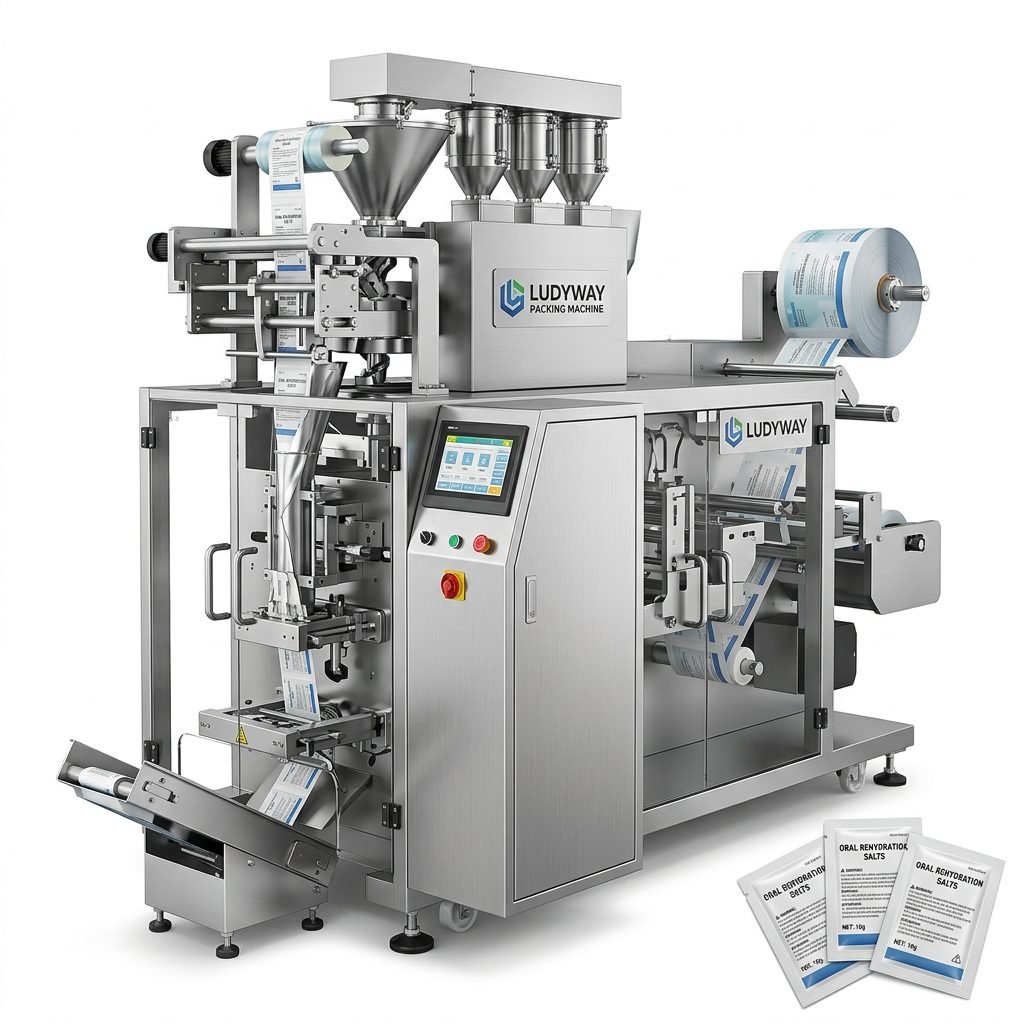
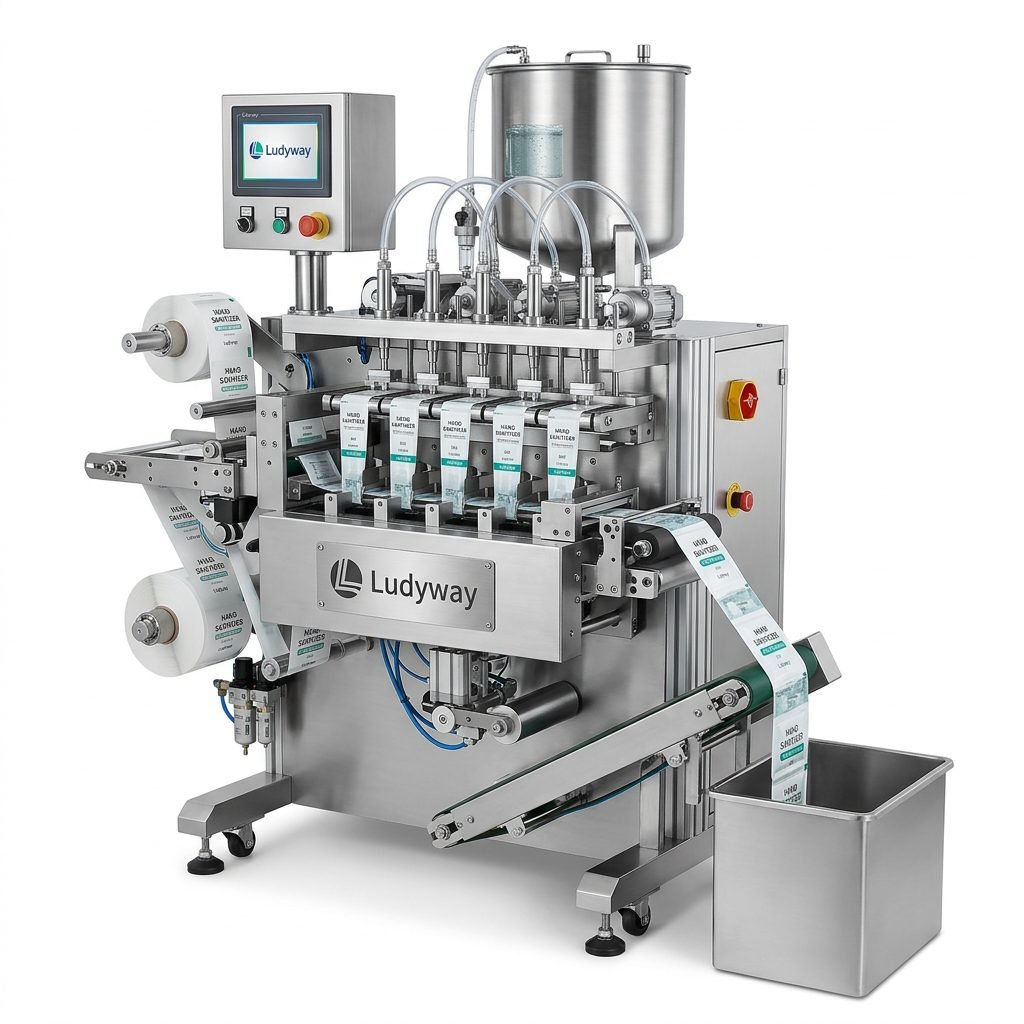
These versatile machines form a bag from roll stock, fill it, and seal it. They are ideal for granules, powders, and liquids. For high-volume production, multi-lane VFFS systems offer superior output by running several pouches simultaneously.
Pre-Made Pouch Filling and Sealing Machines
If you prefer using premium pre-made pouches with gussets or spouts, a rotary or inline pouch filler is the better choice. These machines handle the bag opening, filling, and final sealing processes with high precision.
Labeling and Coding Systems
Labeling is not just about branding; it is about regulatory compliance. You can choose from pressure-sensitive labelers, shrink sleeve applicators, or direct thermal transfer printers. According to FDA packaging regulations, labels must carry product identity, net weight, and ingredient lists without fail.
3. Key Technical Specifications to Review
When comparing quotes from suppliers, pay close attention to these technical details. Do not be swayed solely by the purchase price; the machine’s capability determines your profit margins.
| Specification | Why It Matters | Ideal Target |
|---|---|---|
| Filling Accuracy | Affects product giveaway and product consistency. | ± 0.5% to 1.0% |
| Sealing Integrity | Prevents leaks, contamination, and extends shelf life. | Consistent sealing with no wrinkles |
| Material Compatibility | Must handle aluminum foil, polyethylene, and paper laminates. | Quick changeover capabilities |
| Automation Level | Reduces labor costs and human error. | Servo-driven with PLC control |
4. The Importance of Compliance and Quality Standards
If you operate in the food, pharmaceutical, or medical device sectors, adherence to international standards is non-negotiable. Machines should be built with stainless steel frames and designed for wash-down environments where necessary.
- Food Safety: Look for equipment that aligns with cGMP standards and can handle materials compliant with ISO packaging standards.
- Medical/Pharma: Validation protocols (IQ/OQ/PQ) are essential. Standards like ISO 11607 dictate the requirements for materials and sterile barrier systems.
- Sustainability: With growing emphasis on European packaging waste regulations, your machine should be optimized to run with recyclable or thinner films without compromising seal integrity.
5. Evaluating the Manufacturer’s Credibility
A packaging machine is a long-term investment. Your relationship with the manufacturer directly impacts your post-installation success.
Turnkey Solutions and Customization
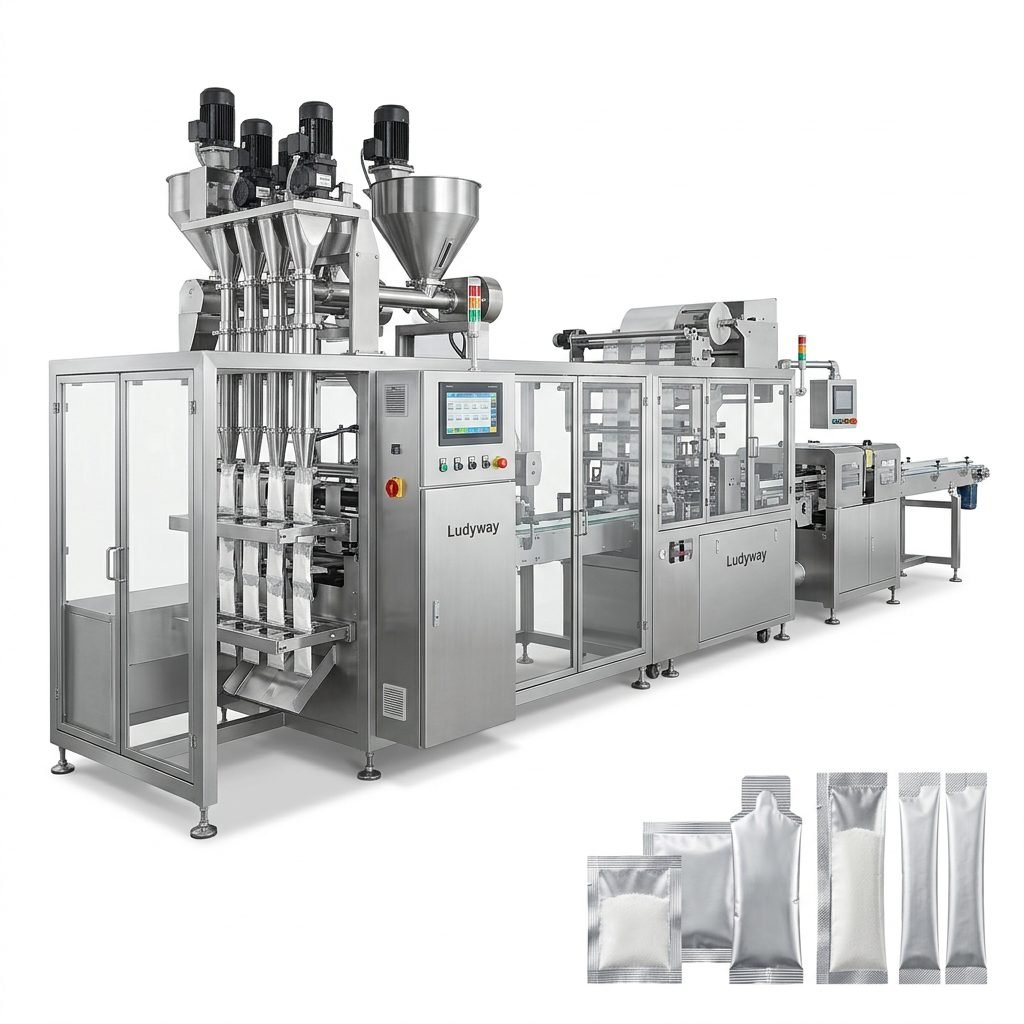
Off-the-shelf machines rarely fit perfectly. A competent manufacturer offers customization, handling everything from the feeding system to the final cartoning. Ludyway Machinery, a China-based packaging machinery manufacturer with more than 30 years of experience, exemplifies this approach. With a 20,000-square-meter facility and over 50 machine models, they configure equipment for different production speeds, filling volumes, and packaging materials. Their expertise spans multi-lane packaging systems, automated feeding, and complete turnkey packaging line integration, allowing clients to work with a single partner for machine selection, customization, and technical support. For more context on modern manufacturing trends, you can review insights from the PMMI packaging industry resources.
6. Total Cost of Ownership (TCO)
The initial price tag is just the tip of the iceberg. Calculating the Total Cost of Ownership (TCO) is vital for making a financially sound decision.
- Initial Investment: Machine cost, shipping, and installation.
- Operational Costs: Labor required to run the line and energy consumption.
- Consumables: Films, labels, ink, and spare parts.
- Maintenance: Scheduled servicing and potential downtime repairs.
- Waste Reduction: A precise machine pays for itself by reducing product giveaway and rejected packs. For example, saving just 1 gram of powder per sachet on a high-speed line can save tons of product annually.
7. Integration with Existing Production Lines
Your new packaging machine must communicate seamlessly with upstream and downstream equipment. Consider the height, speed, and control protocols of your conveyors, checkweighers, and cartoners. A breakdown in integration can create bottlenecks that slow down the entire factory.
Modern machines utilizing Industrial Ethernet or Profibus allow for real-time data exchange, letting you monitor Overall Equipment Effectiveness (OEE) remotely. This connectivity is key for predictive maintenance and ensuring your line doesn’t stop unexpectedly.
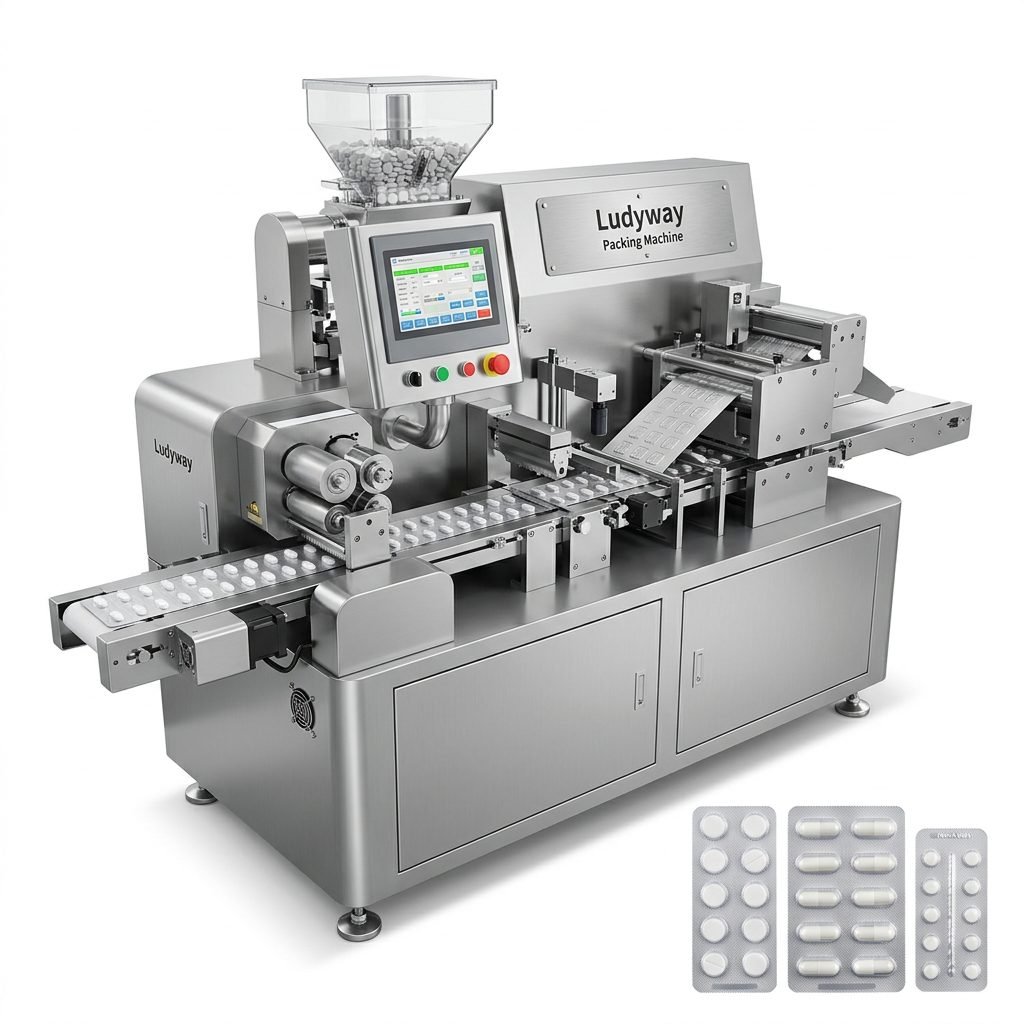
8. Making the Final Decision
Choosing the right machine requires balancing speed, flexibility, and budget. Avoid the temptation to buy a machine solely based on maximum speed; instead, consider changeover efficiency and durability.
Before signing the contract:
- Request a Factory Acceptance Test (FAT) using your actual products and films.
- Check the warranty terms and the availability of remote technical support.
- Verify the lead time for delivery and the plan for installation support.
By following this guide and leveraging resources from the PMMI business intelligence library, you can invest in a packaging solution that drives growth for years to come.