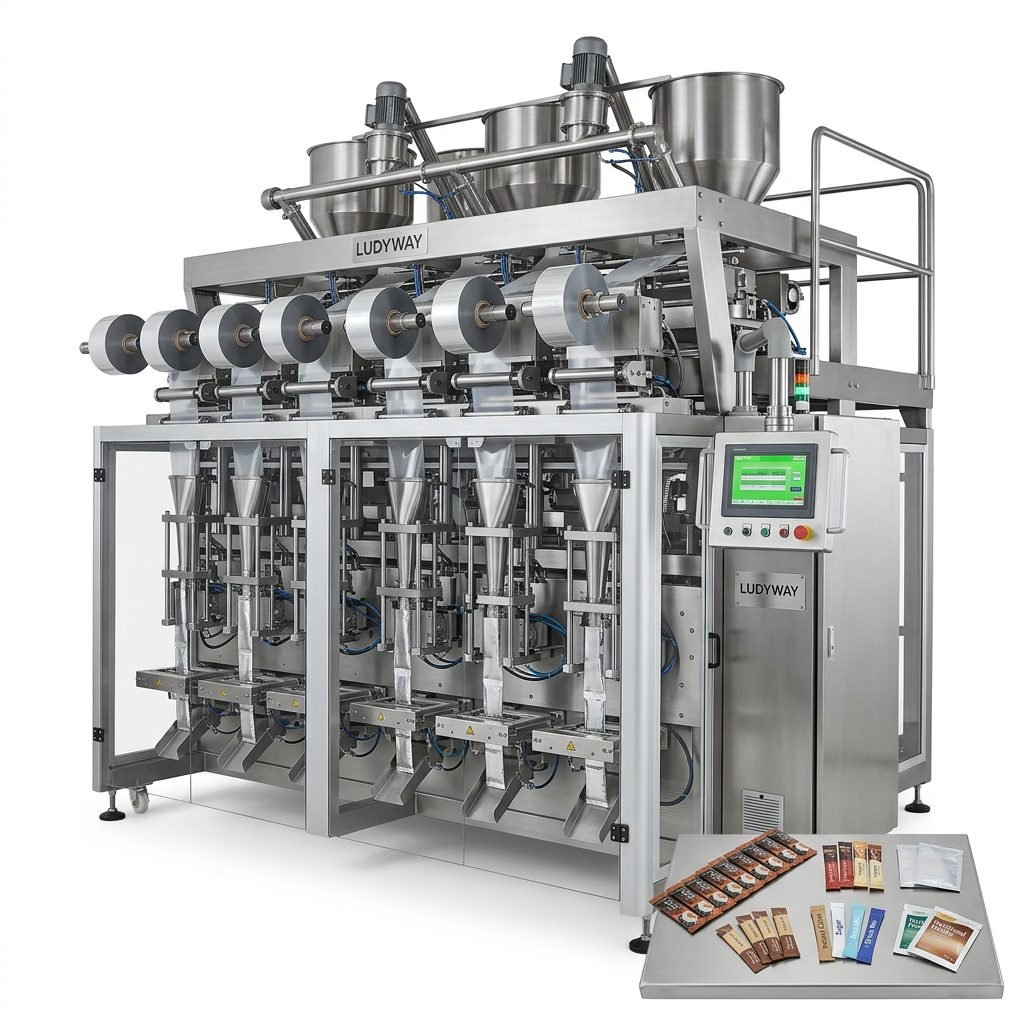
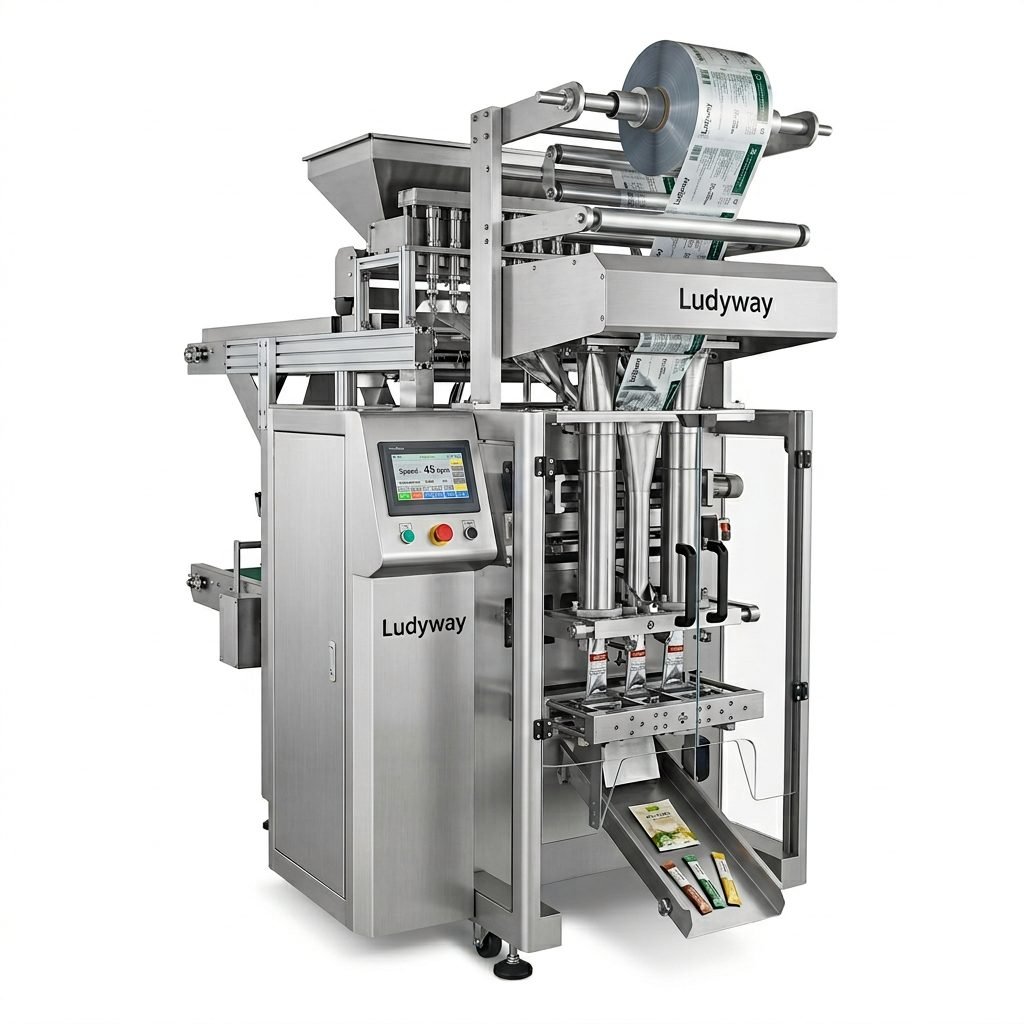
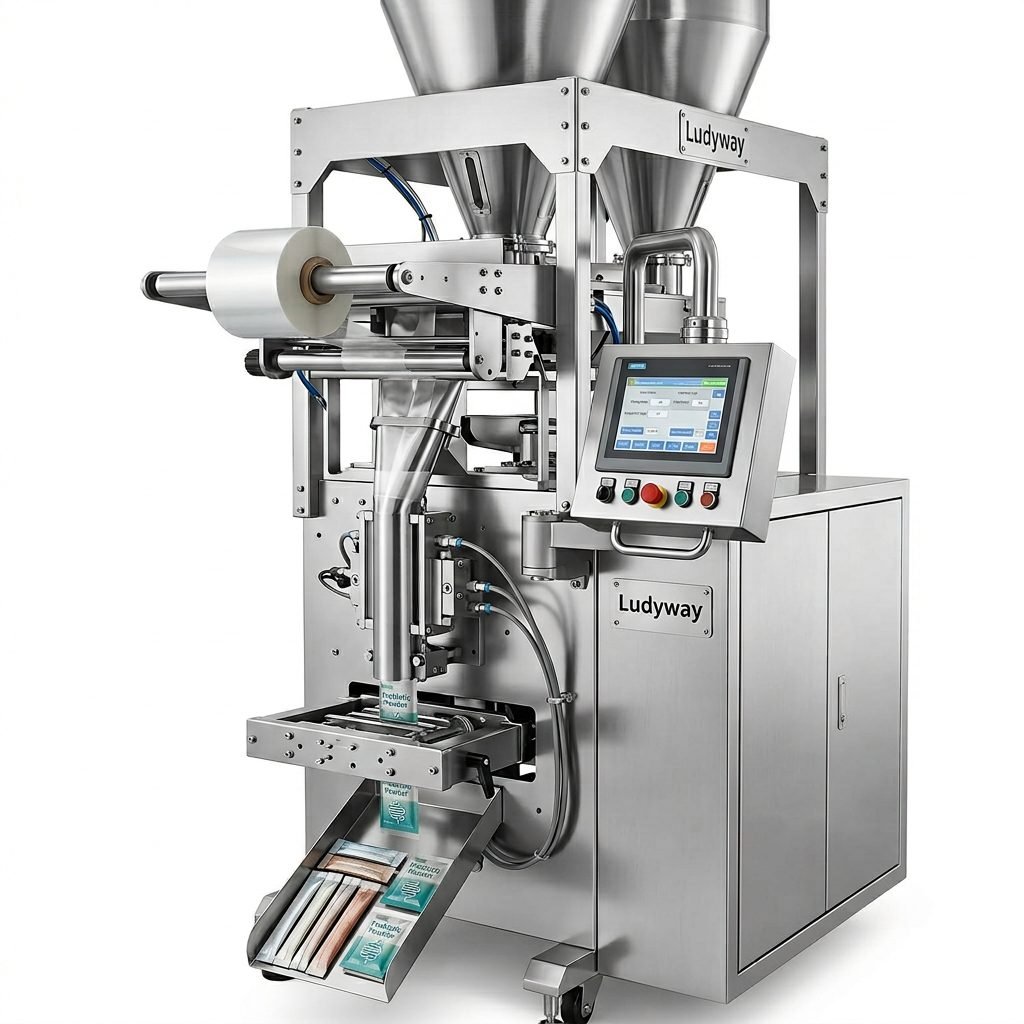
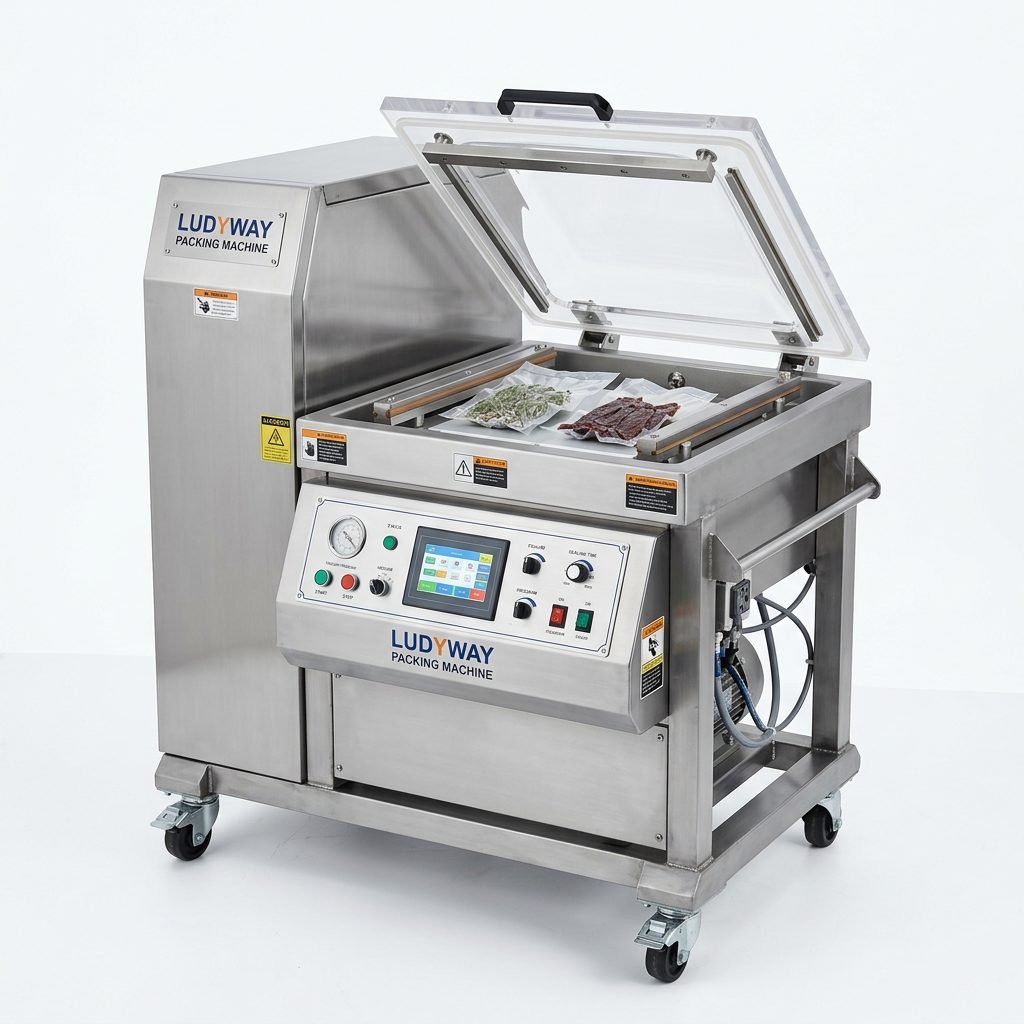
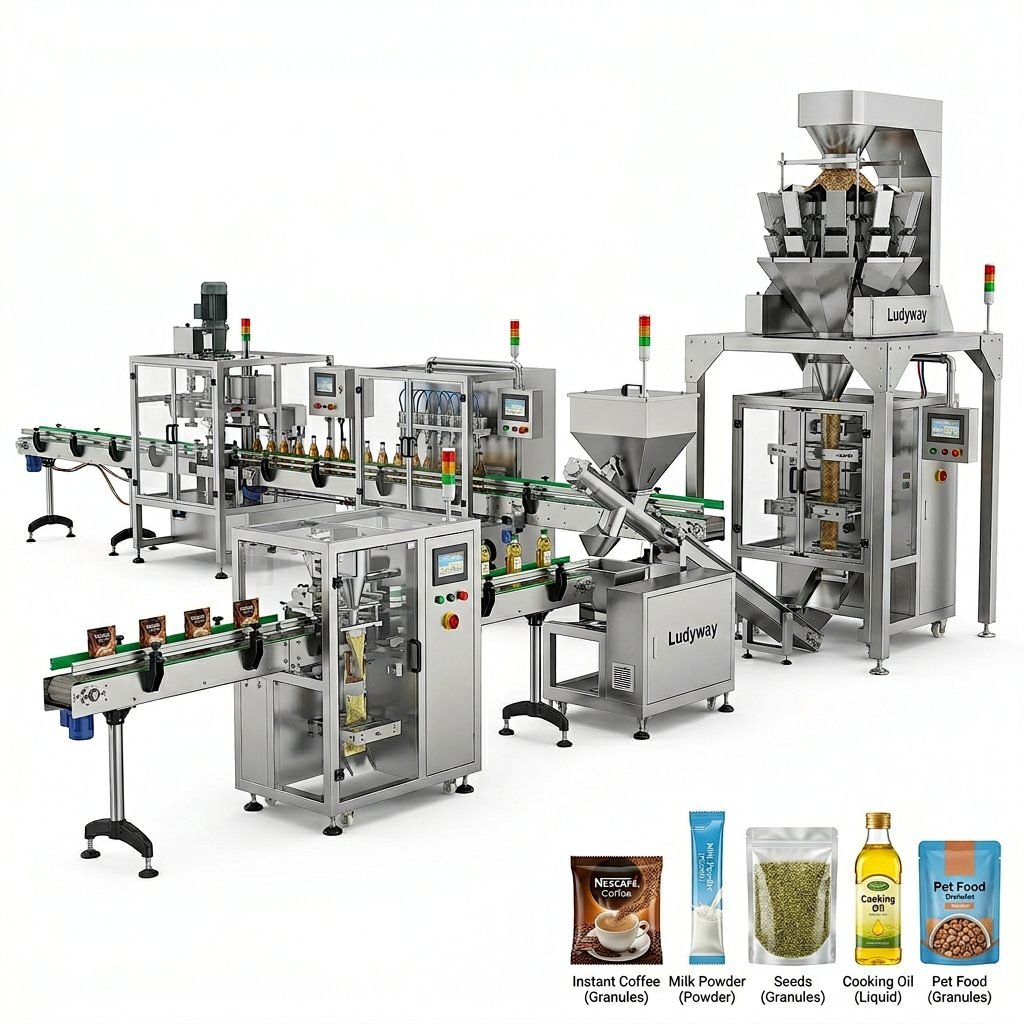
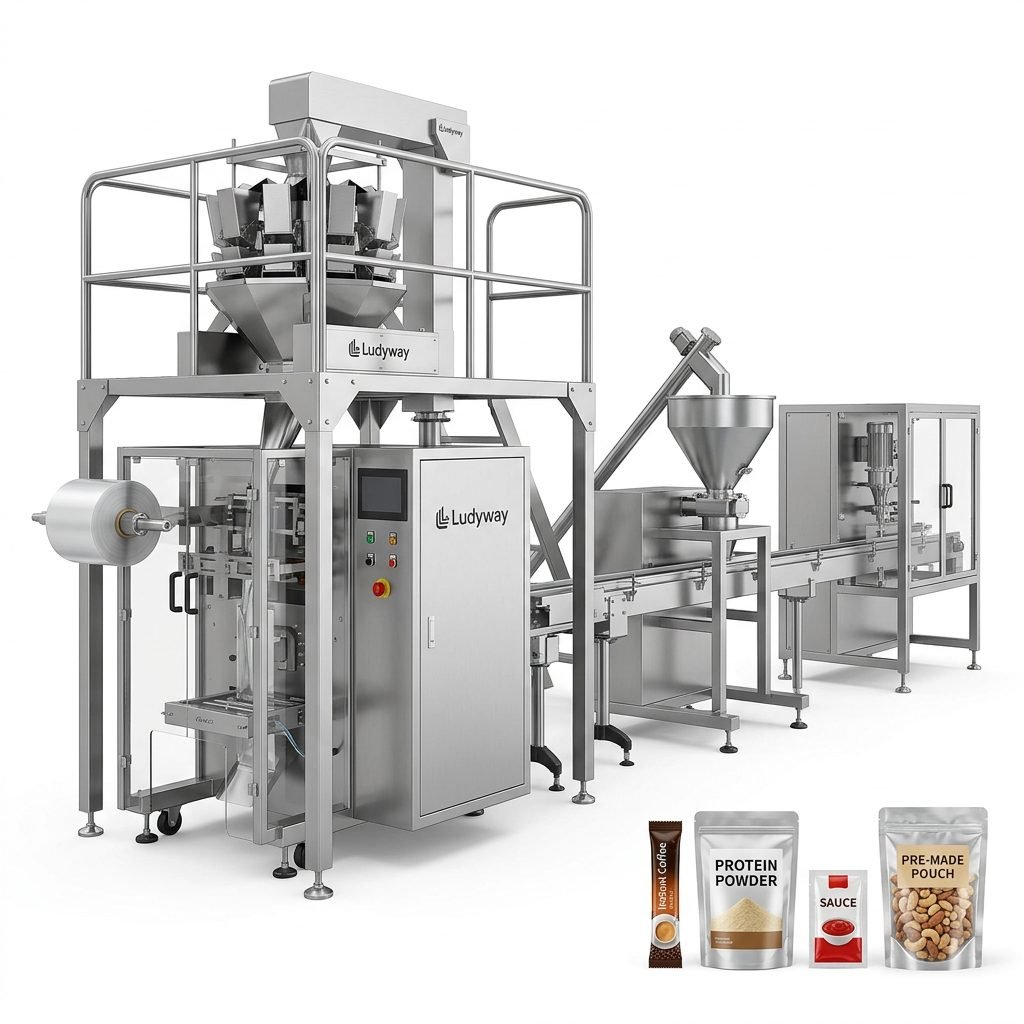
Investing in a powder sachet filling machine is a significant decision that directly impacts your production efficiency, product quality, and long-term operational costs. Whether you are packaging pharmaceutical granules, food powders, nutritional supplements, or chemical products, selecting the right equipment requires a systematic evaluation of your product characteristics, production goals, and compliance requirements. This guide walks you through every critical factor to help you make an informed purchasing decision.
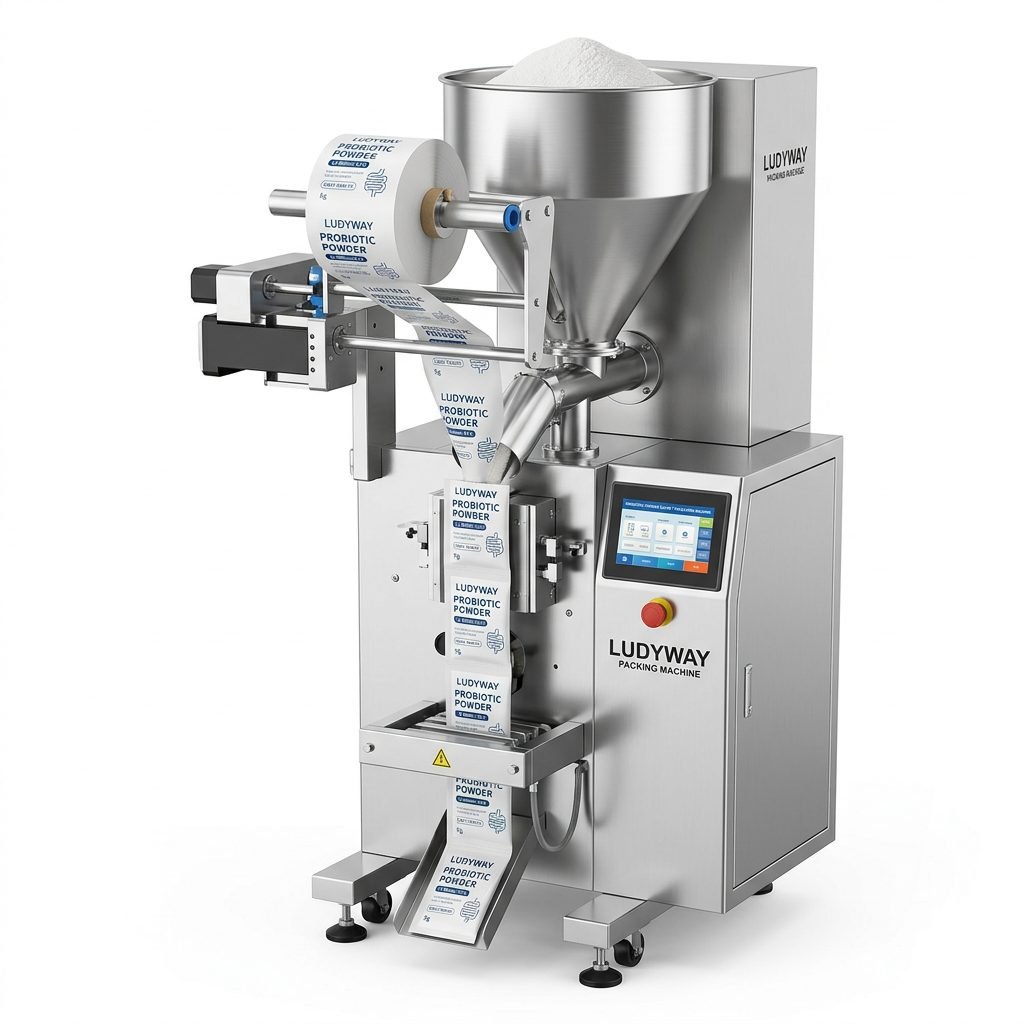
Understanding Powder Characteristics: The Foundation of Machine Selection
Before evaluating any powder packaging machine, you must first understand the physical and chemical properties of your powder. These characteristics determine the type of dosing system, the materials used in construction, and the overall machine configuration. Ignoring powder behavior is one of the most common mistakes buyers make.
Key Powder Properties to Analyze
- Flowability: Does the powder flow freely, or is it cohesive and prone to bridging? Free-flowing powders like granulated sugar work well with volumetric fillers, while sticky or cohesive powders may require auger-based dosing systems with mechanical agitation.
- Particle Size and Distribution: Fine powders (below 100 microns) can generate dust and require specialized dust control systems. Granules and larger particles typically flow more predictably but may require different filling head designs.
- Bulk Density: Variations in bulk density affect filling accuracy. Consistent density allows for reliable volumetric filling; inconsistent density often necessitates gravimetric (weighing) systems for precise dosing.
- Hygroscopicity: Powders that absorb moisture from the air need sealed hoppers and climate-controlled environments to prevent clumping and ensure consistent filling.
- Temperature Sensitivity: Heat-sensitive powders may require cooling systems or slower operating speeds to avoid degradation during the filling and sealing process.
- Abrasive Properties: Abrasive powders can wear down standard components. Machines handling such materials need hardened contact parts to extend service life.
Conducting a thorough powder analysis early in the selection process helps narrow down compatible machine types and avoids costly mismatches. Many packaging machinery manufacturers offer application testing to validate machine performance with your specific product before purchase.
Defining Your Production Requirements
Your current and projected production volumes play a decisive role in selecting the appropriate powder sachet filling machine. A mismatch between machine capacity and production needs leads to either bottlenecks or unnecessary capital expenditure.
Critical Production Parameters
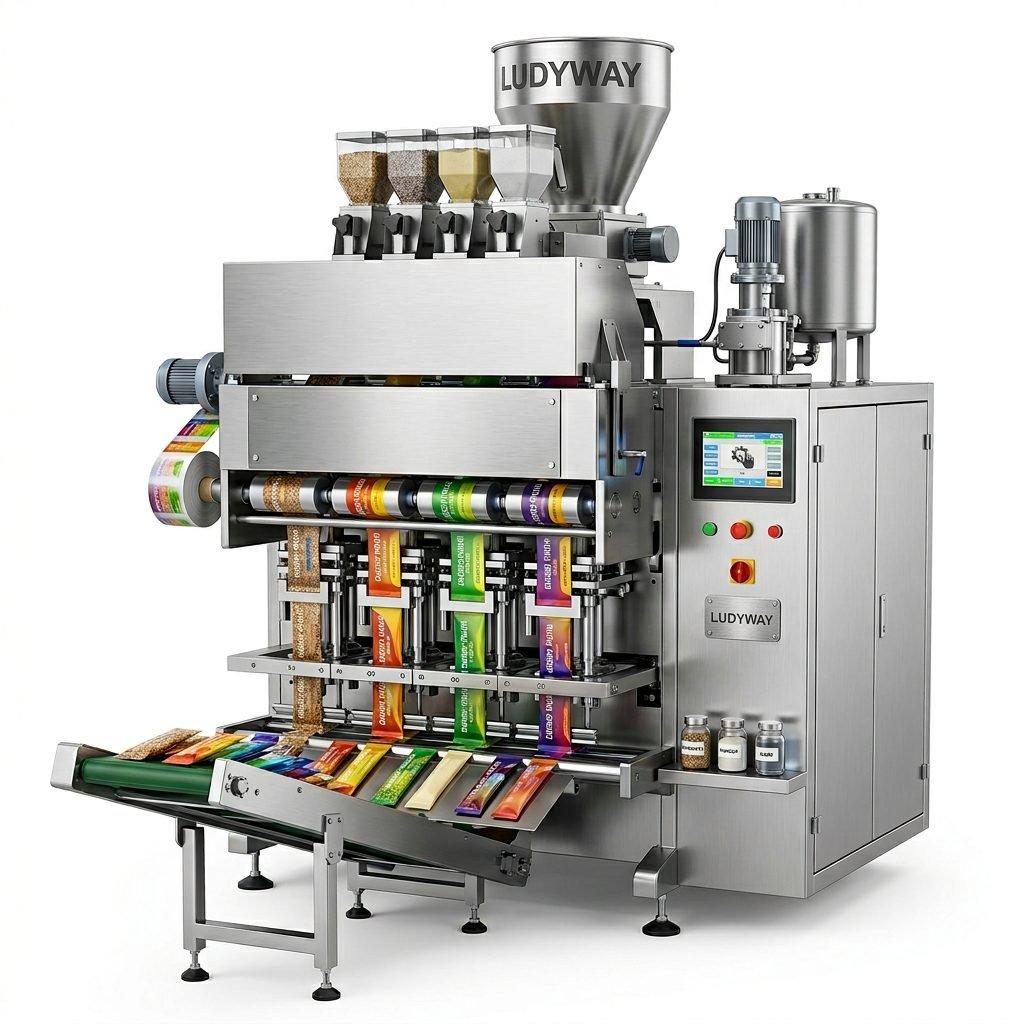
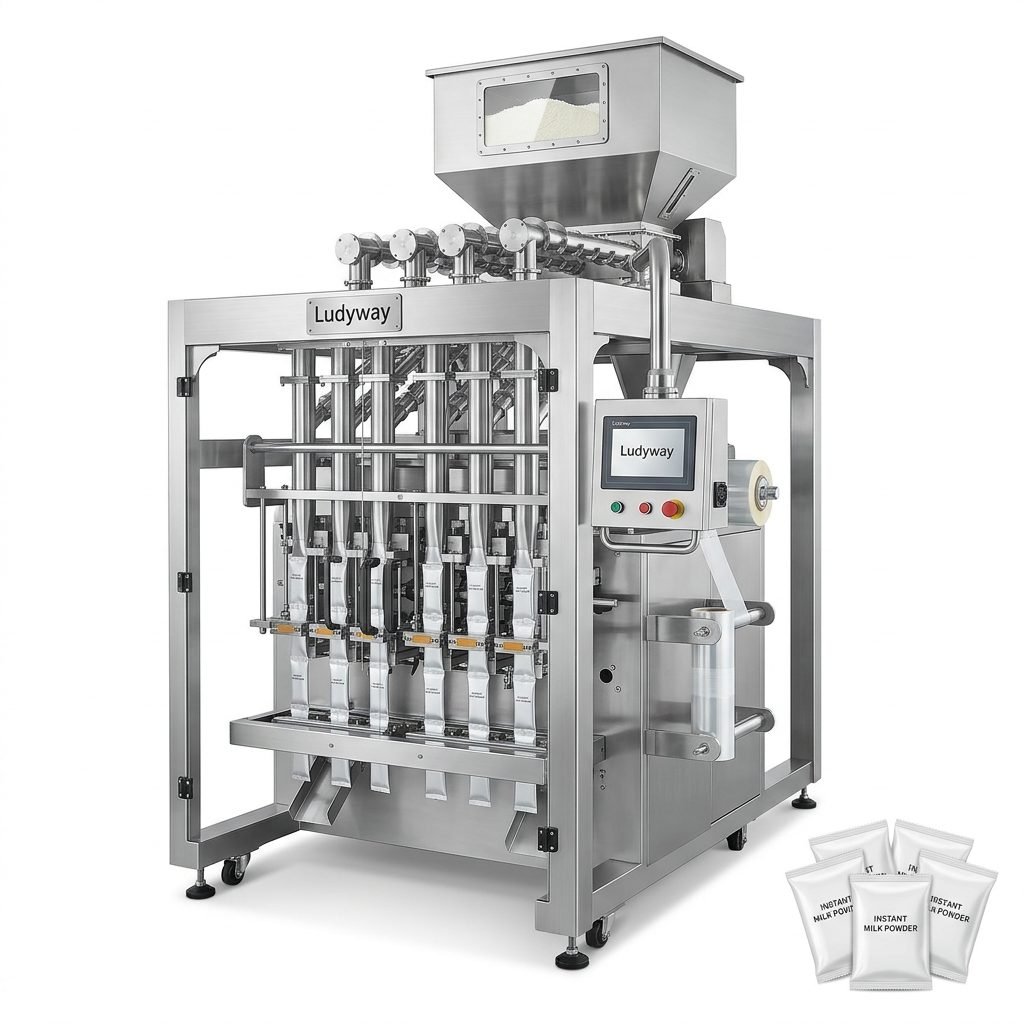
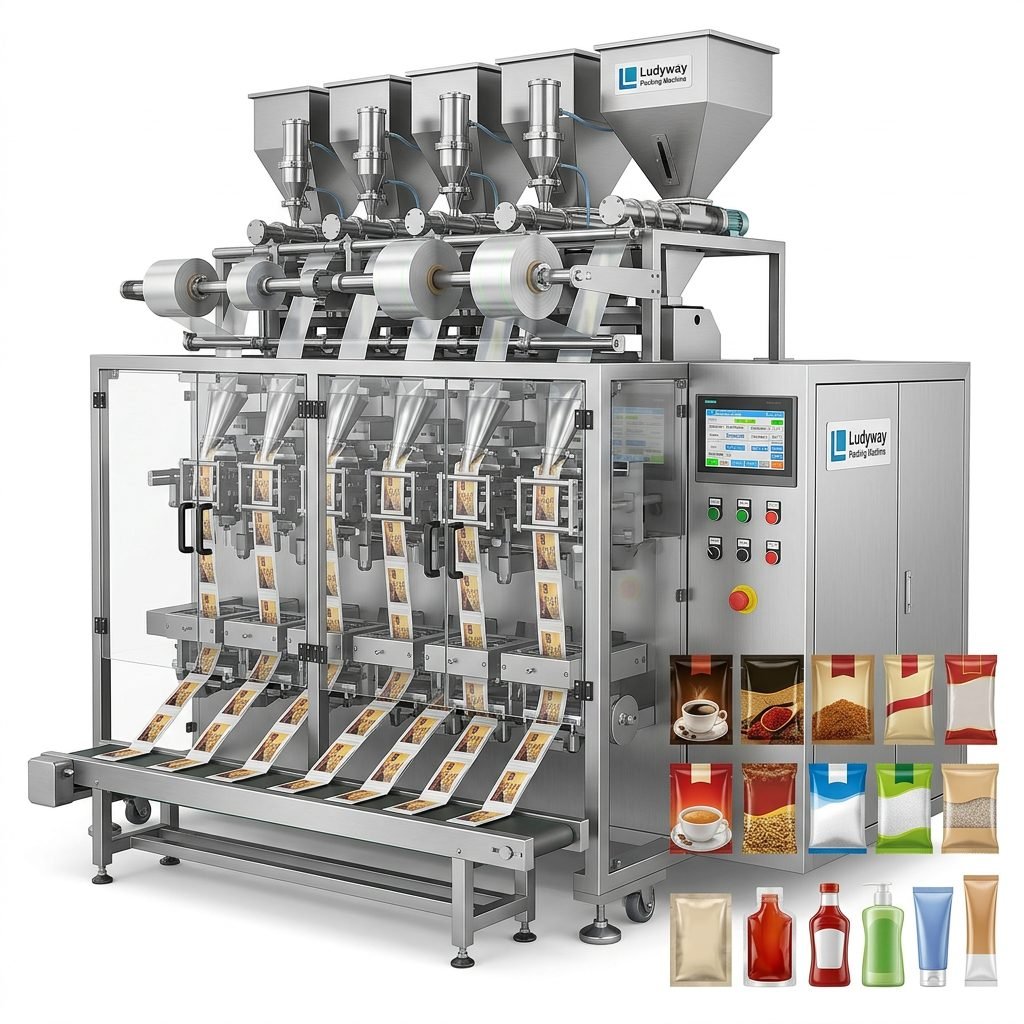
- Target Output Speed: Measured in sachets per minute, this determines whether single-lane or multi-lane packaging systems are appropriate. Single-lane machines typically produce 30–80 sachets per minute, while multi-lane configurations can exceed 400 sachets per minute.
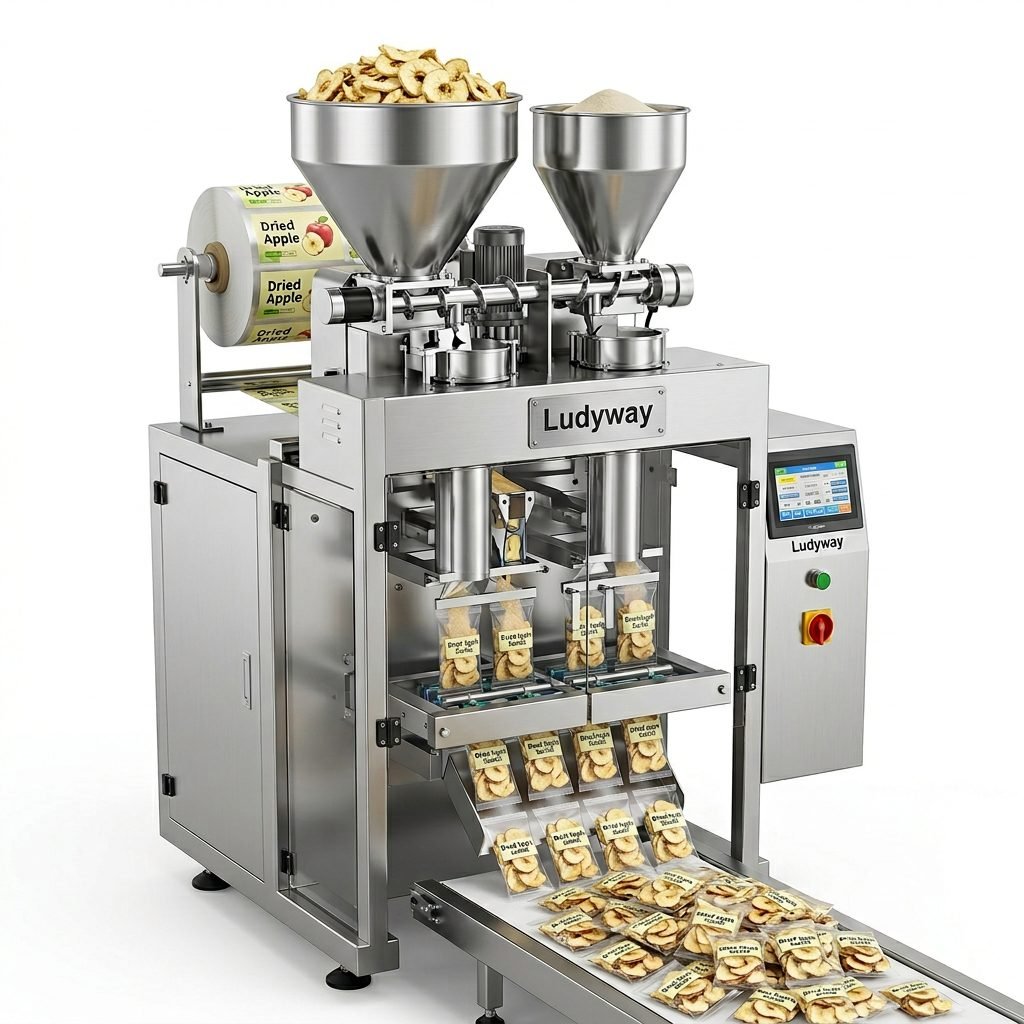
- Sachet Dimensions and Formats: Common formats include stick packs, three-side-seal sachets, four-side-seal sachets, and gusseted pouches. Ensure the machine supports your desired sachet style and size range.
- Filling Volume Range: Machines are designed for specific weight or volume ranges. Confirming that your target fill falls within the machine’s optimal range ensures accuracy and reliability.
- Packaging Material Compatibility: The machine must handle your chosen film structure, whether it is laminate, aluminum foil, polyethylene, or multi-layer barrier films. Seal quality depends on proper temperature control and dwell time for your specific material.
- Batch Changeover Frequency: Frequent product or format changes benefit from machines with quick-change features, minimal tool requirements, and recipe storage for repeatable setups.
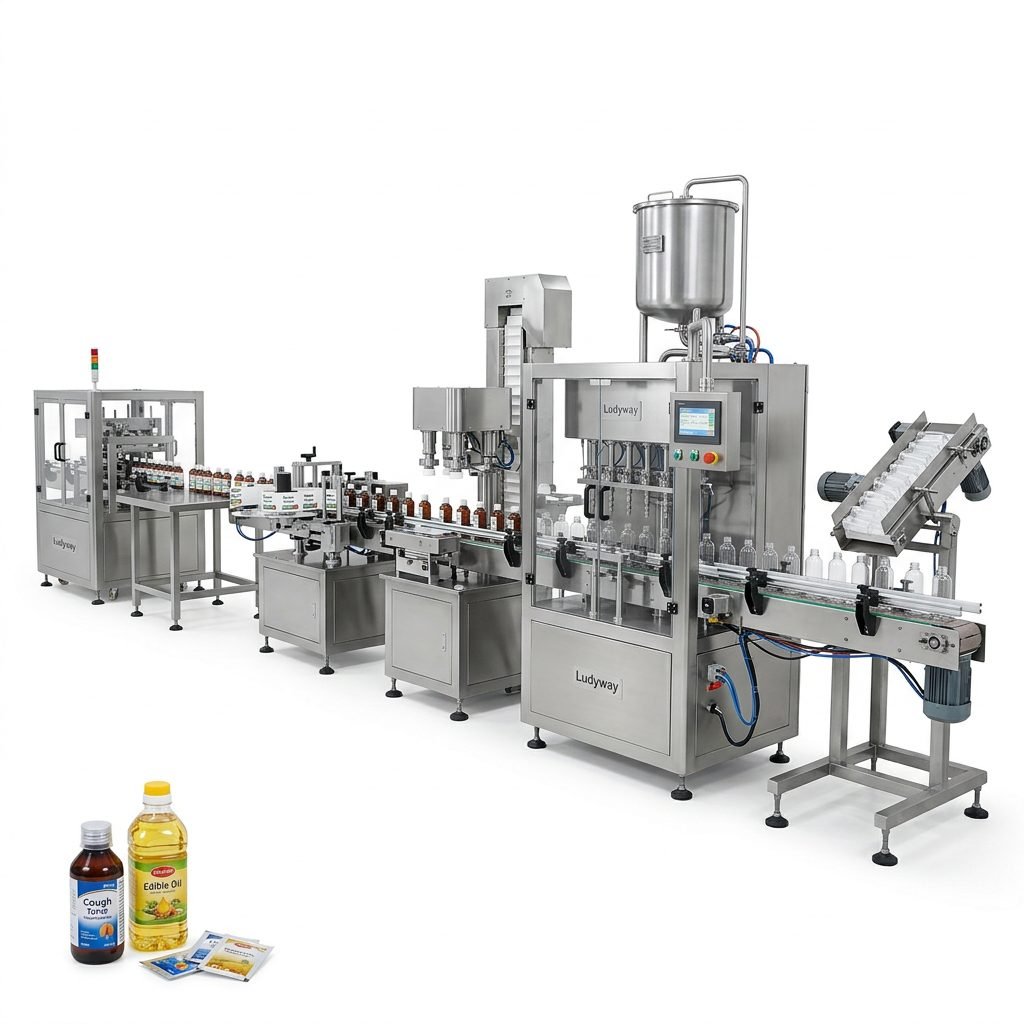
- Integration with Upstream and Downstream Equipment: Consider how the filling machine connects with feeding systems, checkweighers, coding equipment, cartoners, and palletizers to form a seamless packaging line.
Filling Technologies: Choosing the Right Dosing System
The dosing system is the heart of any powder sachet filling machine. Different technologies offer varying levels of accuracy, speed, and suitability for different powder types. Understanding the strengths and limitations of each system is essential for making the right choice.
| Filling Technology | Best For | Accuracy Level | Speed Capability |
|---|---|---|---|
| Auger Filling | Cohesive powders, fine powders, variable density materials | High (±0.5% to ±1%) | Moderate to High |
| Volumetric Cup Filling | Free-flowing granules, uniform density powders | Moderate (±1% to ±2%) | High to Very High |
| Gravimetric Weighing | High-value products, strict regulatory applications | Very High (±0.1% to ±0.5%) | Moderate |
| Multi-Head Weighing | Granules, free-flowing powders, mixed products | High (±0.3% to ±1%) | Very High |
| Piston Filling | Pastes, viscous products, certain powder slurries | High (±0.5% to ±1%) | Moderate to High |
For most powder applications, auger filling systems provide the best balance of accuracy, versatility, and cost-effectiveness. However, high-speed food and nutraceutical operations often benefit from multi-head weighing systems that combine speed with precision. Working with an experienced packaging machinery manufacturer helps identify the optimal dosing technology for your specific product and production goals.
Industry-Specific Considerations
Different industries impose distinct requirements on powder sachet filling equipment. Understanding regulatory and operational expectations within your sector is crucial for selecting compliant and efficient machinery.
Pharmaceutical and Nutraceutical Applications
Pharmaceutical-grade powder packaging machines must meet stringent regulatory requirements, including FDA packaging regulations and GMP guidelines. Key features include validated cleaning procedures, tamper-evident sealing, serialization capabilities, and comprehensive documentation packages. Accuracy is paramount, as dosing errors can have serious health implications. Machines in this category often feature gravimetric weighing systems and full audit trail functionality.
Food and Beverage Packaging
Food-grade sachet packaging equipment must prioritize hygiene and ease of cleaning. Stainless steel construction, sanitary design principles, and compatibility with washdown procedures are essential. The machine should accommodate a wide range of packaging materials, including moisture-resistant and oxygen-barrier films that extend product shelf life. Speed and flexibility are often critical for food manufacturers managing multiple product lines. According to PMMI packaging industry research, food packaging represents one of the largest and fastest-growing segments for flexible packaging machinery.
Chemical and Industrial Products
Chemical powders present unique challenges, including corrosiveness, abrasiveness, and potential health hazards. Machines in this sector require explosion-proof configurations, chemical-resistant seals and gaskets, and robust dust containment systems. Heavy-duty construction with hardened steel components extends machine life when handling abrasive materials.
Cosmetics and Personal Care
This segment often demands high aesthetic standards for sachet appearance, precise filling for premium products, and the ability to handle a variety of formulations from fine powders to creams. Quick changeover capabilities are valuable for manufacturers producing multiple SKUs in smaller batches.
Machine Construction and Material Quality
The build quality of a powder sachet filling machine directly affects its longevity, reliability, and maintenance costs. When evaluating machines, pay close attention to the following construction elements.
- Frame and Structural Components: Premium machines use heavy-gauge stainless steel (typically AISI 304 or 316L) for product contact parts and robust aluminum or steel for non-contact structural elements. Stainless steel construction resists corrosion and simplifies cleaning.
- Sealing System: The quality of the sealing mechanism determines package integrity. Look for machines with independent temperature control per sealing zone, precise pressure regulation, and durable sealing jaws. Poor sealing leads to product leakage and customer complaints.
- Electrical and Pneumatic Components: Machines incorporating branded components from established automation suppliers tend to offer better reliability and easier spare parts availability. Key components include PLC controllers, servo motors, sensors, and pneumatic cylinders.
- Dust Management: Effective dust extraction systems protect both the product and the operator. Machines should feature sealed processing zones, vacuum dust collection, and smooth surfaces that minimize powder accumulation.
- Safety Features: Compliance with international safety standards includes emergency stop buttons, safety interlocks on access doors, overload protection, and proper guarding of moving parts.
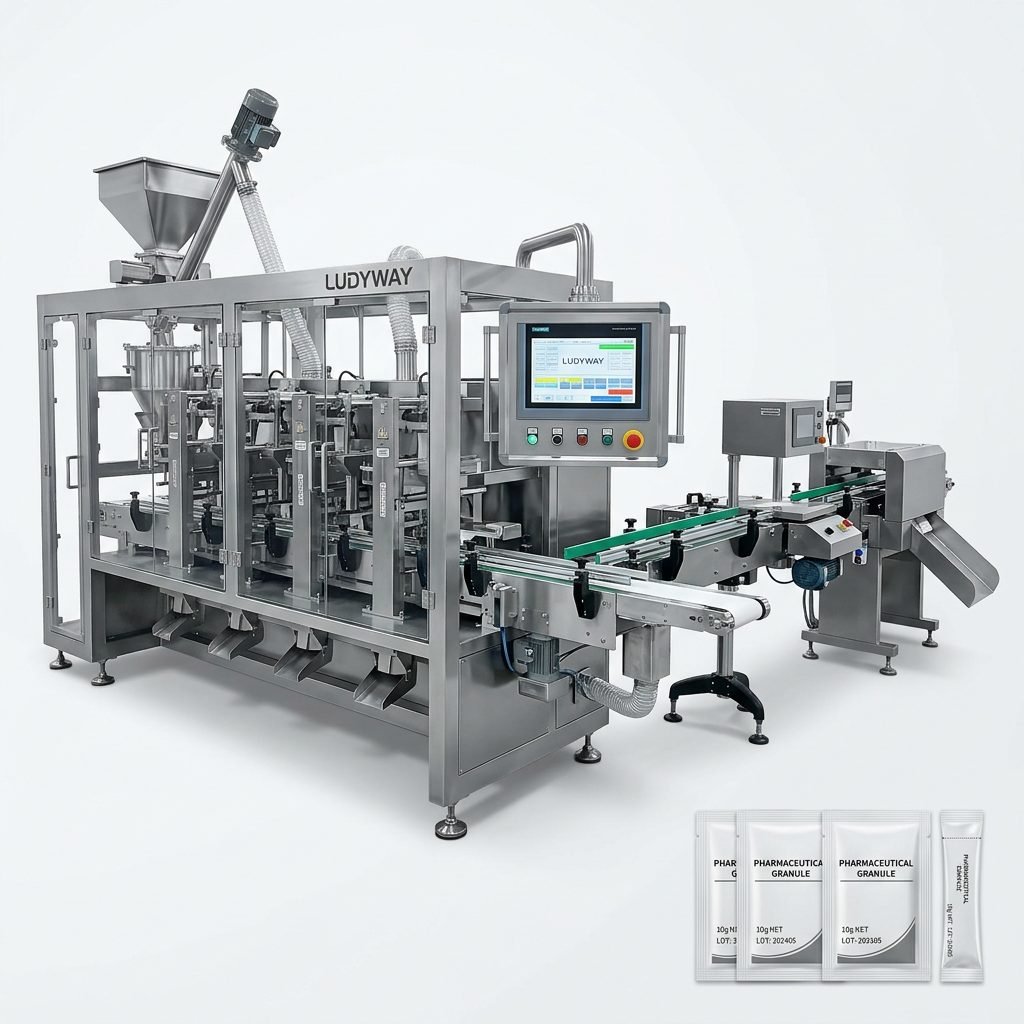
Automation Level and Control Systems
Modern powder sachet filling machines offer varying degrees of automation, from semi-automatic units requiring significant operator involvement to fully automatic systems integrated with upstream and downstream equipment. The right level of automation depends on your labor costs, production volume, and consistency requirements.
Key Automation Features to Evaluate
- PLC-Based Control with HMI Touchscreen: Intuitive interfaces with recipe management allow operators to store and recall product-specific settings, reducing changeover time and minimizing errors.
- Servo-Driven Motion: Servo motors provide precise control over filling, sealing, and film feeding, resulting in higher accuracy and faster cycle times compared to pneumatic systems.
- Automatic Film Tracking and Registration: Sensors detect printed registration marks and automatically adjust film position, maintaining consistent sachet appearance and seal integrity.
- In-Line Quality Control: Integrated systems for checkweighing, metal detection, seal inspection, and vision verification help ensure every sachet meets quality standards.
- Remote Diagnostics and Support: Machines with remote connectivity allow manufacturers to troubleshoot issues quickly and minimize downtime through remote technical assistance.
The Flexible Packaging Association provides additional resources on packaging automation trends and industry standards that can inform your technology decisions.
Total Cost of Ownership: Beyond the Purchase Price
Evaluating powder packing machine options solely on initial purchase price is a common mistake that leads to higher long-term costs. A comprehensive total cost of ownership analysis includes several factors beyond the upfront investment.
| Cost Factor | Considerations |
|---|---|
| Energy Consumption | Servo-driven machines typically consume less energy than pneumatic systems over time |
| Spare Parts Availability | Branded components from established suppliers reduce lead times and simplify procurement |
| Maintenance Requirements | Preventive maintenance schedules, accessibility of wear parts, and technical support quality affect ongoing costs |
| Film Waste | Precision film feeding and registration systems minimize material waste during startup and production |
| Downtime Costs | Reliable machines with responsive technical support reduce production losses from unplanned stoppages |
| Operator Training | Intuitive controls and comprehensive training reduce onboarding time and operational errors |
Consider requesting a detailed lifecycle cost projection from potential suppliers, including estimated maintenance intervals, common wear part replacement schedules, and energy consumption data. This analysis often reveals that mid-range and premium machines offer better value over a 5–10 year operating horizon compared to budget alternatives.
Supplier Evaluation and Partnership
Choosing the right supplier is as important as choosing the right machine. A reliable packaging machinery partner provides value beyond the equipment itself, offering technical expertise, responsive support, and long-term collaboration.
Questions to Ask Potential Suppliers
- Can you provide application testing with our specific powder product before finalizing the machine configuration?
- What certifications and compliance documentation do your machines carry for our target markets?
- How do you handle installation, commissioning, and operator training at our facility?
- What is your typical spare parts lead time, and do you maintain regional parts inventory?
- Do you offer remote technical support and on-site service options?
- Can you provide references from customers in our industry with similar applications?
- What is your approach to customization and engineering modifications for unique requirements?
Ludyway Machinery, with more than 30 years of experience and a 20,000-square-meter manufacturing facility, provides customized powder sachet filling solutions backed by in-house engineering, global service capabilities, and application expertise across food, pharmaceutical, chemical, and cosmetic industries. The company’s approach combines manufacturing quality with engineering support to help manufacturers develop efficient and scalable packaging systems.
Regulatory Compliance and International Standards
If your products are destined for regulated markets, your powder sachet filling machine must meet applicable standards. This is particularly important for pharmaceutical and food products exported to North America, Europe, and other regulated regions.
- CE Marking: Required for machinery sold in the European Economic Area, indicating compliance with EU safety, health, and environmental protection requirements.
- FDA Compliance: Machines used for food and pharmaceutical packaging in the United States must meet FDA food contact substance regulations and GMP guidelines.
- ISO Standards: Relevant standards include ISO packaging standards covering terminology, dimensions, performance testing, and safety requirements.
- GAMP Guidelines: For pharmaceutical applications, Good Automated Manufacturing Practice guidelines help ensure validated and compliant automated systems.
Verify that your chosen supplier can provide the necessary documentation, including material certificates, validation support, and compliance declarations for your target markets.
Making the Final Decision
After evaluating all technical, operational, and commercial factors, the final selection of a powder sachet filling machine should balance current needs with future growth plans. A machine that perfectly matches today’s requirements but cannot scale with your business may require replacement sooner than anticipated. Conversely, overspending on capacity that remains unused ties up capital unnecessarily.

Key takeaways for your purchasing process include conducting thorough powder analysis before machine selection, matching filling technology to product characteristics, evaluating total cost of ownership rather than just purchase price, verifying regulatory compliance for your target markets, and partnering with a supplier that offers comprehensive application engineering and after-sales support. By systematically working through these considerations, you can select a powder packaging solution that delivers reliable performance, consistent product quality, and strong return on investment for years to come.
For manufacturers seeking a single-source partner for powder sachet filling machines, integrated packaging lines, and turnkey solutions, working with an experienced packaging machinery manufacturer with global engineering and service capabilities can simplify the entire process from equipment selection through installation and ongoing technical support.