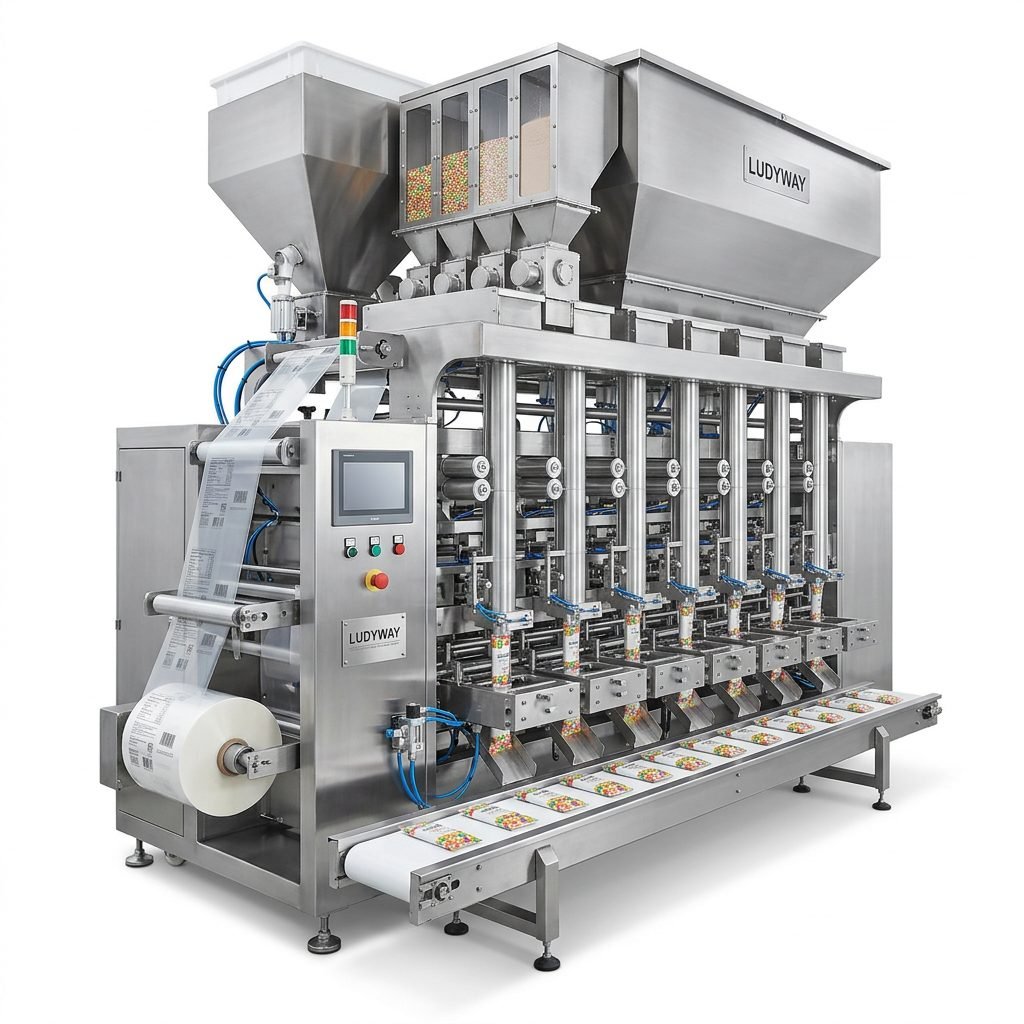
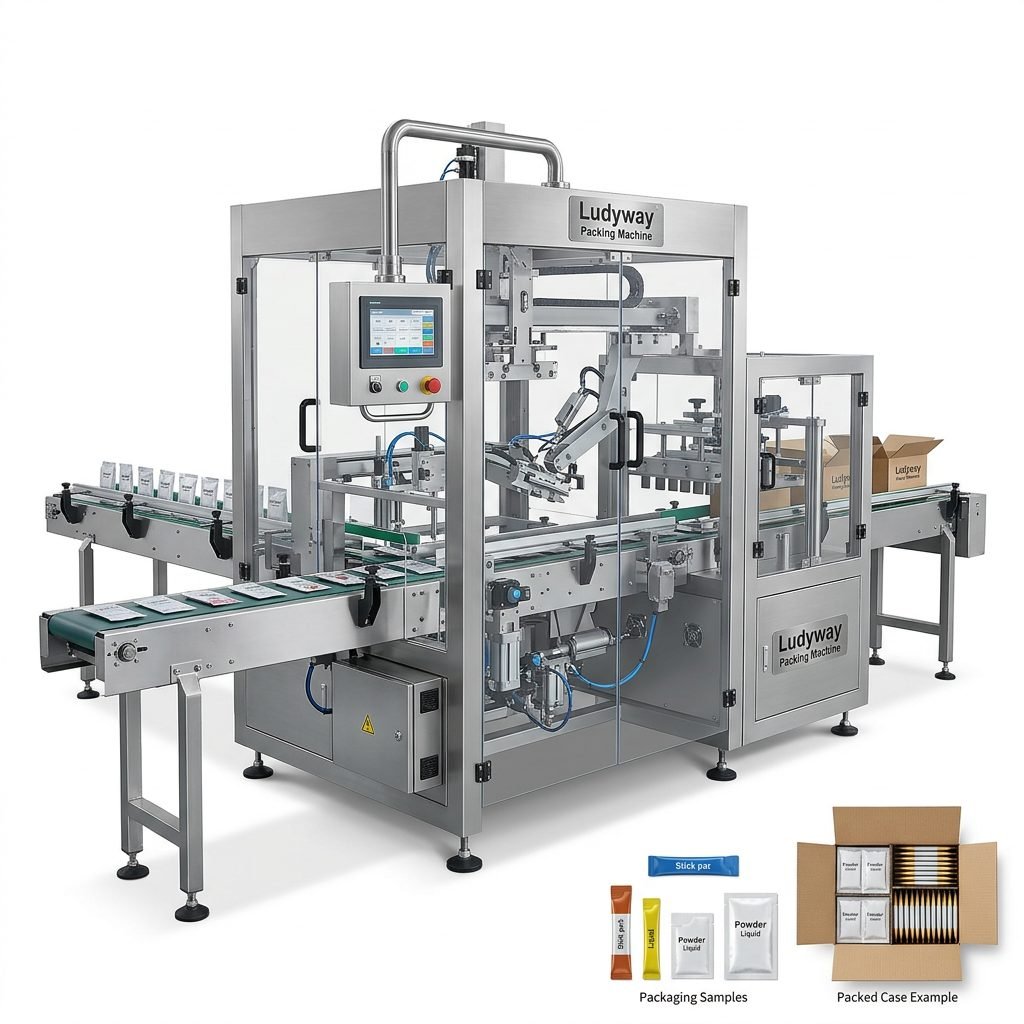
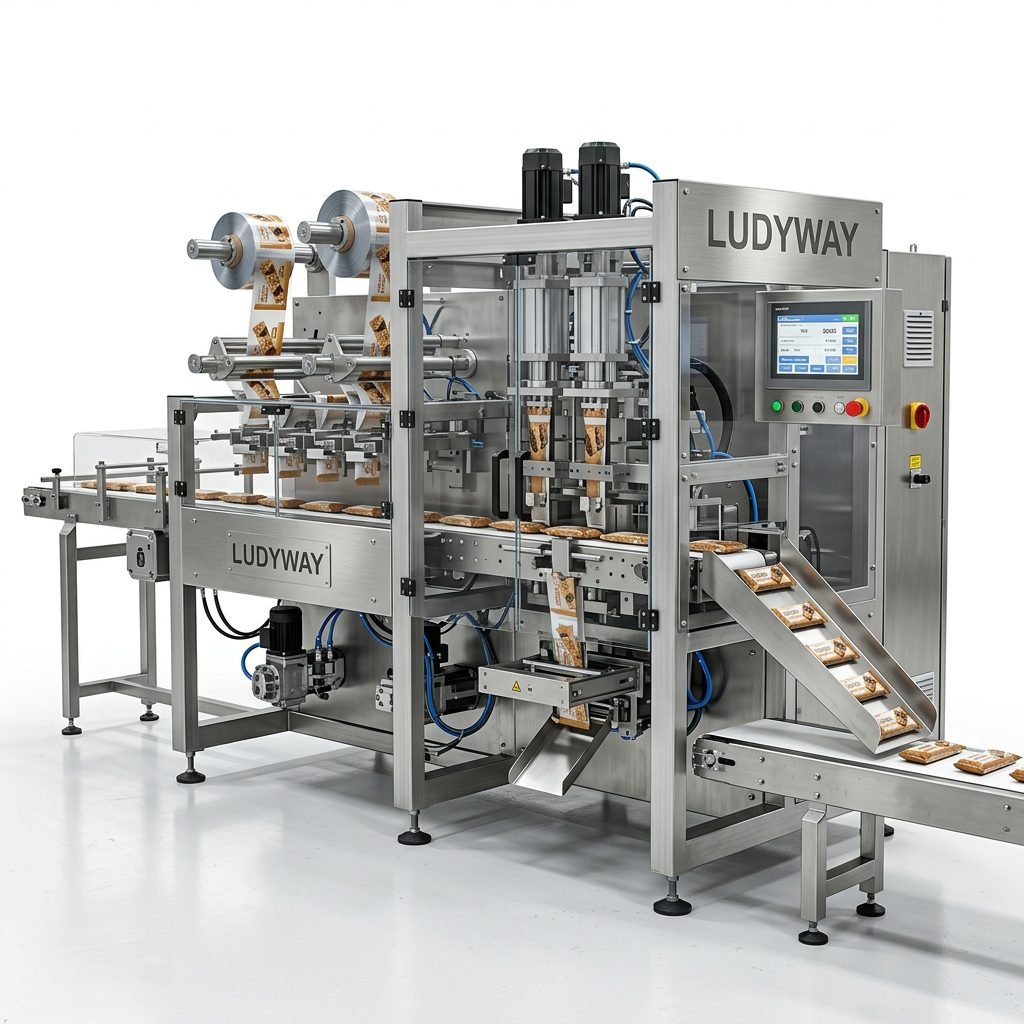
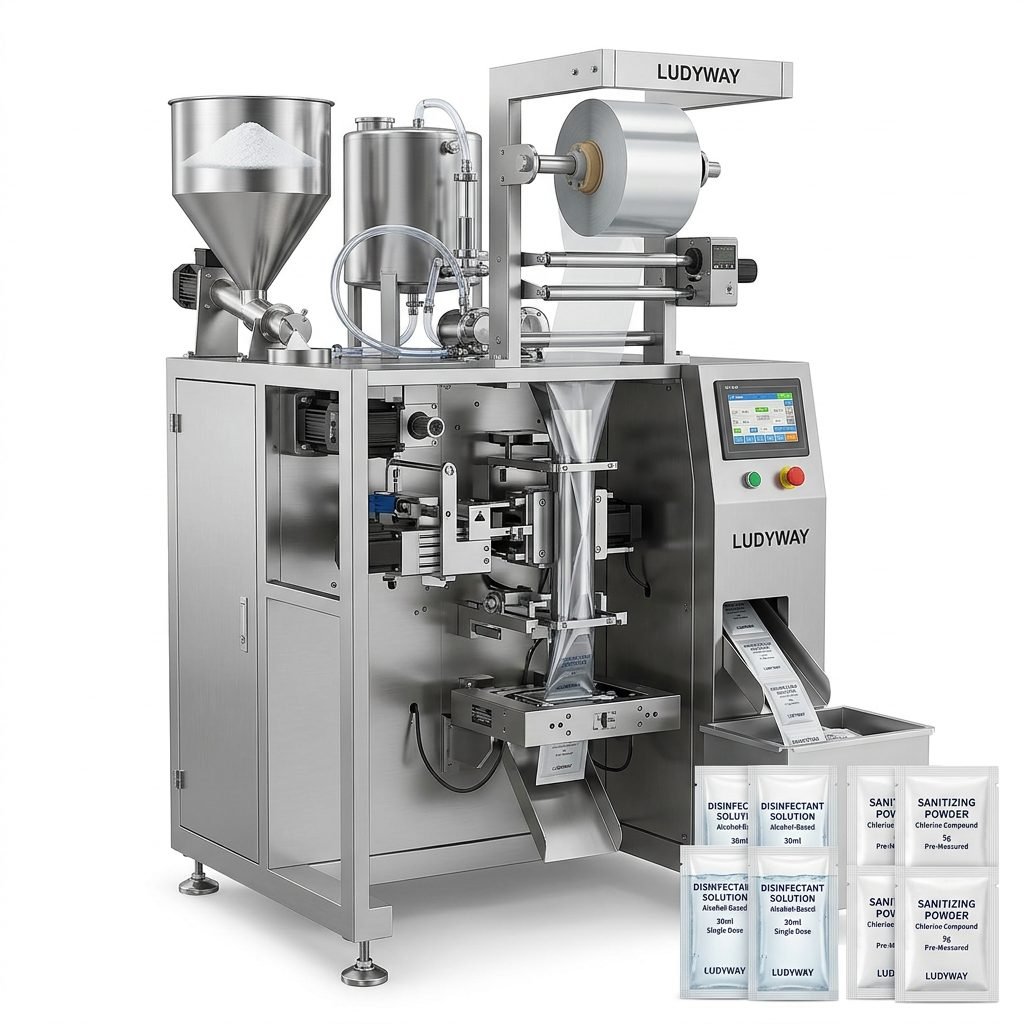
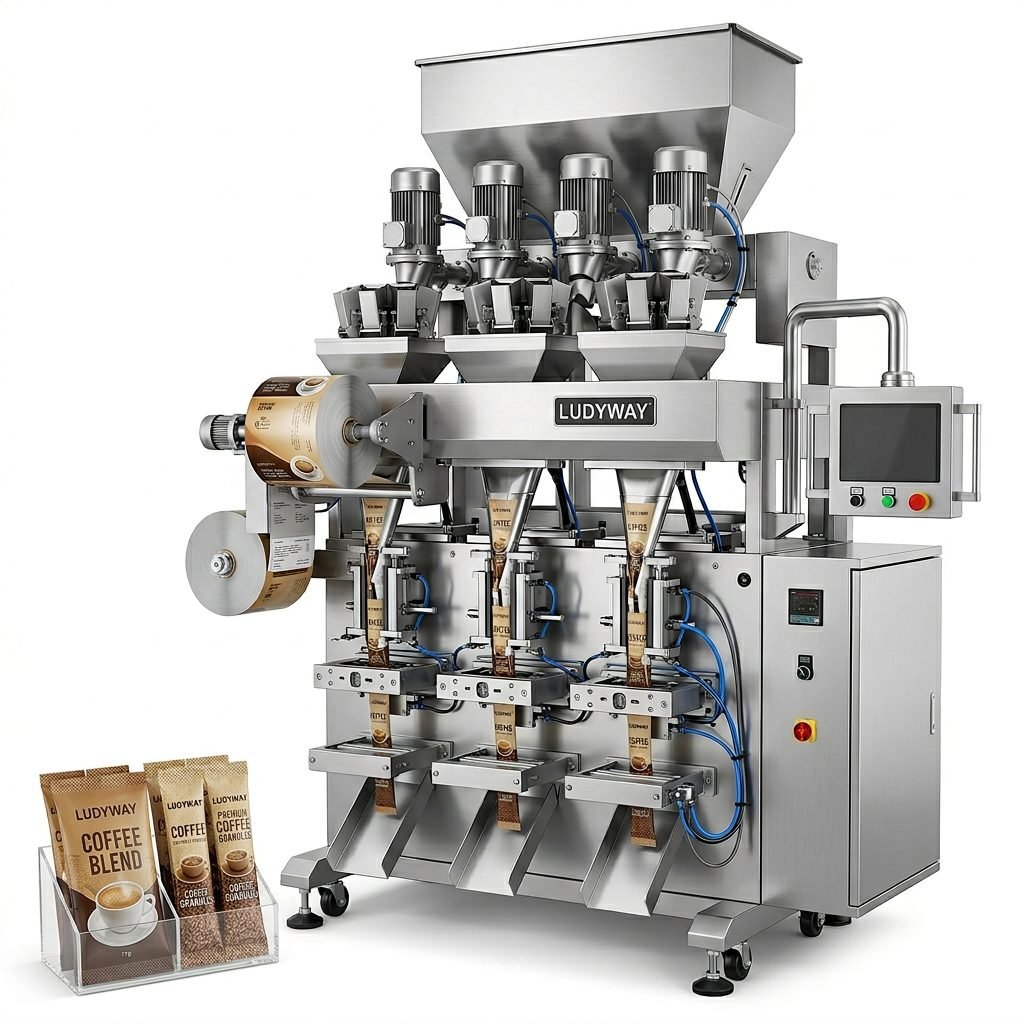
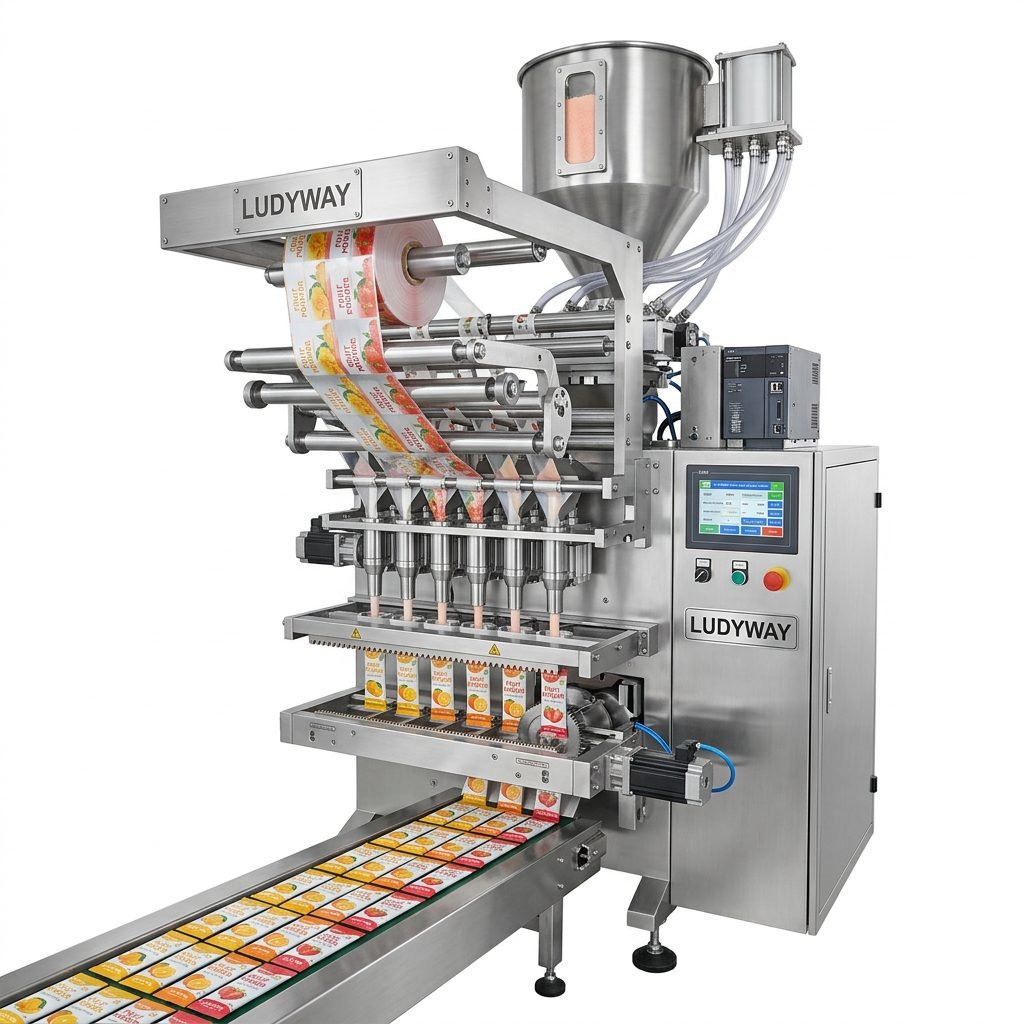
Investing in a gusset pouch packing machine is a strategic decision that directly impacts your production efficiency, product presentation, and long-term operational costs. Unlike standard flat pouches, gusset pouches feature expandable side or bottom panels that allow for greater volume and superior shelf stand-up capability. However, selecting the right equipment among the vast array of automatic packaging machinery requires a systematic evaluation of your product, production goals, and technical requirements. This guide breaks down every critical factor to help you make a confident, informed purchase.
Understanding Gusset Pouch Configurations and Machine Compatibility
Before evaluating specific machines, it is essential to understand the types of gusset pouches your operation will run. The three primary configurations are side gusset, bottom gusset, and corner gusset. Each requires different forming, filling, and sealing mechanisms. A machine designed for bottom-gusseted stand-up pouches may not efficiently handle side-gusseted formats without significant modification. According to the Flexible Packaging Association, gusseted pouch demand continues to grow across food, pet food, and pharmaceutical sectors precisely because of their versatility and material efficiency. Clarifying your pouch format upfront prevents costly retrofits and ensures that the filling and sealing stations are optimally configured for your packaging material.
Key Pouch Specifications to Document
- Pouch dimensions: Width, height, and gusset depth (both minimum and maximum ranges your production requires)
- Material structure: Single-layer, multi-layer laminate, foil-based, or recyclable mono-material films
- Closure type: Zipper, slider, tear notch, spout, or heat-seal only
- Fill opening characteristics: The required opening size for efficient product dispensing
- Stand-up capability: Whether the pouch needs a flat bottom for retail display
Product Characteristics That Influence Machine Selection
Your product’s physical properties are the single most important variable in choosing a gusset pouch packing machine. Free-flowing granules, sticky powders, irregular solids, and liquids each demand fundamentally different dosing and filling technologies. For granular products like coffee beans or pet food, multi-head weigher combinations deliver speed and accuracy. For fine powders such as flour or protein supplements, auger fillers with dust-control enclosures prevent product loss and maintain a clean sealing area. Liquid and paste products require piston or pump filling systems with drip-free nozzles. Thoroughly testing your product on the intended machine—not just a similar model—is essential to validate fill accuracy, seal integrity, and throughput expectations. Industry resources from PMMI emphasize that product-machine compatibility testing should be a non-negotiable step before finalizing any packaging equipment purchase.
Production Speed and Automation Level
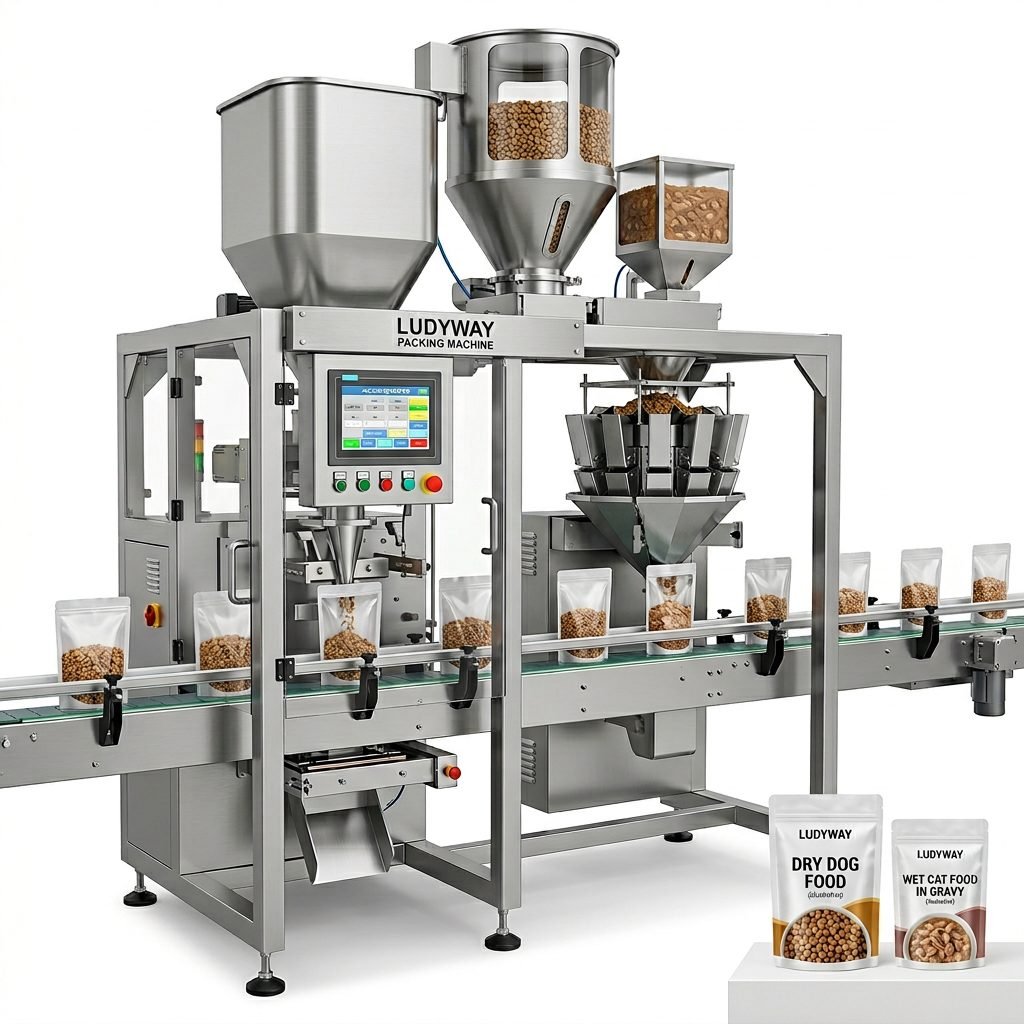
Defining your current and projected production capacity is critical. Machines are generally categorized by output: entry-level semi-automatic machines may produce 15 to 30 pouches per minute, while high-speed fully automatic rotary or multi-lane systems can exceed 80 to 120 pouches per minute. However, raw speed numbers can be misleading. You must consider the entire cycle including pouch feeding, opening, filling, sealing, and discharge. Evaluate the level of automation that fits your labor strategy and factory layout. A fully automated inline system that integrates automatic pouch loading, product filling, zipper closing, date coding, and cartoning can dramatically reduce manual handling errors and increase overall line efficiency. For smaller operations or niche products, a semi-automatic machine may offer a better return on investment while still maintaining flexibility across multiple pouch sizes.
Automation Options to Consider
| Automation Feature | Benefit | Best For |
|---|---|---|
| Automatic pouch feeding and opening | Reduces manual labor, increases consistency | Medium to high-volume production lines |
| Servo-driven multi-head weigher integration | High accuracy (±1-2 grams), fast filling cycles | Granular and small-piece solid products |
| In-line zipper applicator and reclosable closure | Adds consumer convenience and product freshness | Food, pet treats, and resealable packaging formats |
| Integrated date coding and label applicator | Ensures traceability and regulatory compliance | Pharmaceutical, food, and regulated industries |
| Automatic checkweigher and reject station | Quality assurance, reduces giveaway and underfills | High-value products and strict weight compliance |
Sealing Technology and Material Compatibility
The sealing system is the heart of any gusset pouch packing machine. Heat sealing, ultrasonic sealing, and impulse sealing each have distinct advantages depending on your pouch material. Multi-layer laminates with a polyethylene inner layer typically seal well with constant-heat or impulse systems. However, if you are transitioning to recyclable mono-material structures—an increasing trend driven by the European Commission packaging regulations—sealing parameters become more demanding. Mono-materials have narrower sealing windows and require precise temperature control and dwell time adjustments. Machines with servo-driven sealing jaws and multi-zone temperature controllers provide the repeatability needed for these challenging films. Verify that the machine can maintain consistent seal integrity at your target production speed, especially when running gusset pouches where multiple film layers converge at the side seals.
Changeover Flexibility and Future-Proofing
If your business runs multiple products or plans to expand into new categories, rapid changeover capability becomes a significant productivity driver. The time required to switch between different pouch sizes, fill volumes, and product types directly affects your overall equipment effectiveness. Look for machines with tool-free adjustments, recipe-based PLC controls, and modular filling stations that can be swapped quickly. A machine that takes 45 minutes to change over versus one that takes 10 minutes can mean the difference between meeting a tight production schedule and incurring costly downtime. Ask potential suppliers to demonstrate a complete format changeover—watch how adjustments are made to the pouch grippers, forming plows, filling stations, and sealing dies. Documenting the exact procedure and parts required will reveal whether the machine is truly designed for flexibility or merely advertised as such.
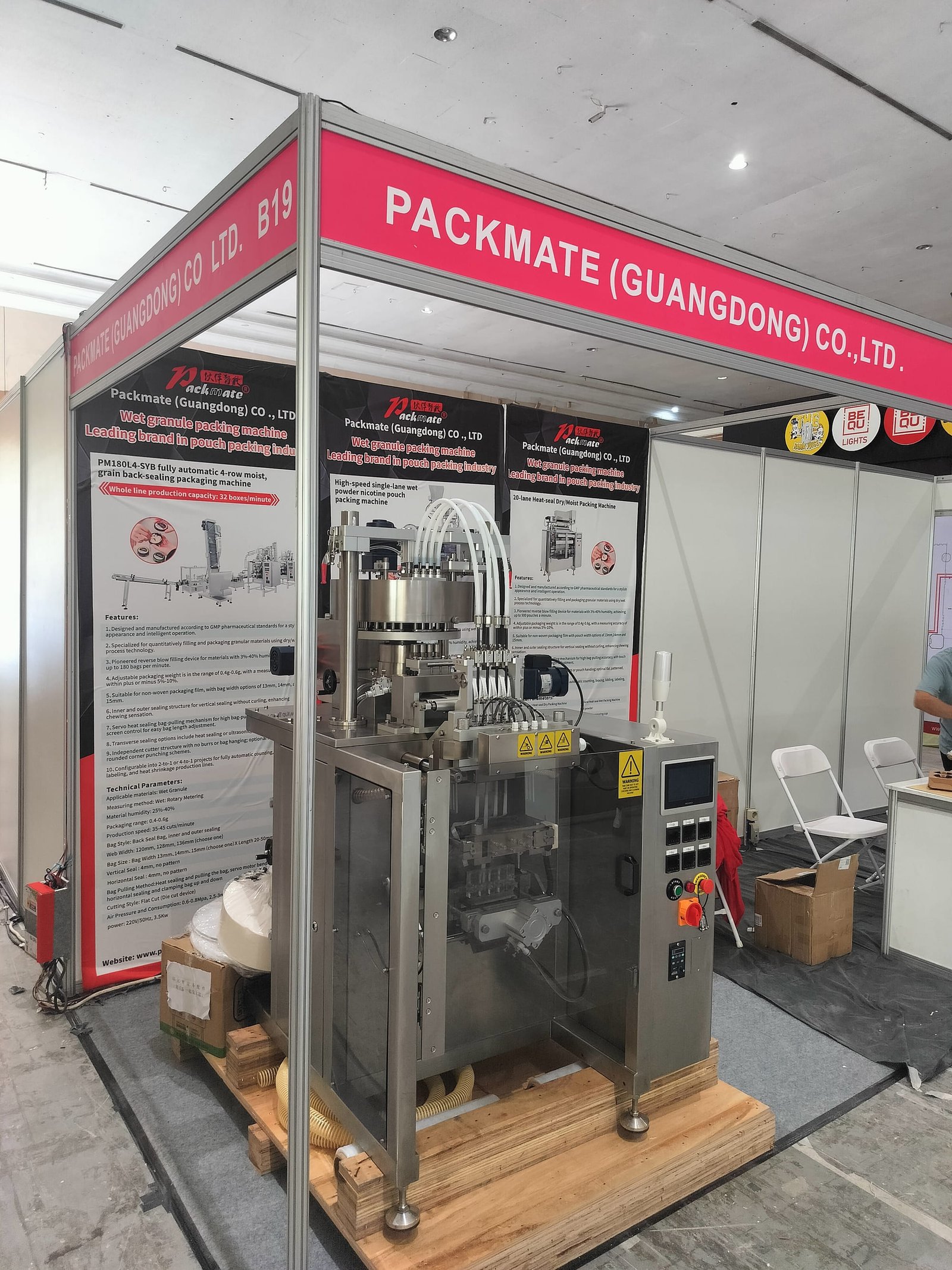
Machine Construction, Cleanability, and Compliance
Build quality determines not only the machine’s lifespan but also its suitability for regulated environments. Stainless steel construction (304 or 316 grade) is standard for food and pharmaceutical applications where washdown procedures and corrosion resistance are non-negotiable. Examine the frame, product contact surfaces, and electrical enclosures for material certifications. Machine design should facilitate easy access for cleaning, maintenance, and inspection. Sloped surfaces that prevent product accumulation, sealed bearings, and smooth weld finishes minimize contamination risks. If your product is hygroscopic, dusty, or requires inert gas flushing, the machine must be configured with appropriate dust extraction ports or gas connections. Regulatory frameworks from FDA food packaging requirements to ISO standards should be discussed with the manufacturer to ensure the equipment can be validated for your specific market requirements.
Critical Construction and Compliance Checklist
- Frame material: Verify stainless steel grade and thickness for structural integrity and hygiene
- Product contact parts: Confirm materials are FDA-compliant or meet relevant food-grade certifications
- Sealing jaw design: Check for uniform pressure distribution and easy-release coatings to prevent film sticking
- Electrical and pneumatic standards: Ensure compatibility with your facility’s voltage, compressed air quality, and safety protocols
- Guard doors and interlocks: Must comply with CE, OSHA, or equivalent regional safety requirements
- Documentation package: Request full technical manuals, electrical schematics, and compliance certificates
Evaluating the Total Cost of Ownership
The purchase price of a gusset pouch packing machine is only one element of its total cost. A thorough evaluation should encompass installation, training, spare parts availability, maintenance contracts, and energy consumption over the machine’s expected service life. Inexpensive machines may carry higher long-term costs due to frequent downtime, limited spare parts availability, or poor sealing consistency that leads to product waste. Request a detailed spare parts list with recommended intervals for wear components such as sealing bands, cutting blades, belts, and filters. A reliable supplier will provide a transparent maintenance schedule and offer remote diagnostic support to minimize production interruptions. For companies scaling from manual or semi-automatic processes to full automation, the efficiency gains and labor savings typically justify a higher upfront investment in a robust, well-supported machine from an established packaging machinery manufacturer like Ludyway Machinery, which combines 30 years of engineering experience with comprehensive global technical support across more than 100 countries.
Cost Comparison Factors
| Cost Factor | What to Evaluate | Impact on TCO |
|---|---|---|
| Initial equipment price | Base machine, included options, freight, and import duties | High upfront weight, but not the full picture |
| Installation and commissioning | On-site technician travel, facility preparation, and line integration | Medium; essential for proper startup |
| Spare parts and consumables | Annual cost of wear parts, recommended inventory levels | Recurring; critical for budgeting |
| Operator training | On-site or remote training sessions, documentation quality | High long-term value; reduces errors |
| Energy and utilities | Power consumption, compressed air requirements, cooling water needs | Ongoing operational expense |
| Downtime risk | Supplier response time, remote support availability, local service partners | Potentially very high; lost production cost |
Supplier Evaluation and After-Sales Support
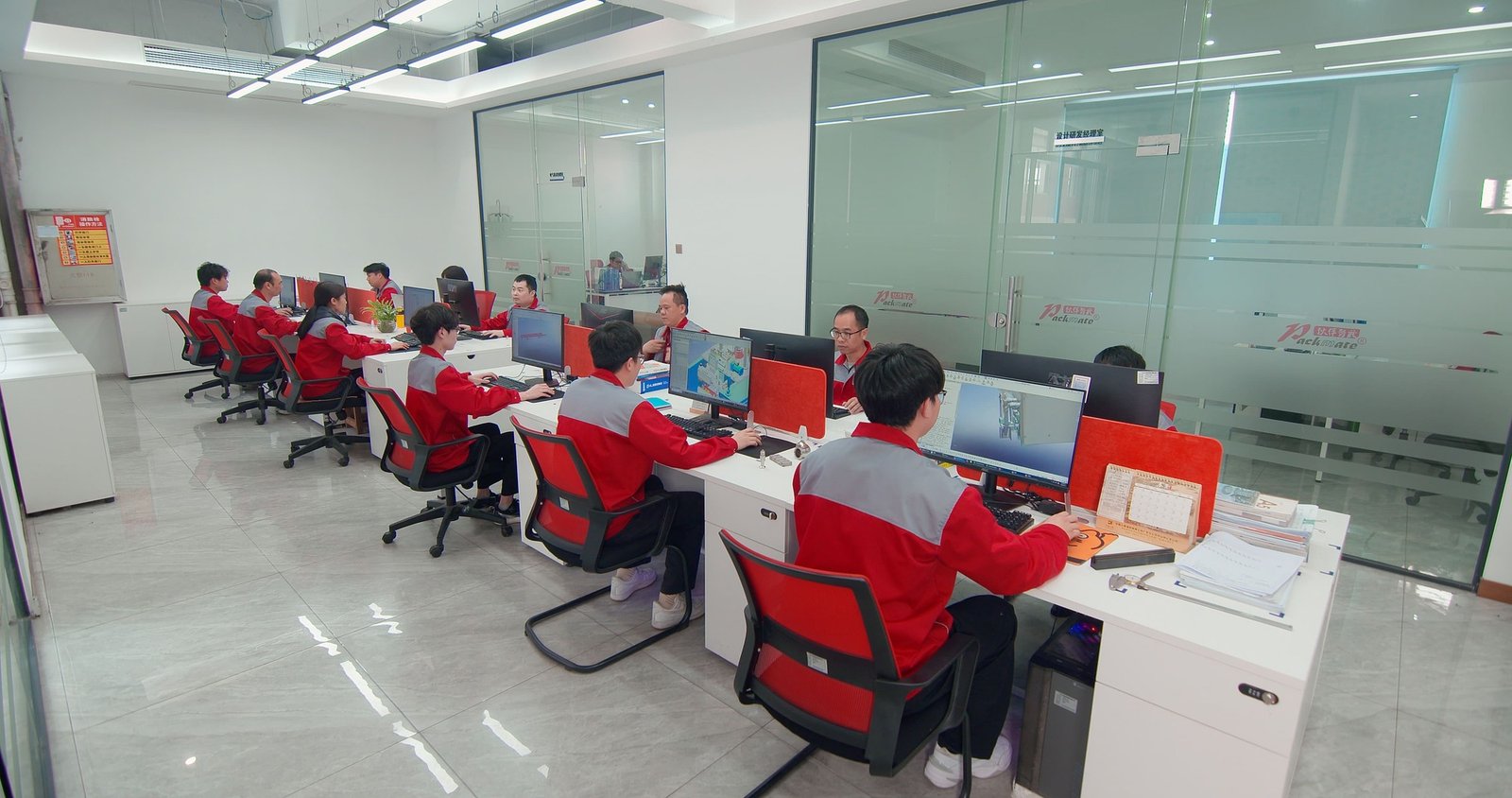
The relationship with your packaging machinery supplier extends far beyond the initial sale. Technical support responsiveness, spare parts logistics, and engineering expertise define the long-term success of your packaging operation. When evaluating suppliers, ask for references from companies running similar products and production volumes. Visit their manufacturing facility if possible, or request video tours that demonstrate their assembly quality, testing procedures, and engineering capabilities. A supplier that offers turnkey packaging solutions—including upstream feeding systems, downstream cartoning, and line integration—can simplify project management and provide single-point accountability. Verify that the supplier maintains an adequate spare parts inventory and can ship critical components quickly to your region. For international buyers, confirming the supplier’s experience with export documentation, installation support, and remote troubleshooting can prevent costly misunderstandings. The PMMI business intelligence resources provide valuable benchmarks for evaluating packaging machinery suppliers against industry standards.
Making the Final Decision: A Step-by-Step Framework
After gathering technical specifications, conducting product trials, and evaluating suppliers, synthesize your findings using a structured decision framework. Create a weighted scoring matrix that prioritizes the factors most critical to your operation. Below is a recommended framework that you can adapt to your specific needs:
- Define mandatory requirements — product compatibility, pouch format range, regulatory compliance
- Set performance thresholds — minimum production speed, acceptable fill accuracy, seal integrity standards
- Evaluate supplier capabilities — engineering depth, industry experience, global support infrastructure
- Conduct on-site or virtual acceptance testing — run your actual product and packaging materials
- Review total cost of ownership projections — compare 3-year and 5-year cost estimates across shortlisted machines
- Negotiate warranty terms, training packages, and spare parts agreements — secure commitments in writing
- Plan installation, commissioning, and operator training timeline — coordinate with your production schedule
Selecting the right gusset pouch packing machine is a significant investment that rewards thorough due diligence. By systematically evaluating product characteristics, production requirements, machine construction, supplier capabilities, and total cost of ownership, you position your operation for efficient, reliable, and scalable packaging performance. The packaging industry continues to evolve with new materials, sustainability requirements, and automation technologies—choosing a machine and a supplier that can adapt to these changes ensures that your investment remains productive for years to come. For further guidance, consult resources from the Flexible Packaging Association and PACK EXPO International to stay current with the latest packaging machinery innovations and industry best practices.