Investing in a tea packaging machine is a significant step for any tea business, whether you’re a small artisanal producer or a large-scale manufacturer. The cost is often the primary concern, and rightly so, as it represents a major capital expenditure. However, the price tag is not a single figure; it’s a spectrum influenced by a complex interplay of factors. Understanding these variables is crucial to creating a realistic budget and making an informed purchase that aligns with your production goals and financial capacity. This article will guide you through the key elements that determine the cost of a tea packaging machine and help you answer the essential question: how much should you budget?
Understanding the Price Spectrum: Entry-Level to High-End
The market offers a wide range of tea packaging machines, with prices varying dramatically. You can find basic, semi-automatic machines for a few thousand dollars, while fully automated, high-speed production lines with advanced features can cost hundreds of thousands. This broad spectrum exists because machines are designed to meet different production volumes, package types, and levels of automation. Your first step in budgeting is to identify where your needs fall on this spectrum. A small boutique focusing on loose-leaf tea in tins has vastly different requirements than a large company producing millions of tea bags monthly.
Core Factors That Directly Influence Machine Cost
Several technical and functional specifications have the most direct impact on the final price of the equipment.
1. Automation Level and Production Speed
This is arguably the most significant cost driver. Manual or semi-automatic machines, where an operator feeds product and bags, are the most affordable. Fully automatic machines that handle product feeding, measuring, bag forming, filling, sealing, and coding in one continuous motion command a much higher price. Speed, measured in packs per minute (PPM), scales with cost. A machine running at 60 PPM will cost less than an identical model capable of 200 PPM, as the latter requires more robust motors, precision engineering, and higher-grade components to maintain accuracy and reliability at speed.
2. Packaging Format and Machine Type
The type of package you want to produce dictates the machine technology required, each with its own cost structure.
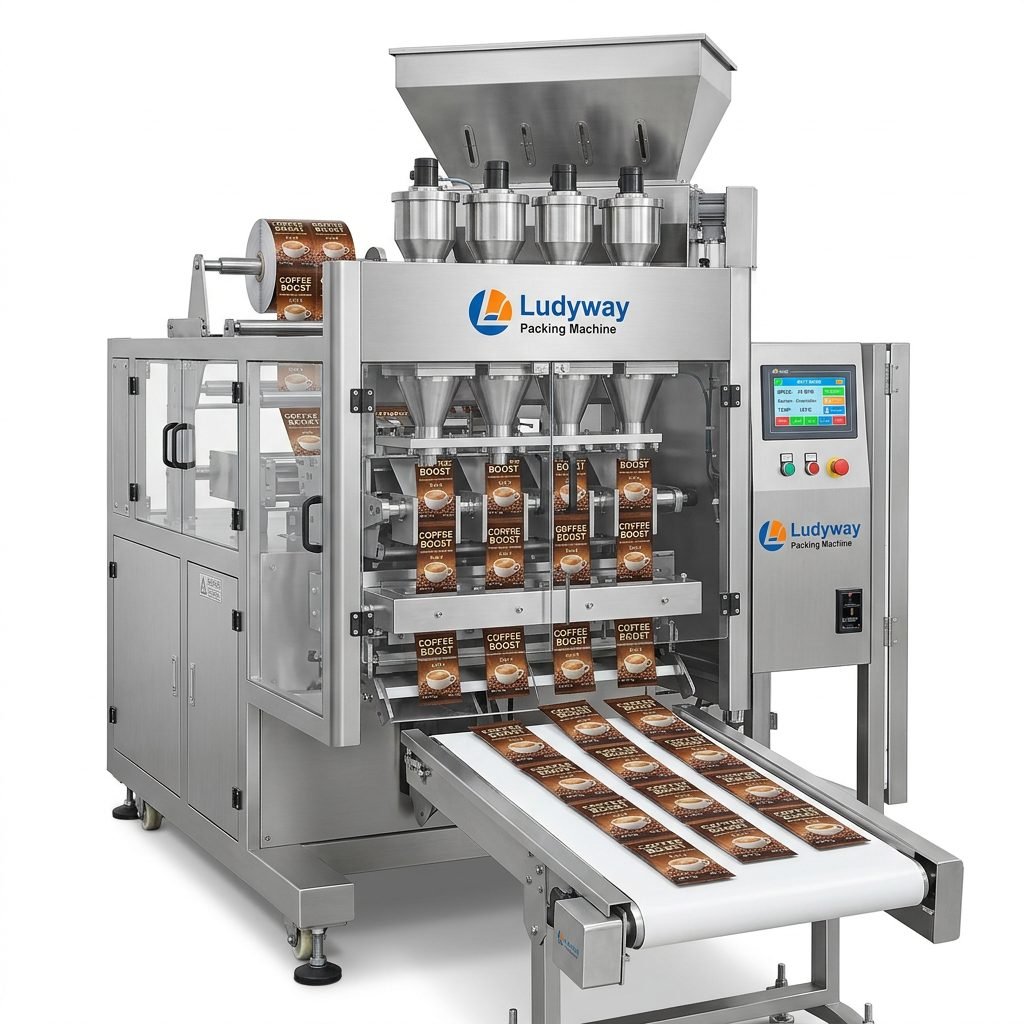
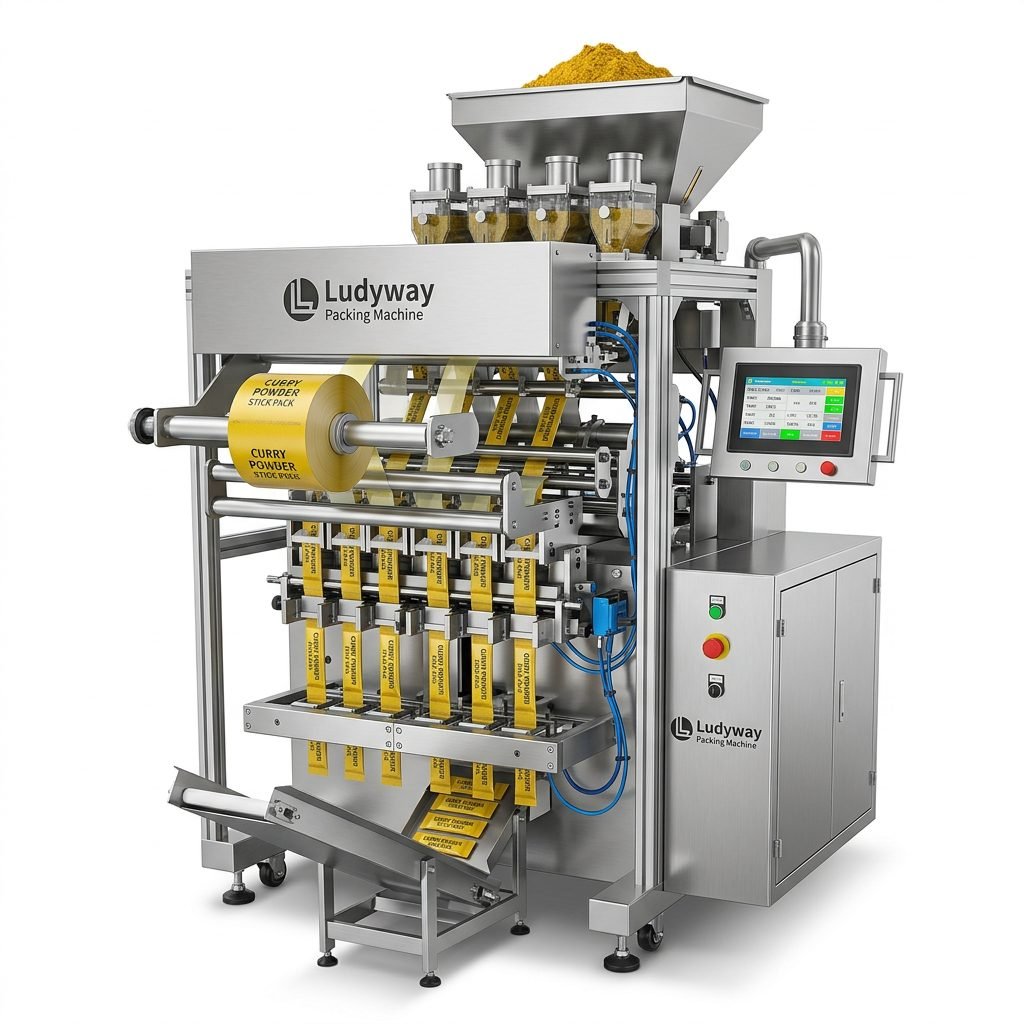
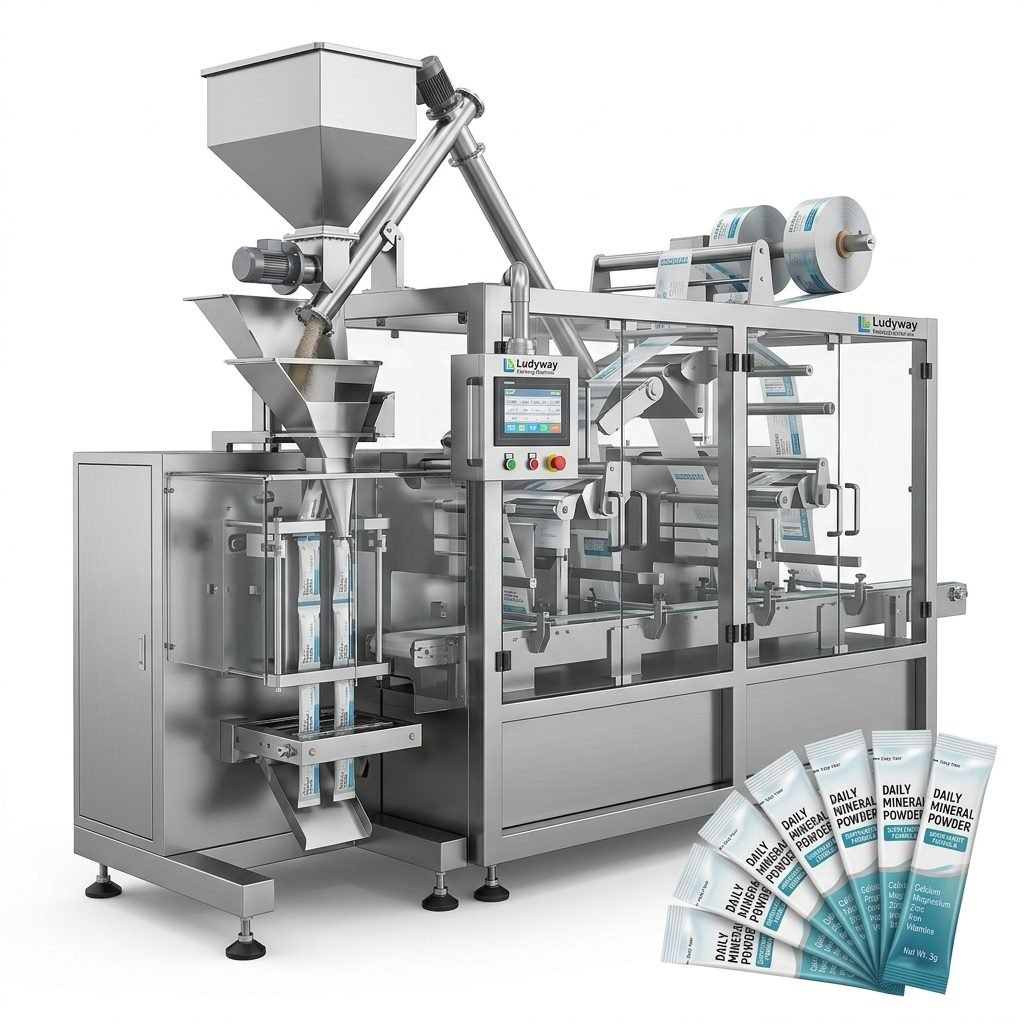
- Stick Pack Machines: Ideal for single-serve powdered or granular tea. Costs vary based on the number of lanes (single-lane vs. multi-lane) and sealing technology.
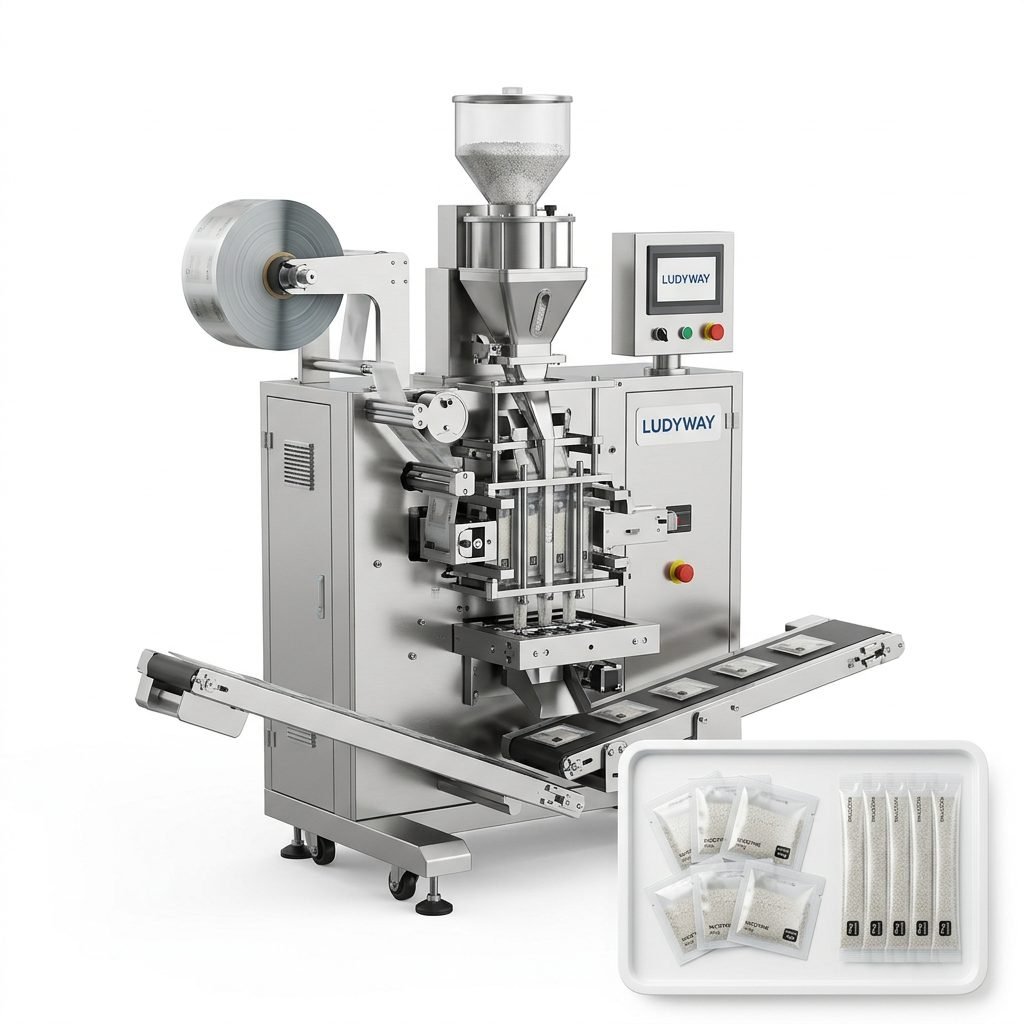
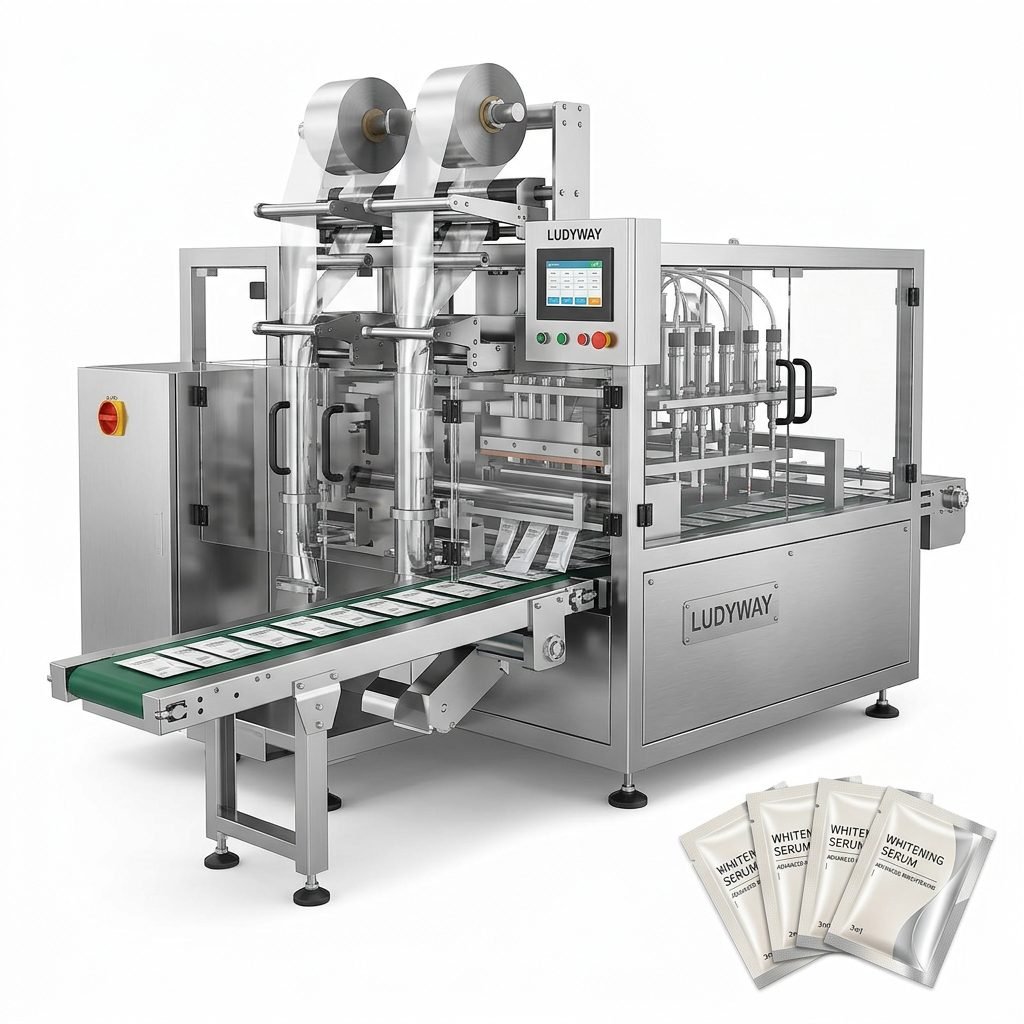
- Sachet Packaging Machines: Used for traditional tea bags. Prices increase with features like tag-and-string attachment, foil wrapping for freshness, or the ability to handle pyramid-shaped sachets.
- Pouch Packaging Machines: For stand-up pouches, flat pouches, or four-side seal pouches. More complex feeding and handling systems for pre-made pouches or advanced forming capabilities raise the price.
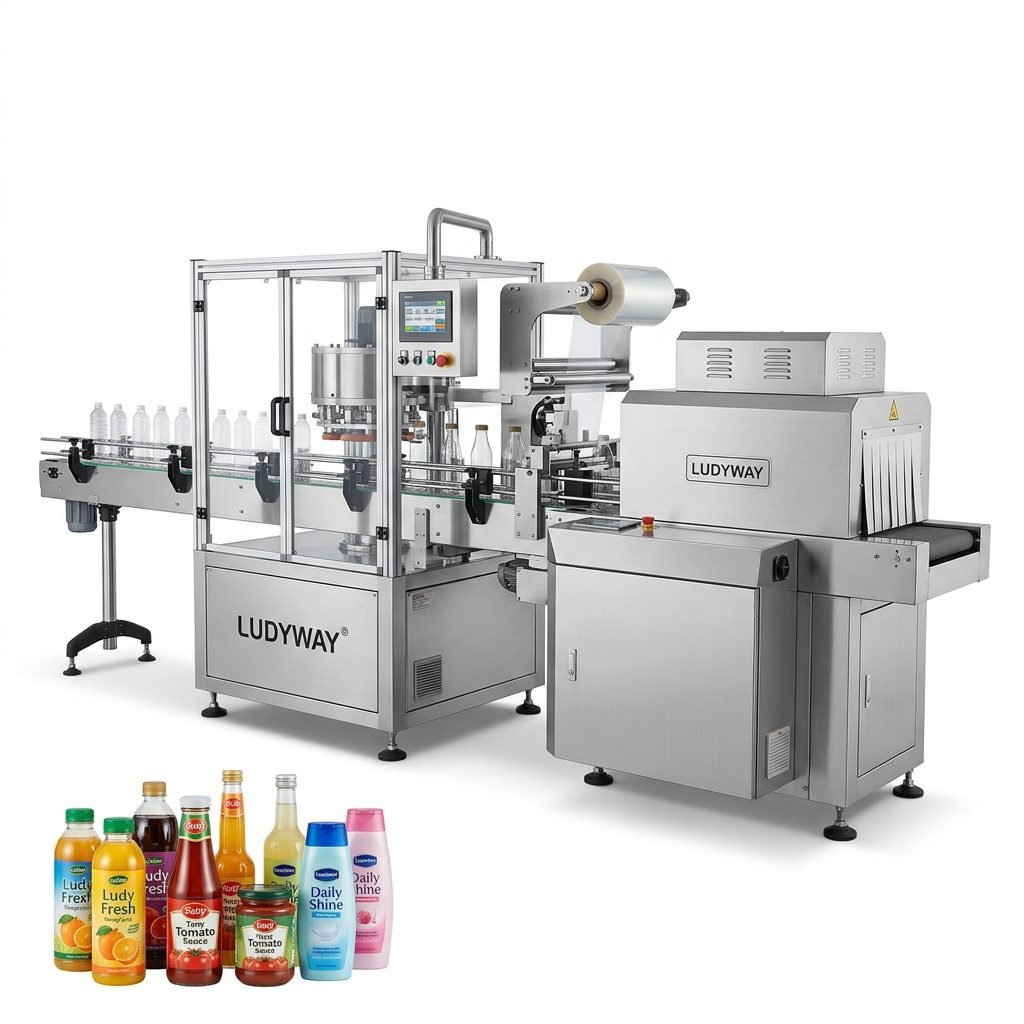
- Canister or Tin Filling Lines: These involve multiple stations for filling, capping, and labeling, representing a higher investment due to their complexity.
3. Machine Construction and Component Quality
The materials and parts used in construction are a critical, often overlooked, factor. Machines with frames and contact parts made from food-grade stainless steel (e.g., 304 or 316 grade) are more expensive than those using painted carbon steel or lower-grade materials. The quality of key components—such as servo motors, PLCs (Programmable Logic Controllers), touchscreen HMIs, and precision scales—from reputable brands like Siemens, Mitsubishi, or Omron adds considerably to the cost but ensures longevity, accuracy, and minimal downtime.
4. Customization and Special Features
Off-the-shelf, standard machines are more economical. However, if your product or process requires customization, expect the price to rise. This includes:
- Specialized feeding systems for delicate whole-leaf tea or sticky herbal blends.
- Integrated nitrogen flushing systems for superior oxygen barrier and extended shelf life.
- Advanced vision inspection systems to check for fill level, seal integrity, or label placement.
- Customized software for production data tracking and integration with factory ERP/MES systems.
Indirect Costs and Long-Term Budget Considerations
The initial purchase price is just one part of the total cost of ownership. A prudent budget must account for these ongoing and ancillary expenses.
Installation, Training, and Commissioning
Professional installation by the supplier’s engineers ensures the machine runs optimally from the start. This service, along with comprehensive operator and maintenance training, is often quoted separately. Factor in potential costs for site preparation, such as electrical, compressed air, or platform requirements.
Operating and Maintenance Costs
Your budget must include the recurring costs of packaging materials (film, filter paper, tags), spare parts, and routine maintenance. Machines with higher energy efficiency may have a higher upfront cost but lower operating expenses. Establishing a preventive maintenance schedule with your supplier can prevent costly unplanned downtime.
Scalability and Future-Proofing
Consider your growth trajectory. Investing in a machine that can be easily upgraded (e.g., by adding lanes or faster servos) might have a higher initial cost but can be more economical than replacing an entire unit in two years. This “future-proofing” is a strategic budgeting decision.
Making a Smart Investment: Beyond the Price Tag
While cost is paramount, the cheapest option can become the most expensive due to poor performance, frequent breakdowns, and low-quality packaging output. When evaluating suppliers, consider the total value proposition.
Supplier Reputation and Support: A reputable supplier with decades of experience, like Ludyway Machinery, offers more than just a machine. They provide industry expertise, reliable after-sales support, readily available spare parts, and service contracts. This reduces long-term risk and operational headaches.
Return on Investment (ROI): Calculate how the machine will pay for itself. A more expensive, faster, and more efficient machine may have a quicker ROI through labor savings, reduced material waste, and increased production capacity. Analyze metrics like cost-per-pack, not just the machine’s sticker price.
Ultimately, budgeting for a tea packaging machine is a balancing act. It requires a clear assessment of your current needs, realistic projections for future growth, and a thorough understanding of all cost factors—both visible and hidden. By prioritizing reliability, efficiency, and supplier partnership alongside cost, you can make an investment that brews success for your tea business for years to come.
Frequently Asked Questions (FAQs)
What is the typical price range for a starter tea packaging machine?
For a small business, a basic semi-automatic pouch sealer or a single-lane stick pack machine can range from $3,000 to $15,000. Entry-level automatic sachet machines often start between $20,000 and $50,000, depending on features and speed.
How much does a fully automated, high-speed production line cost?
A complete, turnkey automated line for high-volume tea bag or stick pack production, including feeding, packaging, and cartoning, can range from $150,000 to over $500,000. The final cost depends heavily on customization, brand of components, and required output speed.
Are used or refurbished tea packaging machines a good option to save money?
They can be, but caution is advised. While the initial cost is lower, consider potential hidden costs like outdated technology, lack of manufacturer support, unknown maintenance history, and difficulty sourcing spare parts. A refurbished machine from a reputable original supplier is often a safer bet.
What are the most common ongoing costs after purchasing the machine?
Key ongoing costs include packaging materials (roll film, filter paper), spare parts for wear items (sealing jaws, belts), preventive maintenance services, and energy consumption. Labor for operation and minor maintenance is also a factor.
How can I get an accurate quote for my specific needs?
To receive a meaningful quote, be prepared to provide suppliers with detailed information: your product type (leaf, powder, granules), target packaging format, required production speed (bags per minute), bag dimensions, desired automation level, and any special requirements (like gas flushing). Most reputable suppliers will request a sample of your product and packaging material for testing.