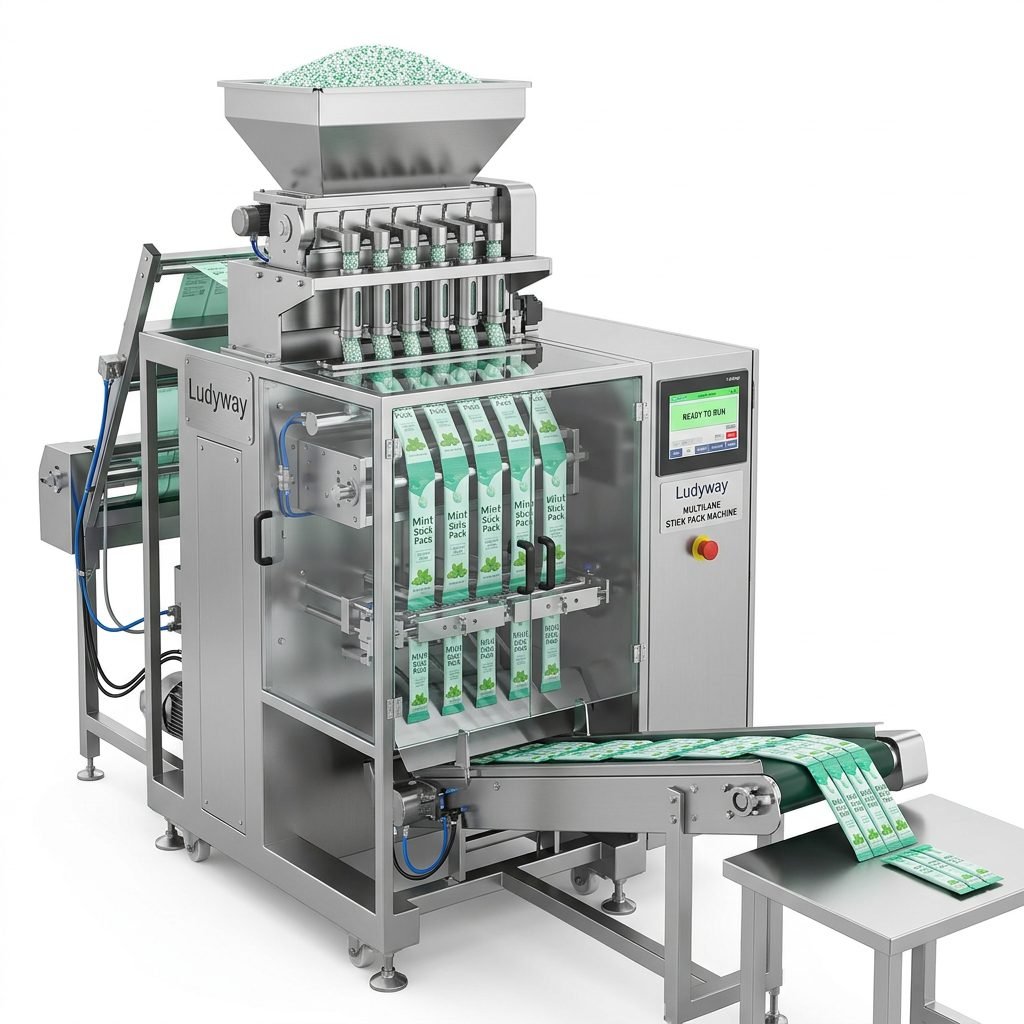
Investing in a chutney packing machine is a significant decision for any food manufacturer. Whether you produce fruit chutneys, spicy coriander dips, or traditional mango preserves, the right equipment directly impacts your production efficiency, product quality, and bottom line. This guide walks you through every critical factor to evaluate before making your purchase.
1. Understanding Your Product Characteristics
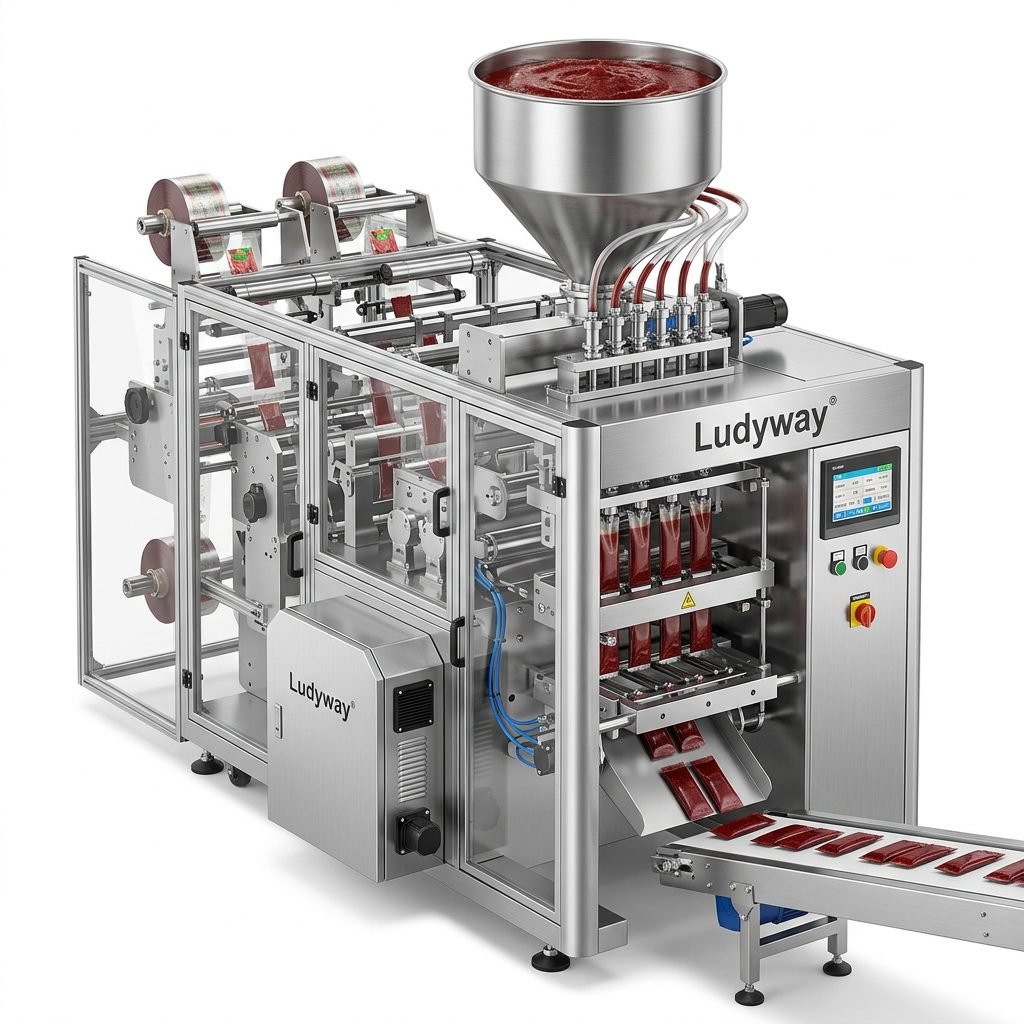
Chutney is not a one-size-fits-all product. It can range from smooth, pourable liquids to chunky, particulate-heavy pastes. The viscosity, particle size, and acidity levels of your chutney dramatically influence the type of filling system required.
- Low-viscosity chutneys (e.g., thin mint or tamarind sauces) work well with piston fillers or gravity-fed systems.
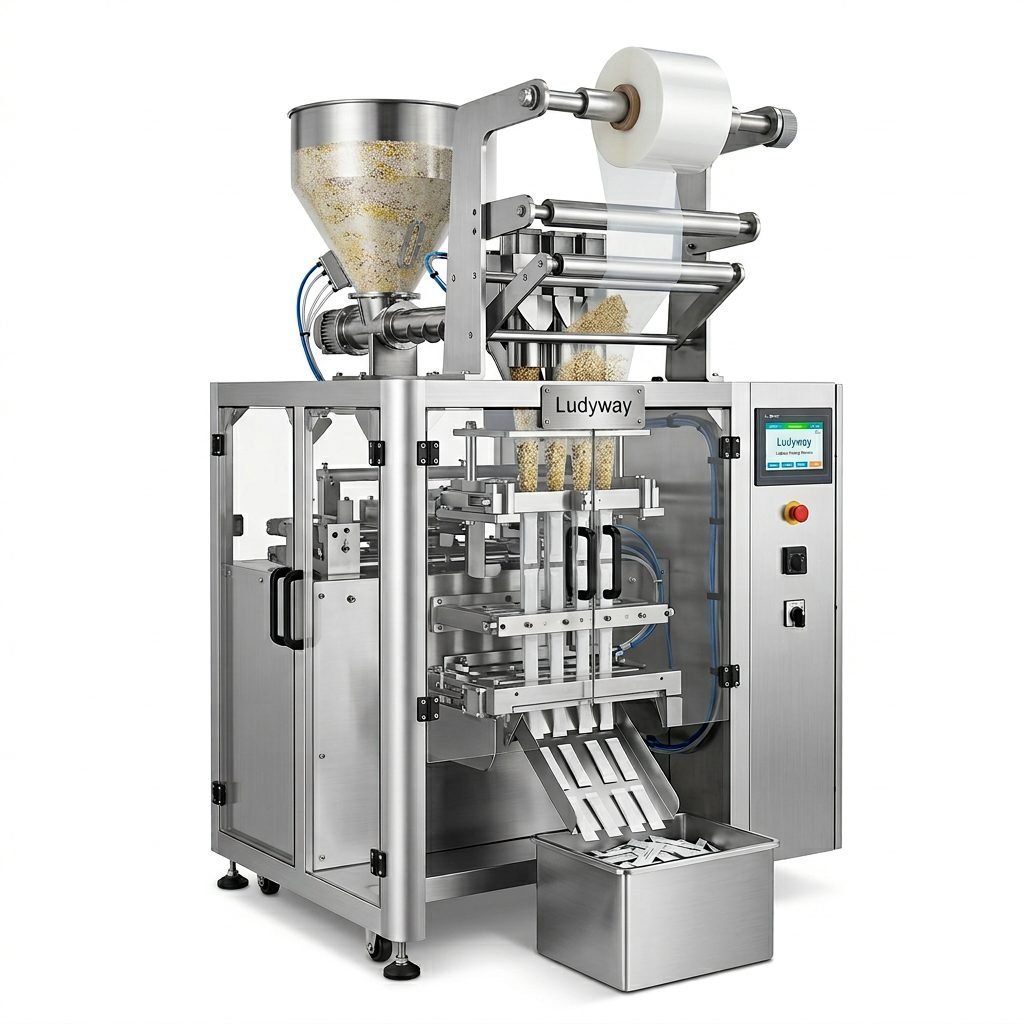
- High-viscosity or chunky chutneys (e.g., mango or mixed-fruit preserves) demand positive displacement pumps or auger fillers to handle particulates without clogging.
- Highly acidic formulations require machinery constructed with SUS316L stainless steel and food-grade seals to prevent corrosion and contamination.
2. Matching the Packaging Format
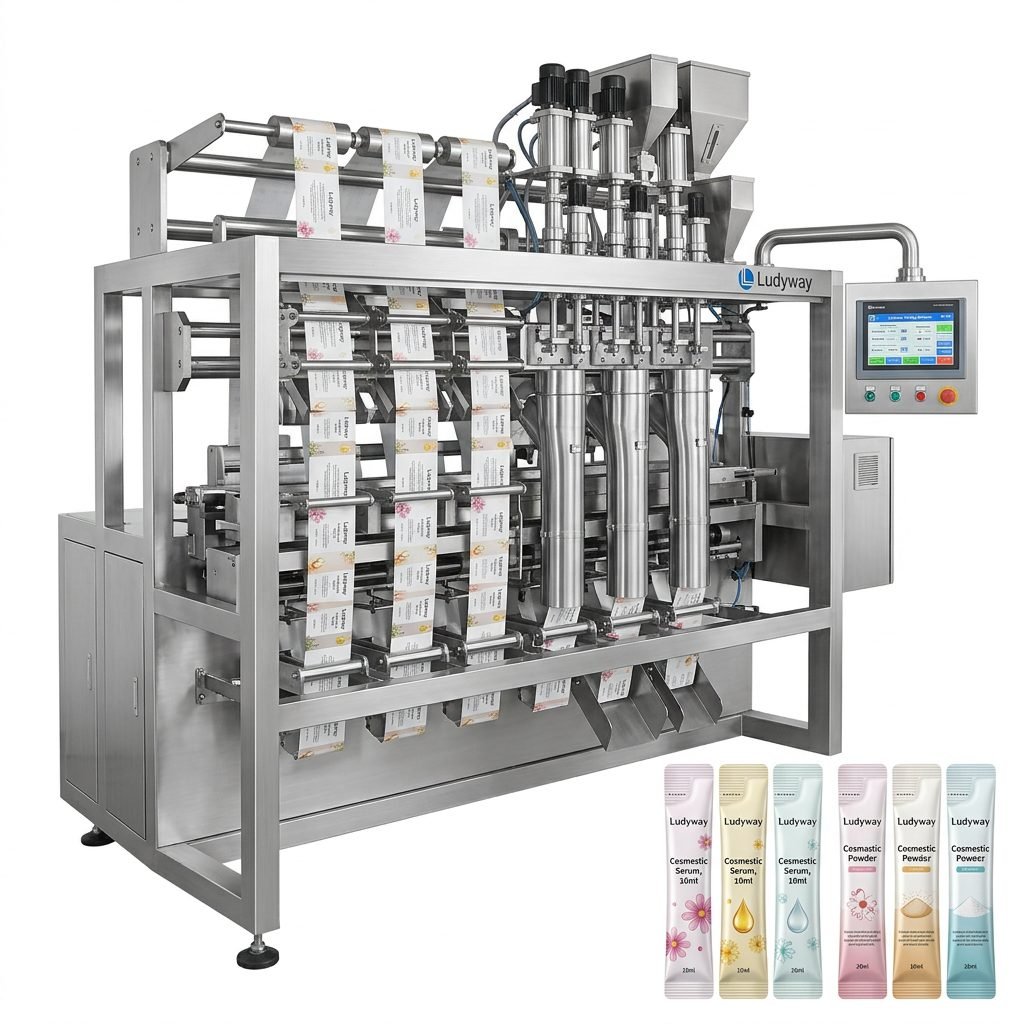
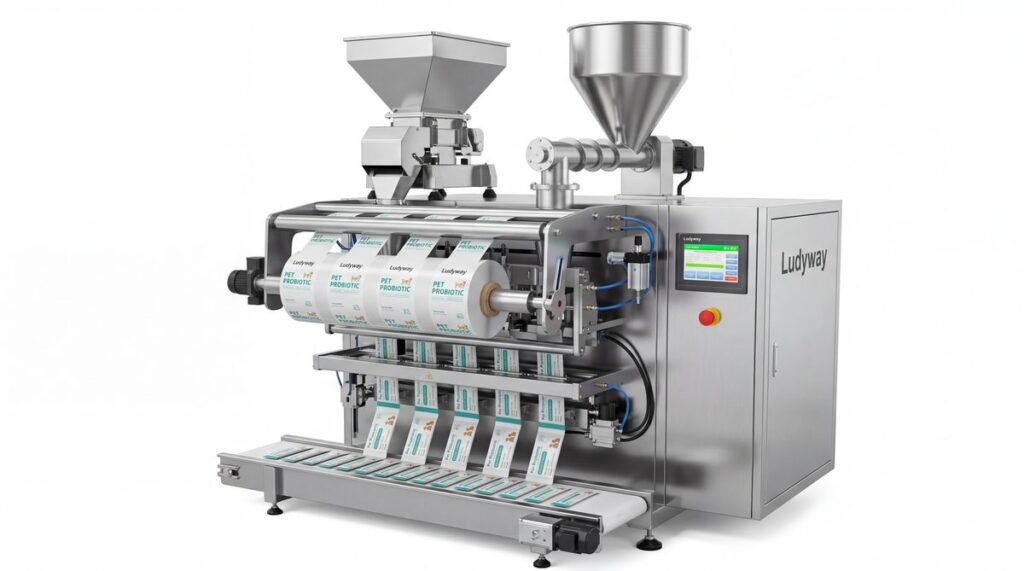
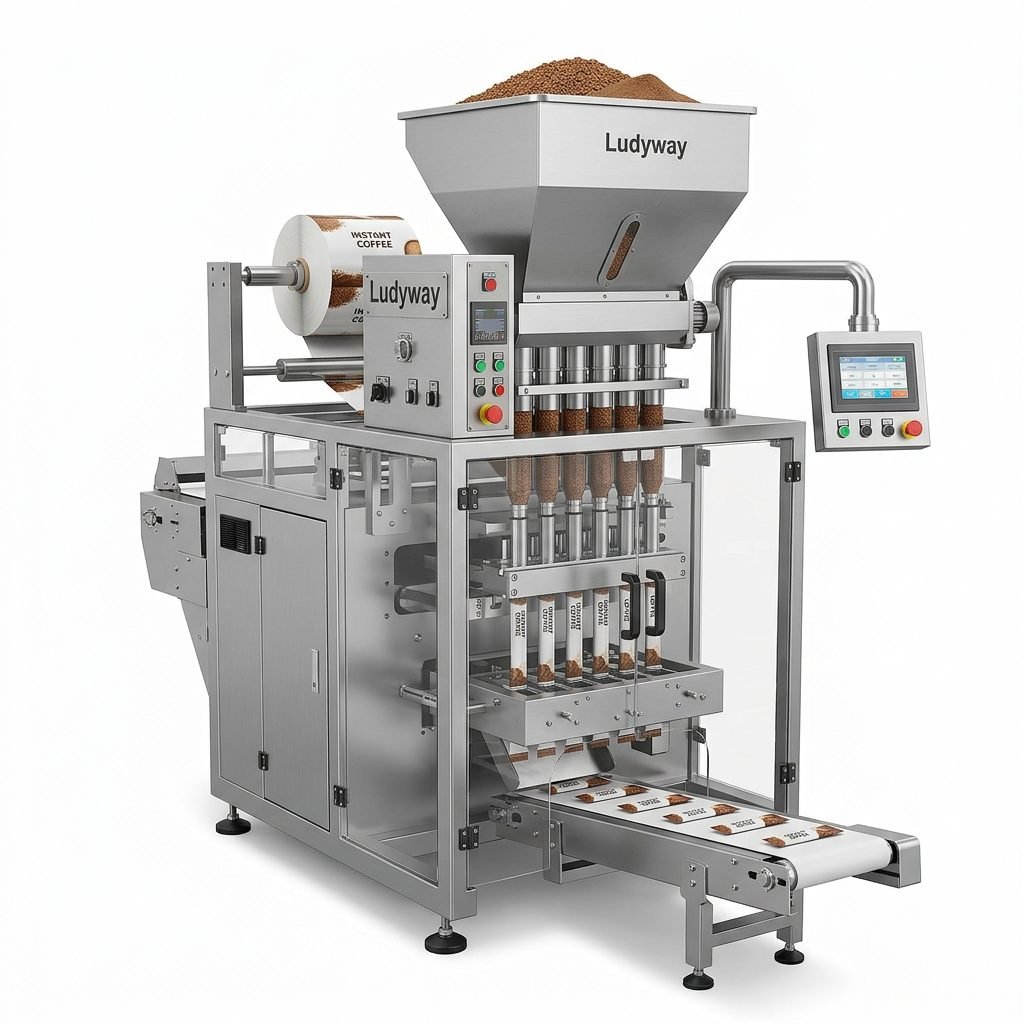
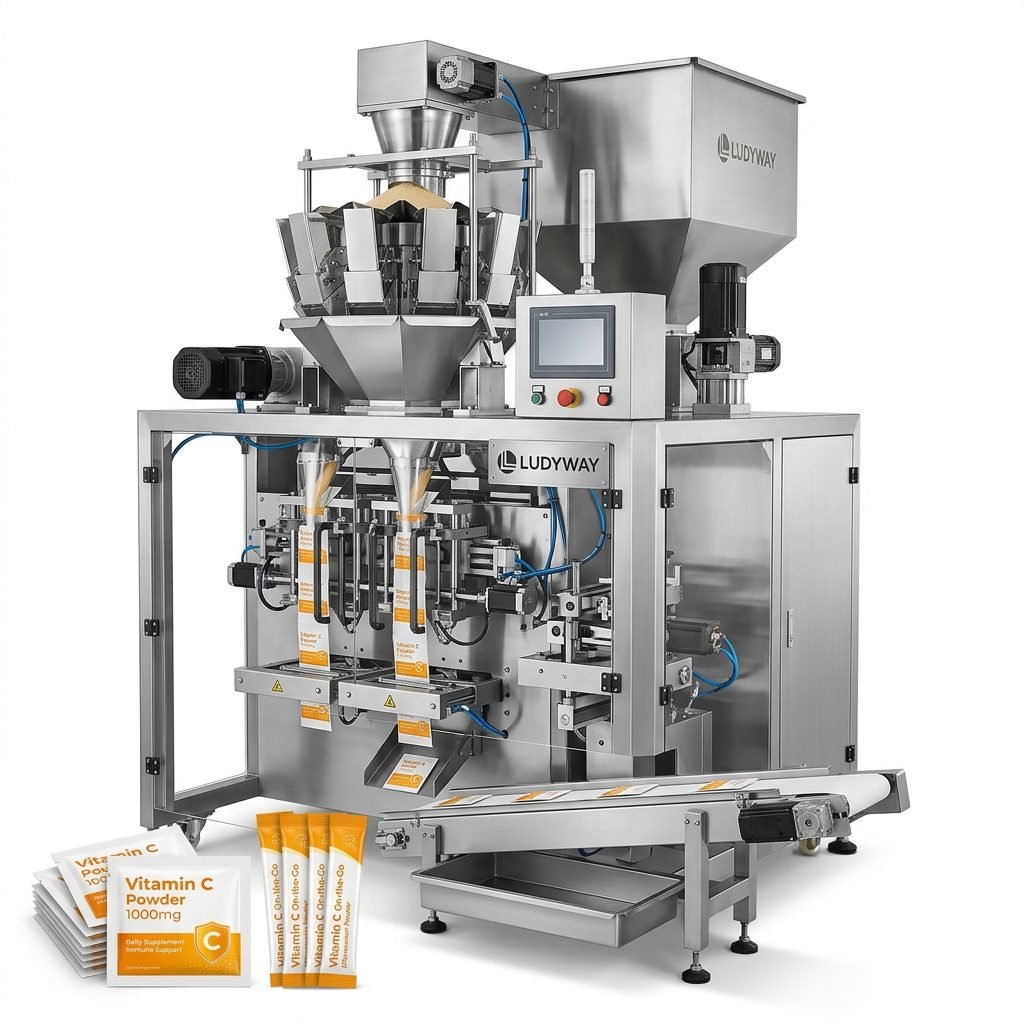
Consumer preferences dictate packaging. Are you targeting retail single-serve sachets, multi-lane stick packs for food service, or larger pouches for family consumption? The machine’s bag former and sealing mechanism must be compatible with your chosen format and film material. Flexible packaging materials often require precise temperature control for hermetic sealing to lock in freshness and prevent leakage.
Common Chutney Packaging Formats
| Format | Typical Volume | Best For |
|---|---|---|
| Stick Pack / Sachet | 5g – 50g | Single-serve, sampling, travel packs |
| Three-Side-Seal Pouch | 50g – 250g | Retail jars alternatives, portion packs |
| Stand-Up Pouch (Spouted) | 250g – 1kg | Premium retail, food service |
3. Production Speed and Automation Level
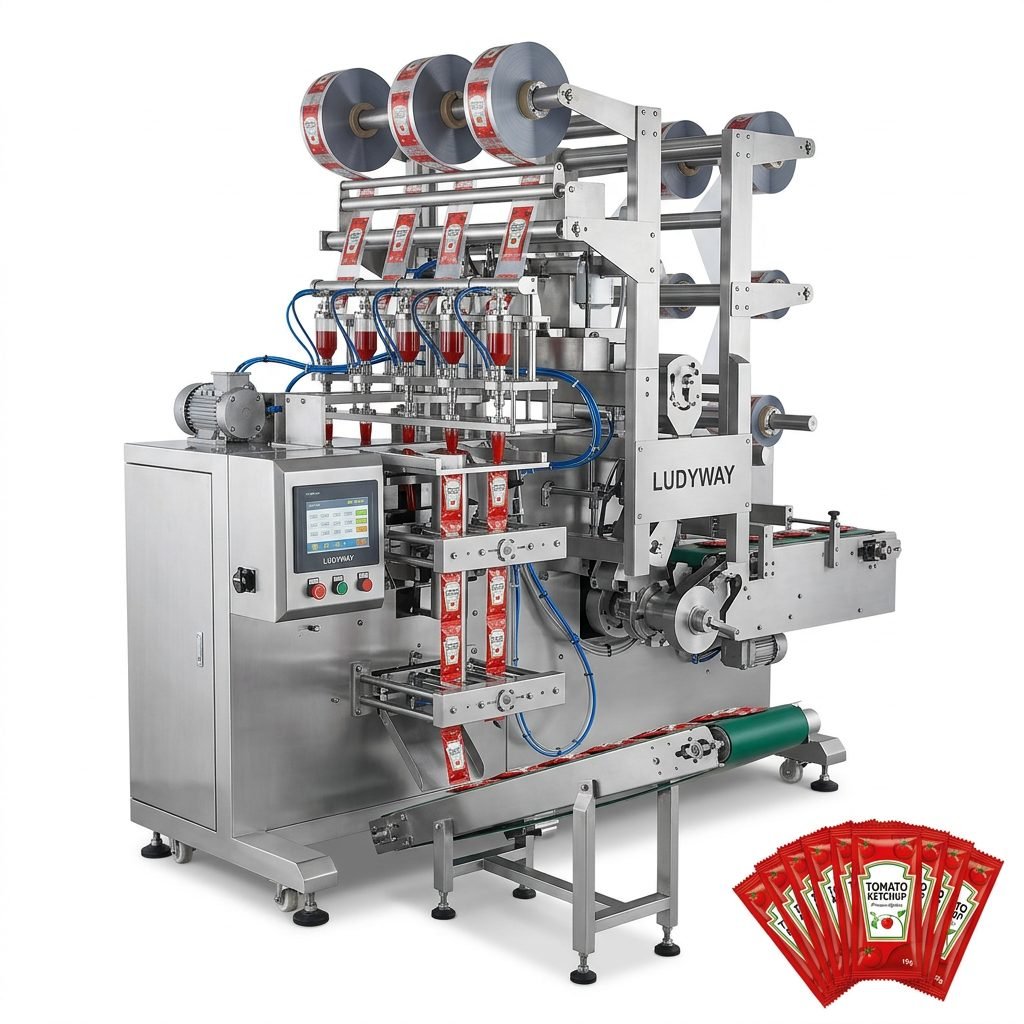
Calculating your desired output in packs per minute (PPM) is essential. A small-batch artisanal producer may only need a compact intermittent-motion machine, while a large-scale manufacturer supplying supermarket chains will require a continuous-motion, multi-lane machine capable of delivering hundreds of packs per minute. Automation features such as automatic film splicing, servo-driven filling, and vision inspection systems minimize human error and maximize uptime, directly influencing your overall equipment effectiveness (OEE).
4. Evaluating Filling Accuracy and Waste Reduction
Product giveaway—overfilling each pack to avoid underweight penalties—silently erodes profit margins. A high-precision chutney packing machine equipped with multi-head weighers or volumetric piston fillers with anti-drip nozzles ensures every sachet or pouch meets the target weight without unnecessary product loss. Over the course of a year, even a 1-gram saving per pack translates into substantial financial gains.
5. Cleanability and Hygienic Design
Chutney production involves sticky residues, oils, and strong spices that can harbor bacteria if not properly cleaned. Look for machines designed following sanitary principles:
- Tool-free disassembly for rapid changeover and cleaning.
- Sloped surfaces to prevent liquid pooling.
- IP65 or higher wash-down ratings for wet cleaning environments.
- Compliance with FDA food contact material regulations.
6. Integration with Supporting Equipment
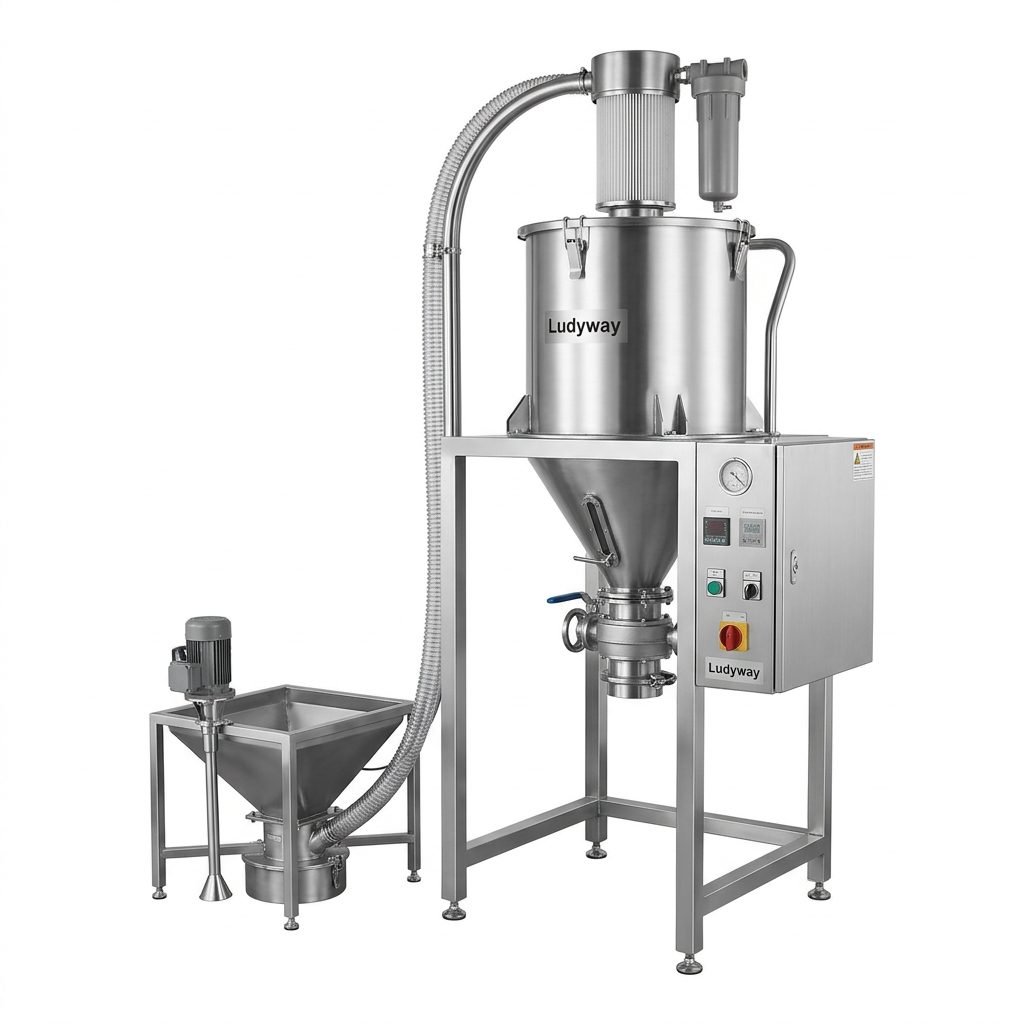
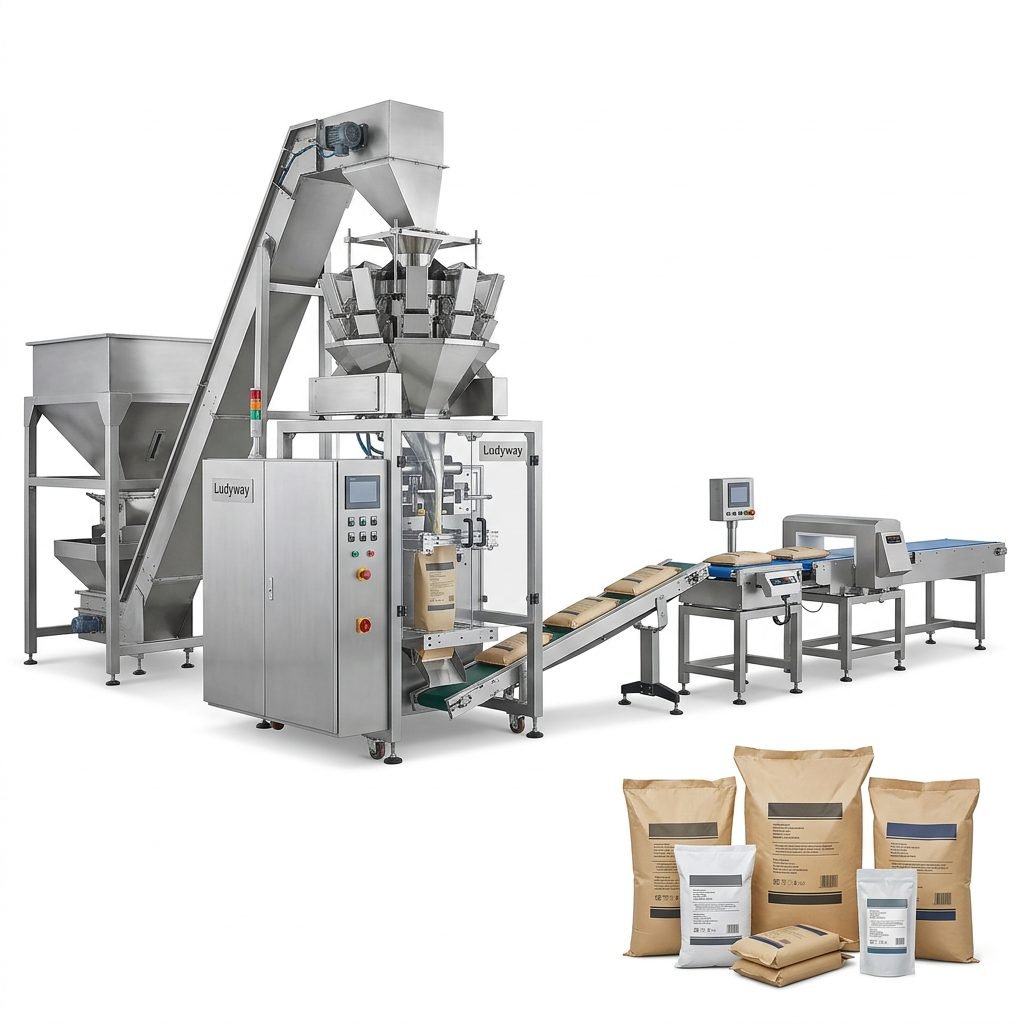
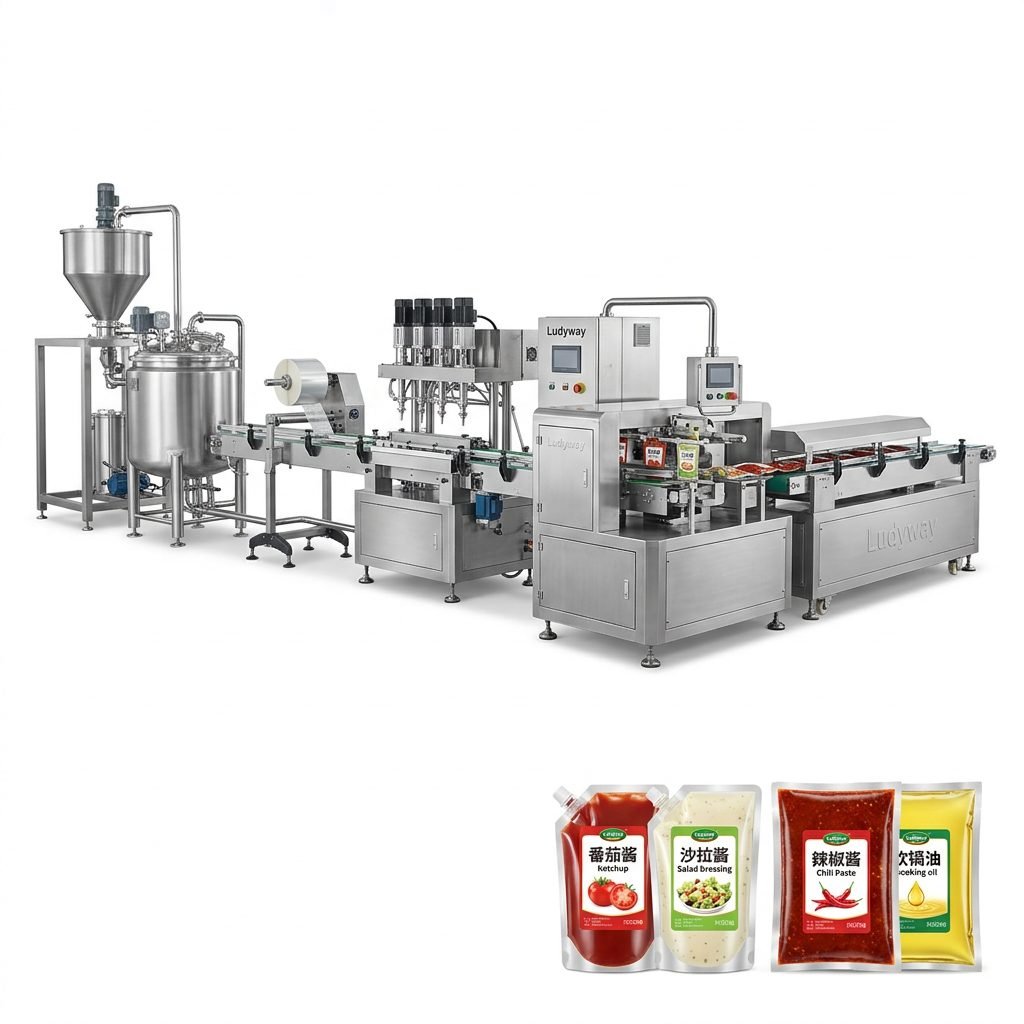
A chutney packing machine rarely operates in isolation. To build a complete turnkey production line, you need to verify seamless integration with upstream cooking and mixing kettles, product transfer pumps, and downstream equipment like checkweighers, metal detectors, coding and marking systems, and case packers. Choosing a supplier that can provide or coordinate the entire line simplifies project management and ensures compatibility.
7. Selecting the Right Packaging Machine Partner
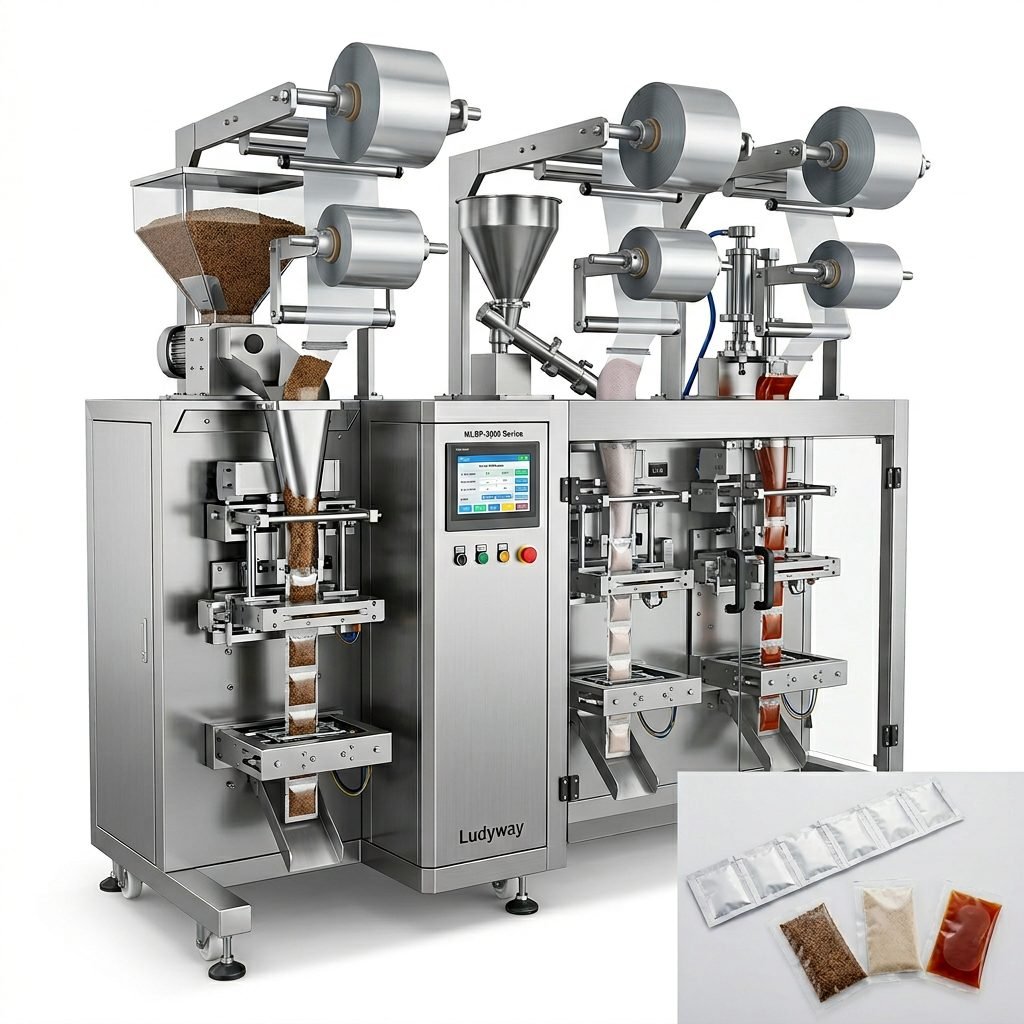
Beyond the technical specifications, the manufacturer’s experience and support infrastructure are paramount. A reliable partner offers more than just hardware; they provide application expertise, customization capabilities, and lifecycle support. For instance, Ludyway Machinery, with decades of experience in flexible packaging solutions, demonstrates the value of working with a supplier that understands diverse product characteristics—from liquid chutneys to granular spice mixes—and can configure automated lines tailored to specific production goals. When evaluating vendors, prioritize those who can demonstrate proven success with similar viscous food products and offer comprehensive after-sales service, including remote technical assistance and readily available spare parts.
Key Supplier Evaluation Criteria
| Criterion | Why It Matters |
|---|---|
| Industry Experience | Ensures the supplier understands food safety and viscous product handling. |
| Customization Capability | Confirms the machine can be adapted to your specific chutney recipe and pouch size. |
| Global Service Reach | Critical for minimizing downtime through remote diagnostics and on-site repair. |
| Certifications | Verifies adherence to ISO packaging standards and CE requirements for your market. |
8. Total Cost of Ownership (TCO)
While the initial capital expenditure is a major consideration, a thorough financial analysis must include long-term operating costs. These encompass energy consumption, consumables like sealing gaskets and cutting blades, operator training, and the cost of downtime. A slightly more expensive machine built with robust components and intelligent diagnostics often proves far cheaper over a 10-year lifecycle than a budget alternative that suffers frequent breakdowns. High-quality chutney packing equipment, such as machines configured for multi-lane stick pack production, delivers a faster return on investment through higher throughput and lower waste.
Conclusion: Making an Informed Decision
Selecting the right chutney packing machine requires a disciplined evaluation of your product, your target packaging format, your growth projections, and the long-term reliability of the equipment supplier. By focusing on precision filling, hygienic construction, automation integration, and total cost of ownership, you can secure a packaging solution that not only preserves the authentic taste and texture of your chutney but also scales efficiently with your business. For further insights into packaging machinery trends and standards, resources from the Association for Packaging and Processing Technologies (PMMI) offer valuable industry benchmark data.