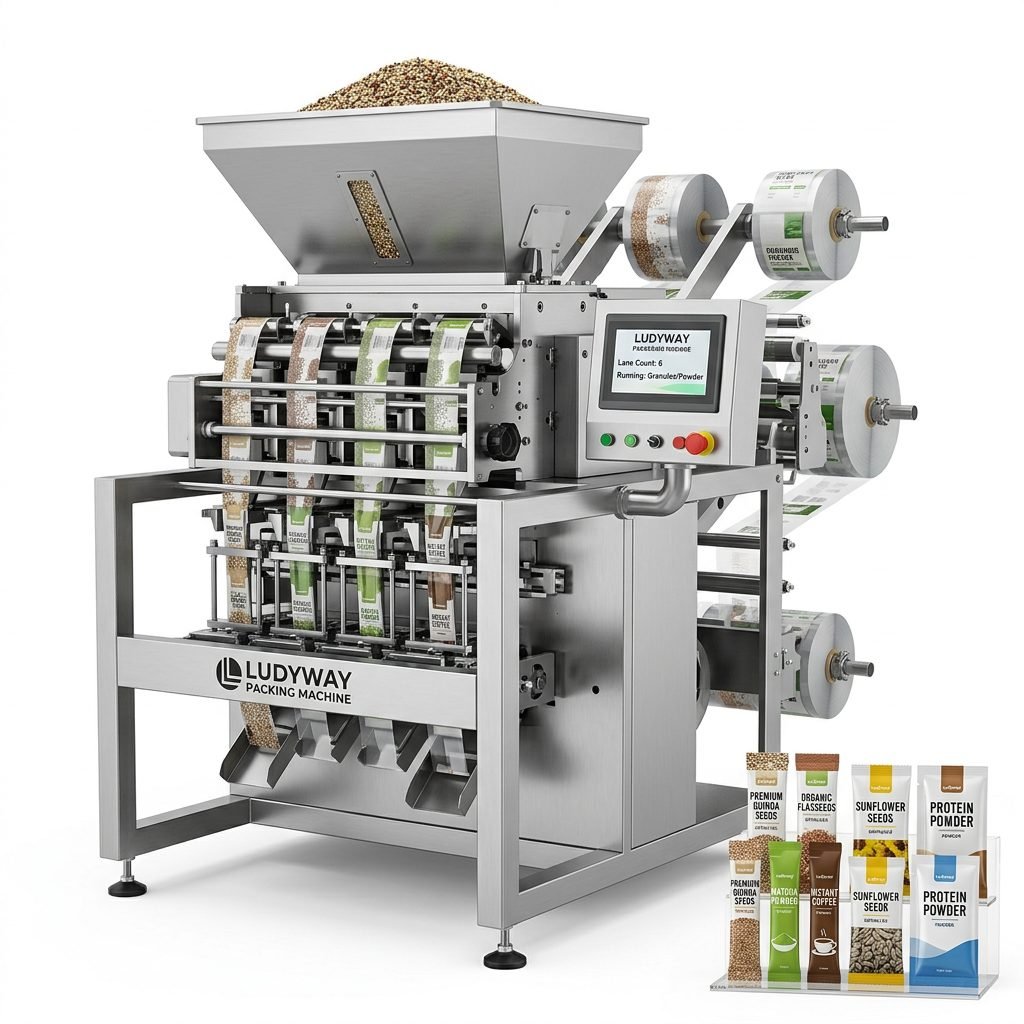
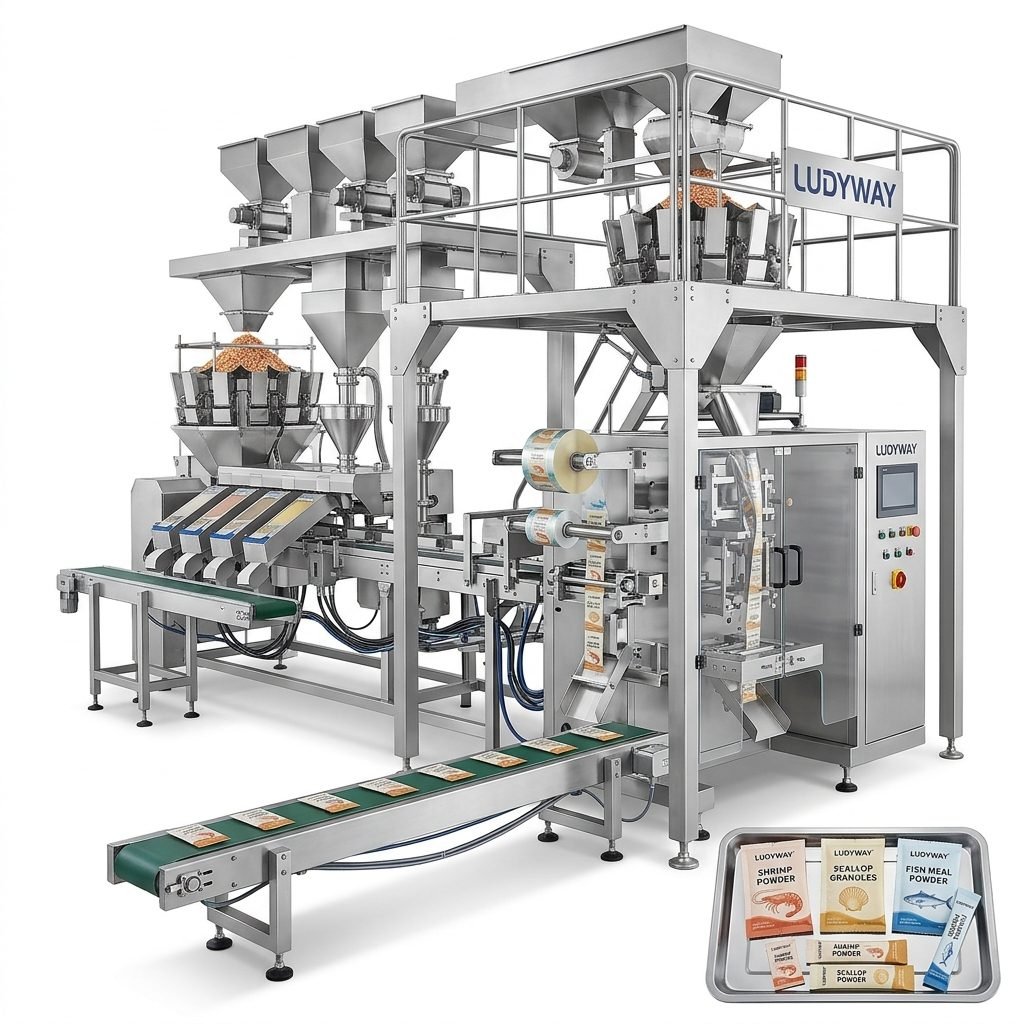
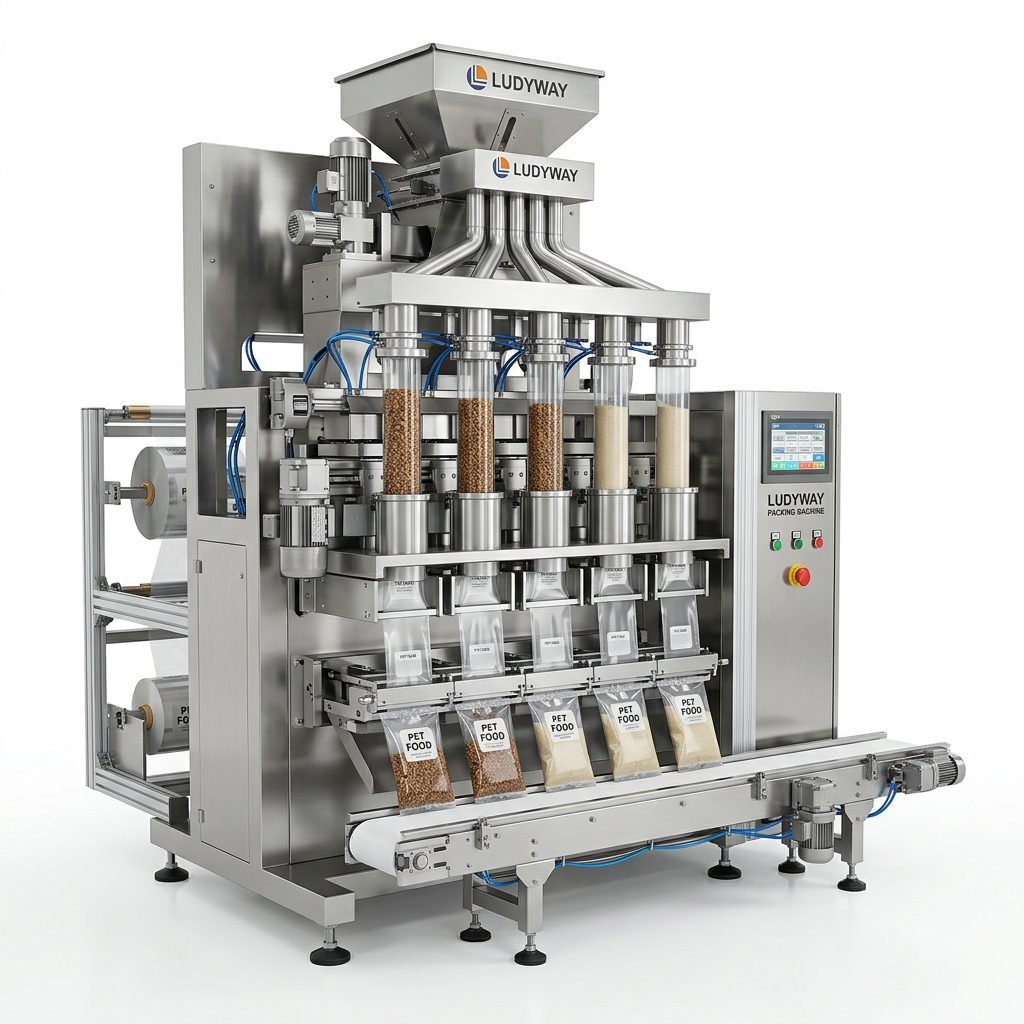
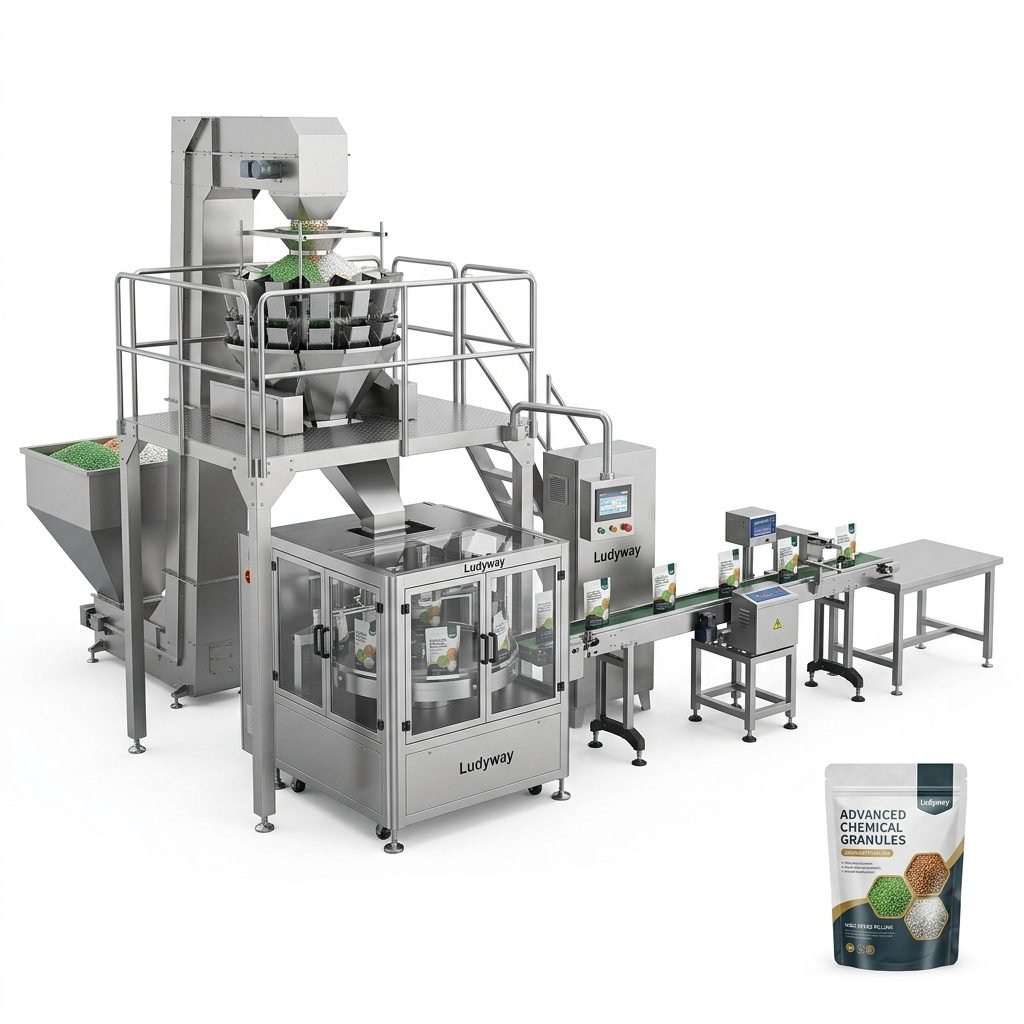
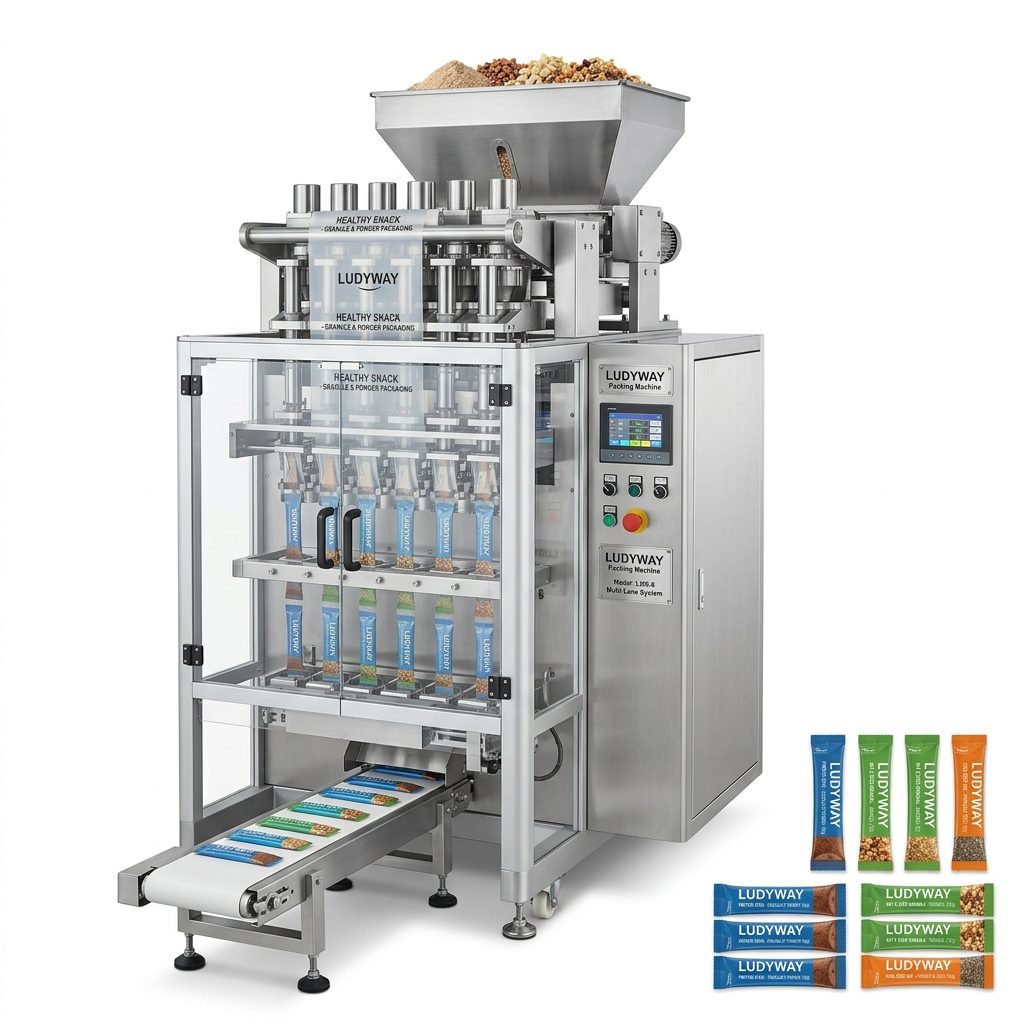
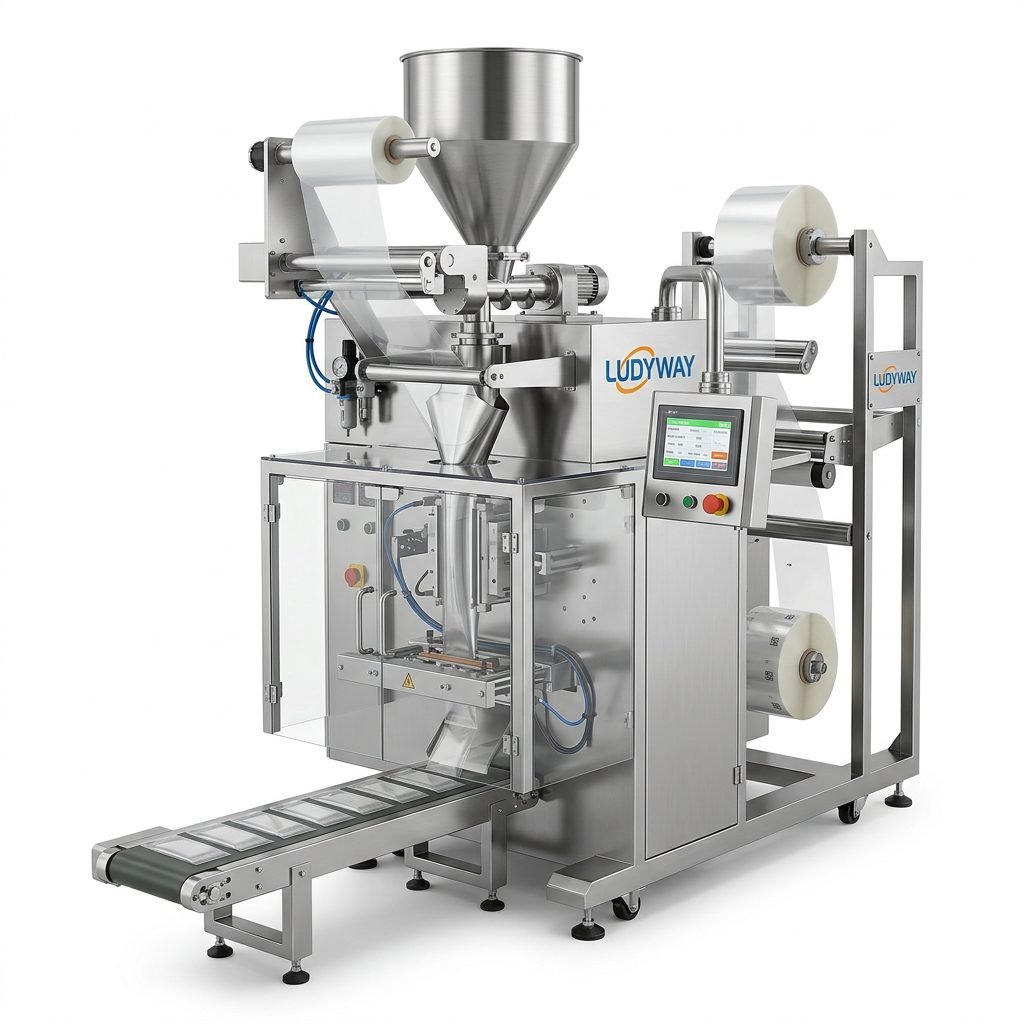
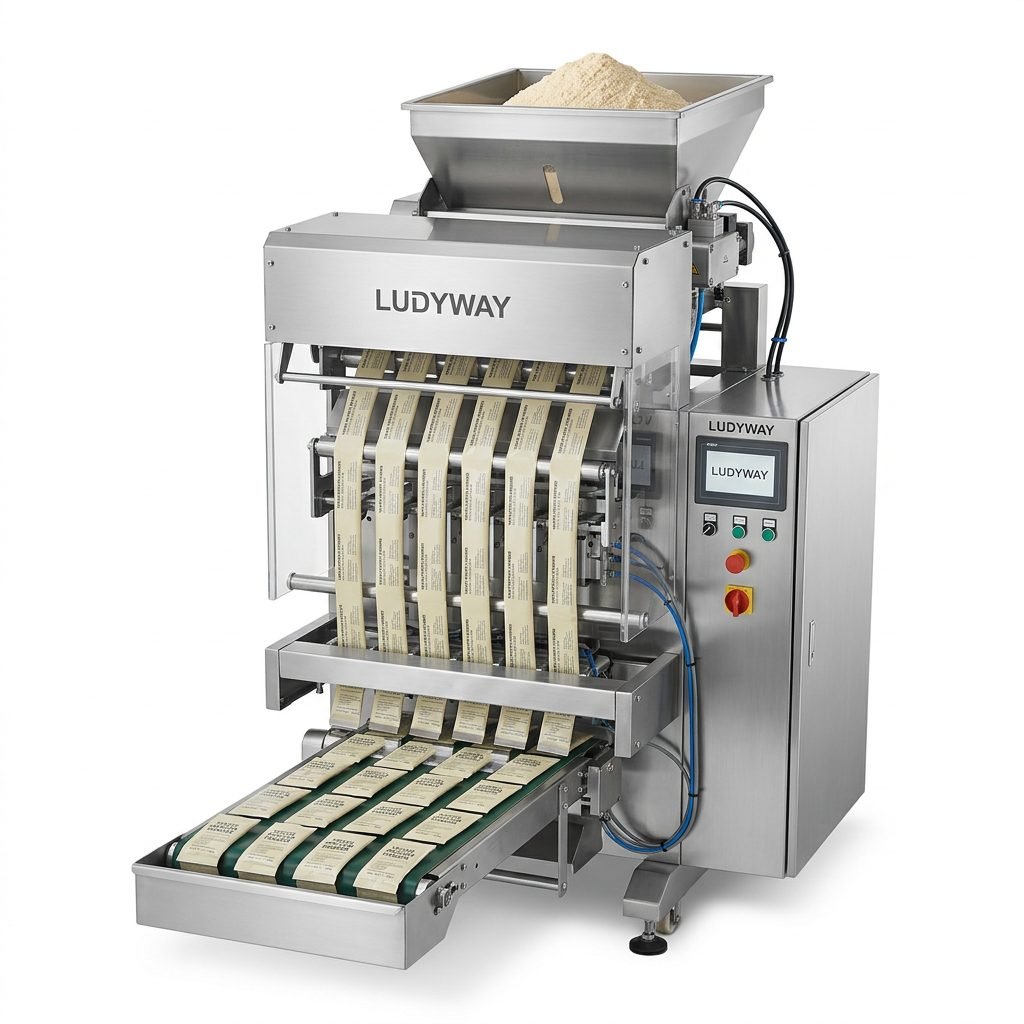
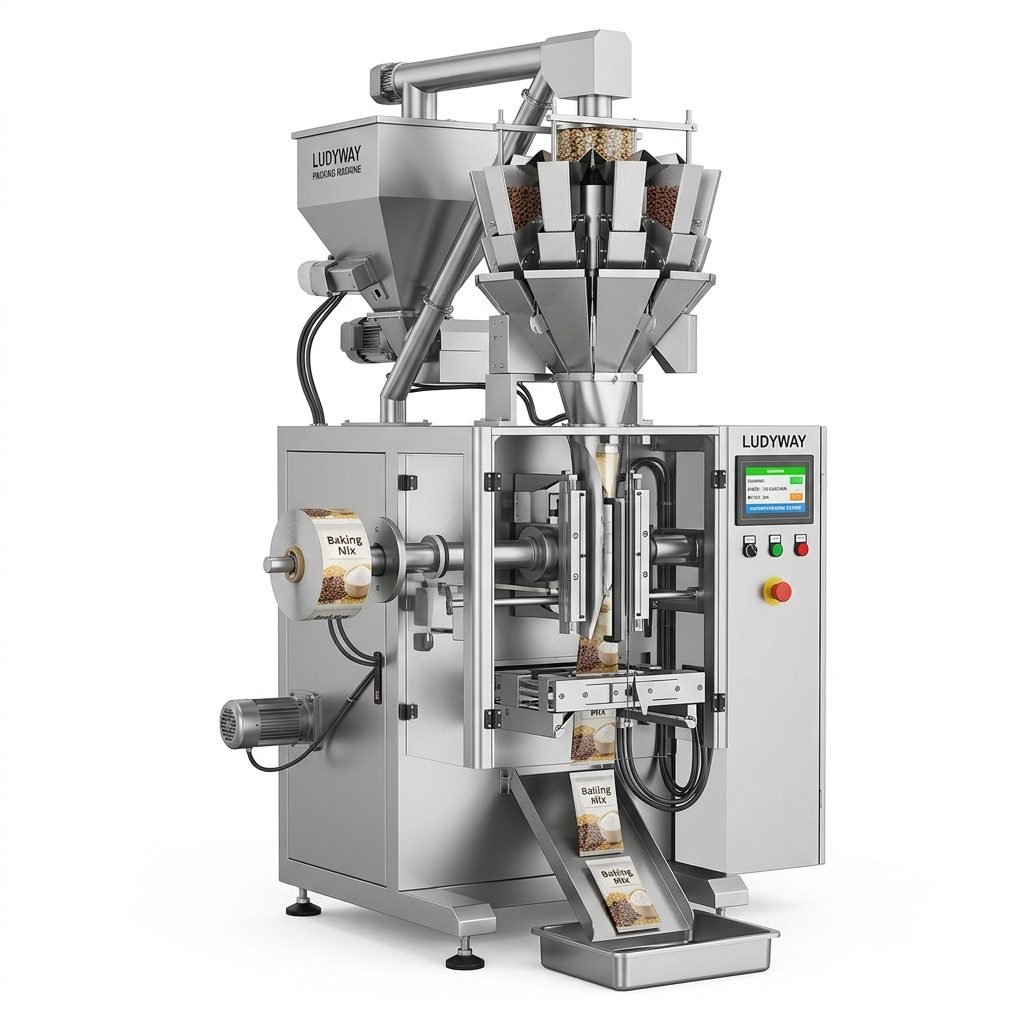
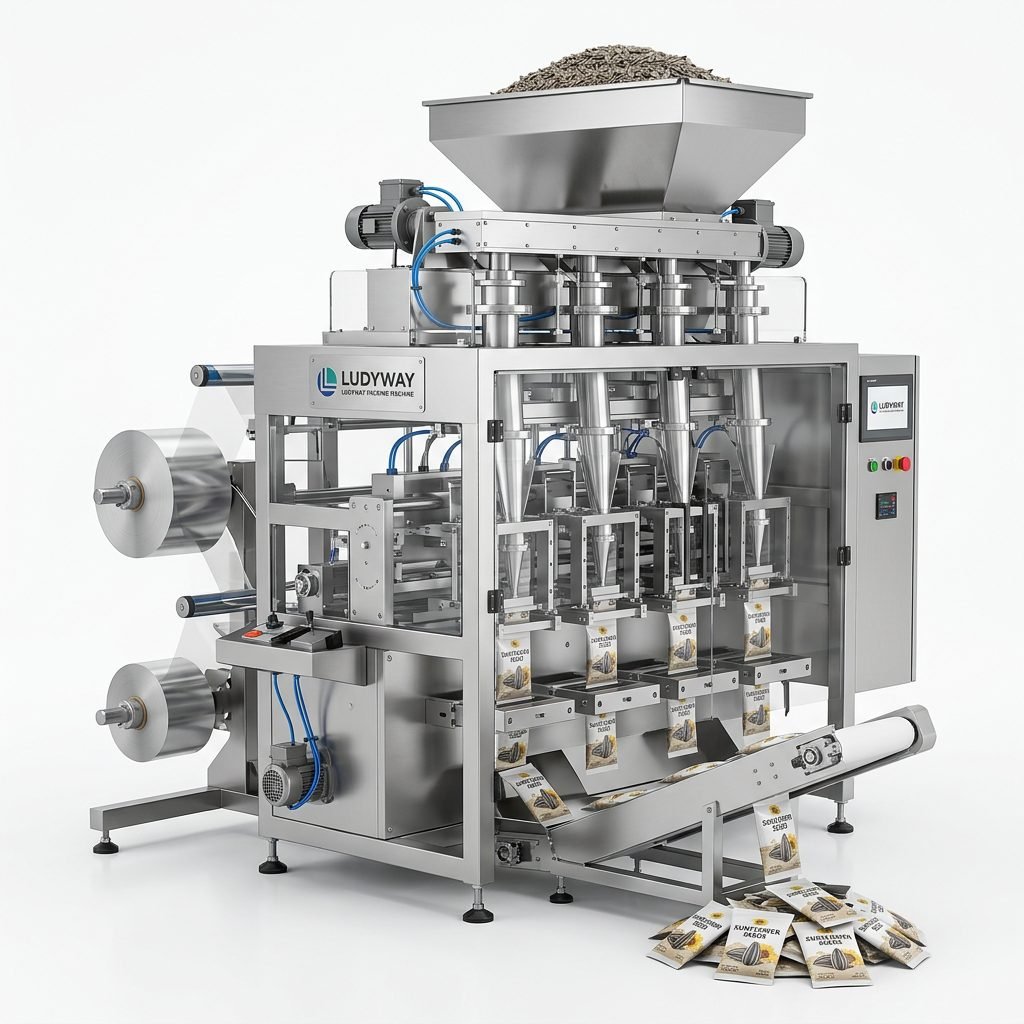
Proper maintenance of a bhujia packing machine is critical to ensuring consistent product quality, minimizing downtime, and extending the service life of your equipment. Whether you are running a high-speed snack packaging line or a semi-automatic setup, neglecting routine cleaning and inspection can lead to inaccurate filling, seal failures, and costly repairs. This guide provides a step-by-step approach to maintaining your machine in peak condition.
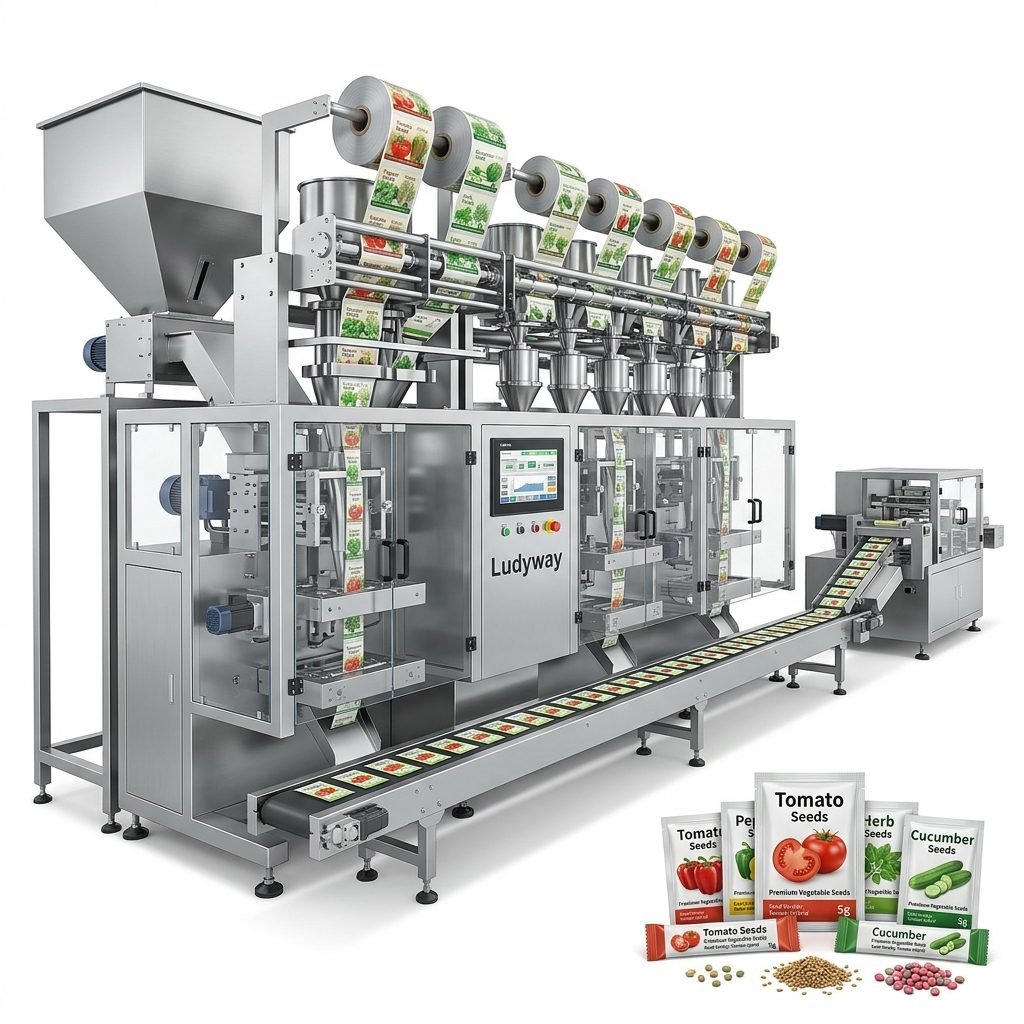
Why Routine Maintenance Matters for Bhujia Packaging
Bhujia, a popular Indian snack made from gram flour and spices, is known for its oily and granular texture. These characteristics present unique challenges for packaging machinery. Oil residue can accumulate on sealing jaws, while fine particles can clog sensors and moving parts. A well-maintained machine ensures accurate weight measurement, hermetic seals, and compliance with food safety standards.
Key Consequences of Poor Maintenance
- Seal contamination: Oil buildup on sealing jaws leads to weak or leaky pouches.
- Inaccurate fill weight: Residue in measuring cups or auger fillers causes product giveaway.
- Increased wear: Abrasive gram flour particles accelerate component degradation.
- Sensor malfunctions: Dust accumulation interferes with photoelectric sensors and registration marks.
Daily Cleaning Checklist for Bhujia Packing Machines
At the end of each production shift, operators should complete a standardized cleaning routine. Never use water directly on electrical components; instead, use food-grade compressed air and approved dry-cleaning methods.
Cleaning Procedures by Zone
| Zone | Cleaning Method | Frequency |
|---|---|---|
| Hopper & Feeding System | Wipe with food-grade sanitizer; remove residual bhujia crumbs | Every shift |
| Sealing Jaws | Clean with soft brass brush; check for carbonized oil deposits | Every 4 hours |
| Forming Tube | Disassemble and wash removable parts; inspect for scratches | Daily |
| Film Unwinding Path | Blow compressed air to remove dust; clean rollers with alcohol wipes | Every shift |
| Electrical Cabinet | Vacuum dust from vents; keep cabinet sealed against moisture | Weekly |
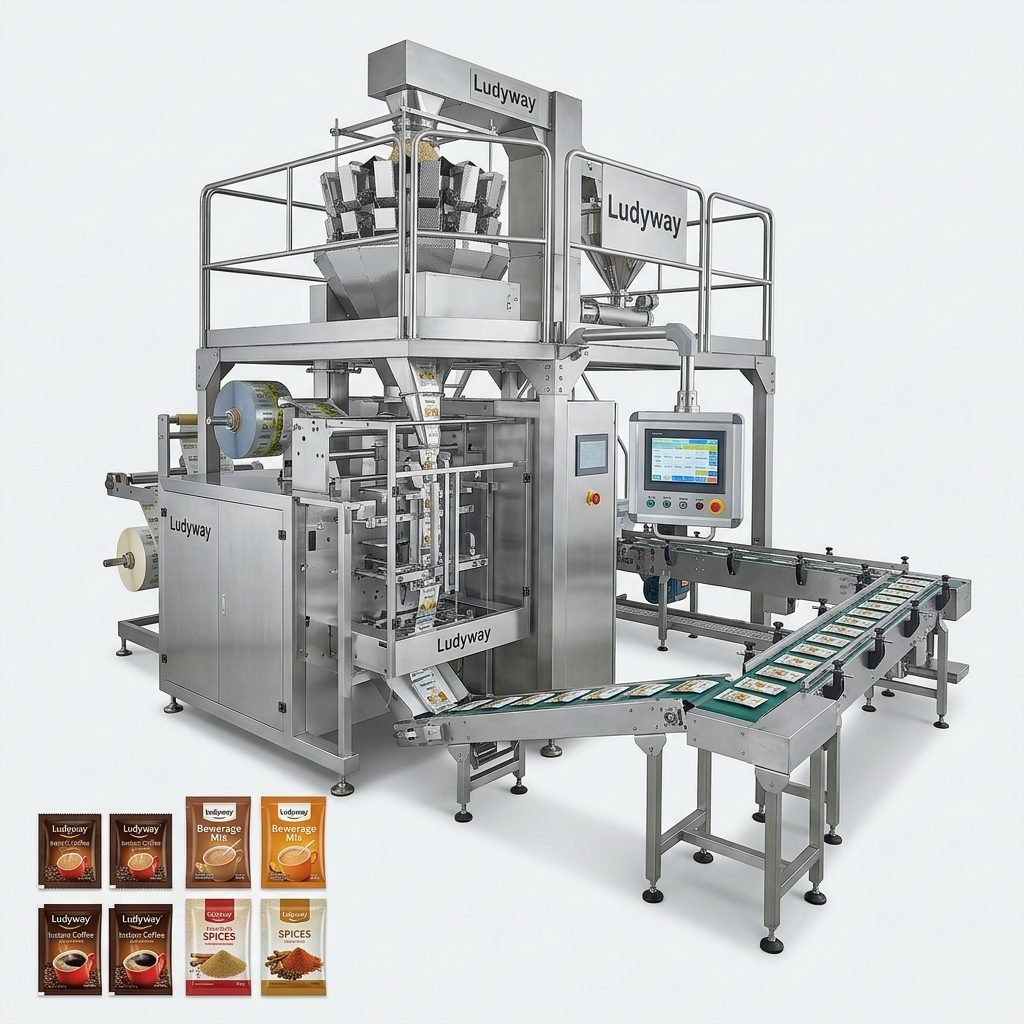
Weekly and Monthly Preventive Maintenance
Beyond daily cleaning, a structured preventive maintenance schedule helps identify potential issues before they cause breakdowns. Use the following checklist to organize your maintenance activities.
Weekly Inspection Points
- Temperature calibration: Verify that sealing jaw thermocouples read accurately within ±2°C.
- Pneumatic system: Drain water from air filters; check for leaks in tubing and fittings.
- Film tracking: Ensure film runs centrally through forming tube without drifting.
- Safety guards: Confirm all interlock switches function correctly.
Monthly Servicing Tasks
| Component | Action Required | Tool / Material |
|---|---|---|
| Bearings & Bushings | Lubricate all moving joints | Food-grade grease NLGI Grade 2 |
| Belts & Chains | Inspect tension and alignment; replace worn items | Torque wrench, alignment gauge |
| Cutting Blade | Sharpen or replace; check alignment against anvil | Replacement blade kit |
| Electrical Connections | Tighten terminal screws; inspect for overheating marks | Insulated screwdriver, thermal camera |
| Draw-off Rollers | Clean rubber surface; measure diameter for wear | Isopropyl alcohol, caliper gauge |
Operating a bhujia packing machine at optimal speed requires all mechanical parts to move in precise synchronization. Even minor misalignment can cause film wrinkling or seal defects. Refer to your machine’s technical documentation for specific torque values and tolerances.
Lubrication Best Practices
Lubrication is one of the most overlooked aspects of packaging machine maintenance. In food processing environments, using the correct lubricant is essential to prevent contamination and comply with FDA food safety regulations.
Lubrication Guidelines
- Use only H1 food-grade lubricants for any point that may have incidental food contact.
- Apply lubricant sparingly; excess grease attracts bhujia dust and forms abrasive paste.
- Document all lubrication activities in a maintenance logbook for traceability.
- Replace lubricant entirely during annual overhaul rather than topping up repeatedly.
Troubleshooting Common Bhujia Packing Machine Problems
Despite regular maintenance, operators may encounter recurring issues. The table below addresses typical problems associated with packaging oily, granular snacks.
| Problem | Probable Cause | Recommended Solution |
|---|---|---|
| Inconsistent seal width | Oil residue on jaw surface; fluctuating temperature | Clean jaws thoroughly; recalibrate PID temperature controller |
| Film slippage | Worn draw-off rollers; incorrect tension setting | Replace rollers; adjust dancer arm position |
| Product bridging in hopper | Moisture absorption by bhujia; static electricity | Install dehumidifier; add anti-static bar near filling station |
| Misaligned pouch cuts | Registration sensor not detecting print mark | Clean sensor lens; adjust sensitivity threshold |
| Excessive vibration | Loose mounting bolts; worn motor bearings | Tighten all fasteners; schedule bearing replacement |
Spare Parts Management Strategy
Keeping critical spare parts in inventory can reduce downtime from days to hours. Based on industry recommendations from packaging machinery research, the following parts should always be on hand for bhujia packing operations:
- Sealing jaw sets (both horizontal and vertical)
- Cutting blades and anvil blocks
- Thermocouples and heating cartridges
- Drive belts specific to your machine model
- Sensor units (photoelectric and proximity types)
- Pneumatic seals and O-ring kits
For companies operating multiple packaging production lines, a centralized spare parts inventory with minimum stock levels triggered by reorder points ensures continuity across shifts. This approach aligns with ISO packaging standards for operational efficiency.
Operator Training and Safety Protocols
Even the most meticulously maintained snack packaging equipment will underperform if operators lack proper training. Comprehensive training programs should cover:
Essential Training Modules
- Cleaning procedures: Step-by-step instruction on disassembly, cleaning, and reassembly.
- Safety lockout/tagout: Energy isolation before any maintenance activity begins.
- Quality inspection: How to identify defective seals, incorrect weights, and contamination.
- Basic troubleshooting: Empowering operators to resolve minor issues independently.
Annual Overhaul and Professional Servicing
While daily and weekly maintenance can be handled in-house, an annual comprehensive overhaul by qualified technicians is highly recommended. A professional service visit typically includes:
- Complete disassembly of the filling and sealing modules
- Replacement of all wear components including bearings, seals, and bushes
- Calibration of load cells and temperature controllers
- Software updates and parameter optimization
- Alignment verification using laser measurement tools
Manufacturers with extensive industry experience, such as Ludyway, provide specialized after-sales support and maintenance training for their packaging machine installations. Their engineering team can offer tailored maintenance schedules based on your specific production environment and throughput requirements.
Documentation and Record Keeping
A robust maintenance management system relies on accurate documentation. Every cleaning session, lubrication task, and part replacement should be recorded. This historical data helps predict component lifecycles and plan proactive replacements. Refer to resources from the Flexible Packaging Association for templates and best practices in maintenance documentation.
Key Records to Maintain
| Record Type | Information Captured | Retention Period |
|---|---|---|
| Daily cleaning log | Operator name, shift, areas cleaned, anomalies noted | 6 months |
| Lubrication schedule | Date, lubricant type, quantity applied, component | 2 years |
| Parts replacement history | Part number, date replaced, reason, technician | Equipment lifetime |
| Calibration certificates | Instrument, calibration date, deviation, corrective action | 3 years |
Environmental Considerations for Bhujia Packaging
The production environment significantly impacts packing machine performance. Bhujia manufacturing areas often have elevated temperatures from frying operations and airborne flour particles. Controlling these factors reduces the maintenance burden and extends component life.
Recommended Environmental Conditions
- Ambient temperature: 20°C to 30°C (68°F to 86°F)
- Relative humidity: 45% to 60% to prevent bhujia moisture absorption
- Air filtration: Install positive pressure systems with HEPA filters to minimize dust ingress
- Vibration isolation: Mount machine on dedicated pads separate from frying and mixing equipment
Aligning your maintenance practices with guidelines from the European Commission on packaging sustainability ensures your operation remains compliant and efficient.

Following these comprehensive cleaning and maintenance protocols will help you achieve maximum uptime, consistent pack quality, and extended equipment lifespan from your bhujia packing machine. Regular training, thorough documentation, and a proactive approach to spare parts management form the foundation of a reliable packaging operation. For further guidance on packaging machinery standards, consult resources available through PMMI – The Association for Packaging and Processing Technologies.