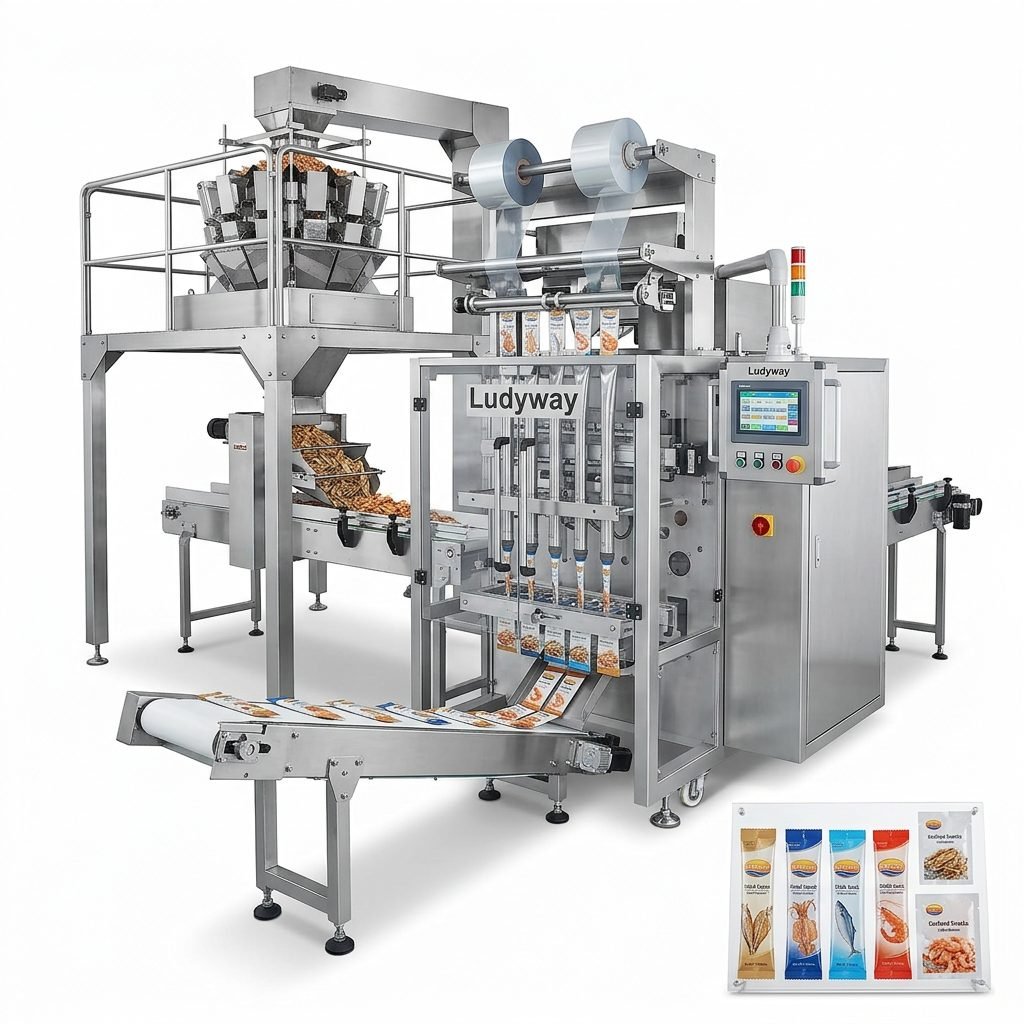
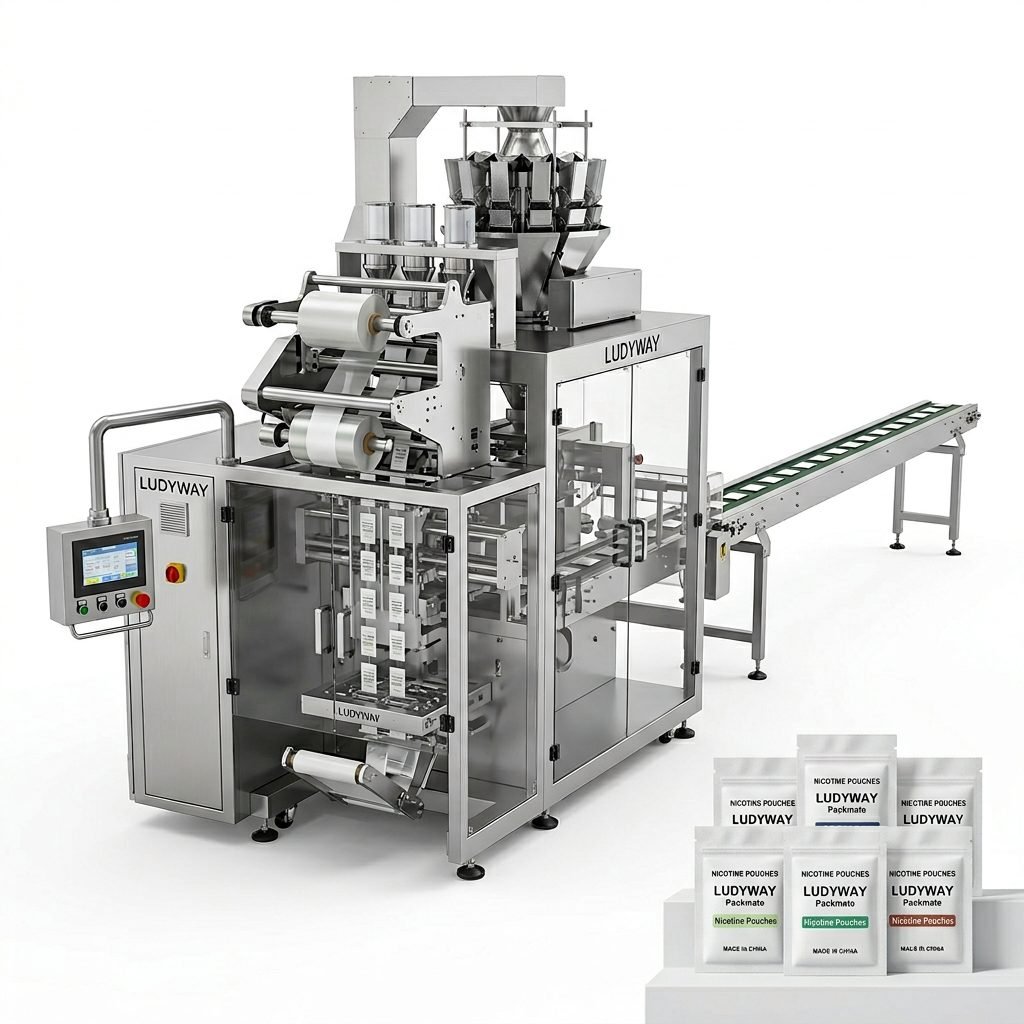
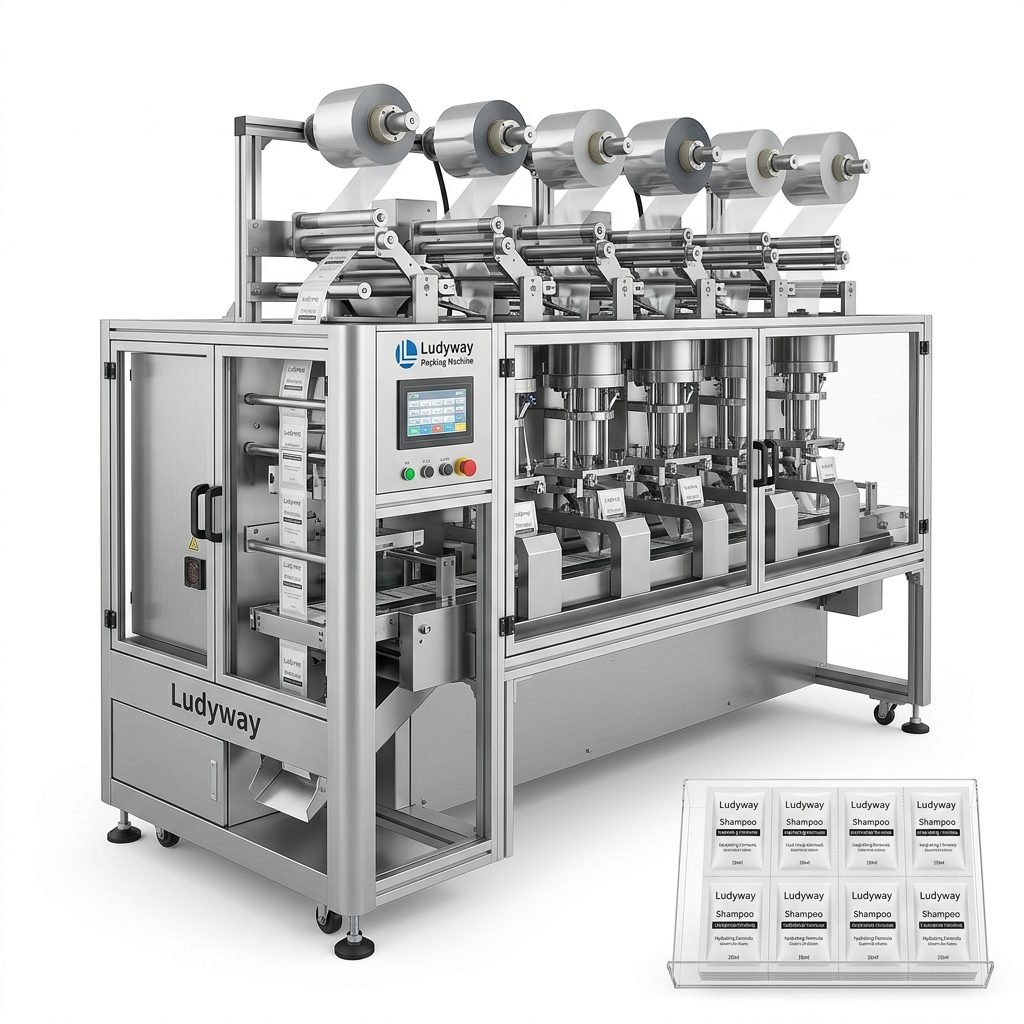
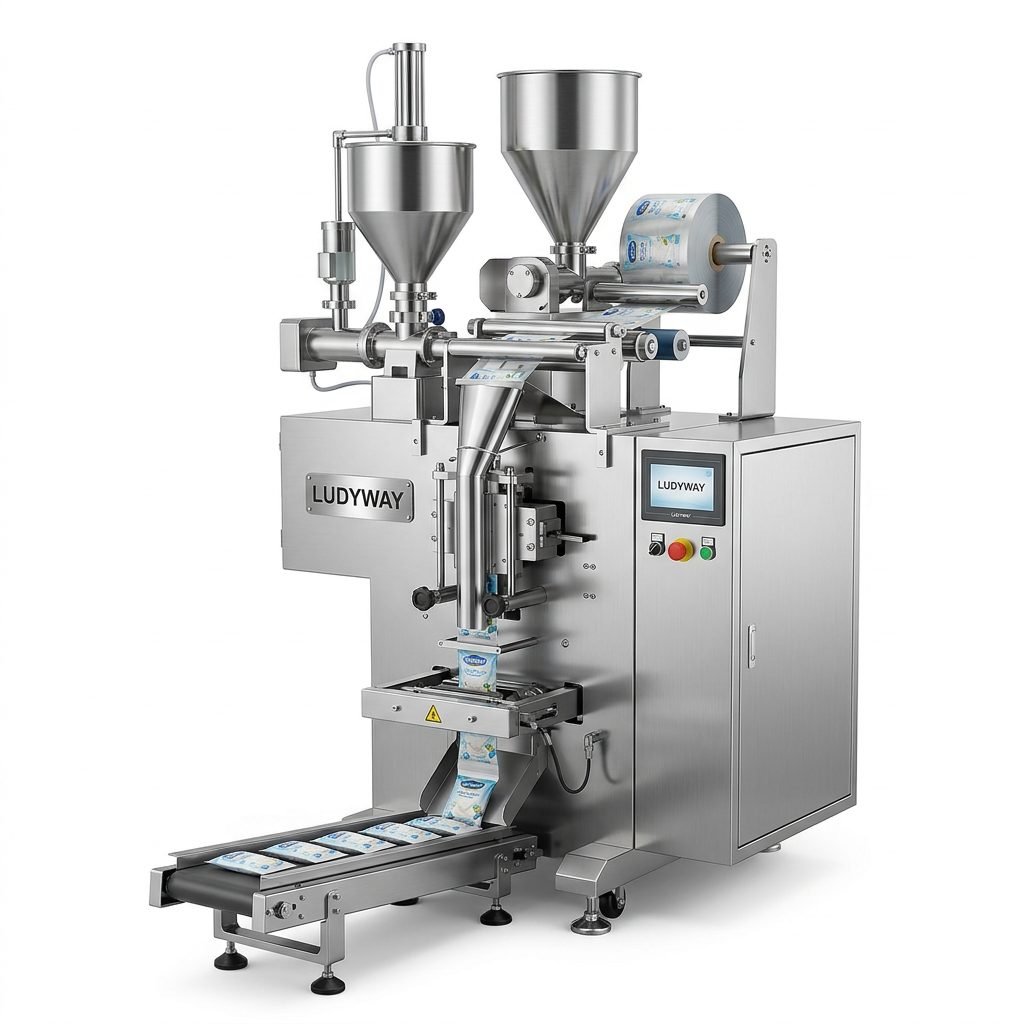
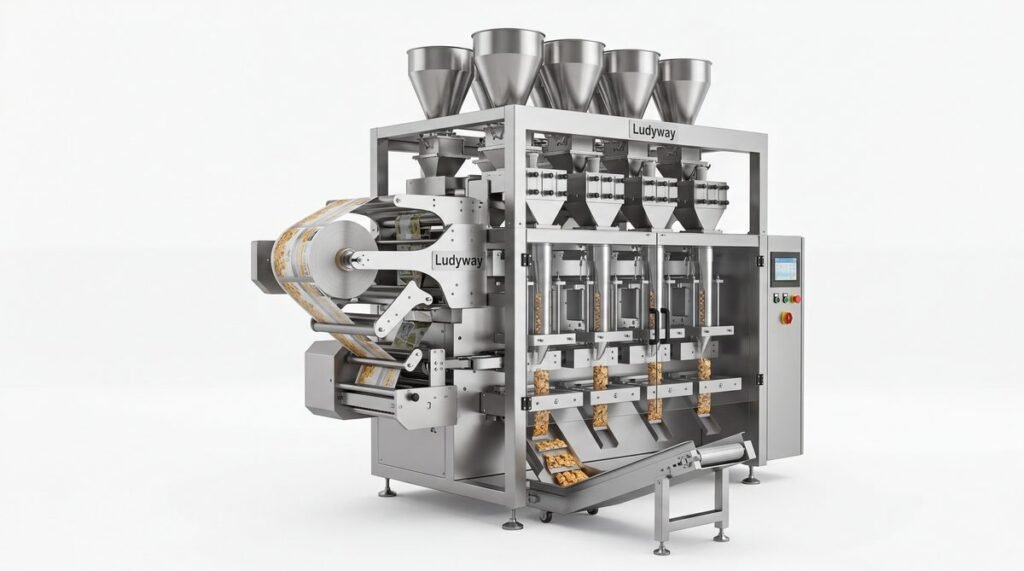
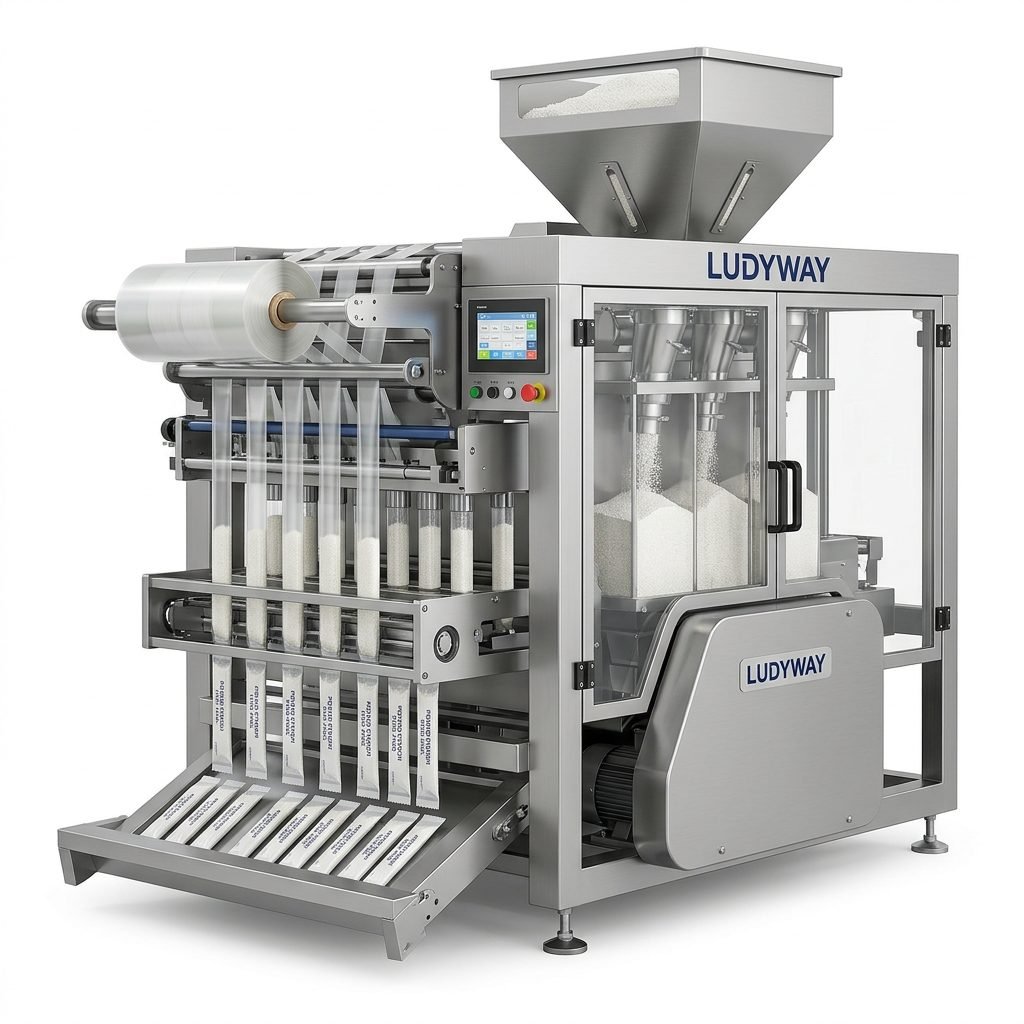
Investing in a packaging machine is a critical decision that directly impacts your production efficiency, product consistency, and long-term operational costs. Whether you are upgrading an existing line or automating manual processes for the first time, choosing the right Stiavelli packaging machine requires a systematic evaluation of your product characteristics, packaging format, production goals, and technical requirements.
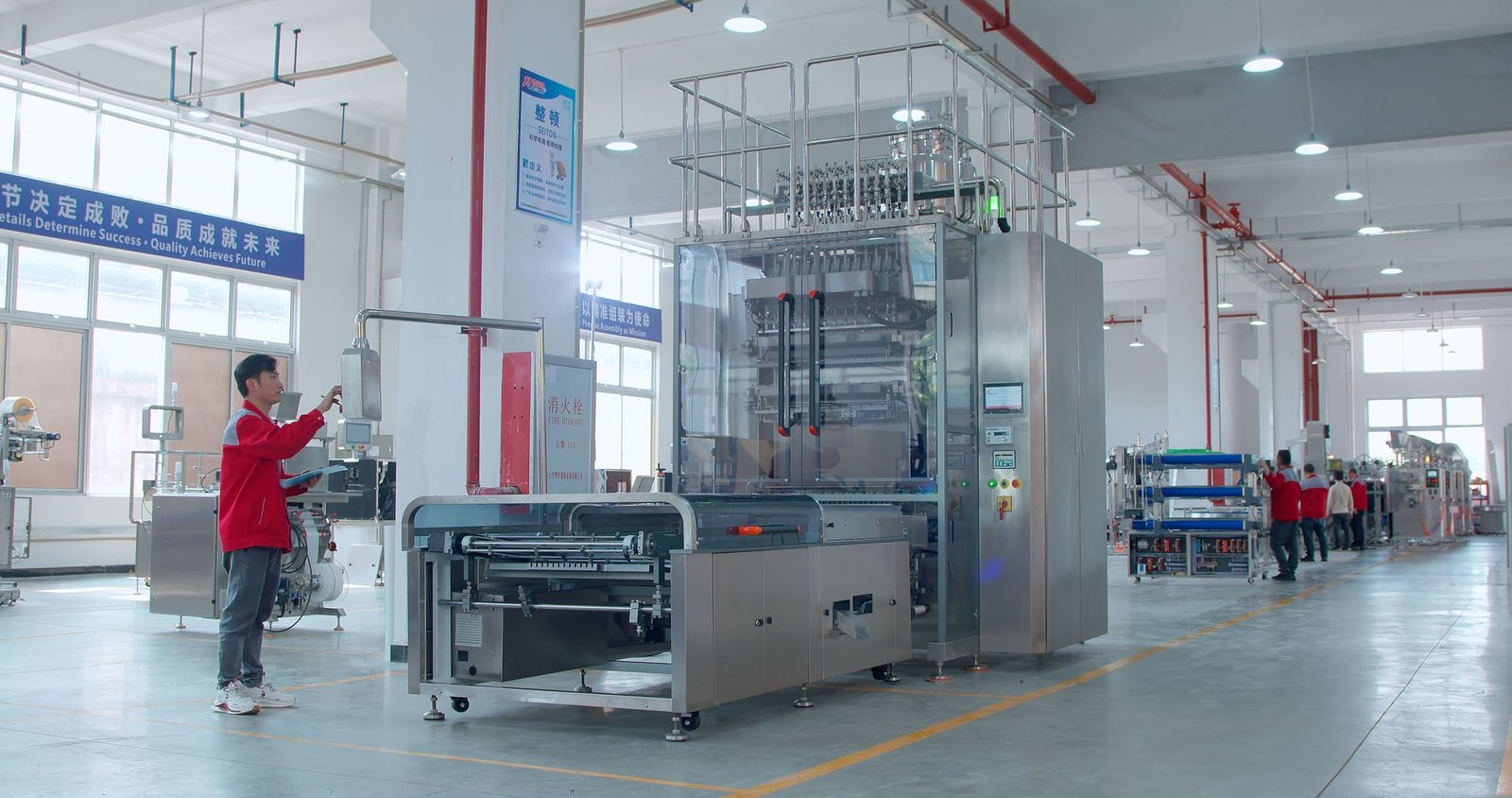
1. Define Your Product Type and Physical Characteristics
The first and most important step is to clearly identify what you are packaging. Different products require completely different dosing, filling, and sealing technologies. Packaging machinery is typically designed around specific product categories:
| Product Category | Examples | Recommended Technology |
|---|---|---|
| Free-Flowing Powders | Milk powder, coffee, spices, protein supplements | Auger filler, volumetric cup filler |
| Non-Free-Flowing Powders | Cocoa powder, flour, sticky seasonings | Agitated auger filler, vacuum-assisted systems |
| Granules & Pellets | Pet food, fertilizers, seeds, beans, nuts | Multi-head weigher, volumetric filler |
| Liquids & Pastes | Sauces, shampoos, gels, oils, creams | Piston filler, peristaltic pump, gravity filler |
| Mixed or Special Products | Nicotine pouches, medical devices, wet wipes | Custom dosing and handling systems |
Understanding your product’s flow characteristics, bulk density, particle size distribution, and moisture content is essential before evaluating any machine configuration. A mismatch between product properties and filling technology is one of the most common causes of packaging problems.
2. Determine Your Target Packaging Format
Packaging format decisions affect everything from consumer convenience to shelf presence and production line layout. Consider which format best serves your market and distribution channels:
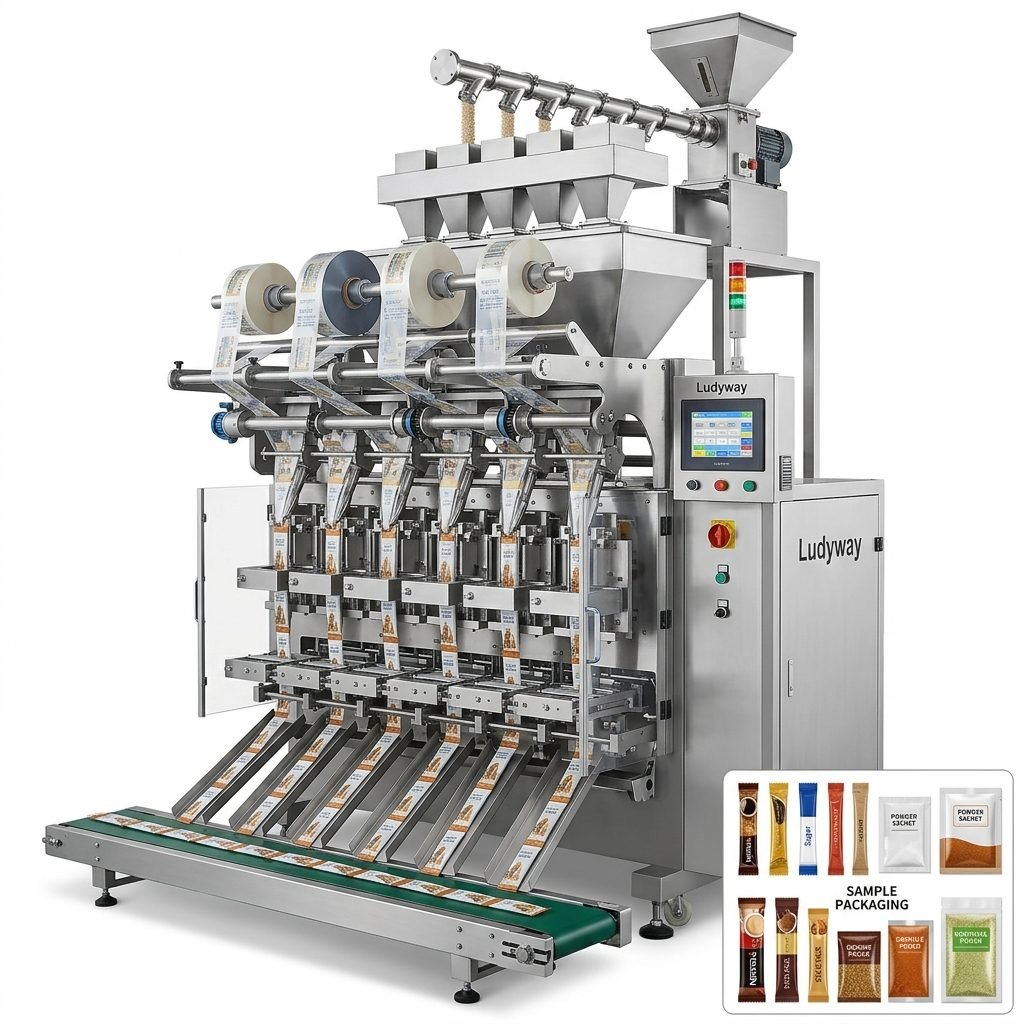
- Stick Packs — Ideal for single-serve powders, supplements, drink mixes, and pharmaceutical products. These narrow, elongated sachets are increasingly popular in the health and nutraceutical sectors.
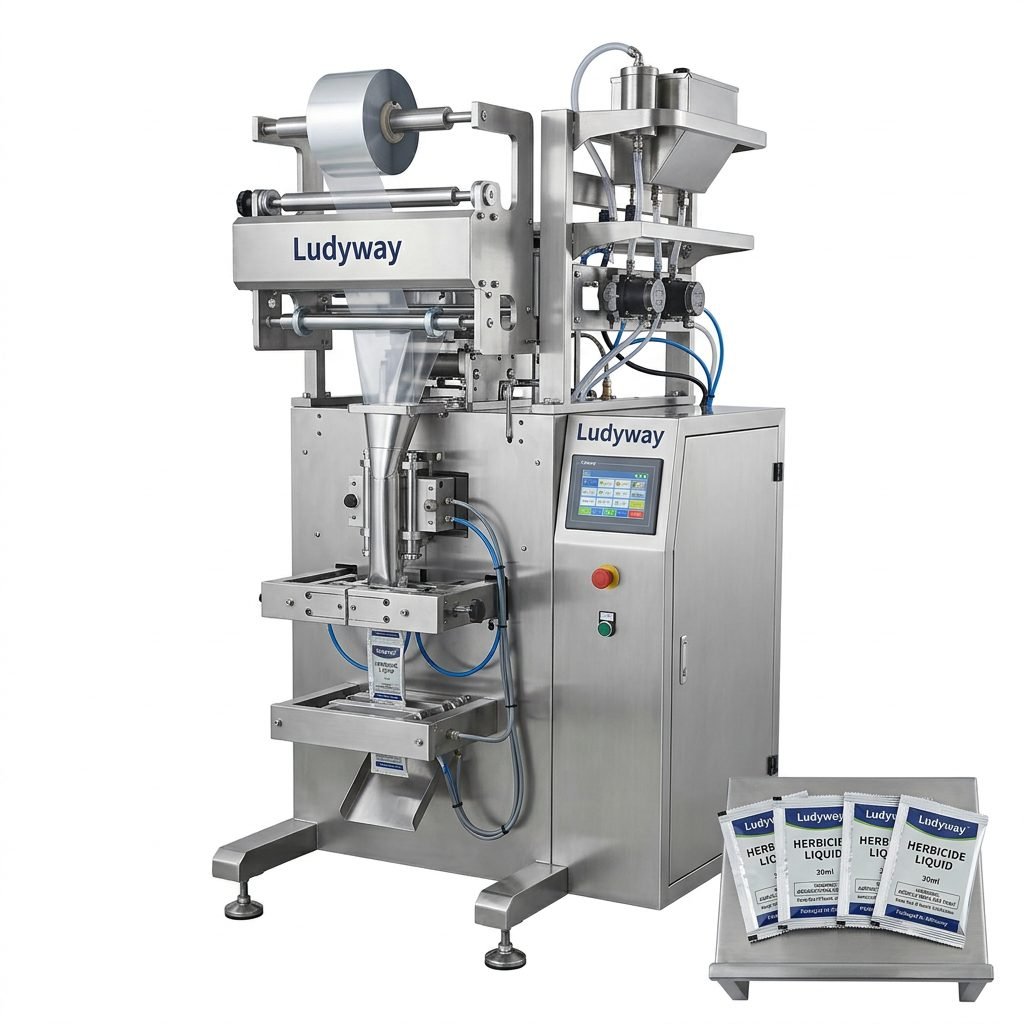
- Flat Sachets — Common for sauces, condiments, shampoos, cosmetic samples, and medical products. Available in three-side-seal and four-side-seal configurations.
- Stand-Up Pouches — Excellent for products requiring re-sealability and strong shelf appeal. Widely used for pet food, snacks, coffee, and liquid detergents.
- Premade Pouches — Suited for high-end products or when packaging material requires pre-forming before filling.
- Bottle and Vial Filling — For liquid pharmaceuticals, serums, essential oils, and beverages requiring rigid container formats.
Each format requires specific packaging machinery configurations, and many manufacturers benefit from machines capable of handling multiple bag styles to accommodate future product line expansions.
3. Evaluate Production Speed and Capacity Requirements
Production speed is measured in packs per minute (ppm) and directly determines your line’s throughput capacity. When specifying speed requirements, consider:
- Current daily or shift-based production volumes
- Projected growth over the next 3–5 years
- Seasonal demand fluctuations
- Whether you run single-shift or multi-shift operations
- The need for multi-lane configurations to increase output without proportionally increasing floor space
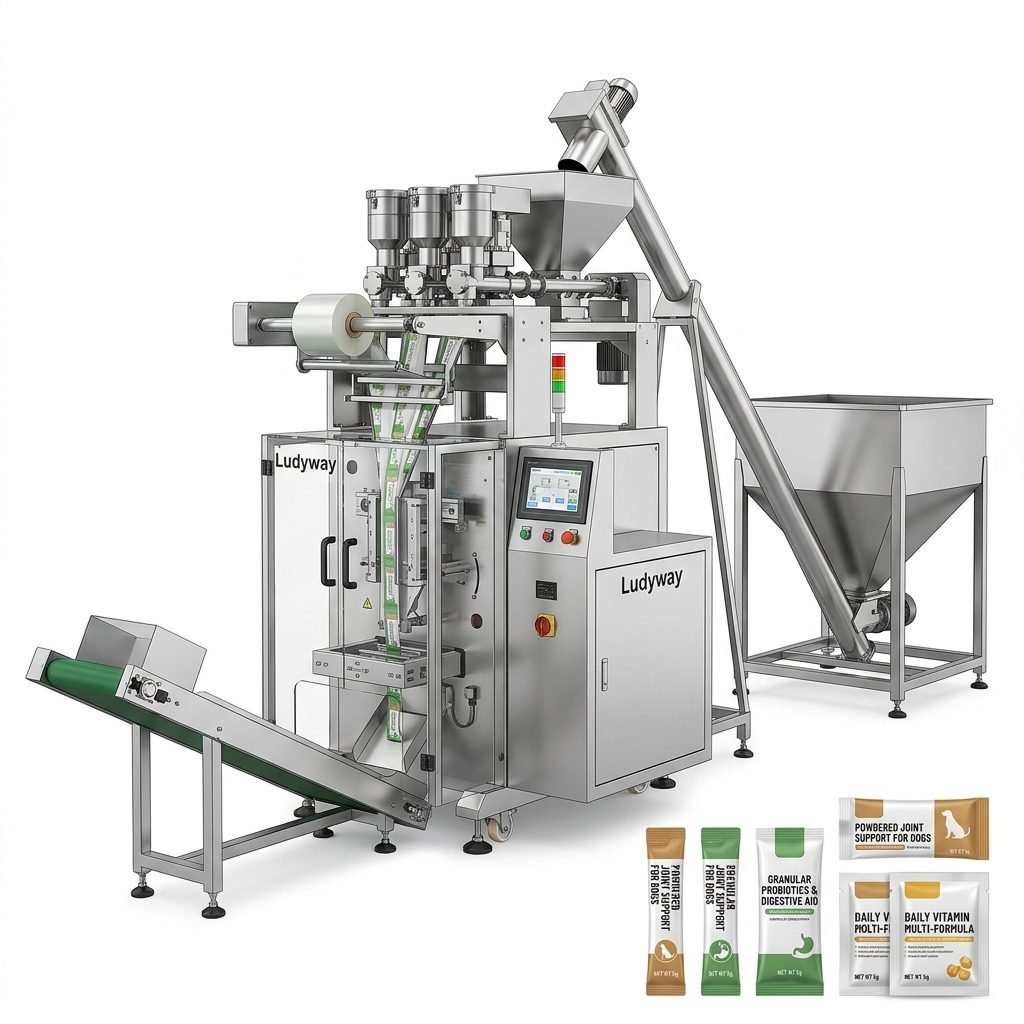
Modern multi-lane stick pack and sachet machines can achieve outputs exceeding 400–600 packs per minute, significantly outperforming single-lane alternatives. However, higher speeds require more sophisticated feeding, sealing, and quality inspection systems.
4. Assess Filling Accuracy and Dosing Precision
Filling accuracy is critical for regulatory compliance, cost control, and product consistency. Overfilling erodes profit margins, while underfilling risks non-compliance with weights and measures regulations. Key factors influencing dosing precision include:
- Weighing technology — Multi-head weighers typically achieve ±0.5–1.0g accuracy, while volumetric fillers may have wider tolerances depending on product consistency.
- Product uniformity — Consistent bulk density and particle size improve filling accuracy across all technologies.
- Environmental conditions — Humidity and temperature can affect powder flow and weight measurements.
- Checkweighing integration — In-line checkweighers with automatic feedback and reject systems help maintain fill accuracy in real time.
For pharmaceutical, nutraceutical, and high-value product applications, precision dosing systems with statistical process control are strongly recommended. For more information on industry standards, refer to PMMI’s business intelligence resources.
5. Consider Packaging Material Compatibility
Your choice of packaging film or material directly influences machine selection. Not all machines handle all film types equally well. Important material considerations include:
| Material Type | Common Applications | Machine Requirements |
|---|---|---|
| Laminated films (PET/AL/PE) | High-barrier food and pharma packaging | Adjustable heat sealing with precise temperature control |
| Paper-based laminates | Tea bags, sugar sticks, seasoning packs | Special sealing jaws and tension control |
| Biodegradable and compostable films | Eco-friendly consumer products | Lower sealing temperature tolerance, requires precise PID control |
| Aluminum foil laminates | Pharmaceutical blister packs, medical device pouches | High-integrity sealing with validated parameters |
The Flexible Packaging Association provides extensive resources on film technologies and sustainability trends that can help inform your material selection decisions.
6. Evaluate Automation and Integration Capabilities
Today’s packaging operations increasingly demand higher levels of automation and seamless integration with upstream and downstream processes. When evaluating a Stiavelli packaging machine, look for the following automation features:
- Automatic feeding systems — Vibratory feeders, bucket elevators, vacuum conveyors, and screw feeders that minimize manual handling
- In-line quality inspection — Vision systems, metal detectors, X-ray inspection, and checkweighers integrated into the packaging line
- Automated reject mechanisms — Systems that automatically divert non-conforming packs without stopping production
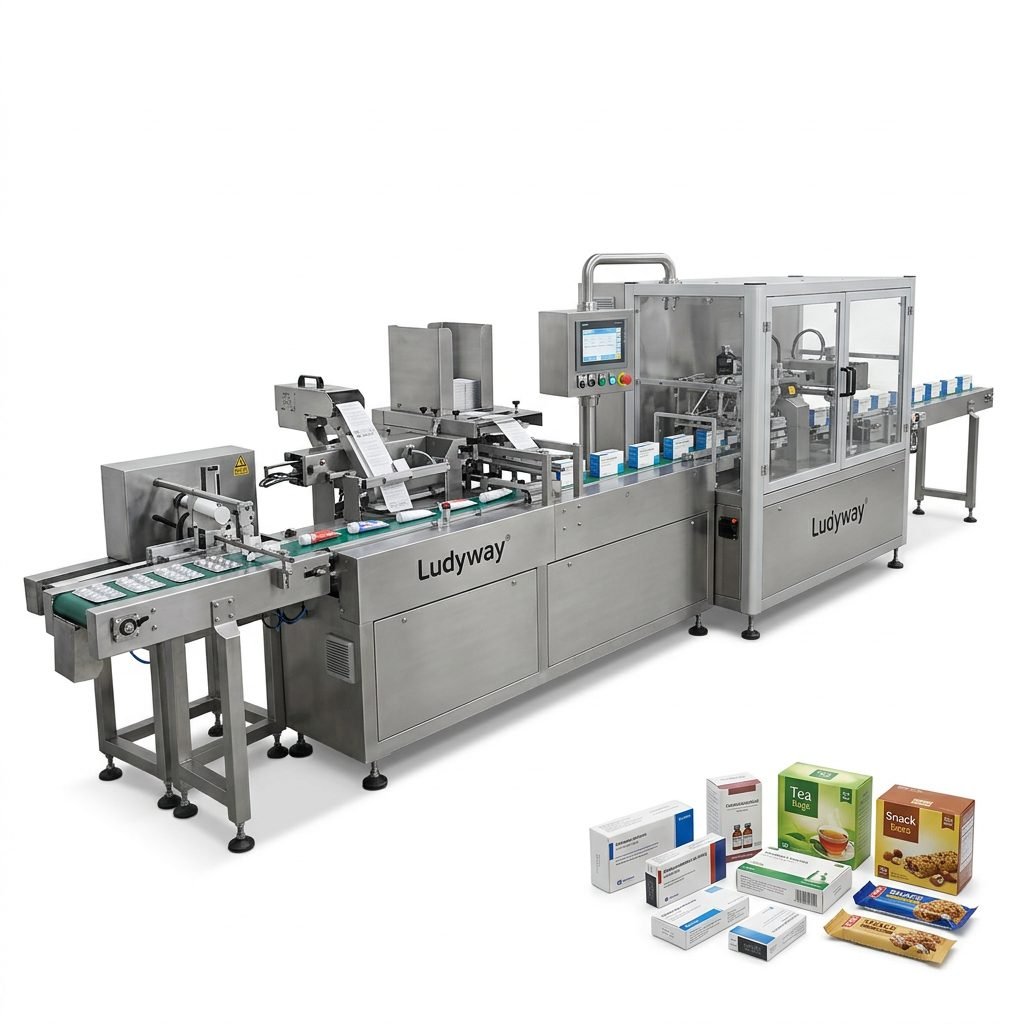
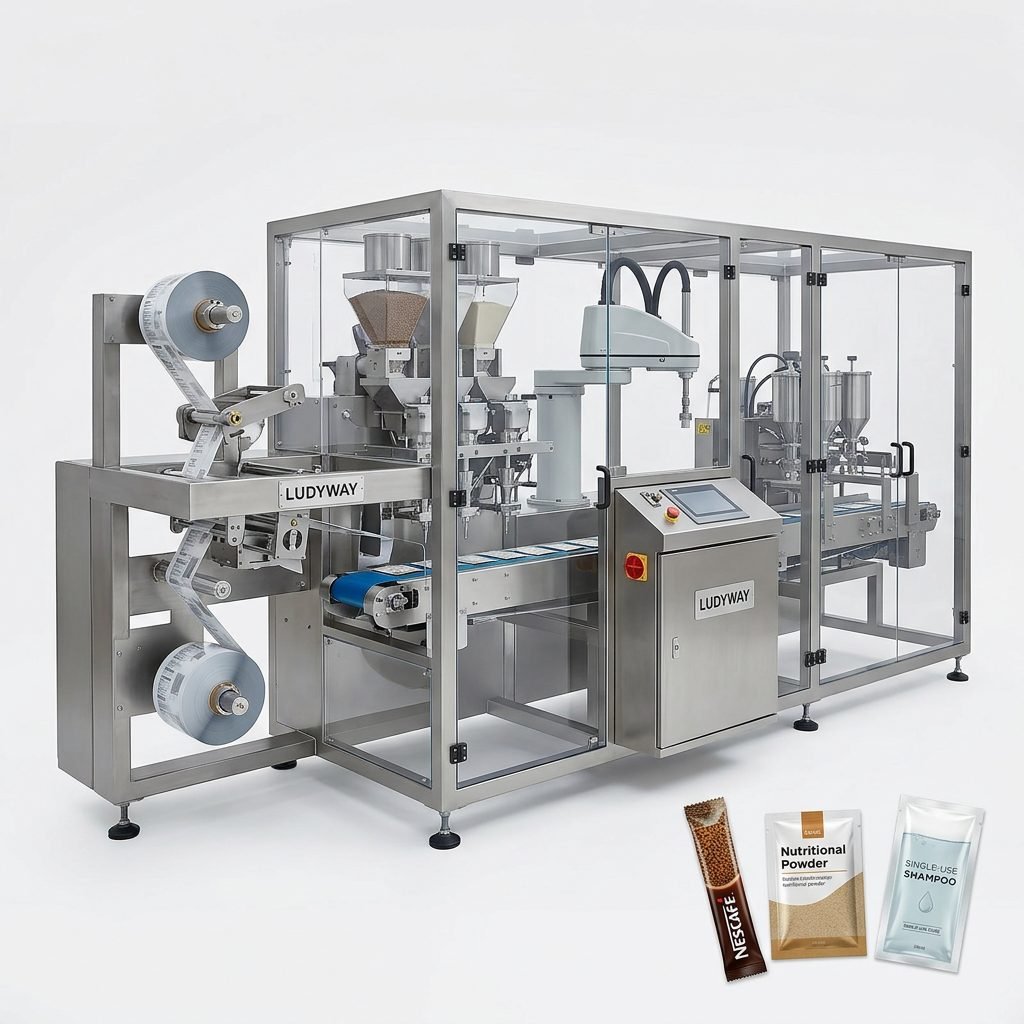
- Robotic pick-and-place — For automated product collation, cartoning, and palletizing
- IoT and data connectivity — Real-time production monitoring, OEE tracking, and remote diagnostics via industrial communication protocols
7. Verify Compliance with Industry Standards and Regulations
Depending on your industry and target markets, packaging machinery must comply with various regulatory requirements. Key standards to consider include:
- Food industry — FDA food packaging regulations, HACCP-compatible machine design, and food-grade materials for all product contact parts
- Pharmaceutical industry — GMP compliance, ISO 11607 for terminally sterilized medical devices, 21 CFR Part 11 for electronic records, and validation documentation (IQ/OQ/PQ)
- Cosmetics and personal care — ISO 22716 GMP guidelines, cleanroom-compatible machine configurations
- Chemical industry — Explosion-proof designs, corrosion-resistant materials, and compliance with local safety regulations
- CE marking and international certifications — For machines exported to European and other regulated markets
Always request documentation and certificates from your equipment supplier to ensure the machine meets applicable regulatory requirements for your specific application and target markets. The European Commission’s packaging regulations also provide important guidance for manufacturers exporting to EU markets.
8. Consider Customization and Future Flexibility
Standard machines may not fully address your unique production requirements. Customization capabilities are a significant differentiator when selecting a packaging machinery partner. Evaluate whether the supplier can offer:
- Custom dosing systems for challenging product characteristics
- Adjustable bag sizes and formats on the same machine platform
- Modular design allowing future upgrades and reconfigurations
- Integration with your existing factory layout and production management systems
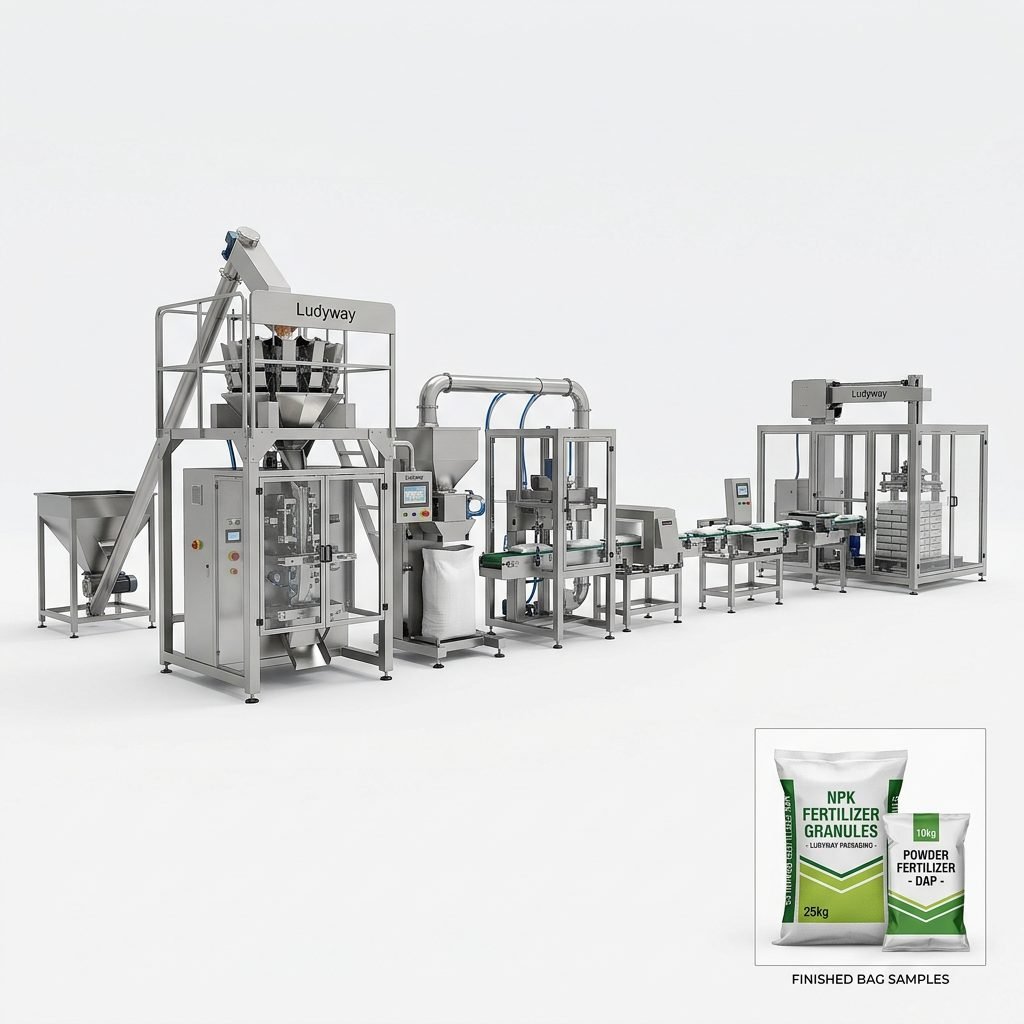
- Turnkey packaging line solutions that combine multiple machines into a single coordinated system
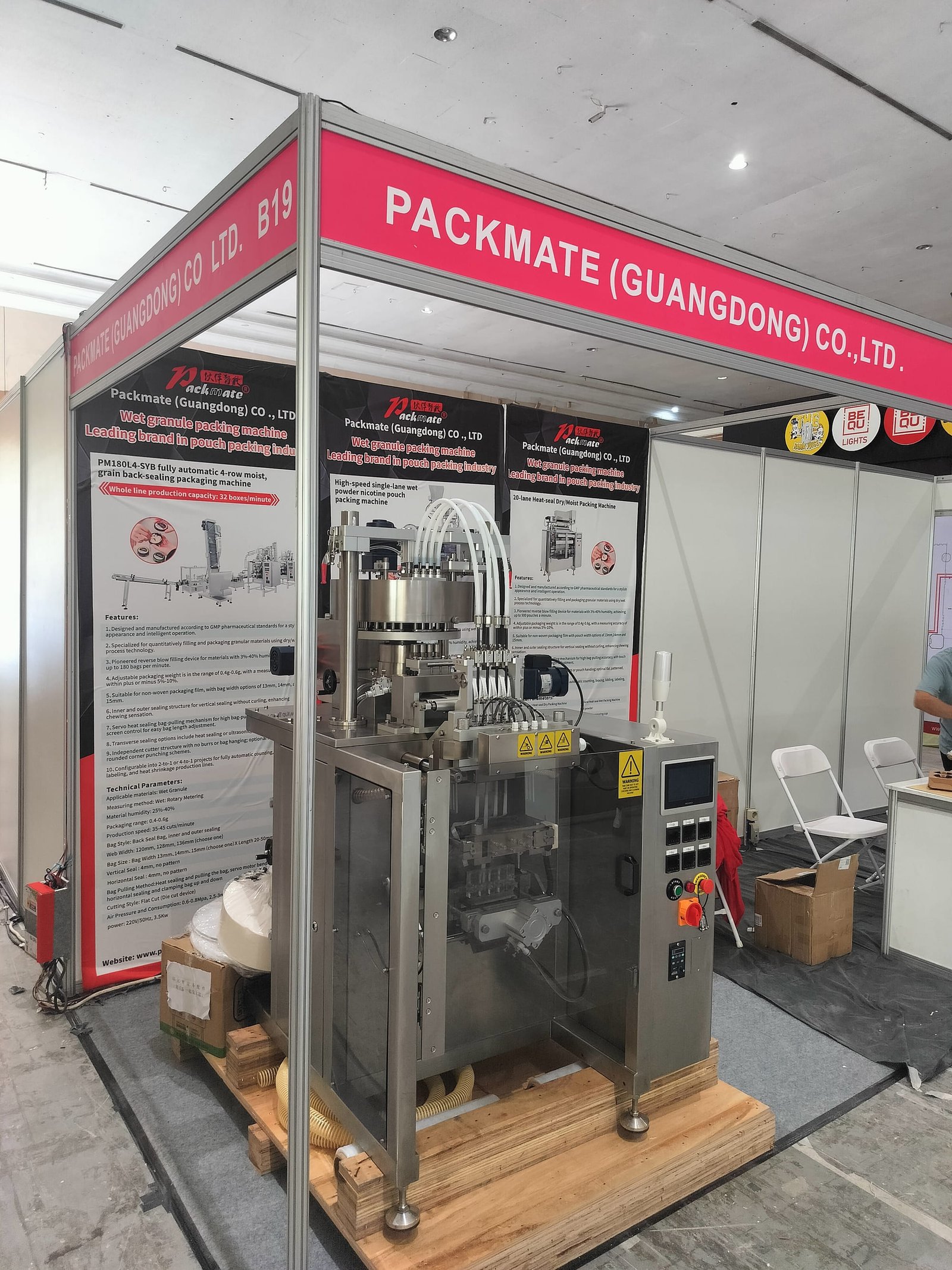
A customized approach is particularly valuable for manufacturers looking to increase production capacity, automate manual packaging processes, introduce new packaging formats, or integrate packaging equipment into an existing production line. Companies like Ludyway Machinery have demonstrated strong capabilities in delivering customized packaging solutions across multiple industries and international markets.
9. Assess After-Sales Support and Service Infrastructure
The relationship with your packaging machinery supplier does not end at installation. Comprehensive after-sales support is essential for maintaining long-term equipment performance and minimizing downtime. When evaluating suppliers, investigate the following support capabilities:
| Support Element | What to Look For |
|---|---|
| Installation and Commissioning | On-site or remote support from factory-trained engineers |
| Operator Training | Comprehensive training programs covering operation, maintenance, and troubleshooting |
| Spare Parts Availability | Guaranteed spare parts supply with reasonable lead times and regional distribution centers |
| Remote Technical Assistance | Remote diagnostics, troubleshooting, and software support capabilities |
| Warranty and Service Agreements | Clear warranty terms and optional extended service contracts |
10. Calculate Total Cost of Ownership
Purchase price alone is not a reliable indicator of value. A comprehensive TCO analysis should account for all costs throughout the machine’s expected service life:
- Initial equipment cost, including any customization and integration expenses
- Installation, commissioning, and training costs
- Packaging material consumption and waste rates
- Energy consumption and utility costs
- Preventive maintenance and spare parts expenses
- Expected downtime and associated production losses
- Labor requirements for operation and maintenance
- Equipment lifespan and depreciation considerations
A machine with a higher initial price may offer significantly lower TCO if it delivers higher efficiency, lower material waste, reduced downtime, and longer service life compared to less expensive alternatives.
Making Your Final Decision
Selecting the right Stiavelli packaging machine is a strategic decision that benefits from thorough evaluation. The most successful packaging machinery investments result from a careful assessment of product requirements, production goals, packaging formats, regulatory compliance, automation needs, and long-term supplier support. Taking the time to systematically evaluate these factors will help ensure that your packaging operation is efficient, scalable, and future-ready.
When you are ready to explore specific packaging machine configurations and solutions, working with an experienced packaging machinery manufacturer that offers comprehensive engineering capabilities, customization options, and global service support can make a significant difference in the success of your packaging project.