If you are planning to invest in a chips packing machine, the first question is usually simple: how much does it cost? The honest answer is that pricing can vary widely depending on machine type, packing speed, bag style, automation level, and the overall line configuration.
For snack manufacturers, distributors, and growing food brands, understanding the real cost is about more than the machine’s sticker price. You also need to consider installation, customization, material compatibility, maintenance, and long-term production efficiency. This guide breaks down the most important pricing ranges and the key factors that influence the final investment.
Average Chips Packing Machine Price Range
A chips packing machine can range from a relatively affordable semi-automatic model to a high-speed fully automated packaging line. In most cases, buyers can expect the following market ranges:
| Machine Type | Typical Price Range | Best For |
|---|---|---|
| Semi-automatic chips packing machine | US$3,000 – US$10,000 | Small businesses and trial production |
| Basic vertical form fill seal machine | US$10,000 – US$25,000 | Startups and medium-volume snack packing |
| Automatic chips packing machine with multihead weigher | US$25,000 – US$60,000 | Most commercial snack producers |
| High-speed integrated packing line | US$60,000 – US$150,000+ | Large factories and automated production lines |
Important: these are general market estimates. Final quotations can change based on configuration, electrical standards, packaging material requirements, and whether you are buying a standalone machine or a complete turnkey system.
What Type of Chips Packing Machine Are You Buying?
One of the biggest pricing variables is the machine category itself. “Chips packing machine” can refer to very different equipment setups.
- Semi-automatic machines require more labor and usually suit low-output production.
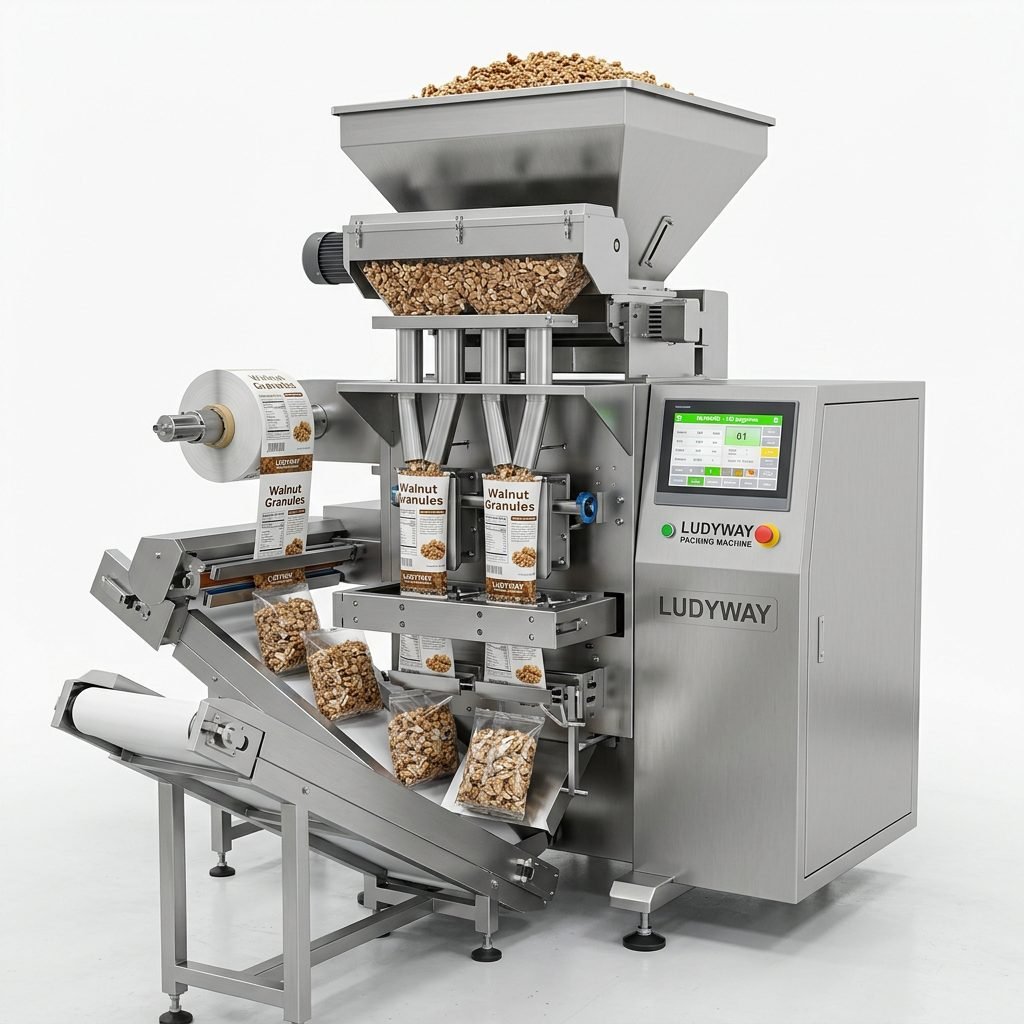
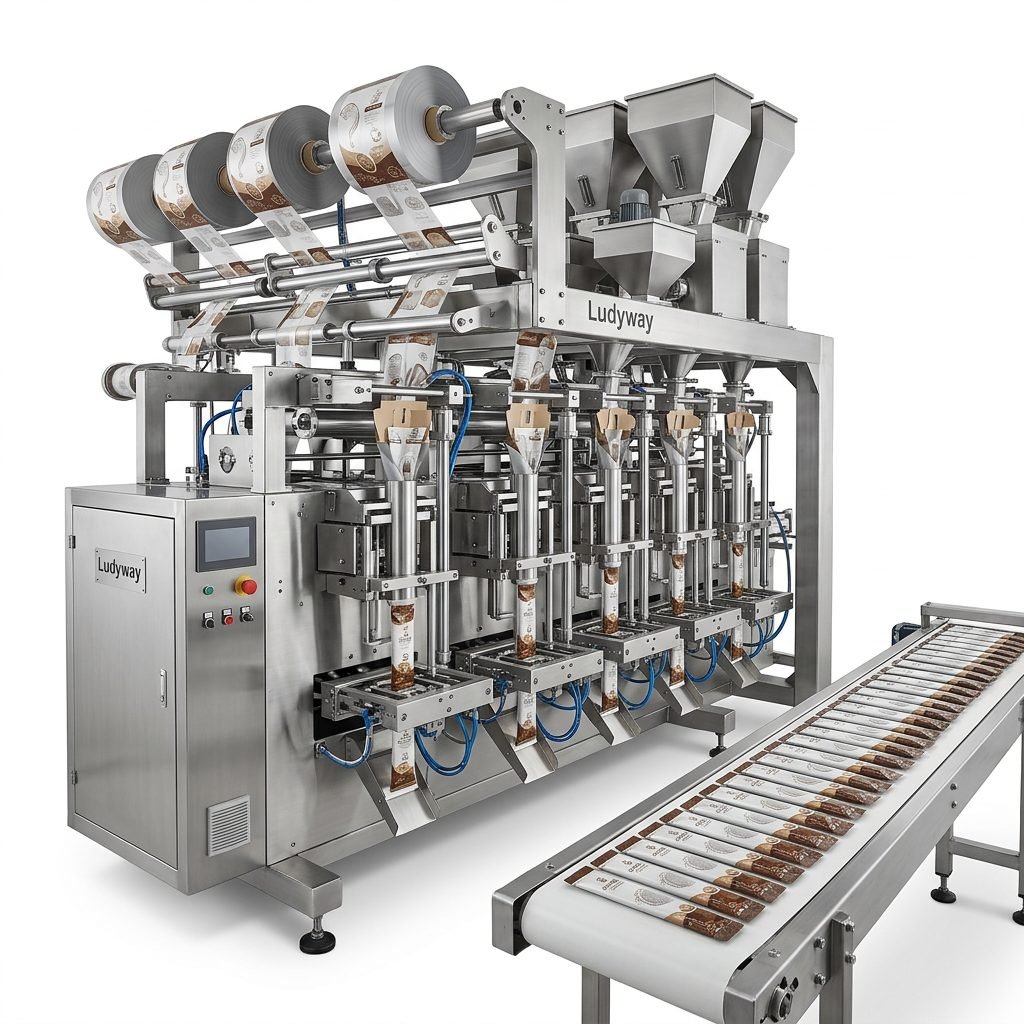
- VFFS machines automatically form, fill, and seal bags from roll film.
- Premade pouch machines work with ready-made bags and often cost more.
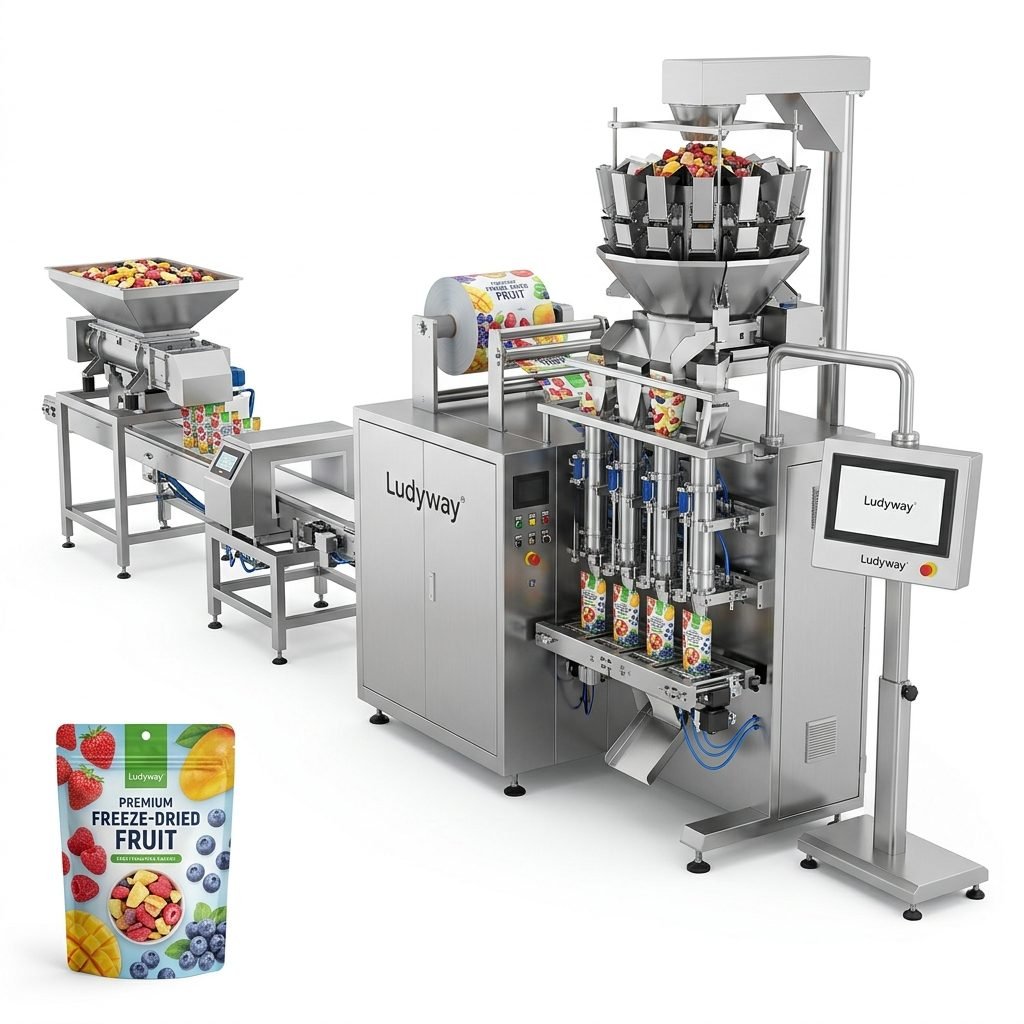
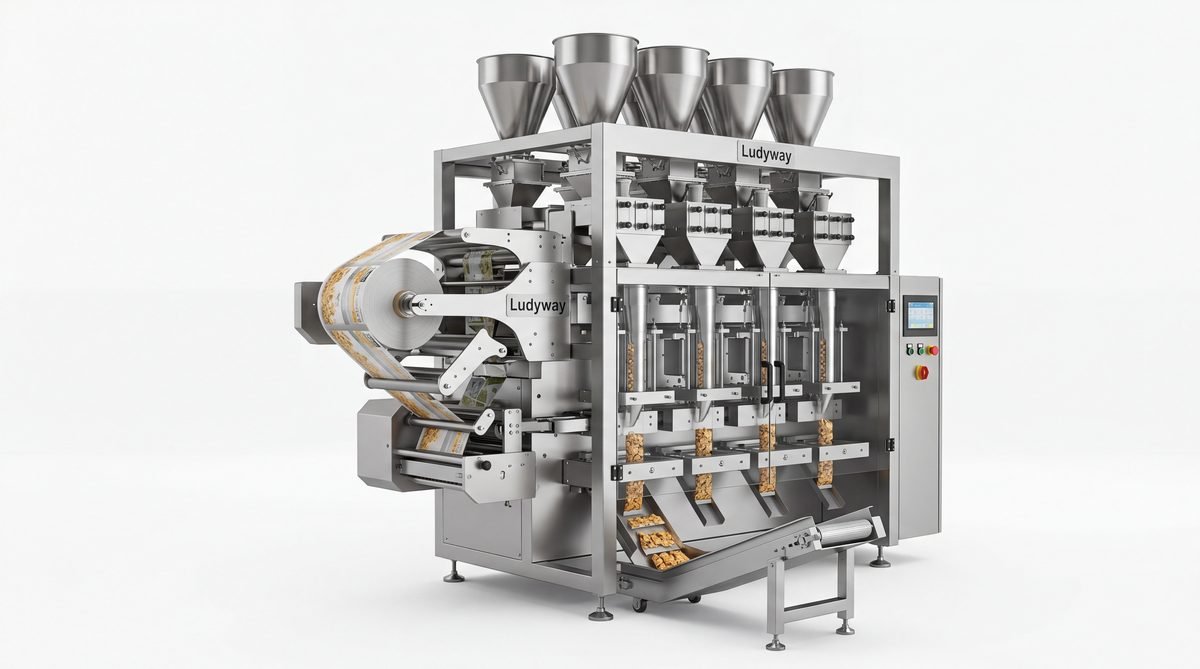
- Machines with multihead weighers improve weighing accuracy for fragile snack products like potato chips.
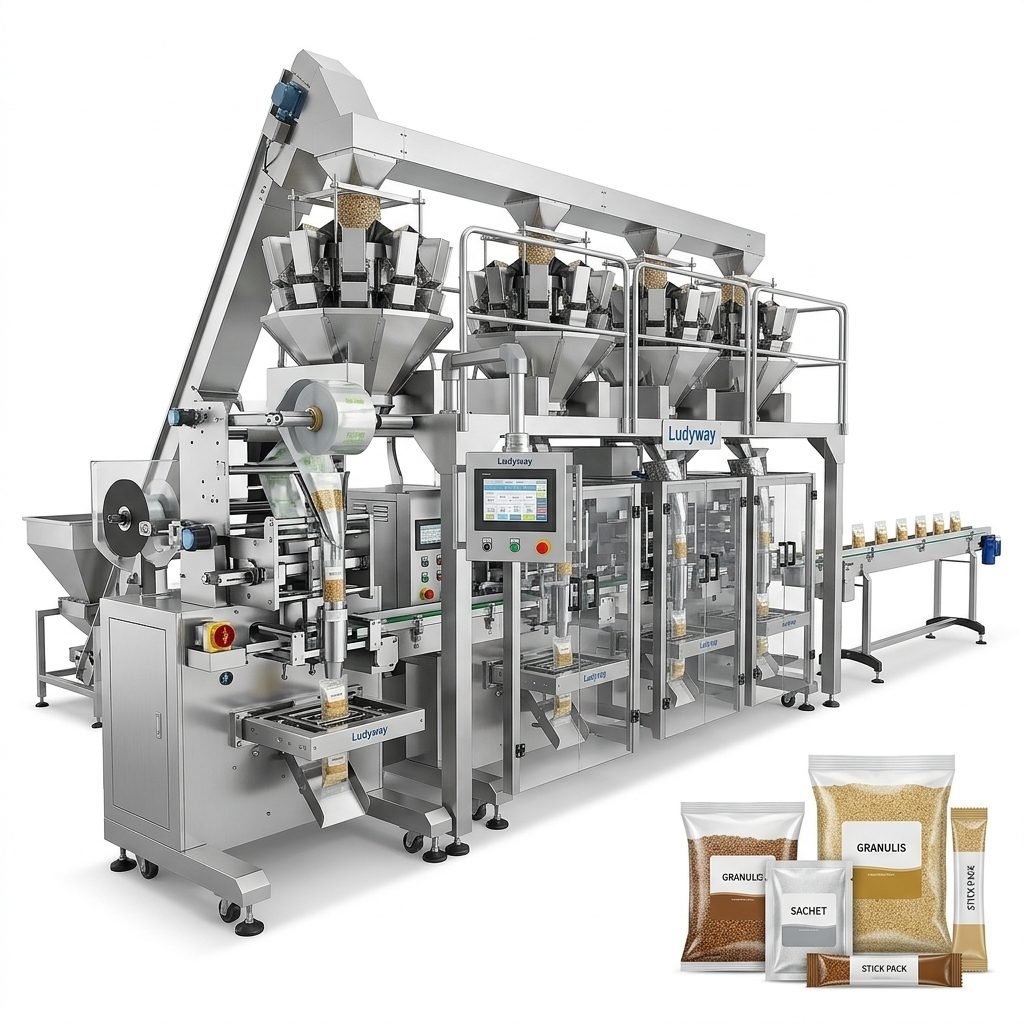
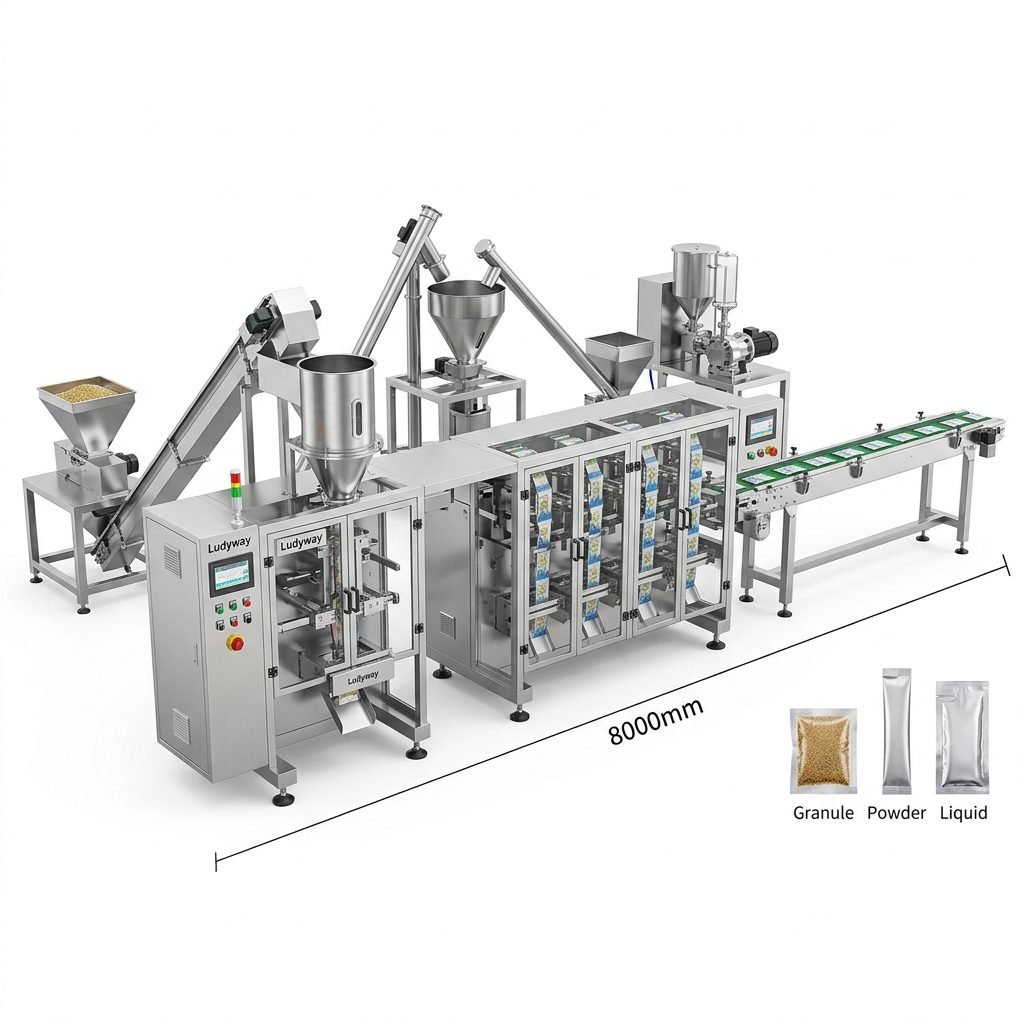
- Turnkey lines can include feeding, seasoning, weighing, filling, nitrogen flushing, date coding, checkweighing, metal detection, and cartoning.
For many snack brands, a fully automatic chips packaging machine with a multihead weigher is the most practical solution because it balances speed, bag quality, and product protection.
Main Factors That Affect Chips Packing Machine Cost
1. Packaging Speed
Higher speed almost always means a higher price. A low-speed machine for small-batch production will cost much less than a line designed for continuous industrial output.
If your target is high-volume supermarket distribution, paying more upfront for speed may reduce labor cost and increase profit over time.
2. Weighing System Accuracy
Chips are lightweight, irregular, and easy to break. That means the weighing system matters a lot. Multihead weighers are more expensive than simpler dosing systems, but they deliver better precision and less giveaway.
Even a small reduction in overfilling can create major savings over thousands of bags per day.
3. Bag Type and Bag Size
The kind of package you want also changes the cost. Common options include:
- Pillow bags
- Gusset bags
- Quad seal bags
- Doypack or stand-up pouches
- Small trial packs and family-size bags
More complex bag shapes and wider size ranges usually require more advanced mechanical design and control systems.

4. Nitrogen Flushing Requirement
For chips packaging, nitrogen flushing is often essential. It helps protect product freshness, reduce breakage, and improve shelf life. Machines equipped with stable gas flushing systems cost more than basic models, but for many chip producers, this feature is not optional.
5. Material and Build Quality
Food-grade stainless steel, branded electrical components, servo motors, and reliable PLC systems increase machine cost. However, they also improve durability, hygiene, and operational stability.
For food factories, especially those exporting products, better materials can help support compliance and reduce downtime.
6. Automation Level
The more automated the system, the higher the investment. A simple machine may only fill and seal. A more complete solution may include:
- Automatic feeding conveyor
- Multihead weigher
- Platform support
- VFFS bagging machine
- Nitrogen flushing unit
- Date printer
- Checkweigher
- Metal detector
- Cartoning or case packing equipment
7. Customization
If your chips have unique characteristics, such as special seasoning, fragile texture, oily surfaces, or unusual bag dimensions, the machine may need custom adjustments. Customization often affects engineering time, production lead time, and total cost.
8. Brand, Country of Origin, and Supplier Support
Well-established manufacturers with export experience may charge more, but they can offer better documentation, testing, spare parts support, and remote service. That can be especially important for overseas buyers.
For example, Ludyway packaging machine solutions are often considered by buyers looking for scalable food packaging equipment and turnkey automation support from an experienced Chinese manufacturer.
Standalone Machine vs Complete Chips Packaging Line
Many buyers initially ask for the price of a single packing machine, but in practice, snack production often needs a complete line. The price difference can be significant.
| Purchase Option | What’s Included | Estimated Budget |
|---|---|---|
| Standalone machine | Basic filling and sealing only | Lower upfront cost |
| Semi-automatic line | Partial feeding, weighing, and bagging integration | Mid-range investment |
| Fully automatic line | End-to-end automation with inspection and end-of-line equipment | Higher but more scalable investment |
If you are planning to scale production, a complete line may offer better long-term cost efficiency than buying separate machines from different suppliers.
Hidden Costs Buyers Should Not Ignore
The quoted machine price is only part of the total investment. You should also evaluate these additional costs:
- Shipping and freight
- Import duties and taxes
- Installation and commissioning
- Operator training
- Spare parts and consumables
- Packaging film compatibility tests
- Factory power and air supply adjustments
- Maintenance and after-sales service
Tip: always ask the supplier whether the quotation is EXW, FOB, CIF, or another trade term. This affects the true landed cost.
How to Choose the Right Price Level
The cheapest machine is not always the most economical option. A better way to evaluate price is to match the machine with your real production goals.
Choose a lower-budget machine if:
- You are testing a new chips product line
- Your daily production volume is low
- You have available labor for manual assistance
- You do not need advanced bag formats
Choose a mid- to high-range machine if:
- You need consistent packaging quality
- You supply retail stores or supermarket channels
- You want nitrogen flushing and accurate weighing
- You need to reduce labor dependence
- You plan to expand production in the next 1–3 years
Questions to Ask Before Requesting a Quote
To get an accurate chips packing machine price, prepare clear information for the supplier. This helps avoid vague quotations and saves time.
- What type of chips are you packing?
- What is the target bag weight range?
- How many bags per minute do you need?
- What bag style do you want?
- Do you need nitrogen flushing?
- What packaging film will you use?
- Do you need date coding, metal detection, or cartoning?
- What voltage and electrical standards apply in your factory?
- Do you need a single machine or a complete packaging line?
Is a More Expensive Chips Packing Machine Worth It?
In many cases, yes. A higher-quality automatic chips packing machine can improve output stability, reduce product waste, protect chip integrity, and lower long-term maintenance problems. For growing snack brands, these benefits often justify a higher initial investment.
The real decision should be based on cost per packed bag over time, not just purchase price. A more efficient system may pay for itself faster through labor savings, lower product giveaway, and fewer production interruptions.
Final Buying Insight
A chips packing machine may cost anywhere from a few thousand dollars to more than US$150,000 for a complete automated line. The final price depends on machine type, speed, automation, bag format, nitrogen flushing, weighing precision, and customization requirements.
Before buying, focus on the total value of the system: machine reliability, product protection, scalability, technical support, and operating efficiency. When these factors are aligned with your production goals, you are far more likely to make a smart packaging investment.