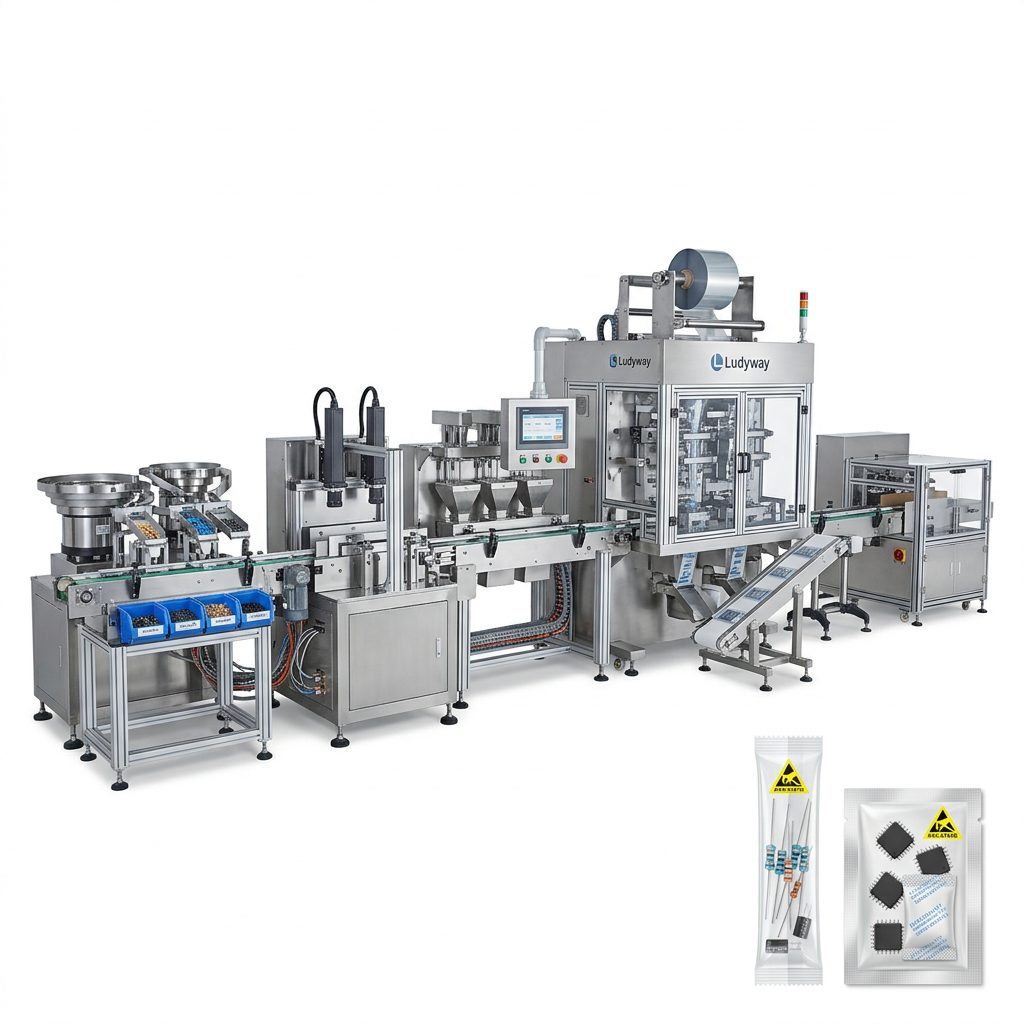
Investing in an automatic granule packing machine is a significant decision for any manufacturer handling free-flowing granular products. Whether you’re packaging food ingredients, pharmaceutical powders, agricultural chemicals, or pet food, the right equipment directly impacts your production efficiency, product quality, and long-term profitability. With so many machine types, configurations, and technical specifications available, the selection process can quickly become overwhelming. This comprehensive buyer’s guide walks you through the key factors you need to evaluate before making a purchase, helping you match your production requirements with the most suitable packaging technology.
Understanding Granule Packaging Machine Types
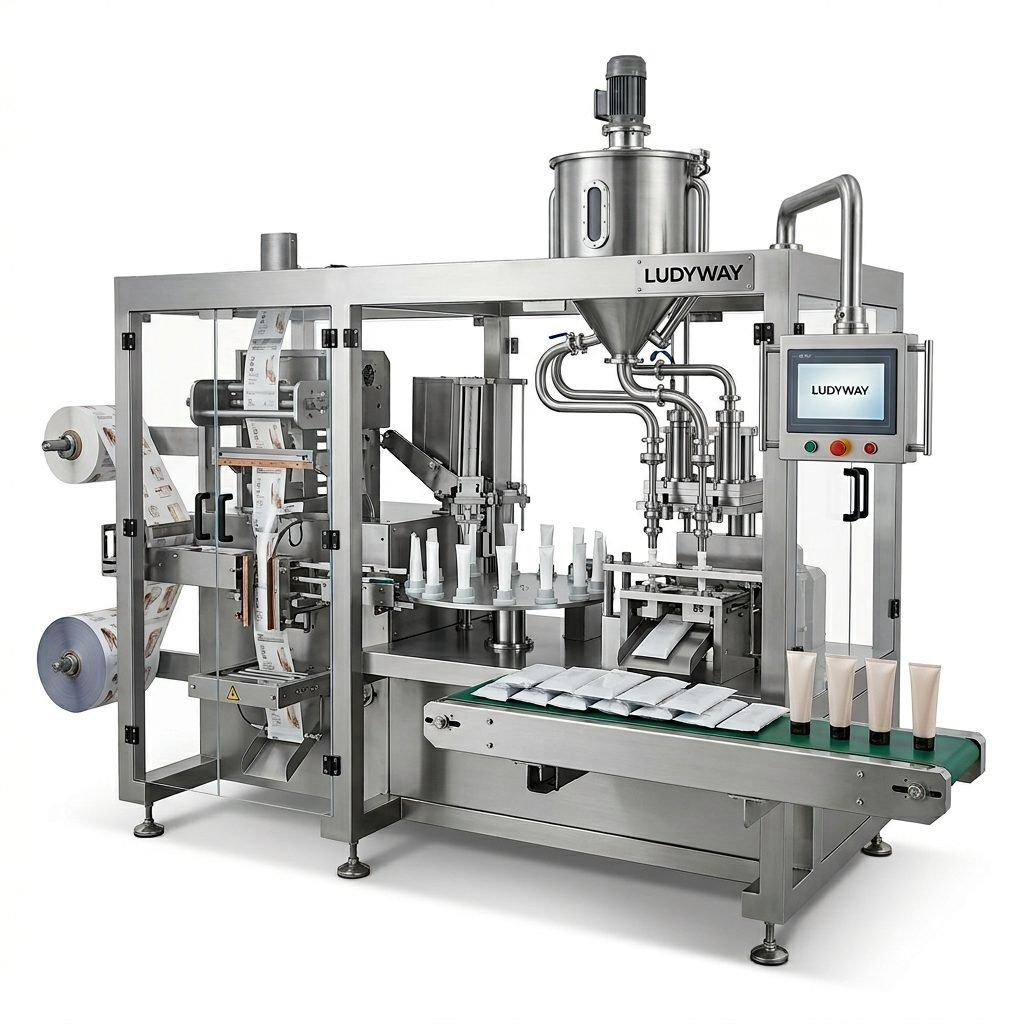
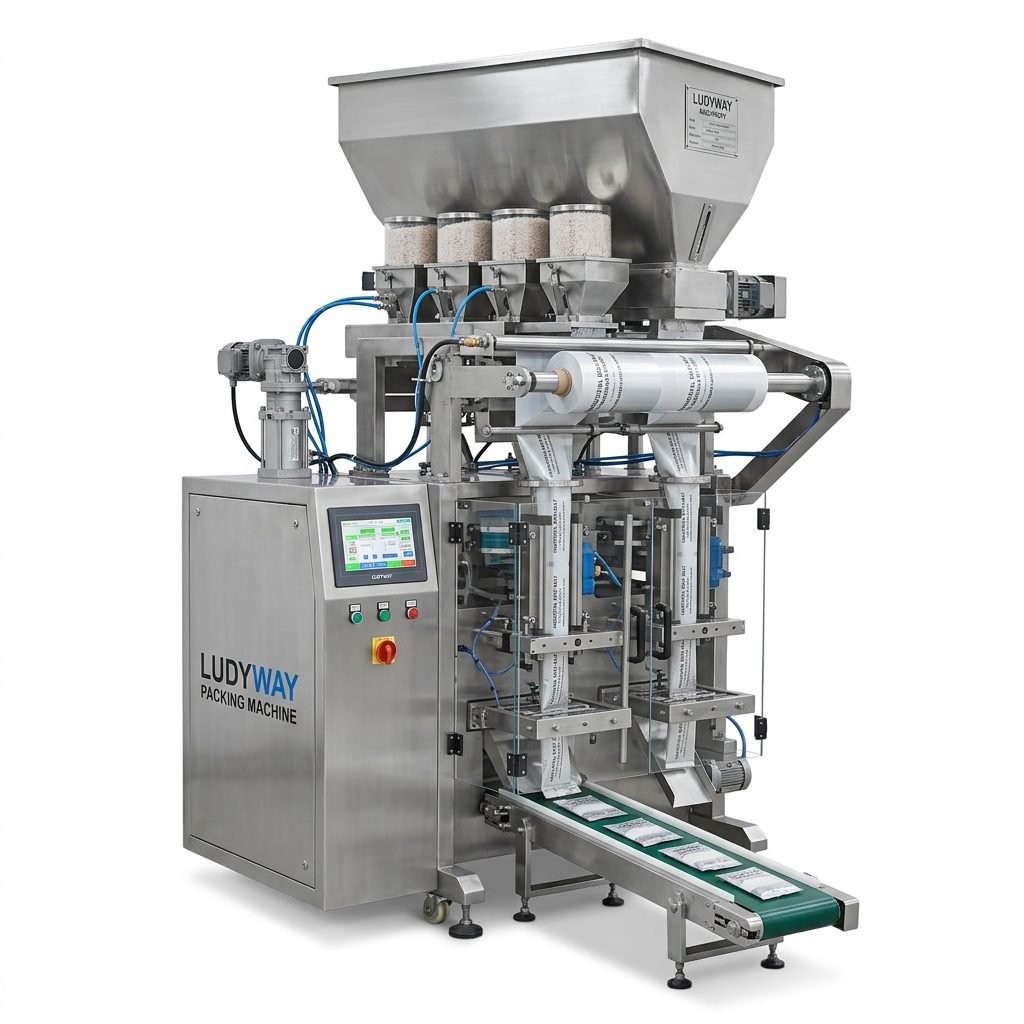
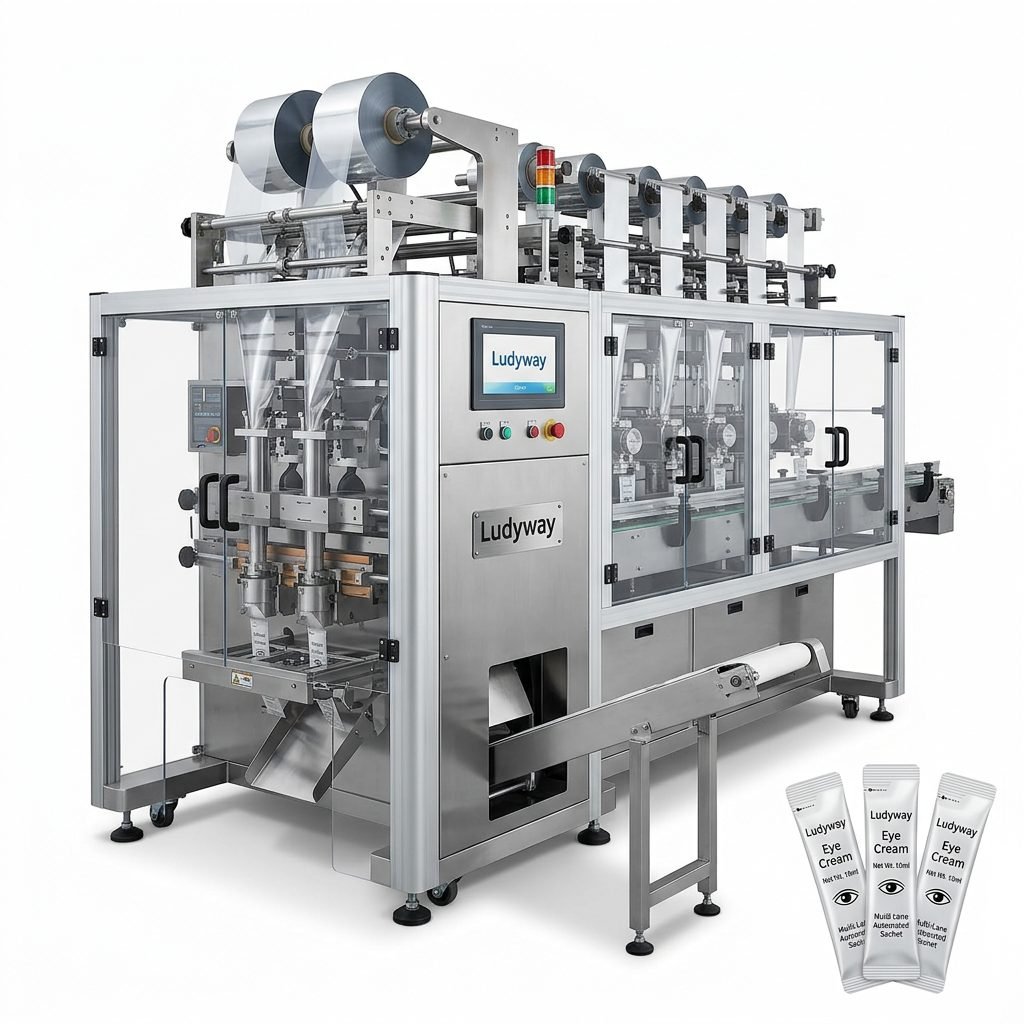
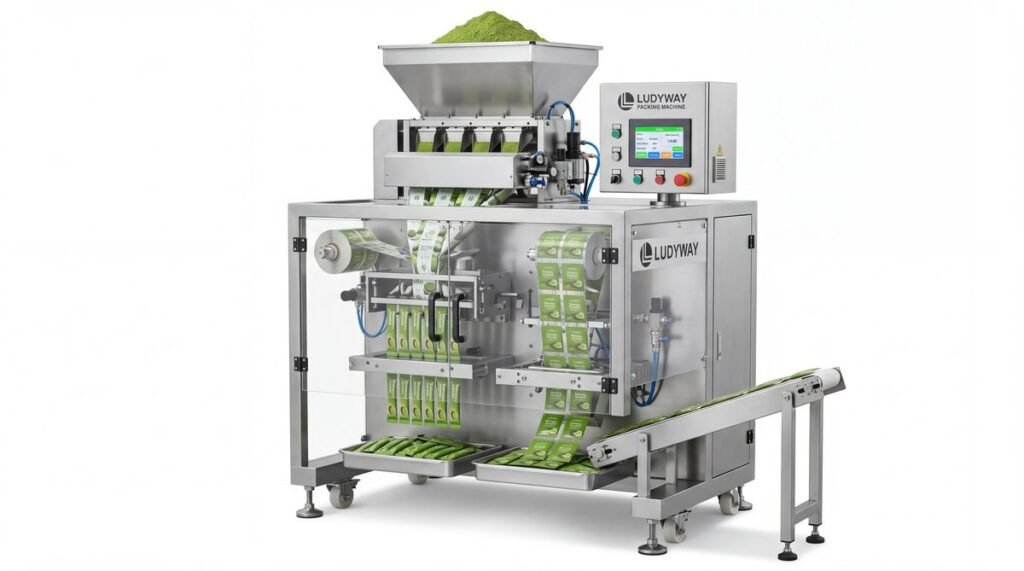
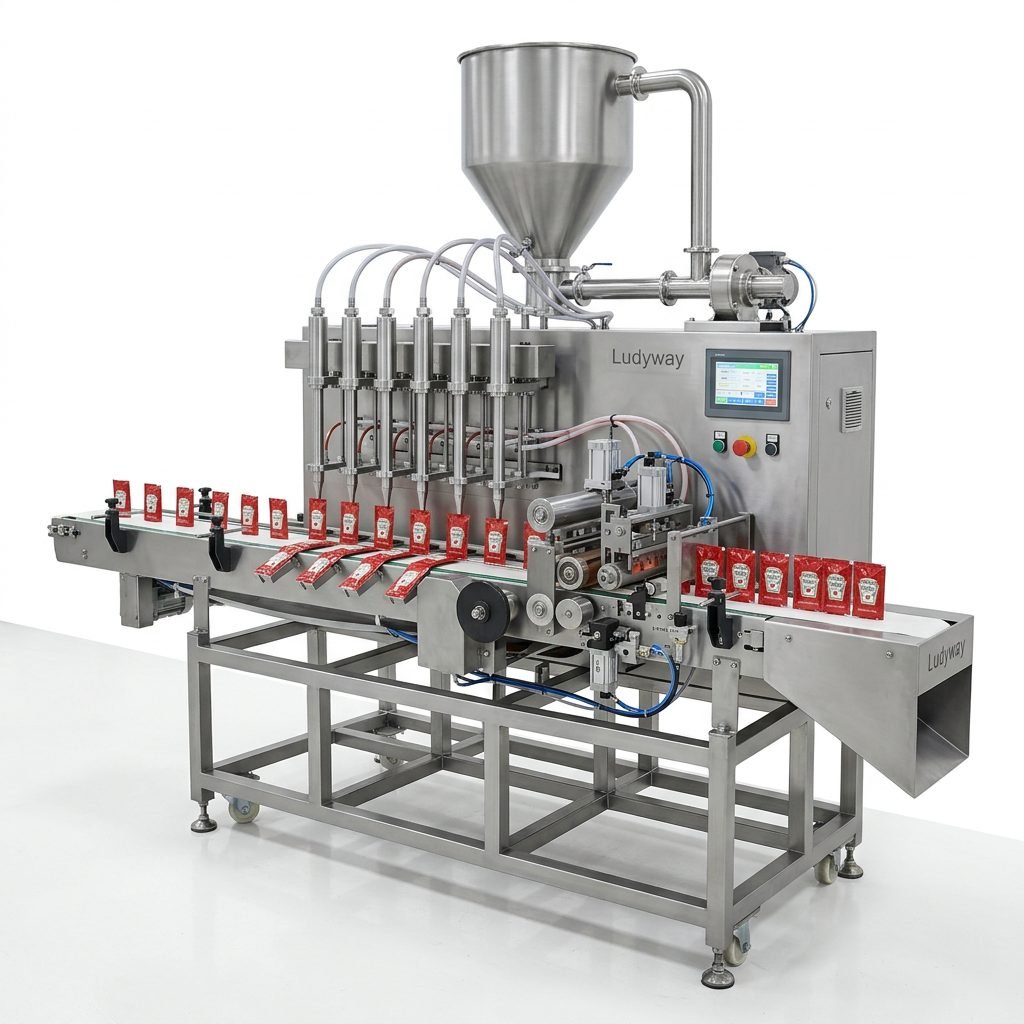
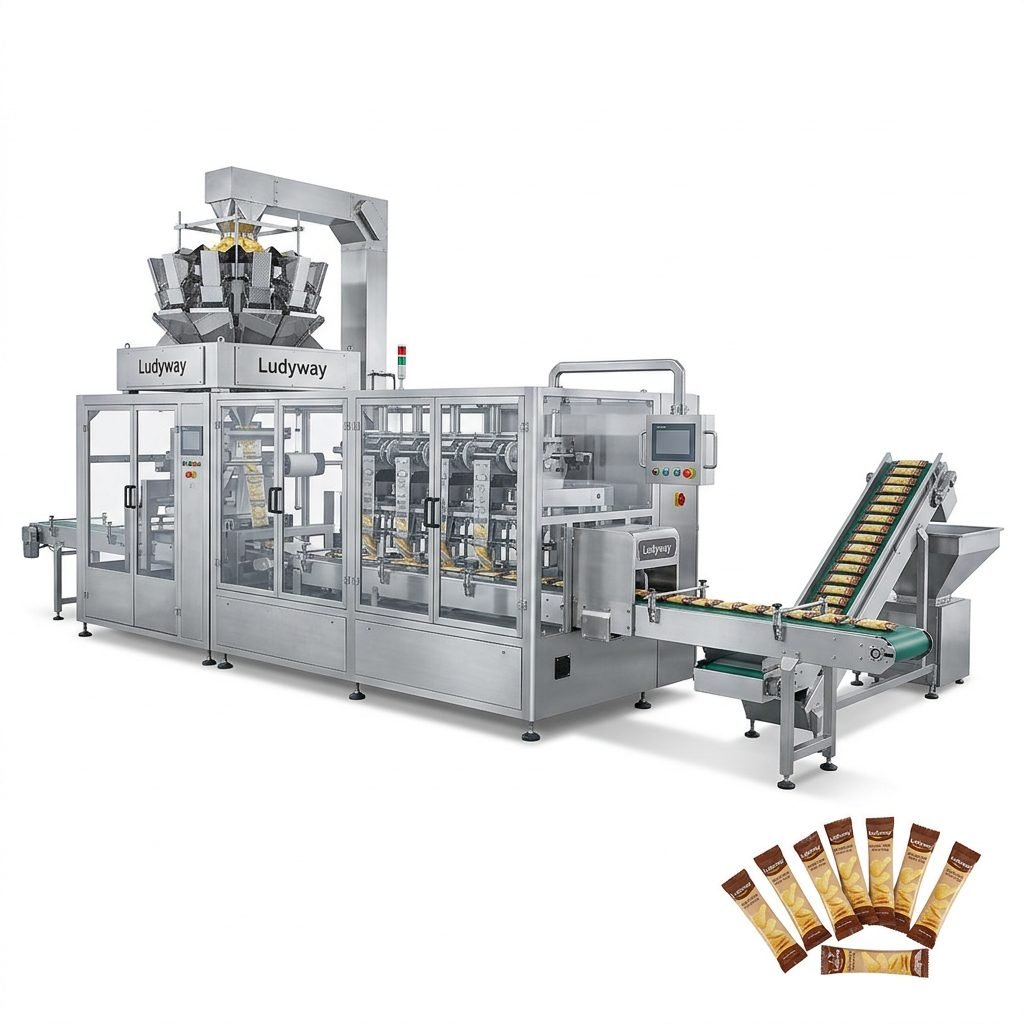
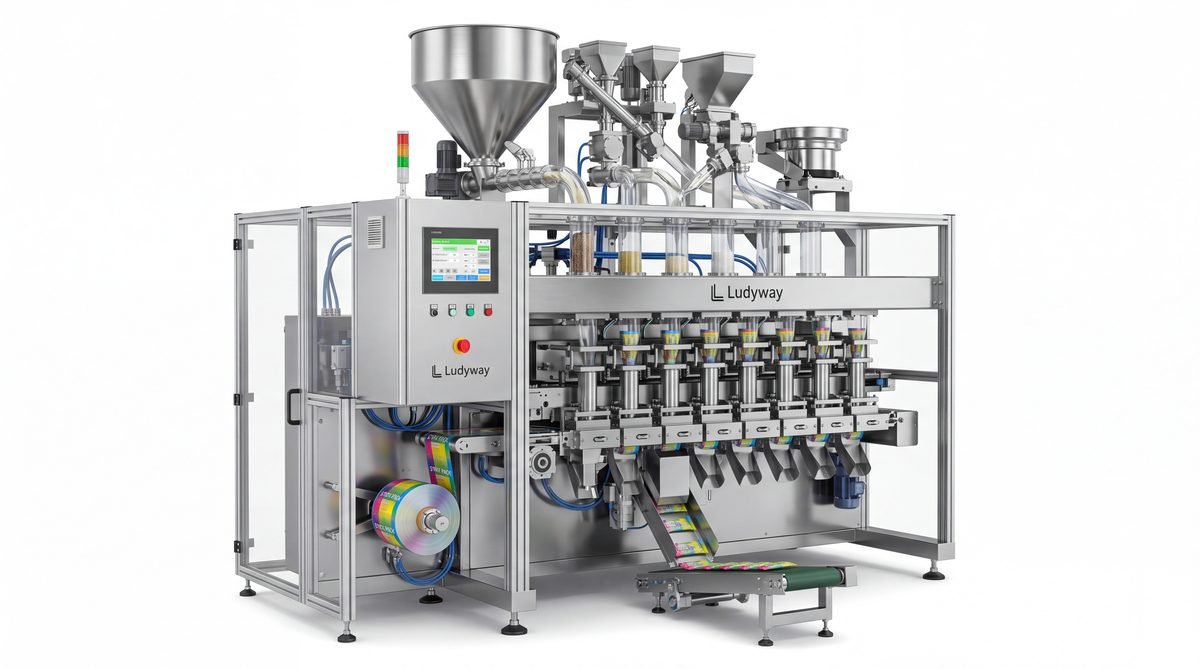
Before diving into technical specifications, it’s essential to understand the primary categories of granule filling and sealing equipment. The most common configurations include vertical form fill seal (VFFS) machines, multi-lane stick pack machines, premade pouch rotary fillers, and sachet packing systems. Each type serves different production scales, bag formats, and product characteristics. Vertical form fill seal machines are widely used for pillow bags and gusseted pouches, offering versatility across a broad range of granule sizes. Multi-lane stick pack machines excel at high-speed production of narrow single-serve portions, making them ideal for instant coffee, sugar, and supplement powders. Premade pouch systems provide premium packaging presentation and are often chosen for brand-oriented products that require stand-up pouches or zipper closures.
Vertical Form Fill Seal (VFFS) Machines
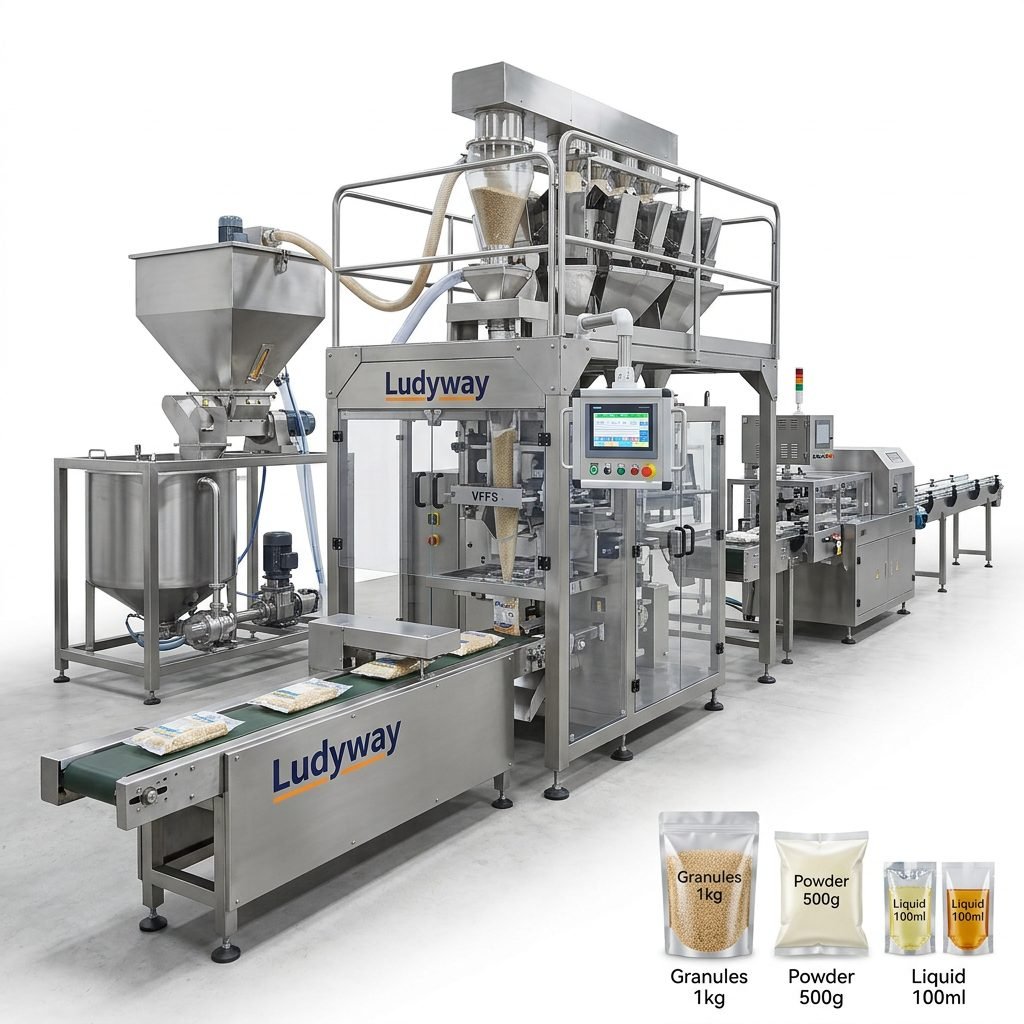
VFFS machines form a bag from a roll of flat film, fill it with product, and seal it — all in a continuous vertical motion. They are the workhorses of the granule packaging world, capable of handling a wide variety of film materials including laminates, polyethylene, and paper-based structures. These machines are particularly well-suited for medium to high-volume production environments where consistent bag quality and reliable operation are critical. Modern VFFS systems can integrate multi-head weighers, auger fillers, or volumetric cup fillers depending on the granule characteristics and required accuracy.
Multi-Lane Stick Pack Machines
When production speed is the top priority, multi-lane stick pack technology offers unmatched throughput. These machines operate multiple filling lanes simultaneously, often producing 400 to 800 stick packs per minute or more. They are commonly deployed in the food, beverage, and nutraceutical industries for single-serve granule and powder products. The compact stick pack format also reduces packaging material usage compared to traditional sachets, aligning with sustainability goals that many manufacturers are now pursuing in line with flexible packaging industry trends.
Key Factors to Evaluate Before Purchasing
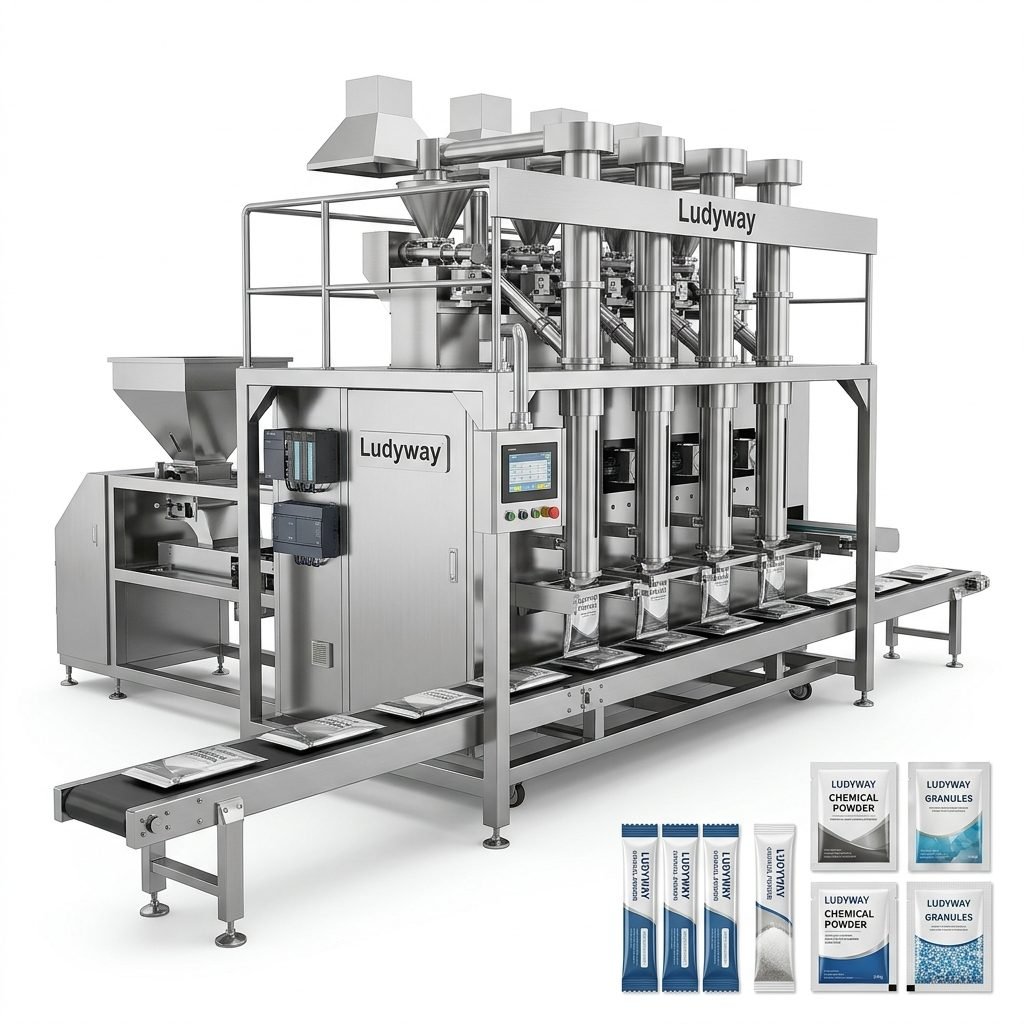
Selecting the right automatic granule packing machine requires a systematic evaluation of your specific application. The following factors should guide your decision-making process and discussions with equipment suppliers.
Product Characteristics and Flow Properties
The physical properties of your granules are the single most important factor in machine selection. Particle size distribution, bulk density, flowability, moisture content, and whether the product is free-flowing or cohesive all affect dosing accuracy and filling speed. Fine powders with poor flow characteristics may require agitators or special hopper designs, while large, fragile granules may need gentle handling to prevent breakage. Conducting a thorough product analysis before evaluating machines will save significant time and prevent costly mismatches.
Target Production Speed and Output Requirements
Your current and projected production volumes determine the required machine speed rating. It’s important to consider not just the theoretical maximum speed, but the sustainable operating speed under real production conditions. Factors like operator skill, film quality, bag size, and filling accuracy all influence actual throughput. A machine rated at 80 bags per minute may realistically deliver 55 to 65 bags per minute in continuous operation. Discussing these practical expectations with potential suppliers early in the evaluation process helps set realistic performance benchmarks.
Bag Size Range and Packaging Format
The dimensions and style of your finished package directly constrain machine selection. Consider the full range of bag widths, lengths, and formats you currently produce or plan to introduce. Some machines offer quick-changeover features that allow operators to switch between different bag sizes in minutes, which is especially valuable for contract packagers and manufacturers with diverse product lines. Beyond pillow bags, you might need gusseted, block-bottom, or quad-seal formats that require specific forming sets and sealing configurations.
Filling and Dosing Accuracy
Dosing precision affects both product giveaway and regulatory compliance. The following table compares common granule dosing technologies and their typical applications:
| Dosing Technology | Best For | Typical Accuracy | Speed Rating |
|---|---|---|---|
| Multi-Head Weigher | Free-flowing granules, snacks, candies | ±0.5–1.0% | High |
| Volumetric Cup Filler | Uniform-density granules, seeds, rice | ±1.0–2.0% | High |
| Auger Filler | Fine powders, cohesive granules, supplements | ±1.0–1.5% | Medium |
| Linear Weigher | Sticky or fragile granules, dried fruit | ±0.5–1.5% | Low to Medium |
Packaging Material Compatibility
The films and laminates you run on the machine affect sealing performance, shelf life, and overall package quality. Verify that the machine’s sealing system — whether constant-heat, impulse, or ultrasonic — is compatible with your chosen packaging materials. Some films require precise temperature control and dwell time, while others seal more forgivingly. If you plan to use biodegradable or recyclable films, confirm compatibility upfront, as these materials often behave differently than traditional petroleum-based laminates. The packaging machinery standards established by industry associations provide useful reference points for material compatibility evaluation.
Sealing Technology Options
Different sealing methods offer distinct advantages depending on the packaging material and product requirements. Heat sealing remains the most common approach, using heated jaws or bars to bond film layers together. Ultrasonic sealing uses high-frequency vibrations to generate heat at the molecular level, which can be advantageous for products that are temperature-sensitive or when sealing through minor product contamination in the seal area. The choice of sealing technology also affects energy consumption, maintenance frequency, and the quality of hermetic seals required for certain regulated products.
Automation Level and Line Integration
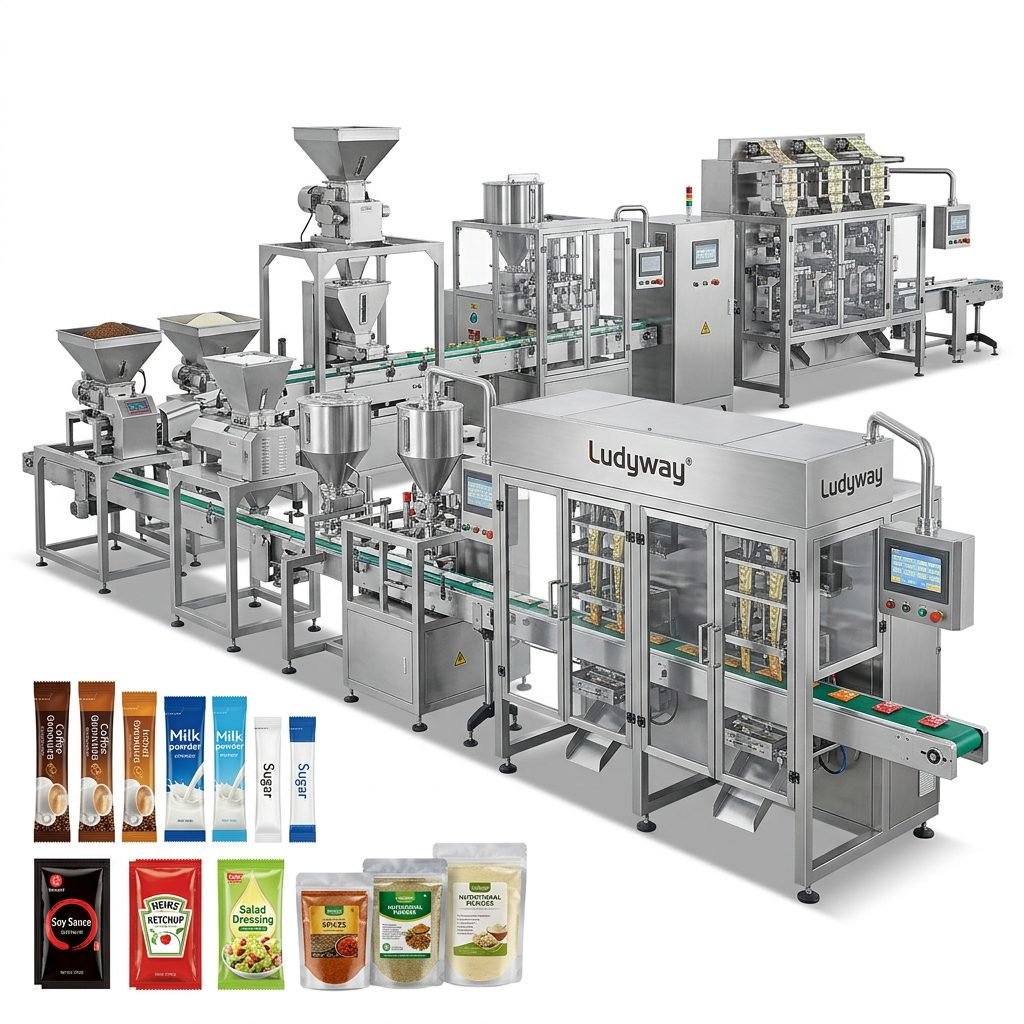
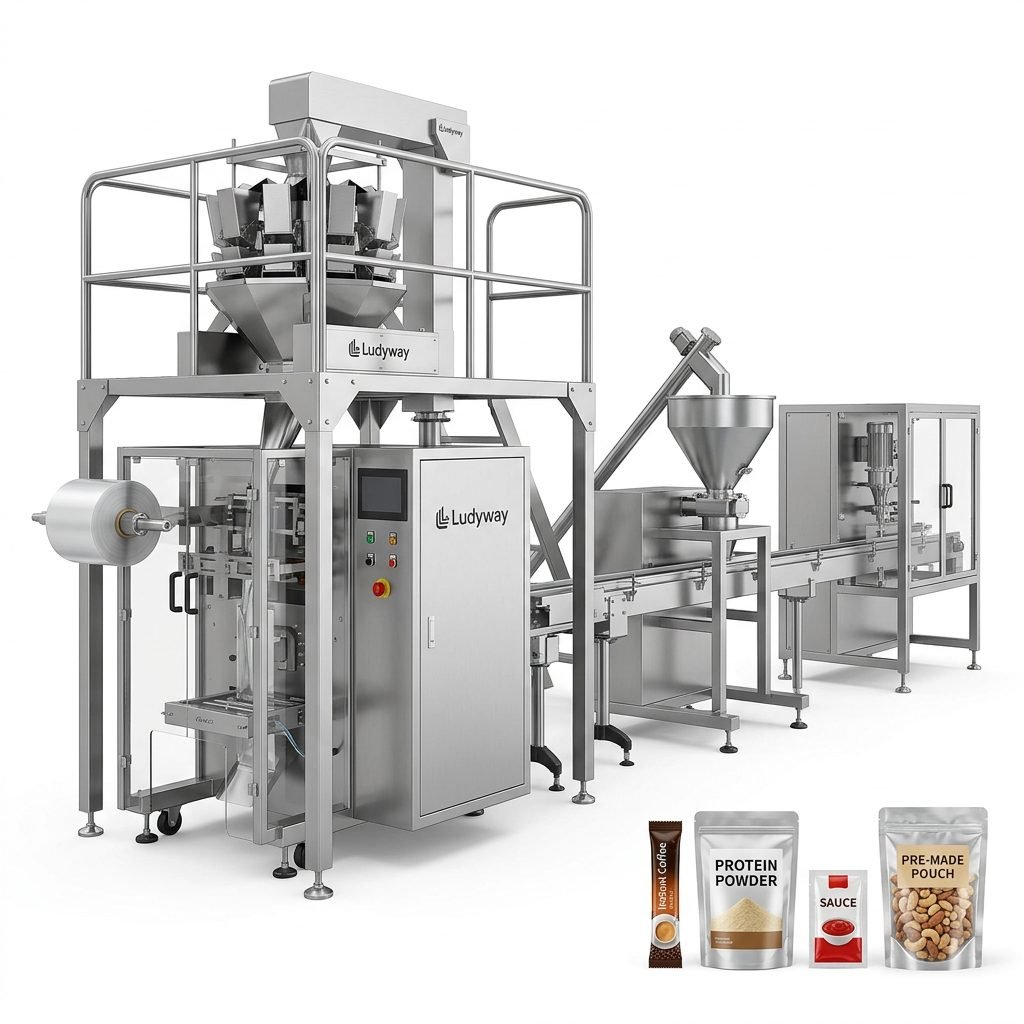
Beyond the core filling and sealing functions, consider how the granule packing machine will integrate into your broader production line. Modern packaging systems can incorporate a wide range of auxiliary equipment to create a seamless, automated workflow. Common integrations include:
- Automatic feeding systems such as bucket elevators, vacuum conveyors, or screw feeders that transport granules from bulk storage to the machine hopper
- Checkweighers and metal detectors for inline quality control and contaminant detection
- Printers and coders for batch numbers, expiration dates, and barcode application
- Cartoning machines and case packers for secondary packaging automation
- Palletizing systems for end-of-line automation and warehouse efficiency
Evaluating the packaging industry state of the market reveals that manufacturers increasingly favor integrated turnkey solutions over standalone machines, as they reduce labor dependency and improve overall equipment effectiveness (OEE).
Machine Construction and Hygiene Requirements
Build quality and materials of construction directly influence machine longevity, cleanability, and compliance with industry regulations. For food and pharmaceutical applications, stainless steel construction with smooth, crevice-free surfaces is typically required. Machines destined for dusty or washdown environments need appropriate ingress protection ratings and corrosion-resistant components. The frame rigidity and component quality also affect vibration levels, which can impact weighing accuracy and seal consistency over time. Inspecting a machine’s build quality in person or through detailed documentation is an important step in the evaluation process.
Industry-Specific Compliance Considerations
Different end-use sectors impose varying requirements on packaging equipment. The following table outlines key compliance areas for major industries:
| Industry | Key Standards | Machine Requirements |
|---|---|---|
| Food & Beverage | FDA, EU 1935/2004, HACCP | Stainless steel, CIP compatibility, accessible for sanitation |
| Pharmaceutical | GMP, 21 CFR Part 11, ISO 11607 | Validated processes, audit trails, dust containment |
| Chemical & Agricultural | REACH, GHS, local safety codes | Corrosion resistance, explosion-proof options, containment |
| Pet Food & Animal Feed | AAFCO, EU feed regulations | Robust construction, easy cleaning, contamination prevention |
Evaluating Equipment Suppliers and Manufacturers
Choosing the right machinery partner is as important as selecting the right machine. A reputable supplier provides more than just equipment — they offer engineering expertise, application knowledge, and ongoing technical support. When evaluating potential partners, consider the following criteria:
- Industry experience and track record: How long have they been supplying packaging machinery? Do they have references in your specific industry?
- Manufacturing and engineering capabilities: Does the company have its own manufacturing facility and engineering team, or do they outsource production?
- Customization and flexibility: Can they modify machine configurations to match your specific product and packaging requirements?
- After-sales support and spare parts: What is their service network coverage, spare parts availability, and technical support response time?
- International certifications and standards: Does their equipment comply with relevant international standards and market requirements?
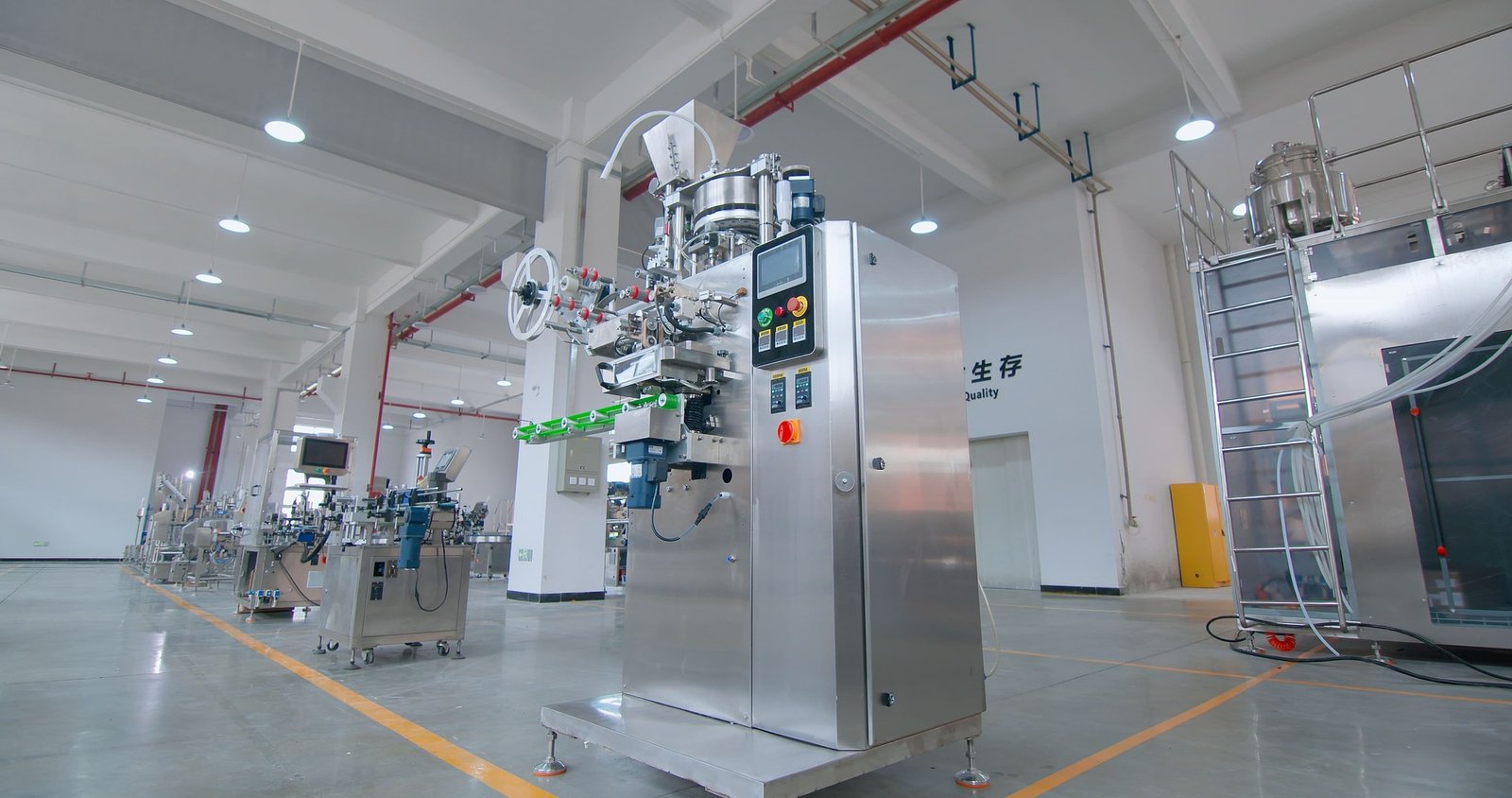
Manufacturers like Ludyway Machinery, a China-based packaging machinery manufacturer with more than 30 years of industry experience and a 20,000-square-meter manufacturing facility, represent the type of established supplier that combines in-house engineering, manufacturing expertise, and global service capabilities. With more than 50 packaging machine models and a team of over 130 professionals, such manufacturers can provide customized packaging solutions across multiple industries including food and beverage, pharmaceuticals, cosmetics, chemicals, and animal feed.
Total Cost of Ownership Analysis
The purchase price of an automatic granule packing machine is only one component of its total cost of ownership (TCO). A comprehensive financial evaluation should account for operating costs, maintenance expenses, spare parts, energy consumption, and expected service life. A machine with a lower initial price may cost significantly more over a five to ten-year period if it requires frequent repairs, consumes more packaging film, or produces higher levels of product waste due to inaccurate filling. Consider requesting a detailed TCO projection from equipment suppliers that breaks down these cost categories over the expected machine lifespan.
Key Cost Factors to Consider
Beyond the capital equipment cost, budget for installation, commissioning, operator training, and any facility modifications required to accommodate the new machine. Ongoing expenses include packaging film, electricity, compressed air, routine maintenance parts, and occasional major component replacements such as sealing elements or cutting blades. Labor costs are also an important consideration — a more automated machine with integrated feeding and secondary packaging may have a higher upfront cost but significantly reduce ongoing labor requirements, improving the overall return on investment.
Testing and Validation Before Final Purchase
Before committing to a significant capital investment, conducting product trials is highly recommended. Most reputable manufacturers offer product testing services where you can send samples of your granules and packaging film for evaluation on their equipment. This process verifies filling accuracy, sealing quality, production speed, and overall machine performance with your specific materials. If possible, visiting the manufacturer’s facility to witness the trial in person provides additional confidence and allows for real-time adjustments to machine settings. Factory acceptance testing (FAT) should be clearly defined in the purchase agreement, specifying the acceptance criteria, test duration, and performance metrics.
Future-Proofing Your Investment
Packaging requirements evolve over time as product lines expand, packaging formats change, and production volumes grow. When selecting equipment, consider whether the machine platform supports future upgrades and reconfigurations. Modular machine designs that allow for the addition of filling lanes, format change parts, or automation modules provide greater long-term flexibility. Similarly, machines with modern control systems and communication protocols integrate more easily into smart factory environments and enable data collection for production monitoring and continuous improvement initiatives. The flexible packaging industry continues to advance rapidly, making adaptability a valuable attribute in packaging equipment investments.
Making the Final Decision
After evaluating all the factors discussed in this guide — from product characteristics and production requirements to supplier capabilities and total cost of ownership — you will be well-positioned to make an informed purchasing decision. The ideal automatic granule packing machine should not only meet your current production needs but also support your growth trajectory over the next several years. Taking the time to conduct thorough due diligence, perform product trials, and build a relationship with a qualified equipment manufacturer will pay dividends in the form of reliable performance, consistent package quality, and efficient production operations. Whether you’re upgrading an existing line or building a new packaging facility, the right machinery partner will work with you to develop a solution that aligns with your products, your production goals, and your budget.