Selecting the right potato packaging machine is a critical decision that directly affects your production efficiency, product shelf life, and overall profitability. Whether you are packaging fresh potatoes, potato chips, potato starch, or dehydrated potato products, the equipment you choose must align with your specific product characteristics, production volume, and business goals. This comprehensive guide walks you through the essential factors to consider before making your investment.
Understanding Your Potato Product Characteristics
Before evaluating specific machines, you need a clear understanding of your product’s physical properties. Potatoes and potato-based products vary significantly in form — from whole raw potatoes to sliced chips, potato starch powder, granules, flakes, and frozen products. Each form demands different handling, feeding, and sealing mechanisms. For example, fresh potatoes require gentle handling to prevent bruising, while potato powder needs precise powder dosing systems to ensure accurate fill weights. Similarly, oily potato chips require packaging materials and sealing technologies that resist grease penetration.
Key product variables to document include bulk density, particle size distribution, moisture content, flowability, and temperature sensitivity. These parameters will determine the appropriate feeding system — whether auger fillers, volumetric cup fillers, multi-head weighers, or vibratory feeding systems. According to flexible packaging industry data, product characteristics are the single most important factor in packaging machine selection.
Key Factors in Choosing a Potato Packaging Machine
The table below summarizes the primary considerations when selecting packaging equipment for potato products:
| Selection Factor | Key Questions to Ask | Impact on Machine Choice |
|---|---|---|
| Product Form | Whole, sliced, powder, granule, or flake? | Determines feeding mechanism and filling technology |
| Production Speed | How many packs per minute are needed? | Single-lane vs. multi-lane configuration |
| Packaging Format | Pillow bag, gusseted, stick pack, sachet, or pouch? | Dictates sealing jaw design and film handling |
| Bag Size Range | What are the minimum and maximum dimensions? | Affects forming tube and sealing jaw specifications |
| Fill Weight | Target weight per package and tolerance? | Determines dosing accuracy requirements |
| Packaging Material | Plastic film, laminate, paper, or biodegradable? | Influences sealing temperature and jaw design |
| Hygiene Requirements | Food-grade washdown or standard cleanliness? | Stainless steel construction and IP rating needed |
Packaging Format Selection
The packaging format you choose impacts brand perception, shelf presence, and consumer convenience. Common formats for potato products include:
- Pillow bags — Ideal for potato chips and snacks with high-speed production requirements
- Gusseted bags — Provide better shelf stability for larger quantities of frozen potato products
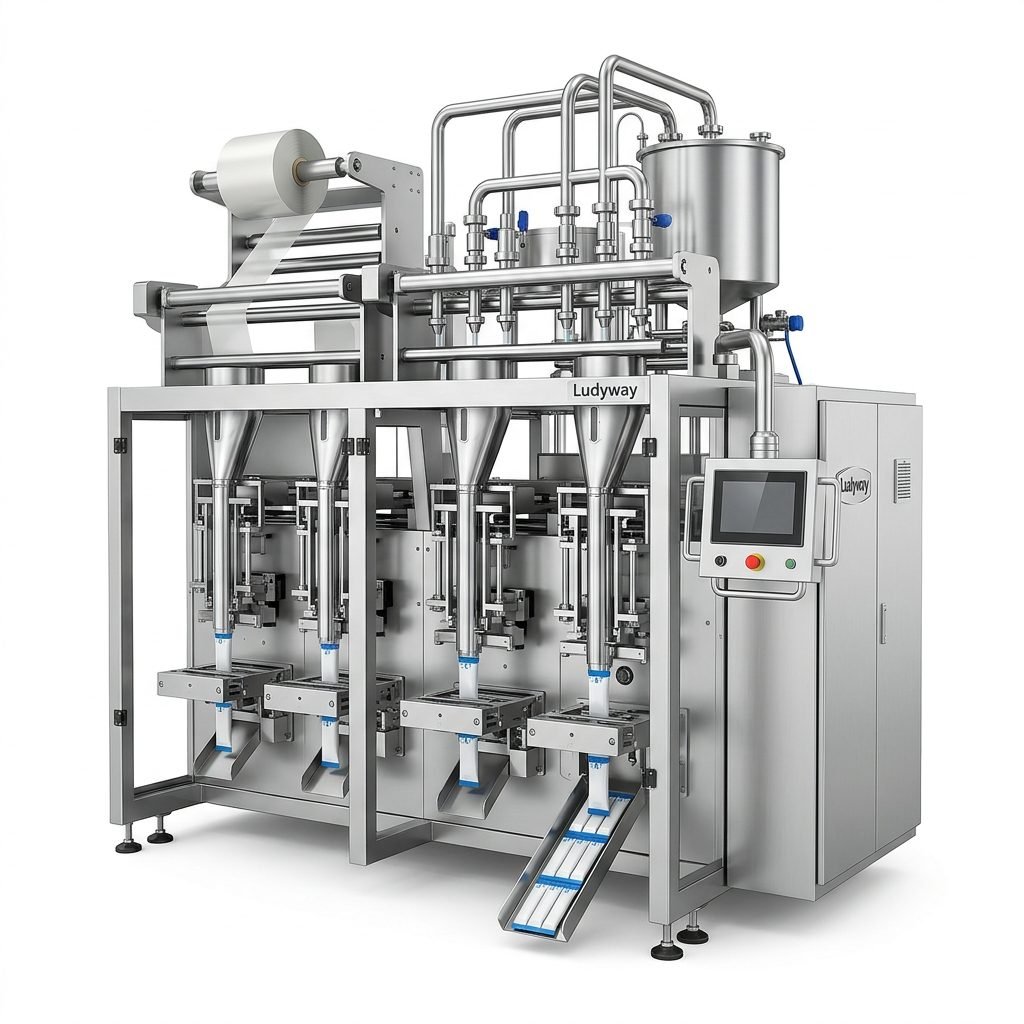
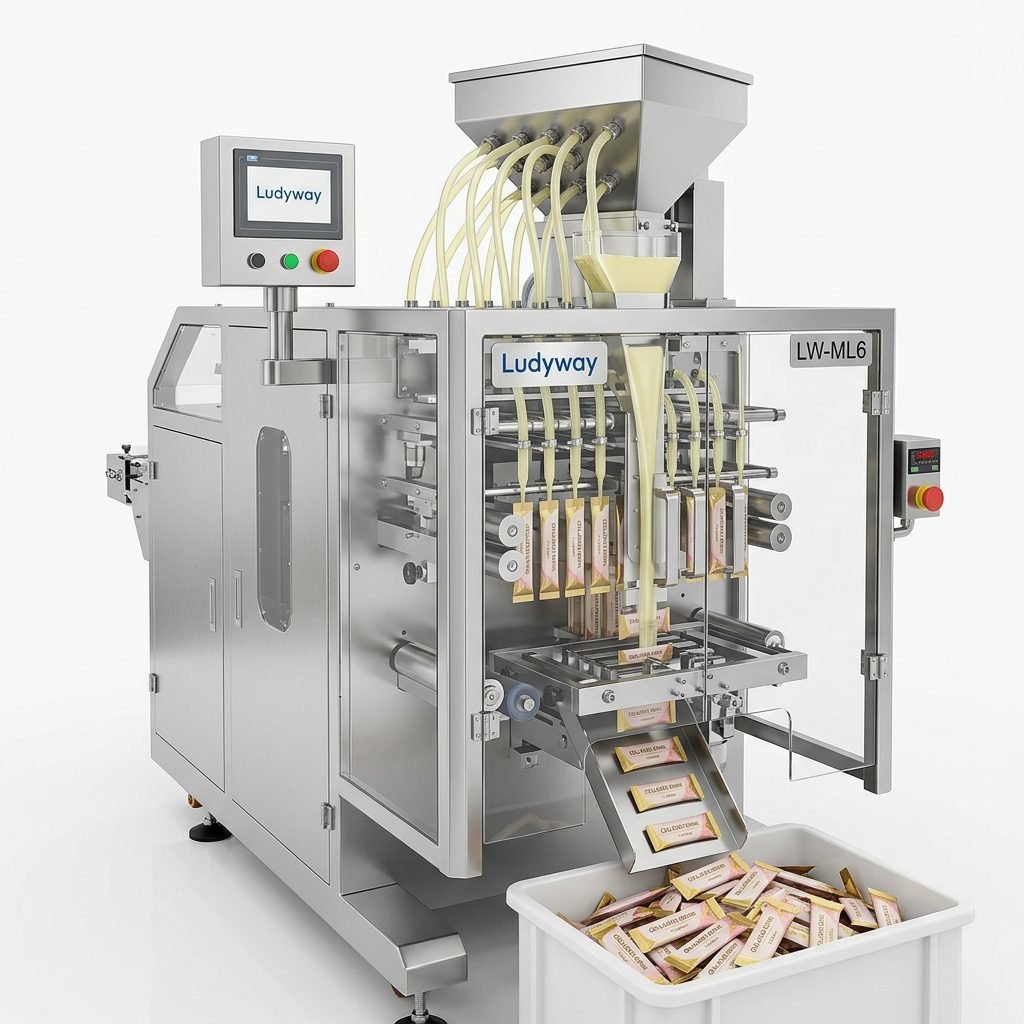
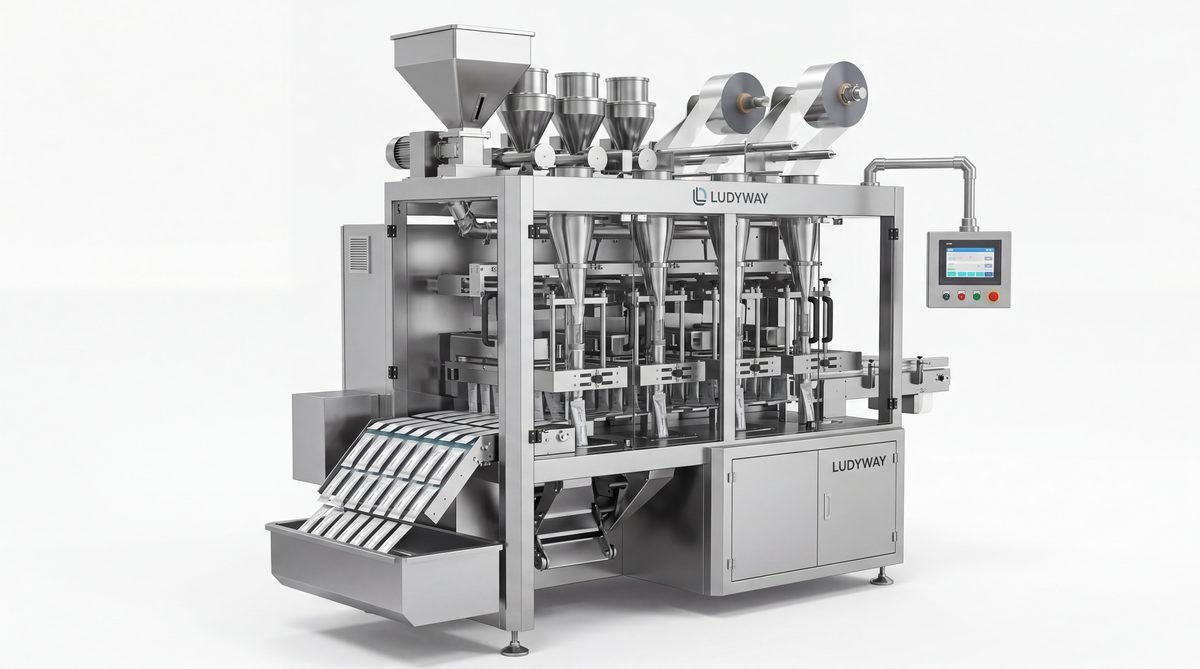
- Stick packs and sachets — Popular for instant potato powder and seasoning mixes
- Premade pouches — Offer premium appearance for specialty potato products
- Vacuum bags — Extend shelf life for fresh-cut or frozen potato items
Machine Types for Different Potato Products
Different potato products require different packaging machine configurations. Understanding which technology matches your application is essential for achieving optimal results:
Vertical Form Fill Seal (VFFS) Machines
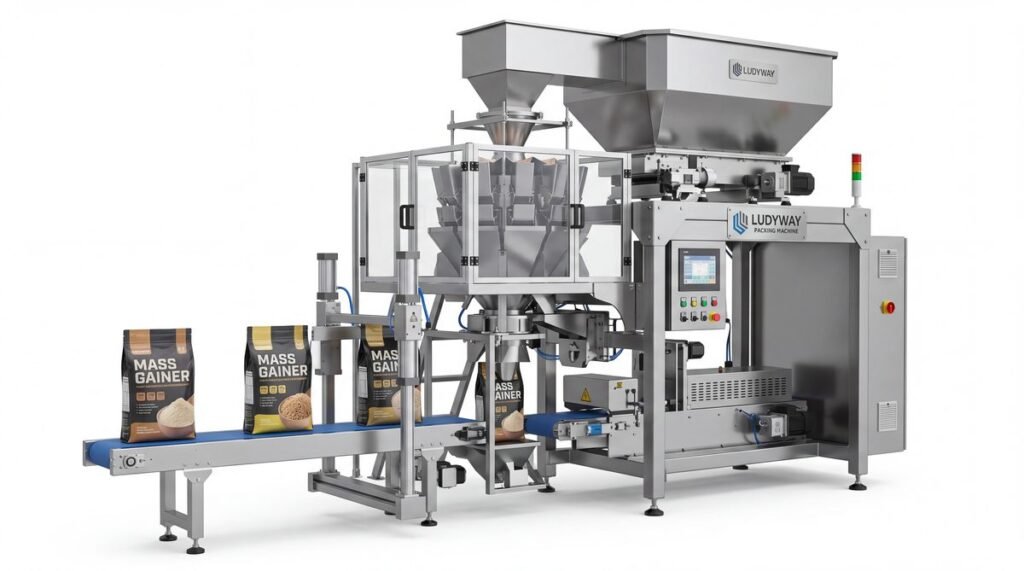
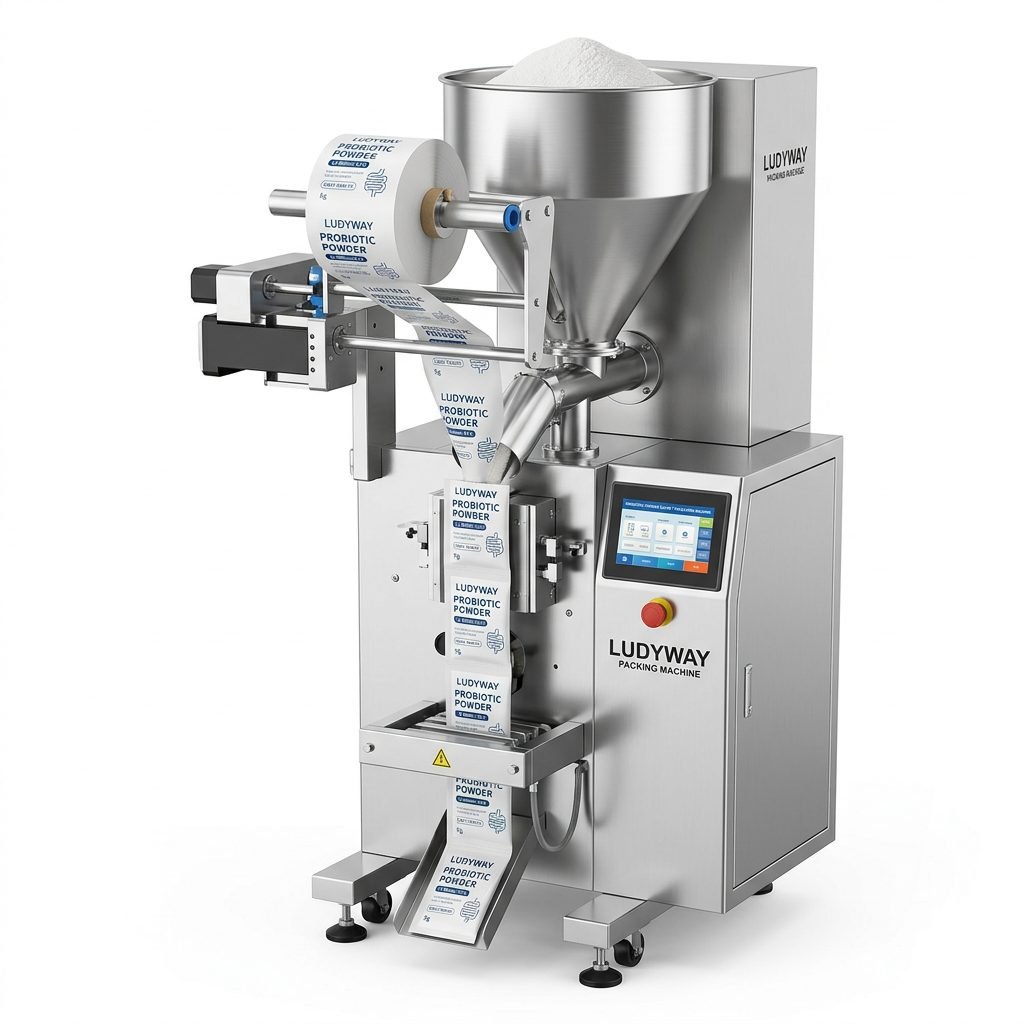
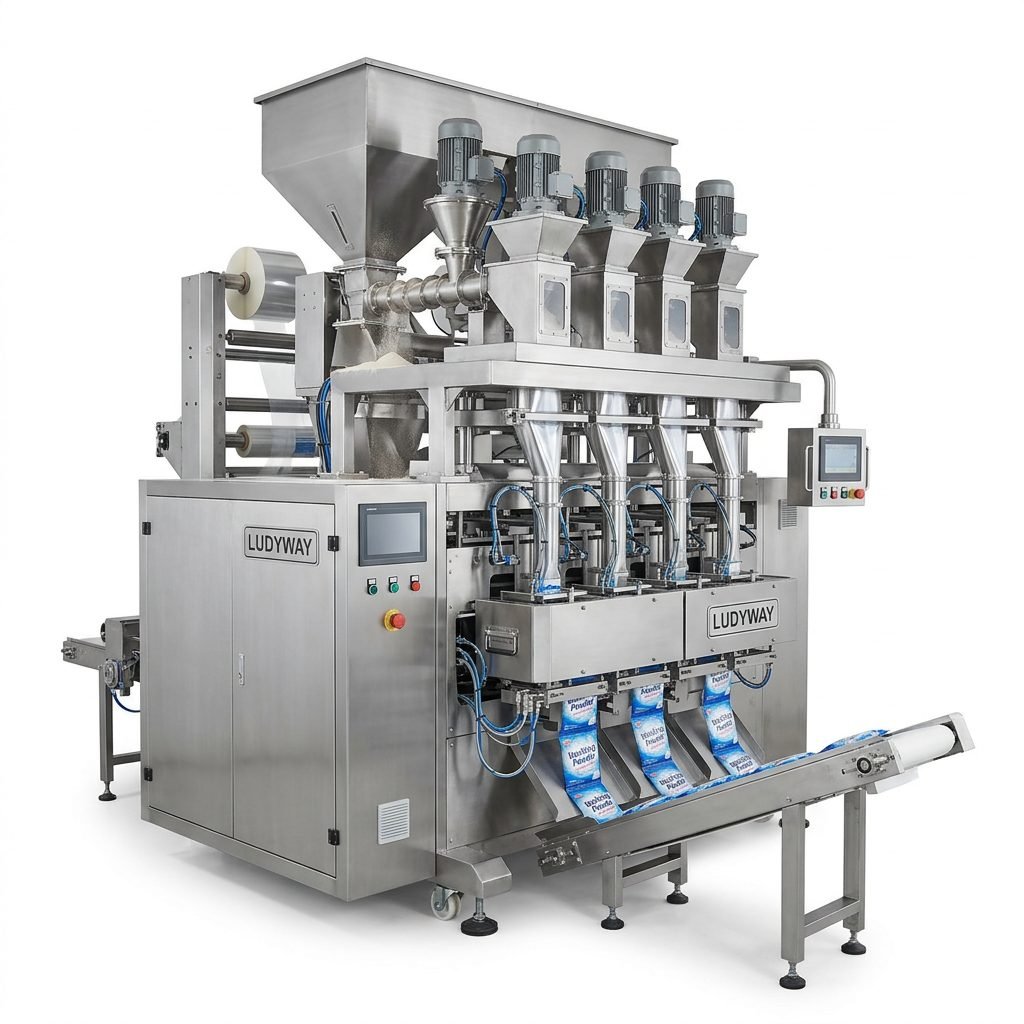
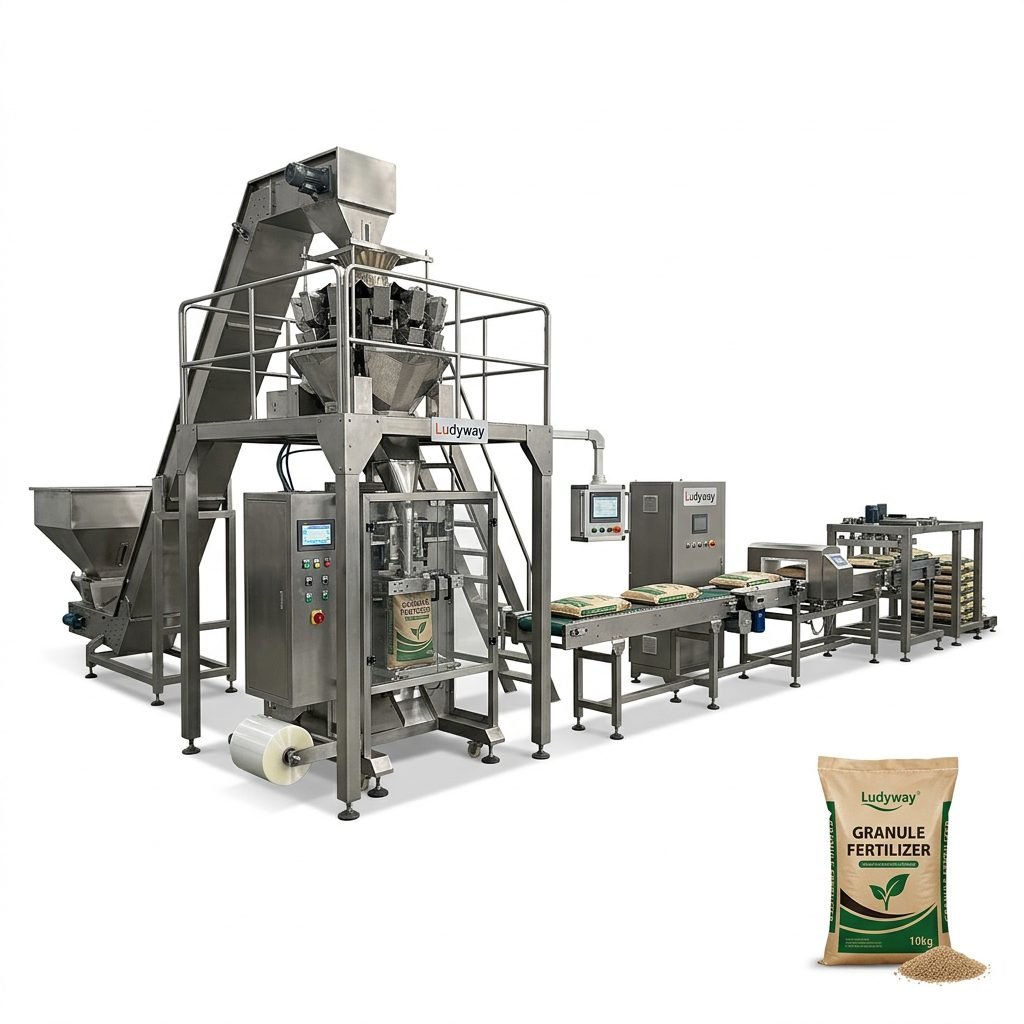
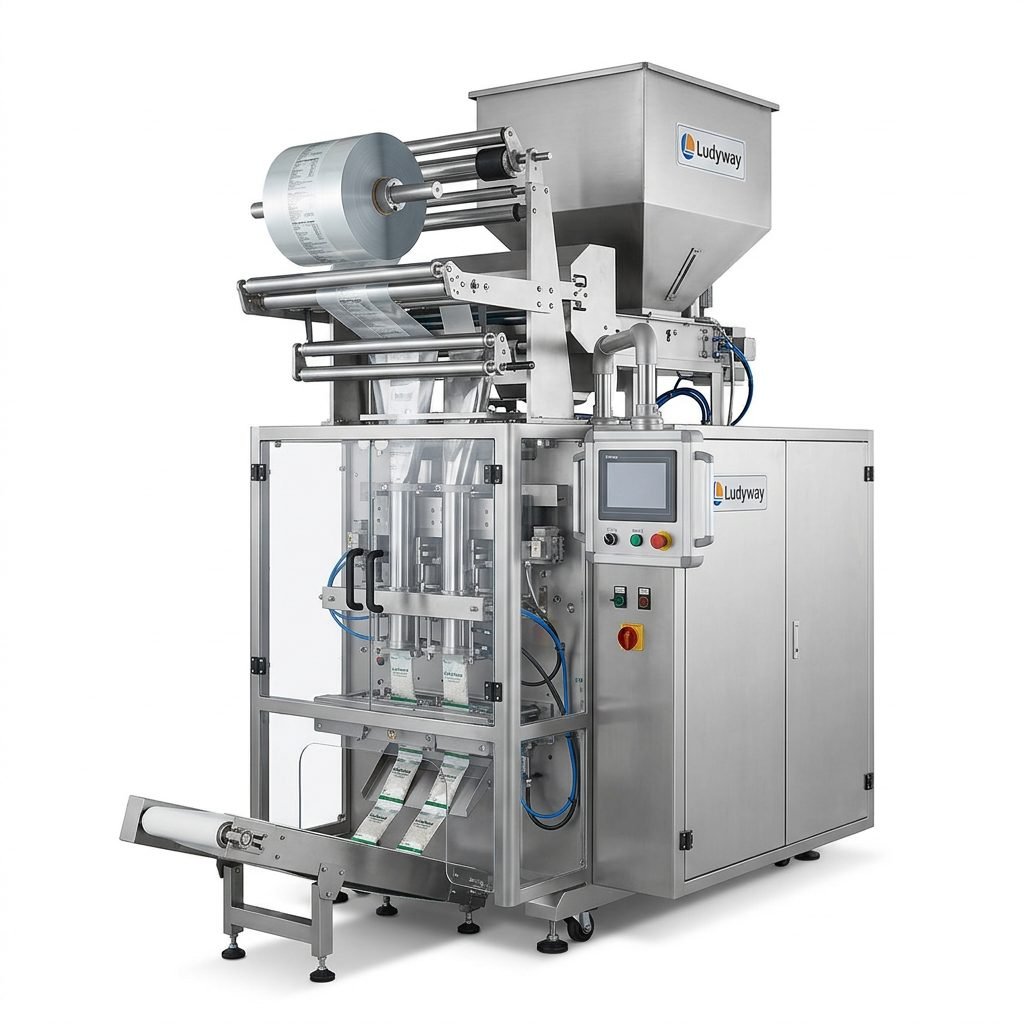
VFFS machines are the most common choice for packaging potato chips, frozen potato products, and potato granules. These machines form a bag from a flat roll of film, fill it with product, and seal it — all in a continuous vertical motion. High-speed models can achieve over 100 packs per minute in single-lane configuration, with multi-lane versions significantly increasing output. For potato starch and powder applications, VFFS machines equipped with auger filling systems provide precise dosing accuracy.
Multi-Head Weigher Combinations
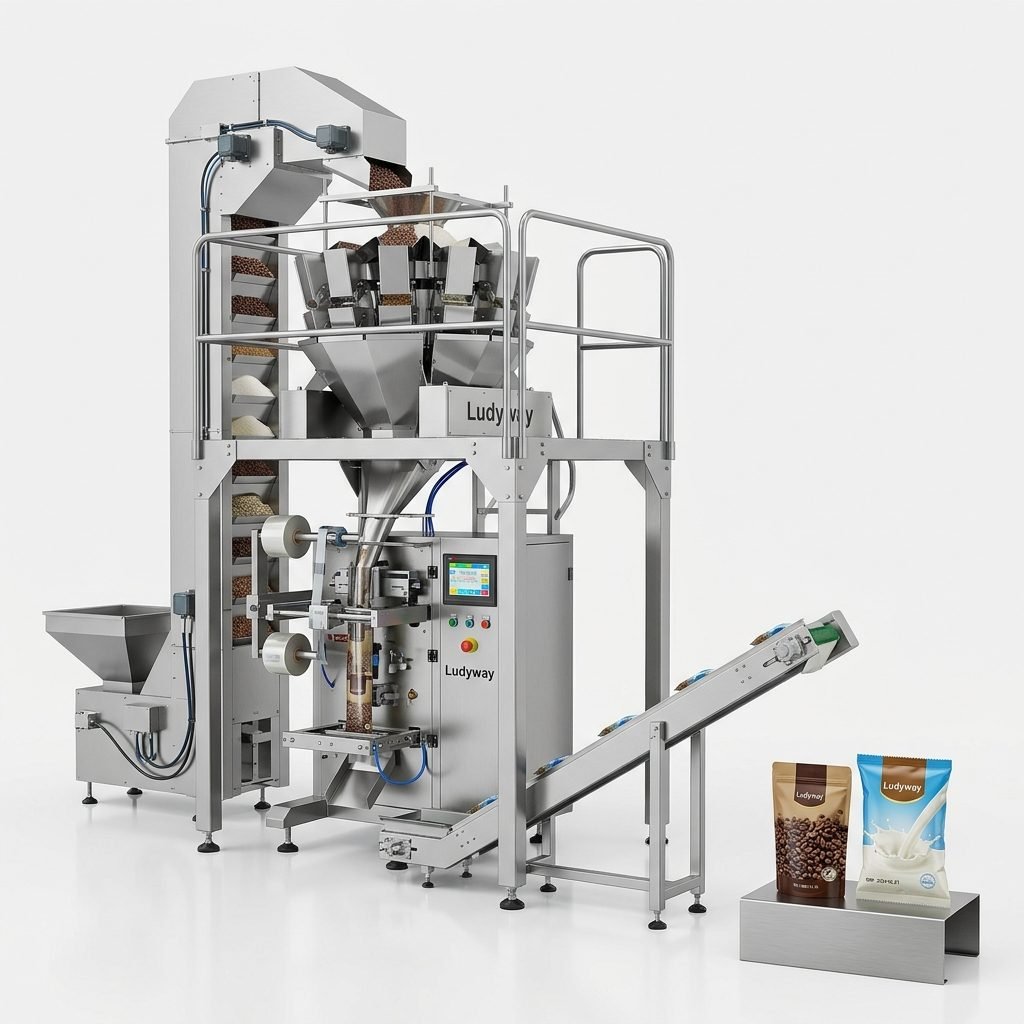
For fresh-cut potato products, potato chips, and irregularly shaped items, multi-head weighers paired with VFFS machines offer superior speed and accuracy. These systems use multiple weigh buckets to calculate the optimal combination for each fill, minimizing product giveaway while maintaining high throughput. This technology is particularly valuable when packaging products with variable piece sizes.
Premade Pouch Filling and Sealing Machines
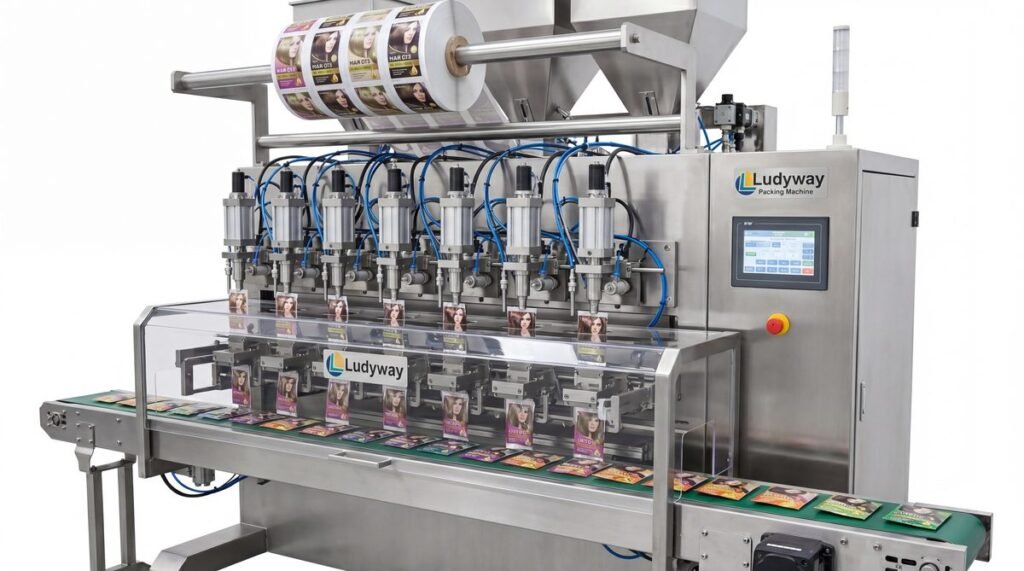
For premium potato snack brands or specialty products, rotary or inline premade pouch machines provide excellent package appearance and format flexibility. These machines handle pre-formed pouches, filling them with product before sealing. They accommodate a wide range of pouch styles including stand-up, zipper, and spouted pouches, making them ideal for value-added potato products targeting retail shelves.
Automation Level and Production Capacity
The degree of automation you select should align with your production targets, labor availability, and budget. Packaging machinery spans a spectrum from semi-automatic to fully integrated turnkey systems:
- Semi-automatic machines — Require manual product feeding or bag handling; suitable for smaller operations and startups
- Fully automatic single machines — Handle the complete packaging cycle independently; ideal for medium-scale production
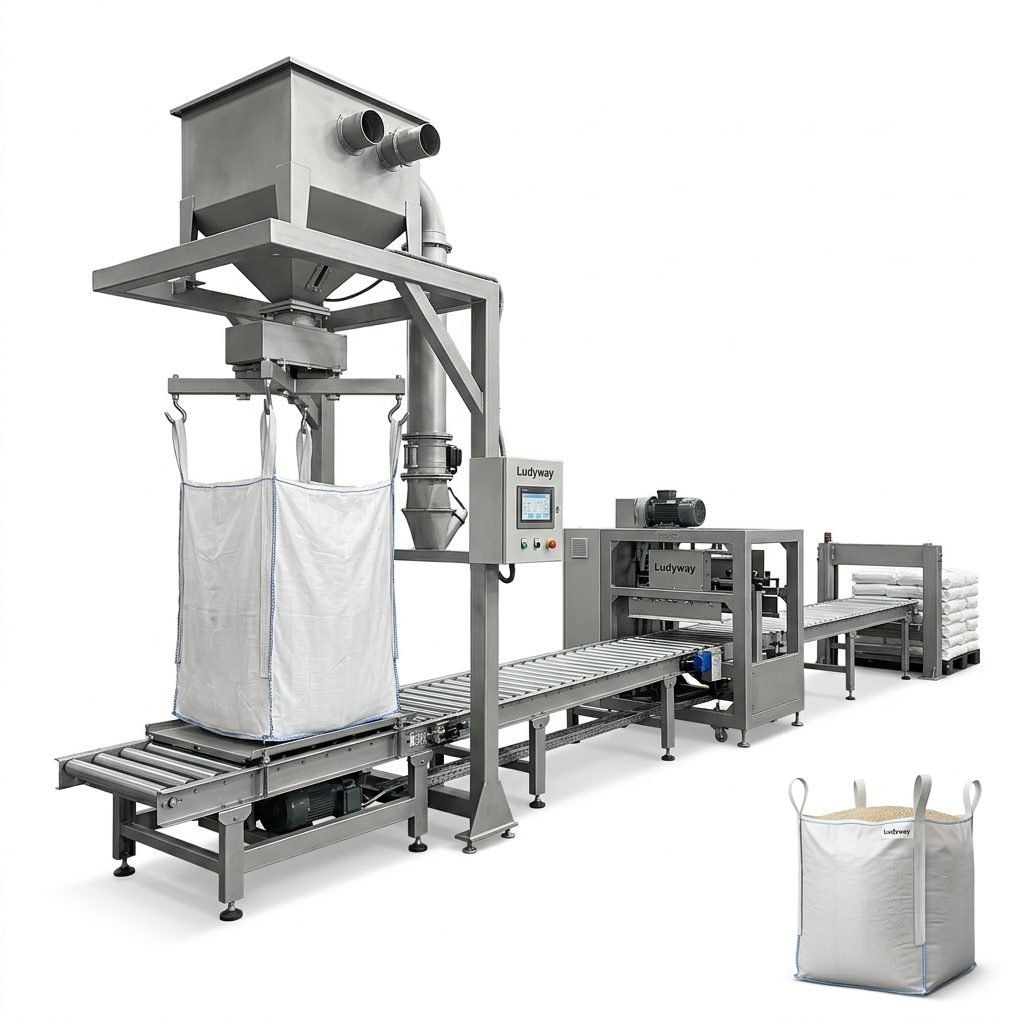
- Integrated packaging lines — Connect multiple stages including feeding, filling, sealing, coding, inspection, and cartoning
- Turnkey packaging solutions — Complete systems designed and installed by a single provider for seamless operation
Material Compatibility and Seal Integrity
Packaging material selection directly affects product protection, shelf life, and machine performance. Potato products present unique challenges — oils from potato chips can degrade certain films, while moisture in fresh potatoes requires barrier properties to prevent spoilage. The Flexible Packaging Association provides extensive resources on material selection for food applications. Key considerations include oxygen transmission rate, moisture vapor transmission rate, seal strength, and puncture resistance. Your machine’s sealing system must be compatible with your chosen material to ensure consistent, hermetic seals that protect product quality throughout the distribution chain.
Budget, ROI, and Total Cost of Ownership
While the initial purchase price is important, a comprehensive cost analysis should include installation, training, maintenance, spare parts, and operational efficiency. Higher-quality machines often deliver lower total cost of ownership through reduced downtime, longer service life, and better energy efficiency. Consider these financial factors:
- Initial equipment cost and any necessary facility modifications
- Installation, commissioning, and operator training expenses
- Ongoing maintenance and spare parts availability
- Film waste rates and product giveaway percentages
- Energy consumption and utility requirements
- Expected machine lifespan and resale value
Compliance with Industry Standards
Packaging machinery for food products must comply with relevant safety and hygiene regulations. Machines should be constructed with food-grade materials, feature accessible cleaning points, and meet applicable electrical safety standards. Depending on your market, you may need equipment that conforms to ISO packaging standards, FDA requirements for food contact surfaces, or European CE marking directives. Working with a manufacturer experienced in international compliance helps avoid costly retrofits and certification delays.
Choosing the Right Packaging Machinery Partner
Your equipment supplier plays a crucial role in the long-term success of your packaging operation. Beyond the machine itself, evaluate the manufacturer’s engineering capabilities, customization experience, technical support infrastructure, and global service network. A supplier with application-specific expertise can recommend the optimal machine configuration for your particular potato product, potentially saving months of trial and error.
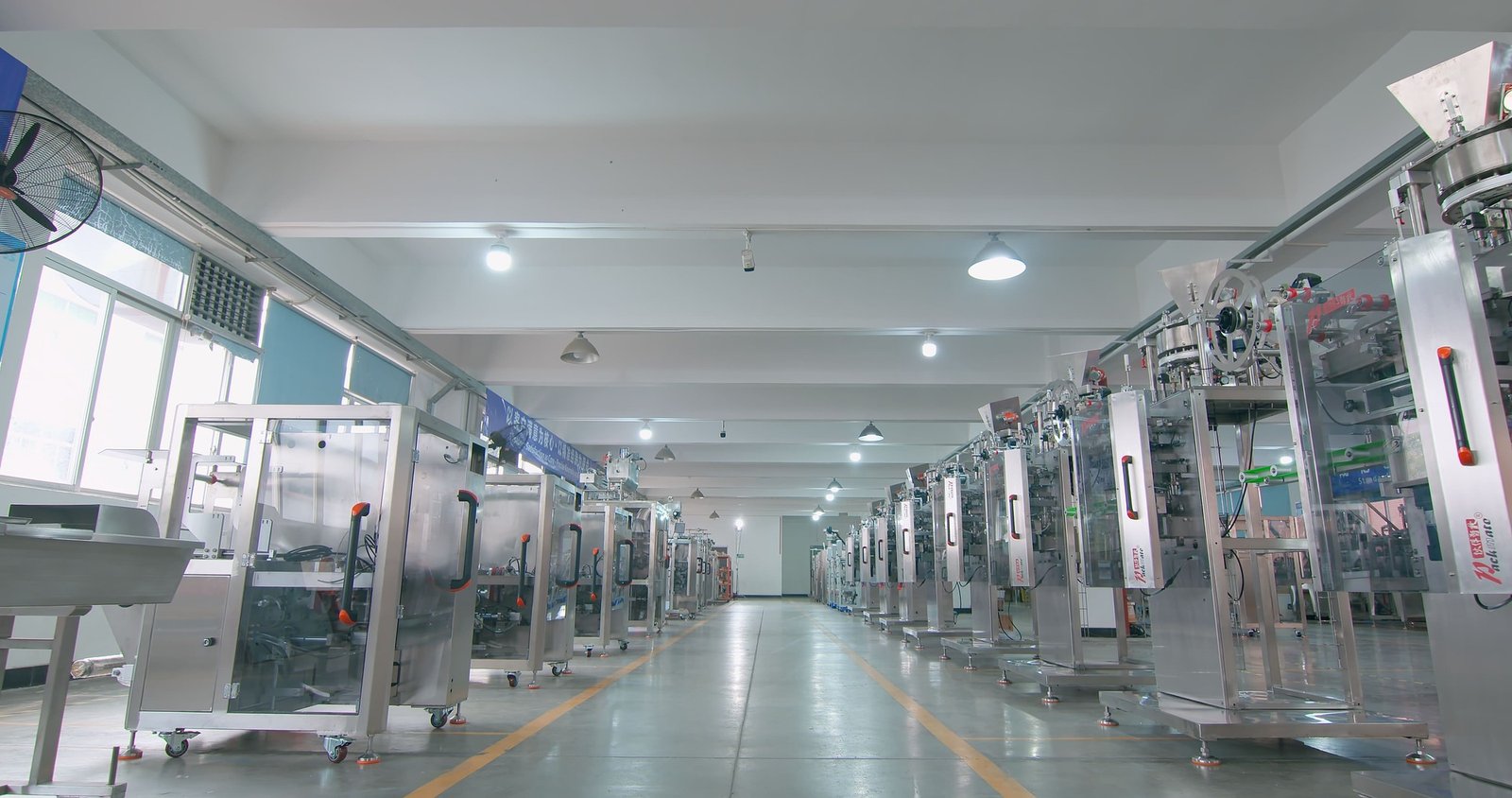
For manufacturers seeking a comprehensive approach, Ludyway Machinery — a China-based packaging machinery manufacturer with over 30 years of industry experience — provides turnkey packaging solutions that span from individual automatic packaging machines to complete integrated production lines. With a 20,000-square-meter manufacturing facility and more than 50 packaging machine models, the company offers configurations tailored to different potato product forms, production speeds, filling volumes, and packaging formats. Their customized approach is particularly valuable for manufacturers looking to automate manual processes or scale up existing packaging operations.
Making the Final Decision
Selecting the right potato packaging machine requires balancing multiple factors — product characteristics, production requirements, budget constraints, and long-term business objectives. Start by thoroughly documenting your product specifications and production targets. Then evaluate machine types, automation levels, and material compatibility against these requirements. Request sample runs with your actual product and packaging materials whenever possible. Finally, assess potential suppliers based on their technical expertise, industry experience, and after-sales support capabilities. A methodical selection process helps ensure your packaging investment delivers reliable performance, consistent product quality, and strong returns for years to come.
For additional guidance on packaging machinery market trends and technology developments, industry resources from PMMI and the Flexible Packaging Association offer valuable benchmarks and insights for buyers evaluating new equipment.