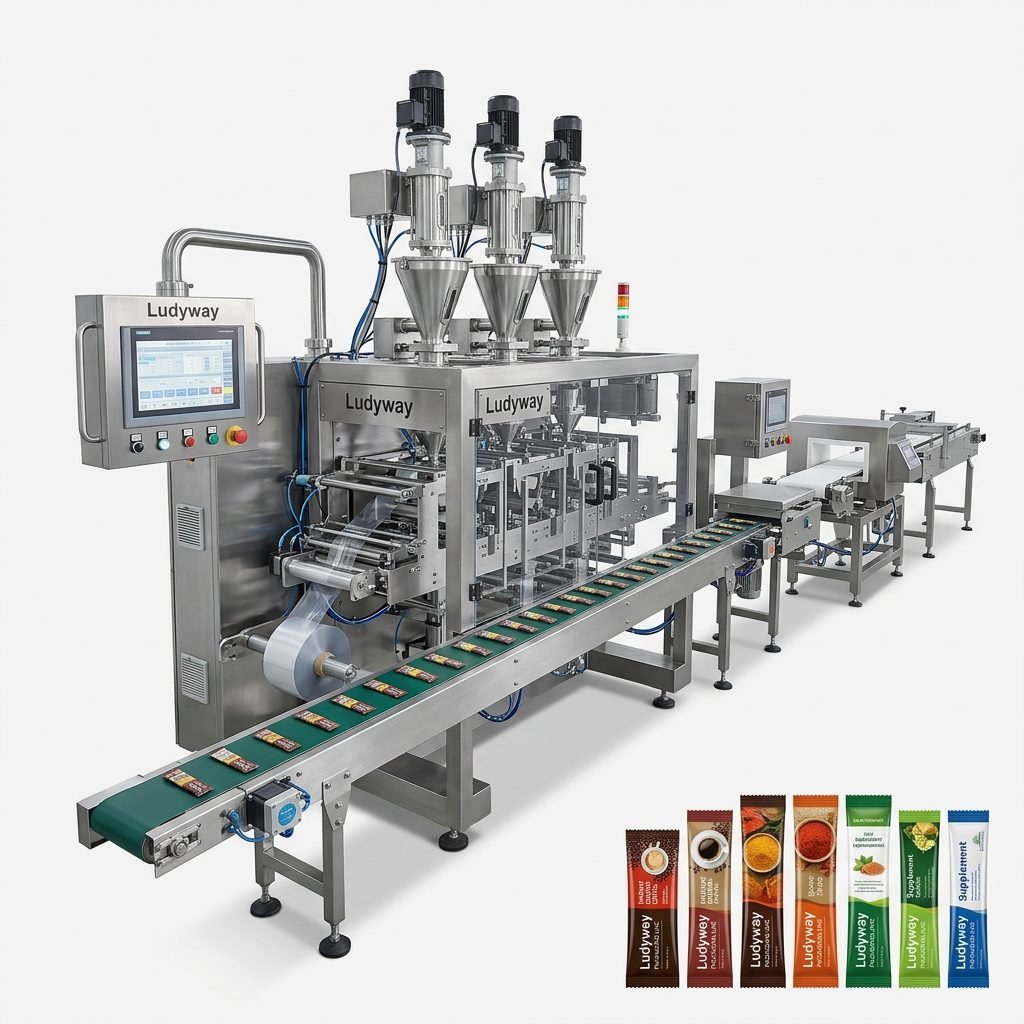
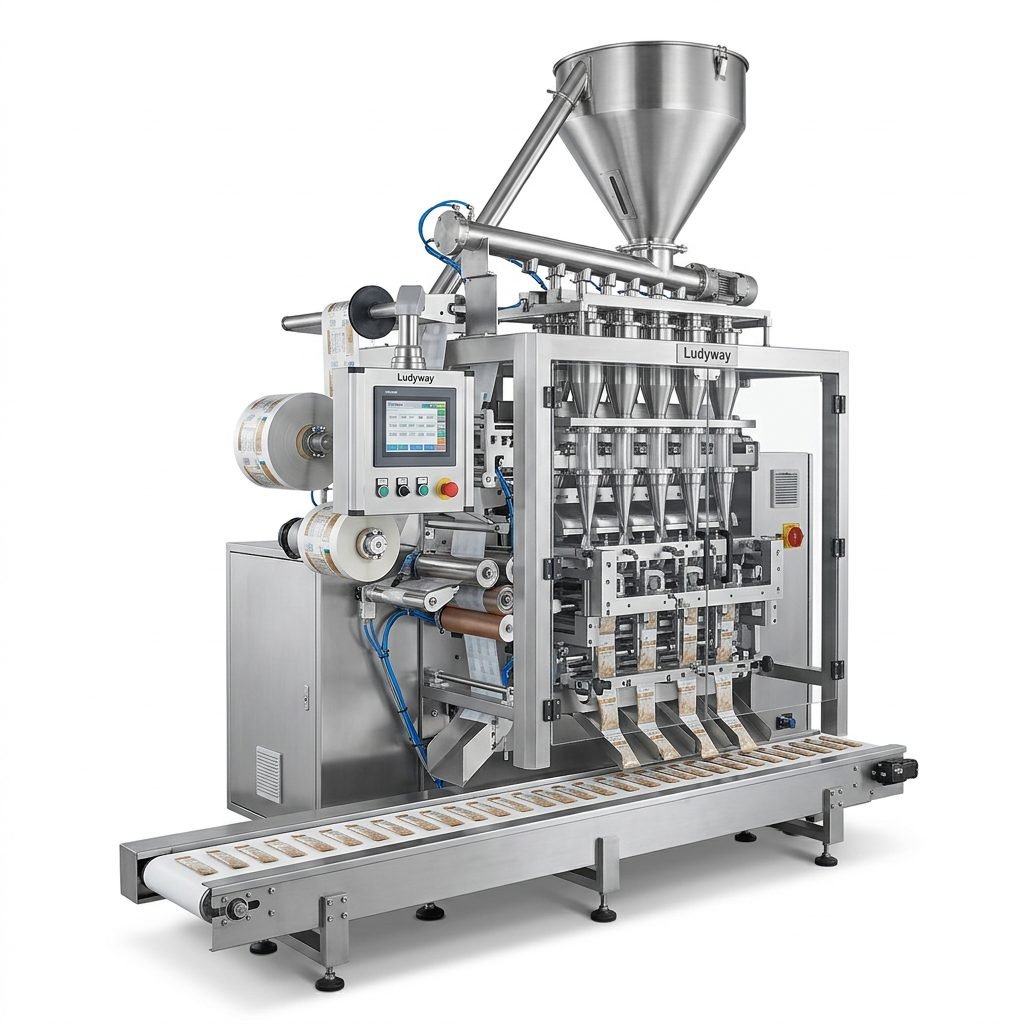
Selecting the right plastic container packaging machine is a critical decision for manufacturers across the food, pharmaceutical, and consumer goods industries. The correct system enhances production efficiency, ensures product integrity, and optimizes operational costs. This comprehensive guide explores the various types of machines, their key features, and provides a structured framework to help you choose the ideal system for your specific needs.
Understanding Plastic Container Packaging Machines
These automated systems are designed to fill, seal, cap, and label pre-formed plastic containers, such as bottles, jars, tubs, and vials. They form the backbone of high-speed production lines, handling everything from liquids and creams to granules and tablets. The automation level can range from semi-automatic single-station units to fully integrated, computer-controlled rotary lines.
Core Function: The primary objective is to reliably place a product into a plastic container and hermetically seal it for protection, preservation, and presentation. This process must meet stringent hygiene and accuracy standards, especially in regulated sectors.
Primary Types of Plastic Container Packaging Systems
The market offers a diverse range of machinery, each suited to different production scales, container types, and product characteristics.
1. Monobloc Systems
A monobloc is a fully integrated machine where multiple functions—like rinsing, filling, capping, and labeling—are combined into a single, synchronized unit. Containers are transferred between stations via a single conveyor or rotary dial, minimizing handling and space requirements.
Best For: High-speed, high-volume production of uniform products (e.g., bottled water, juices, sauces). They offer excellent efficiency and hygiene with a smaller footprint.
2. Rotary Indexing Machines
These systems feature a circular dial or carousel with multiple workstations. Containers are placed in pockets on the dial, which rotates and indexes, pausing at each station for a specific operation (filling, sealing, etc.).
Best For: Medium to high-speed production, offering great flexibility for different container shapes and sizes. They are highly customizable.
3. Inline Systems
Inline machines arrange different functional modules (a filler, a capper, a labeler) in a straight line connected by a conveyor belt. Each module operates independently but is synchronized for continuous flow.
Best For: Production lines requiring high flexibility, easy module addition or changeover, and handling of diverse container formats. Ideal for customized production solutions.
4. Volumetric vs. Net Weight Fillers
➜ Volumetric Fillers (Piston, Pump, Time-Gravity): Dispense product based on a precise volume measurement. They are fast, cost-effective, and ideal for uniform, free-flowing products like liquids and granules.
➜ Net Weight Fillers (Gross Weight, Net Weight): Weigh each container before and after filling to achieve an exact target weight. Crucial for high-value, non-uniform, or viscous products (e.g., ground coffee, peanut butter, pharmaceuticals) where weight accuracy directly impacts cost and compliance.
Key Features and Technological Considerations
Beyond the basic type, several features define a machine’s capability, reliability, and suitability.
Construction and Hygiene Design
Look for robust frames (stainless steel 304 or 316L), food-grade contact parts, and designs that prevent product trap points. CIP (Clean-in-Place) or SIP (Sterilize-in-Place) capabilities are vital for pharmaceutical and dairy applications.
Drive and Control System
Modern machines use servo-driven technology for precise, programmable, and smooth motion control. This reduces mechanical wear, noise, and allows for quick, digital changeovers. A user-friendly HMI (Human-Machine Interface) with recipe storage is essential for operational efficiency.
Changeover Flexibility
Quick and tool-less changeover between different container sizes and products is a major competitive advantage. Evaluate how easily parts like filling nozzles, container holders, and capping heads can be swapped.
Integration and Connectivity
The best systems offer seamless integration with upstream (e.g., blow molders) and downstream equipment (e.g., cartoners). Support for Industry 4.0 protocols (OPC UA, MQTT) enables data collection for production monitoring, predictive maintenance, and overall equipment effectiveness (OEE) tracking.
How to Choose the Right System: A Step-by-Step Guide
Step 1: Define Your Product and Container
Product Characteristics: Viscosity, abrasiveness, foaming tendency, particulate size, and sensitivity (to oxygen, light, shear). Is it liquid, semi-liquid, paste, powder, or solid?
Container Specifications: Material (PET, HDPE, PP), shape, size range, mouth opening, and required closure type (screw cap, snap-on lid, pump sprayer).
Step 2: Determine Production Requirements
- ✓ Output Speed: Required units per minute/hour/shift.
- ✓ Operational Shifts: How many hours per day will the line run? This dictates the required robustness.
- ✓ Changeover Frequency: How often will you switch products or container sizes?
- ✓ Available Floor Space: Measure your production area layout.
Step 3: Evaluate Machine Capabilities
Match your requirements from Steps 1 & 2 against machine specifications. Create a shortlist of suppliers who offer reliable solutions in your required category. Key comparison points include:
Fill Accuracy & Range,
Max/Min Speed,
Changeover Time,
Utility Consumption.
Step 4: Assess Supplier Reliability and Support
The machine is a long-term investment. Prioritize suppliers with a proven track record, strong technical support, and readily available spare parts. Request customer references and, if possible, arrange a visit to see a similar machine in operation. A supplier’s industry experience is invaluable for solving complex application challenges.
Step 5: Analyze Total Cost of Ownership (TCO)
Look beyond the initial purchase price. Calculate TCO by factoring in:
• Installation & commissioning costs
• Energy and compressed air consumption
• Maintenance costs and spare part pricing
• Expected lifespan and potential for future upgrades
• Cost of production downtime due to machine failure
Common Questions (FAQs)
What is the main difference between a monobloc and an inline system?
A monobloc is a single, compact machine combining several functions (e.g., fill, cap, label) with a unified transfer system, ideal for high-speed, dedicated lines. An inline system uses separate machines for each function, linked by a conveyor, offering greater flexibility for changeovers and future line expansion.
How do I know if I need a volumetric or a net weight filler?
Choose a volumetric filler for consistent, free-flowing products where volume correlates directly to weight (e.g., water, oil, uniform granules). Opt for a net weight filler for high-value, non-uniform, or viscous products where precise weight is critical for cost control or regulatory compliance (e.g., coffee, spices, pharmaceuticals, cosmetics).
What are the most important hygiene features for food or pharmaceutical packaging?
Key features include construction with stainless steel 316L for contact parts, a fully enclosed design with smooth, crevice-free surfaces, CIP/SIP capabilities, and compliance with relevant standards (e.g., FDA, EHEDG, GMP). Easy access for cleaning and inspection is also crucial.
How critical is servo-motor technology in modern packaging machines?
Extremely critical. Servo-driven systems provide superior precision, flexibility, and reliability compared to traditional mechanical drives. They allow for digital changeovers, smoother motion profiles (reducing product spillage), lower maintenance, and seamless integration with factory control systems for data collection and optimization.
What should I expect from a supplier during the machine commissioning and after-sales phase?
A reliable supplier should provide comprehensive on-site installation, calibration, and operator training. They should offer clear documentation, a responsive technical support hotline, and a guaranteed supply of genuine spare parts. Look for suppliers who view the sale as the start of a long-term partnership.