Choosing a box packing tape machine is a strategic decision that directly affects your packaging line efficiency, product protection, and overall operational costs. Whether you are running a small fulfillment center or a high-volume manufacturing facility, the right carton sealing equipment can reduce labor dependency, improve throughput, and deliver consistent, professional-quality case closure. This buyer’s guide covers the essential factors you need to evaluate before making a purchase.
Understanding Box Packing Tape Machines
A box packing tape machine, also known as a case sealer or carton sealer, automates the process of applying pressure-sensitive adhesive tape to the top and bottom flaps of corrugated boxes. These machines range from simple manual dispensers to fully automated inline systems capable of handling dozens of cases per minute. Selecting the correct configuration depends heavily on your production volume, box size variability, and integration requirements with existing packaging lines.

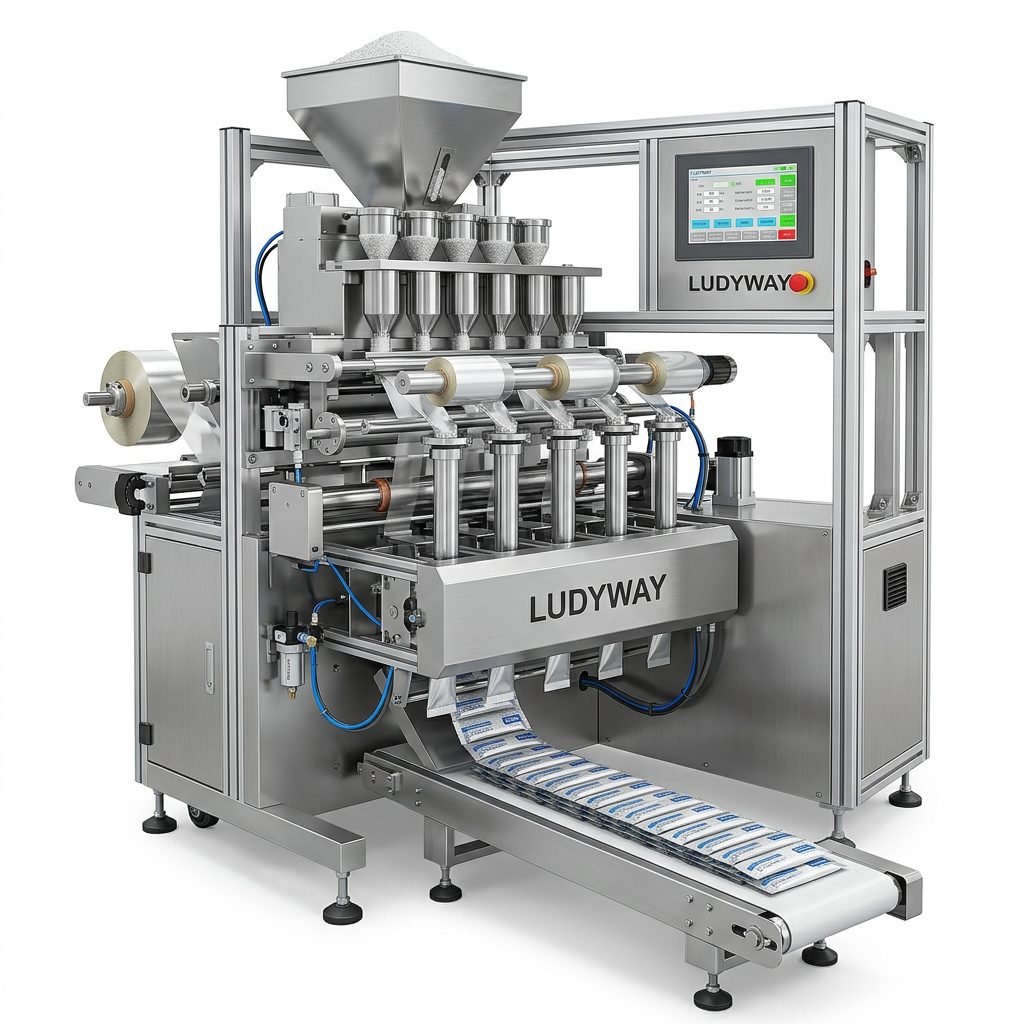
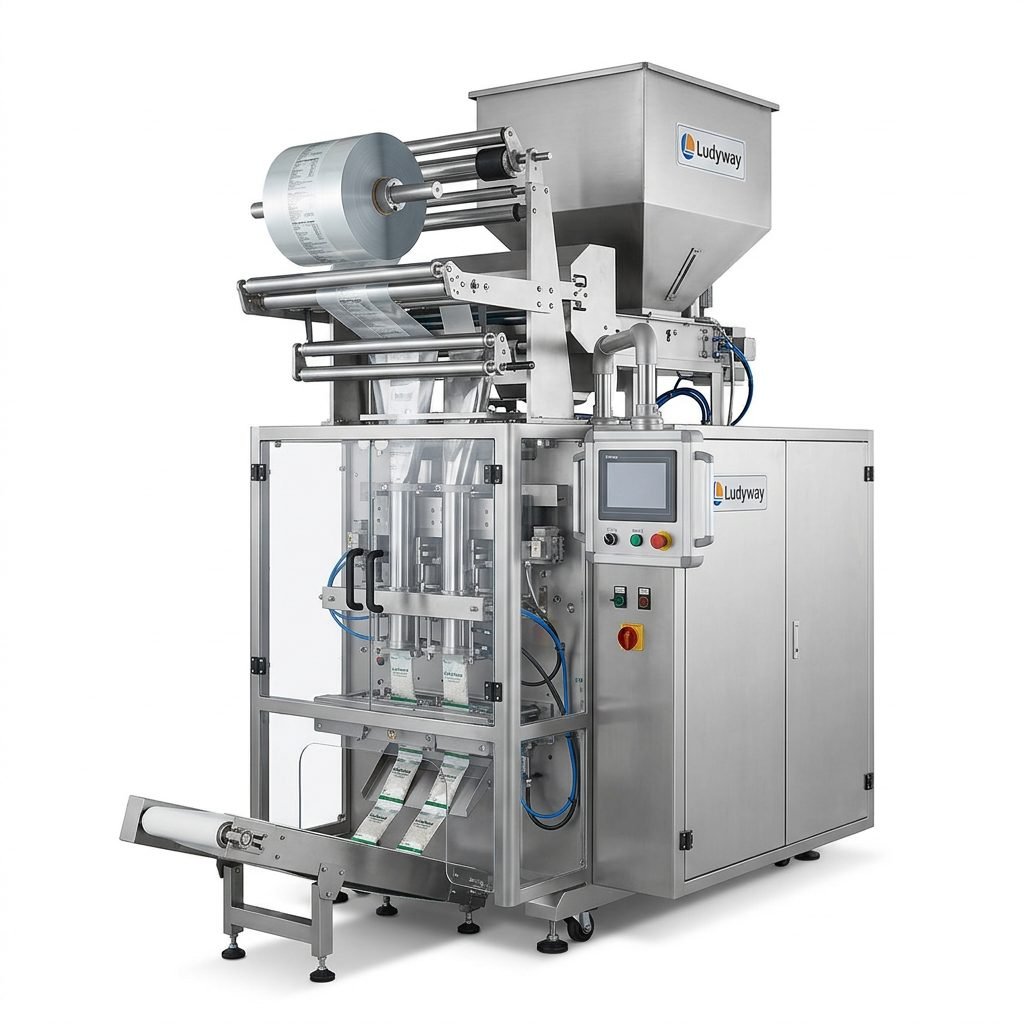
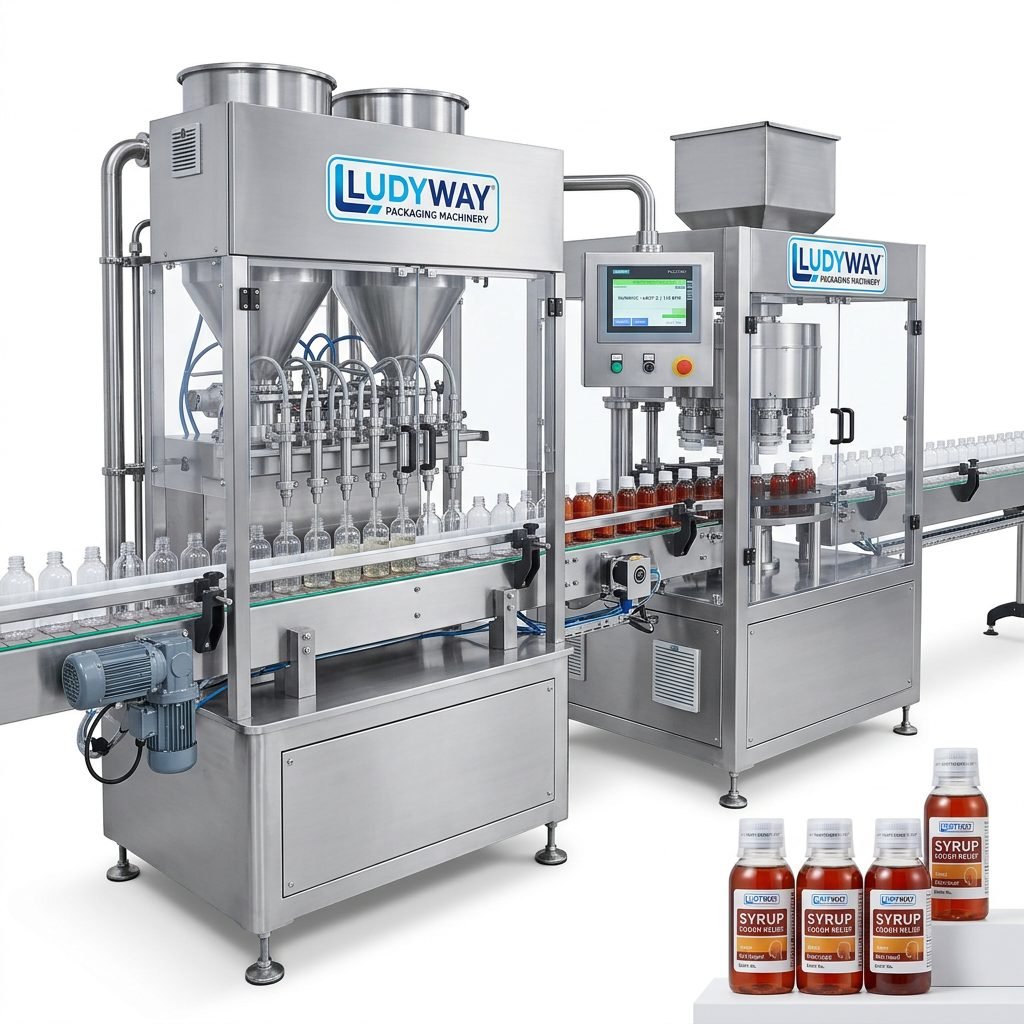
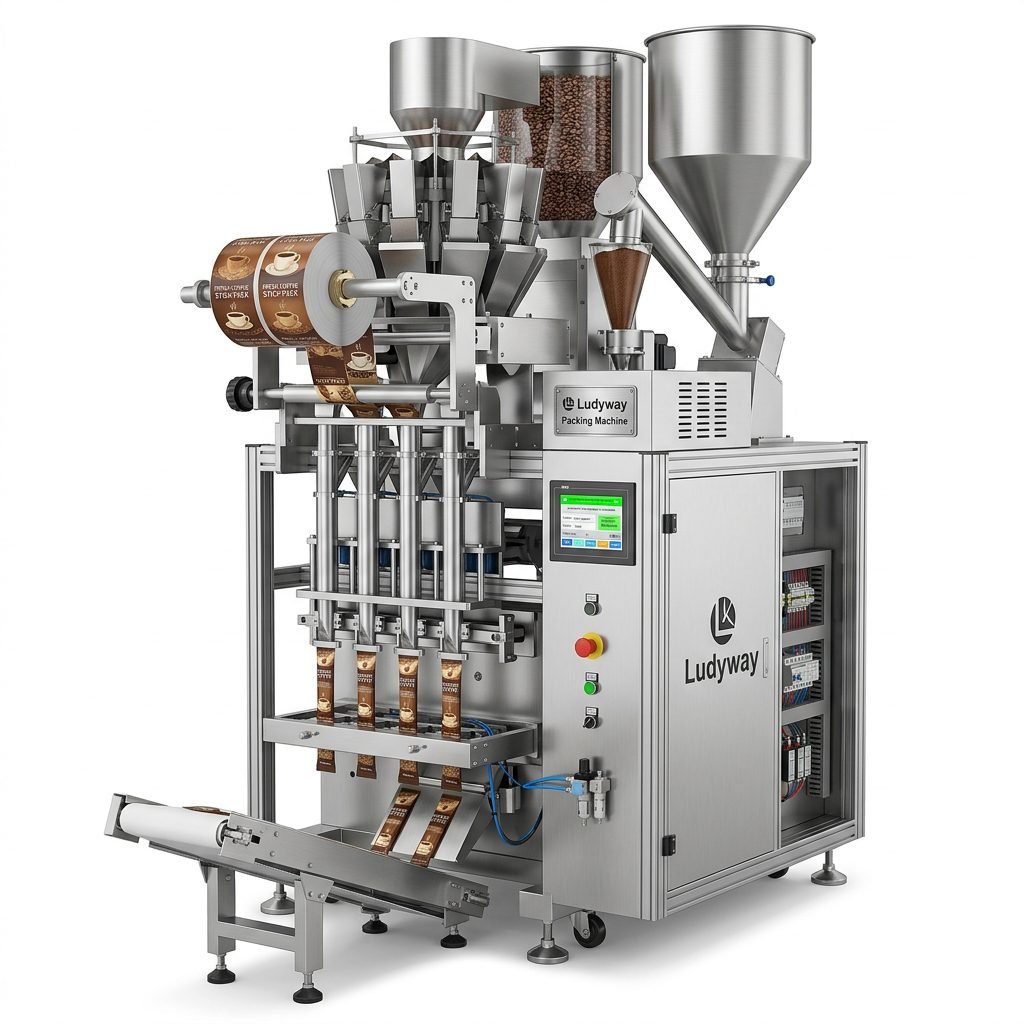
A modern packaging machinery manufacturing facility equipped for carton sealing system production.
Key Factors to Evaluate Before Buying
Investing in carton sealing equipment requires a thorough assessment of your operational parameters. The table below summarizes the critical selection criteria you should review with potential suppliers.
| Selection Factor | What to Evaluate | Business Impact |
|---|---|---|
| Box Size Range | Minimum and maximum dimensions (length, width, height) | Ensures compatibility with your shipping cartons |
| Production Speed | Cases per minute (CPM) rating | Directly affects throughput and labor allocation |
| Tape Width Compatibility | Supported tape roll widths (typically 36mm–72mm) | Influences seal strength and material costs |
| Automation Level | Manual, semi-automatic, or fully automatic operation | Determines labor requirements and consistency |
| Footprint & Layout | Machine dimensions and conveyor orientation | Must fit within existing floor space |
| Integration Capability | Compatibility with upstream/downstream equipment | Enables seamless packaging line automation |
| Build Quality & Components | Frame material, brand of pneumatic and electrical parts | Affects reliability, maintenance, and lifespan |
Types of Carton Sealing Machines
Different production environments call for different machine configurations. Understanding the main categories will help you narrow down your options effectively.
Manual Tape Dispensers
Best suited for low-volume operations, manual dispensers require an operator to apply tape by hand. They are inexpensive and portable but offer minimal speed or consistency advantages.
Semi-Automatic Case Sealers
These machines require an operator to fold the box flaps and feed the carton into the machine. The tape application process is automated, ensuring consistent sealing quality while still relying on human labor for box handling. Semi-automatic models are a popular choice for medium-volume operations.
Fully Automatic Case Sealers
Designed for high-speed production lines, fully automatic machines handle flap folding, box conveying, and tape application without operator intervention. They can process dozens of cases per minute and are ideal for integrating into automated packaging systems. Many models offer adjustable side belts and automatic box size detection for mixed-size operations.
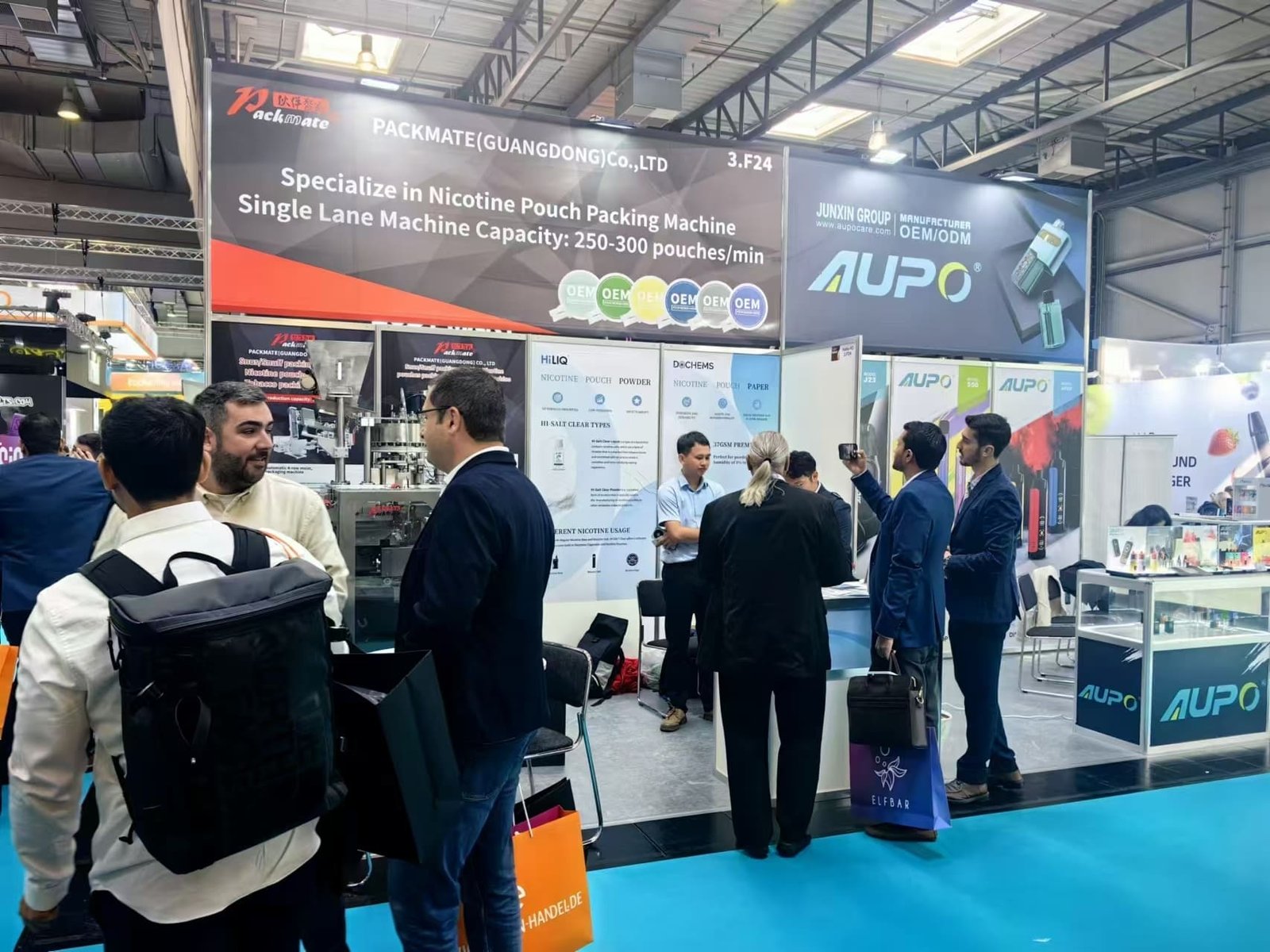
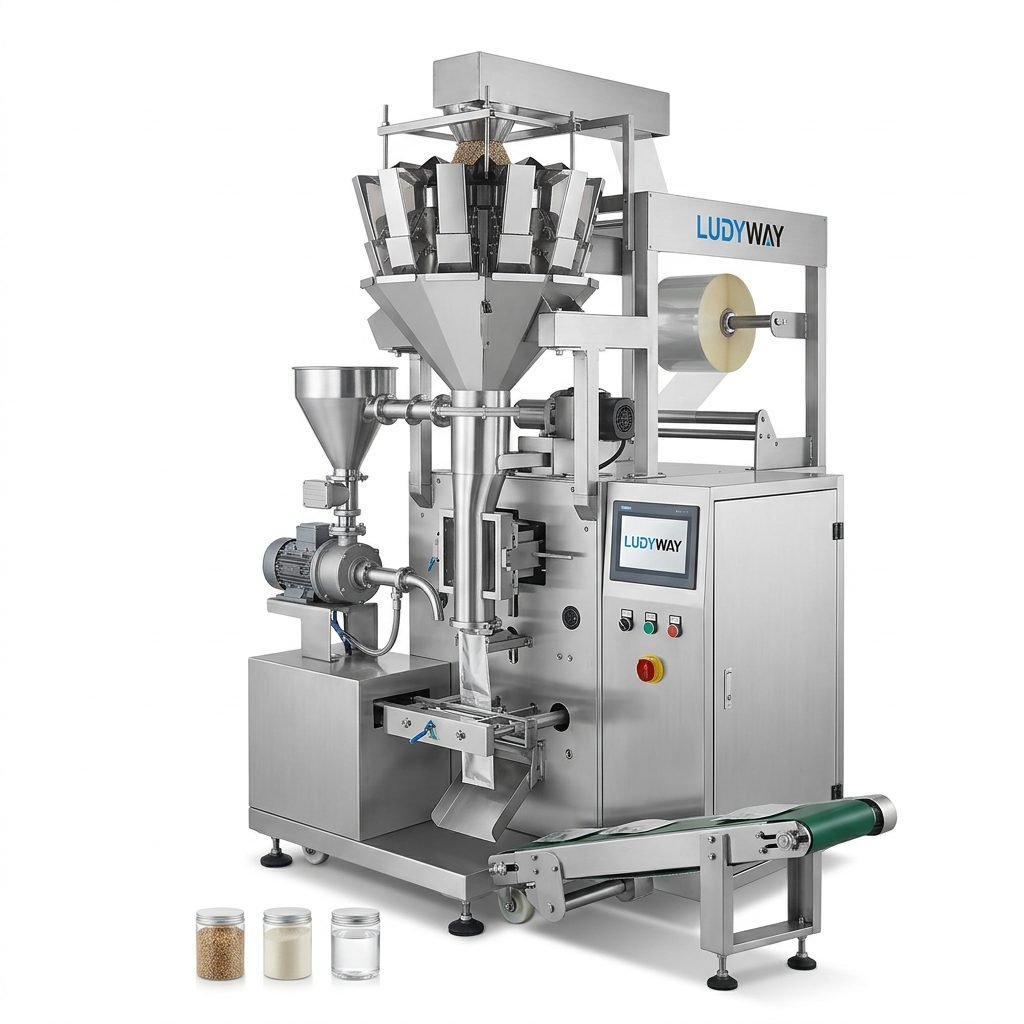
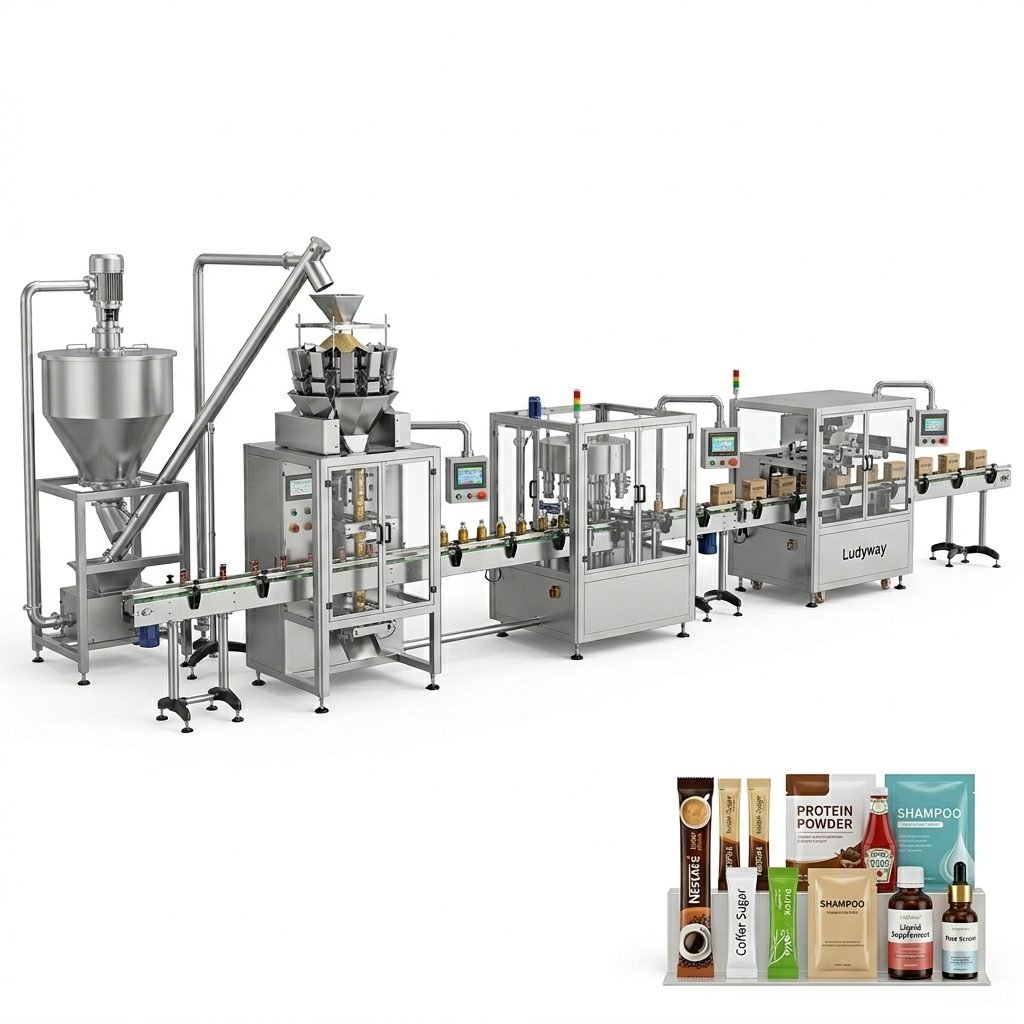
Packaging machinery including carton sealing solutions showcased at an international industry exhibition.
Essential Features to Look For
When comparing different box packing tape machine models, pay close attention to the following technical features that can significantly impact performance and ease of use.
- Adjustable tape tension control – Prevents tape breakage and ensures uniform application across different box surfaces.
- Quick-change size adjustment – Hand cranks or digital settings that allow rapid changeover between box sizes, reducing downtime.
- Heavy-duty frame construction – Welded steel frames provide stability and durability in demanding industrial environments.
- Safety interlocks and guarding – Essential for operator protection and compliance with workplace safety standards.
- PLC-based control systems – Enable precise operation, diagnostics, and integration with factory automation networks.
- Tape roll low-level detection – Alerts operators before the tape runs out, preventing missed seals on production cartons.
Evaluating Total Cost of Ownership
The purchase price is only one component of the overall investment. A thorough cost analysis should include ongoing operational expenses over the machine’s expected lifespan.
- Initial capital expenditure – Includes the machine, shipping, installation, and any facility modifications.
- Consumables – Tape consumption rates vary by machine efficiency and box size; calculate annual tape costs based on your volume.
- Maintenance and spare parts – Access to packaging machinery maintenance resources and genuine replacement parts ensures long-term reliability.
- Energy consumption – Compare motor ratings and overall power usage, particularly for high-speed models running multiple shifts.
- Operator training – Factor in the time and resources needed to train staff on proper machine operation and routine maintenance.
Supplier Evaluation and After-Sales Support
Selecting a reputable supplier is just as important as choosing the right machine specifications. Look for manufacturers who demonstrate extensive industry experience, a track record of reliability, and comprehensive after-sales service capabilities. Ask potential suppliers about their installation support, operator training programs, warranty terms, and spare parts availability. The packaging industry business intelligence reports indicate that manufacturers who prioritize service and support tend to build longer-lasting customer relationships and deliver better total value.

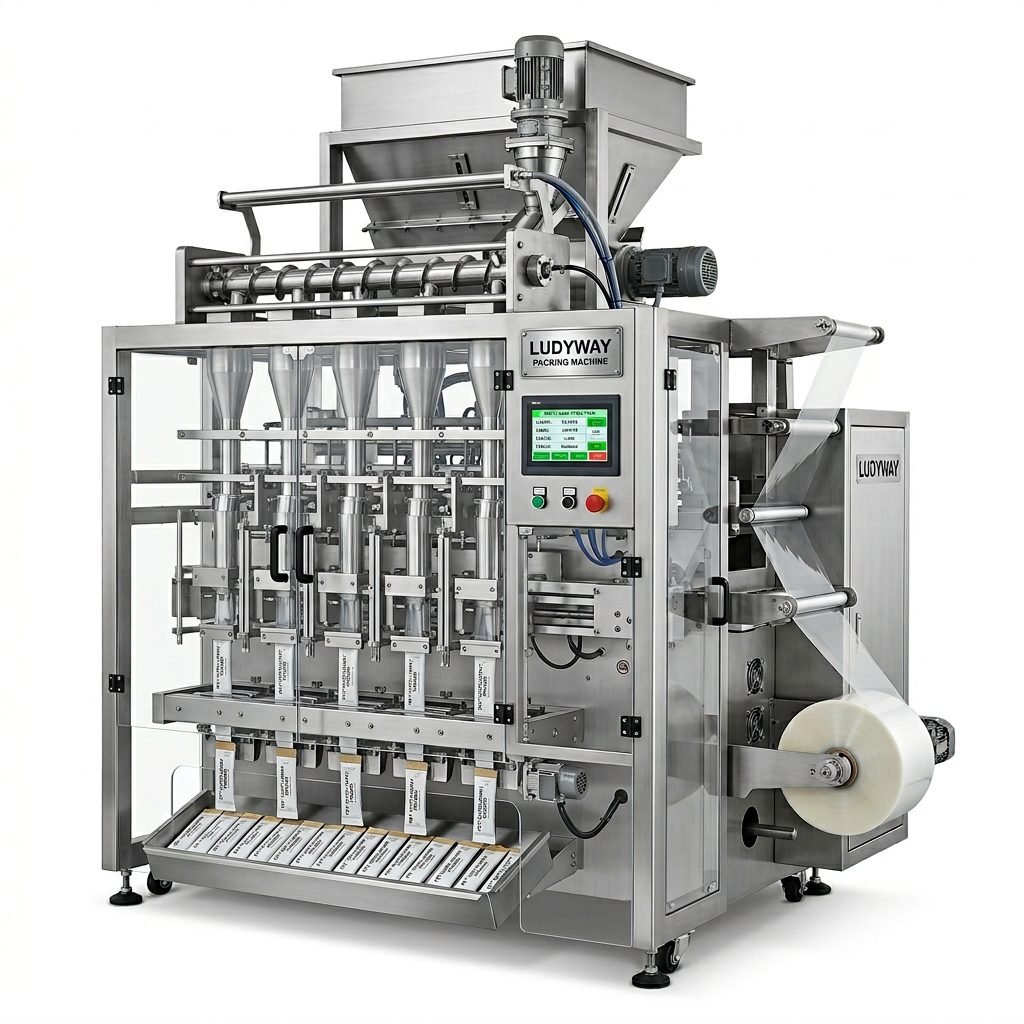
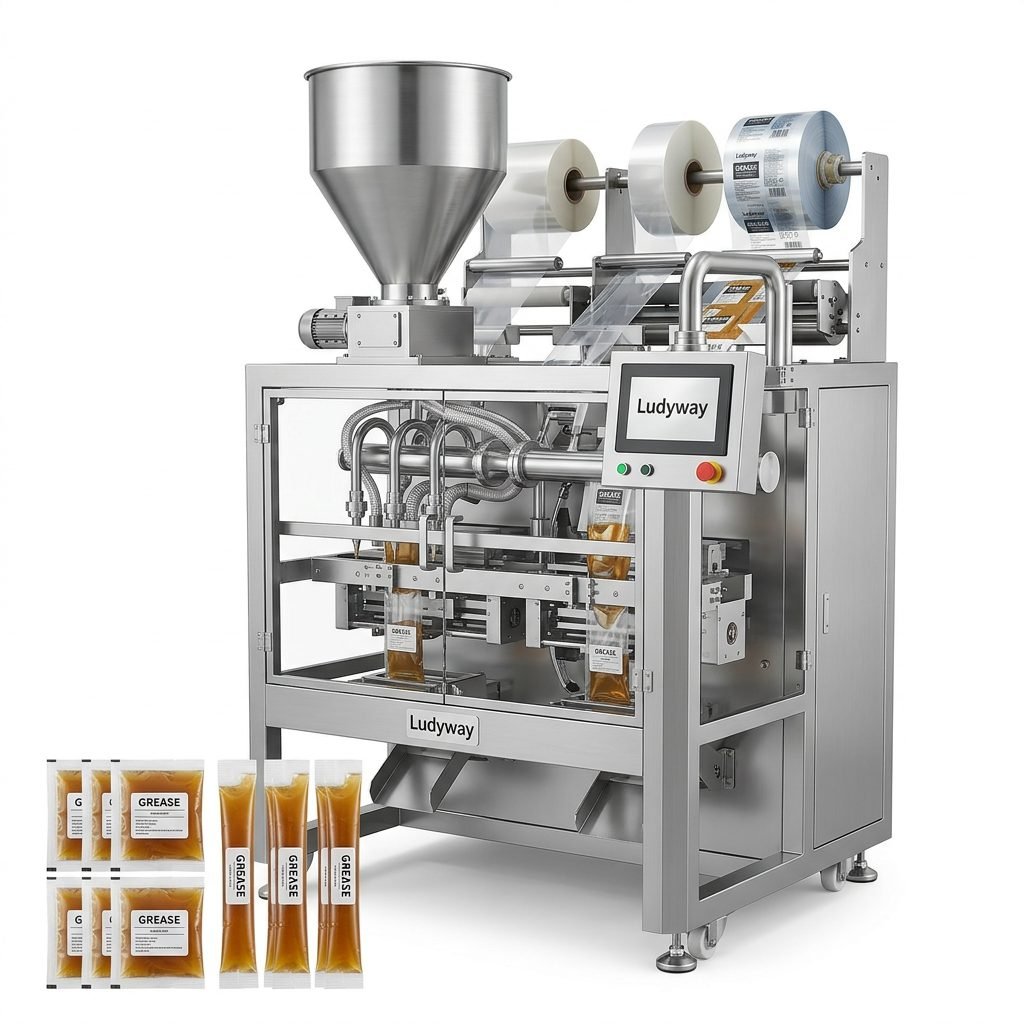
Quality control and assembly processes ensure reliable carton sealing machine performance.
Integration with Broader Packaging Operations
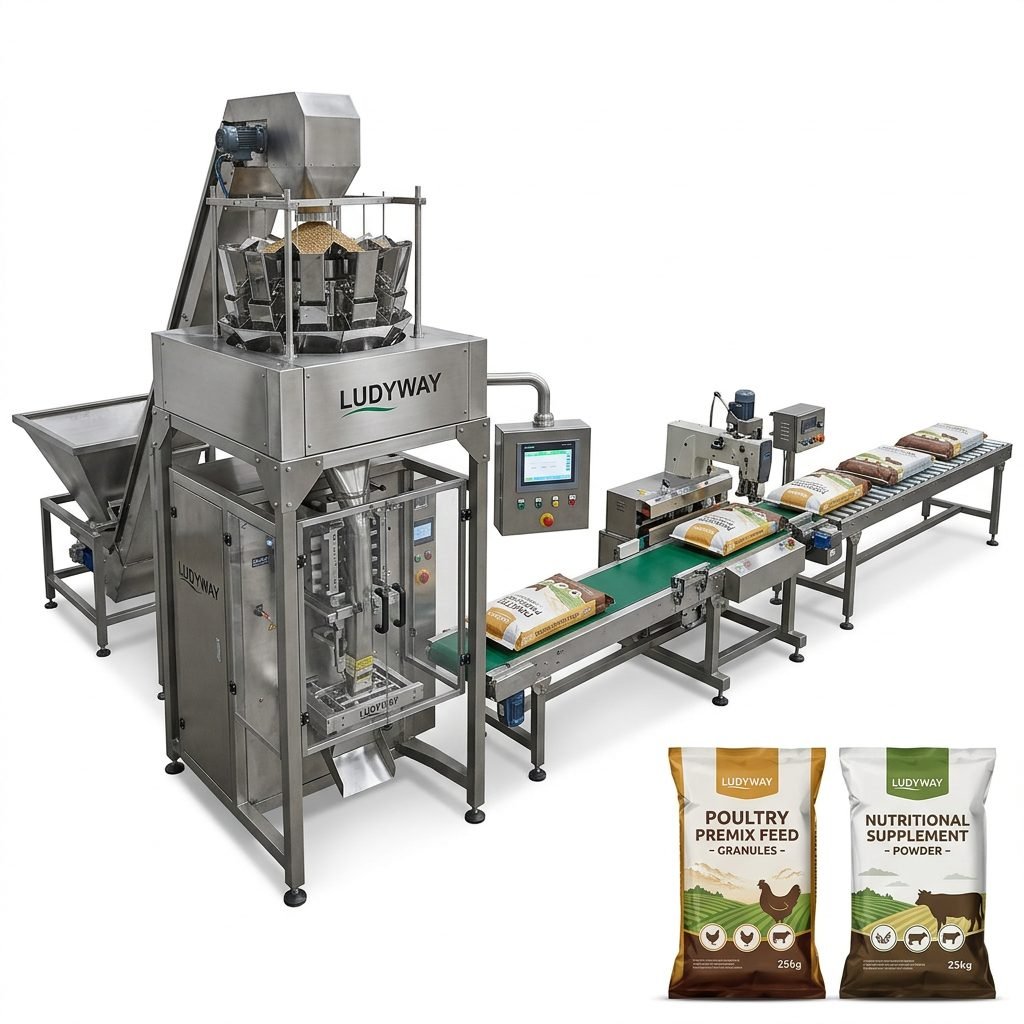
A box packing tape machine rarely operates in isolation. Consider how the carton sealer will connect with upstream equipment such as case erectors, filling stations, and checkweighers, as well as downstream systems like palletizers and stretch wrappers. A well-designed packaging line integration approach ensures smooth product flow, minimizes bottlenecks, and maximizes overall equipment effectiveness.
Making the Final Decision
After evaluating machine specifications, features, costs, and supplier capabilities, the best choice will align closely with your current production needs while offering flexibility for future growth. Request demonstrations, sample runs with your actual box sizes, and reference checks from existing customers in similar industries. A methodical evaluation process—grounded in the factors outlined in this guide—will help you select a box packing tape machine that delivers reliable, efficient, and cost-effective case sealing for years to come.
For manufacturers seeking a comprehensive packaging machinery partner, Ludyway Machinery brings over 30 years of industry experience, offering customized carton sealing solutions, integrated packaging lines, and global technical support to help optimize your end-of-line packaging operations.
Additional Resources: