Selecting the right packaging machine manufacturer is a critical decision for businesses in Zambia looking to enhance efficiency, product quality, and market competitiveness. With a growing manufacturing sector and increasing consumer demand for packaged goods, from food staples to pharmaceuticals, investing in reliable, high-performance packaging equipment is essential. This guide will help you navigate the key factors to consider when choosing a manufacturer, with a focus on the Zambian market’s unique needs and opportunities.
Understanding the Zambian Market and Its Packaging Needs
Zambia’s economy, with its strong agricultural base and growing industrial and consumer goods sectors, presents specific packaging requirements. Local businesses, from large-scale food processors in Lusaka and Ndola to burgeoning pharmaceutical and personal care companies, need packaging solutions that are robust, adaptable, and cost-effective. Factors such as power stability, availability of skilled technicians, and access to spare parts are crucial considerations. Packaging for popular local products like mealie meal, seasonings, coffee, tea, health supplements, and agro-chemicals often requires machines capable of handling granules, powders, and liquids efficiently.
For Zambian businesses, partnering with a manufacturer that understands these local operational realities—such as offering machines with stable performance under variable conditions and providing accessible technical support—can make a significant difference in production uptime and return on investment.

Key Factors to Consider When Choosing a Manufacturer
Your choice of manufacturer will impact your production for years. Here are the core areas to evaluate:
1. Technical Expertise and Product Range
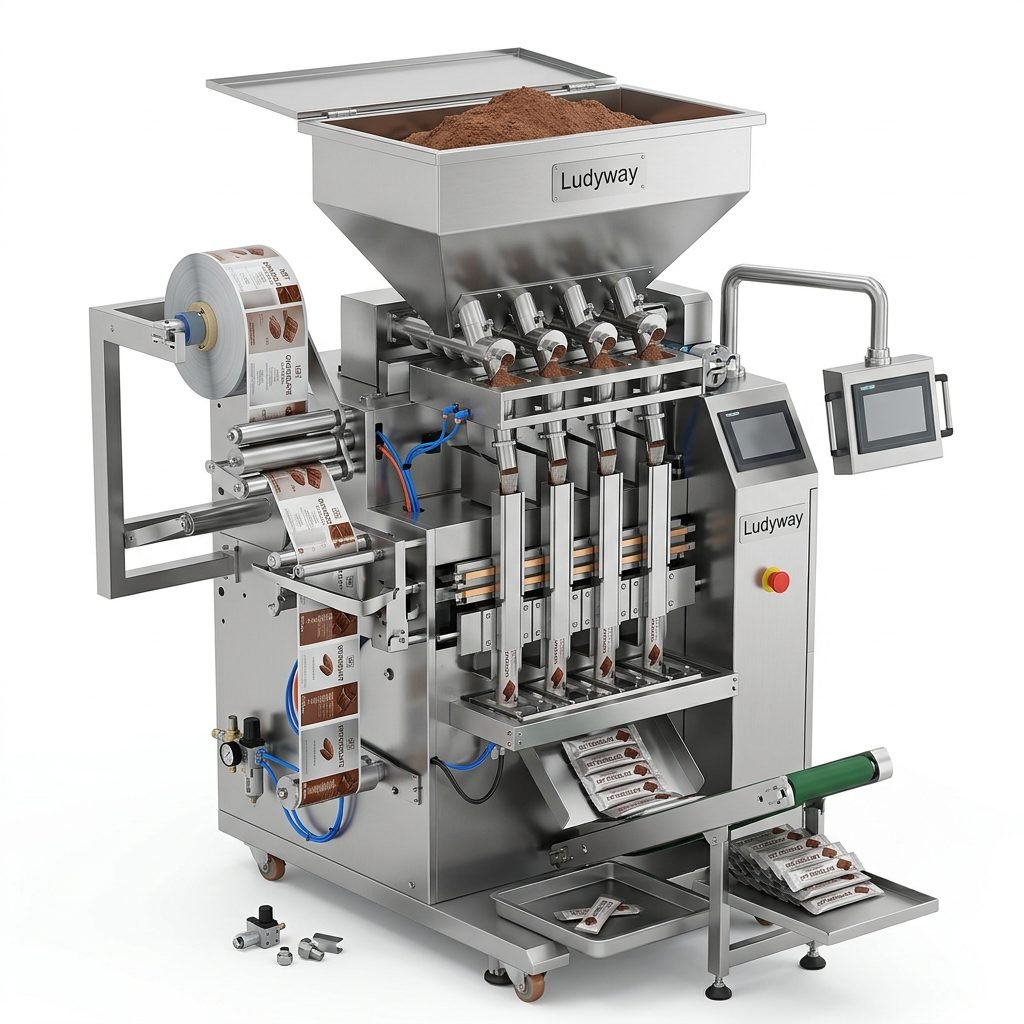
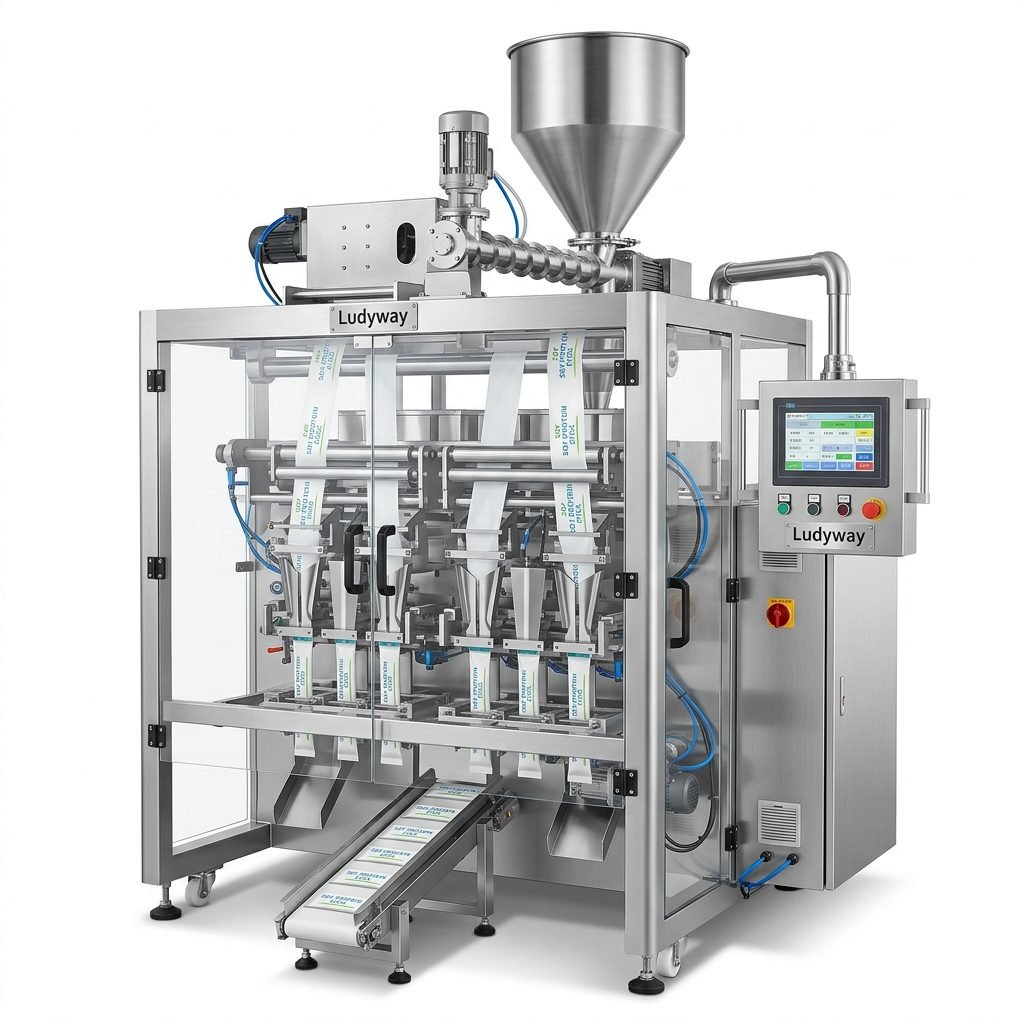
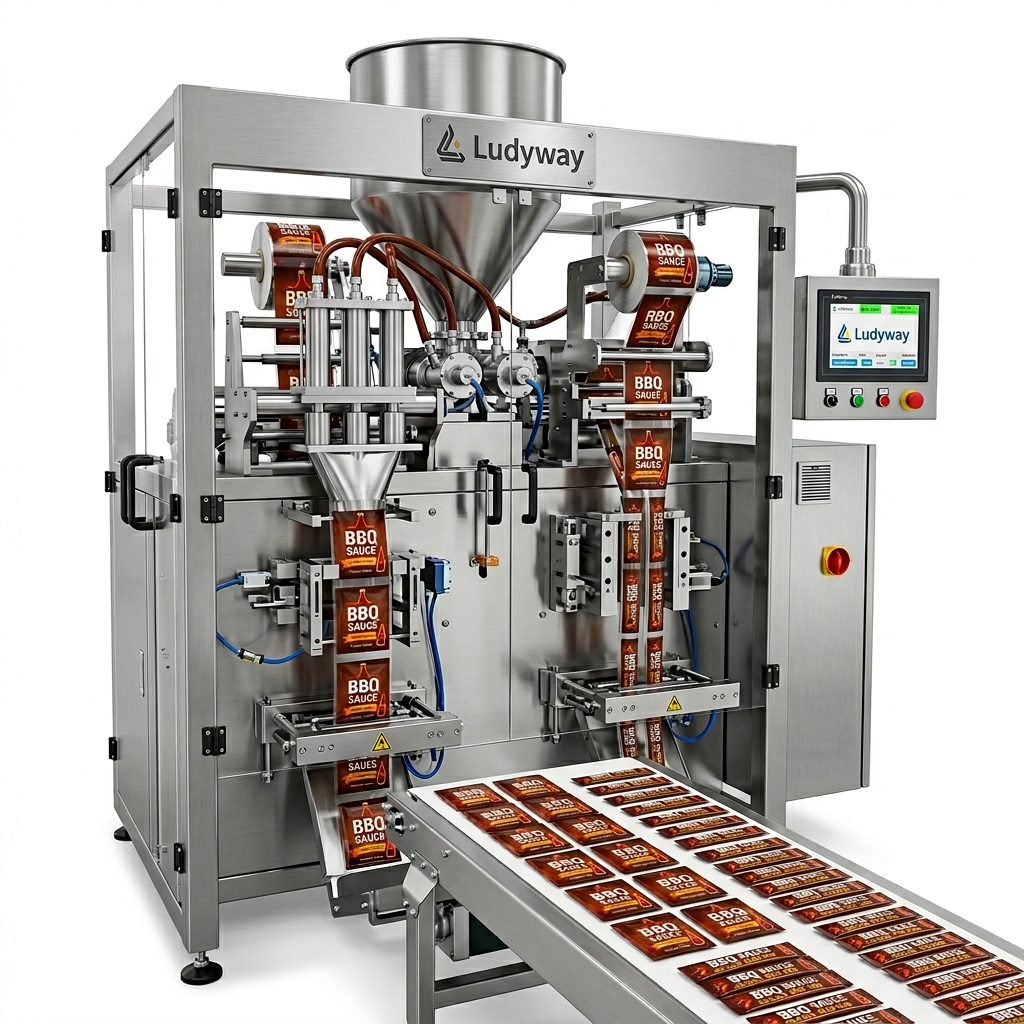
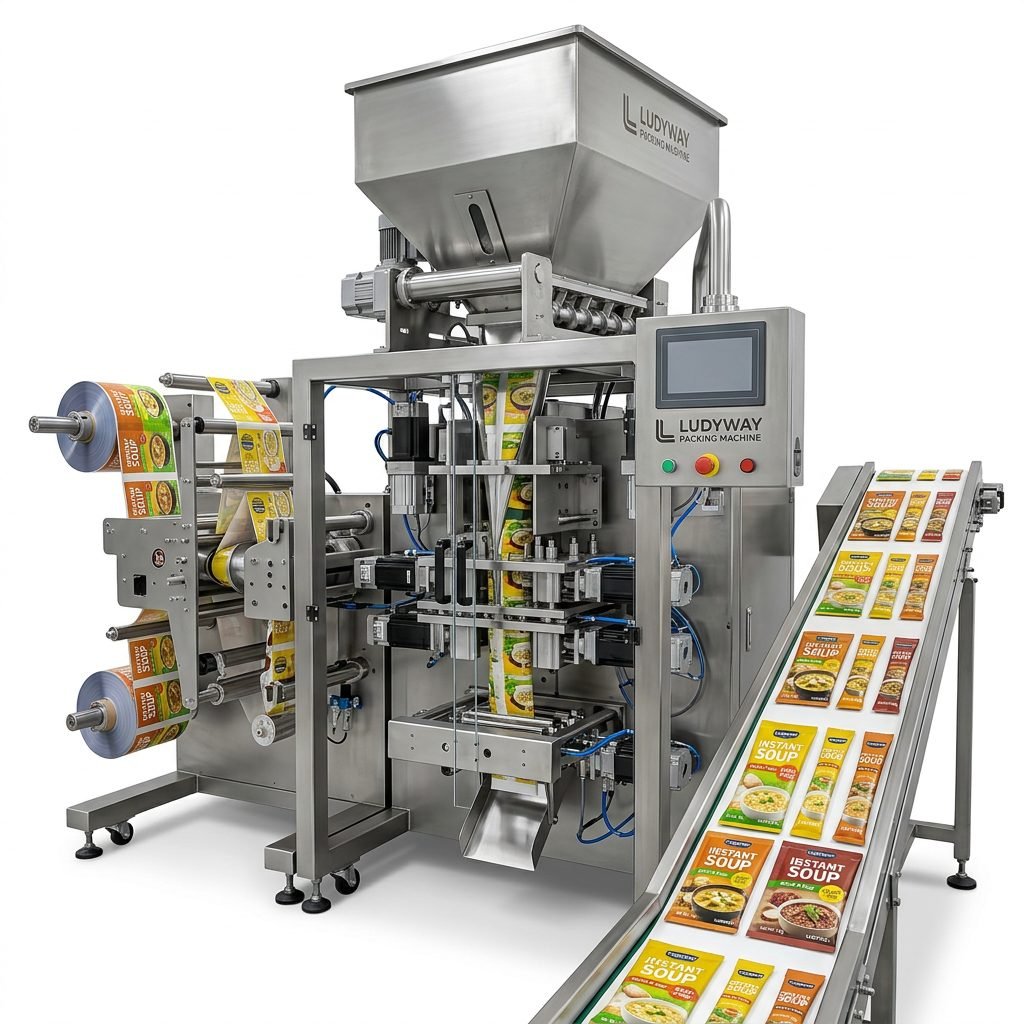
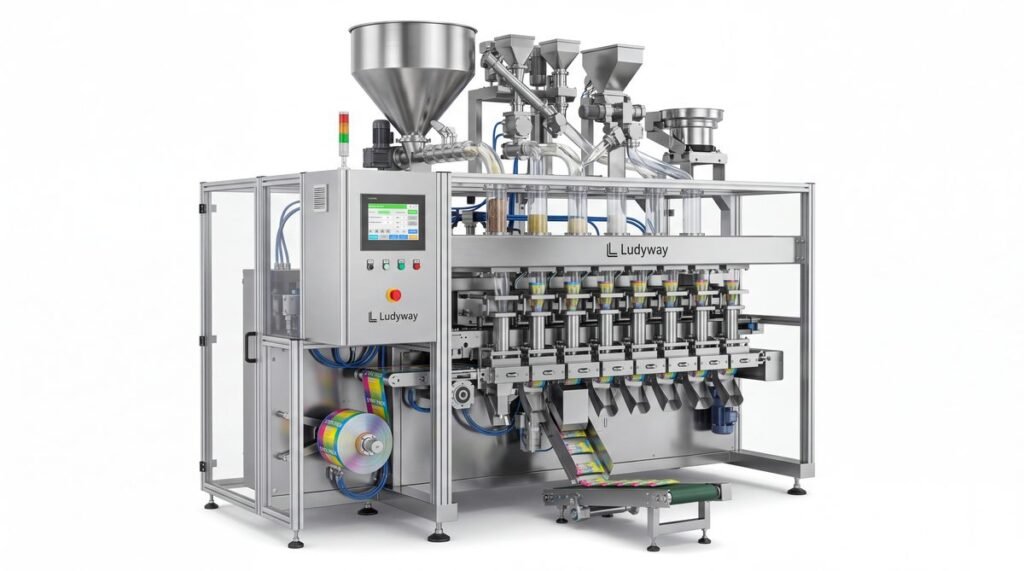
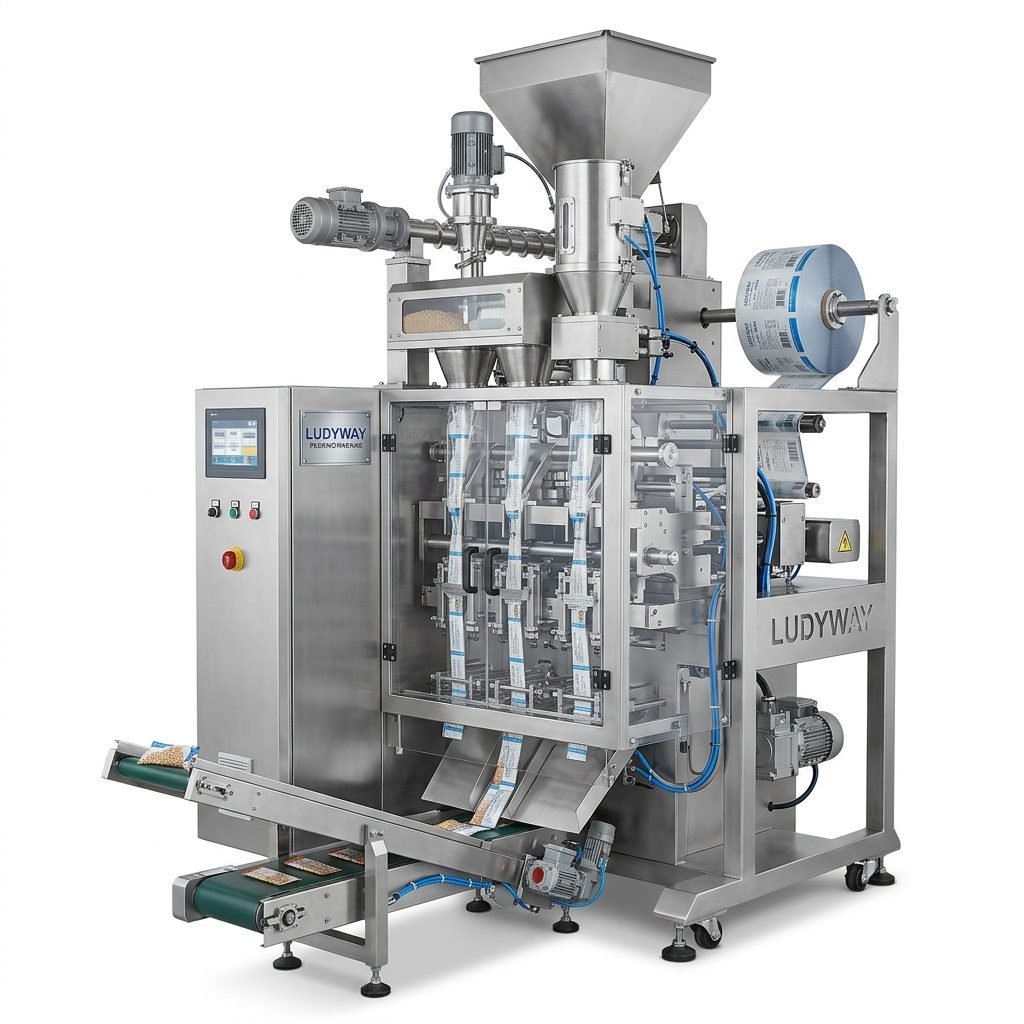
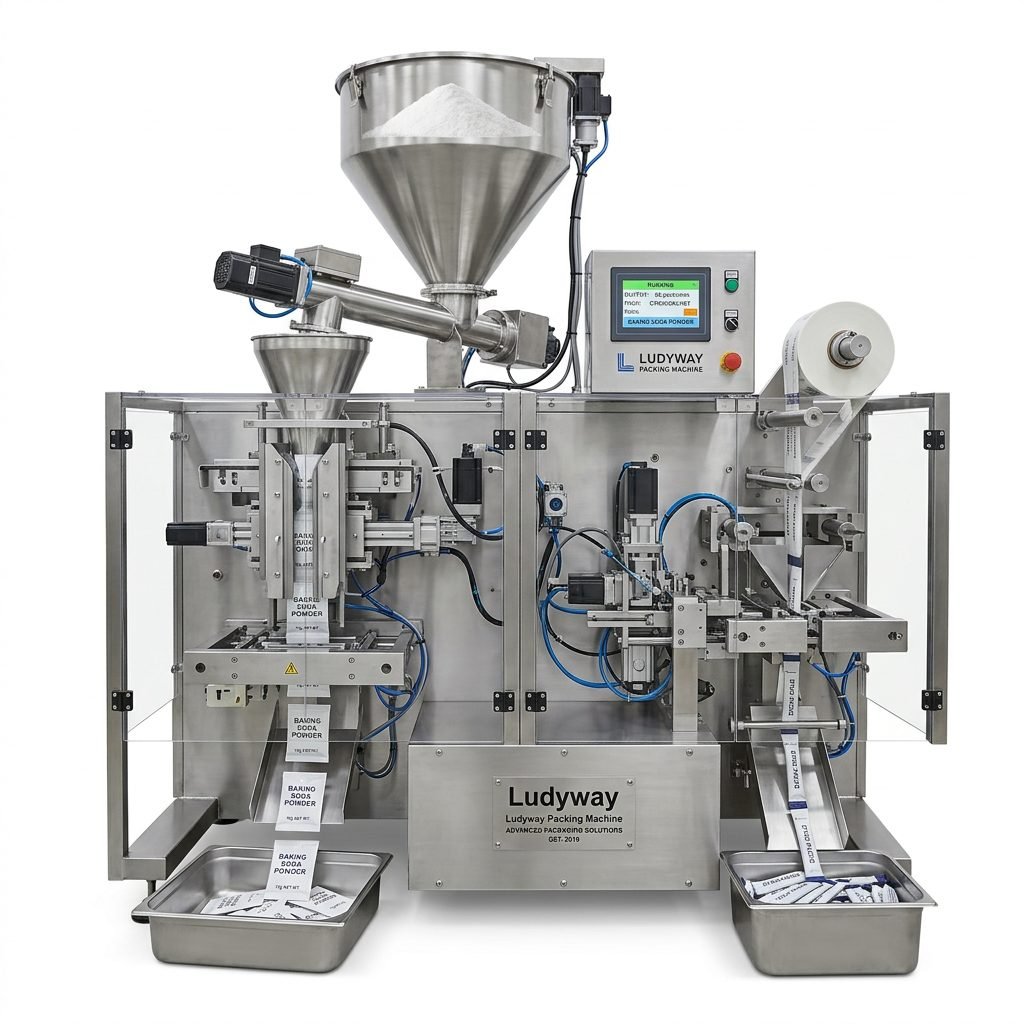
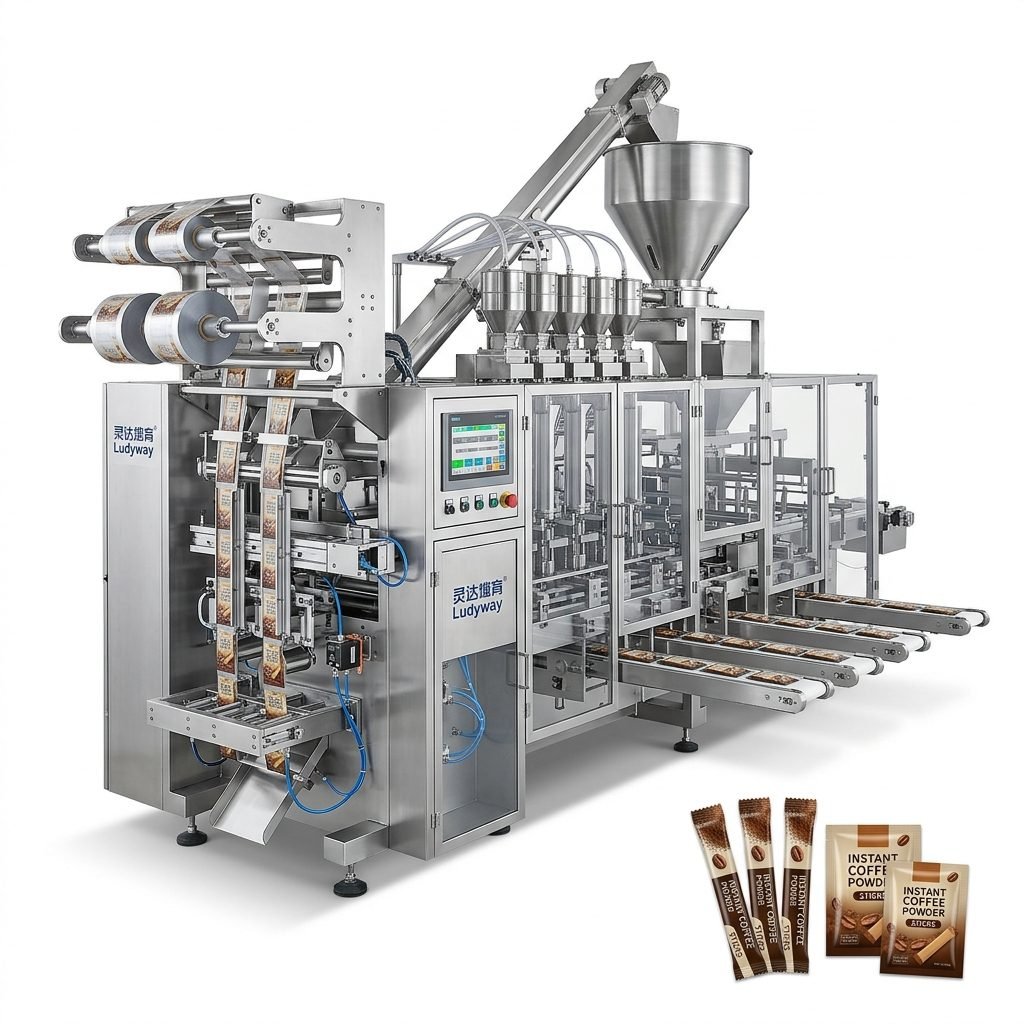
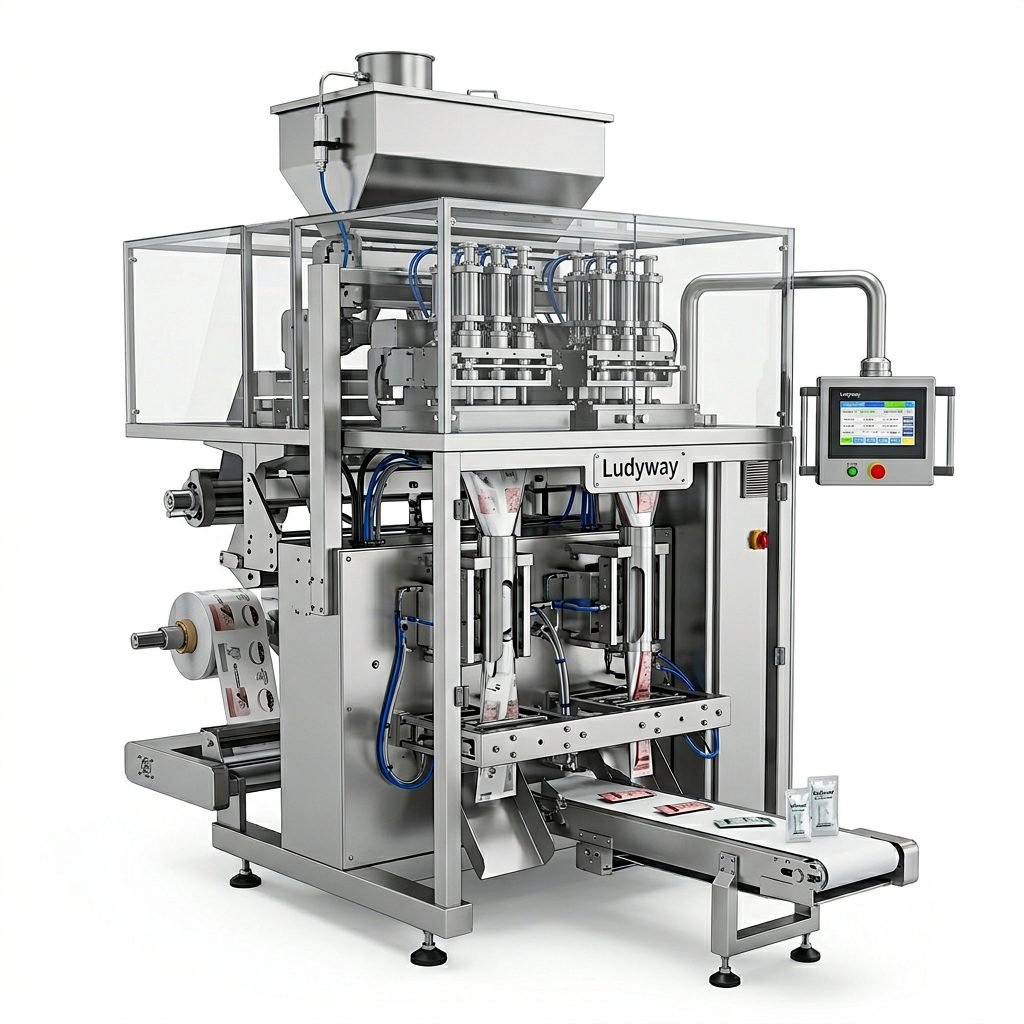
Look for a manufacturer with a proven track record and a wide range of machinery. Can they provide the specific machine you need? For instance, if you package powdered milk or instant coffee, you need a reliable multi-lane powder sachet machine. If you produce liquid condiments or pharmaceuticals, a high-speed liquid filling system is essential. A manufacturer like Ludyway, with over 30 years of experience and more than 50 machine models, offers solutions for granules, powders, liquids, and stick packs, making them a versatile partner.
2. Manufacturing Capability and Quality Control
The quality of the machine is paramount. Investigate the manufacturer’s production facility. Do they have modern manufacturing equipment and strict quality control processes? A manufacturer operating from a large, modern facility (like Ludyway’s 20,000㎡ plant) is more likely to deliver durable, precision-engineered equipment. This translates to fewer breakdowns, consistent packaging quality, and longer machine lifespan—vital for maintaining production schedules in Zambia.

3. After-Sales Support and Service Network
This is arguably the most critical factor for Zambian businesses. Machine downtime is costly. Ensure your chosen manufacturer provides comprehensive after-sales support, including:
- Installation and commissioning assistance
- Operator and maintenance training
- Availability of spare parts with reasonable lead times
- Remote technical support and access to service engineers
Manufacturers with a global service footprint are often better equipped to support international clients. While local representation is ideal, confirm the manufacturer’s commitment to supporting clients in Africa.
4. Customization and Turnkey Solutions
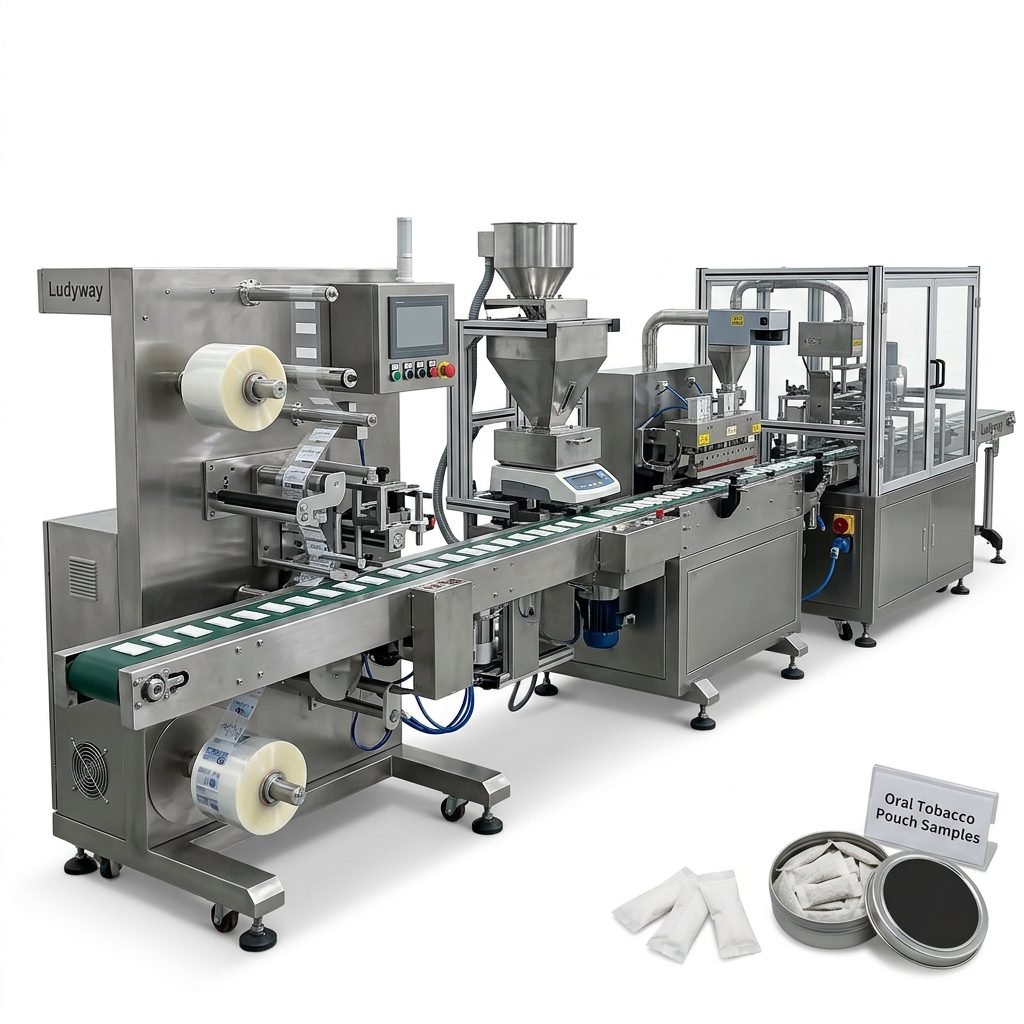
Off-the-shelf machines may not suit your unique product or production line. A manufacturer that offers customization and complete turnkey solutions can design a system that integrates seamlessly with your existing processes. Whether you need a custom feed system for irregularly shaped granules or a complete automated line from filling to cartoning, this flexibility is invaluable.
Pro Tip for Zambian Importers: When evaluating manufacturers, ask for detailed documentation, including machine specifications compliant with international standards, clear warranty terms, and a list of clients in similar industries or regions. This due diligence helps mitigate risk.

Evaluating Top Packaging Machine Manufacturers
Several established manufacturers cater to the global market. Here’s a brief overview focusing on key players mentioned in your brief:
Ludyway Packing Machine
As one of China’s largest manufacturers, Ludyway brings over three decades of expertise. They specialize in intelligent packaging systems for food, pharma, and health products, with a strong focus on granules, powders, and liquids. Their advantages include a vast product portfolio, a large modern factory, and a commitment to cost-effective, high-performance solutions. Their experience serving over 100 countries suggests a capability to handle export logistics and international support, which is relevant for Zambian importers.
Other Notable Manufacturers
The market includes other significant players like Packmate Machinery and PacklineOEM, who are also recognized as leading packaging line manufacturers in China. For businesses requiring highly customized or non-standard machinery, PackingMachineOEM is a specialist. For specific niches like oral nicotine and snus products, SnusMachinery offers targeted expertise. It is essential to compare their specific strengths against your project’s technical requirements, budget, and support expectations.

Making the Final Decision: Steps for Zambian Businesses
- Define Your Requirements Clearly: Detail your product type, required output speed, packaging materials, and future growth plans.
- Request for Proposals (RFP): Send detailed RFPs to shortlisted manufacturers like Ludyway and its peers. Compare not just price, but the total value—specifications, warranty, and support terms.
- Seek References and Visit Facilities (If Possible): Ask for client references, preferably in similar industries or in Africa. A virtual factory tour can also provide insights into their manufacturing quality.
- Clarify Logistics and Importation: Understand the Incoterms, shipping, customs clearance in Zambia, and who is responsible for what. A reliable manufacturer will guide you through this process.
- Plan for Installation and Training: Ensure the purchase agreement includes clear terms for installation supervision and comprehensive training for your staff.

Frequently Asked Questions (FAQs)
What type of packaging machine is most suitable for powdered food products in Zambia?
For powdered products like milk, coffee, or mealie meal flour, a vertical form-fill-seal (VFFS) multi-lane sachet packaging machine is highly efficient. These machines automatically form bags from a roll of film, precisely weigh and fill the powder, and then seal the sachets at high speeds. Look for models with high-precision auger fillers for accuracy.
How important is after-sales service when importing machinery to Zambia?
It is absolutely critical. Given the distance from primary manufacturing hubs, having guaranteed access to spare parts, remote troubleshooting, and the possibility of engineer visits is essential to minimize costly production downtime. Prioritize manufacturers with a proven international service record.
Can I get a customized machine for my unique product shape or size?
Yes, many leading manufacturers, including Ludyway and PackingMachineOEM, offer customization services. You can work with their engineering teams to modify hoppers, feeding systems, and sealing jaws to accommodate non-standard products.
What are the key certifications to look for in a packaging machine?
For food and pharmaceutical applications, machines should be designed to hygiene standards like ISO 22000 or GMP. Look for CE certification for electrical safety. These certifications indicate the manufacturer adheres to international quality and safety norms.
What is the typical lead time for receiving a packaging machine in Zambia?
Lead times vary based on machine complexity and customization. For standard models, it can range from 30 to 90 days after order confirmation, plus shipping and customs clearance time. Always factor in these timelines for your project planning and discuss them explicitly with your supplier.