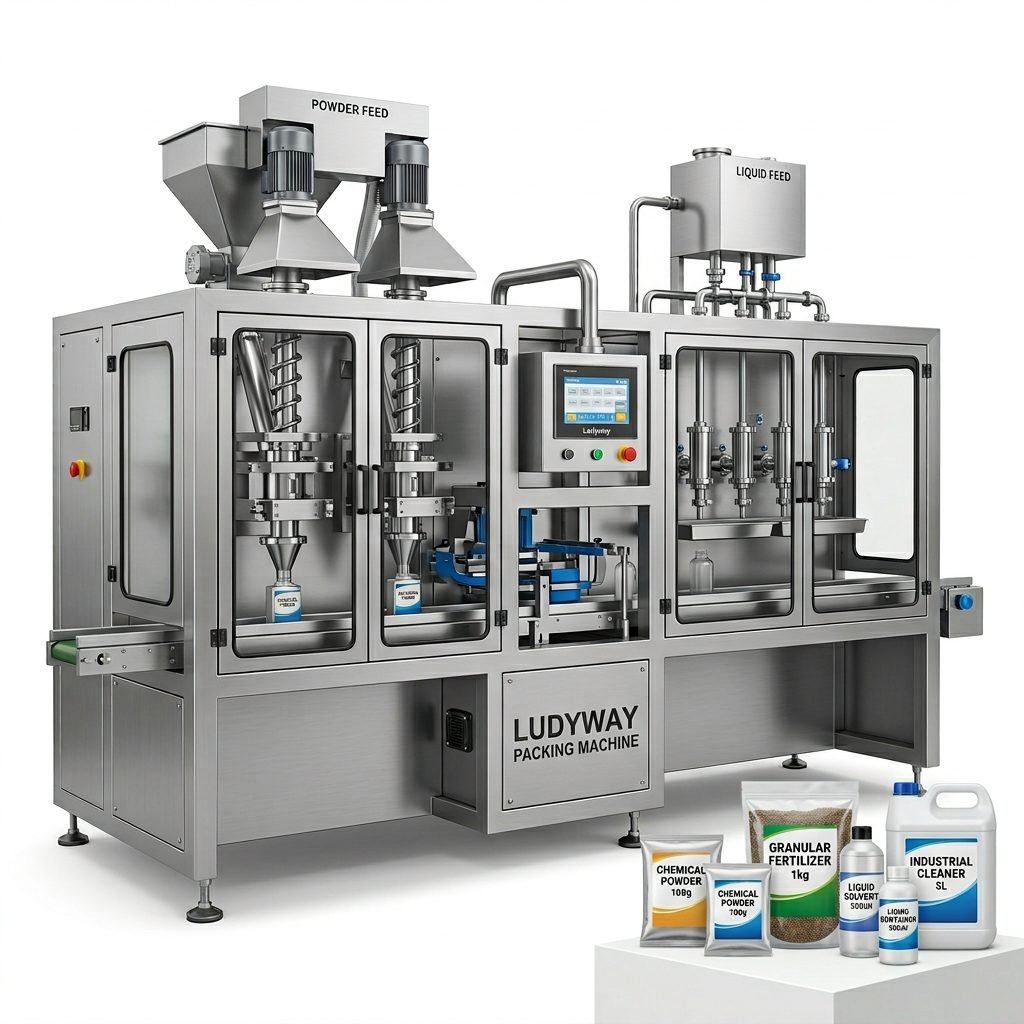
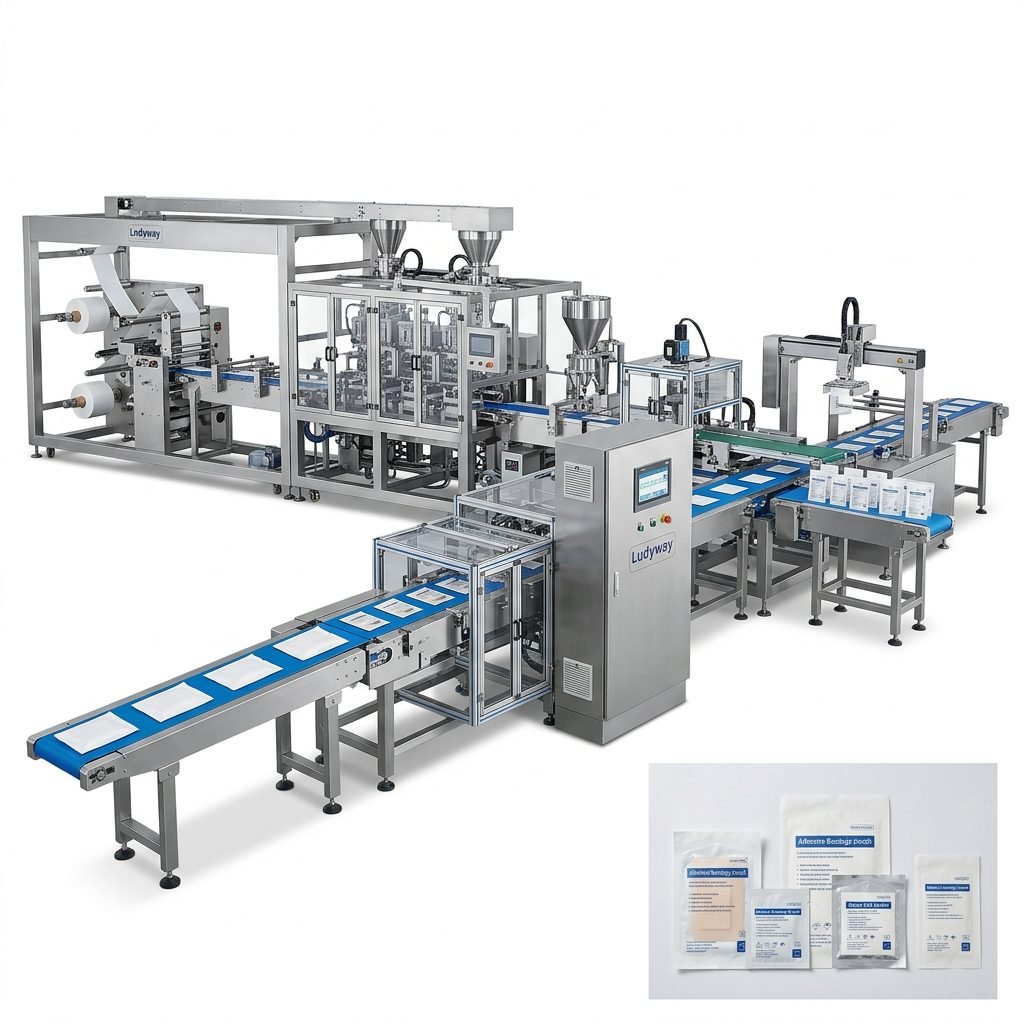
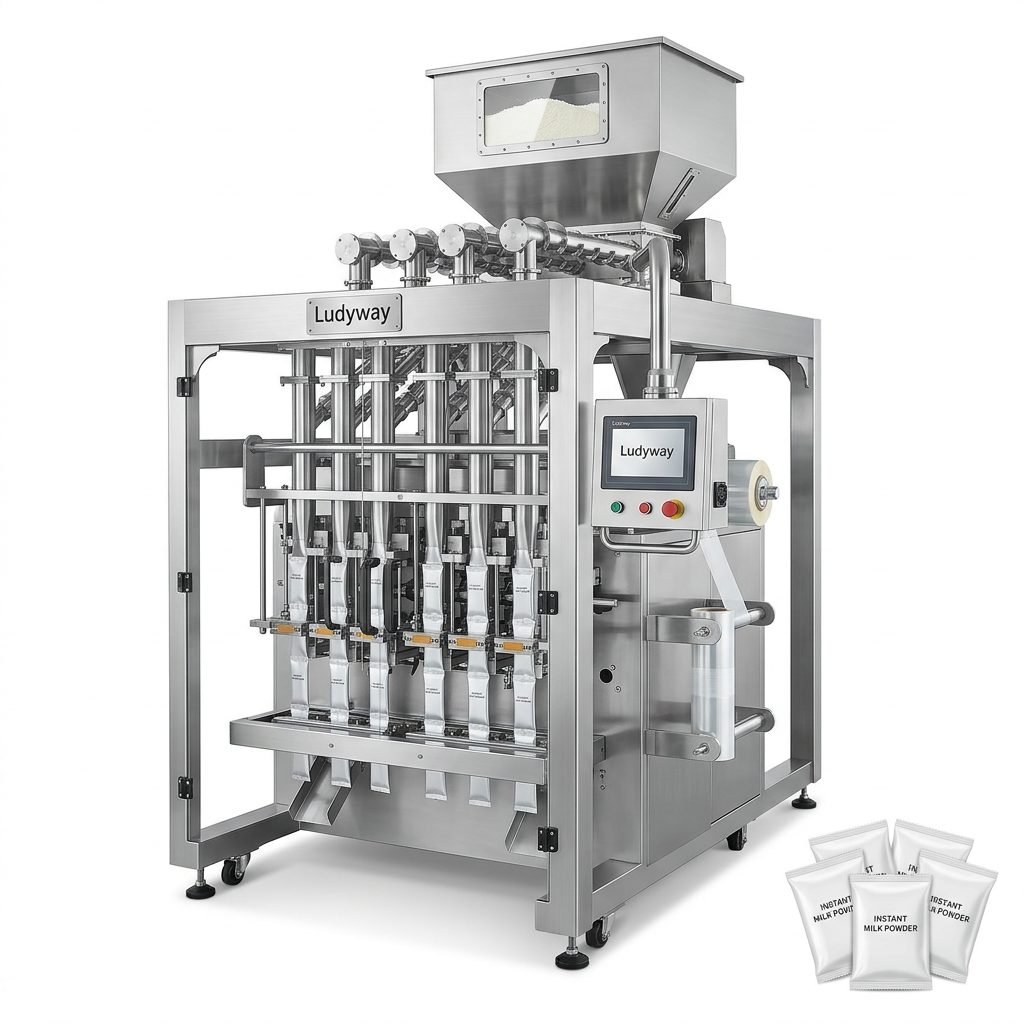
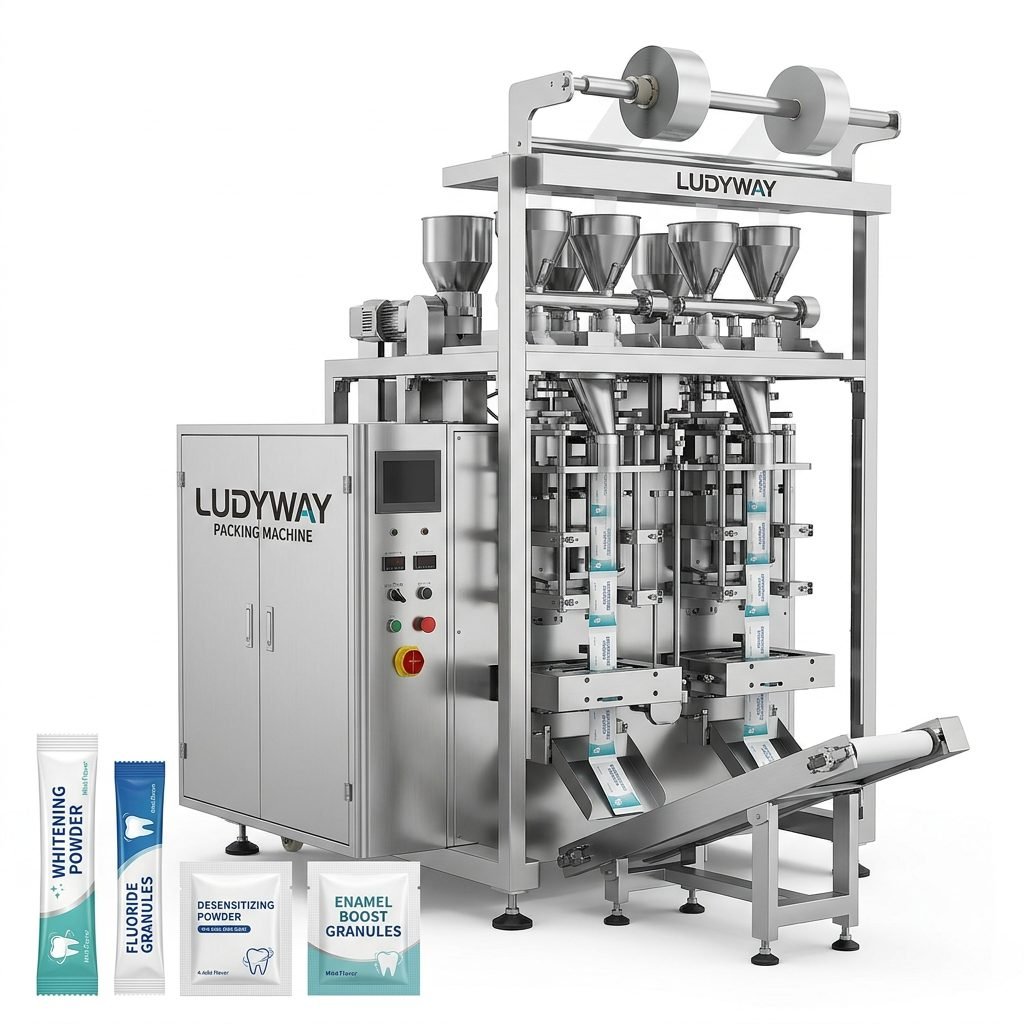
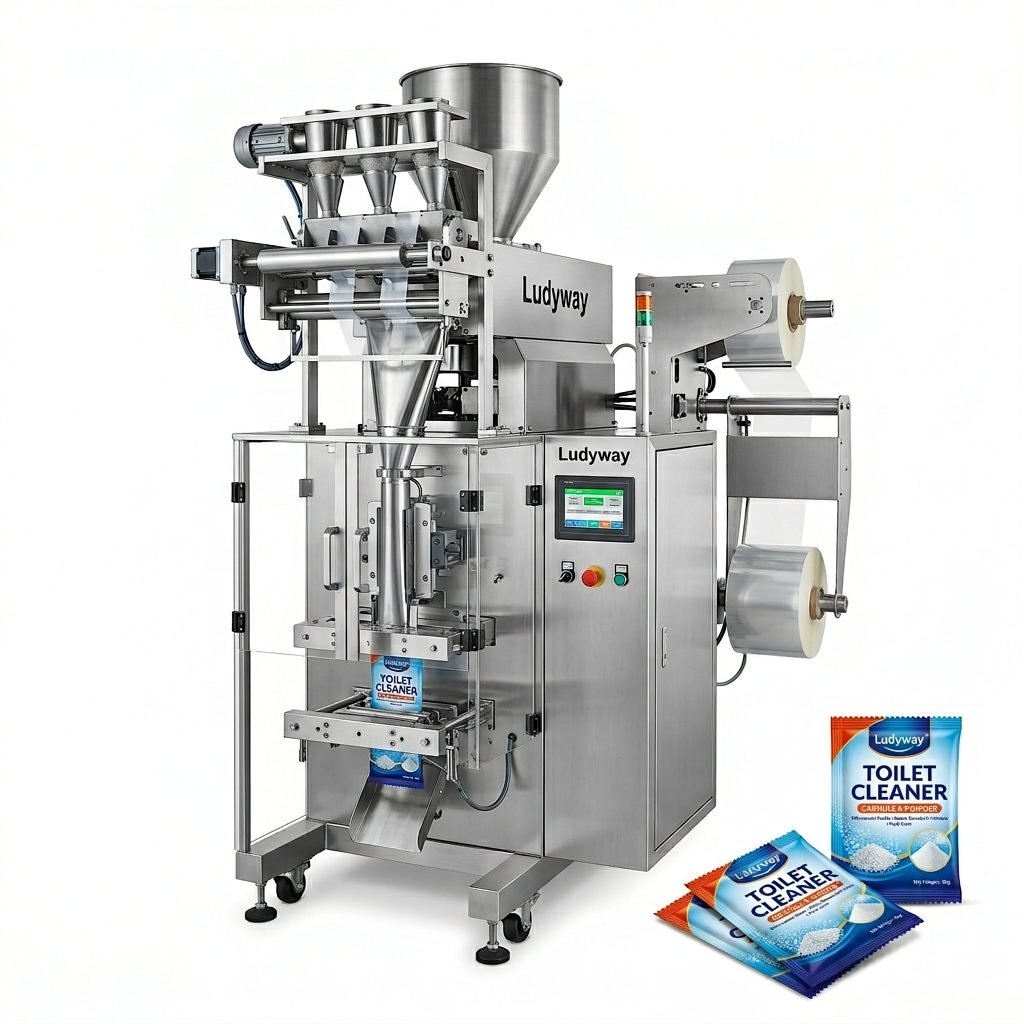
Investing in a Paglierani packaging machine represents a significant commitment for any manufacturer. Known for precision engineering, robust construction, and long-term reliability, Paglierani equipment serves industries ranging from food and beverage to pharmaceuticals and chemicals. However, selecting the right model requires careful evaluation of your production requirements, product characteristics, and operational goals.
This comprehensive buyer’s guide walks you through the essential factors to consider before purchasing a Paglierani packaging machine. Whether you are upgrading an existing line or establishing a new production facility, understanding these key elements will help you make an informed decision that supports your long-term manufacturing objectives. For broader context on the packaging machinery industry, the Association for Packaging and Processing Technologies provides valuable market intelligence and technical resources.

Understanding Paglierani Packaging Machine Capabilities
Paglierani has built its reputation on manufacturing high-performance packaging machinery designed for demanding industrial applications. The company’s equipment portfolio typically includes solutions for dosing, filling, sealing, and complete packaging line integration. Before evaluating specific models, it is important to understand the core engineering principles behind Paglierani machines and how they align with ISO packaging standards and international quality requirements.
Paglierani machines are particularly recognized for their precision in dosing accuracy, consistency in seal integrity, and adaptability to various packaging formats. These characteristics make them suitable for manufacturers who prioritize product quality and operational efficiency. The machines can be configured for different production speeds, filling volumes, and packaging materials, providing flexibility across multiple product categories.
Key Factors to Evaluate Before Buying
Selecting the appropriate Paglierani packaging machine begins with a thorough assessment of your manufacturing needs. The following factors should guide your evaluation process:
- Product characteristics — Consider whether you are packaging powders, granules, liquids, or solid items. Each product type requires specific dosing mechanisms and sealing technologies.
- Production volume requirements — Determine your current and projected output levels. Paglierani offers machines across a range of speed capabilities, and matching machine capacity to your production demands is essential for operational efficiency.
- Packaging format and specifications — Identify the bag type, size range, and material compatibility needed. Whether you require sachet, stick pack, pouch, or larger bag formats, the machine configuration must align with your packaging design.
- Automation and integration needs — Assess whether you need a standalone machine or a fully integrated packaging line. Consider upstream and downstream equipment compatibility.
- Regulatory compliance — Depending on your industry, machines may need to meet specific hygiene, safety, and documentation standards.

Machine Specifications and Technical Parameters
Understanding technical specifications is critical when comparing different Paglierani models. The table below summarizes typical parameters that should be evaluated during the selection process:
| Specification Category | Key Considerations | Impact on Operations |
|---|---|---|
| Filling System Type | Auger filler, volumetric cup, multi-head weigher, piston filler, or net weigh system | Directly affects dosing accuracy, speed, and product compatibility |
| Production Speed | Packages per minute; single-lane vs. multi-lane configuration | Determines throughput capacity and labor requirements |
| Bag Size Range | Minimum and maximum dimensions for width, length, and gusset | Defines packaging format flexibility and product portion range |
| Material Compatibility | Supported film types, thickness, and barrier properties | Impacts packaging quality, shelf life, and material costs |
| Power and Utility Requirements | Electrical specifications, compressed air needs, and footprint dimensions | Influences installation planning and facility requirements |
| Control System | PLC type, HMI interface, recipe management, and connectivity options | Affects operator training, changeover speed, and data integration |
When reviewing these specifications, it is advisable to work closely with the equipment supplier to validate that the proposed configuration meets your exact production requirements. Requesting sample test runs with your actual products can provide valuable confirmation of machine performance before finalizing a purchase decision.
Comparing Different Packaging Formats
Paglierani packaging machines can be configured for various packaging formats. Each format serves different market needs and operational considerations. The Flexible Packaging Association provides extensive industry data on format trends and material innovations that may inform your packaging strategy.
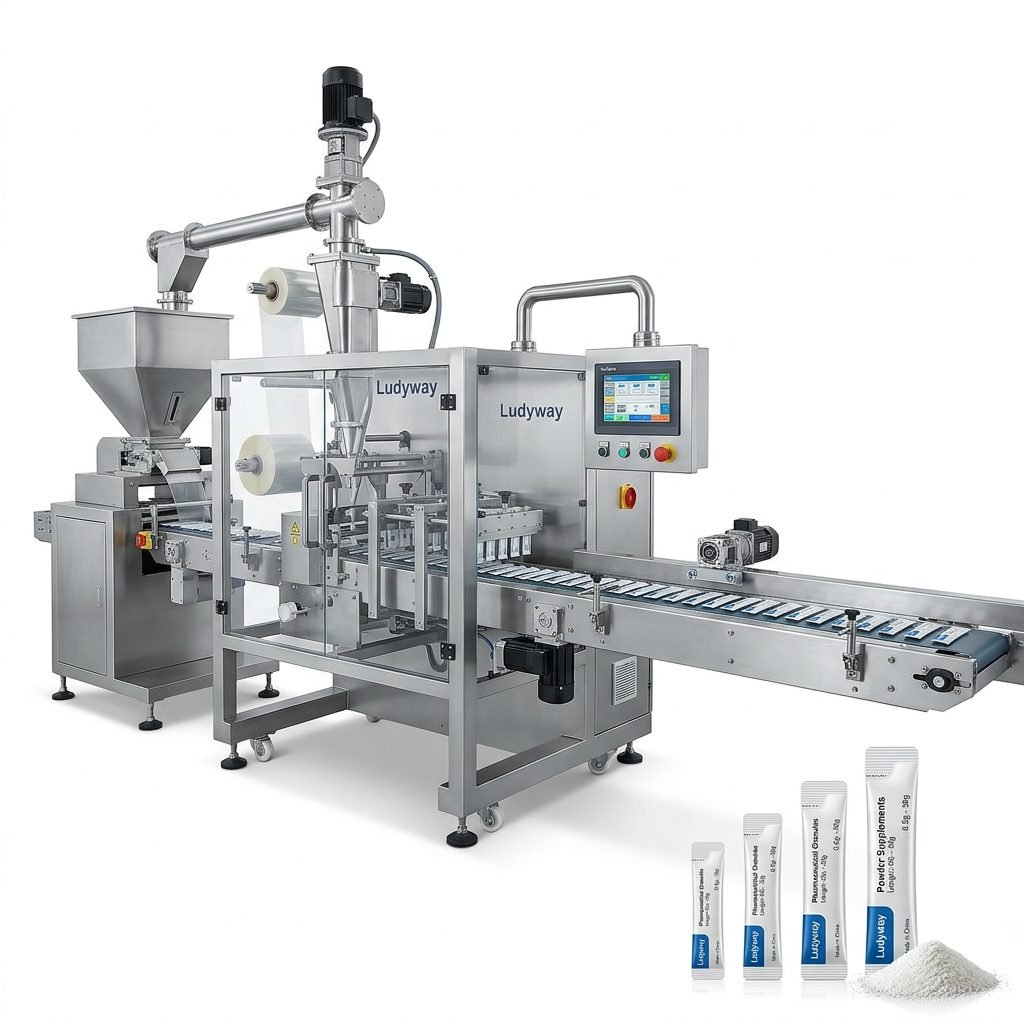
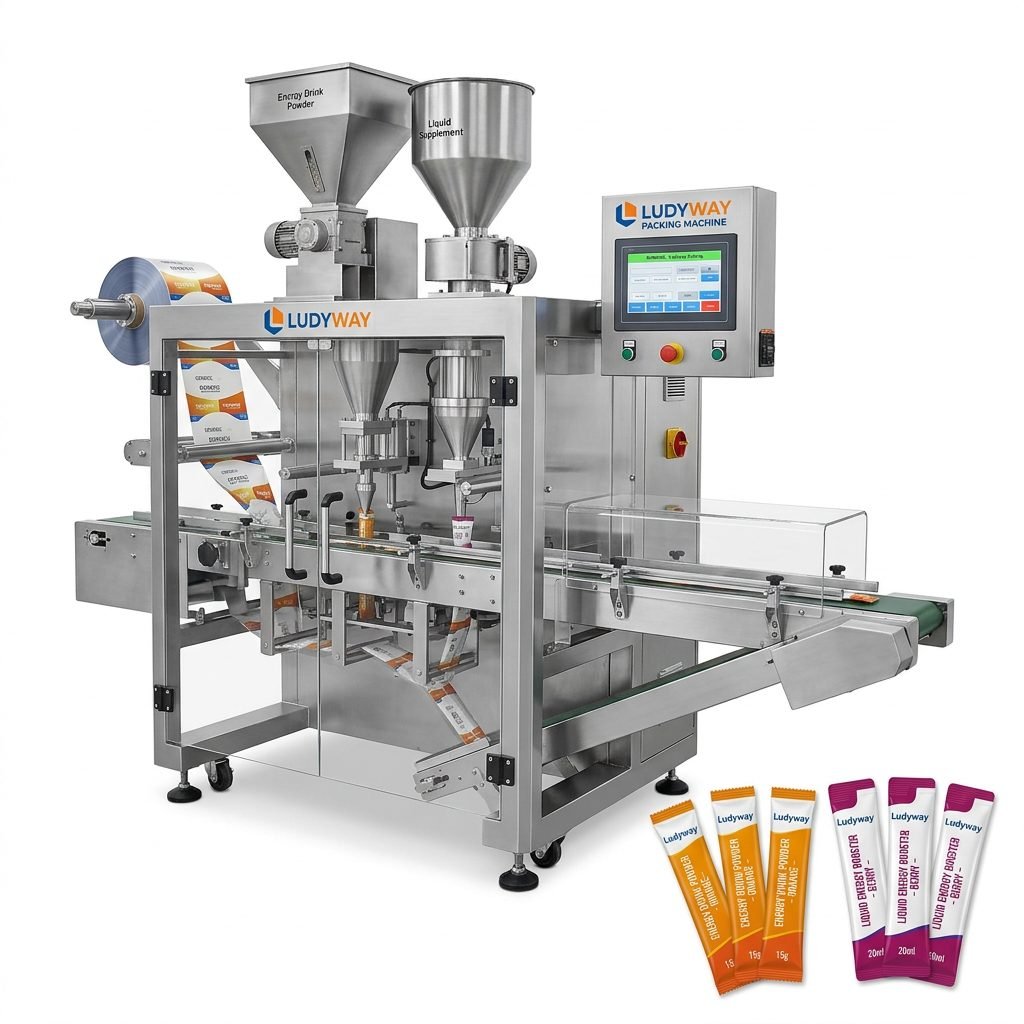
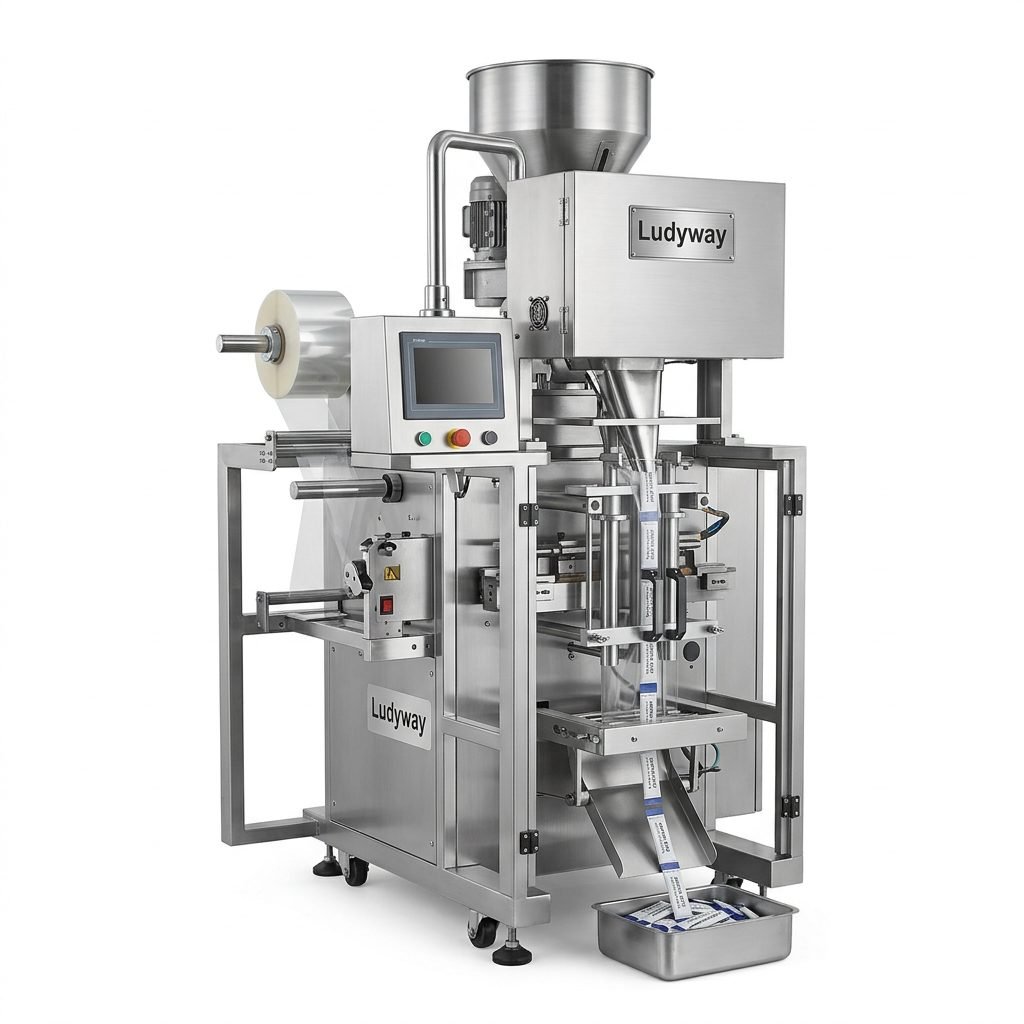
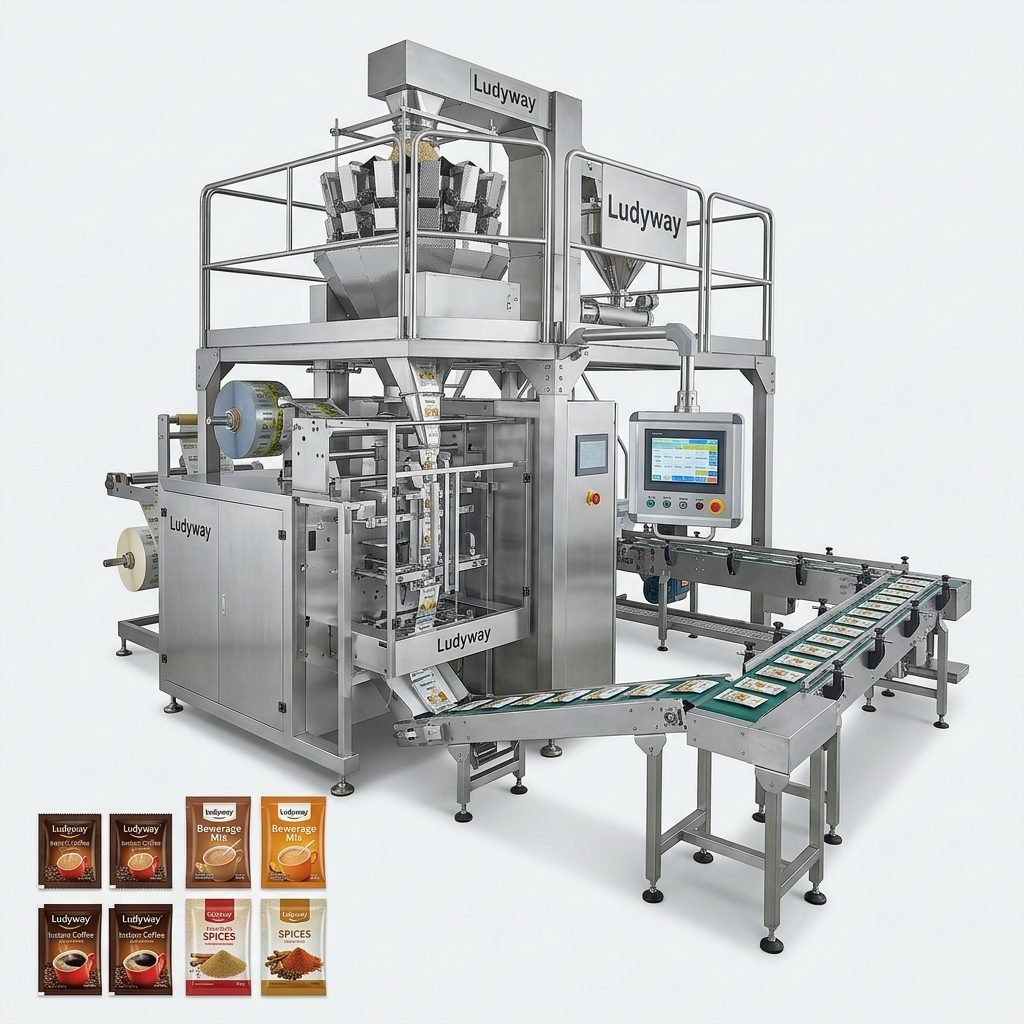
- Sachet and Stick Pack Formats — Ideal for single-serve portions of powders, granules, and liquids. These compact formats are popular in food, pharmaceutical, and personal care applications. Multi-lane configurations can significantly increase output for high-volume production.
- Pouch Packaging — Suitable for larger quantities and products requiring enhanced barrier protection. Stand-up pouches, flat pouches, and zipper pouches offer versatility for retail and industrial products.
- Bag-in-Box and Bulk Packaging — Designed for industrial and foodservice applications where larger volumes are required. These systems often integrate weighing and filling with automated bag handling.
- Custom and Specialty Formats — Paglierani can accommodate specialized packaging requirements through customized engineering solutions, which is particularly valuable for unique product presentations.
Total Cost of Ownership Analysis
Evaluating a Paglierani packaging machine requires looking beyond the initial purchase price. A thorough total cost of ownership analysis should account for the following elements:
- Initial capital investment — Machine cost, shipping, installation, and commissioning expenses.
- Operational costs — Energy consumption, packaging material usage and waste rates, labor requirements, and consumable parts.
- Maintenance and service — Preventive maintenance schedules, spare parts availability, and technical support agreements.
- Changeover efficiency — Time and labor required to switch between different products or packaging formats, which directly impacts production flexibility.
- Expected service life and depreciation — Paglierani machines are engineered for durability, and a longer operational lifespan can significantly improve return on investment.
- Training and skill development — Operator and maintenance staff training requirements to ensure optimal machine utilization.
Manufacturers should also consider future scalability when evaluating costs. A machine that can be upgraded or reconfigured as production needs evolve may offer better long-term value than a lower-cost alternative that requires replacement as volumes increase.
Evaluating Supplier Support and Service Infrastructure
The relationship with your equipment supplier extends well beyond the initial sale. When investing in a Paglierani packaging machine, assess the supplier’s ability to provide comprehensive support throughout the equipment lifecycle. Key considerations include technical documentation, installation support, operator training programs, spare parts availability, and responsive after-sales service.
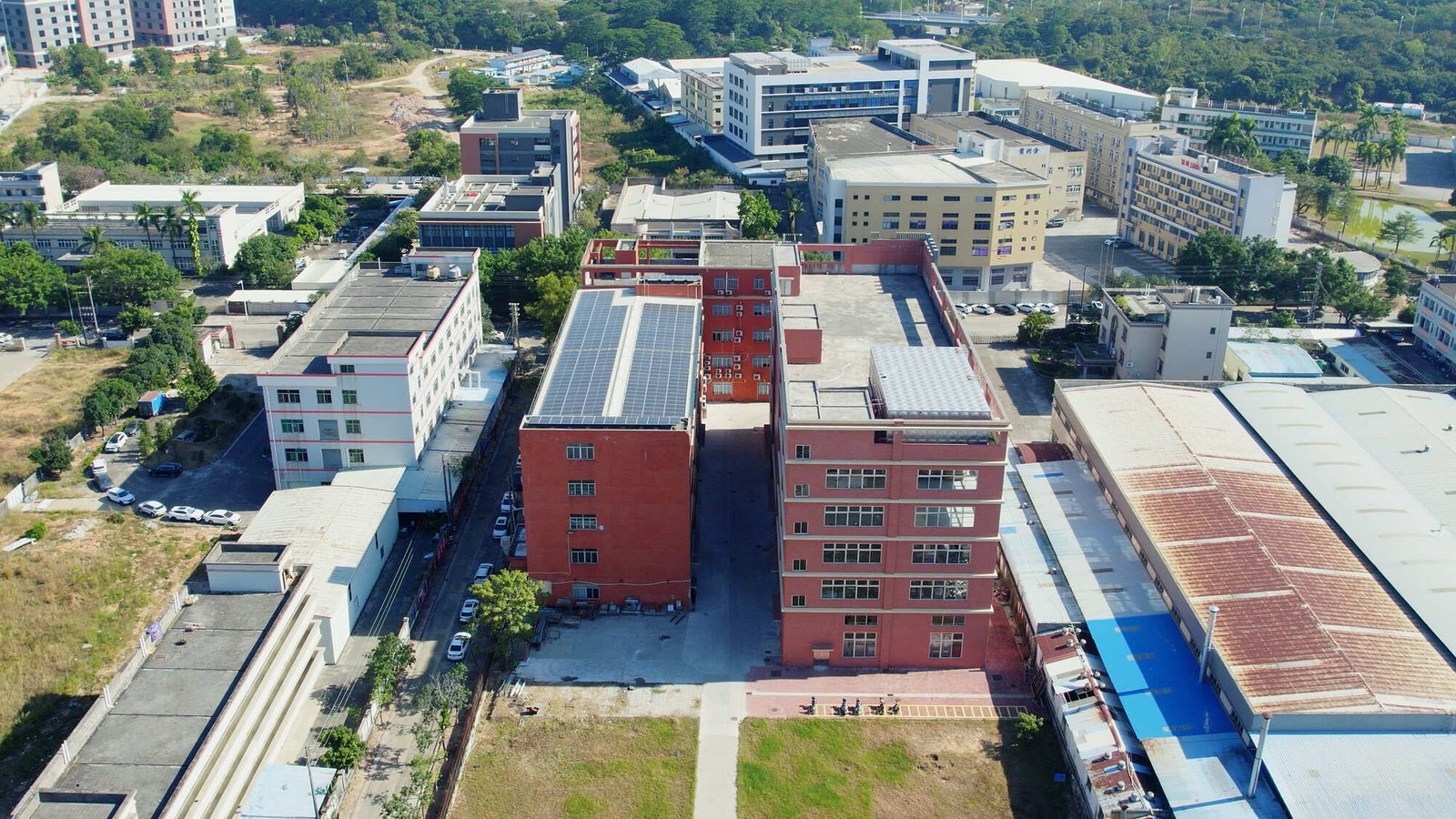
For manufacturers exploring the global packaging machinery landscape, it is worth noting that alongside established European brands, companies like Ludyway Machinery — a China-based packaging machinery manufacturer with over 30 years of experience and a 20,000-square-meter manufacturing facility — have emerged as significant players providing automated packaging equipment and turnkey solutions to more than 100 countries. Understanding the full spectrum of available options can help buyers make more informed decisions.
Installation, Commissioning, and Operator Training
A well-planned installation and commissioning process is essential for maximizing the performance of your Paglierani packaging machine. Collaborate with the supplier to develop a detailed project timeline that covers site preparation, equipment delivery, mechanical and electrical installation, system integration testing, and production validation. Comprehensive operator training programs should cover machine operation, routine maintenance, troubleshooting procedures, and safety protocols.
Proper documentation, including operation manuals, maintenance schedules, and spare parts catalogs, should be provided in accessible formats. Investing adequate time in this phase helps reduce startup issues and accelerates the path to full production capacity.
Frequently Asked Questions About Paglierani Packaging Machines
What industries are Paglierani packaging machines designed for?
Paglierani machines serve a broad range of industries including food and beverage processing, pharmaceutical manufacturing, health and nutraceutical products, cosmetics and personal care, chemical and industrial products, and animal feed production. Each machine can be configured with dosing and sealing systems appropriate for the specific product type and industry requirements.
How do I determine the right production speed for my needs?
Calculate your current daily or hourly production requirements and factor in projected growth over the next three to five years. Consider peak production periods and allow for approximately 20% headroom above your maximum current needs. This approach helps ensure the machine can accommodate future volume increases without requiring immediate replacement or additional capital investment.
Can Paglierani machines handle multiple product types?
Many Paglierani models are designed with changeover flexibility in mind. However, the ease of switching between products depends on the similarity of the product characteristics and packaging formats. Machines configured with quick-change parts, recipe management systems, and adjustable parameters can reduce changeover time significantly. Discuss your specific multi-product requirements with the supplier to confirm compatibility.
What after-sales support should I expect?
Typical after-sales support includes technical assistance for troubleshooting, spare parts supply, preventive maintenance guidance, and access to service technicians. Review the packaging industry resources available through organizations like PMMI to understand standard service expectations. Establishing a clear service agreement during the purchasing process helps set mutual expectations for ongoing support.
Making the Final Decision
Choosing the right Paglierani packaging machine is a strategic decision that impacts your production efficiency, product quality, and operational costs for years to come. By systematically evaluating your product requirements, production volumes, packaging formats, technical specifications, and total cost of ownership, you can identify the machine configuration that best aligns with your manufacturing objectives.
Take the time to visit supplier facilities when possible, review customer references, and conduct product test runs before committing to a purchase. These steps provide practical validation beyond specification sheets and help ensure that your investment delivers the expected performance. A methodical selection process, combined with thorough supplier evaluation, positions your operation for successful long-term packaging performance.